تخيّل: تستيقظ لتجد أن الشبكة التي تشغّل أكبر مقتنياتك من العملات المشفّرة تمرّ بترقية مفاجئة، وأن مشغّلي العقد منقسمون فعليًا حول ما إذا كان ينبغي قبولها.
بالنسبة لمعظم المستثمرين، فإن المصطلحات التقنية مثل soft forks وفترات الإشعار لا تترجم إلا إلى قلق بشأن احتمال حدوث انقسام في السلسلة أو تقلبات سوقية مفاجئة. يصعب معرفة ما إذا كان عليك الاحتفاظ أو التحوّط أو الهروب عندما تبدأ التكنولوجيا الأساسية بالتحرّك تحت قدميك.
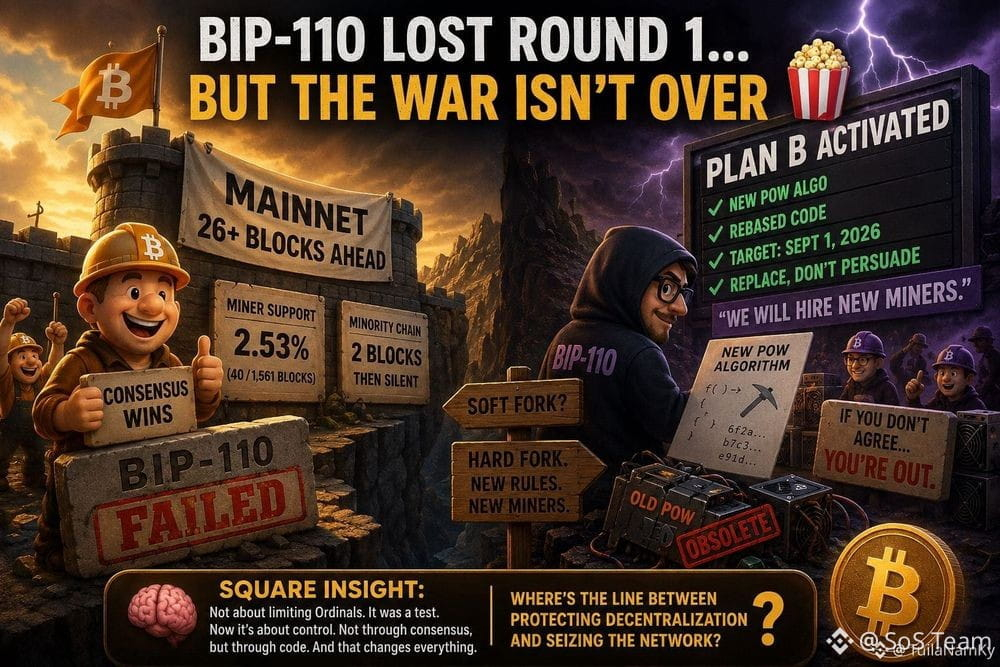
لقد رأينا هذا السيناريو يتكرر من قبل. في عام 2017، أظهرت لنا تفعيل SegWit مدى فوضوية وعشوائية ترقية البروتوكولات عندما تكون مسألة سياسية، ما أرسل موجات خوف عبر السوق. والآن، يختبر نقاش التفعيل حول BIP110 مرة أخرى حدود التنسيق داخل المجتمع. وبينما صُممت عمليات soft forks لتكون متوافقة مع الإصدارات السابقة، إلا أنها ما زالت تتطلب رقصة إجماع دقيقة بين عمال المناجم الذين غالبًا ما تكون دوافعهم رسوماً قصيرة الأجل أكثر من صحة الشبكة على المدى الطويل.
قارن ذلك بكيفية تعامل بروتوكولات الوسيطة الحديثة مثل $BICO handle مع التحديثات عبر عقود حوكمة ذكية. في تلك البيئات، يتم التصويت على التغييرات وتنفيذها دون المخاطرة بانقسام دفتر الأستاذ. لكن بالنسبة لـ $BTC ، تكون الرهانات أعلى بكثير لأن أي خلل بسيط في soft fork قد يعرّض نظريًا مليارات من رأس المال للخطر. لذلك تتصرف السوق بحذر، بينما يستعد المتداولون لاضطرابات محتملة خلال مرحلة الإشارة.
هل تعتقد أن التفعيل سيسير بسلاسة، أم أننا نشهد فترة أخرى من تعطل عمال المناجم بسبب تعارض القرارات؟
#BIP110SoftForkAttemptBegins #BIP110ForkSignalingExpectedThisWeekend
بالنسبة لمعظم المستثمرين، فإن المصطلحات التقنية مثل soft forks وفترات الإشعار لا تترجم إلا إلى قلق بشأن احتمال حدوث انقسام في السلسلة أو تقلبات سوقية مفاجئة. يصعب معرفة ما إذا كان عليك الاحتفاظ أو التحوّط أو الهروب عندما تبدأ التكنولوجيا الأساسية بالتحرّك تحت قدميك.
لقد رأينا هذا السيناريو يتكرر من قبل. في عام 2017، أظهرت لنا تفعيل SegWit مدى فوضوية وعشوائية ترقية البروتوكولات عندما تكون مسألة سياسية، ما أرسل موجات خوف عبر السوق. والآن، يختبر نقاش التفعيل حول BIP110 مرة أخرى حدود التنسيق داخل المجتمع. وبينما صُممت عمليات soft forks لتكون متوافقة مع الإصدارات السابقة، إلا أنها ما زالت تتطلب رقصة إجماع دقيقة بين عمال المناجم الذين غالبًا ما تكون دوافعهم رسوماً قصيرة الأجل أكثر من صحة الشبكة على المدى الطويل.
قارن ذلك بكيفية تعامل بروتوكولات الوسيطة الحديثة مثل $BICO handle مع التحديثات عبر عقود حوكمة ذكية. في تلك البيئات، يتم التصويت على التغييرات وتنفيذها دون المخاطرة بانقسام دفتر الأستاذ. لكن بالنسبة لـ $BTC ، تكون الرهانات أعلى بكثير لأن أي خلل بسيط في soft fork قد يعرّض نظريًا مليارات من رأس المال للخطر. لذلك تتصرف السوق بحذر، بينما يستعد المتداولون لاضطرابات محتملة خلال مرحلة الإشارة.
هل تعتقد أن التفعيل سيسير بسلاسة، أم أننا نشهد فترة أخرى من تعطل عمال المناجم بسبب تعارض القرارات؟
#BIP110SoftForkAttemptBegins #BIP110ForkSignalingExpectedThisWeekend