

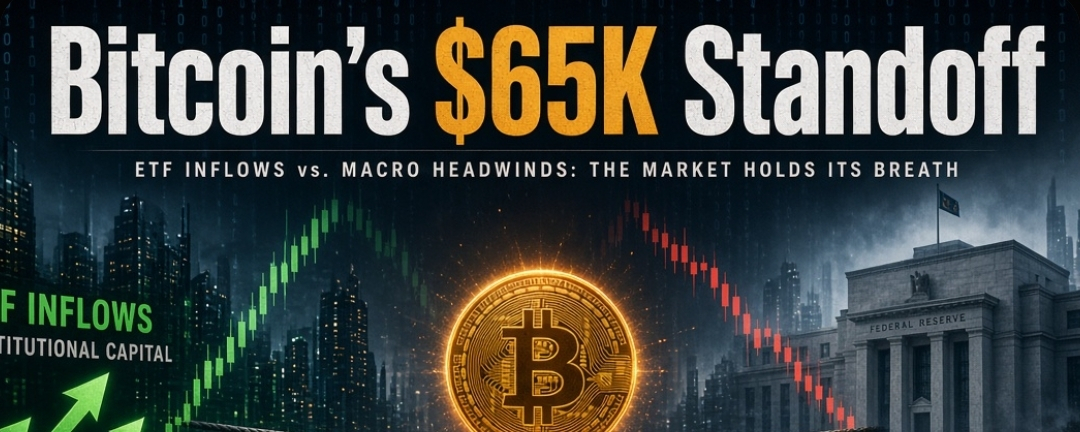

#Bitcoin يتداول قرب 65,000 دولار اعتبارًا من 9 أغسطس 2026، ويقوم حاليًا بعمليات تجميع بعد قمة حادة في 2025 ونصف أول متقلب من العام.
تقع العملة الرقمية في وضع هابط بنحو 48% مقارنةً بأعلى مستوى قياسي لها في أكتوبر 2025 قرب 126,000–126,200 دولار، مع نطاق آخر 52 أسبوعًا يمتد تقريبًا من 57,700–126,300 دولار. يُظهر الأداء منذ بداية العام تراجعًا بنحو 25–27%، بينما يُعد التغير على مدار سنة كاملة سلبيًا للغاية (قرابة –44% إلى –45% في القراءات الأخيرة). كانت التحركات اليومية الأخيرة متواضعة، إذ يتداول السعر ضمن نطاق ضيق قرب 64,700–65,200 دولار، وسط تقلبات أقل نسبيًا مقارنةً بما كان عليه خلال المراحل السابقة من الدورة.
اتجاهات السوق الأخيرة ارتد بيتكوين بنحو 8–10% في يوليو 2026 بعد هبوط أشد في يونيو دفعه إلى أدنى مستويات خلال عدة أشهر قرب 57,700–58,000 دولار. وحتى الآن كان أغسطس أكثر هدوءًا وضمن نطاقات تداول، إذ يختبر السعر لكن دون كسر حاسم فوق منطقة 65,000–66,000 دولار النفسية.
التدفقات المؤسسية عبر صناديق بيتكوين الفورية المتداولة في الولايات المتحدة أصبحت داعمة في أوائل أغسطس. وقد سجلت الصناديق أقوى تدفقات أسبوعية إلى الداخل منذ أبريل (حوالي 750–850 مليون دولار أو أكثر عبر الجلسات الأخيرة)، يقودها بشكل كبير "آي بي آي تي" التابعة لشركة بلاك روك. وقد مثل ذلك انعكاسًا عن فترات سابقة من التدفقات الخارجة التي أثقلت السعر في وقت سابق من عام 2026. لا تزال التدفقات الصافية التراكمية منذ إطلاق يناير 2024 كبيرة (أكثر من 52 مليار دولار)، رغم أن الفئة واجهت ضغوطًا صافية حتى الآن خلال العام.
لا يزال الشعور العام حذرًا. فقد ظلت "مؤشر الخوف والطمع" في منطقة "الخوف"، بينما تراوحت مؤشرات فنية مثل "آر إس آي" قرب مستويات محايدة. تستمر بتكوين في إظهار ارتباط مع الأصول ذات المخاطر (خصوصًا ناسداك)، في حين تعمل الموسمية لصالح العكس—إذ أغلَق أغسطس على نحو سلبي في كل من السنوات الأربع السابقة (بمتوسط هبوط يقارب 10% في تلك الحالات).
تشير مؤشرات السلسلة إلى صورة مختلطة: إذ يتداول السعر قرب أو أعلى قليلًا من متوسطات التكلفة المحققة الإجمالية في بعض المقاييس، بينما يكون حاملو الأمد القصير تحت الماء مقارنة بسعر اقتنائهم المتوسط (حوالي 67,500 دولار في قراءات أوائل أغسطس). لم تُشر تدفقات البورصات والفائدة المفتوحة إلى رافعة مالية قصوى أو حالة استسلام.
القضايا الحالية المؤثرة في السعر عدة عوامل مترابطة تشكل سلوك بيتكوين على المدى القريب: السياسة النقدية وظروف الاقتصاد الكلي — أبقى الاحتياطي الفيدرالي سعر الفائدة على الأموال الفيدرالية في نطاق 3.50%–3.75% في اجتماعه أواخر يوليو (تصويت 9–3، مع ميل ثلاثة أعضاء لصالح رفع الفائدة). لا تزال السياسة تقييدية وسط استمرار التضخم أعلى من هدف 2% وبيانات اقتصادية قوية. وقد ضغطت العوائد الحقيقية المرتفعة ووجود دولار أمريكي ثابت نسبيًا على الأصول ذات المخاطر، بما في ذلك بيتكوين. وقد قدم ضعف بيانات الوظائف أحيانًا بعض الراحة المؤقتة عبر تهدئة توقعات رفع الفائدة.
طلب صناديق الاستثمار المتداولة باعتبارها المشتري الهامشي — أصبحت صناديق بيتكوين الفورية المتداولة (Spot Bitcoin ETFs) القناة المؤسسية المهيمنة. وقد ساعدت التدفقات الإيجابية الأخيرة على تثبيت السعر حول 65,000 دولار، ما عوض بعض ضغوط البيع. وقد ساهمت التدفقات الخارجة المبكرة في 2026 في تراجع السعر من مستويات أعلى.
عدم اليقين التنظيمي — قانون وضوح أسواق الأصول الرقمية (CLARITY Act)، الذي يهدف إلى توضيح اختصاص هيئة SEC وCFTC وبنية السوق للأصول الرقمية، أقره مجلس النواب في 2025 لكنه لم يتقدم بعد إلى تصويت شامل في مجلس الشيوخ. وقد تأجل مجلس الشيوخ إجازة دون اتخاذ إجراء، ما يدفع أي نظر إضافي إلى سبتمبر. وقد حدّت التأخيرات من عامل الدعم التنظيمي الذي تتوقعه بعض المؤسسات.
ديناميكيات المؤسسات والخزينة — تقوم الشركات العامة التي تمتلك بيتكوين (بما في ذلك Strategy/MicroStrategy) أحيانًا ببيع أجزاء من ممتلكاتها لإدارة هياكل رأس المال أو توزيعات الأرباح، ما يضيف عرضًا متقطعًا. ولا تزال أنشطة الشركات الأوسع و"شركات الخزينة" متغيرًا يظل محل مراقبة في ما يتعلق بالطلب الصافي.
الموسمية والتموضع الفني — حدّت الضعف التاريخي في أغسطس، إلى جانب مقاومة قرب القمم المحلية الأخيرة وقواعد تكلفة حاملي الأمد القصير، من محاولات الصعود. وقد بقي الدعم قائمًا عند نطاقات منخفضة من 60,000 دولار في فترة الارتداد الأخيرة.
لقد أنتجت هذه العوامل سوقًا ليست في حالة انهيار حر ولا في اختراق واضح—بل أقرب إلى مرحلة تَجميع ضمن تصحيح أوسع بعد 2025. العوامل المرجح أن تؤثر في بيتكوين مستقبلًا بالنظر إلى الأمام، تبرز عدة محفزات: البيانات الاقتصادية الكلية ومسار الفيدرالي — من بين الإصدارات الرئيسية: مؤشر أسعار المستهلكين لشهر يوليو (حوالي 12 أغسطس)، ومحيط محاضر اجتماع FOMC، وندوة جاكسون هول للسياسة الاقتصادية (أواخر أغسطس). سيُعد اجتماع 15–16 سبتمبر لـ FOMC محوريًا، إذ كانت الأسواق تسعّر سابقًا احتمالات ذات معنى لرفع أسعار الفائدة. إن أي تحول نحو التيسير، أو تضخم أكثر اعتدالًا، أو بيانات نمو أضعف يمكن أن يدعم الأصول ذات المخاطر؛ أما استمرار التشدد فمن المرجح أن يحافظ على الضغوط.
تطورات تنظيمية — قد يؤدي التقدم (أو المزيد من التأخير) في قانون CLARITY Act خلال سبتمبر إلى تقليل عدم اليقين وتشجيع مشاركة مؤسسية أوسع، أو إطالة وضع الحياد القائم المتمثل في تخصيص رأس مال حذر.
#ETF والتدفقات المؤسسية — من شأن التدفقات الصافية المتواصلة أو المتسارعة إلى الداخل أن توفر طلبًا هيكليًا مقابل العرض الجديد المحدود لدى بيتكوين (بعد النصف في 2024). أما العودة إلى التدفقات الخارجة فستزيل دعماً رئيسيًا. يظل اعتماد الخزينة لدى الشركات وأي اهتمام من سياديين أو احتياطيات كبيرة على المدى الأطول من الإيجابيات إذا ما تحقق.
ديناميكيات السلسلة وسلوك العرض — سيتأثر العرض السائل المتاح بما يفعله حاملو الأمد الطويل، واحتياطيات البورصات، ومبيعات المعدّنين، وما إذا كان حاملو الأمد القصير يستسلمون أم يحتفظون. وتوفر مستويات السعر المحقق ونِسَب MVRV نقاط مرجعية لمناطق محتملة لتجميع إضافي.
السيولة الأوسع والجيوسياسة والتبني — يمكن أن تنتقل عبر معنويات المخاطر عوامل مثل نمو M2 عالميًا، وقوة الدولار، وأسعار الطاقة، وأي تصعيد أو تهدئة للتوترات الجيوسياسية. وتظل المحركات الهيكلية طويلة الأجل—الندرة الناتجة عن إمداد ثابت يبلغ 21 مليونًا، وأمن الشبكة، وتزايد حالات الاستخدام في العالم الحقيقي—مساندة للأطروحة الصعودية على آفاق متعددة السنوات، حتى وإن كانت لا تحدد التأرجحات قصيرة الأجل.
تختلف سيناريوهات المحللين للأشهر المقبلة على نطاق واسع. غالبًا ما تتجمع السيناريوهات الأساسية في نطاق 58,000–70,000 دولار على المدى القريب، بينما لا تزال بعض المؤسسات تتوقع أهدافًا أعلى بنهاية عام 2026 (مثل 100,000 دولار) اعتمادًا على تحسن السياسات وتدفقات الأموال، في حين تشير وجهات نظر أكثر حذرًا إلى مخاطر هبوط إضافية إذا ما تشددت ظروف الاقتصاد الكلي.
لا يزال بيتكوين أصلًا عالي التقلب مرتبطًا ارتباطًا وثيقًا بظروف السيولة والطلب المؤسسي. ويعكس سعره توازنًا بين الندرة الهيكلية والرياح المعاكسة الاقتصادية الكلية والتنظيمية على المدى القريب. ينبغي للمستثمرين مراقبة تدفقات صناديق الاستثمار المتداولة (ETF)، واتصالات الاحتياطي الفيدرالي، والإصدارات الرئيسية للبيانات عن كثب، مع إدراك أن النتائج تعتمد على الظروف المتطورة وليس على أي سردية واحدة. هذه ليست نصيحة استثمارية؛ تحمل أسواق العملات المشفرة مخاطر كبيرة لخسارة رأس المال.