
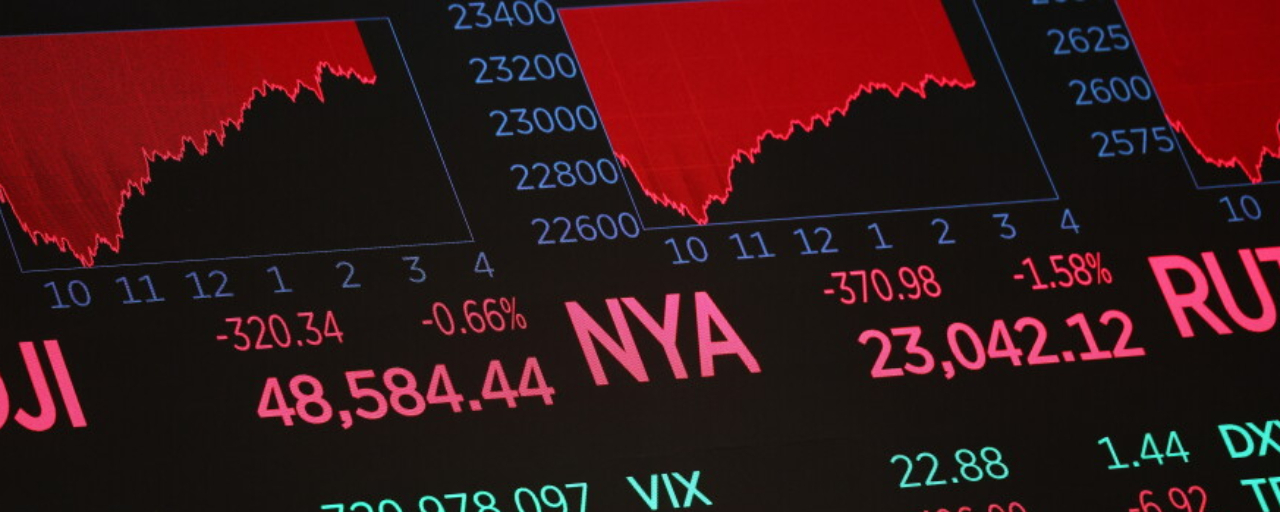
A fresh flare-up in Middle East tensions sent US stocks and bonds lower on Thursday and pushed oil sharply higher, stoking inflation worries just a day before Friday's closely watched jobs report.
Renewed uncertainty over a deal to reopen the Strait of Hormuz drove Brent crude towards $83 a barrel in late trading, and the jump in energy costs revived concerns that the Federal Reserve may yet need to raise rates rather than cut them.
US equity indices opened Thursday's session in mixed fashion. The S&P 500 was little changed, but the tech-heavy Nasdaq-100 fell 0.7% as a lukewarm reaction to results from memory makers Sandisk and Western Digital weighed on the sector. That picture flipped as the session wore on. Tech shares clawed back their early losses, and some moved into positive territory, even as renewed worry over the Middle East pushed oil prices higher, lifted Treasury yields and inflation expectations, and dragged on the broader market.
Local media reports suggested Iran's parliament was reviewing a plan to bar US and Israeli vessels from the Strait of Hormuz altogether and to charge other "hostile" countries a fee of up to 7% of cargo value before granting them passage, with fines of up to 20% for violations. Washington swiftly rejected the terms, insisting on free transit through the waterway under the framework agreed with Tehran in June.
Iranian state media also reported explosions near a tanker close to Qeshm Island, which Tehran described as strikes on "hostile targets" at the mouth of the strait. WTI rose nearly 3%, and Brent climbed almost 4% on the session, even as Iran and Oman continued talks on a temporary shipping route through the waterway.
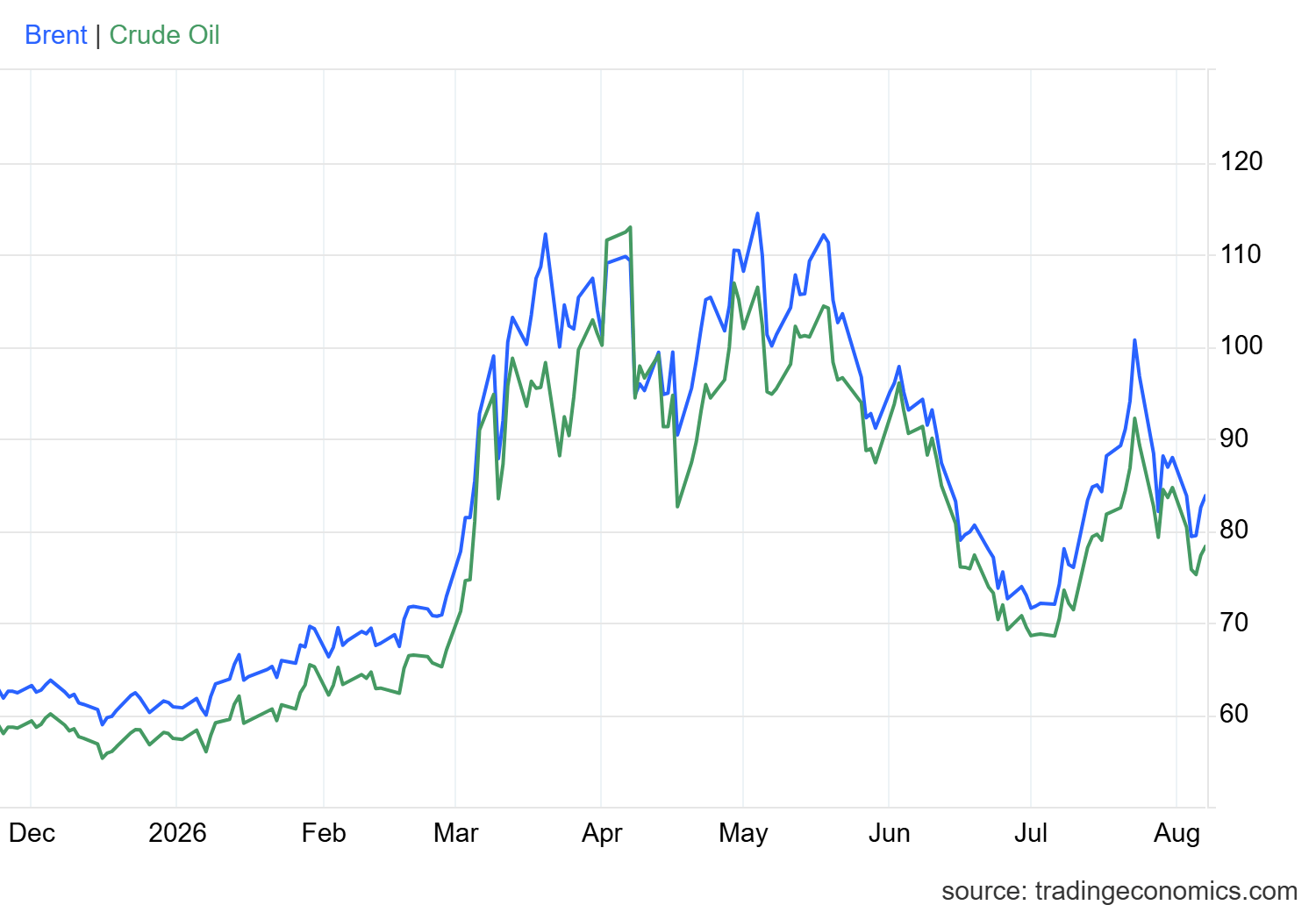
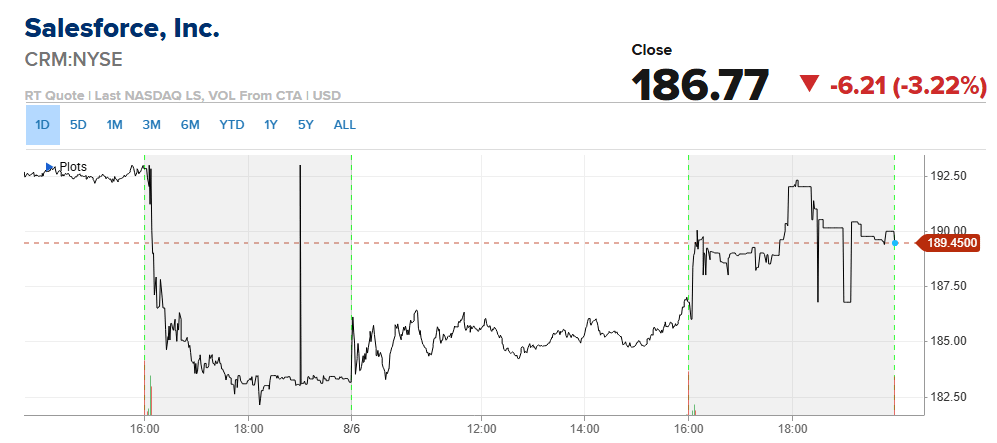
By the close, the Dow Jones Industrial Average led the market lower, down roughly 0.9% and snapping its record-breaking run. The blue-chip index was weighed down by a roughly 4% drop in Salesforce shares after the company disclosed a leadership shake-up. The S&P 500 slipped 0.2%, the Nasdaq Composite eased 0.1%, and the Russell 2000 also finished in the red.
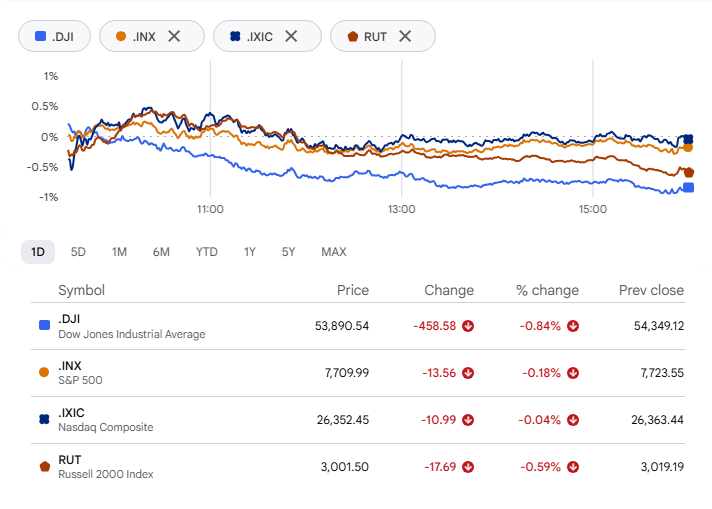
The AI trade found renewed momentum elsewhere, helping limit the losses in the tech-heavy Nasdaq, with semiconductor names catching a bid amid a broader resurgence of investor appetite for the sector. Advanced Micro Devices bucked a choppier tone across chip stocks to close up 1.50%, while Arm Holdings (4.4%) and Broadcom (0.6%) also firmed on continued demand for AI computing infrastructure, even as some of the sector's more richly valued names stayed volatile.
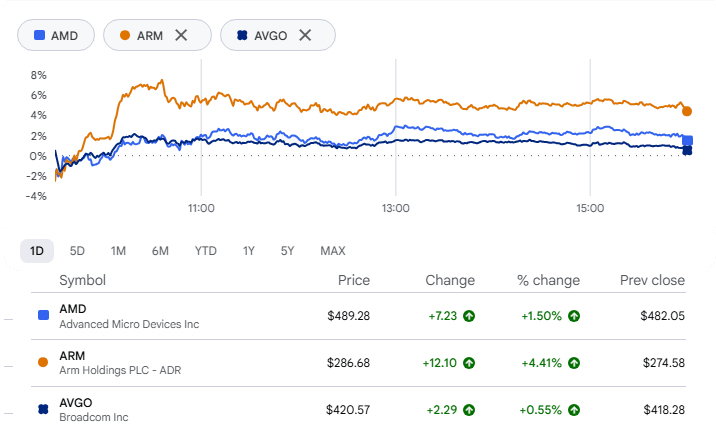
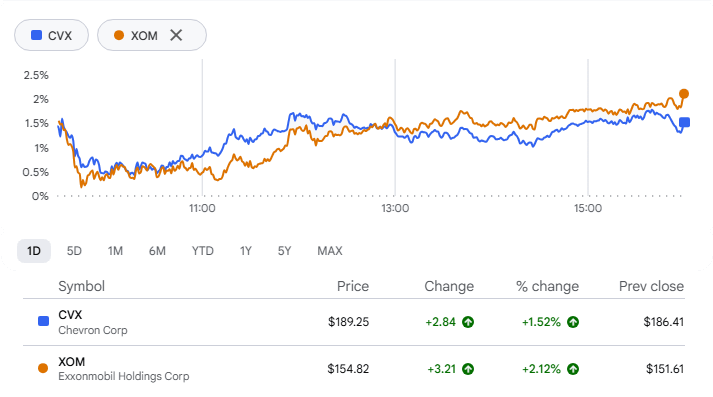
Energy stocks were among the session's clearest winners. ExxonMobil and Chevron both advanced 2% and 1.5%, respectively, as crude prices climbed, with WTI settling above $77 a barrel and Brent above $82. Earlier in the week, President Donald Trump said of the two majors, "They're making too much money," urging them to pass some of their windfall from wartime prices back to consumers.
Salesforce's shares slid more than 6% after an SEC filing confirming that Srini Tallapragada, the company's President and Chief Engineering and Customer Success Officer, will step down after 14 years with the firm and move into an advisory role. The departure formed part of a broader reshuffle, with Rohan Kumar elevated to Chief Platform and Engineering Officer, Miguel Milano promoted to a chief operating role, and Alexa Vignone taking on the revenue chief title. Investors were rattled less by any single change than by the scale and simultaneity of the shake-up in a leader central to the company's AI engineering strategy.
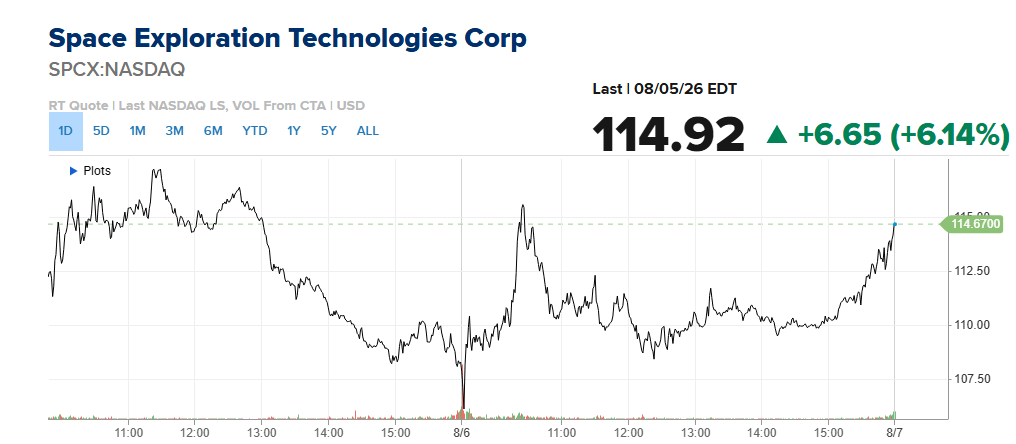
SpaceX shares bounced more than 6%, recovering some of Wednesday's near-14% plunge that followed the company's first earnings report as a newly public company, one that revealed a hefty $18.4 billion of capital spending on AI infrastructure. Thursday also marked the expiry of SpaceX's first lock-up period, freeing roughly 911.5 million insider shares, worth close to $100 billion, for trading. The market absorbed the additional supply without a disorderly sell-off, a result that appeared to reassure investors. Retail buyers have kept adding to the stock on net every trading day since its June listing, even with shares still trading well below both their IPO price and their intraday peak.
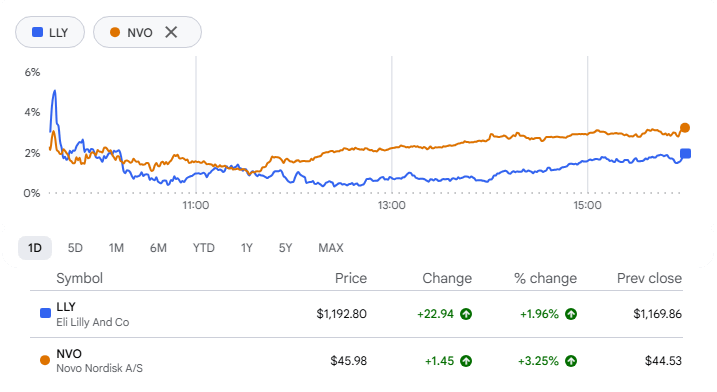
In pharmaceuticals, Eli Lilly extended its lead over Novo Nordisk following the two companies' second-quarter results. Lilly's revenue surged 48% to $22.97 billion on relentless demand for Mounjaro and Zepbound, prompting another upgrade to its full-year guidance. Novo Nordisk's report told a starker story: earnings per share fell 23.2% to $0.72 and revenue slipped 1.3%, and the stock stayed under pressure even after the Danish drugmaker also lifted its own outlook.
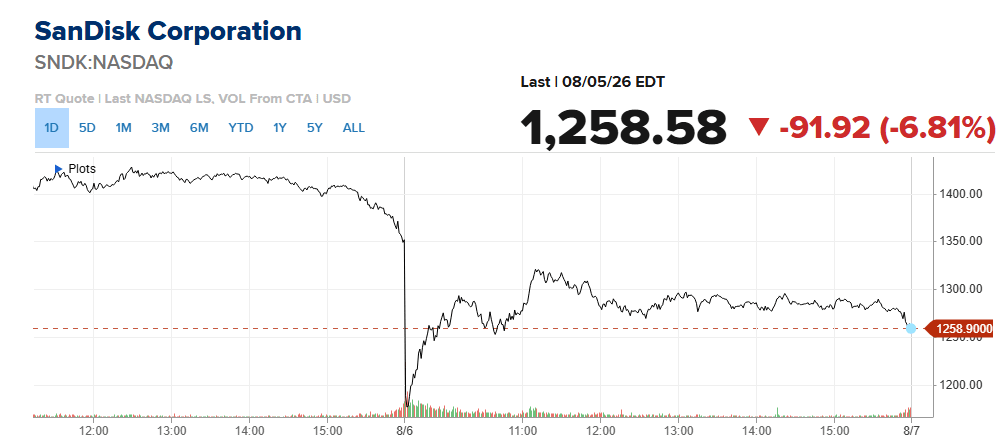
Sandisk shares fell more than 6%, even after the company posted blowout fiscal fourth-quarter results, with revenue up 372% year-on-year to $8.97 billion. The scale of the beat wasn't enough to satisfy expectations that had climbed just as sharply.
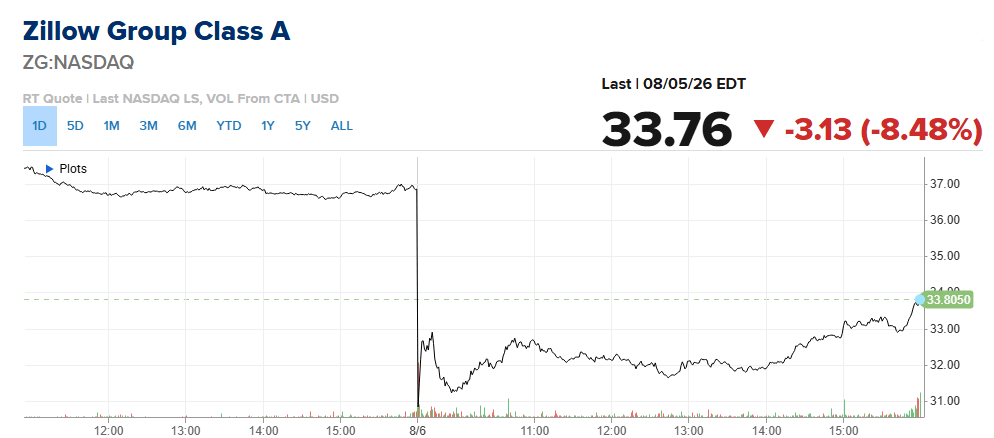
Zillow's shares slid more than 8% after Evercore ISI downgraded the real-estate platform to "in line" from "outperform" and slashed its price target to $40 from $80. The firm pointed to a monetisation-strategy pivot and a soft outlook for the second half of the year, even though Zillow's second-quarter numbers had beaten estimates.
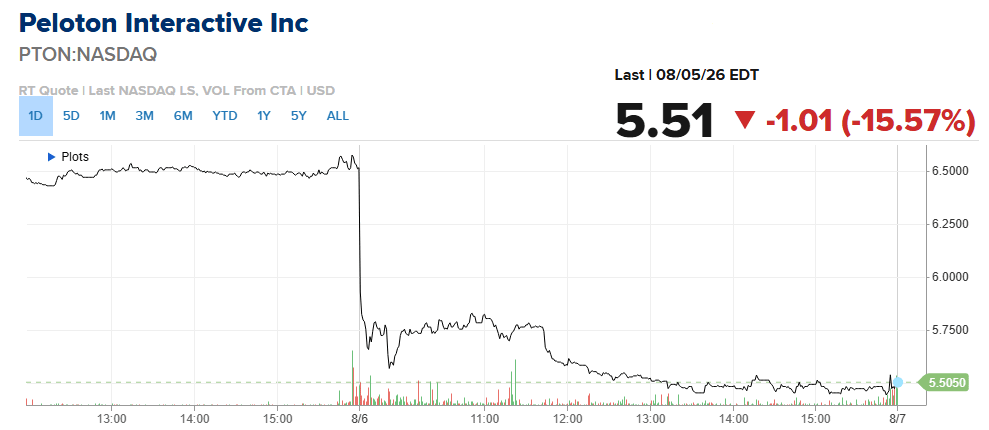
Peloton tumbled nearly 13% after the fitness group forecast a decline in fiscal 2027 sales as it laps last autumn's price increases on hardware and subscriptions, even though it posted its first full-year profit and beat fourth-quarter revenue estimates.
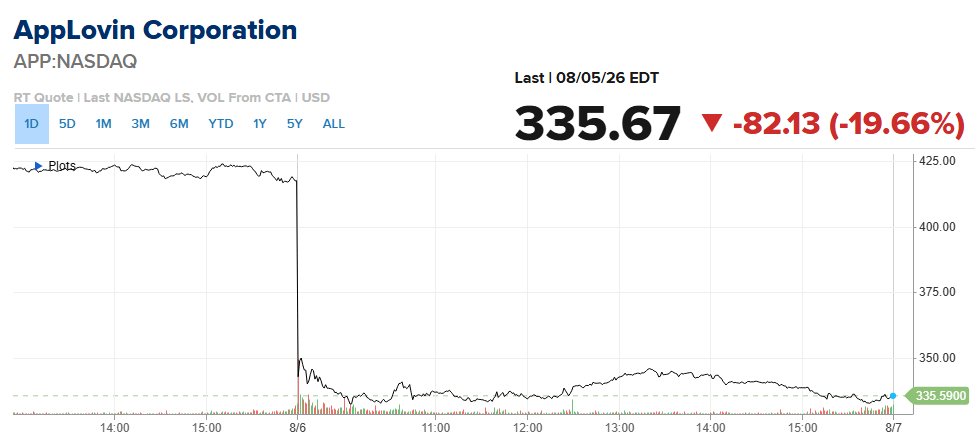
AppLovin dropped close to 20% on a second-quarter revenue miss and softer-than-hoped guidance, while Western Digital fell around 13% despite beating fiscal fourth-quarter estimates, as its margin outlook for the current quarter trailed the bar set by rival Seagate.
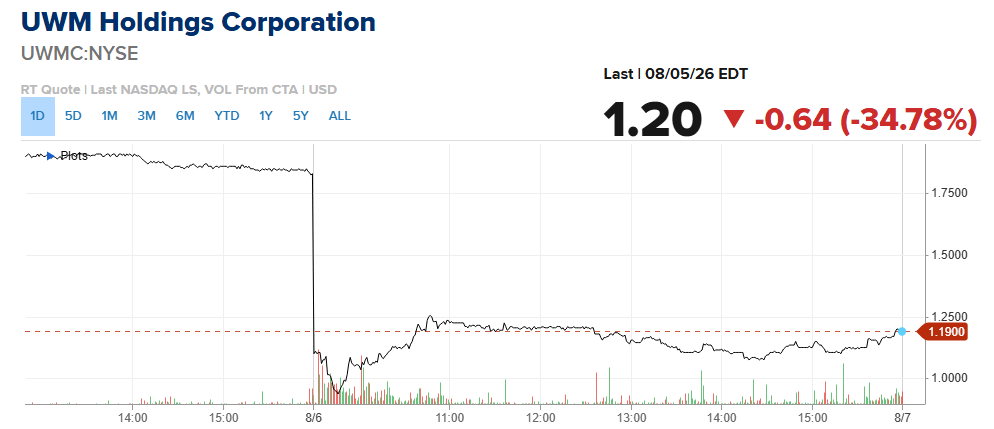
United Wholesale Mortgage parent UWM Holdings sank around 40% in late-afternoon trading after the largest US mortgage lender posted a $451.9 million quarterly loss, suspended its dividend, and raised $2.05 billion in fresh capital from Oaktree Capital and the Ishbia family.
Sector Analysis:
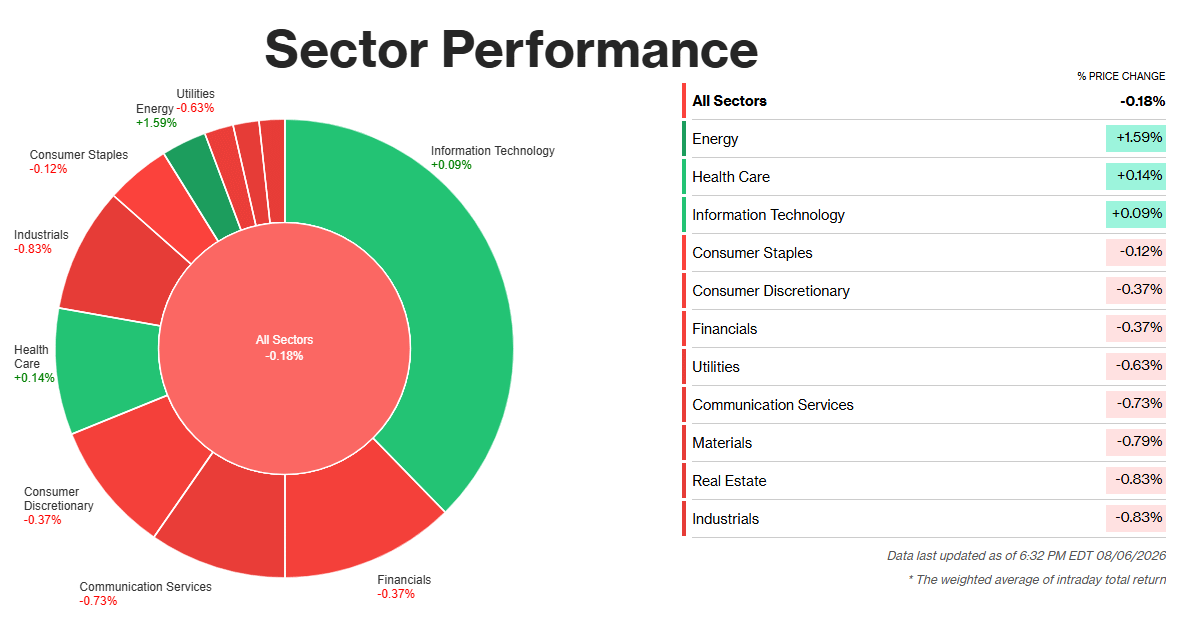
Across the S&P 500, only two of the eleven sectors closed higher. Energy led the gainers, up more than 1%, with information technology the only other sector in positive territory, adding 0.3%. Real estate, materials and industrials brought up the rear, each down around 1%.
Attention now turns to Friday's July employment report, due at 8.30 am Eastern. Economists expect a modest bounce in payroll growth from June's soft print, with the unemployment rate seen holding close to 4.2%, a reading that will feed directly into how markets price the next move from a Fed weighing energy-driven inflation against a still-cooling labour market.