


رسالة شخصية من مشارك طويل الأمد في Sui وأحد أعضاء مجتمع Cardz.Game — ليست من مؤسِّس أو موظف أو متحدث رسمي.
بواسطة @JJJSUI (Sui 教主)
هذه ليست رسالة عن سبب مغادرة سام. إنها رسالة حول ما إذا كان الأشخاص الذين بقوا يشعرون بأنهم ما زالوا مُرئيين.
هذه الرسالة ليست عن سام بلاكسشير
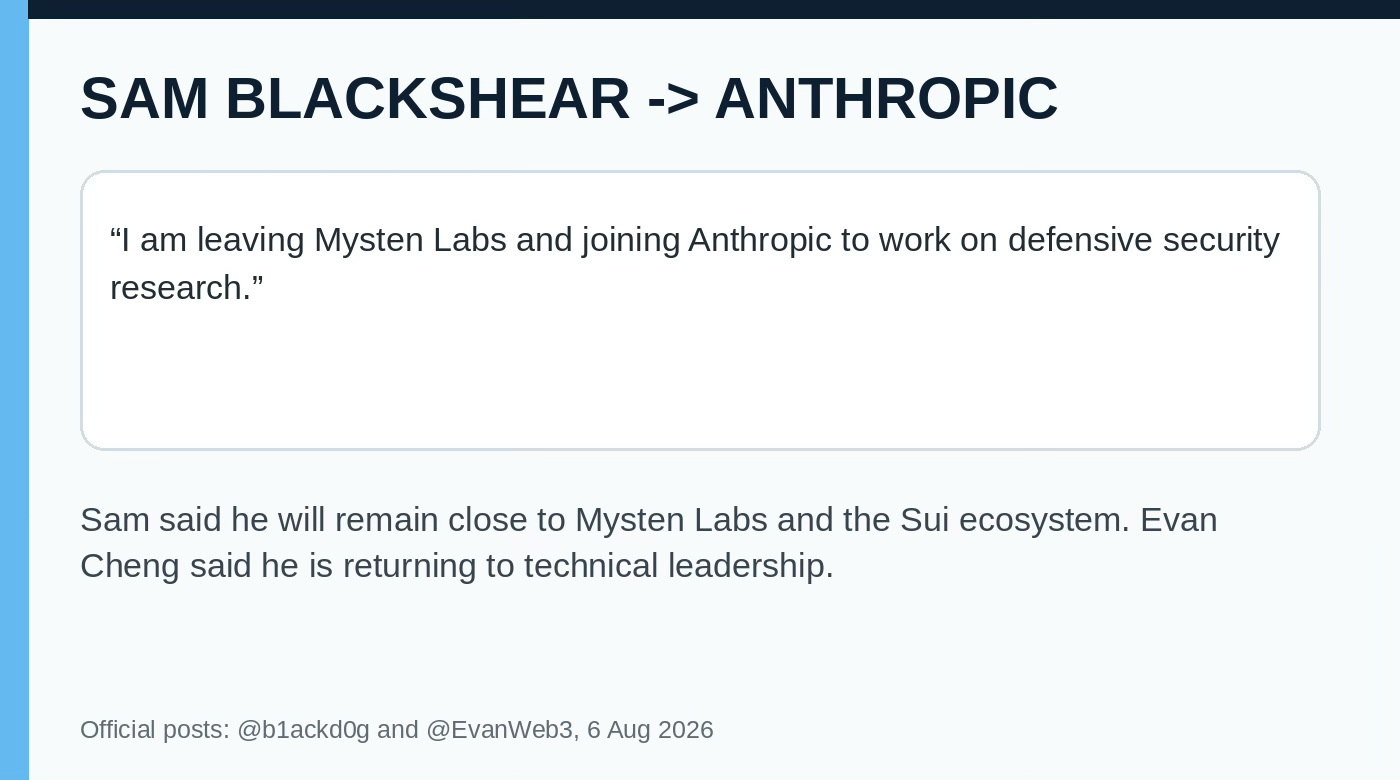
أعلن سام بلاكسشير أنه سيغادر شركة Mysten Labs للانضمام إلى شركة Anthropic، حيث سيعمل على أبحاث الأمن الدفاعي. وقال إنه سيظل قريبًا من Mysten Labs ومن نظام Sui البيئي، بينما قال إيفان تشينغ إنه سيعود إلى القيادة التقنية. [1][2]
أتمنى حقًا للسيد سام كل خير. لقد أنشأ Move وساعد في بناء شيء مدهش تقنيًا. قرارُه المهني لا ينبغي أن يُلتفَّ به على أنه دليل فشل لم يدّعِه.
الأخبار ذات صلة لسبب مختلف. إنها تصل في وقت يُجبر فيه Sui على التفكير في الاحتفاظ (retention)—ليس فقط احتفاظها بالقيادات التقنية الشهيرة، بل ثقة البنّائين وأفراد المجتمع الذين يعملون تحت عنوان الأخبار.
كانت Sui دائمًا تعرف كيف تتكلم عن تقنيات من المستوى العالمي. السؤال الأصعب هو ما إذا كانت تعرف كيف تجعل الناس الذين يبنون على تلك التقنية يشعرون بأنهم «مرئيون».
موقفي قبل أي شيء آخر
أنا لست مؤسس Cardz.Game. لا أعمل لدى Cardz.Game، ولا أتحدث نيابةً عن فريقها.
أنا عضو في مجتمع Cardz.Game ومشارك طويل الأمد في نظام Sui البيئي. أكتب بالكامل بصفتِي الشخصية لأنني وصلت إلى النقطة التي أصبح فيها الصمت أقل مسؤولية من الكلام.
أنا لا أطلب تعويضًا. ولا أحاول إخبار مؤسسة Sui Foundation أو Mysten Labs بكيفية إدارة مؤسستيهما. أنا أطلب المساعدة، والفهم، وإجابة صريحة: هل المواقف الموصوفة في هذا الخطاب مجرد سوء فهم معزول، أم أنها تعكس الموقف الفعلي للنظام البيئي؟
لماذا لي صفة لأطرح السؤال
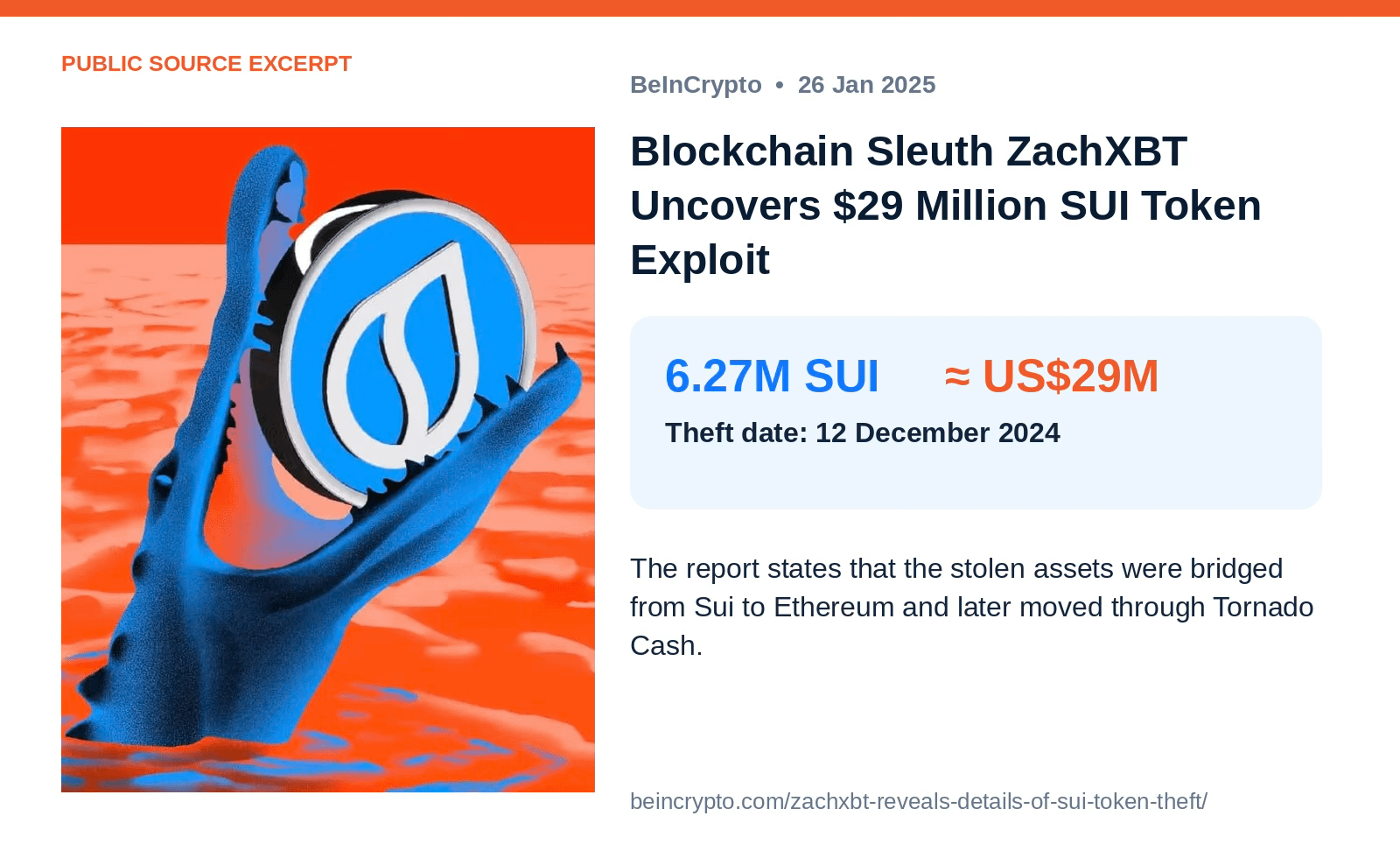
في 12 ديسمبر 2024، سُرِق مني تقريبًا 6.27 مليون SUI. كانت قيمتها آنذاك قرابة 29 مليون دولار أمريكي. لا تُسمّي التقارير العلنية الضحية؛ والقول بأن هذا كان خسارتي هو روايتي الشخصية بصيغة المتكلم. [3]
لو كنت أريد أن أفقد أعصابي، لكان ذلك اليوم هو يومها. لو كنت أريد نشر FUD عن Sui، لكان لدي السبب المثالي. لو كنت أريد المغادرة وعدم النظر إلى الخلف، لما كان أحد يستطيع لومني بشكل معقول.
لكنني بقيت.
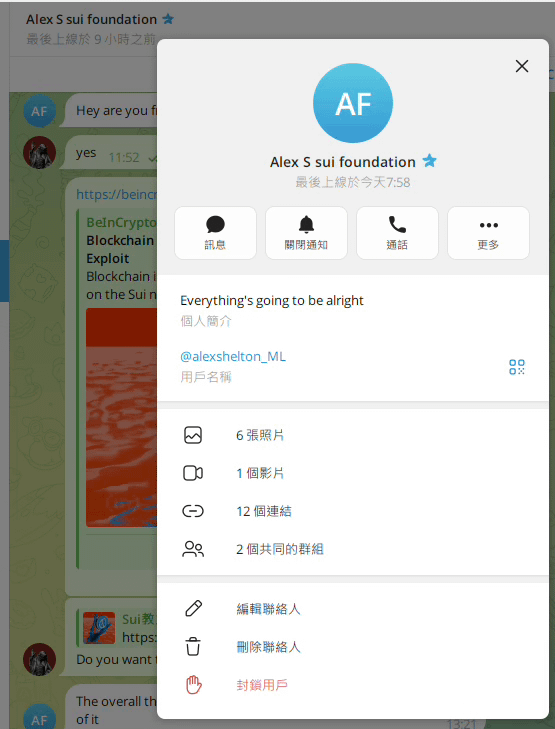
لإنصاف نفسي، لم أكن مُهمَلًا تمامًا. تواصلت جهة على تيليغرام تظهر باسم «Alex Sui foundation»، باستخدام المعرف @alexshelton_ML، معي بخصوص الحادثة. كذلك كانت منتديات مطوري Sui قد وجهت المستخدمين المتأثرين إلى هذا المعرف باعتباره جهة تواصل أمنية. [4]
قدّرت التواصل، وأنا أرفق لقطة الشاشة لأنني لا أريد محو المساعدة التي عُرضت فقط كي تجعل نقدي يبدو أكثر صفاءً.
التواصل ليس هو نفسه الحل. والرد ليس هو نفسه دعمًا عمليًا ذا معنى.
كان عبء تتبع ما حدث والتعامل مع الخسارة والعيش مع تبعاتها بقي إلى حد كبير على عاتقي. أستطيع تقدير الشخص الذي حاول المساعدة وما زلت صادقًا بشأن حدود تلك المساعدة. يمكن أن يكون كلا الأمرين صحيحًا.
بقيت، وكنت مستمرًا في الظهور
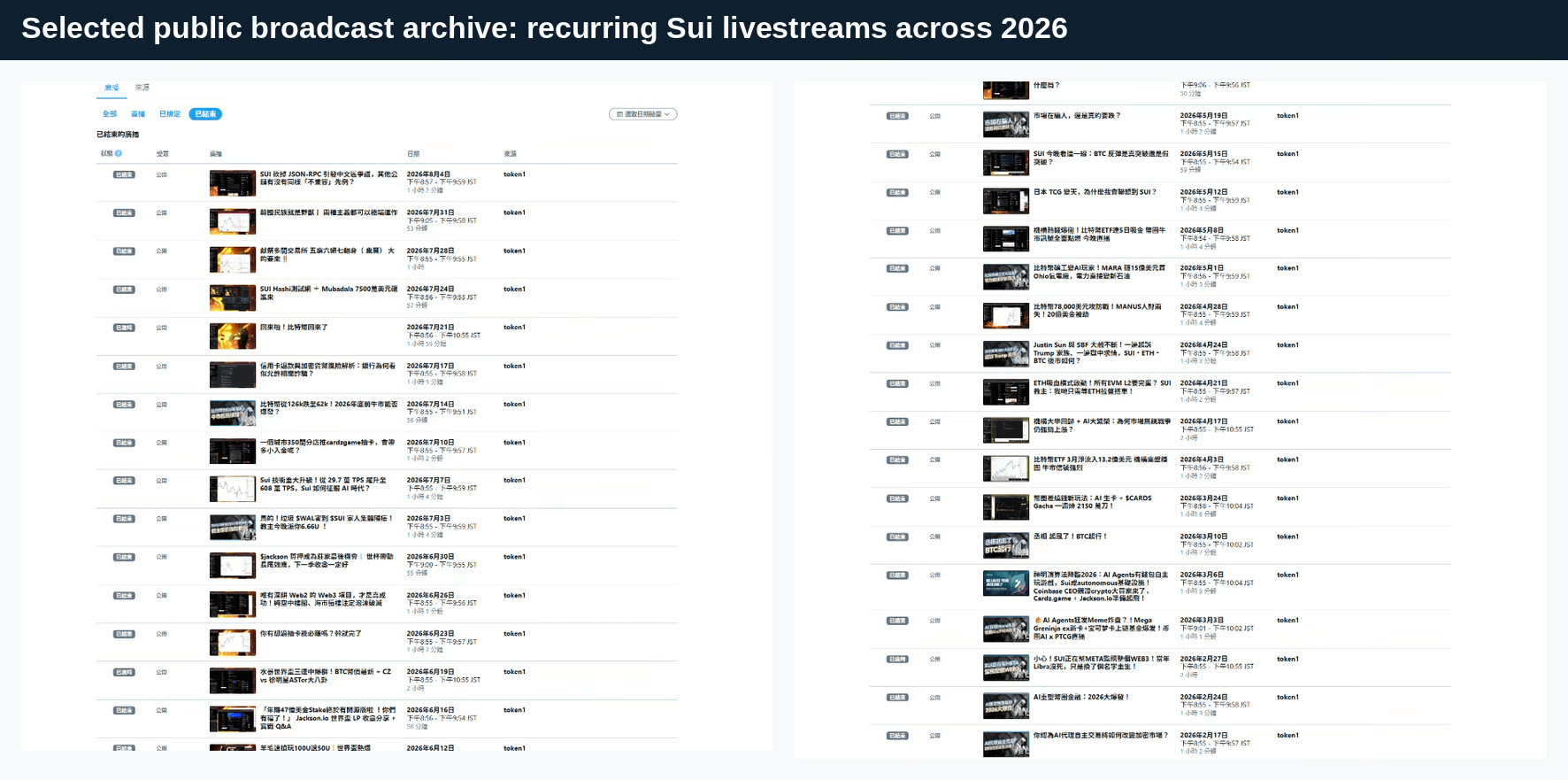
لم يبدأ دعمي لـ Sui عندما أصبحت هذه الجدل شائعًا. لمدة تقارب سنة، حافظت على جدول بث مباشر ثابت كل يوم ثلاثاء وجمعة، أتحدث فيه عن Sui ونظامها البيئي وسوقها وبنّاءها—أمطار أو شمس.
يُظهر أرشيفي العلني @JJJSUI الإيقاع. يغطي مقتطف الأرشيف المرفق أشهرًا من 2026؛ أما الاستمرارية الأطول لمدة سنة كاملة فهي بياني بصيغة المتكلم ويمكن التحقق منها مقابل الجدول الزمني العلني.
هذا السجل لا يجعل كل رأي لي صحيحًا. لكنه يثبت أنني لست أتحدث بصفتي سائحًا ظهر فقط في جدال فيروسي وسأختفي عندما ينتقل الانتباه.
كان JSON-RPC هو الشرارة، وليس كل الحريق
تذكر الوثائق الرسمية الخاصة بـ Sui أن JSON-RPC قد أُهمِل (deprecated)، وأنه سيتم تعطيله على عقد الشبكة الرئيسية (full nodes) الخاصة بـ Sui Foundation خلال أسبوع 27 يوليو 2026، وأن فك الإزالة الكامل بما في ذلك إزالة الكود كان مخططًا له لمنتصف أكتوبر. [5]
لذا فأنا لا أدّعي أنه لم تكن هناك إشعارات في أي مكان. كانت هناك وثائق.
المشكلة هي أن كثيرًا من المطورين اختبروا الانتقال على أنه حاد تشغيليًا وسوء امتصاص. واجهت المواقع والمحافظ مشكلات، وكانت الغضب الذي تلا ذلك أكبر بكثير مما ينبغي عادةً أن يخلقه انتقال تقني.
الجدول الزمني الرسمي للهجرة
أسبوع 27 يوليو 2026: تعطيل JSON-RPC على الشبكة الرئيسية الخاصة بالمؤسسة • نهاية أغسطس: توقف اللقطات • نهاية سبتمبر: فصل النسخة الاحتياطية للأرشفة • منتصف أكتوبر: التخطيط لإزالة الكود.
لم تكن حادثة JSON-RPC هي كل الحريق. كانت مجرد الشرارة.
أعلنت منشورة عامة من CindyCreation عن انتهاء بناءها واستثمارها في Sui واستشهدت بـ JSON-RPC وعلاقات المجتمع الآسيوي وغيرها من المظالم المتراكمة. لا أعيد نشر لقطة الشاشة على أنها دليل على أن كل ادعاء موجود بداخلها صحيح. أدرجها لأنّها تُظهر حجم ونطاق الإحباط الذي كان قد تراكم بالفعل. [15]
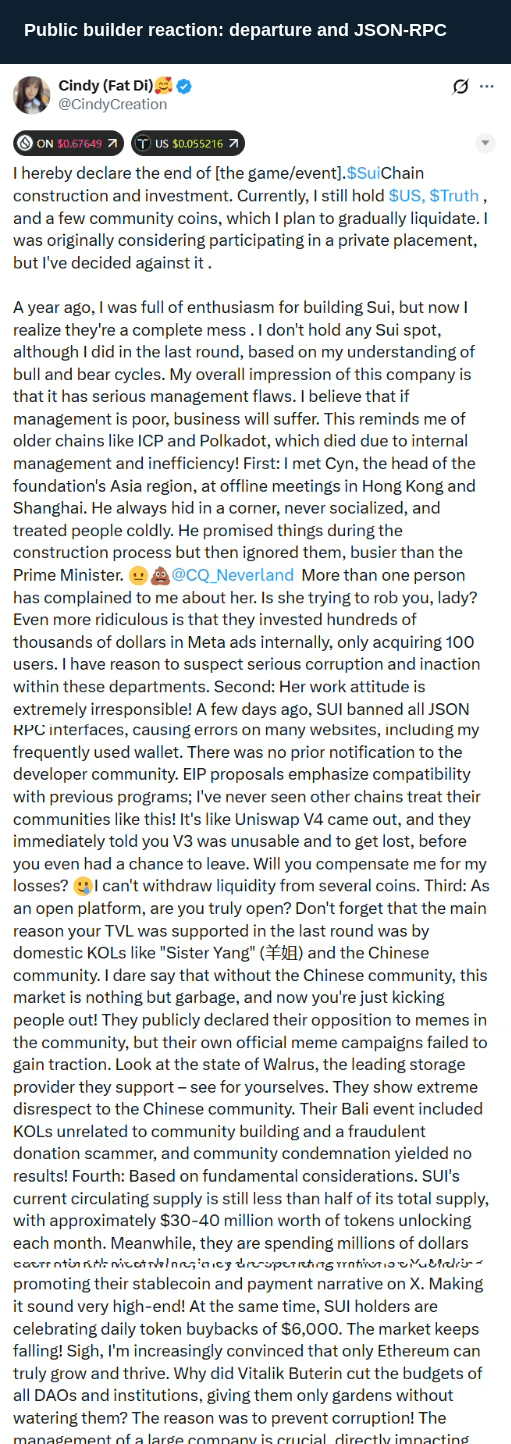
النهر لا يتجمد بعمق ثلاث أقدام بين ليلة وضحاها. وعندما يبدأ حتى المطورون في رد الفعل بمستوى هذا الغضب، فإن تغيير الـ API نادرًا ما يكون القصة كاملة.
لماذا غيّرت Cardz.Game السؤال بالنسبة لي
ما جعلني أكتب أخيرًا لم يكن خسارتي أنا. بل كان مشاهدة ما حدث حول Cardz.Game.
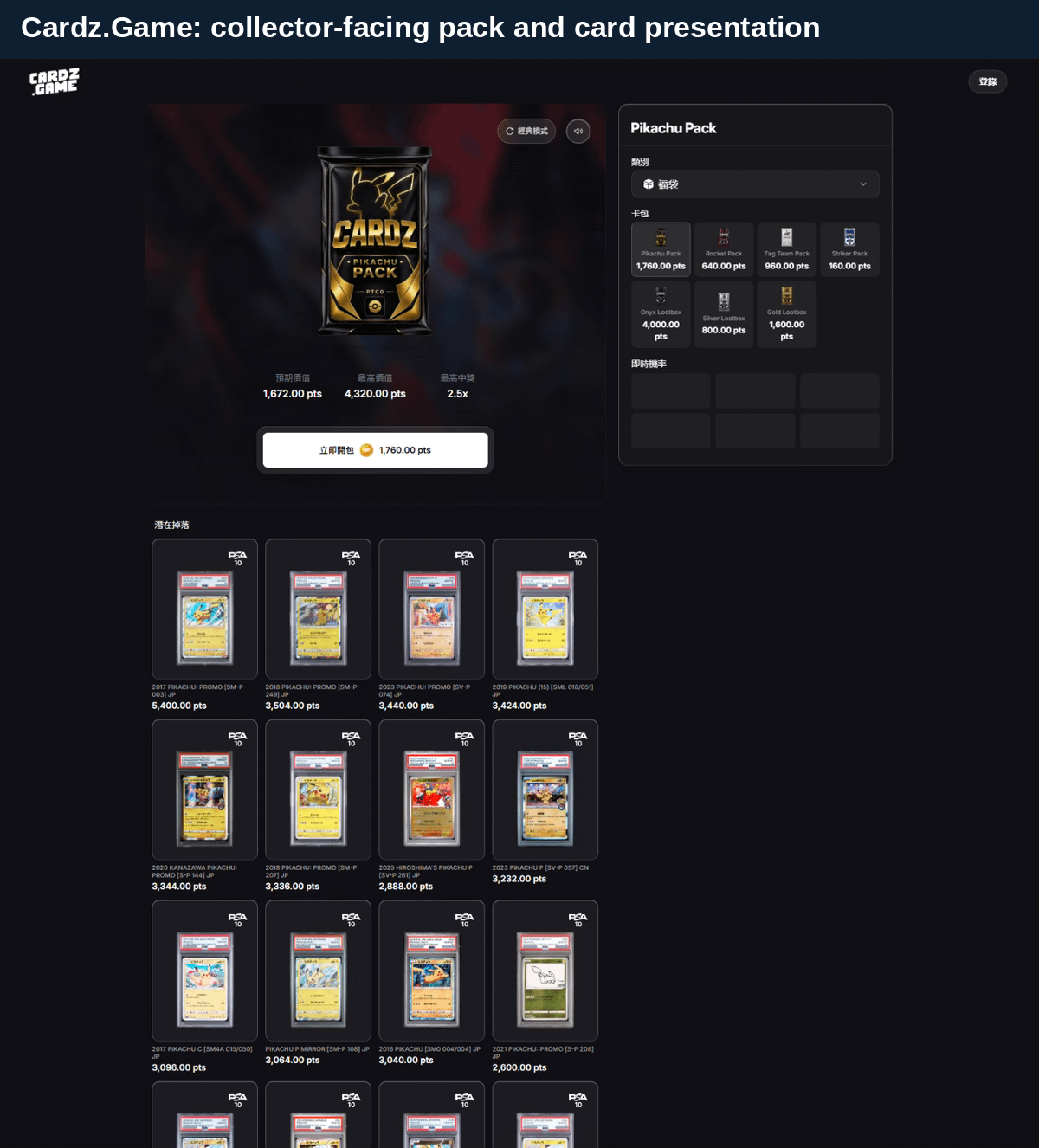
مرة أخرى، أنا لست مؤسسه ولا متحدثه الرسمي. أنا عضو في المجتمع شاهد فريقًا مستقلاً يبني منتجًا استهلاكيًا حول بطاقات تداول مُدرجة بدرجات حقيقية، مع فتح باكات يمكن التحقق منه على السلسلة، وامتلاكها، والتداول، والاسترداد الفعلي.
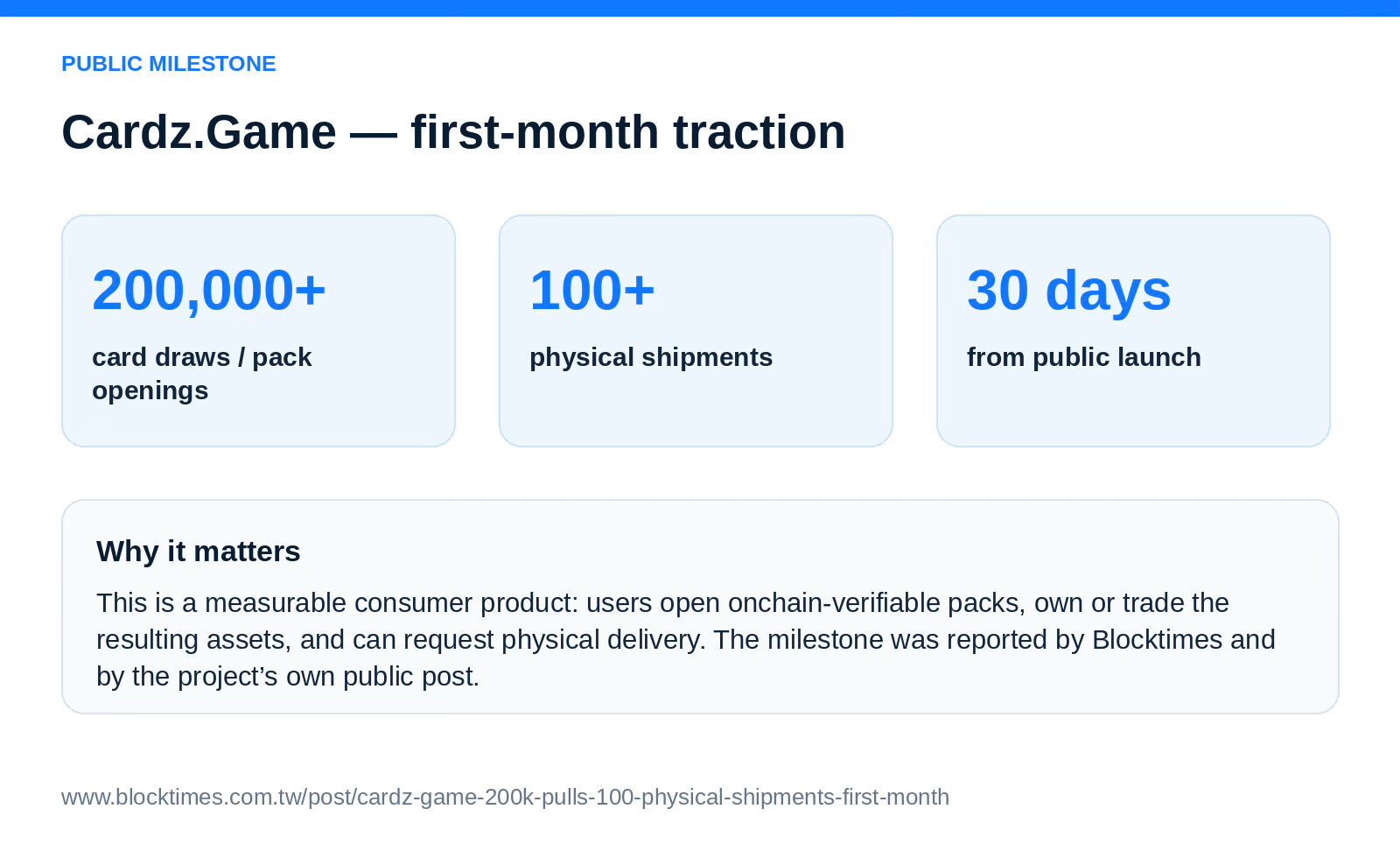
خلال شهرها الأول، أعلنت Cardz.Game علنًا عن أكثر من 200,000 سحبة بطاقات وأكثر من 100 شحنة فعلية. في 5 أغسطس 2026، نشرت لقطة DeFiLlama تُظهر أنها كانت في المرتبة #1 من حيث رسوم البروتوكول خلال 24 ساعة على Sui في ذلك التاريخ، وبقيمة تقارب 158,000 دولار أمريكي.
ثم تحركت Cardz.Game خارج قصة على السلسلة فقط. أعلنت تعاونًا مع Circle K، وتم وسم الدفعة الأولى المميزة على واجهة ShopEasy الخاصة بـ Circle K على أنها «نفدت» عبر جميع إدراجات PSA 10 المعروضة. ووفقًا لإعلان Cardz.Game العام، نفدت الدفعة الأولى تقريبًا فورًا. [10]
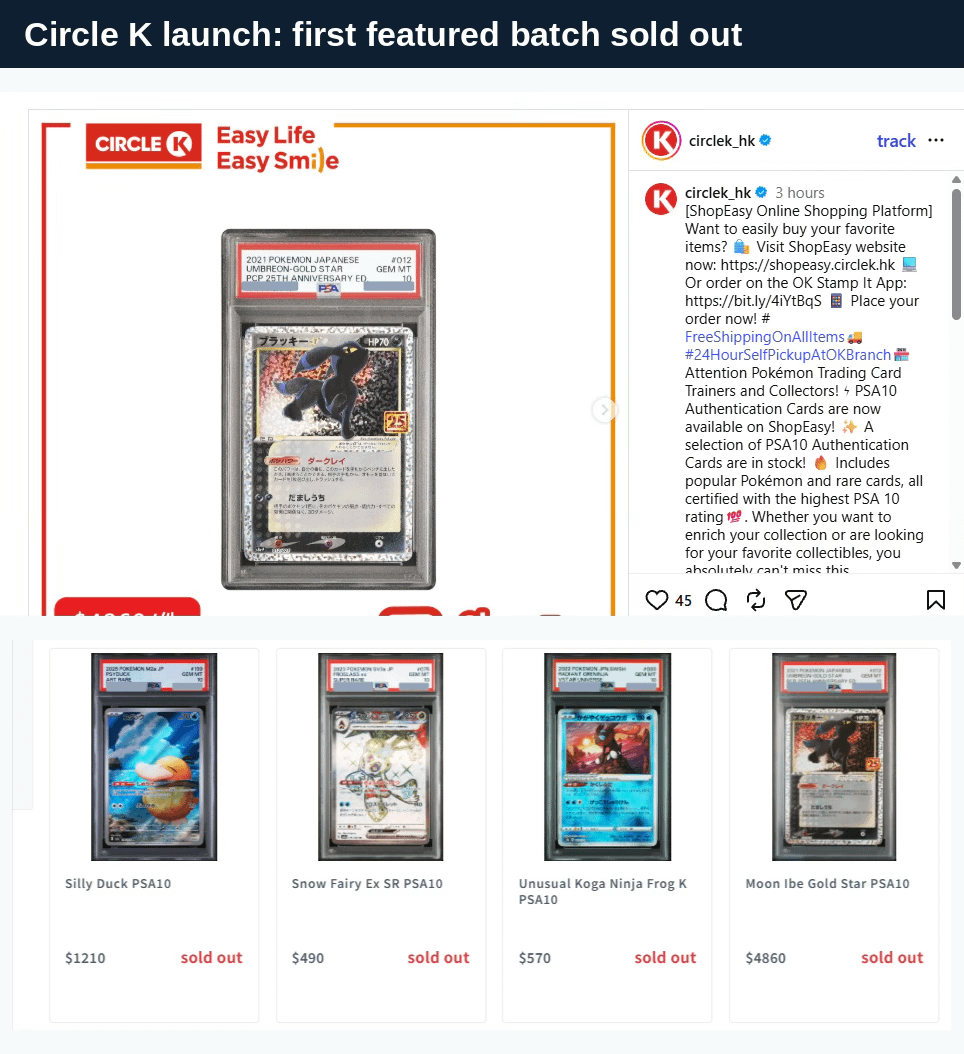
هذا مهم. هذا ليس تحفيزًا tokenيًا قصير الأجل آخر. إنه منتج بلوكشين يدخل سوق جامعين قائم بالفعل عبر توزيع تجزئة حقيقي.
أنا شبه مُحرَج لأنني مضطر لاستخدام خطاب شكوى لتقديم الناس إلى Cardz.Game. المشروع العامل لا ينبغي أن يحتاج إلى جدل كي يصبح مرئيًا. لكن بمجرد أن يُرى التباين، يصبح من الصعب تجاهله.
التباين الذي يصعب تجاهله
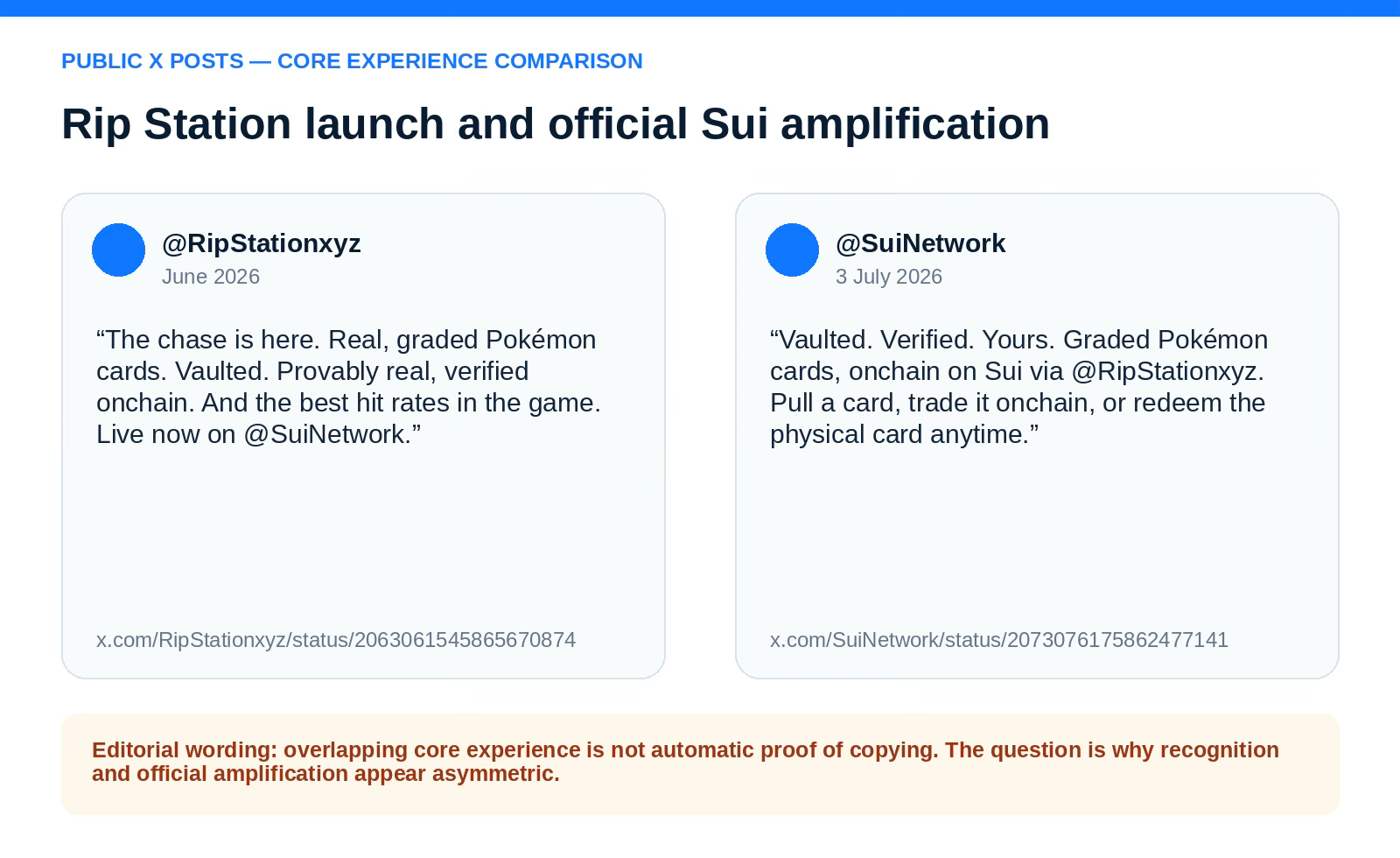
في يونيو 2026، أطلق Rip Station على Sui بطاقات Pokémon مُدرجة بدرجات حقيقية، مع ملكية على السلسلة (onchain)، وتداول واسترداد فعلي. وفي 3 يوليو، روّج حساب @SuiNetwork الرسمي له مباشرةً. وقبل ذلك، كانت Sui قد روّجت أيضًا لتجربة بطاقات Parasol؛ وقد استحوذت Mysten Labs على Parasol. [8][9]
دعوني أكون دقيقًا. أنا لا أقول إن Cardz.Game تمتلك فكرة بطاقات التداول. ولا أقول إن الميزات المتداخلة تثبت تلقائيًا حصول انتحال. وأنا لا أطلب من Sui إزالة Rip Station أو إيقاف أي شخص عن المنافسة.
المنافسة أمر طبيعي. لكن التضخيم الرسمي—مع ذلك—يوصل ما يختاره النظام البيئي ليلاحظ.
وصف أحد أعضاء مجتمع يتحدث الصينية الموقف بعبارة خشنة مقصودة: أنتجت Sui «منتجًا منافسًا ذا ألوان مقززة» بينما رفضت دعم المشروع بلاعبين حقيقيين وحركة مرور. [14]
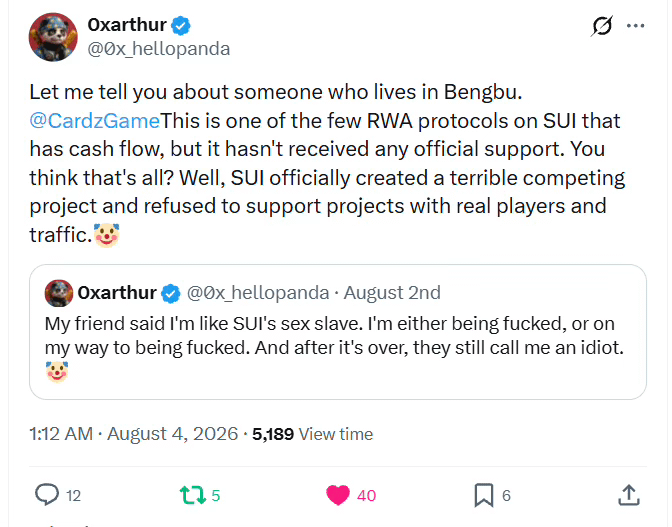
العبارة فظة. النقطة الجادة تحتها ليست حقًا عن البني أو البيج أو البرتقالي.
المسألة هي ما إذا كان منتج مبني حول TCG يفهم فعلًا ثقافة الجامعين. يهتم الجامعون بالهوية الدقيقة للبطاقة: النسخة، اللغة، الدرجات، المنشأ (provenance)، الفن، الندرة، العرض، طقوس الفتح، الاحتمالات الشفافة، والتنفيذ الموثوق. البطاقة ليست وحدة عامة توضع داخل غلاف مالي؛ البطاقة هي سبب وجود المستخدم هناك.
بالنسبة لي، تبدو طريقة تقديم Rip Station للعموم أقرب إلى آلية مالية مع وضع بطاقات تداول فوقها. أما طريقة تقديم Cardz.Game فتبدو مُنظَّمة بشكل أكثر تعمُّدًا حول سلوك جامعين ومعرّف هوية البطاقات الفردية. هذه نقدٌ شخصي للمنتج، وليست نتيجة موضوعية، ويمكن للقراء أن يقارنوا لقطات الشاشة المرفقة بأنفسهم.
ما يبدو مهينًا ليس لوحة الألوان. بل احتمال التعامل مع ثقافة الجامعين كأنها «جلد» بدل كونها مجتمعًا يحتاج إلى الفهم.
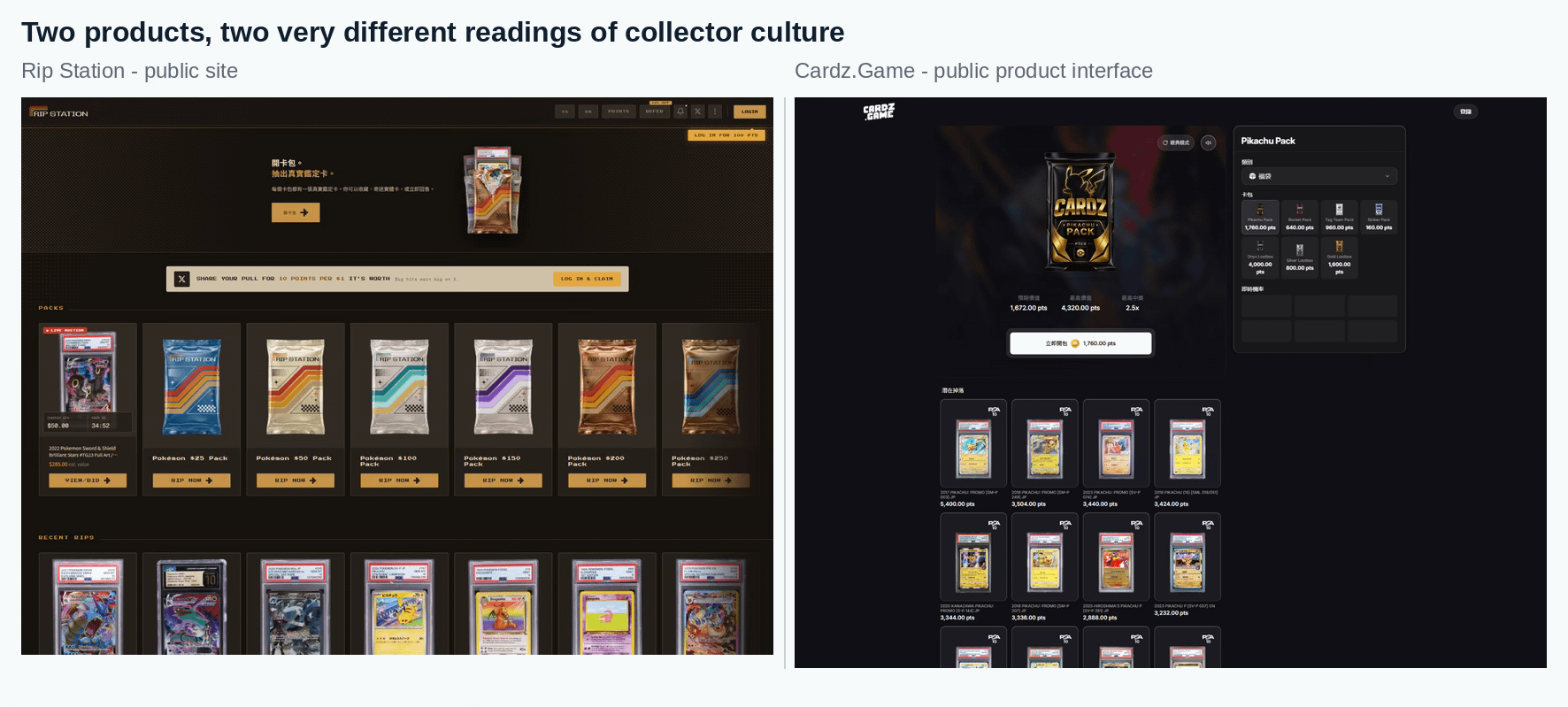
يمكن للسوق أن يدعم أكثر من منتج واحد. السؤال هو لماذا لم يحصل المشروع الذي أثبت أولًا وجود طلب قابل للقياس، وإشباعًا فعليًا، وتوسعًا تجاريًا على مستوى التجزئة، على اعتراف رسمي مماثل.
الفريق طلب ذلك بشكل خاص. مرتين.
أنا لا أضمّن هذا القسم لإحراج أي شخص. أضيفه لأن النقاش العام لا ينبغي أن يبدأ من الافتراض الخاطئ بأن الفريق لم يحاول أبدًا التحدث بشكل خاص.
وفقًا لأعضاء فريق Cardz.Game، فقد طرحوا الموقف مباشرةً على Adeniyi Abiodun في مناسبتين منفصلتين: مرة في دبي ومرة في سنغافورة. كانت محادثات وجهاً لوجه. ويقول الفريق إن الرد في المرتين كان في جوهره: «حسنًا، سنقوم بالمتابعة».
بحسب رواية الفريق، لم يحدث أي متابعة جوهرية بعد دبي، ولا شيء حدث بعد سنغافورة. هذه محادثات خاصة مُبلَّغ عنها وليست نصوصًا موثقة من طرفٍ مستقل، والمقال يذكرها على هذا النحو ويصنّفها وفقًا لذلك.
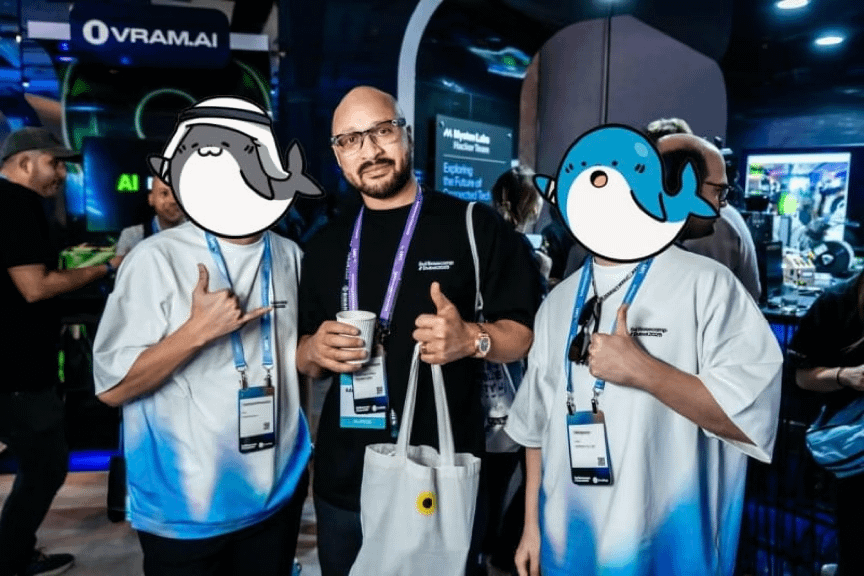
لم يكتفوا بالشكوى عبر الإنترنت. لقد طلبوا ذلك شخصيًا—مرتين.
هناك مقولة صينية: 事不过三—لا تجعل الشيء نفسه يحدث للمرة الثالثة. بعد محاولتين وجهاً لوجه، لا أعتقد أن المحاولة الثالثة ينبغي أن تصبح اختبارًا لمدى إخلاص الفريق الأصغر. في مرحلة ما، لا يمكن أن يبقى مسؤول الاستمرار بالمحادثة بالكامل على الطرف الذي يملك وصولًا أقل وموارد أقل.
هل هذه حالة معزولة، أم أنها نمط؟
إذا كانت Cardz.Game هي المثال الوحيد، فقد أظل أقول لنفسي ألا أبالغ في التفكير. لكن مخاوف مشابهة ظهرت بالفعل في العلن.
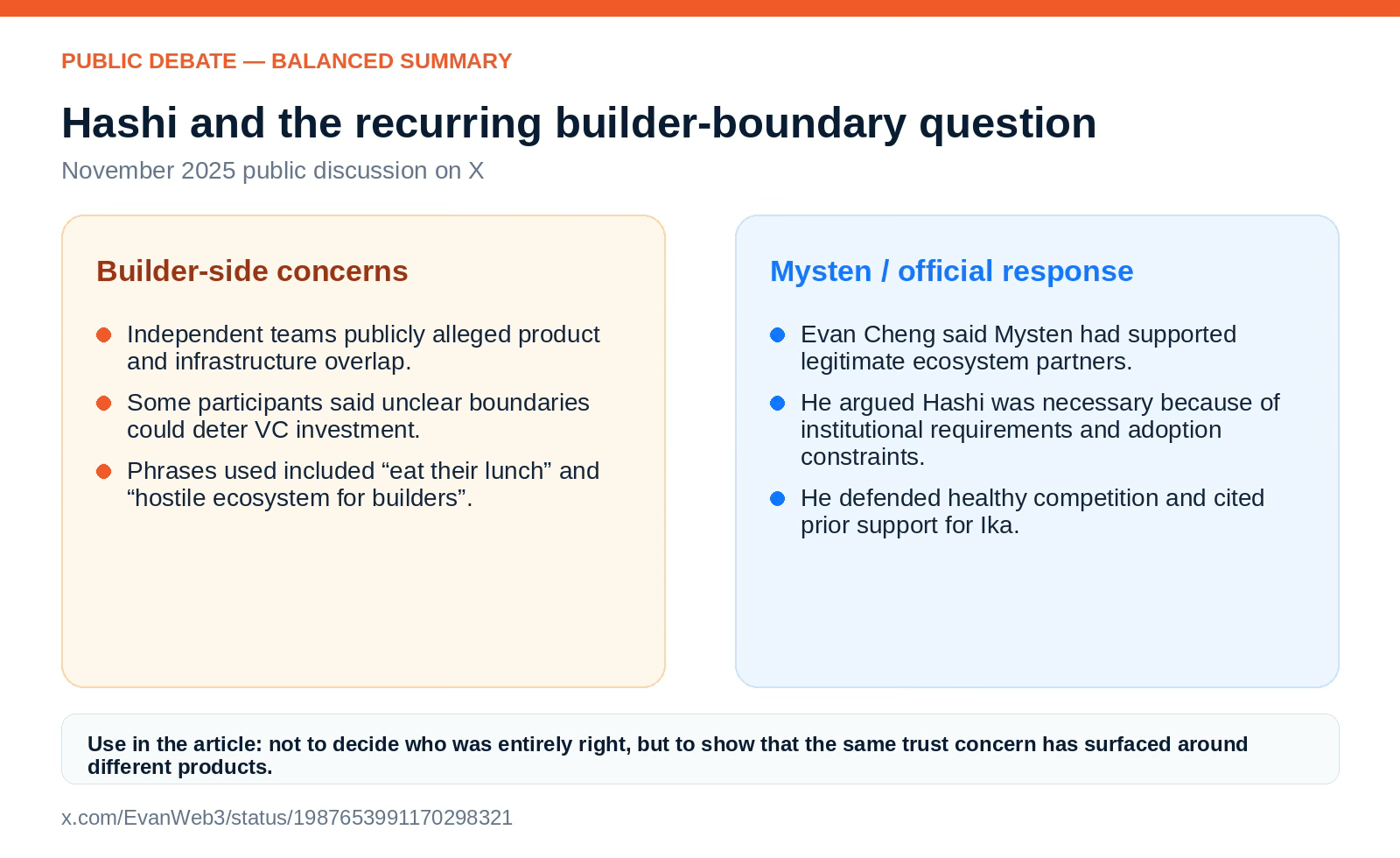
في نوفمبر 2025، ناقش منشئون ومشاركون في النظام البيئي علنًا Hashi، وضمانات Bitcoin (collateral) الخاصة بـ Mysten Labs وبنية الإقراض لديها. ادّعت منشورات من جهة البنّائين وجود تداخل مع فرق مستقلة، وحذرت من أن الحدود غير الواضحة قد تجعل المستثمرين يترددون. ردّ Evan Cheng علنًا، مُشيرًا إلى متطلبات مؤسسية، وحدود التبنّي، ودعم سابق لمشاريع مثل Ika وقيمة المنافسة الصحية على مستوى المنتج. [12][13]
أنا لا أصرّح بأن كل ادعاء من طرف البنّائين صحيح، ولا بأن كل تفسير رسمي خاطئ. الفكرة هي أن الخوف نفسه—سواء من أن يتعرض اتجاه مستقل ناجح لاحقًا لأفضل مؤسسات النظام البيئي من حيث الموارد—قد ظهر أكثر من مرة.
أصبح جدل بالي جزءًا آخر من اختصار مجتمعّي. شعر الداعمون على المدى الطويل أن أشخاصًا يُنظر إليهم على أنهم خارج نظام Sui البيئي قد تمّت دعوتهم، بينما تم تجاوز بعض المشاركين الثابتين في النظام البيئي. لستُ أحاول هنا التقاضي حول كل قائمة دعوات.
المهم هو النكتة التي بقيت: «استمر في انتقاد Sui ولن تصل أبدًا إلى بالي».
كل مجتمع في النهاية يحوّل الأشياء التي يشعر بعدم الارتياح عند قولها مباشرةً إلى نكات.
لم أحوّل بالي إلى صراع شخصي. كانت تذكرة الطائرة أقل أهمية بالنسبة لي من الحفاظ على المجتمع. لكن أحداث مثل تلك تترك الناس باردين حتى اليوم، خصوصًا عندما تظهر بجانب تداخل المنتج، وغياب متابعات بعد الاستفسارات، وإحباط المطورين.
أي شكوى واحدة يمكن أن يكون لها سياقها الخاص. لكن عندما يبدأ أعضاء من مجتمع يتحدث الصينية، وكذلك منشئون في الخارج ومطورون ومستثمرون، في استخدام لغة مشابهة عن كونهم «مهمَلين»، لم يعد يمكن الإجابة عن السؤال عبر اعتبار كل حادثة مجرد رد فعل عاطفي معزول.
الأسئلة التي آمل أن يساعدنا الطرف الرسمي على فهمها
أنا لستُ أقدّم قائمة تعليمات. هذه هي الأسئلة التي أطرحها حقًا.
هل الجهة الرسمية تعتبر Cardz.Game حالة نجاح حقيقية لـ Sui؟ وإذا لم يكن كذلك، فما الذي ينقصها حتى الآن؟
ما المعايير التي أدت إلى الترويج الرسمي لـ Rip Station؟ وهل جرى تقييم Cardz.Game على المعايير نفسها من قبل؟
عندما يتداخل منتج مرتبط بفريق النواة مع بنّاء مستقل قائم، ما المبادئ التي تحكم التواصل والتعاون والمنافسة؟
بعد متابعتين موثقتين وجهًا لوجه، هل يوجد شخص أو قناة مستعدة لمواصلة المحادثة مع فريق Cardz.Game؟
هل ترى الجهة الرسمية غضب مجتمع الصينية والمطورين مؤخرًا كحوادث معزولة، أم كدليل على مشكلة ثقة أطول؟
اتجاه يستحق النظر—دون أن أتظاهر أنني أدير Sui
ربما لا تحتاج Sui إلى تصنيع روايتها الاستهلاكية التالية من الصفر. قد تكون لديها واحدة أمامها بالفعل.
لدى Cardz.Game استخدامٌ قابل للقياس، وإشباعٌ فعلي للمنتج، ورسوم بروتوكول ظاهرة، وتصميم منتجات موجّه للجامعين، وتوزيع تجزئة ناشئ للمتجر. هذا التوليف نادر بما يكفي ليستحق نظرة أقرب.
كونه في النهاية قد يصبح مشروعًا رائدًا (flagship) ليس من حقي أن أحدده. لكن عندما يكون شيء ما قد بدأ بالفعل في العمل، فقد يكون من المفيد فهم لماذا ينجح قبل أن يولي النظام البيئي اهتمامه لجهة أخرى.
القليل من التقدير لا يضمن فوزًا. لكنه مع ذلك قد يحوّل مشروعًا ثبتت صحته إلى معيار يمنح النظام البيئي كله قصة يفهمها الناس.
أطلب أن يتم سماعي، لا تعويضًا
أنا لا أطلب تعويضًا. ولا أطلب من أي شخص أن يتفق مع كل استنتاج في هذا الخطاب. أنا أطلب من الأشخاص الذين يقودون هذا النظام البيئي أن يفهموا ما يراه بعضنا من على أرض الواقع.
القائد لا يحتاج إلى قبول كل نقد. لكن القائد الحقيقي يجب أن يكون قادرًا على التعرف على الألم الكامن تحت ذلك النقد.
المخترق لم يُجبِرني على الرحيل. لم يمنعني سوقٌ صعب من الظهور كل يوم ثلاثاء وجمعة. ما يقلقني هو احتمال أن الأشخاص الذين بقوا قد يتوقفون تدريجيًا عن الاعتقاد بأن عملهم مرئي.
وإجابةً: نعم، الإنجليزية هي اللغة الأولى في هذا المقال—ليس لأنني أفهم الإنجليزية أفضل. أحتاج نسخة الصينية المبسطة بجانبها كي أتحقق شخصيًا من كل جملة.
أنا أستخدم الإنجليزية لأن الكتابة فقط بالصينية كثيرًا ما كانت تبدو كأني أتحدث في غرفة لا يستمع فيها الأشخاص ذوو السلطة إلى ما يقال.
يبدو أنه في نظام بيئي عالمي، ما زال القلق من الصين يحتاج إلى «جواز سفر» إنجليزي كي يصل إلى المكتب المناسب. أليس ذلك طريفًا؟ ^^
ستكون الفصول القادمة لسام بلاكسهار في Anthropic، وأتمنى له حقًا كل خير. أما الفصل التالي لـ Sui فسيكتبه الأشخاص الذين بقوا.
أنا لا أطلب $SUI الاتفاق معي. أنا أطلب أن نعرف إن كانت Sui على استعداد لسماعنا.