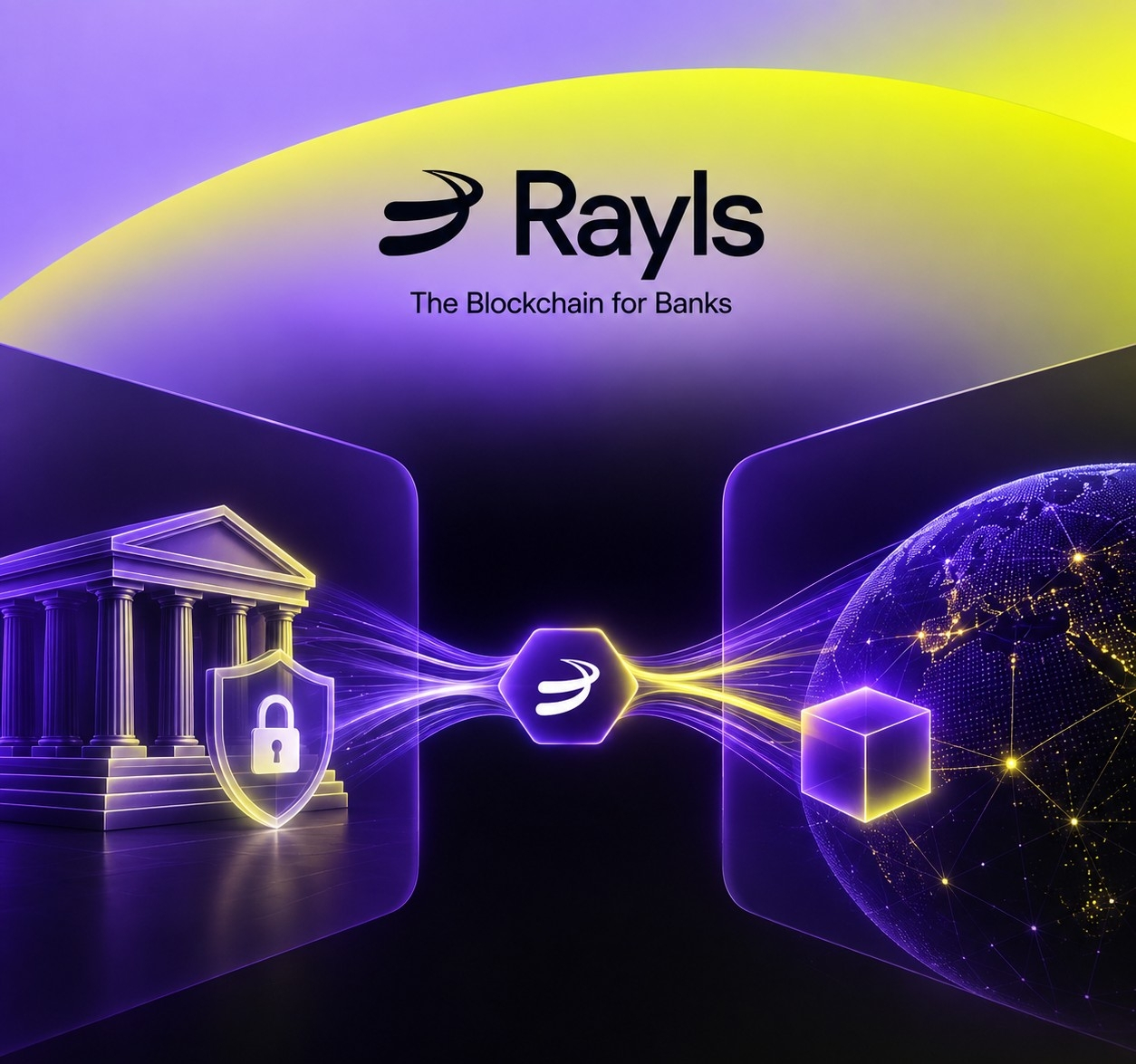
ما الذي يفوته أغلب الناس عن @Rayls : الأمر ليس مجرد سلسلة عامة
في البداية، اعتقدت أن Rayls هو بلوكشين آخر منافس لجذب المستخدمين ورفع TVL.
لكن بعد التعمق أكثر، ظهرت الفكرة الحقيقية:
👉 Rayls ليست مبنية فقط على DeFi مفتوح
👉 بل مصممة لربط الأنظمة المالية الخاصة بسلسلة عامة
إليك لماذا هذا مهم 👇
معظم المؤسسات المالية لا تستطيع العمل بالكامل على بلوكشينات عامة
ليس بسبب قيود تقنية — بل بسبب:
- متطلبات خصوصية البيانات
- القيود التنظيمية
- ضوابط إدارة المخاطر الداخلية
لذلك بدلًا من إجبار كل شيء على السلسلة، تقوم Rayls بشيء مختلف:
تفصل بين مكان وجود البيانات ومكان حدوث التسوية
🔒 شبكات خاصة (Rayls Private)
- تقوم المؤسسات بتشغيل بيئاتها الخاصة
- تبقى البيانات الحساسة خاصة
- يتم الحفاظ على الامتثال الكامل
🌐 سلسلة Rayls العامة
- طبقة التسوية النهائية
- قابلة للتحقق وشفافة
- تربط بين مؤسسات متعددة
وهذا يخلق نموذجًا هجينًا:
➡️ تنفيذ خاص
➡️ تسوية عامة
هل يوجد مثال حقيقي؟
XP، وهي مؤسسة مالية مدرجة في ناسداك ولديها ملايين العملاء وأصول ضخمة تحت الحفظ، تبني بالفعل على Rayls.
هذا ليس مجرد تجربة اختبار
بل بنية تحتية على مستوى الإنتاج
لماذا هذا التصميم مهم فعلًا
معظم السلاسل تُحسن من أجل الانفتاح
Rayls تُحسن من أجل التبني من قِبل الأنظمة المالية الواقعية
وهذا يغيّر قواعد اللعبة:
- لا تحتاج المؤسسات إلى كشف البيانات الحساسة
- ما زال المستخدمون يحصلون على تسوية قابلة للتحقق
- يمكن أن يتعايش الامتثال والشفافية
خلاصة رأيي
أكبر عائق أمام تبني البلوكشين ليس السرعة أو الرسوم
بل الثقة + التنظيم
لا تحاول Rayls تجاهل ذلك
بل تُبنى حوله
ولهذا يبدو هذا النموذج أقرب إلى النشر في العالم الحقيقي من معظم سرديات "السلسلة العامة الخالصة".
في البداية، اعتقدت أن Rayls هو بلوكشين آخر منافس لجذب المستخدمين ورفع TVL.
لكن بعد التعمق أكثر، ظهرت الفكرة الحقيقية:
👉 Rayls ليست مبنية فقط على DeFi مفتوح
👉 بل مصممة لربط الأنظمة المالية الخاصة بسلسلة عامة
إليك لماذا هذا مهم 👇
معظم المؤسسات المالية لا تستطيع العمل بالكامل على بلوكشينات عامة
ليس بسبب قيود تقنية — بل بسبب:
- متطلبات خصوصية البيانات
- القيود التنظيمية
- ضوابط إدارة المخاطر الداخلية
لذلك بدلًا من إجبار كل شيء على السلسلة، تقوم Rayls بشيء مختلف:
تفصل بين مكان وجود البيانات ومكان حدوث التسوية
🔒 شبكات خاصة (Rayls Private)
- تقوم المؤسسات بتشغيل بيئاتها الخاصة
- تبقى البيانات الحساسة خاصة
- يتم الحفاظ على الامتثال الكامل
🌐 سلسلة Rayls العامة
- طبقة التسوية النهائية
- قابلة للتحقق وشفافة
- تربط بين مؤسسات متعددة
وهذا يخلق نموذجًا هجينًا:
➡️ تنفيذ خاص
➡️ تسوية عامة
هل يوجد مثال حقيقي؟
XP، وهي مؤسسة مالية مدرجة في ناسداك ولديها ملايين العملاء وأصول ضخمة تحت الحفظ، تبني بالفعل على Rayls.
هذا ليس مجرد تجربة اختبار
بل بنية تحتية على مستوى الإنتاج
لماذا هذا التصميم مهم فعلًا
معظم السلاسل تُحسن من أجل الانفتاح
Rayls تُحسن من أجل التبني من قِبل الأنظمة المالية الواقعية
وهذا يغيّر قواعد اللعبة:
- لا تحتاج المؤسسات إلى كشف البيانات الحساسة
- ما زال المستخدمون يحصلون على تسوية قابلة للتحقق
- يمكن أن يتعايش الامتثال والشفافية
خلاصة رأيي
أكبر عائق أمام تبني البلوكشين ليس السرعة أو الرسوم
بل الثقة + التنظيم
لا تحاول Rayls تجاهل ذلك
بل تُبنى حوله
ولهذا يبدو هذا النموذج أقرب إلى النشر في العالم الحقيقي من معظم سرديات "السلسلة العامة الخالصة".