#baby $BABY @BabylonLabs_io
كنت أعود مرارًا إلى سؤال واحد لم يكن له علاقة كبيرة مباشرةً بالبيتكوين نفسه. الجزء الأصعب في تصميم بابِل ليس إقناع حاملي البيتكوين بإيداعه. بل هو إقناع الناس بالثقة في الكيانات المسؤولة عن التعبير عن الوزن الاقتصادي للبيتكوين داخل نظام إجماع آخر. بدا هذا الفارق أكثر أهمية بكثير بعد قراءة كيفية ملاءمة موفّري الإنهاء (Finality Providers) ضمن البنية.
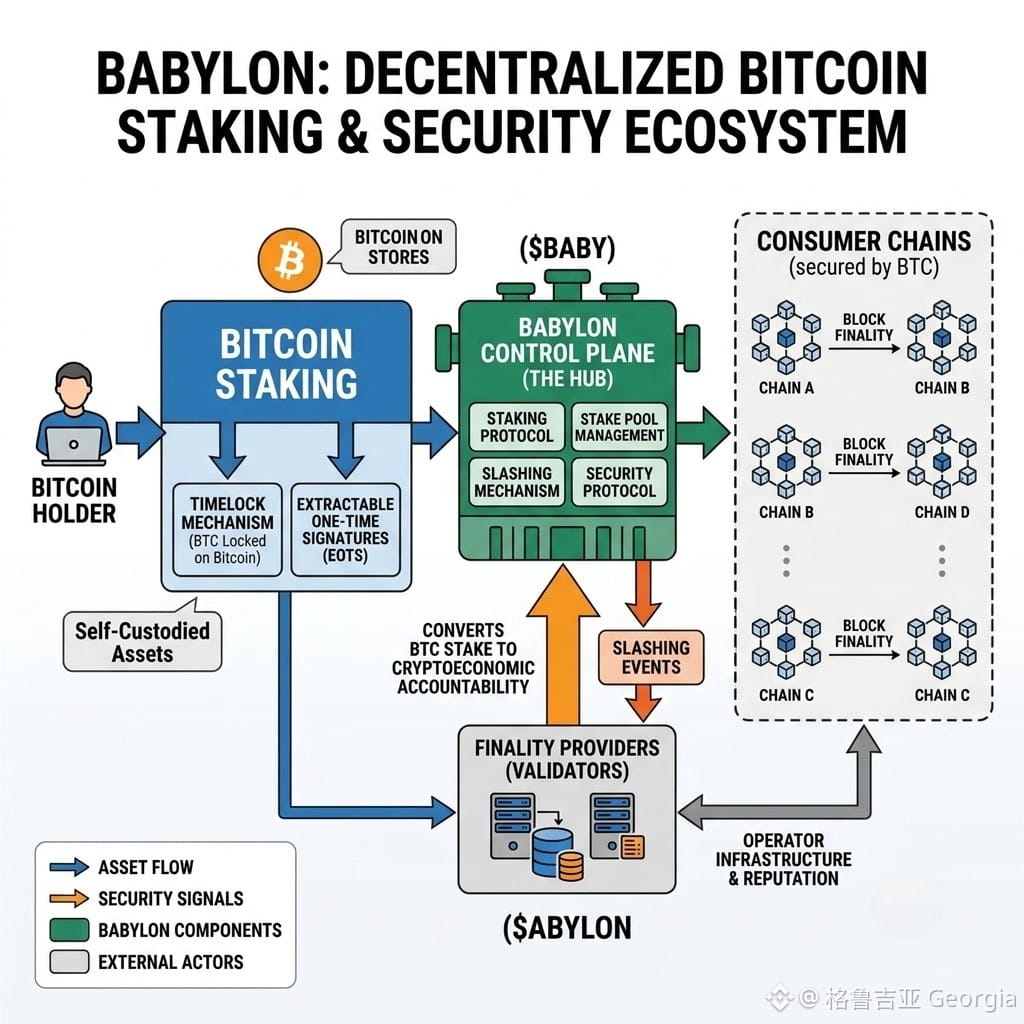
لا يزال البيتكوين محفوظًا ذاتيًا، لكن الأمان لا يُنقل تلقائيًا. موفّرو الإنهاء هم الفاعلون الذين يحوّلون الرهان المفوّض من البيتكوين إلى مساءلة اقتصادية-تشفيرية (cryptoeconomic accountability) لطبقة الإنهاء في بابِل. تحدد تواقيعهم ما إذا كان رأس المال المقفل فعلاً يؤثر على الإجماع، ويُقصد بالـ slashing ردعُ أي ازدواجية في التصرف. عمليًا، يجعل هذا الاعتمادية التشغيلية قيمةً قريبةً من قيمة البيتكوين المُفوّض خلفهم.
وهذا يخلق حافزًا لا أراه كثيرًا قيد المناقشة. إذا كانت التطبيقات تفضّل باستمرار موفّري الإنهاء ذوي أعلى فترات التشغيل المستمر (uptime)، وبنية تحتية أقوى، وتفويضًا بأعمق سمعة، فقد تتجمع بطبيعة الحال حول مجموعة صغيرة نسبيًا من المشغّلين. لا تفرض قاعدة بروتوكول صراحةً المركزية، ومع ذلك قد ينتج عنها السوق بهدوء. يفصل البروتوكول بين الحفظ (custody) وقوة التحقق (validation power)، لكنه لا يفصل بالضرورة بين قوة التحقق والسمعة.
هذا ما جعلني أتساءل إن كانت لا مركزية بابِل على المدى الطويل تعتمد بدرجة أقل على توزيع البيتكوين وأكثر على ما إذا كان النظام البيئي قادرًا باستمرار على إنتاج موفّري إنهاء جدد يمكن الوثوق بهم. إذا أصبحت السمعة موردًا نادرًا، فربما تكون تلك هي ميزانية الأمان الحقيقية التي يديرها الشبكة، وليست البيتكوين وحده.
كنت أعود مرارًا إلى سؤال واحد لم يكن له علاقة كبيرة مباشرةً بالبيتكوين نفسه. الجزء الأصعب في تصميم بابِل ليس إقناع حاملي البيتكوين بإيداعه. بل هو إقناع الناس بالثقة في الكيانات المسؤولة عن التعبير عن الوزن الاقتصادي للبيتكوين داخل نظام إجماع آخر. بدا هذا الفارق أكثر أهمية بكثير بعد قراءة كيفية ملاءمة موفّري الإنهاء (Finality Providers) ضمن البنية.
لا يزال البيتكوين محفوظًا ذاتيًا، لكن الأمان لا يُنقل تلقائيًا. موفّرو الإنهاء هم الفاعلون الذين يحوّلون الرهان المفوّض من البيتكوين إلى مساءلة اقتصادية-تشفيرية (cryptoeconomic accountability) لطبقة الإنهاء في بابِل. تحدد تواقيعهم ما إذا كان رأس المال المقفل فعلاً يؤثر على الإجماع، ويُقصد بالـ slashing ردعُ أي ازدواجية في التصرف. عمليًا، يجعل هذا الاعتمادية التشغيلية قيمةً قريبةً من قيمة البيتكوين المُفوّض خلفهم.
وهذا يخلق حافزًا لا أراه كثيرًا قيد المناقشة. إذا كانت التطبيقات تفضّل باستمرار موفّري الإنهاء ذوي أعلى فترات التشغيل المستمر (uptime)، وبنية تحتية أقوى، وتفويضًا بأعمق سمعة، فقد تتجمع بطبيعة الحال حول مجموعة صغيرة نسبيًا من المشغّلين. لا تفرض قاعدة بروتوكول صراحةً المركزية، ومع ذلك قد ينتج عنها السوق بهدوء. يفصل البروتوكول بين الحفظ (custody) وقوة التحقق (validation power)، لكنه لا يفصل بالضرورة بين قوة التحقق والسمعة.
هذا ما جعلني أتساءل إن كانت لا مركزية بابِل على المدى الطويل تعتمد بدرجة أقل على توزيع البيتكوين وأكثر على ما إذا كان النظام البيئي قادرًا باستمرار على إنتاج موفّري إنهاء جدد يمكن الوثوق بهم. إذا أصبحت السمعة موردًا نادرًا، فربما تكون تلك هي ميزانية الأمان الحقيقية التي يديرها الشبكة، وليست البيتكوين وحده.