#baby $BABY @BabylonLabs_io
وجدت نفسي أُراجع فرضية كانت تبدو بديهية في البداية: أن أمن بابل يصبح أقوى تلقائياً كلما تبنّت المزيد من سلاسل PoS ذلك. تتيح المعمارية بالتأكيد مشاركة الأمان الاقتصادي لبيتكوين عبر الشبكات، لكن مشاركة الأمان تعني أيضاً مشاركة الاعتماد.
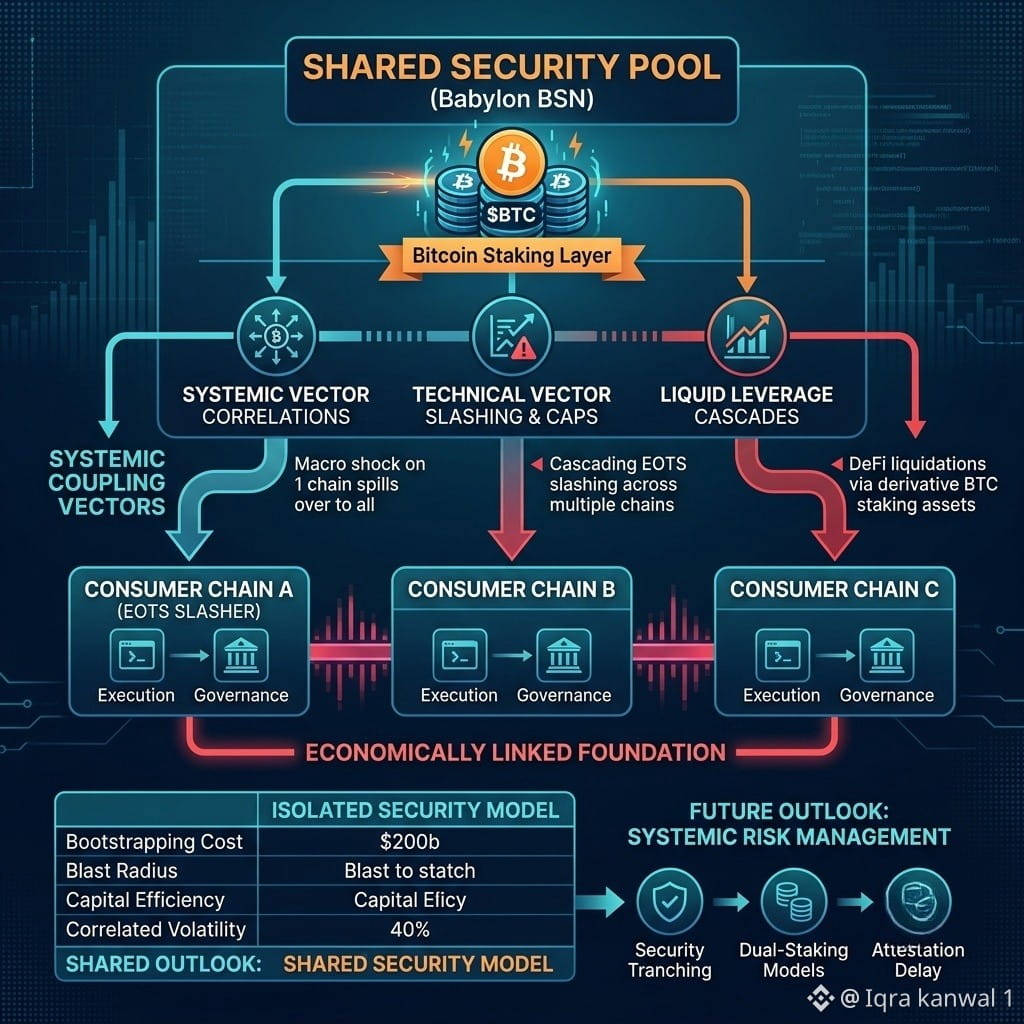
تستفيد كل سلسلة مستهلكة من نفس تجمع الأمان الأساسي المدعوم ببيتكوين، مع الحفاظ على تنفيذها وحوكمتها الخاصة. هذا الفصل أنيق لأنه يتجنب إجبار كل سلسلة على الانضمام إلى نظام بيئي واحد. ومع ذلك، فإنه يُدخل شكلاً غير معتاد من الاقتران البنيوي. لا يتطلب تحديث بروتوكولي كبير، أو نزاع حوكمة، أو مشكلة تشغيلية تؤثر على طبقة الحصة المشتركة أن تُقوِّض أي سلسلة مستهلكة بعينها مباشرة كي تؤثر في الثقة عبر جميعها. تظل السلاسل مستقلة تقنياً، لكنها تصبح مترابطة اقتصادياً عبر أساس أمان مشترك.
يبدو هذا كأنه تنازل لا يحظى باهتمامٍ كافٍ بشكل مدهش. تقليدياً، تتمثل إحدى ميزات سلاسل البلوكشين المنفصلة في أن حالات الفشل تميل إلى البقاء محلية. تغيّر مشاركة الأمان معادلة هذا الأمر. يمكن أن تُقلل تكلفة بناء الثقة للشبكات الجديدة، وفي الوقت نفسه تُنشئ اعتماداً مشتركاً أكبر تستلزم استقراره أهمية الجميع المتصلين بها. يصبح الأمن أكثر كفاءة لكن قد تقل درجة تنوع المرونة.
لستُ أقول إن هذا يجعل النموذج أضعف. إنه فقط يُغيّر مكان حدوث التركّز. بدلاً من تركيز التطبيقات على سلسلة واحدة، يعمل على تركيز الثقة في طبقة أمان واحدة. السؤال الذي أعود إليه باستمرار هو ما إذا كانت البنية التحتية للبلوكشين في الجيل القادم ستتنافس عبر نماذج أمنية معزولة، أم أن مشاركة الأمان نفسها ستصبح في النهاية مصدراً للمخاطر النظامية التي يتعين على البروتوكولات تعلم إدارتها.
وجدت نفسي أُراجع فرضية كانت تبدو بديهية في البداية: أن أمن بابل يصبح أقوى تلقائياً كلما تبنّت المزيد من سلاسل PoS ذلك. تتيح المعمارية بالتأكيد مشاركة الأمان الاقتصادي لبيتكوين عبر الشبكات، لكن مشاركة الأمان تعني أيضاً مشاركة الاعتماد.
تستفيد كل سلسلة مستهلكة من نفس تجمع الأمان الأساسي المدعوم ببيتكوين، مع الحفاظ على تنفيذها وحوكمتها الخاصة. هذا الفصل أنيق لأنه يتجنب إجبار كل سلسلة على الانضمام إلى نظام بيئي واحد. ومع ذلك، فإنه يُدخل شكلاً غير معتاد من الاقتران البنيوي. لا يتطلب تحديث بروتوكولي كبير، أو نزاع حوكمة، أو مشكلة تشغيلية تؤثر على طبقة الحصة المشتركة أن تُقوِّض أي سلسلة مستهلكة بعينها مباشرة كي تؤثر في الثقة عبر جميعها. تظل السلاسل مستقلة تقنياً، لكنها تصبح مترابطة اقتصادياً عبر أساس أمان مشترك.
يبدو هذا كأنه تنازل لا يحظى باهتمامٍ كافٍ بشكل مدهش. تقليدياً، تتمثل إحدى ميزات سلاسل البلوكشين المنفصلة في أن حالات الفشل تميل إلى البقاء محلية. تغيّر مشاركة الأمان معادلة هذا الأمر. يمكن أن تُقلل تكلفة بناء الثقة للشبكات الجديدة، وفي الوقت نفسه تُنشئ اعتماداً مشتركاً أكبر تستلزم استقراره أهمية الجميع المتصلين بها. يصبح الأمن أكثر كفاءة لكن قد تقل درجة تنوع المرونة.
لستُ أقول إن هذا يجعل النموذج أضعف. إنه فقط يُغيّر مكان حدوث التركّز. بدلاً من تركيز التطبيقات على سلسلة واحدة، يعمل على تركيز الثقة في طبقة أمان واحدة. السؤال الذي أعود إليه باستمرار هو ما إذا كانت البنية التحتية للبلوكشين في الجيل القادم ستتنافس عبر نماذج أمنية معزولة، أم أن مشاركة الأمان نفسها ستصبح في النهاية مصدراً للمخاطر النظامية التي يتعين على البروتوكولات تعلم إدارتها.