مقدمة: إن المحفظة الاستثمارية أكثر من مجرد أصل واحد
يعتقد معظم المبتدئين أن بناء المحفظة يعني العثور على "الشيء الكبير القادم". يبحثون عن العملة التي قد تضاعف x100، أو السهم الذي يتحدث عنه الجميع، أو الاتجاه الذي قد يجعلهم أغنياء بين ليلة وضحاها. لكن المستثمرون ذوو الخبرة يفكرون بشكل مختلف. لا تُبنى المحفظة على أساس فائز واحد. بل تُبنى على أساس التوازن.
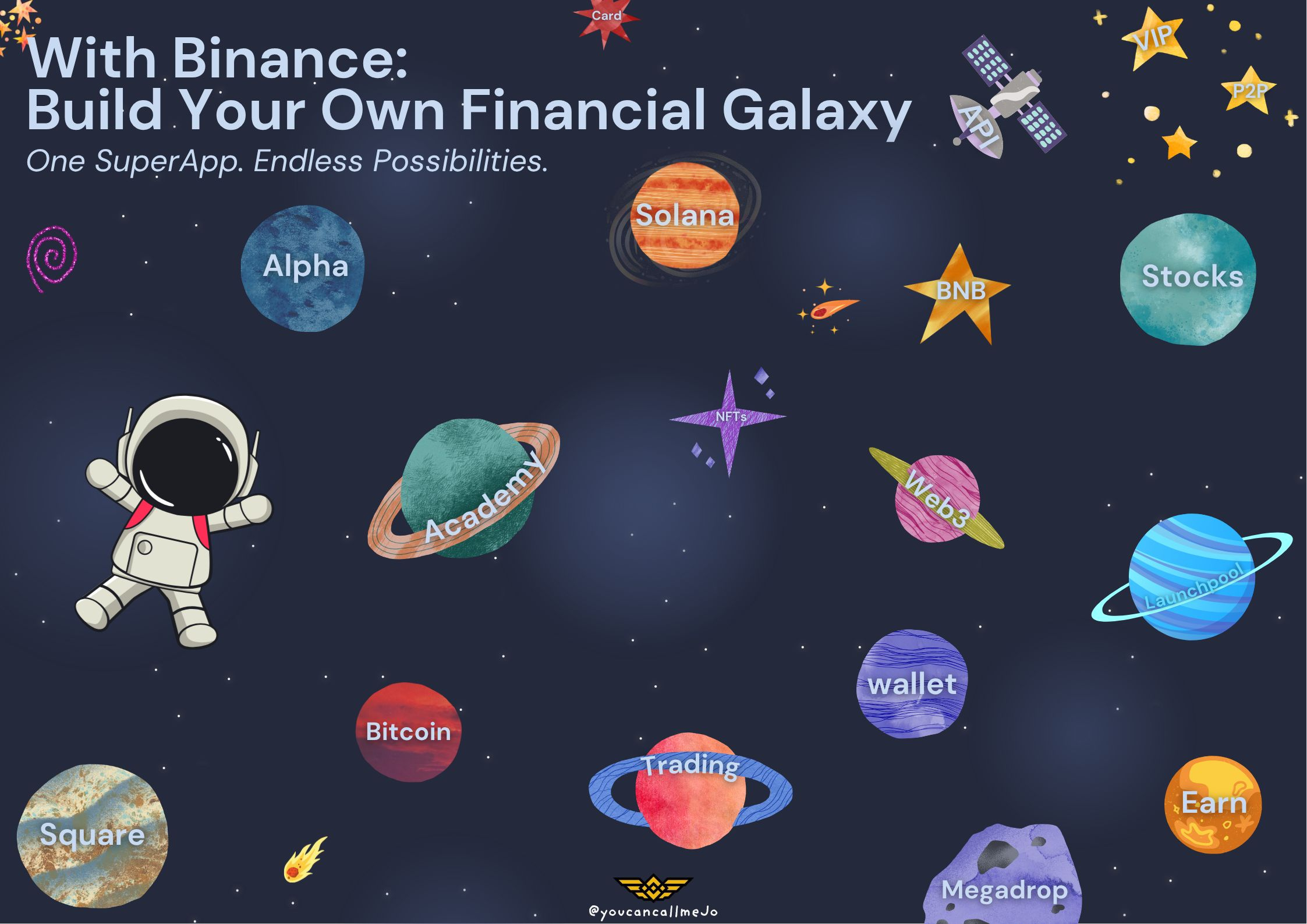
تجمع المحفظة القوية بين أنواع مختلفة من الأصول، لكل منها غرض مختلف. يركز بعض الأصول على النمو على المدى الطويل، وبعضها يوفر الاستقرار، وبعضها يخلق فرصًا، وبعضها يسمح للمستثمرين بالمشاركة في تقنيات مالية جديدة. وهنا تصبح فكرة التطبيق المالي الفائق (Financial Super App) مثيرة للاهتمام. بدلًا من إدارة كل جزء من رحلتك المالية على منصة مختلفة، تجمع Binance عوالم مالية متعددة في نظام بيئي واحد. من العملات المشفرة والتداول إلى منتجات Earn وWeb3 وNFTs والأسهم، إلى جانب فرص استثمارية أخرى، تمنح Binance للمستخدمين إمكانية الوصول إلى أدوات مختلفة وفقًا لأهدافهم.
السؤال الأول: هل أنت مستثمر، متداول... أم الاثنان معًا؟
قبل بناء محفظة، تحتاج أولًا إلى فهم مهمتك. المتداول يبحث عن فرص في تحركات السوق، ويحلل الرسوم البيانية، ويدرس حركة السعر، ويتخذ قرارات بناءً على التغيرات قصيرة الأجل. يفكر المستثمر بشكل مختلف، ويركز على الملكية والاقتناع والوقت. من يشتري Bitcoin لأنه يؤمن بدوره طويل الأجل في التمويل الرقمي هو مستثمر. من يفتح الرسوم البيانية كل بضع دقائق ويحاول تحقيق ربح من تحركات Bitcoin اليومية هو يتداول. يمكن استخدام نفس الأصل بطرق مختلفة تمامًا اعتمادًا على الاستراتيجية الكامنة خلفه، ولهذا فإن الخطوة الأولى في بناء المحفظة ليست اختيار أصل، بل اختيار نمط تفكيرك. أو ربما... لا يتوجب عليك الاختيار على الإطلاق.
من بين مزايا Financial Super App مثل Binance أنها تمنحك فرصة الاستثمار والتداول تقريبًا بكل طريقة يمكنك تخيلها. قد تقرر تقسيم رأس المال 50/50، تخصص 50% للتداول النشط، حيث تراقب الرسوم البيانية يوميًا وتستفيد من الفرص قصيرة الأجل، بينما تستثمر الـ 50% الأخرى في مشاريع طويلة الأجل تؤمن حقًا أنها ستزداد قيمتها عبر السنوات. وبالتأكيد لا ينتهي الأمر هنا. هذا مجرد مثال بسيط واحد لكيف يمكنك بناء محفظتك على Binance. استمر في القراءة، فقد تكتشف فرصًا داخل المنظومة لم تكن تعلم بوجودها حتى.
الأساس: الأصول الرقمية عبر Binance Spot
بالنسبة لكثير من المستخدمين، تبدأ أول لبنة في بناء محفظة Binance لديهم من Spot. يتيح Spot trading للمستخدمين شراء العملات الرقمية وامتلاكها مباشرةً. على عكس العقود الآجلة (Futures)، حيث يتكهن المتداولون بحركة السعر باستخدام الرافعة المالية، يعني Spot أنك فعليًا تحتفظ بالأصل الذي اشتريته.
تخيل شخصًا يبدأ بـ 10,000$. قد يقرر:
3,000$ في Bitcoin كأصل رقمي طويل الأجل
2,000$ في Ethereum بسبب نظامه البيئي للبلوك تشين
1,000$ في BNB بسبب دوره داخل منظومة Binance
1,000$ في مشاريع أخرى تمت دراستها
المبلغ المتبقي المحجوز لفرص مستقبلية
الجزء المهم ليس النسبة الدقيقة. الجزء المهم هو فهم أن كل أصل له غرض. المحفظة ليست مجرد عربة تسوق عشوائية. إنها استراتيجية.
تنمية الأصول الخاملة: Binance Earn
من بين الأسئلة التي يسألها العديد من المستثمرين في نهاية المطاف: "إذا كنت أنوي الاحتفاظ بأصولي على أي حال، فهل يمكن أن تفعل شيئًا أثناء انتظاري؟" هنا يدخل Binance Earn إلى المنظومة. بدلًا من ترك الأصول المؤهلة دون تغيير، يمكن للمستخدمين استكشاف منتجات مصممة لإمكانية توليد مكافآت.
على سبيل المثال: شخص يحتفظ بالعملات المستقرة أثناء انتظار فرص السوق قد يستكشف منتجات Flexible لأنه يريد مرونة في الوصول.
قد يفضل شخص آخر لديه نظرة ممتدة المدى منتجات Locked لأنه مرتاح لالتزام الأصول لفترة محددة اختارها.
الفرق بسيط: Flexible يركز على إمكانية الوصول. Locked يركز على الالتزام.
الاختيار الصحيح يعتمد على استراتيجية المستخدم وأهدافه وفهمه للمخاطر.
ما وراء العملات المشفرة: استكشاف الأسهم والأسواق التقليدية
لم تعد المحفظة الحديثة مقتصرة على عالم مالي واحد. لسنوات طويلة، بنى المستثمرون محافظهم حول أصول تقليدية مثل الأسهم وصناديق ETFs لأنهم كانوا يريدون التعرض للشركات والصناعات والنمو الاقتصادي العالمي. اليوم، أصبح العالم المالي مترابطًا بشكل متزايد، وتواصل منصات الاستثمار التطور، مقدمةً للمستخدمين إمكانية الوصول إلى مجموعة أوسع من الفرص المالية. ليست الفكرة استبدال أصل بآخر، بل فهم أن الأصول المختلفة تؤدي أغراضًا مختلفة. سهم التكنولوجيا يمثل ملكية في شركة، وBitcoin يمثل أصلًا رقميًا لامركزيًا، والعملات المستقرة توفر سيولة داخل النظام الرقمي. لكلٍ منها عالم مالي مختلف، وكل واحد منها يمكن أن يلعب دورًا فريدًا في بناء محفظة متنوعة.
بصراحة، أنا أحب الاستثمار في الأسهم جدًا. من نواحٍ كثيرة، منحني حرية مالية وإمكانية وصول أكبر مما جربته من قبل، حتى مقارنةً بالعملات المشفرة. وبالاستناد إلى تجربتي الخاصة والواقع في بلدي، لم يكن الاستثمار في الأسهم التقليدية أمرًا سهلًا. كان عليّ دفع رسوم اشتراك فقط لفتح حساب على منصة معينة، والتعامل مع عدة وسطاء، وإتمام الأوراق القانونية، وغالبًا التنازل عن جزء كبير من أرباحي (حتى 30%) كرسوم وعمولات، أحيانًا للوسطاء المحليين والدوليين، فقط كي أمتلك جزءًا صغيرًا من سهم. كانت تبدو وكأن هناك دائمًا عائقًا آخر يقف بيني وبين السوق. ثم اكتشفت طريقة أبسط بكثير للوصول إلى الأسواق المالية عبر منظومة واحدة. القدرة على إدارة استثمارات مختلفة من منصة واحدة، باستخدام الحساب نفسه والأموال نفسها، أزالت قدرًا كبيرًا من هذا التعقيد. عدد خطوات أقل، ووسطاء أقل، وتجربة أكثر سلاسة تعني أنني أستطيع التركيز على ما يهم حقًا: بناء محفظتي بدلًا من التعامل مع الأوراق والعقبات غير الضرورية.
لا تنسَ العوالم الرقمية: NFTs و Web3
لم يعد الاستثمار اليوم مقتصرًا على الأصول التقليدية. أدخلت تقنية البلوك تشين أشكالًا جديدة بالكامل من الملكية الرقمية، لتفتح الباب أمام فرص لم تكن موجودة حتى قبل بضع سنوات. من خلال Web3، يمكن للمستخدمين استكشاف التطبيقات اللامركزية والأصول الرقمية وأنظمة NFTs البيئية، وكلها مصممة لإعادة تشكيل طريقة تفاعلنا مع الإنترنت.
غالبًا ما تُفهم NFTs بشكل خاطئ على أنها "صور رقمية فحسب"، لكنها في الواقع أكثر من ذلك بكثير. لقد قدمت مفهوم الملكية الرقمية القابلة للتحقق، مما أتاح إمكانيات جديدة عبر الفن والألعاب والعضويات وتذاكر الحضور والمجتمعات الرقمية والعديد من التطبيقات الأخرى في العالم الحقيقي. أليس رائعًا كيف يمكن لصورة رقمية بسيطة أن تحمل قيمة، وتفتح مزايا حصرية، وتوصل المجتمعات، وتخلق فرصًا جديدة تمامًا؟ من كان ليصدق أننا سنعيش يومًا في عالم قد تمنح فيه امتلاك مقتنية رقمية إمكانية الوصول إلى تجارب تتجاوز الصورة نفسها بكثير؟
بالطبع، مثل أي تقنية ناشئة، يأتي الفهم دائمًا قبل الاستثمار. لا يقفز أكثر المستكشفين ذكاءً إلى كل كوكب جديد يكتشفونه؛ بل يأخذون الوقت لدراسته أولًا.
إذا كان لدي 10,000$: كيف سأتنوع محفظتي داخل Binance؟
قبل أن نبدأ، هذا ليس نصيحة مالية. هذا لأغراض تعليمية فقط ويعكس رأيي الشخصي والطريقة التي سأتعامل بها أنا شخصيًا مع التنويع. هذا مجرد مثال على كيفية أن شخصًا ما قد يستكشف أجزاء مختلفة من منظومة Binance ويفهم الفرص المحتملة المتاحة. تعتمد المحفظة المثالية دائمًا على أهداف كل فرد، وقدرته على تحمل المخاطر، وخبرته، ورأس المال المتاح.
لو كان لدي 10,000$ لبناء محفظتي داخل Binance، لكنت شخصيًا سأتنوع عبر عوالم مالية مختلفة بدلًا من وضع كل شيء في أصل واحد. سأخصص 15% لـ BNB، و10% لـ Solana، و10% لـ Bitcoin، و20% للأسهم للحصول على تعرض لكلٍ من الأصول الرقمية والأسواق التقليدية. سأحتفظ بـ10% للتداول اليومي في العقود الآجلة، و10% أخرى لعملات أصغر أراقبها بنشاط عبر Spot Trading، بينما أخصص 5% لـ NFTs وأستكشف عالم Web3.
بالنسبة للمبلغ المتبقي، سأحتفظ بالأموال في Flexible Earn، مما يسمح لي بالحفاظ على إمكانية الوصول مع احتمال تحقيق مكافآت. وهذا يمنحني المرونة لاستخدام تلك الأموال متى احتجت إليها، سواءً لشراء تذاكر الطيران أو التسوق أو بطاقات الألعاب، أو استكشاف منتجات وفرص أخرى داخل المنظومة.
بالطبع، هذا مجرد مثال واحد على كيفية رؤيتي الشخصية لتنويع المحفظة. ستبدو استراتيجية كل شخص مختلفة تبعًا لأهدافه ومعرفته وشهيته للمخاطر. الفكرة الأساسية هي فهم أن Financial Super App مثل Binance يمنح المستخدمين إمكانية الوصول إلى عوالم مالية متعددة، مما يسمح لكل شخص ببناء رحلة تتماشى مع رؤيته الخاصة.
متوسط تكلفة الدولار: بناء تدريجي داخل المنظومة
ليس الجميع يبدأ بآلاف الدولارات. يبني العديد من المستثمرين محافظهم تدريجيًا. متوسط تكلفة الدولار (Dollar Cost Averaging) يعني الاستثمار بمبلغ ثابت بشكل منتظم بدلًا من محاولة توقيت السوق بدقة.
على سبيل المثال: شخص يستثمر 200$ كل شهر في أصول مختارة يكوّن عادة بدلًا من الاعتماد على العواطف. سترتفع الأسواق. وستنخفض الأسواق. لكن الاستراتيجية تظل ثابتة.
أكبر خطأ: عدم وجود خطة
أكبر خطأ يرتكبه المبتدئون هو جمع الأصول دون معرفة سبب امتلاكهم لها. شراء Bitcoin لأن شخصًا ما ذكره، شراء عملة لأنها تتصدر الاتجاهات، شراء NFT لأن الجميع يتحدث عنه.
المحفظة بدون استراتيجية ليست سوى مجموعة. المحفظة مع استراتيجية هي رحلة مالية.
عالم Binance: منظومة واحدة، أهداف مختلفة
جمال تطبيق SuperApp المالي ليس في أن الجميع يستخدم كل ميزة على الإطلاق، بل في أن بإمكان الجميع استخدامه بالطريقة التي تناسب رحلتهم الخاصة. قد يستخدم مبتدئ، أو متداول، أو مستثمر طويل الأجل، أو مستكشف Web3 Binance بشكل مختلف. قد يركز شخص ما على Spot Trading، وآخر قد يستكشف منتجات Earn، وثالث قد يبحث عن مشاريع جديدة، بينما قد يبني شخص آخر محفظة متنوعة عبر عوالم مالية مختلفة.
تتكيف المنظومة مع أهداف المستخدم وخبرته واستراتيجيته.
إذا نظرت إلى محفظتي، فستجد على الأرجح أكثر من 40 أصلًا مختلفًا، وهذا بالضبط ما أحبه في Binance: الأمان، والتنوع، والرسوم المنخفضة، والأهم من ذلك المجتمع والفريق الذي يقف خلفه. يعكس هذا الـ Financial Super App حقًا كيف يمكن لمنظومة مُحكمة البناء أن تجمع بين تجارب مالية مختلفة بطريقة نظيفة وبسيطة وموثوقة.
ما التالي؟
بناء محفظة يعني اختيار كواكبك.
ولكن بمجرد اختيار تلك الكواكب، تظهر سؤال آخر: كيف تتنقل بينها؟
في الحلقة القادمة، سنغوص في عالم التداول داخل Binance ونستكشف كيف تعمل الأسواق.
@Binancearabic @Binance_Academy
#InsideBinance #FinancialSuperApp #CryptoInvesting" #PortfolioBuilding #learnwithbinance