
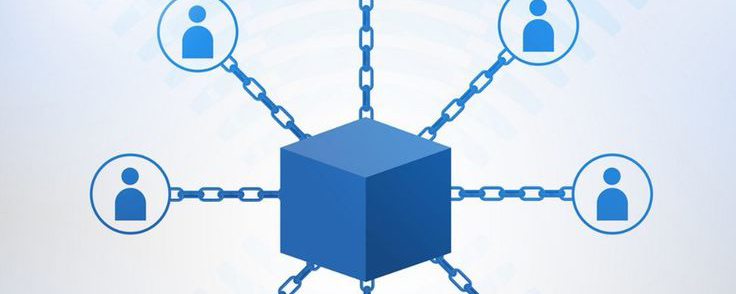

لطالما ركّزت صناعة الكريبتو على ربط البلوك تشينات. ولكن ماذا لو لم تكن التحديات الحقيقية هي ربط السلاسل على الإطلاق؟ ماذا لو كانت المسألة هي ربط السيولة؟
مقدمة
اسأل أي شخص عن مستقبل التمويل اللامركزي، وستسمع على الأرجح العبارة "عبر السلاسل".
الجسور عبر السلاسل.
مراسلة عبر السلاسل.
قابلية التشغيل البيني عبر السلاسل.
لقد غيّرت هذه الابتكارات بلوك تشين من منظومات منعزلة إلى شبكة مترابطة من الاقتصادات الرقمية.
لكن على الرغم من هذا التقدم، ما زال المتداولون يواجهون إحباطات مألوفة.
تكتمل المعاملة.
الجسر يعمل.
تصل الأصول.
ومع ذلك، بطريقة ما...
لا يزال التنفيذ ليس مثاليًا.
تختلف الأسعار بين المنصات.
تبدو السيولة غير متسقة.
الصفقات الكبيرة تحرك السوق أكثر مما هو متوقع.
الحقيقة هي أن ربط سلاسل الكتل لا يربط السيولة تلقائيًا.
وقد يكون هذا التمييز هو ما يحدد المرحلة التالية من التمويل اللامركزي.
يمكن للسلاسل أن تتواصل.
السيولة لا تتبع تلقائيًا.
تسمح بروتوكولات التشغيل البيني الحديثة بانتقال المعلومات والأصول عبر الشبكات بكفاءة أكبر من أي وقت مضى.
لكن السيولة تتصرف بشكل مختلف.
كل سلسلة كتل لديها:
مستخدمون مختلفون
نشاط تداول مختلف
صنّاع سوق مختلفون
مزودو سيولة مختلفون
حوافز مختلفة
نقل أصل من السلسلة A إلى السلسلة B لا يدمج السوقين سحريًا في سوق واحد.
تظل السيولة موزعة.
لهذا السبب يمكن لبورصتين تتداولان الرمز نفسه أن تقدما أسعار تنفيذ مختلفة بشكل ملحوظ.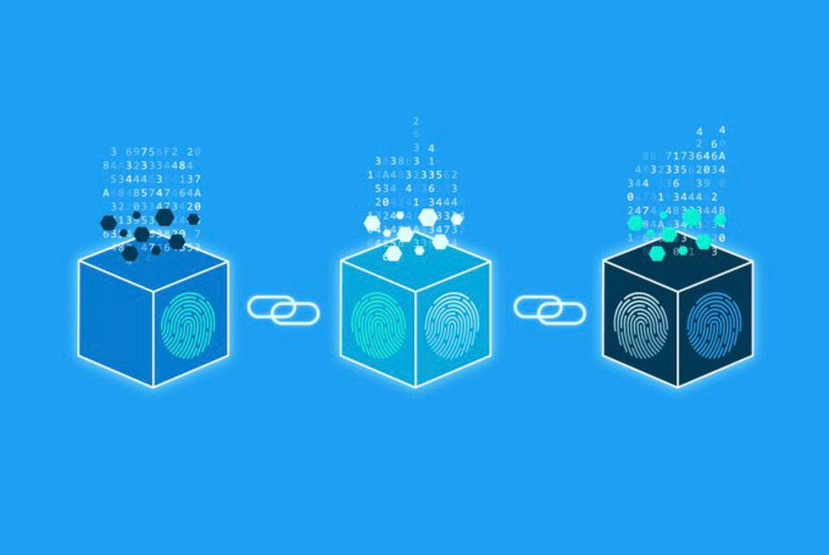
وهم السيولة اللامتناهية
بالنسبة إلى كثير من المستخدمين، يبدو التمويل اللامركزي بلا حدود.
آلاف الرموز.
مئات البورصات.
مليارات مقفلة في البروتوكولات.
ومع ذلك، غالبًا ما يروي التنفيذ قصة أخرى.
قد يلاحظ متداول يحاول مبادلة بقيمة 500 دولار فرقًا طفيفًا.
قد يكتشف متداول ينفذ صفقة بقيمة 100,000 دولار أن السيولة ليست عميقة بالقدر المتوقع.
ليس لأن السيولة غير موجودة.
لأنها مجزأة.
تخيل أنك تحاول ملء مسبح باستخدام مئات الدلاء الصغيرة المبعثرة في أنحاء مدينة.
الماء موجود.
الوصول إليها بكفاءة هو التحدي الحقيقي.
أصبحت السيولة مشكلة اكتشاف
لم تُنشئ محركات البحث الإنترنت.
لقد جعلوه قابلًا للاستخدام.
وبالمثل...
التجميع لا يخلق السيولة.
إنه يساعد المستخدمين على اكتشافها.
هذا التحول يغير الطريقة التي ينبغي أن نفكر بها في بنية التمويل اللامركزي التحتية.
ربما البروتوكول الأكثر قيمة ليس ذاك الذي يملك أكبر حوض سيولة.
ربما يكون هو ذلك الذي يساعد المستخدمين على الوصول إلى السيولة بذكاء حيثما كانت موجودة بالفعل.
أصبح التنفيذ بنية تحتية
قبل سنوات، كان المستخدمون يختارون البورصات.
اليوم، بشكل متزايد، تختار التطبيقات بنية التنفيذ التحتية.
بدلًا من أن نسأل:
أي DEX يجب أن أدمج؟
بدأ المطورون يسألون:
أي بنية تحتية تمنح مستخدمي تنفيذًا أفضل؟
يمثل هذا التغيير الدقيق تطورًا معماريًا كبيرًا.
أصبح التنفيذ نفسه خدمة.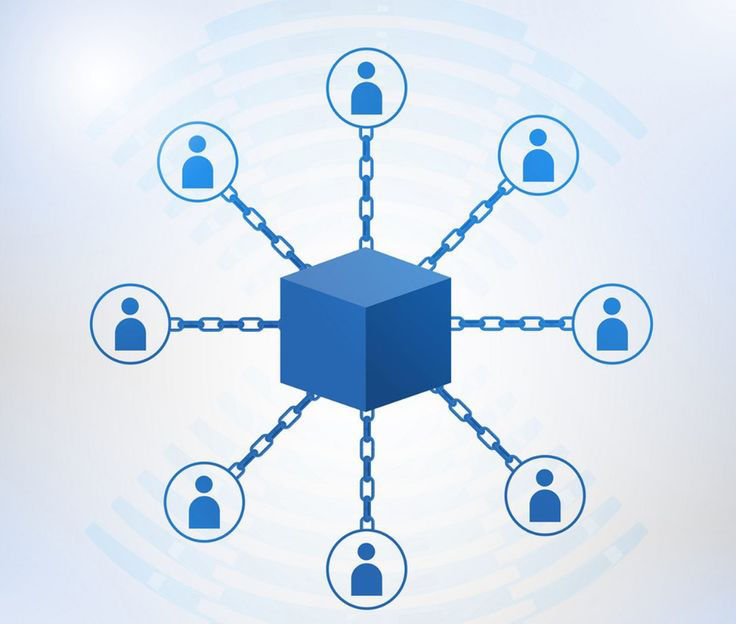
مكانة Omniston
ضمن نظام TON البيئي، يمثل Omniston من STON.fi هذا التحول الأوسع نحو بنية تحتية تركز على التنفيذ.
بدلًا من أن يتموضع فقط كبورصة لامركزية أخرى، صُممت بنيته لتجميع السيولة من مصادر متعددة مدعومة وتحديد مسار تنفيذ فعّال للمبادلات داخل نظامه البيئي.
الأهمية ليست مجرد خوارزمية توجيه أخرى.
إنه الإدراك المتزايد بأن جودة التنفيذ أصبحت ميزة تنافسية.
مع توسع النظم البيئية وتزايد توزيع السيولة، قد يكون مساعدة المستخدمين على الوصول إلى تلك السيولة بكفاءة ذا قيمة تضاهي إنشاء سيولة جديدة بحد ذاته.
البنية التحتية التي لا يلاحظها أحد
فكر في نظام GPS.
قلة من الناس يفهمون التثليث القائم على الأقمار الصناعية.
إنهم ببساطة يتوقعون توجيهات دقيقة.
وبالمثل...
معظم المتداولين لا يريدون أن يفهموا:
تحسين المسار
تجميع السيولة
شبكات الحلول
نماذج RFQ
تسوية ذرية
إنهم ببساطة يتوقعون:
"ضغطت على مبادلة."
"حصلت على سعر تنافسي."
"لقد عمل."
هذا هو النجاح.
البنية التحتية العظيمة تتلاشى في الخلفية.
لماذا يهم هذا خارج TON
الأفكار المطروحة هنا ليست حكرًا على سلسلة كتل واحدة.
إيثريوم...
سولانا...
Base...
أربيتروم...
أفالانش...
كل نظام بيئي ينمو يواجه في النهاية التحدي نفسه.
تتوسع السيولة أسرع من واجهات المستخدم.
يصبح التنفيذ أكثر تعقيدًا.
تصبح البنية التحتية ذات قيمة متزايدة.
قد تصبح البروتوكولات التي تبسط هذا التعقيد، بهدوء، من أهم اللبنات الأساسية في التمويل اللامركزي.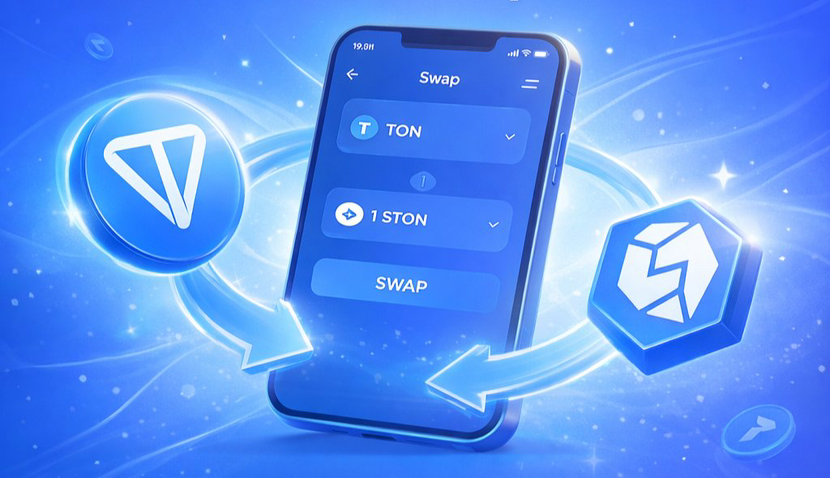
المستقبل ليس سيولة أكثر
إنه وصول أفضل.
على مدى سنوات، احتفل التمويل اللامركزي بالأحواض الأكبر للسيولة.
غدًا...
قد نحتفل بشيء مختلف.
بنية تحتية قادرة على اكتشاف السيولة ومقارنتها والوصول إليها بذكاء أينما وُجدت.
لأن المستخدمين لا يقيسون الابتكار عبر مخططات البنية.
يقيسون ذلك من خلال التجربة.
هل نُفذت صفقتي بسلاسة؟
هل حصلت على سعر عادل؟
هل عمل كل شيء ببساطة؟
أفكار ختامية
كل جيل من التمويل اللامركزي يحل مشكلة مختلفة.
أول من أنشأ البورصات اللامركزية.
الثاني ربط سلاسل الكتل.
قد يربط الثالث السيولة نفسها.
إذا حدث ذلك، فلن يكون الفائزون بالضرورة هم البروتوكولات ذات الأحواض الأكبر.
قد تكون تلك البروتوكولات التي تجعل كل حوض يبدو أكبر من خلال مساعدة المستخدمين على الوصول إليه بذكاء.
ربما لا يتعلق مستقبل التمويل اللامركزي بجعل سلاسل الكتل تتحدث.
الأمر يتعلق بجعل السيولة تعمل معًا.