#baby $BABY @BabylonLabs_io
كلما تابعت تطور سلسلة الكتل، كلما شعرت أننا كنا نطرح السؤال الخطأ. بدلًا من التساؤل عن كيفية جعل كل شبكة أقوى بذاتها، ربما ينبغي أن نسأل كيف يمكن أن يصبح الثقة نفسها أكثر فائدة دون أن تصبح أكثر هشاشة.
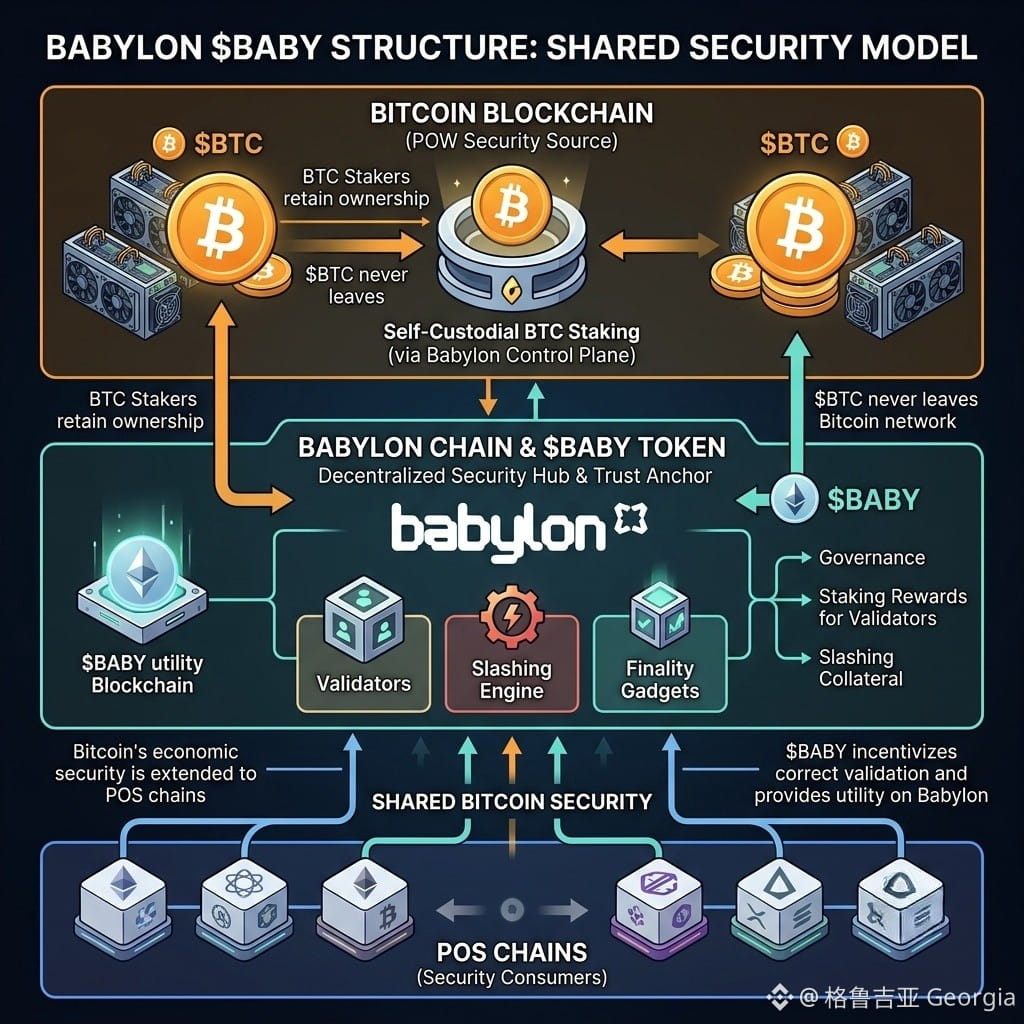
برزت هذه الفكرة عندما قضيت وقتًا في التأمل في بابلون. لم يلفت انتباهي الجانب المعماري التقني بقدر ما لفتني الفكرة القائلة بأن الأمن الاقتصادي لبيتكوين يمكن أن يساعد في تقوية سلاسل بلوك تشين إثبات الحصة عبر الاستيثاق الذاتي (self-custodial staking) بينما لا يغادر BTC شبكة بيتكوين أبدًا. هناك شيء متسق بعمق في ذلك. إنه يحافظ على المبدأ الذي جذب كثيرًا منا إلى بيتكوين من الأساس: تبقى الملكية بالكامل في يد الفرد.
تكون الثقة أقوى عندما لا تتطلب أبدًا الحيازة.
لسنوات، افترضت أن بيتكوين الخامل مجرد رأس مال راكد. الآن أرى احتمالًا آخر. ربما يمكن لأصل ما أن يبقى تمامًا حيث ينتمي بينما تمتد مصداقيته إلى ما وراء نظامه البيئي الخاص. لا تعني المشاركة بالضرورة نقل السيطرة.
غيّرت هذه النظرة الطريقة التي أفكر بها في كفاءة رأس المال. إنها أقل بكثير عن جعل كل عملة أكثر نشاطًا، وأكثر عن السماح للأصول الموثوقة بعمق بأن تعزز بهدوء أمن شبكات أخرى. إذا أمكن للأمن أن يصبح موردًا مشتركًا بينما تبقى الحيازة الذاتية دون أن تمس، فلا يسعني إلا التساؤل: كيف قد يعيد ذلك تشكيل العلاقات بين سلاسل الكتل في السنوات المقبلة.
كلما تابعت تطور سلسلة الكتل، كلما شعرت أننا كنا نطرح السؤال الخطأ. بدلًا من التساؤل عن كيفية جعل كل شبكة أقوى بذاتها، ربما ينبغي أن نسأل كيف يمكن أن يصبح الثقة نفسها أكثر فائدة دون أن تصبح أكثر هشاشة.
برزت هذه الفكرة عندما قضيت وقتًا في التأمل في بابلون. لم يلفت انتباهي الجانب المعماري التقني بقدر ما لفتني الفكرة القائلة بأن الأمن الاقتصادي لبيتكوين يمكن أن يساعد في تقوية سلاسل بلوك تشين إثبات الحصة عبر الاستيثاق الذاتي (self-custodial staking) بينما لا يغادر BTC شبكة بيتكوين أبدًا. هناك شيء متسق بعمق في ذلك. إنه يحافظ على المبدأ الذي جذب كثيرًا منا إلى بيتكوين من الأساس: تبقى الملكية بالكامل في يد الفرد.
تكون الثقة أقوى عندما لا تتطلب أبدًا الحيازة.
لسنوات، افترضت أن بيتكوين الخامل مجرد رأس مال راكد. الآن أرى احتمالًا آخر. ربما يمكن لأصل ما أن يبقى تمامًا حيث ينتمي بينما تمتد مصداقيته إلى ما وراء نظامه البيئي الخاص. لا تعني المشاركة بالضرورة نقل السيطرة.
غيّرت هذه النظرة الطريقة التي أفكر بها في كفاءة رأس المال. إنها أقل بكثير عن جعل كل عملة أكثر نشاطًا، وأكثر عن السماح للأصول الموثوقة بعمق بأن تعزز بهدوء أمن شبكات أخرى. إذا أمكن للأمن أن يصبح موردًا مشتركًا بينما تبقى الحيازة الذاتية دون أن تمس، فلا يسعني إلا التساؤل: كيف قد يعيد ذلك تشكيل العلاقات بين سلاسل الكتل في السنوات المقبلة.