@BabylonLabs_io #baby $BABY
كلما تابعت تطور استتثمار/إستيكينغ البيتكوين، زاد اقتناعي بأن المشكلة الحقيقية ليست العائد. إنها الثقة.
في النهاية، تطلب أغلب الأنظمة من المستخدمين أن يمنحوا السيطرة لشخص آخر مقابل الراحة. تكون الفرضية دائمًا واحدة: الناس سيتبادلون قليلًا من الأمان مقابل قليل من الكفاءة. أحيانًا يحدث ذلك. إلى أن ينكسر شيء ما.
ما يُتجاهَل كثيرًا هو أن الأمان ليس فقط منع الهجمات. بل هو تقليل عدد الصلاحيات التي يمكن أن تفشل. كل وسيط إضافي أو جهة حافظة أو طرف موثوق يصبح نقطة أخرى يمكن أن تنحرف فيها الحوافز بعيدًا عن المستخدمين.
ولهذا السبب لفتت انتباهِي بابلون (Babylon).
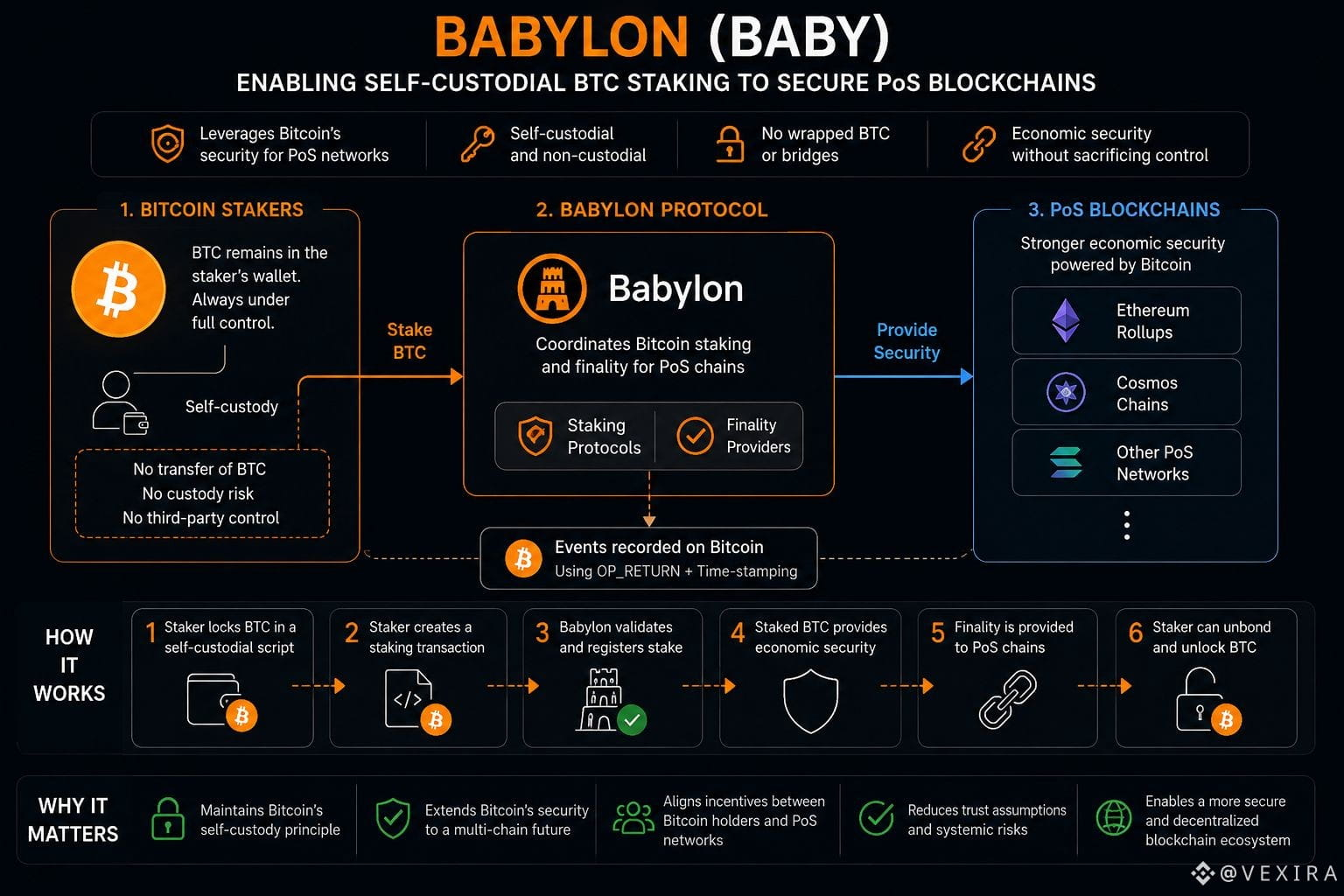
الفكرة المثيره للاهتمام ليست مجرد استخدام BTC لتعزيز تأمين شبكات PoS. بل هي محاولة القيام بذلك دون مطالبة المستخدمين بالتخلي عن حيازة/كُستوديا بيتكوين الخاصة بهم. هذا يعكس فلسفة مختلفة: تقوية التنسيق دون توسيع افتراضات الثقة.
على أرض الواقع، تكون أكثر حالات الفشل صعوبة غالبًا ليست اختراقات درامية يراها الجميع قادمة. في كثير من الأحيان تكون تنازلات صغيرة. صلاحيات إضافية. طبقات للراحة. اعتماديات هادئة تتراكم مع الوقت حتى يصبح النظام هشًا.
غالبًا ما تكون المشاريع المهمة هي تلك التي تطرح أسئلة غير مريحة حول مكان وجود الثقة ومن الذي يتحكم فيها.
لأن في عالم الكريبتو، عادةً لا يختفي الأمان بين ليلة وضحاها.
إنه يتآكل افتراضًا واحدًا في كل مرة.
كلما تابعت تطور استتثمار/إستيكينغ البيتكوين، زاد اقتناعي بأن المشكلة الحقيقية ليست العائد. إنها الثقة.
في النهاية، تطلب أغلب الأنظمة من المستخدمين أن يمنحوا السيطرة لشخص آخر مقابل الراحة. تكون الفرضية دائمًا واحدة: الناس سيتبادلون قليلًا من الأمان مقابل قليل من الكفاءة. أحيانًا يحدث ذلك. إلى أن ينكسر شيء ما.
ما يُتجاهَل كثيرًا هو أن الأمان ليس فقط منع الهجمات. بل هو تقليل عدد الصلاحيات التي يمكن أن تفشل. كل وسيط إضافي أو جهة حافظة أو طرف موثوق يصبح نقطة أخرى يمكن أن تنحرف فيها الحوافز بعيدًا عن المستخدمين.
ولهذا السبب لفتت انتباهِي بابلون (Babylon).
الفكرة المثيره للاهتمام ليست مجرد استخدام BTC لتعزيز تأمين شبكات PoS. بل هي محاولة القيام بذلك دون مطالبة المستخدمين بالتخلي عن حيازة/كُستوديا بيتكوين الخاصة بهم. هذا يعكس فلسفة مختلفة: تقوية التنسيق دون توسيع افتراضات الثقة.
على أرض الواقع، تكون أكثر حالات الفشل صعوبة غالبًا ليست اختراقات درامية يراها الجميع قادمة. في كثير من الأحيان تكون تنازلات صغيرة. صلاحيات إضافية. طبقات للراحة. اعتماديات هادئة تتراكم مع الوقت حتى يصبح النظام هشًا.
غالبًا ما تكون المشاريع المهمة هي تلك التي تطرح أسئلة غير مريحة حول مكان وجود الثقة ومن الذي يتحكم فيها.
لأن في عالم الكريبتو، عادةً لا يختفي الأمان بين ليلة وضحاها.
إنه يتآكل افتراضًا واحدًا في كل مرة.