#Binance #bitcoin غسق البيتكوين؟ لماذا قد يستمر نظام Binance البيئي بعد الملك
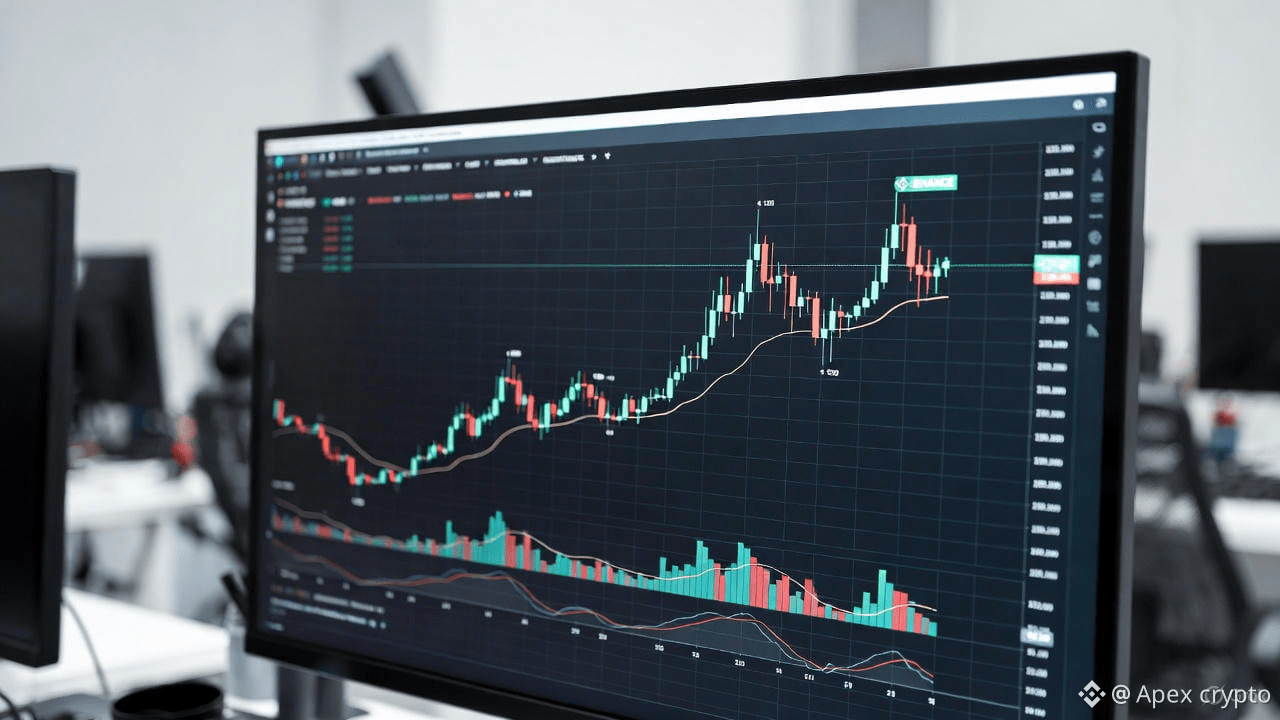
الادعاء الاستفزازي بأن البيتكوين لن ينجو بينما ترتفع Binance لتأخذ عرشها يبدو وكأنه هرطقة في عالم العملات المشفرة في عام 2026. بعد كل شيء، لا يزال البيتكوين هو الذهب الرقمي الذي لا جدال فيه، مع عمالقة المؤسسات مثل صناديق الاستثمار المتداولة من بلاك روك التي تخزن العرض وتوقعات تتراوح من 150,000 دولار إلى 250,000 دولار هذا العام وحده. ومع ذلك، هناك نواة من الحقيقة في الرؤية المعاكسة: قد تصبح اللامركزية الصارمة للبيتكوين نقطة ضعفه في عالم يتطلب السرعة، والفائدة، والتكامل السلس.
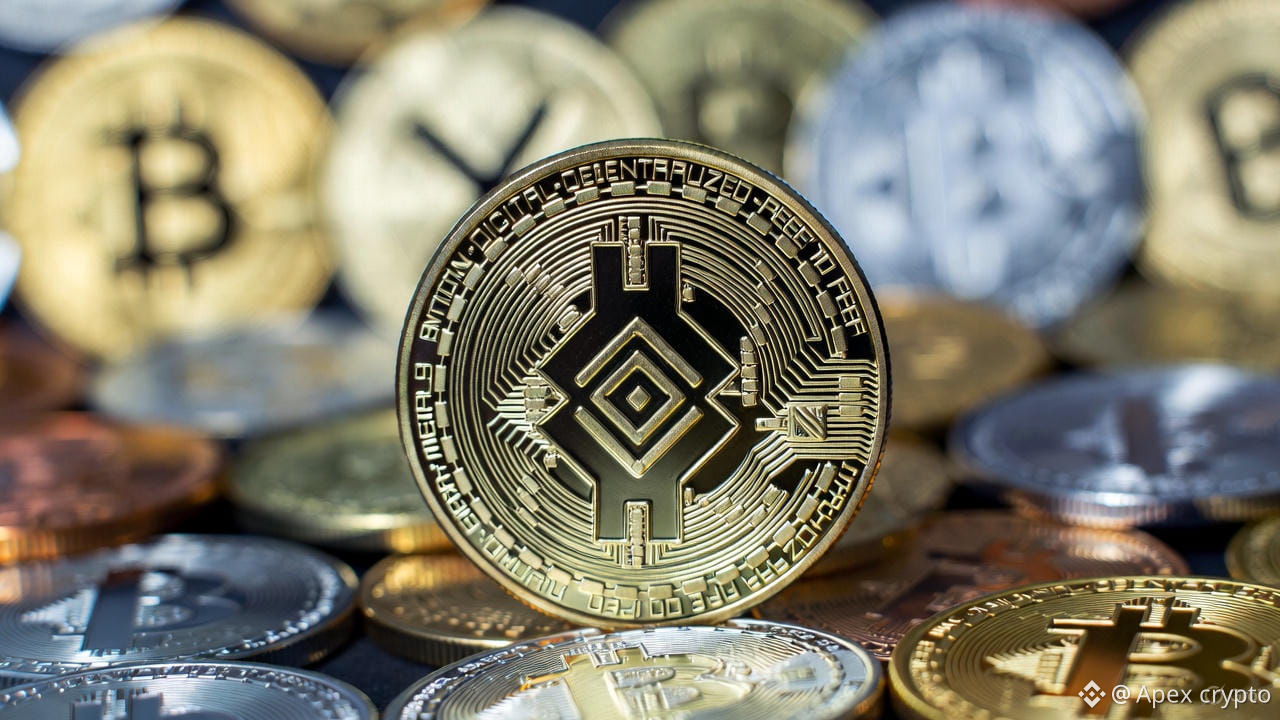
قوة البيتكوين - ندرته وأمانه - تحد أيضًا من قدرته. المعاملات تسير ببطء عند 7 في الثانية، والرسوم ترتفع خلال حالات الازدحام، ولا يقدم شيئًا بجانب كونه مخزنًا للقيمة. وفي الوقت نفسه، Binance، أكبر بورصة في العالم مع أكثر من 300 مليون مستخدم، تدعم نظامًا بيئيًا كاملًا من خلال BNB. تتعامل سلسلة BNB مع مئات المعاملات في الثانية بتكاليف ضئيلة، مما يغذي التمويل اللامركزي، والرموز غير القابلة للاستبدال، والألعاب، والتطبيقات في العالم الحقيقي. لم يعد BNB مجرد رمز خصم للتداول؛ بل يتم حرقه بانتظام لتقليل العرض، ويتم التخزين للحصول على العوائد، وهو جزء لا يتجزأ من هيمنة Binance في أسواق العملات الفورية والمشتقات.
تفضي الرياح التنظيمية إلى منصات مثل Binance التي تتكيف بسرعة، بينما تدعو اللامركزية الخالصة للبيتكوين إلى نقاشات لا نهاية لها حول التحديثات. إذا تحولت التبني نحو البلوكتشين العملي - وتظهر التاريخ أن الفائدة غالبًا ما تتفوق على الأيديولوجية - فإن عجلة الابتكار الخاصة بـ Binance قد تطغى على سرد البيتكوين خلال العقد القادم.
هل يموت البيتكوين؟ من غير المحتمل قريبًا. لكن التلاشي إلى أثر بينما تصبح أنظمة مثل Binance "البيتكوين" الجديدة لمليارات الأشخاص؟ قد تستغرق تلك التطورات بضع سنوات أخرى. الملك يحكم الآن، لكن الإمبراطورية تتشكل.
الادعاء الاستفزازي بأن البيتكوين لن ينجو بينما ترتفع Binance لتأخذ عرشها يبدو وكأنه هرطقة في عالم العملات المشفرة في عام 2026. بعد كل شيء، لا يزال البيتكوين هو الذهب الرقمي الذي لا جدال فيه، مع عمالقة المؤسسات مثل صناديق الاستثمار المتداولة من بلاك روك التي تخزن العرض وتوقعات تتراوح من 150,000 دولار إلى 250,000 دولار هذا العام وحده. ومع ذلك، هناك نواة من الحقيقة في الرؤية المعاكسة: قد تصبح اللامركزية الصارمة للبيتكوين نقطة ضعفه في عالم يتطلب السرعة، والفائدة، والتكامل السلس.
قوة البيتكوين - ندرته وأمانه - تحد أيضًا من قدرته. المعاملات تسير ببطء عند 7 في الثانية، والرسوم ترتفع خلال حالات الازدحام، ولا يقدم شيئًا بجانب كونه مخزنًا للقيمة. وفي الوقت نفسه، Binance، أكبر بورصة في العالم مع أكثر من 300 مليون مستخدم، تدعم نظامًا بيئيًا كاملًا من خلال BNB. تتعامل سلسلة BNB مع مئات المعاملات في الثانية بتكاليف ضئيلة، مما يغذي التمويل اللامركزي، والرموز غير القابلة للاستبدال، والألعاب، والتطبيقات في العالم الحقيقي. لم يعد BNB مجرد رمز خصم للتداول؛ بل يتم حرقه بانتظام لتقليل العرض، ويتم التخزين للحصول على العوائد، وهو جزء لا يتجزأ من هيمنة Binance في أسواق العملات الفورية والمشتقات.
تفضي الرياح التنظيمية إلى منصات مثل Binance التي تتكيف بسرعة، بينما تدعو اللامركزية الخالصة للبيتكوين إلى نقاشات لا نهاية لها حول التحديثات. إذا تحولت التبني نحو البلوكتشين العملي - وتظهر التاريخ أن الفائدة غالبًا ما تتفوق على الأيديولوجية - فإن عجلة الابتكار الخاصة بـ Binance قد تطغى على سرد البيتكوين خلال العقد القادم.
هل يموت البيتكوين؟ من غير المحتمل قريبًا. لكن التلاشي إلى أثر بينما تصبح أنظمة مثل Binance "البيتكوين" الجديدة لمليارات الأشخاص؟ قد تستغرق تلك التطورات بضع سنوات أخرى. الملك يحكم الآن، لكن الإمبراطورية تتشكل.