#newt $NEWT
بروتوكول نيوتن والطبقة المفقودة من الثقة في الذكاء الاصطناعي
سأكون صريحًا—كنت أتوقع أن يكون بروتوكول نيوتن مجرد مشروع آخر يجمع بين الذكاء الاصطناعي وسلسلة الكتل دون أن يقدم شيئًا مختلفًا جذريًا. لكن بعد الاطلاع بعمق، أدركت أن تركيزه لا يهدف إلى جعل الذكاء الاصطناعي أكثر ذكاءً، بل إلى جعل أفعاله أكثر قابلية للمساءلة.
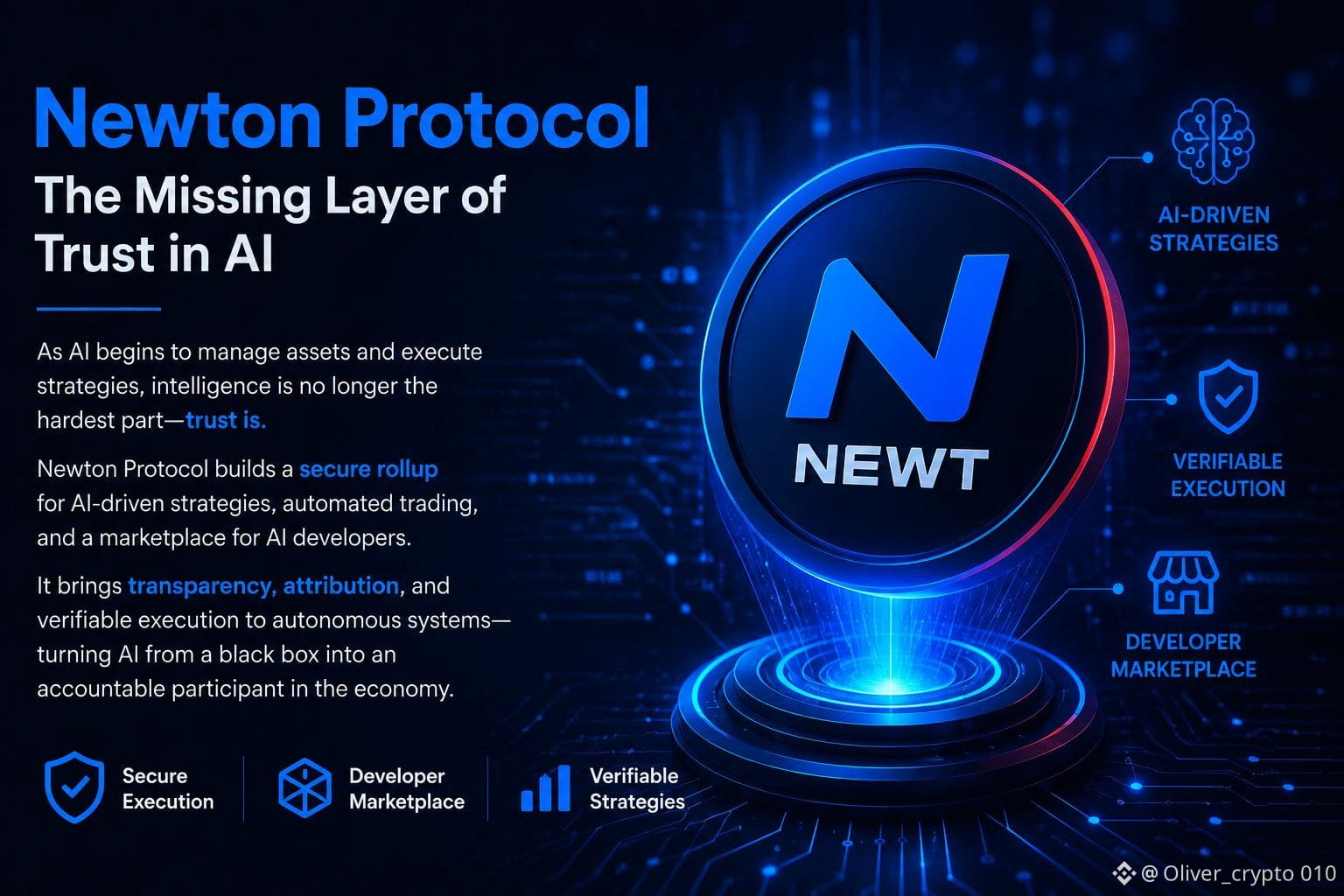
مع بدء قيام الذكاء الاصطناعي بتنفيذ الصفقات وإدارة الأصول الرقمية، لا يكفي الذكاء وحده. التحدي الحقيقي هو الثقة. تعمل معظم أنظمة الذكاء الاصطناعي كصناديق سوداء، تطلب من المستخدمين الاعتماد على قرارات لا يمكنهم التحقق منها بشكل مستقل. وهذا يخلق اختلالًا حيث ينمو الأتمتة بسرعة أكبر من المساءلة.
يحاول بروتوكول نيوتن معالجة ذلك عبر بناء تجميع (rollup) آمن مصمم للتنفيذ المدفوع بالذكاء الاصطناعي. بدلًا من مجرد معالجة المعاملات، تهدف الشبكة إلى إنشاء سجلات قابلة للتحقق لكيفية تصرف الوكلاء المستقلين. وهذا يحوّل سلسلة الكتل من كونها طبقة دفع إلى طبقة تنسيق، حيث يتقاسم المطورون والموثّقون (validators) والمستخدمون المسؤولية بدلًا من الاعتماد على منصة واحدة.
تلك الرؤية مقنعة، لكنها تواجه أيضًا أسئلة صعبة. قد تُشوَّه الحوافز، وقد تصبح الحوكمة أكثر تعقيدًا، وغالبًا ما تُفضي اللامركزية إلى مفاضلات بين الانفتاح والكفاءة.
ما إذا كان نيوتن سينجح يبقى غير مؤكد. ومع ذلك، يطرح فكرة مهمة: قد يعتمد مستقبل الذكاء الاصطناعي بدرجة أقل على بناء أنظمة أكثر ذكاءً وأكثر على إنشاء بنية تحتية يكون فيها الذكاء شفافًا وقابلًا للمساءلة وجديرًا بالثقة.
@NewtonProtocol
بروتوكول نيوتن والطبقة المفقودة من الثقة في الذكاء الاصطناعي
سأكون صريحًا—كنت أتوقع أن يكون بروتوكول نيوتن مجرد مشروع آخر يجمع بين الذكاء الاصطناعي وسلسلة الكتل دون أن يقدم شيئًا مختلفًا جذريًا. لكن بعد الاطلاع بعمق، أدركت أن تركيزه لا يهدف إلى جعل الذكاء الاصطناعي أكثر ذكاءً، بل إلى جعل أفعاله أكثر قابلية للمساءلة.
مع بدء قيام الذكاء الاصطناعي بتنفيذ الصفقات وإدارة الأصول الرقمية، لا يكفي الذكاء وحده. التحدي الحقيقي هو الثقة. تعمل معظم أنظمة الذكاء الاصطناعي كصناديق سوداء، تطلب من المستخدمين الاعتماد على قرارات لا يمكنهم التحقق منها بشكل مستقل. وهذا يخلق اختلالًا حيث ينمو الأتمتة بسرعة أكبر من المساءلة.
يحاول بروتوكول نيوتن معالجة ذلك عبر بناء تجميع (rollup) آمن مصمم للتنفيذ المدفوع بالذكاء الاصطناعي. بدلًا من مجرد معالجة المعاملات، تهدف الشبكة إلى إنشاء سجلات قابلة للتحقق لكيفية تصرف الوكلاء المستقلين. وهذا يحوّل سلسلة الكتل من كونها طبقة دفع إلى طبقة تنسيق، حيث يتقاسم المطورون والموثّقون (validators) والمستخدمون المسؤولية بدلًا من الاعتماد على منصة واحدة.
تلك الرؤية مقنعة، لكنها تواجه أيضًا أسئلة صعبة. قد تُشوَّه الحوافز، وقد تصبح الحوكمة أكثر تعقيدًا، وغالبًا ما تُفضي اللامركزية إلى مفاضلات بين الانفتاح والكفاءة.
ما إذا كان نيوتن سينجح يبقى غير مؤكد. ومع ذلك، يطرح فكرة مهمة: قد يعتمد مستقبل الذكاء الاصطناعي بدرجة أقل على بناء أنظمة أكثر ذكاءً وأكثر على إنشاء بنية تحتية يكون فيها الذكاء شفافًا وقابلًا للمساءلة وجديرًا بالثقة.
@NewtonProtocol