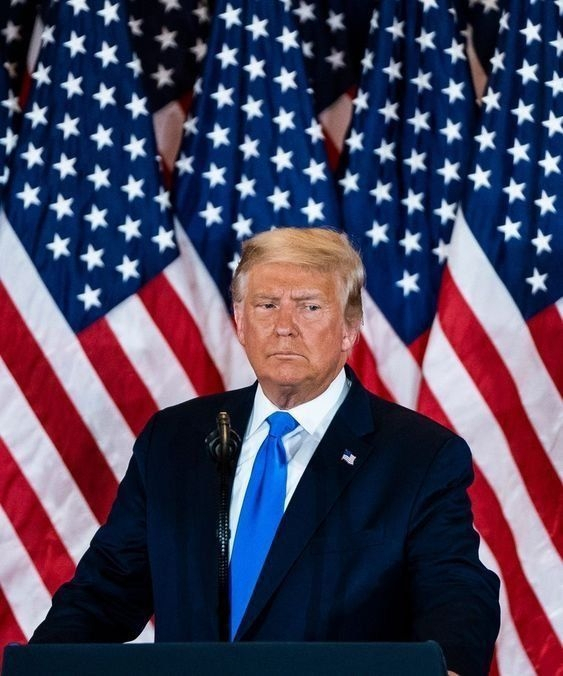
The resolution directs the administration to end U.S. involvement in hostilities against Iran unless Congress approves further military action. It now faces consideration in the Senate, where its future remains uncertain. Even if approved there, questions remain about its legal force and whether the president would comply or attempt to veto related legislation.
What could this mean for Bitcoin (BTC)?
Short-term bullish factors:
Markets generally prefer reduced geopolitical risk. Any sign that the Iran conflict could de-escalate may improve investor sentiment toward risk assets, including Bitcoin.
Lower fears of a wider Middle East conflict could ease pressure on energy markets and inflation expectations, supporting broader financial markets.
-Potential bearish factors;
If the Senate rejects the measure or tensions escalate despite the House vote, investors could move toward traditional safe-haven assets such as the U.S. dollar and gold.
Political uncertainty in Washington can create volatility across all markets, including crypto.
-BTC Outlook:
For Bitcoin, the House vote itself is not a direct catalyst. The larger market impact depends on whether it leads to:
A genuine reduction in U.S.–Iran tensions (bullish for risk assets).
Continued political gridlock and military uncertainty (mixed/volatile).
A broader shift in global liquidity and risk appetite.
Overall, crypto traders are likely to view this as a moderately positive development if it increases the probability of de-escalation, but the market will be watching the Senate vote and events in the Middle East more closely than the House vote alone. 📈🟠
#BitcoinDropsBelow$60KWorstWeekSinceJuly2024 #USJobsReportDoublesForecasts #USPayrollsTripleBeat $BNB