


Almost nobody is focused on this right now.
But in 2026, a major stress event could hit the U.S. economy — and by the time it’s obvious, markets may already be deep in a selloff.
Here’s the uncomfortable reality:
$9.6 TRILLION of U.S. debt matures in 2026.
That’s more than 25% of total federal debt rolling over in a single year.
What’s Actually Happening
During 2020–2021, the U.S. financed emergency stimulus with short-term debt.
At the time, interest rates were near zero.
Fast forward to today:
Rates are closer to 3.5–4%.
The issue isn’t repayment.
It’s refinancing.
Rolling that debt into today’s higher rates dramatically increases interest costs.
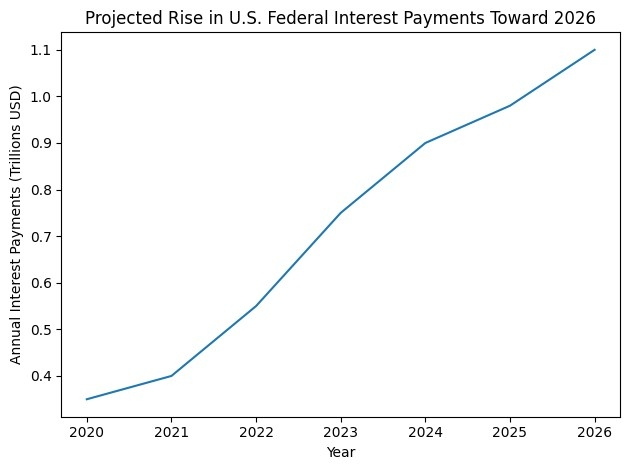
By 2026, annual U.S. interest payments are projected to exceed $1 trillion — the highest in history.
That creates serious pressure:
Larger deficits
Rising fiscal strain
Reduced budget flexibility
How Governments Typically Respond
Historically, governments in this position don’t:
Slash spending aggressively
Default on obligations
They ease financial conditions.
And that usually means one thing:
Lower rates.
The Potential Setup
1️⃣ A refinancing wall hits in 2026.
High rates become increasingly difficult to sustain long-term.
2️⃣ Interest payments crowd out other priorities.
Political pressure intensifies.
3️⃣ Inflation moderates while the labor market softens.
The Federal Reserve gains room to pivot.
4️⃣ Rate cuts shift from optional… to necessary.
A new Fed chair is scheduled to take office in May 2026. Political pressure for lower rates is already visible.
What Happens If Rates Fall?
If financial conditions ease:
→ Liquidity increases
→ Borrowing becomes cheaper
→ Risk appetite returns
And historically, when liquidity surges, risk-on assets accelerate:
Crypto
High-beta equities
Speculative growth sectors
These moves don’t start when the pivot is announced.
Markets typically front-run it.
This won’t happen overnight.
Not in a week. Not in a month.
But major macro shifts rarely give loud warnings before they arrive.
Ignore it if you want — but don’t be surprised if markets move before the headlines catch up.