


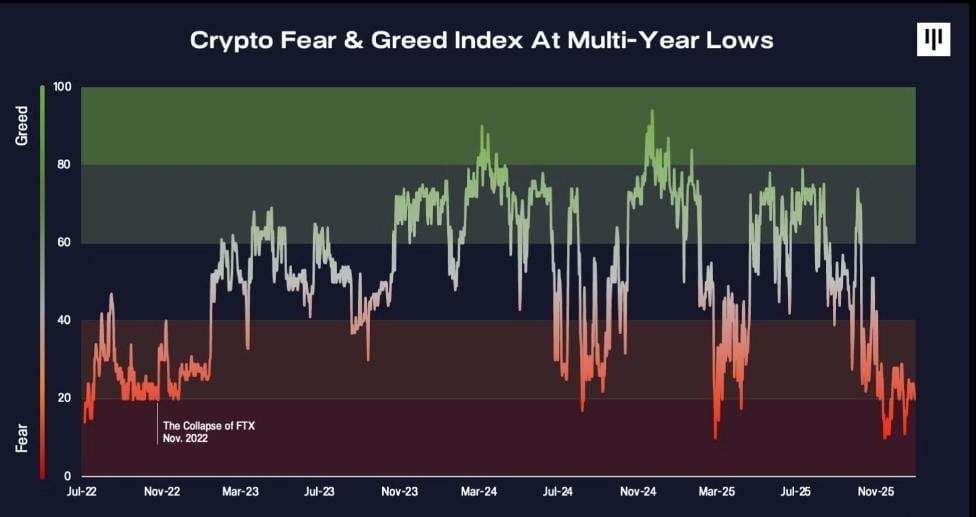
أدى بداية عام 2026 إلى دعوة قاسية للاستيقاظ لكل من مستثمري العملات المشفرة والأسواق المالية العالمية. ما بدأ كتصحيح في السوق في أواخر عام 2025 سرعان ما تصاعد إلى واحدة من أكبر الانخفاضات في تاريخ العملات المشفرة، مما أدى إلى مسح تريليونات الدولارات من القيمة وإرسال موجات صادمة عبر الاقتصاد العالمي.
غالبًا ما يُشار إليه باسم “تحطم العملات المشفرة لعام 2026”، لم يكن هذا الحدث ببساطة نتيجة تخمين خاطئ. بدلاً من ذلك، نشأ من مزيج قوي من الضغوط الاقتصادية العالمية، والرافعة المالية الثقيلة، وعدم اليقين في السياسة، وتحولات سريعة في مشاعر المستثمرين. يكسر هذا المقال ما سبب التحطم، كيف أثر على العملات المشفرة الرئيسية، وماذا يعني للمستثمرين في المستقبل.
1. ما الذي أشعل أزمة سوق العملات المشفرة في عام 2026؟
يمكن إرجاع جذور الأزمة إلى التفاؤل المفرط في عام 2025، عندما قفزت عملة البيتكوين وغيرها من العملات الرقمية إلى مستويات قياسية مدفوعة بتبني المؤسسات والتفاؤل التنظيمي. ومع ذلك، انعكس الزخم بشكل حاد في أكتوبر 2025، عندما شهد السوق أكبر عملية تصفية/سحب سيولة في تاريخه.
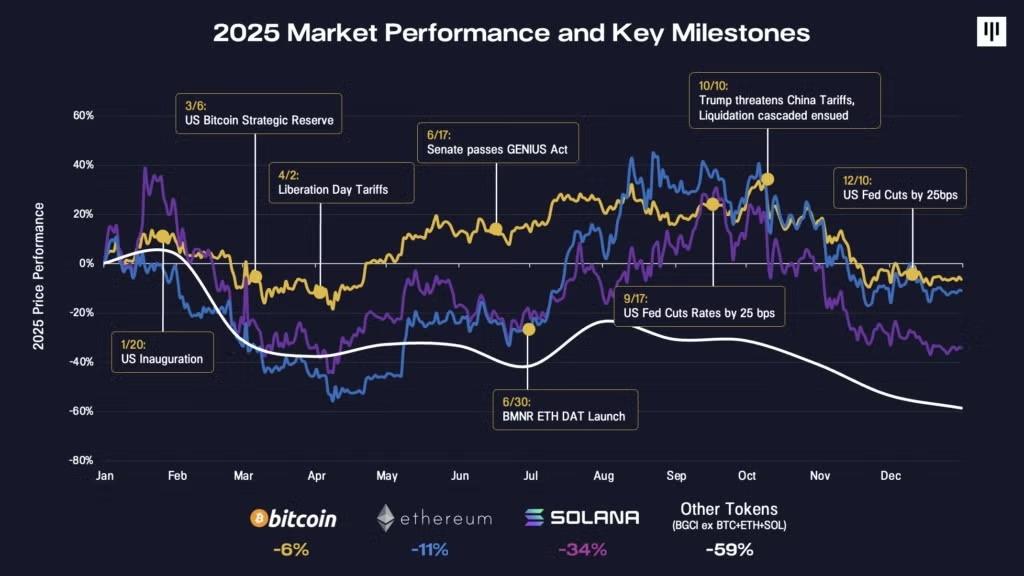
في 10 أكتوبر، تم مسح أكثر من 19 مليار دولار من المراكز الممولة بالرافعة المالية خلال يوم واحد فقط، ما أدى إلى موجة بيع ضخمة امتدت عبر السوق. وكان هذا بمثابة بداية انهيار أوسع.
وقد ساعدت عدة عوامل كبرى على تسريع وتيرة الانحدار. فقد أدت التوترات الجيوسياسية المتصاعدة، بما في ذلك تهديدات جديدة بالرسوم الجمركية من الرئيس الأمريكي دونالد ترامب تجاه الصين وأوروبا، إلى اضطراب الأسواق العالمية ودفع المستثمرين نحو أصول ملاذ آمن تقليدية مثل الذهب وسندات حكومة الولايات المتحدة. وفي الوقت نفسه، ازدادت المخاوف بشأن سياسة نقدية أشد تشددًا بعد ترشيح كيفن وورش، المعروف بموقفه المتشدد، ليكون رئيس الاحتياطي الفيدرالي المقبل في يناير 2026.
جعلت أسعار الفائدة الأعلى، وارتفاع عوائد سندات الخزانة، وتعزيز الدولار الأمريكي الأصول الخطرة التي لا تدر عائدًا مثل العملات المشفرة أقل جاذبية بكثير. واستجاب المستثمرون المؤسسيون بسرعة؛ إذ تحولت صناديق البيتكوين الفورية المتداولة في الولايات المتحدة من تدفقات قوية إلى تدفقات صافية خارجية تجاوزت 1 مليار دولار خلال أسابيع. كما بدأ كبار الحائزين، بما في ذلك صناديق التحوط والمعدنون، في تقليص ممتلكاتهم، ما أدى إلى سحب السيولة من أسواق كانت أصلاً هشة.
وفي النهاية، عملت الرافعة المالية المفرطة بوصفها المحفز الأخير، لتحول ضعف السوق إلى أزمة كاملة الأركان، مع تسليط الضوء على مدى ارتباط العملات المشفرة عميقًا بالظروف المالية العالمية.
2. تأثيرها على البيتكوين وإيثيريوم والسوق الأوسع
تسببت الأزمة في خسائر كبيرة عبر منظومة العملات المشفرة بالكامل. فقد تراجعت البيتكوين، المرساة/الركيزة في السوق، من ذروتها القريبة من 126,000 دولار في أكتوبر 2025 إلى أقل من 60,000 دولار بحلول أوائل فبراير 2026، مسجلة هبوطًا بأكثر من 50%.
تكبدت إيثيريوم خسائر أشد حدة؛ إذ هبطت بنحو 60% من 4,940 دولارًا إلى حوالي 2,000 دولار، ما يعكس حساسيتها الأعلى للمخاطر وللمعنويات السائدة في السوق. كما شهدت العملات البديلة الرئيسية مثل سولانا تراجعات تصل إلى 70%، حيث تحوّل المستثمرون بسرعة بعيدًا عن الأصول المضاربية.
ومن المثير للاهتمام أن سيطرة البيتكوين ارتفعت إلى أكثر من 57%، إذ رأى كثير من المتداولين أنه الخيار الأكثر أمانًا نسبيًا في خضم الاضطرابات. وقد أدى هذا التحول إلى تكثيف الضغط على العملات البديلة بشكل إضافي.
رغم أن موجة البيع كانت مؤلمة، فقد أفرزت أيضًا الرافعة المالية المفرطة وبُنى السوق الضعيفة، مما مهد الطريق لانتعاش أكثر صحة واستدامة على المدى الطويل.
3. كيف يؤثر انهيار العملات المشفرة على الاقتصاد العالمي؟
امتدت آثار انهيار العملات المشفرة إلى ما هو أبعد بكثير من الأسواق الرقمية. فقد انخفضت القيمة السوقية الإجمالية للعملات المشفرة من 4.38 تريليون دولار في 2025 إلى نحو 2.3 تريليون دولار بحلول فبراير 2026، أي بإزالة أكثر من 2 تريليون دولار من الثروة العالمية.
شعرت الأسواق المالية التقليدية بالصدمة تقريبًا على الفور. فعندما تراجعت العملات المشفرة، زادت تقلبات مؤشرات الأسهم التقنية الثقيلة مثل ناسداك، حيث تحمّلَت أسهم الذكاء الاصطناعي والنمو قدرًا كبيرًا من الضغوط. وانتقل المستثمرون إلى مراكز أكثر دفاعية، ما أدى إلى انتشار سلوك “تجنب المخاطر” على نطاق واسع.
كما تأثرت أسواق العملات. فقد أدى تعزيز الدولار الأمريكي إلى تشديد السيولة العالمية، ما رفع تكاليف الاقتراض بالنسبة للاقتصادات الناشئة. وجعل ذلك خدمة الديون أكثر تكلفة بالنسبة للبلدان التي كانت أصلاً تعاني من التضخم وتدفقات رأس المال الخارجة.
وفي الوقت نفسه، ارتفعت في البداية سلع مثل الذهب والفضة، إذ بحث المستثمرون عن الأمان، قبل أن تتراجع خلال عمليات البيع الأوسع عبر فئات الأصول. كما تضررت الاقتصادات الناشئة، خصوصًا في آسيا وأمريكا اللاتينية، بشدة؛ إذ واجهت تباطؤ النمو، وهروب رؤوس الأموال، وزيادة الضغوط المالية.
برزت الأزمة واقعًا حاسمًا: أصبحت العملات المشفرة الآن مدمجة بعمق في النظام المالي العالمي، ويمكنها التأثير في الاستقرار الاقتصادي الأوسع خلال فترات الضغط.
4. الدروس الرئيسية والمخاطر والفرص للمستثمرين
قدمت أزمة 2026 انهيارًا غنيًا بالدروس لكل من المستثمرين الأفراد والمؤسسات. وأبرزها أهمية إدارة المخاطر. فقد حوّلت الرافعة المالية المفرطة التقلبات العادية إلى خسائر كارثية، مما أثبت أن النمو المستدام يعتمد على استراتيجيات منضبطة.
لا تزال التنويعَ ضرورة، خصوصًا خلال فترات عدم اليقين. فقد تكبّد المستثمرون الذين اعتمدوا حصراً على العملات البديلة عالية المخاطر الخسائر الأكبر، في حين أن من كانت لديهم محافظ متوازنة حققوا نتائج أفضل. كما وفرت استراتيجيات طويلة الأجل مثل متوسط التكلفة بالدولار طريقة للتعامل مع اتخاذ القرارات العاطفية والاستفادة من الأسعار المنخفضة.
رغم استمرار المخاطر الناتجة عن التشديد النقدي، والتوترات الجيوسياسية، وعدم اليقين التنظيمي، تظهر فرص جديدة. فقد أوجد “إعادة ضبط” السوق نقاط دخول جذابة، بينما لا تزال الاتجاهات الأساسية مثل تو tokenization، ونمو العملات المستقرة، والتكامل المؤسسي تعزز منظومة العملات المشفرة.
لا يزال كثير من المحللين متفائلين بشأن حدوث تعافٍ لاحقًا في عام 2026، مشيرين إلى تجدد الاهتمام المؤسسي وتحسن وضوح التنظيم. ومن المتوقع على نطاق واسع أن تستقر البيتكوين حول 70,000 دولار قبل أن تستأنف اتجاهها الصعودي مع تحسن ظروف السيولة.
الخاتمة
تُعد أزمة سوق العملات المشفرة في عام 2026 بمثابة تذكير قوي بمدى الترابط الذي أصبحت عليه الأصول الرقمية مع الاقتصاد العالمي. ففي الوقت الذي كشفت فيه فترة الهبوط عن نقاط ضعف رئيسية، فإنها وضعت أيضًا الأساس لهيكل سوق أقوى وأكثر مرونة.
من خلال تبني استراتيجيات منضبطة، وإدارة المخاطر بعناية، والحفاظ على منظور طويل الأجل، يمكن للمستثمرين تحويل هذه الفترة العاصفة إلى فرصة، والتمركز لأنفسهم للمرحلة التالية من تطور العملات المشفرة