


The crypto industry is once again facing a familiar debate:
Should centralized exchanges list every trending memecoin, or should they act as gatekeepers to protect the market’s credibility?
This discussion goes far beyond token listings. It touches the core of what crypto stands for—freedom, responsibility, and legitimacy.
The Problem: Short-Term Listings vs Long-Term Trust
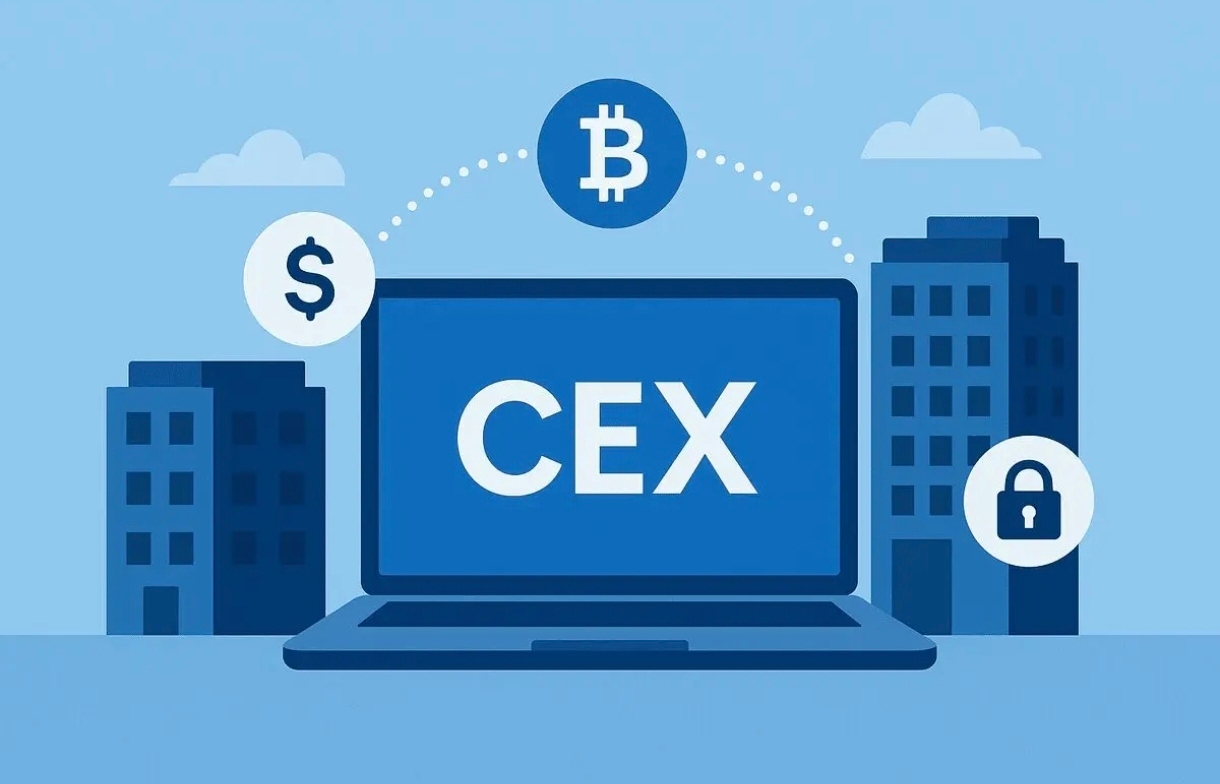
Centralized exchanges (CEXs) are often criticized for aggressively listing low-quality memecoins to capture short-term retail interest. These tokens may generate volume and fees, but they can also:
Damage the reputation of the industry
Attract scams and rug pulls
Create unsustainable hype cycles
Push new users into high-risk assets
If the industry does not respect itself, it becomes difficult to earn respect from regulators, institutions, and the broader public.
This raises an important question:
Should exchanges prioritize volume, or credibility?
Why DEXs Listing Everything Makes Sense
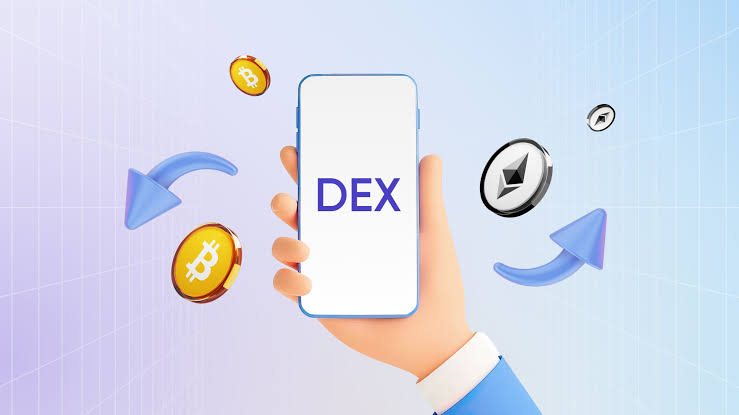
Decentralized exchanges (DEXs) are built on permissionless principles.
Anyone can:
Launch a token
Provide liquidity
Trade without approval
Participate without KYC
This openness is not a flaw—it is the essence of decentralization.
DEXs are meant to be:
Experimental
Permissionless
Open to innovation
Free from centralized control
In this environment, the responsibility shifts to the user, not the platform.
Why the Same Logic Doesn’t Fully Apply to CEXs
Centralized exchanges operate very differently.
They:
Hold user funds (custodial wallets)
Require KYC and compliance
Act as fiat on-ramps
Represent the “front door” of crypto for most users
Because of this, CEXs are not just trading venues.
They are brand gatekeepers for the entire industry.
When a major exchange lists low-quality or purely speculative tokens, it sends a signal:
“This asset is legitimate enough to be on a regulated platform.”
That perception matters—especially for new users.
The Core Difference: Responsibility
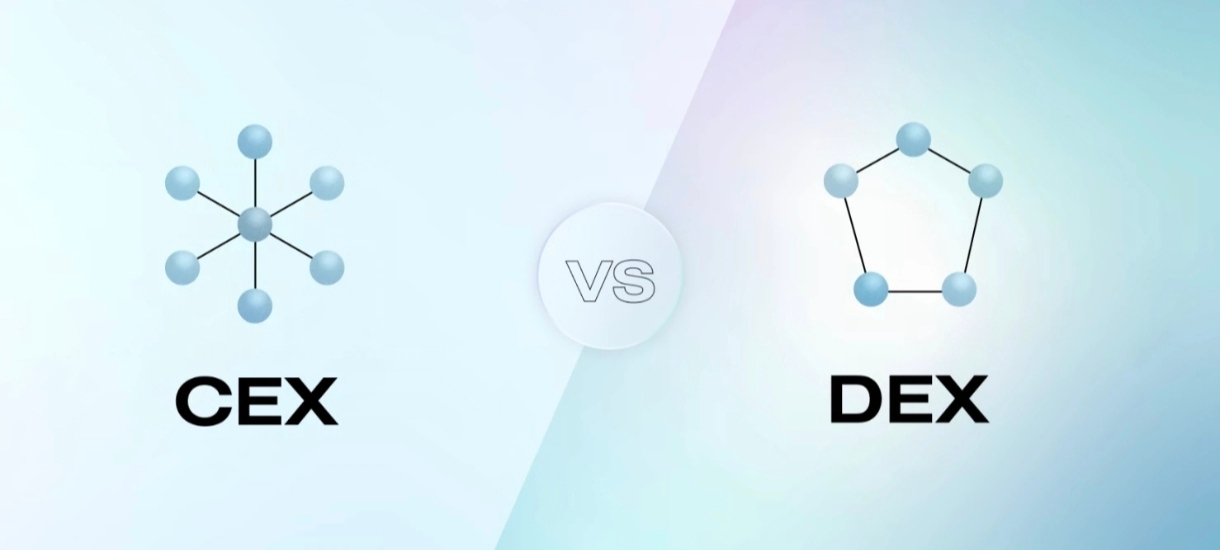
DEX Model
Permissionless
User takes full responsibility
High freedom, high risk
CEX Model
Curated listings
Platform takes reputational responsibility
Lower freedom, but more protection
This is why many people believe:
DEX listing everything = acceptable
CEX listing everything = harmful
But Should CEXs List Everything?
There is another side to the argument.
Some believe exchanges should:
Provide access to all assets
Let the market decide winners and losers
Avoid acting as centralized gatekeepers
From this perspective, restricting listings contradicts the ethos of crypto.
However, this approach has risks:
More scams reaching retail investors
Higher regulatory pressure
Loss of institutional trust
Increased market manipulation
Why Your Favorite Token Isn’t Listed
Many users ask:
“Why isn’t my token listed on a major exchange?”
The answer is simple:
Every exchange has its own listing framework, which may include:
Security audits
Legal and compliance checks
Liquidity requirements
Team credibility
Market demand
Risk assessments
And these frameworks can change over time based on:
Regulations
Market cycles
Past listing outcomes
Reputation concerns
The Bigger Picture: Legitimacy vs Freedom
The CEX vs DEX listing debate reflects a deeper tension in crypto:
PriorityOutcomeMaximum freedomMore innovation, more scamsStrong curationMore trust, less experimentation
The industry is still trying to find the right balance.
Too much freedom can lead to chaos.
Too much control can kill innovation.
DEXs and CEXs serve different purposes:
DEXs represent crypto’s permissionless, experimental frontier.
CEXs represent its regulated, user-friendly gateway.
Expecting both to follow the same listing philosophy ignores their fundamental differences.
The real question isn’t:
“Should exchanges list everything?”
It’s:
“What kind of industry do we want to build—one driven by short-term hype, or long-term trust?”