

Anndy Lian
Crypto market cap hits US$2.4T again: Why institutional whales are buying the dip
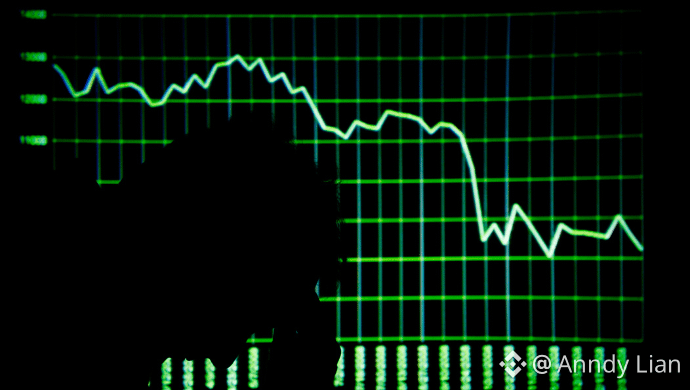
Major US stock indices climbed on Tuesday, February 10, 2026, thanks to a strong rebound in technology shares that calmed worries about recent spending on artificial intelligence. Investors watched the S&P 500 rise 0.5 per cent to close at 6,964.82, inching nearer to the all-time high from two weeks earlier. The Nasdaq Composite, heavy with tech stocks, jumped 0.9 per cent to 23,238.67, while the Dow Jones Industrial Average barely moved, adding less than 0.1 per cent to end at 50,135.87.
This uptick came after a tough stretch last week, where tech stocks faced heavy selling. Chipmakers drove much of the recovery, with Nvidia gaining 2.4 per cent and Broadcom advancing 3.3 per cent. Oracle stood out with a sharp 9.6 per cent increase. These moves highlighted how quickly sentiment can shift in the tech sector, especially amid ongoing debates about AI investments.
Beyond US markets, international developments added to the positive tone. Japan’s Nikkei 225 reached a fresh all-time high, surging 2.8 per cent after the incumbent government secured a historic election mandate. This boost reflected growing confidence in Japan’s economic policies and stability. Treasury yields stayed calm, with the 10-year note holding near 4.20 per cent.
Traders largely ignored news that China encouraged its banks to reduce holdings of US Treasuries, suggesting that markets focused more on domestic factors. In commodities, gold dropped about 0.7 per cent to US$5,023.82 per ounce, while West Texas Intermediate oil fell 0.4 per cent to US$64.13 a barrel. Traders kept an eye on potential supply disruptions in the Strait of Hormuz, but no immediate threats materialised. Bitcoin hovered just under US$71,000, steady after briefly topping that mark over the weekend.
Attention now turns to key economic data releases. Retail sales figures arrive on Tuesday, and CPI inflation numbers follow on Friday. These reports will shape expectations for the Federal Reserve’s next interest rate move. Investors have begun shifting some funds into real-economy sectors, and demand for AI-related tech stocks remains robust, supporting overall index levels. This rotation shows a market balancing innovation hype with practical economic signals.
From my perspective, this setup feels like a fragile equilibrium. The tech rebound offers relief, but if upcoming data disappoints, volatility could return swiftly. Markets often overreact to hints of inflation, and with AI spending under scrutiny, any sign of cooling could pressure gains.
In cryptocurrencies, the market edged up 0.28 per cent to a total capitalisation of US$2.4 trillion over the last 24 hours. This modest gain marks a brief halt after a steep downtrend, aligning closely with traditional stocks. A strong 89 per cent correlation with the S&P 500 points to shared influences from broader economic relief. Bitcoin’s tentative support after a 46 per cent drawdown stands as the main driver. Selective institutional buying has helped stabilise prices.
Secondary factors include sharp pumps in smaller altcoins and slightly upbeat social sentiment around Ethereum accumulations. Looking ahead, the market’s strength depends on Bitcoin maintaining the US$65,000 to US$70,000 range. Dropping below that could push prices back to the US$60,000 yearly low.
Bitcoin’s stabilisation follows a brutal capitulation phase. The total market cap tries to hold at US$2.4 trillion after plummeting 46 per cent from its October 2025 peak. This aligns with Bitcoin testing a critical historical support at the 1.25x realised price level, which historically divides regular corrections from deeper selloffs. The small uptick indicates that the intense selling from January and early February might ease, paving the way for a technical rebound.
Investors should closely monitor Bitcoin’s defence of US$65,000. A failure there might spark fresh liquidations, extending the pain. In my view, this support level acts like a psychological floor. Historical patterns suggest bounces often follow such tests, but current macro uncertainties make outcomes less predictable. The correlation with stocks amplifies risks, as any equity dip could drag crypto lower.
Speculative activity and changes in sentiment add layers to the recovery. While the overall market stayed flat, low-cap altcoins like GPS, AXS, and ZKP surged 20 per cent to 75 per cent on large volume. This shows capital flowing into riskier bets for fast profits, though it falls short of a full altcoin rally. Social sentiment for assets like Ethereum improved to a mildly bullish 4.83 out of 10. On-chain data reveals significant accumulations by major players, such as Bitmine.
For instance, Bitmine, linked to Tom Lee of Fundstrat, recently acquired another 20,000 ETH valued at US$41.08 million from FalconX’s hot wallet. This transaction, highlighted in on-chain tracking, fits a pattern of inflows. Just six days earlier, Bitmine received another 20,000 ETH worth US$46.04 million from the same source. Over the past two weeks, additional batches included 40,320 ETH at US$113.39 million, 38,400 ETH at US$107.99 million, 30,720 ETH at US$86.39 million, another 38,400 ETH at US$107.99 million, 28,800 ETH at US$80.99 million, 26,880 ETH at US$75.59 million, 30,720 ETH at US$86.39 million, 34,560 ETH at US$97.19 million, and 23,040 ETH at US$64.79 million. These moves signal structured buying by institutions, boosting short-term confidence.
Community reactions underscore this as smart money at work. Observers note the buys as strategic positioning rather than random trades. One commenter compared it to aggressive corporate strategies in crypto, while others highlighted the scale of the accumulation amid market fear. Ethereum’s positive whale activity provides a counterweight to broader caution.
From where I stand, these accumulations reveal an underlying belief in crypto’s long-term value. Institutions like Bitmine spot opportunities in dips, betting on future growth. This contrasts with retail hesitation, resulting in an uneven recovery. If more entities follow suit, it could spark broader buying, but isolated actions might not sustain momentum on their own.
The near-term outlook remains guarded. Two key elements will determine the path: Bitcoin’s push to reclaim and defend the US$73,000 resistance level, and the flow direction in US spot Bitcoin ETFs after recent net outflows. The Fear and Greed Index sits at 10, indicating extreme fear, which often precedes relief rallies when buying picks up. Holding above US$70,000 might drive the total cap toward US$2.5 trillion over time.
Without consistent spot demand, prices could revisit last week’s lows near US$60,000. Upcoming stock market data ties in here, as retail sales and CPI could sway Fed decisions, indirectly affecting crypto through risk sentiment. My take is that this moment offers a chance for stabilisation, but fragility persists. The 46 per cent drawdown scarred investors, and rebuilding trust takes time. If Bitcoin holds its ground, we might see a slow grind higher, fuelled by tech’s AI tailwinds and institutional dips.
In conclusion, today’s market action reflects cautious stabilisation across assets. Stocks rebounded on tech strength, easing AI concerns, while crypto paused its slide with help from Bitcoin support and selective buys. The interplay between traditional and digital markets grows clearer with that 89 per cent correlation. Institutional moves, like Bitmine’s ETH hauls, inject optimism, but the outlook hinges on key levels and data.
I see potential for a relief bounce if supports hold, and I warn against overconfidence. Extreme fear levels suggest upside if sentiment flips, but macro headwinds loom. Traders should watch Bitcoin’s US$65,000 to US$70,000 zone closely, as it will dictate whether this uptick endures or fades. Overall, markets catch their breath after tough times, setting up for pivotal days ahead.
Source: https://e27.co/crypto-market-cap-hits-us2-4t-again-why-institutional-whales-are-buying-the-dip-20260210/

The post Crypto market cap hits US$2.4T again: Why institutional whales are buying the dip appeared first on Anndy Lian by Anndy Lian.


