



Most people have at least heard of crypto futures trading, but very few actually understand its meaning or the procedure. For investors who have started studying the Binance futures market through analysis, today I will share some practical know-how that can be genuinely helpful.
This article explains in detail the basic concepts of futures trading, how it works in practice, and tips for reducing costs.
What is futures trading?
Futures trading, as the name suggests, is a contract to buy or sell an asset at a specific price at a future date. Traditional futures are applied to physical assets such as agricultural products, metals, or crude oil, but it's a bit different in the crypto space.
Rather than physically exchanging Bitcoin or Ethereum, only the price difference based on the asset's fluctuation is settled. As a result, it is a highly speculative form of investment focused on predicting whether the market will go up or down.
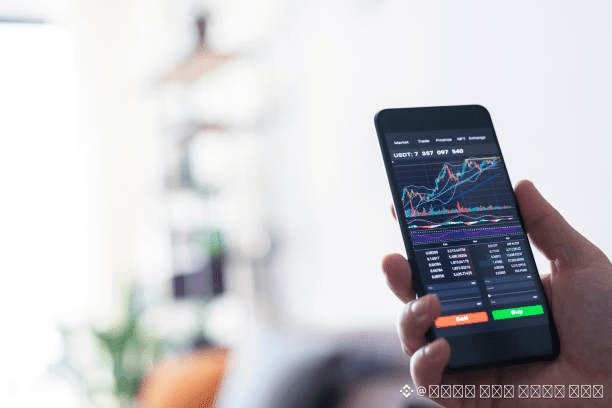
For example, if the current price of Bitcoin is about $69,000 and you expect it to rise to $76,900 tomorrow, you would take a long position. On the other hand, if you think it will drop, you would take a short position.
This process is similar to betting on the result of a football match, but the scale of investment and strategic operation is much more complex.
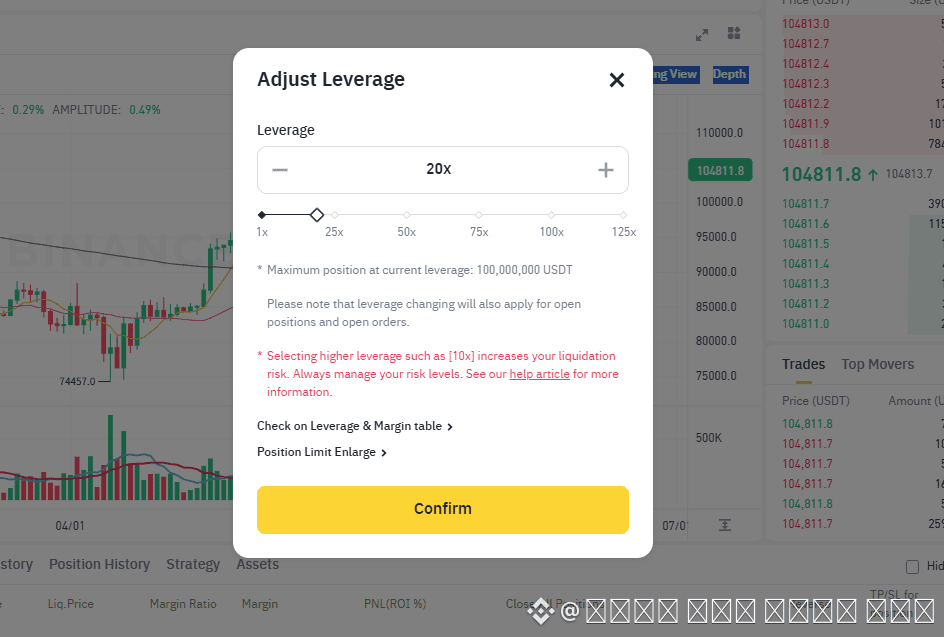
The most notable feature of futures trading is "leverage." This is a system that allows investors to trade with more money than they actually own by borrowing funds. For example, if you have $770, using 10x leverage lets you trade up to $7,700.
Of course, profits can be multiplied tenfold, but so can losses. That’s why leverage is referred to as a double-edged sword. For beginners, it’s best to start with lower leverage around 3x to 5x to get a feel for the market.
How to trade Binance futures
You can start futures trading on the Binance app or the desktop web version. From the bottom menu, select "Futures" to access the trading screen.
Choose your desired cryptocurrency, set the leverage ratio, and determine the direction of your position. Bitcoin has a large market cap and relatively stable volatility, making it a suitable asset for beginners.
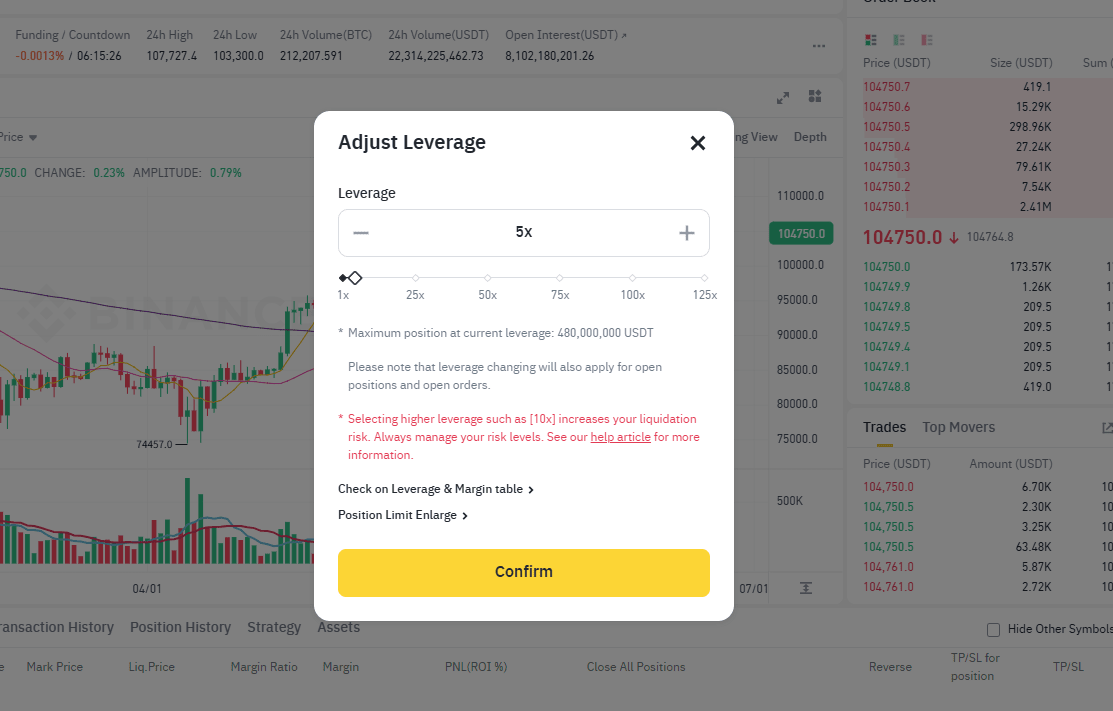
A long position is used when you expect the price to rise, and a short position is taken when you expect it to fall. The default setting is 20x leverage, but this is extremely risky, so it’s recommended to lower it to 5x or less.
One important element is the selection of "margin mode." Binance offers two options: Isolated and Cross.
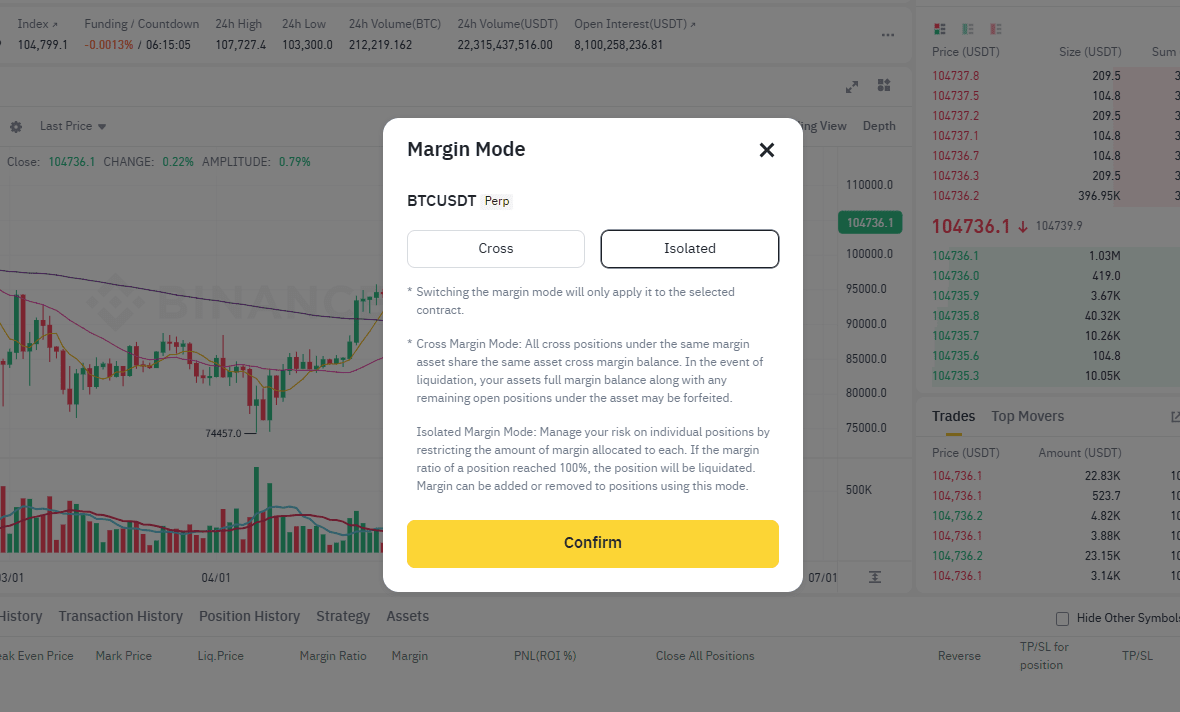
In isolated mode, each position has its own collateral, so losses are limited to that specific position. In contrast, cross mode uses your entire account balance as margin, meaning a loss in one position can impact your total assets.
If you’re in an environment where you can’t constantly check the charts, isolated mode is a much safer choice since it reduces the risk of account-wide losses.
There’s also a difference in trading methods. Market orders execute immediately, making them suitable for urgent trades, but they carry higher fees. Limit orders are filled only when the desired price is reached, and although slower, they offer significant fee savings.
On Binance, the fee for limit orders is 0.02%, and for market orders, it’s 0.05%.
Leverage + Fees
Using leverage increases your fee burden. For example, if you apply 10x leverage on $770 and make five trades in one day, you could end up paying $15–$23 in daily fees alone.
That adds up to over $385 per month, so it’s smarter to use limit orders whenever possible. In the long term, limit orders are much more cost-efficient.
Futures trading: PC vs Mobile?

It’s worth considering the pros and cons of mobile and PC environments for futures trading.
The mobile app allows quick access on the go, making it great for checking short-term trends or adjusting positions quickly. However, conducting complex technical analysis or using multiple chart setups is more difficult.
The PC environment allows you to use various indicators and conduct more precise analysis, helping you build more systematic trading strategies.
Futures trading may feel like a structured form of asset management rather than simple speculation. The most important elements in futures trading are risk management and strategic decision-making.
Excessive leverage, uncontrolled position expansion, and lack of fee awareness are major causes of loss. On the other hand, using proper leverage, selecting isolated mode, choosing limit orders, and balancing mobile and PC usage can help you manage profits more reliably.
The Binance futures market is certainly an attractive investment opportunity. However, it is not a "money-making machine" and clearly involves high risk. A calm and objective approach is essential.
What’s more important than making accurate predictions is having the mindset to always prepare for potential losses. This attitude not only helps you grow your assets, but also improves financial literacy and supports sound financial planning.
If you haven’t signed up for Binance yet, I recommend using the link below. You can receive a 20% fee discount just by signing up.
Even existing users can receive the 20% discount if they meet the following five conditions:
You already have a Binance account.
The invitee has never accepted an invitation before.
The invitee has not used any Binance trading or services in the past 180 days.
The invitee must open the referral link and log in to see the confirmation screen.
The invitee must click [Bind Now] to activate the discount.
This concludes today’s guide on how to trade Binance futures and take advantage of fee discount benefits. I hope it was helpful, and if you’re still unsure, I recommend trying futures trading with the fee discount applied.