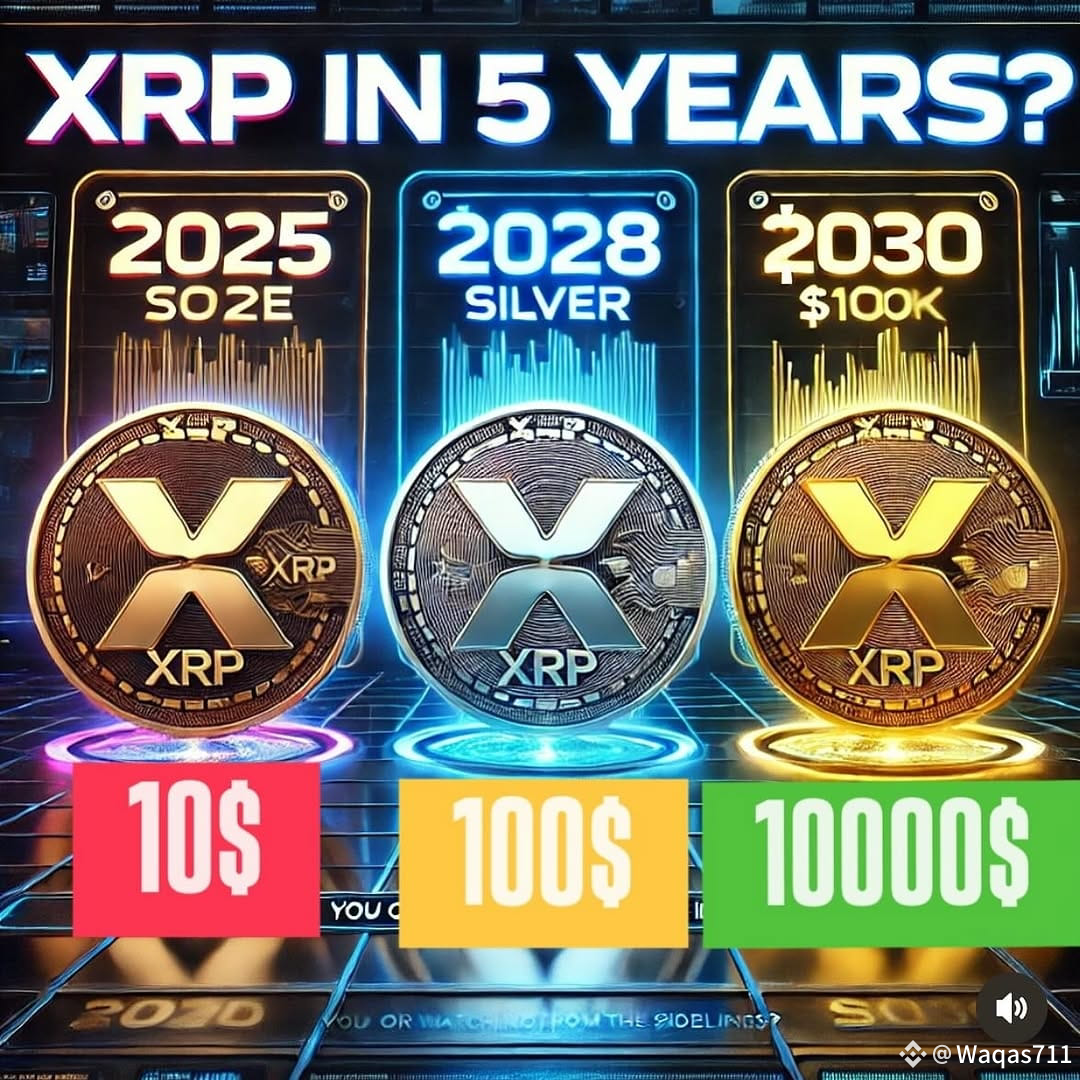
#XRP is a digital currency that was created by Ripple Labs Inc. It's designed primarily for fast and low-cost international money transfers. Here are the key things you should know:
🔹 Basic Info:
Name: XRP
Company Behind It: Ripple Labs
Launched: 2012
Total Supply: 100 billion XRP (pre-mined; not mined like Bitcoin)
🔹 Key Features:
Speed: Transactions typically settle in 3–5 seconds.
Low Fees: Very low transaction cost (fractions of a cent).
Scalability: Can handle 1,500+ transactions per second.
Use Case: Mainly used by banks and financial institutions for cross-border payments via RippleNet.
🔹 XRP vs Ripple:
XRP is the digital asset.
Ripple is the company building payment solutions (like RippleNet) using XRP and other technologies.
🔹 Legal Issues:
Ripple has faced legal challenges, especially with the U.S. Securities and Exchange Commission (SEC), which claimed XRP was a security. There have been some partial rulings in Ripple’s favor, but the legal battle has affected XRP's price and adoption, especially in the U.S.
🔹 XRP Use Cases:
Cross-border payments
Liquidity for financial institutions (via ODL – On-Demand Liquidity)
Potential future use in DeFi and tokenization
🔹 Basic Info:
Name: XRP
Company Behind It: Ripple Labs
Launched: 2012
Total Supply: 100 billion XRP (pre-mined; not mined like Bitcoin)
🔹 Key Features:
Speed: Transactions typically settle in 3–5 seconds.
Low Fees: Very low transaction cost (fractions of a cent).
Scalability: Can handle 1,500+ transactions per second.
Use Case: Mainly used by banks and financial institutions for cross-border payments via RippleNet.
🔹 XRP vs Ripple:
XRP is the digital asset.
Ripple is the company building payment solutions (like RippleNet) using XRP and other technologies.
🔹 Legal Issues:
Ripple has faced legal challenges, especially with the U.S. Securities and Exchange Commission (SEC), which claimed XRP was a security. There have been some partial rulings in Ripple’s favor, but the legal battle has affected XRP's price and adoption, especially in the U.S.
🔹 XRP Use Cases:
Cross-border payments
Liquidity for financial institutions (via ODL – On-Demand Liquidity)
Potential future use in DeFi and tokenization