

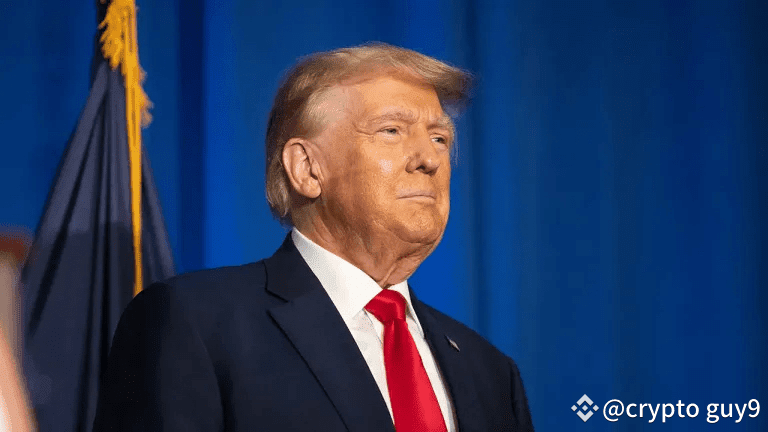
 Donald Trump's influence on the cryptocurrency market has been marked by a combination of rhetoric, policy decisions, and market reactions. Here's how Trump has impacted the crypto space:
1. Public Statements and Market Sentiment
Trump has made several public statements about cryptocurrencies, which have often caused fluctuations in the market. For example:
- In 2019, Trump tweeted that he was "not a fan" of Bitcoin and other cryptocurrencies, calling them "unregulated" and "highly volatile." This led to a temporary drop in the price of Bitcoin and other cryptocurrencies.
- Trump's stance on digital assets, often cautious and skeptical, has contributed to a sense of uncertainty in the market. His remarks have typically sparked reactions from investors, either boosting interest in alternatives or causing temporary declines in prices.
2. Regulatory Pressure
Trump's administration has been seen as both supportive and critical of blockchain technology and cryptocurrencies, especially in terms of regulatory scrutiny:
- The U.S. Securities and Exchange Commission (SEC) and other regulatory bodies under his administration took actions to tighten regulations around Initial Coin Offerings (ICOs) and ensure that cryptocurrency projects comply with existing laws.
- Trump's executive orders on economic sanctions and his administration's stance on crypto-related businesses have sometimes led to increased uncertainty, particularly for companies looking to establish themselves in the U.S.
3. Trump's Economic Policies and the Dollar's Role
- Trump's economic policies, such as tax cuts and trade tensions, sometimes led to uncertainty about the future of the U.S. dollar. This environment of unpredictability increased interest in cryptocurrencies as a potential store of value and a hedge against inflation.
- The rise of Bitcoin and other digital currencies as potential safe-haven assets during times of economic instability has been partly fueled by concerns about traditional fiat currencies, including the U.S. dollar, especially during and after Trump's trade wars.
4. Blockchain Innovation and Adoption
- While Trump expressed skepticism about cryptocurrencies, his administration did not significantly hinder the growth of blockchain technology. Blockchain, the underlying technology of cryptocurrencies, continued to gain traction in various sectors, including finance, healthcare, and supply chain management. Trump's policies did not obstruct blockchain's development, allowing the technology to thrive.
5. The Trump Effect on Crypto Prices
- Trump's presidency coincided with several key moments in the cryptocurrency market. For instance, in 2020, Bitcoin and other cryptocurrencies saw significant growth, partly due to broader market conditions such as the COVID-19 pandemic and stimulus packages, which increased interest in decentralized assets like Bitcoin. Trump's actions during this period—such as COVID relief payments—highlighted the need for decentralized financial systems.
6. Impact on Crypto Regulations
- While Trump himself did not impose major bans or policies that directly hindered the development of the crypto market, his administration's regulatory environment sometimes made it challenging for businesses to operate freely in the space. The emphasis on regulatory clarity was mixed, with some crypto advocates calling for more consistent and supportive policies.
Donald Trump's presidency had a multifaceted effect on the cryptocurrency market. His public statements and the regulatory environment created a sense of uncertainty, but at the same time, his administration's policies on economic instability led many to view cryptocurrencies as an attractive alternative. While Trump's influence on the crypto market wasn't overwhelmingly positive or negative, it was certainly impactful in terms of market sentiment, regulation, and innovation within the sector.