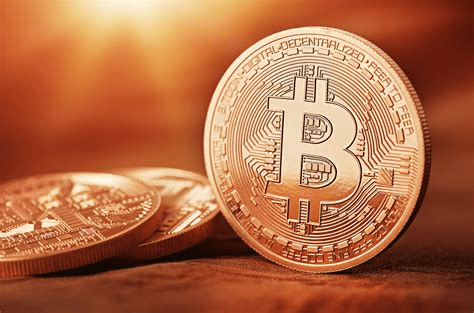
لقد أصبحت العملات المشفرة مصطلحًا شائعًا في عالم المال منذ فترة طويلة. وفي حين ينظر إليها بعض الناس باعتبارها استثمارًا مضاربيًا، ينظر إليها آخرون باعتبارها وسيلة لتحقيق الحرية المالية. في هذه المقالة، سنستكشف فوائد العملات المشفرة وكيف يمكنها تمكين الأفراد من السيطرة على شؤونهم المالية.
ما هي العملة المشفرة؟
قبل أن نتعمق في الفوائد، دعونا نحدد ما هي العملة المشفرة. العملة المشفرة هي عملة رقمية أو افتراضية تستخدم التشفير من أجل الأمان وهي لامركزية، أي أنها لا تخضع لسيطرة أي حكومة أو مؤسسة مالية. يتم تسجيل المعاملات في سجل عام يسمى blockchain، مما يضمن النزاهة والثقة.
الشمول المالي
من أهم فوائد العملات المشفرة هو الشمول المالي. فوفقًا للبنك الدولي، لا يمتلك حوالي 1.7 مليار شخص بالغ حول العالم حسابات مصرفية. وتوفر العملات المشفرة فرصة لهؤلاء الأفراد للمشاركة في الاقتصاد العالمي، بغض النظر عن موقعهم الجغرافي أو وضعهم المالي.
إمكانية الوصول
أصبحت العملات المشفرة متاحة لأي شخص لديه اتصال بالإنترنت. وهذا يعني أن الأشخاص في المناطق النائية أو التي تعاني من نقص الخدمات يمكنهم الآن الوصول إلى الخدمات المالية التي لم تكن متاحة لهم من قبل. باستخدام العملات المشفرة، يمكن للأفراد إرسال واستقبال الأموال وتخزين القيمة وحتى الوصول إلى الائتمان.
حماية
تعتبر معاملات العملات المشفرة آمنة بسبب استخدام التشفير المتقدم. وهذا يضمن أن المعاملات لا يمكن التلاعب بها ولا يمكن تغييرها أو التلاعب بها. بالإضافة إلى ذلك، توفر محافظ العملات المشفرة طبقة إضافية من الأمان، مما يسمح للأفراد بتخزين أموالهم بأمان.
الشفافية
يتم تسجيل معاملات العملات المشفرة في سجل عام، مما يجعلها شفافة وخاضعة للمساءلة. وتضمن هذه الشفافية أن تكون جميع المعاملات مشروعة ولا يمكن الطعن فيها. علاوة على ذلك، تسمح تقنية blockchain التي تدعم العملات المشفرة بتتبع المعاملات في الوقت الفعلي، مما يجعل من السهل اكتشاف الأنشطة الاحتيالية ومنعها.
استقلال
تمنح العملات المشفرة الأفراد القدرة على التحكم في شؤونهم المالية. ففي ظل الأنظمة المصرفية التقليدية، غالبًا ما يكون الأفراد تحت رحمة الوسطاء، مثل البنوك والحكومات. أما العملات المشفرة فتزيل الحاجة إلى هؤلاء الوسطاء، مما يسمح للأفراد بإدارة شؤونهم المالية بشكل مباشر.
التطبيقات في العالم الحقيقي
العملة المشفرة لها تطبيقات مختلفة في العالم الحقيقي، بما في ذلك:
1. التجارة الإلكترونية: توفر العملات المشفرة طريقة آمنة وفعالة لإجراء المدفوعات عبر الإنترنت.
2. المعاملات عبر الحدود: تتيح العملات المشفرة إجراء معاملات سريعة ومنخفضة التكلفة عبر الحدود.
3. المعاملات الصغيرة: تسهل العملات المشفرة المعاملات الصغيرة، مما يجعلها مثالية لمنشئي المحتوى عبر الإنترنت.
التحديات والتوقعات المستقبلية
رغم أن العملات المشفرة تقدم فوائد عديدة، إلا أنها ليست خالية من التحديات. إن عدم اليقين التنظيمي والتقلبات والمخاطر الأمنية هي بعض المخاوف التي تحتاج إلى معالجة. ومع ذلك، مع تطور النظام البيئي، يمكننا أن نتوقع رؤية المزيد من الحلول المبتكرة وزيادة التبني.
خاتمة
تتمتع العملات المشفرة بإمكانية تمكين الأفراد والمجتمعات في جميع أنحاء العالم. فمن خلال توفير الشمول المالي وإمكانية الوصول والأمان والشفافية والاستقلالية، يمكن للعملات المشفرة أن تساعد في إنشاء نظام مالي أكثر إنصافًا وعدالة.