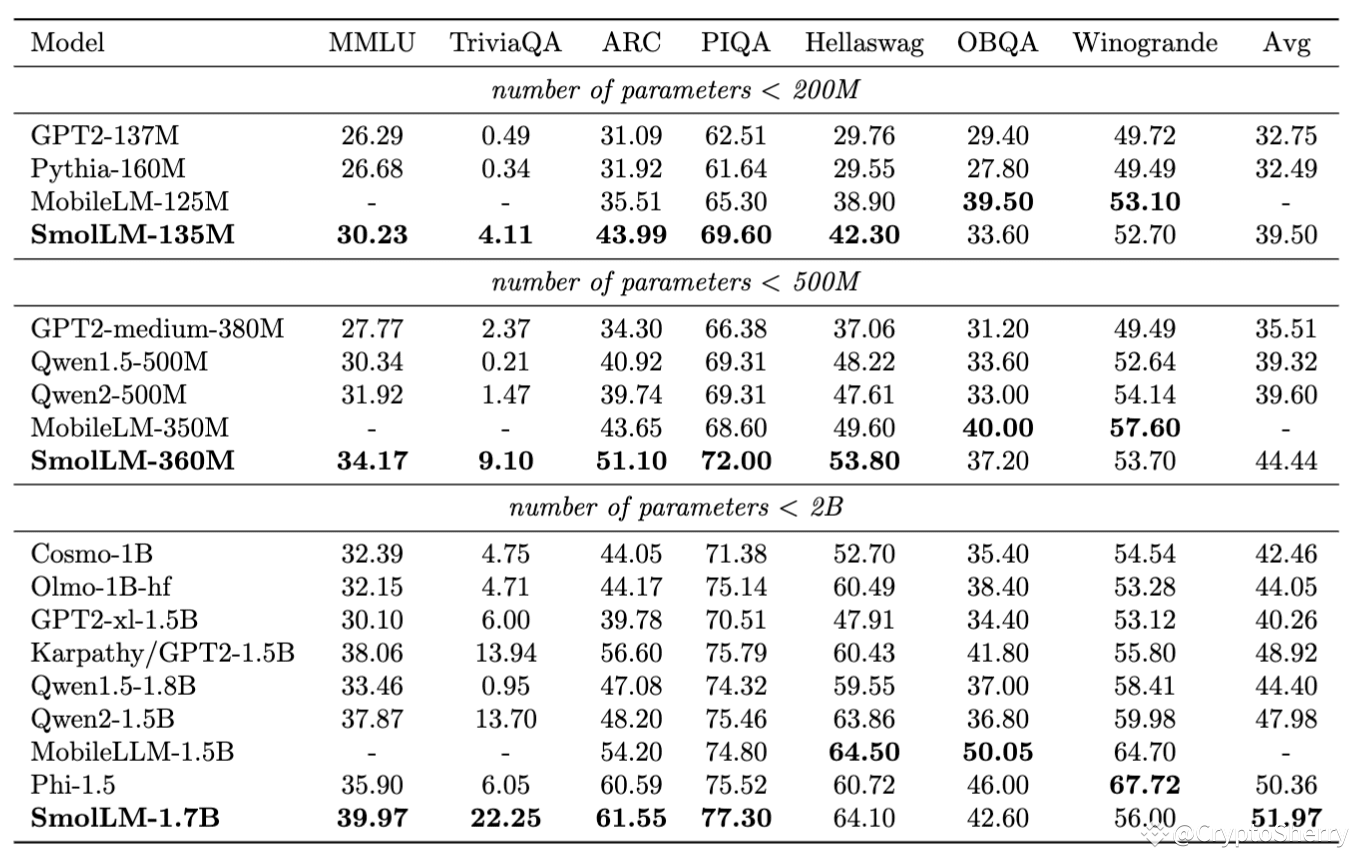
Hugging Face recently introduced SmolLM, a series of innovative Small Language Models (SLMs) that significantly outperform pre-existing SLMs, including those developed by tech giants.
In this write-up, we provide a brief insight into SmolLM and analyze how AIOZ DePIN Nodes can power them for improved real-world performance.
Let's dive in:
Large Language Models (LLMs) are quite notorious for the amount of processing power and electricity they require to handle complex computational tasks effectively.
For this reason, Small Language Models (SLMs) have gained significant traction thanks to their lightweight and resource-efficient design, enabling them to run on small devices with limited computational power.
Three weeks ago, Hugging Face released SmolLM, a family of state-of-the-art SLMs available in three sizes - 135M, 360M, and 1.7B parameters.
SmolLM was trained using a meticulously curated high-quality training dataset known as "SmolLM-Corpus," enabling SmolLM to outperform other similar-sized models across a diverse set of benchmarks.
Hugging Face has made SmolLM's data curation, model evaluation & usage available to the public, a sharp contrast to SLMs offered by tech giants whose data curation and training details are kept secret.
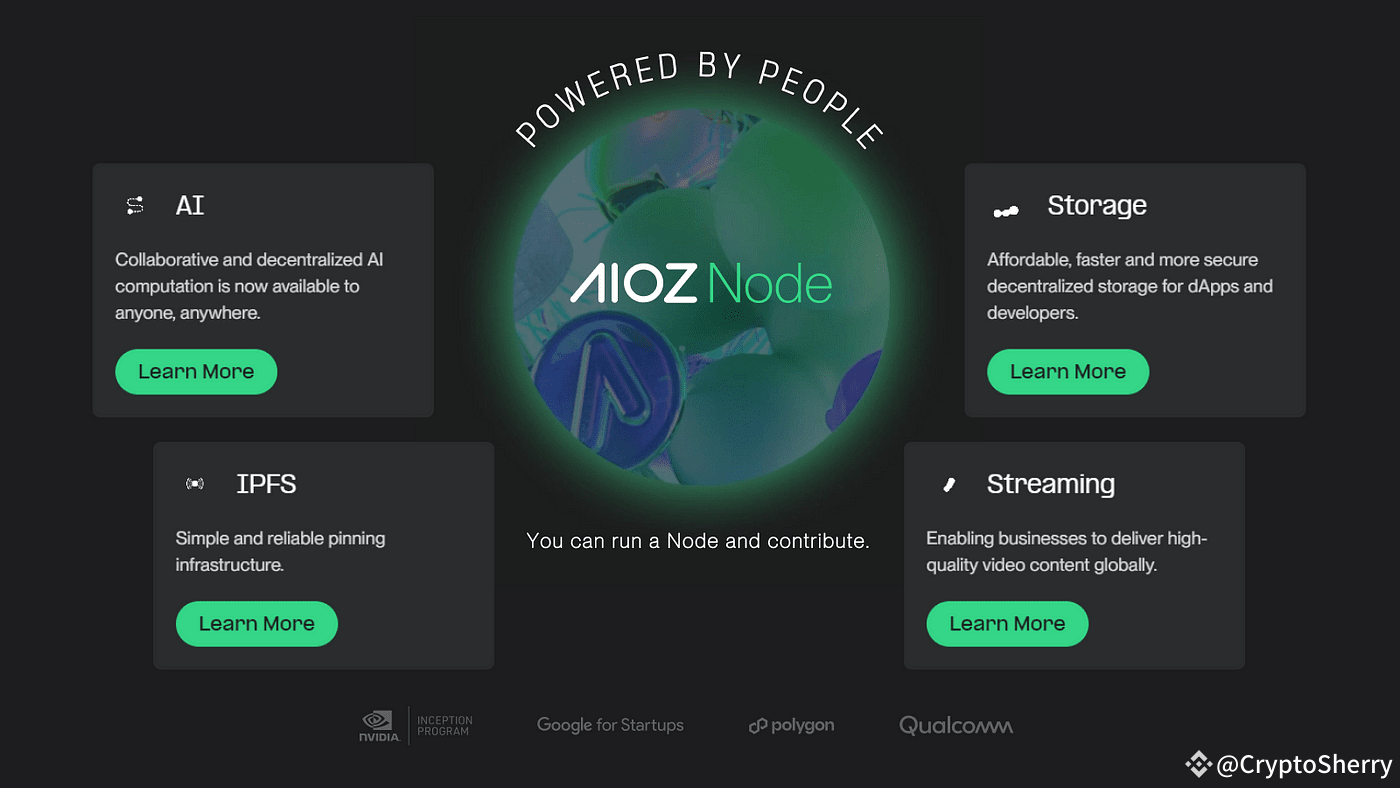
The impressive performance of SmolLM on small devices, including smartphones, aligns perfectly with our goals of providing large-scale decentralized AI computing on the AIOZ DePIN.
The AIOZ DePIN consists of 180,000+ global edge nodes that can effectively run SmolLM locally, exposing entities that will utilize the AIOZ DePIN for AI computation to the benefits of SmolLM.
Let's analyze how AIOZ DePIN nodes can power SmolLM:
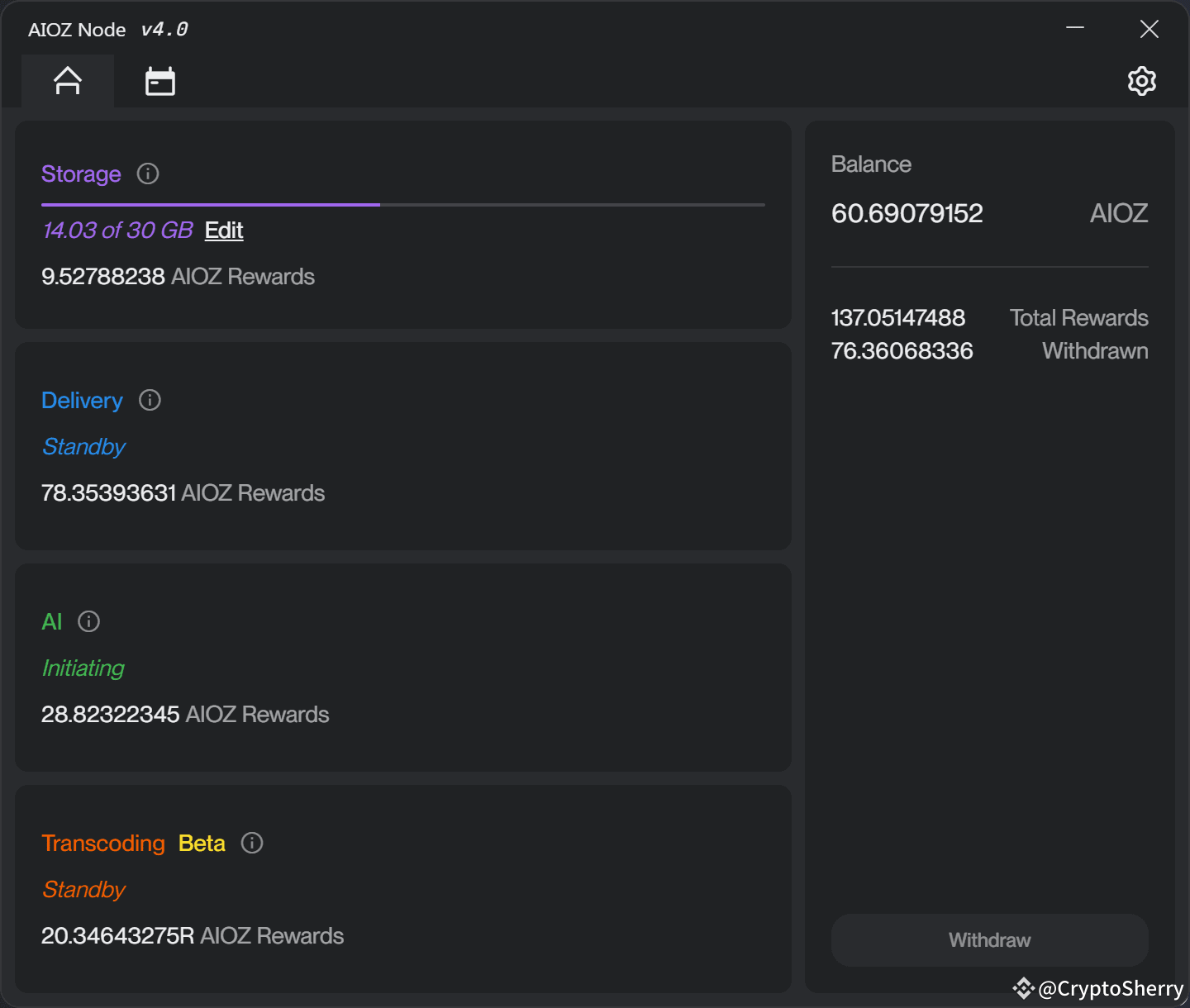
1.) Access to DePIN Resources: The AIOZ Node App, the software that runs on AIOZ DePIN nodes, can utilize their computing resources to provide SmolLM with processing power (GPU/CPU) for executing AI inference tasks and storage space (SSD/HDD) for storing AI-generated data
2.) Federated Learning: AIOZ DePIN nodes can re-train SmolLM using datasets stored locally thanks to their Federated Learning capabilities introduced by AIOZ Node V3.
3.) Access to AIOZ W3AI Marketplace: The W3AI marketplace, a collaborative marketplace for AI datasets and AI models, can provide SmolLM running on AIOZ DePIN nodes with easy access to a wide range of high-quality AI assets that can greatly improve their effectiveness.
4.) Scalability and Reliability: With a vast network of decentralized nodes, AIOZ DePIN ensures that SmolLM can scale efficiently and maintain high reliability, even during peak usage times.
5.) Security and Privacy: AIOZ DePIN nodes enhance the security and privacy of SmolLM operations. By distributing the data processing across multiple nodes, the risk of centralized data breaches is minimized. Additionally, the federated learning approach ensures that sensitive data remains local, protecting user privacy while still enabling effective model training.
6.) Cost Efficiency: Utilizing the decentralized infrastructure of AIOZ DePIN can significantly reduce the operational costs associated with running large-scale AI models. The shared resources across the network mean that the cost of hardware and energy consumption is distributed, making it a more economically viable solution for deploying SmolLM.
Conclusion:
The combination of decentralized computing power, federated learning, and a robust marketplace for AI assets ensures that SmolLM can deliver high performance while maintaining security, scalability, and cost efficiency.
As the adoption of Small Language Models continues to grow, the collaboration between AIOZ DePIN and SmolLM sets a new standard for what is possible in decentralized AI computing.
Stay tuned for more updates as we continue to explore the potential of decentralized AI with AIOZ DePIN and SmolLM!