

#walrus
walrus
9M مشاهدات
363,871 يقومون بالنقاش
رائج
جديد

·
--
هابط
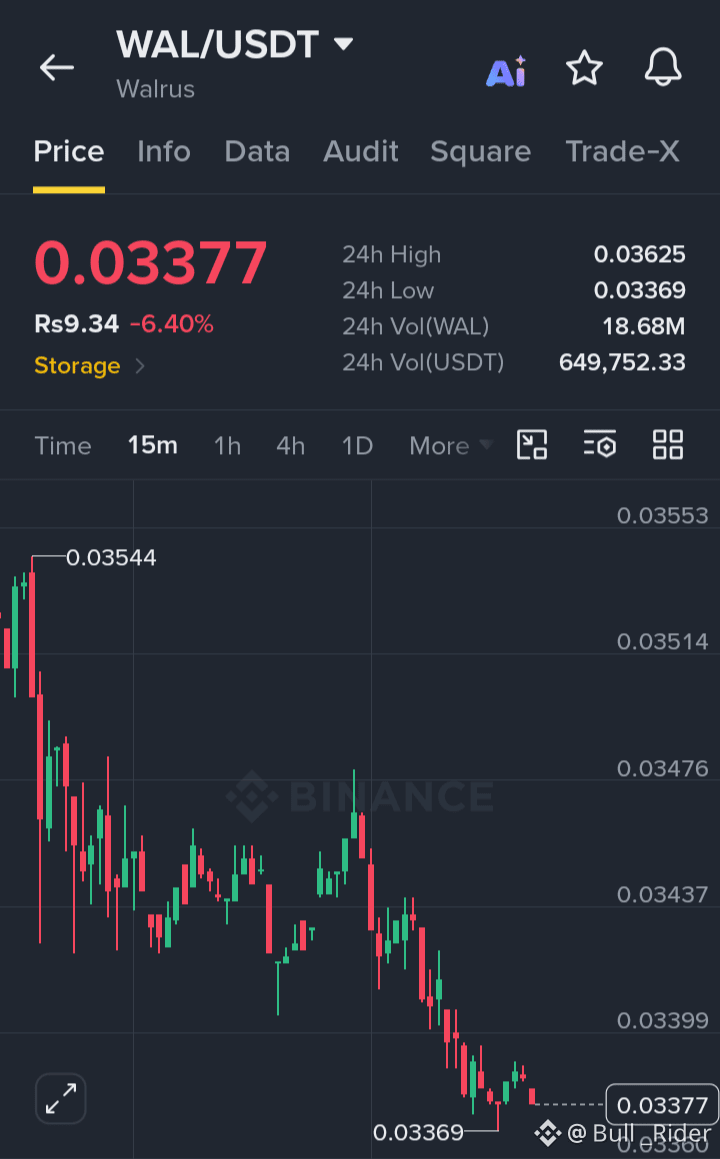
$WAL يُظهر مؤشرات على الاستقرار بالقرب من مستوى الدعم، فيما يراقب المشترون المنطقة بين $0.03360 و$0.03369 تحسبًا لاحتمال التعافي. قد يفتح الاختراق فوق مستوى المقاومة المجال لمزيد من الارتفاع، بينما تظل الإدارة السليمة للمخاطر ضرورية.
الدخول: 0.03377
جني الأرباح 1: 0.03437
جني الأرباح 2: 0.03514
جني الأرباح 3: 0.03625
وقف الخسارة: 0.03300
اشترِ وتداول $CFG
{future}(CFGUSDT)
$RLC
{future}(RLCUSDT)
{future}(WALUSDT)
#WAL #Walrus #Binance
$WAL يُظهر مؤشرات على الاستقرار بالقرب من مستوى الدعم، فيما يراقب المشترون المنطقة بين $0.03360 و$0.03369 تحسبًا لاحتمال التعافي. قد يفتح الاختراق فوق مستوى المقاومة المجال لمزيد من الارتفاع، بينما تظل الإدارة السليمة للمخاطر ضرورية.
الدخول: 0.03377
جني الأرباح 1: 0.03437
جني الأرباح 2: 0.03514
جني الأرباح 3: 0.03625
وقف الخسارة: 0.03300
اشترِ وتداول $CFG
$RLC
#WAL #Walrus #Binance
الدخول: 0.03377
جني الأرباح 1: 0.03437
جني الأرباح 2: 0.03514
جني الأرباح 3: 0.03625
وقف الخسارة: 0.03300
اشترِ وتداول $CFG
$RLC
#WAL #Walrus #Binance
1
66


·
--
صاعد
🐋 WALRUS ($WAL) — بنية البيانات التحتية لعالمي الذكاء الاصطناعي وWeb3!
لا تقتصر العملات المشفرة في المستقبل على المعاملات السريعة فحسب، بل إن تخزين البيانات بأمان وإمكانية الوصول إليها أمران بالغا الأهمية أيضًا. 🚀
🔹 ما هو Walrus؟
Walrus، المبني على سلسلة كتل Sui، هو بروتوكول صُمم للتخزين اللامركزي للبيانات الكبيرة الحجم وضمان إتاحتها.
🔹 فيمَ يُستخدم $WAL ؟ ✅ دفع تكاليف تخزين البيانات
✅ المساهمة في أمن الشبكة من خلال التخزين التحصيصي
✅ المشاركة في إدارة المنظومة
🤖 مع تطور الذكاء الاصطناعي وتطبيقات Web3 وأسواق البيانات الرقمية، قد يزداد الاهتمام بمثل هذه البنى التحتية.
📌 السؤال الأساسي: هل سيتمكن Walrus من تحويل تقنيته إلى استخدام فعلي وطلب من المنظومة؟
برأيي، $WAL أحد المشاريع التي تستحق المتابعة. لكن كون التقنية واعدة لا يعني بالضرورة ارتفاع سعر الرمز. ينبغي دراسة اقتصاديات الرمز وطلب السوق وتحركات الأسعار بعناية.
💬 برأيكم، هل يمكن أن يصبح $WAL أحد المشاريع الرئيسية في منظومة Sui مستقبلًا؟ شاركونا آراءكم في التعليقات!
@WalrusProtocol #Walrus #WAL
— عائلة QAZAXLİ3535
⚠️ هذا المنشور ليس نصيحة استثمارية. تنطوي العملات المشفرة على مخاطر عالية. لا تستثمروا دون إجراء أبحاثكم.
🐋 WALRUS ($WAL ) — بنية البيانات التحتية لعالمي الذكاء الاصطناعي وWeb3!
لا تقتصر العملات المشفرة في المستقبل على المعاملات السريعة فحسب، بل إن تخزين البيانات بأمان وإمكانية الوصول إليها أمران بالغا الأهمية أيضًا. 🚀
🔹 ما هو Walrus؟
Walrus، المبني على سلسلة كتل Sui، هو بروتوكول صُمم للتخزين اللامركزي للبيانات الكبيرة الحجم وضمان إتاحتها.
🔹 فيمَ يُستخدم $WAL ؟ ✅ دفع تكاليف تخزين البيانات
✅ المساهمة في أمن الشبكة من خلال التخزين التحصيصي
✅ المشاركة في إدارة المنظومة
🤖 مع تطور الذكاء الاصطناعي وتطبيقات Web3 وأسواق البيانات الرقمية، قد يزداد الاهتمام بمثل هذه البنى التحتية.
📌 السؤال الأساسي: هل سيتمكن Walrus من تحويل تقنيته إلى استخدام فعلي وطلب من المنظومة؟
برأيي، $WAL أحد المشاريع التي تستحق المتابعة. لكن كون التقنية واعدة لا يعني بالضرورة ارتفاع سعر الرمز. ينبغي دراسة اقتصاديات الرمز وطلب السوق وتحركات الأسعار بعناية.
💬 برأيكم، هل يمكن أن يصبح $WAL أحد المشاريع الرئيسية في منظومة Sui مستقبلًا؟ شاركونا آراءكم في التعليقات!
@Walrus 🦭/acc #Walrus #WAL
— عائلة QAZAXLİ3535
⚠️ هذا المنشور ليس نصيحة استثمارية. تنطوي العملات المشفرة على مخاطر عالية. لا تستثمروا دون إجراء أبحاثكم.
لا تقتصر العملات المشفرة في المستقبل على المعاملات السريعة فحسب، بل إن تخزين البيانات بأمان وإمكانية الوصول إليها أمران بالغا الأهمية أيضًا. 🚀
🔹 ما هو Walrus؟
Walrus، المبني على سلسلة كتل Sui، هو بروتوكول صُمم للتخزين اللامركزي للبيانات الكبيرة الحجم وضمان إتاحتها.
🔹 فيمَ يُستخدم $WAL ؟ ✅ دفع تكاليف تخزين البيانات
✅ المساهمة في أمن الشبكة من خلال التخزين التحصيصي
✅ المشاركة في إدارة المنظومة
🤖 مع تطور الذكاء الاصطناعي وتطبيقات Web3 وأسواق البيانات الرقمية، قد يزداد الاهتمام بمثل هذه البنى التحتية.
📌 السؤال الأساسي: هل سيتمكن Walrus من تحويل تقنيته إلى استخدام فعلي وطلب من المنظومة؟
برأيي، $WAL أحد المشاريع التي تستحق المتابعة. لكن كون التقنية واعدة لا يعني بالضرورة ارتفاع سعر الرمز. ينبغي دراسة اقتصاديات الرمز وطلب السوق وتحركات الأسعار بعناية.
💬 برأيكم، هل يمكن أن يصبح $WAL أحد المشاريع الرئيسية في منظومة Sui مستقبلًا؟ شاركونا آراءكم في التعليقات!
@Walrus 🦭/acc #Walrus #WAL
— عائلة QAZAXLİ3535
⚠️ هذا المنشور ليس نصيحة استثمارية. تنطوي العملات المشفرة على مخاطر عالية. لا تستثمروا دون إجراء أبحاثكم.
4
484
·
--
بدّل وكيلك من نموذج لغوي كبير إلى آخر، ولن ينتقل السياق الذي أنشأه معه. يبدأ النموذج الجديد من الصفر. تحافظ Walrus Memory على قابلية نقل تلك الذاكرة بين النماذج. بدّل النموذج اللغوي الكبير، واحتفظ بكل ما تعلّمه $WAL #walrus @WalrusProtocol
{spot}(WALUSDT)
بدّل وكيلك من نموذج لغوي كبير إلى آخر، ولن ينتقل السياق الذي أنشأه معه. يبدأ النموذج الجديد من الصفر. تحافظ Walrus Memory على قابلية نقل تلك الذاكرة بين النماذج. بدّل النموذج اللغوي الكبير، واحتفظ بكل ما تعلّمه $WAL #walrus @Walrus 🦭/acc
3
511
·
--
🔥 WAL/USDT — توخَّ الحذر عند الدخول! 📉📈
يتداول $WAL حاليًا عند نحو 0.04104 USDT. على الرسم البياني للساعة، يتراجع السعر بعد الارتفاع السابق، ولا يزال الاتجاه قصير الأجل يبدو ضعيفًا.
📊 خطة التداول —
🟢 منطقة الدخول: 0.0400 – 0.0405
🎯 الهدف الأول: 0.0420
🎯 الهدف الثاني: 0.0440
🛑 وقف الخسارة: 0.0393
تأكيد الدخول: ✅ صمود مستوى الدعم 0.0400
✅ إغلاق قوي فوق 0.0410
✅ تأكيد ارتفاع حجم التداول
⚠️ إذا هبط السعر إلى ما دون 0.0398، فلا تتعجل وانتظر تشكّل دعم جديد.
📌 الصورة الفنية: MA(7) = 0.04086، وMA(25) = 0.04190، وMA(99) = 0.04849. وبما أن السعر أدنى من MA(25) وMA(99)، فلم يتأكد الاتجاه الصاعد بعد.
💬 برأيك، هل يمكن لـ$WAL أن يرتفع مجددًا إلى مستوى 0.0440؟ شارك رأيك في التعليقات!
⚠️ هذه الخطة سيناريو فني يستند إلى الرسم البياني الذي أرسلته، وليست إشارة مؤكدة لحظيًا. خاطر بجزء صغير فقط من رأس المال واستخدم وقف الخسارة.
#WAL #Walrus @WalrusProtocol
🔥 WAL/USDT — توخَّ الحذر عند الدخول! 📉📈
يتداول $WAL حاليًا عند نحو 0.04104 USDT. على الرسم البياني للساعة، يتراجع السعر بعد الارتفاع السابق، ولا يزال الاتجاه قصير الأجل يبدو ضعيفًا.
📊 خطة التداول —
🟢 منطقة الدخول: 0.0400 – 0.0405
🎯 الهدف الأول: 0.0420
🎯 الهدف الثاني: 0.0440
🛑 وقف الخسارة: 0.0393
تأكيد الدخول: ✅ صمود مستوى الدعم 0.0400
✅ إغلاق قوي فوق 0.0410
✅ تأكيد ارتفاع حجم التداول
⚠️ إذا هبط السعر إلى ما دون 0.0398، فلا تتعجل وانتظر تشكّل دعم جديد.
📌 الصورة الفنية: MA(7) = 0.04086، وMA(25) = 0.04190، وMA(99) = 0.04849. وبما أن السعر أدنى من MA(25) وMA(99)، فلم يتأكد الاتجاه الصاعد بعد.
💬 برأيك، هل يمكن لـ$WAL أن يرتفع مجددًا إلى مستوى 0.0440؟ شارك رأيك في التعليقات!
⚠️ هذه الخطة سيناريو فني يستند إلى الرسم البياني الذي أرسلته، وليست إشارة مؤكدة لحظيًا. خاطر بجزء صغير فقط من رأس المال واستخدم وقف الخسارة.
#WAL #Walrus @Walrus 🦭/acc
يتداول $WAL حاليًا عند نحو 0.04104 USDT. على الرسم البياني للساعة، يتراجع السعر بعد الارتفاع السابق، ولا يزال الاتجاه قصير الأجل يبدو ضعيفًا.
📊 خطة التداول —
🟢 منطقة الدخول: 0.0400 – 0.0405
🎯 الهدف الأول: 0.0420
🎯 الهدف الثاني: 0.0440
🛑 وقف الخسارة: 0.0393
تأكيد الدخول: ✅ صمود مستوى الدعم 0.0400
✅ إغلاق قوي فوق 0.0410
✅ تأكيد ارتفاع حجم التداول
⚠️ إذا هبط السعر إلى ما دون 0.0398، فلا تتعجل وانتظر تشكّل دعم جديد.
📌 الصورة الفنية: MA(7) = 0.04086، وMA(25) = 0.04190، وMA(99) = 0.04849. وبما أن السعر أدنى من MA(25) وMA(99)، فلم يتأكد الاتجاه الصاعد بعد.
💬 برأيك، هل يمكن لـ$WAL أن يرتفع مجددًا إلى مستوى 0.0440؟ شارك رأيك في التعليقات!
⚠️ هذه الخطة سيناريو فني يستند إلى الرسم البياني الذي أرسلته، وليست إشارة مؤكدة لحظيًا. خاطر بجزء صغير فقط من رأس المال واستخدم وقف الخسارة.
#WAL #Walrus @Walrus 🦭/acc
1
331

·
--
🚨 $WALRUS ($WAL ) — تحليل السوق في 17 أكتوبر 🐋📊
يواجه $WAL ضغوط بيع على المدى القصير بعد ارتفاع قوي مؤخرًا. والسؤال الأهم الآن هو ما إذا كان المشترون قادرين على الدفاع عن الدعم ودفع السعر نحو التعافي.
📍 السعر الحالي: نحو $0.043–$0.044
🟢 منطقة الدعم: $0.0405–$0.0420
🔴 المقاومة 1: $0.0459
🎯 المقاومة 2: $0.0488
🚀 مستوى الصعود التالي: $0.0511
$WAL
{future}(WALUSDT)
السيناريو الصعودي: قد يفتح الاختراق القوي فوق $0.0459، مع زيادة حجم التداول، الطريق نحو $0.0488 و$0.0511.
السيناريو الهبوطي: قد يؤدي فقدان مستوى الدعم عند $0.0405 إلى جعل $0.0381 المستوى التالي الذي ينبغي مراقبته.
📊 رأيي: WAL عند منطقة حاسمة. قد يؤدي تأكيد الاختراق إلى إحياء الزخم الصعودي، لكن يجب أن يصمد الدعم أولًا. راقب حجم التداول واتجاه BTC قبل اتخاذ أي خطوة.
هل تشتري عند هذا الانخفاض، أم تنتظر التأكيد؟ 👀
#wallet_Trust #Walrus
🚨 $WALRUS ($WAL ) — تحليل السوق في 17 أكتوبر 🐋📊
يواجه $WAL ضغوط بيع على المدى القصير بعد ارتفاع قوي مؤخرًا. والسؤال الأهم الآن هو ما إذا كان المشترون قادرين على الدفاع عن الدعم ودفع السعر نحو التعافي.
📍 السعر الحالي: نحو $0.043–$0.044
🟢 منطقة الدعم: $0.0405–$0.0420
🔴 المقاومة 1: $0.0459
🎯 المقاومة 2: $0.0488
🚀 مستوى الصعود التالي: $0.0511
$WAL
السيناريو الصعودي: قد يفتح الاختراق القوي فوق $0.0459، مع زيادة حجم التداول، الطريق نحو $0.0488 و$0.0511.
السيناريو الهبوطي: قد يؤدي فقدان مستوى الدعم عند $0.0405 إلى جعل $0.0381 المستوى التالي الذي ينبغي مراقبته.
📊 رأيي: WAL عند منطقة حاسمة. قد يؤدي تأكيد الاختراق إلى إحياء الزخم الصعودي، لكن يجب أن يصمد الدعم أولًا. راقب حجم التداول واتجاه BTC قبل اتخاذ أي خطوة.
هل تشتري عند هذا الانخفاض، أم تنتظر التأكيد؟ 👀
#wallet_Trust #Walrus
يواجه $WAL ضغوط بيع على المدى القصير بعد ارتفاع قوي مؤخرًا. والسؤال الأهم الآن هو ما إذا كان المشترون قادرين على الدفاع عن الدعم ودفع السعر نحو التعافي.
📍 السعر الحالي: نحو $0.043–$0.044
🟢 منطقة الدعم: $0.0405–$0.0420
🔴 المقاومة 1: $0.0459
🎯 المقاومة 2: $0.0488
🚀 مستوى الصعود التالي: $0.0511
$WAL
السيناريو الصعودي: قد يفتح الاختراق القوي فوق $0.0459، مع زيادة حجم التداول، الطريق نحو $0.0488 و$0.0511.
السيناريو الهبوطي: قد يؤدي فقدان مستوى الدعم عند $0.0405 إلى جعل $0.0381 المستوى التالي الذي ينبغي مراقبته.
📊 رأيي: WAL عند منطقة حاسمة. قد يؤدي تأكيد الاختراق إلى إحياء الزخم الصعودي، لكن يجب أن يصمد الدعم أولًا. راقب حجم التداول واتجاه BTC قبل اتخاذ أي خطوة.
هل تشتري عند هذا الانخفاض، أم تنتظر التأكيد؟ 👀
#wallet_Trust #Walrus
328

·
--
صاعد
🚨 $WAL
{future}(WALUSDT)
— انخفاض بنسبة 20%! هل سيحدث ارتداد أم سيدفع البائعون السعر إلى مزيد من الهبوط؟ 👀📉
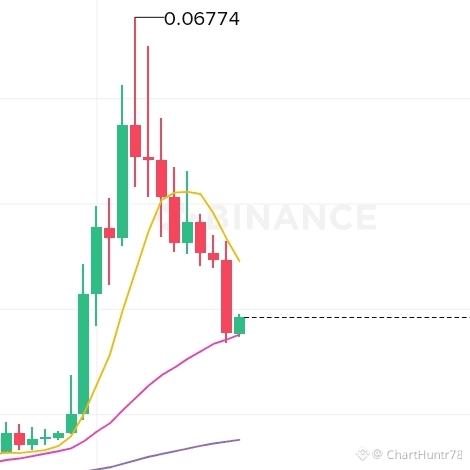
يواجه Walrus ($WAL) ضغوط بيع كبيرة بعد تراجع حاد بنسبة 20.33% خلال 24 ساعة. ومع ارتفاع نشاط التداول، قد يكون رد الفعل التالي عند مستوى الدعم حاسماً! ⚠️
💎 WALUSDT | لمحة عن السوق
💰 السعر الحالي: $0.04656
📉 التغير خلال 24 ساعة: -20.33%
🎯 أعلى سعر خلال 24 ساعة: $0.05964
📍 أدنى سعر خلال 24 ساعة: $0.04477
🔥 حجم التداول خلال 24 ساعة: 5.90B WAL
💵 قيمة التداول: $313.74M USDT
🔍 التحليل الفني
⚠️ MA(7): $0.05055 — السعر دون هذا المستوى، ما يشير إلى ضعف على المدى القصير.
✅ MA(25): $0.04535 — السعر أعلى بقليل من هذا المستوى.
✅ MA(99): $0.03791 — لا يزال السعر فوق المتوسط المتحرك طويل الأجل.
يشير الرسم البياني إلى ضغوط هبوطية على المدى القصير، رغم بقاء السعر فوق MA(25) وMA(99).
🎯 مستويات رئيسية تجدر مراقبتها
🔹 الدعم المباشر: $0.04477
🔹 منطقة الدعم التالية: $0.03969–$0.03791
🔹 المقاومة المباشرة: $0.04712–$0.05055
🔹 المقاومة الرئيسية: $0.05456
🔹 المقاومة الأعلى: $0.05964
🚀 السيناريو الصعودي: إذا دافع المشترون عن مستوى $0.04477 واستعادوا مستوى $0.05055 مع زيادة حجم التداول، فقد يصبح التعافي نحو $0.05456 ممكناً.
🐻 السيناريو الهبوطي: قد يؤدي الهبوط الحاسم دون $0.04477 إلى كشف منطقة الدعم الأدنى قرب $0.03969.
📌 استراتيجيتي: تجنب الشراء الأعمى عند الهبوط. انتظر تأكيد الانعكاس أو حدوث كسر واضح قبل اتخاذ القرار. التقلبات العالية تجعل إدارة المخاطر ضرورية.
🔥 ما التالي لـ $WAL — ارتداد للتنفيس عن الضغوط أم موجة هبوط أخرى؟
👇 شارك تحليلك!
#WAL #Walrus #WALUSDT #BinanceSquare #CryptoAnalysis #Altcoins #TechnicalAnalysis #CryptoTrading #MarketUpdate #DYOR
🚨 $WAL
— انخفاض بنسبة 20%! هل سيحدث ارتداد أم سيدفع البائعون السعر إلى مزيد من الهبوط؟ 👀📉
يواجه Walrus ($WAL ) ضغوط بيع كبيرة بعد تراجع حاد بنسبة 20.33% خلال 24 ساعة. ومع ارتفاع نشاط التداول، قد يكون رد الفعل التالي عند مستوى الدعم حاسماً! ⚠️
💎 WALUSDT | لمحة عن السوق
💰 السعر الحالي: $0.04656
📉 التغير خلال 24 ساعة: -20.33%
🎯 أعلى سعر خلال 24 ساعة: $0.05964
📍 أدنى سعر خلال 24 ساعة: $0.04477
🔥 حجم التداول خلال 24 ساعة: 5.90B WAL
💵 قيمة التداول: $313.74M USDT
🔍 التحليل الفني
⚠️ MA(7): $0.05055 — السعر دون هذا المستوى، ما يشير إلى ضعف على المدى القصير.
✅ MA(25): $0.04535 — السعر أعلى بقليل من هذا المستوى.
✅ MA(99): $0.03791 — لا يزال السعر فوق المتوسط المتحرك طويل الأجل.
يشير الرسم البياني إلى ضغوط هبوطية على المدى القصير، رغم بقاء السعر فوق MA(25) وMA(99).
🎯 مستويات رئيسية تجدر مراقبتها
🔹 الدعم المباشر: $0.04477
🔹 منطقة الدعم التالية: $0.03969–$0.03791
🔹 المقاومة المباشرة: $0.04712–$0.05055
🔹 المقاومة الرئيسية: $0.05456
🔹 المقاومة الأعلى: $0.05964
🚀 السيناريو الصعودي: إذا دافع المشترون عن مستوى $0.04477 واستعادوا مستوى $0.05055 مع زيادة حجم التداول، فقد يصبح التعافي نحو $0.05456 ممكناً.
🐻 السيناريو الهبوطي: قد يؤدي الهبوط الحاسم دون $0.04477 إلى كشف منطقة الدعم الأدنى قرب $0.03969.
📌 استراتيجيتي: تجنب الشراء الأعمى عند الهبوط. انتظر تأكيد الانعكاس أو حدوث كسر واضح قبل اتخاذ القرار. التقلبات العالية تجعل إدارة المخاطر ضرورية.
🔥 ما التالي لـ $WAL — ارتداد للتنفيس عن الضغوط أم موجة هبوط أخرى؟
👇 شارك تحليلك!
#WAL #Walrus #WALUSDT #BinanceSquare #CryptoAnalysis #Altcoins #TechnicalAnalysis #CryptoTrading #MarketUpdate #DYOR
— انخفاض بنسبة 20%! هل سيحدث ارتداد أم سيدفع البائعون السعر إلى مزيد من الهبوط؟ 👀📉
يواجه Walrus ($WAL ) ضغوط بيع كبيرة بعد تراجع حاد بنسبة 20.33% خلال 24 ساعة. ومع ارتفاع نشاط التداول، قد يكون رد الفعل التالي عند مستوى الدعم حاسماً! ⚠️
💎 WALUSDT | لمحة عن السوق
💰 السعر الحالي: $0.04656
📉 التغير خلال 24 ساعة: -20.33%
🎯 أعلى سعر خلال 24 ساعة: $0.05964
📍 أدنى سعر خلال 24 ساعة: $0.04477
🔥 حجم التداول خلال 24 ساعة: 5.90B WAL
💵 قيمة التداول: $313.74M USDT
🔍 التحليل الفني
⚠️ MA(7): $0.05055 — السعر دون هذا المستوى، ما يشير إلى ضعف على المدى القصير.
✅ MA(25): $0.04535 — السعر أعلى بقليل من هذا المستوى.
✅ MA(99): $0.03791 — لا يزال السعر فوق المتوسط المتحرك طويل الأجل.
يشير الرسم البياني إلى ضغوط هبوطية على المدى القصير، رغم بقاء السعر فوق MA(25) وMA(99).
🎯 مستويات رئيسية تجدر مراقبتها
🔹 الدعم المباشر: $0.04477
🔹 منطقة الدعم التالية: $0.03969–$0.03791
🔹 المقاومة المباشرة: $0.04712–$0.05055
🔹 المقاومة الرئيسية: $0.05456
🔹 المقاومة الأعلى: $0.05964
🚀 السيناريو الصعودي: إذا دافع المشترون عن مستوى $0.04477 واستعادوا مستوى $0.05055 مع زيادة حجم التداول، فقد يصبح التعافي نحو $0.05456 ممكناً.
🐻 السيناريو الهبوطي: قد يؤدي الهبوط الحاسم دون $0.04477 إلى كشف منطقة الدعم الأدنى قرب $0.03969.
📌 استراتيجيتي: تجنب الشراء الأعمى عند الهبوط. انتظر تأكيد الانعكاس أو حدوث كسر واضح قبل اتخاذ القرار. التقلبات العالية تجعل إدارة المخاطر ضرورية.
🔥 ما التالي لـ $WAL — ارتداد للتنفيس عن الضغوط أم موجة هبوط أخرى؟
👇 شارك تحليلك!
#WAL #Walrus #WALUSDT #BinanceSquare #CryptoAnalysis #Altcoins #TechnicalAnalysis #CryptoTrading #MarketUpdate #DYOR
323
·
--
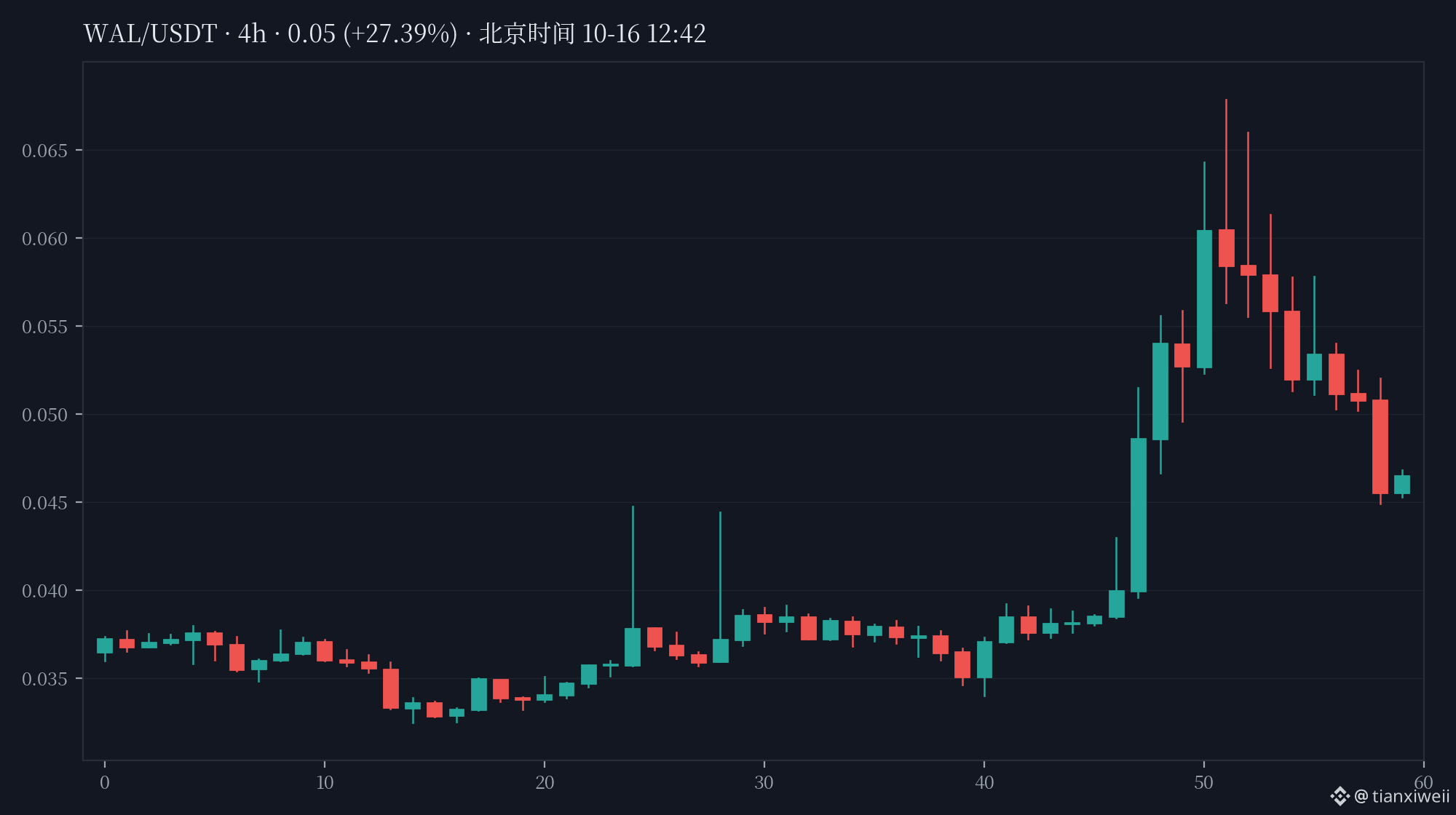
$WAL تأكيد بلوغ القمة: صمد مستوى 0.048 لنحو 33 ساعة، ثم أغلقت شمعة الأربع ساعات عند الساعة 12 ظهرًا تحته رسميًا
الخلاصة أولًا: تحققت بالكامل معايير التأكيد التي حددها منشور التحذير هذا الصباح.
عند الساعة 12:00 ظهرًا، أغلقت شمعة WAL لأربع ساعات عند 0.04554. لم تكن هذه مجرد وخزة سعرية أثناء التداول؛ فقد اخترق هبوط حاد عند 09:35 مستوى 0.048، ووصل السعر إلى قاع 0.04493. وكان إغلاق شمعة الساعة الواحدة عند 09:00 على 0.04702 قد أطلق تحذيرًا بالفعل، والآن جاء إغلاق الأربع ساعات ليؤكد ذلك أيضًا، فتحول الأمر من «كسر أثناء التداول» إلى «تأكيد عند الإغلاق».
لنوضح الأرقام: انطلاقًا من القمة المسجلة فجر 15 أكتوبر عند 0.06786، بلغ أقصى تراجع نحو 34%؛ وقبل النشر، كان السعر الفوري 0.04655، بانخفاض نحو 21.3% خلال 24 ساعة، وبلغ حجم التداول الفوري خلال 24 ساعة نحو 20.09 مليون USDT. وفي الوقت نفسه، ظل $BTC قرب مستوى 82,000، بارتفاع نحو 0.6% خلال 24 ساعة. هذا التراجع يخص WAL نفسه، وليس نتيجة ضغط السوق الأوسع.
لماذا هبط السعر؟ حتى الآن، لم نعثر على خبر سلبي جديد وواضح. ما دفعه إلى الارتفاع الحاد لا يزال الخبر القديم الصادر في 13 أكتوبر عن استحواذ مؤسسة Sui على DATA Network. خفّ وهج الخبر، كما أن وقود الضغط على المراكز القصيرة نفد منذ فترة: تقلص معدل التمويل لعقود OKX الدائمة من أدنى مستوى له، نحو -0.48%، إلى نحو -0.074%، وبلغت الفائدة المفتوحة نحو 1.73 مليون دولار. لم تعد المراكز القصيرة مزدحمة، وهذا يعني أيضًا ألا نعوّل على ضغط المراكز القصيرة لدفع ارتداد.
من الآن فصاعدًا، راقبوا مستويين فقط: تحوّل 0.048 من دعم إلى مقاومة؛ ولا يُلغى حكم بلوغ القمة إلا إذا استعاد السعر هذا المستوى بإغلاق مصحوب بارتفاع حجم التداول، ثم حافظ عليه. وعلى العكس، إذا واصلت شموع الأربع ساعات الإغلاق دون 0.045، فاعتبروا هذه الحركة منتهية. أما الارتدادات في المنتصف فتعاملوا معها أولًا كفرص لتخفيف المراكز، لا كإشارة لاقتناص القاع. من ارتفاع يقارب 70% خلال 24 ساعة إلى تأكيد بلوغ القمة، لم يستغرق الأمر سوى يوم ونصف — في عملة يرتكز صعودها على الضغط على المراكز القصيرة، التزموا بمستوى إبطال الفرضية عند بلوغه، ولا تتعلقوا بها عاطفيًا.
تنبيه للمخاطر: قد يحدث ارتداد حاد في أي وقت بعد هبوط كبير، وملاحقة الهبوط على المكشوف خطرة أيضًا. هذا المنشور لتوثيق حركة السوق، ولا يشكل نصيحة استثمارية.
اختاروا أحد الخيارين: هل كُسر مستوى 0.048 هذه المرة فعلًا، أم سيعود السعر فوقه الليلة؟ هل بلغنا القمة فعلًا، أم يمكن استعادة المستوى؟
#WAL #Walrus #山寨币 #متابعة الارتفاع الحاد
$WAL تأكيد بلوغ القمة: صمد مستوى 0.048 لنحو 33 ساعة، ثم أغلقت شمعة الأربع ساعات عند الساعة 12 ظهرًا تحته رسميًا
الخلاصة أولًا: تحققت بالكامل معايير التأكيد التي حددها منشور التحذير هذا الصباح.
عند الساعة 12:00 ظهرًا، أغلقت شمعة WAL لأربع ساعات عند 0.04554. لم تكن هذه مجرد وخزة سعرية أثناء التداول؛ فقد اخترق هبوط حاد عند 09:35 مستوى 0.048، ووصل السعر إلى قاع 0.04493. وكان إغلاق شمعة الساعة الواحدة عند 09:00 على 0.04702 قد أطلق تحذيرًا بالفعل، والآن جاء إغلاق الأربع ساعات ليؤكد ذلك أيضًا، فتحول الأمر من «كسر أثناء التداول» إلى «تأكيد عند الإغلاق».
لنوضح الأرقام: انطلاقًا من القمة المسجلة فجر 15 أكتوبر عند 0.06786، بلغ أقصى تراجع نحو 34%؛ وقبل النشر، كان السعر الفوري 0.04655، بانخفاض نحو 21.3% خلال 24 ساعة، وبلغ حجم التداول الفوري خلال 24 ساعة نحو 20.09 مليون USDT. وفي الوقت نفسه، ظل $BTC قرب مستوى 82,000، بارتفاع نحو 0.6% خلال 24 ساعة. هذا التراجع يخص WAL نفسه، وليس نتيجة ضغط السوق الأوسع.
لماذا هبط السعر؟ حتى الآن، لم نعثر على خبر سلبي جديد وواضح. ما دفعه إلى الارتفاع الحاد لا يزال الخبر القديم الصادر في 13 أكتوبر عن استحواذ مؤسسة Sui على DATA Network. خفّ وهج الخبر، كما أن وقود الضغط على المراكز القصيرة نفد منذ فترة: تقلص معدل التمويل لعقود OKX الدائمة من أدنى مستوى له، نحو -0.48%، إلى نحو -0.074%، وبلغت الفائدة المفتوحة نحو 1.73 مليون دولار. لم تعد المراكز القصيرة مزدحمة، وهذا يعني أيضًا ألا نعوّل على ضغط المراكز القصيرة لدفع ارتداد.
من الآن فصاعدًا، راقبوا مستويين فقط: تحوّل 0.048 من دعم إلى مقاومة؛ ولا يُلغى حكم بلوغ القمة إلا إذا استعاد السعر هذا المستوى بإغلاق مصحوب بارتفاع حجم التداول، ثم حافظ عليه. وعلى العكس، إذا واصلت شموع الأربع ساعات الإغلاق دون 0.045، فاعتبروا هذه الحركة منتهية. أما الارتدادات في المنتصف فتعاملوا معها أولًا كفرص لتخفيف المراكز، لا كإشارة لاقتناص القاع. من ارتفاع يقارب 70% خلال 24 ساعة إلى تأكيد بلوغ القمة، لم يستغرق الأمر سوى يوم ونصف — في عملة يرتكز صعودها على الضغط على المراكز القصيرة، التزموا بمستوى إبطال الفرضية عند بلوغه، ولا تتعلقوا بها عاطفيًا.
تنبيه للمخاطر: قد يحدث ارتداد حاد في أي وقت بعد هبوط كبير، وملاحقة الهبوط على المكشوف خطرة أيضًا. هذا المنشور لتوثيق حركة السوق، ولا يشكل نصيحة استثمارية.
اختاروا أحد الخيارين: هل كُسر مستوى 0.048 هذه المرة فعلًا، أم سيعود السعر فوقه الليلة؟ هل بلغنا القمة فعلًا، أم يمكن استعادة المستوى؟
#WAL #Walrus #山寨币 #متابعة الارتفاع الحاد
الخلاصة أولًا: تحققت بالكامل معايير التأكيد التي حددها منشور التحذير هذا الصباح.
عند الساعة 12:00 ظهرًا، أغلقت شمعة WAL لأربع ساعات عند 0.04554. لم تكن هذه مجرد وخزة سعرية أثناء التداول؛ فقد اخترق هبوط حاد عند 09:35 مستوى 0.048، ووصل السعر إلى قاع 0.04493. وكان إغلاق شمعة الساعة الواحدة عند 09:00 على 0.04702 قد أطلق تحذيرًا بالفعل، والآن جاء إغلاق الأربع ساعات ليؤكد ذلك أيضًا، فتحول الأمر من «كسر أثناء التداول» إلى «تأكيد عند الإغلاق».
لنوضح الأرقام: انطلاقًا من القمة المسجلة فجر 15 أكتوبر عند 0.06786، بلغ أقصى تراجع نحو 34%؛ وقبل النشر، كان السعر الفوري 0.04655، بانخفاض نحو 21.3% خلال 24 ساعة، وبلغ حجم التداول الفوري خلال 24 ساعة نحو 20.09 مليون USDT. وفي الوقت نفسه، ظل $BTC قرب مستوى 82,000، بارتفاع نحو 0.6% خلال 24 ساعة. هذا التراجع يخص WAL نفسه، وليس نتيجة ضغط السوق الأوسع.
لماذا هبط السعر؟ حتى الآن، لم نعثر على خبر سلبي جديد وواضح. ما دفعه إلى الارتفاع الحاد لا يزال الخبر القديم الصادر في 13 أكتوبر عن استحواذ مؤسسة Sui على DATA Network. خفّ وهج الخبر، كما أن وقود الضغط على المراكز القصيرة نفد منذ فترة: تقلص معدل التمويل لعقود OKX الدائمة من أدنى مستوى له، نحو -0.48%، إلى نحو -0.074%، وبلغت الفائدة المفتوحة نحو 1.73 مليون دولار. لم تعد المراكز القصيرة مزدحمة، وهذا يعني أيضًا ألا نعوّل على ضغط المراكز القصيرة لدفع ارتداد.
من الآن فصاعدًا، راقبوا مستويين فقط: تحوّل 0.048 من دعم إلى مقاومة؛ ولا يُلغى حكم بلوغ القمة إلا إذا استعاد السعر هذا المستوى بإغلاق مصحوب بارتفاع حجم التداول، ثم حافظ عليه. وعلى العكس، إذا واصلت شموع الأربع ساعات الإغلاق دون 0.045، فاعتبروا هذه الحركة منتهية. أما الارتدادات في المنتصف فتعاملوا معها أولًا كفرص لتخفيف المراكز، لا كإشارة لاقتناص القاع. من ارتفاع يقارب 70% خلال 24 ساعة إلى تأكيد بلوغ القمة، لم يستغرق الأمر سوى يوم ونصف — في عملة يرتكز صعودها على الضغط على المراكز القصيرة، التزموا بمستوى إبطال الفرضية عند بلوغه، ولا تتعلقوا بها عاطفيًا.
تنبيه للمخاطر: قد يحدث ارتداد حاد في أي وقت بعد هبوط كبير، وملاحقة الهبوط على المكشوف خطرة أيضًا. هذا المنشور لتوثيق حركة السوق، ولا يشكل نصيحة استثمارية.
اختاروا أحد الخيارين: هل كُسر مستوى 0.048 هذه المرة فعلًا، أم سيعود السعر فوقه الليلة؟ هل بلغنا القمة فعلًا، أم يمكن استعادة المستوى؟
#WAL #Walrus #山寨币 #متابعة الارتفاع الحاد
356

·
--
هابط
📊 $WAL /USDT إعداد التداول: اشترِ عند الانخفاض أم انتظر؟
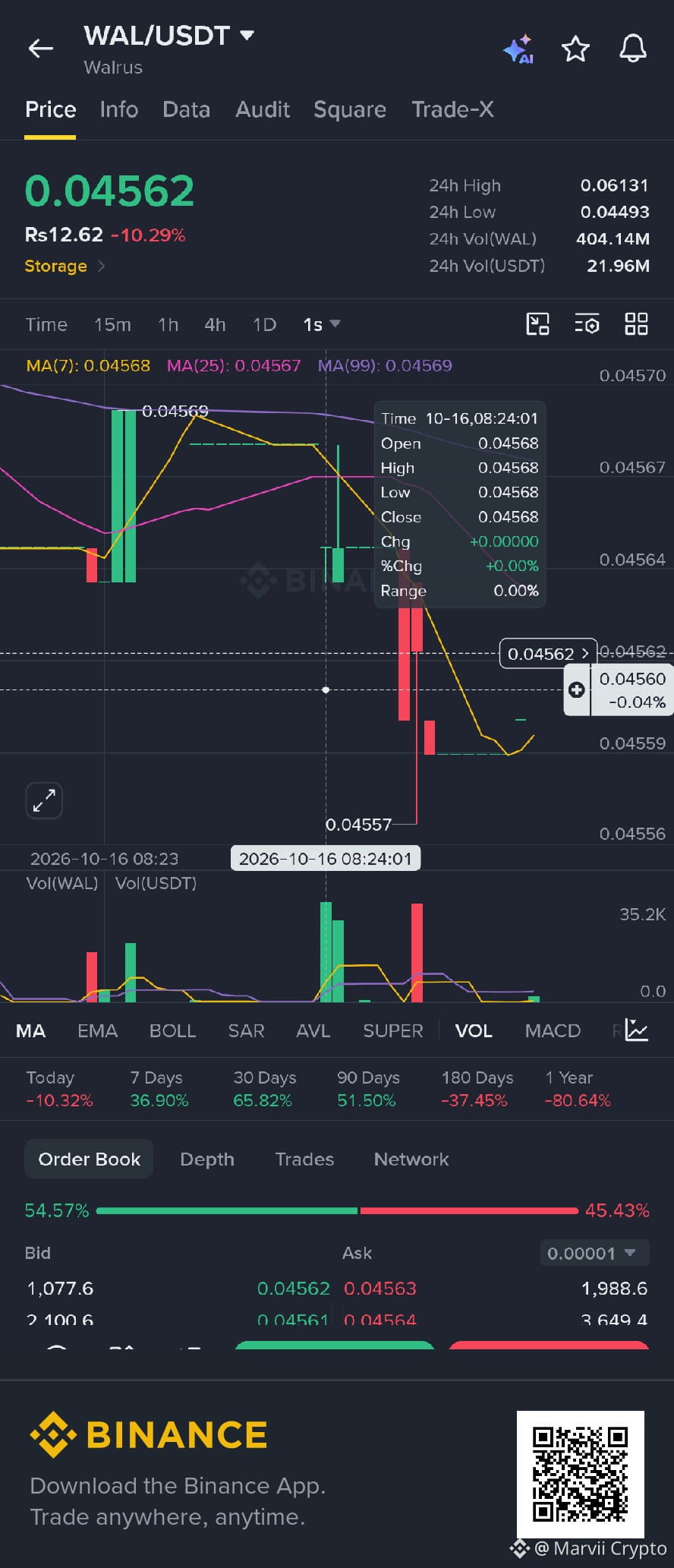
يُتداول Walrus ($WAL) حاليًا عند 0.04562، مسجلًا انخفاضًا يوميًا بنسبة -10.29%. بعد تصحيح حاد، يختبر السعر مستوى دعم حاسمًا على المدى القصير.
إليك استراتيجية تداول واضحة ومباشرة تستند إلى بنية الرسم البياني الحالية:
⚡ استراتيجية التداول
منطقة الدخول (شراء): $0.04550 - $0.04565 (منطقة الدعم الحالية)
الهدف 1 (قصير الأجل): $0.04590
الهدف 2 (متوسط الأجل): $0.04630
الهدف 3 (هدف الاختراق): $0.04700+
وقف الخسارة (إدارة المخاطر): $0.04520 (التزم به بدقة إذا هبط السعر دون القيعان الأخيرة)
وقف الخسارة (إدارة المخاطر): $0.04520 (التزم به بدقة إذا هبط السعر دون القيعان الأخيرة)
🔍 رؤى السوق
• الدعم والمقاومة: يعمل مستوى 0.04557 كدعم فوري. إذا صمد السعر عند هذا المستوى، فقد نشهد ارتدادًا سريعًا للتعافي.
• تنبيه بشأن حجم التداول: يتراجع حجم البيع قليلًا، ما يشير إلى أن الدببة بدأت تفقد قوتها، وقد يدخل المشترون إلى السوق.
⚠️ إخلاء المسؤولية: ينطوي تداول العملات الرقمية على مخاطر عالية. احرص دائمًا على إدارة المخاطر وإجراء أبحاثك الخاصة (DYOR) قبل الدخول في أي صفقة!
#WALUSDT #CryptoTrading #BinanceSquare #TradingSignals #Walrus
{future}(WALUSDT)
📊 $WAL /USDT إعداد التداول: اشترِ عند الانخفاض أم انتظر؟
يُتداول Walrus ($WAL ) حاليًا عند 0.04562، مسجلًا انخفاضًا يوميًا بنسبة -10.29%. بعد تصحيح حاد، يختبر السعر مستوى دعم حاسمًا على المدى القصير.
إليك استراتيجية تداول واضحة ومباشرة تستند إلى بنية الرسم البياني الحالية:
⚡ استراتيجية التداول
منطقة الدخول (شراء): $0.04550 - $0.04565 (منطقة الدعم الحالية)
الهدف 1 (قصير الأجل): $0.04590
الهدف 2 (متوسط الأجل): $0.04630
الهدف 3 (هدف الاختراق): $0.04700+
وقف الخسارة (إدارة المخاطر): $0.04520 (التزم به بدقة إذا هبط السعر دون القيعان الأخيرة)
وقف الخسارة (إدارة المخاطر): $0.04520 (التزم به بدقة إذا هبط السعر دون القيعان الأخيرة)
🔍 رؤى السوق
• الدعم والمقاومة: يعمل مستوى 0.04557 كدعم فوري. إذا صمد السعر عند هذا المستوى، فقد نشهد ارتدادًا سريعًا للتعافي.
• تنبيه بشأن حجم التداول: يتراجع حجم البيع قليلًا، ما يشير إلى أن الدببة بدأت تفقد قوتها، وقد يدخل المشترون إلى السوق.
⚠️ إخلاء المسؤولية: ينطوي تداول العملات الرقمية على مخاطر عالية. احرص دائمًا على إدارة المخاطر وإجراء أبحاثك الخاصة (DYOR) قبل الدخول في أي صفقة!
#WALUSDT #CryptoTrading #BinanceSquare #TradingSignals #Walrus
يُتداول Walrus ($WAL ) حاليًا عند 0.04562، مسجلًا انخفاضًا يوميًا بنسبة -10.29%. بعد تصحيح حاد، يختبر السعر مستوى دعم حاسمًا على المدى القصير.
إليك استراتيجية تداول واضحة ومباشرة تستند إلى بنية الرسم البياني الحالية:
⚡ استراتيجية التداول
منطقة الدخول (شراء): $0.04550 - $0.04565 (منطقة الدعم الحالية)
الهدف 1 (قصير الأجل): $0.04590
الهدف 2 (متوسط الأجل): $0.04630
الهدف 3 (هدف الاختراق): $0.04700+
وقف الخسارة (إدارة المخاطر): $0.04520 (التزم به بدقة إذا هبط السعر دون القيعان الأخيرة)
وقف الخسارة (إدارة المخاطر): $0.04520 (التزم به بدقة إذا هبط السعر دون القيعان الأخيرة)
🔍 رؤى السوق
• الدعم والمقاومة: يعمل مستوى 0.04557 كدعم فوري. إذا صمد السعر عند هذا المستوى، فقد نشهد ارتدادًا سريعًا للتعافي.
• تنبيه بشأن حجم التداول: يتراجع حجم البيع قليلًا، ما يشير إلى أن الدببة بدأت تفقد قوتها، وقد يدخل المشترون إلى السوق.
⚠️ إخلاء المسؤولية: ينطوي تداول العملات الرقمية على مخاطر عالية. احرص دائمًا على إدارة المخاطر وإجراء أبحاثك الخاصة (DYOR) قبل الدخول في أي صفقة!
#WALUSDT #CryptoTrading #BinanceSquare #TradingSignals #Walrus
2
99
·
--
هبوط حاد يخترق 0.048 خلال 13 دقيقة، وانهيار خط الدفاع الأخير الذي صمدت عنده $WAL لمدة 33 ساعة
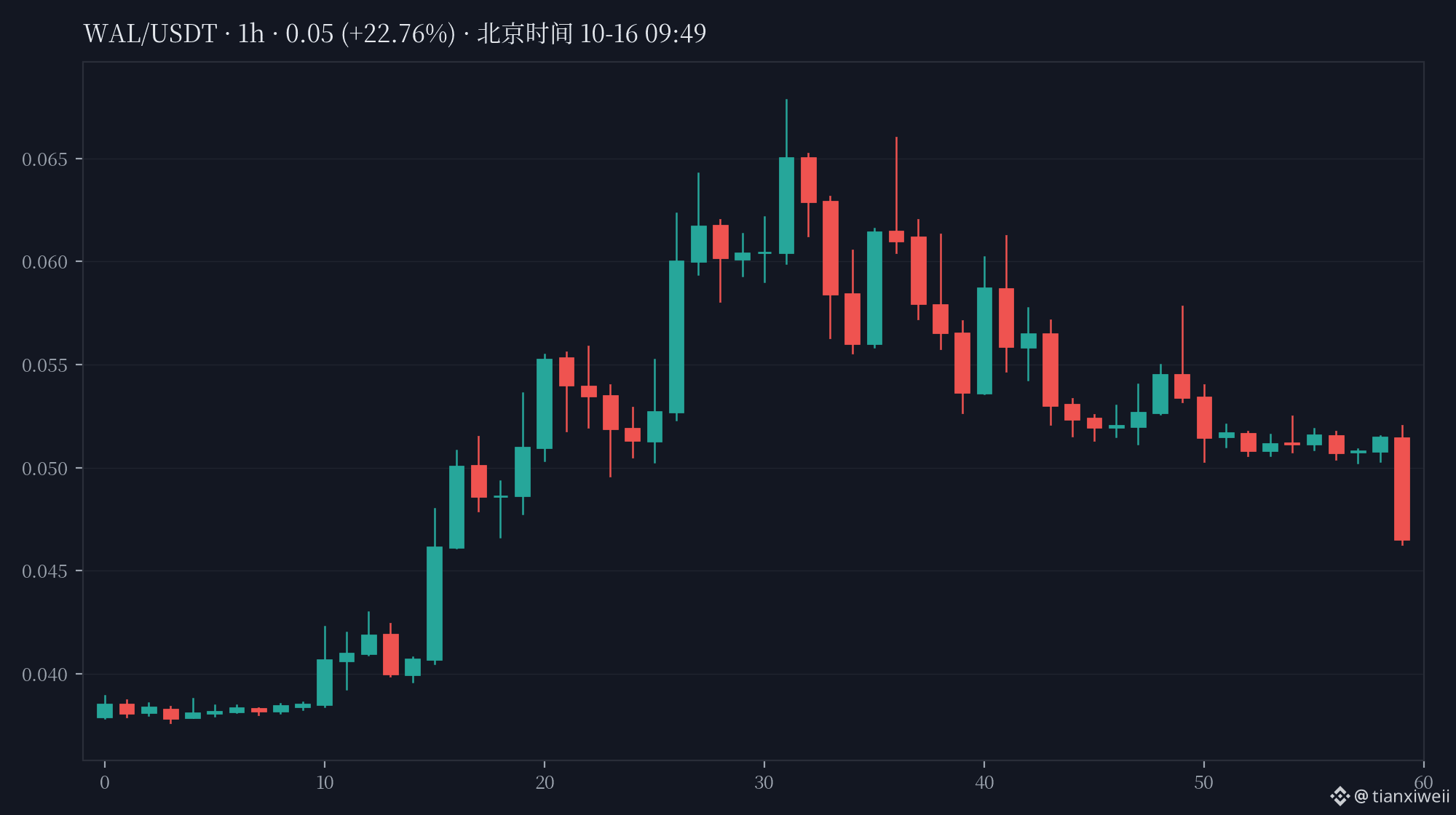
حتى الساعة 09:35 من صباح اليوم، ظلّت $WAL تتحرك قرب 0.051؛ لكن بدءًا من 09:35 هوت مباشرة، واخترقت 0.048 عند 09:41، ثم سجلت أدنى مستوى عند 0.04629 في 09:45. وقبيل النشر، كان سعرها نحو 0.0466، أي بانخفاض يقارب 9% خلال 13 دقيقة. ومنذ القمة المسجلة فجر أمس عند 0.06786، بلغ التراجع نحو 31%، كما تحولت حركة السعر خلال 24 ساعة من ارتفاع إلى انخفاض بنحو 23%.
لماذا يُعدّ 0.048 مستوى مهمًا؟ منذ أول متابعة نُشرت فجر 15 أكتوبر، اعتُبر هذا المستوى نقطة الإبطال الرئيسية: فإذا أغلقت شمعة 4 ساعات دونه، فسيُتعامل مع الحركة على أنها بلوغ للقمة. شهد اليومان الماضيان عدة اختراقات للمستوى واختراقات كاذبة، لكن السعر لم يهبط دونه فعليًا. أما اليوم، فقد اخترقه للمرة الأولى مع ارتفاع كبير في حجم التداول، ولم يستعده فورًا. وحجم التداول يؤكد ذلك: بلغ حجم التداول في شمعة الـ15 دقيقة عند 09:30 نحو 388 ألف USDT، أي ما يعادل 3 إلى 10 أضعاف عدة شموع سابقة؛ لذا فالأمر ليس هبوطًا تدريجيًا مع تداول ضعيف.
تغيّر الهيكل أيضًا. يبلغ معدل التمويل لعقود OKX الدائمة الآن نحو -0.074%، بعدما تقلّص كثيرًا مقارنةً بالقاع المتطرف البالغ -0.62% أمس. ويبدو أن وقود الضغط على المراكز القصيرة قد نفد قبل الاختراق، وأن ضغوط البيع الفوري هي المحرك الرئيسي لهذه الموجة. وفي الوقت نفسه، لا يزال $BTC قرب 82,100، بارتفاع يقارب 0.5% خلال 24 ساعة؛ لذا فالتراجع ليس نتيجة ضغط السوق عمومًا، بل يعكس انحسار الزخم الخاص بـWAL. أما من ناحية المحفزات، فلم يُعثر اليوم على أخبار سلبية جديدة وواضحة؛ وما زال المحرك هو جني الأرباح من موجة الخبر القديم، المتعلق باستحواذ Sui على DATA في 13 أكتوبر. كما أشارت بعض وسائل الإعلام إلى فتح قفل في 26 أكتوبر، لكن ذلك حدث لاحق وليس سبب هذا الهبوط الحاد صباح اليوم.
الحكم يتوقف على الإغلاق: إذا أغلقت شمعة الساعة عند 10:00، وخصوصًا شمعة الأربع ساعات عند 12:00، دون 0.048، فسيُعدّ ذلك تأكيدًا على بلوغ القمة. أما إذا عاد السعر سريعًا إلى ما فوق 0.048 مع ارتفاع حجم التداول واستقر هناك، فسيُتعامل مع الحركة على أنها اختراق كاذب، ويُلغى هذا التحذير. أول مستوى للمقاومة عند الارتداد هو 0.048، الذي تحوّل من دعم إلى مقاومة، يليه الحد السفلي للنطاق السابق عند 0.0555. وتذكير أخير: معدل التمويل لم يعد متطرفًا، والسعر في منطقة منخفضة ومفرط البيع على المدى القصير؛ كما أن هذه العملة شهدت أمس اختراقًا هابطًا أعقبه استرداد المستوى خلال ساعة، لذا فإن فتح مراكز بيع على المكشوف قرب القاع قد ينتهي أيضًا بارتداد يفاجئ المتداولين.
تنبيه بشأن المخاطر: دفتر أوامر العملات الصغيرة ضعيف والسيولة محدودة، والتقلبات حادة للغاية. ما سبق مجرد سجل لمراجعة حركة السوق، ولا يشكل نصيحة استثمارية. أي الجانبين ترجّحون: هل كانت هذه المرة تأكيدًا حقيقيًا للقمة عند 0.048، أم اختراقًا كاذبًا آخر يستعيد السعر بعده المستوى خلال ساعة؟
#WAL #Walrus #Sui #عملات_بديلة
هبوط حاد يخترق 0.048 خلال 13 دقيقة، وانهيار خط الدفاع الأخير الذي صمدت عنده $WAL لمدة 33 ساعة
حتى الساعة 09:35 من صباح اليوم، ظلّت $WAL تتحرك قرب 0.051؛ لكن بدءًا من 09:35 هوت مباشرة، واخترقت 0.048 عند 09:41، ثم سجلت أدنى مستوى عند 0.04629 في 09:45. وقبيل النشر، كان سعرها نحو 0.0466، أي بانخفاض يقارب 9% خلال 13 دقيقة. ومنذ القمة المسجلة فجر أمس عند 0.06786، بلغ التراجع نحو 31%، كما تحولت حركة السعر خلال 24 ساعة من ارتفاع إلى انخفاض بنحو 23%.
لماذا يُعدّ 0.048 مستوى مهمًا؟ منذ أول متابعة نُشرت فجر 15 أكتوبر، اعتُبر هذا المستوى نقطة الإبطال الرئيسية: فإذا أغلقت شمعة 4 ساعات دونه، فسيُتعامل مع الحركة على أنها بلوغ للقمة. شهد اليومان الماضيان عدة اختراقات للمستوى واختراقات كاذبة، لكن السعر لم يهبط دونه فعليًا. أما اليوم، فقد اخترقه للمرة الأولى مع ارتفاع كبير في حجم التداول، ولم يستعده فورًا. وحجم التداول يؤكد ذلك: بلغ حجم التداول في شمعة الـ15 دقيقة عند 09:30 نحو 388 ألف USDT، أي ما يعادل 3 إلى 10 أضعاف عدة شموع سابقة؛ لذا فالأمر ليس هبوطًا تدريجيًا مع تداول ضعيف.
تغيّر الهيكل أيضًا. يبلغ معدل التمويل لعقود OKX الدائمة الآن نحو -0.074%، بعدما تقلّص كثيرًا مقارنةً بالقاع المتطرف البالغ -0.62% أمس. ويبدو أن وقود الضغط على المراكز القصيرة قد نفد قبل الاختراق، وأن ضغوط البيع الفوري هي المحرك الرئيسي لهذه الموجة. وفي الوقت نفسه، لا يزال $BTC قرب 82,100، بارتفاع يقارب 0.5% خلال 24 ساعة؛ لذا فالتراجع ليس نتيجة ضغط السوق عمومًا، بل يعكس انحسار الزخم الخاص بـWAL. أما من ناحية المحفزات، فلم يُعثر اليوم على أخبار سلبية جديدة وواضحة؛ وما زال المحرك هو جني الأرباح من موجة الخبر القديم، المتعلق باستحواذ Sui على DATA في 13 أكتوبر. كما أشارت بعض وسائل الإعلام إلى فتح قفل في 26 أكتوبر، لكن ذلك حدث لاحق وليس سبب هذا الهبوط الحاد صباح اليوم.
الحكم يتوقف على الإغلاق: إذا أغلقت شمعة الساعة عند 10:00، وخصوصًا شمعة الأربع ساعات عند 12:00، دون 0.048، فسيُعدّ ذلك تأكيدًا على بلوغ القمة. أما إذا عاد السعر سريعًا إلى ما فوق 0.048 مع ارتفاع حجم التداول واستقر هناك، فسيُتعامل مع الحركة على أنها اختراق كاذب، ويُلغى هذا التحذير. أول مستوى للمقاومة عند الارتداد هو 0.048، الذي تحوّل من دعم إلى مقاومة، يليه الحد السفلي للنطاق السابق عند 0.0555. وتذكير أخير: معدل التمويل لم يعد متطرفًا، والسعر في منطقة منخفضة ومفرط البيع على المدى القصير؛ كما أن هذه العملة شهدت أمس اختراقًا هابطًا أعقبه استرداد المستوى خلال ساعة، لذا فإن فتح مراكز بيع على المكشوف قرب القاع قد ينتهي أيضًا بارتداد يفاجئ المتداولين.
تنبيه بشأن المخاطر: دفتر أوامر العملات الصغيرة ضعيف والسيولة محدودة، والتقلبات حادة للغاية. ما سبق مجرد سجل لمراجعة حركة السوق، ولا يشكل نصيحة استثمارية. أي الجانبين ترجّحون: هل كانت هذه المرة تأكيدًا حقيقيًا للقمة عند 0.048، أم اختراقًا كاذبًا آخر يستعيد السعر بعده المستوى خلال ساعة؟
#WAL #Walrus #Sui #عملات_بديلة
حتى الساعة 09:35 من صباح اليوم، ظلّت $WAL تتحرك قرب 0.051؛ لكن بدءًا من 09:35 هوت مباشرة، واخترقت 0.048 عند 09:41، ثم سجلت أدنى مستوى عند 0.04629 في 09:45. وقبيل النشر، كان سعرها نحو 0.0466، أي بانخفاض يقارب 9% خلال 13 دقيقة. ومنذ القمة المسجلة فجر أمس عند 0.06786، بلغ التراجع نحو 31%، كما تحولت حركة السعر خلال 24 ساعة من ارتفاع إلى انخفاض بنحو 23%.
لماذا يُعدّ 0.048 مستوى مهمًا؟ منذ أول متابعة نُشرت فجر 15 أكتوبر، اعتُبر هذا المستوى نقطة الإبطال الرئيسية: فإذا أغلقت شمعة 4 ساعات دونه، فسيُتعامل مع الحركة على أنها بلوغ للقمة. شهد اليومان الماضيان عدة اختراقات للمستوى واختراقات كاذبة، لكن السعر لم يهبط دونه فعليًا. أما اليوم، فقد اخترقه للمرة الأولى مع ارتفاع كبير في حجم التداول، ولم يستعده فورًا. وحجم التداول يؤكد ذلك: بلغ حجم التداول في شمعة الـ15 دقيقة عند 09:30 نحو 388 ألف USDT، أي ما يعادل 3 إلى 10 أضعاف عدة شموع سابقة؛ لذا فالأمر ليس هبوطًا تدريجيًا مع تداول ضعيف.
تغيّر الهيكل أيضًا. يبلغ معدل التمويل لعقود OKX الدائمة الآن نحو -0.074%، بعدما تقلّص كثيرًا مقارنةً بالقاع المتطرف البالغ -0.62% أمس. ويبدو أن وقود الضغط على المراكز القصيرة قد نفد قبل الاختراق، وأن ضغوط البيع الفوري هي المحرك الرئيسي لهذه الموجة. وفي الوقت نفسه، لا يزال $BTC قرب 82,100، بارتفاع يقارب 0.5% خلال 24 ساعة؛ لذا فالتراجع ليس نتيجة ضغط السوق عمومًا، بل يعكس انحسار الزخم الخاص بـWAL. أما من ناحية المحفزات، فلم يُعثر اليوم على أخبار سلبية جديدة وواضحة؛ وما زال المحرك هو جني الأرباح من موجة الخبر القديم، المتعلق باستحواذ Sui على DATA في 13 أكتوبر. كما أشارت بعض وسائل الإعلام إلى فتح قفل في 26 أكتوبر، لكن ذلك حدث لاحق وليس سبب هذا الهبوط الحاد صباح اليوم.
الحكم يتوقف على الإغلاق: إذا أغلقت شمعة الساعة عند 10:00، وخصوصًا شمعة الأربع ساعات عند 12:00، دون 0.048، فسيُعدّ ذلك تأكيدًا على بلوغ القمة. أما إذا عاد السعر سريعًا إلى ما فوق 0.048 مع ارتفاع حجم التداول واستقر هناك، فسيُتعامل مع الحركة على أنها اختراق كاذب، ويُلغى هذا التحذير. أول مستوى للمقاومة عند الارتداد هو 0.048، الذي تحوّل من دعم إلى مقاومة، يليه الحد السفلي للنطاق السابق عند 0.0555. وتذكير أخير: معدل التمويل لم يعد متطرفًا، والسعر في منطقة منخفضة ومفرط البيع على المدى القصير؛ كما أن هذه العملة شهدت أمس اختراقًا هابطًا أعقبه استرداد المستوى خلال ساعة، لذا فإن فتح مراكز بيع على المكشوف قرب القاع قد ينتهي أيضًا بارتداد يفاجئ المتداولين.
تنبيه بشأن المخاطر: دفتر أوامر العملات الصغيرة ضعيف والسيولة محدودة، والتقلبات حادة للغاية. ما سبق مجرد سجل لمراجعة حركة السوق، ولا يشكل نصيحة استثمارية. أي الجانبين ترجّحون: هل كانت هذه المرة تأكيدًا حقيقيًا للقمة عند 0.048، أم اختراقًا كاذبًا آخر يستعيد السعر بعده المستوى خلال ساعة؟
#WAL #Walrus #Sui #عملات_بديلة
270

$WAL انطلق للتو، وتعرّضت مراكز البيع للضغط 🚀
ارتفع بنحو 25% اليوم و49% خلال الأسبوع، ليقترب من $0.058 بعد أن عيّنت شبكة DATA عملة Walrus خيار التخزين الافتراضي لديها. تمت تصفية مراكز بيع بقيمة $5.67M.
🔹 الدعم: $0.0559 (متوسط 200 يوم)
🔹 المقاومة: $0.0658، ثم $0.075
🔹 الخطة: لا تطارد الارتفاع. انتظر إعادة اختبار مستوى $0.0559، مع وضع أمر وقف الخسارة.
💬 هل سيعيد اختبار المستوى أم سيواصل الصعود إلى $0.075؟ 👇
{future}(WALUSDT)
⚠️ هذه ليست نصيحة مالية. أجرِ بحثك الخاص.
#WAL #Walrus #TechnicalAnalys #BinanceSquare
$WAL انطلق للتو، وتعرّضت مراكز البيع للضغط 🚀
ارتفع بنحو 25% اليوم و49% خلال الأسبوع، ليقترب من $0.058 بعد أن عيّنت شبكة DATA عملة Walrus خيار التخزين الافتراضي لديها. تمت تصفية مراكز بيع بقيمة $5.67M.
🔹 الدعم: $0.0559 (متوسط 200 يوم)
🔹 المقاومة: $0.0658، ثم $0.075
🔹 الخطة: لا تطارد الارتفاع. انتظر إعادة اختبار مستوى $0.0559، مع وضع أمر وقف الخسارة.
💬 هل سيعيد اختبار المستوى أم سيواصل الصعود إلى $0.075؟ 👇
⚠️ هذه ليست نصيحة مالية. أجرِ بحثك الخاص.
#WAL #Walrus #TechnicalAnalys #BinanceSquare
ارتفع بنحو 25% اليوم و49% خلال الأسبوع، ليقترب من $0.058 بعد أن عيّنت شبكة DATA عملة Walrus خيار التخزين الافتراضي لديها. تمت تصفية مراكز بيع بقيمة $5.67M.
🔹 الدعم: $0.0559 (متوسط 200 يوم)
🔹 المقاومة: $0.0658، ثم $0.075
🔹 الخطة: لا تطارد الارتفاع. انتظر إعادة اختبار مستوى $0.0559، مع وضع أمر وقف الخسارة.
💬 هل سيعيد اختبار المستوى أم سيواصل الصعود إلى $0.075؟ 👇
⚠️ هذه ليست نصيحة مالية. أجرِ بحثك الخاص.
#WAL #Walrus #TechnicalAnalys #BinanceSquare
1
236

$WAL : شراء أم بيع على المكشوف؟ 📈📉
🔹 محفّز محتمل: قد يدعم الطلب المتزايد على البنية التحتية للبيانات اللامركزية اعتمادها على المدى الطويل.
🔹 مؤشرات صعودية: قد يتيح استمرار حجم التداول وتأكيد الاختراق فرصة للدخول في صفقة شراء.
🔹 مؤشرات هبوطية: بعد ارتفاع حاد، قد يؤدي جني الأرباح أو كسر مستوى الدعم إلى مخاطر الهبوط.
⚠️ تقلبات عالية. لا توجد أرباح مضمونة. أدر المخاطر بحذر.
#WAL #Walrus #BinanceSquare r #CryptoAnalysis
{spot}(WALUSDT)
#Altcoins
$WAL : شراء أم بيع على المكشوف؟ 📈📉
🔹 محفّز محتمل: قد يدعم الطلب المتزايد على البنية التحتية للبيانات اللامركزية اعتمادها على المدى الطويل.
🔹 مؤشرات صعودية: قد يتيح استمرار حجم التداول وتأكيد الاختراق فرصة للدخول في صفقة شراء.
🔹 مؤشرات هبوطية: بعد ارتفاع حاد، قد يؤدي جني الأرباح أو كسر مستوى الدعم إلى مخاطر الهبوط.
⚠️ تقلبات عالية. لا توجد أرباح مضمونة. أدر المخاطر بحذر.
#WAL #Walrus #BinanceSquare r #CryptoAnalysis
#Altcoins
🔹 محفّز محتمل: قد يدعم الطلب المتزايد على البنية التحتية للبيانات اللامركزية اعتمادها على المدى الطويل.
🔹 مؤشرات صعودية: قد يتيح استمرار حجم التداول وتأكيد الاختراق فرصة للدخول في صفقة شراء.
🔹 مؤشرات هبوطية: بعد ارتفاع حاد، قد يؤدي جني الأرباح أو كسر مستوى الدعم إلى مخاطر الهبوط.
⚠️ تقلبات عالية. لا توجد أرباح مضمونة. أدر المخاطر بحذر.
#WAL #Walrus #BinanceSquare r #CryptoAnalysis
#Altcoins
1
235

·
--
$WAL اختراق مع تماسك قبل الموجة الصاعدة التالية! هل أنت مستعد لتجاوز $0.0650؟ 📈🚀
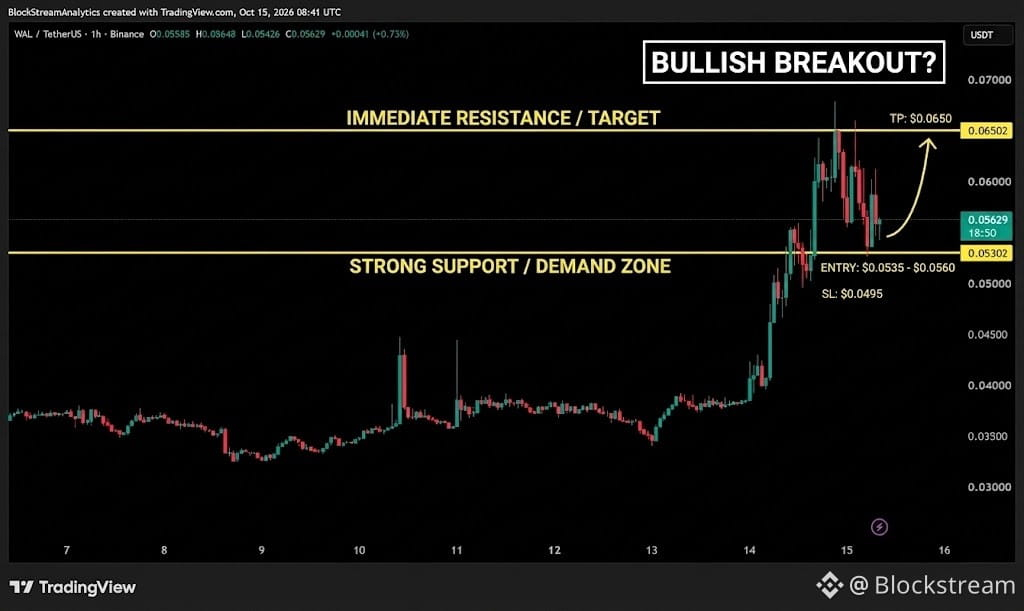
الدخول: $0.0535 – $0.0560
الهدف 1: $0.0610 | الهدف 2: $0.0650 | الهدف 3: $0.0710
وقف الخسارة: $0.0495
يحافظ Walrus ($WAL) على زخم صعودي قوي قرب $0.0558 بعد حركة اندفاعية كبيرة. إن صمود مستوى الدعم عند $0.0530 يُبقي هيكل السوق الصاعد سليمًا، ويمهّد لاختبار مواصلة الصعود نحو $0.0650+.
أدِر المخاطر بعناية عند التداول في فرص العملات سريعة الحركة وذات المكاسب الكبيرة!
👉 انقر هنا للتداول $WAL 📈
تابعنا للحصول على فرص تداول سريعة يومية!
{spot}(WALUSDT)
#walrus
$WAL اختراق مع تماسك قبل الموجة الصاعدة التالية! هل أنت مستعد لتجاوز $0.0650؟ 📈🚀
الدخول: $0.0535 – $0.0560
الهدف 1: $0.0610 | الهدف 2: $0.0650 | الهدف 3: $0.0710
وقف الخسارة: $0.0495
يحافظ Walrus ($WAL ) على زخم صعودي قوي قرب $0.0558 بعد حركة اندفاعية كبيرة. إن صمود مستوى الدعم عند $0.0530 يُبقي هيكل السوق الصاعد سليمًا، ويمهّد لاختبار مواصلة الصعود نحو $0.0650+.
أدِر المخاطر بعناية عند التداول في فرص العملات سريعة الحركة وذات المكاسب الكبيرة!
👉 انقر هنا للتداول $WAL 📈
تابعنا للحصول على فرص تداول سريعة يومية!
#walrus
الدخول: $0.0535 – $0.0560
الهدف 1: $0.0610 | الهدف 2: $0.0650 | الهدف 3: $0.0710
وقف الخسارة: $0.0495
يحافظ Walrus ($WAL ) على زخم صعودي قوي قرب $0.0558 بعد حركة اندفاعية كبيرة. إن صمود مستوى الدعم عند $0.0530 يُبقي هيكل السوق الصاعد سليمًا، ويمهّد لاختبار مواصلة الصعود نحو $0.0650+.
أدِر المخاطر بعناية عند التداول في فرص العملات سريعة الحركة وذات المكاسب الكبيرة!
👉 انقر هنا للتداول $WAL 📈
تابعنا للحصول على فرص تداول سريعة يومية!
#walrus
1
1
71
·
--
$WAL تحديث المتابعة: كُسر الحد السفلي للنطاق للتو، ثم استعاد السعر مستواه قبل مرور ساعة
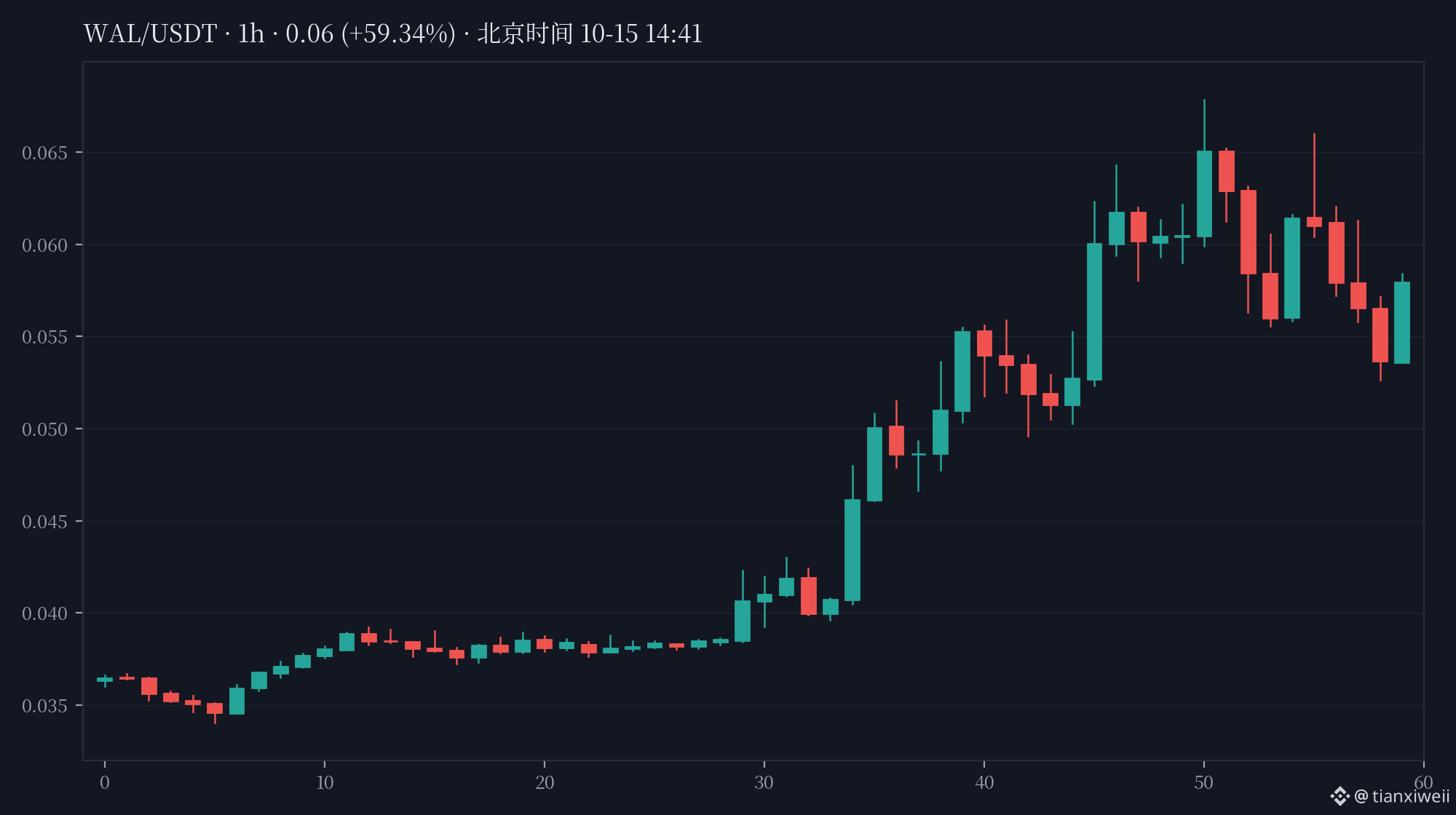
خلال منتصف النهار، ظل $WAL يتحرك ضمن نطاق 0.0555–0.066، لكن الساعة 13:00 شهدت تحولًا مفاجئًا: ارتفع حجم التداول إلى نحو 2.12 مليون USDT، وهبط السعر إلى 0.05266، ثم أغلق على إطار الساعة عند 0.05366. وهذه أول مرة منذ تشكّل هذا النطاق يُغلق فيها السعر دون حده السفلي. وقد عاد مؤقتًا إلى مستويات ما قبل انطلاق الارتفاع الحاد الأخير، متراجعًا بنحو 22% عن قمة الفجر البالغة 0.06786.
لكن بعد الساعة 14:00، ارتد السعر سريعًا: تجاوز حجم التداول في أول 40 دقيقة من هذه الساعة 1.31 مليون USDT، وأظهر فحص السعر الفوري عند الساعة 14:42 بتوقيت بكين أنه بلغ نحو 0.0579 (وهو متوافق تقريبًا مع سعر المؤشر)، ليستعيد مستوى 0.0555، ويرتد بنحو 10% من القاع.
لماذا كل هذه التقلبات؟ لم أجد أخبارًا سلبية جديدة أو محفزًا جديدًا؛ فما زال المحفز الأصلي هو استحواذ مؤسسة Sui على DATA Network في 13 أكتوبر. ويبدو أن الأمر أقرب إلى جني الأرباح في ظل ضعف السوق عمومًا ($BTC نحو -2.9%، و$ETH نحو -5.6%)، ثم أجبر التمويل السلبي العميق الأسعار على الارتداد: بلغ معدل التمويل للعقود الدائمة على OKX نحو -0.41%، وكان سعر العقود الدائمة أقل من السعر الفوري بنحو 2.6%، فيما ازدادت مراكز البيع ازدحامًا مقارنة بالصباح. في مثل هذا الوضع، قد يكون الارتداد حادًا وسريعًا، وقد يتعرض كل من يلاحق البيع أو الشراء للخسارة.
الآن، كل ما يهم هو إغلاق الساعة عند 15:00: إذا أغلق السعر فوق 0.0555، فسأتعامل مع هذا الكسر على أنه كسر كاذب في الوقت الحالي، وسيكون المستوى التالي للمراقبة عند 0.0623؛ أما إذا عاد للإغلاق دون 0.0555، فسيكون ذلك استمرارًا للكسر. لم يتغير مستوى إبطال السيناريو الرئيسي: إذا أغلق إطار الأربع ساعات دون 0.048، فسأعتبر أن موجة الصعود الحالية قد بلغت ذروتها.
تنويه بشأن المخاطر: ما سبق مجرد ملاحظات شخصية بعد مراجعة السوق، ولا يشكل نصيحة استثمارية؛ فالتقلبات ومستوى ازدحام المراكز في $WAL مرتفعان للغاية، لذا أعطوا الأولوية لحجم المركز وأوامر وقف الخسارة.
ما رأيكم؟ هل هذا هبوط مؤقت لتنظيف المراكز قبل الارتداد، أم أن الارتداد انتهى وسيواصل السعر الهبوط؟ شاركونا آراءكم في التعليقات.
#WAL #Walrus #山寨币 #العقود
$WAL تحديث المتابعة: كُسر الحد السفلي للنطاق للتو، ثم استعاد السعر مستواه قبل مرور ساعة
خلال منتصف النهار، ظل $WAL يتحرك ضمن نطاق 0.0555–0.066، لكن الساعة 13:00 شهدت تحولًا مفاجئًا: ارتفع حجم التداول إلى نحو 2.12 مليون USDT، وهبط السعر إلى 0.05266، ثم أغلق على إطار الساعة عند 0.05366. وهذه أول مرة منذ تشكّل هذا النطاق يُغلق فيها السعر دون حده السفلي. وقد عاد مؤقتًا إلى مستويات ما قبل انطلاق الارتفاع الحاد الأخير، متراجعًا بنحو 22% عن قمة الفجر البالغة 0.06786.
لكن بعد الساعة 14:00، ارتد السعر سريعًا: تجاوز حجم التداول في أول 40 دقيقة من هذه الساعة 1.31 مليون USDT، وأظهر فحص السعر الفوري عند الساعة 14:42 بتوقيت بكين أنه بلغ نحو 0.0579 (وهو متوافق تقريبًا مع سعر المؤشر)، ليستعيد مستوى 0.0555، ويرتد بنحو 10% من القاع.
لماذا كل هذه التقلبات؟ لم أجد أخبارًا سلبية جديدة أو محفزًا جديدًا؛ فما زال المحفز الأصلي هو استحواذ مؤسسة Sui على DATA Network في 13 أكتوبر. ويبدو أن الأمر أقرب إلى جني الأرباح في ظل ضعف السوق عمومًا ($BTC نحو -2.9%، و$ETH نحو -5.6%)، ثم أجبر التمويل السلبي العميق الأسعار على الارتداد: بلغ معدل التمويل للعقود الدائمة على OKX نحو -0.41%، وكان سعر العقود الدائمة أقل من السعر الفوري بنحو 2.6%، فيما ازدادت مراكز البيع ازدحامًا مقارنة بالصباح. في مثل هذا الوضع، قد يكون الارتداد حادًا وسريعًا، وقد يتعرض كل من يلاحق البيع أو الشراء للخسارة.
الآن، كل ما يهم هو إغلاق الساعة عند 15:00: إذا أغلق السعر فوق 0.0555، فسأتعامل مع هذا الكسر على أنه كسر كاذب في الوقت الحالي، وسيكون المستوى التالي للمراقبة عند 0.0623؛ أما إذا عاد للإغلاق دون 0.0555، فسيكون ذلك استمرارًا للكسر. لم يتغير مستوى إبطال السيناريو الرئيسي: إذا أغلق إطار الأربع ساعات دون 0.048، فسأعتبر أن موجة الصعود الحالية قد بلغت ذروتها.
تنويه بشأن المخاطر: ما سبق مجرد ملاحظات شخصية بعد مراجعة السوق، ولا يشكل نصيحة استثمارية؛ فالتقلبات ومستوى ازدحام المراكز في $WAL مرتفعان للغاية، لذا أعطوا الأولوية لحجم المركز وأوامر وقف الخسارة.
ما رأيكم؟ هل هذا هبوط مؤقت لتنظيف المراكز قبل الارتداد، أم أن الارتداد انتهى وسيواصل السعر الهبوط؟ شاركونا آراءكم في التعليقات.
#WAL #Walrus #山寨币 #العقود
خلال منتصف النهار، ظل $WAL يتحرك ضمن نطاق 0.0555–0.066، لكن الساعة 13:00 شهدت تحولًا مفاجئًا: ارتفع حجم التداول إلى نحو 2.12 مليون USDT، وهبط السعر إلى 0.05266، ثم أغلق على إطار الساعة عند 0.05366. وهذه أول مرة منذ تشكّل هذا النطاق يُغلق فيها السعر دون حده السفلي. وقد عاد مؤقتًا إلى مستويات ما قبل انطلاق الارتفاع الحاد الأخير، متراجعًا بنحو 22% عن قمة الفجر البالغة 0.06786.
لكن بعد الساعة 14:00، ارتد السعر سريعًا: تجاوز حجم التداول في أول 40 دقيقة من هذه الساعة 1.31 مليون USDT، وأظهر فحص السعر الفوري عند الساعة 14:42 بتوقيت بكين أنه بلغ نحو 0.0579 (وهو متوافق تقريبًا مع سعر المؤشر)، ليستعيد مستوى 0.0555، ويرتد بنحو 10% من القاع.
لماذا كل هذه التقلبات؟ لم أجد أخبارًا سلبية جديدة أو محفزًا جديدًا؛ فما زال المحفز الأصلي هو استحواذ مؤسسة Sui على DATA Network في 13 أكتوبر. ويبدو أن الأمر أقرب إلى جني الأرباح في ظل ضعف السوق عمومًا ($BTC نحو -2.9%، و$ETH نحو -5.6%)، ثم أجبر التمويل السلبي العميق الأسعار على الارتداد: بلغ معدل التمويل للعقود الدائمة على OKX نحو -0.41%، وكان سعر العقود الدائمة أقل من السعر الفوري بنحو 2.6%، فيما ازدادت مراكز البيع ازدحامًا مقارنة بالصباح. في مثل هذا الوضع، قد يكون الارتداد حادًا وسريعًا، وقد يتعرض كل من يلاحق البيع أو الشراء للخسارة.
الآن، كل ما يهم هو إغلاق الساعة عند 15:00: إذا أغلق السعر فوق 0.0555، فسأتعامل مع هذا الكسر على أنه كسر كاذب في الوقت الحالي، وسيكون المستوى التالي للمراقبة عند 0.0623؛ أما إذا عاد للإغلاق دون 0.0555، فسيكون ذلك استمرارًا للكسر. لم يتغير مستوى إبطال السيناريو الرئيسي: إذا أغلق إطار الأربع ساعات دون 0.048، فسأعتبر أن موجة الصعود الحالية قد بلغت ذروتها.
تنويه بشأن المخاطر: ما سبق مجرد ملاحظات شخصية بعد مراجعة السوق، ولا يشكل نصيحة استثمارية؛ فالتقلبات ومستوى ازدحام المراكز في $WAL مرتفعان للغاية، لذا أعطوا الأولوية لحجم المركز وأوامر وقف الخسارة.
ما رأيكم؟ هل هذا هبوط مؤقت لتنظيف المراكز قبل الارتداد، أم أن الارتداد انتهى وسيواصل السعر الهبوط؟ شاركونا آراءكم في التعليقات.
#WAL #Walrus #山寨币 #العقود
412

·
--
🚀 تحديث عملة WAL (والروس) — 15 أكتوبر 2026
🔥 تحظى WAL باهتمام متزايد في سوق العملات الرقمية!
W🚀 تحديث عملة WAL (والروس) — 15 أكتوبر 2026
🔥 يحظى $WAL باهتمام متزايد في سوق العملات الرقمية!
والروس مشروع لامركزي لتخزين البيانات، يركز على مساعدة التطبيقات في تخزين البيانات الرقمية وإدارتها بكفاءة.
📊 لمحة عن السوق: أظهر $WAL مؤخرًا تحركات قوية في الأسعار، ما جذب انتباه متداولي العملات الرقمية. ومع ذلك، قد ينطوي التقلب الشديد على فرص ومخاطر على حد سواء.
👀 ما الذي ينبغي مراقبته: حجم التداول، وزخم السوق، ومستويات الدعم والمقاومة الرئيسية.
⚠️ احرص دائمًا على إجراء أبحاثك الخاصة قبل اتخاذ أي قرار تداول. هذه ليست نصيحة مالية.
🚀 تحديث عملة WAL (والروس) — 15 أكتوبر 2026 🔥 تحظى WAL باهتمام متزايد في سوق العملات الرقمية! W
🚀 تحديث عملة WAL (والروس) — 15 أكتوبر 2026
🔥 يحظى $WAL باهتمام متزايد في سوق العملات الرقمية!
والروس مشروع لامركزي لتخزين البيانات، يركز على مساعدة التطبيقات في تخزين البيانات الرقمية وإدارتها بكفاءة.
📊 لمحة عن السوق: أظهر $WAL مؤخرًا تحركات قوية في الأسعار، ما جذب انتباه متداولي العملات الرقمية. ومع ذلك، قد ينطوي التقلب الشديد على فرص ومخاطر على حد سواء.
👀 ما الذي ينبغي مراقبته: حجم التداول، وزخم السوق، ومستويات الدعم والمقاومة الرئيسية.
⚠️ احرص دائمًا على إجراء أبحاثك الخاصة قبل اتخاذ أي قرار تداول. هذه ليست نصيحة مالية.
🔥 يحظى $WAL باهتمام متزايد في سوق العملات الرقمية!
والروس مشروع لامركزي لتخزين البيانات، يركز على مساعدة التطبيقات في تخزين البيانات الرقمية وإدارتها بكفاءة.
📊 لمحة عن السوق: أظهر $WAL مؤخرًا تحركات قوية في الأسعار، ما جذب انتباه متداولي العملات الرقمية. ومع ذلك، قد ينطوي التقلب الشديد على فرص ومخاطر على حد سواء.
👀 ما الذي ينبغي مراقبته: حجم التداول، وزخم السوق، ومستويات الدعم والمقاومة الرئيسية.
⚠️ احرص دائمًا على إجراء أبحاثك الخاصة قبل اتخاذ أي قرار تداول. هذه ليست نصيحة مالية.
203

·
--
💪 $WAL
{spot}(WALUSDT)
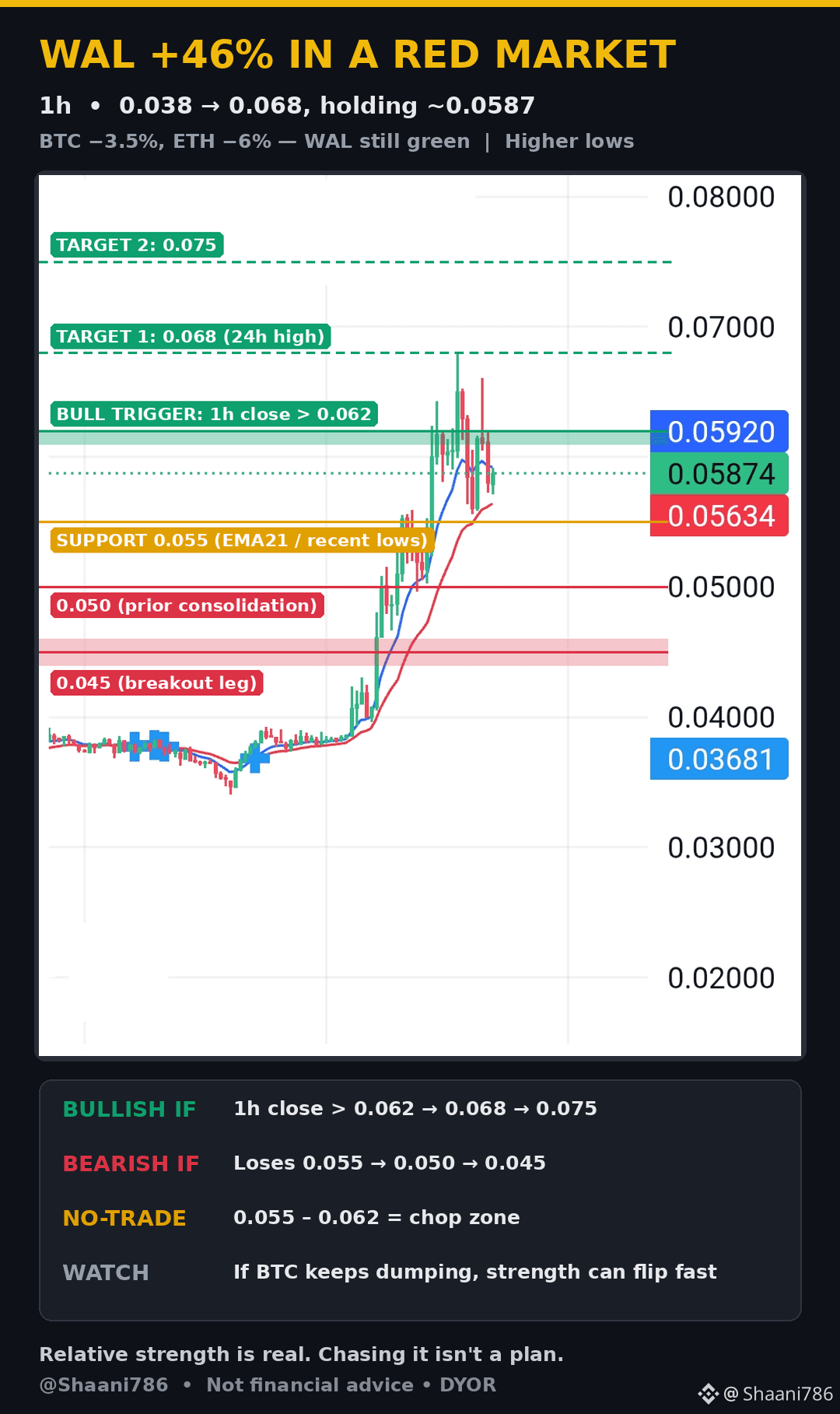
+46% — بينما السوق بأكمله ينزف
BTC −3.5%، ETH −6%، والعملات البديلة منخفضة 5–10%... لكن Walrus باللون الأخضر. ارتفع WAL على مراحل من $0.038 إلى $0.068، ويحافظ الآن على مستوى يقارب $0.0587 مع تسجيل قيعان أعلى.
هذه قوة نسبية — المشترون يدخلون السوق بينما تُباع كل الأصول الأخرى. لكن إذا واصل BTC الهبوط، فقد تنقلب حتى أقوى العملات بسرعة.
📈 إشارة صعودية إذا: إغلاق شمعة الساعة فوق $0.062 → $0.068 → $0.075
📉 إشارة هبوطية إذا: كسر $0.055 → $0.050 → $0.045
⏸️ من $0.055 إلى $0.062 = منطقة تذبذب بلا اتجاه، لا تداول
القوة النسبية حقيقية. لكن ملاحقتها ليست خطة. انتظر المستوى.
هل WAL أقوى عملة هذا الأسبوع؟ 👇
#WAL #Walrus #Write2Earn #altcoins
هذه ليست نصيحة مالية • أجرِ بحثك بنفسك
💪 $WAL
+46% — بينما السوق بأكمله ينزف
BTC −3.5%، ETH −6%، والعملات البديلة منخفضة 5–10%... لكن Walrus باللون الأخضر. ارتفع WAL على مراحل من $0.038 إلى $0.068، ويحافظ الآن على مستوى يقارب $0.0587 مع تسجيل قيعان أعلى.
هذه قوة نسبية — المشترون يدخلون السوق بينما تُباع كل الأصول الأخرى. لكن إذا واصل BTC الهبوط، فقد تنقلب حتى أقوى العملات بسرعة.
📈 إشارة صعودية إذا: إغلاق شمعة الساعة فوق $0.062 → $0.068 → $0.075
📉 إشارة هبوطية إذا: كسر $0.055 → $0.050 → $0.045
⏸️ من $0.055 إلى $0.062 = منطقة تذبذب بلا اتجاه، لا تداول
القوة النسبية حقيقية. لكن ملاحقتها ليست خطة. انتظر المستوى.
هل WAL أقوى عملة هذا الأسبوع؟ 👇
#WAL #Walrus #Write2Earn #altcoins
هذه ليست نصيحة مالية • أجرِ بحثك بنفسك
+46% — بينما السوق بأكمله ينزف
BTC −3.5%، ETH −6%، والعملات البديلة منخفضة 5–10%... لكن Walrus باللون الأخضر. ارتفع WAL على مراحل من $0.038 إلى $0.068، ويحافظ الآن على مستوى يقارب $0.0587 مع تسجيل قيعان أعلى.
هذه قوة نسبية — المشترون يدخلون السوق بينما تُباع كل الأصول الأخرى. لكن إذا واصل BTC الهبوط، فقد تنقلب حتى أقوى العملات بسرعة.
📈 إشارة صعودية إذا: إغلاق شمعة الساعة فوق $0.062 → $0.068 → $0.075
📉 إشارة هبوطية إذا: كسر $0.055 → $0.050 → $0.045
⏸️ من $0.055 إلى $0.062 = منطقة تذبذب بلا اتجاه، لا تداول
القوة النسبية حقيقية. لكن ملاحقتها ليست خطة. انتظر المستوى.
هل WAL أقوى عملة هذا الأسبوع؟ 👇
#WAL #Walrus #Write2Earn #altcoins
هذه ليست نصيحة مالية • أجرِ بحثك بنفسك
260

·
--
هابط
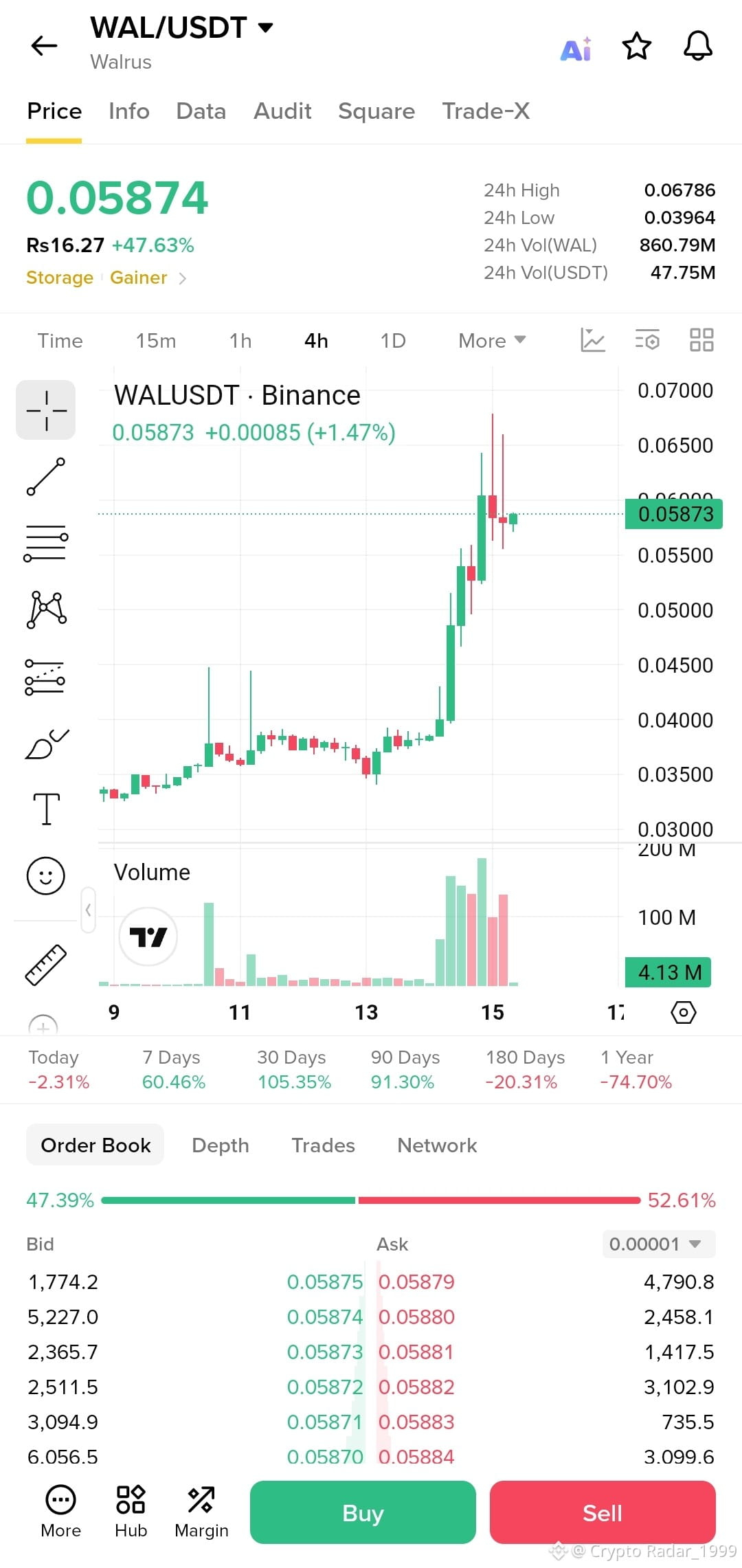
🚨 عثرت للتو على فرصة تداول واضحة على إطار 4 ساعات لـ $WAL L! 👀
سيفوتها معظم الناس. لا تفوّتها. 🎯
إعداد ارتداد
📍 الدخول: $0.0500–$0.0520
🛑 وقف الخسارة: $0.0470
🎯 الهدف 1: $0.0540
🎯 الهدف 2: $0.0570
🚀 الهدف 3: $0.0600
$WAL 💎 $POWER
{future}(WALUSDT)
#WAL #Walrus #Crypto #Trading #BinanceSquare
🚨 عثرت للتو على فرصة تداول واضحة على إطار 4 ساعات لـ $WAL L! 👀
سيفوتها معظم الناس. لا تفوّتها. 🎯
إعداد ارتداد
📍 الدخول: $0.0500–$0.0520
🛑 وقف الخسارة: $0.0470
🎯 الهدف 1: $0.0540
🎯 الهدف 2: $0.0570
🚀 الهدف 3: $0.0600
$WAL 💎 $POWER
#WAL #Walrus #Crypto #Trading #BinanceSquare
سيفوتها معظم الناس. لا تفوّتها. 🎯
إعداد ارتداد
📍 الدخول: $0.0500–$0.0520
🛑 وقف الخسارة: $0.0470
🎯 الهدف 1: $0.0540
🎯 الهدف 2: $0.0570
🚀 الهدف 3: $0.0600
$WAL 💎 $POWER
#WAL #Walrus #Crypto #Trading #BinanceSquare
1
185

·
--
🚀 تنبيه بأعلى ارتفاع على Binance: $WAL (WALRUS)
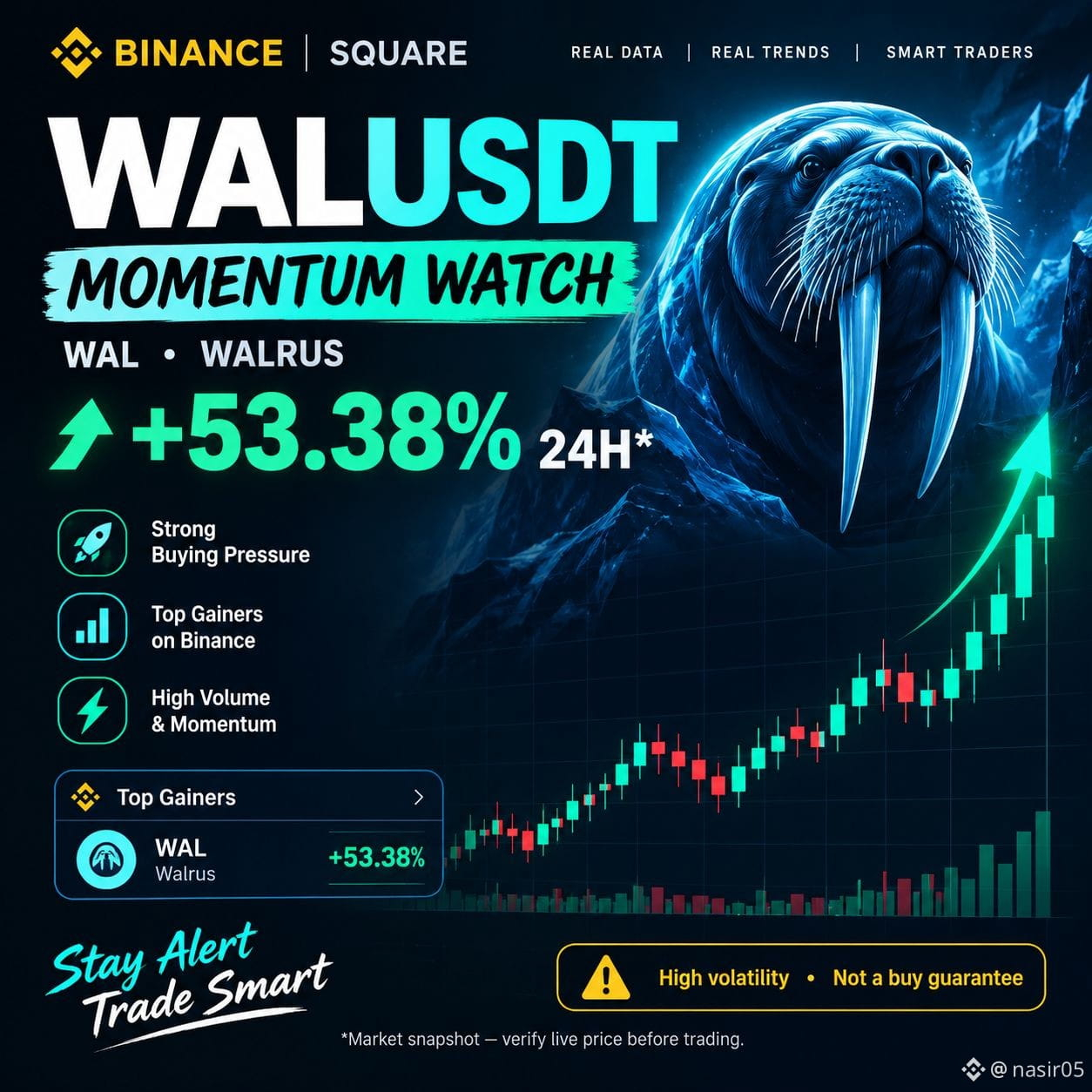
🔥 يُظهر Walrus ($WAL) زخمًا قويًا في السوق!
وفقًا للّقطة السريعة لسوق Binance اليوم، ارتفعت قيمة WAL بنحو 53.38% خلال 24 ساعة.
📊 لماذا يراقب المتداولون WAL:
حركة سعرية صعودية قوية
اهتمام كبير من السوق
مكاسب ملحوظة خلال 24 ساعة
فرص محتملة للتداول على المدى القصير
⚠️ استراتيجية التداول: لا تندفع وراء شمعة خضراء دون تفكير!
تحقّق من مخطط WAL/USDT المباشر.
انتظر احتمال حدوث تراجع.
ابحث عن تأكيد قبل الدخول في الصفقة.
استخدم دائمًا أمر وقف الخسارة.
لا تخاطر أبدًا بأموال لا يمكنك تحمل خسارتها.
💬 سؤال للمتداولين: هل تعتقدون أن $WAL سيواصل زخمه الصعودي، أم سنشهد تصحيحًا؟
👇 شاركونا تحليلكم!
#WAL #walrus
{future}(WALUSDT)
#CryptoAnalysis #Altcoins! #CryptoMarket
🚀 تنبيه بأعلى ارتفاع على Binance: $WAL (WALRUS)
🔥 يُظهر Walrus ($WAL) زخمًا قويًا في السوق!
وفقًا للّقطة السريعة لسوق Binance اليوم، ارتفعت قيمة WAL بنحو 53.38% خلال 24 ساعة.
📊 لماذا يراقب المتداولون WAL:
حركة سعرية صعودية قوية
اهتمام كبير من السوق
مكاسب ملحوظة خلال 24 ساعة
فرص محتملة للتداول على المدى القصير
⚠️ استراتيجية التداول: لا تندفع وراء شمعة خضراء دون تفكير!
تحقّق من مخطط WAL/USDT المباشر.
انتظر احتمال حدوث تراجع.
ابحث عن تأكيد قبل الدخول في الصفقة.
استخدم دائمًا أمر وقف الخسارة.
لا تخاطر أبدًا بأموال لا يمكنك تحمل خسارتها.
💬 سؤال للمتداولين: هل تعتقدون أن $WAL سيواصل زخمه الصعودي، أم سنشهد تصحيحًا؟
👇 شاركونا تحليلكم!
#WAL #walrus
#CryptoAnalysis #Altcoins! #CryptoMarket
🔥 يُظهر Walrus ($WAL) زخمًا قويًا في السوق!
وفقًا للّقطة السريعة لسوق Binance اليوم، ارتفعت قيمة WAL بنحو 53.38% خلال 24 ساعة.
📊 لماذا يراقب المتداولون WAL:
حركة سعرية صعودية قوية
اهتمام كبير من السوق
مكاسب ملحوظة خلال 24 ساعة
فرص محتملة للتداول على المدى القصير
⚠️ استراتيجية التداول: لا تندفع وراء شمعة خضراء دون تفكير!
تحقّق من مخطط WAL/USDT المباشر.
انتظر احتمال حدوث تراجع.
ابحث عن تأكيد قبل الدخول في الصفقة.
استخدم دائمًا أمر وقف الخسارة.
لا تخاطر أبدًا بأموال لا يمكنك تحمل خسارتها.
💬 سؤال للمتداولين: هل تعتقدون أن $WAL سيواصل زخمه الصعودي، أم سنشهد تصحيحًا؟
👇 شاركونا تحليلكم!
#WAL #walrus
#CryptoAnalysis #Altcoins! #CryptoMarket
167

·
--
ارتفع WAL بقوة اليوم، لكن منشورًا على منصة Square يشرح «نظام WAL+FROST ذي الرمزين» قسّم الأصل نفسه إلى أصلين. الارتفاع حقيقي، لكن المنشور القديم أخطأ في تفسير هوية العملة.
حتى الساعة 11:07 صباحًا بتوقيت بكين، يوم 15 أكتوبر، بلغ ارتفاع WALUSDT الدائم على Binance خلال 24 ساعة نحو 47.3%. وقد أدرج منشور قديم لمستخدم Square 乐天杰克-合一، WAL+FROST كنظام تخزين برمزين.
لكن وثائق Walrus الرسمية تدرج FROST ضمن «الوحدات الأصغر» لـ WAL، وتوضح أن التحويل هو: 1 WAL = مليار FROST. الأمر أشبه بتحويل اليوان إلى جياو: يكبر الرقم الظاهر في الرصيد، لكن الأصل لا يتحول إلى أصل آخر؛ والمحاسبة بوحدة FROST لا تنشئ طلبًا إضافيًا على رمز مستقل.
أما في الدفع الفعلي، فالتمييز المطلوب هو بين WAL وSUI. وتوضح الأسئلة الشائعة الرسمية أن WAL يُستخدم لدفع رسوم التخزين والكتابة، بينما يُستخدم SUI لدفع رسوم الغاز للمعاملات على السلسلة. وFROST هو وحدة قياس الأول، أما SUI فهو أصل الدفع الآخر هنا.
ارتفاع WAL لا يثبت صحة هذه الرواية.
$WAL #Walrus #اقتصاد_الرموز
ارتفع WAL بقوة اليوم، لكن منشورًا على منصة Square يشرح «نظام WAL+FROST ذي الرمزين» قسّم الأصل نفسه إلى أصلين. الارتفاع حقيقي، لكن المنشور القديم أخطأ في تفسير هوية العملة.
حتى الساعة 11:07 صباحًا بتوقيت بكين، يوم 15 أكتوبر، بلغ ارتفاع WALUSDT الدائم على Binance خلال 24 ساعة نحو 47.3%. وقد أدرج منشور قديم لمستخدم Square 乐天杰克-合一، WAL+FROST كنظام تخزين برمزين.
لكن وثائق Walrus الرسمية تدرج FROST ضمن «الوحدات الأصغر» لـ WAL، وتوضح أن التحويل هو: 1 WAL = مليار FROST. الأمر أشبه بتحويل اليوان إلى جياو: يكبر الرقم الظاهر في الرصيد، لكن الأصل لا يتحول إلى أصل آخر؛ والمحاسبة بوحدة FROST لا تنشئ طلبًا إضافيًا على رمز مستقل.
أما في الدفع الفعلي، فالتمييز المطلوب هو بين WAL وSUI. وتوضح الأسئلة الشائعة الرسمية أن WAL يُستخدم لدفع رسوم التخزين والكتابة، بينما يُستخدم SUI لدفع رسوم الغاز للمعاملات على السلسلة. وFROST هو وحدة قياس الأول، أما SUI فهو أصل الدفع الآخر هنا.
ارتفاع WAL لا يثبت صحة هذه الرواية.
$WAL #Walrus #اقتصاد_الرموز
حتى الساعة 11:07 صباحًا بتوقيت بكين، يوم 15 أكتوبر، بلغ ارتفاع WALUSDT الدائم على Binance خلال 24 ساعة نحو 47.3%. وقد أدرج منشور قديم لمستخدم Square 乐天杰克-合一، WAL+FROST كنظام تخزين برمزين.
لكن وثائق Walrus الرسمية تدرج FROST ضمن «الوحدات الأصغر» لـ WAL، وتوضح أن التحويل هو: 1 WAL = مليار FROST. الأمر أشبه بتحويل اليوان إلى جياو: يكبر الرقم الظاهر في الرصيد، لكن الأصل لا يتحول إلى أصل آخر؛ والمحاسبة بوحدة FROST لا تنشئ طلبًا إضافيًا على رمز مستقل.
أما في الدفع الفعلي، فالتمييز المطلوب هو بين WAL وSUI. وتوضح الأسئلة الشائعة الرسمية أن WAL يُستخدم لدفع رسوم التخزين والكتابة، بينما يُستخدم SUI لدفع رسوم الغاز للمعاملات على السلسلة. وFROST هو وحدة قياس الأول، أما SUI فهو أصل الدفع الآخر هنا.
ارتفاع WAL لا يثبت صحة هذه الرواية.
$WAL #Walrus #اقتصاد_الرموز
600

·
--
تمّ التحقق

مقالة
والرس تحصل على دفعة بقيمة 30 مليون دولار مع توسيع سوي لبنيتها التحتية لبيانات الذكاء الاصطناعيتحظى والرس باهتمام متزايد بعد إعلان مؤسسة سوي عن استثمار مخطط بقيمة 30 مليون دولار في شبكة DATA، ما يضع والرس في موقع طبقة التخزين الأصلية للشبكة لبيانات تدريب الذكاء الاصطناعي. وتهدف الشراكة إلى بناء سلسلة إمداد بيانات قابلة للتوسع والتحقق، تساعد على إثبات مصدر البيانات وملكيتها واستخدامها المصرح به في تدريب نماذج الذكاء الاصطناعي.
والرس
ضمن المرحلة الانتقالية التي أُعلن عنها في أكتوبر 2026، تخطط شبكة DATA لإيقاف سلسلة الكتل المستقلة الخاصة بها وإعادة بناء بروتوكولها على سوي. وتشير التقارير إلى أن سجل Trace الخاص بها قد سجّل أكثر من 250 مليون مساهمة بالبيانات، فيما ستوفر والرس مساحة تخزين لامركزية لنسخ مشفرة وغير قابلة للتغيير من الملفات المصدرية. وستدعم سوي إدارة الحقوق القابلة للبرمجة والمدفوعات، ما يساعد على ربط ملكية البيانات بالاستخدامات المسموح بها.
والرس تحصل على دفعة بقيمة 30 مليون دولار مع توسيع سوي لبنيتها التحتية لبيانات الذكاء الاصطناعي
تحظى والرس باهتمام متزايد بعد إعلان مؤسسة سوي عن استثمار مخطط بقيمة 30 مليون دولار في شبكة DATA، ما يضع والرس في موقع طبقة التخزين الأصلية للشبكة لبيانات تدريب الذكاء الاصطناعي. وتهدف الشراكة إلى بناء سلسلة إمداد بيانات قابلة للتوسع والتحقق، تساعد على إثبات مصدر البيانات وملكيتها واستخدامها المصرح به في تدريب نماذج الذكاء الاصطناعي.
والرس
ضمن المرحلة الانتقالية التي أُعلن عنها في أكتوبر 2026، تخطط شبكة DATA لإيقاف سلسلة الكتل المستقلة الخاصة بها وإعادة بناء بروتوكولها على سوي. وتشير التقارير إلى أن سجل Trace الخاص بها قد سجّل أكثر من 250 مليون مساهمة بالبيانات، فيما ستوفر والرس مساحة تخزين لامركزية لنسخ مشفرة وغير قابلة للتغيير من الملفات المصدرية. وستدعم سوي إدارة الحقوق القابلة للبرمجة والمدفوعات، ما يساعد على ربط ملكية البيانات بالاستخدامات المسموح بها.
والرس
ضمن المرحلة الانتقالية التي أُعلن عنها في أكتوبر 2026، تخطط شبكة DATA لإيقاف سلسلة الكتل المستقلة الخاصة بها وإعادة بناء بروتوكولها على سوي. وتشير التقارير إلى أن سجل Trace الخاص بها قد سجّل أكثر من 250 مليون مساهمة بالبيانات، فيما ستوفر والرس مساحة تخزين لامركزية لنسخ مشفرة وغير قابلة للتغيير من الملفات المصدرية. وستدعم سوي إدارة الحقوق القابلة للبرمجة والمدفوعات، ما يساعد على ربط ملكية البيانات بالاستخدامات المسموح بها.
1
8
694

·
--
هابط
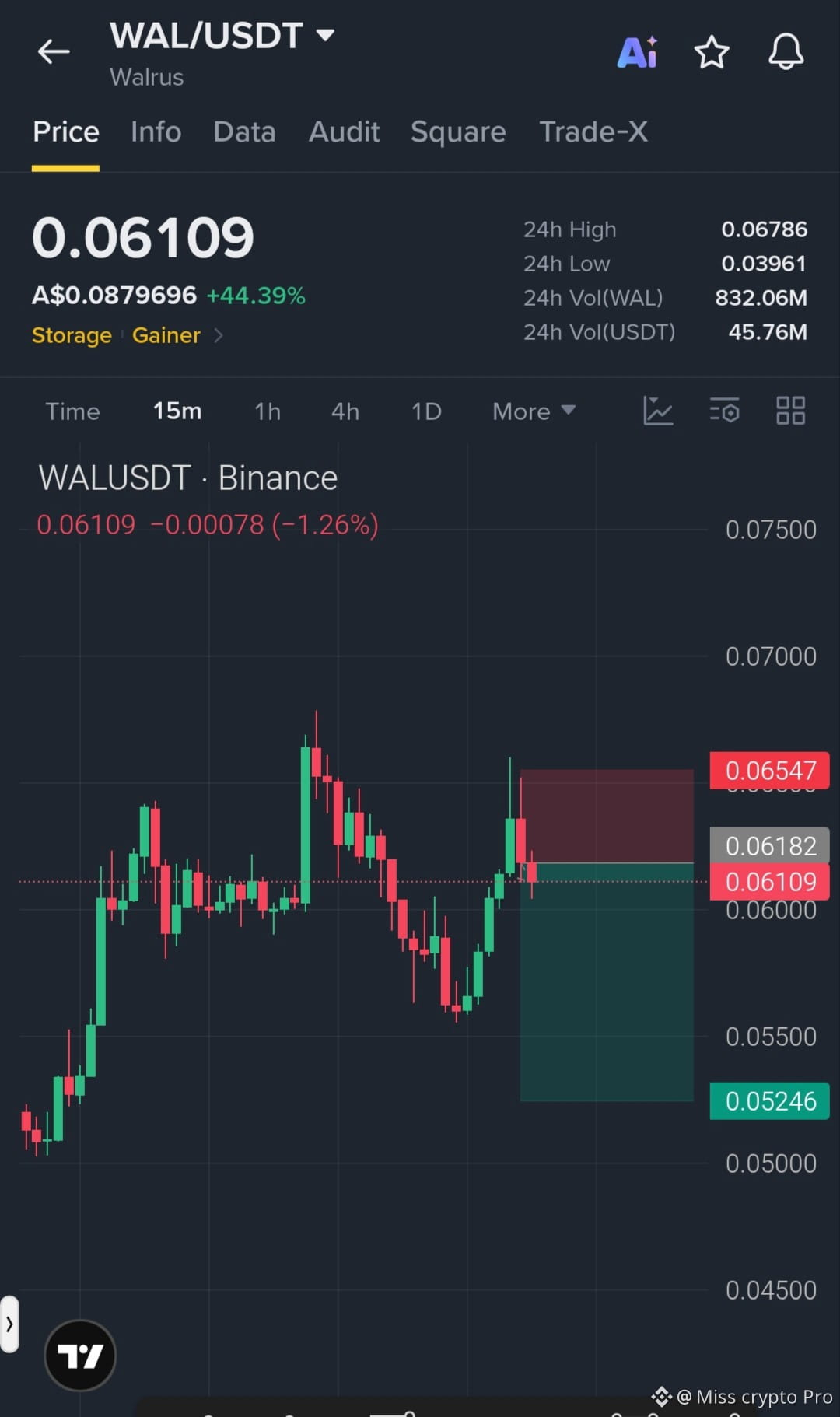
🚨 $WAL — بعد ارتفاع بنسبة 44%، هل سيأتي التراجع؟ 👀
خطة التداول: بيع على المكشوف (فقط إذا صمدت المقاومة)
منطقة الدخول: 0.06180 – 0.06300
الهدف الأول: 0.06000
الهدف الثاني: 0.05750
الهدف الثالث: 0.05500
وقف الخسارة: 0.06550
ارتفع $WAL بنسبة 44.39% خلال 24 ساعة، لكن البائعين يُظهرون مؤشرات على ضغط قرب المستويات الحالية. قد يؤدي الهبوط دون 0.06000 إلى تراجع أعمق، بينما قد تدفع عمليات الشراء القوية السعر إلى الارتفاع مجددًا.
هل تتوقعون تصحيحًا أم اختراقًا صعوديًا آخر؟ 👇
تداول هنا على $Walrus
👇
#WAL #Walrus #CryptoTrading #Binance
🚨 $WAL — بعد ارتفاع بنسبة 44%، هل سيأتي التراجع؟ 👀
خطة التداول: بيع على المكشوف (فقط إذا صمدت المقاومة)
منطقة الدخول: 0.06180 – 0.06300
الهدف الأول: 0.06000
الهدف الثاني: 0.05750
الهدف الثالث: 0.05500
وقف الخسارة: 0.06550
ارتفع $WAL بنسبة 44.39% خلال 24 ساعة، لكن البائعين يُظهرون مؤشرات على ضغط قرب المستويات الحالية. قد يؤدي الهبوط دون 0.06000 إلى تراجع أعمق، بينما قد تدفع عمليات الشراء القوية السعر إلى الارتفاع مجددًا.
هل تتوقعون تصحيحًا أم اختراقًا صعوديًا آخر؟ 👇
تداول هنا على $Walrus
👇
#WAL #Walrus #CryptoTrading #Binance
خطة التداول: بيع على المكشوف (فقط إذا صمدت المقاومة)
منطقة الدخول: 0.06180 – 0.06300
الهدف الأول: 0.06000
الهدف الثاني: 0.05750
الهدف الثالث: 0.05500
وقف الخسارة: 0.06550
ارتفع $WAL بنسبة 44.39% خلال 24 ساعة، لكن البائعين يُظهرون مؤشرات على ضغط قرب المستويات الحالية. قد يؤدي الهبوط دون 0.06000 إلى تراجع أعمق، بينما قد تدفع عمليات الشراء القوية السعر إلى الارتفاع مجددًا.
هل تتوقعون تصحيحًا أم اختراقًا صعوديًا آخر؟ 👇
تداول هنا على $Walrus
👇
#WAL #Walrus #CryptoTrading #Binance
2
104
سجّل الدخول لاستكشاف المزيد من المُحتوى
انضم إلى مُستخدمي العملات الرقمية حول العالم على Binance Square
⚡️ احصل على أحدث المعلومات المفيدة عن العملات الرقمية.
💬 موثوقة من قبل أكبر منصّة لتداول العملات الرقمية في العالم.
👍 اكتشف الرؤى الحقيقية من صنّاع المُحتوى الموثوقين.
البريد الإلكتروني / رقم الهاتف
المواضيع الرائجة
1
#BinancePick
2.7M مشاهدات
144,120 يقومون بالنقاش
2
#EarningsSeason
5M مشاهدات
24,720 يقومون بالنقاش
3
#SouthKoreaReportedlyWeighsFourthCryptoTaxDelay
3,523 مشاهدات
140 يقومون بالنقاش
4
#FranklinTempletonFilesForTwoDividendToBitcoinETFs
8,079 مشاهدات
256 يقومون بالنقاش
5
#StrategyMSTRSurpassesNasdaqInMarketCap
7,920 مشاهدات
214 يقومون بالنقاش
6
#CanadaProposesStablecoinRedemptionWithin3BusinessDays
263 مشاهدات
19 يقومون بالنقاش
7
#ElectrumWalletBugLetRogueServersStealFunds
13,298 مشاهدات
335 يقومون بالنقاش
8
#ArgentineCourtDismissesLIBRACaseAgainstMilei
23,603 مشاهدات
400 يقومون بالنقاش
9
#SKHynixReportedlyPlansSpecialDividendFromKioxiaStakeSale
3,583 مشاهدات
49 يقومون بالنقاش
10
#KeystoneWebsiteBreachExposesBuyersShippingAddresses
1,864 مشاهدات
41 يقومون بالنقاش