

#sto
sto
3.9M مشاهدات
11,608 يقومون بالنقاش
رائج
جديد

·
--
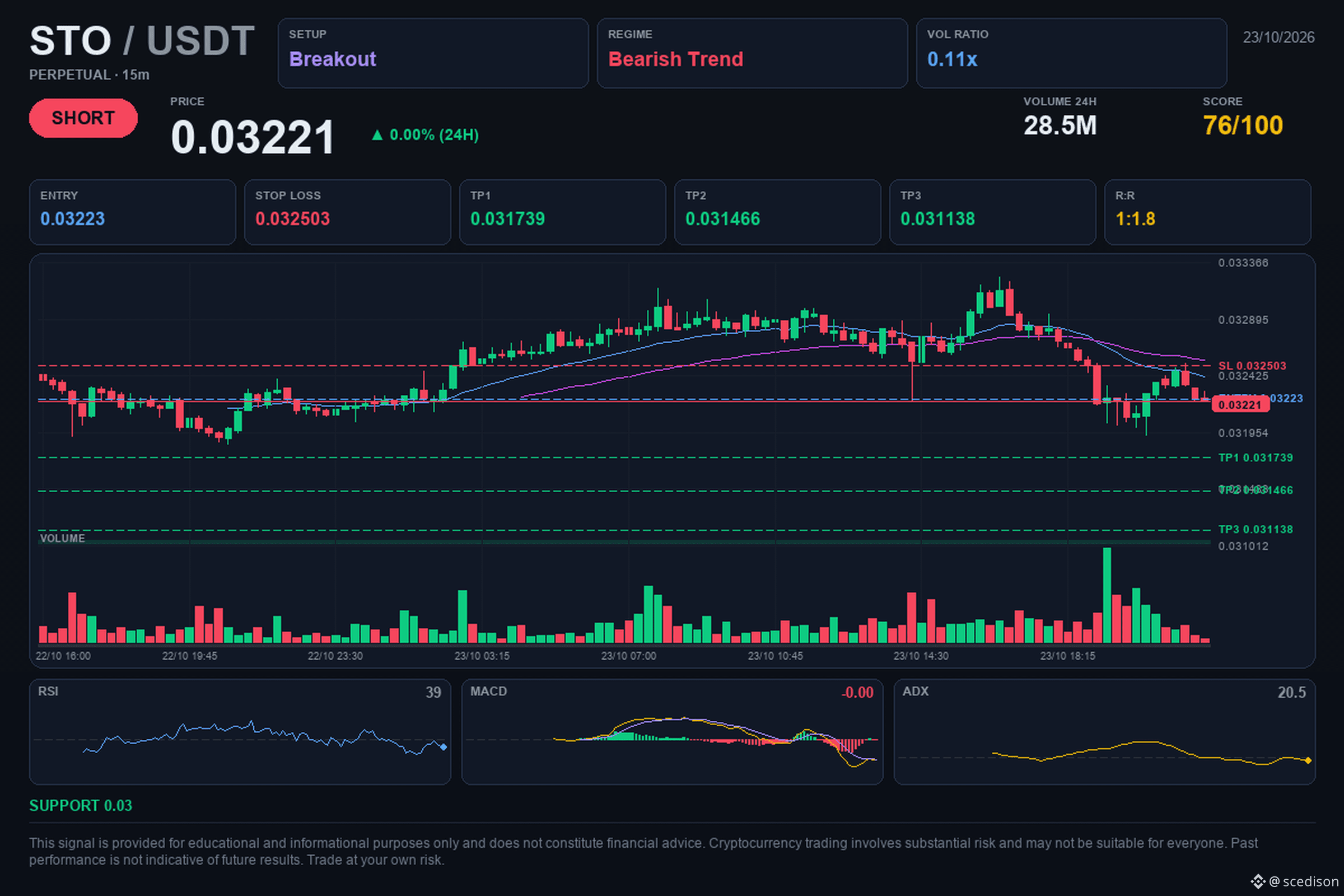
📢 $STO / USDT | 🔴 بيع على المكشوف | ⭐ 77%
🎯 الهدف: $0.03173877. هل سيصل إليه؟
🎯 مستويات التداول:
🔴 الدخول: $0.03223
🛑 وقف الخسارة: $0.032503
🏁 جني الأرباح 1: $0.031739
🏁 جني الأرباح 2: $0.031466
🏁 جني الأرباح 3: $0.031138
📈 التحليل:
يُظهر الأصل هيكلاً هبوطياً واضحاً، مع تسجيل قيعان وقمم أدنى على الأطر الزمنية لأربع ساعات، ما يؤكد اتجاهاً سلبياً عاماً. ويتعزز ضغط البيع بزيادة ملحوظة في حجم التداول، إذ يتجاوز المتوسط بنسبة 73.3%. بالإضافة إلى ذلك، يظل مؤشر الزخم MACD في المنطقة الهبوطية، ما يشير إلى أن البائعين لا يزالون يسيطرون على الحركة الحالية.
⚖️ المخاطرة/العائد: 1:1.8
⏱️ الإطار الزمني: 15M
💭 يحدث الاختراق الهبوطي عندما يكسر السعر مستوى دعم سابقاً، ما يشير إلى أن البائعين تغلبوا على قدرة المشترين في تلك المنطقة.
#crypto #STO #trading #Bearish
💡 هذا التحليل لأغراض تعليمية ولا يُعد نصيحة مالية. أجرِ بحثك الخاص واتخذ قرارك بهدوء.
📢 $STO / USDT | 🔴 بيع على المكشوف | ⭐ 77%
🎯 الهدف: $0.03173877. هل سيصل إليه؟
🎯 مستويات التداول:
🔴 الدخول: $0.03223
🛑 وقف الخسارة: $0.032503
🏁 جني الأرباح 1: $0.031739
🏁 جني الأرباح 2: $0.031466
🏁 جني الأرباح 3: $0.031138
📈 التحليل:
يُظهر الأصل هيكلاً هبوطياً واضحاً، مع تسجيل قيعان وقمم أدنى على الأطر الزمنية لأربع ساعات، ما يؤكد اتجاهاً سلبياً عاماً. ويتعزز ضغط البيع بزيادة ملحوظة في حجم التداول، إذ يتجاوز المتوسط بنسبة 73.3%. بالإضافة إلى ذلك، يظل مؤشر الزخم MACD في المنطقة الهبوطية، ما يشير إلى أن البائعين لا يزالون يسيطرون على الحركة الحالية.
⚖️ المخاطرة/العائد: 1:1.8
⏱️ الإطار الزمني: 15M
💭 يحدث الاختراق الهبوطي عندما يكسر السعر مستوى دعم سابقاً، ما يشير إلى أن البائعين تغلبوا على قدرة المشترين في تلك المنطقة.
#crypto #STO #trading #Bearish
💡 هذا التحليل لأغراض تعليمية ولا يُعد نصيحة مالية. أجرِ بحثك الخاص واتخذ قرارك بهدوء.
🎯 الهدف: $0.03173877. هل سيصل إليه؟
🎯 مستويات التداول:
🔴 الدخول: $0.03223
🛑 وقف الخسارة: $0.032503
🏁 جني الأرباح 1: $0.031739
🏁 جني الأرباح 2: $0.031466
🏁 جني الأرباح 3: $0.031138
📈 التحليل:
يُظهر الأصل هيكلاً هبوطياً واضحاً، مع تسجيل قيعان وقمم أدنى على الأطر الزمنية لأربع ساعات، ما يؤكد اتجاهاً سلبياً عاماً. ويتعزز ضغط البيع بزيادة ملحوظة في حجم التداول، إذ يتجاوز المتوسط بنسبة 73.3%. بالإضافة إلى ذلك، يظل مؤشر الزخم MACD في المنطقة الهبوطية، ما يشير إلى أن البائعين لا يزالون يسيطرون على الحركة الحالية.
⚖️ المخاطرة/العائد: 1:1.8
⏱️ الإطار الزمني: 15M
💭 يحدث الاختراق الهبوطي عندما يكسر السعر مستوى دعم سابقاً، ما يشير إلى أن البائعين تغلبوا على قدرة المشترين في تلك المنطقة.
#crypto #STO #trading #Bearish
💡 هذا التحليل لأغراض تعليمية ولا يُعد نصيحة مالية. أجرِ بحثك الخاص واتخذ قرارك بهدوء.
7
·
--
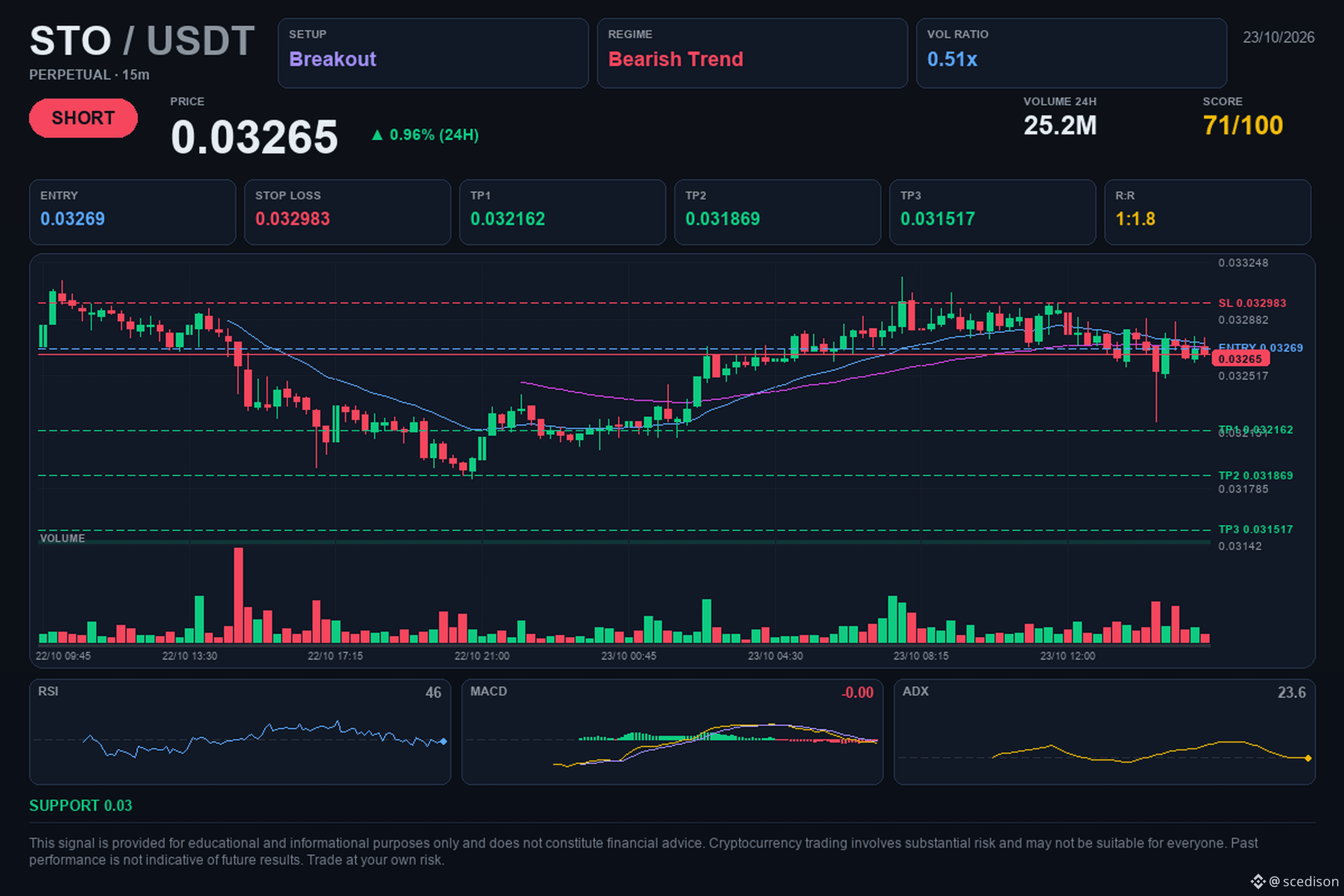
📢 $STO / USDT | 🔴 بيع على المكشوف | ⭐ 71%
🎯 الهدف: $0.03216236. هل سيصل إليه؟
🎯 مستويات التداول:
🔴 الدخول: $0.03269
🛑 وقف الخسارة: $0.032983
🏁 TP1: $0.032162
🏁 TP2: $0.031869
🏁 TP3: $0.031517
📈 التحليل:
يُظهر السوق هيكلاً هبوطياً واضحاً، مع تسجيل قيعان وقمم أدنى على الأطر الزمنية لأربع ساعات. نلاحظ زيادة ملحوظة في حجم التداول، ما يشير إلى تزايد ضغط البيع على الأصل. تسعى هذه الصفقة للاستفادة من ضعف الاتجاه الحالي، مدعومة بإعداد فني يرجّح التحرك نحو مستويات أدنى.
⚖️ المخاطرة/العائد: 1:1.8
⏱️ الإطار الزمني: 15M
#crypto #STO #trading #Bearish
💡 هذا التحليل لأغراض تعليمية ولا يُعدّ نصيحة مالية. أجرِ بحثك بنفسك واتخذ قرارك بهدوء.
📢 $STO / USDT | 🔴 بيع على المكشوف | ⭐ 71%
🎯 الهدف: $0.03216236. هل سيصل إليه؟
🎯 مستويات التداول:
🔴 الدخول: $0.03269
🛑 وقف الخسارة: $0.032983
🏁 TP1: $0.032162
🏁 TP2: $0.031869
🏁 TP3: $0.031517
📈 التحليل:
يُظهر السوق هيكلاً هبوطياً واضحاً، مع تسجيل قيعان وقمم أدنى على الأطر الزمنية لأربع ساعات. نلاحظ زيادة ملحوظة في حجم التداول، ما يشير إلى تزايد ضغط البيع على الأصل. تسعى هذه الصفقة للاستفادة من ضعف الاتجاه الحالي، مدعومة بإعداد فني يرجّح التحرك نحو مستويات أدنى.
⚖️ المخاطرة/العائد: 1:1.8
⏱️ الإطار الزمني: 15M
#crypto #STO #trading #Bearish
💡 هذا التحليل لأغراض تعليمية ولا يُعدّ نصيحة مالية. أجرِ بحثك بنفسك واتخذ قرارك بهدوء.
🎯 الهدف: $0.03216236. هل سيصل إليه؟
🎯 مستويات التداول:
🔴 الدخول: $0.03269
🛑 وقف الخسارة: $0.032983
🏁 TP1: $0.032162
🏁 TP2: $0.031869
🏁 TP3: $0.031517
📈 التحليل:
يُظهر السوق هيكلاً هبوطياً واضحاً، مع تسجيل قيعان وقمم أدنى على الأطر الزمنية لأربع ساعات. نلاحظ زيادة ملحوظة في حجم التداول، ما يشير إلى تزايد ضغط البيع على الأصل. تسعى هذه الصفقة للاستفادة من ضعف الاتجاه الحالي، مدعومة بإعداد فني يرجّح التحرك نحو مستويات أدنى.
⚖️ المخاطرة/العائد: 1:1.8
⏱️ الإطار الزمني: 15M
#crypto #STO #trading #Bearish
💡 هذا التحليل لأغراض تعليمية ولا يُعدّ نصيحة مالية. أجرِ بحثك بنفسك واتخذ قرارك بهدوء.
7



·
--
رؤية الرسم البياني لـ$STO جعلتني أفقد النوم 😳
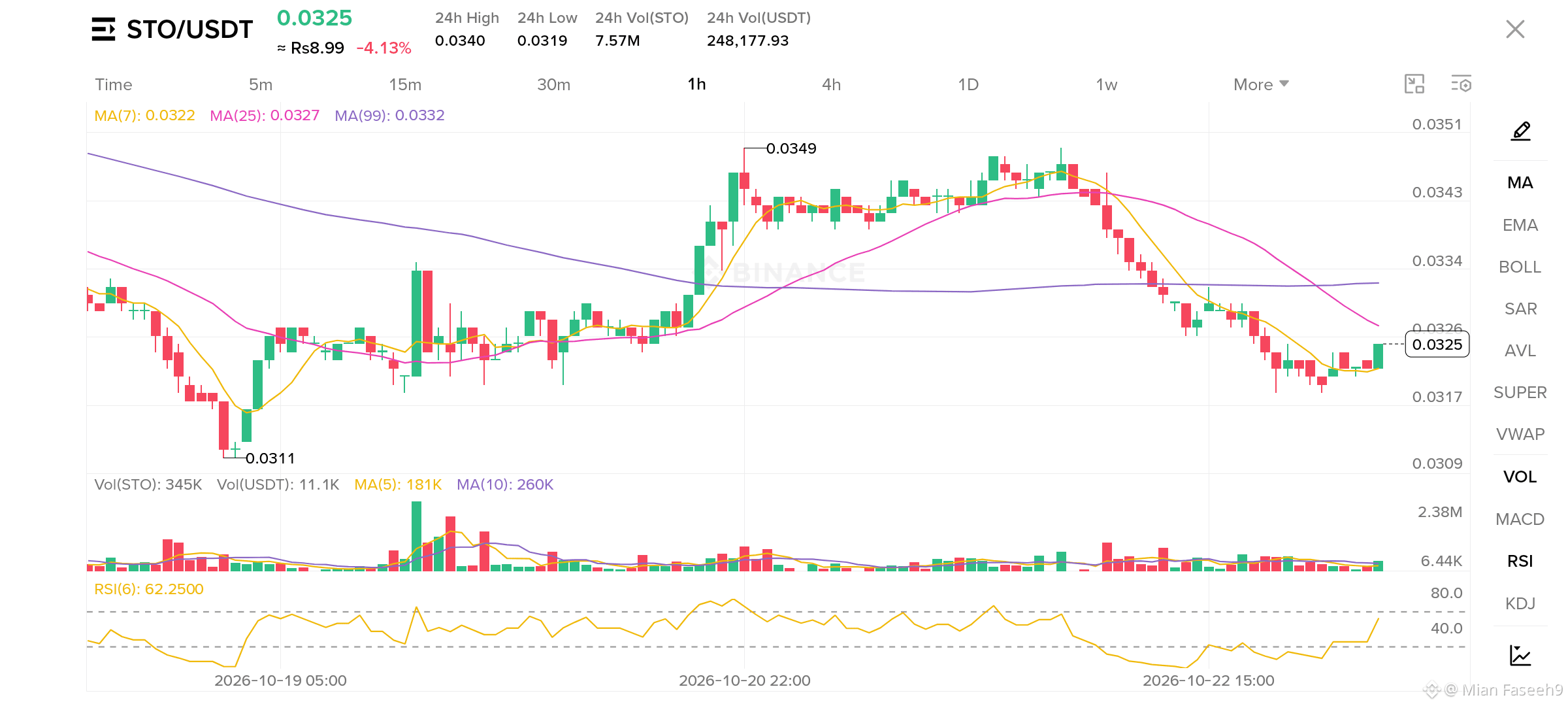
يا أخي، هل لاحظ أحد الارتداد الذي حققه $STO من $0.0311؟ السعر الآن عند $0.0325، وقد تقاطع MA7 صعودًا، بينما يتحول RSI عند 62.25 إلى الاتجاه الصاعد.
ارتفع السعر بقوة أمس حتى $0.0349، ثم قامت الحيتان بالبيع، لكن حجم التداول بدأ يزداد مجددًا. الرسم البياني يُشكّل النمط نفسه تمامًا الذي ظهر قبل الارتفاع الأخير.
استراتيجيتي واضحة:
إذا اخترق السعر $0.0330، فالهدف مباشرةً هو $0.0349 - $0.0360. مستوى الدعم عند $0.0315، وإذا هبط السعر دونه فسأخرج من الصفقة.
أنا سأحتفظ به؛ فهذا المستوى يبدو لي فرصة شراء، لا إشارة إلى الذعر.
ما خطتكم؟ هل سيصل $STO إلى $0.0360 أم سيعود إلى $0.030؟ أخبروني بصراحة في التعليقات.
إذا كنتم تريدون تحديثات حقيقية كهذه عن الرسوم البيانية كل يوم، تابعوني ولا تفوّتوا شيئًا.
#STO #STOUSDT #CryptoTrading #Altcoins #Write2Earn
{spot}(STOUSDT)
رؤية الرسم البياني لـ$STO جعلتني أفقد النوم 😳
يا أخي، هل لاحظ أحد الارتداد الذي حققه $STO من $0.0311؟ السعر الآن عند $0.0325، وقد تقاطع MA7 صعودًا، بينما يتحول RSI عند 62.25 إلى الاتجاه الصاعد.
ارتفع السعر بقوة أمس حتى $0.0349، ثم قامت الحيتان بالبيع، لكن حجم التداول بدأ يزداد مجددًا. الرسم البياني يُشكّل النمط نفسه تمامًا الذي ظهر قبل الارتفاع الأخير.
استراتيجيتي واضحة:
إذا اخترق السعر $0.0330، فالهدف مباشرةً هو $0.0349 - $0.0360. مستوى الدعم عند $0.0315، وإذا هبط السعر دونه فسأخرج من الصفقة.
أنا سأحتفظ به؛ فهذا المستوى يبدو لي فرصة شراء، لا إشارة إلى الذعر.
ما خطتكم؟ هل سيصل $STO إلى $0.0360 أم سيعود إلى $0.030؟ أخبروني بصراحة في التعليقات.
إذا كنتم تريدون تحديثات حقيقية كهذه عن الرسوم البيانية كل يوم، تابعوني ولا تفوّتوا شيئًا.
#STO #STOUSDT #CryptoTrading #Altcoins #Write2Earn
يا أخي، هل لاحظ أحد الارتداد الذي حققه $STO من $0.0311؟ السعر الآن عند $0.0325، وقد تقاطع MA7 صعودًا، بينما يتحول RSI عند 62.25 إلى الاتجاه الصاعد.
ارتفع السعر بقوة أمس حتى $0.0349، ثم قامت الحيتان بالبيع، لكن حجم التداول بدأ يزداد مجددًا. الرسم البياني يُشكّل النمط نفسه تمامًا الذي ظهر قبل الارتفاع الأخير.
استراتيجيتي واضحة:
إذا اخترق السعر $0.0330، فالهدف مباشرةً هو $0.0349 - $0.0360. مستوى الدعم عند $0.0315، وإذا هبط السعر دونه فسأخرج من الصفقة.
أنا سأحتفظ به؛ فهذا المستوى يبدو لي فرصة شراء، لا إشارة إلى الذعر.
ما خطتكم؟ هل سيصل $STO إلى $0.0360 أم سيعود إلى $0.030؟ أخبروني بصراحة في التعليقات.
إذا كنتم تريدون تحديثات حقيقية كهذه عن الرسوم البيانية كل يوم، تابعوني ولا تفوّتوا شيئًا.
#STO #STOUSDT #CryptoTrading #Altcoins #Write2Earn
1
81

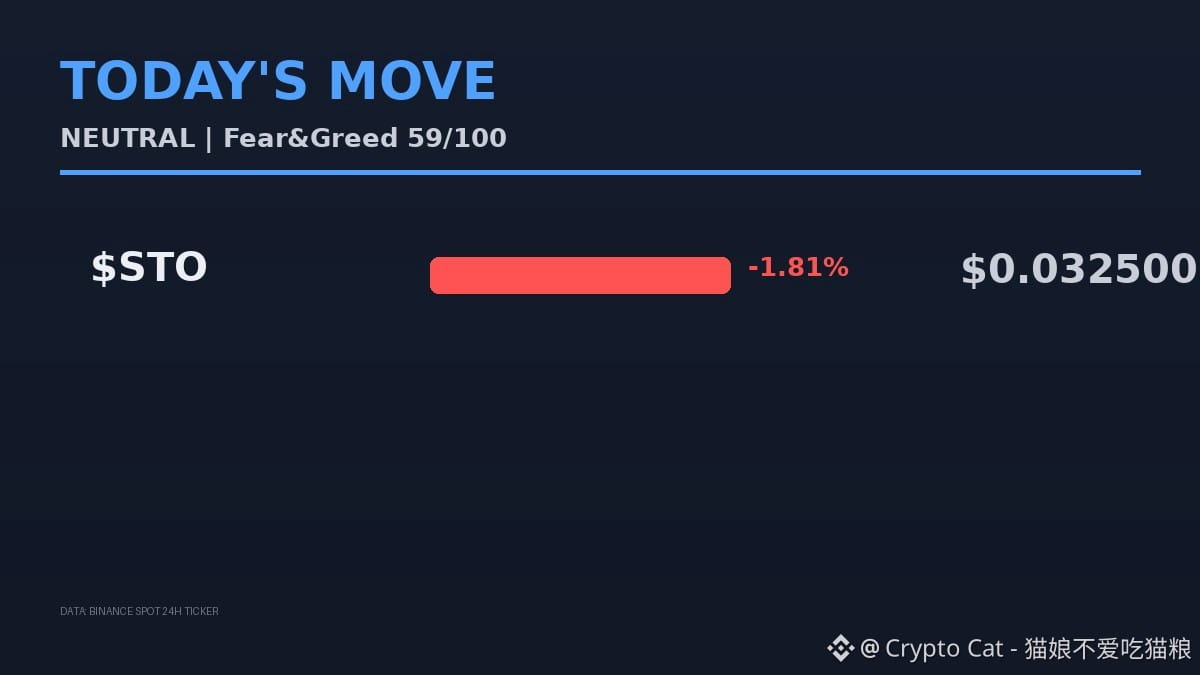
تخطط شركة ميرا للأصول المالية الكورية لإطلاق منتجات مُرمَّزة في الربع الأول من 2027، لكن $STO تراجع أولًا بنسبة 1.81٪.
مؤشر الطمع العام عند 59. أموال المضاربة قصيرة الأجل لا تقتنع بهذه الإيجابيات بعيدة المدى، فضلًا عن أن التنفيذ لا يزال يتطلب عامين؛ لذا تراجع $STO أولًا.
شروط التحسن: صدور إعلان جوهري لاحقًا، وبقاء حجم تداول $STO فوق متوسطه لثلاثة أيام متتالية، وتحول معدل التمويل إلى الإيجابية؛ عندها يمكن جسّ النبض.
أما إذا بدت المؤشرات ضعيفة، فانتظر أسبوعًا. إذا لم تظهر أخبار جديدة واستمر الهبوط مع تراجع أحجام التداول، فلا تتعجل اقتناص سكين ساقطة؛ فالاحتفاظ بالذخيرة أفضل من مطاردة الأسعار المرتفعة.
إذا أردت التدرب والمشاركة في مسابقة تداول العملات الفورية على بينانس S6، فتفاعل بالتعليقات لتحصل على مكافآت Write2Earn.
مع هذه الإيجابية طويلة الأمد، هل تختار انتظار تأكيد التنفيذ (اكتب 1)، أم الدخول مبكرًا الآن (اكتب 2)؟
#Write2Earn #BinanceSquare #STO RWA #TradingTournament
تخطط شركة ميرا للأصول المالية الكورية لإطلاق منتجات مُرمَّزة في الربع الأول من 2027، لكن $STO تراجع أولًا بنسبة 1.81٪.
مؤشر الطمع العام عند 59. أموال المضاربة قصيرة الأجل لا تقتنع بهذه الإيجابيات بعيدة المدى، فضلًا عن أن التنفيذ لا يزال يتطلب عامين؛ لذا تراجع $STO أولًا.
شروط التحسن: صدور إعلان جوهري لاحقًا، وبقاء حجم تداول $STO فوق متوسطه لثلاثة أيام متتالية، وتحول معدل التمويل إلى الإيجابية؛ عندها يمكن جسّ النبض.
أما إذا بدت المؤشرات ضعيفة، فانتظر أسبوعًا. إذا لم تظهر أخبار جديدة واستمر الهبوط مع تراجع أحجام التداول، فلا تتعجل اقتناص سكين ساقطة؛ فالاحتفاظ بالذخيرة أفضل من مطاردة الأسعار المرتفعة.
إذا أردت التدرب والمشاركة في مسابقة تداول العملات الفورية على بينانس S6، فتفاعل بالتعليقات لتحصل على مكافآت Write2Earn.
مع هذه الإيجابية طويلة الأمد، هل تختار انتظار تأكيد التنفيذ (اكتب 1)، أم الدخول مبكرًا الآن (اكتب 2)؟
#Write2Earn #BinanceSquare #STO RWA #TradingTournament
مؤشر الطمع العام عند 59. أموال المضاربة قصيرة الأجل لا تقتنع بهذه الإيجابيات بعيدة المدى، فضلًا عن أن التنفيذ لا يزال يتطلب عامين؛ لذا تراجع $STO أولًا.
شروط التحسن: صدور إعلان جوهري لاحقًا، وبقاء حجم تداول $STO فوق متوسطه لثلاثة أيام متتالية، وتحول معدل التمويل إلى الإيجابية؛ عندها يمكن جسّ النبض.
أما إذا بدت المؤشرات ضعيفة، فانتظر أسبوعًا. إذا لم تظهر أخبار جديدة واستمر الهبوط مع تراجع أحجام التداول، فلا تتعجل اقتناص سكين ساقطة؛ فالاحتفاظ بالذخيرة أفضل من مطاردة الأسعار المرتفعة.
إذا أردت التدرب والمشاركة في مسابقة تداول العملات الفورية على بينانس S6، فتفاعل بالتعليقات لتحصل على مكافآت Write2Earn.
مع هذه الإيجابية طويلة الأمد، هل تختار انتظار تأكيد التنفيذ (اكتب 1)، أم الدخول مبكرًا الآن (اكتب 2)؟
#Write2Earn #BinanceSquare #STO RWA #TradingTournament
49
تجاوز عدد حسابات تداول العملات المشفّرة في كوريا 11.18 مليونًا، مع اختراق يتخطى 20%، ومع ذلك هل ما زال النظام البيئي يعتمد على رسوم تداول الأفراد لتحقيق الأرباح؟
تتوقع دراسة بحثية أن يصل سوق الترميز في كوريا إلى 253 مليار دولار بحلول عام 2030، فيما تضخّ التكتلات 1.7 مليار دولار لاقتناص موطئ قدم.
يسجّل $STO الآن 0.0324 دولار، منخفضًا بنسبة 1.52%، بينما ارتفع $SOL ارتفاعًا طفيفًا بنسبة 2.1%. لا يستحق هذا المستوى مطاردة الأسعار المرتفعة.
انتظر حتى إقرار مشروع قانون $STO أو تأكيد البنية التحتية بأدلة ملموسة قبل التحرك. أتريد التحقق من هذا التقييم؟ أُدرج زوجا التداول Binance RWUSD وbStocks بالفعل.
في هذا التحول الكوري الذي تبلغ قيمته تريليونًا، هل تفضّل المضاربة على التوقعات أولًا أم انتظار إقرار مشروع القانون؟ اكتب 1 إذا كنت متفائلًا، و2 إذا كنت تنتظر التأكيد.
#Write2Earn #BinanceSquare #STO RWA #TradingTournament
تجاوز عدد حسابات تداول العملات المشفّرة في كوريا 11.18 مليونًا، مع اختراق يتخطى 20%، ومع ذلك هل ما زال النظام البيئي يعتمد على رسوم تداول الأفراد لتحقيق الأرباح؟
تتوقع دراسة بحثية أن يصل سوق الترميز في كوريا إلى 253 مليار دولار بحلول عام 2030، فيما تضخّ التكتلات 1.7 مليار دولار لاقتناص موطئ قدم.
يسجّل $STO الآن 0.0324 دولار، منخفضًا بنسبة 1.52%، بينما ارتفع $SOL ارتفاعًا طفيفًا بنسبة 2.1%. لا يستحق هذا المستوى مطاردة الأسعار المرتفعة.
انتظر حتى إقرار مشروع قانون $STO أو تأكيد البنية التحتية بأدلة ملموسة قبل التحرك. أتريد التحقق من هذا التقييم؟ أُدرج زوجا التداول Binance RWUSD وbStocks بالفعل.
في هذا التحول الكوري الذي تبلغ قيمته تريليونًا، هل تفضّل المضاربة على التوقعات أولًا أم انتظار إقرار مشروع القانون؟ اكتب 1 إذا كنت متفائلًا، و2 إذا كنت تنتظر التأكيد.
#Write2Earn #BinanceSquare #STO RWA #TradingTournament
تتوقع دراسة بحثية أن يصل سوق الترميز في كوريا إلى 253 مليار دولار بحلول عام 2030، فيما تضخّ التكتلات 1.7 مليار دولار لاقتناص موطئ قدم.
يسجّل $STO الآن 0.0324 دولار، منخفضًا بنسبة 1.52%، بينما ارتفع $SOL ارتفاعًا طفيفًا بنسبة 2.1%. لا يستحق هذا المستوى مطاردة الأسعار المرتفعة.
انتظر حتى إقرار مشروع قانون $STO أو تأكيد البنية التحتية بأدلة ملموسة قبل التحرك. أتريد التحقق من هذا التقييم؟ أُدرج زوجا التداول Binance RWUSD وbStocks بالفعل.
في هذا التحول الكوري الذي تبلغ قيمته تريليونًا، هل تفضّل المضاربة على التوقعات أولًا أم انتظار إقرار مشروع القانون؟ اكتب 1 إذا كنت متفائلًا، و2 إذا كنت تنتظر التأكيد.
#Write2Earn #BinanceSquare #STO RWA #TradingTournament
15

⚡ $STO استعد للانطلاق مع ضغط المشترين على الأسعار عند مستوى المقاومة! 💥
الدخول: 0.0435 - 0.0450 ⚡
الهدف: 0.0500 / 0.0580 / 0.0680 🚀
وقف الخسارة: 0.0400 ⚠️
📌 تمتص الأموال الذكية بهدوء سيولة البائعين ضمن نطاق التجميع 0.0435، مما يهيئ لتحرك زخم قوي وذي قناعة عالية. 📊 لاحظ كيف يجري استرداد كل تراجع هبوطي بقوة، في إشارة إلى متانة الهيكل قبل موجة التوسع التالية.
💡 مع تحديد الأهداف الأولية فوق السعر عند 0.0500، يفتح الاختراق الواضح الطريق مباشرة نحو 0.0680، مع عائد صعودي غير متكافئ. 💬 هل تضعون أوامر الشراء داخل منطقة الطلب هذه أم تنتظرون تأكيد الاختراق؟ 👇
⚠️ هذه ليست نصيحة مالية. احرص دائمًا على إدارة المخاطر. 🛡️
🏷️ #STO #LongSetup #Crypto #Trading #Altcoins
🔥 ⚡
⚡ $STO استعد للانطلاق مع ضغط المشترين على الأسعار عند مستوى المقاومة! 💥
الدخول: 0.0435 - 0.0450 ⚡
الهدف: 0.0500 / 0.0580 / 0.0680 🚀
وقف الخسارة: 0.0400 ⚠️
📌 تمتص الأموال الذكية بهدوء سيولة البائعين ضمن نطاق التجميع 0.0435، مما يهيئ لتحرك زخم قوي وذي قناعة عالية. 📊 لاحظ كيف يجري استرداد كل تراجع هبوطي بقوة، في إشارة إلى متانة الهيكل قبل موجة التوسع التالية.
💡 مع تحديد الأهداف الأولية فوق السعر عند 0.0500، يفتح الاختراق الواضح الطريق مباشرة نحو 0.0680، مع عائد صعودي غير متكافئ. 💬 هل تضعون أوامر الشراء داخل منطقة الطلب هذه أم تنتظرون تأكيد الاختراق؟ 👇
⚠️ هذه ليست نصيحة مالية. احرص دائمًا على إدارة المخاطر. 🛡️
🏷️ #STO #LongSetup #Crypto #Trading #Altcoins
🔥 ⚡
الدخول: 0.0435 - 0.0450 ⚡
الهدف: 0.0500 / 0.0580 / 0.0680 🚀
وقف الخسارة: 0.0400 ⚠️
📌 تمتص الأموال الذكية بهدوء سيولة البائعين ضمن نطاق التجميع 0.0435، مما يهيئ لتحرك زخم قوي وذي قناعة عالية. 📊 لاحظ كيف يجري استرداد كل تراجع هبوطي بقوة، في إشارة إلى متانة الهيكل قبل موجة التوسع التالية.
💡 مع تحديد الأهداف الأولية فوق السعر عند 0.0500، يفتح الاختراق الواضح الطريق مباشرة نحو 0.0680، مع عائد صعودي غير متكافئ. 💬 هل تضعون أوامر الشراء داخل منطقة الطلب هذه أم تنتظرون تأكيد الاختراق؟ 👇
⚠️ هذه ليست نصيحة مالية. احرص دائمًا على إدارة المخاطر. 🛡️
🏷️ #STO #LongSetup #Crypto #Trading #Altcoins
🔥 ⚡
30
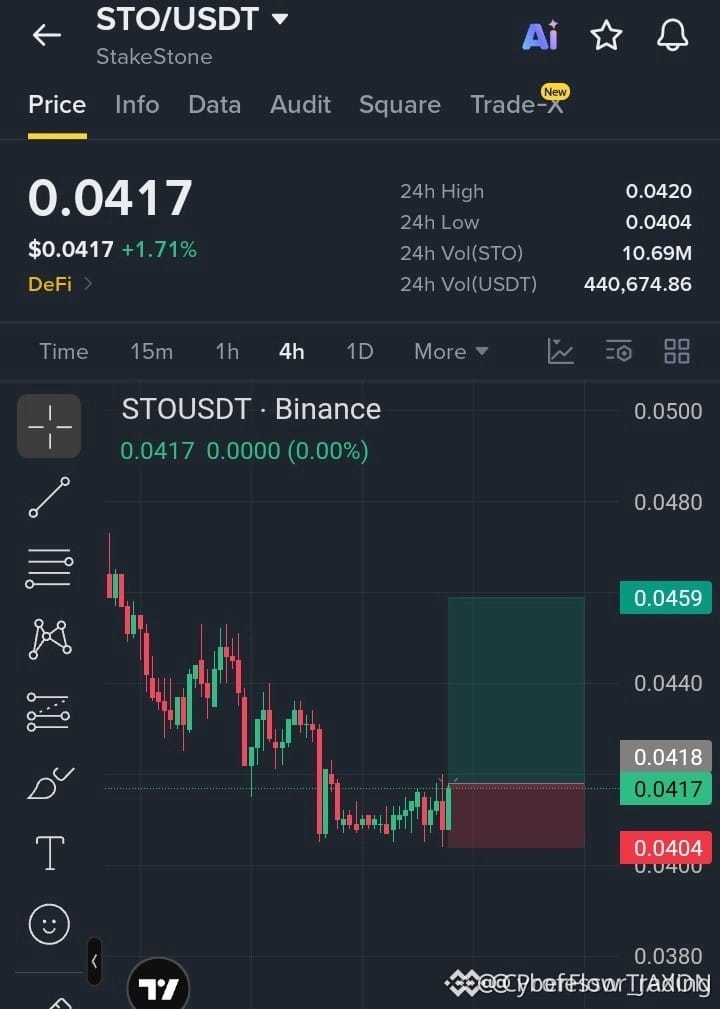
🟢 $STO الدفاع عن منطقة الطلب الحرجة مع الإشارة إلى قيعان أعلى لتعافٍ قوي! 🚀
الدخول: 0.0416 - 0.0419 ⚡
الهدف: 0.0435 - 0.0459 🚀
وقف الخسارة: 0.0404 ⚠️
📌 يدافع المشترون بقوة عن مستوى 0.0404، مشكّلين بنية محكمة من القيعان الأعلى على الإطار الزمني لأربع ساعات. 📊 يتغير تدفق الأوامر بسرعة، واستعادة مستوى 0.0418 بحسم تفتح الطريق لمواصلة الصعود سريعًا نحو مجمع السيولة الرئيسي عند 0.0459.
💡 مع تحديد مخاطر الهبوط بوضوح عند مستوى الدعم، تتيح هذه الفرصة نافذة دقيقة لمتداولي الزخم الذين يراقبون انقلاب دفتر الأوامر. 💬 هل ستدخلون عند إعادة الاختبار هذه أم تنتظرون اختراق 0.0418 أولًا؟ 👇
⚠️ هذا ليس نصيحة مالية. احرص دائمًا على إدارة المخاطر. 🛡️
🏷️ #STO #LongSetup #Breakout #Crypto
🔥 ⚡
🟢 $STO الدفاع عن منطقة الطلب الحرجة مع الإشارة إلى قيعان أعلى لتعافٍ قوي! 🚀
الدخول: 0.0416 - 0.0419 ⚡
الهدف: 0.0435 - 0.0459 🚀
وقف الخسارة: 0.0404 ⚠️
📌 يدافع المشترون بقوة عن مستوى 0.0404، مشكّلين بنية محكمة من القيعان الأعلى على الإطار الزمني لأربع ساعات. 📊 يتغير تدفق الأوامر بسرعة، واستعادة مستوى 0.0418 بحسم تفتح الطريق لمواصلة الصعود سريعًا نحو مجمع السيولة الرئيسي عند 0.0459.
💡 مع تحديد مخاطر الهبوط بوضوح عند مستوى الدعم، تتيح هذه الفرصة نافذة دقيقة لمتداولي الزخم الذين يراقبون انقلاب دفتر الأوامر. 💬 هل ستدخلون عند إعادة الاختبار هذه أم تنتظرون اختراق 0.0418 أولًا؟ 👇
⚠️ هذا ليس نصيحة مالية. احرص دائمًا على إدارة المخاطر. 🛡️
🏷️ #STO #LongSetup #Breakout #Crypto
🔥 ⚡
الدخول: 0.0416 - 0.0419 ⚡
الهدف: 0.0435 - 0.0459 🚀
وقف الخسارة: 0.0404 ⚠️
📌 يدافع المشترون بقوة عن مستوى 0.0404، مشكّلين بنية محكمة من القيعان الأعلى على الإطار الزمني لأربع ساعات. 📊 يتغير تدفق الأوامر بسرعة، واستعادة مستوى 0.0418 بحسم تفتح الطريق لمواصلة الصعود سريعًا نحو مجمع السيولة الرئيسي عند 0.0459.
💡 مع تحديد مخاطر الهبوط بوضوح عند مستوى الدعم، تتيح هذه الفرصة نافذة دقيقة لمتداولي الزخم الذين يراقبون انقلاب دفتر الأوامر. 💬 هل ستدخلون عند إعادة الاختبار هذه أم تنتظرون اختراق 0.0418 أولًا؟ 👇
⚠️ هذا ليس نصيحة مالية. احرص دائمًا على إدارة المخاطر. 🛡️
🏷️ #STO #LongSetup #Breakout #Crypto
🔥 ⚡
59

·
--
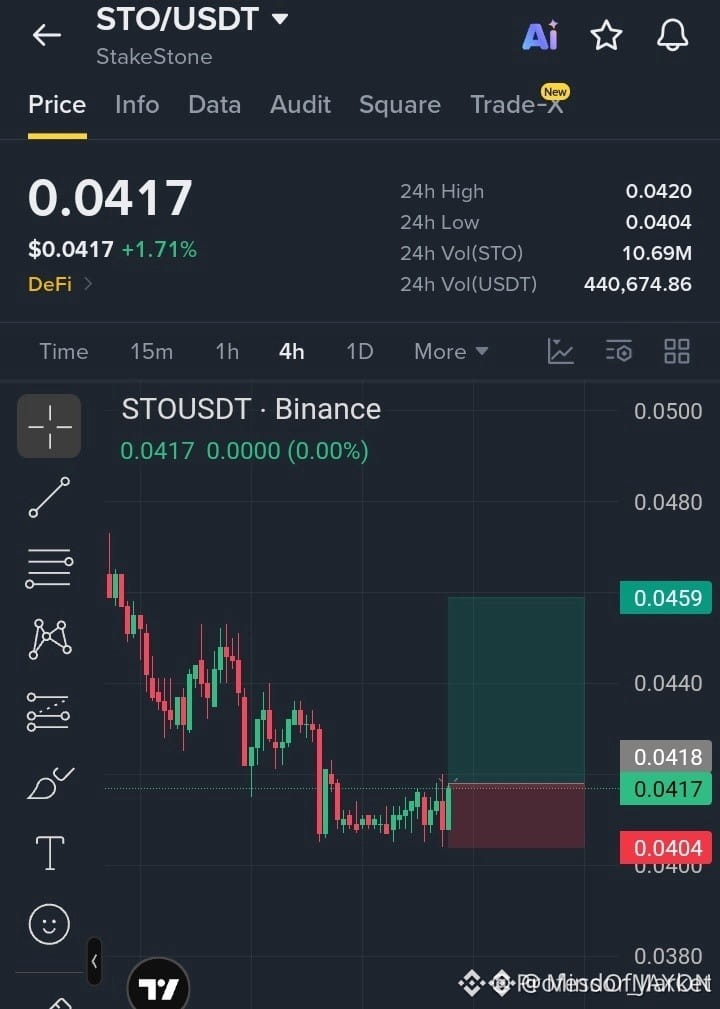
🚨 $STO منطقة الطلب تصمد بقوة مع تزايد التجميع المؤسسي وتشكّل قيعان أعلى! 💥
الدخول: 0.0416 - 0.0419 ⚡
الأهداف: 0.0435 / 0.0445 / 0.0459 🚀
وقف الخسارة: 0.0404 ⚠️
📌 تواصل الأموال الذكية الدفاع عن كتلة الطلب الهيكلية عند 0.0404، مع تشكّل سلسلة كلاسيكية من القيعان الأعلى على إطار 4 ساعات. 🔍 ويبدو إرهاق البائعين واضحًا مع تحوّل تدفق الأوامر من التصريف إلى التجميع السلبي.
⚡ يؤكد الثبات الحاسم فوق 0.0418 الزخم الصعودي الفوري، ويفتح مسارًا سلسًا عبر سيولة الشراء العلوية نحو 0.0459. 📊 توفر هذه الفرصة نسبة مخاطرة غير متكافئة للمتداولين المنضبطين الذين يعتمدون على التحليل الهيكلي. 💬 هل تستعدون لهذا الصعود أم تنتظرون إغلاقًا تأكيديًا فوق المقاومة؟ 👇
⚠️ هذه ليست نصيحة مالية. احرص دائمًا على إدارة مخاطرك. 🛡️
🏷️ #STO #LongSetup #MarketStructure #Crypto #Breakout
🎯 🦈
🚨 $STO منطقة الطلب تصمد بقوة مع تزايد التجميع المؤسسي وتشكّل قيعان أعلى! 💥
الدخول: 0.0416 - 0.0419 ⚡
الأهداف: 0.0435 / 0.0445 / 0.0459 🚀
وقف الخسارة: 0.0404 ⚠️
📌 تواصل الأموال الذكية الدفاع عن كتلة الطلب الهيكلية عند 0.0404، مع تشكّل سلسلة كلاسيكية من القيعان الأعلى على إطار 4 ساعات. 🔍 ويبدو إرهاق البائعين واضحًا مع تحوّل تدفق الأوامر من التصريف إلى التجميع السلبي.
⚡ يؤكد الثبات الحاسم فوق 0.0418 الزخم الصعودي الفوري، ويفتح مسارًا سلسًا عبر سيولة الشراء العلوية نحو 0.0459. 📊 توفر هذه الفرصة نسبة مخاطرة غير متكافئة للمتداولين المنضبطين الذين يعتمدون على التحليل الهيكلي. 💬 هل تستعدون لهذا الصعود أم تنتظرون إغلاقًا تأكيديًا فوق المقاومة؟ 👇
⚠️ هذه ليست نصيحة مالية. احرص دائمًا على إدارة مخاطرك. 🛡️
🏷️ #STO #LongSetup #MarketStructure #Crypto #Breakout
🎯 🦈
الدخول: 0.0416 - 0.0419 ⚡
الأهداف: 0.0435 / 0.0445 / 0.0459 🚀
وقف الخسارة: 0.0404 ⚠️
📌 تواصل الأموال الذكية الدفاع عن كتلة الطلب الهيكلية عند 0.0404، مع تشكّل سلسلة كلاسيكية من القيعان الأعلى على إطار 4 ساعات. 🔍 ويبدو إرهاق البائعين واضحًا مع تحوّل تدفق الأوامر من التصريف إلى التجميع السلبي.
⚡ يؤكد الثبات الحاسم فوق 0.0418 الزخم الصعودي الفوري، ويفتح مسارًا سلسًا عبر سيولة الشراء العلوية نحو 0.0459. 📊 توفر هذه الفرصة نسبة مخاطرة غير متكافئة للمتداولين المنضبطين الذين يعتمدون على التحليل الهيكلي. 💬 هل تستعدون لهذا الصعود أم تنتظرون إغلاقًا تأكيديًا فوق المقاومة؟ 👇
⚠️ هذه ليست نصيحة مالية. احرص دائمًا على إدارة مخاطرك. 🛡️
🏷️ #STO #LongSetup #MarketStructure #Crypto #Breakout
🎯 🦈
43

التقويم التشفيري — 3 أكتوبر 2026
حدث اليوم: $STO
{future}(STOUSDT)
إطلاق الرموز عند الساعة 05:00 بالتوقيت العالمي المنسق (UTC).
يمكن أن يؤدي الإمداد الجديد الذي يصل إلى السوق إلى تقلبات قصيرة الأجل، خاصةً بعد يوم هادئ من الأخبار. يُنصح بمراقبة حجم التداول وتفاعل السعر حول نافذة الإطلاق.
وبالنظر إلى المستقبل، $LA
{future}(LAUSDT)
تنطلق الرموز مرة أخرى غدًا (الأحد)، وهو ثاني إطلاق من نوع LA هذا الأسبوع بعد إطلاق الجمعة.
هل التداول عبر عملية الإطلاق اليوم أم انتظارها؟ 👇
#STO #TokenUnlock #CryptoCalendar
التقويم التشفيري — 3 أكتوبر 2026
حدث اليوم: $STO
إطلاق الرموز عند الساعة 05:00 بالتوقيت العالمي المنسق (UTC).
يمكن أن يؤدي الإمداد الجديد الذي يصل إلى السوق إلى تقلبات قصيرة الأجل، خاصةً بعد يوم هادئ من الأخبار. يُنصح بمراقبة حجم التداول وتفاعل السعر حول نافذة الإطلاق.
وبالنظر إلى المستقبل، $LA
تنطلق الرموز مرة أخرى غدًا (الأحد)، وهو ثاني إطلاق من نوع LA هذا الأسبوع بعد إطلاق الجمعة.
هل التداول عبر عملية الإطلاق اليوم أم انتظارها؟ 👇
#STO #TokenUnlock #CryptoCalendar
حدث اليوم: $STO
إطلاق الرموز عند الساعة 05:00 بالتوقيت العالمي المنسق (UTC).
يمكن أن يؤدي الإمداد الجديد الذي يصل إلى السوق إلى تقلبات قصيرة الأجل، خاصةً بعد يوم هادئ من الأخبار. يُنصح بمراقبة حجم التداول وتفاعل السعر حول نافذة الإطلاق.
وبالنظر إلى المستقبل، $LA
تنطلق الرموز مرة أخرى غدًا (الأحد)، وهو ثاني إطلاق من نوع LA هذا الأسبوع بعد إطلاق الجمعة.
هل التداول عبر عملية الإطلاق اليوم أم انتظارها؟ 👇
#STO #TokenUnlock #CryptoCalendar
562

·
--
🔴 STO — تشبع شرائي قوي
RSI على فريم 30 دقيقة وصل 70.23، ما يدعم احتمالية بداية تصحيح هابط.
🔻 SHORT
🎯 0.0455
🎯 0.0447
🎯 0.0438
🛑 SL: 0.0472
❤️ دعمك يفرق معايا
🔥 أكثر من 100 توصية يوميًا
$STO #STO
🔴 STO — تشبع شرائي قوي
RSI على فريم 30 دقيقة وصل 70.23، ما يدعم احتمالية بداية تصحيح هابط.
🔻 SHORT
🎯 0.0455
🎯 0.0447
🎯 0.0438
🛑 SL: 0.0472
❤️ دعمك يفرق معايا
🔥 أكثر من 100 توصية يوميًا
$STO #STO
RSI على فريم 30 دقيقة وصل 70.23، ما يدعم احتمالية بداية تصحيح هابط.
🔻 SHORT
🎯 0.0455
🎯 0.0447
🎯 0.0438
🛑 SL: 0.0472
❤️ دعمك يفرق معايا
🔥 أكثر من 100 توصية يوميًا
$STO #STO
40
·
--
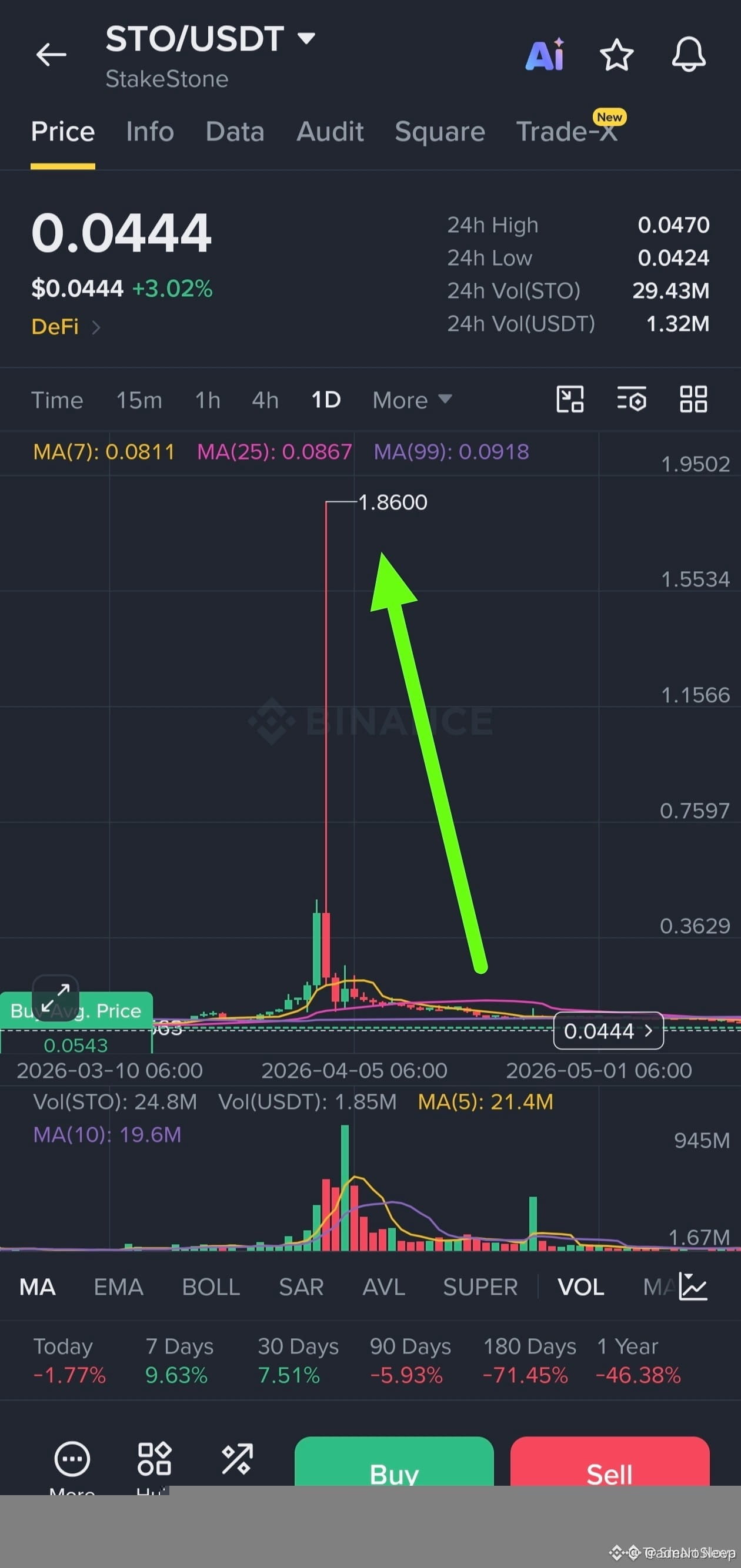
🚨 $STO DEMAND ZONE HOLDING STRONG FOR POTENTIAL INSTITUTIONAL EXPANSION PHASE 🦈
الدخول: 0.0435 - 0.0450 ⚡
الهدف: 0.0500 / 0.0580 / 0.0680 🚀
إيقاف الخسارة: 0.0400 ⚠️
تراكم الأموال الذكية واضح حول نطاق الطلب عند 0.0435، حيث يقوم بسحب سيولة البيع (الجانب السلبي) قبل بناء قاعدة هيكلية قوية. 📊 يشير عدم التوازن أعلاه إلى مسار نظيف لملء كفاءة الأطر الزمنية الأعلى.
ومع تحديد المخاطر الهبوطية بشكل ضيق أسفل دعم البنية، فإن نسبة المخاطر إلى العائد تميل لصالح التوسع الصعودي باتجاه كتل الأوامر غير المعالجة. 🔍 ومع امتصاص الاهتمام بالشراء للعرض المتبقي، قد تشتعل الزخم لتستمر بسرعة نحو الأهداف الرئيسية. 💬 هل ستتخذ مركزًا عند كتلة الأوامر هذه أم تنتظر تأكيد حدوث تحول بنيوي؟ 👇
⚠️ ليس نصيحة مالية. دائمًا تحكم في مخاطرك. 🛡️
🏷️ #STO #LongSetup #Crypto #MarketStructure
🦈 🎯
🚨 $STO DEMAND ZONE HOLDING STRONG FOR POTENTIAL INSTITUTIONAL EXPANSION PHASE 🦈
الدخول: 0.0435 - 0.0450 ⚡
الهدف: 0.0500 / 0.0580 / 0.0680 🚀
إيقاف الخسارة: 0.0400 ⚠️
تراكم الأموال الذكية واضح حول نطاق الطلب عند 0.0435، حيث يقوم بسحب سيولة البيع (الجانب السلبي) قبل بناء قاعدة هيكلية قوية. 📊 يشير عدم التوازن أعلاه إلى مسار نظيف لملء كفاءة الأطر الزمنية الأعلى.
ومع تحديد المخاطر الهبوطية بشكل ضيق أسفل دعم البنية، فإن نسبة المخاطر إلى العائد تميل لصالح التوسع الصعودي باتجاه كتل الأوامر غير المعالجة. 🔍 ومع امتصاص الاهتمام بالشراء للعرض المتبقي، قد تشتعل الزخم لتستمر بسرعة نحو الأهداف الرئيسية. 💬 هل ستتخذ مركزًا عند كتلة الأوامر هذه أم تنتظر تأكيد حدوث تحول بنيوي؟ 👇
⚠️ ليس نصيحة مالية. دائمًا تحكم في مخاطرك. 🛡️
🏷️ #STO #LongSetup #Crypto #MarketStructure
🦈 🎯
الدخول: 0.0435 - 0.0450 ⚡
الهدف: 0.0500 / 0.0580 / 0.0680 🚀
إيقاف الخسارة: 0.0400 ⚠️
تراكم الأموال الذكية واضح حول نطاق الطلب عند 0.0435، حيث يقوم بسحب سيولة البيع (الجانب السلبي) قبل بناء قاعدة هيكلية قوية. 📊 يشير عدم التوازن أعلاه إلى مسار نظيف لملء كفاءة الأطر الزمنية الأعلى.
ومع تحديد المخاطر الهبوطية بشكل ضيق أسفل دعم البنية، فإن نسبة المخاطر إلى العائد تميل لصالح التوسع الصعودي باتجاه كتل الأوامر غير المعالجة. 🔍 ومع امتصاص الاهتمام بالشراء للعرض المتبقي، قد تشتعل الزخم لتستمر بسرعة نحو الأهداف الرئيسية. 💬 هل ستتخذ مركزًا عند كتلة الأوامر هذه أم تنتظر تأكيد حدوث تحول بنيوي؟ 👇
⚠️ ليس نصيحة مالية. دائمًا تحكم في مخاطرك. 🛡️
🏷️ #STO #LongSetup #Crypto #MarketStructure
🦈 🎯
52

·
--
مقالة
STO Cionتحليل قصير
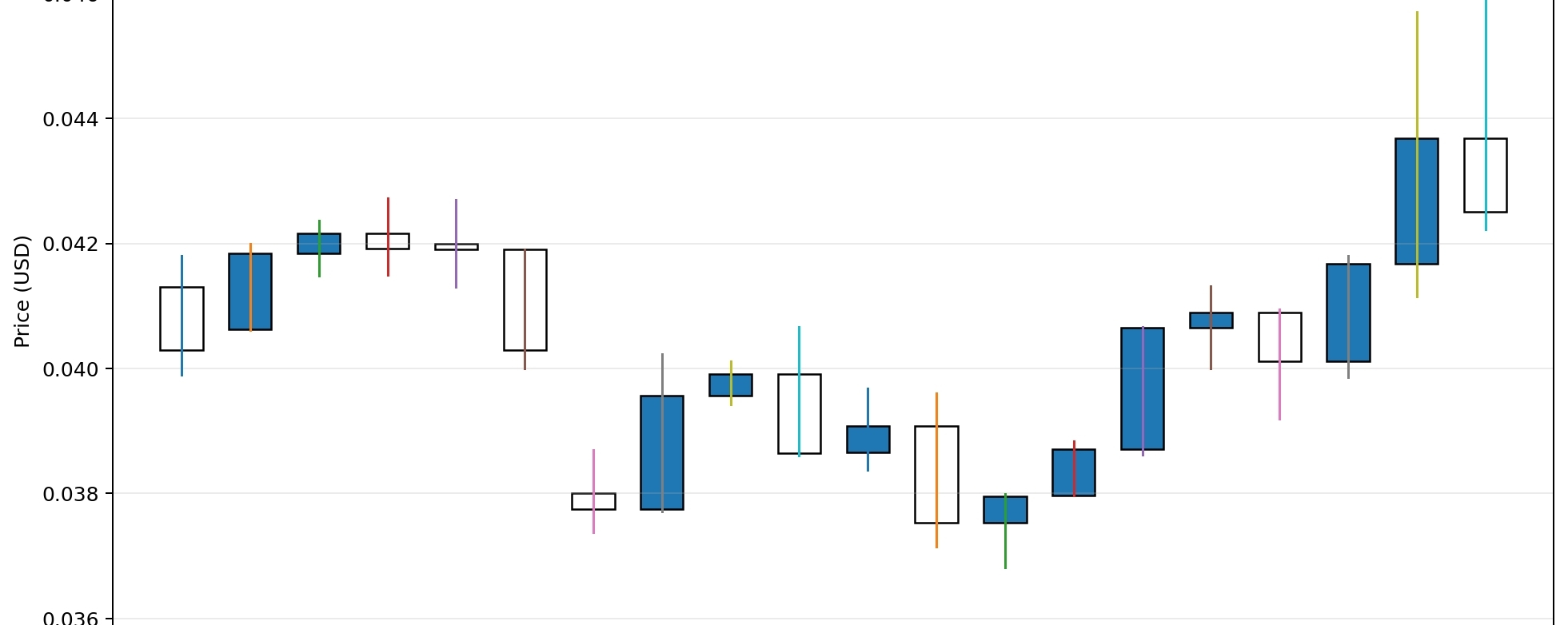
السعر الحالي: حوالي 0.0424 دولار. القيمة السوقية قرابة 9.6 مليون دولار، مع تداول حوالي 225.3 مليون من أصل 1 مليار حد أقصى للمعروض.
$STO تعافى مؤخرًا من منطقة 0.037 دولار باتجاه 0.043–0.046، ما يُظهر زخمًا أقوى على المدى القصير.
يظهر الرسم البياني الأخير دعمًا حول 0.040–0.041 دولار ومنطقة مقاومة ملحوظة حول 0.045–0.046 دولار.
تجاوز تلك المقاومة سيكون ذا دلالة فنية؛ وفقدان منطقة 0.040 دولار سيضعف البنية الأخيرة.
$STO هو توكن صغير الحجم، لذا فإن مخاطر التقلب والسيولة تكون مرتفعة نسبيًا. يشير CoinGecko إلى حجم تداول لمدة 24 ساعة بنحو 2.66 مليون دولار وإجمالي قيمة مقفلة TVL تبلغ حوالي 27.2 مليون دولار.
STO Cion
تحليل قصير
السعر الحالي: حوالي 0.0424 دولار. القيمة السوقية قرابة 9.6 مليون دولار، مع تداول حوالي 225.3 مليون من أصل 1 مليار حد أقصى للمعروض.
$STO تعافى مؤخرًا من منطقة 0.037 دولار باتجاه 0.043–0.046، ما يُظهر زخمًا أقوى على المدى القصير.
يظهر الرسم البياني الأخير دعمًا حول 0.040–0.041 دولار ومنطقة مقاومة ملحوظة حول 0.045–0.046 دولار.
تجاوز تلك المقاومة سيكون ذا دلالة فنية؛ وفقدان منطقة 0.040 دولار سيضعف البنية الأخيرة.
$STO هو توكن صغير الحجم، لذا فإن مخاطر التقلب والسيولة تكون مرتفعة نسبيًا. يشير CoinGecko إلى حجم تداول لمدة 24 ساعة بنحو 2.66 مليون دولار وإجمالي قيمة مقفلة TVL تبلغ حوالي 27.2 مليون دولار.
السعر الحالي: حوالي 0.0424 دولار. القيمة السوقية قرابة 9.6 مليون دولار، مع تداول حوالي 225.3 مليون من أصل 1 مليار حد أقصى للمعروض.
$STO تعافى مؤخرًا من منطقة 0.037 دولار باتجاه 0.043–0.046، ما يُظهر زخمًا أقوى على المدى القصير.
يظهر الرسم البياني الأخير دعمًا حول 0.040–0.041 دولار ومنطقة مقاومة ملحوظة حول 0.045–0.046 دولار.
تجاوز تلك المقاومة سيكون ذا دلالة فنية؛ وفقدان منطقة 0.040 دولار سيضعف البنية الأخيرة.
$STO هو توكن صغير الحجم، لذا فإن مخاطر التقلب والسيولة تكون مرتفعة نسبيًا. يشير CoinGecko إلى حجم تداول لمدة 24 ساعة بنحو 2.66 مليون دولار وإجمالي قيمة مقفلة TVL تبلغ حوالي 27.2 مليون دولار.
981

·
--
🚀 $STO تنبيه الزخم: توافق متعدد الأطر الزمنية
التقييم: 80/100 [A+] • الاستراتيجية: فيبوناتشي
📊 أطروحة الصفقة:
لقد ارتدّ السعر مباشرة إلى منطقة تلاقي الـ 61.8%–65% من Golden Pocket. إن تلاقي الدعم البنيوي الأفقي مع مستويات فيبوناتشي يوفّر إعدادًا غير متماثل من حيث نسبة المخاطرة إلى العائد.
🎯 الدخول: 0.04456
🛑 وقف الخسارة: 0.04396 (-1.35%)
✅ جني الربح: 0.04611 (+3.48%)
⚖️ المخاطرة/العائد: 1:2.6
🚫 قاعدة الإبطال: إذا أغلقت شمعة لمدة ساعة واحدة تحت $0.04396 (-1.35%)، يتم إبطال هذه الفرضية الصعودية. اخرج من الصفقة دون الاحتفاظ بها خلال فترات التراجع.
💡 إدارة الصفقة: احصل على 50% من الربح عند هدف جني الربح ($0.04611 +3.48%) وحوّل وقف الخسارة إلى التعادل لإزالة مخاطر الهبوط.
⚖️ ملاحظة المخاطر: يُنصح برافعة مالية معتدلة (3x–5x في العقود الآجلة). لا تخاطر أبدًا بأكثر من 1–2% من إجمالي رأس المال في محفظتك على إعداد واحد.
📈 بيانات سوق Binance:
• التمويل: 0.0050% (محايد) • التالي: 3س 52د
• الفائدة المفتوحة (OI): 3.75M$
• حجم 24 ساعة: 7.97M$
• نطاق 24 ساعة: 0.04207 — 0.04697 (+2.0%)
📈 سجل الاستراتيجية: WR 34% عبر 203 صفقات
#STO #PriceAction #Altcoins #BinanceSquare
⚠️ ليس نصيحة مالية. دائمًا ادِر مخاطرَك.
🚀 $STO تنبيه الزخم: توافق متعدد الأطر الزمنية
التقييم: 80/100 [A+] • الاستراتيجية: فيبوناتشي
📊 أطروحة الصفقة:
لقد ارتدّ السعر مباشرة إلى منطقة تلاقي الـ 61.8%–65% من Golden Pocket. إن تلاقي الدعم البنيوي الأفقي مع مستويات فيبوناتشي يوفّر إعدادًا غير متماثل من حيث نسبة المخاطرة إلى العائد.
🎯 الدخول: 0.04456
🛑 وقف الخسارة: 0.04396 (-1.35%)
✅ جني الربح: 0.04611 (+3.48%)
⚖️ المخاطرة/العائد: 1:2.6
🚫 قاعدة الإبطال: إذا أغلقت شمعة لمدة ساعة واحدة تحت $0.04396 (-1.35%)، يتم إبطال هذه الفرضية الصعودية. اخرج من الصفقة دون الاحتفاظ بها خلال فترات التراجع.
💡 إدارة الصفقة: احصل على 50% من الربح عند هدف جني الربح ($0.04611 +3.48%) وحوّل وقف الخسارة إلى التعادل لإزالة مخاطر الهبوط.
⚖️ ملاحظة المخاطر: يُنصح برافعة مالية معتدلة (3x–5x في العقود الآجلة). لا تخاطر أبدًا بأكثر من 1–2% من إجمالي رأس المال في محفظتك على إعداد واحد.
📈 بيانات سوق Binance:
• التمويل: 0.0050% (محايد) • التالي: 3س 52د
• الفائدة المفتوحة (OI): 3.75M$
• حجم 24 ساعة: 7.97M$
• نطاق 24 ساعة: 0.04207 — 0.04697 (+2.0%)
📈 سجل الاستراتيجية: WR 34% عبر 203 صفقات
#STO #PriceAction #Altcoins #BinanceSquare
⚠️ ليس نصيحة مالية. دائمًا ادِر مخاطرَك.
التقييم: 80/100 [A+] • الاستراتيجية: فيبوناتشي
📊 أطروحة الصفقة:
لقد ارتدّ السعر مباشرة إلى منطقة تلاقي الـ 61.8%–65% من Golden Pocket. إن تلاقي الدعم البنيوي الأفقي مع مستويات فيبوناتشي يوفّر إعدادًا غير متماثل من حيث نسبة المخاطرة إلى العائد.
🎯 الدخول: 0.04456
🛑 وقف الخسارة: 0.04396 (-1.35%)
✅ جني الربح: 0.04611 (+3.48%)
⚖️ المخاطرة/العائد: 1:2.6
🚫 قاعدة الإبطال: إذا أغلقت شمعة لمدة ساعة واحدة تحت $0.04396 (-1.35%)، يتم إبطال هذه الفرضية الصعودية. اخرج من الصفقة دون الاحتفاظ بها خلال فترات التراجع.
💡 إدارة الصفقة: احصل على 50% من الربح عند هدف جني الربح ($0.04611 +3.48%) وحوّل وقف الخسارة إلى التعادل لإزالة مخاطر الهبوط.
⚖️ ملاحظة المخاطر: يُنصح برافعة مالية معتدلة (3x–5x في العقود الآجلة). لا تخاطر أبدًا بأكثر من 1–2% من إجمالي رأس المال في محفظتك على إعداد واحد.
📈 بيانات سوق Binance:
• التمويل: 0.0050% (محايد) • التالي: 3س 52د
• الفائدة المفتوحة (OI): 3.75M$
• حجم 24 ساعة: 7.97M$
• نطاق 24 ساعة: 0.04207 — 0.04697 (+2.0%)
📈 سجل الاستراتيجية: WR 34% عبر 203 صفقات
#STO #PriceAction #Altcoins #BinanceSquare
⚠️ ليس نصيحة مالية. دائمًا ادِر مخاطرَك.
46

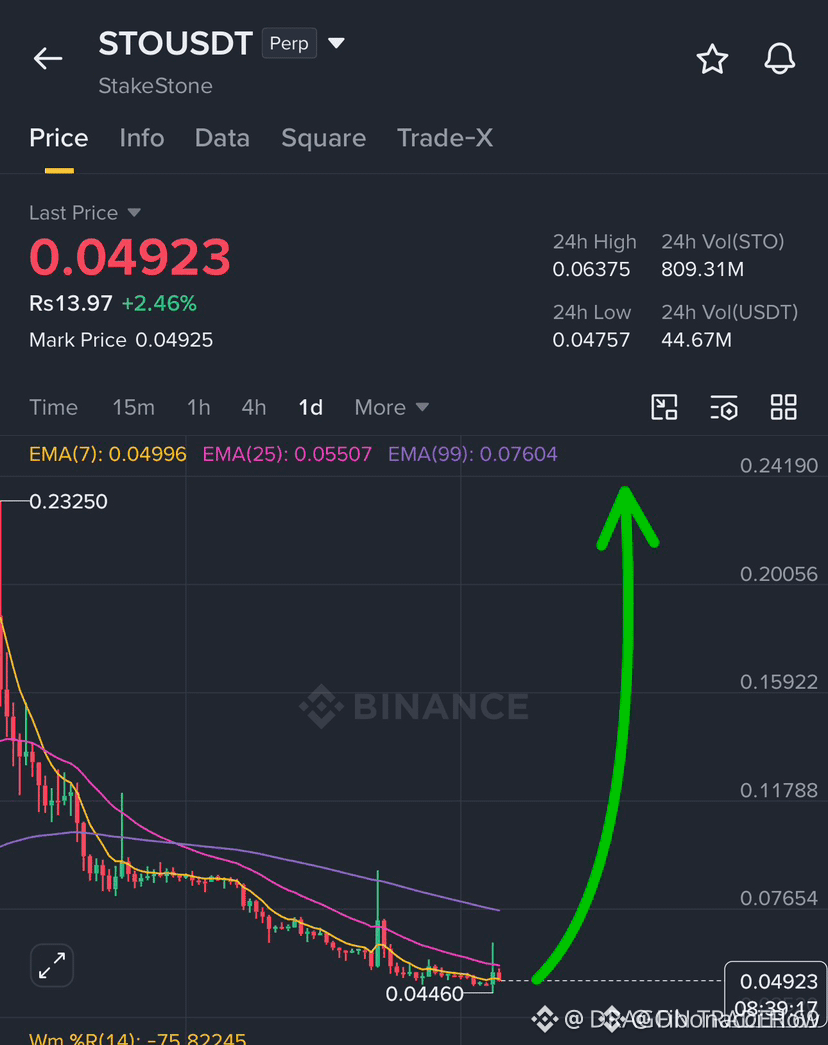
$STO يتم إنهاء إعادة اختبار نظيفة بعد كسر نمط الوادي الهابط 📈
الرسم البياني اليومي لـ $STO يُظهر كسرًا نموذجيًا من نمط الوادي الذي كنا نتابعه. السعر حاليًا يتماسك عند مستوى إعادة الاختبار، وهو إعداد كلاسيكي لحركة استمرار.
حجم التداول كان في زيادة مستمرة طوال مرحلة التوحيد، مما يشير إلى أن المشترين مستعدون للدخول عند هذه الأسعار. إذا تمسك هذا الدعم، فنحن نتطلع إلى مسار قوي نحو منطقة المقاومة التالية في الجلسات القادمة.
هل ترى أن هذا الكسر سيستمر، أم أنك تنتظر مزيدًا من التأكيد؟
هذا ليس نصيحة مالية. دائمًا قم بإدارة مخاطر.
#STO #Breakout #ChartPatterns #CryptoTrading
🎯
$STO يتم إنهاء إعادة اختبار نظيفة بعد كسر نمط الوادي الهابط 📈
الرسم البياني اليومي لـ $STO يُظهر كسرًا نموذجيًا من نمط الوادي الذي كنا نتابعه. السعر حاليًا يتماسك عند مستوى إعادة الاختبار، وهو إعداد كلاسيكي لحركة استمرار.
حجم التداول كان في زيادة مستمرة طوال مرحلة التوحيد، مما يشير إلى أن المشترين مستعدون للدخول عند هذه الأسعار. إذا تمسك هذا الدعم، فنحن نتطلع إلى مسار قوي نحو منطقة المقاومة التالية في الجلسات القادمة.
هل ترى أن هذا الكسر سيستمر، أم أنك تنتظر مزيدًا من التأكيد؟
هذا ليس نصيحة مالية. دائمًا قم بإدارة مخاطر.
#STO #Breakout #ChartPatterns #CryptoTrading
🎯
الرسم البياني اليومي لـ $STO يُظهر كسرًا نموذجيًا من نمط الوادي الذي كنا نتابعه. السعر حاليًا يتماسك عند مستوى إعادة الاختبار، وهو إعداد كلاسيكي لحركة استمرار.
حجم التداول كان في زيادة مستمرة طوال مرحلة التوحيد، مما يشير إلى أن المشترين مستعدون للدخول عند هذه الأسعار. إذا تمسك هذا الدعم، فنحن نتطلع إلى مسار قوي نحو منطقة المقاومة التالية في الجلسات القادمة.
هل ترى أن هذا الكسر سيستمر، أم أنك تنتظر مزيدًا من التأكيد؟
هذا ليس نصيحة مالية. دائمًا قم بإدارة مخاطر.
#STO #Breakout #ChartPatterns #CryptoTrading
🎯
1
146

·
--
📊 $STO هل سيكون هناك ارتداد أم أنها مجرد فترة راحة قبل الاستمرار في الانخفاض؟ 🤔مرحباً، مجتمع العملات الرقمية! كنت أتابع مخطط الساعة لـ STO/USDC والأمور بدأت تصبح مثيرة. أشارككم ما أراه إذا كنتم تبحثون عن نقاط دخول أو إدارة المخاطر:
أشرطة بولينجر: السعر قد تجاوز للتو الخط الأوسط (MB: 0.0636) ويتداول عند 0.0637. تاريخياً، الثبات في هذه المنطقة عادة ما يكون إشارة جيدة للبحث عن الشريط العلوي (قريب من 0.0646)، لكن الحجم لا يزال خجولاً بعض الشيء.
دفتر الطلبات: القوة متقسمة جداً (51.07% طلب مقابل 48.93% عرض). هناك "جدار" شراء مثير عند 0.0631، لكن انتبهوا، عند 0.0642 هناك أكثر من 313k STO تنتظر للبيع. 🚧
📊 $STO هل سيكون هناك ارتداد أم أنها مجرد فترة راحة قبل الاستمرار في الانخفاض؟ 🤔
مرحباً، مجتمع العملات الرقمية! كنت أتابع مخطط الساعة لـ STO/USDC والأمور بدأت تصبح مثيرة. أشارككم ما أراه إذا كنتم تبحثون عن نقاط دخول أو إدارة المخاطر:
أشرطة بولينجر: السعر قد تجاوز للتو الخط الأوسط (MB: 0.0636) ويتداول عند 0.0637. تاريخياً، الثبات في هذه المنطقة عادة ما يكون إشارة جيدة للبحث عن الشريط العلوي (قريب من 0.0646)، لكن الحجم لا يزال خجولاً بعض الشيء.
دفتر الطلبات: القوة متقسمة جداً (51.07% طلب مقابل 48.93% عرض). هناك "جدار" شراء مثير عند 0.0631، لكن انتبهوا، عند 0.0642 هناك أكثر من 313k STO تنتظر للبيع. 🚧
أشرطة بولينجر: السعر قد تجاوز للتو الخط الأوسط (MB: 0.0636) ويتداول عند 0.0637. تاريخياً، الثبات في هذه المنطقة عادة ما يكون إشارة جيدة للبحث عن الشريط العلوي (قريب من 0.0646)، لكن الحجم لا يزال خجولاً بعض الشيء.
دفتر الطلبات: القوة متقسمة جداً (51.07% طلب مقابل 48.93% عرض). هناك "جدار" شراء مثير عند 0.0631، لكن انتبهوا، عند 0.0642 هناك أكثر من 313k STO تنتظر للبيع. 🚧
438

·
--
هابط
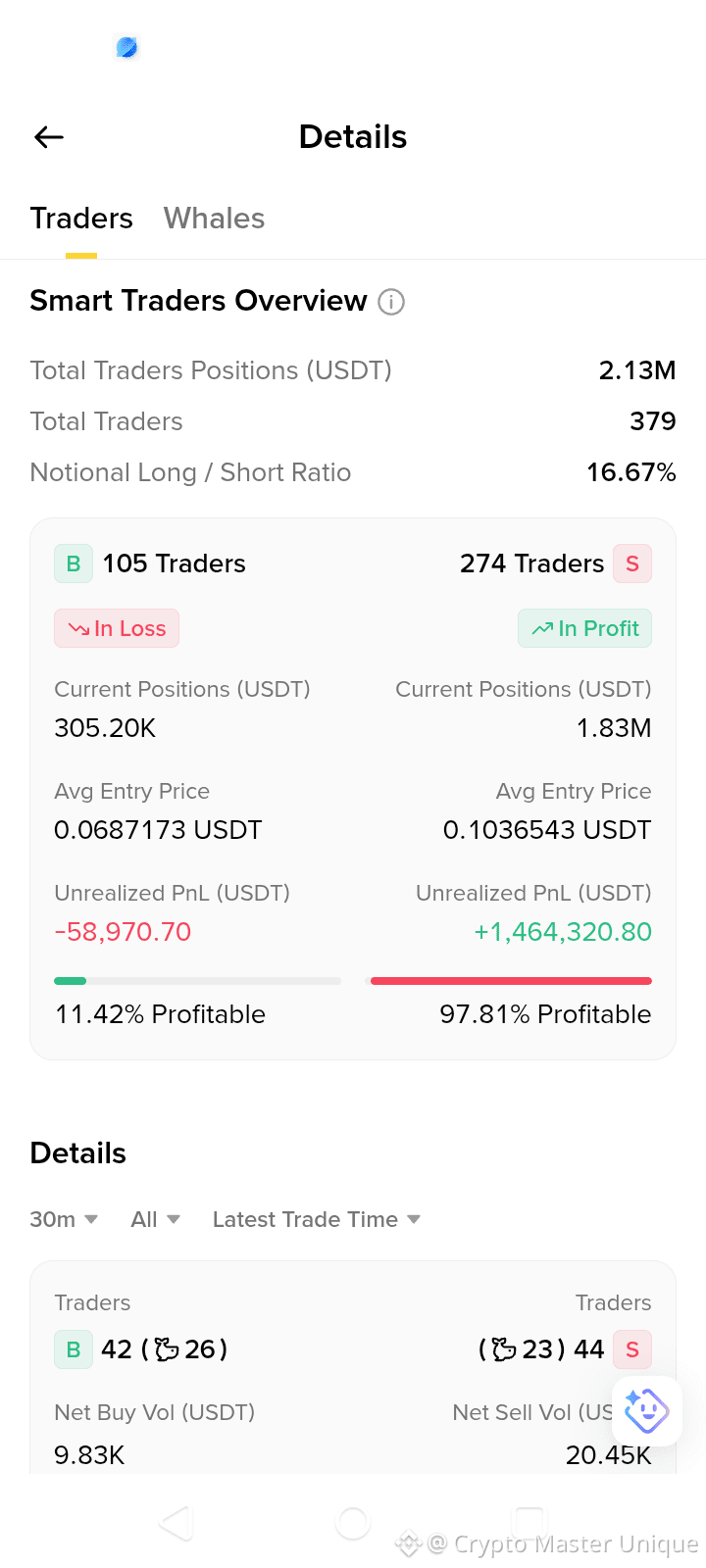
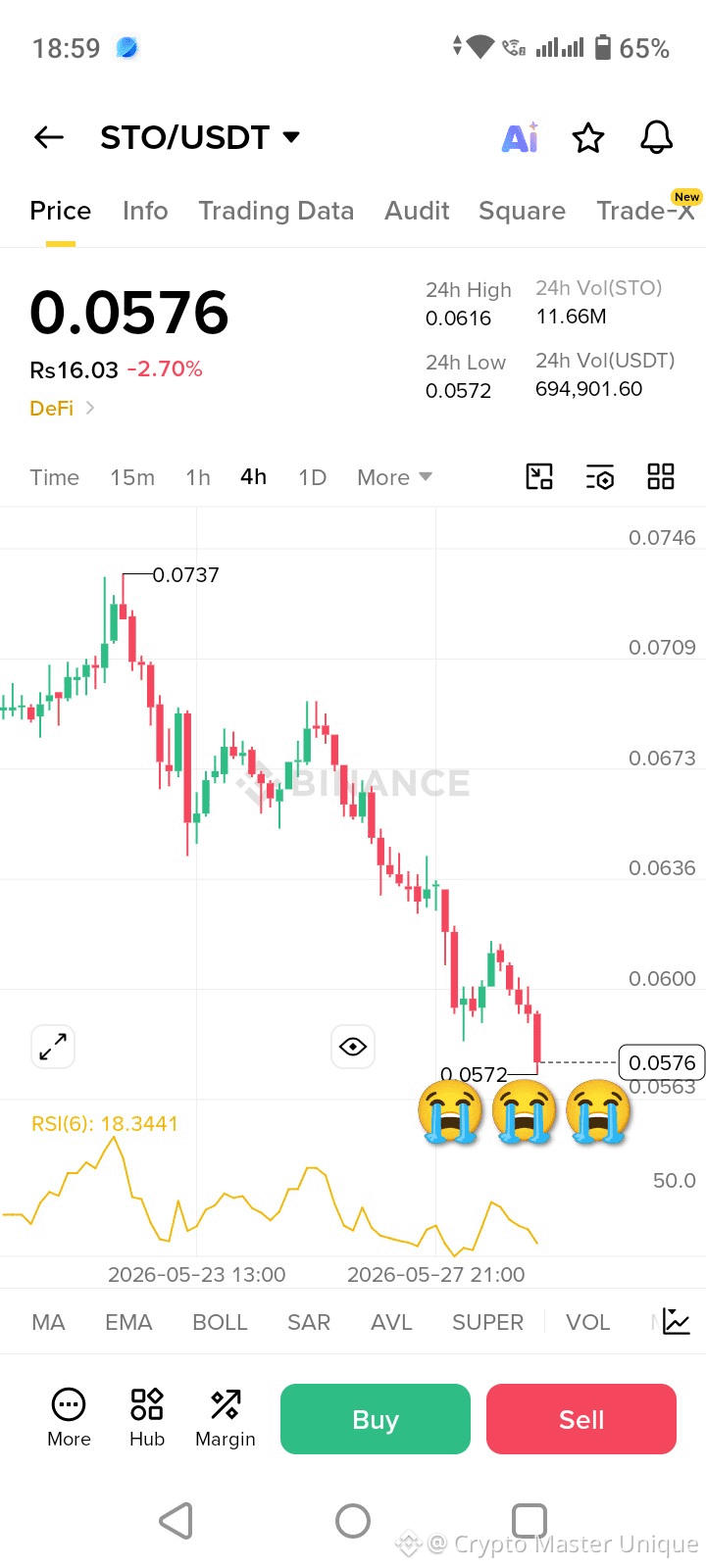
$STO a عملة ميتة مع مالك ميت، لا يوجد ارتفاع أو اتجاه صعودي منذ شهرين. 98% من المتداولين القصيرين يحققون أرباح 😭😭
$LAB #sto $ALLO
$STO a عملة ميتة مع مالك ميت، لا يوجد ارتفاع أو اتجاه صعودي منذ شهرين. 98% من المتداولين القصيرين يحققون أرباح 😭😭
$LAB #sto $ALLO
$LAB #sto $ALLO
2
561

$STO 🚨 تنبيه سعر STO - مرتفع 3.88% - السبب:
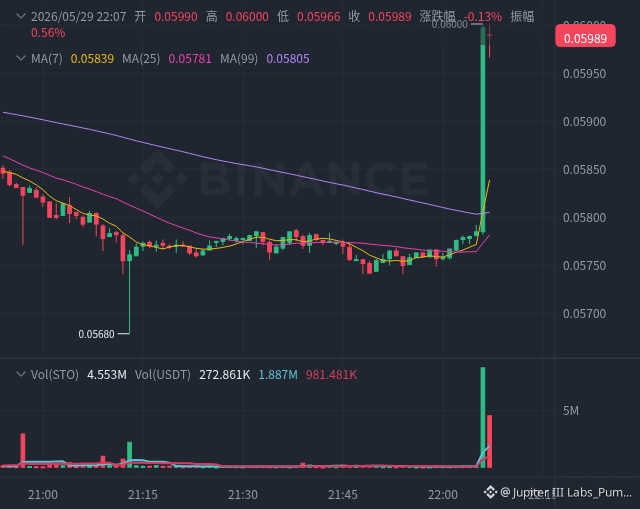
- تحليل حركة السعر: المتداولون يلاحظون مؤشرات هبوطية على مخططات STO مع توقعات بمزيد من الانخفاض لاختبار الدعم المنخفض حول مستوى 0.058 قبل الارتدادات المحتملة؛ الاتجاه البيعي يسيطر حتى يتم استعادة المقاومة الرئيسية.
- مشاعر حاملي الحقائب: تعليقات المجتمع تبرز حركة السعر القاسية التي تؤذي الحامليين مؤخرًا، مع دعوات لتحويل التركيز إلى فرص أخرى وسط التقلبات.
- مضخات مقارنة: تم الإشارة إلى STO كمثال على نمط المخططات السابقة لرموز أخرى مثل ALLO التي تظهر مضخات قوية، مما يشير إلى التعرف على الأنماط في العملات الميم ذات العرض المنخفض أو الأصول المماثلة.
- السياق التنظيمي/المؤسسي: الإشارات إلى تحالفات STO والمؤسسات الكورية التي تبني بنية تحتية للعملات المشفرة (البورصات، العملات المستقرة، الأصول المرمزة) قبل التنظيمات، مما يربط الاتجاهات الأوسع في RWA/الرمزية.
- أجواء التداول: نكات خفيفة حول تأثير STO على مزاج السوق، حيث يحث المستخدمون على التركيز على حقائب بديلة مثل JTO خلال الأوقات غير المؤكدة.
#STO
{future}(STOUSDT)
$STO 🚨 تنبيه سعر STO - مرتفع 3.88% - السبب:
- تحليل حركة السعر: المتداولون يلاحظون مؤشرات هبوطية على مخططات STO مع توقعات بمزيد من الانخفاض لاختبار الدعم المنخفض حول مستوى 0.058 قبل الارتدادات المحتملة؛ الاتجاه البيعي يسيطر حتى يتم استعادة المقاومة الرئيسية.
- مشاعر حاملي الحقائب: تعليقات المجتمع تبرز حركة السعر القاسية التي تؤذي الحامليين مؤخرًا، مع دعوات لتحويل التركيز إلى فرص أخرى وسط التقلبات.
- مضخات مقارنة: تم الإشارة إلى STO كمثال على نمط المخططات السابقة لرموز أخرى مثل ALLO التي تظهر مضخات قوية، مما يشير إلى التعرف على الأنماط في العملات الميم ذات العرض المنخفض أو الأصول المماثلة.
- السياق التنظيمي/المؤسسي: الإشارات إلى تحالفات STO والمؤسسات الكورية التي تبني بنية تحتية للعملات المشفرة (البورصات، العملات المستقرة، الأصول المرمزة) قبل التنظيمات، مما يربط الاتجاهات الأوسع في RWA/الرمزية.
- أجواء التداول: نكات خفيفة حول تأثير STO على مزاج السوق، حيث يحث المستخدمون على التركيز على حقائب بديلة مثل JTO خلال الأوقات غير المؤكدة.
#STO
- تحليل حركة السعر: المتداولون يلاحظون مؤشرات هبوطية على مخططات STO مع توقعات بمزيد من الانخفاض لاختبار الدعم المنخفض حول مستوى 0.058 قبل الارتدادات المحتملة؛ الاتجاه البيعي يسيطر حتى يتم استعادة المقاومة الرئيسية.
- مشاعر حاملي الحقائب: تعليقات المجتمع تبرز حركة السعر القاسية التي تؤذي الحامليين مؤخرًا، مع دعوات لتحويل التركيز إلى فرص أخرى وسط التقلبات.
- مضخات مقارنة: تم الإشارة إلى STO كمثال على نمط المخططات السابقة لرموز أخرى مثل ALLO التي تظهر مضخات قوية، مما يشير إلى التعرف على الأنماط في العملات الميم ذات العرض المنخفض أو الأصول المماثلة.
- السياق التنظيمي/المؤسسي: الإشارات إلى تحالفات STO والمؤسسات الكورية التي تبني بنية تحتية للعملات المشفرة (البورصات، العملات المستقرة، الأصول المرمزة) قبل التنظيمات، مما يربط الاتجاهات الأوسع في RWA/الرمزية.
- أجواء التداول: نكات خفيفة حول تأثير STO على مزاج السوق، حيث يحث المستخدمون على التركيز على حقائب بديلة مثل JTO خلال الأوقات غير المؤكدة.
#STO
1
395

·
--
سعر StakeStone انفجر بنسبة 136%، ليصل إلى أعلى مستوى تاريخي جديد 🚀
سعر StakeStone (STO) قفز من 0.11 دولار إلى أكثر من 0.26 دولار، مما يمثل زيادة حادة بأكثر من 130%. هذه الحركة الكبيرة جاءت بعد صفقة ضخمة مرتبطة بمحفظة جديدة تم سحب أكثر من 25.5 مليون توكن من STO بقيمة 4.85 مليون دولار من Binance.
الصدمة الفورية في الطلب دفعت السعر للأعلى، مما امتص السيولة المتاحة للبيع بالقرب من سعر السوق. مع وجود عرض محدود عند مستويات أعلى، كل تعبئة تالية حدثت بأسعار أعلى تدريجياً، مما أدى إلى ظهور شمعة عمودية تقريباً على مخطط StakeStone.
بينما تداولت معظم العملات المشفرة بالقرب من مستويات الدعم الرئيسية، شهد STO زيادة في حجم التداول اليومي بأكثر من 190 مليون دولار في غضون 24 ساعة فقط. الآن، يتمتع التوكن برأس مال سوقي تضاعف تقريباً منذ 6 فبراير، ليصل إلى ارتفاعات جديدة فوق 0.25 دولار في وقت كتابة هذا النص.
ومع ذلك، نظراً لحجم وسرعة هذه الزيادة، قد يؤدي جني الأرباح إلى تراجع حاد. تشمل مستويات الدعم الرئيسية 0.19 دولار و0.15-0.11 دولار. على الرغم من هذه الانخفاضات المحتملة، قد يساعد العرض المتداول المنخفض في الحفاظ على الأسعار المرتفعة لفترة ممتدة.
هل تحتفظ بـ StakeStone قبل أن يصحح محتملًا؟ دعنا نعرف في التعليقات! 📈
#STO #EthereumStake #CryptoMarketUpdate
سعر StakeStone انفجر بنسبة 136%، ليصل إلى أعلى مستوى تاريخي جديد 🚀
سعر StakeStone (STO) قفز من 0.11 دولار إلى أكثر من 0.26 دولار، مما يمثل زيادة حادة بأكثر من 130%. هذه الحركة الكبيرة جاءت بعد صفقة ضخمة مرتبطة بمحفظة جديدة تم سحب أكثر من 25.5 مليون توكن من STO بقيمة 4.85 مليون دولار من Binance.
الصدمة الفورية في الطلب دفعت السعر للأعلى، مما امتص السيولة المتاحة للبيع بالقرب من سعر السوق. مع وجود عرض محدود عند مستويات أعلى، كل تعبئة تالية حدثت بأسعار أعلى تدريجياً، مما أدى إلى ظهور شمعة عمودية تقريباً على مخطط StakeStone.
بينما تداولت معظم العملات المشفرة بالقرب من مستويات الدعم الرئيسية، شهد STO زيادة في حجم التداول اليومي بأكثر من 190 مليون دولار في غضون 24 ساعة فقط. الآن، يتمتع التوكن برأس مال سوقي تضاعف تقريباً منذ 6 فبراير، ليصل إلى ارتفاعات جديدة فوق 0.25 دولار في وقت كتابة هذا النص.
ومع ذلك، نظراً لحجم وسرعة هذه الزيادة، قد يؤدي جني الأرباح إلى تراجع حاد. تشمل مستويات الدعم الرئيسية 0.19 دولار و0.15-0.11 دولار. على الرغم من هذه الانخفاضات المحتملة، قد يساعد العرض المتداول المنخفض في الحفاظ على الأسعار المرتفعة لفترة ممتدة.
هل تحتفظ بـ StakeStone قبل أن يصحح محتملًا؟ دعنا نعرف في التعليقات! 📈
#STO #EthereumStake #CryptoMarketUpdate
سعر StakeStone (STO) قفز من 0.11 دولار إلى أكثر من 0.26 دولار، مما يمثل زيادة حادة بأكثر من 130%. هذه الحركة الكبيرة جاءت بعد صفقة ضخمة مرتبطة بمحفظة جديدة تم سحب أكثر من 25.5 مليون توكن من STO بقيمة 4.85 مليون دولار من Binance.
الصدمة الفورية في الطلب دفعت السعر للأعلى، مما امتص السيولة المتاحة للبيع بالقرب من سعر السوق. مع وجود عرض محدود عند مستويات أعلى، كل تعبئة تالية حدثت بأسعار أعلى تدريجياً، مما أدى إلى ظهور شمعة عمودية تقريباً على مخطط StakeStone.
بينما تداولت معظم العملات المشفرة بالقرب من مستويات الدعم الرئيسية، شهد STO زيادة في حجم التداول اليومي بأكثر من 190 مليون دولار في غضون 24 ساعة فقط. الآن، يتمتع التوكن برأس مال سوقي تضاعف تقريباً منذ 6 فبراير، ليصل إلى ارتفاعات جديدة فوق 0.25 دولار في وقت كتابة هذا النص.
ومع ذلك، نظراً لحجم وسرعة هذه الزيادة، قد يؤدي جني الأرباح إلى تراجع حاد. تشمل مستويات الدعم الرئيسية 0.19 دولار و0.15-0.11 دولار. على الرغم من هذه الانخفاضات المحتملة، قد يساعد العرض المتداول المنخفض في الحفاظ على الأسعار المرتفعة لفترة ممتدة.
هل تحتفظ بـ StakeStone قبل أن يصحح محتملًا؟ دعنا نعرف في التعليقات! 📈
#STO #EthereumStake #CryptoMarketUpdate
303
سجّل الدخول لاستكشاف المزيد من المُحتوى
انضم إلى مُستخدمي العملات الرقمية حول العالم على Binance Square
⚡️ احصل على أحدث المعلومات المفيدة عن العملات الرقمية.
💬 موثوقة من قبل أكبر منصّة لتداول العملات الرقمية في العالم.
👍 اكتشف الرؤى الحقيقية من صنّاع المُحتوى الموثوقين.
البريد الإلكتروني / رقم الهاتف
المواضيع الرائجة
1
#BinancePick
3.1M مشاهدات
153,244 يقومون بالنقاش
2
#EarningsSeason
5.3M مشاهدات
26,054 يقومون بالنقاش
3
#AnthropicTTMRevenueGrewAbout1200%
34,849 مشاهدات
442 يقومون بالنقاش
4
#AnthropicS1ExpectedToday
28,801 مشاهدات
360 يقومون بالنقاش
5
#SouthKoreaReportedlyWeighsFourthCryptoTaxDelay
32,516 مشاهدات
488 يقومون بالنقاش
6
#FranklinTempletonFilesForTwoDividendToBitcoinETFs
43,167 مشاهدات
557 يقومون بالنقاش
7
#StrategyMSTRSurpassesNasdaqInMarketCap
33,124 مشاهدات
398 يقومون بالنقاش
8
#CanadaProposesStablecoinRedemptionWithin3BusinessDays
1,394 مشاهدات
36 يقومون بالنقاش
9
#ElectrumWalletBugLetRogueServersStealFunds
32,677 مشاهدات
478 يقومون بالنقاش
10
#ArgentineCourtDismissesLIBRACaseAgainstMilei
48,762 مشاهدات
598 يقومون بالنقاش