
#rmj
rmj
237,352 مشاهدات
2,340 يقومون بالنقاش
رائج
جديد

أنا مركز على بناء دخل ثابت من #Binance بدلاً من محاولة مطاردة أرباح يومية غير واقعية. الهدف ليس إجبار السوق على الدفع كل يوم، بل البقاء متسقاً من خلال الاستراتيجية والانضباط وإدارة المخاطر بشكل صحيح.
نهجي يجمع بين عدة مصادر للدخل. في التداول اليومي، أبحث عن إعدادات قصيرة الأجل حول مستويات الدعم والمقاومة الرئيسية، مناطق السيولة، وتحولات الزخم. الهدف هو تحقيق أرباح صغيرة ومتحكم بها دون الإفراط في التداول أو إجبار المداخل.
إلى جانب ذلك، أستخدم التداول المتأرجح لالتقاط تحركات السوق الأكبر على مدى عدة أيام. هذا الأسلوب يسمح لي بمتابعة الاتجاهات بشكل أنظف مع إعدادات أفضل للعائد مقابل المخاطر، مما يقلل من التوتر مقارنة بالقيام بالتداول السريع في السوق بشكل مستمر.
كما أحتفظ بمراكز فورية، حيث أجمع مشاريع قوية خلال الانخفاضات وأحتفظ بها على المدى الطويل. هذا ليس عن الأرباح السريعة بل عن النمو الأكثر أماناً واستقراراً مع مرور الوقت. بالإضافة إلى ذلك، يساهم التكديس وطرق الدخل السلبي الأخرى في توليد عائد على الأصول الخاملة، مما يسمح بتكاثر بطيء ولكن ثابت.
في بعض الإعدادات ذات الاحتمالية العالية، قد أستخدم الرافعة بحذر، ولكن دائماً مع مخاطر منخفضة لكل صفقة وتحكم صارم في التعرض. يتم تجنب الرافعة الزائدة تماماً لأن الحفاظ على رأس المال يأتي أولاً.
واقع التداول بسيط: السوق لا يضمن دفعات يومية. بعض الأيام ستكون مربحة، وأخرى ستكون حول حماية رأس المال. الهدف الحقيقي ليس 100 دولار ثابتة في اليوم، بل الاتساق على المدى الطويل.
تركيزي يبقى على إدارة المخاطر، وإعدادات عالية الجودة الانتقائية، والصبر بدلاً من القرارات العاطفية. صفقة واحدة تم تنفيذها بشكل جيد دائماً أكثر قيمة من عدة مداخل عشوائية.
#KelpDaoFacesAttack
#RheaFinanceReleasesAttackInvestigation
#ARKInvestReducedPositionsinCircleandBullish
#RMJ
نهجي يجمع بين عدة مصادر للدخل. في التداول اليومي، أبحث عن إعدادات قصيرة الأجل حول مستويات الدعم والمقاومة الرئيسية، مناطق السيولة، وتحولات الزخم. الهدف هو تحقيق أرباح صغيرة ومتحكم بها دون الإفراط في التداول أو إجبار المداخل.
إلى جانب ذلك، أستخدم التداول المتأرجح لالتقاط تحركات السوق الأكبر على مدى عدة أيام. هذا الأسلوب يسمح لي بمتابعة الاتجاهات بشكل أنظف مع إعدادات أفضل للعائد مقابل المخاطر، مما يقلل من التوتر مقارنة بالقيام بالتداول السريع في السوق بشكل مستمر.
كما أحتفظ بمراكز فورية، حيث أجمع مشاريع قوية خلال الانخفاضات وأحتفظ بها على المدى الطويل. هذا ليس عن الأرباح السريعة بل عن النمو الأكثر أماناً واستقراراً مع مرور الوقت. بالإضافة إلى ذلك، يساهم التكديس وطرق الدخل السلبي الأخرى في توليد عائد على الأصول الخاملة، مما يسمح بتكاثر بطيء ولكن ثابت.
في بعض الإعدادات ذات الاحتمالية العالية، قد أستخدم الرافعة بحذر، ولكن دائماً مع مخاطر منخفضة لكل صفقة وتحكم صارم في التعرض. يتم تجنب الرافعة الزائدة تماماً لأن الحفاظ على رأس المال يأتي أولاً.
واقع التداول بسيط: السوق لا يضمن دفعات يومية. بعض الأيام ستكون مربحة، وأخرى ستكون حول حماية رأس المال. الهدف الحقيقي ليس 100 دولار ثابتة في اليوم، بل الاتساق على المدى الطويل.
تركيزي يبقى على إدارة المخاطر، وإعدادات عالية الجودة الانتقائية، والصبر بدلاً من القرارات العاطفية. صفقة واحدة تم تنفيذها بشكل جيد دائماً أكثر قيمة من عدة مداخل عشوائية.
#KelpDaoFacesAttack
#RheaFinanceReleasesAttackInvestigation
#ARKInvestReducedPositionsinCircleandBullish
#RMJ
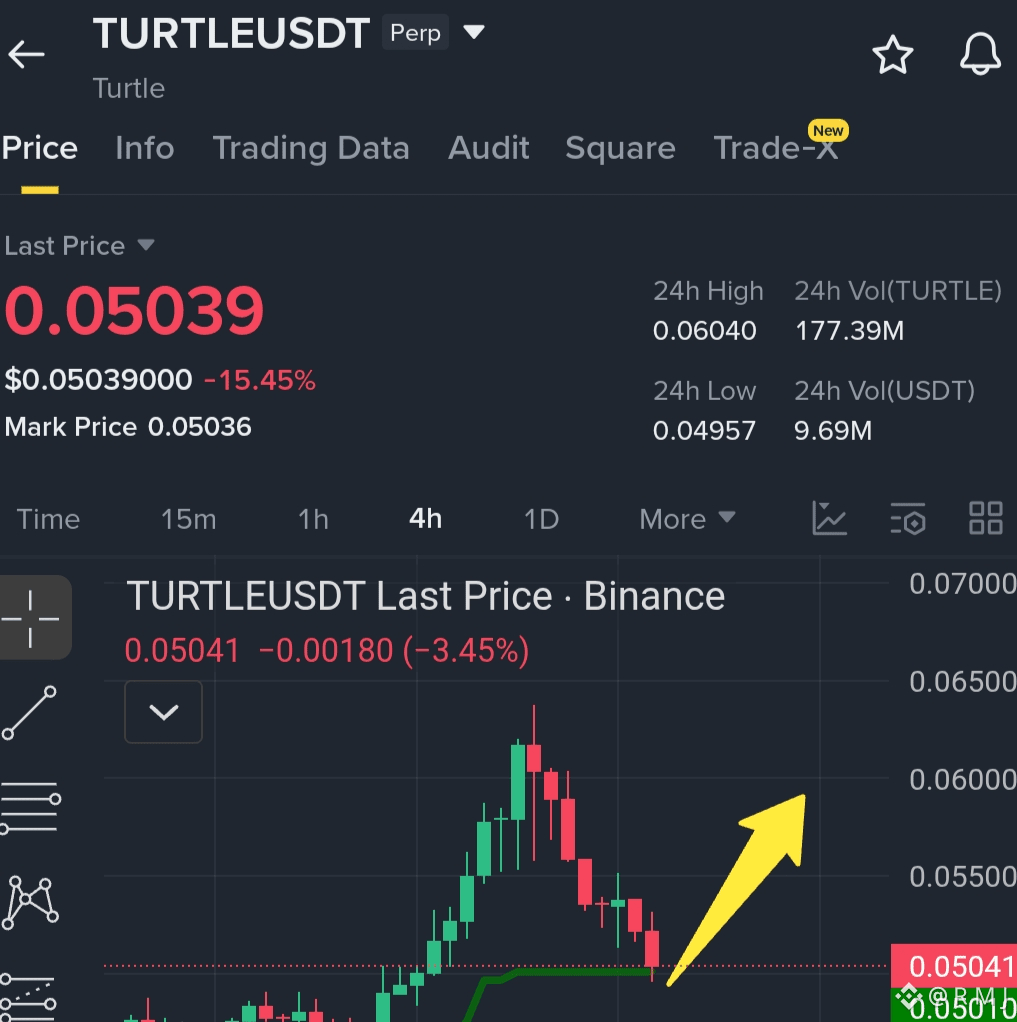
$TURTLE في الوقت الحالي يعيد اختبار منطقة دعم رئيسية حول 0.050 📉
هيكل الـ 4 ساعات يظهر تراجعًا إلى الطلب السابق، وهو منطقة نموذجية حيث قد يحاول المشترون التدخل والدفاع عن السعر.
سيناريو رئيسي يجب مراقبته:
إذا تمسك 0.050 → ارتداد محتمل نحو مقاومة 0.060 🚀
إذا انكسر للأسفل → استمرار الحركة الهابطة مع اختبار دعم أعمق على الأرجح
الآن، السوق عند نقطة قرار، والتأكيد من خلال شموع صاعدة قوية هو ما سيؤكد أي محاولة للانعكاس
#Rmj
#FedRatesUnchanged
#AftermathFinanceBeach
هيكل الـ 4 ساعات يظهر تراجعًا إلى الطلب السابق، وهو منطقة نموذجية حيث قد يحاول المشترون التدخل والدفاع عن السعر.
سيناريو رئيسي يجب مراقبته:
إذا تمسك 0.050 → ارتداد محتمل نحو مقاومة 0.060 🚀
إذا انكسر للأسفل → استمرار الحركة الهابطة مع اختبار دعم أعمق على الأرجح
الآن، السوق عند نقطة قرار، والتأكيد من خلال شموع صاعدة قوية هو ما سيؤكد أي محاولة للانعكاس
#Rmj
#FedRatesUnchanged
#AftermathFinanceBeach
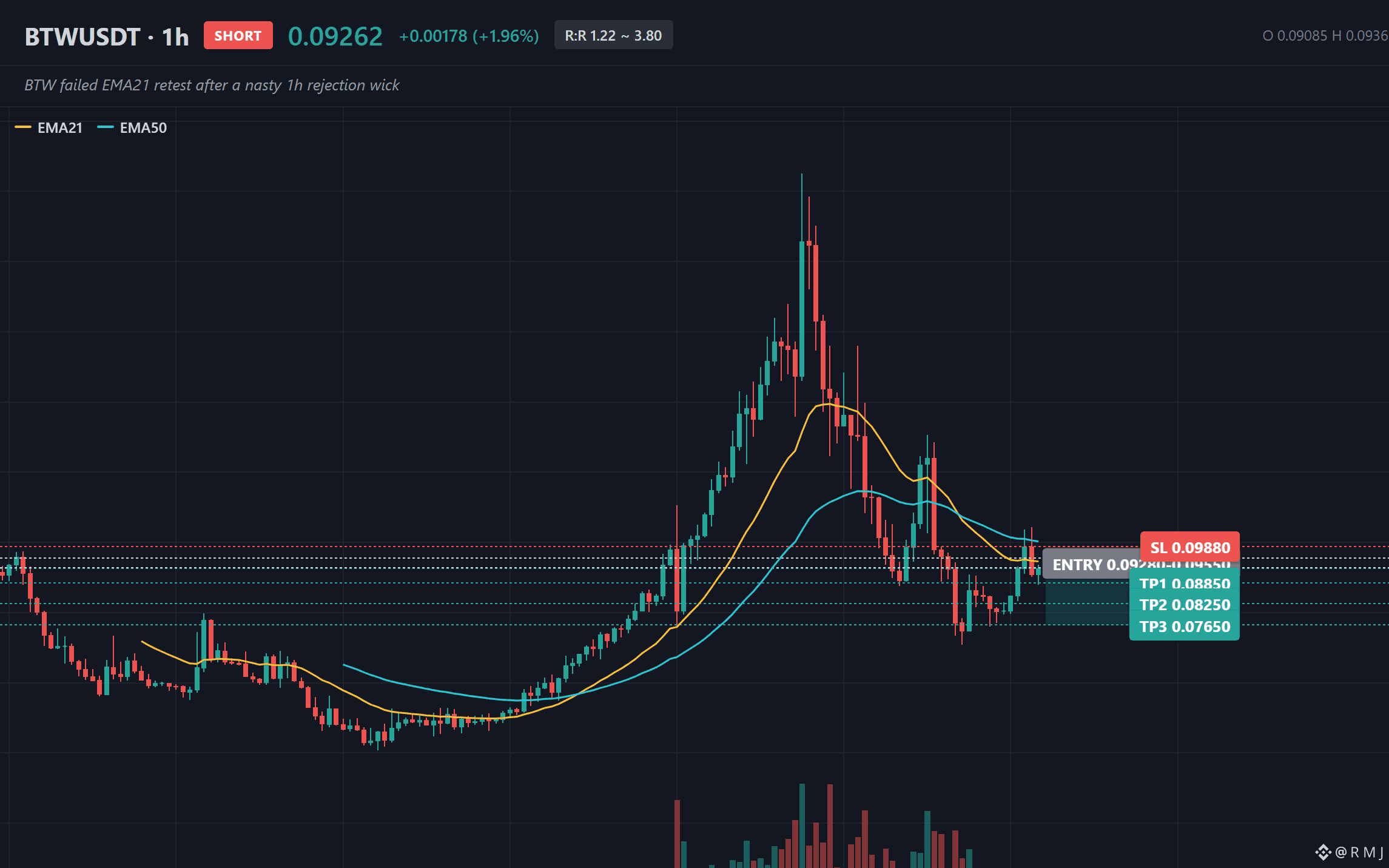
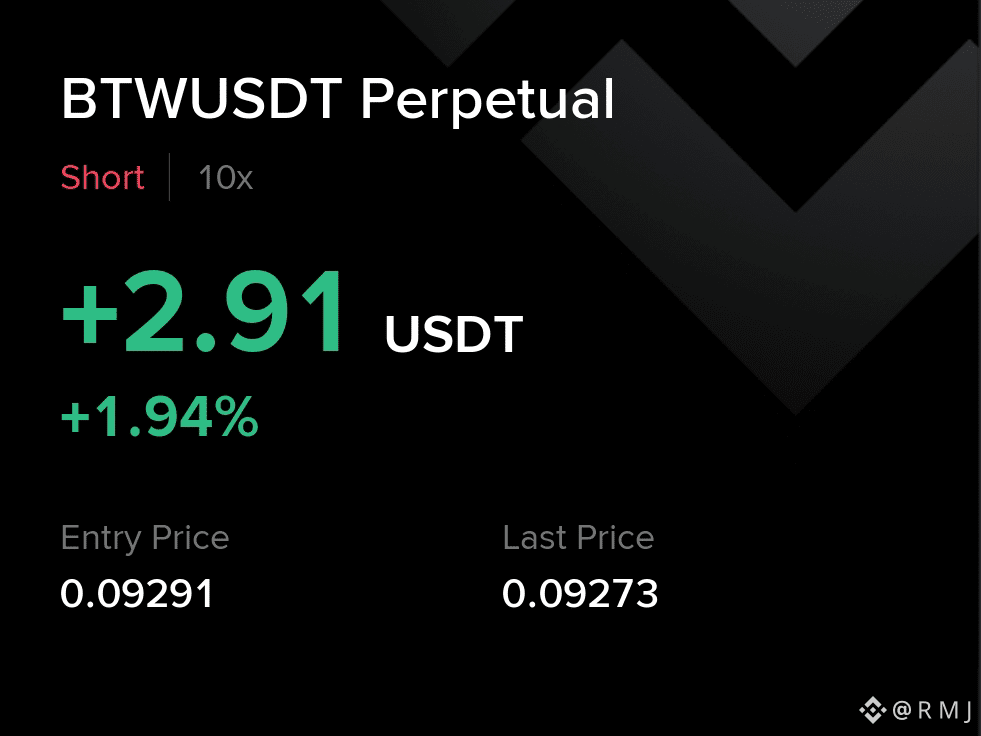
$BTW خطة تداول (قصير) 📉
$BTW رفضت إعادة اختبار EMA21 لمدة ساعة مع وجود فتيل رفض قوي، مما يشير إلى احتمال استمرار الضغط الهبوطي بعد فشلها في استعادة الزخم داخل اليوم.
🔹 منطقة الدخول: 0.0928 – 0.0955
🔹 وقف الخسارة: 0.0988
🎯 الأهداف:
• TP1: 0.0885
• TP2: 0.0825
• TP3: 0.0765
تحركات الأسعار تظهر رفضًا واضحًا حول منطقة 0.0945، مع دخول البائعين بشكل عدواني وحجم البيع المؤكد يشارك في الاتجاه الهبوطي. وهذا يشير إلى أن محاولة الارتداد تم امتصاصها ومن المحتمل استخدامها للتوزيع بدلاً من الانعكاس.
انخفضت الفائدة المفتوحة بنسبة تقارب 12% خلال الـ 24 ساعة الماضية، مما يشير إلى أن المراكز الطويلة تُفكك والمشاركين المحاصرين يغادرون في ضعف. على الرغم من تمويل إيجابي مستمر، يبدو أن التموقع مائل، حيث أن المتداولين الكبار في وضع طويل بشكل كبير، مما يزيد من الضعف لمزيد من الاتجاه الهبوطي إذا استمر الزخم.
تبقى حالة الإبطال فوق 0.0988، حيث سيتم نفي الهيكل الهبوطي.
#Rmj #BankOfEnglandSoftensStablecoinRules
#BinanceToOpenXLMSpotTrading
#OilRebounds3%
#IranCutsCrudePrices
$BTW رفضت إعادة اختبار EMA21 لمدة ساعة مع وجود فتيل رفض قوي، مما يشير إلى احتمال استمرار الضغط الهبوطي بعد فشلها في استعادة الزخم داخل اليوم.
🔹 منطقة الدخول: 0.0928 – 0.0955
🔹 وقف الخسارة: 0.0988
🎯 الأهداف:
• TP1: 0.0885
• TP2: 0.0825
• TP3: 0.0765
تحركات الأسعار تظهر رفضًا واضحًا حول منطقة 0.0945، مع دخول البائعين بشكل عدواني وحجم البيع المؤكد يشارك في الاتجاه الهبوطي. وهذا يشير إلى أن محاولة الارتداد تم امتصاصها ومن المحتمل استخدامها للتوزيع بدلاً من الانعكاس.
انخفضت الفائدة المفتوحة بنسبة تقارب 12% خلال الـ 24 ساعة الماضية، مما يشير إلى أن المراكز الطويلة تُفكك والمشاركين المحاصرين يغادرون في ضعف. على الرغم من تمويل إيجابي مستمر، يبدو أن التموقع مائل، حيث أن المتداولين الكبار في وضع طويل بشكل كبير، مما يزيد من الضعف لمزيد من الاتجاه الهبوطي إذا استمر الزخم.
تبقى حالة الإبطال فوق 0.0988، حيث سيتم نفي الهيكل الهبوطي.
#Rmj #BankOfEnglandSoftensStablecoinRules
#BinanceToOpenXLMSpotTrading
#OilRebounds3%
#IranCutsCrudePrices
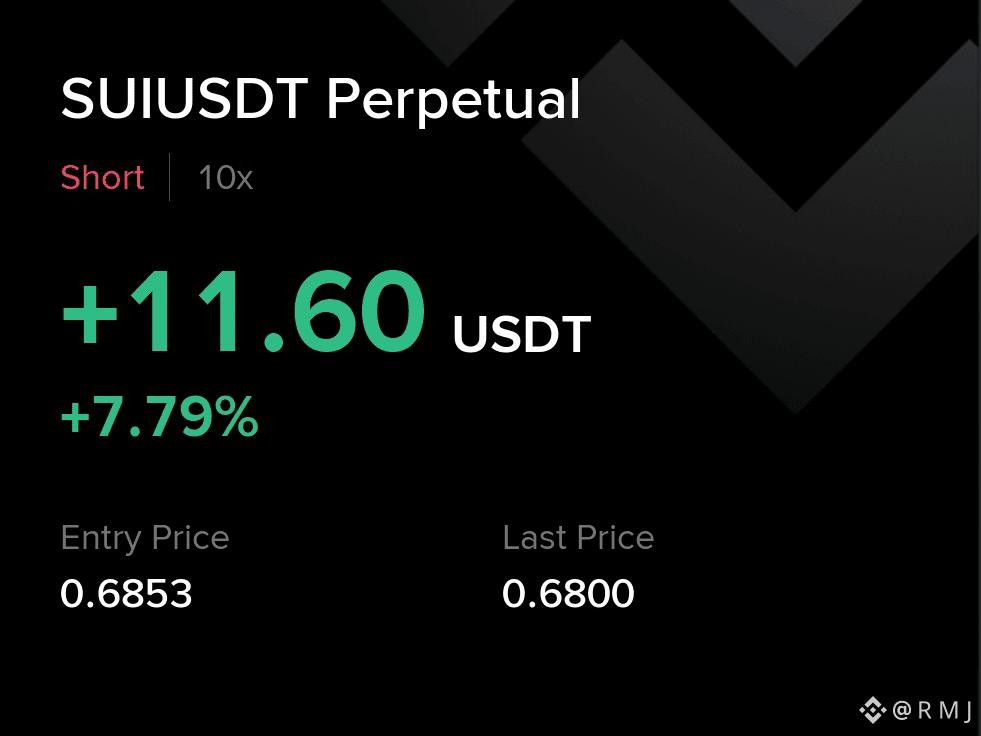
خطة التداول: بيع على المكشوف $SUI 📉
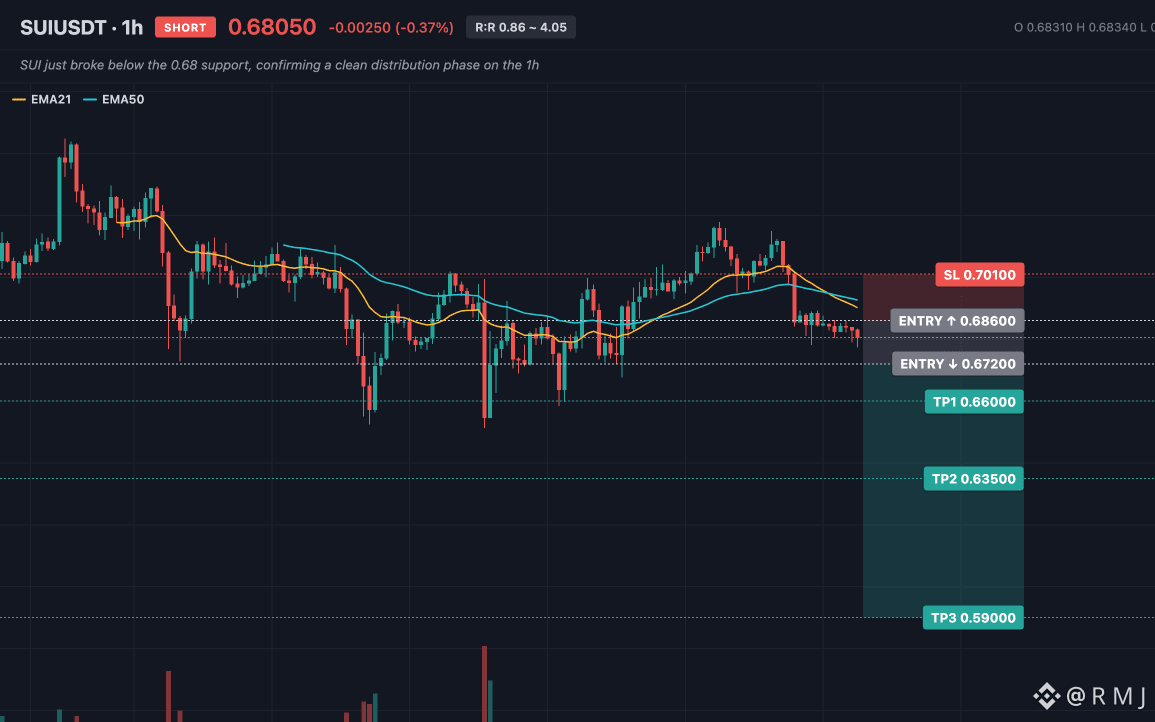
$SUI قد اخترق تحت مستوى الدعم الرئيسي $0.68، ما يغيّر البنية قصيرة الأجل لصالح الدببة بعد محاولة تعافٍ ضعيفة.
📍 الدخول: $0.6720 – $0.6860
🛑 وقف الخسارة: $0.7010
🎯 الأهداف:
• TP1: $0.6600
• TP2: $0.6350
• TP3: $0.5900
يشير الاختراق تحت الدعم إلى استمرار ضغوط البيع، مع تداول السعر تحت المتوسطات المتحركة الرئيسية وتزايد الزخم الهبوطي. إذا استمر الاختراق، فقد يصبح هبوط إضافي باتجاه الأهداف المذكورة ممكنًا. أما الحركة الحاسمة بالعودة فوق $0.7010 فستُبطل الإعداد الهبوطي.
ادخل في صفقة $SUI من هنا 👇
#Rmj #ChinaBlacklists40MoreJapanEntities
#PBOCSetsOvernightLiquidityRateBelowForecasts
$SUI قد اخترق تحت مستوى الدعم الرئيسي $0.68، ما يغيّر البنية قصيرة الأجل لصالح الدببة بعد محاولة تعافٍ ضعيفة.
📍 الدخول: $0.6720 – $0.6860
🛑 وقف الخسارة: $0.7010
🎯 الأهداف:
• TP1: $0.6600
• TP2: $0.6350
• TP3: $0.5900
يشير الاختراق تحت الدعم إلى استمرار ضغوط البيع، مع تداول السعر تحت المتوسطات المتحركة الرئيسية وتزايد الزخم الهبوطي. إذا استمر الاختراق، فقد يصبح هبوط إضافي باتجاه الأهداف المذكورة ممكنًا. أما الحركة الحاسمة بالعودة فوق $0.7010 فستُبطل الإعداد الهبوطي.
ادخل في صفقة $SUI من هنا 👇
#Rmj #ChinaBlacklists40MoreJapanEntities
#PBOCSetsOvernightLiquidityRateBelowForecasts
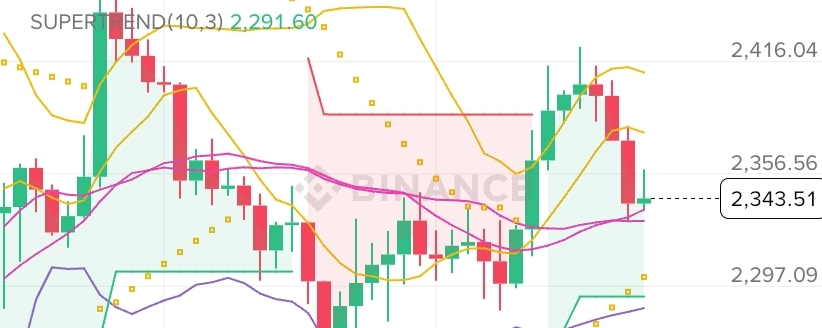
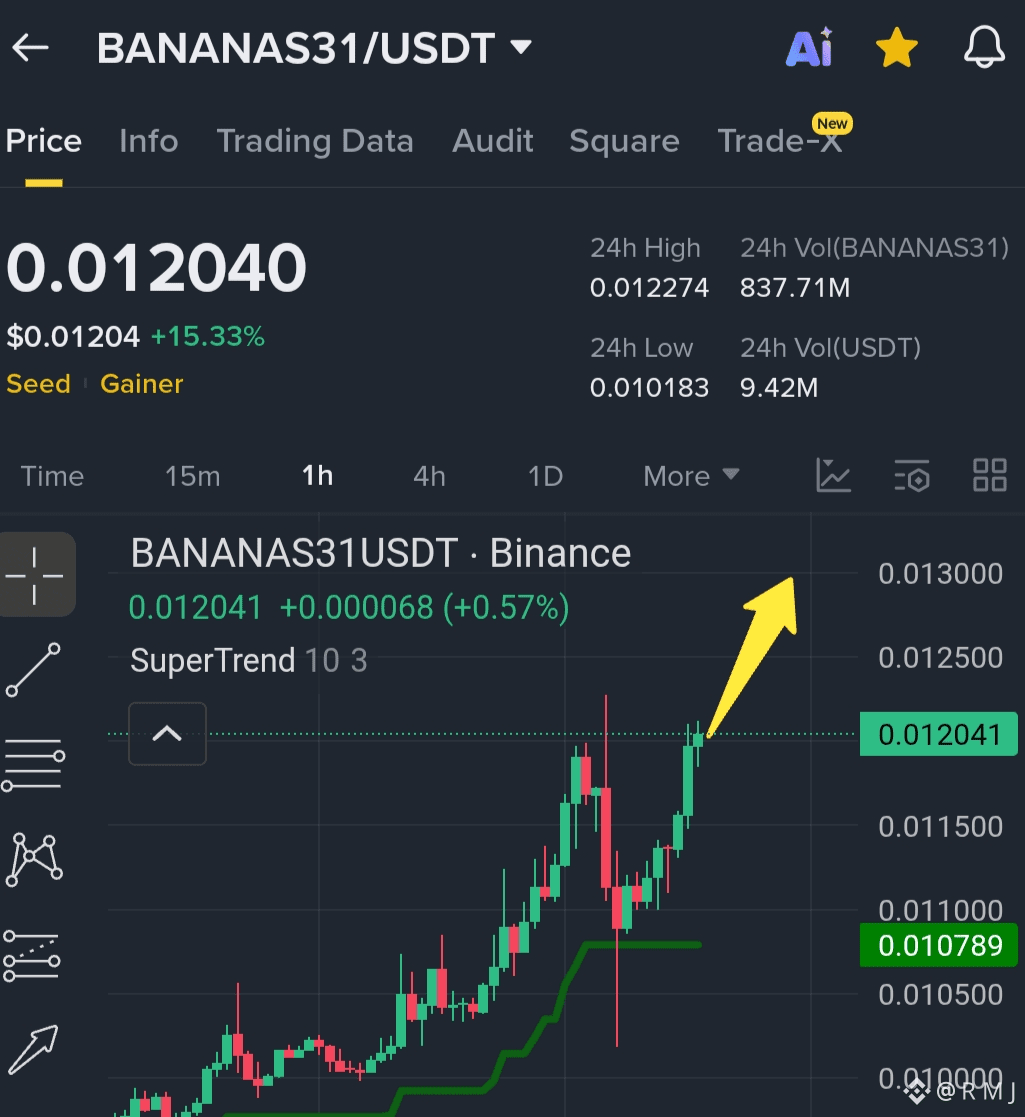
$BANANAS31 تُظهر زخمًا صعوديًا قويًا، حيث ارتفعت بأكثر من 15% وتجاوزت مستوى مقاومة رئيسي. الاتجاه لا يزال صعوديًا في الوقت الحالي، مع مؤشرات مثل SuperTrend تدعم الحركة وتقترح استمرار القوة. إذا استمر هذا الهيكل، فقد يتمدد الزخم أكثر، ولكن كما هو الحال دائمًا، سيكون من الضروري متابعة كيفية تفاعل السعر بعد الاختراق لتأكيد الزخم المستدام.
#RMJ
#BlackRockUrgesOCCToDropTokenizedReserveCapIdea
#EthereumFoundationSellsETHtoBitmineAgain
#BankofEnglandMayPauseDigitalPound
#RMJ
#BlackRockUrgesOCCToDropTokenizedReserveCapIdea
#EthereumFoundationSellsETHtoBitmineAgain
#BankofEnglandMayPauseDigitalPound
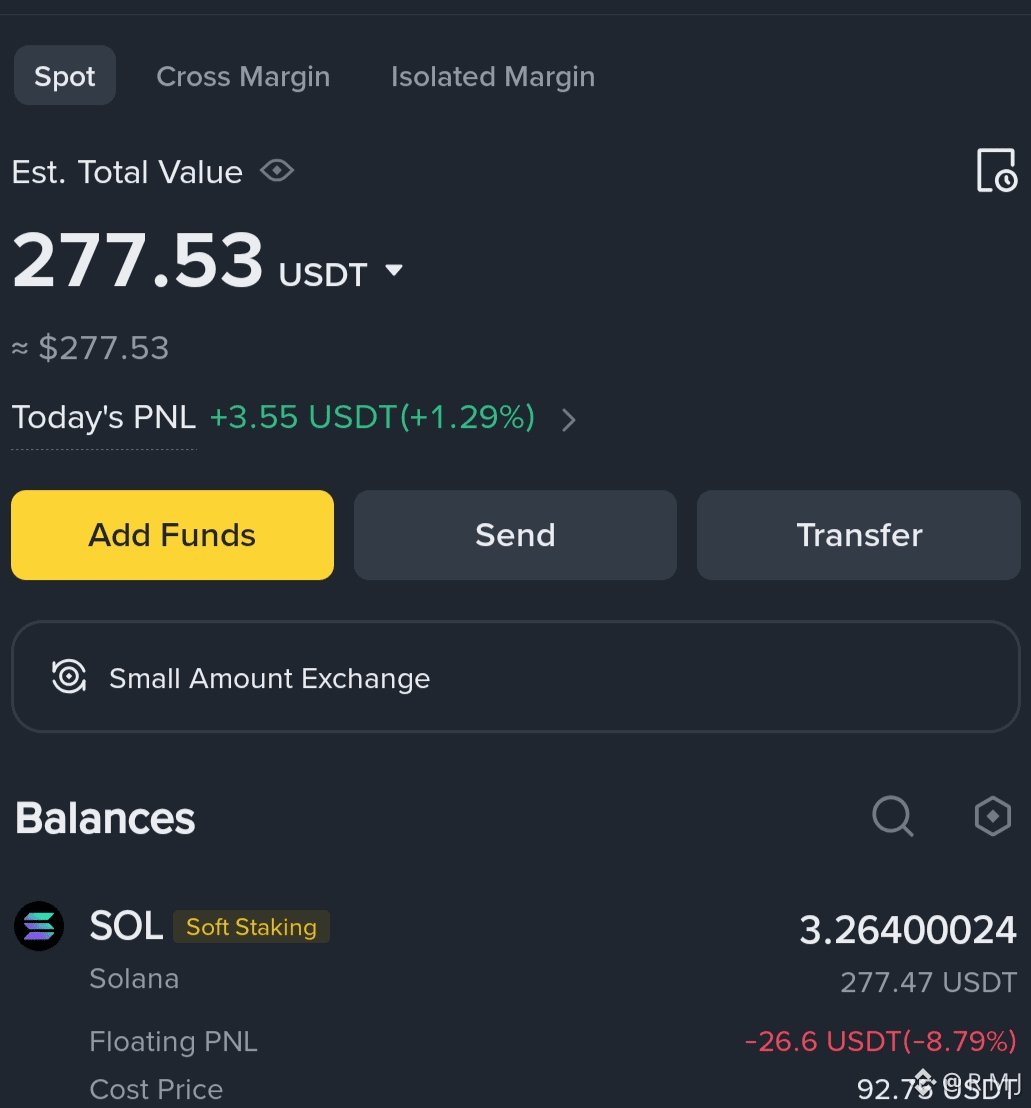
$SOL تناسب هذا النهج "البطيء والثابت" أفضل من معظمها - تحركاتها تأتي غالبًا في موجات بدلاً من ارتفاعات مستمرة
الستاكينغ الناعم يضيف طبقة من النمو السلبي، مما يساعد على تسهيل التقلبات أثناء الاحتفاظ. أيام مثل هذه مع اللون الأخضر الخفيف أقل إثارة، لكنها عادة ما تكون الطريقة التي تتطور بها الاتجاهات الأقوى بمرور الوقت
المفتاح مع SOL هو الصبر:
إذا استمرت في الحفاظ على المستويات الرئيسية وتكوين قيعان أعلى، فإن التحركات الأكبر تميل إلى أن تتبع ذلك لاحقًا بدلاً من الفور
لذا نعم - ضوضاء أقل، هيكل أكثر. هذه عادةً هي الطريقة التي تُبنى بها المكاسب المستدامة
#RMJ
#BlackRockUrgesOCCToDropTokenizedReserveCapIdea
#EthereumFoundationSellsETHtoBitmineAgain
#BankofEnglandMayPauseDigitalPound
الستاكينغ الناعم يضيف طبقة من النمو السلبي، مما يساعد على تسهيل التقلبات أثناء الاحتفاظ. أيام مثل هذه مع اللون الأخضر الخفيف أقل إثارة، لكنها عادة ما تكون الطريقة التي تتطور بها الاتجاهات الأقوى بمرور الوقت
المفتاح مع SOL هو الصبر:
إذا استمرت في الحفاظ على المستويات الرئيسية وتكوين قيعان أعلى، فإن التحركات الأكبر تميل إلى أن تتبع ذلك لاحقًا بدلاً من الفور
لذا نعم - ضوضاء أقل، هيكل أكثر. هذه عادةً هي الطريقة التي تُبنى بها المكاسب المستدامة
#RMJ
#BlackRockUrgesOCCToDropTokenizedReserveCapIdea
#EthereumFoundationSellsETHtoBitmineAgain
#BankofEnglandMayPauseDigitalPound
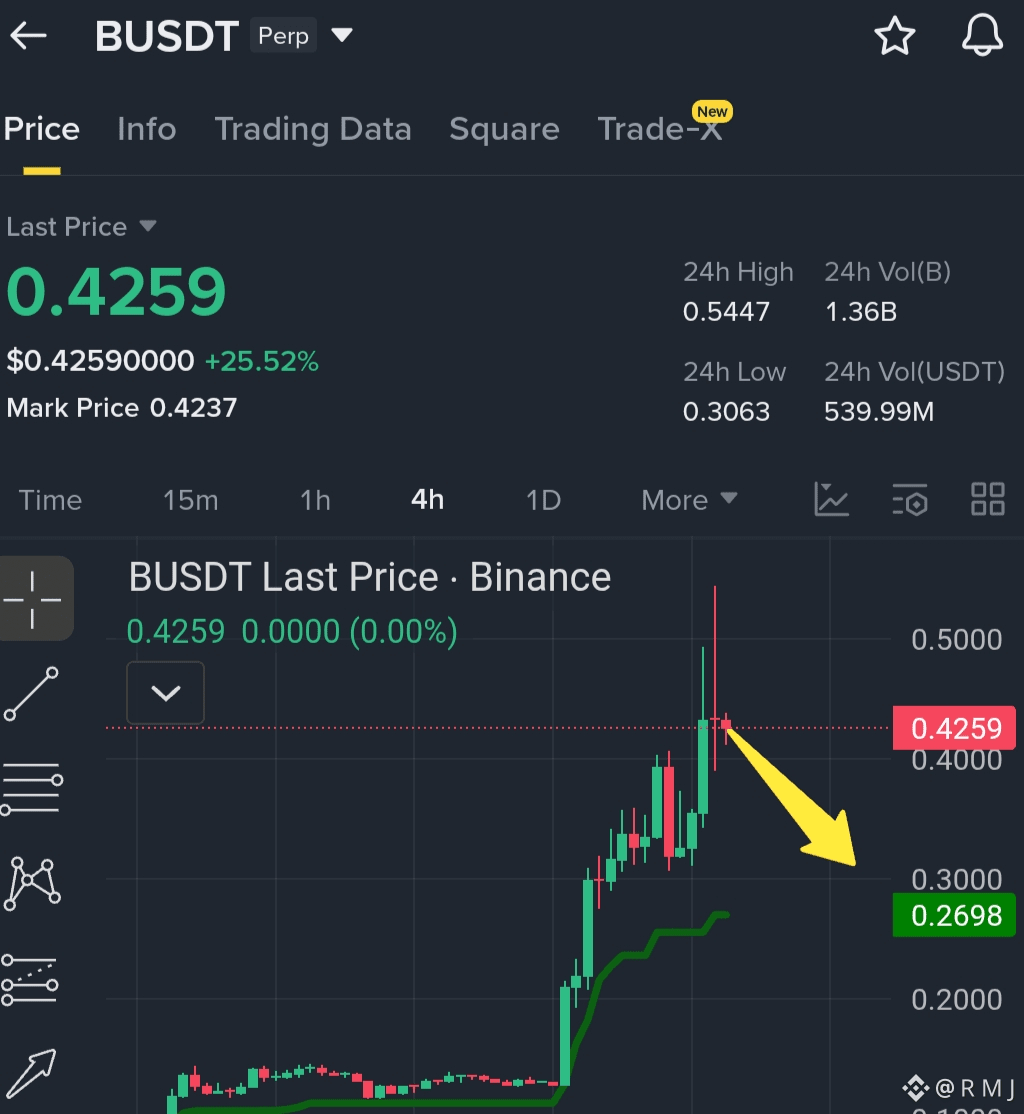
$B واضح أنه في مرحلة تقلب عالية بعد تلك الزيادة الحادة إلى 0.54 دولار تلتها رفض قوي
هذا النوع من التحركات عادة ما يشير إلى جني الأرباح واستنفاد الزخم على المدى القصير، خاصة عندما يفشل السعر في الثبات بالقرب من القمم
الآن التركيز ينتقل إلى الهيكل. إذا استمر ضغط البيع واستمر السعر في تسجيل قمم أدنى، فإن العودة نحو منطقة الدعم عند 0.30 دولار تصبح سيناريو واقعي
ومع ذلك، إذا تدخل المشترون وثبتوا السعر فوق المستويات الحالية، فقد يتحول ذلك إلى مرحلة تماسك بدلاً من انخفاض مباشر
في الوقت الحالي، إنها منطقة رد فعل—مراقبة كيفية تشكيل الشموع التالية لمدة 4 ساعات سيكون مفتاحًا لتأكيد ما إذا كان هذا تراجعًا أعمق أو مجرد تبريد مؤقت
#RMJ
#EthereumFoundationSellsETHtoBitmineAgain
#TrumpUnveilsPlanToEscortHormuzShips
هذا النوع من التحركات عادة ما يشير إلى جني الأرباح واستنفاد الزخم على المدى القصير، خاصة عندما يفشل السعر في الثبات بالقرب من القمم
الآن التركيز ينتقل إلى الهيكل. إذا استمر ضغط البيع واستمر السعر في تسجيل قمم أدنى، فإن العودة نحو منطقة الدعم عند 0.30 دولار تصبح سيناريو واقعي
ومع ذلك، إذا تدخل المشترون وثبتوا السعر فوق المستويات الحالية، فقد يتحول ذلك إلى مرحلة تماسك بدلاً من انخفاض مباشر
في الوقت الحالي، إنها منطقة رد فعل—مراقبة كيفية تشكيل الشموع التالية لمدة 4 ساعات سيكون مفتاحًا لتأكيد ما إذا كان هذا تراجعًا أعمق أو مجرد تبريد مؤقت
#RMJ
#EthereumFoundationSellsETHtoBitmineAgain
#TrumpUnveilsPlanToEscortHormuzShips
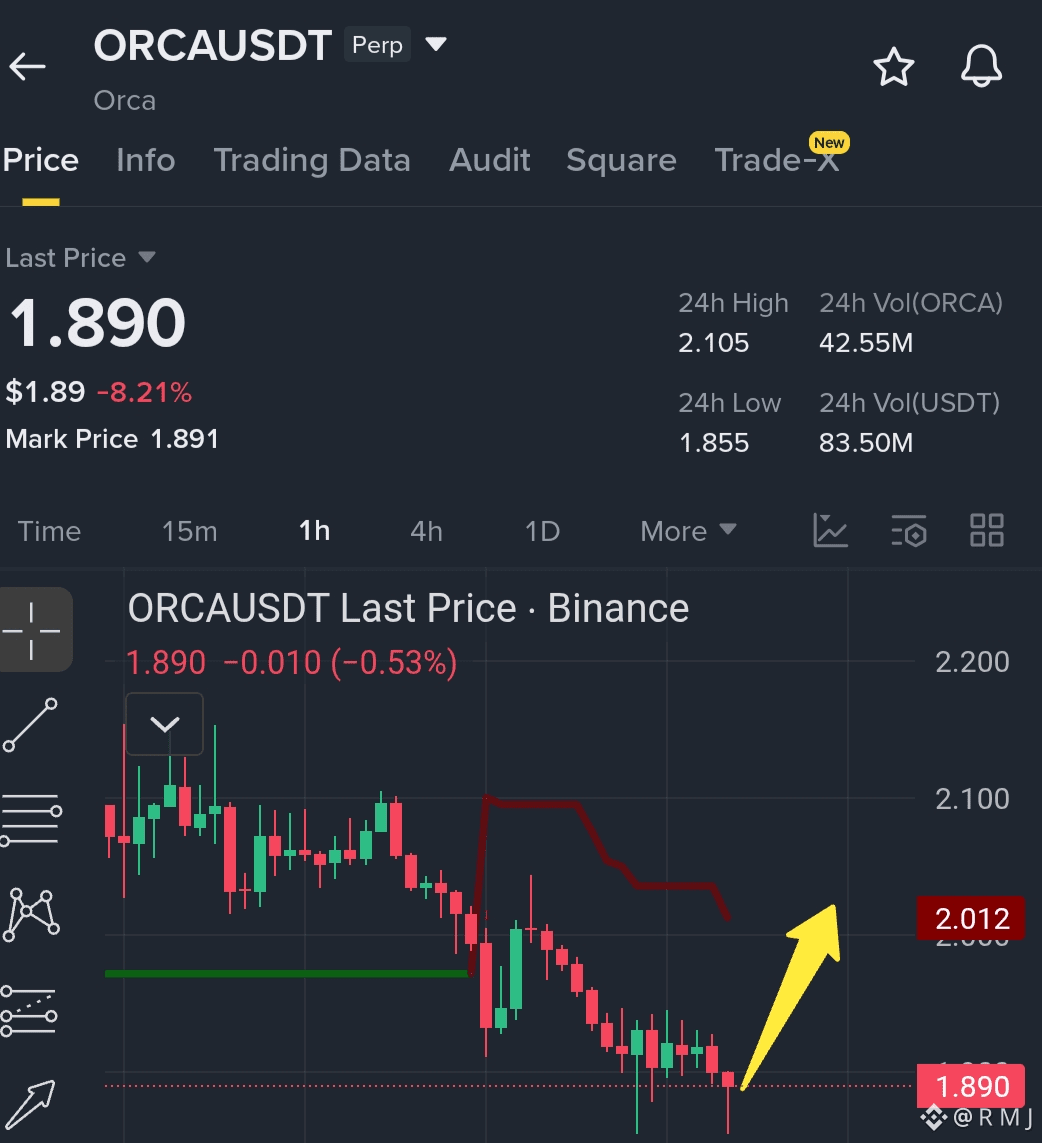
$ORCA تظهر علامات مبكرة على احتمال الانعكاس على إطار زمني 1H بعد اختبار أدنى مستوى خلال 24 ساعة حول $1.855
استقرار السعر عند هذا المستوى يشير إلى أن ضغط البيع يتراجع، لكن تغيير الاتجاه المؤكد لا يزال يعتمد على استعادة المقاومة الفورية مع حجم تداول قوي
إذا تمكن المشترون من تحويل تلك المقاومة إلى دعم، فإن حركة سريعة نحو منطقة $2.01 تصبح هدفًا واقعيًا على المدى القصير
ومع ذلك، إذا لم يدعم الحجم الحركة أو استمرت المقاومة، فقد يبقى هذا مجرد ارتداد ضعيف بدلاً من انعكاس كامل
الآن، إنها إعداد قيد التطوير—الحجم والتركيب سيحددان ما إذا كان هذا سيتحول إلى استمرار أو يتلاشى
#RMJ
#BlackRockUrgesOCCToDropTokenizedReserveCapIdea
#EthereumFoundationSellsETHtoBitmineAgain
#BankofEnglandMayPauseDigitalPound
استقرار السعر عند هذا المستوى يشير إلى أن ضغط البيع يتراجع، لكن تغيير الاتجاه المؤكد لا يزال يعتمد على استعادة المقاومة الفورية مع حجم تداول قوي
إذا تمكن المشترون من تحويل تلك المقاومة إلى دعم، فإن حركة سريعة نحو منطقة $2.01 تصبح هدفًا واقعيًا على المدى القصير
ومع ذلك، إذا لم يدعم الحجم الحركة أو استمرت المقاومة، فقد يبقى هذا مجرد ارتداد ضعيف بدلاً من انعكاس كامل
الآن، إنها إعداد قيد التطوير—الحجم والتركيب سيحددان ما إذا كان هذا سيتحول إلى استمرار أو يتلاشى
#RMJ
#BlackRockUrgesOCCToDropTokenizedReserveCapIdea
#EthereumFoundationSellsETHtoBitmineAgain
#BankofEnglandMayPauseDigitalPound
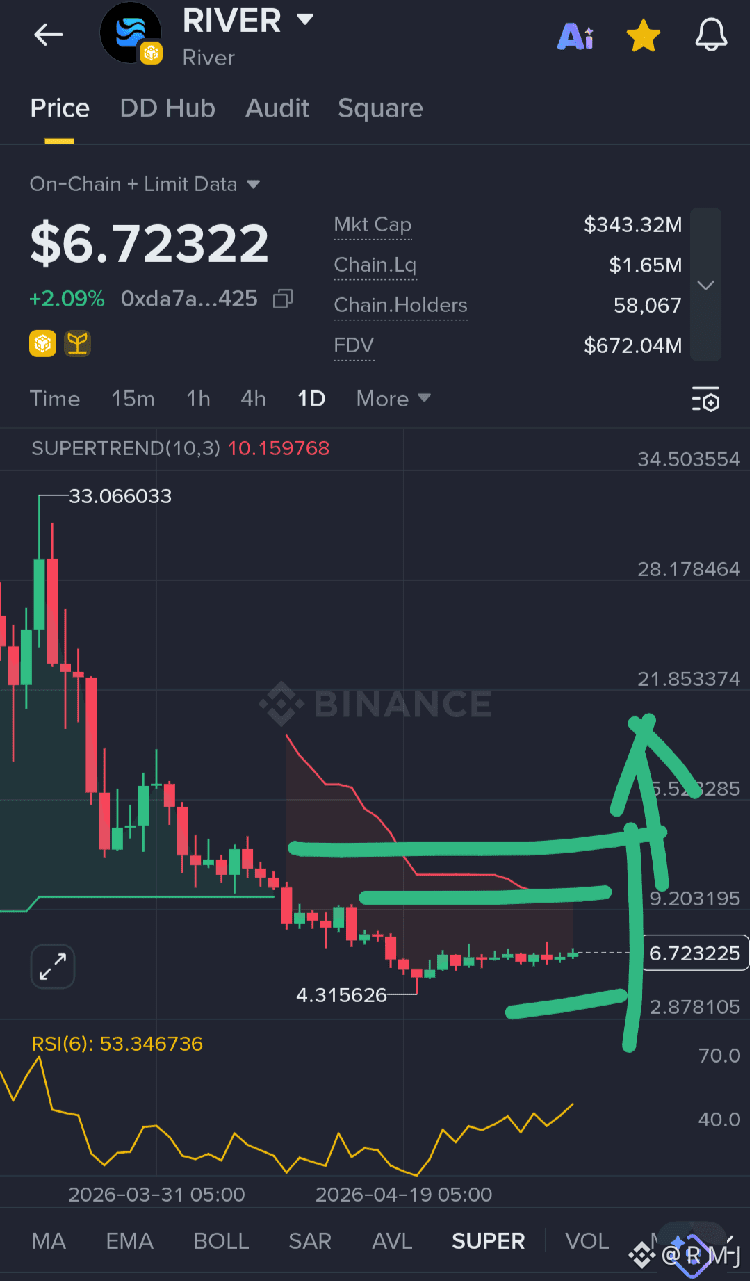
$RIVER يُظهر علامات حركة محتملة، لكن اعتبارها حركة "انفجار" فقط بناءً على ملء الفجوة قد يكون متفائلاً بعض الشيء
الفجوات بين الشموع يمكن أن تعمل مثل المغناطيس في بعض الحالات، لكنها لا تُملأ دائماً على الفور— وغالباً ما تتطلب زخم قوي وحجم للوصول إلى تلك المستويات
إذا تدخل المشترون واستعاد السعر المقاومة الرئيسية بقوة، فإن الحركة نحو مستويات أعلى (بما في ذلك منطقة الفجوة) تصبح أكثر واقعية
ومع ذلك، بدون تأكيد، يمكن أن يستمر السعر بنفس القدر في التذبذب أو حتى يتحرك للأسفل قبل محاولة أي ملء
أفضل نهج هنا هو مراقبة الهيكل—استعادة + ثبات = استمرار، وإلا فهي لا تزال مجرد احتمال، وليس يقيناً
#RMJ_trades
#BankofEnglandMayPauseDigitalPound
#EthereumFoundationSellsETHtoBitmineAgain
#BlackRockUrgesOCCToDropTokenizedReserveCapIdea
الفجوات بين الشموع يمكن أن تعمل مثل المغناطيس في بعض الحالات، لكنها لا تُملأ دائماً على الفور— وغالباً ما تتطلب زخم قوي وحجم للوصول إلى تلك المستويات
إذا تدخل المشترون واستعاد السعر المقاومة الرئيسية بقوة، فإن الحركة نحو مستويات أعلى (بما في ذلك منطقة الفجوة) تصبح أكثر واقعية
ومع ذلك، بدون تأكيد، يمكن أن يستمر السعر بنفس القدر في التذبذب أو حتى يتحرك للأسفل قبل محاولة أي ملء
أفضل نهج هنا هو مراقبة الهيكل—استعادة + ثبات = استمرار، وإلا فهي لا تزال مجرد احتمال، وليس يقيناً
#RMJ_trades
#BankofEnglandMayPauseDigitalPound
#EthereumFoundationSellsETHtoBitmineAgain
#BlackRockUrgesOCCToDropTokenizedReserveCapIdea

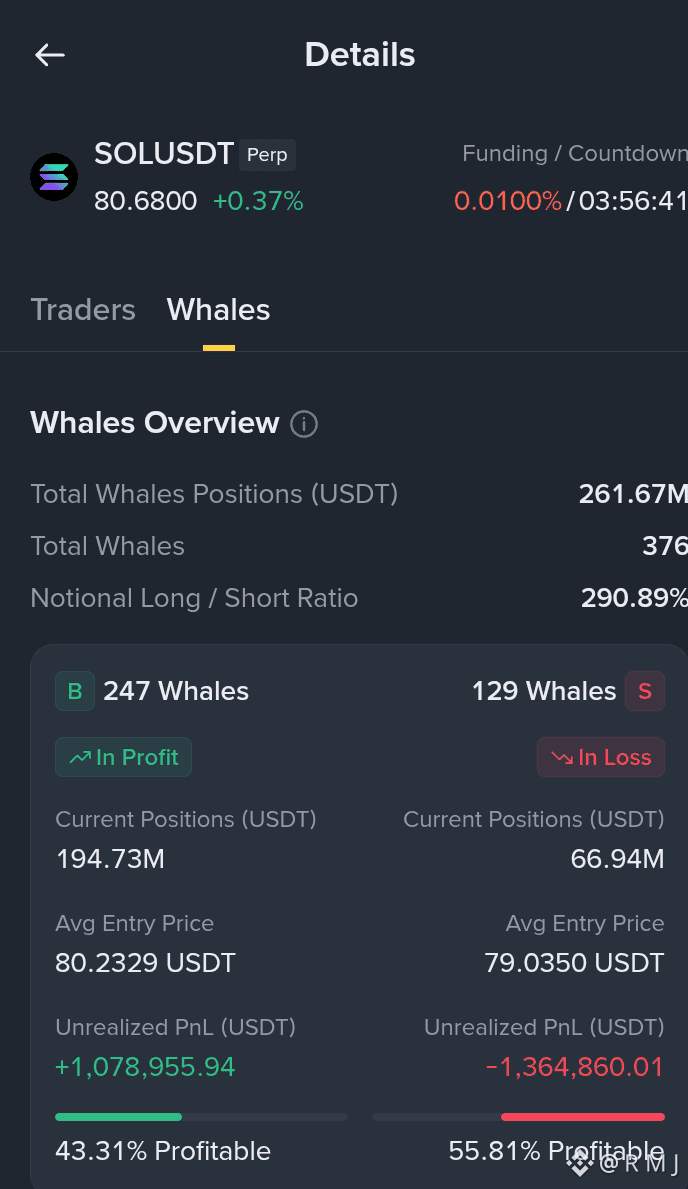
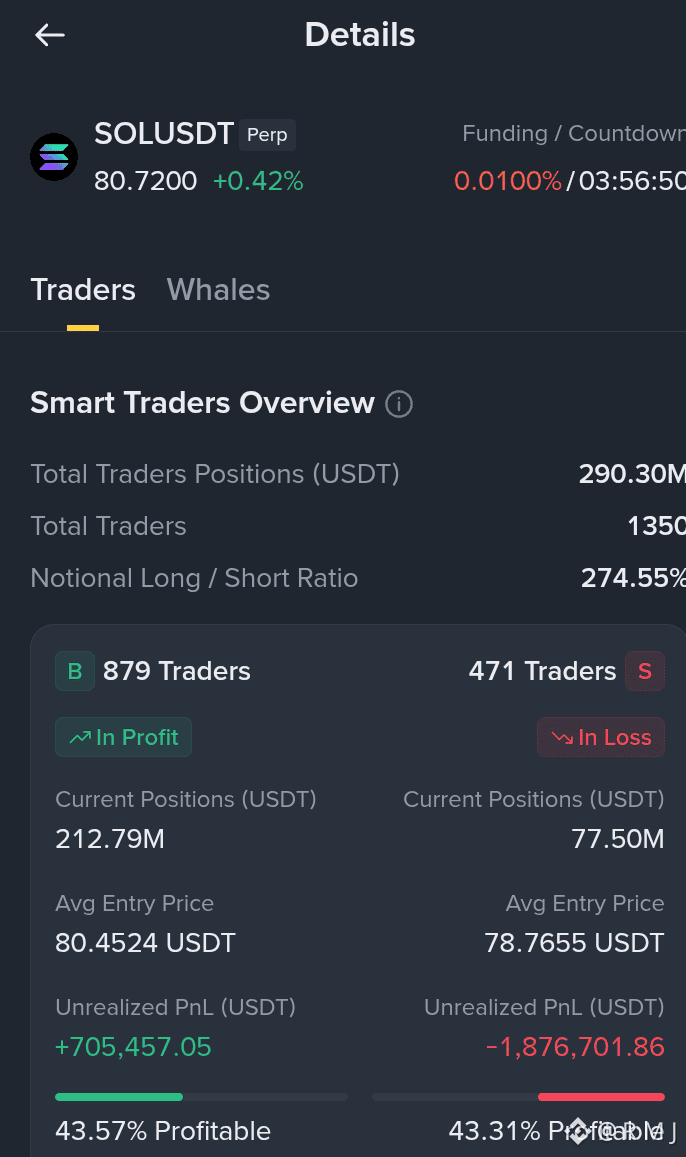
$SOL جذب اهتمام شراء قوي
تشير بيانات السلسلة والبيانات المشتقة إلى أن المشاركين الأكبر في السوق يزيدون تعرضهم لـ $SOL ، ما يعكس ثقة متزايدة في الاتجاه الحالي.
إذا استمر الزخم الصعودي وتمت إعادة الاستيلاء على مستويات المقاومة الرئيسية، فقد تصبح منطقة 90 دولار هي المنطقة التالية محل الاهتمام. ومع ذلك، من المهم انتظار تأكيد السعر بدلًا من الاعتماد على نشاط الحيتان وحده.
تداول بناءً على الرسم البياني، وأدِر مخاطرك، واترك للسوق تأكيد الحركة.
#RMJ
#USTechStockFuturesRise
#SKHynixToIssue177.9MillionADSs
#OPECRaisesAugustOutputBy188000Bpd
#BinanceTurns9
تشير بيانات السلسلة والبيانات المشتقة إلى أن المشاركين الأكبر في السوق يزيدون تعرضهم لـ $SOL ، ما يعكس ثقة متزايدة في الاتجاه الحالي.
إذا استمر الزخم الصعودي وتمت إعادة الاستيلاء على مستويات المقاومة الرئيسية، فقد تصبح منطقة 90 دولار هي المنطقة التالية محل الاهتمام. ومع ذلك، من المهم انتظار تأكيد السعر بدلًا من الاعتماد على نشاط الحيتان وحده.
تداول بناءً على الرسم البياني، وأدِر مخاطرك، واترك للسوق تأكيد الحركة.
#RMJ
#USTechStockFuturesRise
#SKHynixToIssue177.9MillionADSs
#OPECRaisesAugustOutputBy188000Bpd
#BinanceTurns9
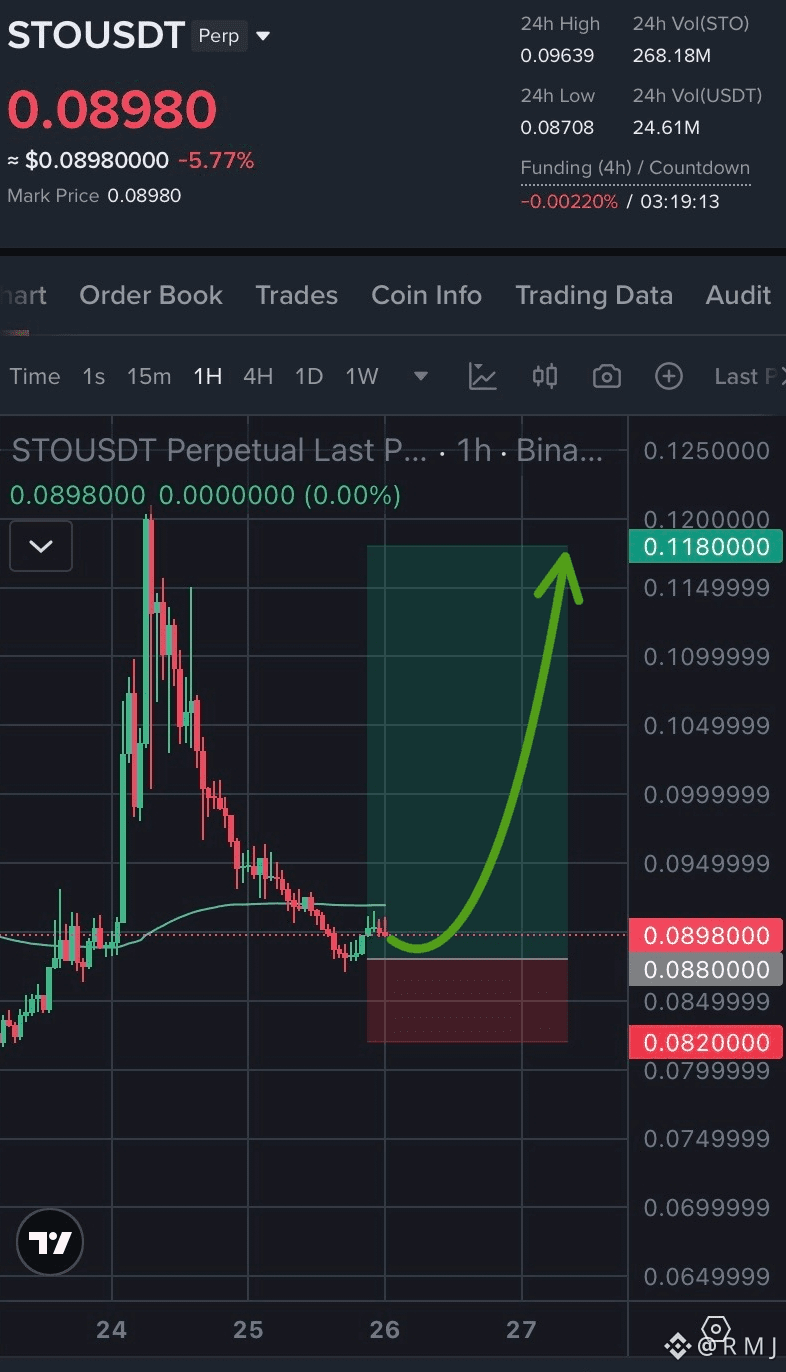
$STO يتمسك بمستوى الدعم بشكل جيد — وأنا أبحث عن قفزة من هنا.
StakeStone ($STO ) — إعداد LONG 📈
الدخول: $0.088 – $0.092
وقف الخسارة: $0.082
الأهداف: $0.096 → $0.105 → $0.118
السعر بدأ يستقر حول منطقة دعم رئيسية، وضغط البيع يتلاشى بوضوح. بدلاً من الانهيارات العدوانية، نرى حركة هبوط أبطأ وتشكيل قمم منخفضة أعلى، وهو علامة مبكرة على بناء القوة.
الحجم لا يزال نشطاً، لكن لا يوجد بيع بدافع الذعر، مما يشير إلى أن الطلب يمتص العرض بهدوء عند هذه المستويات. هذه النوعية من الضغط بالقرب من القاع غالباً ما تمهد الطريق لقفزة تخفيف.
إذا استمر الزخم في البناء، تصبح الحركة نحو مناطق العرض القريبة محتملة.
ابق هادئاً — هذا هو المكان الذي تكون فيه التموقع المبكر الأكثر أهمية.
#Rmj #ShootingIncidentAtWhiteHouseCorrespondentsDinner
#SoldierChargedWithInsiderTradingonPolymarket
#BalancerAttackerResurfacesAfter5Months
#AaveAnnouncesDefiUnitedReliefFund
StakeStone ($STO ) — إعداد LONG 📈
الدخول: $0.088 – $0.092
وقف الخسارة: $0.082
الأهداف: $0.096 → $0.105 → $0.118
السعر بدأ يستقر حول منطقة دعم رئيسية، وضغط البيع يتلاشى بوضوح. بدلاً من الانهيارات العدوانية، نرى حركة هبوط أبطأ وتشكيل قمم منخفضة أعلى، وهو علامة مبكرة على بناء القوة.
الحجم لا يزال نشطاً، لكن لا يوجد بيع بدافع الذعر، مما يشير إلى أن الطلب يمتص العرض بهدوء عند هذه المستويات. هذه النوعية من الضغط بالقرب من القاع غالباً ما تمهد الطريق لقفزة تخفيف.
إذا استمر الزخم في البناء، تصبح الحركة نحو مناطق العرض القريبة محتملة.
ابق هادئاً — هذا هو المكان الذي تكون فيه التموقع المبكر الأكثر أهمية.
#Rmj #ShootingIncidentAtWhiteHouseCorrespondentsDinner
#SoldierChargedWithInsiderTradingonPolymarket
#BalancerAttackerResurfacesAfter5Months
#AaveAnnouncesDefiUnitedReliefFund
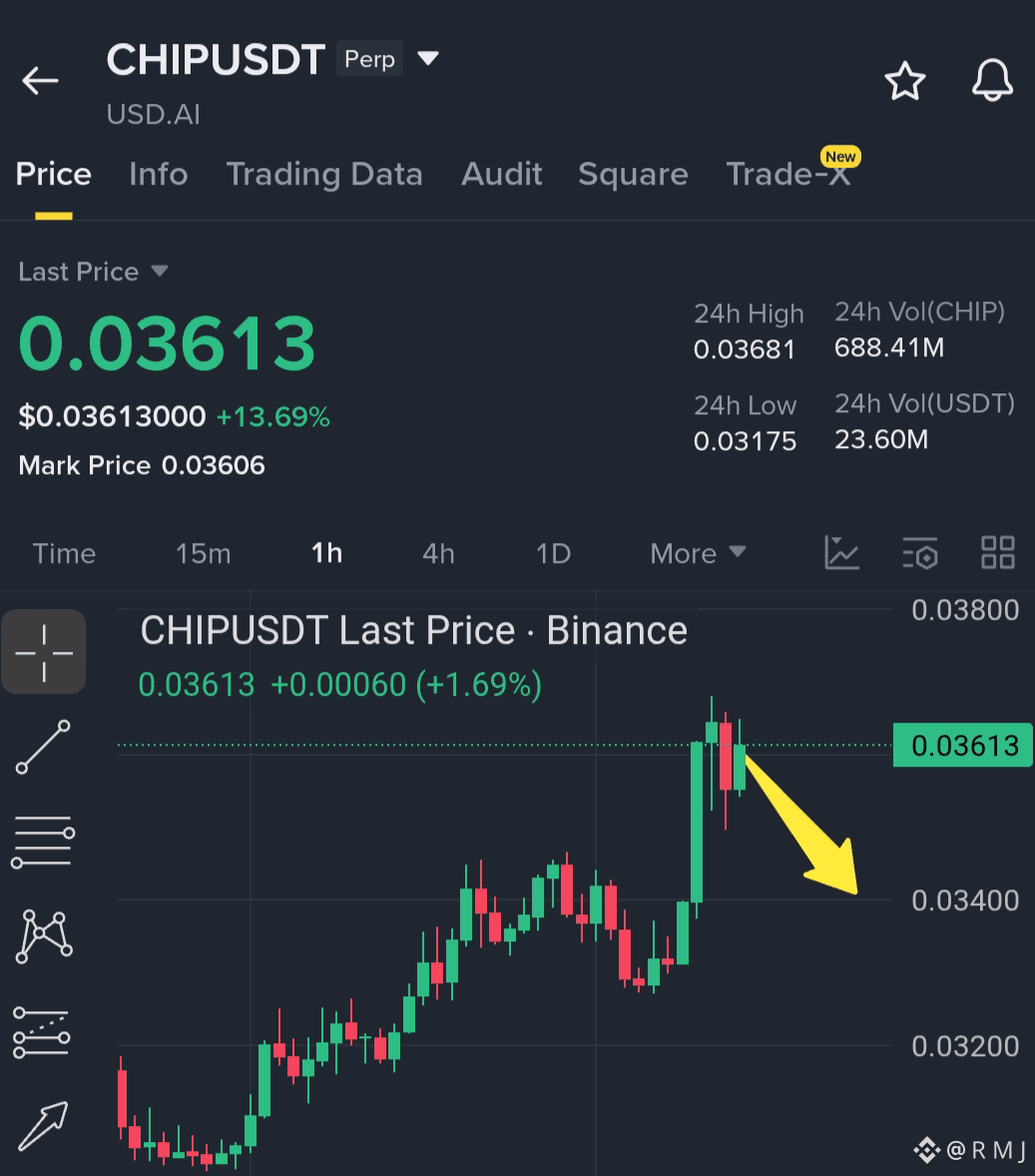
$CHIP قدمت حركة قوية اليوم، حيث حققت زيادة تتجاوز +13%، لكن السعر بدأ يظهر علامات مقاومة بالقرب من المستويات الحالية.
بعد هذا الارتفاع الحاد، لن يكون من الغريب أن نشهد فترة تبريد قصيرة. أراقب منطقة 0.03400 كمنطقة سحب محتملة إذا استمر الزخم في التلاشي.
هذا لا يغير الاتجاه الأوسع بالضرورة، لكنه قد يوفر إعادة ضبط أكثر صحة قبل أن يقرر السوق اتجاهه التالي. كما هو الحال دائمًا، راقب الحجم، حركة السعر، وأدر مخاطر التداول الخاصة بك وفقًا لذلك.
$CHIP
#Rmj
#HToken210PctBouncePostExploit
#SaylorHintsStrategyBitcoinBuy
#USIranDealConfirmed
بعد هذا الارتفاع الحاد، لن يكون من الغريب أن نشهد فترة تبريد قصيرة. أراقب منطقة 0.03400 كمنطقة سحب محتملة إذا استمر الزخم في التلاشي.
هذا لا يغير الاتجاه الأوسع بالضرورة، لكنه قد يوفر إعادة ضبط أكثر صحة قبل أن يقرر السوق اتجاهه التالي. كما هو الحال دائمًا، راقب الحجم، حركة السعر، وأدر مخاطر التداول الخاصة بك وفقًا لذلك.
$CHIP
#Rmj
#HToken210PctBouncePostExploit
#SaylorHintsStrategyBitcoinBuy
#USIranDealConfirmed
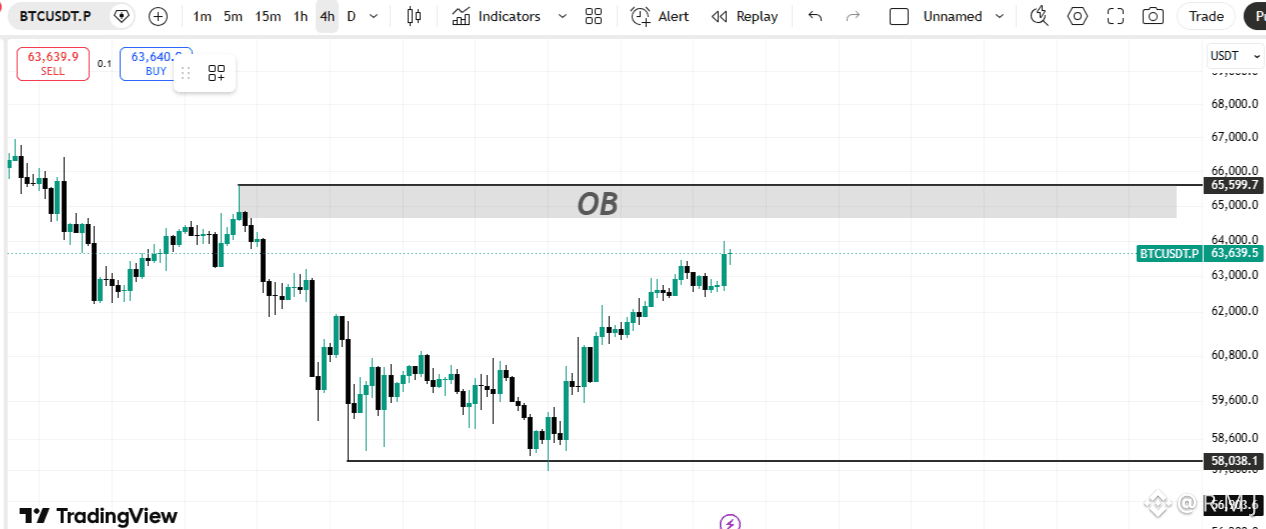
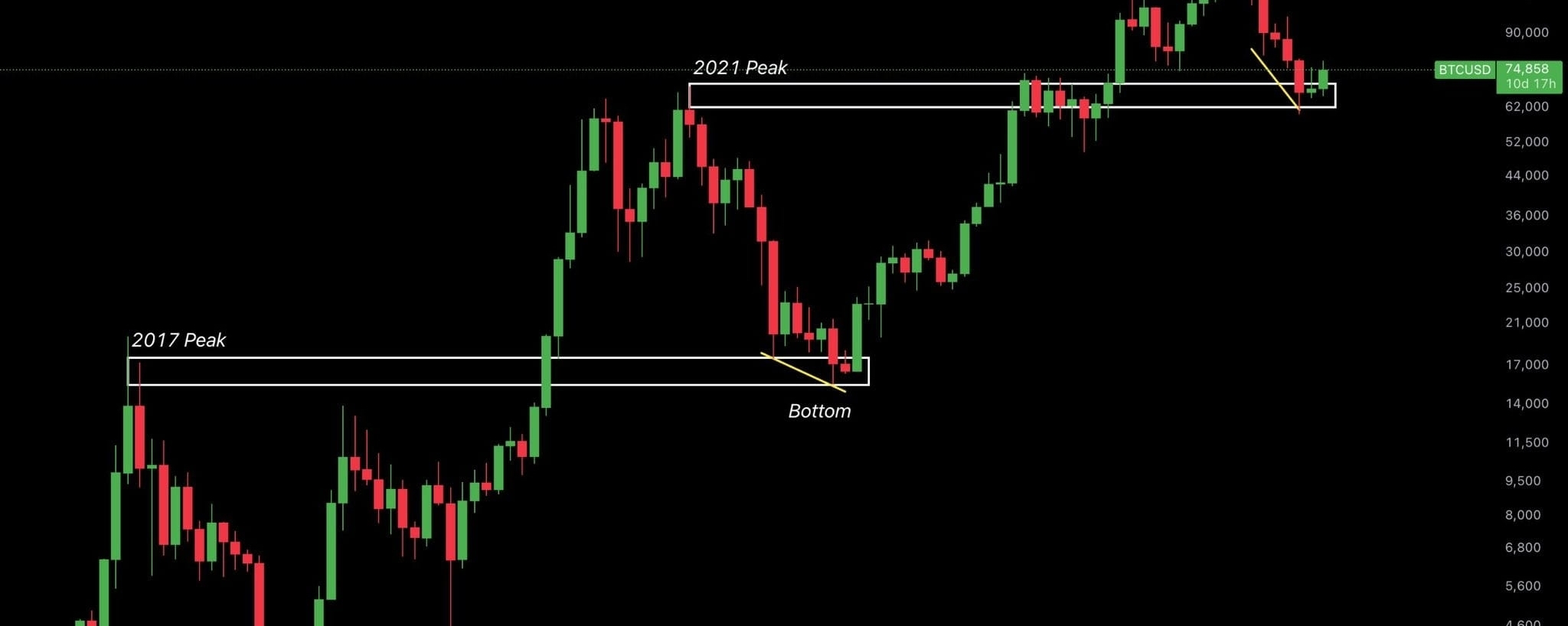
$BTC إعداد طويل للمشاهدة
نهجي تجاه $BTC بسيط. أنا أنتظر أن يخترق السعر أعلى كتلة الأوامر عند 64,673$–65,600$ ثم أؤمن إغلاقًا قويًا فوق منطقة المقاومة هذه.
يشير الاختراق المؤكد إلى أن المشترين قد استعادوا السيطرة، وقد يفتح ذلك الباب أمام موجة صعودية جديدة. وحتى ذلك الحين، الصبر هو المفتاح؛ لا يوجد سبب لتوقع الحركة قبل حدوث التأكيد.
المنطقة الرئيسية: 64,673$–65,600$ (كتلة الأوامر)
المحفّز الصعودي: إغلاق حاسم أعلى كتلة الأوامر.
$BTC
#RMJ
#USTechStockFuturesRise
#SKHynixToIssue177.9MillionADSs
#OPECRaisesAugustOutputBy188000Bpd
#BinanceTurns9
نهجي تجاه $BTC بسيط. أنا أنتظر أن يخترق السعر أعلى كتلة الأوامر عند 64,673$–65,600$ ثم أؤمن إغلاقًا قويًا فوق منطقة المقاومة هذه.
يشير الاختراق المؤكد إلى أن المشترين قد استعادوا السيطرة، وقد يفتح ذلك الباب أمام موجة صعودية جديدة. وحتى ذلك الحين، الصبر هو المفتاح؛ لا يوجد سبب لتوقع الحركة قبل حدوث التأكيد.
المنطقة الرئيسية: 64,673$–65,600$ (كتلة الأوامر)
المحفّز الصعودي: إغلاق حاسم أعلى كتلة الأوامر.
$BTC
#RMJ
#USTechStockFuturesRise
#SKHynixToIssue177.9MillionADSs
#OPECRaisesAugustOutputBy188000Bpd
#BinanceTurns9
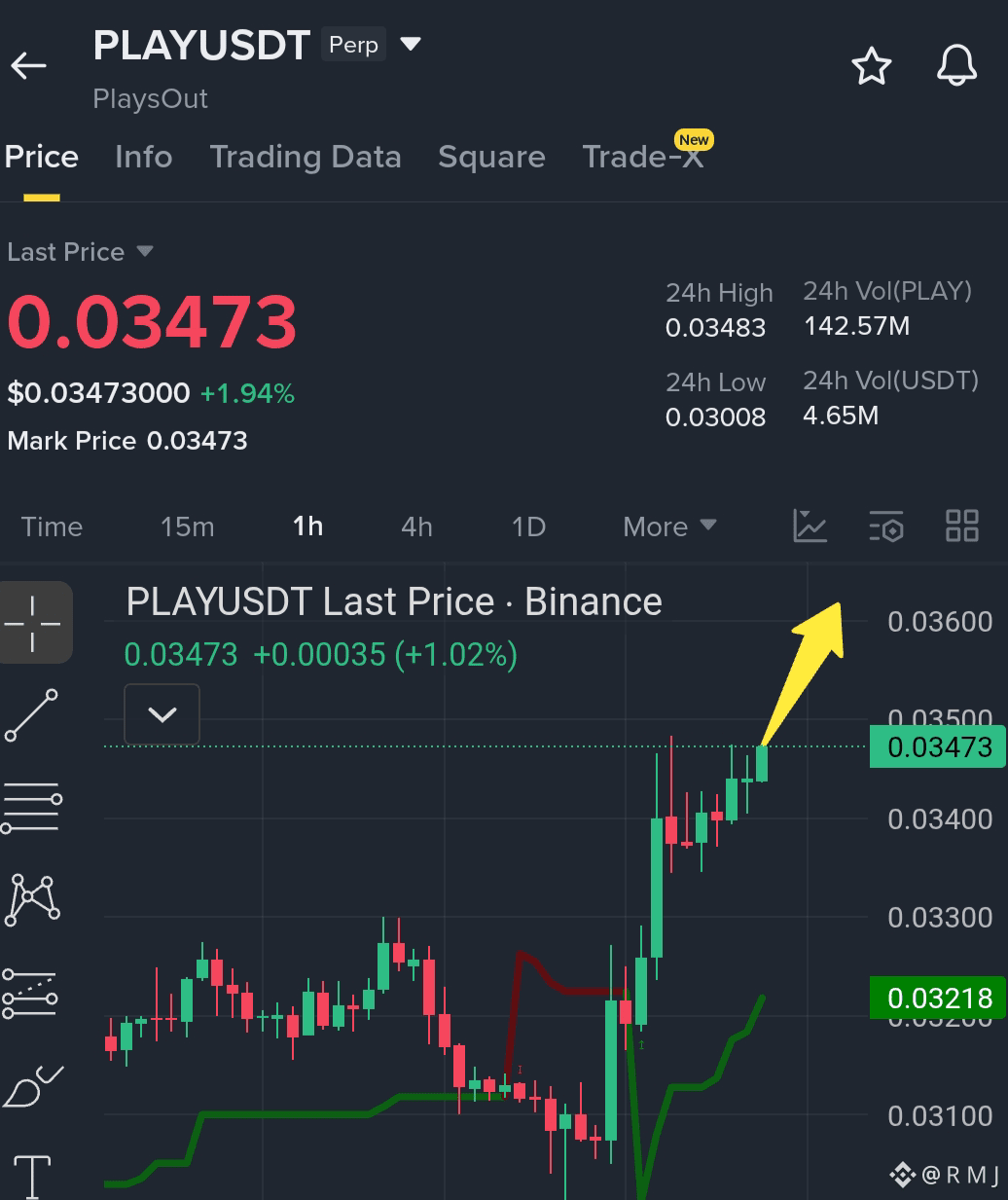
$PLAY يُظهر زخماً متحسناً على مخطط الساعة 1 حيث يحاول المشترون دفع السعر خارج نطاق التوحيد الأخير. الاختراق مُشجِّع، وإذا تم دعمه بحجم تداول قوي، فقد تستمر الحركة الصعودية باتجاه مستوى المقاومة الرئيسي التالي قرب $0.03600.
إن الحفاظ على السعر فوق مستوى الاختراق سيعزّز النظرة الإيجابية على المدى القصير ويزيد من احتمال المزيد من الصعود. ومع ذلك، كما هو الحال مع أي اختراق، فإن انتظار التأكيد أو إعادة اختبار ناجحة لمستوى الدعم يمكن أن يوفر إعداداً أفضل من حيث نسبة المخاطرة إلى العائد مقارنةً بمطاردة الحركة الأولية. يظلّ التحكم السليم بالمخاطر أمراً ضرورياً في سوق سريع الحركة.
ما هو هدفك بالنسبة لـ $PLAY ؟
#Rmj #RevolutToDelistUSDT
#MoonbeamToMigrateGLMRToBase
#BitcoinFallsOver50%FromOctoberHigh
إن الحفاظ على السعر فوق مستوى الاختراق سيعزّز النظرة الإيجابية على المدى القصير ويزيد من احتمال المزيد من الصعود. ومع ذلك، كما هو الحال مع أي اختراق، فإن انتظار التأكيد أو إعادة اختبار ناجحة لمستوى الدعم يمكن أن يوفر إعداداً أفضل من حيث نسبة المخاطرة إلى العائد مقارنةً بمطاردة الحركة الأولية. يظلّ التحكم السليم بالمخاطر أمراً ضرورياً في سوق سريع الحركة.
ما هو هدفك بالنسبة لـ $PLAY ؟
#Rmj #RevolutToDelistUSDT
#MoonbeamToMigrateGLMRToBase
#BitcoinFallsOver50%FromOctoberHigh

سجّل الدخول لاستكشاف المزيد من المُحتوى