

#openledger
openledger
17.3M مشاهدات
202,843 يقومون بالنقاش
رائج
جديد

·
--
صاعد
#OpenLedger للتو طبع كتابًا بنمط تعافٍ على شكل V—لا تفوّت الساق التالية للأعلى.
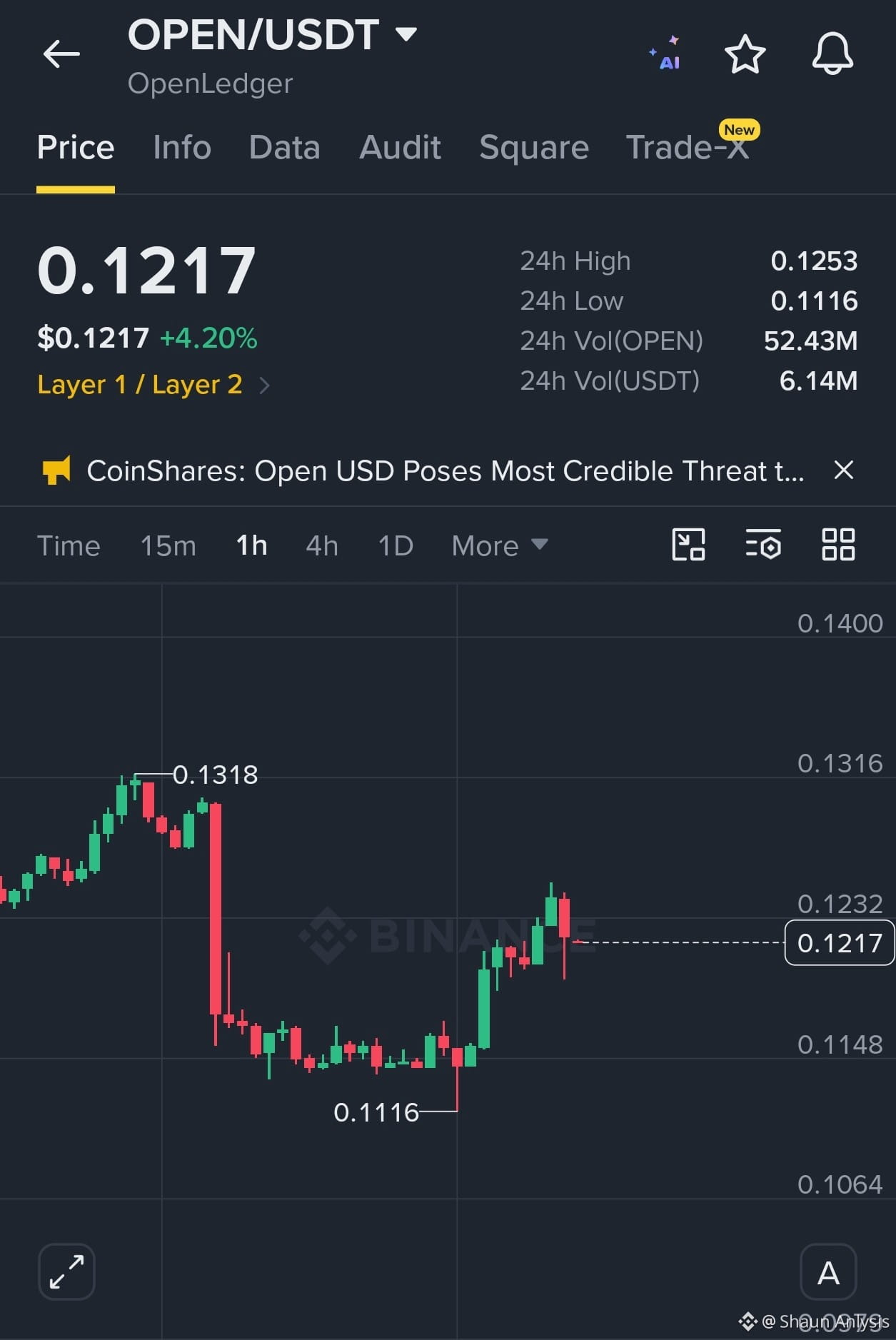
بعد تدفّق حاد إلى 0.1116، ارتدّ $OPEN بقوة، مستعيدًا مستوى 0.12 والآن عند 0.1217 (+4.20% خلال اليوم). تُظهر مخططات 1H تحولًا واضحًا في الزخم حيث يدافع المشترون عن القيعان ويدفعون للعودة نحو أعلى مستوى خلال 24H عند 0.1253.
صاعد
الدخول:0.1180 – 0.1220
SL:0.1100
TP1:0.1318
{future}(OPENUSDT)
#OpenLedger للتو طبع كتابًا بنمط تعافٍ على شكل V—لا تفوّت الساق التالية للأعلى.
بعد تدفّق حاد إلى 0.1116، ارتدّ $OPEN بقوة، مستعيدًا مستوى 0.12 والآن عند 0.1217 (+4.20% خلال اليوم). تُظهر مخططات 1H تحولًا واضحًا في الزخم حيث يدافع المشترون عن القيعان ويدفعون للعودة نحو أعلى مستوى خلال 24H عند 0.1253.
صاعد
الدخول:0.1180 – 0.1220
SL:0.1100
TP1:0.1318
بعد تدفّق حاد إلى 0.1116، ارتدّ $OPEN بقوة، مستعيدًا مستوى 0.12 والآن عند 0.1217 (+4.20% خلال اليوم). تُظهر مخططات 1H تحولًا واضحًا في الزخم حيث يدافع المشترون عن القيعان ويدفعون للعودة نحو أعلى مستوى خلال 24H عند 0.1253.
صاعد
الدخول:0.1180 – 0.1220
SL:0.1100
TP1:0.1318
1
94

·
--
صاعد
صحيح جزئيًا
*افتح: فرصة هادئة للذكاء الاصطناعي قرب القاع*
بينما يركز الكثيرون على عملات ذكاء اصطناعي رائجة، يتم تداول OpenLedger (OPEN) قرب أدنى سعر له على الإطلاق.
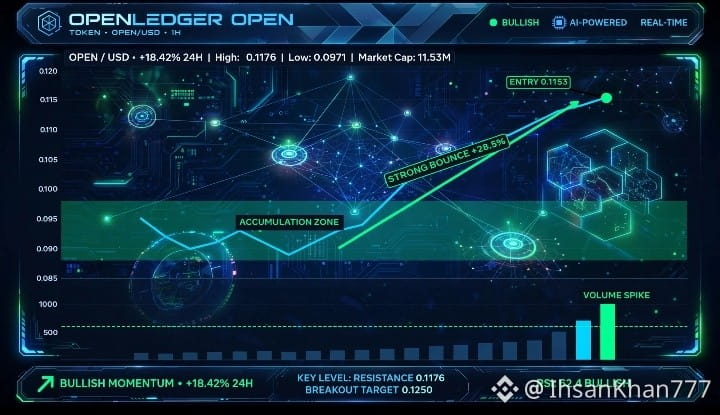
من 1.84 دولار إلى 0.11 دولار، تصحيح كبير بنسبة 94 بالمئة. هل هذا هو القاع؟
إليك ما يجعل OpenLedger مثيرًا للاهتمام:
OpenLedger يبني بنية تحتية للذكاء الاصطناعي، حيث تتلقى البيانات والنماذج وعملاء الذكاء الاصطناعي مدفوعات تلقائيًا. تخيل عملاء الذكاء الاصطناعي يدفعون مقابل بيانات موثقة على السلسلة. يُطلق على ذلك المدفوعات الوكيلة (agentic payments)، ويهدف OpenLedger إلى قيادة هذا القطاع.
القيمة السوقية حوالي 43 مليون دولار بينما حجم التداول 31 مليون دولار. هذا يتجاوز 71 بالمئة دورانًا، ما يشير إلى اهتمام قوي وتراكم نشط.
تحدث عمليات فتح/إطلاق للرموز. حوالي 612 ألف رمز يوميًا حول 8 أكتوبر. عمليات فتح صغيرة تخلق ضغطًا قصير الأجل، لكنها أيضًا توفر فرصة طويلة الأجل.
تم إدراجه في بورصات كبرى مثل Upbit وBithumb وBinance، مع سيولة قوية.
اشتريت OPEN بسعر 0.1153 قرب نطاق القاع. هذا ليس نصيحة مالية، لكن البنية التحتية المبكرة غالبًا تبدو هادئة قبل النمو.
#OpenLedger
#OpenAI
#BestTimeToBuy
#Market_Update
#BullRunTips
$OPEN
$BTC
$BNB
@XG297174
@dengshen
@eggtartcake_grape
@haoge666
@Square-Creator-f92ceb7e7882c
@Square-Creator-d4cc116ea2fe
@SGD852568
@Square-Creator-f0c9a305b41a7
@z12123444
@Square-Creator-9bd28167d172
@NUTS_btc
@heyi
@CZ
@Openledger
@Biswap_Dex
@MagVerse
@EASY7777
@KZG6886
@Z0628
@JavierDot
@oanicai
*افتح: فرصة هادئة للذكاء الاصطناعي قرب القاع*
بينما يركز الكثيرون على عملات ذكاء اصطناعي رائجة، يتم تداول OpenLedger (OPEN) قرب أدنى سعر له على الإطلاق.
من 1.84 دولار إلى 0.11 دولار، تصحيح كبير بنسبة 94 بالمئة. هل هذا هو القاع؟
إليك ما يجعل OpenLedger مثيرًا للاهتمام:
OpenLedger يبني بنية تحتية للذكاء الاصطناعي، حيث تتلقى البيانات والنماذج وعملاء الذكاء الاصطناعي مدفوعات تلقائيًا. تخيل عملاء الذكاء الاصطناعي يدفعون مقابل بيانات موثقة على السلسلة. يُطلق على ذلك المدفوعات الوكيلة (agentic payments)، ويهدف OpenLedger إلى قيادة هذا القطاع.
القيمة السوقية حوالي 43 مليون دولار بينما حجم التداول 31 مليون دولار. هذا يتجاوز 71 بالمئة دورانًا، ما يشير إلى اهتمام قوي وتراكم نشط.
تحدث عمليات فتح/إطلاق للرموز. حوالي 612 ألف رمز يوميًا حول 8 أكتوبر. عمليات فتح صغيرة تخلق ضغطًا قصير الأجل، لكنها أيضًا توفر فرصة طويلة الأجل.
تم إدراجه في بورصات كبرى مثل Upbit وBithumb وBinance، مع سيولة قوية.
اشتريت OPEN بسعر 0.1153 قرب نطاق القاع. هذا ليس نصيحة مالية، لكن البنية التحتية المبكرة غالبًا تبدو هادئة قبل النمو.
#OpenLedger
#OpenAI
#BestTimeToBuy
#Market_Update
#BullRunTips
$OPEN
$BTC
$BNB
@K线人生飞哥
@比特币预言家
@Eggtartcake夕
@交易员张张子
@华尔街倩倩子
@猩火Bro
@Flash闪光灯
@乐天eth
@加密大格格
@klxmBobo
@Nuts坚果
@Yi He
@CZ
@OpenLedger
@Qordman crypto
@MagVerse
@EASY喊單哥
@KZG Crypto 口罩哥
@Whale韭阴针鲸0628
@_WHALE_
@Oanic AI
بينما يركز الكثيرون على عملات ذكاء اصطناعي رائجة، يتم تداول OpenLedger (OPEN) قرب أدنى سعر له على الإطلاق.
من 1.84 دولار إلى 0.11 دولار، تصحيح كبير بنسبة 94 بالمئة. هل هذا هو القاع؟
إليك ما يجعل OpenLedger مثيرًا للاهتمام:
OpenLedger يبني بنية تحتية للذكاء الاصطناعي، حيث تتلقى البيانات والنماذج وعملاء الذكاء الاصطناعي مدفوعات تلقائيًا. تخيل عملاء الذكاء الاصطناعي يدفعون مقابل بيانات موثقة على السلسلة. يُطلق على ذلك المدفوعات الوكيلة (agentic payments)، ويهدف OpenLedger إلى قيادة هذا القطاع.
القيمة السوقية حوالي 43 مليون دولار بينما حجم التداول 31 مليون دولار. هذا يتجاوز 71 بالمئة دورانًا، ما يشير إلى اهتمام قوي وتراكم نشط.
تحدث عمليات فتح/إطلاق للرموز. حوالي 612 ألف رمز يوميًا حول 8 أكتوبر. عمليات فتح صغيرة تخلق ضغطًا قصير الأجل، لكنها أيضًا توفر فرصة طويلة الأجل.
تم إدراجه في بورصات كبرى مثل Upbit وBithumb وBinance، مع سيولة قوية.
اشتريت OPEN بسعر 0.1153 قرب نطاق القاع. هذا ليس نصيحة مالية، لكن البنية التحتية المبكرة غالبًا تبدو هادئة قبل النمو.
#OpenLedger
#OpenAI
#BestTimeToBuy
#Market_Update
#BullRunTips
$OPEN
$BTC
$BNB
@K线人生飞哥
@比特币预言家
@Eggtartcake夕
@交易员张张子
@华尔街倩倩子
@猩火Bro
@Flash闪光灯
@乐天eth
@加密大格格
@klxmBobo
@Nuts坚果
@Yi He
@CZ
@OpenLedger
@Qordman crypto
@MagVerse
@EASY喊單哥
@KZG Crypto 口罩哥
@Whale韭阴针鲸0628
@_WHALE_
@Oanic AI
4
860

·
--
📉 $OPEN
— إيقاف تبريد OpenLedger
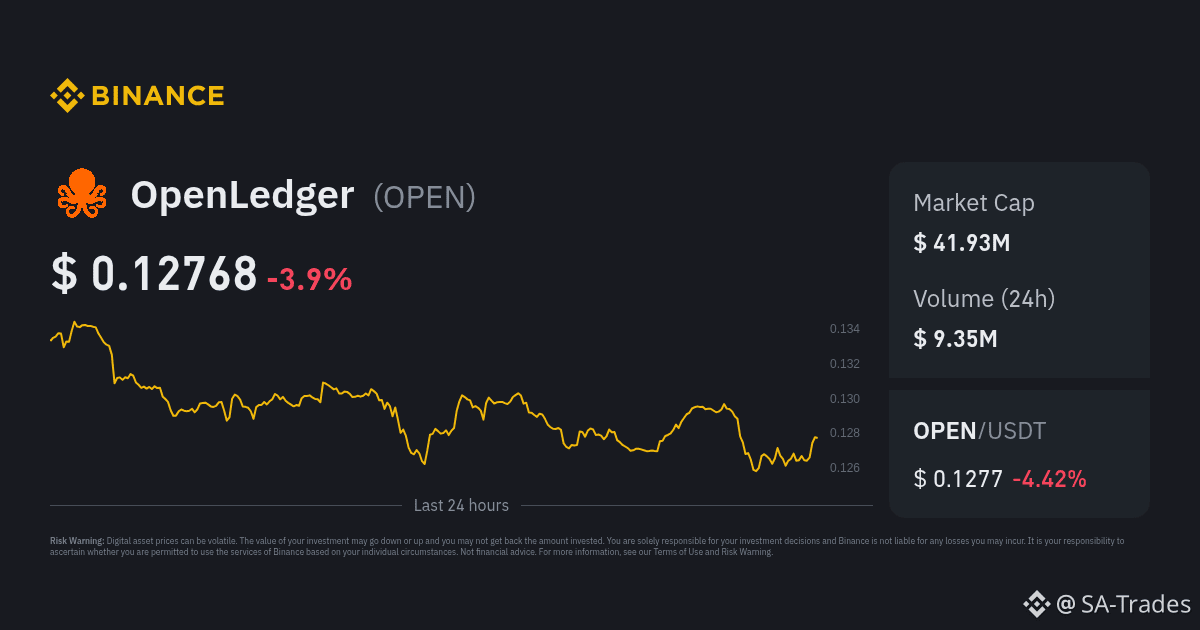
انخفضت OpenLedger (OPEN) بنسبة -3.9% اليوم، وهي تتداول الآن عند 0.1277 دولار.
📊 القيمة السوقية: 41.93 مليون دولار
📊 حجم التداول خلال 24 ساعة: 9.35 مليون دولار
تذبذب في حركة السعر خلال آخر 24 ساعة — حيث يتدخل البائعون بعد الفشل في الحفاظ على مستويات أعلى.
منطقة تجميع أم مزيد من الانخفاض؟ 👀
الصفقة $OPEN هنا
{future}(OPENUSDT)
#OPEN #OpenLedger #BinanceSquare #crypto
📉 $OPEN
— إيقاف تبريد OpenLedger
انخفضت OpenLedger (OPEN) بنسبة -3.9% اليوم، وهي تتداول الآن عند 0.1277 دولار.
📊 القيمة السوقية: 41.93 مليون دولار
📊 حجم التداول خلال 24 ساعة: 9.35 مليون دولار
تذبذب في حركة السعر خلال آخر 24 ساعة — حيث يتدخل البائعون بعد الفشل في الحفاظ على مستويات أعلى.
منطقة تجميع أم مزيد من الانخفاض؟ 👀
الصفقة $OPEN هنا
#OPEN #OpenLedger #BinanceSquare #crypto
— إيقاف تبريد OpenLedger
انخفضت OpenLedger (OPEN) بنسبة -3.9% اليوم، وهي تتداول الآن عند 0.1277 دولار.
📊 القيمة السوقية: 41.93 مليون دولار
📊 حجم التداول خلال 24 ساعة: 9.35 مليون دولار
تذبذب في حركة السعر خلال آخر 24 ساعة — حيث يتدخل البائعون بعد الفشل في الحفاظ على مستويات أعلى.
منطقة تجميع أم مزيد من الانخفاض؟ 👀
الصفقة $OPEN هنا
#OPEN #OpenLedger #BinanceSquare #crypto
2
4
263

·
--
يا شباب $OPEN تحت الضغط… هل يظهر ارتداد؟
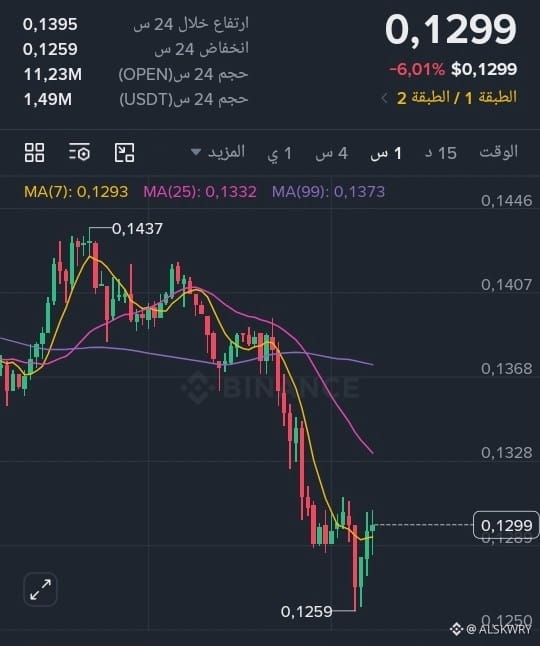
عملة OpenLedger (OPEN) تتحرك حاليًا تحت ضغط بيعي، والسعر حول $0.1299 بعد هبوط يقارب 6% خلال 24 ساعة.
📉 أهم المستويات:
🟢 دعم: $0.1260
🔴 مقاومة: $0.1328 – $0.1330
🔴 مقاومة أقوى: $0.1368 – $0.1375
إذا حافظ السعر على $0.126 وبدأ بتكوين قيعان أعلى، فقد نشهد محاولة ارتداد. أما كسرها بوضوح فقد يفتح المجال لمستويات أدنى.
👀 OPEN الآن تستحق المراقبة، وليس الشراء لمجرد أن السعر انخفض.
هل تتوقعون ارتداد OPEN أم استمرار الهبوط؟
⚠️ ليس توصية مالية، مجرد تحليل ومشاركة للنقاش.
#OpenLedger #cryptouniverseofficial #BinanceSquare #trading
يا شباب $OPEN تحت الضغط… هل يظهر ارتداد؟
عملة OpenLedger (OPEN) تتحرك حاليًا تحت ضغط بيعي، والسعر حول $0.1299 بعد هبوط يقارب 6% خلال 24 ساعة.
📉 أهم المستويات:
🟢 دعم: $0.1260
🔴 مقاومة: $0.1328 – $0.1330
🔴 مقاومة أقوى: $0.1368 – $0.1375
إذا حافظ السعر على $0.126 وبدأ بتكوين قيعان أعلى، فقد نشهد محاولة ارتداد. أما كسرها بوضوح فقد يفتح المجال لمستويات أدنى.
👀 OPEN الآن تستحق المراقبة، وليس الشراء لمجرد أن السعر انخفض.
هل تتوقعون ارتداد OPEN أم استمرار الهبوط؟
⚠️ ليس توصية مالية، مجرد تحليل ومشاركة للنقاش.
#OpenLedger #cryptouniverseofficial #BinanceSquare #trading
عملة OpenLedger (OPEN) تتحرك حاليًا تحت ضغط بيعي، والسعر حول $0.1299 بعد هبوط يقارب 6% خلال 24 ساعة.
📉 أهم المستويات:
🟢 دعم: $0.1260
🔴 مقاومة: $0.1328 – $0.1330
🔴 مقاومة أقوى: $0.1368 – $0.1375
إذا حافظ السعر على $0.126 وبدأ بتكوين قيعان أعلى، فقد نشهد محاولة ارتداد. أما كسرها بوضوح فقد يفتح المجال لمستويات أدنى.
👀 OPEN الآن تستحق المراقبة، وليس الشراء لمجرد أن السعر انخفض.
هل تتوقعون ارتداد OPEN أم استمرار الهبوط؟
⚠️ ليس توصية مالية، مجرد تحليل ومشاركة للنقاش.
#OpenLedger #cryptouniverseofficial #BinanceSquare #trading
1
1
228

·
--
هذا العصر اليوم كنت واقف في الصف في المول عشان أشتري شاي حليب، والبنتين اللي قدامي كانوا محتارين بين "ثلاث سكرات ولا خمس سكرات"، نزلت راسي وفتحت التطبيق على اللابتوب، وفجأة اكتشفت إن الـ Agent اللي عندي خلص جولتين من المراقبة بدون ما أشعر. في تلك اللحظة، خطرت في بالي جملة غريبة: يبدو أن الذكاء الاصطناعي قاعد يغير إحساس الناس بالوقت بشكل سري. زمان، لما كنت أشتغل على السلسلة كان الأمر متعب جدًا، كنت دايمًا أستنى الأخبار، أستنى التحركات، أستنى ك candlestick، أستنى المشروع يرسل تغريدة في نص الليل، وكأني قاعد عند حافة القدر أراقب الماء يغلي، مع إنه ما في شيء صار، بس ما كنت أجرؤ أترك المكان.
أنا كنت أعمل هالأشياء الغبية. أذكر مرة، عشان أراقب فرصة على السلسلة، كنت قاعد على الكنبة مع اللابتوب وأحاول أصمد، والنتيجة كانت الساعة ثلاث الفجر والسوق يتحرك، وأنا صرت نعسان عيوني تتعب، وفي النهاية ضغطت على سلسلة غلط. الحين لما أرجع أفكر، هذا الشعور كان يشبه لما تكون مستني رسالة من شخص معجب فيه: الجوال يهز، والقلب يقفز؛ ما يهز، أبدأ أفكر في أشياء غريبة. لكن بعد ما تعبت من @OpenLedger الـ Agent، اكتشفت إن إحساس الزمن عندي بدأ يتغير، البحث صار يراقب تدفق المعلومات لفترة طويلة، و الأوتوماتيك شغال في الخلفية، أحيانًا وأنا في السوبرماركت، أو أفتح الطرود، أو أغسل شعري، هو بعده يراقب السوق في الخلفية.
الأمر المخيف هو إن الناس بدؤوا يتعودوا على هذا الإحساس "إنه دائمًا في حد يحرس لك الليل". زمان، كان بإمكان الجميع مراجعة السوق، والبحث عن الإشارات بنفسهم؛ لكن الآن، صار في ناس أكثر تنتظر النظام ينبههم. ببساطة، السوق بدأ يتحول من "الناس تنتظر الفرص" إلى "الذكاء الاصطناعي ينتظر الفرص بدلاً عن الناس". طبعًا، أنا الحين ما أشوف إنه هذا شيء جيد بالكامل، لأن الانتظار جزء من التداول، والكثير من الحكم يأتي من تلك الأوقات المملة، المتوترة، والشك في النفس.
في هذه اللحظة، شاي الحليب نادى على رقمي، نزلت راسي وشفت إن الخلفية طلع منها سجل تنفيذ جديد. أخذت شاي الحليب، وما قدرت أوقف نفسي عن التفكير: إذا في المستقبل هذه الأوقات كلها ابتلعها الذكاء الاصطناعي، هل راح يصير الناس أكثر مثل "بس مسؤولين عن الضغط على زر التأكيد"؟ @Openledger #openledger $OPEN
هذا العصر اليوم كنت واقف في الصف في المول عشان أشتري شاي حليب، والبنتين اللي قدامي كانوا محتارين بين "ثلاث سكرات ولا خمس سكرات"، نزلت راسي وفتحت التطبيق على اللابتوب، وفجأة اكتشفت إن الـ Agent اللي عندي خلص جولتين من المراقبة بدون ما أشعر. في تلك اللحظة، خطرت في بالي جملة غريبة: يبدو أن الذكاء الاصطناعي قاعد يغير إحساس الناس بالوقت بشكل سري. زمان، لما كنت أشتغل على السلسلة كان الأمر متعب جدًا، كنت دايمًا أستنى الأخبار، أستنى التحركات، أستنى ك candlestick، أستنى المشروع يرسل تغريدة في نص الليل، وكأني قاعد عند حافة القدر أراقب الماء يغلي، مع إنه ما في شيء صار، بس ما كنت أجرؤ أترك المكان.
أنا كنت أعمل هالأشياء الغبية. أذكر مرة، عشان أراقب فرصة على السلسلة، كنت قاعد على الكنبة مع اللابتوب وأحاول أصمد، والنتيجة كانت الساعة ثلاث الفجر والسوق يتحرك، وأنا صرت نعسان عيوني تتعب، وفي النهاية ضغطت على سلسلة غلط. الحين لما أرجع أفكر، هذا الشعور كان يشبه لما تكون مستني رسالة من شخص معجب فيه: الجوال يهز، والقلب يقفز؛ ما يهز، أبدأ أفكر في أشياء غريبة. لكن بعد ما تعبت من @OpenLedger الـ Agent، اكتشفت إن إحساس الزمن عندي بدأ يتغير، البحث صار يراقب تدفق المعلومات لفترة طويلة، و الأوتوماتيك شغال في الخلفية، أحيانًا وأنا في السوبرماركت، أو أفتح الطرود، أو أغسل شعري، هو بعده يراقب السوق في الخلفية.
الأمر المخيف هو إن الناس بدؤوا يتعودوا على هذا الإحساس "إنه دائمًا في حد يحرس لك الليل". زمان، كان بإمكان الجميع مراجعة السوق، والبحث عن الإشارات بنفسهم؛ لكن الآن، صار في ناس أكثر تنتظر النظام ينبههم. ببساطة، السوق بدأ يتحول من "الناس تنتظر الفرص" إلى "الذكاء الاصطناعي ينتظر الفرص بدلاً عن الناس". طبعًا، أنا الحين ما أشوف إنه هذا شيء جيد بالكامل، لأن الانتظار جزء من التداول، والكثير من الحكم يأتي من تلك الأوقات المملة، المتوترة، والشك في النفس.
في هذه اللحظة، شاي الحليب نادى على رقمي، نزلت راسي وشفت إن الخلفية طلع منها سجل تنفيذ جديد. أخذت شاي الحليب، وما قدرت أوقف نفسي عن التفكير: إذا في المستقبل هذه الأوقات كلها ابتلعها الذكاء الاصطناعي، هل راح يصير الناس أكثر مثل "بس مسؤولين عن الضغط على زر التأكيد"؟ @OpenLedger #openledger $OPEN
أنا كنت أعمل هالأشياء الغبية. أذكر مرة، عشان أراقب فرصة على السلسلة، كنت قاعد على الكنبة مع اللابتوب وأحاول أصمد، والنتيجة كانت الساعة ثلاث الفجر والسوق يتحرك، وأنا صرت نعسان عيوني تتعب، وفي النهاية ضغطت على سلسلة غلط. الحين لما أرجع أفكر، هذا الشعور كان يشبه لما تكون مستني رسالة من شخص معجب فيه: الجوال يهز، والقلب يقفز؛ ما يهز، أبدأ أفكر في أشياء غريبة. لكن بعد ما تعبت من @OpenLedger الـ Agent، اكتشفت إن إحساس الزمن عندي بدأ يتغير، البحث صار يراقب تدفق المعلومات لفترة طويلة، و الأوتوماتيك شغال في الخلفية، أحيانًا وأنا في السوبرماركت، أو أفتح الطرود، أو أغسل شعري، هو بعده يراقب السوق في الخلفية.
الأمر المخيف هو إن الناس بدؤوا يتعودوا على هذا الإحساس "إنه دائمًا في حد يحرس لك الليل". زمان، كان بإمكان الجميع مراجعة السوق، والبحث عن الإشارات بنفسهم؛ لكن الآن، صار في ناس أكثر تنتظر النظام ينبههم. ببساطة، السوق بدأ يتحول من "الناس تنتظر الفرص" إلى "الذكاء الاصطناعي ينتظر الفرص بدلاً عن الناس". طبعًا، أنا الحين ما أشوف إنه هذا شيء جيد بالكامل، لأن الانتظار جزء من التداول، والكثير من الحكم يأتي من تلك الأوقات المملة، المتوترة، والشك في النفس.
في هذه اللحظة، شاي الحليب نادى على رقمي، نزلت راسي وشفت إن الخلفية طلع منها سجل تنفيذ جديد. أخذت شاي الحليب، وما قدرت أوقف نفسي عن التفكير: إذا في المستقبل هذه الأوقات كلها ابتلعها الذكاء الاصطناعي، هل راح يصير الناس أكثر مثل "بس مسؤولين عن الضغط على زر التأكيد"؟ @OpenLedger #openledger $OPEN

77

·
--
صاعد
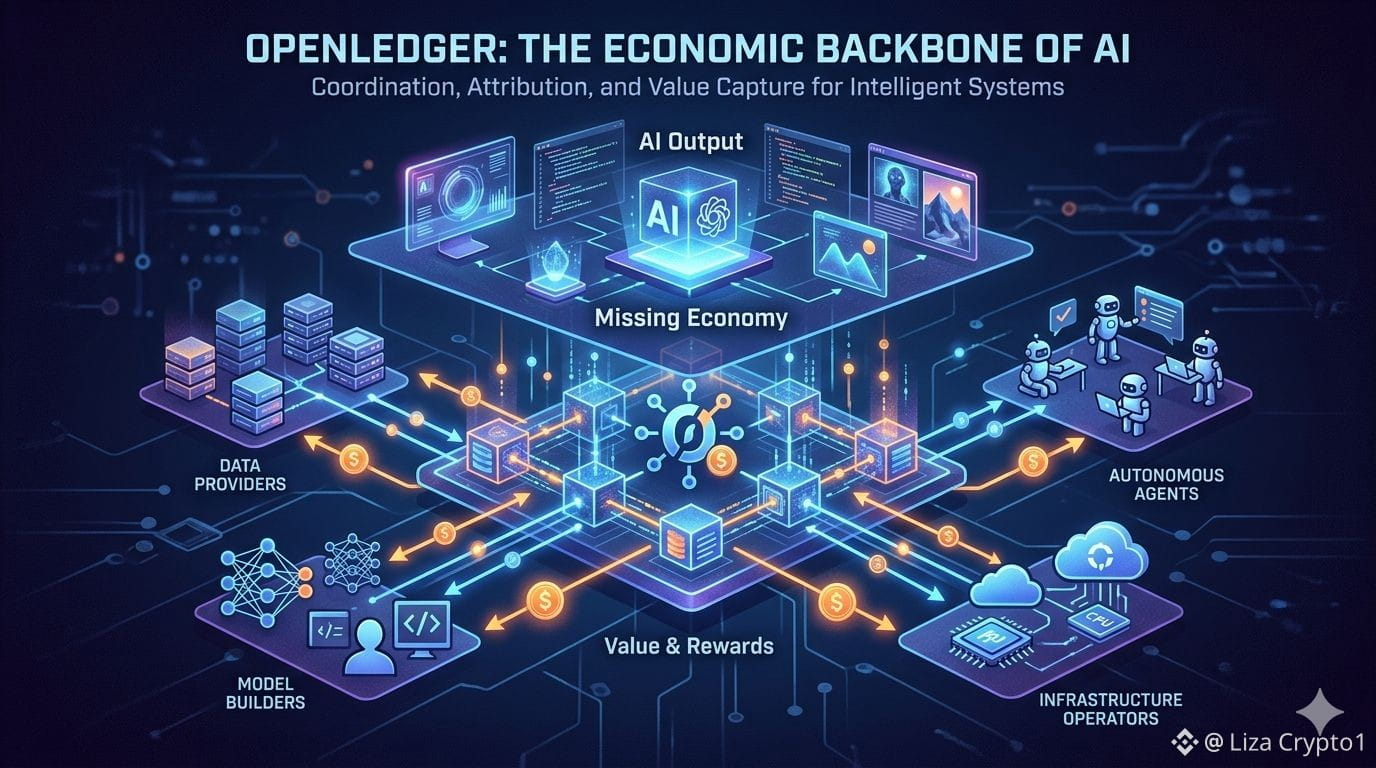
أعتقد أن OpenLedger تبني بهدوء الاقتصاد المفقود وراء الذكاء الاصطناعي
كلما استكشفت OpenLedger أكثر، شعرت أن معظم الناس ينظرون إليها من الزاوية الخطأ.
في البداية، اعتقدت أنها مجرد مشروع آخر يجمع بين الذكاء الاصطناعي وبلوكشين. لكن كلما تعمقت، أدركت أن OpenLedger يبدو أنها تركز على شيء أكبر بكثير: التنسيق الاقتصادي للذكاء.
أظل أطرح على نفسي سؤالًا بسيطًا: عندما ينتج الذكاء الاصطناعي قيمة، من الذي يلتقط تلك القيمة في الواقع؟
كل مخرجات الذكاء الاصطناعي تتأثر بمزودي البيانات، وبناة النماذج، ومشغلي البنية التحتية، وعوامل ذاتية بشكل متزايد. ومع ذلك، بمجرد ظهور النتيجة النهائية، غالبًا ما تختفي العلاقة بين المساهمة والمكافأة. أعتقد أن هذا هو المكان الذي تصبح فيه OpenLedger مثيرة للاهتمام.
ما يميزها بالنسبة لي هو أنها لا تحاول فقط جعل الذكاء الاصطناعي أكثر قوة. يبدو أنها تخلق إطارًا حيث يمكن أن تظل البيانات والنماذج والعوامل مرتبطة بالقيمة التي تساعد في توليدها.
كما لفت انتباهي رمز OPEN. لا أراه مجرد أصل مضاربي. أراه أداة تنسيق تساعد في محاذاة الحوافز عبر المشاركين، مما يخلق حلقة اقتصادية حول نشاط الذكاء الاصطناعي.
أكبر takeaway لي هو هذا: يعتقد معظم الناس أن الذكاء سيكون المورد الأكثر قيمة في عصر الذكاء الاصطناعي. أعتقد بشكل متزايد أن النسب قد تصبح بنفس الأهمية.
إذا أصبح الذكاء الاصطناعي وفيرًا، فإن معرفة من أين جاءت القيمة - ومن يستحق الاستفادة منها - قد تصبح الميزة التنافسية الحقيقية.
لهذا السبب أعتقد أن OpenLedger تتعامل مع مشكلة لم يقدرها السوق بشكل كامل بعد.
@Openledger #OpenLedger $OPEN
{spot}(OPENUSDT)
أعتقد أن OpenLedger تبني بهدوء الاقتصاد المفقود وراء الذكاء الاصطناعي
كلما استكشفت OpenLedger أكثر، شعرت أن معظم الناس ينظرون إليها من الزاوية الخطأ.
في البداية، اعتقدت أنها مجرد مشروع آخر يجمع بين الذكاء الاصطناعي وبلوكشين. لكن كلما تعمقت، أدركت أن OpenLedger يبدو أنها تركز على شيء أكبر بكثير: التنسيق الاقتصادي للذكاء.
أظل أطرح على نفسي سؤالًا بسيطًا: عندما ينتج الذكاء الاصطناعي قيمة، من الذي يلتقط تلك القيمة في الواقع؟
كل مخرجات الذكاء الاصطناعي تتأثر بمزودي البيانات، وبناة النماذج، ومشغلي البنية التحتية، وعوامل ذاتية بشكل متزايد. ومع ذلك، بمجرد ظهور النتيجة النهائية، غالبًا ما تختفي العلاقة بين المساهمة والمكافأة. أعتقد أن هذا هو المكان الذي تصبح فيه OpenLedger مثيرة للاهتمام.
ما يميزها بالنسبة لي هو أنها لا تحاول فقط جعل الذكاء الاصطناعي أكثر قوة. يبدو أنها تخلق إطارًا حيث يمكن أن تظل البيانات والنماذج والعوامل مرتبطة بالقيمة التي تساعد في توليدها.
كما لفت انتباهي رمز OPEN. لا أراه مجرد أصل مضاربي. أراه أداة تنسيق تساعد في محاذاة الحوافز عبر المشاركين، مما يخلق حلقة اقتصادية حول نشاط الذكاء الاصطناعي.
أكبر takeaway لي هو هذا: يعتقد معظم الناس أن الذكاء سيكون المورد الأكثر قيمة في عصر الذكاء الاصطناعي. أعتقد بشكل متزايد أن النسب قد تصبح بنفس الأهمية.
إذا أصبح الذكاء الاصطناعي وفيرًا، فإن معرفة من أين جاءت القيمة - ومن يستحق الاستفادة منها - قد تصبح الميزة التنافسية الحقيقية.
لهذا السبب أعتقد أن OpenLedger تتعامل مع مشكلة لم يقدرها السوق بشكل كامل بعد.
@OpenLedger #OpenLedger $OPEN
كلما استكشفت OpenLedger أكثر، شعرت أن معظم الناس ينظرون إليها من الزاوية الخطأ.
في البداية، اعتقدت أنها مجرد مشروع آخر يجمع بين الذكاء الاصطناعي وبلوكشين. لكن كلما تعمقت، أدركت أن OpenLedger يبدو أنها تركز على شيء أكبر بكثير: التنسيق الاقتصادي للذكاء.
أظل أطرح على نفسي سؤالًا بسيطًا: عندما ينتج الذكاء الاصطناعي قيمة، من الذي يلتقط تلك القيمة في الواقع؟
كل مخرجات الذكاء الاصطناعي تتأثر بمزودي البيانات، وبناة النماذج، ومشغلي البنية التحتية، وعوامل ذاتية بشكل متزايد. ومع ذلك، بمجرد ظهور النتيجة النهائية، غالبًا ما تختفي العلاقة بين المساهمة والمكافأة. أعتقد أن هذا هو المكان الذي تصبح فيه OpenLedger مثيرة للاهتمام.
ما يميزها بالنسبة لي هو أنها لا تحاول فقط جعل الذكاء الاصطناعي أكثر قوة. يبدو أنها تخلق إطارًا حيث يمكن أن تظل البيانات والنماذج والعوامل مرتبطة بالقيمة التي تساعد في توليدها.
كما لفت انتباهي رمز OPEN. لا أراه مجرد أصل مضاربي. أراه أداة تنسيق تساعد في محاذاة الحوافز عبر المشاركين، مما يخلق حلقة اقتصادية حول نشاط الذكاء الاصطناعي.
أكبر takeaway لي هو هذا: يعتقد معظم الناس أن الذكاء سيكون المورد الأكثر قيمة في عصر الذكاء الاصطناعي. أعتقد بشكل متزايد أن النسب قد تصبح بنفس الأهمية.
إذا أصبح الذكاء الاصطناعي وفيرًا، فإن معرفة من أين جاءت القيمة - ومن يستحق الاستفادة منها - قد تصبح الميزة التنافسية الحقيقية.
لهذا السبب أعتقد أن OpenLedger تتعامل مع مشكلة لم يقدرها السوق بشكل كامل بعد.
@OpenLedger #OpenLedger $OPEN
1
131

·
--
لماذا تعتبر OpenLedger جزءًا من سرد الإنترنت من الجيل التاليلم أكن أخطط للغوص عميقًا اليوم. كان لدي المخططات مفتوحة، وكانت OPEN تفعل المعتاد - تتأرجح حول نفس النطاق الذي علقت فيه لأسابيع، لا شيء دراماتيكي. شعرت أن السوق كانت تنتظر شيئًا ما. لذا أغلقت علامة السعر وسحبت شيئًا قد حفظته منذ فترة، فقط لتمضية الوقت.
بدأت أقرأ بعض وثائق OpenLedger، $OPEN ، #OpenLedger @Openledger . كان لدي فكرة في ذهني عند دخولي - كل ما يتعلق بـ "الإنترنت من الجيل التالي". ويب 3. اللامركزية. ملكية المستخدم. النوع من الأشياء التي تبدو مثيرة للإعجاب في مؤتمر ثم تتبخر عندما تحاول الإشارة إلى شيء ملموس.
لماذا تعتبر OpenLedger جزءًا من سرد الإنترنت من الجيل التالي
لم أكن أخطط للغوص عميقًا اليوم. كان لدي المخططات مفتوحة، وكانت OPEN تفعل المعتاد - تتأرجح حول نفس النطاق الذي علقت فيه لأسابيع، لا شيء دراماتيكي. شعرت أن السوق كانت تنتظر شيئًا ما. لذا أغلقت علامة السعر وسحبت شيئًا قد حفظته منذ فترة، فقط لتمضية الوقت.
بدأت أقرأ بعض وثائق OpenLedger، $OPEN ، #OpenLedger @OpenLedger . كان لدي فكرة في ذهني عند دخولي - كل ما يتعلق بـ "الإنترنت من الجيل التالي". ويب 3. اللامركزية. ملكية المستخدم. النوع من الأشياء التي تبدو مثيرة للإعجاب في مؤتمر ثم تتبخر عندما تحاول الإشارة إلى شيء ملموس.
بدأت أقرأ بعض وثائق OpenLedger، $OPEN ، #OpenLedger @OpenLedger . كان لدي فكرة في ذهني عند دخولي - كل ما يتعلق بـ "الإنترنت من الجيل التالي". ويب 3. اللامركزية. ملكية المستخدم. النوع من الأشياء التي تبدو مثيرة للإعجاب في مؤتمر ثم تتبخر عندما تحاول الإشارة إلى شيء ملموس.
3
2
104

·
--
تمّ التحقق
老家亲戚开了家小超市,去年图新鲜上了套刷脸支付,说是高科技。用了俩月就拆了,亲戚一脸肉疼:كل عملية شراء يلزم التحقق منها عبر الإنترنت، وعند حدوث تعطل في الشبكة يتوقف الزبون ينتظر أمام جهاز الدفع في الكاشير، ومع وقت الذروة تتراكم طوابير طويلة. كبار السن لا يستطيعون التعامل مع ذلك. المال الذي صُرف على الأجهزة ورسوم الخدمة، كان أغلى بكثير من توفير تكاليف العمالة. ألقى جملة واحدة: "التقنية جيدة جدًا، لكن وزنها كبير؛ إنها تضغط على مشروع صغير حتى لا يعود يقدر على التنفس".
عندما قرأت هذه الجملة "ثقيلة جدًا"، جعلتني أتساءل عندما وصلت إلى معادلة الرسوم الاستدلالية في الصفحة 10 من الكتاب الأبيض الذي يحمل الرقم @Openledger .
أحد أبرز نقاط بيع الكتاب الأبيض هو أن كل شيء يُسجَّل على السلسلة (on-chain)، وقابل للتتبع، وقابل للتسوية. في كل مرة يتم فيها استدعاء الاستدلال الخاص بالنموذج، يتم تسوية الدفع باستخدام توكن $OPEN . وفي القسم 2.2.4 يتم أيضًا تفكيك هذا المبلغ إلى رسوم النموذج، ورسوم الضمان (التعهد)، ورسوم مساهمة البيانات؛ وكل مرحلة يتم توزيعها بدقة إلى حسابات مختلفة. يبدو الأمر دقيقًا جدًا لدرجة تطمئن النفس.
لكن جملة قريبتي "ثقيلة جدًا" ما زالت تلازمني. بالنسبة لشيء مثل استدلال الذكاء الاصطناعي، فالهدف هو السرعة والرخص. إذا سألت الذكاء الاصطناعي سؤالًا، فمن المفترض أن يرد خلال أجزاء من الثانية. لكن إذا كانت كل عملية استدعاء تتطلب تسجيلًا على السلسلة، وإجراء نسب/تتبّع المسؤولية، وتقسيم الأموال إلى عدد كبير من العناوين... فكم التكلفة وكم التأخير المرتبطين بسحب هذه العمليات على السلسلة؟ من الذي سيتحمّل ذلك؟
ذكر الكتاب الأبيض محاولة تحسين باستخدام Rollup، لكن لم يوضح بالضبط إلى أي مدى يمكن أن تُخفض، ولا كم ستكون تكلفة الاستدعاء الواحد فعليًا: هل هي بضعة سنتات أم عدة دولارات. هذا يخلق إحراجًا: تطبيقات الذكاء الاصطناعي هي سيناريو عالي التكرار وحساس للغاية تجاه التأخير والتكلفة. وهي مختلفة تمامًا عن سيناريو تحويلات مالية منخفض التواتر، حيث يقول الناس إن "الأبطأ أغلى قليلًا ومع ذلك مقبول". $LAB #BTC
أنا أسمي ذلك "لعنة ثِقل التسوية على السلسلة". الشفافية وقابلية التتبع تبدوان جميلتين، لكنهما تأتيان مع وزن؛ فكل عملية تسجيل تضيف مزيدًا من العبء إلى الاستدلال. وإذا كانت هذه الزيادة تجعل الاستدعاء الفردي بطيئًا ومكلفًا، فقد تُقصي هذه الآلية حتى لو بدت عادلة—إذ قد يصوت المطورون بأقدامهم ويتخلون عنها بسبب الأداء. #OpenLedger
في النهاية، هل يمكن لنظام يقوم بتسجيل كل شيء على السلسلة أن يتحمّل المتطلبات الحقيقية لاستدلال الذكاء الاصطناعي: تكرار مرتفع، وتأخير منخفض، وتكلفة منخفضة؟
{spot}(OPENUSDT)
老家亲戚开了家小超市,去年图新鲜上了套刷脸支付,说是高科技。用了俩月就拆了,亲戚一脸肉疼:كل عملية شراء يلزم التحقق منها عبر الإنترنت، وعند حدوث تعطل في الشبكة يتوقف الزبون ينتظر أمام جهاز الدفع في الكاشير، ومع وقت الذروة تتراكم طوابير طويلة. كبار السن لا يستطيعون التعامل مع ذلك. المال الذي صُرف على الأجهزة ورسوم الخدمة، كان أغلى بكثير من توفير تكاليف العمالة. ألقى جملة واحدة: "التقنية جيدة جدًا، لكن وزنها كبير؛ إنها تضغط على مشروع صغير حتى لا يعود يقدر على التنفس".
عندما قرأت هذه الجملة "ثقيلة جدًا"، جعلتني أتساءل عندما وصلت إلى معادلة الرسوم الاستدلالية في الصفحة 10 من الكتاب الأبيض الذي يحمل الرقم @OpenLedger .
أحد أبرز نقاط بيع الكتاب الأبيض هو أن كل شيء يُسجَّل على السلسلة (on-chain)، وقابل للتتبع، وقابل للتسوية. في كل مرة يتم فيها استدعاء الاستدلال الخاص بالنموذج، يتم تسوية الدفع باستخدام توكن $OPEN . وفي القسم 2.2.4 يتم أيضًا تفكيك هذا المبلغ إلى رسوم النموذج، ورسوم الضمان (التعهد)، ورسوم مساهمة البيانات؛ وكل مرحلة يتم توزيعها بدقة إلى حسابات مختلفة. يبدو الأمر دقيقًا جدًا لدرجة تطمئن النفس.
لكن جملة قريبتي "ثقيلة جدًا" ما زالت تلازمني. بالنسبة لشيء مثل استدلال الذكاء الاصطناعي، فالهدف هو السرعة والرخص. إذا سألت الذكاء الاصطناعي سؤالًا، فمن المفترض أن يرد خلال أجزاء من الثانية. لكن إذا كانت كل عملية استدعاء تتطلب تسجيلًا على السلسلة، وإجراء نسب/تتبّع المسؤولية، وتقسيم الأموال إلى عدد كبير من العناوين... فكم التكلفة وكم التأخير المرتبطين بسحب هذه العمليات على السلسلة؟ من الذي سيتحمّل ذلك؟
ذكر الكتاب الأبيض محاولة تحسين باستخدام Rollup، لكن لم يوضح بالضبط إلى أي مدى يمكن أن تُخفض، ولا كم ستكون تكلفة الاستدعاء الواحد فعليًا: هل هي بضعة سنتات أم عدة دولارات. هذا يخلق إحراجًا: تطبيقات الذكاء الاصطناعي هي سيناريو عالي التكرار وحساس للغاية تجاه التأخير والتكلفة. وهي مختلفة تمامًا عن سيناريو تحويلات مالية منخفض التواتر، حيث يقول الناس إن "الأبطأ أغلى قليلًا ومع ذلك مقبول". $LAB #BTC
أنا أسمي ذلك "لعنة ثِقل التسوية على السلسلة". الشفافية وقابلية التتبع تبدوان جميلتين، لكنهما تأتيان مع وزن؛ فكل عملية تسجيل تضيف مزيدًا من العبء إلى الاستدلال. وإذا كانت هذه الزيادة تجعل الاستدعاء الفردي بطيئًا ومكلفًا، فقد تُقصي هذه الآلية حتى لو بدت عادلة—إذ قد يصوت المطورون بأقدامهم ويتخلون عنها بسبب الأداء. #OpenLedger
في النهاية، هل يمكن لنظام يقوم بتسجيل كل شيء على السلسلة أن يتحمّل المتطلبات الحقيقية لاستدلال الذكاء الاصطناعي: تكرار مرتفع، وتأخير منخفض، وتكلفة منخفضة؟
عندما قرأت هذه الجملة "ثقيلة جدًا"، جعلتني أتساءل عندما وصلت إلى معادلة الرسوم الاستدلالية في الصفحة 10 من الكتاب الأبيض الذي يحمل الرقم @OpenLedger .
أحد أبرز نقاط بيع الكتاب الأبيض هو أن كل شيء يُسجَّل على السلسلة (on-chain)، وقابل للتتبع، وقابل للتسوية. في كل مرة يتم فيها استدعاء الاستدلال الخاص بالنموذج، يتم تسوية الدفع باستخدام توكن $OPEN . وفي القسم 2.2.4 يتم أيضًا تفكيك هذا المبلغ إلى رسوم النموذج، ورسوم الضمان (التعهد)، ورسوم مساهمة البيانات؛ وكل مرحلة يتم توزيعها بدقة إلى حسابات مختلفة. يبدو الأمر دقيقًا جدًا لدرجة تطمئن النفس.
لكن جملة قريبتي "ثقيلة جدًا" ما زالت تلازمني. بالنسبة لشيء مثل استدلال الذكاء الاصطناعي، فالهدف هو السرعة والرخص. إذا سألت الذكاء الاصطناعي سؤالًا، فمن المفترض أن يرد خلال أجزاء من الثانية. لكن إذا كانت كل عملية استدعاء تتطلب تسجيلًا على السلسلة، وإجراء نسب/تتبّع المسؤولية، وتقسيم الأموال إلى عدد كبير من العناوين... فكم التكلفة وكم التأخير المرتبطين بسحب هذه العمليات على السلسلة؟ من الذي سيتحمّل ذلك؟
ذكر الكتاب الأبيض محاولة تحسين باستخدام Rollup، لكن لم يوضح بالضبط إلى أي مدى يمكن أن تُخفض، ولا كم ستكون تكلفة الاستدعاء الواحد فعليًا: هل هي بضعة سنتات أم عدة دولارات. هذا يخلق إحراجًا: تطبيقات الذكاء الاصطناعي هي سيناريو عالي التكرار وحساس للغاية تجاه التأخير والتكلفة. وهي مختلفة تمامًا عن سيناريو تحويلات مالية منخفض التواتر، حيث يقول الناس إن "الأبطأ أغلى قليلًا ومع ذلك مقبول". $LAB #BTC
أنا أسمي ذلك "لعنة ثِقل التسوية على السلسلة". الشفافية وقابلية التتبع تبدوان جميلتين، لكنهما تأتيان مع وزن؛ فكل عملية تسجيل تضيف مزيدًا من العبء إلى الاستدلال. وإذا كانت هذه الزيادة تجعل الاستدعاء الفردي بطيئًا ومكلفًا، فقد تُقصي هذه الآلية حتى لو بدت عادلة—إذ قد يصوت المطورون بأقدامهم ويتخلون عنها بسبب الأداء. #OpenLedger
في النهاية، هل يمكن لنظام يقوم بتسجيل كل شيء على السلسلة أن يتحمّل المتطلبات الحقيقية لاستدلال الذكاء الاصطناعي: تكرار مرتفع، وتأخير منخفض، وتكلفة منخفضة؟
上链会不会拖慢AI?
50%
每次调用要花多少钱?
0%
开发者会用脚投票吗?
50%
2 الأصوات • تمّ إغلاق التصويت
2
1
672

·
--
#OpenLedger لقد كنت أراجع ملخصات السنة منذ @Openledger وشيء واحد جعلني أستمر لفترة أطول.
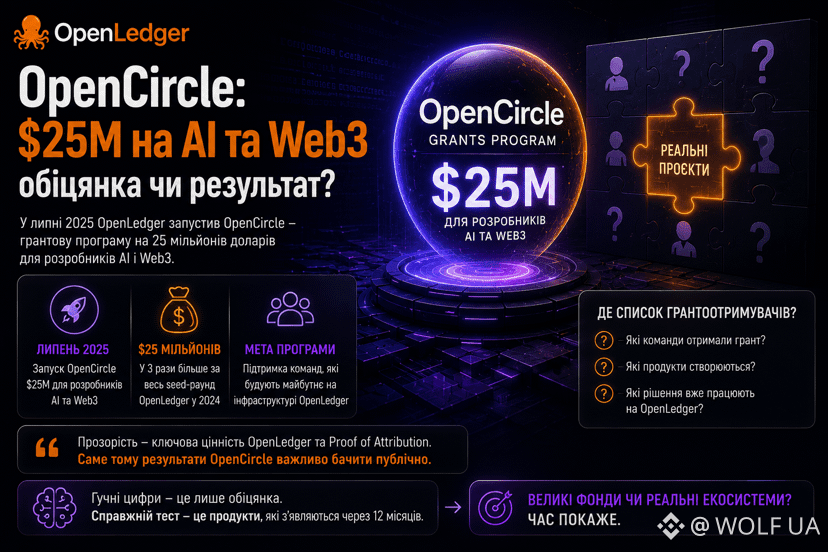
OpenCircle — برنامج منح بقيمة 25 مليون دولار لمطوري AI و Web3. بالنسبة لمشروع ناشئ، ليست مجرد نقطة أخرى في خارطة الطريق، بل رهان جريء على النظام البيئي المستقبلي.
لكن ما أثار اهتمامي ليس الرقم بحد ذاته.
أصبحت مهتمًا بما حدث بعد الإعلان.
لأن القوة الحقيقية لبرنامج المنح تقاس ليس بحجم الصندوق، بل بما أنتجته من منتجات.
بدأت أبحث عن الفرق التي حصلت على الدعم، الحلول الجاهزة، والمشاريع الجديدة داخل نظام OpenLedger البيئي. لم أرى صورة عامة مع أمثلة محددة حتى الآن.
ربما لا يزال المشروع في مرحلة التطوير. ربما النتائج لم يتم عرضها للجمهور بعد.
لكن بالنسبة لمشروع يبني فكرته حول الشفافية وProof of Attribution، سيكون من المثير تتبع هذا التطور.
لكن ماذا تعتقد: هل تخلق صناديق المنح الكبيرة في عالم الكريبتو بيئات حقيقية أم تبقى قوية فقط في يوم الإعلان؟
@Openledger #OpenLedger $OPEN
#OpenLedger لقد كنت أراجع ملخصات السنة منذ @OpenLedger وشيء واحد جعلني أستمر لفترة أطول.
OpenCircle — برنامج منح بقيمة 25 مليون دولار لمطوري AI و Web3. بالنسبة لمشروع ناشئ، ليست مجرد نقطة أخرى في خارطة الطريق، بل رهان جريء على النظام البيئي المستقبلي.
لكن ما أثار اهتمامي ليس الرقم بحد ذاته.
أصبحت مهتمًا بما حدث بعد الإعلان.
لأن القوة الحقيقية لبرنامج المنح تقاس ليس بحجم الصندوق، بل بما أنتجته من منتجات.
بدأت أبحث عن الفرق التي حصلت على الدعم، الحلول الجاهزة، والمشاريع الجديدة داخل نظام OpenLedger البيئي. لم أرى صورة عامة مع أمثلة محددة حتى الآن.
ربما لا يزال المشروع في مرحلة التطوير. ربما النتائج لم يتم عرضها للجمهور بعد.
لكن بالنسبة لمشروع يبني فكرته حول الشفافية وProof of Attribution، سيكون من المثير تتبع هذا التطور.
لكن ماذا تعتقد: هل تخلق صناديق المنح الكبيرة في عالم الكريبتو بيئات حقيقية أم تبقى قوية فقط في يوم الإعلان؟
@OpenLedger #OpenLedger $OPEN
OpenCircle — برنامج منح بقيمة 25 مليون دولار لمطوري AI و Web3. بالنسبة لمشروع ناشئ، ليست مجرد نقطة أخرى في خارطة الطريق، بل رهان جريء على النظام البيئي المستقبلي.
لكن ما أثار اهتمامي ليس الرقم بحد ذاته.
أصبحت مهتمًا بما حدث بعد الإعلان.
لأن القوة الحقيقية لبرنامج المنح تقاس ليس بحجم الصندوق، بل بما أنتجته من منتجات.
بدأت أبحث عن الفرق التي حصلت على الدعم، الحلول الجاهزة، والمشاريع الجديدة داخل نظام OpenLedger البيئي. لم أرى صورة عامة مع أمثلة محددة حتى الآن.
ربما لا يزال المشروع في مرحلة التطوير. ربما النتائج لم يتم عرضها للجمهور بعد.
لكن بالنسبة لمشروع يبني فكرته حول الشفافية وProof of Attribution، سيكون من المثير تتبع هذا التطور.
لكن ماذا تعتقد: هل تخلق صناديق المنح الكبيرة في عالم الكريبتو بيئات حقيقية أم تبقى قوية فقط في يوم الإعلان؟
@OpenLedger #OpenLedger $OPEN
3
109


·
--
تمّ التحقق
كنت أعتقد أن بناء في Web3 يقتصر فقط على الأشخاص الذين يستمتعون بالتحديق في الكود لساعات. أنا أحترم هذه المهارة، لكن بصراحة، يمكن أن تجعل الأفكار الجيدة تموت قبل أن يتم اختبارها.
لهذا السبب فإن زاوية vibecoding مع @Openledger تبدو مثيرة للاهتمام بالنسبة لي.
من وجهة نظري، لدى الكثير من الناس أفكار مفيدة لوكلاء الذكاء الاصطناعي، أدوات البيانات، مساعدي التداول، أو تطبيقات Web3 بسيطة. المشكلة ليست دائماً في الخيال. المشكلة هي الانتقال من الفكرة إلى النسخة الأولى العاملة دون الشعور بالجمود في كل خطوة تقنية.
إذا كان بإمكان OpenLedger تسهيل هذه العملية، فقد يبدأ المزيد من البناة الصغار في التجربة. ليس كل تجربة ستصبح ضخمة، وهذا جيد. عادةً ما تنمو الأنظمة البيئية الحقيقية من اختبارات فوضوية، وملاحظات، وأشخاص يجربون أشياء تبدو صغيرة في البداية.
من وجهة نظري، فإن vibecoding لا يتعلق باستبدال المطورين. إنه يتعلق بإعطاء المزيد من الناس الثقة للبدء.
قد يكون لذلك أهمية كبيرة لـ $OPEN إذا تحولت تلك التجارب إلى نشاط حقيقي داخل النظام البيئي.
هل ستجرب vibecoding على OpenLedger؟
#OpenLedger
$LAB
$CITY
{future}(OPENUSDT)
كنت أعتقد أن بناء في Web3 يقتصر فقط على الأشخاص الذين يستمتعون بالتحديق في الكود لساعات. أنا أحترم هذه المهارة، لكن بصراحة، يمكن أن تجعل الأفكار الجيدة تموت قبل أن يتم اختبارها.
لهذا السبب فإن زاوية vibecoding مع @OpenLedger تبدو مثيرة للاهتمام بالنسبة لي.
من وجهة نظري، لدى الكثير من الناس أفكار مفيدة لوكلاء الذكاء الاصطناعي، أدوات البيانات، مساعدي التداول، أو تطبيقات Web3 بسيطة. المشكلة ليست دائماً في الخيال. المشكلة هي الانتقال من الفكرة إلى النسخة الأولى العاملة دون الشعور بالجمود في كل خطوة تقنية.
إذا كان بإمكان OpenLedger تسهيل هذه العملية، فقد يبدأ المزيد من البناة الصغار في التجربة. ليس كل تجربة ستصبح ضخمة، وهذا جيد. عادةً ما تنمو الأنظمة البيئية الحقيقية من اختبارات فوضوية، وملاحظات، وأشخاص يجربون أشياء تبدو صغيرة في البداية.
من وجهة نظري، فإن vibecoding لا يتعلق باستبدال المطورين. إنه يتعلق بإعطاء المزيد من الناس الثقة للبدء.
قد يكون لذلك أهمية كبيرة لـ $OPEN إذا تحولت تلك التجارب إلى نشاط حقيقي داخل النظام البيئي.
هل ستجرب vibecoding على OpenLedger؟
#OpenLedger
$LAB
$CITY
لهذا السبب فإن زاوية vibecoding مع @OpenLedger تبدو مثيرة للاهتمام بالنسبة لي.
من وجهة نظري، لدى الكثير من الناس أفكار مفيدة لوكلاء الذكاء الاصطناعي، أدوات البيانات، مساعدي التداول، أو تطبيقات Web3 بسيطة. المشكلة ليست دائماً في الخيال. المشكلة هي الانتقال من الفكرة إلى النسخة الأولى العاملة دون الشعور بالجمود في كل خطوة تقنية.
إذا كان بإمكان OpenLedger تسهيل هذه العملية، فقد يبدأ المزيد من البناة الصغار في التجربة. ليس كل تجربة ستصبح ضخمة، وهذا جيد. عادةً ما تنمو الأنظمة البيئية الحقيقية من اختبارات فوضوية، وملاحظات، وأشخاص يجربون أشياء تبدو صغيرة في البداية.
من وجهة نظري، فإن vibecoding لا يتعلق باستبدال المطورين. إنه يتعلق بإعطاء المزيد من الناس الثقة للبدء.
قد يكون لذلك أهمية كبيرة لـ $OPEN إذا تحولت تلك التجارب إلى نشاط حقيقي داخل النظام البيئي.
هل ستجرب vibecoding على OpenLedger؟
#OpenLedger
$LAB
$CITY
Yes, I’d build fast
50%
Maybe for AI tools
50%
Need to learn more
0%
Not for me yet
0%
4 الأصوات • تمّ إغلاق التصويت
13
10
966

·
--
مقالة
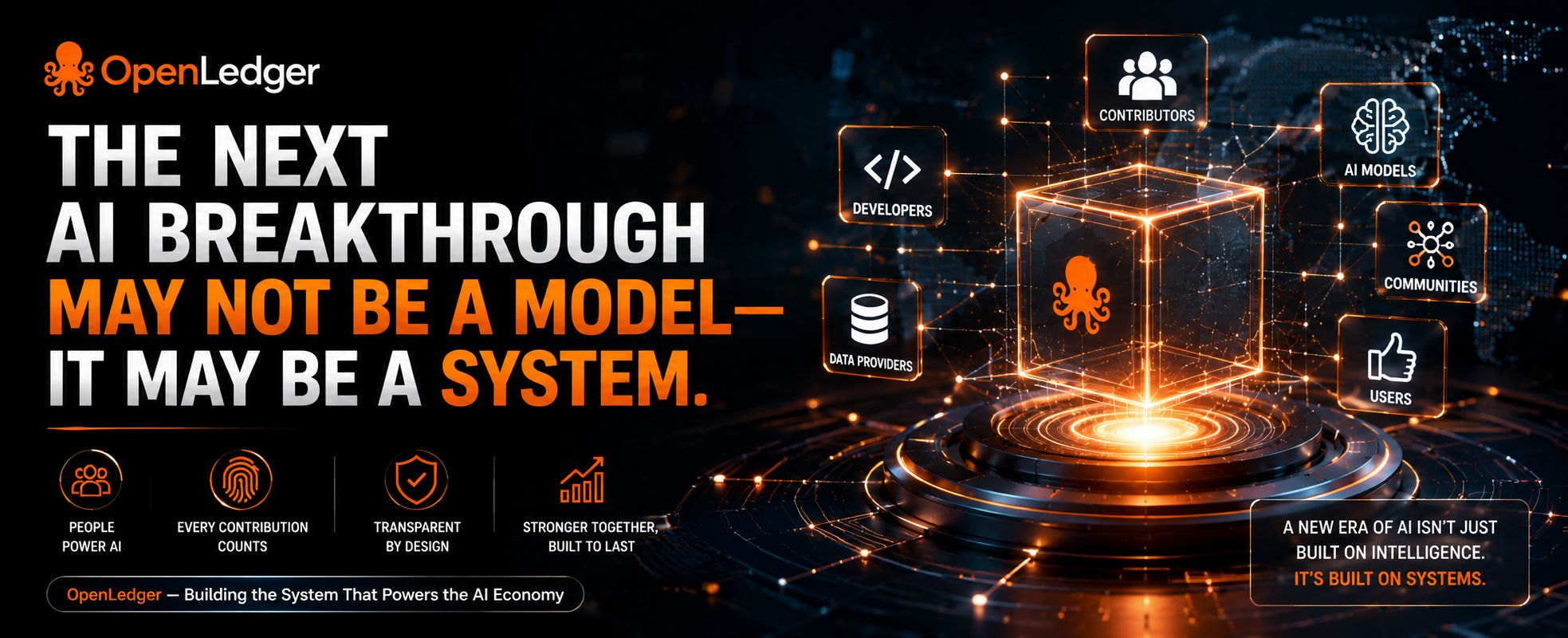
قد يكون الاختراق القادم في الذكاء الاصطناعي مش نموذج - ممكن يكون نظامكل يوم، صناعة الذكاء الاصطناعي تحتفل بإنجاز جديد.
نموذج أسرع.
مساعد أذكى.
أداة أكثر قوة.
وبرغم إن التطورات دي مثيرة، أعتقد إن كتير من الناس مركزة على جانب واحد من القصة.
مستقبل الذكاء الاصطناعي مش حيتحدد بس على أي نموذج يحقق أفضل أداء.
كمان حيتحدد على أي نظم تقدر تخلق أقوى البيئات حول الذكاء.
دي واحدة من الأسباب اللي بتخلي OpenLedger تبرز بالنسبة لي.
المشروع مش بس بيستكشف إزاي الذكاء الاصطناعي يقدر يكون أكثر كفاءة. كمان بيستكشف إزاي نظم الذكاء الاصطناعي تقدر تكون أكثر استدامة. ومع توسع الذكاء الاصطناعي في كل ركن من أركان الاقتصاد الرقمي، السؤال ده بيبقى مهم بشكل متزايد.
قد يكون الاختراق القادم في الذكاء الاصطناعي مش نموذج - ممكن يكون نظام
كل يوم، صناعة الذكاء الاصطناعي تحتفل بإنجاز جديد.
نموذج أسرع.
مساعد أذكى.
أداة أكثر قوة.
وبرغم إن التطورات دي مثيرة، أعتقد إن كتير من الناس مركزة على جانب واحد من القصة.
مستقبل الذكاء الاصطناعي مش حيتحدد بس على أي نموذج يحقق أفضل أداء.
كمان حيتحدد على أي نظم تقدر تخلق أقوى البيئات حول الذكاء.
دي واحدة من الأسباب اللي بتخلي OpenLedger تبرز بالنسبة لي.
المشروع مش بس بيستكشف إزاي الذكاء الاصطناعي يقدر يكون أكثر كفاءة. كمان بيستكشف إزاي نظم الذكاء الاصطناعي تقدر تكون أكثر استدامة. ومع توسع الذكاء الاصطناعي في كل ركن من أركان الاقتصاد الرقمي، السؤال ده بيبقى مهم بشكل متزايد.
نموذج أسرع.
مساعد أذكى.
أداة أكثر قوة.
وبرغم إن التطورات دي مثيرة، أعتقد إن كتير من الناس مركزة على جانب واحد من القصة.
مستقبل الذكاء الاصطناعي مش حيتحدد بس على أي نموذج يحقق أفضل أداء.
كمان حيتحدد على أي نظم تقدر تخلق أقوى البيئات حول الذكاء.
دي واحدة من الأسباب اللي بتخلي OpenLedger تبرز بالنسبة لي.
المشروع مش بس بيستكشف إزاي الذكاء الاصطناعي يقدر يكون أكثر كفاءة. كمان بيستكشف إزاي نظم الذكاء الاصطناعي تقدر تكون أكثر استدامة. ومع توسع الذكاء الاصطناعي في كل ركن من أركان الاقتصاد الرقمي، السؤال ده بيبقى مهم بشكل متزايد.
3
3
138

مقالة
OpenLedger جعلني أتساءل من يمتلك الذكاء فعلاًلفترة طويلة، كنت أفترض أن الملكية كانت مفهومًا بسيطًا جدًا.
يمكنك امتلاك أرض. يمكنك امتلاك عمل تجاري. يمكنك امتلاك أسهم في شركة. في عالم الكريبتو، يمكنك حتى امتلاك أصول رقمية موجودة بالكامل على الإنترنت.
لكن مؤخرًا وجدت نفسي أفكر في شيء أغرب بكثير.
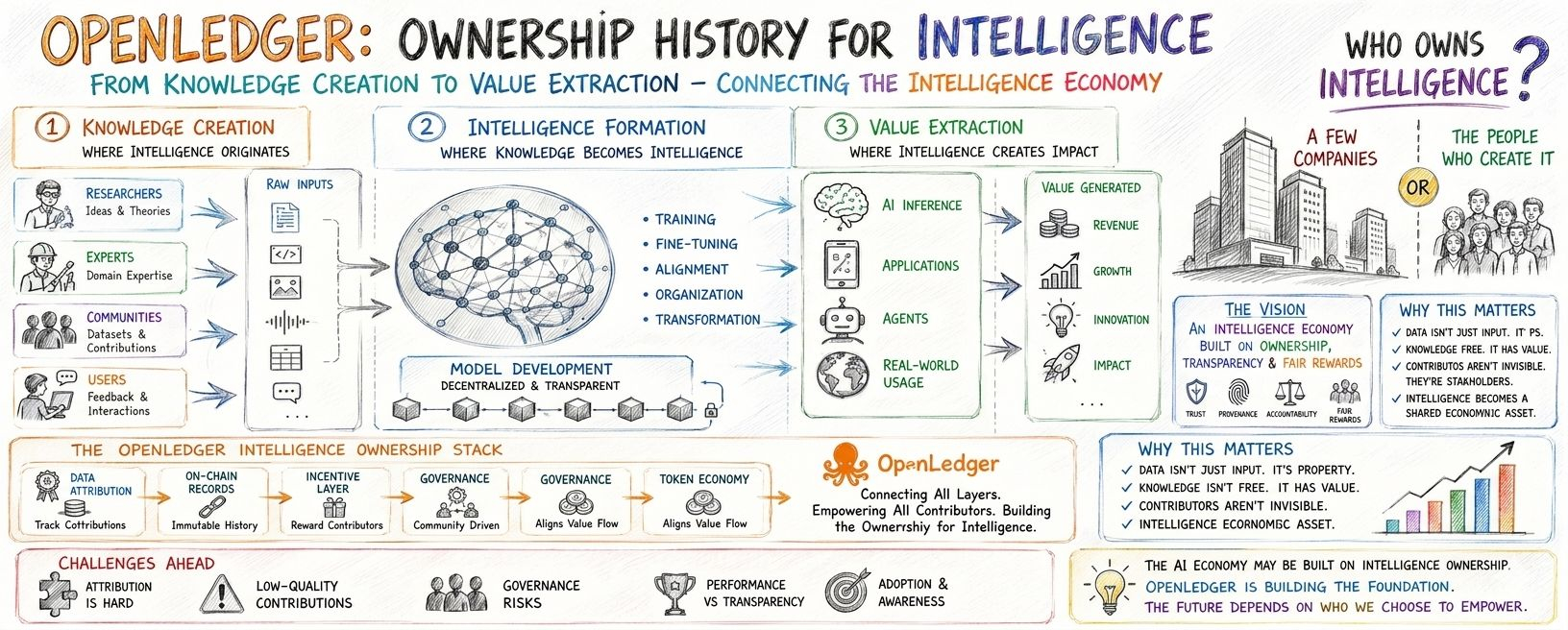
هل يمكن لأي شخص فعلاً امتلاك الذكاء؟
في البداية، يبدو أن ذلك سؤال فلسفي. ولكن كلما نظرت إلى مشاريع مثل OpenLedger، كلما بدأت أشعر أنه سؤال اقتصادي.
معظم الناس الذين ينظرون إلى OpenLedger يرون بلوكشين مدعوم بالذكاء الاصطناعي. يرون تخصيص البيانات، وتطوير نماذج لامركزية، وحوافز التوكن، ونماذج ذكاء اصطناعي متخصصة.
OpenLedger جعلني أتساءل من يمتلك الذكاء فعلاً
لفترة طويلة، كنت أفترض أن الملكية كانت مفهومًا بسيطًا جدًا.
يمكنك امتلاك أرض. يمكنك امتلاك عمل تجاري. يمكنك امتلاك أسهم في شركة. في عالم الكريبتو، يمكنك حتى امتلاك أصول رقمية موجودة بالكامل على الإنترنت.
لكن مؤخرًا وجدت نفسي أفكر في شيء أغرب بكثير.
هل يمكن لأي شخص فعلاً امتلاك الذكاء؟
في البداية، يبدو أن ذلك سؤال فلسفي. ولكن كلما نظرت إلى مشاريع مثل OpenLedger، كلما بدأت أشعر أنه سؤال اقتصادي.
معظم الناس الذين ينظرون إلى OpenLedger يرون بلوكشين مدعوم بالذكاء الاصطناعي. يرون تخصيص البيانات، وتطوير نماذج لامركزية، وحوافز التوكن، ونماذج ذكاء اصطناعي متخصصة.
يمكنك امتلاك أرض. يمكنك امتلاك عمل تجاري. يمكنك امتلاك أسهم في شركة. في عالم الكريبتو، يمكنك حتى امتلاك أصول رقمية موجودة بالكامل على الإنترنت.
لكن مؤخرًا وجدت نفسي أفكر في شيء أغرب بكثير.
هل يمكن لأي شخص فعلاً امتلاك الذكاء؟
في البداية، يبدو أن ذلك سؤال فلسفي. ولكن كلما نظرت إلى مشاريع مثل OpenLedger، كلما بدأت أشعر أنه سؤال اقتصادي.
معظم الناس الذين ينظرون إلى OpenLedger يرون بلوكشين مدعوم بالذكاء الاصطناعي. يرون تخصيص البيانات، وتطوير نماذج لامركزية، وحوافز التوكن، ونماذج ذكاء اصطناعي متخصصة.
4
5
222

·
--
الآن في عالم العملات الرقمية، إذا كان لديك مشروع ولا تلصق عليه علامة “AI”، ما تقدر حتى تسلم على الناس. OpenLedger هو واحد من أبرز الأمثلة على هذه الظاهرة - يحمل شعار “البلوكشين AI”، ويصرخ بحل قضايا حقوق البيانات وتوزيع العوائد، لكن لما تفحص الموضوع، تكتشف أنه مليء بالثغرات وكأنك بتشوف مسلسل.
أولاً، ال Proof of Attribution (إثبات النسبة) اللي تم تضخيمه للسماء، بصراحة هو بس عايز يحسب حسابات الذكاء الاصطناعي، صح؟ لكن الواقع شنو؟ النماذج العامة الحالية حتى ما تقدر تتذكر شنو قالت قبل ثانية، تتوقع من بروتوكول على السلسلة يقدر يتتبع كل سطر كود، وكل توكن مين اللي ساهم فيه؟ هذي مثل ما تخلي واحد ضعيف البصر يخيط إبرة، ولازم يستخدم ميكروسكوب بعد! تفكر خوارزمية مثل السحر؟ هذا الشيء ينفع بس في المختبرات لتشغيل ديمو، لكن لو صار استخدام واسع النطاق، تكاليف القوة الحاسوبية والتأخير راح تخلي الناس تتعذب.
وبعدين نشوف توكن $OPEN، بصراحة هو مثال على “أريد كل شيء”. يقول مرة أنه رسوم غاز، ومرة أخرى يقول أنه رسوم استنتاج، ولازم يتعامل مع توزيع الأرباح والإدارة. يا سلام، عملة وحدة لازم تخلص كل المهام التي تقوم بها إيثريوم و Bittensor. والنتيجة؟ المجتمع ياخذ الجزء الأكبر، والفريق والمستثمرين يقفلون توكناتهم سنة وبعدين يحررونها ببطء، هذا مو مثال كلاسيكي عن “الاعتماد على الإيردروب لجذب الناس، وبعدين الاعتماد على فتح القفل لقص العشب”؟ لما توصل تشكيلة المستثمرين الأوائل إلى فترة فك الحظر، شوف السوق هل يقدر يستمر في دعم السرد الكبير لـ “AI القابل للدفع”.
وبالنسبة لـ OpenLoRA، اللي يدعي أنه يشغل ألف نموذج على بطاقة واحدة، يبدو مثل ماكينة طباعة النقود. لكن أي واحد عنده فكرة تقنية يعرف، هذي العمليات اللي تضغط الذاكرة بشكل مفرط، في بيئة الإنتاج الفعلية تعتبر مجرد حد مثالي. لما توصل لحالات تزامن عالية، الأداء راح ينقطع.
في النهاية، OpenLedger هو مجرد محاولة لدمج مجموعة من مفاهيم Web3 داخل صندوق الأسود للذكاء الاصطناعي. القصة جذابة جداً، لكن أمام الحواجز التقنية الحقيقية، هذي النماذج الاقتصادية المعقدة ليست إلا تغليف للمقص.
@Openledger #openledger $OPEN
الآن في عالم العملات الرقمية، إذا كان لديك مشروع ولا تلصق عليه علامة “AI”، ما تقدر حتى تسلم على الناس. OpenLedger هو واحد من أبرز الأمثلة على هذه الظاهرة - يحمل شعار “البلوكشين AI”، ويصرخ بحل قضايا حقوق البيانات وتوزيع العوائد، لكن لما تفحص الموضوع، تكتشف أنه مليء بالثغرات وكأنك بتشوف مسلسل.
أولاً، ال Proof of Attribution (إثبات النسبة) اللي تم تضخيمه للسماء، بصراحة هو بس عايز يحسب حسابات الذكاء الاصطناعي، صح؟ لكن الواقع شنو؟ النماذج العامة الحالية حتى ما تقدر تتذكر شنو قالت قبل ثانية، تتوقع من بروتوكول على السلسلة يقدر يتتبع كل سطر كود، وكل توكن مين اللي ساهم فيه؟ هذي مثل ما تخلي واحد ضعيف البصر يخيط إبرة، ولازم يستخدم ميكروسكوب بعد! تفكر خوارزمية مثل السحر؟ هذا الشيء ينفع بس في المختبرات لتشغيل ديمو، لكن لو صار استخدام واسع النطاق، تكاليف القوة الحاسوبية والتأخير راح تخلي الناس تتعذب.
وبعدين نشوف توكن $OPEN ، بصراحة هو مثال على “أريد كل شيء”. يقول مرة أنه رسوم غاز، ومرة أخرى يقول أنه رسوم استنتاج، ولازم يتعامل مع توزيع الأرباح والإدارة. يا سلام، عملة وحدة لازم تخلص كل المهام التي تقوم بها إيثريوم و Bittensor. والنتيجة؟ المجتمع ياخذ الجزء الأكبر، والفريق والمستثمرين يقفلون توكناتهم سنة وبعدين يحررونها ببطء، هذا مو مثال كلاسيكي عن “الاعتماد على الإيردروب لجذب الناس، وبعدين الاعتماد على فتح القفل لقص العشب”؟ لما توصل تشكيلة المستثمرين الأوائل إلى فترة فك الحظر، شوف السوق هل يقدر يستمر في دعم السرد الكبير لـ “AI القابل للدفع”.
وبالنسبة لـ OpenLoRA، اللي يدعي أنه يشغل ألف نموذج على بطاقة واحدة، يبدو مثل ماكينة طباعة النقود. لكن أي واحد عنده فكرة تقنية يعرف، هذي العمليات اللي تضغط الذاكرة بشكل مفرط، في بيئة الإنتاج الفعلية تعتبر مجرد حد مثالي. لما توصل لحالات تزامن عالية، الأداء راح ينقطع.
في النهاية، OpenLedger هو مجرد محاولة لدمج مجموعة من مفاهيم Web3 داخل صندوق الأسود للذكاء الاصطناعي. القصة جذابة جداً، لكن أمام الحواجز التقنية الحقيقية، هذي النماذج الاقتصادية المعقدة ليست إلا تغليف للمقص.
@OpenLedger #openledger $OPEN
أولاً، ال Proof of Attribution (إثبات النسبة) اللي تم تضخيمه للسماء، بصراحة هو بس عايز يحسب حسابات الذكاء الاصطناعي، صح؟ لكن الواقع شنو؟ النماذج العامة الحالية حتى ما تقدر تتذكر شنو قالت قبل ثانية، تتوقع من بروتوكول على السلسلة يقدر يتتبع كل سطر كود، وكل توكن مين اللي ساهم فيه؟ هذي مثل ما تخلي واحد ضعيف البصر يخيط إبرة، ولازم يستخدم ميكروسكوب بعد! تفكر خوارزمية مثل السحر؟ هذا الشيء ينفع بس في المختبرات لتشغيل ديمو، لكن لو صار استخدام واسع النطاق، تكاليف القوة الحاسوبية والتأخير راح تخلي الناس تتعذب.
وبعدين نشوف توكن $OPEN ، بصراحة هو مثال على “أريد كل شيء”. يقول مرة أنه رسوم غاز، ومرة أخرى يقول أنه رسوم استنتاج، ولازم يتعامل مع توزيع الأرباح والإدارة. يا سلام، عملة وحدة لازم تخلص كل المهام التي تقوم بها إيثريوم و Bittensor. والنتيجة؟ المجتمع ياخذ الجزء الأكبر، والفريق والمستثمرين يقفلون توكناتهم سنة وبعدين يحررونها ببطء، هذا مو مثال كلاسيكي عن “الاعتماد على الإيردروب لجذب الناس، وبعدين الاعتماد على فتح القفل لقص العشب”؟ لما توصل تشكيلة المستثمرين الأوائل إلى فترة فك الحظر، شوف السوق هل يقدر يستمر في دعم السرد الكبير لـ “AI القابل للدفع”.
وبالنسبة لـ OpenLoRA، اللي يدعي أنه يشغل ألف نموذج على بطاقة واحدة، يبدو مثل ماكينة طباعة النقود. لكن أي واحد عنده فكرة تقنية يعرف، هذي العمليات اللي تضغط الذاكرة بشكل مفرط، في بيئة الإنتاج الفعلية تعتبر مجرد حد مثالي. لما توصل لحالات تزامن عالية، الأداء راح ينقطع.
في النهاية، OpenLedger هو مجرد محاولة لدمج مجموعة من مفاهيم Web3 داخل صندوق الأسود للذكاء الاصطناعي. القصة جذابة جداً، لكن أمام الحواجز التقنية الحقيقية، هذي النماذج الاقتصادية المعقدة ليست إلا تغليف للمقص.
@OpenLedger #openledger $OPEN
2
252

·
--
@Openledger #OpenLedger
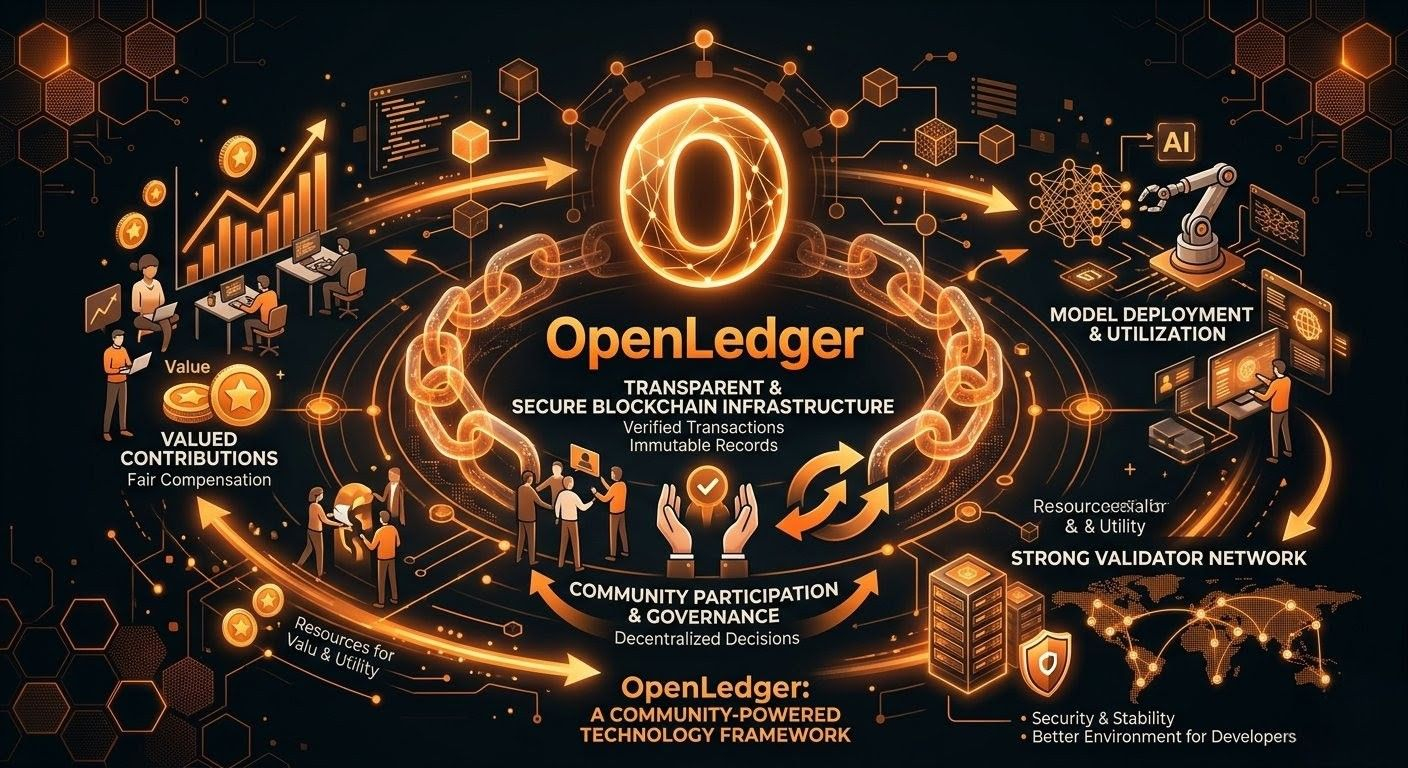
OpenLedger كا ecosystem بس ٹیکنالوجی پر مبنی پلیٹ فارم نہیں، بلکہ ایک ایسا framework ہے جہاں transparency، accountability اور community participation کو مرکزی اہمیت دی گئی ہے۔ اس سسٹم کا مقصد یہ ensure کرنا ہے کہ ہر contribution کی proper value ہو اور پلیٹ فارم کی growth سب stakeholders کے لیے فائدہ مند ثابت ہو۔
Blockchain infrastructure OpenLedger کی بنیاد کو مضبوط بناتا ہے۔ ہر transaction اور contribution کا ریکارڈ securely maintain کیا جاتا ہے، جس سے ecosystem میں trust اور reliability بڑھتی ہے۔ Participants کسی بھی activity کو verify کر سکتے ہیں، جو transparency کو ایک نئے level تک لے جاتا ہے۔
Governance بھی اس ecosystem کا اہم حصہ ہے۔ Community-backed decision making کی وجہ سے resources ان projects اور models کی طرف direct ہوتے ہیں جو واقعی demand اور utility رکھتے ہیں۔ اس approach سے unnecessary development کم ہوتی ہے اور innovation کو بہتر direction ملتی ہے۔
جب models deploy ہوتے ہیں اور users ان سے interact کرتے ہیں، تو network activity بڑھتی ہے۔ یہ activity validators کے لیے نئے opportunities create کرتی ہے، جو infrastructure کو stable اور secure رکھنے میں اپنا کردار ادا کرتے ہیں۔ Strong validator participation پورے network کی performance کو improve کرتی ہے اور developers کے لیے بہتر environment create کرتی ہے۔
OpenLedger کی سب سے بڑی strength blockchain اور model ecosystem کے درمیان موجود connection ہے۔ ایک طرف transparent infrastructure trust provide کرتا ہے، جبکہ دوسری طرف innovation اور practical utility ecosystem کی value کو بڑھاتی ہے۔ دونوں مل کر ایک ایسا cycle create کرتے ہیں جہاں growth، participation اور development لگاتار ایک دوسرے کو support کرتے رہتے ہیں۔
اسی balanced approach کی وجہ سے OpenLedger ایک ایسا ecosystem تیار کر رہا ہے جہاں technology کے ساتھ ساتھ community ownership اور long-term sustainability کو بھی equal importance دی جاتی ہے۔
$OPEN
{spot}(OPENUSDT)
@OpenLedger #OpenLedger
OpenLedger كا ecosystem بس ٹیکنالوجی پر مبنی پلیٹ فارم نہیں، بلکہ ایک ایسا framework ہے جہاں transparency، accountability اور community participation کو مرکزی اہمیت دی گئی ہے۔ اس سسٹم کا مقصد یہ ensure کرنا ہے کہ ہر contribution کی proper value ہو اور پلیٹ فارم کی growth سب stakeholders کے لیے فائدہ مند ثابت ہو۔
Blockchain infrastructure OpenLedger کی بنیاد کو مضبوط بناتا ہے۔ ہر transaction اور contribution کا ریکارڈ securely maintain کیا جاتا ہے، جس سے ecosystem میں trust اور reliability بڑھتی ہے۔ Participants کسی بھی activity کو verify کر سکتے ہیں، جو transparency کو ایک نئے level تک لے جاتا ہے۔
Governance بھی اس ecosystem کا اہم حصہ ہے۔ Community-backed decision making کی وجہ سے resources ان projects اور models کی طرف direct ہوتے ہیں جو واقعی demand اور utility رکھتے ہیں۔ اس approach سے unnecessary development کم ہوتی ہے اور innovation کو بہتر direction ملتی ہے۔
جب models deploy ہوتے ہیں اور users ان سے interact کرتے ہیں، تو network activity بڑھتی ہے۔ یہ activity validators کے لیے نئے opportunities create کرتی ہے، جو infrastructure کو stable اور secure رکھنے میں اپنا کردار ادا کرتے ہیں۔ Strong validator participation پورے network کی performance کو improve کرتی ہے اور developers کے لیے بہتر environment create کرتی ہے۔
OpenLedger کی سب سے بڑی strength blockchain اور model ecosystem کے درمیان موجود connection ہے۔ ایک طرف transparent infrastructure trust provide کرتا ہے، جبکہ دوسری طرف innovation اور practical utility ecosystem کی value کو بڑھاتی ہے۔ دونوں مل کر ایک ایسا cycle create کرتے ہیں جہاں growth، participation اور development لگاتار ایک دوسرے کو support کرتے رہتے ہیں۔
اسی balanced approach کی وجہ سے OpenLedger ایک ایسا ecosystem تیار کر رہا ہے جہاں technology کے ساتھ ساتھ community ownership اور long-term sustainability کو بھی equal importance دی جاتی ہے۔
$OPEN
OpenLedger كا ecosystem بس ٹیکنالوجی پر مبنی پلیٹ فارم نہیں، بلکہ ایک ایسا framework ہے جہاں transparency، accountability اور community participation کو مرکزی اہمیت دی گئی ہے۔ اس سسٹم کا مقصد یہ ensure کرنا ہے کہ ہر contribution کی proper value ہو اور پلیٹ فارم کی growth سب stakeholders کے لیے فائدہ مند ثابت ہو۔
Blockchain infrastructure OpenLedger کی بنیاد کو مضبوط بناتا ہے۔ ہر transaction اور contribution کا ریکارڈ securely maintain کیا جاتا ہے، جس سے ecosystem میں trust اور reliability بڑھتی ہے۔ Participants کسی بھی activity کو verify کر سکتے ہیں، جو transparency کو ایک نئے level تک لے جاتا ہے۔
Governance بھی اس ecosystem کا اہم حصہ ہے۔ Community-backed decision making کی وجہ سے resources ان projects اور models کی طرف direct ہوتے ہیں جو واقعی demand اور utility رکھتے ہیں۔ اس approach سے unnecessary development کم ہوتی ہے اور innovation کو بہتر direction ملتی ہے۔
جب models deploy ہوتے ہیں اور users ان سے interact کرتے ہیں، تو network activity بڑھتی ہے۔ یہ activity validators کے لیے نئے opportunities create کرتی ہے، جو infrastructure کو stable اور secure رکھنے میں اپنا کردار ادا کرتے ہیں۔ Strong validator participation پورے network کی performance کو improve کرتی ہے اور developers کے لیے بہتر environment create کرتی ہے۔
OpenLedger کی سب سے بڑی strength blockchain اور model ecosystem کے درمیان موجود connection ہے۔ ایک طرف transparent infrastructure trust provide کرتا ہے، جبکہ دوسری طرف innovation اور practical utility ecosystem کی value کو بڑھاتی ہے۔ دونوں مل کر ایک ایسا cycle create کرتے ہیں جہاں growth، participation اور development لگاتار ایک دوسرے کو support کرتے رہتے ہیں۔
اسی balanced approach کی وجہ سے OpenLedger ایک ایسا ecosystem تیار کر رہا ہے جہاں technology کے ساتھ ساتھ community ownership اور long-term sustainability کو بھی equal importance دی جاتی ہے۔
$OPEN
5
2
117

·
--
صاعد
تمّ التحقق
كنت أعتقد سابقًا أن هذه حالة معيارية: كلما زاد عدد المشاركين في الشبكة مثل OpenLedger، زادت البيانات والنماذج وعوامل الذكاء الاصطناعي في النظام البيئي. تبدو المنطقية واضحة - يجب أن يعزز نجاح المنصة الرغبة في تبادل الذكاء. لكن مع مرور الوقت، أصبح من الواضح أن الأمور أكثر تعقيدًا.
تخيل متداولًا متمرسًا وجد يومًا ما استراتيجية مربحة. بينما لا يعرفها أحد، فإنها تمنحه ميزة. كلما زادت قيمة الاستراتيجية، قلّت الأسباب لكشفها للآخرين. هذا يقود إلى سؤال أعمق: ماذا يحدث عندما تبدأ النماذج والبيانات الأكثر فائدة في التركز لدى أولئك الذين حصلوا بالفعل على فوائد؟
لكن في الواقع، الأمور تعمل بشكل مختلف عن الأسواق التقليدية. تبني OpenLedger بنية تحتية يمكن من خلالها تحقيق الذكاء واستقبال السيولة، ومع ذلك، هنا يأتي الخطر الرئيسي - قد يفضل المشاركون الناجحون الاحتفاظ بأفضل إنجازاتهم داخل نظمهم البيئية بدلاً من التبادل المفتوح.
لذا، أنظر إلى OpenLedger من منظور الاستدامة على المدى الطويل. وستبدأ عملية التحقق من المشروع عندما لا يزال من المفيد لمالكي هذا الأصل مشاركته مع الشبكة.
@Openledger $OPEN #OpenLedger
كنت أعتقد سابقًا أن هذه حالة معيارية: كلما زاد عدد المشاركين في الشبكة مثل OpenLedger، زادت البيانات والنماذج وعوامل الذكاء الاصطناعي في النظام البيئي. تبدو المنطقية واضحة - يجب أن يعزز نجاح المنصة الرغبة في تبادل الذكاء. لكن مع مرور الوقت، أصبح من الواضح أن الأمور أكثر تعقيدًا.
تخيل متداولًا متمرسًا وجد يومًا ما استراتيجية مربحة. بينما لا يعرفها أحد، فإنها تمنحه ميزة. كلما زادت قيمة الاستراتيجية، قلّت الأسباب لكشفها للآخرين. هذا يقود إلى سؤال أعمق: ماذا يحدث عندما تبدأ النماذج والبيانات الأكثر فائدة في التركز لدى أولئك الذين حصلوا بالفعل على فوائد؟
لكن في الواقع، الأمور تعمل بشكل مختلف عن الأسواق التقليدية. تبني OpenLedger بنية تحتية يمكن من خلالها تحقيق الذكاء واستقبال السيولة، ومع ذلك، هنا يأتي الخطر الرئيسي - قد يفضل المشاركون الناجحون الاحتفاظ بأفضل إنجازاتهم داخل نظمهم البيئية بدلاً من التبادل المفتوح.
لذا، أنظر إلى OpenLedger من منظور الاستدامة على المدى الطويل. وستبدأ عملية التحقق من المشروع عندما لا يزال من المفيد لمالكي هذا الأصل مشاركته مع الشبكة.
@OpenLedger $OPEN #OpenLedger
تخيل متداولًا متمرسًا وجد يومًا ما استراتيجية مربحة. بينما لا يعرفها أحد، فإنها تمنحه ميزة. كلما زادت قيمة الاستراتيجية، قلّت الأسباب لكشفها للآخرين. هذا يقود إلى سؤال أعمق: ماذا يحدث عندما تبدأ النماذج والبيانات الأكثر فائدة في التركز لدى أولئك الذين حصلوا بالفعل على فوائد؟
لكن في الواقع، الأمور تعمل بشكل مختلف عن الأسواق التقليدية. تبني OpenLedger بنية تحتية يمكن من خلالها تحقيق الذكاء واستقبال السيولة، ومع ذلك، هنا يأتي الخطر الرئيسي - قد يفضل المشاركون الناجحون الاحتفاظ بأفضل إنجازاتهم داخل نظمهم البيئية بدلاً من التبادل المفتوح.
لذا، أنظر إلى OpenLedger من منظور الاستدامة على المدى الطويل. وستبدأ عملية التحقق من المشروع عندما لا يزال من المفيد لمالكي هذا الأصل مشاركته مع الشبكة.
@OpenLedger $OPEN #OpenLedger

2
810

·
--
يفكر معظم الناس أن سباق الذكاء الاصطناعي يتعلق بمن يمكنه بناء النموذج الأكثر ذكاءً.
بدأت أعتقد أن هذه هي نصف القصة فقط.
كلما تابعت الذكاء الاصطناعي، زادت قناعتي أننا نشاهد منافستين مختلفتين تحدثان في نفس الوقت. واحدة واضحة: نماذج أكبر، مزيد من الحوسبة، أداء أفضل. الجميع يتحدث عن هذا الجزء.
المنافسة الأخرى أكثر هدوءًا.
تتعلق بالحوافز.
كل نظام ذكاء اصطناعي يعتمد على الناس في مكان ما في العملية. يولد الناس البيانات، ويقدمون الخبرة، ويخلقون المحتوى، ويضعون العلامات على المعلومات، ويختبرون المنتجات، ويساعدون في تحسين النتائج. بدون تلك الطبقة، حتى النموذج الأكثر تقدمًا ليس لديه شيء مفيد ليتعلم منه.
ومع ذلك، بمجرد نشر النموذج، يختفي معظم هؤلاء المساهمين من الصورة.
لهذا السبب وجدت OpenLedger مثيرة للاهتمام.
في البداية، افترضت أنها مشروع آخر يركز بشكل رئيسي على بنية الذكاء الاصطناعي. بعد قضاء المزيد من الوقت في البحث عنها، ما برز لم يكن التكنولوجيا نفسها. بل كانت المحاولة لربط المساهمين، والبنائين، والمستخدمين داخل نفس النظام الاقتصادي.
تبدو الفكرة بسيطة على السطح.
إذا كانت البيانات تساعد في خلق القيمة، هل ينبغي أن يشارك الأشخاص الذين يساهمون في تلك البيانات في الفوائد؟
يبدو أن هذا معقول، لكن في الواقع هو مشكلة صعبة. قياس المساهمة أمر صعب. مكافأة الناس بشكل عادل أصعب حتى. وخلق حوافز لا يتم استغلالها أصعب بعد.
لهذا السبب أعتقد أن التحدي الحقيقي ليس في بناء السوق.
إنه في جعل السوق يعمل.
يمكن للكثير من المشاريع إطلاق منصة. ولكن القليل منها يمكن أن يخلق نظامًا بيئيًا حيث تؤدي المساهمات الأفضل باستمرار إلى نتائج أفضل للجميع المعنيين.
ربما تنجح OpenLedger. ربما لا.
لكنني أعتقد أنها تطرح أحد الأسئلة الأكثر أهمية في الذكاء الاصطناعي الآن:
مع زيادة قيمة الأنظمة الذكية، من ينبغي أن يمتلك القيمة التي تخلقها؟
الإجابة ليست واضحة كما تبدو للوهلة الأولى.
@Openledger $OPEN #OpenLedger
يفكر معظم الناس أن سباق الذكاء الاصطناعي يتعلق بمن يمكنه بناء النموذج الأكثر ذكاءً.
بدأت أعتقد أن هذه هي نصف القصة فقط.
كلما تابعت الذكاء الاصطناعي، زادت قناعتي أننا نشاهد منافستين مختلفتين تحدثان في نفس الوقت. واحدة واضحة: نماذج أكبر، مزيد من الحوسبة، أداء أفضل. الجميع يتحدث عن هذا الجزء.
المنافسة الأخرى أكثر هدوءًا.
تتعلق بالحوافز.
كل نظام ذكاء اصطناعي يعتمد على الناس في مكان ما في العملية. يولد الناس البيانات، ويقدمون الخبرة، ويخلقون المحتوى، ويضعون العلامات على المعلومات، ويختبرون المنتجات، ويساعدون في تحسين النتائج. بدون تلك الطبقة، حتى النموذج الأكثر تقدمًا ليس لديه شيء مفيد ليتعلم منه.
ومع ذلك، بمجرد نشر النموذج، يختفي معظم هؤلاء المساهمين من الصورة.
لهذا السبب وجدت OpenLedger مثيرة للاهتمام.
في البداية، افترضت أنها مشروع آخر يركز بشكل رئيسي على بنية الذكاء الاصطناعي. بعد قضاء المزيد من الوقت في البحث عنها، ما برز لم يكن التكنولوجيا نفسها. بل كانت المحاولة لربط المساهمين، والبنائين، والمستخدمين داخل نفس النظام الاقتصادي.
تبدو الفكرة بسيطة على السطح.
إذا كانت البيانات تساعد في خلق القيمة، هل ينبغي أن يشارك الأشخاص الذين يساهمون في تلك البيانات في الفوائد؟
يبدو أن هذا معقول، لكن في الواقع هو مشكلة صعبة. قياس المساهمة أمر صعب. مكافأة الناس بشكل عادل أصعب حتى. وخلق حوافز لا يتم استغلالها أصعب بعد.
لهذا السبب أعتقد أن التحدي الحقيقي ليس في بناء السوق.
إنه في جعل السوق يعمل.
يمكن للكثير من المشاريع إطلاق منصة. ولكن القليل منها يمكن أن يخلق نظامًا بيئيًا حيث تؤدي المساهمات الأفضل باستمرار إلى نتائج أفضل للجميع المعنيين.
ربما تنجح OpenLedger. ربما لا.
لكنني أعتقد أنها تطرح أحد الأسئلة الأكثر أهمية في الذكاء الاصطناعي الآن:
مع زيادة قيمة الأنظمة الذكية، من ينبغي أن يمتلك القيمة التي تخلقها؟
الإجابة ليست واضحة كما تبدو للوهلة الأولى.
@OpenLedger $OPEN #OpenLedger
بدأت أعتقد أن هذه هي نصف القصة فقط.
كلما تابعت الذكاء الاصطناعي، زادت قناعتي أننا نشاهد منافستين مختلفتين تحدثان في نفس الوقت. واحدة واضحة: نماذج أكبر، مزيد من الحوسبة، أداء أفضل. الجميع يتحدث عن هذا الجزء.
المنافسة الأخرى أكثر هدوءًا.
تتعلق بالحوافز.
كل نظام ذكاء اصطناعي يعتمد على الناس في مكان ما في العملية. يولد الناس البيانات، ويقدمون الخبرة، ويخلقون المحتوى، ويضعون العلامات على المعلومات، ويختبرون المنتجات، ويساعدون في تحسين النتائج. بدون تلك الطبقة، حتى النموذج الأكثر تقدمًا ليس لديه شيء مفيد ليتعلم منه.
ومع ذلك، بمجرد نشر النموذج، يختفي معظم هؤلاء المساهمين من الصورة.
لهذا السبب وجدت OpenLedger مثيرة للاهتمام.
في البداية، افترضت أنها مشروع آخر يركز بشكل رئيسي على بنية الذكاء الاصطناعي. بعد قضاء المزيد من الوقت في البحث عنها، ما برز لم يكن التكنولوجيا نفسها. بل كانت المحاولة لربط المساهمين، والبنائين، والمستخدمين داخل نفس النظام الاقتصادي.
تبدو الفكرة بسيطة على السطح.
إذا كانت البيانات تساعد في خلق القيمة، هل ينبغي أن يشارك الأشخاص الذين يساهمون في تلك البيانات في الفوائد؟
يبدو أن هذا معقول، لكن في الواقع هو مشكلة صعبة. قياس المساهمة أمر صعب. مكافأة الناس بشكل عادل أصعب حتى. وخلق حوافز لا يتم استغلالها أصعب بعد.
لهذا السبب أعتقد أن التحدي الحقيقي ليس في بناء السوق.
إنه في جعل السوق يعمل.
يمكن للكثير من المشاريع إطلاق منصة. ولكن القليل منها يمكن أن يخلق نظامًا بيئيًا حيث تؤدي المساهمات الأفضل باستمرار إلى نتائج أفضل للجميع المعنيين.
ربما تنجح OpenLedger. ربما لا.
لكنني أعتقد أنها تطرح أحد الأسئلة الأكثر أهمية في الذكاء الاصطناعي الآن:
مع زيادة قيمة الأنظمة الذكية، من ينبغي أن يمتلك القيمة التي تخلقها؟
الإجابة ليست واضحة كما تبدو للوهلة الأولى.
@OpenLedger $OPEN #OpenLedger
22
9
377

·
--
مقالة
OpenLedger (OPEN) بيبدو زي واحد من المشاريع اللي مش قادر أرفضها بسهولةغصت في موضوع OpenLedger و بصراحة... لسه مش متأكد تمامًا من رأيي، وده عادةً علامة إن المشروع على الأقل بيخليني أفكر بدل ما يبيعني هُراء.
معظم مشاريع الذكاء الاصطناعي في الكريبتو بتضيعني بسرعة. بعد ما قريت كفاية منهم، كل شيء بيبدأ يبدو نفس الشيء. ذكاء اصطناعي لامركزي، وكلاء مستقلين، بنية تحتية ثورية، تغيير المستقبل... عارف القصة. لكن مع OpenLedger، لقيت نفسي بقضي وقت أكتر في محاولة فهم المشكلة الفعلية اللي بيستهدفوها بدل ما أرفع عيني وأمشي.
OpenLedger (OPEN) بيبدو زي واحد من المشاريع اللي مش قادر أرفضها بسهولة
غصت في موضوع OpenLedger و بصراحة... لسه مش متأكد تمامًا من رأيي، وده عادةً علامة إن المشروع على الأقل بيخليني أفكر بدل ما يبيعني هُراء.
معظم مشاريع الذكاء الاصطناعي في الكريبتو بتضيعني بسرعة. بعد ما قريت كفاية منهم، كل شيء بيبدأ يبدو نفس الشيء. ذكاء اصطناعي لامركزي، وكلاء مستقلين، بنية تحتية ثورية، تغيير المستقبل... عارف القصة. لكن مع OpenLedger، لقيت نفسي بقضي وقت أكتر في محاولة فهم المشكلة الفعلية اللي بيستهدفوها بدل ما أرفع عيني وأمشي.
معظم مشاريع الذكاء الاصطناعي في الكريبتو بتضيعني بسرعة. بعد ما قريت كفاية منهم، كل شيء بيبدأ يبدو نفس الشيء. ذكاء اصطناعي لامركزي، وكلاء مستقلين، بنية تحتية ثورية، تغيير المستقبل... عارف القصة. لكن مع OpenLedger، لقيت نفسي بقضي وقت أكتر في محاولة فهم المشكلة الفعلية اللي بيستهدفوها بدل ما أرفع عيني وأمشي.
1
1
116

·
--
صاعد
في البداية، ما أخذتها بجدية.
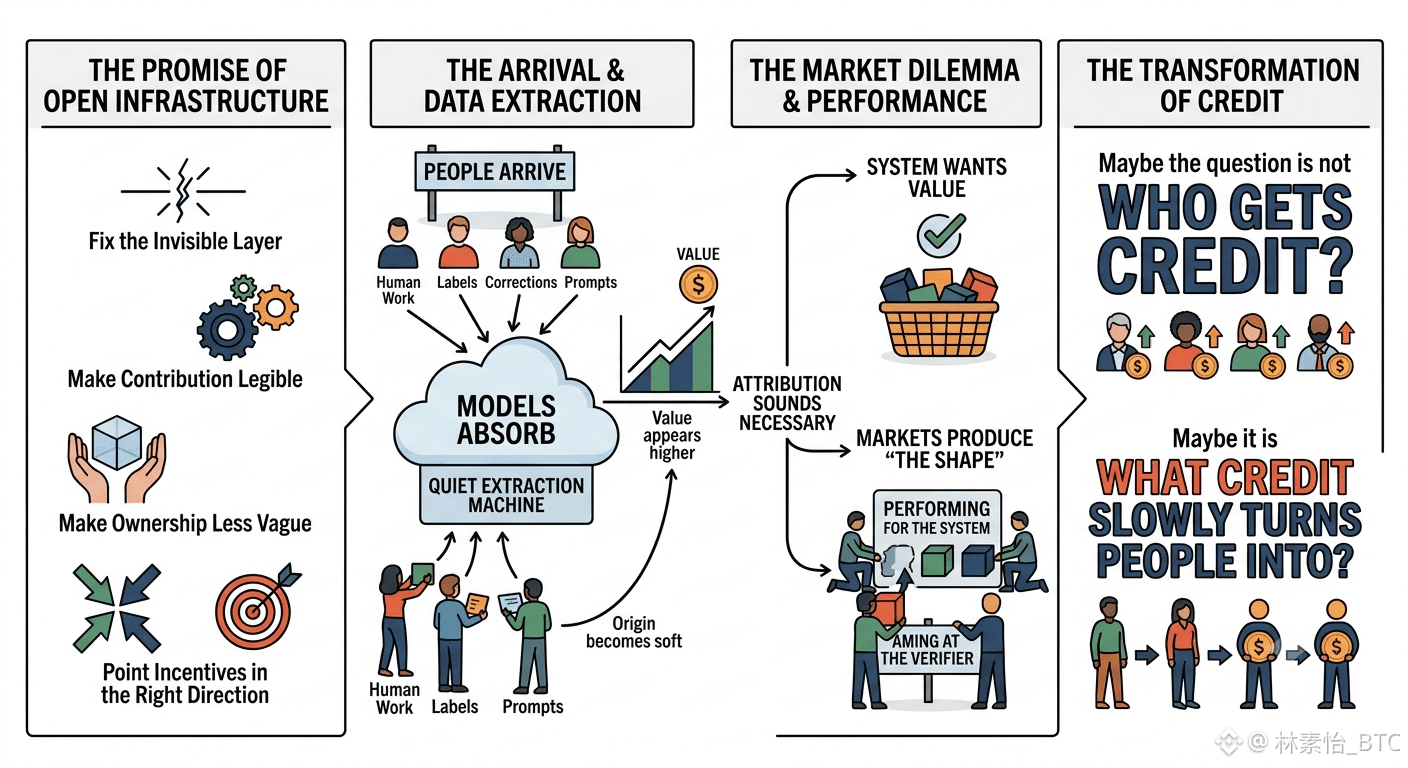
عادةً، هذا هو المكان الذي أبدأ فيه الآن، بعد مشاهدة دورات البنية التحتية تكسر نفس الوعد بلكنة مختلفة. إصلاح الطبقة غير المرئية. جعل المساهمة واضحة. جعل الملكية أقل غموضًا. جعل الحوافز تشير في الاتجاه الصحيح.
ثم يصل الناس.
والناس دائمًا يجدون الحواف.
OpenLedger من الصعب تجاهله لأن بيانات الذكاء الاصطناعي تبدو بالفعل كآلة استخراج هادئة مع لغة مهذبة حولها. يدخل العمل البشري كعلامات، وتصحيحات، ومحفزات، وأمثلة، وتفضيلات التغذية الراجعة، وحكم. قطع صغيرة، مبعثرة في كل مكان. ثم تمتص النماذج هذه، وتظهر القيمة في مكان أعلى، ويصبح الأصل ناعماً بما يكفي لوقف الدفاع.
لذا، يبدو أن النسبة ضرورية.
ربما لهذا السبب لا أثق بها بالكامل.
هنا تبدأ الأمور في الشعور بعدم الارتياح. بمجرد أن تصبح المساهمة مالية، تبدأ المساهمة في الأداء لصالح النظام. يهدف الناس إلى المراجع. يتعلمون ما يتم احتسابه. يخلقون ما يبدو مفيدًا، أصليًا، إنسانيًا بما فيه الكفاية. يريد النظام التعرف على القيمة، لكن الأسواق جيدة جدًا في إنتاج شكل القيمة دون المضمون.
إنه يعمل في النظرية. معظم الأشياء تفعل.
المشكلة ليست حقًا في التكنولوجيا. أو ربما تصبح التكنولوجيا هي المشكلة بمجرد أن يتم ضغط الثقة في إثباتات، ونقاط، ولوحات معلومات، ومعايير، ومسارات سيولة. نادرًا ما تعيد الأنظمة المفتوحة المركزية بصوت عالٍ. إنها تضيق من خلال الملاءمة، والإعدادات الافتراضية، والواجهات، وأي شخص يحصل على تعريف الصلاحية تحت الضغط.
ربما هذا صار قاسيًا جدًا.
لكنني أعود إلى ذلك.
إذا أصبحت النسبة بنية تحتية، ربما السؤال ليس من يحصل على الفضل.
ربما هو ما يتحول إليه الفضل ببطء.
$OPEN @Openledger #openledger
{spot}(OPENUSDT)
في البداية، ما أخذتها بجدية.
عادةً، هذا هو المكان الذي أبدأ فيه الآن، بعد مشاهدة دورات البنية التحتية تكسر نفس الوعد بلكنة مختلفة. إصلاح الطبقة غير المرئية. جعل المساهمة واضحة. جعل الملكية أقل غموضًا. جعل الحوافز تشير في الاتجاه الصحيح.
ثم يصل الناس.
والناس دائمًا يجدون الحواف.
OpenLedger من الصعب تجاهله لأن بيانات الذكاء الاصطناعي تبدو بالفعل كآلة استخراج هادئة مع لغة مهذبة حولها. يدخل العمل البشري كعلامات، وتصحيحات، ومحفزات، وأمثلة، وتفضيلات التغذية الراجعة، وحكم. قطع صغيرة، مبعثرة في كل مكان. ثم تمتص النماذج هذه، وتظهر القيمة في مكان أعلى، ويصبح الأصل ناعماً بما يكفي لوقف الدفاع.
لذا، يبدو أن النسبة ضرورية.
ربما لهذا السبب لا أثق بها بالكامل.
هنا تبدأ الأمور في الشعور بعدم الارتياح. بمجرد أن تصبح المساهمة مالية، تبدأ المساهمة في الأداء لصالح النظام. يهدف الناس إلى المراجع. يتعلمون ما يتم احتسابه. يخلقون ما يبدو مفيدًا، أصليًا، إنسانيًا بما فيه الكفاية. يريد النظام التعرف على القيمة، لكن الأسواق جيدة جدًا في إنتاج شكل القيمة دون المضمون.
إنه يعمل في النظرية. معظم الأشياء تفعل.
المشكلة ليست حقًا في التكنولوجيا. أو ربما تصبح التكنولوجيا هي المشكلة بمجرد أن يتم ضغط الثقة في إثباتات، ونقاط، ولوحات معلومات، ومعايير، ومسارات سيولة. نادرًا ما تعيد الأنظمة المفتوحة المركزية بصوت عالٍ. إنها تضيق من خلال الملاءمة، والإعدادات الافتراضية، والواجهات، وأي شخص يحصل على تعريف الصلاحية تحت الضغط.
ربما هذا صار قاسيًا جدًا.
لكنني أعود إلى ذلك.
إذا أصبحت النسبة بنية تحتية، ربما السؤال ليس من يحصل على الفضل.
ربما هو ما يتحول إليه الفضل ببطء.
$OPEN @OpenLedger #openledger
عادةً، هذا هو المكان الذي أبدأ فيه الآن، بعد مشاهدة دورات البنية التحتية تكسر نفس الوعد بلكنة مختلفة. إصلاح الطبقة غير المرئية. جعل المساهمة واضحة. جعل الملكية أقل غموضًا. جعل الحوافز تشير في الاتجاه الصحيح.
ثم يصل الناس.
والناس دائمًا يجدون الحواف.
OpenLedger من الصعب تجاهله لأن بيانات الذكاء الاصطناعي تبدو بالفعل كآلة استخراج هادئة مع لغة مهذبة حولها. يدخل العمل البشري كعلامات، وتصحيحات، ومحفزات، وأمثلة، وتفضيلات التغذية الراجعة، وحكم. قطع صغيرة، مبعثرة في كل مكان. ثم تمتص النماذج هذه، وتظهر القيمة في مكان أعلى، ويصبح الأصل ناعماً بما يكفي لوقف الدفاع.
لذا، يبدو أن النسبة ضرورية.
ربما لهذا السبب لا أثق بها بالكامل.
هنا تبدأ الأمور في الشعور بعدم الارتياح. بمجرد أن تصبح المساهمة مالية، تبدأ المساهمة في الأداء لصالح النظام. يهدف الناس إلى المراجع. يتعلمون ما يتم احتسابه. يخلقون ما يبدو مفيدًا، أصليًا، إنسانيًا بما فيه الكفاية. يريد النظام التعرف على القيمة، لكن الأسواق جيدة جدًا في إنتاج شكل القيمة دون المضمون.
إنه يعمل في النظرية. معظم الأشياء تفعل.
المشكلة ليست حقًا في التكنولوجيا. أو ربما تصبح التكنولوجيا هي المشكلة بمجرد أن يتم ضغط الثقة في إثباتات، ونقاط، ولوحات معلومات، ومعايير، ومسارات سيولة. نادرًا ما تعيد الأنظمة المفتوحة المركزية بصوت عالٍ. إنها تضيق من خلال الملاءمة، والإعدادات الافتراضية، والواجهات، وأي شخص يحصل على تعريف الصلاحية تحت الضغط.
ربما هذا صار قاسيًا جدًا.
لكنني أعود إلى ذلك.
إذا أصبحت النسبة بنية تحتية، ربما السؤال ليس من يحصل على الفضل.
ربما هو ما يتحول إليه الفضل ببطء.
$OPEN @OpenLedger #openledger
1
117

#openledger $OPEN حملة OpenLedger تثير حماس كبير في مجتمع الكريبتو، وهذا لسبب وجيه. مع استمرار تطور تكنولوجيا البلوكتشين، تضع OpenLedger نفسها كمشروع يركز على الابتكار، الشفافية، والنمو المدفوع من المجتمع.
المشاركة في حملة Binance OpenLedger ليست مجرد إكمال المهام وكسب المكافآت—إنها فرصة لتكون جزءًا من نظام بيئي متنامٍ قبل أن يحدث التبني الأوسع. غالبًا ما يكتسب الداعمون الأوائل خبرة قيمة، ويبنون روابط أقوى داخل المجتمع، ويضعون أنفسهم لفرص مستقبلية.
ما يجعل هذه الحملة أكثر جاذبية هو الجمع بين التعلم، والانخراط، والمكافآت. سواء كنت متحمسًا قديمًا في عالم الكريبتو أو مبتدئًا يستكشف Web3، تقدم OpenLedger وسيلة رائعة للبقاء نشطًا ومطلعًا بينما تستفيد من نمو المشروع.
لا تكتفِ بالمشاهدة من الهامش—انضم إلى المحادثة، أكمل أنشطة الحملة، واكتشف لماذا يراقب العديد من المستخدمين OpenLedger عن كثب. قد تكون الفرصة الكبيرة القادمة أقرب مما تعتقد! 🔥
#OpenLedger #BinanceSquare #Crypto #Web3 #Airdrop #Blockchain #BinanceCampaign #CryptoCommunity
#openledger $OPEN حملة OpenLedger تثير حماس كبير في مجتمع الكريبتو، وهذا لسبب وجيه. مع استمرار تطور تكنولوجيا البلوكتشين، تضع OpenLedger نفسها كمشروع يركز على الابتكار، الشفافية، والنمو المدفوع من المجتمع.
المشاركة في حملة Binance OpenLedger ليست مجرد إكمال المهام وكسب المكافآت—إنها فرصة لتكون جزءًا من نظام بيئي متنامٍ قبل أن يحدث التبني الأوسع. غالبًا ما يكتسب الداعمون الأوائل خبرة قيمة، ويبنون روابط أقوى داخل المجتمع، ويضعون أنفسهم لفرص مستقبلية.
ما يجعل هذه الحملة أكثر جاذبية هو الجمع بين التعلم، والانخراط، والمكافآت. سواء كنت متحمسًا قديمًا في عالم الكريبتو أو مبتدئًا يستكشف Web3، تقدم OpenLedger وسيلة رائعة للبقاء نشطًا ومطلعًا بينما تستفيد من نمو المشروع.
لا تكتفِ بالمشاهدة من الهامش—انضم إلى المحادثة، أكمل أنشطة الحملة، واكتشف لماذا يراقب العديد من المستخدمين OpenLedger عن كثب. قد تكون الفرصة الكبيرة القادمة أقرب مما تعتقد! 🔥
#OpenLedger #BinanceSquare #Crypto #Web3 #Airdrop #Blockchain #BinanceCampaign #CryptoCommunity
المشاركة في حملة Binance OpenLedger ليست مجرد إكمال المهام وكسب المكافآت—إنها فرصة لتكون جزءًا من نظام بيئي متنامٍ قبل أن يحدث التبني الأوسع. غالبًا ما يكتسب الداعمون الأوائل خبرة قيمة، ويبنون روابط أقوى داخل المجتمع، ويضعون أنفسهم لفرص مستقبلية.
ما يجعل هذه الحملة أكثر جاذبية هو الجمع بين التعلم، والانخراط، والمكافآت. سواء كنت متحمسًا قديمًا في عالم الكريبتو أو مبتدئًا يستكشف Web3، تقدم OpenLedger وسيلة رائعة للبقاء نشطًا ومطلعًا بينما تستفيد من نمو المشروع.
لا تكتفِ بالمشاهدة من الهامش—انضم إلى المحادثة، أكمل أنشطة الحملة، واكتشف لماذا يراقب العديد من المستخدمين OpenLedger عن كثب. قد تكون الفرصة الكبيرة القادمة أقرب مما تعتقد! 🔥
#OpenLedger #BinanceSquare #Crypto #Web3 #Airdrop #Blockchain #BinanceCampaign #CryptoCommunity
81

دفتر أستاذ مفتوح هو نظام سجل شفاف ومشترك حيث كل معاملة مرئية علنًا ويمكن التحقق منها من قبل أي شخص. على عكس قواعد البيانات الخاصة، فإنه يزيل الحاجة إلى سلطة مركزية لأن الثقة تأتي من الإجماع الموزع. يُستخدم بشكل شهير في تكنولوجيا البلوكشين، يسجل دفتر الأستاذ المفتوح المدخلات بشكل زمني، مما يجعلها غير قابلة للتلاعب بمجرد تأكيدها. هذه الشفافية تقلل من الاحتيال، وتزيد من المساءلة، وتسمح بالتدقيق المستقل دون إذن. تستخدم الشركات والحكومات والأنظمة المالية دفاتر الأستاذ المفتوحة لتتبع الأصول والعقود والمدفوعات بشكل علني. بينما تعزز الثقة، يجب إدارة الخصوصية بعناية نظرًا لأن البيانات عامة. بشكل عام، تعزز دفاتر الأستاذ المفتوحة العدالة من خلال منح جميع المشاركين وصولًا متساويًا إلى نفس المعلومات الصادقة.
#openledger $OPEN @Openledger
دفتر أستاذ مفتوح هو نظام سجل شفاف ومشترك حيث كل معاملة مرئية علنًا ويمكن التحقق منها من قبل أي شخص. على عكس قواعد البيانات الخاصة، فإنه يزيل الحاجة إلى سلطة مركزية لأن الثقة تأتي من الإجماع الموزع. يُستخدم بشكل شهير في تكنولوجيا البلوكشين، يسجل دفتر الأستاذ المفتوح المدخلات بشكل زمني، مما يجعلها غير قابلة للتلاعب بمجرد تأكيدها. هذه الشفافية تقلل من الاحتيال، وتزيد من المساءلة، وتسمح بالتدقيق المستقل دون إذن. تستخدم الشركات والحكومات والأنظمة المالية دفاتر الأستاذ المفتوحة لتتبع الأصول والعقود والمدفوعات بشكل علني. بينما تعزز الثقة، يجب إدارة الخصوصية بعناية نظرًا لأن البيانات عامة. بشكل عام، تعزز دفاتر الأستاذ المفتوحة العدالة من خلال منح جميع المشاركين وصولًا متساويًا إلى نفس المعلومات الصادقة.
#openledger $OPEN @OpenLedger
#openledger $OPEN @OpenLedger
121
سجّل الدخول لاستكشاف المزيد من المُحتوى
انضم إلى مُستخدمي العملات الرقمية حول العالم على Binance Square
⚡️ احصل على أحدث المعلومات المفيدة عن العملات الرقمية.
💬 موثوقة من قبل أكبر منصّة لتداول العملات الرقمية في العالم.
👍 اكتشف الرؤى الحقيقية من صنّاع المُحتوى الموثوقين.
البريد الإلكتروني / رقم الهاتف
المواضيع الرائجة
1
#BinancePick
3.2M مشاهدات
156,265 يقومون بالنقاش
2
#EarningsSeason
5.4M مشاهدات
26,186 يقومون بالنقاش
3
#SouthKoreaConsidersEducationTaxOnCryptoExchanges
0 مشاهدات
0 يقومون بالنقاش
4
#OCCUrgesCommunityBanksToEnterStablecoinPayments
0 مشاهدات
0 يقومون بالنقاش
5
#RippleWinsFullApprovalAsNationalTrustBank
0 مشاهدات
1 يقومون بالنقاش
6
#OndoToOpenSubscriptionsForOpenAIPreIPOTokenizedNotes
0 مشاهدات
0 يقومون بالنقاش
7
#AnthropicTTMRevenueGrewAbout1200%
40,636 مشاهدات
491 يقومون بالنقاش
8
#AnthropicS1ExpectedToday
33,379 مشاهدات
382 يقومون بالنقاش
9
#SouthKoreaReportedlyWeighsFourthCryptoTaxDelay
35,527 مشاهدات
513 يقومون بالنقاش
10
#FranklinTempletonFilesForTwoDividendToBitcoinETFs
46,947 مشاهدات
585 يقومون بالنقاش