

#halving
halving
5.5M مشاهدات
2,388 يقومون بالنقاش
رائج
جديد

·
--
⛏️ لا يُنقص التنصيف عدد عملات البيتكوين التي تملكها إلى النصف.
يُخفّض التنصيف $BTC مكافأة التعدين: أي عملات البيتكوين الجديدة التي يحصل عليها المُعدّن مقابل كل كتلة صالحة.
تتكوّن المكافأة الإجمالية للكتلة من مكافأة التعدين ورسوم المعاملات. يقلّص التنصيف مكافأة التعدين، لكنه لا يحدّد الرسوم.
يحدث التنصيف كل 210,000 كتلة. وعبارة «كل أربع سنوات» تقريبية، وليست موعدًا ثابتًا في التقويم.
لا تتغير عملات BTC التي يملكها أحدهم بالفعل بسبب هذا الحدث. كما أنه لا يضمن ارتفاع السعر.
ما الذي كان يربكك أكثر: الجدول الزمني، أم الرصيد، أم المكافأة؟
المصادر: Binance Academy — [Halving](https://www.binance.com/en/academy/glossary/halving) · [Recompensa de bloque](https://www.binance.com/en/academy/glossary/block-reward)
#bitcoin #Halving #Criptomonedas
قد يتلقى المؤلف مكافآت من Binance.
⛏️ لا يُنقص التنصيف عدد عملات البيتكوين التي تملكها إلى النصف.
يُخفّض التنصيف $BTC مكافأة التعدين: أي عملات البيتكوين الجديدة التي يحصل عليها المُعدّن مقابل كل كتلة صالحة.
تتكوّن المكافأة الإجمالية للكتلة من مكافأة التعدين ورسوم المعاملات. يقلّص التنصيف مكافأة التعدين، لكنه لا يحدّد الرسوم.
يحدث التنصيف كل 210,000 كتلة. وعبارة «كل أربع سنوات» تقريبية، وليست موعدًا ثابتًا في التقويم.
لا تتغير عملات BTC التي يملكها أحدهم بالفعل بسبب هذا الحدث. كما أنه لا يضمن ارتفاع السعر.
ما الذي كان يربكك أكثر: الجدول الزمني، أم الرصيد، أم المكافأة؟
المصادر: Binance Academy — Halving · Recompensa de bloque
#bitcoin #Halving #Criptomonedas
قد يتلقى المؤلف مكافآت من Binance.
يُخفّض التنصيف $BTC مكافأة التعدين: أي عملات البيتكوين الجديدة التي يحصل عليها المُعدّن مقابل كل كتلة صالحة.
تتكوّن المكافأة الإجمالية للكتلة من مكافأة التعدين ورسوم المعاملات. يقلّص التنصيف مكافأة التعدين، لكنه لا يحدّد الرسوم.
يحدث التنصيف كل 210,000 كتلة. وعبارة «كل أربع سنوات» تقريبية، وليست موعدًا ثابتًا في التقويم.
لا تتغير عملات BTC التي يملكها أحدهم بالفعل بسبب هذا الحدث. كما أنه لا يضمن ارتفاع السعر.
ما الذي كان يربكك أكثر: الجدول الزمني، أم الرصيد، أم المكافأة؟
المصادر: Binance Academy — Halving · Recompensa de bloque
#bitcoin #Halving #Criptomonedas
قد يتلقى المؤلف مكافآت من Binance.
67

·
--
تخيّل هذا: ينخفض معروض البيتكوين إلى النصف كل أربع سنوات، وفي المرات الثلاث الأخيرة التي حدث فيها ذلك، واصل السعر صعوده لسنوات.
أصعب ما يواجه معظم المتداولين هو ألا تفوتهم الفرصة أو ألا يدخلوا في توقيت خاطئ. ترى موعد التنصيف يقترب، فتدفعك FOMO إلى الشراء بعد فوات الأوان، أو تبيع ظنًا منك أن موجة الصعود انتهت، ثم تراقبها وهي تواصل طريقها.
في عام 2012، انتقل $BTC من نحو $12 إلى أكثر من $1,000 بعد الحدث. وفي دورة 2016، ارتفع من $650 إلى ما يقارب $20,000. ثم بدأ عام 2020 عند نحو $8,000 ووصل إلى $69,000. تكشف هذه الأرقام نمطًا واضحًا: انخفاض المعروض يقابله تنامي الطلب.
وعند مقارنة ذلك بـ $LTC، الذي أسفرت عمليات التنصيف فيه عن نتائج متفاوتة أكثر، من دون أن يعقبها الصعود الهائل نفسه، أو بـ $ETH الذي يدير المعروض عبر آليات مختلفة، تبدو دورة البيتكوين أكثر اتساقًا. لا يزال موعد 2028 على بعد بضع سنوات، لكن المؤشرات الأولية تبدو مشابهة. تاريخيًا، سبق انخفاض عدد العملات الجديدة التي تدخل السوق موجات الصعود الأكبر.
إلى أين تظن أن السعر سيتجه من هنا؟
#Bitcoin #Halving #BTC
تخيّل هذا: ينخفض معروض البيتكوين إلى النصف كل أربع سنوات، وفي المرات الثلاث الأخيرة التي حدث فيها ذلك، واصل السعر صعوده لسنوات.
أصعب ما يواجه معظم المتداولين هو ألا تفوتهم الفرصة أو ألا يدخلوا في توقيت خاطئ. ترى موعد التنصيف يقترب، فتدفعك FOMO إلى الشراء بعد فوات الأوان، أو تبيع ظنًا منك أن موجة الصعود انتهت، ثم تراقبها وهي تواصل طريقها.
في عام 2012، انتقل $BTC من نحو $12 إلى أكثر من $1,000 بعد الحدث. وفي دورة 2016، ارتفع من $650 إلى ما يقارب $20,000. ثم بدأ عام 2020 عند نحو $8,000 ووصل إلى $69,000. تكشف هذه الأرقام نمطًا واضحًا: انخفاض المعروض يقابله تنامي الطلب.
وعند مقارنة ذلك بـ $LTC ، الذي أسفرت عمليات التنصيف فيه عن نتائج متفاوتة أكثر، من دون أن يعقبها الصعود الهائل نفسه، أو بـ $ETH الذي يدير المعروض عبر آليات مختلفة، تبدو دورة البيتكوين أكثر اتساقًا. لا يزال موعد 2028 على بعد بضع سنوات، لكن المؤشرات الأولية تبدو مشابهة. تاريخيًا، سبق انخفاض عدد العملات الجديدة التي تدخل السوق موجات الصعود الأكبر.
إلى أين تظن أن السعر سيتجه من هنا؟
#Bitcoin #Halving #BTC
أصعب ما يواجه معظم المتداولين هو ألا تفوتهم الفرصة أو ألا يدخلوا في توقيت خاطئ. ترى موعد التنصيف يقترب، فتدفعك FOMO إلى الشراء بعد فوات الأوان، أو تبيع ظنًا منك أن موجة الصعود انتهت، ثم تراقبها وهي تواصل طريقها.
في عام 2012، انتقل $BTC من نحو $12 إلى أكثر من $1,000 بعد الحدث. وفي دورة 2016، ارتفع من $650 إلى ما يقارب $20,000. ثم بدأ عام 2020 عند نحو $8,000 ووصل إلى $69,000. تكشف هذه الأرقام نمطًا واضحًا: انخفاض المعروض يقابله تنامي الطلب.
وعند مقارنة ذلك بـ $LTC ، الذي أسفرت عمليات التنصيف فيه عن نتائج متفاوتة أكثر، من دون أن يعقبها الصعود الهائل نفسه، أو بـ $ETH الذي يدير المعروض عبر آليات مختلفة، تبدو دورة البيتكوين أكثر اتساقًا. لا يزال موعد 2028 على بعد بضع سنوات، لكن المؤشرات الأولية تبدو مشابهة. تاريخيًا، سبق انخفاض عدد العملات الجديدة التي تدخل السوق موجات الصعود الأكبر.
إلى أين تظن أن السعر سيتجه من هنا؟
#Bitcoin #Halving #BTC
4
كلّف هذا الخطأ المتداولين ملايين الدولارات بعد كل عملية تنصيف سابقة للبيتكوين.
يهرع كثيرون إلى الشراء بدافع الخوف من تفويت الفرصة عند القمة، ثم يبيعون عند أول هبوط، فيفوّتون تمامًا مسار الصعود البطيء الذي يحقق المكاسب فعلًا. ويتعاملون مع $BTC كأنها عملة ميم، بدلًا من كونها آلة تعمل وفق دورة تمتد أربع سنوات.
انظر إلى الدورات القليلة الماضية. فقد دفعت عملية التنصيف في 2016 البيتكوين من نحو 650 دولارًا إلى 20,000 دولار. وبعد أربع سنوات، رفعت عملية التنصيف في 2020 سعرها من 9,000 دولار إلى 69,000 دولار. وحتى مع تناقص العوائد، تظل هذه أرقامًا قادرة على تغيير الحياة لمن استثمروا مبكرًا.
والآن تقترب عملية 2028، إذ ستخفض مكافأة الكتلة من 3.125 إلى 1.5625 $BTC. وسيزداد شحّ المعروض، بينما يتواصل نمو الطلب من المؤسسات. قارن ذلك بـ $ETH أو $SOL ، اللتين تواصلان العمل وفق نماذج إصدار مختلفة. تظل استراتيجية ندرة البيتكوين بلا منافس.
تبدو الظروف مشابهة للدورات السابقة، لكن رؤوس أموال أكبر بكثير تراقب هذه المرة. لا يعيد التاريخ نفسه تمامًا، لكنه يتناغم معه؛ والتناغم الآن هو تراكم هادئ قبل صدمة المعروض التالية.
إلى أين تظن أن السعر سيتجه مع اقتراب 2028؟
#Bitcoin #Halving #دورة_العملات_المشفرة
كلّف هذا الخطأ المتداولين ملايين الدولارات بعد كل عملية تنصيف سابقة للبيتكوين.
يهرع كثيرون إلى الشراء بدافع الخوف من تفويت الفرصة عند القمة، ثم يبيعون عند أول هبوط، فيفوّتون تمامًا مسار الصعود البطيء الذي يحقق المكاسب فعلًا. ويتعاملون مع $BTC كأنها عملة ميم، بدلًا من كونها آلة تعمل وفق دورة تمتد أربع سنوات.
انظر إلى الدورات القليلة الماضية. فقد دفعت عملية التنصيف في 2016 البيتكوين من نحو 650 دولارًا إلى 20,000 دولار. وبعد أربع سنوات، رفعت عملية التنصيف في 2020 سعرها من 9,000 دولار إلى 69,000 دولار. وحتى مع تناقص العوائد، تظل هذه أرقامًا قادرة على تغيير الحياة لمن استثمروا مبكرًا.
والآن تقترب عملية 2028، إذ ستخفض مكافأة الكتلة من 3.125 إلى 1.5625 $BTC . وسيزداد شحّ المعروض، بينما يتواصل نمو الطلب من المؤسسات. قارن ذلك بـ $ETH أو $SOL ، اللتين تواصلان العمل وفق نماذج إصدار مختلفة. تظل استراتيجية ندرة البيتكوين بلا منافس.
تبدو الظروف مشابهة للدورات السابقة، لكن رؤوس أموال أكبر بكثير تراقب هذه المرة. لا يعيد التاريخ نفسه تمامًا، لكنه يتناغم معه؛ والتناغم الآن هو تراكم هادئ قبل صدمة المعروض التالية.
إلى أين تظن أن السعر سيتجه مع اقتراب 2028؟
#Bitcoin #Halving #دورة_العملات_المشفرة
يهرع كثيرون إلى الشراء بدافع الخوف من تفويت الفرصة عند القمة، ثم يبيعون عند أول هبوط، فيفوّتون تمامًا مسار الصعود البطيء الذي يحقق المكاسب فعلًا. ويتعاملون مع $BTC كأنها عملة ميم، بدلًا من كونها آلة تعمل وفق دورة تمتد أربع سنوات.
انظر إلى الدورات القليلة الماضية. فقد دفعت عملية التنصيف في 2016 البيتكوين من نحو 650 دولارًا إلى 20,000 دولار. وبعد أربع سنوات، رفعت عملية التنصيف في 2020 سعرها من 9,000 دولار إلى 69,000 دولار. وحتى مع تناقص العوائد، تظل هذه أرقامًا قادرة على تغيير الحياة لمن استثمروا مبكرًا.
والآن تقترب عملية 2028، إذ ستخفض مكافأة الكتلة من 3.125 إلى 1.5625 $BTC . وسيزداد شحّ المعروض، بينما يتواصل نمو الطلب من المؤسسات. قارن ذلك بـ $ETH أو $SOL ، اللتين تواصلان العمل وفق نماذج إصدار مختلفة. تظل استراتيجية ندرة البيتكوين بلا منافس.
تبدو الظروف مشابهة للدورات السابقة، لكن رؤوس أموال أكبر بكثير تراقب هذه المرة. لا يعيد التاريخ نفسه تمامًا، لكنه يتناغم معه؛ والتناغم الآن هو تراكم هادئ قبل صدمة المعروض التالية.
إلى أين تظن أن السعر سيتجه مع اقتراب 2028؟
#Bitcoin #Halving #دورة_العملات_المشفرة
7
·
--
هل لاحظت كيف يلتزم الناس الصمت بشأن تنصيف 2028 إلى أن يفوتهم الأوان؟
المعاناة المعتادة مألوفة. فإما أن يطارد المتداولون $BTC بعد أن تصبح الحركة واضحة، أو يترددون ويفوتهم وقت الدخول، ثم لا يعرفون متى يخرجون حين تحتدم الأحاديث.
شهدت الدورات السابقة بالفعل ارتفاعات قوية في فترات التنصيف، لذا فالسؤال ليس ما إذا كان التاريخ قد يعيد نفسه. بل ما إذا كنت ستتعامل مع هذا النمط كخطة أم كإشاعة. قد تكون الحركة الكبيرة التالية في $BTC قيد التشكّل قبل 2028 بوقت طويل، لكن الموعد في التقويم ليس نقطة دخول أو خروج، ولا سببًا لتجاهل سوء السعر. ما يميز عادةً بين من يصمدون خلال تلك الفترات ومن يعيدون أرباحهم إلى السوق أمر ممل: يحددون مستوياتهم مبكرًا، ويضبطون حجم مراكزهم بحيث لا يجبرهم هبوط السعر على البيع، ويدونون ما قد يدفعهم إلى تقليل المخاطر قبل أن يبدأ الجميع الجدال بشأن القمة.
إذا كنت تريد شيئًا يمكنك اتباعه فعليًا، فحدد النطاق الذي ستضيف عنده إلى مركزك في $BTC، والشرط الذي يخبرك بأن فرضيتك خاطئة، والنقطة التي ستجني عندها بعض الأرباح من دون انتظار قمة مثالية. قد يكون التنصيف عاملًا مساعدًا، لكنه ليس استراتيجية بحد ذاته.
إلى أين تظن أن الأمور تتجه من هنا إذا ظهر إيقاع الدورة القديمة أبكر مما يتوقع الناس؟
#Bitcoin #BTC #التنصيف
هل لاحظت كيف يلتزم الناس الصمت بشأن تنصيف 2028 إلى أن يفوتهم الأوان؟
المعاناة المعتادة مألوفة. فإما أن يطارد المتداولون $BTC بعد أن تصبح الحركة واضحة، أو يترددون ويفوتهم وقت الدخول، ثم لا يعرفون متى يخرجون حين تحتدم الأحاديث.
شهدت الدورات السابقة بالفعل ارتفاعات قوية في فترات التنصيف، لذا فالسؤال ليس ما إذا كان التاريخ قد يعيد نفسه. بل ما إذا كنت ستتعامل مع هذا النمط كخطة أم كإشاعة. قد تكون الحركة الكبيرة التالية في $BTC قيد التشكّل قبل 2028 بوقت طويل، لكن الموعد في التقويم ليس نقطة دخول أو خروج، ولا سببًا لتجاهل سوء السعر. ما يميز عادةً بين من يصمدون خلال تلك الفترات ومن يعيدون أرباحهم إلى السوق أمر ممل: يحددون مستوياتهم مبكرًا، ويضبطون حجم مراكزهم بحيث لا يجبرهم هبوط السعر على البيع، ويدونون ما قد يدفعهم إلى تقليل المخاطر قبل أن يبدأ الجميع الجدال بشأن القمة.
إذا كنت تريد شيئًا يمكنك اتباعه فعليًا، فحدد النطاق الذي ستضيف عنده إلى مركزك في $BTC ، والشرط الذي يخبرك بأن فرضيتك خاطئة، والنقطة التي ستجني عندها بعض الأرباح من دون انتظار قمة مثالية. قد يكون التنصيف عاملًا مساعدًا، لكنه ليس استراتيجية بحد ذاته.
إلى أين تظن أن الأمور تتجه من هنا إذا ظهر إيقاع الدورة القديمة أبكر مما يتوقع الناس؟
#Bitcoin #BTC #التنصيف
المعاناة المعتادة مألوفة. فإما أن يطارد المتداولون $BTC بعد أن تصبح الحركة واضحة، أو يترددون ويفوتهم وقت الدخول، ثم لا يعرفون متى يخرجون حين تحتدم الأحاديث.
شهدت الدورات السابقة بالفعل ارتفاعات قوية في فترات التنصيف، لذا فالسؤال ليس ما إذا كان التاريخ قد يعيد نفسه. بل ما إذا كنت ستتعامل مع هذا النمط كخطة أم كإشاعة. قد تكون الحركة الكبيرة التالية في $BTC قيد التشكّل قبل 2028 بوقت طويل، لكن الموعد في التقويم ليس نقطة دخول أو خروج، ولا سببًا لتجاهل سوء السعر. ما يميز عادةً بين من يصمدون خلال تلك الفترات ومن يعيدون أرباحهم إلى السوق أمر ممل: يحددون مستوياتهم مبكرًا، ويضبطون حجم مراكزهم بحيث لا يجبرهم هبوط السعر على البيع، ويدونون ما قد يدفعهم إلى تقليل المخاطر قبل أن يبدأ الجميع الجدال بشأن القمة.
إذا كنت تريد شيئًا يمكنك اتباعه فعليًا، فحدد النطاق الذي ستضيف عنده إلى مركزك في $BTC ، والشرط الذي يخبرك بأن فرضيتك خاطئة، والنقطة التي ستجني عندها بعض الأرباح من دون انتظار قمة مثالية. قد يكون التنصيف عاملًا مساعدًا، لكنه ليس استراتيجية بحد ذاته.
إلى أين تظن أن الأمور تتجه من هنا إذا ظهر إيقاع الدورة القديمة أبكر مما يتوقع الناس؟
#Bitcoin #BTC #التنصيف
1

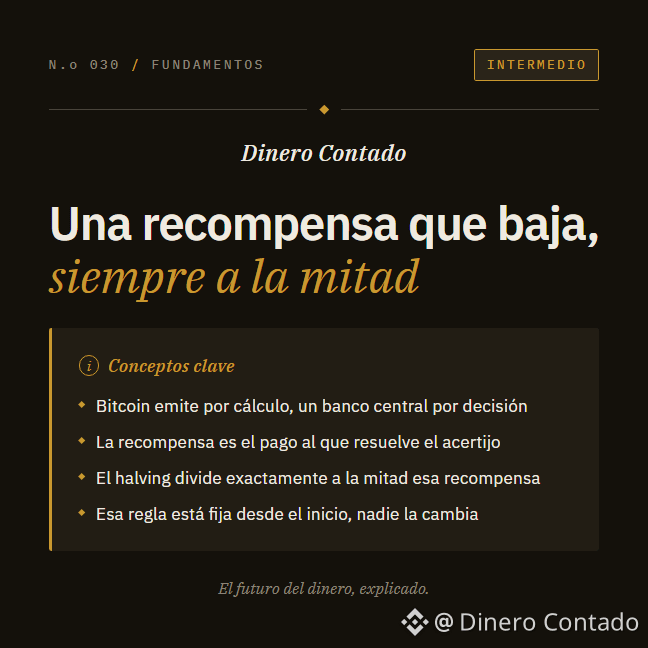
كل $BTC جديد ينتج عن عملية حسابية، لا عن مطبعة.
يشغّل أحدهم حاسوبًا قويًا ويتنافس مع آلاف غيره لحل لغز رياضي. وأول من يحلّه يضيف كتلة المعاملات التالية إلى السلسلة، وتدفع له الشبكة مقابل ذلك بعملات لم تكن موجودة قبل ثانية واحدة.
لهذا الدفع حدّ مبرمج مسبقًا. يتضمن البروتوكول قاعدة مكتوبة: كل عدد معين من الكتل، ينخفض الدفع إلى النصف تمامًا. لا يزيد، ولا يتغير بقرار أحد؛ بل يُقسَم فحسب. مرة تلو أخرى، وينخفض دائمًا إلى نصف ما كان عليه، مقتربًا من الصفر من دون أن يبلغه تمامًا.
يُسمّى هذا المبلغ الذي يحصل عليه من يقوم بالتعدين «مكافأة الكتلة»، ويُسمّى خفضه إلى النصف «التنصيف».
مفاهيم أساسية
- المكافأة ليست ثابتة مدى الحياة؛ فهي تنخفض وفق قاعدة برمجية، لا بقرار من أحد.
- التعدين لا يضمن الربح؛ فهناك تكاليف الكهرباء والأجهزة والمنافسة.
- التنصيف ليس حكرًا على بيتكوين؛ فهناك شبكات أخرى تستخدم التعدين وتطبّق تعديلات مشابهة.
- لم يعد التعدين ممكنًا باستخدام أي حاسوب محمول؛ فهو يتطلب اليوم أجهزة متخصصة وقدرة حاسوبية كبيرة.
مثلما يقرر البنك المركزي كمية الأموال التي يطبعها، يقرر كود $BTC كمية ما يصدره. لكن هذه القاعدة تُحدَّد منذ البداية، ولا يستطيع أحد تغييرها في منتصف الطريق.
الشفافية: قد تدفع لنا Binance عمولة إذا أجريت تداولًا بعد النقر على رمز أصل أو رابط سعر في هذا المنشور.
#Mineria #Halving #Criptomonedas #LedgerConfirmsUnauthorizedHardwareImplantInUserDevice #البلوكشين
كل $BTC جديد ينتج عن عملية حسابية، لا عن مطبعة.
يشغّل أحدهم حاسوبًا قويًا ويتنافس مع آلاف غيره لحل لغز رياضي. وأول من يحلّه يضيف كتلة المعاملات التالية إلى السلسلة، وتدفع له الشبكة مقابل ذلك بعملات لم تكن موجودة قبل ثانية واحدة.
لهذا الدفع حدّ مبرمج مسبقًا. يتضمن البروتوكول قاعدة مكتوبة: كل عدد معين من الكتل، ينخفض الدفع إلى النصف تمامًا. لا يزيد، ولا يتغير بقرار أحد؛ بل يُقسَم فحسب. مرة تلو أخرى، وينخفض دائمًا إلى نصف ما كان عليه، مقتربًا من الصفر من دون أن يبلغه تمامًا.
يُسمّى هذا المبلغ الذي يحصل عليه من يقوم بالتعدين «مكافأة الكتلة»، ويُسمّى خفضه إلى النصف «التنصيف».
مفاهيم أساسية
- المكافأة ليست ثابتة مدى الحياة؛ فهي تنخفض وفق قاعدة برمجية، لا بقرار من أحد.
- التعدين لا يضمن الربح؛ فهناك تكاليف الكهرباء والأجهزة والمنافسة.
- التنصيف ليس حكرًا على بيتكوين؛ فهناك شبكات أخرى تستخدم التعدين وتطبّق تعديلات مشابهة.
- لم يعد التعدين ممكنًا باستخدام أي حاسوب محمول؛ فهو يتطلب اليوم أجهزة متخصصة وقدرة حاسوبية كبيرة.
مثلما يقرر البنك المركزي كمية الأموال التي يطبعها، يقرر كود $BTC كمية ما يصدره. لكن هذه القاعدة تُحدَّد منذ البداية، ولا يستطيع أحد تغييرها في منتصف الطريق.
الشفافية: قد تدفع لنا Binance عمولة إذا أجريت تداولًا بعد النقر على رمز أصل أو رابط سعر في هذا المنشور.
#Mineria #Halving #Criptomonedas #LedgerConfirmsUnauthorizedHardwareImplantInUserDevice #البلوكشين
يشغّل أحدهم حاسوبًا قويًا ويتنافس مع آلاف غيره لحل لغز رياضي. وأول من يحلّه يضيف كتلة المعاملات التالية إلى السلسلة، وتدفع له الشبكة مقابل ذلك بعملات لم تكن موجودة قبل ثانية واحدة.
لهذا الدفع حدّ مبرمج مسبقًا. يتضمن البروتوكول قاعدة مكتوبة: كل عدد معين من الكتل، ينخفض الدفع إلى النصف تمامًا. لا يزيد، ولا يتغير بقرار أحد؛ بل يُقسَم فحسب. مرة تلو أخرى، وينخفض دائمًا إلى نصف ما كان عليه، مقتربًا من الصفر من دون أن يبلغه تمامًا.
يُسمّى هذا المبلغ الذي يحصل عليه من يقوم بالتعدين «مكافأة الكتلة»، ويُسمّى خفضه إلى النصف «التنصيف».
مفاهيم أساسية
- المكافأة ليست ثابتة مدى الحياة؛ فهي تنخفض وفق قاعدة برمجية، لا بقرار من أحد.
- التعدين لا يضمن الربح؛ فهناك تكاليف الكهرباء والأجهزة والمنافسة.
- التنصيف ليس حكرًا على بيتكوين؛ فهناك شبكات أخرى تستخدم التعدين وتطبّق تعديلات مشابهة.
- لم يعد التعدين ممكنًا باستخدام أي حاسوب محمول؛ فهو يتطلب اليوم أجهزة متخصصة وقدرة حاسوبية كبيرة.
مثلما يقرر البنك المركزي كمية الأموال التي يطبعها، يقرر كود $BTC كمية ما يصدره. لكن هذه القاعدة تُحدَّد منذ البداية، ولا يستطيع أحد تغييرها في منتصف الطريق.
الشفافية: قد تدفع لنا Binance عمولة إذا أجريت تداولًا بعد النقر على رمز أصل أو رابط سعر في هذا المنشور.
#Mineria #Halving #Criptomonedas #LedgerConfirmsUnauthorizedHardwareImplantInUserDevice #البلوكشين
1
114

·
--
التنصيف صدمة عرض بطيئة الحركة
يتوقع معظم المتداولين أن يؤدي التنصيف إلى ارتفاع الأسعار فورًا. لكن التاريخ يقول غير ذلك — وهذه الفجوة هي ما تصنع الدورات.
يخفض تنصيف البيتكوين معدل الإصدار اليومي إلى النصف تقريبًا. لكن المعدّنين لا يستجيبون لحظيًا. فهم يحتفظون بالاحتياطيات، ويستخدمون عقود التحوط الآجلة، ويعتمدون هوامش لتغطية تكاليف الطاقة. خلال الأشهر الثلاثة إلى الستة الأولى بعد التنصيف، تنخفض إيرادات المعدّنين لكل كتلة بشدة، لكن المشغّلين الأضعف هيكليًا يواصلون التعدين بخسارة انتظارًا لتعافي السعر. والنتيجة: استسلام ممتد من المعدّنين، يظهر على السلسلة في صورة تراجع معدل التجزئة وانخفاض احتياطيات المعدّنين.
تُعد مرحلة الاستسلام هذه واحدة من أوضح نوافذ التراكم في عالم العملات المشفرة. فعندما تبلغ احتياطيات المعدّنين أدنى مستوياتها منذ سنوات ويتراجع معدل التجزئة، تكون قاعدة البائعين الهامشيين — أي المعدّنين المضطرين إلى التسييل — قد استُنفدت. ويزول فائض المعروض. وعندها يصبح تأثير الطلب الجديد، مهما كان متواضعًا، على السعر أكبر.
النمط المتكرر في تنصيفات 2012 و2016 و2020: تأخر من 3 إلى 6 أشهر قبل بدء صعود مستدام، لا قفزة في اليوم الأول. يندفع مستثمرو التجزئة وراء العناوين. أما رؤوس الأموال الصبورة فتتراكم بهدوء.
$BTC $ETH $BNB
هذه ليست توقعات للسعر — بل حجة هيكلية لفهم *سبب* مضاعفة دورات التنصيف للثروة لدى من يدرسون آليات العرض بدلًا من ملاحقة الإعلانات.
#Bitcoin #Halving #MarketCycle #CryptoMining #OnChainAnalysis
التنصيف صدمة عرض بطيئة الحركة
يتوقع معظم المتداولين أن يؤدي التنصيف إلى ارتفاع الأسعار فورًا. لكن التاريخ يقول غير ذلك — وهذه الفجوة هي ما تصنع الدورات.
يخفض تنصيف البيتكوين معدل الإصدار اليومي إلى النصف تقريبًا. لكن المعدّنين لا يستجيبون لحظيًا. فهم يحتفظون بالاحتياطيات، ويستخدمون عقود التحوط الآجلة، ويعتمدون هوامش لتغطية تكاليف الطاقة. خلال الأشهر الثلاثة إلى الستة الأولى بعد التنصيف، تنخفض إيرادات المعدّنين لكل كتلة بشدة، لكن المشغّلين الأضعف هيكليًا يواصلون التعدين بخسارة انتظارًا لتعافي السعر. والنتيجة: استسلام ممتد من المعدّنين، يظهر على السلسلة في صورة تراجع معدل التجزئة وانخفاض احتياطيات المعدّنين.
تُعد مرحلة الاستسلام هذه واحدة من أوضح نوافذ التراكم في عالم العملات المشفرة. فعندما تبلغ احتياطيات المعدّنين أدنى مستوياتها منذ سنوات ويتراجع معدل التجزئة، تكون قاعدة البائعين الهامشيين — أي المعدّنين المضطرين إلى التسييل — قد استُنفدت. ويزول فائض المعروض. وعندها يصبح تأثير الطلب الجديد، مهما كان متواضعًا، على السعر أكبر.
النمط المتكرر في تنصيفات 2012 و2016 و2020: تأخر من 3 إلى 6 أشهر قبل بدء صعود مستدام، لا قفزة في اليوم الأول. يندفع مستثمرو التجزئة وراء العناوين. أما رؤوس الأموال الصبورة فتتراكم بهدوء.
$BTC $ETH $BNB
هذه ليست توقعات للسعر — بل حجة هيكلية لفهم *سبب* مضاعفة دورات التنصيف للثروة لدى من يدرسون آليات العرض بدلًا من ملاحقة الإعلانات.
#Bitcoin #Halving #MarketCycle #CryptoMining #OnChainAnalysis
يتوقع معظم المتداولين أن يؤدي التنصيف إلى ارتفاع الأسعار فورًا. لكن التاريخ يقول غير ذلك — وهذه الفجوة هي ما تصنع الدورات.
يخفض تنصيف البيتكوين معدل الإصدار اليومي إلى النصف تقريبًا. لكن المعدّنين لا يستجيبون لحظيًا. فهم يحتفظون بالاحتياطيات، ويستخدمون عقود التحوط الآجلة، ويعتمدون هوامش لتغطية تكاليف الطاقة. خلال الأشهر الثلاثة إلى الستة الأولى بعد التنصيف، تنخفض إيرادات المعدّنين لكل كتلة بشدة، لكن المشغّلين الأضعف هيكليًا يواصلون التعدين بخسارة انتظارًا لتعافي السعر. والنتيجة: استسلام ممتد من المعدّنين، يظهر على السلسلة في صورة تراجع معدل التجزئة وانخفاض احتياطيات المعدّنين.
تُعد مرحلة الاستسلام هذه واحدة من أوضح نوافذ التراكم في عالم العملات المشفرة. فعندما تبلغ احتياطيات المعدّنين أدنى مستوياتها منذ سنوات ويتراجع معدل التجزئة، تكون قاعدة البائعين الهامشيين — أي المعدّنين المضطرين إلى التسييل — قد استُنفدت. ويزول فائض المعروض. وعندها يصبح تأثير الطلب الجديد، مهما كان متواضعًا، على السعر أكبر.
النمط المتكرر في تنصيفات 2012 و2016 و2020: تأخر من 3 إلى 6 أشهر قبل بدء صعود مستدام، لا قفزة في اليوم الأول. يندفع مستثمرو التجزئة وراء العناوين. أما رؤوس الأموال الصبورة فتتراكم بهدوء.
$BTC $ETH $BNB
هذه ليست توقعات للسعر — بل حجة هيكلية لفهم *سبب* مضاعفة دورات التنصيف للثروة لدى من يدرسون آليات العرض بدلًا من ملاحقة الإعلانات.
#Bitcoin #Halving #MarketCycle #CryptoMining #OnChainAnalysis
61
·
--
كل أربع سنوات، يخفض بيتكوين مكافأة الكتلة إلى النصف. وفي كل دورة، يحتدم النقاش حول ما إذا كان التنصيف «لا يزال مهمًا» هذه المرة. إليك سبب بقاء هذه الآلية قوية من الناحية الهيكلية، حتى مع تراجع أثرها النسبي.
اقتصاديات التعدين هي العامل الأساسي. بعد التنصيف، ترتفع تكلفة الإنتاج الهامشية بشدة لدى المعدّنين الأقل كفاءة. فإما أن يحدّثوا أجهزتهم، أو يتحوّطوا مسبقًا، أو يوقفوا معدات التعدين. ويؤدي هذا الفرز بحسب معدل التجزئة إلى تقليص إصدار المعروض الجديد، في اللحظة نفسها التي تتسارع فيها روايات الطلب — تدفقات صناديق ETF، وتخصيصات المؤسسات للخزائن، وحالة عدم اليقين الاقتصادي الكلي. قيد المعروض ليس مجرد فكرة رائجة؛ بل هو ديناميكية حدّ أدنى للتكلفة مدمجة في رياضيات البروتوكول.
حجة تناقص العوائد حقيقية، لكنها غير مكتملة. نعم، خفّض تنصيف 2024 الإصدار من نحو 900 $BTC يوميًا إلى نحو 450 BTC يوميًا — وهو انخفاض مطلق أقل مما شهدته الدورات السابقة. لكن مع نضوج القيمة السوقية لبيتكوين، واقتراب أحجام التداول اليومية لصناديق ETF من مجمل إنتاج المعدّنين، حتى القيود المتواضعة على المعروض تضخّم حساسية السعر. فكلما قلّ المعروض الجديد اليومي، قلّ الطلب الجديد اللازم لتحريك السعر.
فيما يخص تموضع العملات البديلة: تاريخيًا، تبلغ هيمنة BTC ذروتها بعد التنصيف بـ6–12 شهرًا، قبل أن تتحول السيولة إلى $ETH، ثم إلى العملات متوسطة القيمة السوقية. هذا التحول ليس مضمونًا، لكن حسابات صدمة المعروض على السلسلة، إلى جانب توسّع السيولة، تهيئ الظروف الهيكلية له. راقب القيمة الإجمالية المقفلة (TVL) في منظومة $BNB بوصفها إشارة مبكرة على التحول.
افهم الآلية. لا تتداول اعتمادًا على الرواية فحسب.
#Bitcoin #Halving #CryptoMarkets #BullCycle #العملات_البديلة
كل أربع سنوات، يخفض بيتكوين مكافأة الكتلة إلى النصف. وفي كل دورة، يحتدم النقاش حول ما إذا كان التنصيف «لا يزال مهمًا» هذه المرة. إليك سبب بقاء هذه الآلية قوية من الناحية الهيكلية، حتى مع تراجع أثرها النسبي.
اقتصاديات التعدين هي العامل الأساسي. بعد التنصيف، ترتفع تكلفة الإنتاج الهامشية بشدة لدى المعدّنين الأقل كفاءة. فإما أن يحدّثوا أجهزتهم، أو يتحوّطوا مسبقًا، أو يوقفوا معدات التعدين. ويؤدي هذا الفرز بحسب معدل التجزئة إلى تقليص إصدار المعروض الجديد، في اللحظة نفسها التي تتسارع فيها روايات الطلب — تدفقات صناديق ETF، وتخصيصات المؤسسات للخزائن، وحالة عدم اليقين الاقتصادي الكلي. قيد المعروض ليس مجرد فكرة رائجة؛ بل هو ديناميكية حدّ أدنى للتكلفة مدمجة في رياضيات البروتوكول.
حجة تناقص العوائد حقيقية، لكنها غير مكتملة. نعم، خفّض تنصيف 2024 الإصدار من نحو 900 $BTC يوميًا إلى نحو 450 BTC يوميًا — وهو انخفاض مطلق أقل مما شهدته الدورات السابقة. لكن مع نضوج القيمة السوقية لبيتكوين، واقتراب أحجام التداول اليومية لصناديق ETF من مجمل إنتاج المعدّنين، حتى القيود المتواضعة على المعروض تضخّم حساسية السعر. فكلما قلّ المعروض الجديد اليومي، قلّ الطلب الجديد اللازم لتحريك السعر.
فيما يخص تموضع العملات البديلة: تاريخيًا، تبلغ هيمنة BTC ذروتها بعد التنصيف بـ6–12 شهرًا، قبل أن تتحول السيولة إلى $ETH ، ثم إلى العملات متوسطة القيمة السوقية. هذا التحول ليس مضمونًا، لكن حسابات صدمة المعروض على السلسلة، إلى جانب توسّع السيولة، تهيئ الظروف الهيكلية له. راقب القيمة الإجمالية المقفلة (TVL) في منظومة $BNB بوصفها إشارة مبكرة على التحول.
افهم الآلية. لا تتداول اعتمادًا على الرواية فحسب.
#Bitcoin #Halving #CryptoMarkets #BullCycle #العملات_البديلة
اقتصاديات التعدين هي العامل الأساسي. بعد التنصيف، ترتفع تكلفة الإنتاج الهامشية بشدة لدى المعدّنين الأقل كفاءة. فإما أن يحدّثوا أجهزتهم، أو يتحوّطوا مسبقًا، أو يوقفوا معدات التعدين. ويؤدي هذا الفرز بحسب معدل التجزئة إلى تقليص إصدار المعروض الجديد، في اللحظة نفسها التي تتسارع فيها روايات الطلب — تدفقات صناديق ETF، وتخصيصات المؤسسات للخزائن، وحالة عدم اليقين الاقتصادي الكلي. قيد المعروض ليس مجرد فكرة رائجة؛ بل هو ديناميكية حدّ أدنى للتكلفة مدمجة في رياضيات البروتوكول.
حجة تناقص العوائد حقيقية، لكنها غير مكتملة. نعم، خفّض تنصيف 2024 الإصدار من نحو 900 $BTC يوميًا إلى نحو 450 BTC يوميًا — وهو انخفاض مطلق أقل مما شهدته الدورات السابقة. لكن مع نضوج القيمة السوقية لبيتكوين، واقتراب أحجام التداول اليومية لصناديق ETF من مجمل إنتاج المعدّنين، حتى القيود المتواضعة على المعروض تضخّم حساسية السعر. فكلما قلّ المعروض الجديد اليومي، قلّ الطلب الجديد اللازم لتحريك السعر.
فيما يخص تموضع العملات البديلة: تاريخيًا، تبلغ هيمنة BTC ذروتها بعد التنصيف بـ6–12 شهرًا، قبل أن تتحول السيولة إلى $ETH ، ثم إلى العملات متوسطة القيمة السوقية. هذا التحول ليس مضمونًا، لكن حسابات صدمة المعروض على السلسلة، إلى جانب توسّع السيولة، تهيئ الظروف الهيكلية له. راقب القيمة الإجمالية المقفلة (TVL) في منظومة $BNB بوصفها إشارة مبكرة على التحول.
افهم الآلية. لا تتداول اعتمادًا على الرواية فحسب.
#Bitcoin #Halving #CryptoMarkets #BullCycle #العملات_البديلة
36
·
--
تنصيف بيتكوين أكثر من مجرد حدث على الرسم البياني؛ إنه دورة أعمال مدتها أربع سنوات مدمجة مباشرةً في البروتوكول.
كل نحو 210,000 كتلة، ينخفض إصدار المعدّنين إلى النصف. هذه ليست ندرة مجازية، بل أمر حتمي قابل للتدقيق وغير قابل للتغيير. لا يستطيع أي بنك مركزي التصويت لإلغائها.
إليك ما يجعل الدورة الحالية مختلفة بنيويًا عن سابقاتها:
1. استيعاب الطلب عبر صناديق ETF الفورية. يستهلك المشترون المؤسسيون الآن المعروض الجديد لحظة بلحظة، ما يقلّص المعروض المتاح للتداول قبل أن يلاحظ الأفراد ذلك.
2. نضوج إيرادات رسوم المعدّنين. مع اقتراب دعم الكتلة من الصفر في عمليات التنصيف المقبلة، لا بد أن تملأ رسوم المعاملات ميزانية الأمان. ويشكّل ارتفاع النشاط على السلسلة — بما في ذلك Ordinals وBRC-20 والتسوية عبر الطبقة الثانية — تدريبًا عمليًا على هذا التحول تحديدًا.
3. التوجه نحو الحفظ الذاتي. احتياطيات منصات التداول عند أدنى مستوياتها منذ سنوات. وخروج العملات من الحفظ يقلّص المعروض السائل أكثر، ما يضخّم أثر أي طفرة في الطلب.
4. ارتباط ETH مع اختلافه. $ETH يعمل بديناميكية عرض خاصة به عبر حرق EIP-1559، ما يعني أن اثنين من أكبر الأصول لديهما الآن آليات انكماشية مبرمجة تعمل بالتزامن.
لا يضمن التنصيف سوقًا صاعدة. إنه يقلّص المعروض بينما يظل الطلب متغيرًا. لكن على مدى أربع دورات، كان النمط متسقًا على نحو لافت: تأتي صدمة المعروض قبل اكتشاف السعر بستة إلى ثمانية عشر شهرًا.
راقب فترة استسلام المعدّنين مباشرة بعد التنصيف؛ فقد كانت تاريخيًا منطقة التجميع الأعلى من حيث القناعة.
$BTC $ETH $BNB
#Bitcoin #Halving #CryptoMarketCycle #BullMarket #CryptoInsights
تنصيف بيتكوين أكثر من مجرد حدث على الرسم البياني؛ إنه دورة أعمال مدتها أربع سنوات مدمجة مباشرةً في البروتوكول.
كل نحو 210,000 كتلة، ينخفض إصدار المعدّنين إلى النصف. هذه ليست ندرة مجازية، بل أمر حتمي قابل للتدقيق وغير قابل للتغيير. لا يستطيع أي بنك مركزي التصويت لإلغائها.
إليك ما يجعل الدورة الحالية مختلفة بنيويًا عن سابقاتها:
1. استيعاب الطلب عبر صناديق ETF الفورية. يستهلك المشترون المؤسسيون الآن المعروض الجديد لحظة بلحظة، ما يقلّص المعروض المتاح للتداول قبل أن يلاحظ الأفراد ذلك.
2. نضوج إيرادات رسوم المعدّنين. مع اقتراب دعم الكتلة من الصفر في عمليات التنصيف المقبلة، لا بد أن تملأ رسوم المعاملات ميزانية الأمان. ويشكّل ارتفاع النشاط على السلسلة — بما في ذلك Ordinals وBRC-20 والتسوية عبر الطبقة الثانية — تدريبًا عمليًا على هذا التحول تحديدًا.
3. التوجه نحو الحفظ الذاتي. احتياطيات منصات التداول عند أدنى مستوياتها منذ سنوات. وخروج العملات من الحفظ يقلّص المعروض السائل أكثر، ما يضخّم أثر أي طفرة في الطلب.
4. ارتباط ETH مع اختلافه. $ETH يعمل بديناميكية عرض خاصة به عبر حرق EIP-1559، ما يعني أن اثنين من أكبر الأصول لديهما الآن آليات انكماشية مبرمجة تعمل بالتزامن.
لا يضمن التنصيف سوقًا صاعدة. إنه يقلّص المعروض بينما يظل الطلب متغيرًا. لكن على مدى أربع دورات، كان النمط متسقًا على نحو لافت: تأتي صدمة المعروض قبل اكتشاف السعر بستة إلى ثمانية عشر شهرًا.
راقب فترة استسلام المعدّنين مباشرة بعد التنصيف؛ فقد كانت تاريخيًا منطقة التجميع الأعلى من حيث القناعة.
$BTC $ETH $BNB
#Bitcoin #Halving #CryptoMarketCycle #BullMarket #CryptoInsights
كل نحو 210,000 كتلة، ينخفض إصدار المعدّنين إلى النصف. هذه ليست ندرة مجازية، بل أمر حتمي قابل للتدقيق وغير قابل للتغيير. لا يستطيع أي بنك مركزي التصويت لإلغائها.
إليك ما يجعل الدورة الحالية مختلفة بنيويًا عن سابقاتها:
1. استيعاب الطلب عبر صناديق ETF الفورية. يستهلك المشترون المؤسسيون الآن المعروض الجديد لحظة بلحظة، ما يقلّص المعروض المتاح للتداول قبل أن يلاحظ الأفراد ذلك.
2. نضوج إيرادات رسوم المعدّنين. مع اقتراب دعم الكتلة من الصفر في عمليات التنصيف المقبلة، لا بد أن تملأ رسوم المعاملات ميزانية الأمان. ويشكّل ارتفاع النشاط على السلسلة — بما في ذلك Ordinals وBRC-20 والتسوية عبر الطبقة الثانية — تدريبًا عمليًا على هذا التحول تحديدًا.
3. التوجه نحو الحفظ الذاتي. احتياطيات منصات التداول عند أدنى مستوياتها منذ سنوات. وخروج العملات من الحفظ يقلّص المعروض السائل أكثر، ما يضخّم أثر أي طفرة في الطلب.
4. ارتباط ETH مع اختلافه. $ETH يعمل بديناميكية عرض خاصة به عبر حرق EIP-1559، ما يعني أن اثنين من أكبر الأصول لديهما الآن آليات انكماشية مبرمجة تعمل بالتزامن.
لا يضمن التنصيف سوقًا صاعدة. إنه يقلّص المعروض بينما يظل الطلب متغيرًا. لكن على مدى أربع دورات، كان النمط متسقًا على نحو لافت: تأتي صدمة المعروض قبل اكتشاف السعر بستة إلى ثمانية عشر شهرًا.
راقب فترة استسلام المعدّنين مباشرة بعد التنصيف؛ فقد كانت تاريخيًا منطقة التجميع الأعلى من حيث القناعة.
$BTC $ETH $BNB
#Bitcoin #Halving #CryptoMarketCycle #BullMarket #CryptoInsights
33
·
--
تنصيفات بيتكوين صدمةٌ في المعروض — ومع ذلك، لا يزال معظم المستثمرين يقلّلون من شأنها
كل نحو 4 سنوات، تُخفَّض مكافأة الكتلة في بيتكوين إلى النصف. قد يبدو الأمر آليًا. وهو كذلك بالفعل. وهذا تحديدًا ما يمنحه قوته الكبيرة.
تستجيب معظم السلع لارتفاع الأسعار بزيادة المعروض. فشركات النفط تحفر المزيد من الآبار، وعمال مناجم الذهب يتعمقون في الحفر. لكن بيتكوين لا تستطيع فعل ذلك. جدول الإصدار مكتوب في الشيفرة البرمجية. ولا يمكن للمعدّنين التصويت على إصدار المزيد. ولا يستطيع أي مجلس إدارة أن يجيز تخفيف قيمة العملة. عندما يرتفع الطلب في مواجهة منحنى معروض غير مرن بطبيعته، لا تكون النتيجة السعرية أمرًا هينًا.
خفض تنصيف 2024 الإصدار الجديد إلى نحو 450 BTC يوميًا — أي ما يقارب 27 مليون دولار عند سعر 60 ألف دولار. وكانت تدفقات صناديق ETF في أوائل 2024 وحدها تمتص أضعاف هذه الكمية اليومية. عندما يدخل الطلب المؤسسي عبر قنوات استثمارية خاضعة للتنظيم في مواجهة معروض متداول آخذ في الانكماش، تكون ديناميكية الامتصاص مختلفة عن أي دورة سابقة.
يسيطر حاملو بيتكوين على المدى الطويل — أي المحافظ التي لم تحرّك عملاتها منذ 155 يومًا أو أكثر — على أكثر من 70% من المعروض المتداول الآن. هذه المحافظ لا تبيع عند الانخفاضات، بل تواصل التجميع. أما المعروض السائل المتبقي فهو ضئيل مقارنةً برؤوس الأموال الموجودة لدى الجهات المتخصصة في تخصيص الاستثمارات للعملات المشفرة.
$BTC ليس مجرد ذهب رقمي — بل أصل ذو معروض ثابت في عالم يطبع كميات متغيرة من كل شيء آخر. $ETH يضيف إليه آلية لحرق الرسوم. و$BNB لديه عمليات حرق ربع سنوية منظّمة. يزداد أثر محدودية مرونة المعروض بمرور الوقت. افهم الآليات قبل المرحلة الصاعدة التالية.
#Bitcoin #Halving #CryptoInvesting #BTC #الاحتفاظ_طويل_الأجل
تنصيفات بيتكوين صدمةٌ في المعروض — ومع ذلك، لا يزال معظم المستثمرين يقلّلون من شأنها
كل نحو 4 سنوات، تُخفَّض مكافأة الكتلة في بيتكوين إلى النصف. قد يبدو الأمر آليًا. وهو كذلك بالفعل. وهذا تحديدًا ما يمنحه قوته الكبيرة.
تستجيب معظم السلع لارتفاع الأسعار بزيادة المعروض. فشركات النفط تحفر المزيد من الآبار، وعمال مناجم الذهب يتعمقون في الحفر. لكن بيتكوين لا تستطيع فعل ذلك. جدول الإصدار مكتوب في الشيفرة البرمجية. ولا يمكن للمعدّنين التصويت على إصدار المزيد. ولا يستطيع أي مجلس إدارة أن يجيز تخفيف قيمة العملة. عندما يرتفع الطلب في مواجهة منحنى معروض غير مرن بطبيعته، لا تكون النتيجة السعرية أمرًا هينًا.
خفض تنصيف 2024 الإصدار الجديد إلى نحو 450 BTC يوميًا — أي ما يقارب 27 مليون دولار عند سعر 60 ألف دولار. وكانت تدفقات صناديق ETF في أوائل 2024 وحدها تمتص أضعاف هذه الكمية اليومية. عندما يدخل الطلب المؤسسي عبر قنوات استثمارية خاضعة للتنظيم في مواجهة معروض متداول آخذ في الانكماش، تكون ديناميكية الامتصاص مختلفة عن أي دورة سابقة.
يسيطر حاملو بيتكوين على المدى الطويل — أي المحافظ التي لم تحرّك عملاتها منذ 155 يومًا أو أكثر — على أكثر من 70% من المعروض المتداول الآن. هذه المحافظ لا تبيع عند الانخفاضات، بل تواصل التجميع. أما المعروض السائل المتبقي فهو ضئيل مقارنةً برؤوس الأموال الموجودة لدى الجهات المتخصصة في تخصيص الاستثمارات للعملات المشفرة.
$BTC ليس مجرد ذهب رقمي — بل أصل ذو معروض ثابت في عالم يطبع كميات متغيرة من كل شيء آخر. $ETH يضيف إليه آلية لحرق الرسوم. و$BNB لديه عمليات حرق ربع سنوية منظّمة. يزداد أثر محدودية مرونة المعروض بمرور الوقت. افهم الآليات قبل المرحلة الصاعدة التالية.
#Bitcoin #Halving #CryptoInvesting #BTC #الاحتفاظ_طويل_الأجل
كل نحو 4 سنوات، تُخفَّض مكافأة الكتلة في بيتكوين إلى النصف. قد يبدو الأمر آليًا. وهو كذلك بالفعل. وهذا تحديدًا ما يمنحه قوته الكبيرة.
تستجيب معظم السلع لارتفاع الأسعار بزيادة المعروض. فشركات النفط تحفر المزيد من الآبار، وعمال مناجم الذهب يتعمقون في الحفر. لكن بيتكوين لا تستطيع فعل ذلك. جدول الإصدار مكتوب في الشيفرة البرمجية. ولا يمكن للمعدّنين التصويت على إصدار المزيد. ولا يستطيع أي مجلس إدارة أن يجيز تخفيف قيمة العملة. عندما يرتفع الطلب في مواجهة منحنى معروض غير مرن بطبيعته، لا تكون النتيجة السعرية أمرًا هينًا.
خفض تنصيف 2024 الإصدار الجديد إلى نحو 450 BTC يوميًا — أي ما يقارب 27 مليون دولار عند سعر 60 ألف دولار. وكانت تدفقات صناديق ETF في أوائل 2024 وحدها تمتص أضعاف هذه الكمية اليومية. عندما يدخل الطلب المؤسسي عبر قنوات استثمارية خاضعة للتنظيم في مواجهة معروض متداول آخذ في الانكماش، تكون ديناميكية الامتصاص مختلفة عن أي دورة سابقة.
يسيطر حاملو بيتكوين على المدى الطويل — أي المحافظ التي لم تحرّك عملاتها منذ 155 يومًا أو أكثر — على أكثر من 70% من المعروض المتداول الآن. هذه المحافظ لا تبيع عند الانخفاضات، بل تواصل التجميع. أما المعروض السائل المتبقي فهو ضئيل مقارنةً برؤوس الأموال الموجودة لدى الجهات المتخصصة في تخصيص الاستثمارات للعملات المشفرة.
$BTC ليس مجرد ذهب رقمي — بل أصل ذو معروض ثابت في عالم يطبع كميات متغيرة من كل شيء آخر. $ETH يضيف إليه آلية لحرق الرسوم. و$BNB لديه عمليات حرق ربع سنوية منظّمة. يزداد أثر محدودية مرونة المعروض بمرور الوقت. افهم الآليات قبل المرحلة الصاعدة التالية.
#Bitcoin #Halving #CryptoInvesting #BTC #الاحتفاظ_طويل_الأجل
58
·
--
أحداث تنصيف بيتكوين ليست مجرد محطات بارزة — بل هي صدمات هيكلية في المعروض، مدمجة في البروتوكول منذ اليوم الأول.
كل ~210,000 كتلة، تنخفض مكافآت الكتل التي يحصل عليها المعدّنون إلى النصف. وقد حدث ذلك حتى الآن أربع مرات. ومع كل دورة، ينكمش المعروض الجديد البالغ $BTC الذي يدخل التداول، بينما يواصل الطلب نموه — مدفوعًا بتدفقات الأفراد والمؤسسات، والآن صناديق ETF.
إليكم الحسابات التي نادرًا ما يجري الحديث عنها: بعد تنصيف 2024، انخفض إصدار بيتكوين اليومي إلى نحو 450 BTC. وعند أي سعر يتجاوز $50,000، يعني ذلك ضغط بيع يوميًا من المعدّنين يزيد على $22 مليون، لمجرد تغطية التكاليف. وعندما تستطيع تدفقات صناديق ETF وحدها استيعاب عشرة أضعاف هذا المقدار في جلسة واحدة، يصبح اختلال التوازن بين العرض والطلب جليًا.
أما الجانب الأعمق، فهو أن المعدّنين ينتقلون من الاعتماد على إصدار العملات وحده لتحقيق الإيرادات إلى الإيرادات القائمة على الرسوم، مع امتلاء الكتل وتراكم الطلب على المعاملات. وهذا هو مسار النضج نفسه الذي جعل اقتصاديات الرسوم $ETH جذابة خلال ذروة دورات DeFi.
رأس المال الصبور يدرك ذلك. فهو لا يتداول بناءً على العناوين الرئيسية، بل يراكم الأصول وسط الضجيج، ويراقب تدفقات الخروج من محافظ المعدّنين، ويحدد أحجام مراكزه استنادًا إلى نطاقات السعر المحقق — لا إلى تحركات الأسعار اليومية.
وتستفيد $BNB ومنظومات الطبقة الأولى الأوسع من الفكرة نفسها: الندرة ميزة وليست عيبًا. فالمطوّرون وحاملو الأصول الذين يفهمون آليات المعروض يميلون إلى الصمود أكثر من أولئك الذين لا يفهمونها.
ادرس منحنى الإصدار. فهو يخبرك بكل شيء.
#Bitcoin #Halving #CryptoSupply #LongTermConviction #كريبتو
أحداث تنصيف بيتكوين ليست مجرد محطات بارزة — بل هي صدمات هيكلية في المعروض، مدمجة في البروتوكول منذ اليوم الأول.
كل ~210,000 كتلة، تنخفض مكافآت الكتل التي يحصل عليها المعدّنون إلى النصف. وقد حدث ذلك حتى الآن أربع مرات. ومع كل دورة، ينكمش المعروض الجديد البالغ $BTC الذي يدخل التداول، بينما يواصل الطلب نموه — مدفوعًا بتدفقات الأفراد والمؤسسات، والآن صناديق ETF.
إليكم الحسابات التي نادرًا ما يجري الحديث عنها: بعد تنصيف 2024، انخفض إصدار بيتكوين اليومي إلى نحو 450 BTC. وعند أي سعر يتجاوز $50,000، يعني ذلك ضغط بيع يوميًا من المعدّنين يزيد على $22 مليون، لمجرد تغطية التكاليف. وعندما تستطيع تدفقات صناديق ETF وحدها استيعاب عشرة أضعاف هذا المقدار في جلسة واحدة، يصبح اختلال التوازن بين العرض والطلب جليًا.
أما الجانب الأعمق، فهو أن المعدّنين ينتقلون من الاعتماد على إصدار العملات وحده لتحقيق الإيرادات إلى الإيرادات القائمة على الرسوم، مع امتلاء الكتل وتراكم الطلب على المعاملات. وهذا هو مسار النضج نفسه الذي جعل اقتصاديات الرسوم $ETH جذابة خلال ذروة دورات DeFi.
رأس المال الصبور يدرك ذلك. فهو لا يتداول بناءً على العناوين الرئيسية، بل يراكم الأصول وسط الضجيج، ويراقب تدفقات الخروج من محافظ المعدّنين، ويحدد أحجام مراكزه استنادًا إلى نطاقات السعر المحقق — لا إلى تحركات الأسعار اليومية.
وتستفيد $BNB ومنظومات الطبقة الأولى الأوسع من الفكرة نفسها: الندرة ميزة وليست عيبًا. فالمطوّرون وحاملو الأصول الذين يفهمون آليات المعروض يميلون إلى الصمود أكثر من أولئك الذين لا يفهمونها.
ادرس منحنى الإصدار. فهو يخبرك بكل شيء.
#Bitcoin #Halving #CryptoSupply #LongTermConviction #كريبتو
كل ~210,000 كتلة، تنخفض مكافآت الكتل التي يحصل عليها المعدّنون إلى النصف. وقد حدث ذلك حتى الآن أربع مرات. ومع كل دورة، ينكمش المعروض الجديد البالغ $BTC الذي يدخل التداول، بينما يواصل الطلب نموه — مدفوعًا بتدفقات الأفراد والمؤسسات، والآن صناديق ETF.
إليكم الحسابات التي نادرًا ما يجري الحديث عنها: بعد تنصيف 2024، انخفض إصدار بيتكوين اليومي إلى نحو 450 BTC. وعند أي سعر يتجاوز $50,000، يعني ذلك ضغط بيع يوميًا من المعدّنين يزيد على $22 مليون، لمجرد تغطية التكاليف. وعندما تستطيع تدفقات صناديق ETF وحدها استيعاب عشرة أضعاف هذا المقدار في جلسة واحدة، يصبح اختلال التوازن بين العرض والطلب جليًا.
أما الجانب الأعمق، فهو أن المعدّنين ينتقلون من الاعتماد على إصدار العملات وحده لتحقيق الإيرادات إلى الإيرادات القائمة على الرسوم، مع امتلاء الكتل وتراكم الطلب على المعاملات. وهذا هو مسار النضج نفسه الذي جعل اقتصاديات الرسوم $ETH جذابة خلال ذروة دورات DeFi.
رأس المال الصبور يدرك ذلك. فهو لا يتداول بناءً على العناوين الرئيسية، بل يراكم الأصول وسط الضجيج، ويراقب تدفقات الخروج من محافظ المعدّنين، ويحدد أحجام مراكزه استنادًا إلى نطاقات السعر المحقق — لا إلى تحركات الأسعار اليومية.
وتستفيد $BNB ومنظومات الطبقة الأولى الأوسع من الفكرة نفسها: الندرة ميزة وليست عيبًا. فالمطوّرون وحاملو الأصول الذين يفهمون آليات المعروض يميلون إلى الصمود أكثر من أولئك الذين لا يفهمونها.
ادرس منحنى الإصدار. فهو يخبرك بكل شيء.
#Bitcoin #Halving #CryptoSupply #LongTermConviction #كريبتو
51
·
--
ساعة تنصيف البيتكوين هي أقوى قوة في عالم العملات المشفرة — ومع ذلك، لا يزال معظم الناس يسيئون فهمها
كل نحو 210,000 كتلة، تنخفض مكافأة مُعدّني البيتكوين إلى النصف. هذا ليس حدثًا تسويقيًا، بل صدمة عرض مبرمجة ضمن البروتوكول منذ عام 2009.
إليك الحسابات المهمة:
• قبل 2012: 50 BTC لكل كتلة (نحو 7,200 BTC يوميًا تُضاف إلى المعروض)
• اليوم (بعد تنصيف 2024): 3.125 BTC لكل كتلة (نحو 450 BTC يوميًا)
• تنصيف 2028: 1.5625 BTC يوميًا — ينخفض إصدار المعروض إلى أقل من 225 BTC يوميًا
$BTC معدل التضخم السنوي الآن أقل من 0.9%. ويبلغ معدل الذهب نحو 1.7%. لقد تفوق البيتكوين بالفعل على الذهب من حيث تخفيف قيمة المعروض.
لكن الرؤية الحقيقية لا تقتصر على المعروض، بل تكمن في اختلال التوازن بين العرض والطلب، الذي يتراكم بهدوء بين مرات التنصيف. فتدفقات صناديق المؤشرات المتداولة، وخزائن الشركات، واستكشاف الدول السيادية — كلها تمثل طلبًا متناميًا هيكليًا في مواجهة منحنى معروض يتقلص آليًا.
$ETH يضيف حرق EIP-1559 بُعدًا ثانيًا: فاستعمال الشبكة يزيل المعروض مباشرةً. وخلال فترات النشاط المرتفع، يصبح صافي ETH انكماشيًا — وهو أمر لم تحققه أي سلعة من قبل.
$BNB يضيف ضغط المنفعة إلى المعادلة. فعندما يرتفع الطلب على الرسوم أسرع من الإصدار الجديد، تميل حسابات المعروض أكثر في هذا الاتجاه.
لا يتطلب الاقتناع طويل الأمد التنبؤ بالسعر، بل يتطلب فهم جداول المعروض ومنحنيات التبنّي — والتحلي بالصبر لترك أثرها يتراكم.
الساعة تدق باستمرار.
#Bitcoin #Halving #CryptoSupply #LongTermConviction #BinanceSquare
ساعة تنصيف البيتكوين هي أقوى قوة في عالم العملات المشفرة — ومع ذلك، لا يزال معظم الناس يسيئون فهمها
كل نحو 210,000 كتلة، تنخفض مكافأة مُعدّني البيتكوين إلى النصف. هذا ليس حدثًا تسويقيًا، بل صدمة عرض مبرمجة ضمن البروتوكول منذ عام 2009.
إليك الحسابات المهمة:
• قبل 2012: 50 BTC لكل كتلة (نحو 7,200 BTC يوميًا تُضاف إلى المعروض)
• اليوم (بعد تنصيف 2024): 3.125 BTC لكل كتلة (نحو 450 BTC يوميًا)
• تنصيف 2028: 1.5625 BTC يوميًا — ينخفض إصدار المعروض إلى أقل من 225 BTC يوميًا
$BTC معدل التضخم السنوي الآن أقل من 0.9%. ويبلغ معدل الذهب نحو 1.7%. لقد تفوق البيتكوين بالفعل على الذهب من حيث تخفيف قيمة المعروض.
لكن الرؤية الحقيقية لا تقتصر على المعروض، بل تكمن في اختلال التوازن بين العرض والطلب، الذي يتراكم بهدوء بين مرات التنصيف. فتدفقات صناديق المؤشرات المتداولة، وخزائن الشركات، واستكشاف الدول السيادية — كلها تمثل طلبًا متناميًا هيكليًا في مواجهة منحنى معروض يتقلص آليًا.
$ETH يضيف حرق EIP-1559 بُعدًا ثانيًا: فاستعمال الشبكة يزيل المعروض مباشرةً. وخلال فترات النشاط المرتفع، يصبح صافي ETH انكماشيًا — وهو أمر لم تحققه أي سلعة من قبل.
$BNB يضيف ضغط المنفعة إلى المعادلة. فعندما يرتفع الطلب على الرسوم أسرع من الإصدار الجديد، تميل حسابات المعروض أكثر في هذا الاتجاه.
لا يتطلب الاقتناع طويل الأمد التنبؤ بالسعر، بل يتطلب فهم جداول المعروض ومنحنيات التبنّي — والتحلي بالصبر لترك أثرها يتراكم.
الساعة تدق باستمرار.
#Bitcoin #Halving #CryptoSupply #LongTermConviction #BinanceSquare
كل نحو 210,000 كتلة، تنخفض مكافأة مُعدّني البيتكوين إلى النصف. هذا ليس حدثًا تسويقيًا، بل صدمة عرض مبرمجة ضمن البروتوكول منذ عام 2009.
إليك الحسابات المهمة:
• قبل 2012: 50 BTC لكل كتلة (نحو 7,200 BTC يوميًا تُضاف إلى المعروض)
• اليوم (بعد تنصيف 2024): 3.125 BTC لكل كتلة (نحو 450 BTC يوميًا)
• تنصيف 2028: 1.5625 BTC يوميًا — ينخفض إصدار المعروض إلى أقل من 225 BTC يوميًا
$BTC معدل التضخم السنوي الآن أقل من 0.9%. ويبلغ معدل الذهب نحو 1.7%. لقد تفوق البيتكوين بالفعل على الذهب من حيث تخفيف قيمة المعروض.
لكن الرؤية الحقيقية لا تقتصر على المعروض، بل تكمن في اختلال التوازن بين العرض والطلب، الذي يتراكم بهدوء بين مرات التنصيف. فتدفقات صناديق المؤشرات المتداولة، وخزائن الشركات، واستكشاف الدول السيادية — كلها تمثل طلبًا متناميًا هيكليًا في مواجهة منحنى معروض يتقلص آليًا.
$ETH يضيف حرق EIP-1559 بُعدًا ثانيًا: فاستعمال الشبكة يزيل المعروض مباشرةً. وخلال فترات النشاط المرتفع، يصبح صافي ETH انكماشيًا — وهو أمر لم تحققه أي سلعة من قبل.
$BNB يضيف ضغط المنفعة إلى المعادلة. فعندما يرتفع الطلب على الرسوم أسرع من الإصدار الجديد، تميل حسابات المعروض أكثر في هذا الاتجاه.
لا يتطلب الاقتناع طويل الأمد التنبؤ بالسعر، بل يتطلب فهم جداول المعروض ومنحنيات التبنّي — والتحلي بالصبر لترك أثرها يتراكم.
الساعة تدق باستمرار.
#Bitcoin #Halving #CryptoSupply #LongTermConviction #BinanceSquare
38


·
--
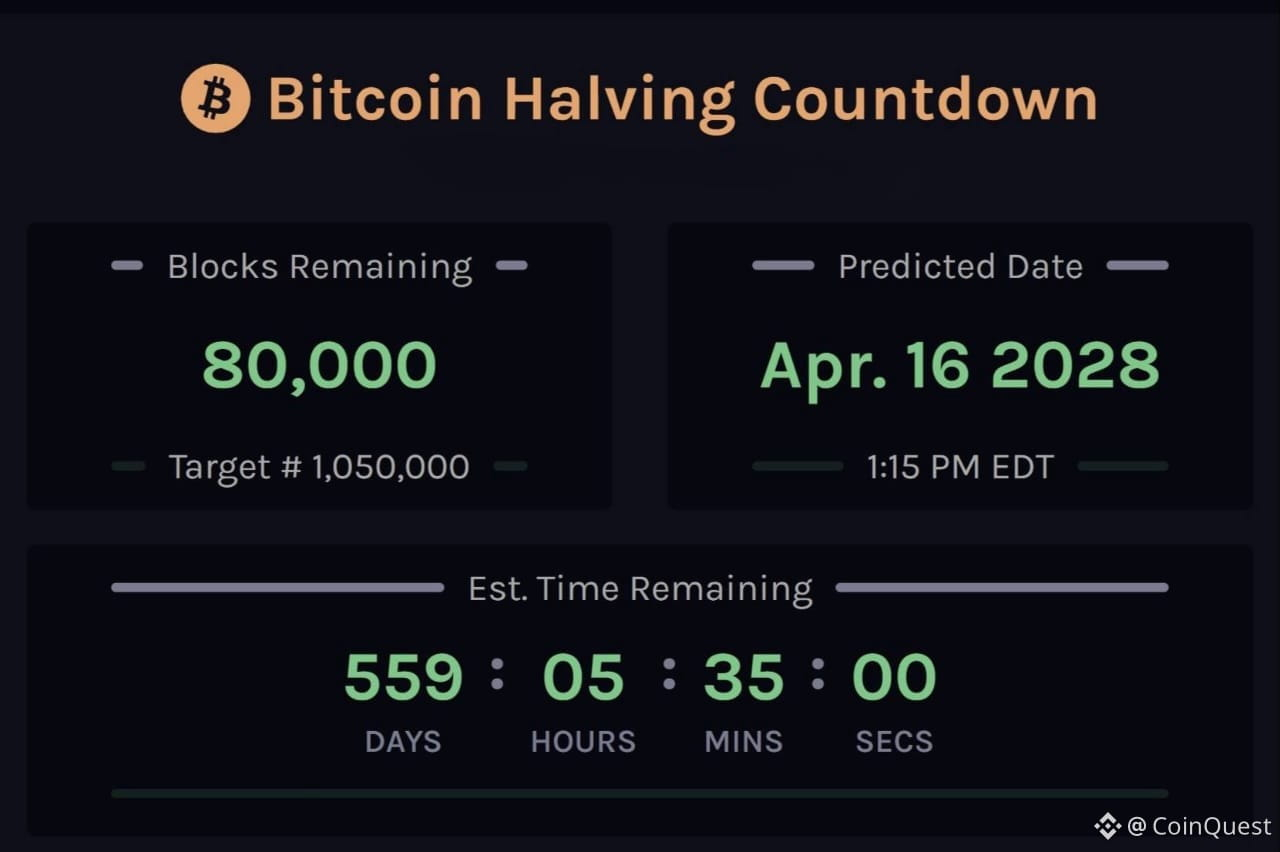
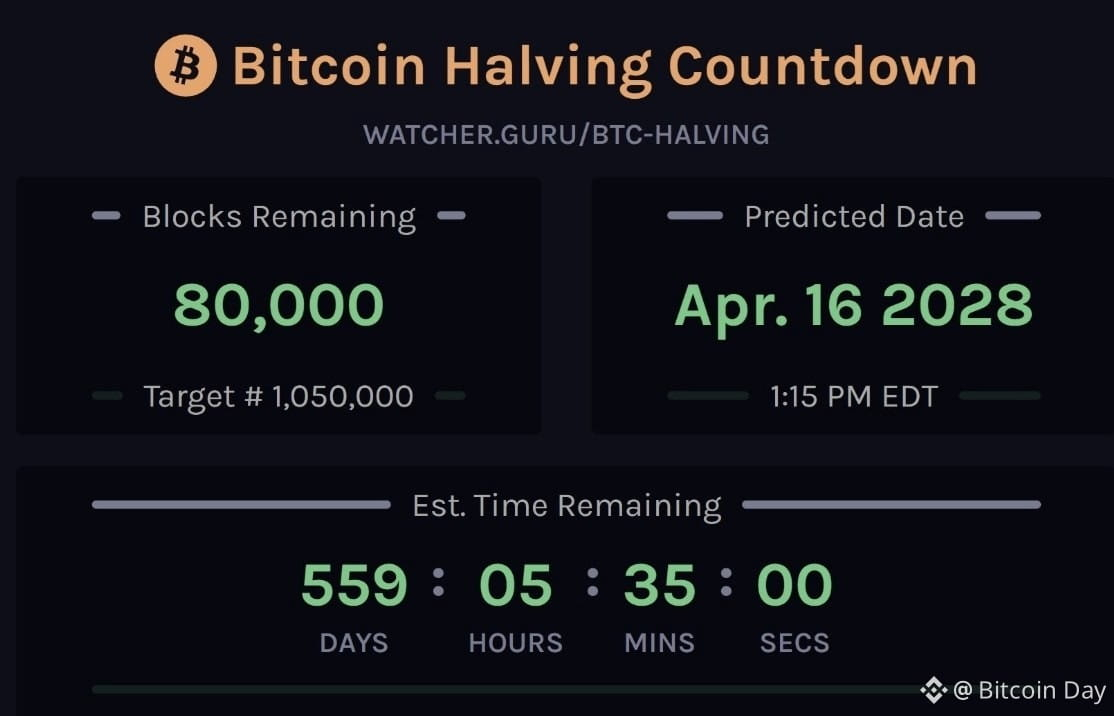
اقترب موعد تنصيف البيتكوين 🤓
تبقّى نحو 80,000 كتلة حتى تنصيف البيتكوين القادم....
ستنخفض مكافأة التعدين من 3.125 $BTC إلى 1.5625 BTC لكل كتلة....
وهذا يعني دخول كمية أقل من $BTC الجديدة إلى السوق....
من المتوقع أن يحدث التنصيف في أبريل 2028....
هل تتابع التنصيف القادم؟
#Halving $BTC
اقترب موعد تنصيف البيتكوين 🤓
تبقّى نحو 80,000 كتلة حتى تنصيف البيتكوين القادم....
ستنخفض مكافأة التعدين من 3.125 $BTC إلى 1.5625 BTC لكل كتلة....
وهذا يعني دخول كمية أقل من $BTC الجديدة إلى السوق....
من المتوقع أن يحدث التنصيف في أبريل 2028....
هل تتابع التنصيف القادم؟
#Halving $BTC
تبقّى نحو 80,000 كتلة حتى تنصيف البيتكوين القادم....
ستنخفض مكافأة التعدين من 3.125 $BTC إلى 1.5625 BTC لكل كتلة....
وهذا يعني دخول كمية أقل من $BTC الجديدة إلى السوق....
من المتوقع أن يحدث التنصيف في أبريل 2028....
هل تتابع التنصيف القادم؟
#Halving $BTC
2
378

·
--
🚨 عاجل: BITCOIN يقترب من تنصيف جديد! ₿
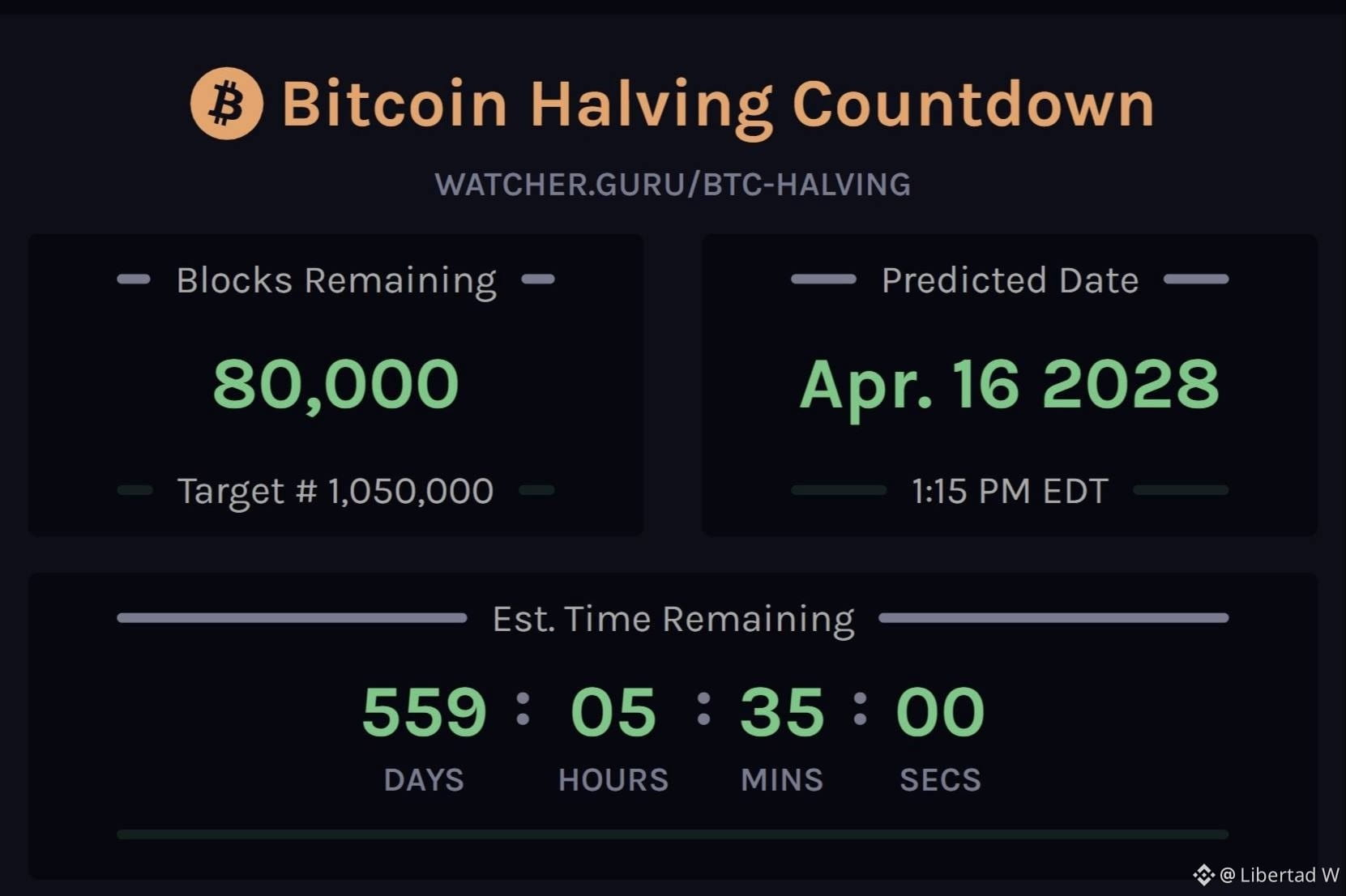
⏳ بقي أقل من 80.000 كتلة على تنصيف Bitcoin القادم.
📊 يتبقى حاليًا نحو 79.974 كتلة للوصول إلى الكتلة 1.050.000.
🔥 ماذا سيحدث؟
ستنخفض مكافأة المُعدّنين:
💰 من 3,125 BTC إلى 1,5625 BTC لكل كتلة
وهذا يعني أن الإصدار اليومي المقرر سينخفض من نحو:
🔴 450 BTC يوميًا
⬇️
🟢 225 BTC يوميًا
📅 من المتوقع أن يحدث التنصيف في عام 2028، لكن الموعد قد يتغير لأن إنتاج الكتل ليس ثابتًا تمامًا.
👀 وهنا يبدأ الأمر المثير للاهتمام بالنسبة إلى السوق:
يقلل كل تنصيف كمية BTC الجديدة التي تدخل التداول.
📉 إصدار أقل
⛏️ مكافأة تعدين أقل
💎 ندرة مبرمجة أكبر
⚠️ لكن انتبه: لا يضمن التنصيف ارتفاع سعر Bitcoin. فسيتوقف سلوك السعر مستقبلًا أيضًا على الطلب والسيولة والظروف الاقتصادية الكلية وعوامل أخرى.
🔥 بدأ Bitcoin بالفعل العد التنازلي.
⏳ قد تبدو 80.000 كتلة كثيرة… لكن الساعة بدأت تدق.
هل تعتقد أن السوق سيبدأ في استباق التنصيف القادم قبل عام 2028 بوقت طويل؟ 👇
#BTC #Halving #BTC #BinanceSquare #CryptoNews
🚨 عاجل: BITCOIN يقترب من تنصيف جديد! ₿
⏳ بقي أقل من 80.000 كتلة على تنصيف Bitcoin القادم.
📊 يتبقى حاليًا نحو 79.974 كتلة للوصول إلى الكتلة 1.050.000.
🔥 ماذا سيحدث؟
ستنخفض مكافأة المُعدّنين:
💰 من 3,125 BTC إلى 1,5625 BTC لكل كتلة
وهذا يعني أن الإصدار اليومي المقرر سينخفض من نحو:
🔴 450 BTC يوميًا
⬇️
🟢 225 BTC يوميًا
📅 من المتوقع أن يحدث التنصيف في عام 2028، لكن الموعد قد يتغير لأن إنتاج الكتل ليس ثابتًا تمامًا.
👀 وهنا يبدأ الأمر المثير للاهتمام بالنسبة إلى السوق:
يقلل كل تنصيف كمية BTC الجديدة التي تدخل التداول.
📉 إصدار أقل
⛏️ مكافأة تعدين أقل
💎 ندرة مبرمجة أكبر
⚠️ لكن انتبه: لا يضمن التنصيف ارتفاع سعر Bitcoin. فسيتوقف سلوك السعر مستقبلًا أيضًا على الطلب والسيولة والظروف الاقتصادية الكلية وعوامل أخرى.
🔥 بدأ Bitcoin بالفعل العد التنازلي.
⏳ قد تبدو 80.000 كتلة كثيرة… لكن الساعة بدأت تدق.
هل تعتقد أن السوق سيبدأ في استباق التنصيف القادم قبل عام 2028 بوقت طويل؟ 👇
#BTC #Halving #BTC #BinanceSquare #CryptoNews
⏳ بقي أقل من 80.000 كتلة على تنصيف Bitcoin القادم.
📊 يتبقى حاليًا نحو 79.974 كتلة للوصول إلى الكتلة 1.050.000.
🔥 ماذا سيحدث؟
ستنخفض مكافأة المُعدّنين:
💰 من 3,125 BTC إلى 1,5625 BTC لكل كتلة
وهذا يعني أن الإصدار اليومي المقرر سينخفض من نحو:
🔴 450 BTC يوميًا
⬇️
🟢 225 BTC يوميًا
📅 من المتوقع أن يحدث التنصيف في عام 2028، لكن الموعد قد يتغير لأن إنتاج الكتل ليس ثابتًا تمامًا.
👀 وهنا يبدأ الأمر المثير للاهتمام بالنسبة إلى السوق:
يقلل كل تنصيف كمية BTC الجديدة التي تدخل التداول.
📉 إصدار أقل
⛏️ مكافأة تعدين أقل
💎 ندرة مبرمجة أكبر
⚠️ لكن انتبه: لا يضمن التنصيف ارتفاع سعر Bitcoin. فسيتوقف سلوك السعر مستقبلًا أيضًا على الطلب والسيولة والظروف الاقتصادية الكلية وعوامل أخرى.
🔥 بدأ Bitcoin بالفعل العد التنازلي.
⏳ قد تبدو 80.000 كتلة كثيرة… لكن الساعة بدأت تدق.
هل تعتقد أن السوق سيبدأ في استباق التنصيف القادم قبل عام 2028 بوقت طويل؟ 👇
#BTC #Halving #BTC #BinanceSquare #CryptoNews
383
·
--
صدمة المعروض الناتجة عن تنصيف بيتكوين: لماذا يُعدّ التأخر هو الإشارة
يُحدّد معظم المتداولين تاريخ التنصيف ويتوقعون استجابة فورية للسعر. لكن التاريخ يُظهر باستمرار أن هذا التوقع خاطئ، وأن فهم التأخر هو مصدر الميزة الحقيقية.
يخفض التنصيف مكافأة الكتلة بنسبة 50%، ما يقلّص إصدار BTC اليومي بين ليلة وضحاها. لكن المعدّنين يعتمدون على التدفق النقدي. وعندما تنخفض الإيرادات إلى النصف، يواجه المنتجون ذوو التكاليف المرتفعة خيارًا ثنائيًا: تحمّل الخسائر أو الاستسلام. وعادةً ما تستغرق موجة الاستسلام هذه من 3 إلى 6 أشهر حتى تكتمل، مع فصل أجهزة ASIC الأقدم وانكماش معدل التجزئة مؤقتًا.
استسلام المعدّنين إشارة قوية. فعندما ينخفض معدل التجزئة بشكل حاد ويومض مؤشر Hash Ribbons، أي عندما يهبط متوسط معدل التجزئة المتحرك قصير الأجل دون المتوسط طويل الأجل، فقد دلّ ذلك تاريخيًا على واحدة من أكثر فترات الدخول ملاءمةً من حيث المخاطرة والعائد خلال الدورة بأكملها. ويتلاشى ضغط البيع من المعدّنين المتعثرين في الوقت الذي تتحسن فيه العوامل الأساسية.
ثم تتفاقم صدمة المعروض. فقلّة العملات التي يضخها المعدّنون في السوق، إلى جانب تراكمها لدى حامليها على المدى الطويل عند قمم الدورة، تخلق طلبًا هيكليًا من دون بائع طبيعي. وقد سبق هذا النمط كل موجة صعود رئيسية منذ عام 2012.
الخلاصة: لا تتداول على تاريخ التنصيف، بل تداول عند قاع استسلام المعدّنين الذي يليه. فحدوثه أبطأ وأقل إثارة، لكنه أكثر موثوقية بكثير.
$BTC $ETH $BNB
#Bitcoin #CryptoMarkets #Halving #OnChainAnalysis #BinanceSquare
صدمة المعروض الناتجة عن تنصيف بيتكوين: لماذا يُعدّ التأخر هو الإشارة
يُحدّد معظم المتداولين تاريخ التنصيف ويتوقعون استجابة فورية للسعر. لكن التاريخ يُظهر باستمرار أن هذا التوقع خاطئ، وأن فهم التأخر هو مصدر الميزة الحقيقية.
يخفض التنصيف مكافأة الكتلة بنسبة 50%، ما يقلّص إصدار BTC اليومي بين ليلة وضحاها. لكن المعدّنين يعتمدون على التدفق النقدي. وعندما تنخفض الإيرادات إلى النصف، يواجه المنتجون ذوو التكاليف المرتفعة خيارًا ثنائيًا: تحمّل الخسائر أو الاستسلام. وعادةً ما تستغرق موجة الاستسلام هذه من 3 إلى 6 أشهر حتى تكتمل، مع فصل أجهزة ASIC الأقدم وانكماش معدل التجزئة مؤقتًا.
استسلام المعدّنين إشارة قوية. فعندما ينخفض معدل التجزئة بشكل حاد ويومض مؤشر Hash Ribbons، أي عندما يهبط متوسط معدل التجزئة المتحرك قصير الأجل دون المتوسط طويل الأجل، فقد دلّ ذلك تاريخيًا على واحدة من أكثر فترات الدخول ملاءمةً من حيث المخاطرة والعائد خلال الدورة بأكملها. ويتلاشى ضغط البيع من المعدّنين المتعثرين في الوقت الذي تتحسن فيه العوامل الأساسية.
ثم تتفاقم صدمة المعروض. فقلّة العملات التي يضخها المعدّنون في السوق، إلى جانب تراكمها لدى حامليها على المدى الطويل عند قمم الدورة، تخلق طلبًا هيكليًا من دون بائع طبيعي. وقد سبق هذا النمط كل موجة صعود رئيسية منذ عام 2012.
الخلاصة: لا تتداول على تاريخ التنصيف، بل تداول عند قاع استسلام المعدّنين الذي يليه. فحدوثه أبطأ وأقل إثارة، لكنه أكثر موثوقية بكثير.
$BTC $ETH $BNB
#Bitcoin #CryptoMarkets #Halving #OnChainAnalysis #BinanceSquare
يُحدّد معظم المتداولين تاريخ التنصيف ويتوقعون استجابة فورية للسعر. لكن التاريخ يُظهر باستمرار أن هذا التوقع خاطئ، وأن فهم التأخر هو مصدر الميزة الحقيقية.
يخفض التنصيف مكافأة الكتلة بنسبة 50%، ما يقلّص إصدار BTC اليومي بين ليلة وضحاها. لكن المعدّنين يعتمدون على التدفق النقدي. وعندما تنخفض الإيرادات إلى النصف، يواجه المنتجون ذوو التكاليف المرتفعة خيارًا ثنائيًا: تحمّل الخسائر أو الاستسلام. وعادةً ما تستغرق موجة الاستسلام هذه من 3 إلى 6 أشهر حتى تكتمل، مع فصل أجهزة ASIC الأقدم وانكماش معدل التجزئة مؤقتًا.
استسلام المعدّنين إشارة قوية. فعندما ينخفض معدل التجزئة بشكل حاد ويومض مؤشر Hash Ribbons، أي عندما يهبط متوسط معدل التجزئة المتحرك قصير الأجل دون المتوسط طويل الأجل، فقد دلّ ذلك تاريخيًا على واحدة من أكثر فترات الدخول ملاءمةً من حيث المخاطرة والعائد خلال الدورة بأكملها. ويتلاشى ضغط البيع من المعدّنين المتعثرين في الوقت الذي تتحسن فيه العوامل الأساسية.
ثم تتفاقم صدمة المعروض. فقلّة العملات التي يضخها المعدّنون في السوق، إلى جانب تراكمها لدى حامليها على المدى الطويل عند قمم الدورة، تخلق طلبًا هيكليًا من دون بائع طبيعي. وقد سبق هذا النمط كل موجة صعود رئيسية منذ عام 2012.
الخلاصة: لا تتداول على تاريخ التنصيف، بل تداول عند قاع استسلام المعدّنين الذي يليه. فحدوثه أبطأ وأقل إثارة، لكنه أكثر موثوقية بكثير.
$BTC $ETH $BNB
#Bitcoin #CryptoMarkets #Halving #OnChainAnalysis #BinanceSquare
56
·
--
يُناقَش على نطاق واسع آلية «تنصيف» البيتكوين (Halving)، لكن غالبًا ما تُقلَّل أهميتها باستمرار — ليس بالنسبة للدورة الأولى بعد تفعيلها، بل بسبب أثرها التراكمي عبر عدة عمليات تنصيف.
إليك الحساب الذي يتجاوزه أغلب الناس. قبل تنصيف عام 2012، كان يتم استخراج 7,200 بيتكوين يوميًا. اليوم، بعد تنصيف ما بعد عام 2024، أصبح الرقم 450 بيتكوين يوميًا. بحلول عام 2028 سيكون 225. وفي ظل واقع استوعبت فيه صناديق الـSpot ETF وحدها أكثر من 10 أضعاف هذا الإصدار اليومي خلال عامها الأول من التدفقات، يصبح جانب العرض في هذه المعادلة — من الناحية البنيوية — أمرًا تافهًا.
لكن النقطة الأعمق هي سلوكية وليست حسابية. المالكين على المدى الطويل — الذين يمكن تتبعهم على السلسلة عبر مؤشرات الخمول و«أيام العملات المحروقة» — ظلوا باستمرار يَمتصّون المعروض الجديد الذي يتم تعدينه، بل ويزيدون عليه خلال فترات التراكم. التنصيف لا يسبب ارتفاع السعر مباشرة. بل يزيل «صمام الضغط». المعدنون الذين كانوا سيبيعون لتغطية تكاليف التشغيل يبيعون نصف الكمية فقط. يختفي ضغط البيع الهامشي بهدوء، قبل أن يلاحظ معظم المشاركين في السوق.
النمط عبر 2013 و2017 و2021: اكتشاف السعر يتبع التنصيف بعد 12–18 شهرًا، لا فورًا. الآلية بطيئة وبنيوية وقابلة للتكرار — وهذا بالضبط سبب استمرار عملها. الأسواق تُسعّر الروايات بسرعة، لا الرياضيات البطيئة.
فهم هذه الدورة هو أقوى ميزة قابلة للاستمرار في التمركز على المدى الطويل <0>$BTC positioning</0>. اقرن ذلك بـ $ETH burn و $BNB Auto-Burn، وستحصل على ثلاثة أصول يُفرض فيها تقليص العرض عبر البروتوكول، وليس مجرد قصة تُسوَّق.
حسابات العرض البطيئة تتفوق على العناوين السريعة، في كل دورة.
#Bitcoin #Halving #CryptoSupply #LongTermConviction #BinanceSquare
يُناقَش على نطاق واسع آلية «تنصيف» البيتكوين (Halving)، لكن غالبًا ما تُقلَّل أهميتها باستمرار — ليس بالنسبة للدورة الأولى بعد تفعيلها، بل بسبب أثرها التراكمي عبر عدة عمليات تنصيف.
إليك الحساب الذي يتجاوزه أغلب الناس. قبل تنصيف عام 2012، كان يتم استخراج 7,200 بيتكوين يوميًا. اليوم، بعد تنصيف ما بعد عام 2024، أصبح الرقم 450 بيتكوين يوميًا. بحلول عام 2028 سيكون 225. وفي ظل واقع استوعبت فيه صناديق الـSpot ETF وحدها أكثر من 10 أضعاف هذا الإصدار اليومي خلال عامها الأول من التدفقات، يصبح جانب العرض في هذه المعادلة — من الناحية البنيوية — أمرًا تافهًا.
لكن النقطة الأعمق هي سلوكية وليست حسابية. المالكين على المدى الطويل — الذين يمكن تتبعهم على السلسلة عبر مؤشرات الخمول و«أيام العملات المحروقة» — ظلوا باستمرار يَمتصّون المعروض الجديد الذي يتم تعدينه، بل ويزيدون عليه خلال فترات التراكم. التنصيف لا يسبب ارتفاع السعر مباشرة. بل يزيل «صمام الضغط». المعدنون الذين كانوا سيبيعون لتغطية تكاليف التشغيل يبيعون نصف الكمية فقط. يختفي ضغط البيع الهامشي بهدوء، قبل أن يلاحظ معظم المشاركين في السوق.
النمط عبر 2013 و2017 و2021: اكتشاف السعر يتبع التنصيف بعد 12–18 شهرًا، لا فورًا. الآلية بطيئة وبنيوية وقابلة للتكرار — وهذا بالضبط سبب استمرار عملها. الأسواق تُسعّر الروايات بسرعة، لا الرياضيات البطيئة.
فهم هذه الدورة هو أقوى ميزة قابلة للاستمرار في التمركز على المدى الطويل <0>$BTC positioning</0>. اقرن ذلك بـ $ETH burn و $BNB Auto-Burn، وستحصل على ثلاثة أصول يُفرض فيها تقليص العرض عبر البروتوكول، وليس مجرد قصة تُسوَّق.
حسابات العرض البطيئة تتفوق على العناوين السريعة، في كل دورة.
#Bitcoin #Halving #CryptoSupply #LongTermConviction #BinanceSquare
إليك الحساب الذي يتجاوزه أغلب الناس. قبل تنصيف عام 2012، كان يتم استخراج 7,200 بيتكوين يوميًا. اليوم، بعد تنصيف ما بعد عام 2024، أصبح الرقم 450 بيتكوين يوميًا. بحلول عام 2028 سيكون 225. وفي ظل واقع استوعبت فيه صناديق الـSpot ETF وحدها أكثر من 10 أضعاف هذا الإصدار اليومي خلال عامها الأول من التدفقات، يصبح جانب العرض في هذه المعادلة — من الناحية البنيوية — أمرًا تافهًا.
لكن النقطة الأعمق هي سلوكية وليست حسابية. المالكين على المدى الطويل — الذين يمكن تتبعهم على السلسلة عبر مؤشرات الخمول و«أيام العملات المحروقة» — ظلوا باستمرار يَمتصّون المعروض الجديد الذي يتم تعدينه، بل ويزيدون عليه خلال فترات التراكم. التنصيف لا يسبب ارتفاع السعر مباشرة. بل يزيل «صمام الضغط». المعدنون الذين كانوا سيبيعون لتغطية تكاليف التشغيل يبيعون نصف الكمية فقط. يختفي ضغط البيع الهامشي بهدوء، قبل أن يلاحظ معظم المشاركين في السوق.
النمط عبر 2013 و2017 و2021: اكتشاف السعر يتبع التنصيف بعد 12–18 شهرًا، لا فورًا. الآلية بطيئة وبنيوية وقابلة للتكرار — وهذا بالضبط سبب استمرار عملها. الأسواق تُسعّر الروايات بسرعة، لا الرياضيات البطيئة.
فهم هذه الدورة هو أقوى ميزة قابلة للاستمرار في التمركز على المدى الطويل <0>$BTC positioning</0>. اقرن ذلك بـ $ETH burn و $BNB Auto-Burn، وستحصل على ثلاثة أصول يُفرض فيها تقليص العرض عبر البروتوكول، وليس مجرد قصة تُسوَّق.
حسابات العرض البطيئة تتفوق على العناوين السريعة، في كل دورة.
#Bitcoin #Halving #CryptoSupply #LongTermConviction #BinanceSquare
40

📈 「التاريخ لا يتكرر، لكنه دائمًا يسير على نفس القافية!」 بمقارنة دورات التنصيف الثلاث السابقة: لماذا يُقال إن الربع الرابع هو البداية الحقيقية للثور الهائج؟
عند النظر إلى حركة التذبذب المملة خلال الأشهر القليلة الماضية، بدأ كثير من المبتدئين يشعرون بالقلق والارتباك: «هل انتهت هذه الموجة الصاعدة بالفعل؟»
إذا فتحت شموع بيتكوين التاريخية خلال السنوات الـ 12 الماضية، ستكتشف نمطًا مذهلًا: إن هذا «العذاب والركود» الحالي هو بالضبط المقدمة القياسية التي تسبق انطلاق كل ثور هائج عنيف!
📌 مقارنة «الجدول الزمني الذهبي» لدورات التنصيف الثلاث السابقة:
1️⃣ من 0 إلى 150 يومًا بعد التنصيف (مرحلة التنظيف والضغط):
▫️ 2016: تحرك جانبي استمر 4 أشهر بعد التنصيف، والمعدّنون أعادوا ترتيب الصفوف، بينما باع المتداولون الأفراد بخسارة.
▫️ 2020: تذبذب متكرر حول مستوى 10 آلاف دولار، مع شكاوى على مستوى الشبكة بأن «السوق الصاعدة لم تأتِ أصلًا».
▫️ الدورة الحالية: شهدت أيضًا عدة أشهر من التذبذب المرهق، ما أخرج تمامًا كل من يفتقر إلى الصبر.
2️⃣ من 150 إلى 300 يوم بعد التنصيف (الموجة الصاعدة العنيفة في الربع الرابع):
تُظهر البيانات التاريخية أن الربع الرابع (Q4) هو $BTC النافذة الذهبية ذات أعلى متوسط عائد تاريخي (بمتوسط ارتفاع يتجاوز 50%)! ففي عام 2020، انطلقت الشرارة في أوائل أكتوبر، وخلال ثلاثة أشهر فقط ارتفع السعر عموديًا من 10 آلاف دولار إلى قرابة 30 ألف دولار!
3️⃣ من 300 إلى 500 يوم بعد التنصيف (احتفال شامل للعملات البديلة):
عندما تخترق بيتكوين السقف التاريخي، ستتدفق الأرباح بشكل جنوني إلى $ETH و $SOL وغيرها من الأنظمة البيئية الرئيسية، لتدخل السوق في ثوران شامل لعملات بأرباح مئة ضعف!
💡 عقلية المخضرمين: السوق الصاعدة لا ترتفع بقوة كل يوم؛ فـ 80% من المكاسب غالبًا ما تتركز في 20% فقط من أوقات الانفجار الحاد. من يتحمل الملل الطويل يستحق الاستمتاع بالفقاعة المجنونة!
💬 تفاعل لتجديد الإيمان:
بمقارنة أنماط الدورات التاريخية، كيف تتوقع أن تتصرف بيتكوين في الربع الرابع من هذا العام؟
▫️ صوّت 1: التاريخ سيعيد نفسه حتمًا! سينطلق Uptober، ونهاية العام ستشهد اختراقًا هائلًا لقمة جديدة!
▫️ صوّت 2: هذه الدورة تغيّرت بسبب صناديق ETF المؤسسية، لذا سيمتد الإيقاع إلى العام القادم!
👇 اكتب رقمك في التعليقات، واترك هدفك السعري لنهاية العام!
#Bitcoin #Halving #BinanceSquare
📈 「التاريخ لا يتكرر، لكنه دائمًا يسير على نفس القافية!」 بمقارنة دورات التنصيف الثلاث السابقة: لماذا يُقال إن الربع الرابع هو البداية الحقيقية للثور الهائج؟
عند النظر إلى حركة التذبذب المملة خلال الأشهر القليلة الماضية، بدأ كثير من المبتدئين يشعرون بالقلق والارتباك: «هل انتهت هذه الموجة الصاعدة بالفعل؟»
إذا فتحت شموع بيتكوين التاريخية خلال السنوات الـ 12 الماضية، ستكتشف نمطًا مذهلًا: إن هذا «العذاب والركود» الحالي هو بالضبط المقدمة القياسية التي تسبق انطلاق كل ثور هائج عنيف!
📌 مقارنة «الجدول الزمني الذهبي» لدورات التنصيف الثلاث السابقة:
1️⃣ من 0 إلى 150 يومًا بعد التنصيف (مرحلة التنظيف والضغط):
▫️ 2016: تحرك جانبي استمر 4 أشهر بعد التنصيف، والمعدّنون أعادوا ترتيب الصفوف، بينما باع المتداولون الأفراد بخسارة.
▫️ 2020: تذبذب متكرر حول مستوى 10 آلاف دولار، مع شكاوى على مستوى الشبكة بأن «السوق الصاعدة لم تأتِ أصلًا».
▫️ الدورة الحالية: شهدت أيضًا عدة أشهر من التذبذب المرهق، ما أخرج تمامًا كل من يفتقر إلى الصبر.
2️⃣ من 150 إلى 300 يوم بعد التنصيف (الموجة الصاعدة العنيفة في الربع الرابع):
تُظهر البيانات التاريخية أن الربع الرابع (Q4) هو $BTC النافذة الذهبية ذات أعلى متوسط عائد تاريخي (بمتوسط ارتفاع يتجاوز 50%)! ففي عام 2020، انطلقت الشرارة في أوائل أكتوبر، وخلال ثلاثة أشهر فقط ارتفع السعر عموديًا من 10 آلاف دولار إلى قرابة 30 ألف دولار!
3️⃣ من 300 إلى 500 يوم بعد التنصيف (احتفال شامل للعملات البديلة):
عندما تخترق بيتكوين السقف التاريخي، ستتدفق الأرباح بشكل جنوني إلى $ETH و $SOL وغيرها من الأنظمة البيئية الرئيسية، لتدخل السوق في ثوران شامل لعملات بأرباح مئة ضعف!
💡 عقلية المخضرمين: السوق الصاعدة لا ترتفع بقوة كل يوم؛ فـ 80% من المكاسب غالبًا ما تتركز في 20% فقط من أوقات الانفجار الحاد. من يتحمل الملل الطويل يستحق الاستمتاع بالفقاعة المجنونة!
💬 تفاعل لتجديد الإيمان:
بمقارنة أنماط الدورات التاريخية، كيف تتوقع أن تتصرف بيتكوين في الربع الرابع من هذا العام؟
▫️ صوّت 1: التاريخ سيعيد نفسه حتمًا! سينطلق Uptober، ونهاية العام ستشهد اختراقًا هائلًا لقمة جديدة!
▫️ صوّت 2: هذه الدورة تغيّرت بسبب صناديق ETF المؤسسية، لذا سيمتد الإيقاع إلى العام القادم!
👇 اكتب رقمك في التعليقات، واترك هدفك السعري لنهاية العام!
#Bitcoin #Halving #BinanceSquare
عند النظر إلى حركة التذبذب المملة خلال الأشهر القليلة الماضية، بدأ كثير من المبتدئين يشعرون بالقلق والارتباك: «هل انتهت هذه الموجة الصاعدة بالفعل؟»
إذا فتحت شموع بيتكوين التاريخية خلال السنوات الـ 12 الماضية، ستكتشف نمطًا مذهلًا: إن هذا «العذاب والركود» الحالي هو بالضبط المقدمة القياسية التي تسبق انطلاق كل ثور هائج عنيف!
📌 مقارنة «الجدول الزمني الذهبي» لدورات التنصيف الثلاث السابقة:
1️⃣ من 0 إلى 150 يومًا بعد التنصيف (مرحلة التنظيف والضغط):
▫️ 2016: تحرك جانبي استمر 4 أشهر بعد التنصيف، والمعدّنون أعادوا ترتيب الصفوف، بينما باع المتداولون الأفراد بخسارة.
▫️ 2020: تذبذب متكرر حول مستوى 10 آلاف دولار، مع شكاوى على مستوى الشبكة بأن «السوق الصاعدة لم تأتِ أصلًا».
▫️ الدورة الحالية: شهدت أيضًا عدة أشهر من التذبذب المرهق، ما أخرج تمامًا كل من يفتقر إلى الصبر.
2️⃣ من 150 إلى 300 يوم بعد التنصيف (الموجة الصاعدة العنيفة في الربع الرابع):
تُظهر البيانات التاريخية أن الربع الرابع (Q4) هو $BTC النافذة الذهبية ذات أعلى متوسط عائد تاريخي (بمتوسط ارتفاع يتجاوز 50%)! ففي عام 2020، انطلقت الشرارة في أوائل أكتوبر، وخلال ثلاثة أشهر فقط ارتفع السعر عموديًا من 10 آلاف دولار إلى قرابة 30 ألف دولار!
3️⃣ من 300 إلى 500 يوم بعد التنصيف (احتفال شامل للعملات البديلة):
عندما تخترق بيتكوين السقف التاريخي، ستتدفق الأرباح بشكل جنوني إلى $ETH و $SOL وغيرها من الأنظمة البيئية الرئيسية، لتدخل السوق في ثوران شامل لعملات بأرباح مئة ضعف!
💡 عقلية المخضرمين: السوق الصاعدة لا ترتفع بقوة كل يوم؛ فـ 80% من المكاسب غالبًا ما تتركز في 20% فقط من أوقات الانفجار الحاد. من يتحمل الملل الطويل يستحق الاستمتاع بالفقاعة المجنونة!
💬 تفاعل لتجديد الإيمان:
بمقارنة أنماط الدورات التاريخية، كيف تتوقع أن تتصرف بيتكوين في الربع الرابع من هذا العام؟
▫️ صوّت 1: التاريخ سيعيد نفسه حتمًا! سينطلق Uptober، ونهاية العام ستشهد اختراقًا هائلًا لقمة جديدة!
▫️ صوّت 2: هذه الدورة تغيّرت بسبب صناديق ETF المؤسسية، لذا سيمتد الإيقاع إلى العام القادم!
👇 اكتب رقمك في التعليقات، واترك هدفك السعري لنهاية العام!
#Bitcoin #Halving #BinanceSquare
545
·
--
التقسيم إلى النصف هو مُجدولٌ للمشاعر، وليس صدمةَ عرض.
الحسابات: بعد عملية التقسيم إلى النصف في عام 2024، تبلغ الإصدارات الجديدة <c>$BTC </c-1> حوالي 450 عملة يوميًا — أي أقل من 1% نموًا سنويًا في المعروض. قارن ذلك بحجوم التداول الفورية اليومية التي تصل إلى عشرات المليارات، وبتدفقات صناديق ETF التي يمكنها أن تطغى على كامل أسبوع من ناتج التعدين. الأثر الهامشي للمعروض الناتج عن التقسيم إلى النصف أصبح الآن أصغر من يومٍ سيئ واحد من ناحية الطلب.
ومع ذلك، يرفض سرد دورة الأربع سنوات أن يموت. لماذا؟ لأن التقسيم إلى النصف لم يعد—بشكلٍ حقيقي—يتعلق بالعرض؛ بل هو نقطة تنسيق. فهو يمنح السوق قصةً مجدولة، والقصص المجدولة يتم التحرك سابقًا عليها (front-run)، وتسعيرها مُسبقًا، ثم تتكرر حتى تصبح تحقق ذاتها.
وهذا لا يجعلها بلا معنى. بل يجعلها بنيةً نفسية تحتية. تدور الدورة الآن على توقيت السرد، لا على جداول الانبعاثات.
الخلاصة العملية: توقّف عن نمذجة التقسيم إلى النصف باعتباره حدثًا في العرض للتداول ضده، وابدأ بنمذجته كساعةٍ للمشاعر. توقّع أن السرد سيتقدم على الحدث، وأن السوق سيتذبذب حوله، ثم يدور لاحقًا إلى <c>$ETH </c-1> وغيرها من العملات الكبرى بعد ذلك، بينما يتعقّب رأس المال القصة التالية.
السوق الذي صدّق أسطورة التقسيم إلى النصف حرفيًا في عام 2012 سيكون غير قابل للتعرّف عليه اليوم. ما يبقى هو التقويم — وذاكرة الحشد له.
$BTC $ETH $SOL
#Bitcoin #Halving #MarketCycle #CryptoTrading
التقسيم إلى النصف هو مُجدولٌ للمشاعر، وليس صدمةَ عرض.
الحسابات: بعد عملية التقسيم إلى النصف في عام 2024، تبلغ الإصدارات الجديدة <c>$BTC </c-1> حوالي 450 عملة يوميًا — أي أقل من 1% نموًا سنويًا في المعروض. قارن ذلك بحجوم التداول الفورية اليومية التي تصل إلى عشرات المليارات، وبتدفقات صناديق ETF التي يمكنها أن تطغى على كامل أسبوع من ناتج التعدين. الأثر الهامشي للمعروض الناتج عن التقسيم إلى النصف أصبح الآن أصغر من يومٍ سيئ واحد من ناحية الطلب.
ومع ذلك، يرفض سرد دورة الأربع سنوات أن يموت. لماذا؟ لأن التقسيم إلى النصف لم يعد—بشكلٍ حقيقي—يتعلق بالعرض؛ بل هو نقطة تنسيق. فهو يمنح السوق قصةً مجدولة، والقصص المجدولة يتم التحرك سابقًا عليها (front-run)، وتسعيرها مُسبقًا، ثم تتكرر حتى تصبح تحقق ذاتها.
وهذا لا يجعلها بلا معنى. بل يجعلها بنيةً نفسية تحتية. تدور الدورة الآن على توقيت السرد، لا على جداول الانبعاثات.
الخلاصة العملية: توقّف عن نمذجة التقسيم إلى النصف باعتباره حدثًا في العرض للتداول ضده، وابدأ بنمذجته كساعةٍ للمشاعر. توقّع أن السرد سيتقدم على الحدث، وأن السوق سيتذبذب حوله، ثم يدور لاحقًا إلى <c>$ETH </c-1> وغيرها من العملات الكبرى بعد ذلك، بينما يتعقّب رأس المال القصة التالية.
السوق الذي صدّق أسطورة التقسيم إلى النصف حرفيًا في عام 2012 سيكون غير قابل للتعرّف عليه اليوم. ما يبقى هو التقويم — وذاكرة الحشد له.
$BTC $ETH $SOL
#Bitcoin #Halving #MarketCycle #CryptoTrading
الحسابات: بعد عملية التقسيم إلى النصف في عام 2024، تبلغ الإصدارات الجديدة <c>$BTC </c-1> حوالي 450 عملة يوميًا — أي أقل من 1% نموًا سنويًا في المعروض. قارن ذلك بحجوم التداول الفورية اليومية التي تصل إلى عشرات المليارات، وبتدفقات صناديق ETF التي يمكنها أن تطغى على كامل أسبوع من ناتج التعدين. الأثر الهامشي للمعروض الناتج عن التقسيم إلى النصف أصبح الآن أصغر من يومٍ سيئ واحد من ناحية الطلب.
ومع ذلك، يرفض سرد دورة الأربع سنوات أن يموت. لماذا؟ لأن التقسيم إلى النصف لم يعد—بشكلٍ حقيقي—يتعلق بالعرض؛ بل هو نقطة تنسيق. فهو يمنح السوق قصةً مجدولة، والقصص المجدولة يتم التحرك سابقًا عليها (front-run)، وتسعيرها مُسبقًا، ثم تتكرر حتى تصبح تحقق ذاتها.
وهذا لا يجعلها بلا معنى. بل يجعلها بنيةً نفسية تحتية. تدور الدورة الآن على توقيت السرد، لا على جداول الانبعاثات.
الخلاصة العملية: توقّف عن نمذجة التقسيم إلى النصف باعتباره حدثًا في العرض للتداول ضده، وابدأ بنمذجته كساعةٍ للمشاعر. توقّع أن السرد سيتقدم على الحدث، وأن السوق سيتذبذب حوله، ثم يدور لاحقًا إلى <c>$ETH </c-1> وغيرها من العملات الكبرى بعد ذلك، بينما يتعقّب رأس المال القصة التالية.
السوق الذي صدّق أسطورة التقسيم إلى النصف حرفيًا في عام 2012 سيكون غير قابل للتعرّف عليه اليوم. ما يبقى هو التقويم — وذاكرة الحشد له.
$BTC $ETH $SOL
#Bitcoin #Halving #MarketCycle #CryptoTrading
1
174

**🚨 فقط 21 مليونًا على الإطلاق. وإليك السبب ولماذا يهم 🧡**
يشترى معظم الناس $BTC دون معرفة الحقائق وراء ذلك. وهذه هي 👇
🔒 **إمداد ثابت:** كود البيتكوين يحدد الحد الأقصى للإمداد بـ 21,000,000 عملة. لا تستطيع أي حكومة أو شركة طباعة المزيد.
⛏️ **تم تعدين أكثر من 94% بالفعل:** توجد اليوم أكثر من 19.9 مليون BTC. ويتبقى لتعدين أقل من 1.1 مليون، وسيستغرق ذلك حتى حوالي عام 2140.
✂️ **النصف يخفّض المعروض الجديد:** تقريبًا كل 4 سنوات (كل 210,000 بلوك)، يتم خفض مكافأة التعدين إلى النصف. منذ أبريل 2024، يحصل القائمون بالتعدين على 3.125 BTC لكل بلوك. يُتوقع أن تكون عملية النصف التالية حوالي 2028.
👻 **قد تُفقد ملايين إلى الأبد:** يقدّر الباحثون أن عدة ملايين من BTC موجودة في محافظ مفاتيحها ضاعت، لذلك من المرجح أن يكون المعروض المتداول الحقيقي أقل مما يبدو.
🪙 **لا تحتاج إلى عملة كاملة:** 1 BTC = 100,000,000 ساتوشي. يمكنك البدء بأي مقدار.
🏦 **المؤسسات موجودة هنا:** أطلقت الولايات المتحدة صناديق بيتكوين المتداولة الفورية (Spot Bitcoin ETFs) في يناير 2024، ما أتاح الوصول إلى البيتكوين للمستثمرين التقليديين.
💡 **عادات ذكية:**
✅ فكّر في DCA (شراء مبالغ صغيرة بانتظام) بدل مطاردة الارتفاعات المفاجئة
✅ احمِ حسابك بتفعيل 2FA
✅ لا تستثمر أكثر مما يمكنك تحمل خسارته
الندرة مدمجة في تصميم البيتكوين. إن فهمها يساعدك على اتخاذ قرارات أفضل، لا قرارات عاطفية.
👇 كم عدد الساتوشي التي تقوم بتجميعها؟ اترك تعليقًا!
#bitcoin coin #BTC C #Crypto #Halving #DCA
**🚨 فقط 21 مليونًا على الإطلاق. وإليك السبب ولماذا يهم 🧡**
يشترى معظم الناس $BTC دون معرفة الحقائق وراء ذلك. وهذه هي 👇
🔒 **إمداد ثابت:** كود البيتكوين يحدد الحد الأقصى للإمداد بـ 21,000,000 عملة. لا تستطيع أي حكومة أو شركة طباعة المزيد.
⛏️ **تم تعدين أكثر من 94% بالفعل:** توجد اليوم أكثر من 19.9 مليون BTC. ويتبقى لتعدين أقل من 1.1 مليون، وسيستغرق ذلك حتى حوالي عام 2140.
✂️ **النصف يخفّض المعروض الجديد:** تقريبًا كل 4 سنوات (كل 210,000 بلوك)، يتم خفض مكافأة التعدين إلى النصف. منذ أبريل 2024، يحصل القائمون بالتعدين على 3.125 BTC لكل بلوك. يُتوقع أن تكون عملية النصف التالية حوالي 2028.
👻 **قد تُفقد ملايين إلى الأبد:** يقدّر الباحثون أن عدة ملايين من BTC موجودة في محافظ مفاتيحها ضاعت، لذلك من المرجح أن يكون المعروض المتداول الحقيقي أقل مما يبدو.
🪙 **لا تحتاج إلى عملة كاملة:** 1 BTC = 100,000,000 ساتوشي. يمكنك البدء بأي مقدار.
🏦 **المؤسسات موجودة هنا:** أطلقت الولايات المتحدة صناديق بيتكوين المتداولة الفورية (Spot Bitcoin ETFs) في يناير 2024، ما أتاح الوصول إلى البيتكوين للمستثمرين التقليديين.
💡 **عادات ذكية:**
✅ فكّر في DCA (شراء مبالغ صغيرة بانتظام) بدل مطاردة الارتفاعات المفاجئة
✅ احمِ حسابك بتفعيل 2FA
✅ لا تستثمر أكثر مما يمكنك تحمل خسارته
الندرة مدمجة في تصميم البيتكوين. إن فهمها يساعدك على اتخاذ قرارات أفضل، لا قرارات عاطفية.
👇 كم عدد الساتوشي التي تقوم بتجميعها؟ اترك تعليقًا!
#bitcoin coin #BTC C #Crypto #Halving #DCA
يشترى معظم الناس $BTC دون معرفة الحقائق وراء ذلك. وهذه هي 👇
🔒 **إمداد ثابت:** كود البيتكوين يحدد الحد الأقصى للإمداد بـ 21,000,000 عملة. لا تستطيع أي حكومة أو شركة طباعة المزيد.
⛏️ **تم تعدين أكثر من 94% بالفعل:** توجد اليوم أكثر من 19.9 مليون BTC. ويتبقى لتعدين أقل من 1.1 مليون، وسيستغرق ذلك حتى حوالي عام 2140.
✂️ **النصف يخفّض المعروض الجديد:** تقريبًا كل 4 سنوات (كل 210,000 بلوك)، يتم خفض مكافأة التعدين إلى النصف. منذ أبريل 2024، يحصل القائمون بالتعدين على 3.125 BTC لكل بلوك. يُتوقع أن تكون عملية النصف التالية حوالي 2028.
👻 **قد تُفقد ملايين إلى الأبد:** يقدّر الباحثون أن عدة ملايين من BTC موجودة في محافظ مفاتيحها ضاعت، لذلك من المرجح أن يكون المعروض المتداول الحقيقي أقل مما يبدو.
🪙 **لا تحتاج إلى عملة كاملة:** 1 BTC = 100,000,000 ساتوشي. يمكنك البدء بأي مقدار.
🏦 **المؤسسات موجودة هنا:** أطلقت الولايات المتحدة صناديق بيتكوين المتداولة الفورية (Spot Bitcoin ETFs) في يناير 2024، ما أتاح الوصول إلى البيتكوين للمستثمرين التقليديين.
💡 **عادات ذكية:**
✅ فكّر في DCA (شراء مبالغ صغيرة بانتظام) بدل مطاردة الارتفاعات المفاجئة
✅ احمِ حسابك بتفعيل 2FA
✅ لا تستثمر أكثر مما يمكنك تحمل خسارته
الندرة مدمجة في تصميم البيتكوين. إن فهمها يساعدك على اتخاذ قرارات أفضل، لا قرارات عاطفية.
👇 كم عدد الساتوشي التي تقوم بتجميعها؟ اترك تعليقًا!
#bitcoin coin #BTC C #Crypto #Halving #DCA
85

الإيمان بالدورات والهالفينغ: لماذا لن تتكرر التاريخ كما تتوقع 📊🛑
"كل 4 سنوات، يرتفع البيتكوين بعد الهالفينغ، هذا واضح!" — هذه هي المانترا الرئيسية للمتداولين الهواة على المدى الطويل. شركتنا تذكركم: بمجرد أن تصبح أي نمط واضحاً لـ 100% من المشاركين في السوق، فإنه يتوقف عن العمل.
لماذا تتكسر القواعد القديمة:
1. المؤسسات وصناديق الاستثمار المتداولة: لم يعد السوق مُداراً من قبل المعدنين والمشترين التجزئة من الأقبية. لقد دخلت هنا صناديق كبيرة من وول ستريت. لديهم قواعدهم الخاصة لتوزيع السيولة وآفاق زمنية مختلفة.
2. تحول الدورات: تعرف الأموال الكبيرة توقعاتك. يمكنهم بسهولة خلق سوق هابطة ممتدة تماماً عندما تتوقع "توزمون" وفقاً للتقويم.
3. السيولة مقابل الأوهام: السعر يتحرك نحو حيث توجد المزيد من أوامر وقف الخسارة وعدم الكفاءة، وليس حيث تمليه البيانات في التقويم.
أنتظر في التعليقات شهود "الدورة الرباعية الأبدية". دعونا نحلل، وسندمرها بالبيانات الحالية حول الأحجام. 👇
$BTC #Halving #smartmoney #Binance #BinanceSquare
الإيمان بالدورات والهالفينغ: لماذا لن تتكرر التاريخ كما تتوقع 📊🛑
"كل 4 سنوات، يرتفع البيتكوين بعد الهالفينغ، هذا واضح!" — هذه هي المانترا الرئيسية للمتداولين الهواة على المدى الطويل. شركتنا تذكركم: بمجرد أن تصبح أي نمط واضحاً لـ 100% من المشاركين في السوق، فإنه يتوقف عن العمل.
لماذا تتكسر القواعد القديمة:
1. المؤسسات وصناديق الاستثمار المتداولة: لم يعد السوق مُداراً من قبل المعدنين والمشترين التجزئة من الأقبية. لقد دخلت هنا صناديق كبيرة من وول ستريت. لديهم قواعدهم الخاصة لتوزيع السيولة وآفاق زمنية مختلفة.
2. تحول الدورات: تعرف الأموال الكبيرة توقعاتك. يمكنهم بسهولة خلق سوق هابطة ممتدة تماماً عندما تتوقع "توزمون" وفقاً للتقويم.
3. السيولة مقابل الأوهام: السعر يتحرك نحو حيث توجد المزيد من أوامر وقف الخسارة وعدم الكفاءة، وليس حيث تمليه البيانات في التقويم.
أنتظر في التعليقات شهود "الدورة الرباعية الأبدية". دعونا نحلل، وسندمرها بالبيانات الحالية حول الأحجام. 👇
$BTC #Halving #smartmoney #Binance #BinanceSquare
"كل 4 سنوات، يرتفع البيتكوين بعد الهالفينغ، هذا واضح!" — هذه هي المانترا الرئيسية للمتداولين الهواة على المدى الطويل. شركتنا تذكركم: بمجرد أن تصبح أي نمط واضحاً لـ 100% من المشاركين في السوق، فإنه يتوقف عن العمل.
لماذا تتكسر القواعد القديمة:
1. المؤسسات وصناديق الاستثمار المتداولة: لم يعد السوق مُداراً من قبل المعدنين والمشترين التجزئة من الأقبية. لقد دخلت هنا صناديق كبيرة من وول ستريت. لديهم قواعدهم الخاصة لتوزيع السيولة وآفاق زمنية مختلفة.
2. تحول الدورات: تعرف الأموال الكبيرة توقعاتك. يمكنهم بسهولة خلق سوق هابطة ممتدة تماماً عندما تتوقع "توزمون" وفقاً للتقويم.
3. السيولة مقابل الأوهام: السعر يتحرك نحو حيث توجد المزيد من أوامر وقف الخسارة وعدم الكفاءة، وليس حيث تمليه البيانات في التقويم.
أنتظر في التعليقات شهود "الدورة الرباعية الأبدية". دعونا نحلل، وسندمرها بالبيانات الحالية حول الأحجام. 👇
$BTC #Halving #smartmoney #Binance #BinanceSquare
4
457
سجّل الدخول لاستكشاف المزيد من المُحتوى
انضم إلى مُستخدمي العملات الرقمية حول العالم على Binance Square
⚡️ احصل على أحدث المعلومات المفيدة عن العملات الرقمية.
💬 موثوقة من قبل أكبر منصّة لتداول العملات الرقمية في العالم.
👍 اكتشف الرؤى الحقيقية من صنّاع المُحتوى الموثوقين.
البريد الإلكتروني / رقم الهاتف
المواضيع الرائجة
1
#BinancePick
3.2M مشاهدات
158,946 يقومون بالنقاش
2
#EarningsSeason
5.4M مشاهدات
26,344 يقومون بالنقاش
3
#BitmineAdds10452ETH
862 مشاهدات
34 يقومون بالنقاش
4
#SouthKoreaConsidersEducationTaxOnCryptoExchanges
1,193 مشاهدات
54 يقومون بالنقاش
5
#OCCUrgesCommunityBanksToEnterStablecoinPayments
661 مشاهدات
36 يقومون بالنقاش
6
#RippleWinsFullApprovalAsNationalTrustBank
696 مشاهدات
34 يقومون بالنقاش
7
#AkashSelectsSolanaAsMigrationTarget
428 مشاهدات
8 يقومون بالنقاش
8
#OndoToOpenSubscriptionsForOpenAIPreIPOTokenizedNotes
40 مشاهدات
3 يقومون بالنقاش
9
#AnthropicTTMRevenueGrewAbout1200%
45,868 مشاهدات
521 يقومون بالنقاش
10
#AnthropicS1ExpectedToday
37,268 مشاهدات
407 يقومون بالنقاش