

#globalsecurity
globalsecurity
297,719 مشاهدات
577 يقومون بالنقاش
رائج
جديد
أزمة جيوسياسية: إغلاق مضيق هرمز بعد الضربات العسكرية الأمريكية
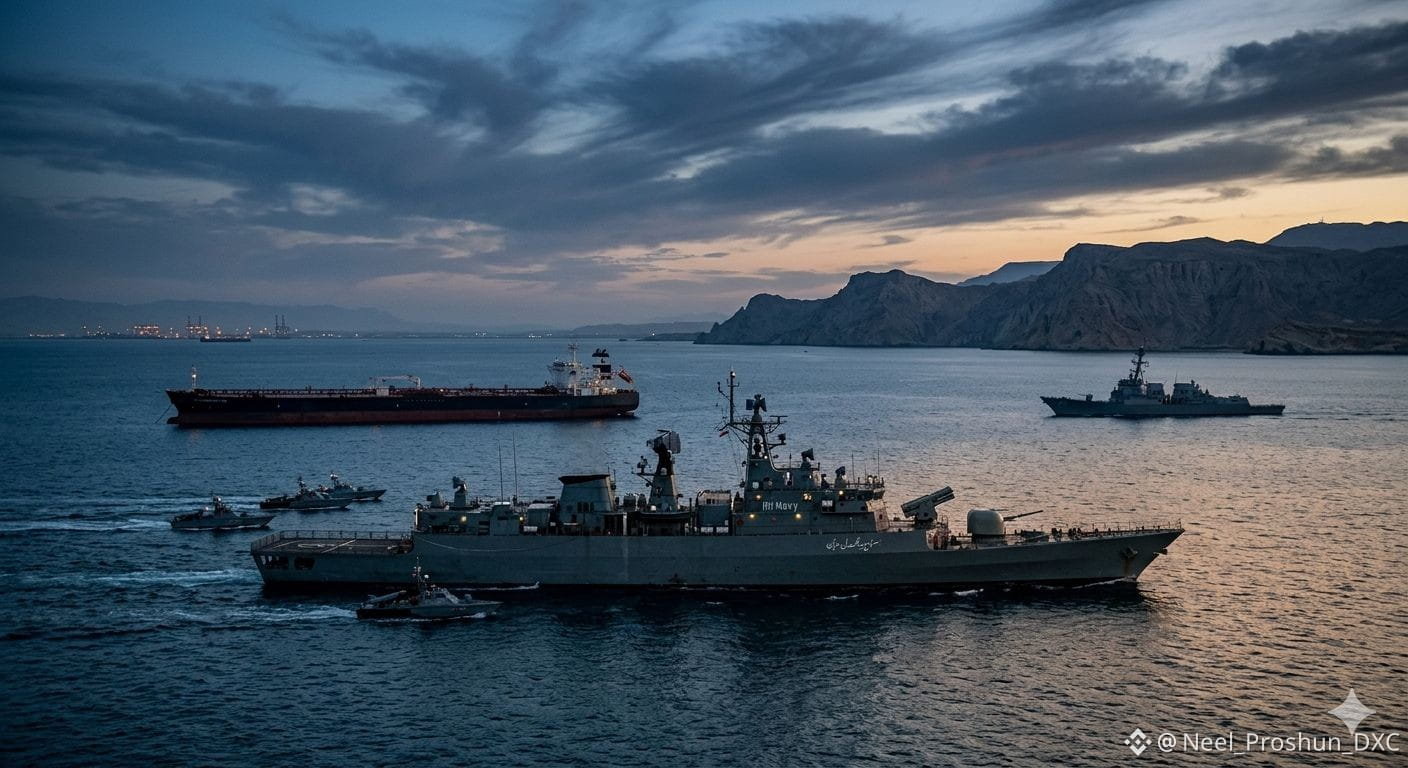
لقد وصلت الأوضاع الأمنية في الشرق الأوسط إلى نقطة تحول خطيرة اليوم، 11 يونيو 2026. بعد يومين متتاليين من الضربات الجوية "الدفاعية" التي نفذتها القوات المسلحة الأمريكية ضد أهداف في محافظة هرمزغان الجنوبية في إيران، أعلنت القيادة العسكرية الإيرانية العليا رسميًا عن الإغلاق الفوري لمضيق هرمز.
تعتبر هذه النقطة الاستراتيجية، الضرورية لانتقال النفط والشحن التجاري العالمي، الآن منطقة محظورة. وقد أصدرت السلطات الإيرانية تحذيرًا شديدًا، معلنةً أن أي سفينة تحاول المرور ستكون عرضة لعمل عسكري مباشر. تأتي هذه التصعيدات بعد الضربات الانتقامية المكثفة التي شنتها الولايات المتحدة بعد إسقاط مروحية أباتشي أمريكية في وقت سابق من هذا الأسبوع. تستعد الأسواق الدولية لتقلبات كبيرة حيث تتسارع القنوات الدبلوماسية لتخفيف خطر نشوب صراع إقليمي شامل.
#GlobalSecurity #StraitOfHormuz #MiddleEastTensions
أزمة جيوسياسية: إغلاق مضيق هرمز بعد الضربات العسكرية الأمريكية
لقد وصلت الأوضاع الأمنية في الشرق الأوسط إلى نقطة تحول خطيرة اليوم، 11 يونيو 2026. بعد يومين متتاليين من الضربات الجوية "الدفاعية" التي نفذتها القوات المسلحة الأمريكية ضد أهداف في محافظة هرمزغان الجنوبية في إيران، أعلنت القيادة العسكرية الإيرانية العليا رسميًا عن الإغلاق الفوري لمضيق هرمز.
تعتبر هذه النقطة الاستراتيجية، الضرورية لانتقال النفط والشحن التجاري العالمي، الآن منطقة محظورة. وقد أصدرت السلطات الإيرانية تحذيرًا شديدًا، معلنةً أن أي سفينة تحاول المرور ستكون عرضة لعمل عسكري مباشر. تأتي هذه التصعيدات بعد الضربات الانتقامية المكثفة التي شنتها الولايات المتحدة بعد إسقاط مروحية أباتشي أمريكية في وقت سابق من هذا الأسبوع. تستعد الأسواق الدولية لتقلبات كبيرة حيث تتسارع القنوات الدبلوماسية لتخفيف خطر نشوب صراع إقليمي شامل.
#GlobalSecurity #StraitOfHormuz #MiddleEastTensions
لقد وصلت الأوضاع الأمنية في الشرق الأوسط إلى نقطة تحول خطيرة اليوم، 11 يونيو 2026. بعد يومين متتاليين من الضربات الجوية "الدفاعية" التي نفذتها القوات المسلحة الأمريكية ضد أهداف في محافظة هرمزغان الجنوبية في إيران، أعلنت القيادة العسكرية الإيرانية العليا رسميًا عن الإغلاق الفوري لمضيق هرمز.
تعتبر هذه النقطة الاستراتيجية، الضرورية لانتقال النفط والشحن التجاري العالمي، الآن منطقة محظورة. وقد أصدرت السلطات الإيرانية تحذيرًا شديدًا، معلنةً أن أي سفينة تحاول المرور ستكون عرضة لعمل عسكري مباشر. تأتي هذه التصعيدات بعد الضربات الانتقامية المكثفة التي شنتها الولايات المتحدة بعد إسقاط مروحية أباتشي أمريكية في وقت سابق من هذا الأسبوع. تستعد الأسواق الدولية لتقلبات كبيرة حيث تتسارع القنوات الدبلوماسية لتخفيف خطر نشوب صراع إقليمي شامل.
#GlobalSecurity #StraitOfHormuz #MiddleEastTensions
233
رئيس الوزراء الإسرائيلي بنيامين نتنياهو يقول إنه ورئيس الولايات المتحدة دونالد ترامب متفقان على القضايا الرئيسية المتعلقة بإيران، مما يبرز التنسيق الاستراتيجي الوثيق بين إسرائيل والولايات المتحدة. تأتي هذه التصريحات في ظل المناقشات المستمرة حول طموحات إيران النووية، وتأثيرها الإقليمي، ومخاوف الأمن في الشرق الأوسط بشكل أوسع.
بينما تستمر الجهود الدبلوماسية، أكد الزعيمان مرارًا وتكرارًا أن إيران يجب ألا تحصل على أسلحة نووية وأن الاستقرار الإقليمي يظل أولوية مشتركة. تشير هذه الإعلان إلى استمرار التعاون بين واشنطن والقدس بينما يتنقلان بين أحد أكبر التحديات الجيوسياسية في المنطقة. �
أخبار إسرائيل الوطنية +1
#إسرائيل #الولايات_المتحدة #إيران #الجيوسياسية #الشرق_الأوسط #نتنياهو #ترامب #GlobalSecurity
$BTC
{spot}(BTCUSDT)
$ETH
{spot}(ETHUSDT)
$XRP
{spot}(XRPUSDT)
رئيس الوزراء الإسرائيلي بنيامين نتنياهو يقول إنه ورئيس الولايات المتحدة دونالد ترامب متفقان على القضايا الرئيسية المتعلقة بإيران، مما يبرز التنسيق الاستراتيجي الوثيق بين إسرائيل والولايات المتحدة. تأتي هذه التصريحات في ظل المناقشات المستمرة حول طموحات إيران النووية، وتأثيرها الإقليمي، ومخاوف الأمن في الشرق الأوسط بشكل أوسع.
بينما تستمر الجهود الدبلوماسية، أكد الزعيمان مرارًا وتكرارًا أن إيران يجب ألا تحصل على أسلحة نووية وأن الاستقرار الإقليمي يظل أولوية مشتركة. تشير هذه الإعلان إلى استمرار التعاون بين واشنطن والقدس بينما يتنقلان بين أحد أكبر التحديات الجيوسياسية في المنطقة. �
أخبار إسرائيل الوطنية +1
#إسرائيل #الولايات_المتحدة #إيران #الجيوسياسية #الشرق_الأوسط #نتنياهو #ترامب #GlobalSecurity
$BTC
$ETH
$XRP
بينما تستمر الجهود الدبلوماسية، أكد الزعيمان مرارًا وتكرارًا أن إيران يجب ألا تحصل على أسلحة نووية وأن الاستقرار الإقليمي يظل أولوية مشتركة. تشير هذه الإعلان إلى استمرار التعاون بين واشنطن والقدس بينما يتنقلان بين أحد أكبر التحديات الجيوسياسية في المنطقة. �
أخبار إسرائيل الوطنية +1
#إسرائيل #الولايات_المتحدة #إيران #الجيوسياسية #الشرق_الأوسط #نتنياهو #ترامب #GlobalSecurity
$BTC
$ETH
$XRP
62

·
--
هابط
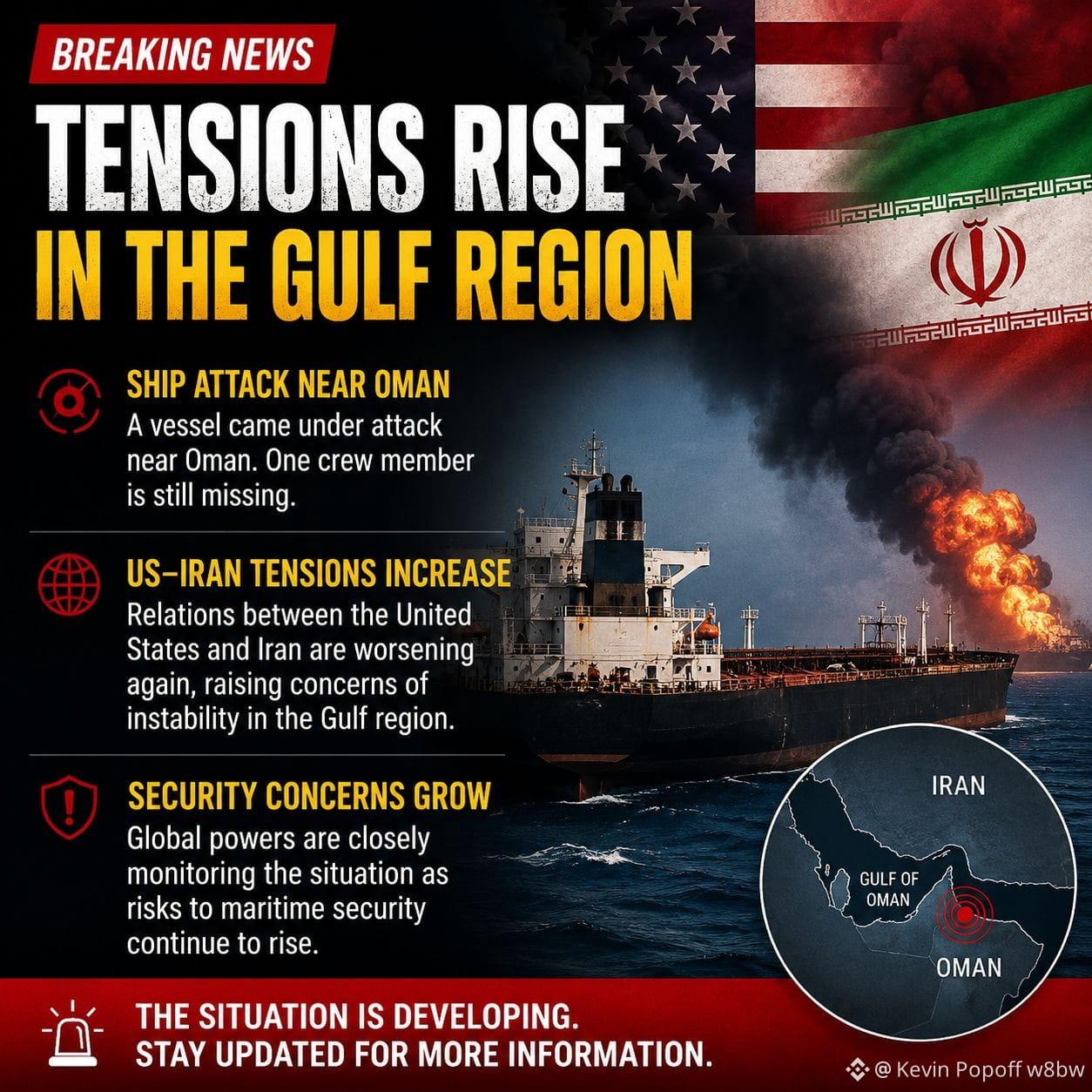
🚨 عاجل: تصاعد التوترات في منطقة الخليج
هجوم حديث على سفينة قرب عُمان أدى إلى تصاعد مخاوف تتعلق بالأمن، حيث لا يزال أحد أفراد الطاقم مفقودًا. وتقوم السلطات بالتحقيق بنشاط في الحادث مع تزايد القلق بشأن سلامة الملاحة.
وفي الوقت نفسه، تتصاعد مرة أخرى التوترات بين الولايات المتحدة وإيران، ما يثير مخاوف من احتمال حدوث عدم استقرار عبر منطقة الخليج.
🌍 يراقب خبراء الأمن العالميون الوضع عن كثب بينما تتكشف التطورات.
💬 ما رأيك في هذا التوتر المتصاعد؟
#BreakingNews #GulfRegion #Oman #Iran #US #GlobalSecurity #WorldNews
🚨 عاجل: تصاعد التوترات في منطقة الخليج
هجوم حديث على سفينة قرب عُمان أدى إلى تصاعد مخاوف تتعلق بالأمن، حيث لا يزال أحد أفراد الطاقم مفقودًا. وتقوم السلطات بالتحقيق بنشاط في الحادث مع تزايد القلق بشأن سلامة الملاحة.
وفي الوقت نفسه، تتصاعد مرة أخرى التوترات بين الولايات المتحدة وإيران، ما يثير مخاوف من احتمال حدوث عدم استقرار عبر منطقة الخليج.
🌍 يراقب خبراء الأمن العالميون الوضع عن كثب بينما تتكشف التطورات.
💬 ما رأيك في هذا التوتر المتصاعد؟
#BreakingNews #GulfRegion #Oman #Iran #US #GlobalSecurity #WorldNews
هجوم حديث على سفينة قرب عُمان أدى إلى تصاعد مخاوف تتعلق بالأمن، حيث لا يزال أحد أفراد الطاقم مفقودًا. وتقوم السلطات بالتحقيق بنشاط في الحادث مع تزايد القلق بشأن سلامة الملاحة.
وفي الوقت نفسه، تتصاعد مرة أخرى التوترات بين الولايات المتحدة وإيران، ما يثير مخاوف من احتمال حدوث عدم استقرار عبر منطقة الخليج.
🌍 يراقب خبراء الأمن العالميون الوضع عن كثب بينما تتكشف التطورات.
💬 ما رأيك في هذا التوتر المتصاعد؟
#BreakingNews #GulfRegion #Oman #Iran #US #GlobalSecurity #WorldNews
94


·
--
تمّ التحقق
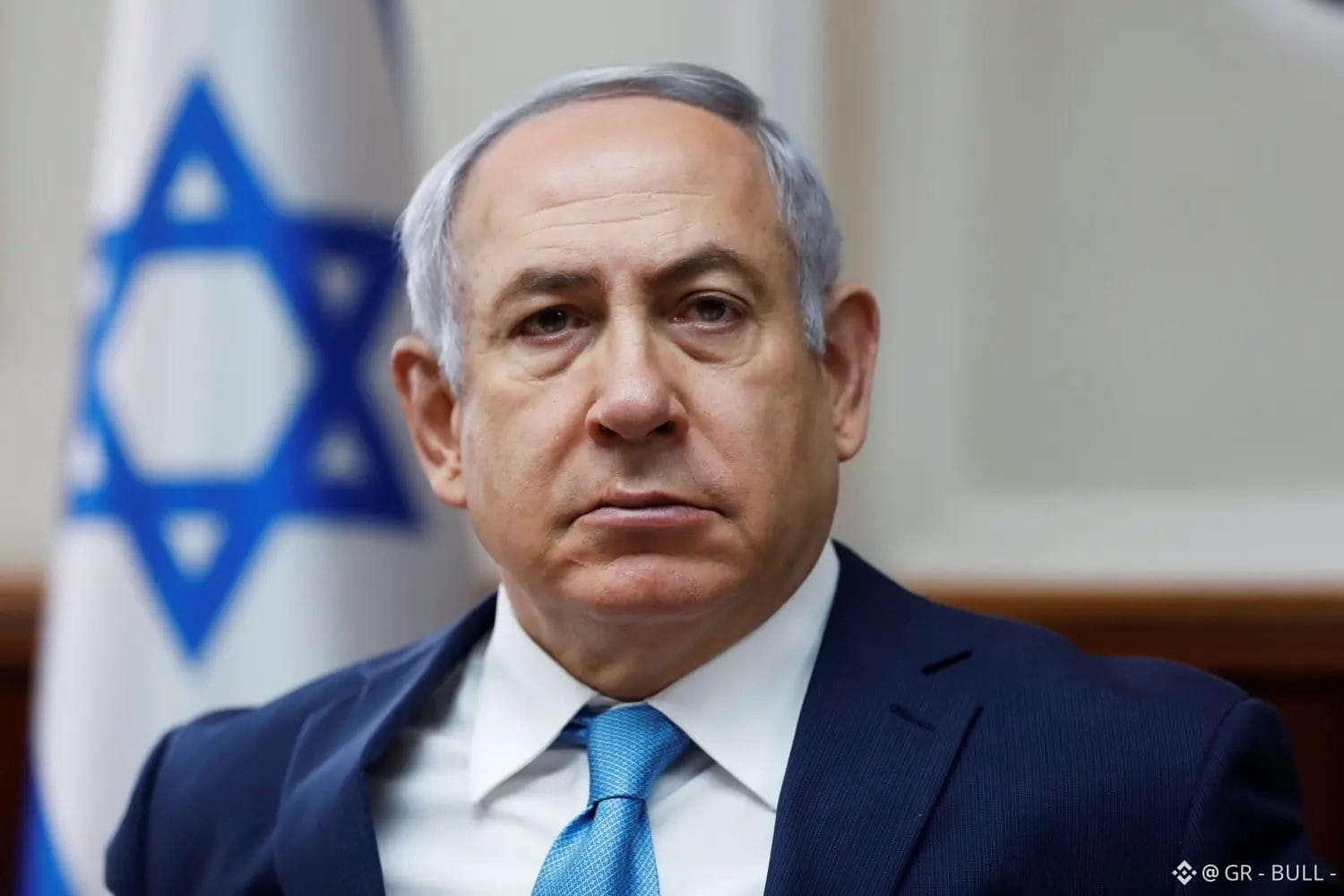
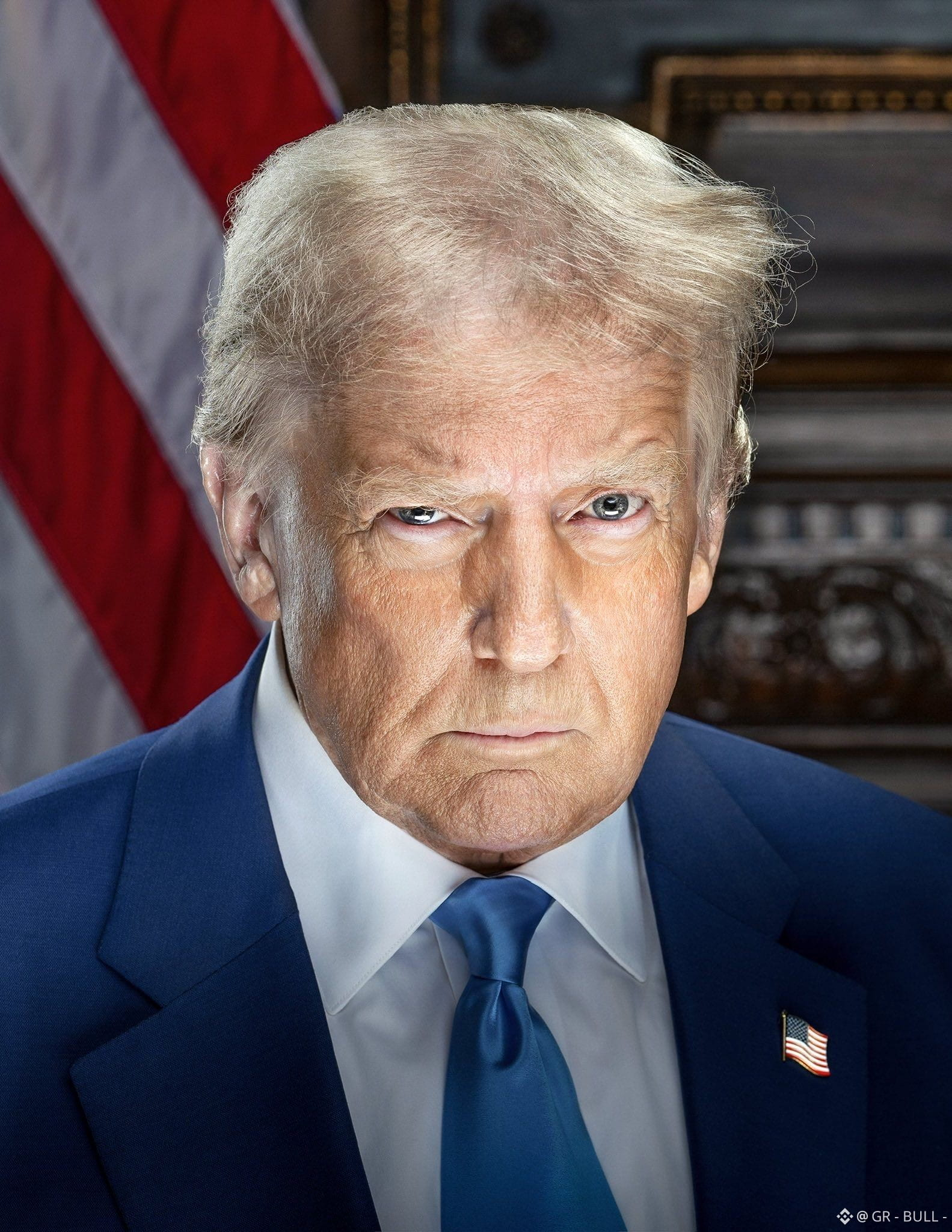
🚨 عاجل: التوترات تتصاعد في الشرق الأوسط! 🇮🇱🇺🇸
رئيس الوزراء الإسرائيلي بنيامين نتنياهو يشعر بقلق عميق من أن الرئيس دونالد ترامب قد يبرم صفقة مع إيران. وفقًا لموقع أكسيوس، حث نتنياهو الولايات المتحدة على القيام بجولة أخرى من الضربات العسكرية للحد من نفوذ طهران قبل الوصول إلى أي اتفاق.
تأتي هذه التطورات وسط تصاعد المناورات الدبلوماسية حول برنامج إيران النووي وأنشطتها الإقليمية. إسرائيل، التي تتسم تاريخيًا بالحذر من نوايا إيران، تبدو مصممة على الضغط على الولايات المتحدة لتبني موقف أكثر عدوانية، خشية أن يؤدي أي تسوية إلى تعزيز موقف إيران وزيادة عدم الاستقرار في المنطقة.
🌐 النقاط الرئيسية:
نتنياهو يعبر عن قلقه الجاد بشأن صفقة محتملة بين الولايات المتحدة وإيران.
يدعو إلى مزيد من الإجراءات العسكرية الأمريكية لمنع إيران من اكتساب قوة.
تقارير أكسيوس تشير إلى أن هذا قد يزيد من التوترات المرتفعة بالفعل في الشرق الأوسط.
يمكن أن يعقد هذا التحرك المفاوضات الدبلوماسية الجارية ويؤثر على الأمن العالمي.
⚠️ العالم يراقب عن كثب حيث تتعارض إمكانية الدبلوماسية الأمريكية الإيرانية مع مخاوف إسرائيل الأمنية — وهي حالة يمكن أن تعيد تشكيل الجغرافيا السياسية للشرق الأوسط بين عشية وضحاها.
#GlobalSecurity #TrumpDeal #Netanyahu #MiddleEastCrisis #IsraelIranTensions
🚨 عاجل: التوترات تتصاعد في الشرق الأوسط! 🇮🇱🇺🇸
رئيس الوزراء الإسرائيلي بنيامين نتنياهو يشعر بقلق عميق من أن الرئيس دونالد ترامب قد يبرم صفقة مع إيران. وفقًا لموقع أكسيوس، حث نتنياهو الولايات المتحدة على القيام بجولة أخرى من الضربات العسكرية للحد من نفوذ طهران قبل الوصول إلى أي اتفاق.
تأتي هذه التطورات وسط تصاعد المناورات الدبلوماسية حول برنامج إيران النووي وأنشطتها الإقليمية. إسرائيل، التي تتسم تاريخيًا بالحذر من نوايا إيران، تبدو مصممة على الضغط على الولايات المتحدة لتبني موقف أكثر عدوانية، خشية أن يؤدي أي تسوية إلى تعزيز موقف إيران وزيادة عدم الاستقرار في المنطقة.
🌐 النقاط الرئيسية:
نتنياهو يعبر عن قلقه الجاد بشأن صفقة محتملة بين الولايات المتحدة وإيران.
يدعو إلى مزيد من الإجراءات العسكرية الأمريكية لمنع إيران من اكتساب قوة.
تقارير أكسيوس تشير إلى أن هذا قد يزيد من التوترات المرتفعة بالفعل في الشرق الأوسط.
يمكن أن يعقد هذا التحرك المفاوضات الدبلوماسية الجارية ويؤثر على الأمن العالمي.
⚠️ العالم يراقب عن كثب حيث تتعارض إمكانية الدبلوماسية الأمريكية الإيرانية مع مخاوف إسرائيل الأمنية — وهي حالة يمكن أن تعيد تشكيل الجغرافيا السياسية للشرق الأوسط بين عشية وضحاها.
#GlobalSecurity #TrumpDeal #Netanyahu #MiddleEastCrisis #IsraelIranTensions
رئيس الوزراء الإسرائيلي بنيامين نتنياهو يشعر بقلق عميق من أن الرئيس دونالد ترامب قد يبرم صفقة مع إيران. وفقًا لموقع أكسيوس، حث نتنياهو الولايات المتحدة على القيام بجولة أخرى من الضربات العسكرية للحد من نفوذ طهران قبل الوصول إلى أي اتفاق.
تأتي هذه التطورات وسط تصاعد المناورات الدبلوماسية حول برنامج إيران النووي وأنشطتها الإقليمية. إسرائيل، التي تتسم تاريخيًا بالحذر من نوايا إيران، تبدو مصممة على الضغط على الولايات المتحدة لتبني موقف أكثر عدوانية، خشية أن يؤدي أي تسوية إلى تعزيز موقف إيران وزيادة عدم الاستقرار في المنطقة.
🌐 النقاط الرئيسية:
نتنياهو يعبر عن قلقه الجاد بشأن صفقة محتملة بين الولايات المتحدة وإيران.
يدعو إلى مزيد من الإجراءات العسكرية الأمريكية لمنع إيران من اكتساب قوة.
تقارير أكسيوس تشير إلى أن هذا قد يزيد من التوترات المرتفعة بالفعل في الشرق الأوسط.
يمكن أن يعقد هذا التحرك المفاوضات الدبلوماسية الجارية ويؤثر على الأمن العالمي.
⚠️ العالم يراقب عن كثب حيث تتعارض إمكانية الدبلوماسية الأمريكية الإيرانية مع مخاوف إسرائيل الأمنية — وهي حالة يمكن أن تعيد تشكيل الجغرافيا السياسية للشرق الأوسط بين عشية وضحاها.
#GlobalSecurity #TrumpDeal #Netanyahu #MiddleEastCrisis #IsraelIranTensions
3.3k

·
--
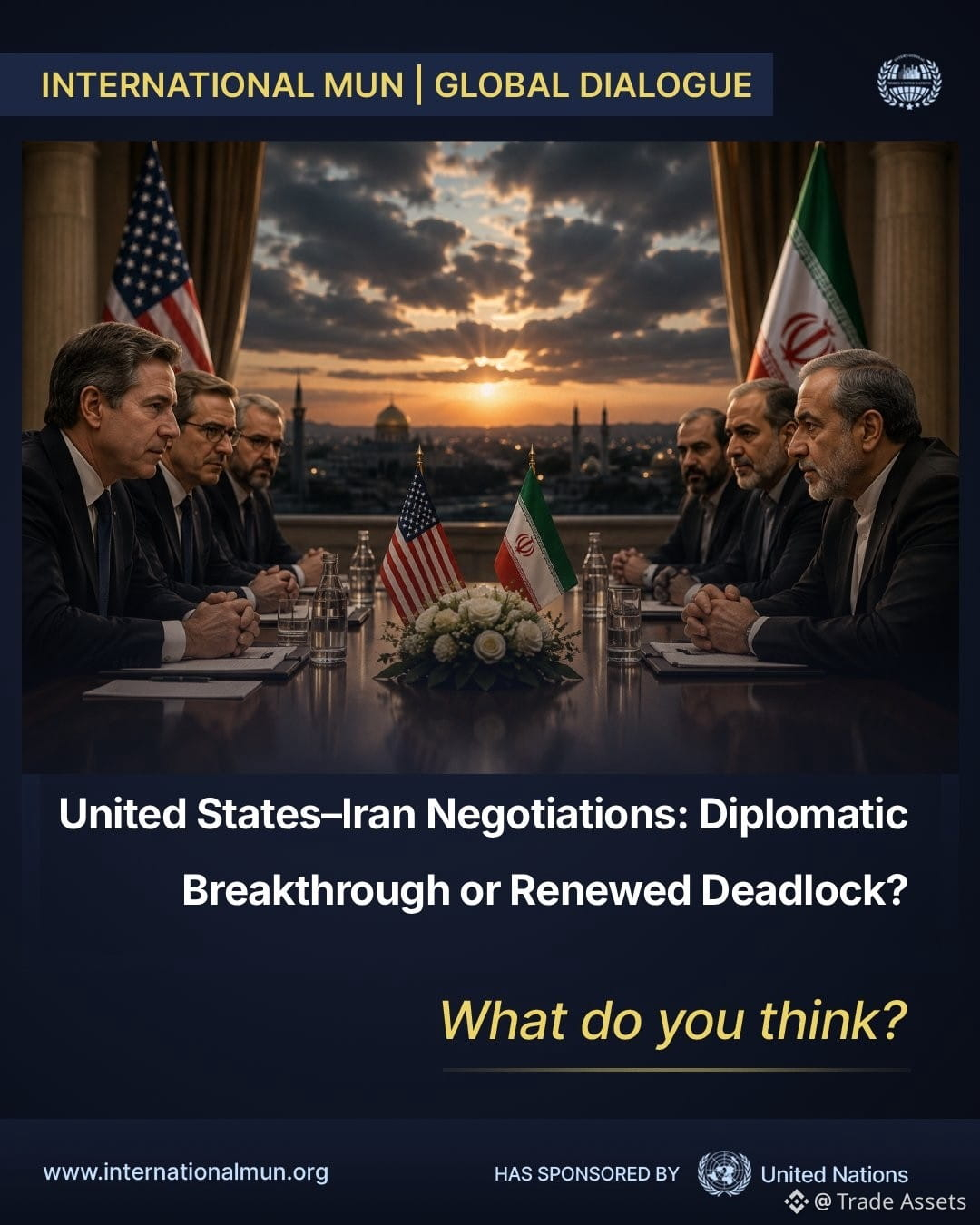
#USIranDealOrNoDeal
🌍🕊️ تستمر محادثات الولايات المتحدة وإيران مع بقاء القضايا النووية والأمنية والقضايا الإقليمية دون حل. اختراق أم طريق مسدود؟ #USIran #الدبلوماسية #الشرق_الأوسط #الجيوسياسة #GlobalSecurity
#USIranDealOrNoDeal
🌍🕊️ تستمر محادثات الولايات المتحدة وإيران مع بقاء القضايا النووية والأمنية والقضايا الإقليمية دون حل. اختراق أم طريق مسدود؟ #USIran #الدبلوماسية #الشرق_الأوسط #الجيوسياسة #GlobalSecurity
🌍🕊️ تستمر محادثات الولايات المتحدة وإيران مع بقاء القضايا النووية والأمنية والقضايا الإقليمية دون حل. اختراق أم طريق مسدود؟ #USIran #الدبلوماسية #الشرق_الأوسط #الجيوسياسة #GlobalSecurity
88
·
--
سيتعاون مديرو OpenAI وAnthropic معًا لإحاطة مجلس الأمن التابع للأمم المتحدة بمخاطر الذكاء الاصطناعي! سيتوجّه سام ألتمان وداريو أمودي (هذان العملاقان في عالم الذكاء الاصطناعي) إلى قادة العالم لإطلاق نداء بشأن سلامة الذكاء الاصطناعي. أخيرًا، تم طرح سلامة الذكاء الاصطناعي على أعلى مستوى من جدول الأعمال. هل سيتيح اندماج الذكاء الاصطناعي مع البلوك تشين فرصًا جديدة؟ #人工智能 #全球安全 $AGI $RNDR
سيُجري الرئيسان في OpenAI وAnthropic إحاطة لمجلس الأمن التابع للأمم المتحدة حول مخاطر الذكاء الاصطناعي! من المقرر أن يتحدث سام ألتمان وداريو أمودي إلى القادة العالميين بشأن سلامة الذكاء الاصطناعي. وقد تكون هذه خطوة قد تُحدث تغييرًا جذريًا لتقارب الذكاء الاصطناعي والبلوك تشين. #AI #GlobalSecurity $AGI $RNDR
سيتعاون مديرو OpenAI وAnthropic معًا لإحاطة مجلس الأمن التابع للأمم المتحدة بمخاطر الذكاء الاصطناعي! سيتوجّه سام ألتمان وداريو أمودي (هذان العملاقان في عالم الذكاء الاصطناعي) إلى قادة العالم لإطلاق نداء بشأن سلامة الذكاء الاصطناعي. أخيرًا، تم طرح سلامة الذكاء الاصطناعي على أعلى مستوى من جدول الأعمال. هل سيتيح اندماج الذكاء الاصطناعي مع البلوك تشين فرصًا جديدة؟ #人工智能 #全球安全 $AGI $RNDR
سيُجري الرئيسان في OpenAI وAnthropic إحاطة لمجلس الأمن التابع للأمم المتحدة حول مخاطر الذكاء الاصطناعي! من المقرر أن يتحدث سام ألتمان وداريو أمودي إلى القادة العالميين بشأن سلامة الذكاء الاصطناعي. وقد تكون هذه خطوة قد تُحدث تغييرًا جذريًا لتقارب الذكاء الاصطناعي والبلوك تشين. #AI #GlobalSecurity $AGI $RNDR
سيُجري الرئيسان في OpenAI وAnthropic إحاطة لمجلس الأمن التابع للأمم المتحدة حول مخاطر الذكاء الاصطناعي! من المقرر أن يتحدث سام ألتمان وداريو أمودي إلى القادة العالميين بشأن سلامة الذكاء الاصطناعي. وقد تكون هذه خطوة قد تُحدث تغييرًا جذريًا لتقارب الذكاء الاصطناعي والبلوك تشين. #AI #GlobalSecurity $AGI $RNDR
11
·
--
🚨 جاء الآن! 🇺🇸🔥
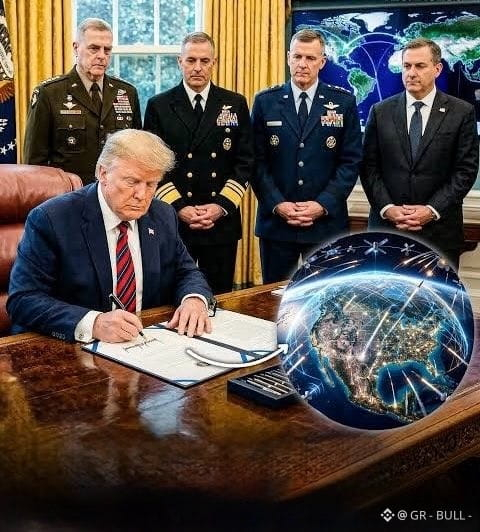
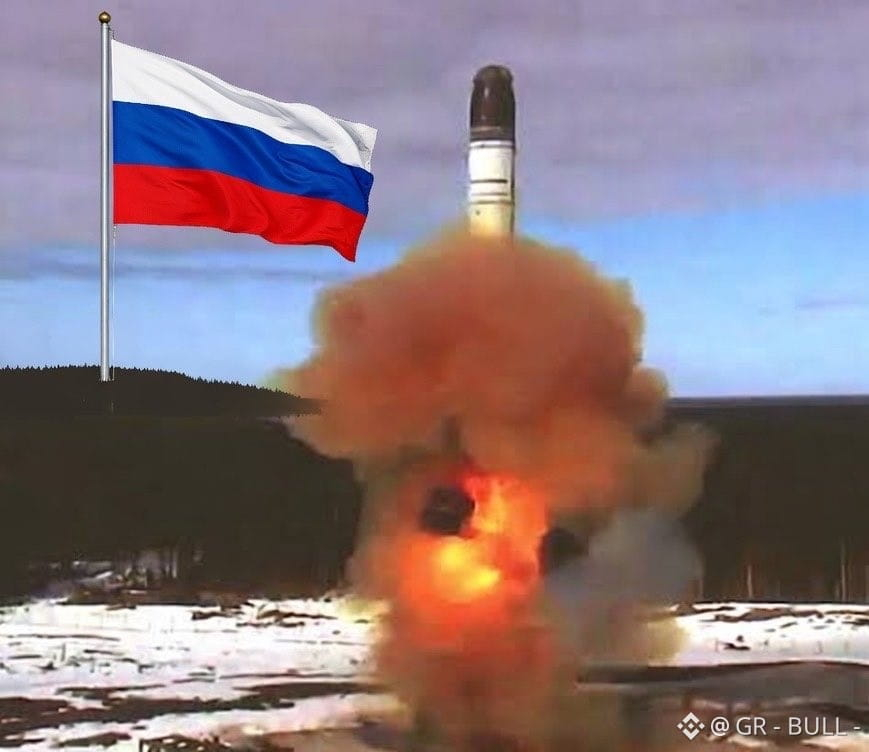
مشروع "القبة الذهبية" لترامب يهدف إلى إعادة تعريف الدفاع العالمي! هذا النظام المتطور يتم تصميمه ليصبح أقوى شبكة دفاع جوي في العالم، قادرة على اعتراض صاروخ SARMAT ICBM الروسي—صاروخ بمدى مذهل يبلغ 35,000 كم وسرعات تصل إلى 25,000 كم/ساعة.
يصف الخبراء هذا بأنه ثورة في تكنولوجيا الدفاع الصاروخي، حيث يجمع بين الاعتراض السريع، واستهداف دقيق للغاية، وتغطية غير مسبوقة. بمجرد أن يصبح فعالاً، يمكن أن تحمي القبة الذهبية قارات كاملة من أكثر التهديدات الباليستية تقدماً.
$ETH
المخاطر مرتفعة للغاية، وسباق السيطرة الاستراتيجية دخل بُعداً جديداً تماماً. 🌐💥
#القبة_الذهبية #MissileDefense #ICBMInterception #NextGenDefense #USA #GlobalSecurity
🚨 جاء الآن! 🇺🇸🔥
مشروع "القبة الذهبية" لترامب يهدف إلى إعادة تعريف الدفاع العالمي! هذا النظام المتطور يتم تصميمه ليصبح أقوى شبكة دفاع جوي في العالم، قادرة على اعتراض صاروخ SARMAT ICBM الروسي—صاروخ بمدى مذهل يبلغ 35,000 كم وسرعات تصل إلى 25,000 كم/ساعة.
يصف الخبراء هذا بأنه ثورة في تكنولوجيا الدفاع الصاروخي، حيث يجمع بين الاعتراض السريع، واستهداف دقيق للغاية، وتغطية غير مسبوقة. بمجرد أن يصبح فعالاً، يمكن أن تحمي القبة الذهبية قارات كاملة من أكثر التهديدات الباليستية تقدماً.
$ETH
المخاطر مرتفعة للغاية، وسباق السيطرة الاستراتيجية دخل بُعداً جديداً تماماً. 🌐💥
#القبة_الذهبية #MissileDefense #ICBMInterception #NextGenDefense #USA #GlobalSecurity
مشروع "القبة الذهبية" لترامب يهدف إلى إعادة تعريف الدفاع العالمي! هذا النظام المتطور يتم تصميمه ليصبح أقوى شبكة دفاع جوي في العالم، قادرة على اعتراض صاروخ SARMAT ICBM الروسي—صاروخ بمدى مذهل يبلغ 35,000 كم وسرعات تصل إلى 25,000 كم/ساعة.
يصف الخبراء هذا بأنه ثورة في تكنولوجيا الدفاع الصاروخي، حيث يجمع بين الاعتراض السريع، واستهداف دقيق للغاية، وتغطية غير مسبوقة. بمجرد أن يصبح فعالاً، يمكن أن تحمي القبة الذهبية قارات كاملة من أكثر التهديدات الباليستية تقدماً.
$ETH
المخاطر مرتفعة للغاية، وسباق السيطرة الاستراتيجية دخل بُعداً جديداً تماماً. 🌐💥
#القبة_الذهبية #MissileDefense #ICBMInterception #NextGenDefense #USA #GlobalSecurity
156

·
--
تحديث جيوسياسي: العلاقات الأمريكية الإيرانية والأمن 🌐
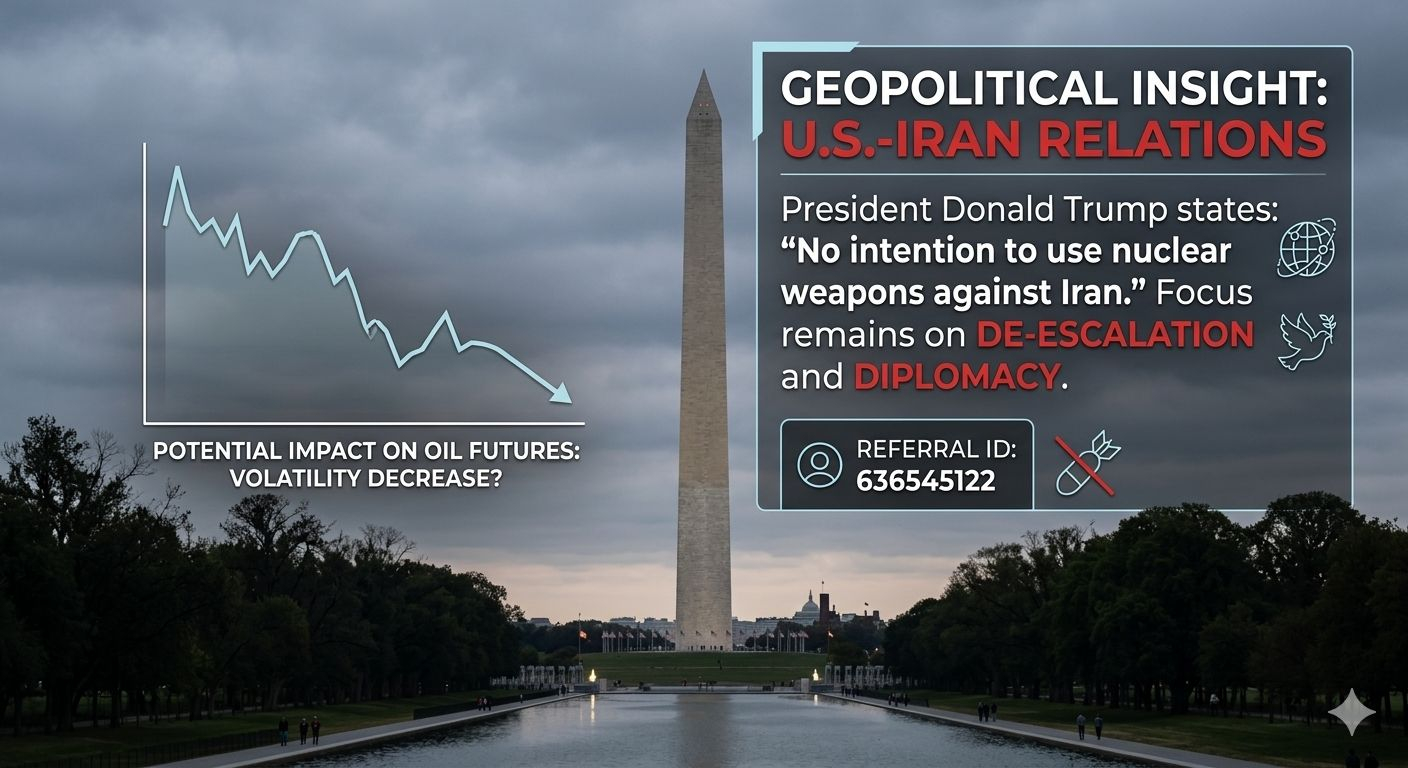
مؤخراً، صرح الرئيس دونالد ترامب بأن الولايات المتحدة ليس لديها نية لاستخدام الأسلحة النووية ضد إيران. تأتي هذه التصريحات في وقت لا تزال فيه التوترات بين البلدين مرتفعة ويتم استكشاف الحلول الدبلوماسية.
النقاط الرئيسية:
التخفيف: تأكيد الرئيس هو محاولة لحماية الاستقرار الإقليمي وتقليل خطر التصعيد العسكري.
الجهود الدبلوماسية: بالإضافة إلى الخيارات العسكرية، مستمرة المفاوضات لحل القضية عبر القنوات الدبلوماسية.
التركيز على الاستقرار: تراقب المجتمع الدولي وأسواق الطاقة هذه الحالة عن كثب، حيث يمكن أن تؤثر على مضيق هرمز والأمن الإقليمي.
هذه لحظة مهمة للأسواق العالمية والاستقرار الإقليمي. يجب على المستثمرين والمتداولين متابعة هذه الحالة.
ابقَ على اطلاع، وكن واعياً! 📈
انضم إلى مجتمع التداول الخاص بي لمزيد من الرؤى!
$XAUT $RAVE $MOVR
#Trump #Iran #Geopolitics #GlobalSecurity #دبلوماسية #تحديث_السوق #تنبيه_تداول #علاقات_دولية #EnergyMarket
تحديث جيوسياسي: العلاقات الأمريكية الإيرانية والأمن 🌐
مؤخراً، صرح الرئيس دونالد ترامب بأن الولايات المتحدة ليس لديها نية لاستخدام الأسلحة النووية ضد إيران. تأتي هذه التصريحات في وقت لا تزال فيه التوترات بين البلدين مرتفعة ويتم استكشاف الحلول الدبلوماسية.
النقاط الرئيسية:
التخفيف: تأكيد الرئيس هو محاولة لحماية الاستقرار الإقليمي وتقليل خطر التصعيد العسكري.
الجهود الدبلوماسية: بالإضافة إلى الخيارات العسكرية، مستمرة المفاوضات لحل القضية عبر القنوات الدبلوماسية.
التركيز على الاستقرار: تراقب المجتمع الدولي وأسواق الطاقة هذه الحالة عن كثب، حيث يمكن أن تؤثر على مضيق هرمز والأمن الإقليمي.
هذه لحظة مهمة للأسواق العالمية والاستقرار الإقليمي. يجب على المستثمرين والمتداولين متابعة هذه الحالة.
ابقَ على اطلاع، وكن واعياً! 📈
انضم إلى مجتمع التداول الخاص بي لمزيد من الرؤى!
$XAUT $RAVE $MOVR
#Trump #Iran #Geopolitics #GlobalSecurity #دبلوماسية #تحديث_السوق #تنبيه_تداول #علاقات_دولية #EnergyMarket
مؤخراً، صرح الرئيس دونالد ترامب بأن الولايات المتحدة ليس لديها نية لاستخدام الأسلحة النووية ضد إيران. تأتي هذه التصريحات في وقت لا تزال فيه التوترات بين البلدين مرتفعة ويتم استكشاف الحلول الدبلوماسية.
النقاط الرئيسية:
التخفيف: تأكيد الرئيس هو محاولة لحماية الاستقرار الإقليمي وتقليل خطر التصعيد العسكري.
الجهود الدبلوماسية: بالإضافة إلى الخيارات العسكرية، مستمرة المفاوضات لحل القضية عبر القنوات الدبلوماسية.
التركيز على الاستقرار: تراقب المجتمع الدولي وأسواق الطاقة هذه الحالة عن كثب، حيث يمكن أن تؤثر على مضيق هرمز والأمن الإقليمي.
هذه لحظة مهمة للأسواق العالمية والاستقرار الإقليمي. يجب على المستثمرين والمتداولين متابعة هذه الحالة.
ابقَ على اطلاع، وكن واعياً! 📈
انضم إلى مجتمع التداول الخاص بي لمزيد من الرؤى!
$XAUT $RAVE $MOVR
#Trump #Iran #Geopolitics #GlobalSecurity #دبلوماسية #تحديث_السوق #تنبيه_تداول #علاقات_دولية #EnergyMarket
36
·
--
صاعد
🚨 عاجل: إيران تشير إلى توقف مشروط للضربات على الدول المجاورة 🇮🇷🇺🇸
$BEAT $BANANAS31 $RESOLV
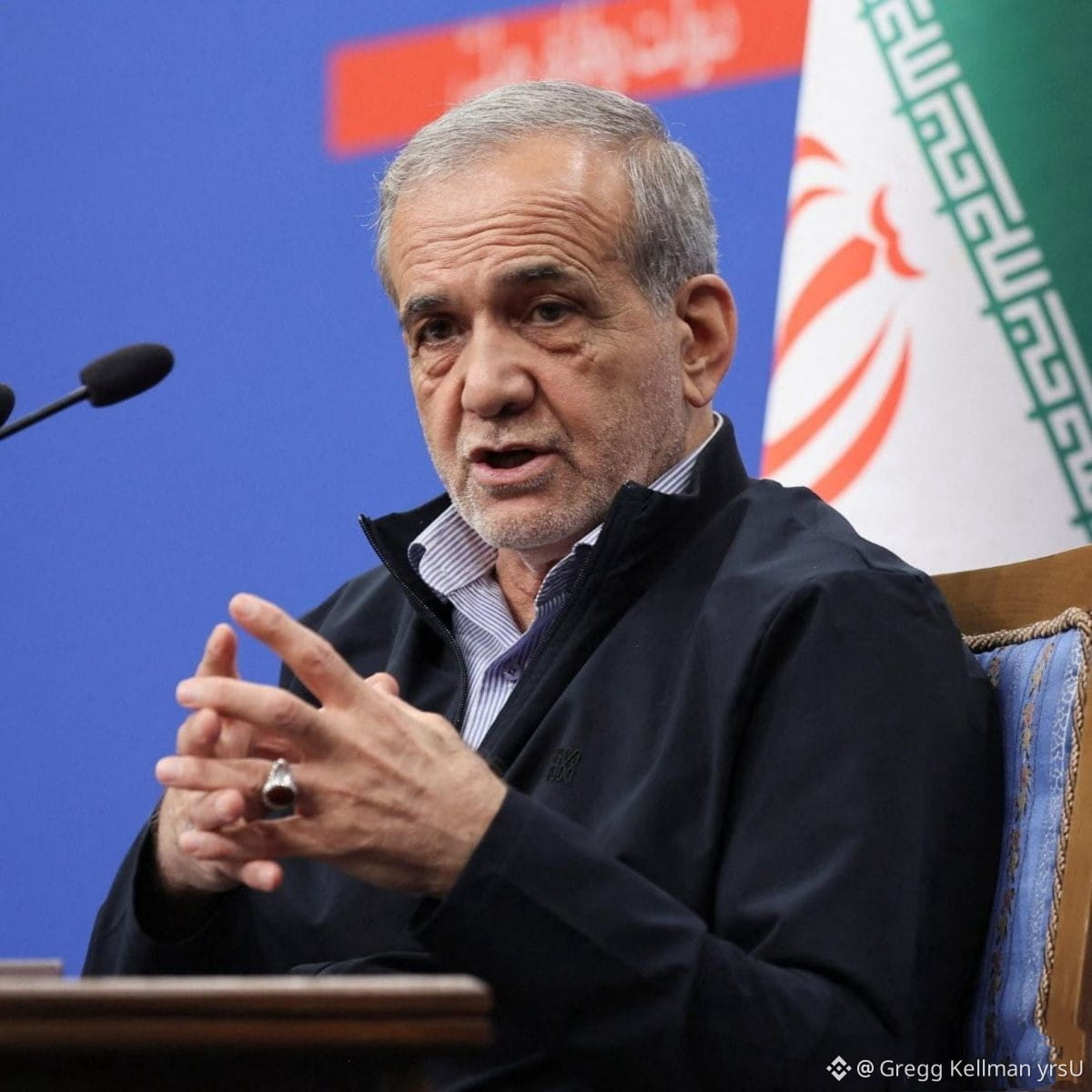
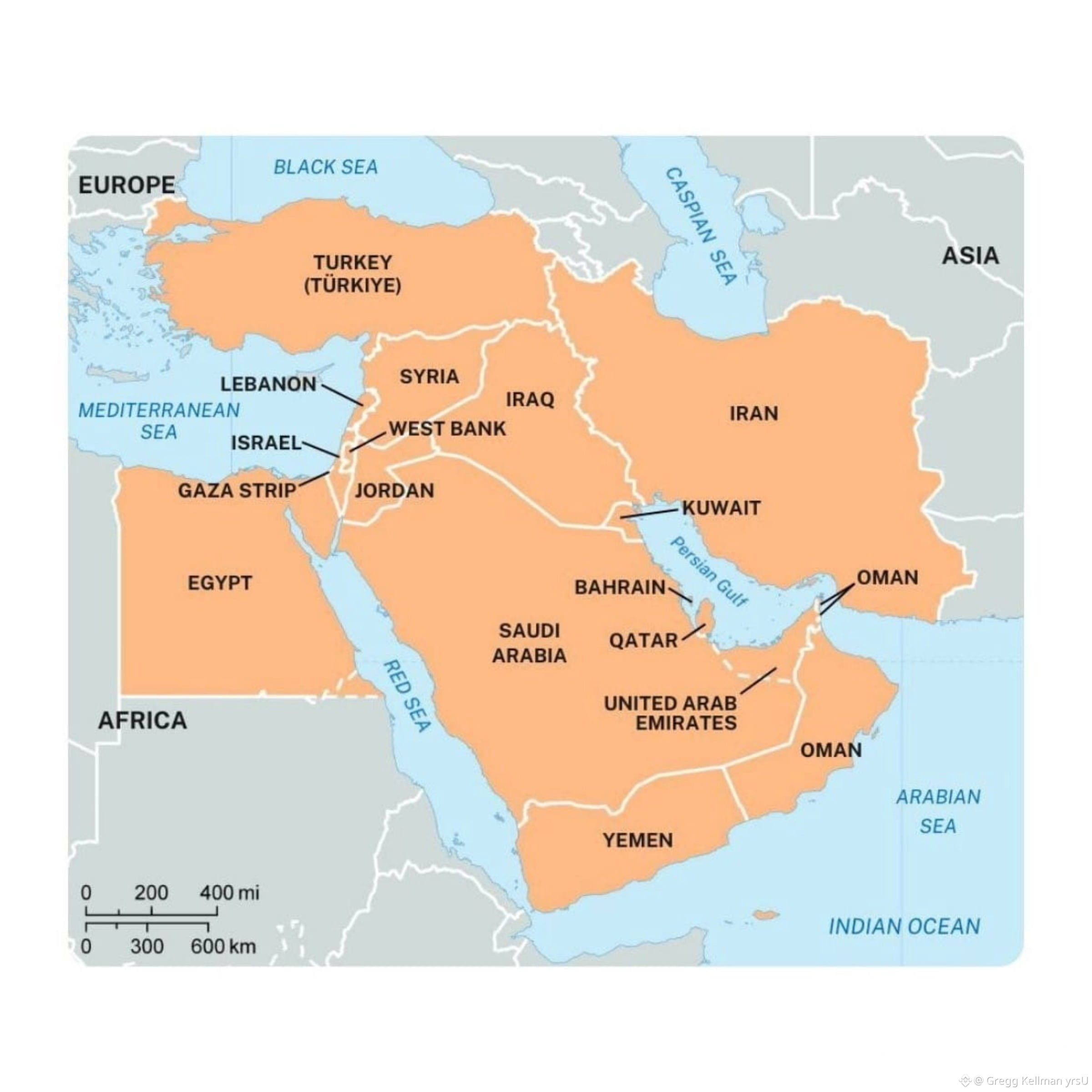
أعلنت إيران أنها مستعدة لوقف شن الهجمات على الدول المجاورة بشرط ألا تسمح تلك الدول للولايات المتحدة باستخدام أراضيها لضرب إيران.
قال رئيس إيران إنه إذا امتنعت الحكومات الإقليمية عن دعم الأعمال العسكرية ضد إيران، فإن طهران ستتجنب استهدافها. كما أعرب عن أسفه للدول في المنطقة التي تأثرت سابقاً أثناء النزاع.
وفقًا للمسؤولين، فقد وافق مجلس القيادة المؤقت لإيران على هذه السياسة ووجه القوات المسلحة لتجنب عمليات الصواريخ أو الطائرات المسيرة ضد الدول المجاورة ما لم تكن الهجمات على إيران تنطلق من أراضيهم. يُنظر إلى هذه الخطوة على أنها محاولة لمنع النزاع من الانتشار أكثر عبر الشرق الأوسط.
🌍 يعتقد المحللون أن الإعلان قد يشير إلى خطوة محتملة نحو خفض التصعيد، على الرغم من أن التوترات لا تزال مرتفعة حيث تتواصل الاشتباكات التي تشمل الولايات المتحدة وإسرائيل وإيران. الآن، تراقب الحكومات الإقليمية عن كثب لترى ما إذا كانت التصريحات ستترجم إلى تقليل حقيقي في الأعمال العدائية.
#MiddleEast #Geopolitics #Iran #GlobalSecurity #BreakingNews
{future}(BEATUSDT)
{future}(BANANAS31USDT)
{future}(RESOLVUSDT)
🚨 عاجل: إيران تشير إلى توقف مشروط للضربات على الدول المجاورة 🇮🇷🇺🇸
$BEAT $BANANAS31 $RESOLV
أعلنت إيران أنها مستعدة لوقف شن الهجمات على الدول المجاورة بشرط ألا تسمح تلك الدول للولايات المتحدة باستخدام أراضيها لضرب إيران.
قال رئيس إيران إنه إذا امتنعت الحكومات الإقليمية عن دعم الأعمال العسكرية ضد إيران، فإن طهران ستتجنب استهدافها. كما أعرب عن أسفه للدول في المنطقة التي تأثرت سابقاً أثناء النزاع.
وفقًا للمسؤولين، فقد وافق مجلس القيادة المؤقت لإيران على هذه السياسة ووجه القوات المسلحة لتجنب عمليات الصواريخ أو الطائرات المسيرة ضد الدول المجاورة ما لم تكن الهجمات على إيران تنطلق من أراضيهم. يُنظر إلى هذه الخطوة على أنها محاولة لمنع النزاع من الانتشار أكثر عبر الشرق الأوسط.
🌍 يعتقد المحللون أن الإعلان قد يشير إلى خطوة محتملة نحو خفض التصعيد، على الرغم من أن التوترات لا تزال مرتفعة حيث تتواصل الاشتباكات التي تشمل الولايات المتحدة وإسرائيل وإيران. الآن، تراقب الحكومات الإقليمية عن كثب لترى ما إذا كانت التصريحات ستترجم إلى تقليل حقيقي في الأعمال العدائية.
#MiddleEast #Geopolitics #Iran #GlobalSecurity #BreakingNews
$BEAT $BANANAS31 $RESOLV
أعلنت إيران أنها مستعدة لوقف شن الهجمات على الدول المجاورة بشرط ألا تسمح تلك الدول للولايات المتحدة باستخدام أراضيها لضرب إيران.
قال رئيس إيران إنه إذا امتنعت الحكومات الإقليمية عن دعم الأعمال العسكرية ضد إيران، فإن طهران ستتجنب استهدافها. كما أعرب عن أسفه للدول في المنطقة التي تأثرت سابقاً أثناء النزاع.
وفقًا للمسؤولين، فقد وافق مجلس القيادة المؤقت لإيران على هذه السياسة ووجه القوات المسلحة لتجنب عمليات الصواريخ أو الطائرات المسيرة ضد الدول المجاورة ما لم تكن الهجمات على إيران تنطلق من أراضيهم. يُنظر إلى هذه الخطوة على أنها محاولة لمنع النزاع من الانتشار أكثر عبر الشرق الأوسط.
🌍 يعتقد المحللون أن الإعلان قد يشير إلى خطوة محتملة نحو خفض التصعيد، على الرغم من أن التوترات لا تزال مرتفعة حيث تتواصل الاشتباكات التي تشمل الولايات المتحدة وإسرائيل وإيران. الآن، تراقب الحكومات الإقليمية عن كثب لترى ما إذا كانت التصريحات ستترجم إلى تقليل حقيقي في الأعمال العدائية.
#MiddleEast #Geopolitics #Iran #GlobalSecurity #BreakingNews
2
260

تصاعد التوتر الإقليمي مع مواجهة الهدنة بين الولايات المتحدة وإيران لضغوط حرجة
تواجه الهدنة الهشة التي استمرت أسبوعين بين الولايات المتحدة وإيران أزمة فورية بعد موجة كبيرة من الغارات الجوية الإسرائيلية في لبنان. على الرغم من الهدنة التي تم التوصل إليها قبل 24 ساعة فقط، لا يزال الوضع في المنطقة متوتراً حيث يبدو أن الاتفاقيات الدبلوماسية والإجراءات العسكرية تتعارض بشكل متزايد.
التطورات الرئيسية:
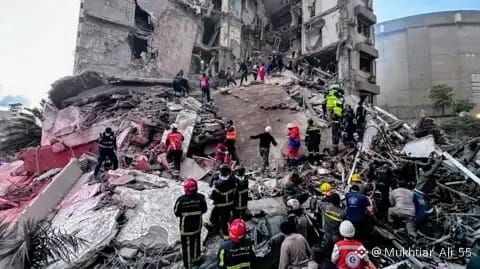
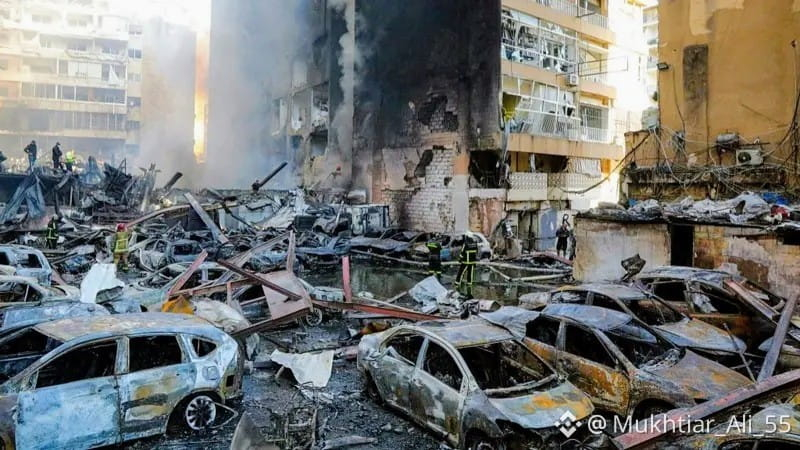
تصعيد في لبنان: شنت إسرائيل هجوماً كبيراً، مستهدفةً أكثر من 100 هدف في 10 دقائق. وذكرت وزارة الصحة اللبنانية أن هناك ما لا يقل عن 182 حالة وفاة. بينما تؤكد الولايات المتحدة وإسرائيل أن لبنان مستبعد من الهدنة الحالية، ردت حزب الله بإطلاق الصواريخ، وهدد الحرس الثوري الإيراني (IRGC) بـ "رد يسبب الندم."
طريق هرمز المسدود: ظهرت نقطة خلاف حاسمة بشأن طريق نقل النفط العالمي. حذرت إيران من أن أي سفينة تمر عبر الممر المائي بدون إذن سيتم "استهدافها وتدميرها"، مما يتحدى مباشرةً طلب الرئيس ترامب بفتح الممر.
احتكاك دبلوماسي: تسبب تفسيرات متضاربة لخطة من "10 نقاط" في حدوث انقسام بين واشنطن وطهران. يدعي رئيس البرلمان الإيراني أن ثلاثة بنود—بما في ذلك حق إيران في تخصيب اليورانيوم وإدراج لبنان في الهدنة—قد تم انتهاكها بالفعل.
المفاوضات القادمة: من المقرر أن يقود نائب الرئيس JD Vance فريقاً للتفاوض في إسلام آباد، باكستان، يوم السبت لإنقاذ الاتفاق.
ضغوطات الناتو: بعد اجتماع "صريح" مع الأمين العام لحلف الناتو مارك روت، أعرب الرئيس ترامب عن انتقاد حاد للتحالف عبر وسائل التواصل الاجتماعي، مما يعقد بشكل أكبر الجبهة الدبلوماسية الغربية.
بينما ترتفع فاتورة الإنسانية في لبنان ويهدد الأمن الطاقي العالمي، تتابع المجتمع الدولي عن كثب لمعرفة ما إذا كانت محادثات إسلام آباد يمكن أن تستقر ما هو حالياً سلاماً متقلباً بشكل غير عادي.
#MiddleEastCrisis #USIranCeasefire #Geopolitics #GlobalSecurity #BreakingNews
$ETH
$XRP
$SOL
تصاعد التوتر الإقليمي مع مواجهة الهدنة بين الولايات المتحدة وإيران لضغوط حرجة
تواجه الهدنة الهشة التي استمرت أسبوعين بين الولايات المتحدة وإيران أزمة فورية بعد موجة كبيرة من الغارات الجوية الإسرائيلية في لبنان. على الرغم من الهدنة التي تم التوصل إليها قبل 24 ساعة فقط، لا يزال الوضع في المنطقة متوتراً حيث يبدو أن الاتفاقيات الدبلوماسية والإجراءات العسكرية تتعارض بشكل متزايد.
التطورات الرئيسية:
تصعيد في لبنان: شنت إسرائيل هجوماً كبيراً، مستهدفةً أكثر من 100 هدف في 10 دقائق. وذكرت وزارة الصحة اللبنانية أن هناك ما لا يقل عن 182 حالة وفاة. بينما تؤكد الولايات المتحدة وإسرائيل أن لبنان مستبعد من الهدنة الحالية، ردت حزب الله بإطلاق الصواريخ، وهدد الحرس الثوري الإيراني (IRGC) بـ "رد يسبب الندم."
طريق هرمز المسدود: ظهرت نقطة خلاف حاسمة بشأن طريق نقل النفط العالمي. حذرت إيران من أن أي سفينة تمر عبر الممر المائي بدون إذن سيتم "استهدافها وتدميرها"، مما يتحدى مباشرةً طلب الرئيس ترامب بفتح الممر.
احتكاك دبلوماسي: تسبب تفسيرات متضاربة لخطة من "10 نقاط" في حدوث انقسام بين واشنطن وطهران. يدعي رئيس البرلمان الإيراني أن ثلاثة بنود—بما في ذلك حق إيران في تخصيب اليورانيوم وإدراج لبنان في الهدنة—قد تم انتهاكها بالفعل.
المفاوضات القادمة: من المقرر أن يقود نائب الرئيس JD Vance فريقاً للتفاوض في إسلام آباد، باكستان، يوم السبت لإنقاذ الاتفاق.
ضغوطات الناتو: بعد اجتماع "صريح" مع الأمين العام لحلف الناتو مارك روت، أعرب الرئيس ترامب عن انتقاد حاد للتحالف عبر وسائل التواصل الاجتماعي، مما يعقد بشكل أكبر الجبهة الدبلوماسية الغربية.
بينما ترتفع فاتورة الإنسانية في لبنان ويهدد الأمن الطاقي العالمي، تتابع المجتمع الدولي عن كثب لمعرفة ما إذا كانت محادثات إسلام آباد يمكن أن تستقر ما هو حالياً سلاماً متقلباً بشكل غير عادي.
#MiddleEastCrisis #USIranCeasefire #Geopolitics #GlobalSecurity #BreakingNews
$ETH
$XRP
$SOL
تواجه الهدنة الهشة التي استمرت أسبوعين بين الولايات المتحدة وإيران أزمة فورية بعد موجة كبيرة من الغارات الجوية الإسرائيلية في لبنان. على الرغم من الهدنة التي تم التوصل إليها قبل 24 ساعة فقط، لا يزال الوضع في المنطقة متوتراً حيث يبدو أن الاتفاقيات الدبلوماسية والإجراءات العسكرية تتعارض بشكل متزايد.
التطورات الرئيسية:
تصعيد في لبنان: شنت إسرائيل هجوماً كبيراً، مستهدفةً أكثر من 100 هدف في 10 دقائق. وذكرت وزارة الصحة اللبنانية أن هناك ما لا يقل عن 182 حالة وفاة. بينما تؤكد الولايات المتحدة وإسرائيل أن لبنان مستبعد من الهدنة الحالية، ردت حزب الله بإطلاق الصواريخ، وهدد الحرس الثوري الإيراني (IRGC) بـ "رد يسبب الندم."
طريق هرمز المسدود: ظهرت نقطة خلاف حاسمة بشأن طريق نقل النفط العالمي. حذرت إيران من أن أي سفينة تمر عبر الممر المائي بدون إذن سيتم "استهدافها وتدميرها"، مما يتحدى مباشرةً طلب الرئيس ترامب بفتح الممر.
احتكاك دبلوماسي: تسبب تفسيرات متضاربة لخطة من "10 نقاط" في حدوث انقسام بين واشنطن وطهران. يدعي رئيس البرلمان الإيراني أن ثلاثة بنود—بما في ذلك حق إيران في تخصيب اليورانيوم وإدراج لبنان في الهدنة—قد تم انتهاكها بالفعل.
المفاوضات القادمة: من المقرر أن يقود نائب الرئيس JD Vance فريقاً للتفاوض في إسلام آباد، باكستان، يوم السبت لإنقاذ الاتفاق.
ضغوطات الناتو: بعد اجتماع "صريح" مع الأمين العام لحلف الناتو مارك روت، أعرب الرئيس ترامب عن انتقاد حاد للتحالف عبر وسائل التواصل الاجتماعي، مما يعقد بشكل أكبر الجبهة الدبلوماسية الغربية.
بينما ترتفع فاتورة الإنسانية في لبنان ويهدد الأمن الطاقي العالمي، تتابع المجتمع الدولي عن كثب لمعرفة ما إذا كانت محادثات إسلام آباد يمكن أن تستقر ما هو حالياً سلاماً متقلباً بشكل غير عادي.
#MiddleEastCrisis #USIranCeasefire #Geopolitics #GlobalSecurity #BreakingNews
$ETH
$XRP
$SOL
146

🔥 تصاعد التوترات — إيطاليا ترسل 4 سفن حربية إلى مضيق هرمز 🇮🇹
$HYPER $SIREN $MOVR
أرسلت إيطاليا أربع سفن حربية إلى مضيق هرمز الاستراتيجي، مما يشير إلى خطوة كبيرة في تعزيز الوجود البحري الدولي المتزايد في المنطقة. تأتي هذه الخطوة في ظل تصاعد التوترات الجيوسياسية وزيادة القلق بشأن أمن الطاقة العالمي.
🇮🇹 انضمت إيطاليا إلى تحالف عالمي متزايد يركز على تأمين طرق الشحن الحيوية
يتعامل مضيق هرمز مع حصة كبيرة من إمدادات النفط العالمية
التوترات المتزايدة المرتبطة بإيران تدفع التنسيق العسكري المتزايد
تهدف هذه الإرساليات إلى ردع التهديدات وضمان عمليات بحرية آمنة
مع تعرض طرق التجارة العالمية لضغوط، تبرز هذه الخطوة الأخيرة كيف يمكن أن تجذب التوترات الإقليمية التدخل الدولي بسرعة. الأسواق وصناع السياسات يراقبون الآن عن كثب أي تصعيد قد يعطل تدفقات الطاقة في جميع أنحاء العالم.
{future}(HYPERUSDT)
{future}(SIRENUSDT)
{future}(MOVRUSDT)
#GlobalSecurity #OilMarkets #BinanceLaunchesGoldvs.BTCTradingCompetition
🔥 تصاعد التوترات — إيطاليا ترسل 4 سفن حربية إلى مضيق هرمز 🇮🇹
$HYPER $SIREN $MOVR
أرسلت إيطاليا أربع سفن حربية إلى مضيق هرمز الاستراتيجي، مما يشير إلى خطوة كبيرة في تعزيز الوجود البحري الدولي المتزايد في المنطقة. تأتي هذه الخطوة في ظل تصاعد التوترات الجيوسياسية وزيادة القلق بشأن أمن الطاقة العالمي.
🇮🇹 انضمت إيطاليا إلى تحالف عالمي متزايد يركز على تأمين طرق الشحن الحيوية
يتعامل مضيق هرمز مع حصة كبيرة من إمدادات النفط العالمية
التوترات المتزايدة المرتبطة بإيران تدفع التنسيق العسكري المتزايد
تهدف هذه الإرساليات إلى ردع التهديدات وضمان عمليات بحرية آمنة
مع تعرض طرق التجارة العالمية لضغوط، تبرز هذه الخطوة الأخيرة كيف يمكن أن تجذب التوترات الإقليمية التدخل الدولي بسرعة. الأسواق وصناع السياسات يراقبون الآن عن كثب أي تصعيد قد يعطل تدفقات الطاقة في جميع أنحاء العالم.
#GlobalSecurity #OilMarkets #BinanceLaunchesGoldvs.BTCTradingCompetition
$HYPER $SIREN $MOVR
أرسلت إيطاليا أربع سفن حربية إلى مضيق هرمز الاستراتيجي، مما يشير إلى خطوة كبيرة في تعزيز الوجود البحري الدولي المتزايد في المنطقة. تأتي هذه الخطوة في ظل تصاعد التوترات الجيوسياسية وزيادة القلق بشأن أمن الطاقة العالمي.
🇮🇹 انضمت إيطاليا إلى تحالف عالمي متزايد يركز على تأمين طرق الشحن الحيوية
يتعامل مضيق هرمز مع حصة كبيرة من إمدادات النفط العالمية
التوترات المتزايدة المرتبطة بإيران تدفع التنسيق العسكري المتزايد
تهدف هذه الإرساليات إلى ردع التهديدات وضمان عمليات بحرية آمنة
مع تعرض طرق التجارة العالمية لضغوط، تبرز هذه الخطوة الأخيرة كيف يمكن أن تجذب التوترات الإقليمية التدخل الدولي بسرعة. الأسواق وصناع السياسات يراقبون الآن عن كثب أي تصعيد قد يعطل تدفقات الطاقة في جميع أنحاء العالم.
#GlobalSecurity #OilMarkets #BinanceLaunchesGoldvs.BTCTradingCompetition
1
439
مقالة
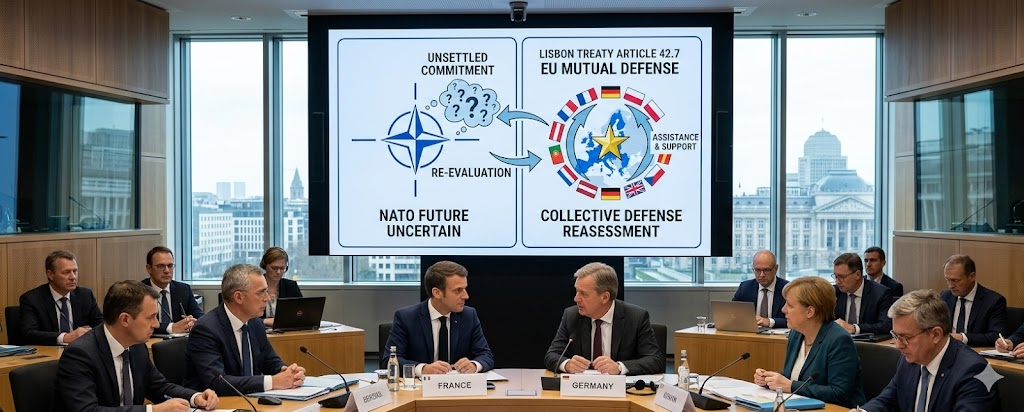
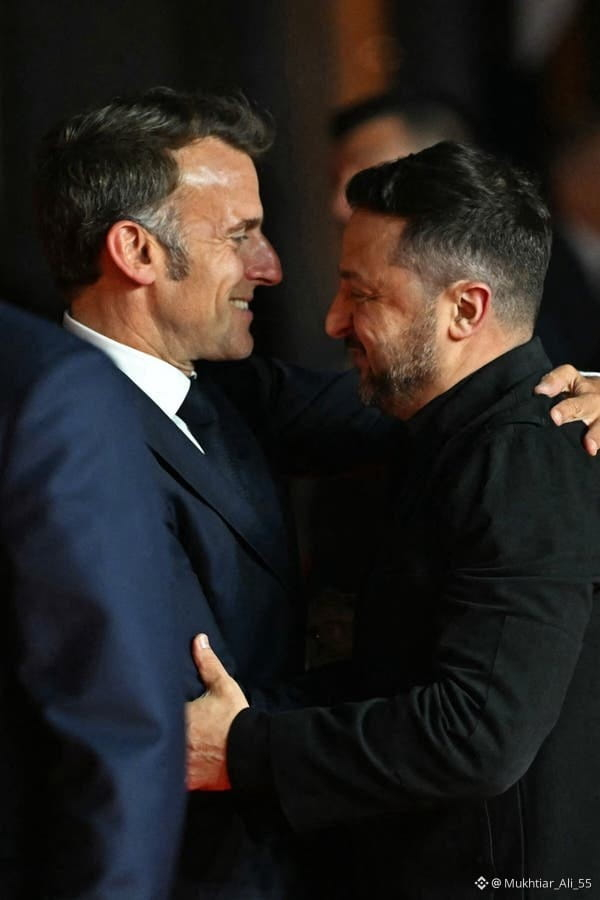
أوروبا تعيد تقييم الدفاع الجماعي مع تزايد عدم اليقين حول الناتوتزايد الشكوك حول مستقبل منظمة حلف شمال الأطلسي (الناتو) يدفع القادة الأوروبيين لإعادة تقييم آليات الدفاع الخاصة بهم. مع المخاوف بشأن الالتزام طويل الأمد لدونالد ترامب بالتحالف، تحول الانتباه نحو بند أقل شهرة ضمن إطار الاتحاد الأوروبي: المادة 42.7 من معاهدة لشبونة.
تُلزم هذه المادة دول الاتحاد الأوروبي بتقديم المساعدة، بما في ذلك الدعم العسكري والمالي، إذا تعرضت دولة عضو أخرى لهجوم. على الرغم من أنها أقوى في الصياغة من المادة 5 في الناتو، فقد تم الاستناد إليها مرة واحدة فقط، بعد هجمات باريس في 2015. كانت تُعتبر تاريخياً رمزية، لكن هذا البند يكتسب الآن أهمية متجددة مع تفكير أوروبا في سيناريوهات قد تنخفض فيها دعم الولايات المتحدة.
أوروبا تعيد تقييم الدفاع الجماعي مع تزايد عدم اليقين حول الناتو
تزايد الشكوك حول مستقبل منظمة حلف شمال الأطلسي (الناتو) يدفع القادة الأوروبيين لإعادة تقييم آليات الدفاع الخاصة بهم. مع المخاوف بشأن الالتزام طويل الأمد لدونالد ترامب بالتحالف، تحول الانتباه نحو بند أقل شهرة ضمن إطار الاتحاد الأوروبي: المادة 42.7 من معاهدة لشبونة.
تُلزم هذه المادة دول الاتحاد الأوروبي بتقديم المساعدة، بما في ذلك الدعم العسكري والمالي، إذا تعرضت دولة عضو أخرى لهجوم. على الرغم من أنها أقوى في الصياغة من المادة 5 في الناتو، فقد تم الاستناد إليها مرة واحدة فقط، بعد هجمات باريس في 2015. كانت تُعتبر تاريخياً رمزية، لكن هذا البند يكتسب الآن أهمية متجددة مع تفكير أوروبا في سيناريوهات قد تنخفض فيها دعم الولايات المتحدة.
تُلزم هذه المادة دول الاتحاد الأوروبي بتقديم المساعدة، بما في ذلك الدعم العسكري والمالي، إذا تعرضت دولة عضو أخرى لهجوم. على الرغم من أنها أقوى في الصياغة من المادة 5 في الناتو، فقد تم الاستناد إليها مرة واحدة فقط، بعد هجمات باريس في 2015. كانت تُعتبر تاريخياً رمزية، لكن هذا البند يكتسب الآن أهمية متجددة مع تفكير أوروبا في سيناريوهات قد تنخفض فيها دعم الولايات المتحدة.
1.5k
تصاعد الحرب في أوكرانيا مع استهداف الطائرات بدون طيار للبنية التحتية للطاقة الروسية
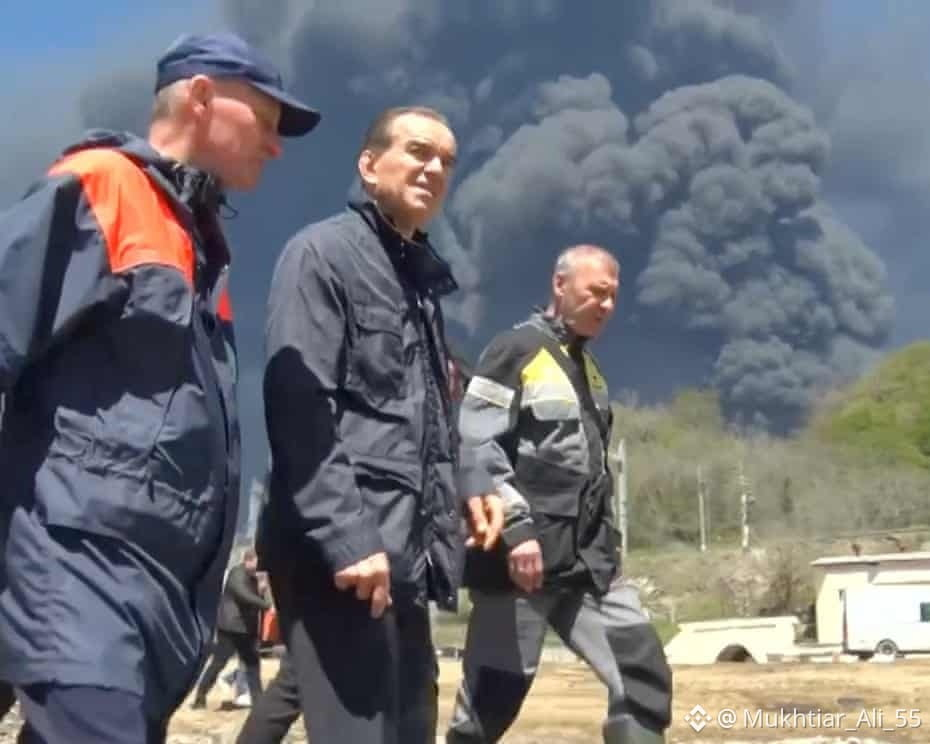
يستمر الصراع بين أوكرانيا وروسيا في التفاقم، مع تجدد الهجمات بالطائرات بدون طيار على الأصول الحيوية للطاقة الروسية. الهجوم الأخير على مصفاة النفط في توابسة على البحر الأسود يمثل الحادث الثالث من نوعه خلال أقل من أسبوعين، مما يبرز التركيز الاستراتيجي لأوكرانيا على تعطيل إنتاج النفط الروسي وموارد الإيرادات.
المصفاة، وهي منشأة رئيسية ذات إنتاج سنوي كبير، قد واجهت بالفعل اضطرابات تشغيلية بسبب الأضرار السابقة التي أثرت على اللوجستيات والصادرات. أمرت السلطات المحلية بإجلاء السكان حيث انتشرت الحرائق والدخان الكثيف، مما يسلط الضوء على التأثير الأوسع على المدنيين جراء الهجمات على البنية التحتية. أدان الرئيس الروسي فلاديمير بوتين الهجمات، موضحًا أنها تستهدف المنشآت المدنية، بينما تؤكد كييف أن هذه المواقع هي أهداف عسكرية-اقتصادية مشروعة.
في ظل هذه التطورات، تظل الديناميات السياسية الدولية نشطة. الملك تشارلز الثالث، في خطاب أمام الكونغرس الأمريكي، أكد على الحاجة إلى دعم عالمي مستمر لأوكرانيا، مشيرًا إلى أوجه الشبه مع جهود الأمن الجماعي السابقة. تعكس تصريحاته الضغط المستمر على الحلفاء الغربيين للحفاظ على التفاعل في الصراع.
تظهر أيضًا تحولات دبلوماسية، بما في ذلك تغييرات قيادية في التمثيل الأمريكي في كييف وتطور المواقف السياسية داخل أوروبا، لا سيما فيما يتعلق بالعلاقات المستقبلية لأوكرانيا مع الاتحاد الأوروبي.
مع دخول الحرب مرحلة مطولة، يستمر تقاطع الاستراتيجية العسكرية، والاضطراب الاقتصادي، والدبلوماسية الدولية في تشكيل مسارها وآثارها العالمية.
#UkraineWar #RussiaUkraine #GlobalSecurity #EnergyCrisis #Geopolitics
$ZBT
{spot}(ZBTUSDT)
$LUNC
{spot}(LUNCUSDT)
$AAVE
{spot}(AAVEUSDT)
تصاعد الحرب في أوكرانيا مع استهداف الطائرات بدون طيار للبنية التحتية للطاقة الروسية
يستمر الصراع بين أوكرانيا وروسيا في التفاقم، مع تجدد الهجمات بالطائرات بدون طيار على الأصول الحيوية للطاقة الروسية. الهجوم الأخير على مصفاة النفط في توابسة على البحر الأسود يمثل الحادث الثالث من نوعه خلال أقل من أسبوعين، مما يبرز التركيز الاستراتيجي لأوكرانيا على تعطيل إنتاج النفط الروسي وموارد الإيرادات.
المصفاة، وهي منشأة رئيسية ذات إنتاج سنوي كبير، قد واجهت بالفعل اضطرابات تشغيلية بسبب الأضرار السابقة التي أثرت على اللوجستيات والصادرات. أمرت السلطات المحلية بإجلاء السكان حيث انتشرت الحرائق والدخان الكثيف، مما يسلط الضوء على التأثير الأوسع على المدنيين جراء الهجمات على البنية التحتية. أدان الرئيس الروسي فلاديمير بوتين الهجمات، موضحًا أنها تستهدف المنشآت المدنية، بينما تؤكد كييف أن هذه المواقع هي أهداف عسكرية-اقتصادية مشروعة.
في ظل هذه التطورات، تظل الديناميات السياسية الدولية نشطة. الملك تشارلز الثالث، في خطاب أمام الكونغرس الأمريكي، أكد على الحاجة إلى دعم عالمي مستمر لأوكرانيا، مشيرًا إلى أوجه الشبه مع جهود الأمن الجماعي السابقة. تعكس تصريحاته الضغط المستمر على الحلفاء الغربيين للحفاظ على التفاعل في الصراع.
تظهر أيضًا تحولات دبلوماسية، بما في ذلك تغييرات قيادية في التمثيل الأمريكي في كييف وتطور المواقف السياسية داخل أوروبا، لا سيما فيما يتعلق بالعلاقات المستقبلية لأوكرانيا مع الاتحاد الأوروبي.
مع دخول الحرب مرحلة مطولة، يستمر تقاطع الاستراتيجية العسكرية، والاضطراب الاقتصادي، والدبلوماسية الدولية في تشكيل مسارها وآثارها العالمية.
#UkraineWar #RussiaUkraine #GlobalSecurity #EnergyCrisis #Geopolitics
$ZBT
$LUNC
$AAVE
يستمر الصراع بين أوكرانيا وروسيا في التفاقم، مع تجدد الهجمات بالطائرات بدون طيار على الأصول الحيوية للطاقة الروسية. الهجوم الأخير على مصفاة النفط في توابسة على البحر الأسود يمثل الحادث الثالث من نوعه خلال أقل من أسبوعين، مما يبرز التركيز الاستراتيجي لأوكرانيا على تعطيل إنتاج النفط الروسي وموارد الإيرادات.
المصفاة، وهي منشأة رئيسية ذات إنتاج سنوي كبير، قد واجهت بالفعل اضطرابات تشغيلية بسبب الأضرار السابقة التي أثرت على اللوجستيات والصادرات. أمرت السلطات المحلية بإجلاء السكان حيث انتشرت الحرائق والدخان الكثيف، مما يسلط الضوء على التأثير الأوسع على المدنيين جراء الهجمات على البنية التحتية. أدان الرئيس الروسي فلاديمير بوتين الهجمات، موضحًا أنها تستهدف المنشآت المدنية، بينما تؤكد كييف أن هذه المواقع هي أهداف عسكرية-اقتصادية مشروعة.
في ظل هذه التطورات، تظل الديناميات السياسية الدولية نشطة. الملك تشارلز الثالث، في خطاب أمام الكونغرس الأمريكي، أكد على الحاجة إلى دعم عالمي مستمر لأوكرانيا، مشيرًا إلى أوجه الشبه مع جهود الأمن الجماعي السابقة. تعكس تصريحاته الضغط المستمر على الحلفاء الغربيين للحفاظ على التفاعل في الصراع.
تظهر أيضًا تحولات دبلوماسية، بما في ذلك تغييرات قيادية في التمثيل الأمريكي في كييف وتطور المواقف السياسية داخل أوروبا، لا سيما فيما يتعلق بالعلاقات المستقبلية لأوكرانيا مع الاتحاد الأوروبي.
مع دخول الحرب مرحلة مطولة، يستمر تقاطع الاستراتيجية العسكرية، والاضطراب الاقتصادي، والدبلوماسية الدولية في تشكيل مسارها وآثارها العالمية.
#UkraineWar #RussiaUkraine #GlobalSecurity #EnergyCrisis #Geopolitics
$ZBT
$LUNC
$AAVE
1
406
أوروبا تستعد لصراع طويل الأمد في أوكرانيا وسط جمود دبلوماسي
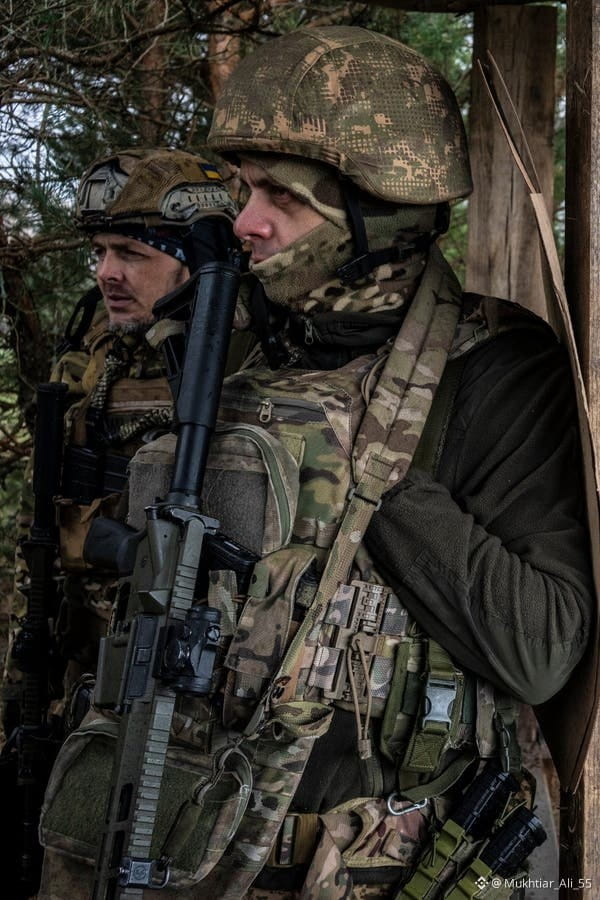
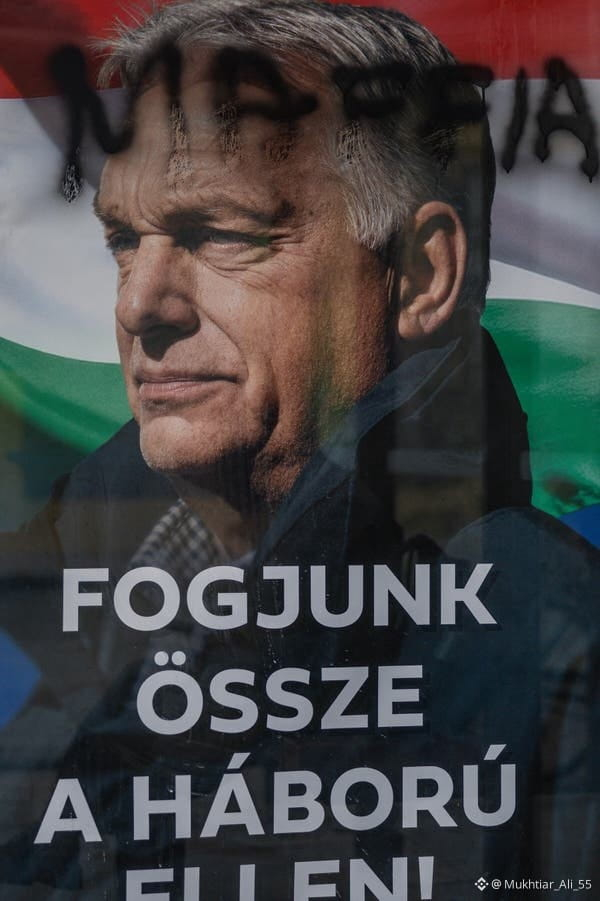
بينما تستمر الحرب بين أوكرانيا وروسيا دون حل واضح، يستعد القادة الأوروبيون لصراع طويل يتميز بعدم اليقين الاستراتيجي وتقدم دبلوماسي محدود.
مع تقليل الانخراط من الولايات المتحدة تحت إدارة دونالد ترامب، تراجعت التوقعات بشأن التسوية المفاوضات. كلا الجانبين عالق في حرب استنزاف، دون تحقيق مكاسب حاسمة أو إظهار حوافز قوية للتسوية.
استجابةً لذلك، زادت الاتحاد الأوروبي من الدعم، بما في ذلك حزمة مالية كبيرة ممولة من الأصول الروسية المجمدة وعقوبات إضافية تستهدف المصالح الاقتصادية لموسكو. ومع ذلك، يشير الخبراء إلى غياب استراتيجية واضحة على المدى الطويل لإنهاء الصراع.
يواصل الرئيس الأوكراني فولوديمير زيلينسكي السعي إلى شراكات دولية أوسع مع الحفاظ على الضغط العسكري، بينما تركز أوروبا على دعم موقف أوكرانيا بدلاً من تأمين سلام فوري.
#UkraineWar #Europe #Geopolitics #GlobalSecurity #InternationalRelations
$NB
{alpha}(560xc2bd425a63800731e3ae42b6596bdd783299fcb1)
$ICNT
{future}(ICNTUSDT)
$CAI
{alpha}(560x7e7ec10e7b55194714cfbc4daa14eaa4e423b774)
أوروبا تستعد لصراع طويل الأمد في أوكرانيا وسط جمود دبلوماسي
بينما تستمر الحرب بين أوكرانيا وروسيا دون حل واضح، يستعد القادة الأوروبيون لصراع طويل يتميز بعدم اليقين الاستراتيجي وتقدم دبلوماسي محدود.
مع تقليل الانخراط من الولايات المتحدة تحت إدارة دونالد ترامب، تراجعت التوقعات بشأن التسوية المفاوضات. كلا الجانبين عالق في حرب استنزاف، دون تحقيق مكاسب حاسمة أو إظهار حوافز قوية للتسوية.
استجابةً لذلك، زادت الاتحاد الأوروبي من الدعم، بما في ذلك حزمة مالية كبيرة ممولة من الأصول الروسية المجمدة وعقوبات إضافية تستهدف المصالح الاقتصادية لموسكو. ومع ذلك، يشير الخبراء إلى غياب استراتيجية واضحة على المدى الطويل لإنهاء الصراع.
يواصل الرئيس الأوكراني فولوديمير زيلينسكي السعي إلى شراكات دولية أوسع مع الحفاظ على الضغط العسكري، بينما تركز أوروبا على دعم موقف أوكرانيا بدلاً من تأمين سلام فوري.
#UkraineWar #Europe #Geopolitics #GlobalSecurity #InternationalRelations
$NB
$ICNT
$CAI
بينما تستمر الحرب بين أوكرانيا وروسيا دون حل واضح، يستعد القادة الأوروبيون لصراع طويل يتميز بعدم اليقين الاستراتيجي وتقدم دبلوماسي محدود.
مع تقليل الانخراط من الولايات المتحدة تحت إدارة دونالد ترامب، تراجعت التوقعات بشأن التسوية المفاوضات. كلا الجانبين عالق في حرب استنزاف، دون تحقيق مكاسب حاسمة أو إظهار حوافز قوية للتسوية.
استجابةً لذلك، زادت الاتحاد الأوروبي من الدعم، بما في ذلك حزمة مالية كبيرة ممولة من الأصول الروسية المجمدة وعقوبات إضافية تستهدف المصالح الاقتصادية لموسكو. ومع ذلك، يشير الخبراء إلى غياب استراتيجية واضحة على المدى الطويل لإنهاء الصراع.
يواصل الرئيس الأوكراني فولوديمير زيلينسكي السعي إلى شراكات دولية أوسع مع الحفاظ على الضغط العسكري، بينما تركز أوروبا على دعم موقف أوكرانيا بدلاً من تأمين سلام فوري.
#UkraineWar #Europe #Geopolitics #GlobalSecurity #InternationalRelations
$NB
$ICNT
$CAI
1
1.3k
مقالة
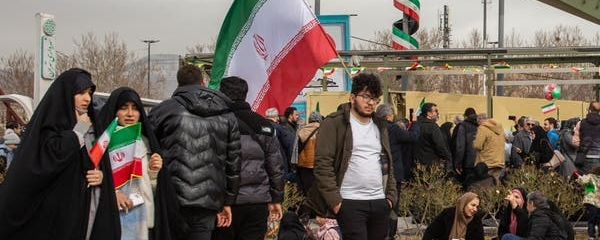
محادثات السلام بين الولايات المتحدة وإيران تتعثر وسط انقسامات استراتيجية وتوترات متزايدةواجهت الجهود للتفاوض على إنهاء الصراع المستمر بين الولايات المتحدة وإيران انتكاسات جديدة، مما يبرز تعقيد الدبلوماسية في بيئة جيوسياسية ذات مخاطر عالية. تم إلغاء زيارة مخطط لها من قبل المفاوضين الأمريكيين البارزين إلى إسلام آباد بشكل مفاجئ بواسطة دونالد ترامب، مما يشير إلى توقف في المشاركة المباشرة على الرغم من جهود الوساطة المستمرة من باكستان.
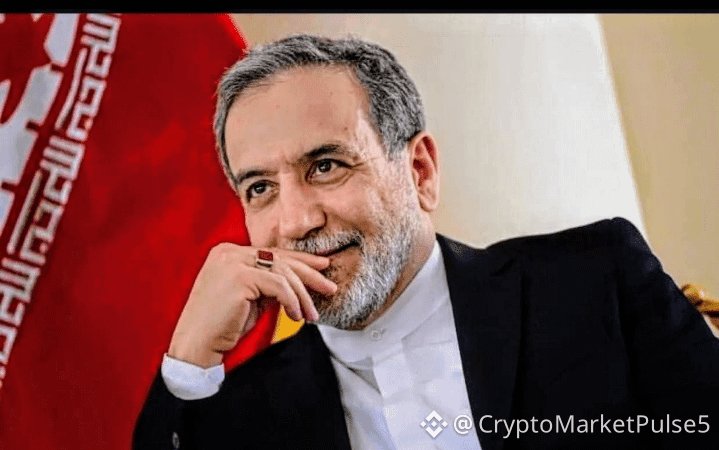
وزير الخارجية الإيراني، عباس عراقجي، عاد لفترة قصيرة إلى باكستان بعد مناقشات سابقة، مما يشير إلى أن القنوات الدبلوماسية لا تزال مفتوحة، رغم أنها متوترة. ومع ذلك، لا تزال الاختلافات الرئيسية تعيق التقدم، لا سيما فيما يتعلق بالبرنامج النووي الإيراني والسيطرة على مضيق هرمز الاستراتيجي، حيث فرض الجانبان قيودًا متنافسة على النشاط البحري.
محادثات السلام بين الولايات المتحدة وإيران تتعثر وسط انقسامات استراتيجية وتوترات متزايدة
واجهت الجهود للتفاوض على إنهاء الصراع المستمر بين الولايات المتحدة وإيران انتكاسات جديدة، مما يبرز تعقيد الدبلوماسية في بيئة جيوسياسية ذات مخاطر عالية. تم إلغاء زيارة مخطط لها من قبل المفاوضين الأمريكيين البارزين إلى إسلام آباد بشكل مفاجئ بواسطة دونالد ترامب، مما يشير إلى توقف في المشاركة المباشرة على الرغم من جهود الوساطة المستمرة من باكستان.
وزير الخارجية الإيراني، عباس عراقجي، عاد لفترة قصيرة إلى باكستان بعد مناقشات سابقة، مما يشير إلى أن القنوات الدبلوماسية لا تزال مفتوحة، رغم أنها متوترة. ومع ذلك، لا تزال الاختلافات الرئيسية تعيق التقدم، لا سيما فيما يتعلق بالبرنامج النووي الإيراني والسيطرة على مضيق هرمز الاستراتيجي، حيث فرض الجانبان قيودًا متنافسة على النشاط البحري.
وزير الخارجية الإيراني، عباس عراقجي، عاد لفترة قصيرة إلى باكستان بعد مناقشات سابقة، مما يشير إلى أن القنوات الدبلوماسية لا تزال مفتوحة، رغم أنها متوترة. ومع ذلك، لا تزال الاختلافات الرئيسية تعيق التقدم، لا سيما فيما يتعلق بالبرنامج النووي الإيراني والسيطرة على مضيق هرمز الاستراتيجي، حيث فرض الجانبان قيودًا متنافسة على النشاط البحري.
715
تزايد التوترات في مضيق هرمز مع انطلاق الولايات المتحدة لمهمة مرافقة بحرية
تستمر التوترات في مضيق هرمز في التصاعد بعد إعلان الولايات المتحدة عن مبادرة بحرية، "مشروع الحرية"، التي تهدف إلى مرافقة السفن التجارية المتعثرة عبر هذه الممرات الاستراتيجية. يُنظر إلى هذه الخطوة على أنها جهد إنساني لاستعادة المرور الآمن واستقرار طرق الشحن العالمية.
ومع ذلك، حذر المسؤولون الإيرانيون من أن أي تدخل أمريكي قد يُعتبر انتهاكًا لوقف إطلاق النار القائم، مما يثير المخاوف بشأن التصعيد المحتمل. في الوقت نفسه، قدمت إيران اقتراحًا تدريجيًا يركز على إنهاء النزاع، مع تأجيل القضايا الأكثر تعقيدًا للمفاوضات المستقبلية.
على الأرض، تستمر الأعمال العدائية في جميع أنحاء المنطقة. أفادت حركة حزب الله بعمليات مستمرة ضد القوات الإسرائيلية في جنوب لبنان، بينما تظل مخاطر الأمن البحري مرتفعة، مع حوادث حديثة تتضمن هجمات على السفن بالقرب من الخليج.
كما تساءل المحللون الأمنيون عن جدوى المهمة الأمريكية، مشيرين إلى محدودية الموارد البحرية، والمخاطر الناجمة عن الألغام البحرية، والتهديدات المستمرة من القوى الإقليمية. تزيد المخاوف بشأن التأمين والجدوى التجارية من تعقيد الجهود لاستعادة النشاط البحري بالكامل.
بينما تواصل الجهود الدبلوماسية بالتوازي مع التطورات العسكرية، يبقى مضيق هرمز نقطة توتر حاسمة لها تداعيات بعيدة المدى على التجارة العالمية، وأمن الطاقة، واستقرار المنطقة.
#StraitOfHormuz #GlobalSecurity #USIranTensions #MaritimeSecurity #Geopolitics
$EUR
{spot}(EURUSDT)
$AVAX
{spot}(AVAXUSDT)
$SUI
{spot}(SUIUSDT)
تزايد التوترات في مضيق هرمز مع انطلاق الولايات المتحدة لمهمة مرافقة بحرية
تستمر التوترات في مضيق هرمز في التصاعد بعد إعلان الولايات المتحدة عن مبادرة بحرية، "مشروع الحرية"، التي تهدف إلى مرافقة السفن التجارية المتعثرة عبر هذه الممرات الاستراتيجية. يُنظر إلى هذه الخطوة على أنها جهد إنساني لاستعادة المرور الآمن واستقرار طرق الشحن العالمية.
ومع ذلك، حذر المسؤولون الإيرانيون من أن أي تدخل أمريكي قد يُعتبر انتهاكًا لوقف إطلاق النار القائم، مما يثير المخاوف بشأن التصعيد المحتمل. في الوقت نفسه، قدمت إيران اقتراحًا تدريجيًا يركز على إنهاء النزاع، مع تأجيل القضايا الأكثر تعقيدًا للمفاوضات المستقبلية.
على الأرض، تستمر الأعمال العدائية في جميع أنحاء المنطقة. أفادت حركة حزب الله بعمليات مستمرة ضد القوات الإسرائيلية في جنوب لبنان، بينما تظل مخاطر الأمن البحري مرتفعة، مع حوادث حديثة تتضمن هجمات على السفن بالقرب من الخليج.
كما تساءل المحللون الأمنيون عن جدوى المهمة الأمريكية، مشيرين إلى محدودية الموارد البحرية، والمخاطر الناجمة عن الألغام البحرية، والتهديدات المستمرة من القوى الإقليمية. تزيد المخاوف بشأن التأمين والجدوى التجارية من تعقيد الجهود لاستعادة النشاط البحري بالكامل.
بينما تواصل الجهود الدبلوماسية بالتوازي مع التطورات العسكرية، يبقى مضيق هرمز نقطة توتر حاسمة لها تداعيات بعيدة المدى على التجارة العالمية، وأمن الطاقة، واستقرار المنطقة.
#StraitOfHormuz #GlobalSecurity #USIranTensions #MaritimeSecurity #Geopolitics
$EUR
$AVAX
$SUI
تستمر التوترات في مضيق هرمز في التصاعد بعد إعلان الولايات المتحدة عن مبادرة بحرية، "مشروع الحرية"، التي تهدف إلى مرافقة السفن التجارية المتعثرة عبر هذه الممرات الاستراتيجية. يُنظر إلى هذه الخطوة على أنها جهد إنساني لاستعادة المرور الآمن واستقرار طرق الشحن العالمية.
ومع ذلك، حذر المسؤولون الإيرانيون من أن أي تدخل أمريكي قد يُعتبر انتهاكًا لوقف إطلاق النار القائم، مما يثير المخاوف بشأن التصعيد المحتمل. في الوقت نفسه، قدمت إيران اقتراحًا تدريجيًا يركز على إنهاء النزاع، مع تأجيل القضايا الأكثر تعقيدًا للمفاوضات المستقبلية.
على الأرض، تستمر الأعمال العدائية في جميع أنحاء المنطقة. أفادت حركة حزب الله بعمليات مستمرة ضد القوات الإسرائيلية في جنوب لبنان، بينما تظل مخاطر الأمن البحري مرتفعة، مع حوادث حديثة تتضمن هجمات على السفن بالقرب من الخليج.
كما تساءل المحللون الأمنيون عن جدوى المهمة الأمريكية، مشيرين إلى محدودية الموارد البحرية، والمخاطر الناجمة عن الألغام البحرية، والتهديدات المستمرة من القوى الإقليمية. تزيد المخاوف بشأن التأمين والجدوى التجارية من تعقيد الجهود لاستعادة النشاط البحري بالكامل.
بينما تواصل الجهود الدبلوماسية بالتوازي مع التطورات العسكرية، يبقى مضيق هرمز نقطة توتر حاسمة لها تداعيات بعيدة المدى على التجارة العالمية، وأمن الطاقة، واستقرار المنطقة.
#StraitOfHormuz #GlobalSecurity #USIranTensions #MaritimeSecurity #Geopolitics
$EUR
$AVAX
$SUI
157
أوروبا تعيد تأكيد الاستقلال الاستراتيجي حيث يدعم ماكرون بند الدفاع في الاتحاد الأوروبي
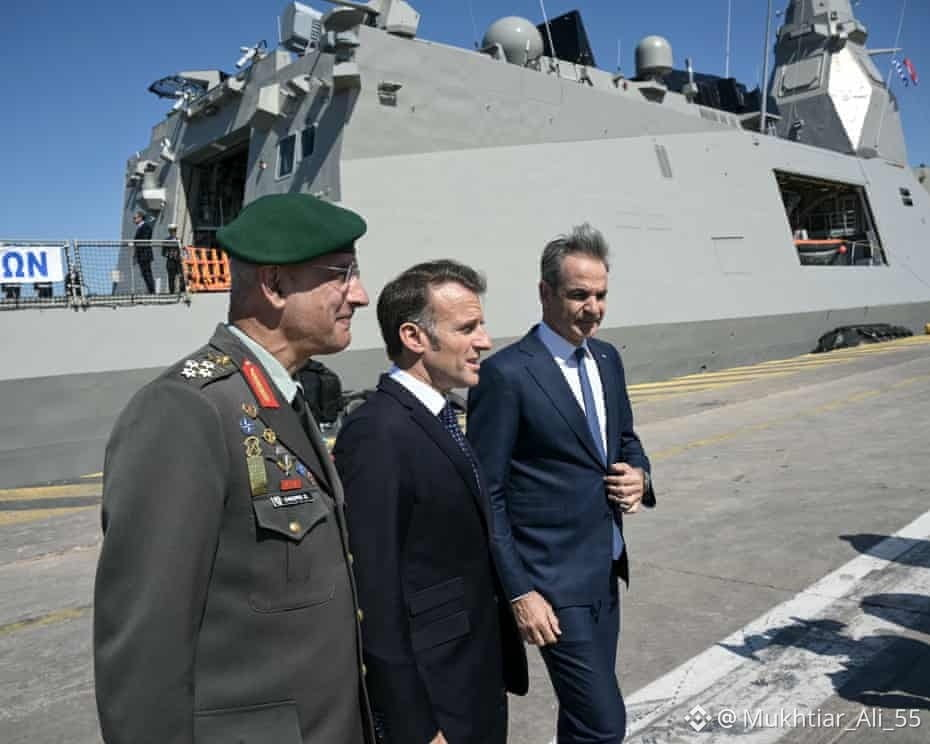
تسلط التصريحات الأخيرة لإيمانويل ماكرون الضوء على تحول متزايد في نظرة أوروبا للأمن، حيث تواجه الثقة في التحالفات التقليدية عدم اليقين الجديد. خلال زيارته لليونان، أكد ماكرون أن بند الدفاع المتبادل في الاتحاد الأوروبي بموجب معاهدة الاتحاد الأوروبي ليس "مجرد كلمات"، مشيرًا إلى الدعم العسكري المنسق الأخير لقبرص بعد الهجوم بالطائرات المسيرة كدليل على مصداقيته.
البند، الذي غالبًا ما يقارن بالمادة 5 من الناتو، يحصل على اهتمام متجدد حيث يعيد القادة الأوروبيون تقييم اعتمادهم على الضمانات الأمنية الخارجية. جادل ماكرون بأنه يجب على أوروبا تعزيز قدراتها الدفاعية الخاصة، خاصة في ظل المخاوف بشأن تغيير السياسة الخارجية الأمريكية تحت قيادة دونالد ترامب.
ردد رئيس الوزراء اليوناني كيرياكوس ميتسوتاكيس هذا الشعور، واصفًا الأعمال العسكرية المشتركة الأخيرة بأنها "مغيرة للعبة" وحاثًا أعضاء الاتحاد الأوروبي على أخذ التزامات الدفاع في الكتلة على محمل الجد. تعكس الجهود الجارية لتنسيق كيفية عمل البند في السيناريوهات الحقيقية دفعًا أوسع نحو الاستقلال الاستراتيجي.
مع تصاعد التوترات الجيوسياسية، يبدو أن أوروبا تركز بشكل متزايد على بناء إطار دفاعي أكثر اعتمادًا على الذات ومنسق—إطار يكمل التحالفات القائمة بينما يستعد لمشهد عالمي أكثر عدم اليقين.
#EuropeanUnion #NATO #GlobalSecurity #Geopolitics #DefenseStrategy
$VVV
{future}(VVVUSDT)
$PRL
{future}(PRLUSDT)
$JCT
{future}(JCTUSDT)
أوروبا تعيد تأكيد الاستقلال الاستراتيجي حيث يدعم ماكرون بند الدفاع في الاتحاد الأوروبي
تسلط التصريحات الأخيرة لإيمانويل ماكرون الضوء على تحول متزايد في نظرة أوروبا للأمن، حيث تواجه الثقة في التحالفات التقليدية عدم اليقين الجديد. خلال زيارته لليونان، أكد ماكرون أن بند الدفاع المتبادل في الاتحاد الأوروبي بموجب معاهدة الاتحاد الأوروبي ليس "مجرد كلمات"، مشيرًا إلى الدعم العسكري المنسق الأخير لقبرص بعد الهجوم بالطائرات المسيرة كدليل على مصداقيته.
البند، الذي غالبًا ما يقارن بالمادة 5 من الناتو، يحصل على اهتمام متجدد حيث يعيد القادة الأوروبيون تقييم اعتمادهم على الضمانات الأمنية الخارجية. جادل ماكرون بأنه يجب على أوروبا تعزيز قدراتها الدفاعية الخاصة، خاصة في ظل المخاوف بشأن تغيير السياسة الخارجية الأمريكية تحت قيادة دونالد ترامب.
ردد رئيس الوزراء اليوناني كيرياكوس ميتسوتاكيس هذا الشعور، واصفًا الأعمال العسكرية المشتركة الأخيرة بأنها "مغيرة للعبة" وحاثًا أعضاء الاتحاد الأوروبي على أخذ التزامات الدفاع في الكتلة على محمل الجد. تعكس الجهود الجارية لتنسيق كيفية عمل البند في السيناريوهات الحقيقية دفعًا أوسع نحو الاستقلال الاستراتيجي.
مع تصاعد التوترات الجيوسياسية، يبدو أن أوروبا تركز بشكل متزايد على بناء إطار دفاعي أكثر اعتمادًا على الذات ومنسق—إطار يكمل التحالفات القائمة بينما يستعد لمشهد عالمي أكثر عدم اليقين.
#EuropeanUnion #NATO #GlobalSecurity #Geopolitics #DefenseStrategy
$VVV
$PRL
$JCT
تسلط التصريحات الأخيرة لإيمانويل ماكرون الضوء على تحول متزايد في نظرة أوروبا للأمن، حيث تواجه الثقة في التحالفات التقليدية عدم اليقين الجديد. خلال زيارته لليونان، أكد ماكرون أن بند الدفاع المتبادل في الاتحاد الأوروبي بموجب معاهدة الاتحاد الأوروبي ليس "مجرد كلمات"، مشيرًا إلى الدعم العسكري المنسق الأخير لقبرص بعد الهجوم بالطائرات المسيرة كدليل على مصداقيته.
البند، الذي غالبًا ما يقارن بالمادة 5 من الناتو، يحصل على اهتمام متجدد حيث يعيد القادة الأوروبيون تقييم اعتمادهم على الضمانات الأمنية الخارجية. جادل ماكرون بأنه يجب على أوروبا تعزيز قدراتها الدفاعية الخاصة، خاصة في ظل المخاوف بشأن تغيير السياسة الخارجية الأمريكية تحت قيادة دونالد ترامب.
ردد رئيس الوزراء اليوناني كيرياكوس ميتسوتاكيس هذا الشعور، واصفًا الأعمال العسكرية المشتركة الأخيرة بأنها "مغيرة للعبة" وحاثًا أعضاء الاتحاد الأوروبي على أخذ التزامات الدفاع في الكتلة على محمل الجد. تعكس الجهود الجارية لتنسيق كيفية عمل البند في السيناريوهات الحقيقية دفعًا أوسع نحو الاستقلال الاستراتيجي.
مع تصاعد التوترات الجيوسياسية، يبدو أن أوروبا تركز بشكل متزايد على بناء إطار دفاعي أكثر اعتمادًا على الذات ومنسق—إطار يكمل التحالفات القائمة بينما يستعد لمشهد عالمي أكثر عدم اليقين.
#EuropeanUnion #NATO #GlobalSecurity #Geopolitics #DefenseStrategy
$VVV
$PRL
$JCT
562

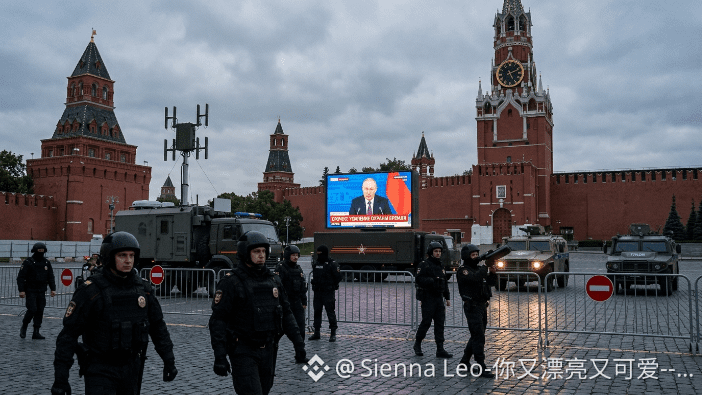
🚨🇷🇺 تهديدات الطائرات المسيرة تثير إجراءات أمنية مشددة في الكرملين... التوتر يتصاعد عبر غرب روسيا 😳🛡️
💬 يار، في شيء مش طبيعي... كل ما أقرأ عن تصاعد تهديدات الطائرات المسيرة في روسيا، الوضع يبدو أكثر جدية وتوتراً. اليوم تشير التقارير إلى أن الأمن في الكرملين قد تم تعزيزه مجدداً بعد تنبيهات جديدة استدعت مراجعات عسكرية طارئة.
🛰️ ما لفت انتباهي هو كيف أن الحروب الحديثة قد تغيرت. لم تعد مجرد دبابات أو حدود، بل طائرات مسيرة، أنظمة دفاع جوي، ومراقبة مستمرة عبر غرب روسيا.
🏛️ داخل دوائر الكرملين، يُقال إن بروتوكولات الأمان تتم مراجعتها على أعلى مستوى. يبدو أن السلطات تستعد لتهديدات جوية غير متوقعة بدلاً من سيناريوهات النزاع الأرضي التقليدية.
📊 كشخص يتابع الأخبار العالمية يومياً، أشعر كيف تؤثر هذه التطورات على المشاعر الدولية أيضاً. الأسواق، الدبلوماسية، وحتى مناقشات الطاقة تتفاعل بهدوء كلما تصاعدت التوترات في هذه المنطقة.
😐 بصراحة، إنها واحدة من تلك القصص التي تذكرك كم تتغير ديناميكيات الأمن العالمي بسرعة الآن.
🤔🕊️ هل تعتقد أن حرب الطائرات المسيرة ستعيد تعريف استراتيجيات الأمن الحديثة بشكل دائم أم أن هذه مجرد مرحلة أخرى من التصعيد؟
#RussiaNews #Kremlin #GlobalSecurity #Write2Earn #GrowWithSAC
🚨🇷🇺 تهديدات الطائرات المسيرة تثير إجراءات أمنية مشددة في الكرملين... التوتر يتصاعد عبر غرب روسيا 😳🛡️
💬 يار، في شيء مش طبيعي... كل ما أقرأ عن تصاعد تهديدات الطائرات المسيرة في روسيا، الوضع يبدو أكثر جدية وتوتراً. اليوم تشير التقارير إلى أن الأمن في الكرملين قد تم تعزيزه مجدداً بعد تنبيهات جديدة استدعت مراجعات عسكرية طارئة.
🛰️ ما لفت انتباهي هو كيف أن الحروب الحديثة قد تغيرت. لم تعد مجرد دبابات أو حدود، بل طائرات مسيرة، أنظمة دفاع جوي، ومراقبة مستمرة عبر غرب روسيا.
🏛️ داخل دوائر الكرملين، يُقال إن بروتوكولات الأمان تتم مراجعتها على أعلى مستوى. يبدو أن السلطات تستعد لتهديدات جوية غير متوقعة بدلاً من سيناريوهات النزاع الأرضي التقليدية.
📊 كشخص يتابع الأخبار العالمية يومياً، أشعر كيف تؤثر هذه التطورات على المشاعر الدولية أيضاً. الأسواق، الدبلوماسية، وحتى مناقشات الطاقة تتفاعل بهدوء كلما تصاعدت التوترات في هذه المنطقة.
😐 بصراحة، إنها واحدة من تلك القصص التي تذكرك كم تتغير ديناميكيات الأمن العالمي بسرعة الآن.
🤔🕊️ هل تعتقد أن حرب الطائرات المسيرة ستعيد تعريف استراتيجيات الأمن الحديثة بشكل دائم أم أن هذه مجرد مرحلة أخرى من التصعيد؟
#RussiaNews #Kremlin #GlobalSecurity #Write2Earn #GrowWithSAC
💬 يار، في شيء مش طبيعي... كل ما أقرأ عن تصاعد تهديدات الطائرات المسيرة في روسيا، الوضع يبدو أكثر جدية وتوتراً. اليوم تشير التقارير إلى أن الأمن في الكرملين قد تم تعزيزه مجدداً بعد تنبيهات جديدة استدعت مراجعات عسكرية طارئة.
🛰️ ما لفت انتباهي هو كيف أن الحروب الحديثة قد تغيرت. لم تعد مجرد دبابات أو حدود، بل طائرات مسيرة، أنظمة دفاع جوي، ومراقبة مستمرة عبر غرب روسيا.
🏛️ داخل دوائر الكرملين، يُقال إن بروتوكولات الأمان تتم مراجعتها على أعلى مستوى. يبدو أن السلطات تستعد لتهديدات جوية غير متوقعة بدلاً من سيناريوهات النزاع الأرضي التقليدية.
📊 كشخص يتابع الأخبار العالمية يومياً، أشعر كيف تؤثر هذه التطورات على المشاعر الدولية أيضاً. الأسواق، الدبلوماسية، وحتى مناقشات الطاقة تتفاعل بهدوء كلما تصاعدت التوترات في هذه المنطقة.
😐 بصراحة، إنها واحدة من تلك القصص التي تذكرك كم تتغير ديناميكيات الأمن العالمي بسرعة الآن.
🤔🕊️ هل تعتقد أن حرب الطائرات المسيرة ستعيد تعريف استراتيجيات الأمن الحديثة بشكل دائم أم أن هذه مجرد مرحلة أخرى من التصعيد؟
#RussiaNews #Kremlin #GlobalSecurity #Write2Earn #GrowWithSAC
2
316

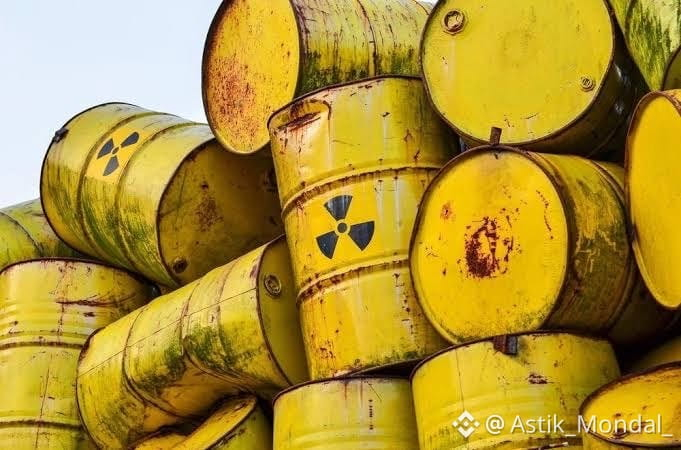
كيم جونغ أون كشف للتو عن منشأة لإنتاج وقود القنابل النووية بمعدل متزايد بشكل كبير. العالم أصبح أكثر خطورة بشكل ملحوظ.
ليس تدريجياً. وليس بشكل تدريجي.
بصورة متزايدة.
تم اختيار هذه الكلمة عن عمد. كيم جونغ أون لا يعقد مؤتمرات صحفية للإعلان عن أمور ليست موجهة لإيصال رسالة.
هذه رسالة.
كوريا الشمالية تسرع من برنامجها النووي في اللحظة التي يكون فيها العالم أكثر تشتيتاً. محادثات إيران تنهار. ترامب ونتنياهو في قتال علني. الولايات المتحدة تدير حروب التعريفات مع 60 اقتصاداً في آن واحد.
التوقيت ليس مصادفة.
الدول المارقة لا تتخذ خطوات جريئة عندما يكون العالم يراقب عن كثب. تتحرك عندما يكون العالم ينظر في مكان آخر.
والآن، العالم ينظر في كل مكان آخر.
منشأة تنتج وقوداً نووياً بمعدلات متزايدة لا تهدد فقط كوريا الجنوبية واليابان. إنها تغير حسابات الردع بالكامل عبر منطقة الهند-الباسيفيك. تايوان. أستراليا. كل قاعدة عسكرية أمريكية في المنطقة.
الصين تراقب هذا بعناية. لأن كوريا الشمالية المسلحة نووياً والتي تسرع الإنتاج تجبر كل جار على إعادة النظر في وضع دفاعه الخاص.
كوريا الجنوبية قد أجرت بالفعل مناقشات داخلية جدية حول قدراتها النووية.
تلك المناقشات أصبحت أكثر صخباً.
هذا يحدث في الوقت الذي تحل فيه الذهب مكان الخزائن في محافظ الاحتياطي. بينما العملات في الأسواق الناشئة تسجل أدنى مستوياتها القياسية. بينما صفقة إيران على حافة الانهيار.
صورة المخاطر العالمية لا تتحسن.
إنها تتزايد.
#NorthKorea #KimJongUn #NuclearWeapons #Geopolitics #GlobalSecurity
كيم جونغ أون كشف للتو عن منشأة لإنتاج وقود القنابل النووية بمعدل متزايد بشكل كبير. العالم أصبح أكثر خطورة بشكل ملحوظ.
ليس تدريجياً. وليس بشكل تدريجي.
بصورة متزايدة.
تم اختيار هذه الكلمة عن عمد. كيم جونغ أون لا يعقد مؤتمرات صحفية للإعلان عن أمور ليست موجهة لإيصال رسالة.
هذه رسالة.
كوريا الشمالية تسرع من برنامجها النووي في اللحظة التي يكون فيها العالم أكثر تشتيتاً. محادثات إيران تنهار. ترامب ونتنياهو في قتال علني. الولايات المتحدة تدير حروب التعريفات مع 60 اقتصاداً في آن واحد.
التوقيت ليس مصادفة.
الدول المارقة لا تتخذ خطوات جريئة عندما يكون العالم يراقب عن كثب. تتحرك عندما يكون العالم ينظر في مكان آخر.
والآن، العالم ينظر في كل مكان آخر.
منشأة تنتج وقوداً نووياً بمعدلات متزايدة لا تهدد فقط كوريا الجنوبية واليابان. إنها تغير حسابات الردع بالكامل عبر منطقة الهند-الباسيفيك. تايوان. أستراليا. كل قاعدة عسكرية أمريكية في المنطقة.
الصين تراقب هذا بعناية. لأن كوريا الشمالية المسلحة نووياً والتي تسرع الإنتاج تجبر كل جار على إعادة النظر في وضع دفاعه الخاص.
كوريا الجنوبية قد أجرت بالفعل مناقشات داخلية جدية حول قدراتها النووية.
تلك المناقشات أصبحت أكثر صخباً.
هذا يحدث في الوقت الذي تحل فيه الذهب مكان الخزائن في محافظ الاحتياطي. بينما العملات في الأسواق الناشئة تسجل أدنى مستوياتها القياسية. بينما صفقة إيران على حافة الانهيار.
صورة المخاطر العالمية لا تتحسن.
إنها تتزايد.
#NorthKorea #KimJongUn #NuclearWeapons #Geopolitics #GlobalSecurity
ليس تدريجياً. وليس بشكل تدريجي.
بصورة متزايدة.
تم اختيار هذه الكلمة عن عمد. كيم جونغ أون لا يعقد مؤتمرات صحفية للإعلان عن أمور ليست موجهة لإيصال رسالة.
هذه رسالة.
كوريا الشمالية تسرع من برنامجها النووي في اللحظة التي يكون فيها العالم أكثر تشتيتاً. محادثات إيران تنهار. ترامب ونتنياهو في قتال علني. الولايات المتحدة تدير حروب التعريفات مع 60 اقتصاداً في آن واحد.
التوقيت ليس مصادفة.
الدول المارقة لا تتخذ خطوات جريئة عندما يكون العالم يراقب عن كثب. تتحرك عندما يكون العالم ينظر في مكان آخر.
والآن، العالم ينظر في كل مكان آخر.
منشأة تنتج وقوداً نووياً بمعدلات متزايدة لا تهدد فقط كوريا الجنوبية واليابان. إنها تغير حسابات الردع بالكامل عبر منطقة الهند-الباسيفيك. تايوان. أستراليا. كل قاعدة عسكرية أمريكية في المنطقة.
الصين تراقب هذا بعناية. لأن كوريا الشمالية المسلحة نووياً والتي تسرع الإنتاج تجبر كل جار على إعادة النظر في وضع دفاعه الخاص.
كوريا الجنوبية قد أجرت بالفعل مناقشات داخلية جدية حول قدراتها النووية.
تلك المناقشات أصبحت أكثر صخباً.
هذا يحدث في الوقت الذي تحل فيه الذهب مكان الخزائن في محافظ الاحتياطي. بينما العملات في الأسواق الناشئة تسجل أدنى مستوياتها القياسية. بينما صفقة إيران على حافة الانهيار.
صورة المخاطر العالمية لا تتحسن.
إنها تتزايد.
#NorthKorea #KimJongUn #NuclearWeapons #Geopolitics #GlobalSecurity
69
توقف إطلاق النار تحت الضغط مع تصاعد التوترات عبر الحدود في جنوب لبنان
تستمر التوترات بين حزب الله وإسرائيل في التصاعد على الرغم من التهدئة التي تم وضعها مؤخرًا، مما يثير القلق بشأن تصعيد إقليمي أوسع.
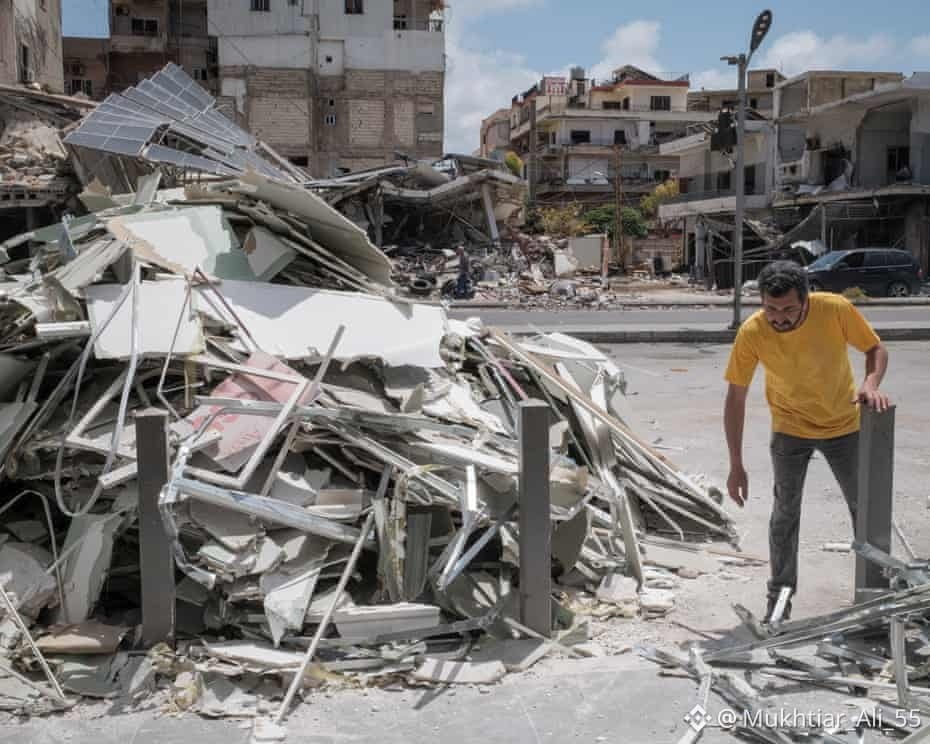
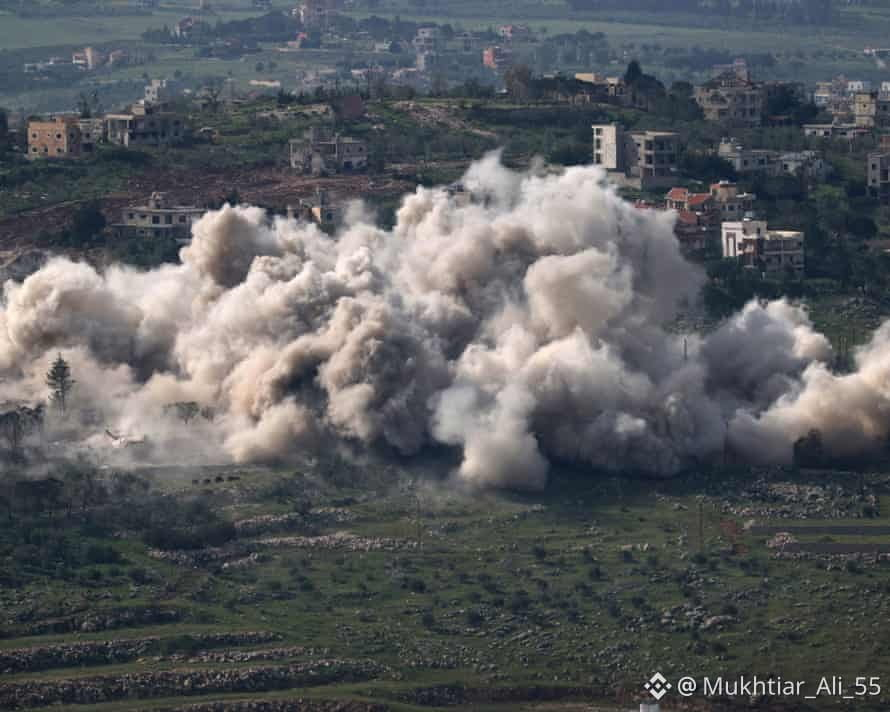
تشمل التطورات الأخيرة غارات بالطائرات بدون طيار أطلقها حزب الله تستهدف الجنود الإسرائيليين في جنوب لبنان، إلى جانب غارات جوية إسرائيلية مستمرة وأوامر نزوح متجددة تؤثر على عدة قرى. بينما يصر كلا الجانبين على أن أفعالهما دفاعية، فإن تكرار التبادلات يبرز هشة الهدنة الحالية.
تتكيف تكتيكات حزب الله، لا سيما استخدام الطائرات بدون طيار الموجهة بالألياف الضوئية، مع أنظمة الدفاع التقليدية، مما يشير إلى تحول في الديناميكيات التشغيلية للصراع. في الوقت نفسه، أكد المسؤولون الإسرائيليون على استمرار الردود العسكرية لإزالة التهديدات المتصورة على طول الحدود.
تتزايد أيضًا الأضرار الإنسانية، حيث تأثر الآلاف بالغارات الجوية المستمرة والنزوح، مما يزيد من تعقيد الوضع على الأرض. في الوقت نفسه، تظل الجهود الدبلوماسية متوقفة، خاصة مع استمرار العوامل الجيوسياسية الأوسع - بما في ذلك التوترات المتعلقة بإيران والمفاوضات مع الولايات المتحدة - في التأثير على مسار الصراع.
على الرغم من الدعوات الدولية للتهدئة، تعكس الوضع مزيجًا معقدًا من الضغوط العسكرية والسياسية والإقليمية. يقترح المحللون أنه على الرغم من عدم اليقين بشأن الحل طويل الأمد، فإن الحفاظ على الاستقرار سيتطلب انخراطًا دبلوماسيًا منسقًا والتزامًا متجددًا بتخفيف التوترات من جميع الأطراف المعنية.
#MiddleEastConflict #Lebanon #Israel #Geopolitics #GlobalSecurity
$SKYAI
{future}(SKYAIUSDT)
$H
{future}(HUSDT)
$UB
{future}(UBUSDT)
توقف إطلاق النار تحت الضغط مع تصاعد التوترات عبر الحدود في جنوب لبنان
تستمر التوترات بين حزب الله وإسرائيل في التصاعد على الرغم من التهدئة التي تم وضعها مؤخرًا، مما يثير القلق بشأن تصعيد إقليمي أوسع.
تشمل التطورات الأخيرة غارات بالطائرات بدون طيار أطلقها حزب الله تستهدف الجنود الإسرائيليين في جنوب لبنان، إلى جانب غارات جوية إسرائيلية مستمرة وأوامر نزوح متجددة تؤثر على عدة قرى. بينما يصر كلا الجانبين على أن أفعالهما دفاعية، فإن تكرار التبادلات يبرز هشة الهدنة الحالية.
تتكيف تكتيكات حزب الله، لا سيما استخدام الطائرات بدون طيار الموجهة بالألياف الضوئية، مع أنظمة الدفاع التقليدية، مما يشير إلى تحول في الديناميكيات التشغيلية للصراع. في الوقت نفسه، أكد المسؤولون الإسرائيليون على استمرار الردود العسكرية لإزالة التهديدات المتصورة على طول الحدود.
تتزايد أيضًا الأضرار الإنسانية، حيث تأثر الآلاف بالغارات الجوية المستمرة والنزوح، مما يزيد من تعقيد الوضع على الأرض. في الوقت نفسه، تظل الجهود الدبلوماسية متوقفة، خاصة مع استمرار العوامل الجيوسياسية الأوسع - بما في ذلك التوترات المتعلقة بإيران والمفاوضات مع الولايات المتحدة - في التأثير على مسار الصراع.
على الرغم من الدعوات الدولية للتهدئة، تعكس الوضع مزيجًا معقدًا من الضغوط العسكرية والسياسية والإقليمية. يقترح المحللون أنه على الرغم من عدم اليقين بشأن الحل طويل الأمد، فإن الحفاظ على الاستقرار سيتطلب انخراطًا دبلوماسيًا منسقًا والتزامًا متجددًا بتخفيف التوترات من جميع الأطراف المعنية.
#MiddleEastConflict #Lebanon #Israel #Geopolitics #GlobalSecurity
$SKYAI
$H
$UB
تستمر التوترات بين حزب الله وإسرائيل في التصاعد على الرغم من التهدئة التي تم وضعها مؤخرًا، مما يثير القلق بشأن تصعيد إقليمي أوسع.
تشمل التطورات الأخيرة غارات بالطائرات بدون طيار أطلقها حزب الله تستهدف الجنود الإسرائيليين في جنوب لبنان، إلى جانب غارات جوية إسرائيلية مستمرة وأوامر نزوح متجددة تؤثر على عدة قرى. بينما يصر كلا الجانبين على أن أفعالهما دفاعية، فإن تكرار التبادلات يبرز هشة الهدنة الحالية.
تتكيف تكتيكات حزب الله، لا سيما استخدام الطائرات بدون طيار الموجهة بالألياف الضوئية، مع أنظمة الدفاع التقليدية، مما يشير إلى تحول في الديناميكيات التشغيلية للصراع. في الوقت نفسه، أكد المسؤولون الإسرائيليون على استمرار الردود العسكرية لإزالة التهديدات المتصورة على طول الحدود.
تتزايد أيضًا الأضرار الإنسانية، حيث تأثر الآلاف بالغارات الجوية المستمرة والنزوح، مما يزيد من تعقيد الوضع على الأرض. في الوقت نفسه، تظل الجهود الدبلوماسية متوقفة، خاصة مع استمرار العوامل الجيوسياسية الأوسع - بما في ذلك التوترات المتعلقة بإيران والمفاوضات مع الولايات المتحدة - في التأثير على مسار الصراع.
على الرغم من الدعوات الدولية للتهدئة، تعكس الوضع مزيجًا معقدًا من الضغوط العسكرية والسياسية والإقليمية. يقترح المحللون أنه على الرغم من عدم اليقين بشأن الحل طويل الأمد، فإن الحفاظ على الاستقرار سيتطلب انخراطًا دبلوماسيًا منسقًا والتزامًا متجددًا بتخفيف التوترات من جميع الأطراف المعنية.
#MiddleEastConflict #Lebanon #Israel #Geopolitics #GlobalSecurity
$SKYAI
$H
$UB
183
سجّل الدخول لاستكشاف المزيد من المُحتوى
انضم إلى مُستخدمي العملات الرقمية حول العالم على Binance Square
⚡️ احصل على أحدث المعلومات المفيدة عن العملات الرقمية.
💬 موثوقة من قبل أكبر منصّة لتداول العملات الرقمية في العالم.
👍 اكتشف الرؤى الحقيقية من صنّاع المُحتوى الموثوقين.
البريد الإلكتروني / رقم الهاتف
المواضيع الرائجة
1
#CanMicrosoftDeliverOnAI
13,918 مشاهدات
329 يقومون بالنقاش
2
#CanGoogleDefindItsCore
8,307 مشاهدات
262 يقومون بالنقاش
3
#FOMCWatch
9M مشاهدات
27,478 يقومون بالنقاش
4
#EthereumDropsBelow$2300
7,405 مشاهدات
125 يقومون بالنقاش
5
#BitcoinSlipsBelow$80KAgain
21,636 مشاهدات
94 يقومون بالنقاش
6
#ThailandLaunchesWORPTStablecoinToQRPaymentApp
40,010 مشاهدات
640 يقومون بالنقاش
7
#StrategySkipsBitcoinPurchasesSpends$205MOnSTRCBuybacks
8,937 مشاهدات
89 يقومون بالنقاش
8
#BitmineAdds10452ETH
79,831 مشاهدات
1,018 يقومون بالنقاش
9
#SouthKoreaConsidersEducationTaxOnCryptoExchanges
42,327 مشاهدات
752 يقومون بالنقاش
10
#OCCUrgesCommunityBanksToEnterStablecoinPayments
32,808 مشاهدات
530 يقومون بالنقاش