

#geniusyield
geniusyield
3,826 مشاهدات
60 يقومون بالنقاش
رائج
جديد
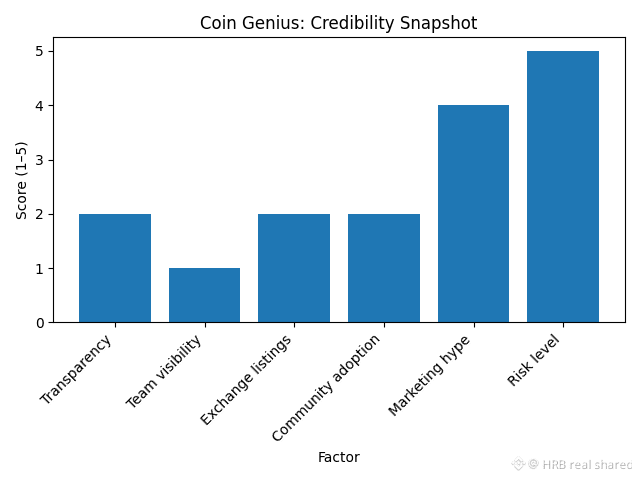
#genius $GENIUS "كوان جينيوس" فعلاً ما يظهر كأنه مشروع كريبتو معروف أو مُعتمد في السوق الكريبتو الرئيسي.
بكلمات بسيطة، يبدو أكثر كاسم يُستخدم للترويج بدلاً من كونه عملة مُثبتة بسمعة قوية مثل بيتكوين أو إيثيريوم. أحياناً تُستخدم أسماء مثل هذه لرموز صغيرة، تطبيقات تداول، أو مجموعات على تيليجرام/أونلاين تحاول جذب الانتباه من خلال الظهور بمظهر الذكاء أو "مُعتمد على الذكاء الاصطناعي."
الشيء المهم هو: لمجرد أن اسم العملة يبدو محترفاً، لا يعني أنها آمنة أو ذات قيمة. المشروع الحقيقي عادةً ما يكون لديه تفاصيل واضحة مثل فريق معروف، قوائم تبادل مناسبة، مستخدمين حقيقيين، ومعلومات شفافة عن كيفية عمله.
لذا إذا كنت ترى "كوان جينيوس" على الإنترنت، فمن الجيد التحقق من كل شيء بعناية قبل الوثوق به أو الاستثمار فيه. في عالم الكريبتو، دائماً من الأفضل أن تبقى في أمان وتتحقق أولاً بدلاً من أن تنبهر بالاسم.
#genius #geniusyield $GENIUS #GeniuAct
#genius $GENIUS "كوان جينيوس" فعلاً ما يظهر كأنه مشروع كريبتو معروف أو مُعتمد في السوق الكريبتو الرئيسي.
بكلمات بسيطة، يبدو أكثر كاسم يُستخدم للترويج بدلاً من كونه عملة مُثبتة بسمعة قوية مثل بيتكوين أو إيثيريوم. أحياناً تُستخدم أسماء مثل هذه لرموز صغيرة، تطبيقات تداول، أو مجموعات على تيليجرام/أونلاين تحاول جذب الانتباه من خلال الظهور بمظهر الذكاء أو "مُعتمد على الذكاء الاصطناعي."
الشيء المهم هو: لمجرد أن اسم العملة يبدو محترفاً، لا يعني أنها آمنة أو ذات قيمة. المشروع الحقيقي عادةً ما يكون لديه تفاصيل واضحة مثل فريق معروف، قوائم تبادل مناسبة، مستخدمين حقيقيين، ومعلومات شفافة عن كيفية عمله.
لذا إذا كنت ترى "كوان جينيوس" على الإنترنت، فمن الجيد التحقق من كل شيء بعناية قبل الوثوق به أو الاستثمار فيه. في عالم الكريبتو، دائماً من الأفضل أن تبقى في أمان وتتحقق أولاً بدلاً من أن تنبهر بالاسم.
#genius #geniusyield $GENIUS #GeniuAct
بكلمات بسيطة، يبدو أكثر كاسم يُستخدم للترويج بدلاً من كونه عملة مُثبتة بسمعة قوية مثل بيتكوين أو إيثيريوم. أحياناً تُستخدم أسماء مثل هذه لرموز صغيرة، تطبيقات تداول، أو مجموعات على تيليجرام/أونلاين تحاول جذب الانتباه من خلال الظهور بمظهر الذكاء أو "مُعتمد على الذكاء الاصطناعي."
الشيء المهم هو: لمجرد أن اسم العملة يبدو محترفاً، لا يعني أنها آمنة أو ذات قيمة. المشروع الحقيقي عادةً ما يكون لديه تفاصيل واضحة مثل فريق معروف، قوائم تبادل مناسبة، مستخدمين حقيقيين، ومعلومات شفافة عن كيفية عمله.
لذا إذا كنت ترى "كوان جينيوس" على الإنترنت، فمن الجيد التحقق من كل شيء بعناية قبل الوثوق به أو الاستثمار فيه. في عالم الكريبتو، دائماً من الأفضل أن تبقى في أمان وتتحقق أولاً بدلاً من أن تنبهر بالاسم.
#genius #geniusyield $GENIUS #GeniuAct
60

#genius $GENIUS
{spot}(GENIUSUSDT)
سوق العملات الرقمية مستمر في التطور مع مشاريع تركز على حل التحديات الواقعية وتوسيع اعتماد تقنية البلوكتشين. عملة جينيوس هي واحدة من هذه المشاريع التي تهدف إلى دمج الابتكار، وتفاعل المجتمع، والتكنولوجيا اللامركزية لخلق قيمة طويلة الأمد لمستخدميها.@GeniusOfficial
تم تصميم عملة جينيوس لتوفير نظام بيئي آمن وفعال للأصول الرقمية بينما تدعم التطبيقات اللامركزية والخدمات القائمة على البلوكتشين. المشروع يركز على الوصول، مما يسمح لكل من المستخدمين الجدد وذوي الخبرة في العملات الرقمية بالمشاركة في الاقتصاد الرقمي المتنامي.
عامل رئيسي وراء الاهتمام بعملة جينيوس هو تركيزها على النمو المدفوع من المجتمع. من خلال تشجيع مشاركة المستخدمين وتطوير النظام البيئي، يسعى المشروع لبناء أساس قوي للتوسع المستقبلي. مع استمرار تقنية البلوكتشين في جذب الانتباه العام، قد تجذب المشاريع التي تعطي الأولوية للمنفعة وقابلية التوسع اهتمامًا متزايدًا من المستثمرين والمطورين على حد سواء.
مثل جميع العملات الرقمية، تعمل عملة جينيوس في سوق تنافسية للغاية حيث تلعب الابتكار والتبني أدوارًا حاسمة في النجاح على المدى الطويل. يجب على المستثمرين دائمًا إجراء بحث شامل، وتقييم أساسيات المشروع، وفهم المخاطر السوقية قبل اتخاذ قرارات الاستثمار.
بينما تتقدم صناعة العملات الرقمية، تمثل عملة جينيوس مثالًا آخر على كيفية عمل مشاريع البلوكتشين على خلق فرص جديدة ضمن الاقتصاد اللامركزي. يمكن أن يوفر مراقبة تحديثات التطوير، والشراكات، ونمو المجتمع رؤى قيمة حول الإمكانات المستقبلية للمشروع.#genius #geniusyield
#genius $GENIUS
سوق العملات الرقمية مستمر في التطور مع مشاريع تركز على حل التحديات الواقعية وتوسيع اعتماد تقنية البلوكتشين. عملة جينيوس هي واحدة من هذه المشاريع التي تهدف إلى دمج الابتكار، وتفاعل المجتمع، والتكنولوجيا اللامركزية لخلق قيمة طويلة الأمد لمستخدميها.@GeniusOfficial
تم تصميم عملة جينيوس لتوفير نظام بيئي آمن وفعال للأصول الرقمية بينما تدعم التطبيقات اللامركزية والخدمات القائمة على البلوكتشين. المشروع يركز على الوصول، مما يسمح لكل من المستخدمين الجدد وذوي الخبرة في العملات الرقمية بالمشاركة في الاقتصاد الرقمي المتنامي.
عامل رئيسي وراء الاهتمام بعملة جينيوس هو تركيزها على النمو المدفوع من المجتمع. من خلال تشجيع مشاركة المستخدمين وتطوير النظام البيئي، يسعى المشروع لبناء أساس قوي للتوسع المستقبلي. مع استمرار تقنية البلوكتشين في جذب الانتباه العام، قد تجذب المشاريع التي تعطي الأولوية للمنفعة وقابلية التوسع اهتمامًا متزايدًا من المستثمرين والمطورين على حد سواء.
مثل جميع العملات الرقمية، تعمل عملة جينيوس في سوق تنافسية للغاية حيث تلعب الابتكار والتبني أدوارًا حاسمة في النجاح على المدى الطويل. يجب على المستثمرين دائمًا إجراء بحث شامل، وتقييم أساسيات المشروع، وفهم المخاطر السوقية قبل اتخاذ قرارات الاستثمار.
بينما تتقدم صناعة العملات الرقمية، تمثل عملة جينيوس مثالًا آخر على كيفية عمل مشاريع البلوكتشين على خلق فرص جديدة ضمن الاقتصاد اللامركزي. يمكن أن يوفر مراقبة تحديثات التطوير، والشراكات، ونمو المجتمع رؤى قيمة حول الإمكانات المستقبلية للمشروع.#genius #geniusyield
سوق العملات الرقمية مستمر في التطور مع مشاريع تركز على حل التحديات الواقعية وتوسيع اعتماد تقنية البلوكتشين. عملة جينيوس هي واحدة من هذه المشاريع التي تهدف إلى دمج الابتكار، وتفاعل المجتمع، والتكنولوجيا اللامركزية لخلق قيمة طويلة الأمد لمستخدميها.@GeniusOfficial
تم تصميم عملة جينيوس لتوفير نظام بيئي آمن وفعال للأصول الرقمية بينما تدعم التطبيقات اللامركزية والخدمات القائمة على البلوكتشين. المشروع يركز على الوصول، مما يسمح لكل من المستخدمين الجدد وذوي الخبرة في العملات الرقمية بالمشاركة في الاقتصاد الرقمي المتنامي.
عامل رئيسي وراء الاهتمام بعملة جينيوس هو تركيزها على النمو المدفوع من المجتمع. من خلال تشجيع مشاركة المستخدمين وتطوير النظام البيئي، يسعى المشروع لبناء أساس قوي للتوسع المستقبلي. مع استمرار تقنية البلوكتشين في جذب الانتباه العام، قد تجذب المشاريع التي تعطي الأولوية للمنفعة وقابلية التوسع اهتمامًا متزايدًا من المستثمرين والمطورين على حد سواء.
مثل جميع العملات الرقمية، تعمل عملة جينيوس في سوق تنافسية للغاية حيث تلعب الابتكار والتبني أدوارًا حاسمة في النجاح على المدى الطويل. يجب على المستثمرين دائمًا إجراء بحث شامل، وتقييم أساسيات المشروع، وفهم المخاطر السوقية قبل اتخاذ قرارات الاستثمار.
بينما تتقدم صناعة العملات الرقمية، تمثل عملة جينيوس مثالًا آخر على كيفية عمل مشاريع البلوكتشين على خلق فرص جديدة ضمن الاقتصاد اللامركزي. يمكن أن يوفر مراقبة تحديثات التطوير، والشراكات، ونمو المجتمع رؤى قيمة حول الإمكانات المستقبلية للمشروع.#genius #geniusyield
60

·
--
#genius $GENIUS
المشروع يبني نظام بيئي يركز على الابتكار، والمشاركة المجتمعية، والفائدة على المدى الطويل في Web3. ما يميز هذا المشروع هو الجهد المبذول لإنشاء تفاعل ذو معنى أثناء توسيع الفرص للمستخدمين والمساهمين. مع زيادة اعتماد البلوكتشين، يمكن للمشاريع التي تجمع بين التكنولوجيا القوية والمجتمعات النشطة أن تخلق قيمة مستدامة. أتطلع إلى التطورات المستقبلية، وتوسيع النظام البيئي، وزيادة الاعتماد عبر مساحة الكريبتو. الزخم حول $GENIUS يظهر كيف يمكن للنمو المدفوع من المجتمع أن يدعم الابتكار المستدام والمشاركة الأوسع في الشبكات اللامركزية. #عبقري
#genius
#geniusyield
#geniuccoin
{future}(GENIUSUSDT)
#genius $GENIUS
المشروع يبني نظام بيئي يركز على الابتكار، والمشاركة المجتمعية، والفائدة على المدى الطويل في Web3. ما يميز هذا المشروع هو الجهد المبذول لإنشاء تفاعل ذو معنى أثناء توسيع الفرص للمستخدمين والمساهمين. مع زيادة اعتماد البلوكتشين، يمكن للمشاريع التي تجمع بين التكنولوجيا القوية والمجتمعات النشطة أن تخلق قيمة مستدامة. أتطلع إلى التطورات المستقبلية، وتوسيع النظام البيئي، وزيادة الاعتماد عبر مساحة الكريبتو. الزخم حول $GENIUS يظهر كيف يمكن للنمو المدفوع من المجتمع أن يدعم الابتكار المستدام والمشاركة الأوسع في الشبكات اللامركزية. #عبقري
#genius
#geniusyield
#geniuccoin
المشروع يبني نظام بيئي يركز على الابتكار، والمشاركة المجتمعية، والفائدة على المدى الطويل في Web3. ما يميز هذا المشروع هو الجهد المبذول لإنشاء تفاعل ذو معنى أثناء توسيع الفرص للمستخدمين والمساهمين. مع زيادة اعتماد البلوكتشين، يمكن للمشاريع التي تجمع بين التكنولوجيا القوية والمجتمعات النشطة أن تخلق قيمة مستدامة. أتطلع إلى التطورات المستقبلية، وتوسيع النظام البيئي، وزيادة الاعتماد عبر مساحة الكريبتو. الزخم حول $GENIUS يظهر كيف يمكن للنمو المدفوع من المجتمع أن يدعم الابتكار المستدام والمشاركة الأوسع في الشبكات اللامركزية. #عبقري
#genius
#geniusyield
#geniuccoin
70

$GENIUS
{future}(GENIUSUSDT)
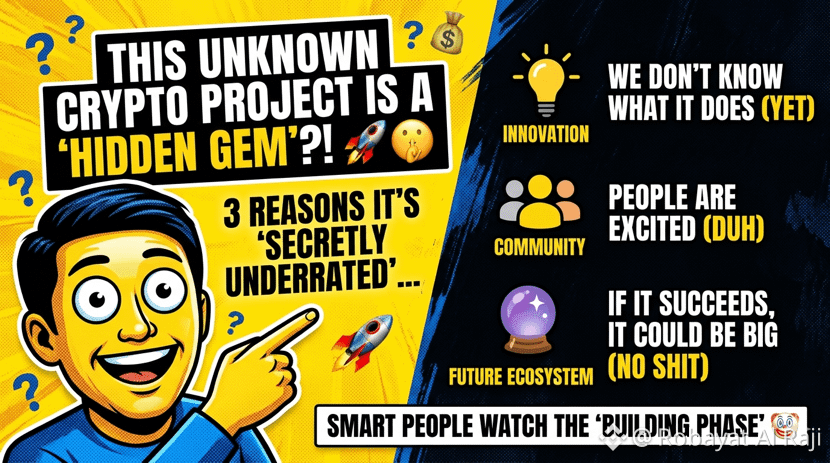
🚀 آه نعم، الكلاسيكية "3 أسباب تجعل هذا المشروع المجهول جوهرة مخفية" — لأنه لا يوجد شيء يصرخ بالمصداقية مثل وصف شيء بأنه غير مُقدّر قبل أن يتمكن أي شخص من التحقق منه. 👀
لذا، يبدو أن GENIUS هو واحد من تلك الفرص النادرة التي تظهر قبل أن تلاحظ الحشود. ومن الملائم أيضًا أنه من المستحيل دحض ذلك.
1. الابتكار ⚡
"لا يتبع الاتجاهات، بل يبني رؤية جديدة."
ترجمة: نحن لا نعرف حقًا ماذا يفعل حتى الآن، لكنه يبدو مختلفًا — وهو ما يُعتبر المعيار الذهبي في عروض العملات المشفرة في المراحل المبكرة.
2. المجتمع 🌍
"مجتمع قوي = مشروع قوي."
بالطبع. لأن حاملي الحماس لم يدعموا أبدًا شيئًا لم ينجح. بالتأكيد مؤشر موثوق.
3. النظام البيئي المستقبلي 🔮
"إذا استمر في تقديم الأداء، فقد يكون هناك إمكانيات هائلة."
آه نعم، الجدل الأسطوري "إذا سارت الأمور بشكل صحيح، فقد يكون هذا كبيرًا". من الصعب الجدل مع هذا المستوى من الدقة.
ثم نختتم بـ:
"الأذكياء يراقبون مرحلة البناء."
وهو طريقة لطيفة للقول:
إذا نجح → كنت مبكرًا
إذا لم ينجح → حسنًا، كنت فقط "تراقب البناء"
لذا نعم، هل يمكن أن تكون GENIUS جوهرة غير مُقدّرة؟
بالتأكيد.
أو قد تكون مشروعًا آخر في مرحلة مبكرة مع وعود كبيرة، وسرد غامض، ومجتمع يحاول أن يجعله ذا صلة. 💎#genius #geniusyield
$GENIUS
🚀 آه نعم، الكلاسيكية "3 أسباب تجعل هذا المشروع المجهول جوهرة مخفية" — لأنه لا يوجد شيء يصرخ بالمصداقية مثل وصف شيء بأنه غير مُقدّر قبل أن يتمكن أي شخص من التحقق منه. 👀
لذا، يبدو أن GENIUS هو واحد من تلك الفرص النادرة التي تظهر قبل أن تلاحظ الحشود. ومن الملائم أيضًا أنه من المستحيل دحض ذلك.
1. الابتكار ⚡
"لا يتبع الاتجاهات، بل يبني رؤية جديدة."
ترجمة: نحن لا نعرف حقًا ماذا يفعل حتى الآن، لكنه يبدو مختلفًا — وهو ما يُعتبر المعيار الذهبي في عروض العملات المشفرة في المراحل المبكرة.
2. المجتمع 🌍
"مجتمع قوي = مشروع قوي."
بالطبع. لأن حاملي الحماس لم يدعموا أبدًا شيئًا لم ينجح. بالتأكيد مؤشر موثوق.
3. النظام البيئي المستقبلي 🔮
"إذا استمر في تقديم الأداء، فقد يكون هناك إمكانيات هائلة."
آه نعم، الجدل الأسطوري "إذا سارت الأمور بشكل صحيح، فقد يكون هذا كبيرًا". من الصعب الجدل مع هذا المستوى من الدقة.
ثم نختتم بـ:
"الأذكياء يراقبون مرحلة البناء."
وهو طريقة لطيفة للقول:
إذا نجح → كنت مبكرًا
إذا لم ينجح → حسنًا، كنت فقط "تراقب البناء"
لذا نعم، هل يمكن أن تكون GENIUS جوهرة غير مُقدّرة؟
بالتأكيد.
أو قد تكون مشروعًا آخر في مرحلة مبكرة مع وعود كبيرة، وسرد غامض، ومجتمع يحاول أن يجعله ذا صلة. 💎#genius #geniusyield
🚀 آه نعم، الكلاسيكية "3 أسباب تجعل هذا المشروع المجهول جوهرة مخفية" — لأنه لا يوجد شيء يصرخ بالمصداقية مثل وصف شيء بأنه غير مُقدّر قبل أن يتمكن أي شخص من التحقق منه. 👀
لذا، يبدو أن GENIUS هو واحد من تلك الفرص النادرة التي تظهر قبل أن تلاحظ الحشود. ومن الملائم أيضًا أنه من المستحيل دحض ذلك.
1. الابتكار ⚡
"لا يتبع الاتجاهات، بل يبني رؤية جديدة."
ترجمة: نحن لا نعرف حقًا ماذا يفعل حتى الآن، لكنه يبدو مختلفًا — وهو ما يُعتبر المعيار الذهبي في عروض العملات المشفرة في المراحل المبكرة.
2. المجتمع 🌍
"مجتمع قوي = مشروع قوي."
بالطبع. لأن حاملي الحماس لم يدعموا أبدًا شيئًا لم ينجح. بالتأكيد مؤشر موثوق.
3. النظام البيئي المستقبلي 🔮
"إذا استمر في تقديم الأداء، فقد يكون هناك إمكانيات هائلة."
آه نعم، الجدل الأسطوري "إذا سارت الأمور بشكل صحيح، فقد يكون هذا كبيرًا". من الصعب الجدل مع هذا المستوى من الدقة.
ثم نختتم بـ:
"الأذكياء يراقبون مرحلة البناء."
وهو طريقة لطيفة للقول:
إذا نجح → كنت مبكرًا
إذا لم ينجح → حسنًا، كنت فقط "تراقب البناء"
لذا نعم، هل يمكن أن تكون GENIUS جوهرة غير مُقدّرة؟
بالتأكيد.
أو قد تكون مشروعًا آخر في مرحلة مبكرة مع وعود كبيرة، وسرد غامض، ومجتمع يحاول أن يجعله ذا صلة. 💎#genius #geniusyield
44


·
--
صاعد
#geniusyield @GeniusOfficial $GENIUS
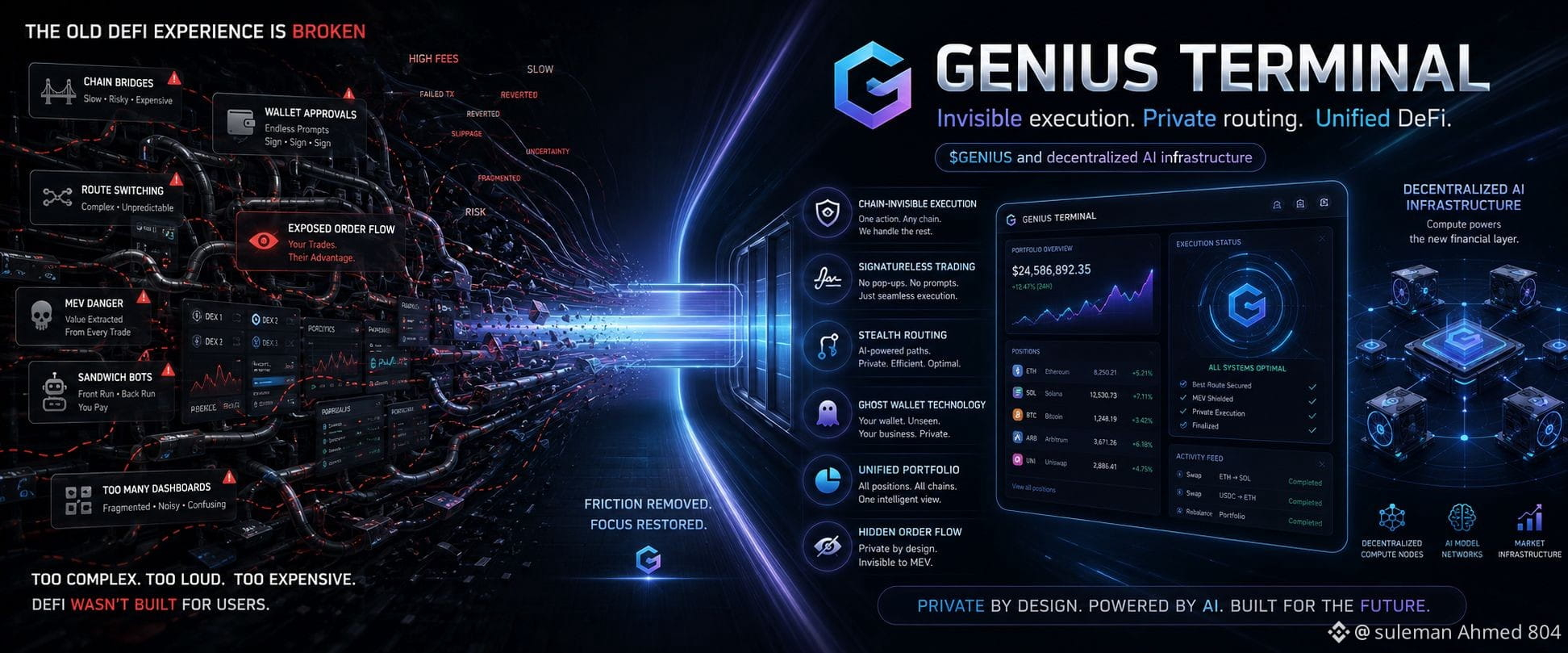
لا يزال معظم الـ DeFi يشعر وكأنه تم بناؤه للأشخاص الذين يستمتعون بمحاربة البنية التحتية أكثر من تداول الأسواق. أنت تتجاوز هنا، وتوافق هناك، وتبدل المحافظ، وتتحقق من المسارات، وتخاف من الـ MEV، وتتفادى بوتات السندويتش، وتدعي somehow أن هذه هي الحرية المالية. نصف الوقت، التداول ليس الجزء الصعب. البقاء على قيد الحياة خلال العملية المحيطة بالتداول هو.
لهذا السبب يشعر Genius Terminal بأنه مثير للاهتمام بالنسبة لي. ليس لأنه يصرخ بأنه “الشيء الكبير التالي”، ولكن لأنه يبدو أنه يفهم الإرهاق تحت الكريبتو الحديث. لا يحتاج المستخدمون إلى المزيد من لوحات المعلومات، أو المزيد من السلاسل للاعتناء بها، أو المزيد من النوايا المكشوفة التي تتسلل إلى تدفقات الطلبات العدائية. إنهم بحاجة إلى تنفيذ يشعر بأنه غير مرئي، خاص، ونظيف.
تنفيذ غير مرئي عبر السلسلة، تداول بلا توقيع، توجيه خفي، تقنية Ghost Wallet، وبنية تحتية موحدة للمحفظة كلها تشير إلى فكرة واحدة بسيطة: إزالة الاحتكاك بدلاً من تزيينه.
والجانب الذكي مهم أيضاً. قوة الـ GPU والحوسبة اللامركزية أصبحت بسرعة موارد أساسية في السوق، وليس مجرد روايات جانبية. إذا كان بإمكان Genius المساعدة في تقليل الاعتماد على بنية الذكاء الاصطناعي المركزية التي تتحكم فيها الشركات الكبرى، فإن $GENIUS تجلس في محادثة أعمق بكثير من التداول وحده.
يبدو أن Genius Terminal أقل من مجرد محطة أخرى، وأكثر من اعتراف الكريبتو أخيرًا بأن التجربة الحالية معطلة.
#genius @GeniusOfficial $GENIUS
{future}(OPENUSDT)
#geniusyield @GeniusOfficial $GENIUS
لا يزال معظم الـ DeFi يشعر وكأنه تم بناؤه للأشخاص الذين يستمتعون بمحاربة البنية التحتية أكثر من تداول الأسواق. أنت تتجاوز هنا، وتوافق هناك، وتبدل المحافظ، وتتحقق من المسارات، وتخاف من الـ MEV، وتتفادى بوتات السندويتش، وتدعي somehow أن هذه هي الحرية المالية. نصف الوقت، التداول ليس الجزء الصعب. البقاء على قيد الحياة خلال العملية المحيطة بالتداول هو.
لهذا السبب يشعر Genius Terminal بأنه مثير للاهتمام بالنسبة لي. ليس لأنه يصرخ بأنه “الشيء الكبير التالي”، ولكن لأنه يبدو أنه يفهم الإرهاق تحت الكريبتو الحديث. لا يحتاج المستخدمون إلى المزيد من لوحات المعلومات، أو المزيد من السلاسل للاعتناء بها، أو المزيد من النوايا المكشوفة التي تتسلل إلى تدفقات الطلبات العدائية. إنهم بحاجة إلى تنفيذ يشعر بأنه غير مرئي، خاص، ونظيف.
تنفيذ غير مرئي عبر السلسلة، تداول بلا توقيع، توجيه خفي، تقنية Ghost Wallet، وبنية تحتية موحدة للمحفظة كلها تشير إلى فكرة واحدة بسيطة: إزالة الاحتكاك بدلاً من تزيينه.
والجانب الذكي مهم أيضاً. قوة الـ GPU والحوسبة اللامركزية أصبحت بسرعة موارد أساسية في السوق، وليس مجرد روايات جانبية. إذا كان بإمكان Genius المساعدة في تقليل الاعتماد على بنية الذكاء الاصطناعي المركزية التي تتحكم فيها الشركات الكبرى، فإن $GENIUS تجلس في محادثة أعمق بكثير من التداول وحده.
يبدو أن Genius Terminal أقل من مجرد محطة أخرى، وأكثر من اعتراف الكريبتو أخيرًا بأن التجربة الحالية معطلة.
#genius @GeniusOfficial $GENIUS
لا يزال معظم الـ DeFi يشعر وكأنه تم بناؤه للأشخاص الذين يستمتعون بمحاربة البنية التحتية أكثر من تداول الأسواق. أنت تتجاوز هنا، وتوافق هناك، وتبدل المحافظ، وتتحقق من المسارات، وتخاف من الـ MEV، وتتفادى بوتات السندويتش، وتدعي somehow أن هذه هي الحرية المالية. نصف الوقت، التداول ليس الجزء الصعب. البقاء على قيد الحياة خلال العملية المحيطة بالتداول هو.
لهذا السبب يشعر Genius Terminal بأنه مثير للاهتمام بالنسبة لي. ليس لأنه يصرخ بأنه “الشيء الكبير التالي”، ولكن لأنه يبدو أنه يفهم الإرهاق تحت الكريبتو الحديث. لا يحتاج المستخدمون إلى المزيد من لوحات المعلومات، أو المزيد من السلاسل للاعتناء بها، أو المزيد من النوايا المكشوفة التي تتسلل إلى تدفقات الطلبات العدائية. إنهم بحاجة إلى تنفيذ يشعر بأنه غير مرئي، خاص، ونظيف.
تنفيذ غير مرئي عبر السلسلة، تداول بلا توقيع، توجيه خفي، تقنية Ghost Wallet، وبنية تحتية موحدة للمحفظة كلها تشير إلى فكرة واحدة بسيطة: إزالة الاحتكاك بدلاً من تزيينه.
والجانب الذكي مهم أيضاً. قوة الـ GPU والحوسبة اللامركزية أصبحت بسرعة موارد أساسية في السوق، وليس مجرد روايات جانبية. إذا كان بإمكان Genius المساعدة في تقليل الاعتماد على بنية الذكاء الاصطناعي المركزية التي تتحكم فيها الشركات الكبرى، فإن $GENIUS تجلس في محادثة أعمق بكثير من التداول وحده.
يبدو أن Genius Terminal أقل من مجرد محطة أخرى، وأكثر من اعتراف الكريبتو أخيرًا بأن التجربة الحالية معطلة.
#genius @GeniusOfficial $GENIUS
9
7
278

·
--
$GENIUS لقد كنت أستكشف مشاريع مختلفة في مجال الكريبتو، و @GeniusOfficial رسمية هي واحدة من تلك التي تبرز بسبب مجتمعها النشط ورؤيتها طويلة الأمد. التطور حول $GENIUS يظهر إمكانيات قوية، ومن المثير مشاهدة النظام البيئي يستمر في النمو. أتطلع إلى التحديثات المستقبلية، والشراكات، والفرص الجديدة للمستثمرين والداعمين.
#GENIUSBinanceHODLer #genius #geniusyield #geniuesact
$GENIUS لقد كنت أستكشف مشاريع مختلفة في مجال الكريبتو، و @GeniusOfficial رسمية هي واحدة من تلك التي تبرز بسبب مجتمعها النشط ورؤيتها طويلة الأمد. التطور حول $GENIUS يظهر إمكانيات قوية، ومن المثير مشاهدة النظام البيئي يستمر في النمو. أتطلع إلى التحديثات المستقبلية، والشراكات، والفرص الجديدة للمستثمرين والداعمين.
#GENIUSBinanceHODLer #genius #geniusyield #geniuesact
#GENIUSBinanceHODLer #genius #geniusyield #geniuesact
153

#genius $GENIUS
السعر الحالي: $0.00090، -0.85% اليوم
القيمة السوقية: $289K | *حجم التداول خلال 24 ساعة*: $56 - $2.5K
الإمداد: 317B متداول / 128B حد أقصى
1. ما هو Genius؟
GENI(#genius ) هو توكن شهادة إيداع مدعوم بالذكاء الاصطناعي. الاستخدام الرئيسي: توليد دخل سلبي/عائدات عالية. يعمل على إيثيريوم، BNB Chain، بوليجون، أفالانش. 81bd
2. حركة السعر
شريحة صغيرة جداً. أعلى سعر تاريخي $0.0001418، الآن أقل بنسبة 99.36% عن ذلك.
l24h النطاق: $0.00078 - $0.00090
1 شهر: -20% إلى -23% هبوط 2bee81bd
3. المخاطر / التوقعات
المخاطر: القيمة السوقية فقط $289K مع $21 TVL. الحجم رقيق للغاية $56-2.5K. غير قابل للتداول على Coinbase.
ملاحظة: هناك أيضاً "Genius Terminal GENIUS" بسعر $0.437 مع قيمة سوقية $146M - توكن مختلف، لا تخلط بينهم. 97aac006f4d7
لعبة عالية المخاطر، سيولة منخفضة. إمداد 317B يعني تخفيف كبير.
#geniusyield #genius
#genius $GENIUS
السعر الحالي: $0.00090، -0.85% اليوم
القيمة السوقية: $289K | *حجم التداول خلال 24 ساعة*: $56 - $2.5K
الإمداد: 317B متداول / 128B حد أقصى
1. ما هو Genius؟
GENI(#genius ) هو توكن شهادة إيداع مدعوم بالذكاء الاصطناعي. الاستخدام الرئيسي: توليد دخل سلبي/عائدات عالية. يعمل على إيثيريوم، BNB Chain، بوليجون، أفالانش. 81bd
2. حركة السعر
شريحة صغيرة جداً. أعلى سعر تاريخي $0.0001418، الآن أقل بنسبة 99.36% عن ذلك.
l24h النطاق: $0.00078 - $0.00090
1 شهر: -20% إلى -23% هبوط 2bee81bd
3. المخاطر / التوقعات
المخاطر: القيمة السوقية فقط $289K مع $21 TVL. الحجم رقيق للغاية $56-2.5K. غير قابل للتداول على Coinbase.
ملاحظة: هناك أيضاً "Genius Terminal GENIUS" بسعر $0.437 مع قيمة سوقية $146M - توكن مختلف، لا تخلط بينهم. 97aac006f4d7
لعبة عالية المخاطر، سيولة منخفضة. إمداد 317B يعني تخفيف كبير.
#geniusyield #genius
السعر الحالي: $0.00090، -0.85% اليوم
القيمة السوقية: $289K | *حجم التداول خلال 24 ساعة*: $56 - $2.5K
الإمداد: 317B متداول / 128B حد أقصى
1. ما هو Genius؟
GENI(#genius ) هو توكن شهادة إيداع مدعوم بالذكاء الاصطناعي. الاستخدام الرئيسي: توليد دخل سلبي/عائدات عالية. يعمل على إيثيريوم، BNB Chain، بوليجون، أفالانش. 81bd
2. حركة السعر
شريحة صغيرة جداً. أعلى سعر تاريخي $0.0001418، الآن أقل بنسبة 99.36% عن ذلك.
l24h النطاق: $0.00078 - $0.00090
1 شهر: -20% إلى -23% هبوط 2bee81bd
3. المخاطر / التوقعات
المخاطر: القيمة السوقية فقط $289K مع $21 TVL. الحجم رقيق للغاية $56-2.5K. غير قابل للتداول على Coinbase.
ملاحظة: هناك أيضاً "Genius Terminal GENIUS" بسعر $0.437 مع قيمة سوقية $146M - توكن مختلف، لا تخلط بينهم. 97aac006f4d7
لعبة عالية المخاطر، سيولة منخفضة. إمداد 317B يعني تخفيف كبير.
#geniusyield #genius
39

$GENIUS حالياً تبدو كعملة مضاربة عالية المخاطر والعائد. الزخم مدفوع بشكل رئيسي بتعرض Binance والضجة حول نظام Genius Terminal. بالنسبة للمتداولين على المدى القصير، فإن التقلبات تخلق فرصاً، لكن بالنسبة للمستثمرين على المدى الطويل، لا يزال المشروع بحاجة إلى إثبات تبني مستدام ونمو في الإيرادات
#Genius #geniusyield
{spot}(GENIUSUSDT)
$GENIUS حالياً تبدو كعملة مضاربة عالية المخاطر والعائد. الزخم مدفوع بشكل رئيسي بتعرض Binance والضجة حول نظام Genius Terminal. بالنسبة للمتداولين على المدى القصير، فإن التقلبات تخلق فرصاً، لكن بالنسبة للمستثمرين على المدى الطويل، لا يزال المشروع بحاجة إلى إثبات تبني مستدام ونمو في الإيرادات
#Genius #geniusyield
#Genius #geniusyield
92

·
--
#genius $GENIUS
🧠 ارتفاع وكلاء الذكاء الاصطناعي في تداول العملات المشفرة! الاتجاه الأكبر الذي يهيمن على الأسواق الآن هو انفجار وكلاء التداول الذكيين المستقلين. العملات المشفرة تتحرك بسرعة كبيرة بحيث لا يمكن تنفيذ العمليات يدويًا، والمتداولون يتجهون بشكل كبير نحو بروتوكولات ذكية وأوتوماتيكية يمكنها تحليل المشاعر على السلسلة وتنفيذ صفقات في أجزاء من الثانية. هذا التحول الضخم هو بالضبط السبب الذي يجعل الأنظمة البيئية المبتكرة مثل @GeniusOfficial sOfficial تجذب الكثير من الانتباه في الوقت الحالي. للبقاء في المقدمة حقًا في هذا المشهد المتطور بسرعة، يجب على المنصات تنفيذ بنية ذكية من الجيل التالي التي تعزز العائد وتقوم بأتمتة استراتيجيات متعددة السلاسل المعقدة بسلاسة. مع سيطرة الذكاء اللامركزي على التمويل اللامركزي، فإن الفائدة وراء $GENIUS token تصبح عاملًا حرجًا يجب مراقبته. وفي وفاء لاسمها، فإن دمج أتمتة البيانات عالية المستوى هو ما يميز البروتوكولات القياسية عن قادة السوق في المستقبل. هل تستخدم حاليًا أدوات الذكاء الاصطناعي أو الروبوتات الأوتوماتيكية لإدارة محفظتك اليومية؟ دعنا نتناقش في التعليقات! 👇
#geniusyield #Labs
#genius $GENIUS
🧠 ارتفاع وكلاء الذكاء الاصطناعي في تداول العملات المشفرة! الاتجاه الأكبر الذي يهيمن على الأسواق الآن هو انفجار وكلاء التداول الذكيين المستقلين. العملات المشفرة تتحرك بسرعة كبيرة بحيث لا يمكن تنفيذ العمليات يدويًا، والمتداولون يتجهون بشكل كبير نحو بروتوكولات ذكية وأوتوماتيكية يمكنها تحليل المشاعر على السلسلة وتنفيذ صفقات في أجزاء من الثانية. هذا التحول الضخم هو بالضبط السبب الذي يجعل الأنظمة البيئية المبتكرة مثل @GeniusOfficial sOfficial تجذب الكثير من الانتباه في الوقت الحالي. للبقاء في المقدمة حقًا في هذا المشهد المتطور بسرعة، يجب على المنصات تنفيذ بنية ذكية من الجيل التالي التي تعزز العائد وتقوم بأتمتة استراتيجيات متعددة السلاسل المعقدة بسلاسة. مع سيطرة الذكاء اللامركزي على التمويل اللامركزي، فإن الفائدة وراء $GENIUS token تصبح عاملًا حرجًا يجب مراقبته. وفي وفاء لاسمها، فإن دمج أتمتة البيانات عالية المستوى هو ما يميز البروتوكولات القياسية عن قادة السوق في المستقبل. هل تستخدم حاليًا أدوات الذكاء الاصطناعي أو الروبوتات الأوتوماتيكية لإدارة محفظتك اليومية؟ دعنا نتناقش في التعليقات! 👇
#geniusyield #Labs
🧠 ارتفاع وكلاء الذكاء الاصطناعي في تداول العملات المشفرة! الاتجاه الأكبر الذي يهيمن على الأسواق الآن هو انفجار وكلاء التداول الذكيين المستقلين. العملات المشفرة تتحرك بسرعة كبيرة بحيث لا يمكن تنفيذ العمليات يدويًا، والمتداولون يتجهون بشكل كبير نحو بروتوكولات ذكية وأوتوماتيكية يمكنها تحليل المشاعر على السلسلة وتنفيذ صفقات في أجزاء من الثانية. هذا التحول الضخم هو بالضبط السبب الذي يجعل الأنظمة البيئية المبتكرة مثل @GeniusOfficial sOfficial تجذب الكثير من الانتباه في الوقت الحالي. للبقاء في المقدمة حقًا في هذا المشهد المتطور بسرعة، يجب على المنصات تنفيذ بنية ذكية من الجيل التالي التي تعزز العائد وتقوم بأتمتة استراتيجيات متعددة السلاسل المعقدة بسلاسة. مع سيطرة الذكاء اللامركزي على التمويل اللامركزي، فإن الفائدة وراء $GENIUS token تصبح عاملًا حرجًا يجب مراقبته. وفي وفاء لاسمها، فإن دمج أتمتة البيانات عالية المستوى هو ما يميز البروتوكولات القياسية عن قادة السوق في المستقبل. هل تستخدم حاليًا أدوات الذكاء الاصطناعي أو الروبوتات الأوتوماتيكية لإدارة محفظتك اليومية؟ دعنا نتناقش في التعليقات! 👇
#geniusyield #Labs
78

·
--
صاعد
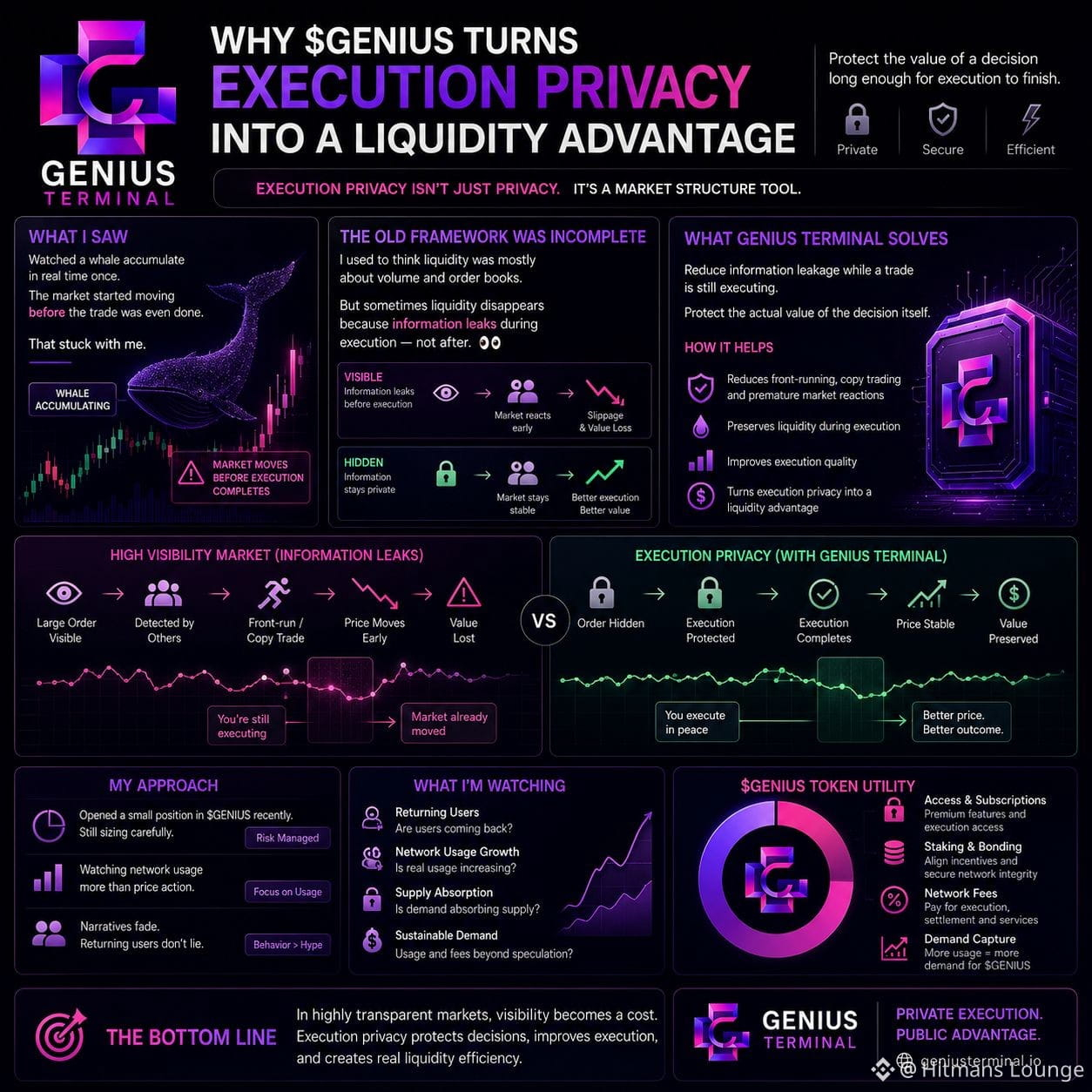
🧐 شاهدت حوتًا يبني مركزه مباشرة — وهذا ما قادني إلى @GeniusOfficial 🧐
رأيت محفظة كبيرة تتراكم قبل بضعة أيام في الوقت الحقيقي مرة واحدة. بدأت السوق تتحرك قبل اكتمال الصفقة.
هذا علق في ذهني.
كنت أعتقد أن السيولة تتعلق بشكل كبير بالحجم وكتب الطلبات. بدأت هذه النظرة تشعر بالقصور ببطء. أحيانًا تختفي السيولة لأن المعلومات تتسرب أثناء التنفيذ — وليس بعده. 👀
هذه هي المشكلة المحددة التي يتعامل معها Genius Terminal. وهنا ما أعتقد أنه يُفوت: خصوصية التنفيذ ليست حقًا ميزة خصوصية. إنها أداة هيكل سوق. إذا كنت تستطيع تقليل تسرب المعلومات أثناء تنفيذ الصفقة، فإنك تحمي القيمة الفعلية للقرار نفسه.
في الأسواق الشفافة للغاية، تصبح الرؤية تكلفة. هذا ليس واضحًا حتى تشاهد ذلك يحدث مباشرة.
فتحت مركزًا صغيرًا في $GENIUS مؤخرًا. لا زلت أضبط الحجم بحذر وأراقب استخدام الشبكة أكثر من حركة السعر.
السرديات تتلاشى. المستخدمون العائدون لا يكذبون. 📊
#GeniusTerminal #GENIUS #geniusyield
{spot}(GENIUSUSDT)
🧐 شاهدت حوتًا يبني مركزه مباشرة — وهذا ما قادني إلى @GeniusOfficial 🧐
رأيت محفظة كبيرة تتراكم قبل بضعة أيام في الوقت الحقيقي مرة واحدة. بدأت السوق تتحرك قبل اكتمال الصفقة.
هذا علق في ذهني.
كنت أعتقد أن السيولة تتعلق بشكل كبير بالحجم وكتب الطلبات. بدأت هذه النظرة تشعر بالقصور ببطء. أحيانًا تختفي السيولة لأن المعلومات تتسرب أثناء التنفيذ — وليس بعده. 👀
هذه هي المشكلة المحددة التي يتعامل معها Genius Terminal. وهنا ما أعتقد أنه يُفوت: خصوصية التنفيذ ليست حقًا ميزة خصوصية. إنها أداة هيكل سوق. إذا كنت تستطيع تقليل تسرب المعلومات أثناء تنفيذ الصفقة، فإنك تحمي القيمة الفعلية للقرار نفسه.
في الأسواق الشفافة للغاية، تصبح الرؤية تكلفة. هذا ليس واضحًا حتى تشاهد ذلك يحدث مباشرة.
فتحت مركزًا صغيرًا في $GENIUS مؤخرًا. لا زلت أضبط الحجم بحذر وأراقب استخدام الشبكة أكثر من حركة السعر.
السرديات تتلاشى. المستخدمون العائدون لا يكذبون. 📊
#GeniusTerminal #GENIUS #geniusyield
رأيت محفظة كبيرة تتراكم قبل بضعة أيام في الوقت الحقيقي مرة واحدة. بدأت السوق تتحرك قبل اكتمال الصفقة.
هذا علق في ذهني.
كنت أعتقد أن السيولة تتعلق بشكل كبير بالحجم وكتب الطلبات. بدأت هذه النظرة تشعر بالقصور ببطء. أحيانًا تختفي السيولة لأن المعلومات تتسرب أثناء التنفيذ — وليس بعده. 👀
هذه هي المشكلة المحددة التي يتعامل معها Genius Terminal. وهنا ما أعتقد أنه يُفوت: خصوصية التنفيذ ليست حقًا ميزة خصوصية. إنها أداة هيكل سوق. إذا كنت تستطيع تقليل تسرب المعلومات أثناء تنفيذ الصفقة، فإنك تحمي القيمة الفعلية للقرار نفسه.
في الأسواق الشفافة للغاية، تصبح الرؤية تكلفة. هذا ليس واضحًا حتى تشاهد ذلك يحدث مباشرة.
فتحت مركزًا صغيرًا في $GENIUS مؤخرًا. لا زلت أضبط الحجم بحذر وأراقب استخدام الشبكة أكثر من حركة السعر.
السرديات تتلاشى. المستخدمون العائدون لا يكذبون. 📊
#GeniusTerminal #GENIUS #geniusyield
5
6
150

·
--
بدأت أتساءل عما إذا كانت أكبر ابتكارات الكريبتو خلال العقد القادم لن تكون سلسلة جديدة أو بروتوكول أو أداة مالية، بل الاختفاء التدريجي للأشياء التي يعتقد المستخدمون أنهم يحتاجون لإدارتها.
تاريخ التكنولوجيا يشير إلى أن أفضل الواجهات تصبح في النهاية غير مرئية. نحن لا نفكر في توجيه الإنترنت عند إرسال رسالة، ولا نفكر في شبكات الكهرباء عند تشغيل الضوء. البنية التحتية لا تزال موجودة؛ إنها تتلاشى ببساطة في الخلفية.
لقد تحركت الكريبتو في الاتجاه المعاكس إلى حد كبير. المستخدمون يربطون الأصول، ويوافقون على المعاملات، ويتلاعبون بالمحافظ، ويغيرون الشبكات، ويبقون في حالة وعي دائم بالسلسلة التي يستخدمونها. ومع ذلك، فإن معظم المتداولين لا يهتمون في الواقع بهذه العمليات. إنهم يهتمون بالتنفيذ والسيولة والنتائج.
ما يجعل هذا مثيرًا للاهتمام هو أن السوق يميل إلى افتراض أن المستخدمين يجب أن يتعلموا التعقيد. التاريخ يشير إلى أن الأنظمة الناجحة عادة ما تمتص التعقيد بدلاً من ذلك.
لهذا السبب، فإن فلسفة التصميم وراء Genius Terminal والنظام البيئي الأوسع @GeniusOfficial تبرز. القضية الأعمق قد تكون أقل عن الراحة وأكثر عن التجريد. إذا أصبحت التداولات سلسة وأصبح الوعي بالسلسلة غير ذي صلة، فقد تصبح المشاركة في السوق أكثر كفاءة بشكل كبير.
السؤال ليس ما إذا كانت سلاسل الكتل مهمة. إنما ما إذا كان يجب على المستخدمين التفكير فيها.
ربما مستقبل التداول ليس بنية تحتية أكثر وضوحًا.
ربما هي بنية تحتية تختفي.
$GENIUS #geniusyield #genius
{spot}(GENIUSUSDT)
بدأت أتساءل عما إذا كانت أكبر ابتكارات الكريبتو خلال العقد القادم لن تكون سلسلة جديدة أو بروتوكول أو أداة مالية، بل الاختفاء التدريجي للأشياء التي يعتقد المستخدمون أنهم يحتاجون لإدارتها.
تاريخ التكنولوجيا يشير إلى أن أفضل الواجهات تصبح في النهاية غير مرئية. نحن لا نفكر في توجيه الإنترنت عند إرسال رسالة، ولا نفكر في شبكات الكهرباء عند تشغيل الضوء. البنية التحتية لا تزال موجودة؛ إنها تتلاشى ببساطة في الخلفية.
لقد تحركت الكريبتو في الاتجاه المعاكس إلى حد كبير. المستخدمون يربطون الأصول، ويوافقون على المعاملات، ويتلاعبون بالمحافظ، ويغيرون الشبكات، ويبقون في حالة وعي دائم بالسلسلة التي يستخدمونها. ومع ذلك، فإن معظم المتداولين لا يهتمون في الواقع بهذه العمليات. إنهم يهتمون بالتنفيذ والسيولة والنتائج.
ما يجعل هذا مثيرًا للاهتمام هو أن السوق يميل إلى افتراض أن المستخدمين يجب أن يتعلموا التعقيد. التاريخ يشير إلى أن الأنظمة الناجحة عادة ما تمتص التعقيد بدلاً من ذلك.
لهذا السبب، فإن فلسفة التصميم وراء Genius Terminal والنظام البيئي الأوسع @GeniusOfficial تبرز. القضية الأعمق قد تكون أقل عن الراحة وأكثر عن التجريد. إذا أصبحت التداولات سلسة وأصبح الوعي بالسلسلة غير ذي صلة، فقد تصبح المشاركة في السوق أكثر كفاءة بشكل كبير.
السؤال ليس ما إذا كانت سلاسل الكتل مهمة. إنما ما إذا كان يجب على المستخدمين التفكير فيها.
ربما مستقبل التداول ليس بنية تحتية أكثر وضوحًا.
ربما هي بنية تحتية تختفي.
$GENIUS #geniusyield #genius
تاريخ التكنولوجيا يشير إلى أن أفضل الواجهات تصبح في النهاية غير مرئية. نحن لا نفكر في توجيه الإنترنت عند إرسال رسالة، ولا نفكر في شبكات الكهرباء عند تشغيل الضوء. البنية التحتية لا تزال موجودة؛ إنها تتلاشى ببساطة في الخلفية.
لقد تحركت الكريبتو في الاتجاه المعاكس إلى حد كبير. المستخدمون يربطون الأصول، ويوافقون على المعاملات، ويتلاعبون بالمحافظ، ويغيرون الشبكات، ويبقون في حالة وعي دائم بالسلسلة التي يستخدمونها. ومع ذلك، فإن معظم المتداولين لا يهتمون في الواقع بهذه العمليات. إنهم يهتمون بالتنفيذ والسيولة والنتائج.
ما يجعل هذا مثيرًا للاهتمام هو أن السوق يميل إلى افتراض أن المستخدمين يجب أن يتعلموا التعقيد. التاريخ يشير إلى أن الأنظمة الناجحة عادة ما تمتص التعقيد بدلاً من ذلك.
لهذا السبب، فإن فلسفة التصميم وراء Genius Terminal والنظام البيئي الأوسع @GeniusOfficial تبرز. القضية الأعمق قد تكون أقل عن الراحة وأكثر عن التجريد. إذا أصبحت التداولات سلسة وأصبح الوعي بالسلسلة غير ذي صلة، فقد تصبح المشاركة في السوق أكثر كفاءة بشكل كبير.
السؤال ليس ما إذا كانت سلاسل الكتل مهمة. إنما ما إذا كان يجب على المستخدمين التفكير فيها.
ربما مستقبل التداول ليس بنية تحتية أكثر وضوحًا.
ربما هي بنية تحتية تختفي.
$GENIUS #geniusyield #genius

2
2
79

·
--
صاعد
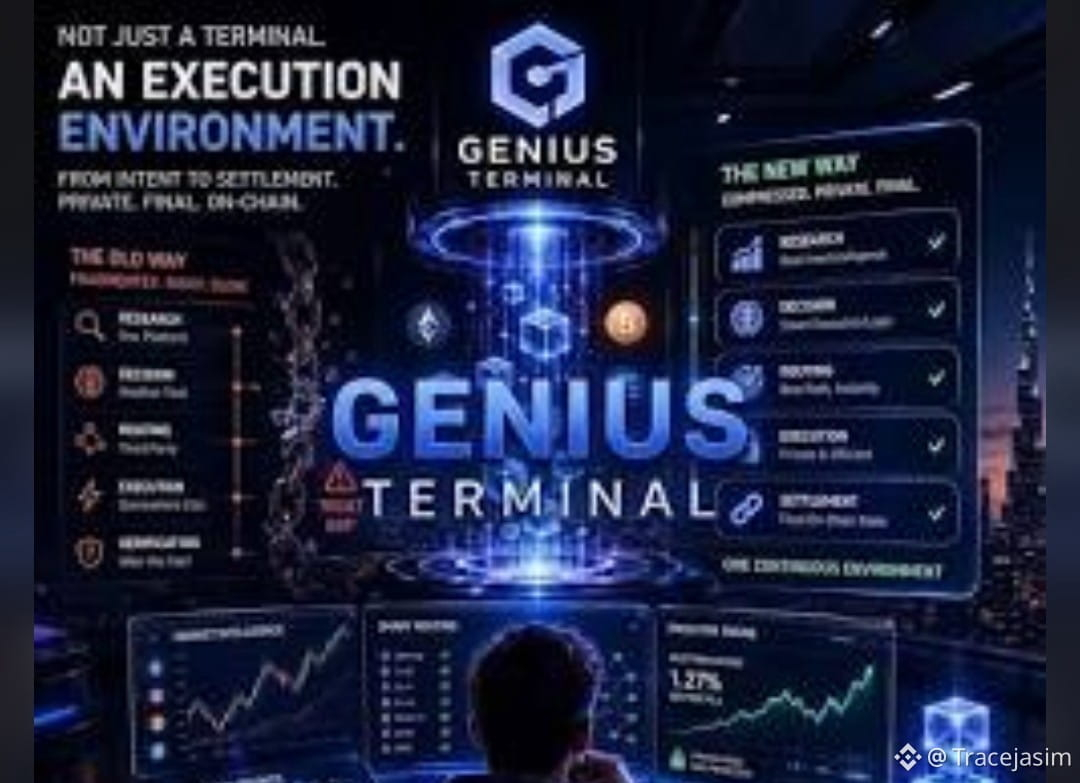
#genius $GENIUS جنياس تيرمينال فعلاً يغير قواعد اللعبة للمتداولين المحترفين في عالم DeFi من خلال سد الفجوة بين سهولة استخدام البورصات المركزية وملكية الأصول اللامركزية. ميزة "أوامر الشبح"، التي تستخدم حسابات متعددة الأطراف (MPC) لتقسيم الصفقات الكبيرة عبر محافظ مختلفة، هي خطوة مذهلة نحو خصوصية أفضل وتقليل عمليات التقدم في السلسلة. من خلال دمج التداول عبر السلاسل، والعقود الآجلة الدائمة، وإدارة المحفظة في واجهة واحدة بدون توقيع، @GeniusOfficial فعليًا يخفض الحاجز لدخول استراتيجيات معقدة على السلسلة. من المثير رؤية كيف ستستمر $GENIUS في التطور كرمز منفعة أساسي للحكم والوصول المميز ضمن هذا النظام البيئي الموحد للتداول. #عبقري
#geniusyield #BinanceSquareTalks #BitcoinSlipsAfterStrongUSJobsReport
#genius $GENIUS جنياس تيرمينال فعلاً يغير قواعد اللعبة للمتداولين المحترفين في عالم DeFi من خلال سد الفجوة بين سهولة استخدام البورصات المركزية وملكية الأصول اللامركزية. ميزة "أوامر الشبح"، التي تستخدم حسابات متعددة الأطراف (MPC) لتقسيم الصفقات الكبيرة عبر محافظ مختلفة، هي خطوة مذهلة نحو خصوصية أفضل وتقليل عمليات التقدم في السلسلة. من خلال دمج التداول عبر السلاسل، والعقود الآجلة الدائمة، وإدارة المحفظة في واجهة واحدة بدون توقيع، @GeniusOfficial فعليًا يخفض الحاجز لدخول استراتيجيات معقدة على السلسلة. من المثير رؤية كيف ستستمر $GENIUS في التطور كرمز منفعة أساسي للحكم والوصول المميز ضمن هذا النظام البيئي الموحد للتداول. #عبقري
#geniusyield #BinanceSquareTalks #BitcoinSlipsAfterStrongUSJobsReport
#geniusyield #BinanceSquareTalks #BitcoinSlipsAfterStrongUSJobsReport
79

#genius $GENIUS
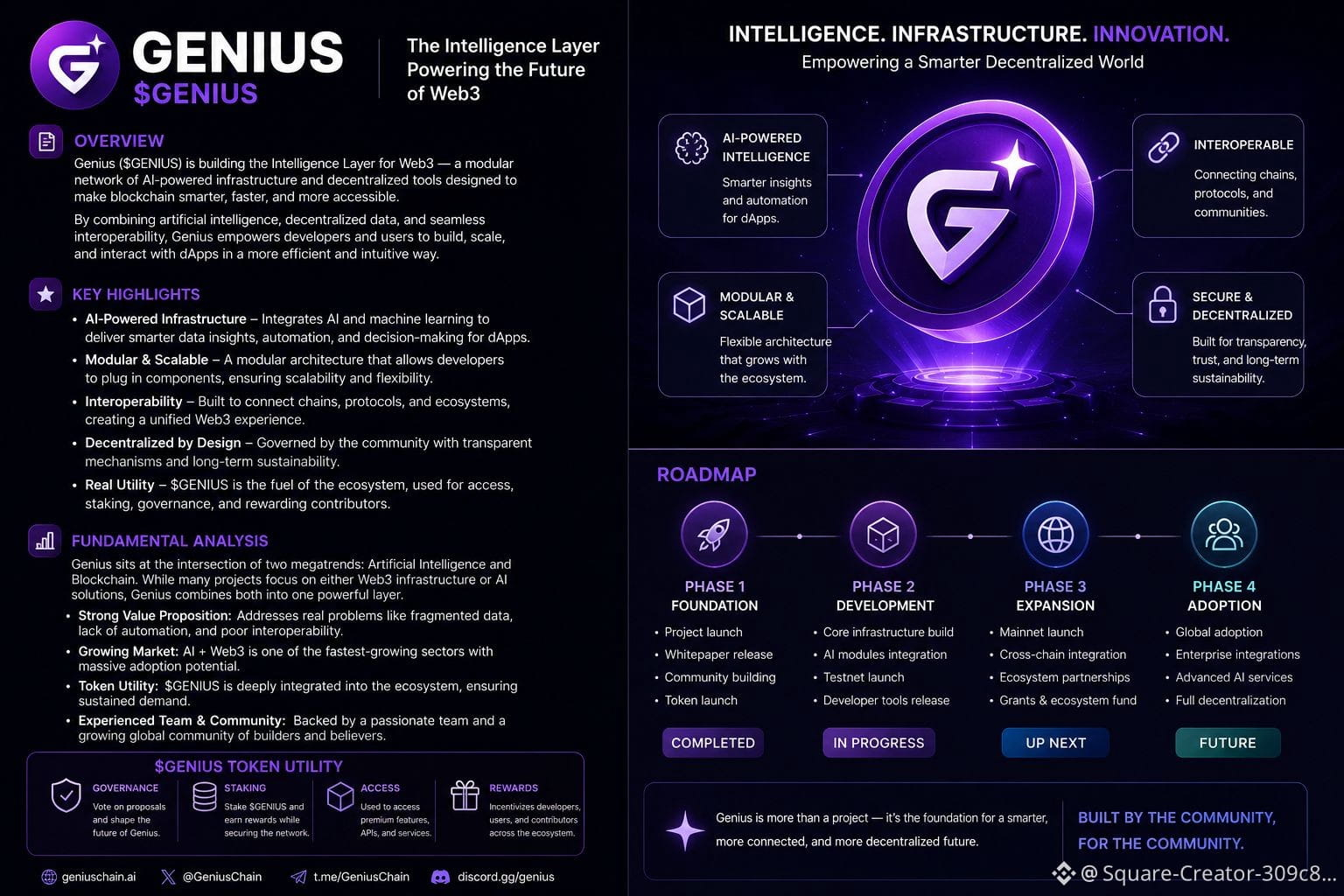
$GENIUS مع استمرار تطور صناعة البلوكشين، فإن المشاريع التي تجمع بين الذكاء الاصطناعي وبنية Web3 التحتية تجذب اهتماماً كبيراً. من بين هذه المشاريع الناشئة، تهدف GENIUS ($GENIUS) إلى أن تكون طبقة ذكاء من الجيل التالي للتطبيقات اللامركزية والأنظمة الرقمية.
#genius #geniusyield
#genius $GENIUS
$GENIUS مع استمرار تطور صناعة البلوكشين، فإن المشاريع التي تجمع بين الذكاء الاصطناعي وبنية Web3 التحتية تجذب اهتماماً كبيراً. من بين هذه المشاريع الناشئة، تهدف GENIUS ($GENIUS ) إلى أن تكون طبقة ذكاء من الجيل التالي للتطبيقات اللامركزية والأنظمة الرقمية.
#genius #geniusyield
$GENIUS مع استمرار تطور صناعة البلوكشين، فإن المشاريع التي تجمع بين الذكاء الاصطناعي وبنية Web3 التحتية تجذب اهتماماً كبيراً. من بين هذه المشاريع الناشئة، تهدف GENIUS ($GENIUS ) إلى أن تكون طبقة ذكاء من الجيل التالي للتطبيقات اللامركزية والأنظمة الرقمية.
#genius #geniusyield
63

·
--
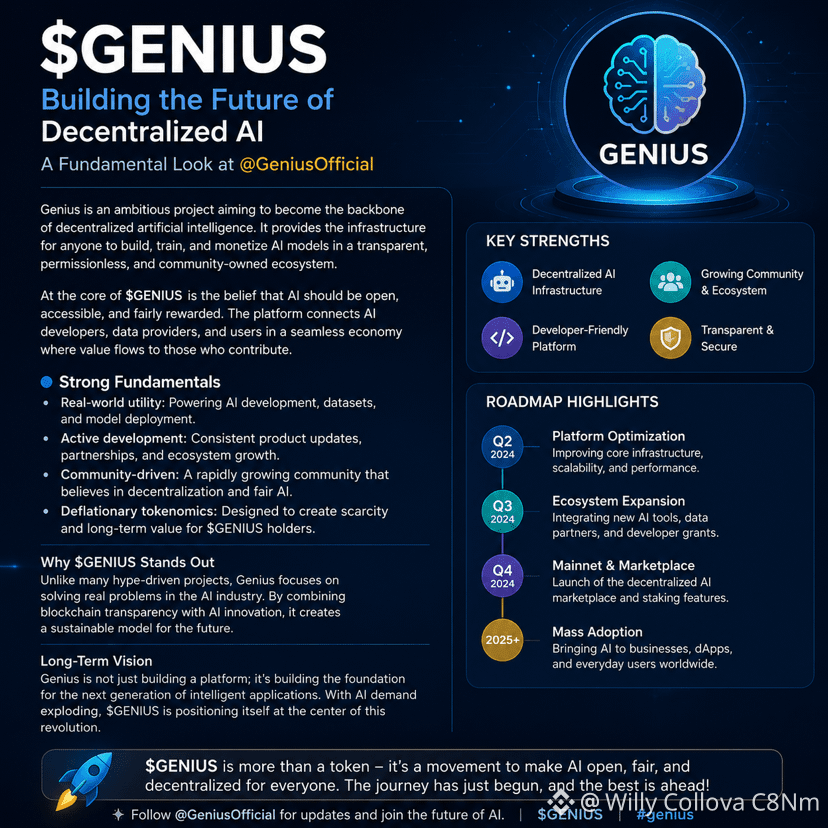
#genius $GENIUS بعد قضاء بعض الوقت في البحث عن @GeniusOfficial #GeniusOfficial، أعتقد أن واحدة من أكبر نقاط القوة في $GENIUS هي تركيزها على الفائدة الحقيقية بدلاً من الضجة قصيرة الأجل. 💡 المشروع يبني بنية تحتية تساعد على تبسيط التداول على السلسلة عبر شبكات متعددة بينما توسع باستمرار نظامها البيئي وعروض منتجاتها. 🌐
ما يبرز لي هو التزام الفريق بالتطوير. التقدم الأخير في الحلول المعنية بالخصوصية 🔒، والوصول عبر سلاسل متعددة ⚡، وكفاءة التداول 📈 يظهر أنهم يقومون بتسليم المنتجات بنشاط وتحسين تجربة المستخدم. هذا هو بالضبط نوع التنفيذ المتسق الذي يبحث عنه المستثمرون على المدى الطويل.
عند النظر إلى المستقبل، أنا متحمس لمتابعة خريطة الطريق ومراقبة كيفية نمو النظام البيئي من خلال تكاملات جديدة، وشراكات 🤝، وزيادة الاعتماد. 📊 إذا استمر الفريق في البناء بهذه الوتيرة، فمن المحتمل أن تصبح $GENIUS لاعبًا رئيسيًا في مستقبل التمويل اللامركزي.
🔥 أساسيات قوية
🔥 تطوير نشط
🔥 نظام بيئي متوسع
🔥 رؤية طويلة المدى
بالتأكيد مشروع يستحق المتابعة! 👀
#Genius #geniusyield
#genius $GENIUS بعد قضاء بعض الوقت في البحث عن @GeniusOfficial #GeniusOfficial، أعتقد أن واحدة من أكبر نقاط القوة في $GENIUS هي تركيزها على الفائدة الحقيقية بدلاً من الضجة قصيرة الأجل. 💡 المشروع يبني بنية تحتية تساعد على تبسيط التداول على السلسلة عبر شبكات متعددة بينما توسع باستمرار نظامها البيئي وعروض منتجاتها. 🌐
ما يبرز لي هو التزام الفريق بالتطوير. التقدم الأخير في الحلول المعنية بالخصوصية 🔒، والوصول عبر سلاسل متعددة ⚡، وكفاءة التداول 📈 يظهر أنهم يقومون بتسليم المنتجات بنشاط وتحسين تجربة المستخدم. هذا هو بالضبط نوع التنفيذ المتسق الذي يبحث عنه المستثمرون على المدى الطويل.
عند النظر إلى المستقبل، أنا متحمس لمتابعة خريطة الطريق ومراقبة كيفية نمو النظام البيئي من خلال تكاملات جديدة، وشراكات 🤝، وزيادة الاعتماد. 📊 إذا استمر الفريق في البناء بهذه الوتيرة، فمن المحتمل أن تصبح $GENIUS لاعبًا رئيسيًا في مستقبل التمويل اللامركزي.
🔥 أساسيات قوية
🔥 تطوير نشط
🔥 نظام بيئي متوسع
🔥 رؤية طويلة المدى
بالتأكيد مشروع يستحق المتابعة! 👀
#Genius #geniusyield
ما يبرز لي هو التزام الفريق بالتطوير. التقدم الأخير في الحلول المعنية بالخصوصية 🔒، والوصول عبر سلاسل متعددة ⚡، وكفاءة التداول 📈 يظهر أنهم يقومون بتسليم المنتجات بنشاط وتحسين تجربة المستخدم. هذا هو بالضبط نوع التنفيذ المتسق الذي يبحث عنه المستثمرون على المدى الطويل.
عند النظر إلى المستقبل، أنا متحمس لمتابعة خريطة الطريق ومراقبة كيفية نمو النظام البيئي من خلال تكاملات جديدة، وشراكات 🤝، وزيادة الاعتماد. 📊 إذا استمر الفريق في البناء بهذه الوتيرة، فمن المحتمل أن تصبح $GENIUS لاعبًا رئيسيًا في مستقبل التمويل اللامركزي.
🔥 أساسيات قوية
🔥 تطوير نشط
🔥 نظام بيئي متوسع
🔥 رؤية طويلة المدى
بالتأكيد مشروع يستحق المتابعة! 👀
#Genius #geniusyield
74

·
--
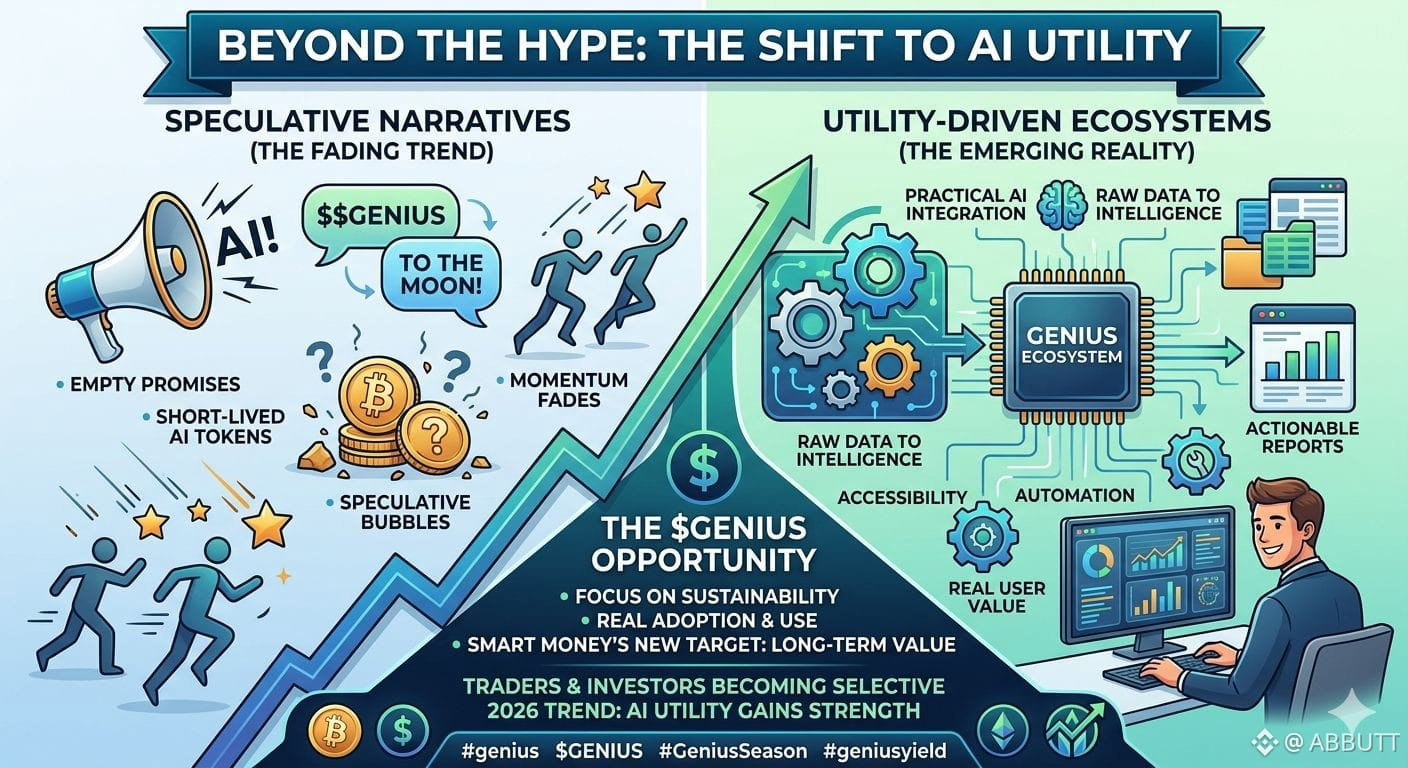
🚨 معظم مشاريع الذكاء الاصطناعي اليوم تتبع الضجيج. القليل منها فقط يحل المشكلة الحقيقية: كيفية تحويل البيانات الخام إلى ذكاء قابل للاستخدام للمستخدمين العاديين والشركات.
لهذا السبب كنت أتابع @GeniusOfficial مؤخرًا.
ما يبرز لي ليس فقط العلامة التجارية حول $GENIUS ، ولكن الاتجاه. السوق بوضوح يتجه من السرديات المضاربة نحو النظم البيئية المدفوعة بالفائدة. المتداولون والمستثمرون أصبحوا أكثر انتقائية، خاصةً بعد رؤية المئات من الرموز المميزة للذكاء الاصطناعي قصيرة العمر تختفي بمجرد أن يتلاشى الزخم.
ما يعجبني في Genius هو التركيز على دمج الذكاء الاصطناعي العملي بدلاً من وعود "مستقبل الذكاء الاصطناعي" الفارغة. في هذه الدورة، المشاريع التي تجمع بين الوصول، والأتمتة، والقيمة الحقيقية للمستخدمين من المحتمل أن تتفوق على الألعاب السردية البحتة.
من منظور نفسية السوق، الأموال الذكية لم تعد تبحث عن الضجيج العالي. إنها تبحث عن الاستدامة، والتبني، والمنتجات التي يعود الناس لاستخدامها بالفعل.
أعتقد أن هذا هو المكان الذي يمكن أن تمتلك فيه مشاريع مثل $GENIUS فرصة لتفصل نفسها عن الضوضاء.
فضول لرؤية كيفية تطور النظام البيئي خلال الأشهر القليلة المقبلة، خاصةً مع تحول فائدة الذكاء الاصطناعي إلى اتجاه أقوى في العملات المشفرة في عام 2026.
#genius $GENIUS #GeniusSeason #geniusyield
🚨 معظم مشاريع الذكاء الاصطناعي اليوم تتبع الضجيج. القليل منها فقط يحل المشكلة الحقيقية: كيفية تحويل البيانات الخام إلى ذكاء قابل للاستخدام للمستخدمين العاديين والشركات.
لهذا السبب كنت أتابع @GeniusOfficial مؤخرًا.
ما يبرز لي ليس فقط العلامة التجارية حول $GENIUS ، ولكن الاتجاه. السوق بوضوح يتجه من السرديات المضاربة نحو النظم البيئية المدفوعة بالفائدة. المتداولون والمستثمرون أصبحوا أكثر انتقائية، خاصةً بعد رؤية المئات من الرموز المميزة للذكاء الاصطناعي قصيرة العمر تختفي بمجرد أن يتلاشى الزخم.
ما يعجبني في Genius هو التركيز على دمج الذكاء الاصطناعي العملي بدلاً من وعود "مستقبل الذكاء الاصطناعي" الفارغة. في هذه الدورة، المشاريع التي تجمع بين الوصول، والأتمتة، والقيمة الحقيقية للمستخدمين من المحتمل أن تتفوق على الألعاب السردية البحتة.
من منظور نفسية السوق، الأموال الذكية لم تعد تبحث عن الضجيج العالي. إنها تبحث عن الاستدامة، والتبني، والمنتجات التي يعود الناس لاستخدامها بالفعل.
أعتقد أن هذا هو المكان الذي يمكن أن تمتلك فيه مشاريع مثل $GENIUS فرصة لتفصل نفسها عن الضوضاء.
فضول لرؤية كيفية تطور النظام البيئي خلال الأشهر القليلة المقبلة، خاصةً مع تحول فائدة الذكاء الاصطناعي إلى اتجاه أقوى في العملات المشفرة في عام 2026.
#genius $GENIUS #GeniusSeason #geniusyield
لهذا السبب كنت أتابع @GeniusOfficial مؤخرًا.
ما يبرز لي ليس فقط العلامة التجارية حول $GENIUS ، ولكن الاتجاه. السوق بوضوح يتجه من السرديات المضاربة نحو النظم البيئية المدفوعة بالفائدة. المتداولون والمستثمرون أصبحوا أكثر انتقائية، خاصةً بعد رؤية المئات من الرموز المميزة للذكاء الاصطناعي قصيرة العمر تختفي بمجرد أن يتلاشى الزخم.
ما يعجبني في Genius هو التركيز على دمج الذكاء الاصطناعي العملي بدلاً من وعود "مستقبل الذكاء الاصطناعي" الفارغة. في هذه الدورة، المشاريع التي تجمع بين الوصول، والأتمتة، والقيمة الحقيقية للمستخدمين من المحتمل أن تتفوق على الألعاب السردية البحتة.
من منظور نفسية السوق، الأموال الذكية لم تعد تبحث عن الضجيج العالي. إنها تبحث عن الاستدامة، والتبني، والمنتجات التي يعود الناس لاستخدامها بالفعل.
أعتقد أن هذا هو المكان الذي يمكن أن تمتلك فيه مشاريع مثل $GENIUS فرصة لتفصل نفسها عن الضوضاء.
فضول لرؤية كيفية تطور النظام البيئي خلال الأشهر القليلة المقبلة، خاصةً مع تحول فائدة الذكاء الاصطناعي إلى اتجاه أقوى في العملات المشفرة في عام 2026.
#genius $GENIUS #GeniusSeason #geniusyield
9
4
132
·
--
العبقري
يتحدث الجميع عن إيجاد صفقة رابحة جديدة، لكن القليل جدًا يتحدثون عن ما يحدث بعد اتخاذ القرار.
في عالم العملات المشفرة، يمكن أن تفشل فكرة جيدة رغم ذلك بسبب تنفيذ بطيء، أو تحركات في السعر، أو تغيّر السيولة. لذلك بدأت أولي اهتمامًا أكبر للمشاريع التي تبني البنية التحتية وراء التنفيذ بدلًا من التركيز فقط على التوقعات.
بالنسبة لي، مستقبل الذكاء الاصطناعي في مجال العملات المشفرة لا يقتصر فقط على تقديم إشارات أكثر ذكاءً. بل يتعلق بتقليل الاحتكاك بين الفكرة والإجراء الذي يليها.
قد تصبح المشاريع التي تُحسن التنفيذ بشكلٍ هادئ اليوم أساس تجربة التداول في الغد.
ما الذي تعتقد أنه أكثر أهمية على المدى الطويل—تحليل أفضل أم تنفيذ أفضل؟
@GeniusOfficial
$GENIUS
#geniusyield
العبقري
يتحدث الجميع عن إيجاد صفقة رابحة جديدة، لكن القليل جدًا يتحدثون عن ما يحدث بعد اتخاذ القرار.
في عالم العملات المشفرة، يمكن أن تفشل فكرة جيدة رغم ذلك بسبب تنفيذ بطيء، أو تحركات في السعر، أو تغيّر السيولة. لذلك بدأت أولي اهتمامًا أكبر للمشاريع التي تبني البنية التحتية وراء التنفيذ بدلًا من التركيز فقط على التوقعات.
بالنسبة لي، مستقبل الذكاء الاصطناعي في مجال العملات المشفرة لا يقتصر فقط على تقديم إشارات أكثر ذكاءً. بل يتعلق بتقليل الاحتكاك بين الفكرة والإجراء الذي يليها.
قد تصبح المشاريع التي تُحسن التنفيذ بشكلٍ هادئ اليوم أساس تجربة التداول في الغد.
ما الذي تعتقد أنه أكثر أهمية على المدى الطويل—تحليل أفضل أم تنفيذ أفضل؟
@GeniusOfficial
$GENIUS
#geniusyield
يتحدث الجميع عن إيجاد صفقة رابحة جديدة، لكن القليل جدًا يتحدثون عن ما يحدث بعد اتخاذ القرار.
في عالم العملات المشفرة، يمكن أن تفشل فكرة جيدة رغم ذلك بسبب تنفيذ بطيء، أو تحركات في السعر، أو تغيّر السيولة. لذلك بدأت أولي اهتمامًا أكبر للمشاريع التي تبني البنية التحتية وراء التنفيذ بدلًا من التركيز فقط على التوقعات.
بالنسبة لي، مستقبل الذكاء الاصطناعي في مجال العملات المشفرة لا يقتصر فقط على تقديم إشارات أكثر ذكاءً. بل يتعلق بتقليل الاحتكاك بين الفكرة والإجراء الذي يليها.
قد تصبح المشاريع التي تُحسن التنفيذ بشكلٍ هادئ اليوم أساس تجربة التداول في الغد.
ما الذي تعتقد أنه أكثر أهمية على المدى الطويل—تحليل أفضل أم تنفيذ أفضل؟
@GeniusOfficial
$GENIUS
#geniusyield
106

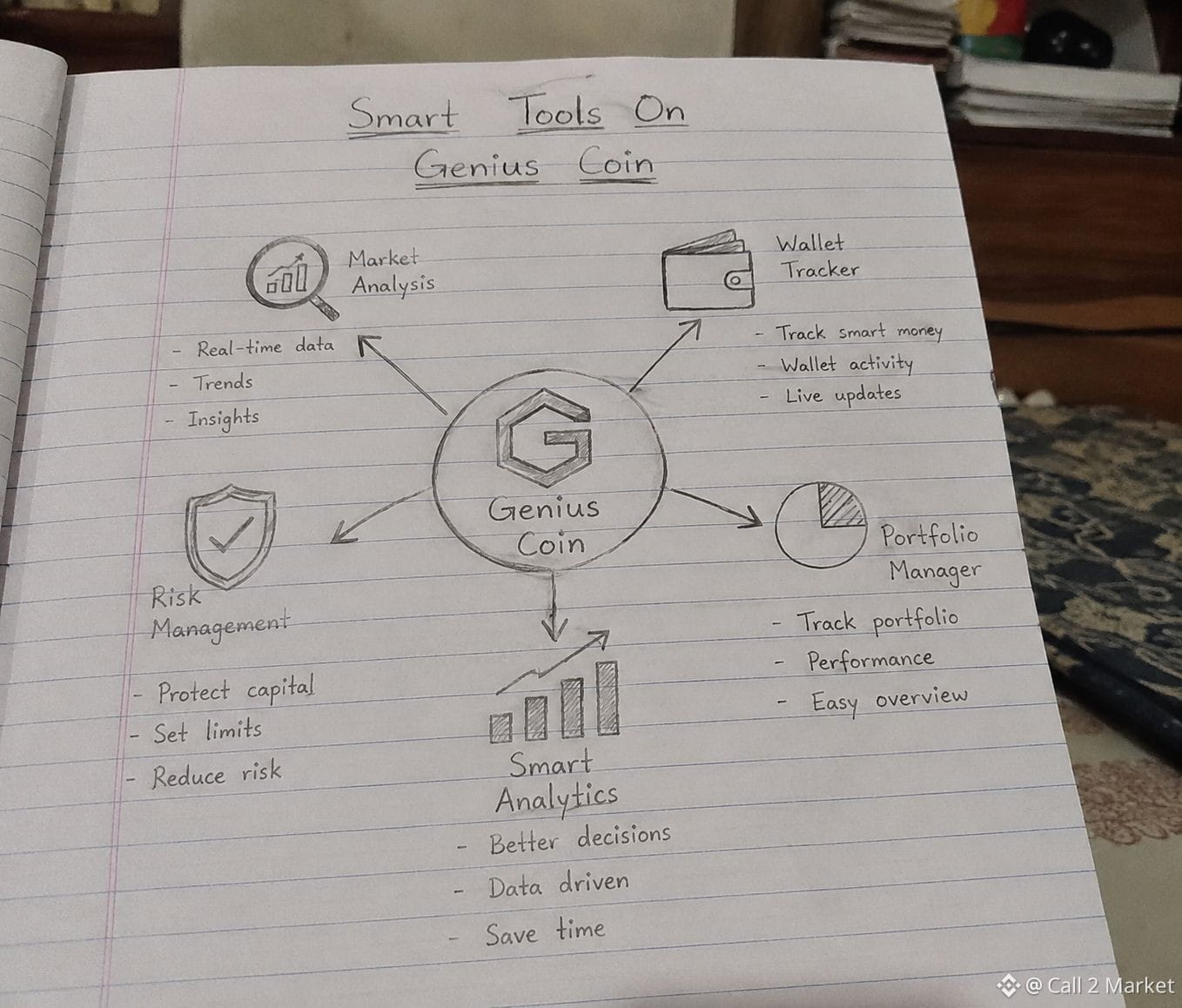
#genius $GENIUS لقد غيرت الأدوات الذكية على Genius Coin بطريقة صادقة الطريقة التي أنظر بها إلى التداول على السلسلة.
قبل هذا، كنت أستخدم في الغالب لوحات معلومات عشوائية وأدوات مجانية، لكن بعد قضاء وقت حقيقي في اختبار أنظمة مختلفة عمليًا، لاحظت مدى ذكاء التنفيذ عندما تكون الأدوات مصممة فعلاً للمتداولين.
• لقد اختبرت شخصيًا ميزات تتبع المحافظ وسرعة الأداء شعرت بأنها سلسة مقارنة بالعديد من المنصات المزدحمة.
• تساعد أدوات تحليل السوق في فهم حركة السيولة بدلاً من مجرد اتباع شمعات الضجيج بشكل أعمى.
• كما لاحظت أن التحليلات الأكثر ذكاءً توفر الوقت لأن كل شيء يبدو أكثر تنظيمًا وأقل ضجيجًا.
• الشيء الذي أعجبني هو أن البيئة تبدو مركزة للمستخدمين الجادين الذين يريدون تنفيذًا أفضل وبيانات أنظف.
• بعد الاستخدام العملي، أدركت أن البنية التحتية الذكية تهم أكثر من التصاميم اللامعة لأن قرارات التداول الحقيقية تعتمد على جودة المعلومات.
لا يزال الكثير من الناس يتجاهلون منصات مثل Genius Coin لأنهم يتبعون الاتجاهات فقط بعد أن تصبح شائعة. لكن من خلال ما اختبرته بنفسي، ستصبح الأدوات الذكية والبنية التحتية للتداول الخاصة مهمة جدًا على الأرجح في المرحلة التالية من تداول العملات المشفرة.
$GENIUS
{future}(GENIUSUSDT)
#geniusyield @GeniusOfficial
#genius $GENIUS لقد غيرت الأدوات الذكية على Genius Coin بطريقة صادقة الطريقة التي أنظر بها إلى التداول على السلسلة.
قبل هذا، كنت أستخدم في الغالب لوحات معلومات عشوائية وأدوات مجانية، لكن بعد قضاء وقت حقيقي في اختبار أنظمة مختلفة عمليًا، لاحظت مدى ذكاء التنفيذ عندما تكون الأدوات مصممة فعلاً للمتداولين.
• لقد اختبرت شخصيًا ميزات تتبع المحافظ وسرعة الأداء شعرت بأنها سلسة مقارنة بالعديد من المنصات المزدحمة.
• تساعد أدوات تحليل السوق في فهم حركة السيولة بدلاً من مجرد اتباع شمعات الضجيج بشكل أعمى.
• كما لاحظت أن التحليلات الأكثر ذكاءً توفر الوقت لأن كل شيء يبدو أكثر تنظيمًا وأقل ضجيجًا.
• الشيء الذي أعجبني هو أن البيئة تبدو مركزة للمستخدمين الجادين الذين يريدون تنفيذًا أفضل وبيانات أنظف.
• بعد الاستخدام العملي، أدركت أن البنية التحتية الذكية تهم أكثر من التصاميم اللامعة لأن قرارات التداول الحقيقية تعتمد على جودة المعلومات.
لا يزال الكثير من الناس يتجاهلون منصات مثل Genius Coin لأنهم يتبعون الاتجاهات فقط بعد أن تصبح شائعة. لكن من خلال ما اختبرته بنفسي، ستصبح الأدوات الذكية والبنية التحتية للتداول الخاصة مهمة جدًا على الأرجح في المرحلة التالية من تداول العملات المشفرة.
$GENIUS
#geniusyield @GeniusOfficial
قبل هذا، كنت أستخدم في الغالب لوحات معلومات عشوائية وأدوات مجانية، لكن بعد قضاء وقت حقيقي في اختبار أنظمة مختلفة عمليًا، لاحظت مدى ذكاء التنفيذ عندما تكون الأدوات مصممة فعلاً للمتداولين.
• لقد اختبرت شخصيًا ميزات تتبع المحافظ وسرعة الأداء شعرت بأنها سلسة مقارنة بالعديد من المنصات المزدحمة.
• تساعد أدوات تحليل السوق في فهم حركة السيولة بدلاً من مجرد اتباع شمعات الضجيج بشكل أعمى.
• كما لاحظت أن التحليلات الأكثر ذكاءً توفر الوقت لأن كل شيء يبدو أكثر تنظيمًا وأقل ضجيجًا.
• الشيء الذي أعجبني هو أن البيئة تبدو مركزة للمستخدمين الجادين الذين يريدون تنفيذًا أفضل وبيانات أنظف.
• بعد الاستخدام العملي، أدركت أن البنية التحتية الذكية تهم أكثر من التصاميم اللامعة لأن قرارات التداول الحقيقية تعتمد على جودة المعلومات.
لا يزال الكثير من الناس يتجاهلون منصات مثل Genius Coin لأنهم يتبعون الاتجاهات فقط بعد أن تصبح شائعة. لكن من خلال ما اختبرته بنفسي، ستصبح الأدوات الذكية والبنية التحتية للتداول الخاصة مهمة جدًا على الأرجح في المرحلة التالية من تداول العملات المشفرة.
$GENIUS
#geniusyield @GeniusOfficial
2
1
4
299

·
--
صاعد
#genius $GENIUS @GeniusOfficial تبني نظام بيئي متزايد على البلوكشين يركز على الابتكار، ومشاركة المجتمع، والتطوير على المدى الطويل. مع استمرار تطور مساحة الكريبتو، المشاريع مثل $GENIUS تجذب الانتباه من المستخدمين المهتمين بفرص Web3 والتكنولوجيا اللامركزية. مستقبل الأنظمة الرقمية يعتمد على المجتمعات القوية، و@GeniusOfficial تعمل على توسيع الاعتماد والمشاركة من خلال استخدام $GENIUS. #geniusyield
#genius $GENIUS @GeniusOfficial تبني نظام بيئي متزايد على البلوكشين يركز على الابتكار، ومشاركة المجتمع، والتطوير على المدى الطويل. مع استمرار تطور مساحة الكريبتو، المشاريع مثل $GENIUS تجذب الانتباه من المستخدمين المهتمين بفرص Web3 والتكنولوجيا اللامركزية. مستقبل الأنظمة الرقمية يعتمد على المجتمعات القوية، و@GeniusOfficial تعمل على توسيع الاعتماد والمشاركة من خلال استخدام $GENIUS . #geniusyield
1
79

·
--
صاعد
$GENIUS
عجل! 🚀🚀
تحرك كبير قادم 🚀🚀🚀🚀#geniusyield #genius
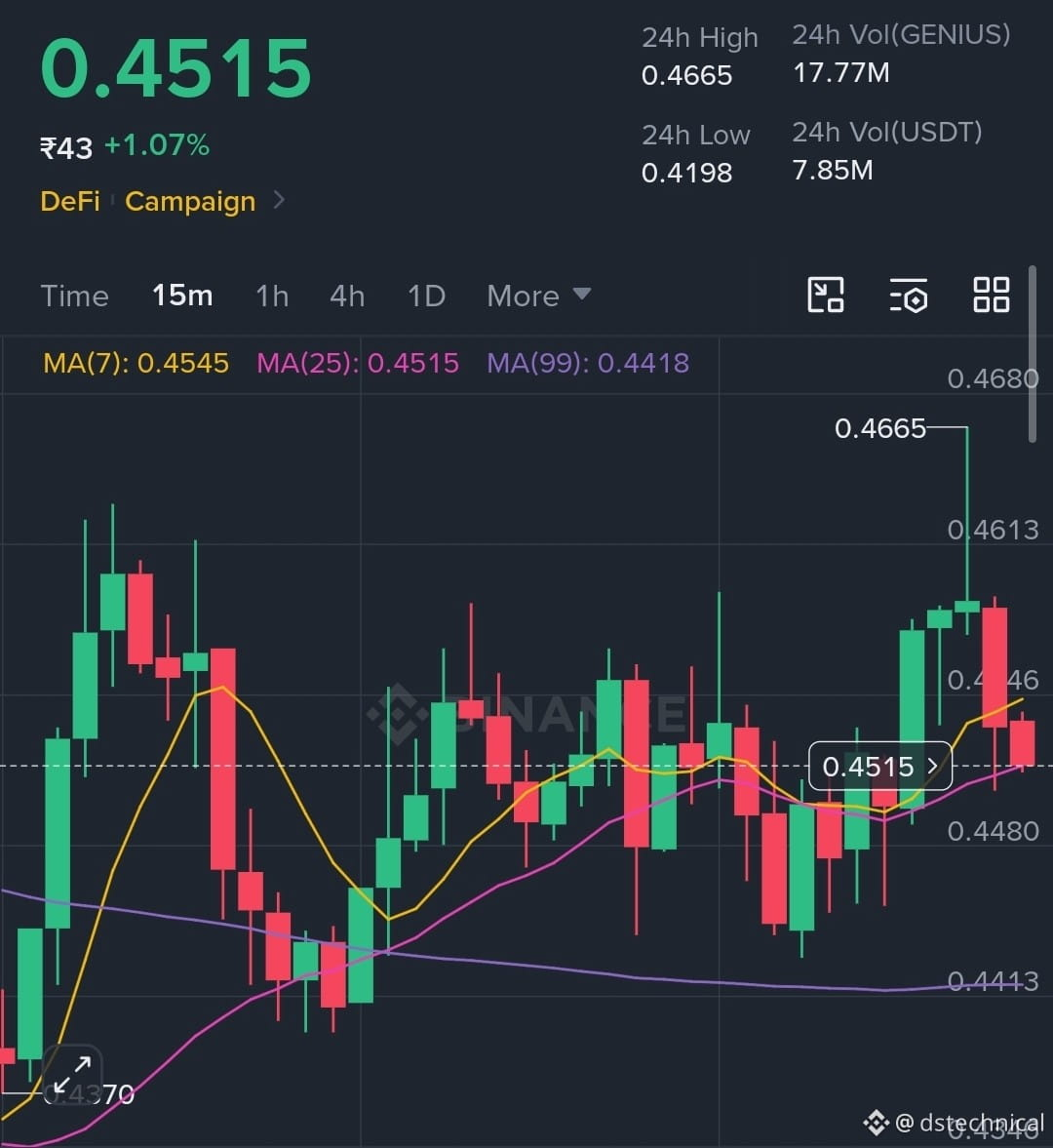
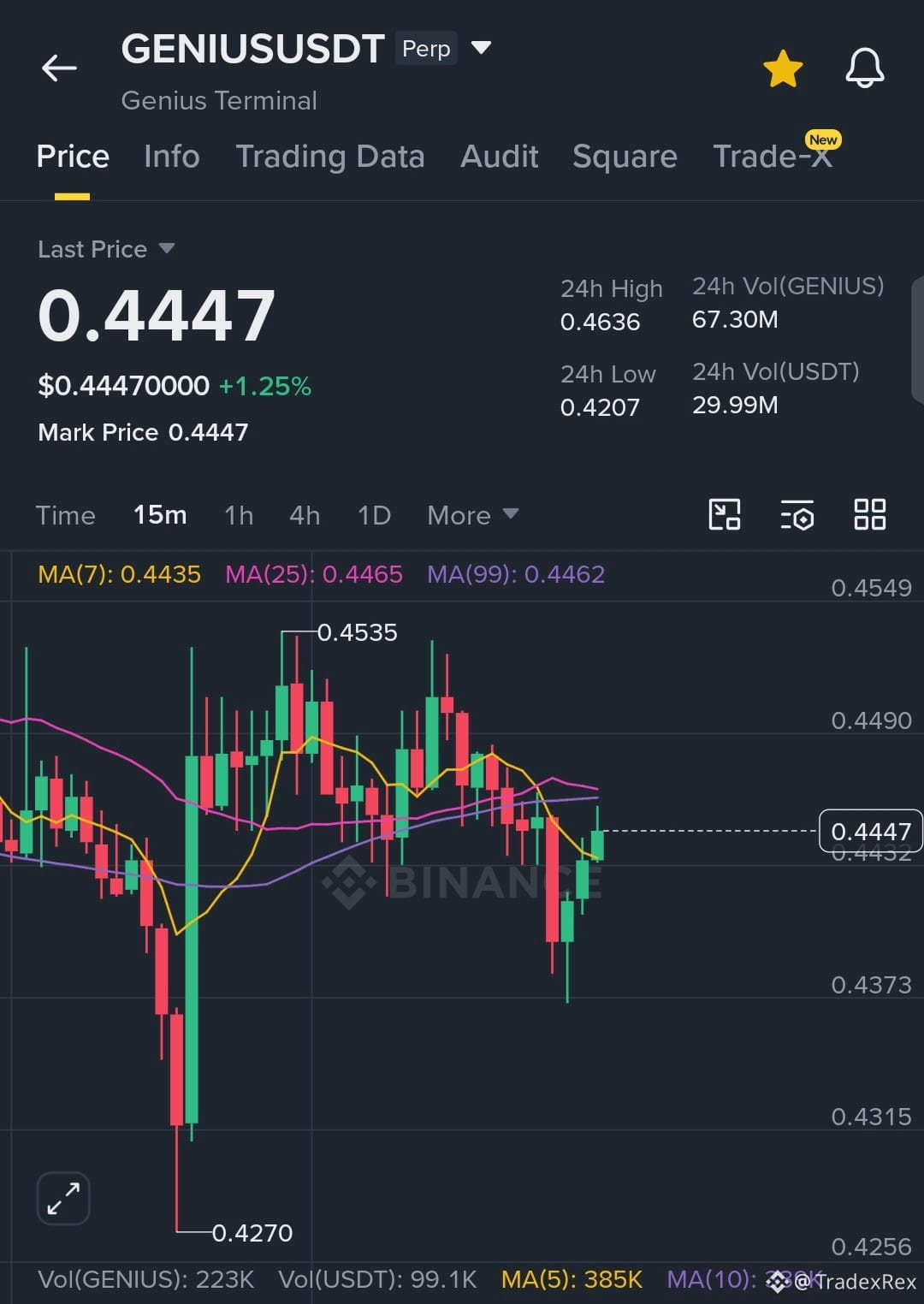
إعداد صفقة $GENIUS/USDT (رسم بياني 15 دقيقة)
دخول طويل: 0.4420 – 0.4447
وقف خسارة: 0.4360
جني أرباح 1: 0.4490
جني أرباح 2: 0.4535
جني أرباح 3: 0.4636
السعر يرتفع قليلاً لاختبار خط المتوسط المتحرك MA(25) البنفسجي، الذي يعمل حالياً كعائق فني يجب على الثيران تخطيه.
في الوقت نفسه، خط المتوسط المتحرك MA(7) الأصفر يتجه للأعلى من تحت الشموع الأخيرة، مما يدل على تدفق طفيف من الزخم الشرائي على المدى القصير الذي يهدف إلى استقرار @GeniusOfficial
{future}(GENIUSUSDT)
$GENIUS
عجل! 🚀🚀
تحرك كبير قادم 🚀🚀🚀🚀#geniusyield #genius
إعداد صفقة $GENIUS /USDT (رسم بياني 15 دقيقة)
دخول طويل: 0.4420 – 0.4447
وقف خسارة: 0.4360
جني أرباح 1: 0.4490
جني أرباح 2: 0.4535
جني أرباح 3: 0.4636
السعر يرتفع قليلاً لاختبار خط المتوسط المتحرك MA(25) البنفسجي، الذي يعمل حالياً كعائق فني يجب على الثيران تخطيه.
في الوقت نفسه، خط المتوسط المتحرك MA(7) الأصفر يتجه للأعلى من تحت الشموع الأخيرة، مما يدل على تدفق طفيف من الزخم الشرائي على المدى القصير الذي يهدف إلى استقرار @GeniusOfficial
عجل! 🚀🚀
تحرك كبير قادم 🚀🚀🚀🚀#geniusyield #genius
إعداد صفقة $GENIUS /USDT (رسم بياني 15 دقيقة)
دخول طويل: 0.4420 – 0.4447
وقف خسارة: 0.4360
جني أرباح 1: 0.4490
جني أرباح 2: 0.4535
جني أرباح 3: 0.4636
السعر يرتفع قليلاً لاختبار خط المتوسط المتحرك MA(25) البنفسجي، الذي يعمل حالياً كعائق فني يجب على الثيران تخطيه.
في الوقت نفسه، خط المتوسط المتحرك MA(7) الأصفر يتجه للأعلى من تحت الشموع الأخيرة، مما يدل على تدفق طفيف من الزخم الشرائي على المدى القصير الذي يهدف إلى استقرار @GeniusOfficial
1
1
16

#genius $GENIUS 🚀 للتو استكشفت الرؤية وراء @GeniusOfficial GeniusOfficial – إنه لأمر مذهل كيف $GENIUS يعيد تشكيل الذكاء اللامركزي. فائدة حقيقية، مجتمع قوي، وخطة عمل منطقية فعلاً. لا تفوت هذه الفرصة! 🔥🧠 #geniusyield #Gensler
#genius $GENIUS 🚀 للتو استكشفت الرؤية وراء @GeniusOfficial GeniusOfficial – إنه لأمر مذهل كيف $GENIUS يعيد تشكيل الذكاء اللامركزي. فائدة حقيقية، مجتمع قوي، وخطة عمل منطقية فعلاً. لا تفوت هذه الفرصة! 🔥🧠 #geniusyield #Gensler
104
سجّل الدخول لاستكشاف المزيد من المُحتوى
انضم إلى مُستخدمي العملات الرقمية حول العالم على Binance Square
⚡️ احصل على أحدث المعلومات المفيدة عن العملات الرقمية.
💬 موثوقة من قبل أكبر منصّة لتداول العملات الرقمية في العالم.
👍 اكتشف الرؤى الحقيقية من صنّاع المُحتوى الموثوقين.
البريد الإلكتروني / رقم الهاتف
المواضيع الرائجة
1
#BinancePick
3.3M مشاهدات
161,158 يقومون بالنقاش
2
#EarningsSeason
5.4M مشاهدات
26,530 يقومون بالنقاش
3
#StrategySkipsBitcoinPurchasesSpends$205MOnSTRCBuybacks
34 مشاهدات
5 يقومون بالنقاش
4
#BitmineAdds10452ETH
3,550 مشاهدات
98 يقومون بالنقاش
5
#SouthKoreaConsidersEducationTaxOnCryptoExchanges
3,660 مشاهدات
95 يقومون بالنقاش
6
#OCCUrgesCommunityBanksToEnterStablecoinPayments
2,884 مشاهدات
63 يقومون بالنقاش
7
#RippleWinsFullApprovalAsNationalTrustBank
2,543 مشاهدات
60 يقومون بالنقاش
8
#AkashSelectsSolanaAsMigrationTarget
1,136 مشاهدات
23 يقومون بالنقاش
9
#OndoToOpenSubscriptionsForOpenAIPreIPOTokenizedNotes
101 مشاهدات
7 يقومون بالنقاش
10
#AnthropicTTMRevenueGrewAbout1200%
51,133 مشاهدات
536 يقومون بالنقاش