
#democrats
democrats
52,238 مشاهدات
87 يقومون بالنقاش
رائج
جديد

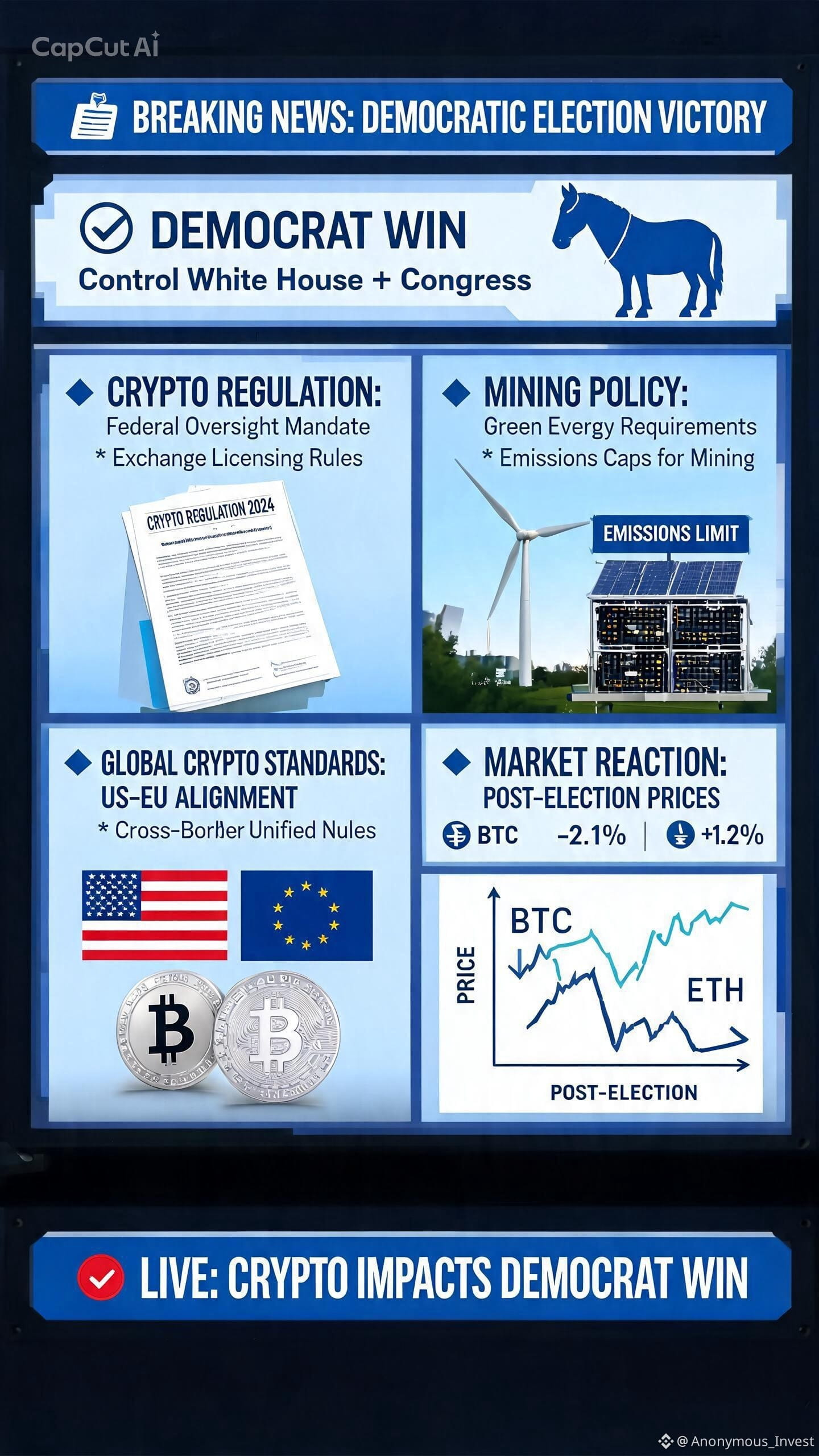
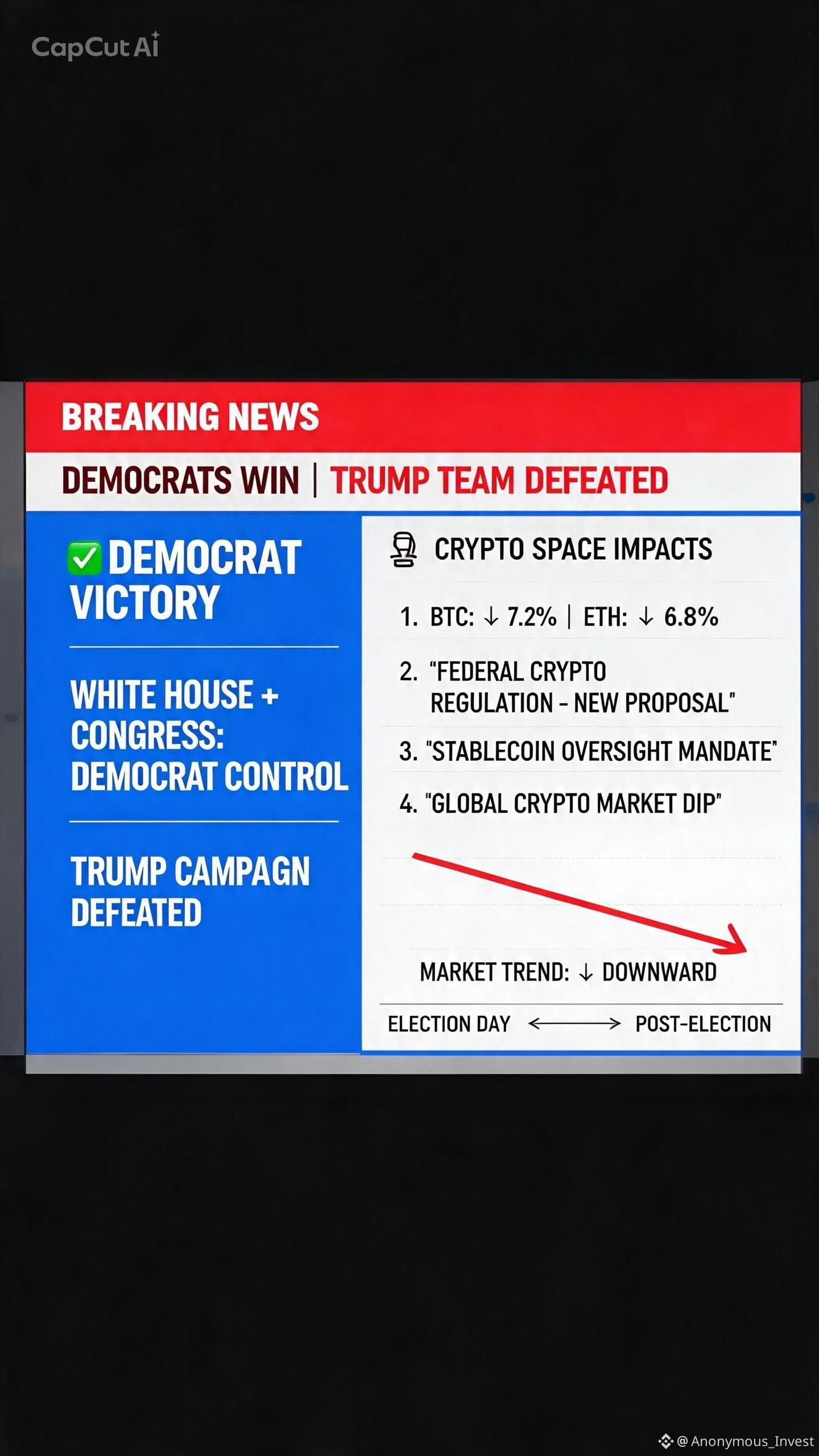
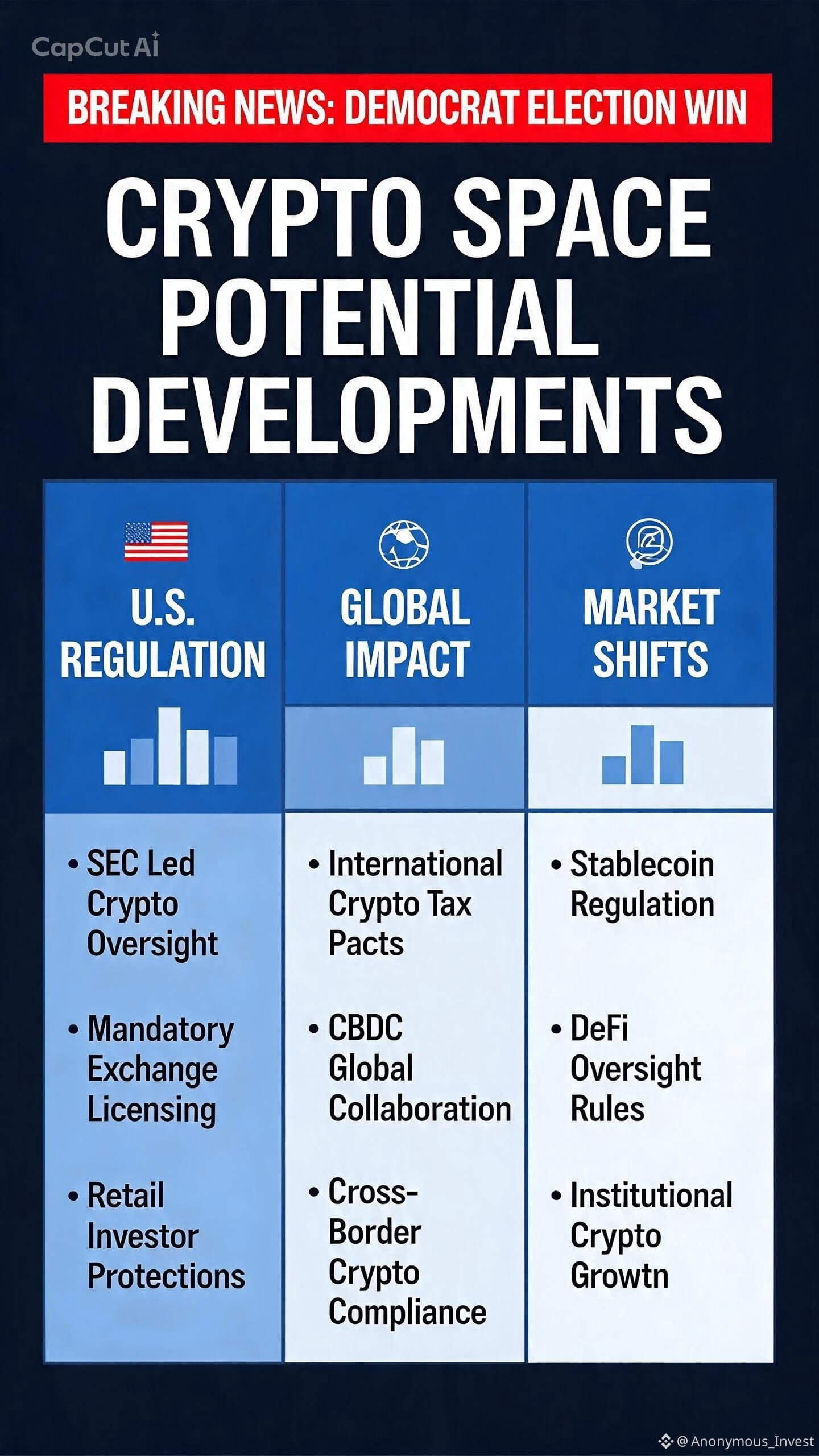
*ماذا يعني فوز الديمقراطيين للعملات المشفرة؟*
👉 خروج ترامب ودخول الديمقراطيين = بدء التنظيم.
🙉 توقّعوا: تشدّدًا أكبر من هيئة الأوراق المالية والبورصات (SEC)، وقوانين أكثر صرامة للعملات المستقرة، وتدقيقًا ضريبيًا أكبر.
👉 ستتضرر منصات التداول الأمريكية، وستصمد BTC، وسينتقل الابتكار إلى آسيا والاتحاد الأوروبي.
🫣 لا تبيعوا بدافع الذعر. انتقلوا إلى عملات ملتزمة باللوائح ومجرّبة في السوق.
🤔 ما خطوتك التالية؟
#crypto #Regulation #TRUMP #Democrats #BinanceSquare $BTC $ETH
65

·
--
هابط
🚨 $TRUMP
{spot}(TRUMPUSDT)
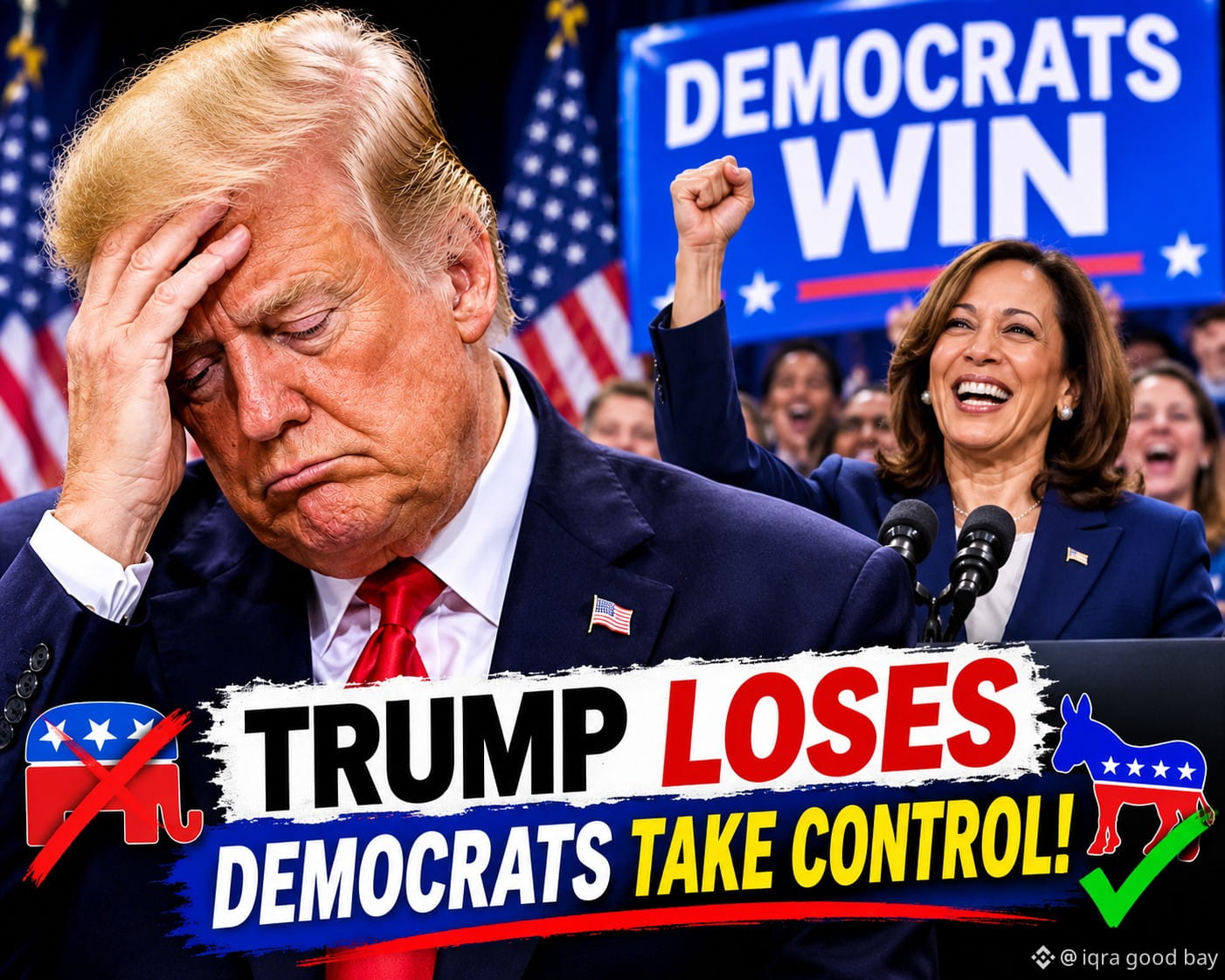
انتكاسة سياسية — الديمقراطيون يتولون زمام الأمور!
💥💥💥💥💥💥💥💥👈💥👈👈👈👈👈💥💥💥💥💥💥💥💥💥💥💥💥💥💥💥💥💥
هزّ الفوز الساحق للديمقراطيين في انتخابات التجديد النصفي الأمريكية واشنطن، وأحدث صدمة في سوق العملات المشفرة. 🇺🇸
📉 زادت الانتكاسة السياسية التي مُني بها ترامب الضغط على الأصول المشفرة المرتبطة به، بينما تواجه بيتكوين والعملات الرئيسية الأخرى حالة جديدة من عدم اليقين.
⚡ هل سيؤدي هذا التحول السياسي إلى تأخير اللوائح الداعمة للعملات المشفرة، أم سيجد السوق طريقه للتعافي؟
ما رأيك — هل هذه فرصة للشراء أم إشارة تحذير؟ 👇
#Trump #democrats #CryptoNews
🚨 $TRUMP
انتكاسة سياسية — الديمقراطيون يتولون زمام الأمور!
💥💥💥💥💥💥💥💥👈💥👈👈👈👈👈💥💥💥💥💥💥💥💥💥💥💥💥💥💥💥💥💥
هزّ الفوز الساحق للديمقراطيين في انتخابات التجديد النصفي الأمريكية واشنطن، وأحدث صدمة في سوق العملات المشفرة. 🇺🇸
📉 زادت الانتكاسة السياسية التي مُني بها ترامب الضغط على الأصول المشفرة المرتبطة به، بينما تواجه بيتكوين والعملات الرئيسية الأخرى حالة جديدة من عدم اليقين.
⚡ هل سيؤدي هذا التحول السياسي إلى تأخير اللوائح الداعمة للعملات المشفرة، أم سيجد السوق طريقه للتعافي؟
ما رأيك — هل هذه فرصة للشراء أم إشارة تحذير؟ 👇
#Trump #democrats #CryptoNews
1
148
·
--
هابط
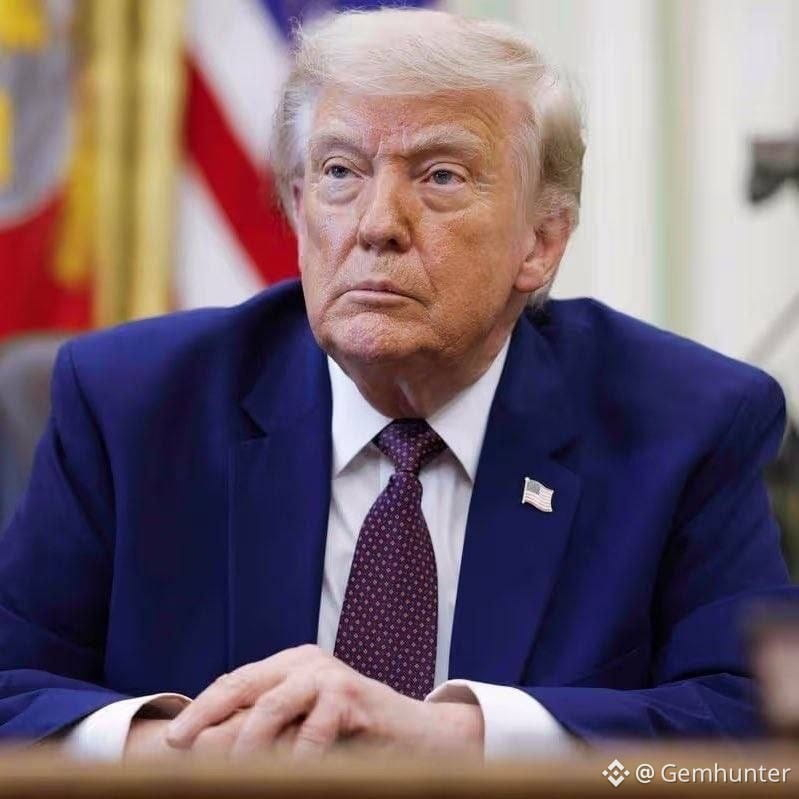
🚨 عاجل: احتمالات اكتساح الديمقراطيين ترتفع إلى 88% 🇺🇸
قد يكون الضغط السياسي على دونالد ترامب على وشك أن يشتد.
تُسعّر أسواق التنبؤ الآن احتمال فوز الديمقراطيين باكتساح في انتخابات التجديد النصفي الأمريكية المقبلة بنسبة 88%.
إذا تحقق هذا السيناريو، فقد يواجه الجمهوريون تحولًا كبيرًا في موازين القوى في الكونغرس، ما قد يجعل تمرير ما تبقى من أجندة ترامب أصعب بكثير.
👀 الأنظار كلها على انتخابات التجديد النصفي الأمريكية. قد يشهد المشهد السياسي تغييرًا جذريًا.
$BTC $ZEC $HYPE
{future}(HYPEUSDT)
#USPolitics #Trump #Democrats #MidtermElections
🚨 عاجل: احتمالات اكتساح الديمقراطيين ترتفع إلى 88% 🇺🇸
قد يكون الضغط السياسي على دونالد ترامب على وشك أن يشتد.
تُسعّر أسواق التنبؤ الآن احتمال فوز الديمقراطيين باكتساح في انتخابات التجديد النصفي الأمريكية المقبلة بنسبة 88%.
إذا تحقق هذا السيناريو، فقد يواجه الجمهوريون تحولًا كبيرًا في موازين القوى في الكونغرس، ما قد يجعل تمرير ما تبقى من أجندة ترامب أصعب بكثير.
👀 الأنظار كلها على انتخابات التجديد النصفي الأمريكية. قد يشهد المشهد السياسي تغييرًا جذريًا.
$BTC $ZEC $HYPE
#USPolitics #Trump #Democrats #MidtermElections
1
1.1k

·
--
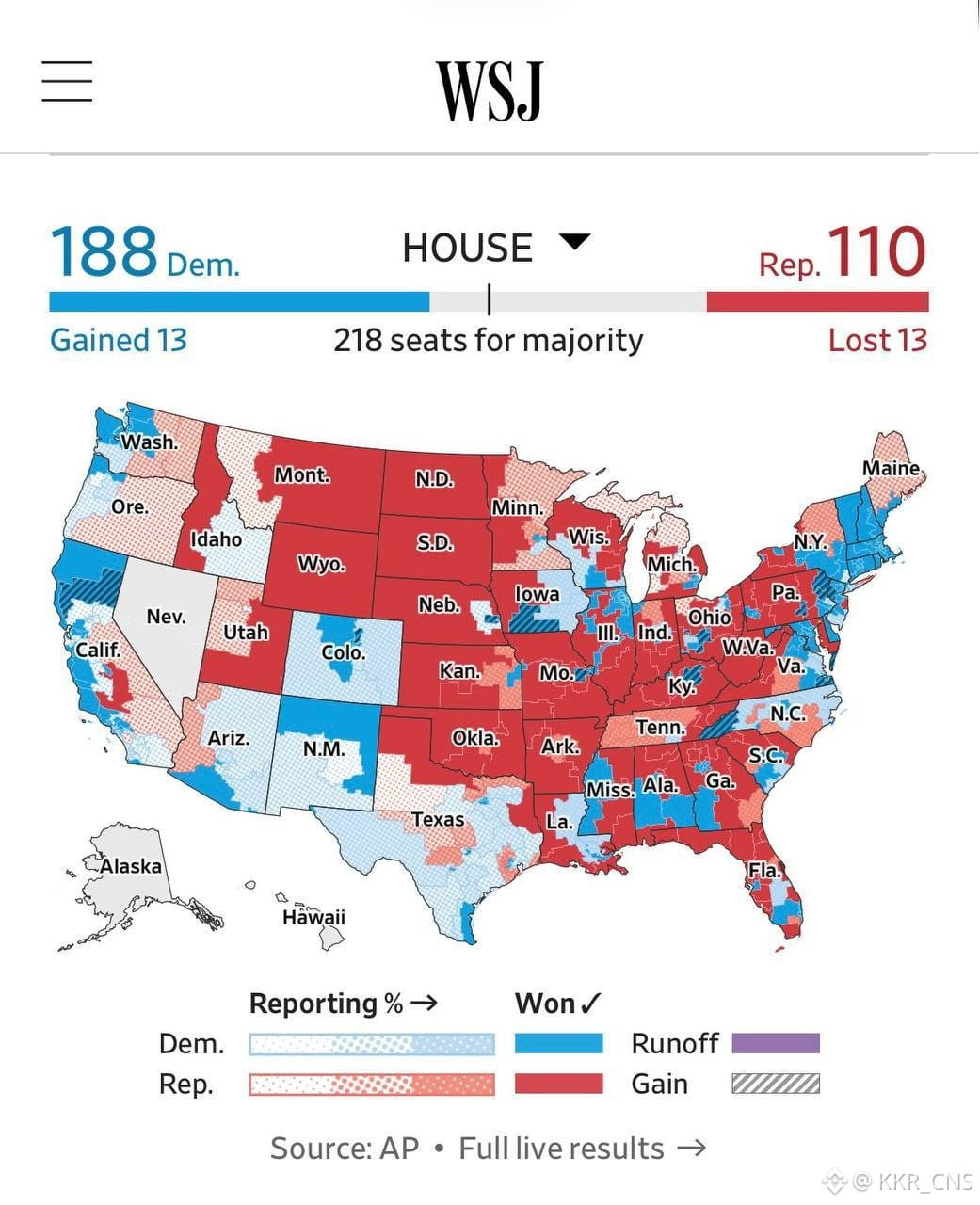
🇺🇸 تحديث انتخابات التجديد النصفي الأمريكية لعام 2026:
• السيطرة على مجلس النواب: فاز الديمقراطيون بالأغلبية، متجاوزين عتبة 218 مقعدًا.
• مقاعد مجلس النواب: الديمقراطيون 237 | الجمهوريون 139 (بحسب إعلان أسوشيتد برس).
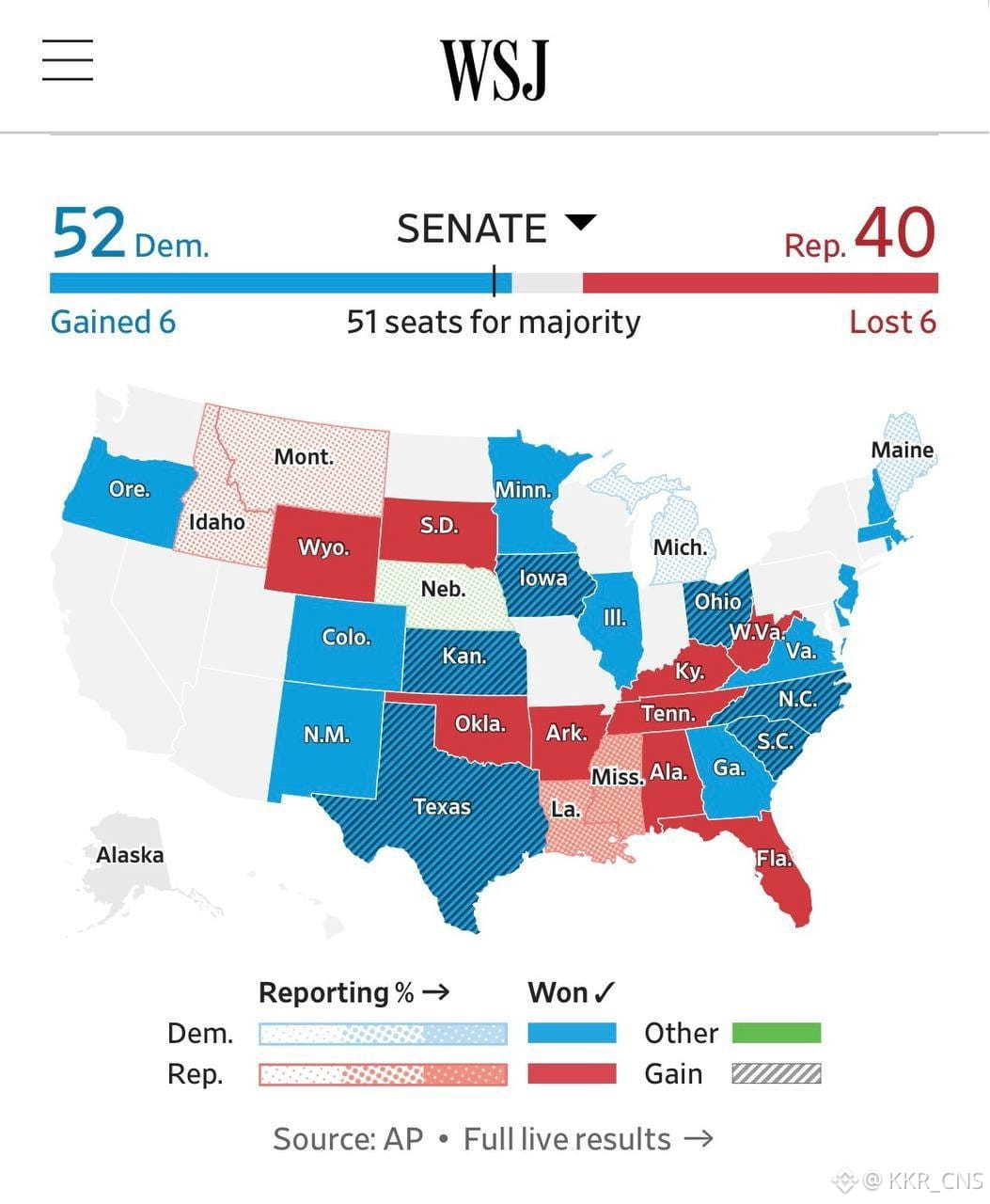
• السيطرة على مجلس الشيوخ: ضمن الديمقراطيون الأغلبية.
• مقاعد مجلس الشيوخ: الديمقراطيون 54 | الجمهوريون 44 (تبقى سباقان).
فاز الديمقراطيون رسميًا بالسيطرة الكاملة على الكونغرس.
#USMidterms-WhatAreMarketsExpecting? #Midterms2026 #democrats
Blockstream
·
--
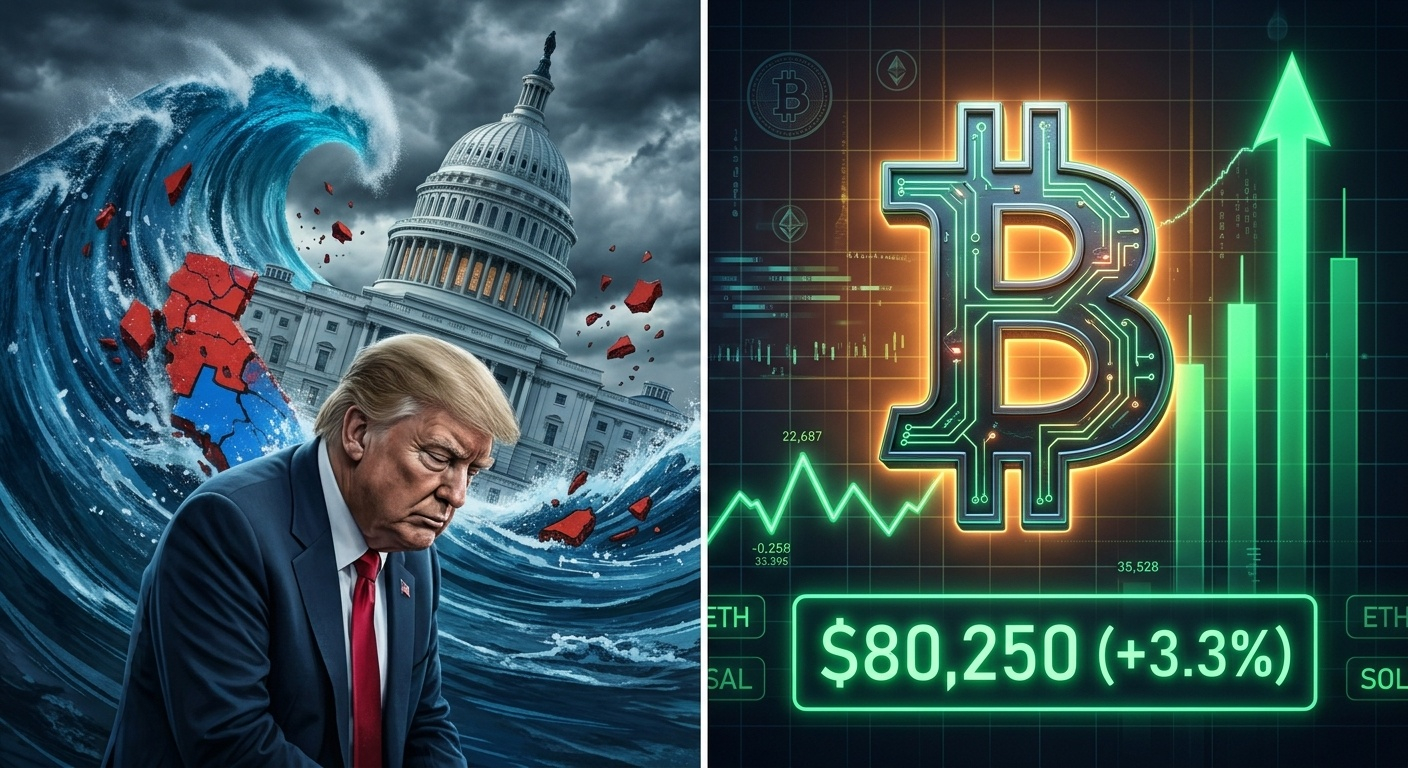
صاعد$TRUMP خسر انتخابات التجديد النصفي. بينما توقع كثيرون سباقًا محتدمًا، لم يتوقع سوى قلة أن يكتسح الديمقراطيون مجلس الشيوخ ومجلس النواب بهذه الحسم.
إنه يدخل فعليًا مرحلة البطة العرجاء قبل الموعد المتوقع، ما يعني أن أي سياسة اقتصادية كبرى ستتطلب الآن موافقة الديمقراطيين.
بالنسبة إلى العملات المشفرة، يغيّر هذا المشهد بالكامل:
أصبح تمرير تشريع مخصص للأصول الرقمية العام المقبل أصعب بكثير، لذا لا تتوقعوا أن تمر مشاريع القوانين التنظيمية بسلاسة عبر الكونغرس في أي وقت قريب.
لكن الأسواق تكره عدم اليقين أكثر من السياسات السيئة. لاحظوا كيف استقر $BTC سريعًا واستعاد للتو مستوى $80,250 (+3.3%)؟ عندما تهدأ الضجة السياسية، عادةً ما تستعيد السيولة الاقتصادية الكلية زمام الأمور.
ما رأيكم في هذا؟ هل نحن مقبلون على ارتفاع مكافئ في الربع الرابع، أم على موجة هبوط أخرى؟
اكتبوا 1 إذا كنتم تتوقعون ارتفاعًا إلى $85k+ 🚀
اكتبوا 2 إذا كنتم تتوقعون هبوطًا لإعادة اختبار المستوى 📉
#USMidterms2026 #BTC #CryptoNews #BTC #CryptoNews #BTCRebounds80K
1
108

·
--
هابط
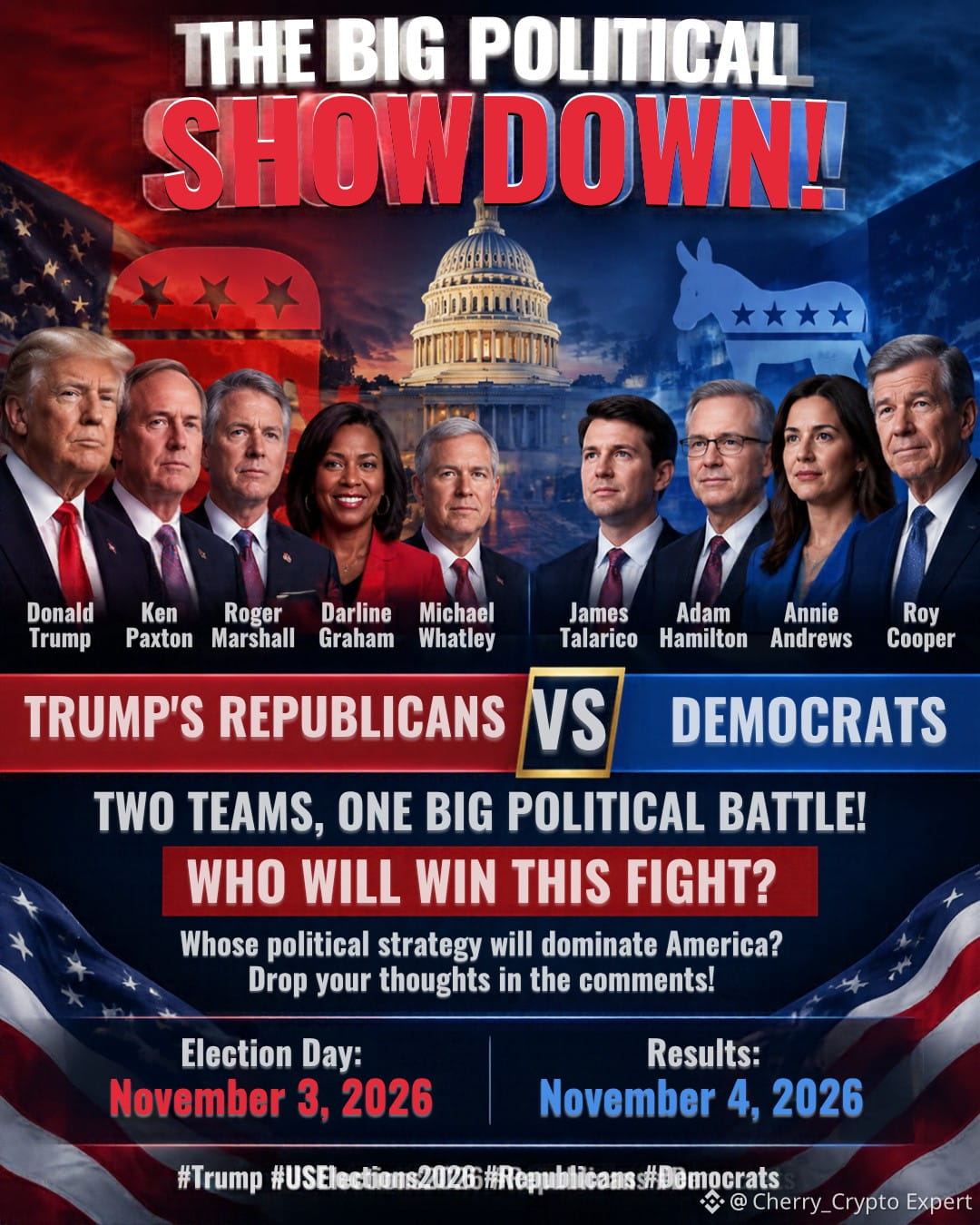
🚨 🇺🇸 المواجهة السياسية الكبرى!
جمهوريو ترامب 🆚 الديمقراطيون
🔴 الجانب الجمهوري:
- دونالد ترامب
- كين باكستون
- روجر مارشال
- دارلين غراهام
- مايكل ووتلي
🔵 الجانب الديمقراطي:
- جيمس تالاريكو
- آدم هاملتون
- آني أندروز
- روي كوبر
🥊 فريقان، ومعركة سياسية كبرى!
🔥 مَن سيفوز في هذه المواجهة؟
أيّ استراتيجية سياسية ستهيمن على أمريكا؟
شاركونا آراءكم في التعليقات! 👇
📅 يوم الانتخابات: 3 نوفمبر 2026
📅 النتائج: 4 نوفمبر 2026
$TRUMP
#Trump #USElections2026 #Republicans #democrats
532


·
--
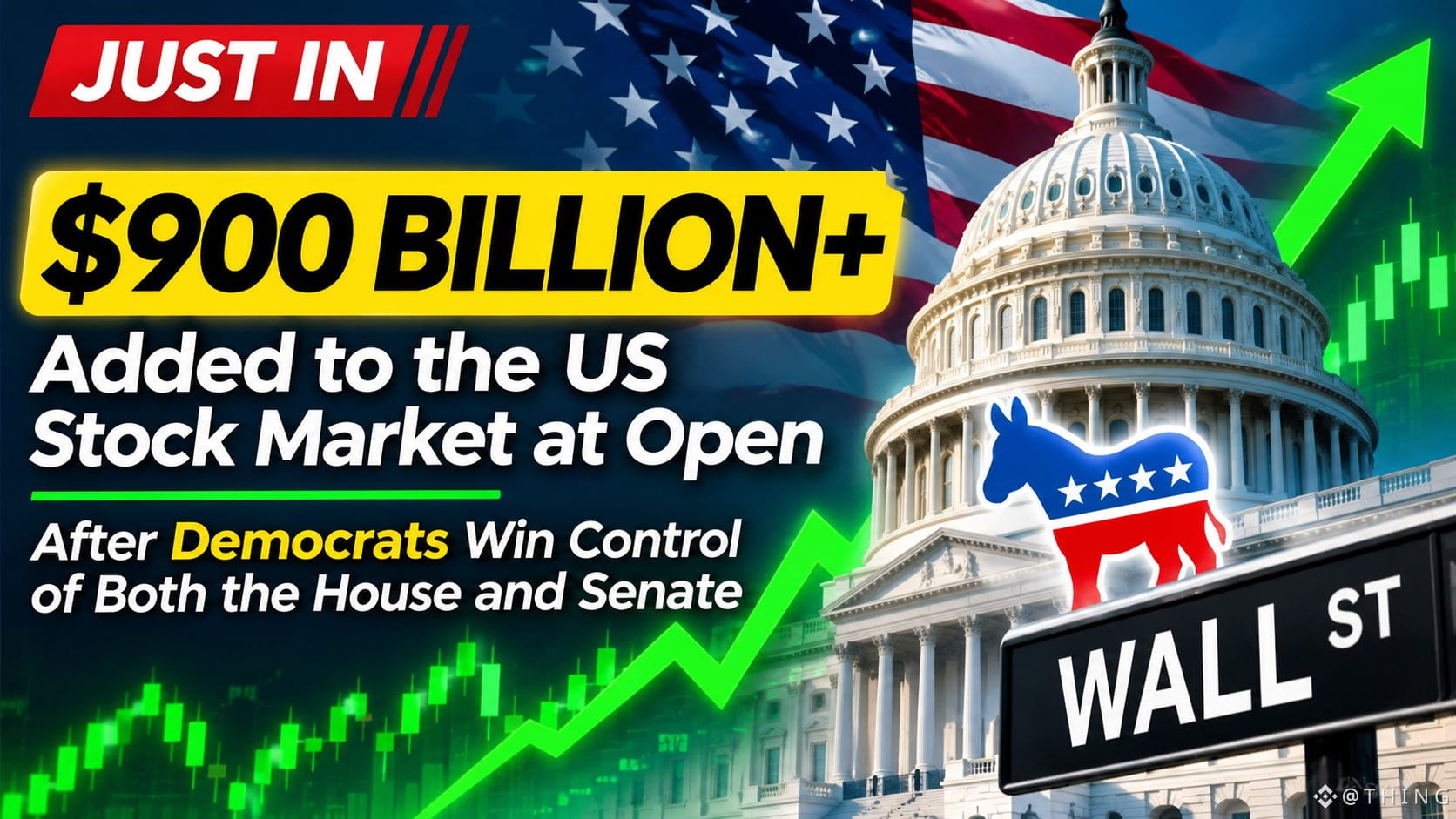
#USStockMarket 🇺🇸 عاجل: أُضيف أكثر من 900 مليار دولار إلى سوق الأسهم الأمريكية عند قرع جرس الافتتاح!
أفادت التقارير بأن الديمقراطيين فازوا بالسيطرة على كلٍّ من مجلس النواب ومجلس الشيوخ، مما أثار رد فعل كبيرًا في الأسواق.
لفت انتباهي حجم هذه الحركة. فالتغيرات السياسية يمكن أن تغيّر بسرعة معنويات المستثمرين وتوقعاتهم.
أراقب الآن كيف سيكون رد فعل وول ستريت وسوق العملات المشفرة. 📈
#Democrats #Crypto #Bitcoin
{future}(BTCUSDT)
#USStockMarket 🇺🇸 عاجل: أُضيف أكثر من 900 مليار دولار إلى سوق الأسهم الأمريكية عند قرع جرس الافتتاح!
أفادت التقارير بأن الديمقراطيين فازوا بالسيطرة على كلٍّ من مجلس النواب ومجلس الشيوخ، مما أثار رد فعل كبيرًا في الأسواق.
لفت انتباهي حجم هذه الحركة. فالتغيرات السياسية يمكن أن تغيّر بسرعة معنويات المستثمرين وتوقعاتهم.
أراقب الآن كيف سيكون رد فعل وول ستريت وسوق العملات المشفرة. 📈
#Democrats #Crypto #Bitcoin
1
14
1k

·
--
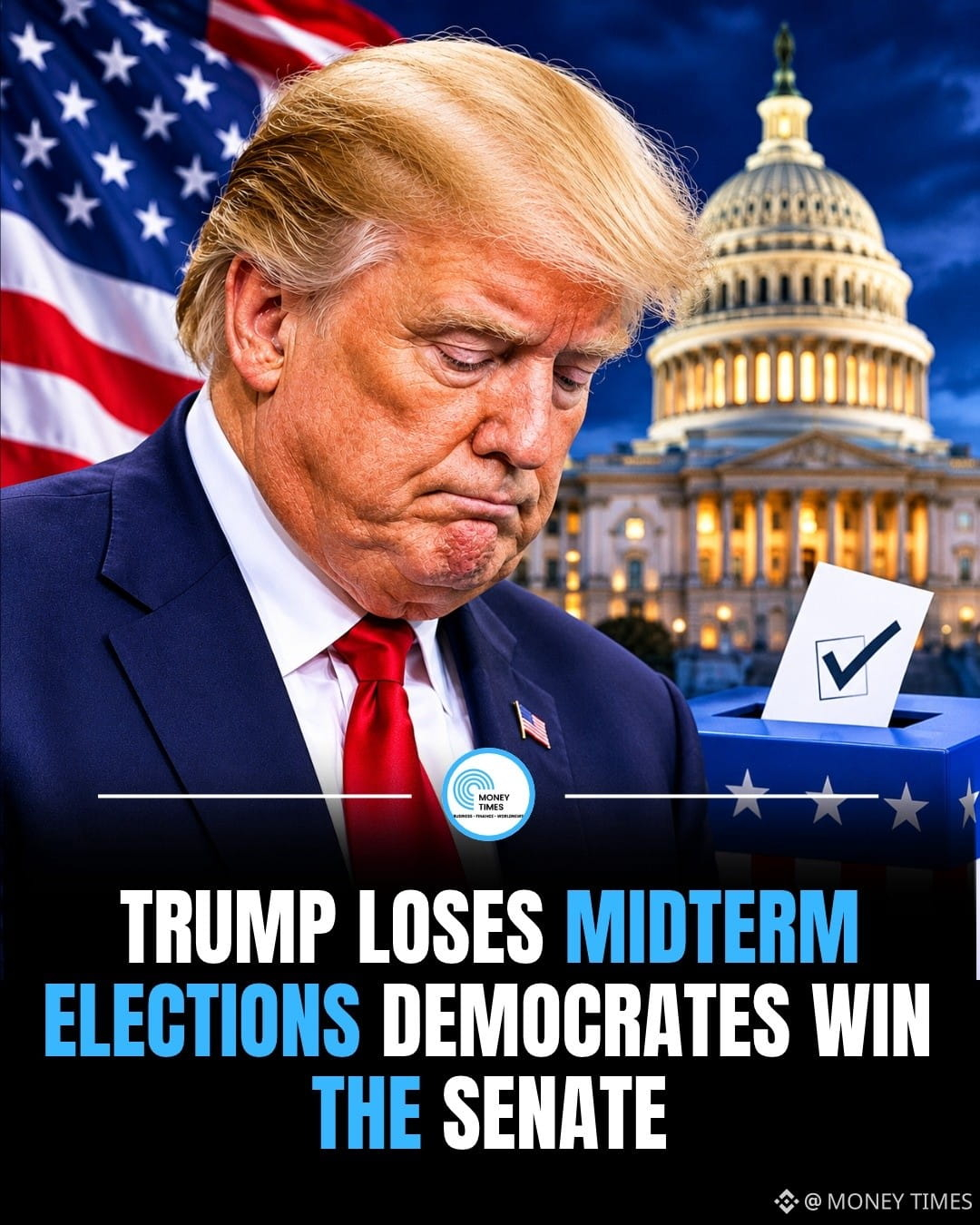
🚨 انتكاسة سياسية كبرى لدونالد ترامب! 🇺🇸
أسفرت انتخابات التجديد النصفي الأمريكية لعام 2026 عن نتيجة مذهلة. فقد ضمن الديمقراطيون السيطرة على كلٍّ من مجلس النواب ومجلس الشيوخ، في انتكاسة كبرى لترامب والحزب الجمهوري.
وقد تعيد هذه النتيجة رسم المشهد السياسي في واشنطن، وتجعل الفترة المتبقية لترامب في منصبه أكثر صعوبة بكثير.
📊 تبدأ معركة سياسية جديدة في واشنطن.
ماذا يعني هذا لمستقبل أمريكا؟ 👀
$BTC
#USMidterms #DonaldTrump #Democrats
111

·
--
ديمقراطيو مجلس الشيوخ يدعون إلى عقد جلسات استماع بشأن علاقات ترامب بالعملات المشفرة وسط...
دعا خمسة من أعضاء مجلس الشيوخ إلى إجراء جلسات استماع للجنة للتحقيق في السياسات المحتملة للرئيس الأمريكي دونالد ترامب والتي قد تتأثر بتمويل من جهات مرتبطة بالإمارات العربية المتحدة وغيرها.
تسلّط هذه التطورات الضوء على مدى السرعة التي يستمر بها مشهد الأصول الرقمية في التطور، حيث يوازن المشاركون في السوق بين التأثير المحتمل على السيولة والمعنويات والتبني عبر المنظومة.
يشير محللون إلى أن التحولات من هذا النوع غالبًا ما تمتد آثارها عبر السوق الأوسع بينما يعيد اللاعبون المؤسسيون والتجزئة تقييم مراكزهم. تميل أنشطة السلسلة وتدفقات رأس المال إلى الاستجابة بسرعة لمثل هذه العناوين.
ما إذا كان هذا يمثل اتجاهًا مستمرًا أم مجرد تحرك قصير الأجل ما يزال غير واضح، لكن ذلك يؤكد التقاطع المتزايد بين التكنولوجيا والتنظيم والتمويل الذي يشكل قطاع العملات المشفرة اليوم.
ما رأيك في هذا؟ 👇
#Crypto #Senate #Democrats
58
·
--
الديمقراطيون يدعون إلى جلسات استماع في مجلس الشيوخ بشأن أرباح التشفير الضخمة التي حققها ترامب
حثّ كبار الديمقراطيين في لجان مجلس الشيوخ الرئيسية على إجراء تحقيقات بشأن أكثر من 1.2 مليار دولار التي حققها الرئيس ترامب من العملات المشفرة العام الماضي.
تُبرز هذه التطورات مدى السرعة التي يستمر بها المشهد الخاص بالأصول الرقمية في التطور، حيث يوازن المشاركون في السوق بين التأثير المحتمل على السيولة والمعنويات والتبني عبر النظام البيئي.
يشير محللون إلى أن التحولات من هذا النوع غالبًا ما تمتد آثارها إلى السوق الأوسع، بينما يعيد كل من اللاعبين المؤسسيين وتجزئة السوق تقييم التموضع. تميل أنشطة السلسلة وتدفقات رأس المال إلى الاستجابة بسرعة لمثل هذه العناوين.
ما إذا كانت هذه علامة على اتجاه مستمر أم مجرد خطوة قصيرة الأجل، ما يزال غير واضح، لكن ذلك يؤكد تزايد التقاطع بين التكنولوجيا واللوائح والتمويل الذي يشكل قطاع العملات المشفرة اليوم.
ما رأيك في هذا؟ 👇
#Crypto #Democrats #Call
74

·
--
فاينانشيال تايمز: الحرب الأهلية بين الديمقراطيين حول إسرائيل تتفاقم
#democrats #civilwar #ISREALLLLLLLLLLLLLL🥱🤬
فاينانشيال تايمز: الحرب الأهلية بين الديمقراطيين حول إسرائيل تتفاقم
#democrats #civilwar #ISREALLLLLLLLLLLLLL🥱🤬
#democrats #civilwar #ISREALLLLLLLLLLLLLL🥱🤬
1
37

·
--
مقالة
الديمقراطيون يسيطرون على الكونغرس: ترامب يقول «لم يكن اسمي مدرجًا على ورقة الاقتراع»القصة الرئيسية
الديمقراطيون يسيطرون على الكونغرس، ورد فعل ترامب يتصدر العناوين
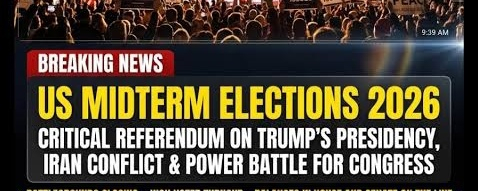
انتهت انتخابات التجديد النصفي الأمريكية لعام 2026، وأسفرت عن تحول كبير في واشنطن. فقد سيطر الديمقراطيون على كل من مجلس النواب ومجلس الشيوخ، منهين بذلك الفترة التي سيطر فيها الجمهوريون على المجلسين بالتزامن مع وجودهم في البيت الأبيض.
خلال ساعات، اتجهت الأنظار كلها إلى الرئيس دونالد ترامب. وجاء أول رد فعل له في وقت متأخر من ليلة الانتخابات عبر منصة «تروث سوشال». وكتب أنه «لم يكن اسمي مدرجًا على ورقة الاقتراع»، مجادلًا بأن الجمهوريين كانوا سيفوزون بفارق كبير لو كان اسمه مدرجًا. واختتم بكلمته المألوفة، شاكرًا الناس على اهتمامهم بالموضوع.
الديمقراطيون يسيطرون على الكونغرس: ترامب يقول «لم يكن اسمي مدرجًا على ورقة الاقتراع»
القصة الرئيسية
الديمقراطيون يسيطرون على الكونغرس، ورد فعل ترامب يتصدر العناوين
انتهت انتخابات التجديد النصفي الأمريكية لعام 2026، وأسفرت عن تحول كبير في واشنطن. فقد سيطر الديمقراطيون على كل من مجلس النواب ومجلس الشيوخ، منهين بذلك الفترة التي سيطر فيها الجمهوريون على المجلسين بالتزامن مع وجودهم في البيت الأبيض.
خلال ساعات، اتجهت الأنظار كلها إلى الرئيس دونالد ترامب. وجاء أول رد فعل له في وقت متأخر من ليلة الانتخابات عبر منصة «تروث سوشال». وكتب أنه «لم يكن اسمي مدرجًا على ورقة الاقتراع»، مجادلًا بأن الجمهوريين كانوا سيفوزون بفارق كبير لو كان اسمه مدرجًا. واختتم بكلمته المألوفة، شاكرًا الناس على اهتمامهم بالموضوع.
198
·
--
مقالة
أربع مجموعات من الناخبين أدارت ظهرها للحزب الجمهوريأيّ الناخبين غيّروا مواقفهم؟
أربع مجموعات من الناخبين أدارت ظهرها للحزب الجمهوري
تحكي كل انتخابات قصةً عمّن شاركوا في التصويت ومَن غيّروا رأيهم. ووفقًا لتغطية فوكس نيوز للانتخابات النصفية، ابتعدت أربع مجموعات رئيسية عن الحزب الجمهوري: الناخبون الشباب، والمستقلون، وسكان المناطق الريفية، والناخبون من أصول إسبانية. وربطت التغطية هذا التحول بالإحباط من الحرب مع إيران والرسوم الجمركية.
لنلقِ نظرة على أهمية كل مجموعة.
1. الناخبون الشباب. يميل الشباب إلى التصويت بمعدل أقل، لذا فإن إقبالهم الكبير على التصويت قد يقلب النتائج. وغالبًا ما تأتي قضايا مثل تكاليف المعيشة والوظائف والتهديد بالحرب في مقدمة أولوياتهم. ويُراقَب أي تحول في هذه المجموعة عن كثب، لأن العادات التي تتشكل في سن مبكرة قد تستمر لعقود.
أربع مجموعات من الناخبين أدارت ظهرها للحزب الجمهوري
أيّ الناخبين غيّروا مواقفهم؟
أربع مجموعات من الناخبين أدارت ظهرها للحزب الجمهوري
تحكي كل انتخابات قصةً عمّن شاركوا في التصويت ومَن غيّروا رأيهم. ووفقًا لتغطية فوكس نيوز للانتخابات النصفية، ابتعدت أربع مجموعات رئيسية عن الحزب الجمهوري: الناخبون الشباب، والمستقلون، وسكان المناطق الريفية، والناخبون من أصول إسبانية. وربطت التغطية هذا التحول بالإحباط من الحرب مع إيران والرسوم الجمركية.
لنلقِ نظرة على أهمية كل مجموعة.
1. الناخبون الشباب. يميل الشباب إلى التصويت بمعدل أقل، لذا فإن إقبالهم الكبير على التصويت قد يقلب النتائج. وغالبًا ما تأتي قضايا مثل تكاليف المعيشة والوظائف والتهديد بالحرب في مقدمة أولوياتهم. ويُراقَب أي تحول في هذه المجموعة عن كثب، لأن العادات التي تتشكل في سن مبكرة قد تستمر لعقود.
أربع مجموعات من الناخبين أدارت ظهرها للحزب الجمهوري
تحكي كل انتخابات قصةً عمّن شاركوا في التصويت ومَن غيّروا رأيهم. ووفقًا لتغطية فوكس نيوز للانتخابات النصفية، ابتعدت أربع مجموعات رئيسية عن الحزب الجمهوري: الناخبون الشباب، والمستقلون، وسكان المناطق الريفية، والناخبون من أصول إسبانية. وربطت التغطية هذا التحول بالإحباط من الحرب مع إيران والرسوم الجمركية.
لنلقِ نظرة على أهمية كل مجموعة.
1. الناخبون الشباب. يميل الشباب إلى التصويت بمعدل أقل، لذا فإن إقبالهم الكبير على التصويت قد يقلب النتائج. وغالبًا ما تأتي قضايا مثل تكاليف المعيشة والوظائف والتهديد بالحرب في مقدمة أولوياتهم. ويُراقَب أي تحول في هذه المجموعة عن كثب، لأن العادات التي تتشكل في سن مبكرة قد تستمر لعقود.
4
·
--
مقالة
عرض الترجمة
"Willing to Accept the Results": What Divided Government Means for AmericaAccepting the Results and What Happens Next
"Willing to Accept the Results": What Divided Government Actually Means
After the midterms, President Trump said he would accept the election results and work with Democrats, who now control both chambers of Congress. He told The New York Times he was "absolutely willing" to work with them and suggested they might find a common vision.
That sentence has real weight. Here's a simple guide to what changes now that power is split between the White House and Congress.
The House controls the money. Under the US Constitution, spending bills start in the House of Representatives. With Democrats in charge, they decide which budget proposals move forward. That means the president's spending priorities now need Democratic support, and fights over the budget could get sharper.
The Senate controls confirmations. Senior government and judicial appointments need Senate approval. A Democratic-led Senate can slow, change or block nominees.
Oversight gets serious. Committee chairs set the agenda for hearings and investigations. A Democratic majority can call officials to testify and ask hard questions about the administration's decisions, including foreign policy and economic policy.
The veto becomes the key tool. The president can veto bills, and Congress needs a two-thirds majority in both chambers to override. With margins this close, overriding a veto is hard, so many bills may stall. One report noted Trump shared an image of a cap with the word "Veto" on it, which is a strong hint at his thinking.
Debt ceiling and shutdown risks. Topics like the debt ceiling appeared in coverage of the results. Divided government has a history of tense negotiations over borrowing limits and funding deadlines. That doesn't make a crisis certain, but it raises the stakes.
So will "working together" really happen? History offers both hopeful and discouraging examples. Some divided governments in the past passed significant bipartisan laws. Others froze in standoffs. A lot depends on whether both sides see more benefit in a deal than in a fight, and on how voters reward or punish each party as the next election approaches.
One more thing is worth noticing. Trump accepted the results while also insisting the outcome would have been different if he had been on the ballot. Acceptance and a competing explanation can exist together. The first is about how the system works. The second is about political storytelling.
Whatever your politics, how this relationship develops over the next two years will shape everything from taxes to foreign policy.
Where do you think compromise is most likely?
#Trump #US #CongressInquiry #democrats #Midterms2026
"Willing to Accept the Results": What Divided Government Means for America
Accepting the Results and What Happens Next
"Willing to Accept the Results": What Divided Government Actually Means
After the midterms, President Trump said he would accept the election results and work with Democrats, who now control both chambers of Congress. He told The New York Times he was "absolutely willing" to work with them and suggested they might find a common vision.
That sentence has real weight. Here's a simple guide to what changes now that power is split between the White House and Congress.
The House controls the money. Under the US Constitution, spending bills start in the House of Representatives. With Democrats in charge, they decide which budget proposals move forward. That means the president's spending priorities now need Democratic support, and fights over the budget could get sharper.
The Senate controls confirmations. Senior government and judicial appointments need Senate approval. A Democratic-led Senate can slow, change or block nominees.
Oversight gets serious. Committee chairs set the agenda for hearings and investigations. A Democratic majority can call officials to testify and ask hard questions about the administration's decisions, including foreign policy and economic policy.
The veto becomes the key tool. The president can veto bills, and Congress needs a two-thirds majority in both chambers to override. With margins this close, overriding a veto is hard, so many bills may stall. One report noted Trump shared an image of a cap with the word "Veto" on it, which is a strong hint at his thinking.
Debt ceiling and shutdown risks. Topics like the debt ceiling appeared in coverage of the results. Divided government has a history of tense negotiations over borrowing limits and funding deadlines. That doesn't make a crisis certain, but it raises the stakes.
So will "working together" really happen? History offers both hopeful and discouraging examples. Some divided governments in the past passed significant bipartisan laws. Others froze in standoffs. A lot depends on whether both sides see more benefit in a deal than in a fight, and on how voters reward or punish each party as the next election approaches.
One more thing is worth noticing. Trump accepted the results while also insisting the outcome would have been different if he had been on the ballot. Acceptance and a competing explanation can exist together. The first is about how the system works. The second is about political storytelling.
Whatever your politics, how this relationship develops over the next two years will shape everything from taxes to foreign policy.
Where do you think compromise is most likely?
#Trump #US #CongressInquiry #democrats #Midterms2026
7

·
--
صاعد
🇺🇸 انتخابات التجديد النصفي الأمريكية: الديمقراطيون يتصدرون! 👀
يقول ترامب إنه مستعد للعمل مع الديمقراطيين، مدعيًا أنه كان سيفوز بفارق ساحق لو كان اسمه مدرجًا على ورقة الاقتراع. 😂
تحول سياسي كبير في واشنطن! ما رأيكم في النتائج؟
{spot}(TRUMPUSDT)
{spot}(BNBUSDT)
#TRUMP #USElections #Democrats #Politics #BNB
🇺🇸 انتخابات التجديد النصفي الأمريكية: الديمقراطيون يتصدرون! 👀
يقول ترامب إنه مستعد للعمل مع الديمقراطيين، مدعيًا أنه كان سيفوز بفارق ساحق لو كان اسمه مدرجًا على ورقة الاقتراع. 😂
تحول سياسي كبير في واشنطن! ما رأيكم في النتائج؟
#TRUMP #USElections #Democrats #Politics #BNB
يقول ترامب إنه مستعد للعمل مع الديمقراطيين، مدعيًا أنه كان سيفوز بفارق ساحق لو كان اسمه مدرجًا على ورقة الاقتراع. 😂
تحول سياسي كبير في واشنطن! ما رأيكم في النتائج؟
#TRUMP #USElections #Democrats #Politics #BNB
548
·
--
صاعد
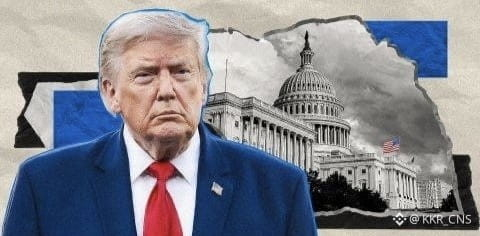
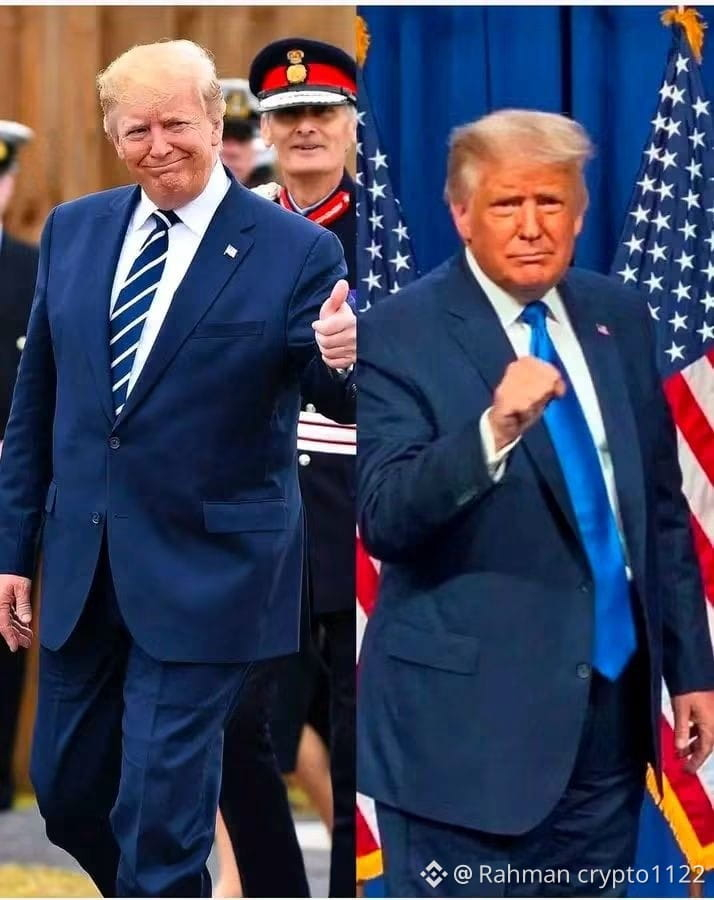
🇺🇸 لا يزال ترامب رئيسًا، لكن سيطرة الديمقراطيين على الكونغرس قد تحدّ بشكل كبير من أجندته!
سيبقى دونالد ترامب في البيت الأبيض، لكن نتائج انتخابات التجديد النصفي الأمريكية لعام 2026 غيّرت بشكل جذري ميزان القوى السياسي في واشنطن.
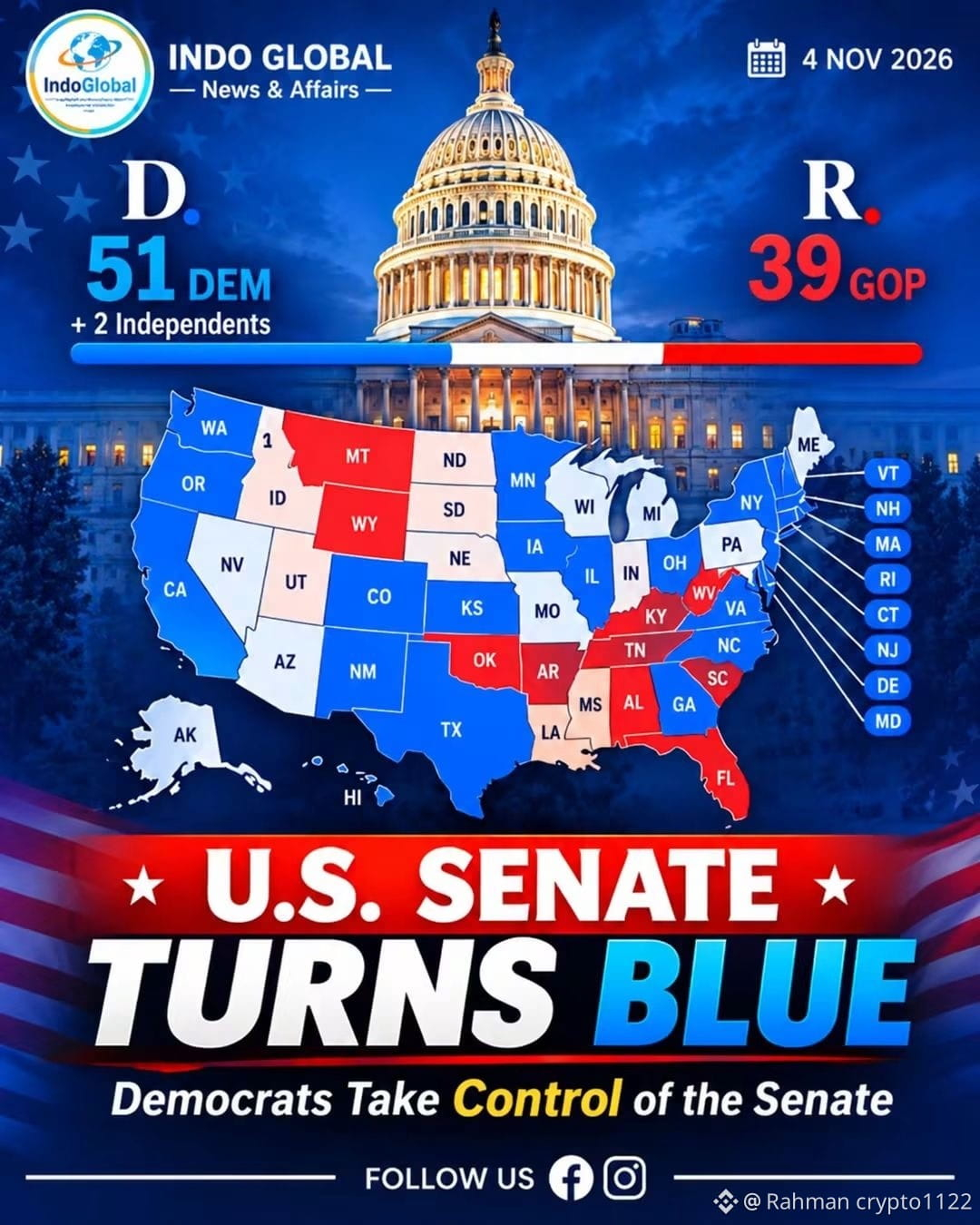
وبحسب التقارير، تمكّن الديمقراطيون من بسط سيطرتهم على كل من مجلس النواب ومجلس الشيوخ، ما يخلق تحديات كبيرة أمام ترامب خلال العامين المتبقيين من ولايته.
ما الذي سيتغير الآن؟
1️⃣ عقبات تشريعية: ستحتاج مشاريع القوانين الرئيسية التي يدعمها ترامب إلى تأييد الديمقراطيين كي تمرّ عبر مجلسَي الكونغرس.
2️⃣ ضغوط على الميزانية: يتحكم الكونغرس في الإنفاق والاعتمادات الفيدرالية، ما يمنح الديمقراطيين نفوذًا كبيرًا على تمويل البرامج والسياسات التي يقترحها ترامب.
3️⃣ العزل والتحقيقات: يستطيع الديمقراطيون إطلاق تحقيقات في الكونغرس وبدء إجراءات العزل. لكن عزل ترامب يتطلب تصويتًا بأغلبية الثلثين في مجلس الشيوخ.
4️⃣ التعيينات القضائية: قد تواجه ترشيحات الرئيس للقضاة الفيدراليين والمسؤولين الرئيسيين الذين يتطلب تعيينهم موافقة مجلس الشيوخ تدقيقًا أشد واحتمال رفضها.
5️⃣ تحديات السياسة الخارجية: يستطيع الكونغرس التأثير في التشريعات التجارية والمساعدات الخارجية والتمويل العسكري، ما قد يجعل تنفيذ أجندة ترامب الدولية أكثر صعوبة.
6️⃣ الأوامر التنفيذية: يحتفظ ترامب بصلاحية إصدار الأوامر التنفيذية، لكن يمكن الطعن فيها أمام المحاكم الفيدرالية، وقد تُمنع إذا تبيّن أنها غير دستورية أو غير قانونية.
الصورة الأكبر:
لا يزال ترامب رئيسًا ويحتفظ بصلاحيات تنفيذية واسعة. لكن سيطرة الديمقراطيين على المجلسين قد تجعل الحكم أكثر صعوبة بكثير، وتزيد من الرقابة التي يمارسها الكونغرس، وتؤدي إلى فترة من المواجهة السياسية في واشنطن.
لذلك، قد يصبح العامان المتبقيان من رئاسة ترامب اختبارًا كبيرًا لنظام الضوابط والتوازنات في الولايات المتحدة.
🇺🇸 بارك الله أمريكا!
#DonaldTrump #USPolitics #USMidterms2026 #Democrats #Republicans
$RAY $XAG $BTC
242

·
--
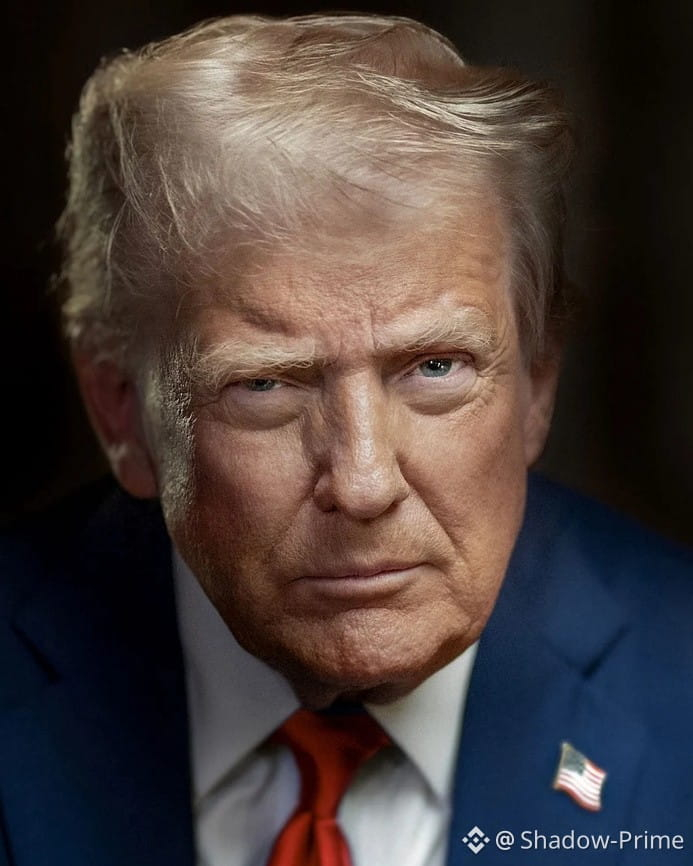
🇺🇸 الديمقراطيون يصنعون التاريخ في انتخابات التجديد النصفي لعام 2026!
شهدت انتخابات التجديد النصفي الأمريكية لعام 2026 تحولًا كبيرًا في المشهد السياسي في واشنطن.
أفادت التقارير بأن الديمقراطيين فازوا بسبعة مقاعد في مجلس الشيوخ كانت يشغلها الجمهوريون، كما سيطروا على مجلسي الكونغرس.
شهدت عدة ولايات لطالما كانت جمهورية، منها تكساس وكانساس وآيوا وكارولاينا الشمالية، تغييرات كبيرة في نتائج الانتخابات.
أبدى الرئيس دونالد ترامب استعداده للعمل مع الديمقراطيين. لكنه قال أيضًا إن الجمهوريين كانوا سيحققون فوزًا أكبر بكثير لو كان اسمه مدرجًا شخصيًا على ورقة الاقتراع.
وبما أن الديمقراطيين باتوا يسيطرون على مجلسي الكونغرس، فقد تواجه أولويات ترامب التشريعية معارضة أكبر خلال العامين المقبلين.
تدخل واشنطن فصلًا سياسيًا جديدًا. 👀🇺🇸
#انتخابات_التجديد_النصفي_الأمريكية_2026 #السياسة_الأمريكية #DonaldTrump #democrats #RepublicansVsDemocrats #CongressNews #ElectionNews
{future}(TRUMPUSDT)
🇺🇸 الديمقراطيون يصنعون التاريخ في انتخابات التجديد النصفي لعام 2026!
شهدت انتخابات التجديد النصفي الأمريكية لعام 2026 تحولًا كبيرًا في المشهد السياسي في واشنطن.
أفادت التقارير بأن الديمقراطيين فازوا بسبعة مقاعد في مجلس الشيوخ كانت يشغلها الجمهوريون، كما سيطروا على مجلسي الكونغرس.
شهدت عدة ولايات لطالما كانت جمهورية، منها تكساس وكانساس وآيوا وكارولاينا الشمالية، تغييرات كبيرة في نتائج الانتخابات.
أبدى الرئيس دونالد ترامب استعداده للعمل مع الديمقراطيين. لكنه قال أيضًا إن الجمهوريين كانوا سيحققون فوزًا أكبر بكثير لو كان اسمه مدرجًا شخصيًا على ورقة الاقتراع.
وبما أن الديمقراطيين باتوا يسيطرون على مجلسي الكونغرس، فقد تواجه أولويات ترامب التشريعية معارضة أكبر خلال العامين المقبلين.
تدخل واشنطن فصلًا سياسيًا جديدًا. 👀🇺🇸
#انتخابات_التجديد_النصفي_الأمريكية_2026 #السياسة_الأمريكية #DonaldTrump #democrats #RepublicansVsDemocrats #CongressNews #ElectionNews
285
·
--
صاعد
تمّ التحقق
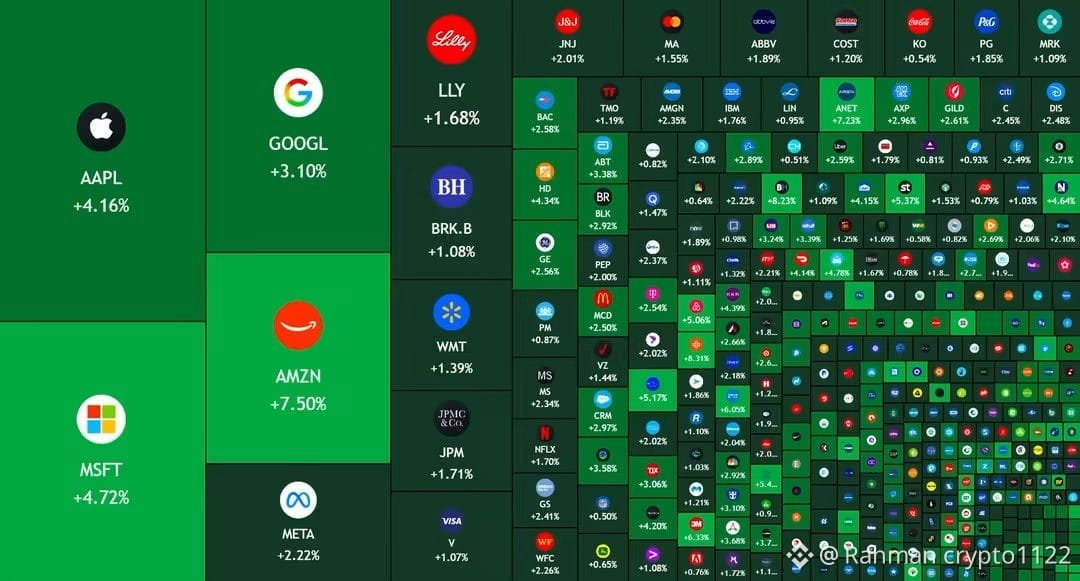
🚨🇺🇸 عاجل: أسهم وول ستريت ترتفع مع وصول مؤشر S&P 500 إلى 7,700 — وإضافة أكثر من 1.1 تريليون دولار إلى القيمة السوقية!
تشهد الأسهم الأمريكية ارتفاعًا، بحسب التقارير، إذ بلغ مؤشر S&P 500 مستوى 7,700، وأضافت القيمة السوقية أكثر من 1.1 تريليون دولار خلال جلسة تداول واحدة.
ويأتي هذا الارتفاع، بحسب التقارير، وسط تطورات سياسية كبرى أعقبت انتخابات التجديد النصفي الأمريكية لعام 2026، حيث أفادت التقارير بأن الديمقراطيين تمكنوا من السيطرة على مجلسي الكونغرس.
وسيراقب المستثمرون عن كثب الآن كيف يمكن لموازين القوى الجديدة في واشنطن أن تؤثر في السياسة الاقتصادية وثقة الشركات والضرائب واللوائح التنظيمية والأسواق المالية.
تحرك تاريخي في السوق — لكن هل سيستمر الزخم؟
#SP500 #WallStreet #USStockMarket #USMidterms2026 #Democrats #StockMarket #الاستثمار #الأسواق_العالمية
$AAPLB $MSFTB $AMZNB
ينبغي التحقق بشكل مستقل من أرقام السوق والنتيجة السياسية المذكورة. هذه ليست نصيحة مالية.
123
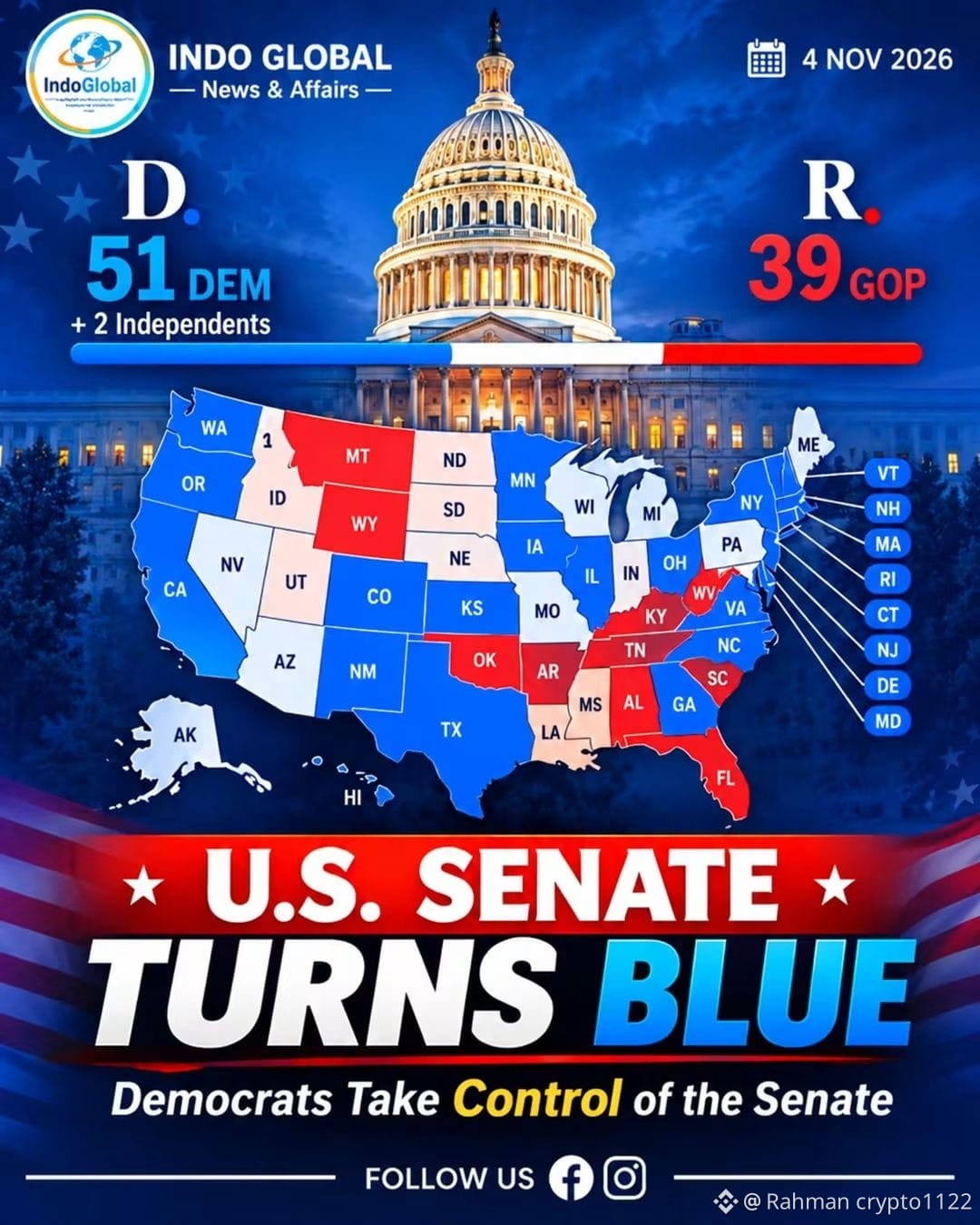
🇺🇸 الديمقراطيون يفوزون بمجلس الشيوخ الأمريكي! والجمهوريون يفقدون السيطرة في هزيمة مدوية بانتخابات التجديد النصفي!
استعاد الديمقراطيون السيطرة على مجلس الشيوخ الأمريكي عقب انتخابات التجديد النصفي التي أُجريت في 3 نوفمبر 2026، منهين بذلك الأغلبية الجمهورية، ومُحدثين تحولًا سياسيًا كبيرًا في واشنطن.
حقق الديمقراطيون انتصارات كبيرة في ولايات تُعد تقليديًا معاقل للجمهوريين، ومنها تكساس وكانساس وكارولاينا الجنوبية، كما انتزعوا مقاعد مهمة في كارولاينا الشمالية وأوهايو.
قد تُعيد هذه النتيجة رسم المشهد السياسي بشكل كبير خلال العامين الأخيرين من ولاية الرئيس دونالد ترامب، إذ تمنح الديمقراطيين نفوذًا أكبر لمراقبة إدارته، والتأثير في التشريعات، ومواجهة أجندة الجمهوريين.
ومع انتقال السيطرة على مجلس الشيوخ إلى طرف آخر، تدخل واشنطن مرحلة جديدة من الغموض السياسي.
📌 المصدر: أسوشيتد برس (AP)، ورويترز، والجزيرة — 4 نوفمبر 2026.
#USMidterms2026 #USSenate #Democrats #Republicans #DonaldTrump
$BMT $HOT $BZ.US
BULL STANDARD:
- Россия получит больше опыта по работе ПВО, а россиянин - нефть.
- Европа получит больше опыта с работой "5 статьи" НАТО .
- Украина получит больше инструментов для деокупации своих территорий .
- США получит больше нефти, тем самы стабилизирует инфляцию, посредством закрытия "вопроса" с Ираном.
Все получат своё .
2
1.9k

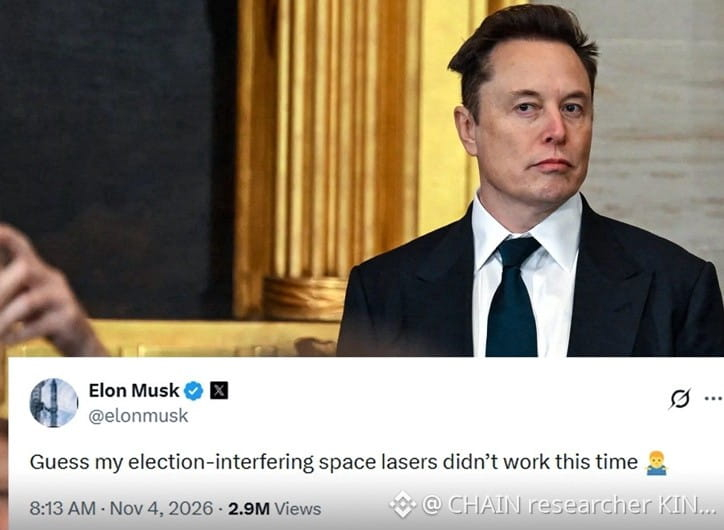
🔴 مقامرة إيلون ماسك البالغة 445 مليون دولار تفشل!
كان رد فعل إيلون ماسك على انتكاسة الجمهوريين في انتخابات التجديد النصفي الأمريكية لعام 2026 مثيرًا للاهتمام. 😂
بعدما أفادت التقارير بأنه أنفق نحو 445 مليون دولار لدعم المرشحين الجمهوريين، نشر الملياردير تعليقًا ساخرًا على منصة X، بشأن ليزراته الفضائية المزعومة للتدخل في الانتخابات، والتي لم تنجح هذه المرة.
لكن القصة لا تنتهي هنا.
🇺🇸 تمكن الديمقراطيون من السيطرة على مجلسي النواب والشيوخ، في انتكاسة سياسية كبيرة لدونالد ترامب والجمهوريين.
📍 وتكساس وجهت ضربة كبيرة أخرى:
* هزم الديمقراطي جيمس تالاريكو كين باكستون في سباق مجلس الشيوخ.
* فازت جينا هينوجوسا بسباق حاكم ولاية تكساس على غريغ أبوت.
كما مازح ماسك قائلًا إن بناء مراكز البيانات في الفضاء يبدو خيارًا جذابًا أكثر فأكثر.
ثمة أمر واحد واضح: يمكن للمال التأثير في السياسة، لكنه لا يضمن الأصوات.
هل يمكن لهذا الانتصار الديمقراطي أن يعيد تشكيل سياسة الولايات المتحدة بشأن الذكاء الاصطناعي وشركات التكنولوجيا الكبرى ومصالح ماسك التجارية؟
ما رأيكم؟ 👀
#ElonMusk #USMidterms #DonaldTrump #Democrats #الجمهوريون
GabyCodina:
primero Brasil e Israel pusieron freno al fascinó, ahora EEUU y en los próximos días le toca a España, protestas en Alemania, Suiza, Países Bajos... y más países en Europa, creo que lo que no se tolera más es que tomen de estúpidos a los pueblos con las redes sociales y que tarde o temprano hay que redistribuir riquezas
1
1
219

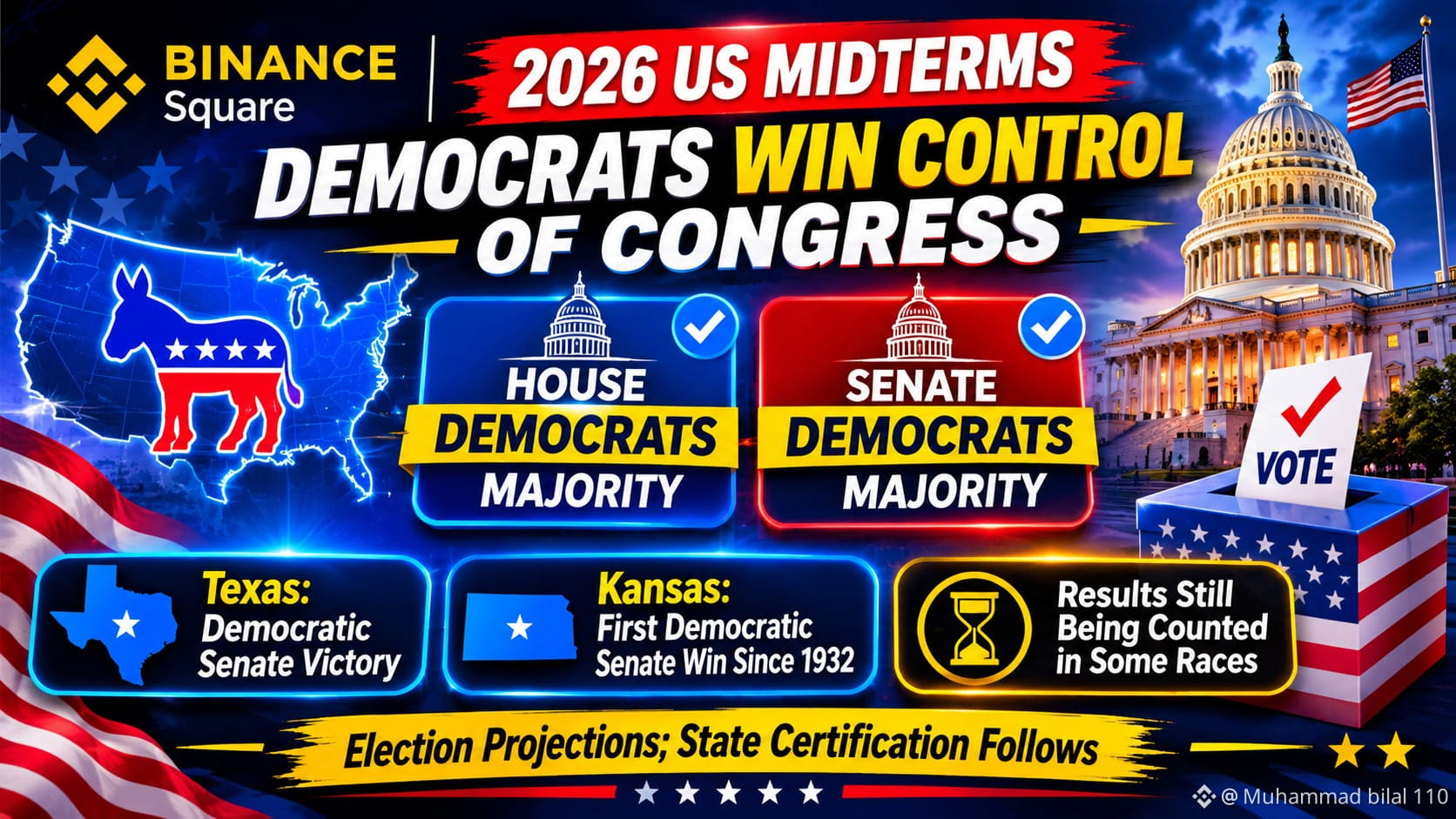
🚨 عاجل: الديمقراطيون يصنعون التاريخ في انتخابات التجديد النصفي الأمريكية لعام 2026!
أسفرت انتخابات التجديد النصفي الأمريكية لعام 2026 عن مفاجأة سياسية كبرى، إذ بسط الديمقراطيون سيطرتهم على مجلسي الكونغرس.
إليكم أبرز التطورات:
🇺🇸 1. الديمقراطيون يسيطرون على الكونغرس أحكم الديمقراطيون قبضتهم على مجلسي النواب والشيوخ، مما غيّر موازين القوى السياسية في واشنطن.
🔥 2. تكساس تصنع التاريخ هزم الديمقراطي جيمس تالاريكو الجمهوري كين باكستون، منهياً سلسلة انتصارات جمهورية في انتخابات مجلس الشيوخ بتكساس امتدت 38 عاماً.
📊 3. كانساس تكسر رقماً قياسياً دام 94 عاماً فاز الديمقراطي آدم هاميلتون بسباق مجلس الشيوخ في كانساس، محققاً أول انتصار للديمقراطيين في انتخابات مجلس الشيوخ بالولاية منذ عام 1932.
🏛️ 4. تحول سياسي كبير حقق الديمقراطيون أيضاً مكاسب كبيرة في ولايات أخرى تميل تقليدياً إلى الجمهوريين، منها كارولاينا الجنوبية وأيوا.
⚡ ماذا يحدث بعد ذلك؟
قد يجعل توازن القوى الجديد في الكونغرس من الأصعب على الرئيس دونالد ترامب تمرير أجندته التشريعية دون التفاوض مع الديمقراطيين.
📌 الصورة الأوسع: تُظهر هذه النتائج مدى قدرة أولويات الناخبين على إعادة تشكيل المشهد السياسي.
💬 ما رأيكم في دلالات نتائج الانتخابات هذه على مستقبل أمريكا؟
#USMidterms #USElections2026 #DonaldTrump #Democrats #الجمهوريون #PoliticalNews #BinanceSquare
206
سجّل الدخول لاستكشاف المزيد من المُحتوى
انضم إلى مُستخدمي العملات الرقمية حول العالم على Binance Square
⚡️ احصل على أحدث المعلومات المفيدة عن العملات الرقمية.
💬 موثوقة من قبل أكبر منصّة لتداول العملات الرقمية في العالم.
👍 اكتشف الرؤى الحقيقية من صنّاع المُحتوى الموثوقين.
البريد الإلكتروني / رقم الهاتف
المواضيع الرائجة
1
#BinanceReopensWithdrawalsForMoreAssets
774,484 مشاهدات
4,284 يقومون بالنقاش
2
#Binance98PercentReplenished
143,808 مشاهدات
1,659 يقومون بالنقاش
3
#USStocksSlipandCryptoMarketUnderBroadPressure
687 مشاهدات
103 يقومون بالنقاش
4
#StrategySTRCResumesIssuanceAfterOver170Days
13,746 مشاهدات
339 يقومون بالنقاش
5
#ADPUSPrivateEmployersAdd86000JobsInOctober
29,247 مشاهدات
501 يقومون بالنقاش
6
#KazakhstanReportedlyInvests$100MInCryptoFunds
1,209 مشاهدات
42 يقومون بالنقاش
7
#SouthKoreaSeeksCryptoTaxDelayUntil2029
17,161 مشاهدات
222 يقومون بالنقاش
8
#USMidterms-WhatAreMarketsExpecting?
580,094 مشاهدات
2,823 يقومون بالنقاش
9
#US10YearTreasuryYieldFallsTo4.845%
19,373 مشاهدات
167 يقومون بالنقاش
10
#ZcashExpectsNU7ToMake$16MSproutZECInaccessible
1,226 مشاهدات
18 يقومون بالنقاش