Binance Square
#delio

delio

6,022 مشاهدات
10 يقومون بالنقاش
LIVE
小恐龙说趋势
·
--
القاضي الكوري يضرب بمطرقة واحدة: مدير سوق العملات المشفرة (Delio) — حكم بالسجن 15 سنة حكمت محكمة كورية على مسؤول Delio بالسجن 15 عاماً. وسبب الحكم هو تهمة الاستيلاء على الأصول الرقمية لـ أكثر من 1100 عميل. وتبلغ قيمة القضية على مستوى 50 مليون دولار. هذه ليست قضية صغيرة. إنها واحدة من أكبر الكوارث التي شهدتها منصة كوريا الأكبر لإقراض العملات المشفرة. في ذلك الوقت، دخل إلى المنصة كثيرون بعدما أغرتهم عوائد مرتفعة. ثم ما إن أعلنت المنصة “انفجارها” حتى اختفى كل شيء. كانت أموال العملاء ببساطة “ذهبت”. واليوم، تستخدم المحكمة مدة حكم 15 عاماً لتقول للجميع: إن التلاعب بأموال العملاء يعني التلاعب بحريتك أنت. في كوريا خلال السنتين الأخيرتين، صار التعامل مع منصات العملات المشفرة أكثر صرامة. من منصات التداول إلى منصات الإقراض—من يلعب بالحيل سيدخل السجن. ويمثل هذا الحكم مثالاً يردع غيره؛ إذ جاء أشد من كثير من الجرائم العنيفة. يعتقد البعض أن الحكم كان قاسياً. لكن هارموني ترى أن الأمر كان “بالضبط”. أسوأ ما يخشاه السوق المالي هو أن تُستَحَلّ الأموال ثم يخرج المتورطون بأمان. وهذا يعادل تشجيع الجميع على الاحتيال. في الحقيقة، درس Delio ثمين جداً للمستخدم العادي. أي منصة ترفع شعار “عائد ثابت وعالٍ” على لسانها، يجب أن تسأل نفسك سؤالاً إضافياً: من أين تأتي هذه الأموال؟ البنوك لديها تأمين على الودائع، بينما منصات الإقراض في عالم العملات المشفرة لا توفر ذلك. عندما تدخل أموالك جيب المنصة، فيما تُصرف الأموال—ما الذي ستشتريه—أنت عملياً لا تملك السيطرة عليه. كلما كانت الساحة بلا رقابة، كلما وجب عليك أن تكون أكثر يقظة. العائد المرتفع لم يكن أبداً “غداءً مجانياً”. إنه مقامرة محددة السعر مسبقاً. تذكّر: كلما كان العائد أكثر ثباتاً، كان الخطر أكثر خفاءً. وعليك أن تكون أكثر حذراً. هل ما زلت تجرؤ على إيداع عملاتك في منصة إقراض لتأخذ الفائدة؟ انقر على صورة الملف الشخصي لمشاهدة البث المباشر كل يوم سأرشدك لمتابعة أهم القضايا التنظيمية—ليس فقط لمعرفة ما الذي حدث في الأخبار، بل أيضاً لفهم المنطق والفرص الكامنة وراء ذلك 👉🦖 #Delio #الرقابة_الكورية
القاضي الكوري يضرب بمطرقة واحدة: مدير سوق العملات المشفرة (Delio) — حكم بالسجن 15 سنة

حكمت محكمة كورية على مسؤول Delio بالسجن 15 عاماً. وسبب الحكم هو تهمة الاستيلاء على الأصول الرقمية لـ أكثر من 1100 عميل. وتبلغ قيمة القضية على مستوى 50 مليون دولار.

هذه ليست قضية صغيرة. إنها واحدة من أكبر الكوارث التي شهدتها منصة كوريا الأكبر لإقراض العملات المشفرة. في ذلك الوقت، دخل إلى المنصة كثيرون بعدما أغرتهم عوائد مرتفعة. ثم ما إن أعلنت المنصة “انفجارها” حتى اختفى كل شيء. كانت أموال العملاء ببساطة “ذهبت”.

واليوم، تستخدم المحكمة مدة حكم 15 عاماً لتقول للجميع: إن التلاعب بأموال العملاء يعني التلاعب بحريتك أنت.

في كوريا خلال السنتين الأخيرتين، صار التعامل مع منصات العملات المشفرة أكثر صرامة. من منصات التداول إلى منصات الإقراض—من يلعب بالحيل سيدخل السجن. ويمثل هذا الحكم مثالاً يردع غيره؛ إذ جاء أشد من كثير من الجرائم العنيفة.

يعتقد البعض أن الحكم كان قاسياً. لكن هارموني ترى أن الأمر كان “بالضبط”. أسوأ ما يخشاه السوق المالي هو أن تُستَحَلّ الأموال ثم يخرج المتورطون بأمان. وهذا يعادل تشجيع الجميع على الاحتيال.

في الحقيقة، درس Delio ثمين جداً للمستخدم العادي. أي منصة ترفع شعار “عائد ثابت وعالٍ” على لسانها، يجب أن تسأل نفسك سؤالاً إضافياً: من أين تأتي هذه الأموال؟

البنوك لديها تأمين على الودائع، بينما منصات الإقراض في عالم العملات المشفرة لا توفر ذلك. عندما تدخل أموالك جيب المنصة، فيما تُصرف الأموال—ما الذي ستشتريه—أنت عملياً لا تملك السيطرة عليه.

كلما كانت الساحة بلا رقابة، كلما وجب عليك أن تكون أكثر يقظة. العائد المرتفع لم يكن أبداً “غداءً مجانياً”. إنه مقامرة محددة السعر مسبقاً.

تذكّر: كلما كان العائد أكثر ثباتاً، كان الخطر أكثر خفاءً. وعليك أن تكون أكثر حذراً.

هل ما زلت تجرؤ على إيداع عملاتك في منصة إقراض لتأخذ الفائدة؟

انقر على صورة الملف الشخصي لمشاهدة البث المباشر
كل يوم سأرشدك لمتابعة أهم القضايا التنظيمية—ليس فقط لمعرفة ما الذي حدث في الأخبار، بل أيضاً لفهم المنطق والفرص الكامنة وراء ذلك 👉🦖
#Delio #الرقابة_الكورية
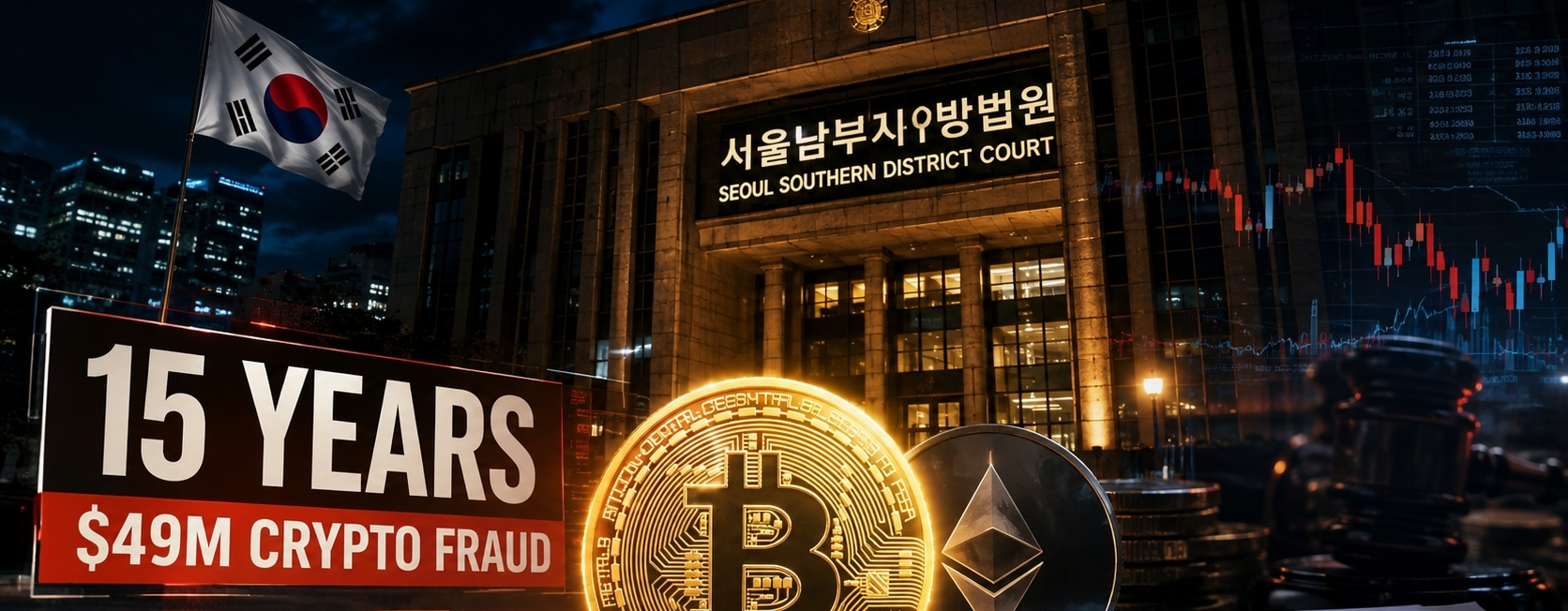
الرئيس التنفيذي لشركة ديليو يحصل على 15 عامًا مقابل 49 مليون دولار للاحتيال في العملات المشفرة ⚖️📉 محكمة سيول الجنوبية اعتلت منصتها للتنفيذ الصارم—فالرئيس التنفيذي لشركة ديليو يواجه عقوبة 15 عامًا للاحتيال على العملاء بحوالي 49.3 مليون دولار من الأصول المشفرة. يُزعم أن جونغ سانغ-هو زور “ترخيصًا” لتداول الأصول الافتراضية أثناء تشغيل ما بدا كـ “بنك أصول رقمية” شرعي. 💼 والسيناريو دائمًا هو نفسه: جمع الودائع، ثم تجميد عمليات السحب عندما يتوقف العزف. جمدت ديليو أموال العملاء في يونيو 2023، وقدمت إفلاسًا في نوفمبر 2024، وتم توجيه الاتهام إلى جونغ في أبريل 2025. وأشارت المحكمة إلى أن خسائر الضحايا ستكون صعبة الاسترداد، بينما لم تكن هناك مطالبة منفصلة بقيمة 175 مليون دولار ضمن هذه العقوبة. 🏛️ هذه تشريح لِـ “مصيدة السيولة” مرتدية ثوب الشرعية المؤسسية. عندما تبدو العوائد مبالغًا فيها جدًا والبنية غامضة، نادرًا ما تكون سيولة الخروج في صفك. 🔍 هل تمنع عقوبة 15 عامًا بالفعل هذا النوع من الاحتيال، أم أننا بحاجة إلى إطار مساءلة مختلف جذريًا؟ ⚠️ ليست نصيحة مالية. دائمًا أدرِك مخاطرَك. 🛡️ 🏷️ #DELIO #CryptoFraud #CryptoNews #Regulation #SmartMoney 🤔📊
الرئيس التنفيذي لشركة ديليو يحصل على 15 عامًا مقابل 49 مليون دولار للاحتيال في العملات المشفرة ⚖️📉

محكمة سيول الجنوبية اعتلت منصتها للتنفيذ الصارم—فالرئيس التنفيذي لشركة ديليو يواجه عقوبة 15 عامًا للاحتيال على العملاء بحوالي 49.3 مليون دولار من الأصول المشفرة. يُزعم أن جونغ سانغ-هو زور “ترخيصًا” لتداول الأصول الافتراضية أثناء تشغيل ما بدا كـ “بنك أصول رقمية” شرعي. 💼

والسيناريو دائمًا هو نفسه: جمع الودائع، ثم تجميد عمليات السحب عندما يتوقف العزف. جمدت ديليو أموال العملاء في يونيو 2023، وقدمت إفلاسًا في نوفمبر 2024، وتم توجيه الاتهام إلى جونغ في أبريل 2025. وأشارت المحكمة إلى أن خسائر الضحايا ستكون صعبة الاسترداد، بينما لم تكن هناك مطالبة منفصلة بقيمة 175 مليون دولار ضمن هذه العقوبة. 🏛️

هذه تشريح لِـ “مصيدة السيولة” مرتدية ثوب الشرعية المؤسسية. عندما تبدو العوائد مبالغًا فيها جدًا والبنية غامضة، نادرًا ما تكون سيولة الخروج في صفك. 🔍

هل تمنع عقوبة 15 عامًا بالفعل هذا النوع من الاحتيال، أم أننا بحاجة إلى إطار مساءلة مختلف جذريًا؟

⚠️ ليست نصيحة مالية. دائمًا أدرِك مخاطرَك. 🛡️

🏷️ #DELIO #CryptoFraud #CryptoNews #Regulation #SmartMoney

🤔📊
مقالة
عرض الترجمة
South Korea Jails Delio CEO for 15 Years Over $49M Crypto FraudSouth Korea has delivered a major legal blow to the country’s cryptocurrency industry after a Seoul court sentenced Delio CEO Jeong Sang-ho to 15 years in prison over a crypto fraud case involving approximately 70 billion Korean won, or about $49.2 million. The ruling comes more than three years after Delio abruptly suspended customer withdrawals, leaving users unable to access their digital assets. The case has attracted significant attention because Delio operated as a crypto deposit and lending platform, offering customers services involving major digital assets. Its products included Bitcoin (BTC), Ethereum (ETH), XRP and USDT. Rather than being a case focused on a single cryptocurrency, the controversy concerns the management of customer crypto assets across the platform. A 15-Year Prison Sentence The Seoul Southern District Court’s 11th Criminal Division sentenced Jeong Sang-ho to 15 years in prison. The court also ordered his immediate detention, reportedly citing concerns that he could flee. Prosecutors had requested a longer sentence of 20 years, arguing that the defendant’s actions caused substantial losses to a large number of customers. The court’s final ruling was narrower than the prosecution’s original case. Prosecutors had initially alleged fraud involving around 250 billion won, equivalent to approximately $175.6 million, and around 2,800 victims. However, the court ruled that key evidence obtained through a search and seizure of a server operator had been illegally collected. As a result, the court did not uphold the primary fraud charge at that amount. Instead, Jeong was convicted on alternative charges involving approximately 70 billion won in virtual assets and more than 1,000 victims. One report identified the number of affected victims in the recognized fraud amount as 1,078. What Happened to Delio? Delio had positioned itself as a cryptocurrency financial-services company in South Korea. Its services included deposits, lending and other digital-asset products. The company promoted crypto-based financial services involving major cryptocurrencies, including Bitcoin, Ethereum and XRP, while also offering products connected to USDT. Before the collapse, Delio was a significant participant in South Korea’s crypto lending market. The company said its services had processed large amounts of digital assets, including Bitcoin and Ether. This helped establish Delio as a recognizable name among South Korean crypto users. However, the situation changed dramatically in June 2023. On June 13, 2023, crypto investment platform Haru Invest suspended deposits and withdrawals. The following day, Delio also halted customer withdrawals. Delio pointed to its exposure and relationship with Haru as a major factor behind the withdrawal suspension. The move immediately created concerns among customers who were unable to access their cryptocurrency. The withdrawal freeze became a turning point for Delio. Customers who had trusted the platform with their digital assets suddenly faced uncertainty about when, or whether, they would be able to recover their funds. Why Bitcoin and Ethereum Matter in the Case Although the court case is not centered on a single cryptocurrency, Bitcoin and Ethereum are particularly relevant because they were among the major assets supported by Delio’s services. Delio previously promoted lending products based on Bitcoin and Ethereum. It later expanded its lending products to include XRP and USDT. The company described these four assets as important components of its crypto lending business. Bitcoin, commonly known as BTC, is the world’s largest cryptocurrency by market capitalization and is often viewed as the primary digital asset in the crypto market. Ethereum, or ETH, is the second-largest major cryptocurrency and supports a broad ecosystem of decentralized applications and smart contracts. XRP and USDT also played roles in Delio’s product offerings. XRP was included as collateral in some lending products, while USDT was used in dollar-backed and stablecoin-related lending products. This means the Delio case is important for users of several major cryptocurrencies, rather than being an isolated Bitcoin or Ethereum story. The Haru Connection One of the most important elements surrounding Delio’s collapse was its connection with Haru Invest. When Haru suspended withdrawals in June 2023, Delio soon followed. At the time, Delio said that its funds were stuck with Haru, highlighting how interconnected cryptocurrency lending platforms could become. The incident demonstrated one of the biggest risks associated with centralized crypto platforms: customers may believe they are simply depositing their coins, while the platform may use those assets in lending, investment or other financial activities. When a major counterparty experiences financial problems, the effects can spread quickly. That is exactly what happened during the June 2023 crisis. Haru’s withdrawal suspension was followed by Delio’s own withdrawal freeze, creating a chain reaction that left customers concerned about the safety of their digital assets. Regulatory Pressure Increased The withdrawal suspension also attracted regulatory attention. In June 2023, South Korean authorities reportedly began investigating Delio over allegations including fraud, embezzlement and breach of trust connected to its decision to suspend deposits and withdrawals. The investigation eventually developed into a major criminal case against Delio’s leadership. The latest sentence represents the culmination of a legal process that lasted several years. It also demonstrates that South Korean authorities are increasingly willing to pursue serious criminal cases involving digital-asset businesses. That could have consequences beyond Delio itself. A Warning for the Crypto Industry The Delio ruling sends a strong message to crypto companies operating centralized lending and deposit platforms. Cryptocurrency businesses often market themselves as alternatives to traditional financial institutions. But once customers place their assets on a centralized platform, they depend heavily on the company’s management, internal controls, counterparties and risk-management systems. The Delio case highlights what can happen when those relationships break down. For crypto users, the lesson is not necessarily that Bitcoin, Ethereum, XRP or USDT themselves are fraudulent. Instead, it demonstrates the difference between owning a cryptocurrency directly and placing that cryptocurrency with a centralized service. A customer holding Bitcoin in a personal wallet controls the private keys. A customer depositing Bitcoin into a lending platform transfers control to the platform according to its terms and custody structure. That distinction can become extremely important during a crisis. The Court’s Decision and the Evidence Issue Another important part of the ruling is the court’s treatment of evidence. The prosecution originally pursued a much larger fraud allegation involving approximately 250 billion won and around 2,800 people. However, the court ruled that evidence collected from a server operator had been obtained unlawfully. This prevented the court from relying on that evidence for the main charge. Despite that limitation, the court still convicted Jeong on alternative charges involving approximately 70 billion won. The difference between the original allegation and the amount recognized by the court is significant. It shows that a criminal case can change substantially during the judicial process as courts examine evidence, legal procedures and the specific charges supported by admissible evidence. Nevertheless, the resulting 15-year sentence remains severe. What It Means for Crypto Investors For cryptocurrency investors, the Delio case is another reminder that crypto risk extends beyond price volatility. Most investors understand that Bitcoin and other cryptocurrencies can rise or fall sharply in value. But centralized platforms introduce another category of risk: counterparty risk. If a platform manages customer assets, investors must consider how those assets are stored, whether they are lent to third parties, what happens during a liquidity crisis and whether customers have legal claims over the underlying assets. The Delio case shows why these questions matter. Investors should also be cautious when a platform promises unusually high yields. Higher returns generally come with additional risks, and customers should understand where the yield comes from before depositing valuable digital assets. South Korea’s Growing Crypto Enforcement South Korea has become one of the world’s major cryptocurrency markets, and regulators have increasingly focused on protecting users from fraud and market abuse. The Delio case arrives during a broader period of stronger enforcement against misconduct in the country’s digital-asset industry. Earlier in 2026, South Korean courts also delivered other crypto-related convictions involving market manipulation under the country’s Virtual Asset User Protection Act. The message is becoming increasingly clear: operating a crypto company does not place executives outside traditional financial and criminal laws. Companies handling customer assets are expected to maintain proper systems, provide accurate information and comply with regulatory requirements. Impact on Bitcoin, Ethereum, XRP and USDT The immediate Delio ruling should not be interpreted as a judgment against Bitcoin, Ethereum, XRP or USDT themselves. These assets are cryptocurrencies used by millions of people worldwide. The case concerns the conduct and management of a centralized crypto business. However, the news could still influence market sentiment around crypto lending and centralized custody. Investors may become more cautious about depositing BTC, ETH, XRP or USDT with platforms that promise interest or yield. This could increase demand for transparent custody arrangements and regulated financial services. For the broader cryptocurrency industry, that could be a positive development over the long term. Greater scrutiny can push companies toward stronger risk management, better disclosures and improved customer protections. Final Takeaway The 15-year prison sentence for Delio CEO Jeong Sang-ho marks a major moment for South Korea’s cryptocurrency industry. The case began with Delio’s withdrawal suspension in June 2023 and developed into a large criminal investigation involving allegations of fraud and misuse of customer digital assets. The court ultimately recognized approximately 70 billion won in fraud involving more than 1,000 victims, while rejecting the larger primary allegation because key evidence had been illegally obtained. The case is not about one cryptocurrency. Delio’s business involved major assets including Bitcoin, Ethereum, XRP and USDT. For the crypto industry, the biggest lesson is simple: digital assets may operate on decentralized networks, but centralized companies that hold or manage those assets remain subject to financial regulations and criminal law. For investors, the story is another reminder to examine not only which cryptocurrency they own, but also where they keep it, who controls it and what risks the platform takes with those assets. The Delio ruling could therefore become an important reference point for South Korea’s evolving crypto regulations and for the global debate over how centralized digital-asset platforms should protect customer funds. #Delio #bitcoin #BTC #ETH #ETH $BTC $ETH $USDT

South Korea Jails Delio CEO for 15 Years Over $49M Crypto Fraud

South Korea has delivered a major legal blow to the country’s cryptocurrency industry after a Seoul court sentenced Delio CEO Jeong Sang-ho to 15 years in prison over a crypto fraud case involving approximately 70 billion Korean won, or about $49.2 million. The ruling comes more than three years after Delio abruptly suspended customer withdrawals, leaving users unable to access their digital assets.
The case has attracted significant attention because Delio operated as a crypto deposit and lending platform, offering customers services involving major digital assets. Its products included Bitcoin (BTC), Ethereum (ETH), XRP and USDT. Rather than being a case focused on a single cryptocurrency, the controversy concerns the management of customer crypto assets across the platform.
A 15-Year Prison Sentence
The Seoul Southern District Court’s 11th Criminal Division sentenced Jeong Sang-ho to 15 years in prison. The court also ordered his immediate detention, reportedly citing concerns that he could flee. Prosecutors had requested a longer sentence of 20 years, arguing that the defendant’s actions caused substantial losses to a large number of customers.
The court’s final ruling was narrower than the prosecution’s original case. Prosecutors had initially alleged fraud involving around 250 billion won, equivalent to approximately $175.6 million, and around 2,800 victims. However, the court ruled that key evidence obtained through a search and seizure of a server operator had been illegally collected. As a result, the court did not uphold the primary fraud charge at that amount.
Instead, Jeong was convicted on alternative charges involving approximately 70 billion won in virtual assets and more than 1,000 victims. One report identified the number of affected victims in the recognized fraud amount as 1,078.
What Happened to Delio?
Delio had positioned itself as a cryptocurrency financial-services company in South Korea. Its services included deposits, lending and other digital-asset products. The company promoted crypto-based financial services involving major cryptocurrencies, including Bitcoin, Ethereum and XRP, while also offering products connected to USDT.
Before the collapse, Delio was a significant participant in South Korea’s crypto lending market. The company said its services had processed large amounts of digital assets, including Bitcoin and Ether. This helped establish Delio as a recognizable name among South Korean crypto users.
However, the situation changed dramatically in June 2023.
On June 13, 2023, crypto investment platform Haru Invest suspended deposits and withdrawals. The following day, Delio also halted customer withdrawals. Delio pointed to its exposure and relationship with Haru as a major factor behind the withdrawal suspension. The move immediately created concerns among customers who were unable to access their cryptocurrency.
The withdrawal freeze became a turning point for Delio. Customers who had trusted the platform with their digital assets suddenly faced uncertainty about when, or whether, they would be able to recover their funds.
Why Bitcoin and Ethereum Matter in the Case
Although the court case is not centered on a single cryptocurrency, Bitcoin and Ethereum are particularly relevant because they were among the major assets supported by Delio’s services.
Delio previously promoted lending products based on Bitcoin and Ethereum. It later expanded its lending products to include XRP and USDT. The company described these four assets as important components of its crypto lending business.
Bitcoin, commonly known as BTC, is the world’s largest cryptocurrency by market capitalization and is often viewed as the primary digital asset in the crypto market. Ethereum, or ETH, is the second-largest major cryptocurrency and supports a broad ecosystem of decentralized applications and smart contracts.
XRP and USDT also played roles in Delio’s product offerings. XRP was included as collateral in some lending products, while USDT was used in dollar-backed and stablecoin-related lending products.
This means the Delio case is important for users of several major cryptocurrencies, rather than being an isolated Bitcoin or Ethereum story.
The Haru Connection
One of the most important elements surrounding Delio’s collapse was its connection with Haru Invest.
When Haru suspended withdrawals in June 2023, Delio soon followed. At the time, Delio said that its funds were stuck with Haru, highlighting how interconnected cryptocurrency lending platforms could become.
The incident demonstrated one of the biggest risks associated with centralized crypto platforms: customers may believe they are simply depositing their coins, while the platform may use those assets in lending, investment or other financial activities.
When a major counterparty experiences financial problems, the effects can spread quickly.
That is exactly what happened during the June 2023 crisis. Haru’s withdrawal suspension was followed by Delio’s own withdrawal freeze, creating a chain reaction that left customers concerned about the safety of their digital assets.
Regulatory Pressure Increased
The withdrawal suspension also attracted regulatory attention.
In June 2023, South Korean authorities reportedly began investigating Delio over allegations including fraud, embezzlement and breach of trust connected to its decision to suspend deposits and withdrawals.
The investigation eventually developed into a major criminal case against Delio’s leadership.
The latest sentence represents the culmination of a legal process that lasted several years. It also demonstrates that South Korean authorities are increasingly willing to pursue serious criminal cases involving digital-asset businesses.
That could have consequences beyond Delio itself.
A Warning for the Crypto Industry
The Delio ruling sends a strong message to crypto companies operating centralized lending and deposit platforms.
Cryptocurrency businesses often market themselves as alternatives to traditional financial institutions. But once customers place their assets on a centralized platform, they depend heavily on the company’s management, internal controls, counterparties and risk-management systems.
The Delio case highlights what can happen when those relationships break down.
For crypto users, the lesson is not necessarily that Bitcoin, Ethereum, XRP or USDT themselves are fraudulent. Instead, it demonstrates the difference between owning a cryptocurrency directly and placing that cryptocurrency with a centralized service.
A customer holding Bitcoin in a personal wallet controls the private keys. A customer depositing Bitcoin into a lending platform transfers control to the platform according to its terms and custody structure.
That distinction can become extremely important during a crisis.
The Court’s Decision and the Evidence Issue
Another important part of the ruling is the court’s treatment of evidence.
The prosecution originally pursued a much larger fraud allegation involving approximately 250 billion won and around 2,800 people. However, the court ruled that evidence collected from a server operator had been obtained unlawfully. This prevented the court from relying on that evidence for the main charge.
Despite that limitation, the court still convicted Jeong on alternative charges involving approximately 70 billion won.
The difference between the original allegation and the amount recognized by the court is significant. It shows that a criminal case can change substantially during the judicial process as courts examine evidence, legal procedures and the specific charges supported by admissible evidence.
Nevertheless, the resulting 15-year sentence remains severe.
What It Means for Crypto Investors
For cryptocurrency investors, the Delio case is another reminder that crypto risk extends beyond price volatility.
Most investors understand that Bitcoin and other cryptocurrencies can rise or fall sharply in value. But centralized platforms introduce another category of risk: counterparty risk.
If a platform manages customer assets, investors must consider how those assets are stored, whether they are lent to third parties, what happens during a liquidity crisis and whether customers have legal claims over the underlying assets.
The Delio case shows why these questions matter.
Investors should also be cautious when a platform promises unusually high yields. Higher returns generally come with additional risks, and customers should understand where the yield comes from before depositing valuable digital assets.
South Korea’s Growing Crypto Enforcement
South Korea has become one of the world’s major cryptocurrency markets, and regulators have increasingly focused on protecting users from fraud and market abuse.
The Delio case arrives during a broader period of stronger enforcement against misconduct in the country’s digital-asset industry. Earlier in 2026, South Korean courts also delivered other crypto-related convictions involving market manipulation under the country’s Virtual Asset User Protection Act.
The message is becoming increasingly clear: operating a crypto company does not place executives outside traditional financial and criminal laws.
Companies handling customer assets are expected to maintain proper systems, provide accurate information and comply with regulatory requirements.
Impact on Bitcoin, Ethereum, XRP and USDT
The immediate Delio ruling should not be interpreted as a judgment against Bitcoin, Ethereum, XRP or USDT themselves.
These assets are cryptocurrencies used by millions of people worldwide. The case concerns the conduct and management of a centralized crypto business.
However, the news could still influence market sentiment around crypto lending and centralized custody.
Investors may become more cautious about depositing BTC, ETH, XRP or USDT with platforms that promise interest or yield. This could increase demand for transparent custody arrangements and regulated financial services.
For the broader cryptocurrency industry, that could be a positive development over the long term. Greater scrutiny can push companies toward stronger risk management, better disclosures and improved customer protections.
Final Takeaway
The 15-year prison sentence for Delio CEO Jeong Sang-ho marks a major moment for South Korea’s cryptocurrency industry.
The case began with Delio’s withdrawal suspension in June 2023 and developed into a large criminal investigation involving allegations of fraud and misuse of customer digital assets. The court ultimately recognized approximately 70 billion won in fraud involving more than 1,000 victims, while rejecting the larger primary allegation because key evidence had been illegally obtained.
The case is not about one cryptocurrency. Delio’s business involved major assets including Bitcoin, Ethereum, XRP and USDT.
For the crypto industry, the biggest lesson is simple: digital assets may operate on decentralized networks, but centralized companies that hold or manage those assets remain subject to financial regulations and criminal law.
For investors, the story is another reminder to examine not only which cryptocurrency they own, but also where they keep it, who controls it and what risks the platform takes with those assets.
The Delio ruling could therefore become an important reference point for South Korea’s evolving crypto regulations and for the global debate over how centralized digital-asset platforms should protect customer funds.
#Delio #bitcoin #BTC #ETH #ETH
$BTC $ETH $USDT
$BTC WAKE-UP CALL: حُكم على الرئيس التنفيذي لشركة ديليو بالسجن 15 عامًا مقابل احتيال بقيمة 49 مليون دولار. 🚨⚖️ القرار جاء قاسيًا. المحاكم في كوريا الجنوبية فرضت على الرئيس التنفيذي لشركة ديليو 15 عامًا لتدبير عملية احتيال بقيمة 49 مليون دولار خلف واجهة "بنك أصول رقمية". 💸 هذه هي الفخ الكلاسيكي لطرف مقابل مركزي. أوقف عمليات السحب عندما توقفت الموسيقى في منتصف 2023، وشاهد جرس الإفلاس يدق في نوفمبر 2024، ثم تم توجيه اتهامات له أخيرًا في 2025. قضت المحكمة بأن الترخيص المزيف والوعود المكسورة كانت تذكرة باتجاه زنزانة خرسانية. 🧊 بالنسبة للشارع، هذه درس قاسٍ في الحجز. المحافظ الباردة تتفوق على الوعود الدافئة في كل مرة. عندما تبدو العوائد مغرية بشكل مبالغ فيه، اسأل نفسك: من الذي يدعم ذلك العرض فعليًا؟ 🧐 هل تتحقق من مخاطر الطرف المقابل قبل مطاردة ودائع كريبتو بعوائد مرتفعة؟ ⚡ ⚠️ ليس نصيحة مالية. دائمًا أدِر مخاطرك. 🛡️ 🏷️ #Bitcoin #CryptoNews #CeFi #Delio #CryptoRegulation 🐻🧠
$BTC WAKE-UP CALL: حُكم على الرئيس التنفيذي لشركة ديليو بالسجن 15 عامًا مقابل احتيال بقيمة 49 مليون دولار. 🚨⚖️

القرار جاء قاسيًا. المحاكم في كوريا الجنوبية فرضت على الرئيس التنفيذي لشركة ديليو 15 عامًا لتدبير عملية احتيال بقيمة 49 مليون دولار خلف واجهة "بنك أصول رقمية". 💸

هذه هي الفخ الكلاسيكي لطرف مقابل مركزي. أوقف عمليات السحب عندما توقفت الموسيقى في منتصف 2023، وشاهد جرس الإفلاس يدق في نوفمبر 2024، ثم تم توجيه اتهامات له أخيرًا في 2025. قضت المحكمة بأن الترخيص المزيف والوعود المكسورة كانت تذكرة باتجاه زنزانة خرسانية. 🧊

بالنسبة للشارع، هذه درس قاسٍ في الحجز. المحافظ الباردة تتفوق على الوعود الدافئة في كل مرة. عندما تبدو العوائد مغرية بشكل مبالغ فيه، اسأل نفسك: من الذي يدعم ذلك العرض فعليًا؟ 🧐

هل تتحقق من مخاطر الطرف المقابل قبل مطاردة ودائع كريبتو بعوائد مرتفعة؟ ⚡

⚠️ ليس نصيحة مالية. دائمًا أدِر مخاطرك. 🛡️

🏷️ #Bitcoin #CryptoNews #CeFi #Delio #CryptoRegulation

🐻🧠
سجّل الدخول لاستكشاف المزيد من المُحتوى
انضم إلى مُستخدمي العملات الرقمية حول العالم على Binance Square
⚡️ احصل على أحدث المعلومات المفيدة عن العملات الرقمية.
💬 موثوقة من قبل أكبر منصّة لتداول العملات الرقمية في العالم.
👍 اكتشف الرؤى الحقيقية من صنّاع المُحتوى الموثوقين.
البريد الإلكتروني / رقم الهاتف