

#debtcycle
debtcycle
3,496 مشاهدات
13 يقومون بالنقاش
رائج
جديد
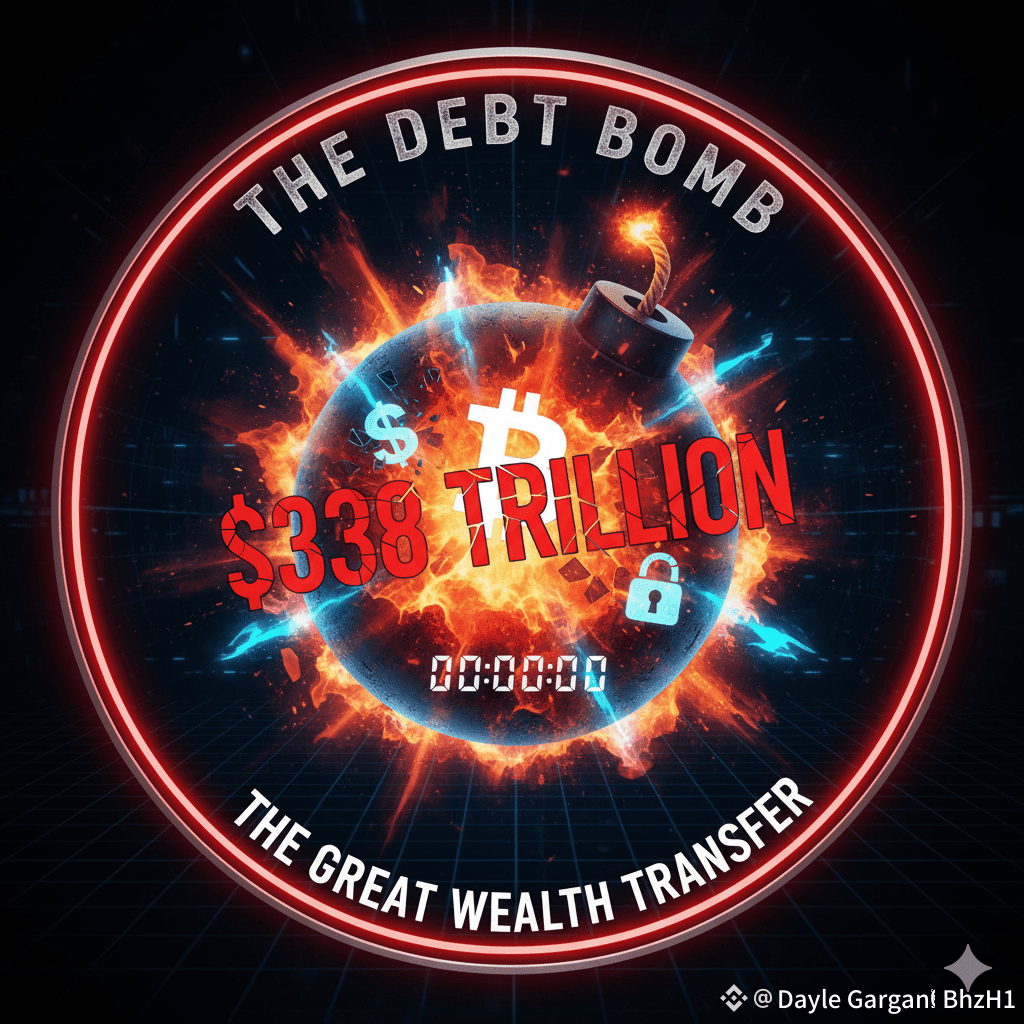
لقد وصلت ديون العالم البالغة 338 تريليون دولار إلى نقطة الانهيار — وقد بدأ العد التنازلي بالفعل.
إذا استمرت الاتجاهات الحالية، فإن الأيام الـ 847 القادمة قد تؤدي إلى واحدة من أكبر تحويلات الثروة في التاريخ الحديث.
وصلت الديون العالمية إلى تقديرات تبلغ 338 تريليون دولار في عام 2025 — أي حوالي أربعة أضعاف الناتج المحلي الإجمالي الإجمالي للعالم. هذا يعادل أن يكون كل شخص على الأرض مرتبطًا بعشرات الآلاف من الدولارات التي لم يقترضها شخصيًا.
ارتفعت الديون بعد أن حقنت البنوك المركزية سيولة ضخمة في النظام منذ عام 2008، مع موجة متفجرة أخرى خلال فترة COVID. مع فقدان العملات للقيمة عامًا بعد عام، تستمر القوة الشرائية على المدى الطويل في التآكل.
في الوقت نفسه، تواجه الاقتصادات الناشئة ضغوطًا من تريليونات في سداد السندات القادمة، وتؤدي العوائد المرتفعة إلى تفاقم الوضع بشكل أكبر. في الوقت نفسه، تستكشف عشرات الدول العملات الرقمية للبنك المركزي — أنظمة مصممة لتحقيق أقصى درجات السيطرة والإشراف.
على الجانب الآخر من الطيف المالي، توسعت تبني العملات المشفرة عبر أكثر من مئة دولة، حيث يستكشف الأفراد والمؤسسات البدائل للأنظمة النقدية التقليدية.
والآن يتشكل مفترق طرق:
يؤدي أحد المسارات إلى هياكل مالية تحت سيطرة البنوك المركزية، حيث تفقد المدخرات قيمتها تدريجيًا ويزداد الإشراف.
تشير الأخرى إلى الأصول الرقمية الندرة اللامركزية التي تعمل خارج الأنظمة التقليدية.
تظهر التاريخ أن التحولات النقدية الكبرى تتبع دورات طويلة الأجل — وقد تدخل هذه الدورة في مرحلتها التالية.
السؤال الحقيقي لم يعد إذا كانت الانتقالة ستحدث…
ولكن أي جانب منها ستقف عليه عندما يعيد النظام ضبط نفسه أخيرًا.
#DebtCycle #GlobalShift #StrategyBTCPurchase #MonetaryReset #FutureOfFinance
لقد وصلت ديون العالم البالغة 338 تريليون دولار إلى نقطة الانهيار — وقد بدأ العد التنازلي بالفعل.
إذا استمرت الاتجاهات الحالية، فإن الأيام الـ 847 القادمة قد تؤدي إلى واحدة من أكبر تحويلات الثروة في التاريخ الحديث.
وصلت الديون العالمية إلى تقديرات تبلغ 338 تريليون دولار في عام 2025 — أي حوالي أربعة أضعاف الناتج المحلي الإجمالي الإجمالي للعالم. هذا يعادل أن يكون كل شخص على الأرض مرتبطًا بعشرات الآلاف من الدولارات التي لم يقترضها شخصيًا.
ارتفعت الديون بعد أن حقنت البنوك المركزية سيولة ضخمة في النظام منذ عام 2008، مع موجة متفجرة أخرى خلال فترة COVID. مع فقدان العملات للقيمة عامًا بعد عام، تستمر القوة الشرائية على المدى الطويل في التآكل.
في الوقت نفسه، تواجه الاقتصادات الناشئة ضغوطًا من تريليونات في سداد السندات القادمة، وتؤدي العوائد المرتفعة إلى تفاقم الوضع بشكل أكبر. في الوقت نفسه، تستكشف عشرات الدول العملات الرقمية للبنك المركزي — أنظمة مصممة لتحقيق أقصى درجات السيطرة والإشراف.
على الجانب الآخر من الطيف المالي، توسعت تبني العملات المشفرة عبر أكثر من مئة دولة، حيث يستكشف الأفراد والمؤسسات البدائل للأنظمة النقدية التقليدية.
والآن يتشكل مفترق طرق:
يؤدي أحد المسارات إلى هياكل مالية تحت سيطرة البنوك المركزية، حيث تفقد المدخرات قيمتها تدريجيًا ويزداد الإشراف.
تشير الأخرى إلى الأصول الرقمية الندرة اللامركزية التي تعمل خارج الأنظمة التقليدية.
تظهر التاريخ أن التحولات النقدية الكبرى تتبع دورات طويلة الأجل — وقد تدخل هذه الدورة في مرحلتها التالية.
السؤال الحقيقي لم يعد إذا كانت الانتقالة ستحدث…
ولكن أي جانب منها ستقف عليه عندما يعيد النظام ضبط نفسه أخيرًا.
#DebtCycle #GlobalShift #StrategyBTCPurchase #MonetaryReset #FutureOfFinance
إذا استمرت الاتجاهات الحالية، فإن الأيام الـ 847 القادمة قد تؤدي إلى واحدة من أكبر تحويلات الثروة في التاريخ الحديث.
وصلت الديون العالمية إلى تقديرات تبلغ 338 تريليون دولار في عام 2025 — أي حوالي أربعة أضعاف الناتج المحلي الإجمالي الإجمالي للعالم. هذا يعادل أن يكون كل شخص على الأرض مرتبطًا بعشرات الآلاف من الدولارات التي لم يقترضها شخصيًا.
ارتفعت الديون بعد أن حقنت البنوك المركزية سيولة ضخمة في النظام منذ عام 2008، مع موجة متفجرة أخرى خلال فترة COVID. مع فقدان العملات للقيمة عامًا بعد عام، تستمر القوة الشرائية على المدى الطويل في التآكل.
في الوقت نفسه، تواجه الاقتصادات الناشئة ضغوطًا من تريليونات في سداد السندات القادمة، وتؤدي العوائد المرتفعة إلى تفاقم الوضع بشكل أكبر. في الوقت نفسه، تستكشف عشرات الدول العملات الرقمية للبنك المركزي — أنظمة مصممة لتحقيق أقصى درجات السيطرة والإشراف.
على الجانب الآخر من الطيف المالي، توسعت تبني العملات المشفرة عبر أكثر من مئة دولة، حيث يستكشف الأفراد والمؤسسات البدائل للأنظمة النقدية التقليدية.
والآن يتشكل مفترق طرق:
يؤدي أحد المسارات إلى هياكل مالية تحت سيطرة البنوك المركزية، حيث تفقد المدخرات قيمتها تدريجيًا ويزداد الإشراف.
تشير الأخرى إلى الأصول الرقمية الندرة اللامركزية التي تعمل خارج الأنظمة التقليدية.
تظهر التاريخ أن التحولات النقدية الكبرى تتبع دورات طويلة الأجل — وقد تدخل هذه الدورة في مرحلتها التالية.
السؤال الحقيقي لم يعد إذا كانت الانتقالة ستحدث…
ولكن أي جانب منها ستقف عليه عندما يعيد النظام ضبط نفسه أخيرًا.
#DebtCycle #GlobalShift #StrategyBTCPurchase #MonetaryReset #FutureOfFinance
1
7
1.8k
سجّل الدخول لاستكشاف المزيد من المُحتوى
انضم إلى مُستخدمي العملات الرقمية حول العالم على Binance Square
⚡️ احصل على أحدث المعلومات المفيدة عن العملات الرقمية.
💬 موثوقة من قبل أكبر منصّة لتداول العملات الرقمية في العالم.
👍 اكتشف الرؤى الحقيقية من صنّاع المُحتوى الموثوقين.
البريد الإلكتروني / رقم الهاتف
المواضيع الرائجة
1
#BinanceLaunchesBinanceIntelligence
227,056 مشاهدات
2,031 يقومون بالنقاش
2
#StriveBuys2000BTCFor$169M
10,050 مشاهدات
96 يقومون بالنقاش
3
#EvernorthXRPTreasuryCompletesSPACMerger
120,223 مشاهدات
1,210 يقومون بالنقاش
4
#ADAGains10%Above$0.27
53,318 مشاهدات
251 يقومون بالنقاش
5
#ETHUp70%InQ3ButLiquidityFalls
316,811 مشاهدات
2,206 يقومون بالنقاش
6
#EthStakingExitQueueHits2026High
125,686 مشاهدات
1,467 يقومون بالنقاش
7
#FedOctoberHoldOdds82.3%
135,197 مشاهدات
1,403 يقومون بالنقاش
8
#Nikkei225Jumps2.5%ToThreeMonthHigh
120,084 مشاهدات
1,534 يقومون بالنقاش
9
#CircleMints$2.75BUSDCOnSolanaIn7Days
3,186 مشاهدات
65 يقومون بالنقاش
10
#DriftHackVictimsBeginClaims
240,595 مشاهدات
2,227 يقومون بالنقاش