

#cryptoi
cryptoi
3,673 مشاهدات
18 يقومون بالنقاش
رائج
جديد

انتبهوا يا جماعة! $SYN 📢🚨 انتبهوا يا جماعة! $SYN 📢
$SYN يبدو ضعيفًا من هذه المنطقة وقد يشهد تصحيحًا بنسبة 15%–20% قريبًا. 📉
🎯 قد يتم استهداف سيولة حول منطقة $0.26–$0.25 في الحركة القادمة.
🔻 سأدخل صفقة SHORT من هنا وأراقب حركة السعر عن كثب.
📊 السعر الحالي لعقد SYNUSDT الدائم: $0.40957 التغير خلال 24H: +17.06%
⚠️ هذا ليس نصيحة مالية. استخدم دائمًا إدارة مخاطر سليمة وحدد وقف الخسارة.
#SYN #SYNUSDT #Cryptoi $BTC
انتبهوا يا جماعة! $SYN 📢
🚨 انتبهوا يا جماعة! $SYN 📢
$SYN يبدو ضعيفًا من هذه المنطقة وقد يشهد تصحيحًا بنسبة 15%–20% قريبًا. 📉
🎯 قد يتم استهداف سيولة حول منطقة $0.26–$0.25 في الحركة القادمة.
🔻 سأدخل صفقة SHORT من هنا وأراقب حركة السعر عن كثب.
📊 السعر الحالي لعقد SYNUSDT الدائم: $0.40957 التغير خلال 24H: +17.06%
⚠️ هذا ليس نصيحة مالية. استخدم دائمًا إدارة مخاطر سليمة وحدد وقف الخسارة.
#SYN #SYNUSDT #Cryptoi $BTC
$SYN يبدو ضعيفًا من هذه المنطقة وقد يشهد تصحيحًا بنسبة 15%–20% قريبًا. 📉
🎯 قد يتم استهداف سيولة حول منطقة $0.26–$0.25 في الحركة القادمة.
🔻 سأدخل صفقة SHORT من هنا وأراقب حركة السعر عن كثب.
📊 السعر الحالي لعقد SYNUSDT الدائم: $0.40957 التغير خلال 24H: +17.06%
⚠️ هذا ليس نصيحة مالية. استخدم دائمًا إدارة مخاطر سليمة وحدد وقف الخسارة.
#SYN #SYNUSDT #Cryptoi $BTC
222

·
--
🚨 حقيقة مؤلمة: 95% من المتداولين يخسرون لهذا السبب!الكل يبحث عن "العملة التي ستصعد 100x" ويتجاهل أهم قاعدة في السوق: إدارة رأس المال.
إذا كنت تدخل الصفقة بـ 50% من محفظتك بدون (Stop-Loss)، فأنت لا تتداول... أنت تقامر! 🎲
المحترفون يبنون ثرواتهم بصفقات صغيرة مستمرة ومدروسة.
السؤال لك: هل تتداول بخطة واضحة أم تتبع توصيات عشوائية؟
كن صادقاً في التعليقات 👇🔥
#Binance #TradingPsychology #CryptoI
$BTC $USDC $SOL
{spot}(USDCUSDT)
🚨 حقيقة مؤلمة: 95% من المتداولين يخسرون لهذا السبب!
الكل يبحث عن "العملة التي ستصعد 100x" ويتجاهل أهم قاعدة في السوق: إدارة رأس المال.
إذا كنت تدخل الصفقة بـ 50% من محفظتك بدون (Stop-Loss)، فأنت لا تتداول... أنت تقامر! 🎲
المحترفون يبنون ثرواتهم بصفقات صغيرة مستمرة ومدروسة.
السؤال لك: هل تتداول بخطة واضحة أم تتبع توصيات عشوائية؟
كن صادقاً في التعليقات 👇🔥
#Binance #TradingPsychology #CryptoI
$BTC $USDC $SOL
إذا كنت تدخل الصفقة بـ 50% من محفظتك بدون (Stop-Loss)، فأنت لا تتداول... أنت تقامر! 🎲
المحترفون يبنون ثرواتهم بصفقات صغيرة مستمرة ومدروسة.
السؤال لك: هل تتداول بخطة واضحة أم تتبع توصيات عشوائية؟
كن صادقاً في التعليقات 👇🔥
#Binance #TradingPsychology #CryptoI
$BTC $USDC $SOL
139

$BTC
{spot}(BTCUSDT)
{spot}(MIRAUSDT)
مختصر ومُدرج (سهل القراءة)
⚡ نظرة سريعة على البيتكوين:
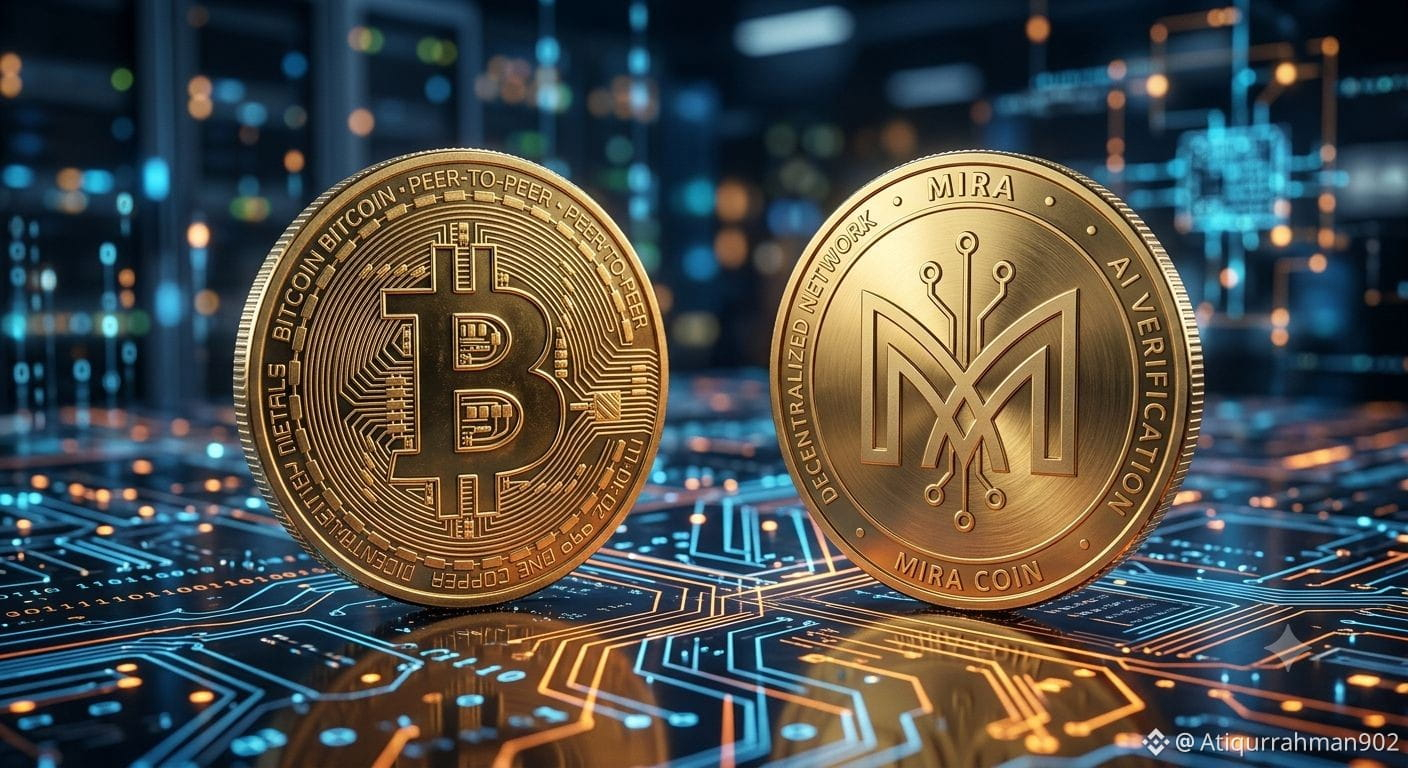
🔹 ما هو؟ أول عملة رقمية لامركزية في العالم.
🔹 كيف يعمل؟ معاملات نظير-لنظير يتم التحقق منها عبر عقد شبكية بتقنيات التشفير.
🔹 لماذا يهم؟ معاملات سريعة وعالمية وبدون حدود، دون رسوم بنكية تقليدية.
🔹 الندرة: حدود مدمجة تحميه من التضخم الناتج عن الطباعة المستمرة للأموال.
فهم التقنية هو الخطوة الأولى نحو المستقبل. 🌐
#BTC #CryptoCommunity #TechTrends #Web3 #FutureOfMoney
🤖 الثقة بالذكاء الاصطناعي مع البلوكشين: ما هي ميرا ($MIRA)؟ 🪙
مع اتساع نطاق نماذج الذكاء الاصطناعي، يصبح التحقق من دقتها أمرًا بالغ الأهمية. تعالج Mira Network هذه التحديات عبر إتاحة تحقق لامركزي لمخرجات الذكاء الاصطناعي باستخدام توافق بلوكشين.
🔹 أبرز النقاط:
يتحقق من مخرجات الذكاء الاصطناعي لإزالة الهلاوس والتحيزات.
رمز منفعة أصلي ($MIRA) مبني على شبكة Base.
يشغّل حصة العقد والحوكمة وإتاحة الوصول إلى الـAPI.
هل يعدّ الذكاء الاصطناعي × كريبتو أكبر سردية لهذه الدورة؟ لنتناقش! 👇
#MIRA #AICrypto #BlockchainTech #BaseEcosystem #CryptoI
$BTC
مختصر ومُدرج (سهل القراءة)
⚡ نظرة سريعة على البيتكوين:
🔹 ما هو؟ أول عملة رقمية لامركزية في العالم.
🔹 كيف يعمل؟ معاملات نظير-لنظير يتم التحقق منها عبر عقد شبكية بتقنيات التشفير.
🔹 لماذا يهم؟ معاملات سريعة وعالمية وبدون حدود، دون رسوم بنكية تقليدية.
🔹 الندرة: حدود مدمجة تحميه من التضخم الناتج عن الطباعة المستمرة للأموال.
فهم التقنية هو الخطوة الأولى نحو المستقبل. 🌐
#BTC #CryptoCommunity #TechTrends #Web3 #FutureOfMoney
🤖 الثقة بالذكاء الاصطناعي مع البلوكشين: ما هي ميرا ($MIRA)؟ 🪙
مع اتساع نطاق نماذج الذكاء الاصطناعي، يصبح التحقق من دقتها أمرًا بالغ الأهمية. تعالج Mira Network هذه التحديات عبر إتاحة تحقق لامركزي لمخرجات الذكاء الاصطناعي باستخدام توافق بلوكشين.
🔹 أبرز النقاط:
يتحقق من مخرجات الذكاء الاصطناعي لإزالة الهلاوس والتحيزات.
رمز منفعة أصلي ($MIRA) مبني على شبكة Base.
يشغّل حصة العقد والحوكمة وإتاحة الوصول إلى الـAPI.
هل يعدّ الذكاء الاصطناعي × كريبتو أكبر سردية لهذه الدورة؟ لنتناقش! 👇
#MIRA #AICrypto #BlockchainTech #BaseEcosystem #CryptoI
مختصر ومُدرج (سهل القراءة)
⚡ نظرة سريعة على البيتكوين:
🔹 ما هو؟ أول عملة رقمية لامركزية في العالم.
🔹 كيف يعمل؟ معاملات نظير-لنظير يتم التحقق منها عبر عقد شبكية بتقنيات التشفير.
🔹 لماذا يهم؟ معاملات سريعة وعالمية وبدون حدود، دون رسوم بنكية تقليدية.
🔹 الندرة: حدود مدمجة تحميه من التضخم الناتج عن الطباعة المستمرة للأموال.
فهم التقنية هو الخطوة الأولى نحو المستقبل. 🌐
#BTC #CryptoCommunity #TechTrends #Web3 #FutureOfMoney
🤖 الثقة بالذكاء الاصطناعي مع البلوكشين: ما هي ميرا ($MIRA)؟ 🪙
مع اتساع نطاق نماذج الذكاء الاصطناعي، يصبح التحقق من دقتها أمرًا بالغ الأهمية. تعالج Mira Network هذه التحديات عبر إتاحة تحقق لامركزي لمخرجات الذكاء الاصطناعي باستخدام توافق بلوكشين.
🔹 أبرز النقاط:
يتحقق من مخرجات الذكاء الاصطناعي لإزالة الهلاوس والتحيزات.
رمز منفعة أصلي ($MIRA) مبني على شبكة Base.
يشغّل حصة العقد والحوكمة وإتاحة الوصول إلى الـAPI.
هل يعدّ الذكاء الاصطناعي × كريبتو أكبر سردية لهذه الدورة؟ لنتناقش! 👇
#MIRA #AICrypto #BlockchainTech #BaseEcosystem #CryptoI
1
131

·
--
صاعد
منشور تفاعلي
التعليق:
💰 إذا كان لديك 10,000 دولار للاستثمار في عملة مشفرة واحدة اليوم، أي واحدة ستكون؟ 💰
(بدون ذكر البيتكوين والإيثيريوم!) 😉
دعونا نرى أي عملة هي الأكثر شهرة في مجتمعنا. اتركوا جواهركم أدناه! 👇🚀
#جواهر_التشفير #العملات_البديلة #باينانس #CryptoI #NEARSurgesAbove3USDT $BTC
{future}(BTCUSDT)
الاستفسار
منشور تفاعلي
التعليق:
💰 إذا كان لديك 10,000 دولار للاستثمار في عملة مشفرة واحدة اليوم، أي واحدة ستكون؟ 💰
(بدون ذكر البيتكوين والإيثيريوم!) 😉
دعونا نرى أي عملة هي الأكثر شهرة في مجتمعنا. اتركوا جواهركم أدناه! 👇🚀
#جواهر_التشفير #العملات_البديلة #باينانس #CryptoI #NEARSurgesAbove3USDT $BTC
الاستفسار
التعليق:
💰 إذا كان لديك 10,000 دولار للاستثمار في عملة مشفرة واحدة اليوم، أي واحدة ستكون؟ 💰
(بدون ذكر البيتكوين والإيثيريوم!) 😉
دعونا نرى أي عملة هي الأكثر شهرة في مجتمعنا. اتركوا جواهركم أدناه! 👇🚀
#جواهر_التشفير #العملات_البديلة #باينانس #CryptoI #NEARSurgesAbove3USDT $BTC
الاستفسار
41
سجّل الدخول لاستكشاف المزيد من المُحتوى
انضم إلى مُستخدمي العملات الرقمية حول العالم على Binance Square
⚡️ احصل على أحدث المعلومات المفيدة عن العملات الرقمية.
💬 موثوقة من قبل أكبر منصّة لتداول العملات الرقمية في العالم.
👍 اكتشف الرؤى الحقيقية من صنّاع المُحتوى الموثوقين.
البريد الإلكتروني / رقم الهاتف
المواضيع الرائجة
1
#BinancePick
3.4M مشاهدات
165,298 يقومون بالنقاش
2
#EarningsSeason
5.5M مشاهدات
26,955 يقومون بالنقاش
3
#StrategySkipsBitcoinPurchasesSpends$205MOnSTRCBuybacks
930 مشاهدات
30 يقومون بالنقاش
4
#BitmineAdds10452ETH
10,462 مشاهدات
276 يقومون بالنقاش
5
#SouthKoreaConsidersEducationTaxOnCryptoExchanges
8,506 مشاهدات
235 يقومون بالنقاش
6
#OCCUrgesCommunityBanksToEnterStablecoinPayments
7,922 مشاهدات
150 يقومون بالنقاش
7
#RippleWinsFullApprovalAsNationalTrustBank
7,255 مشاهدات
154 يقومون بالنقاش
8
#AkashSelectsSolanaAsMigrationTarget
4,732 مشاهدات
78 يقومون بالنقاش
9
#OndoToOpenSubscriptionsForOpenAIPreIPOTokenizedNotes
347 مشاهدات
19 يقومون بالنقاش
10
#AnthropicTTMRevenueGrewAbout1200%
60,525 مشاهدات
610 يقومون بالنقاش