

#cryptoadoption
cryptoadoption
13.5M مشاهدات
16,823 يقومون بالنقاش
Bank of Montreal (BMO), Canada's third-largest bank, has acquired around $150 million in spot Bitcoin ETFs! 🔥📈 Of this investment, $139 million has been allocated to BlackRock's iShares Bitcoin ETF, while the remaining $11 million is spread across three other Bitcoin funds.This is a huge step forward for traditional financial institutions embracing the Bitcoin revolution! 🏦💎What do you think about this major institutional move? Let’s hear your thoughts! 👇
رائج
جديد

·
--
يحظى أحدث تصريح لتوم لي باهتمام كبير على X: نحو 99% من القطاع المالي لا يزال يعتمد على أنظمة قديمة، وهذا تحديدًا سبب احتمال استهانة البنوك بسرعة نمو مسارات العملات المشفرة.
أعتقد أنه محق جزئيًا. فـ«النقطة العمياء تجاه الأنظمة القديمة» حقيقية. عندما تُسوّى معاملات بنيتك التقنية بالكامل خلال يوم أو يومي عمل، وتتوقف في عطلات نهاية الأسبوع، تبدو التسوية بالعملات المستقرة على مدار الساعة طوال أيام الأسبوع والأصول المُرمّزة أمرًا هامشيًا، إلى أن تصبح فجأةً غير ذلك.
لكن الحجة المقابلة مهمة أيضًا. ليس على البنوك أن «تخسر» أمام العملات المشفرة؛ فكثير منها يكتفي بدمج هذه التقنيات. فقد أطلقت HSBC للتو عملتها المستقرة RedCoin HKD لمستخدمي PayMe في هونغ كونغ، على نظام مرخّص. هذا تبنٍّ وفق شروط البنك، وليس استيلاءً عليه.
لذا، فالسؤال الحقيقي بشأن $ETH والسوق الأوسع ليس «البنوك أم العملات المشفرة؟» بل ما إذا كان هذا النشاط الجديد سيجري على سلاسل عامة مفتوحة أم سيبقى في شبكات مغلقة تديرها البنوك. وحده الخيار الأول يعزز بوضوح رسوم المعاملات على السلسلة والطلب عليها.
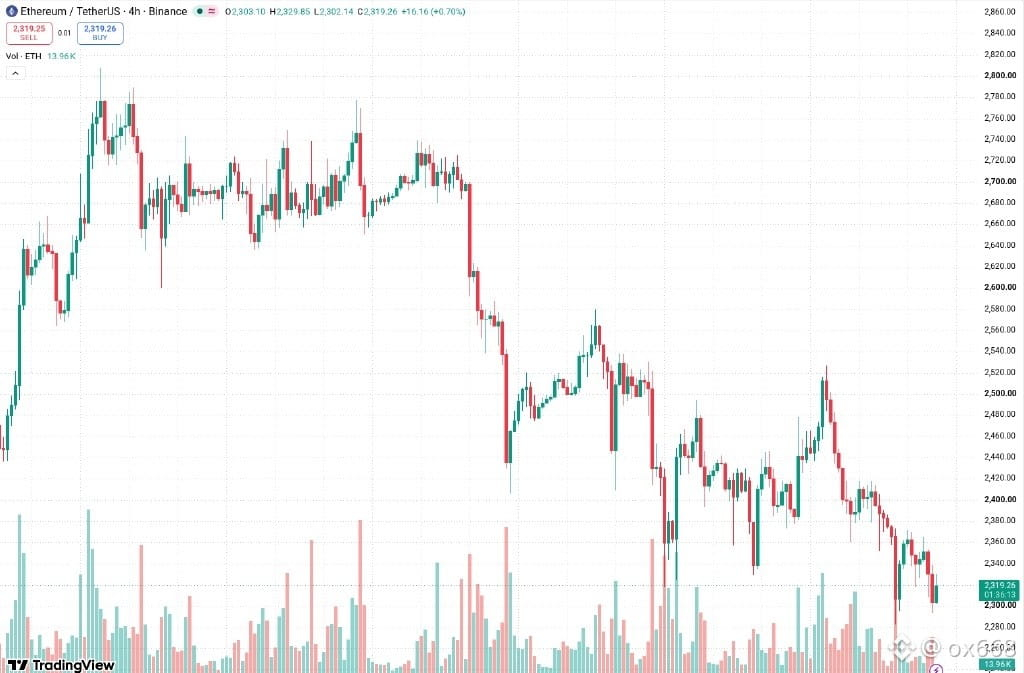
أما من ناحية السعر، فيتداول $ETH اليوم قرب 2,320 دولارًا، منخفضًا بنحو 1.3% خلال 24 ساعة، بعد أن هبط إلى نحو 2,293 دولارًا. الرواية طويلة الأمد، لكن الرسم البياني لا يزال بحاجة إلى الصمود فوق مستوى 2,300 دولار بقليل على المدى القصير.
#Ethereum #Stablecoins #Tokenization #TomLee #CryptoAdoption
هذه ليست نصيحة مالية.
يحظى أحدث تصريح لتوم لي باهتمام كبير على X: نحو 99% من القطاع المالي لا يزال يعتمد على أنظمة قديمة، وهذا تحديدًا سبب احتمال استهانة البنوك بسرعة نمو مسارات العملات المشفرة.
أعتقد أنه محق جزئيًا. فـ«النقطة العمياء تجاه الأنظمة القديمة» حقيقية. عندما تُسوّى معاملات بنيتك التقنية بالكامل خلال يوم أو يومي عمل، وتتوقف في عطلات نهاية الأسبوع، تبدو التسوية بالعملات المستقرة على مدار الساعة طوال أيام الأسبوع والأصول المُرمّزة أمرًا هامشيًا، إلى أن تصبح فجأةً غير ذلك.
لكن الحجة المقابلة مهمة أيضًا. ليس على البنوك أن «تخسر» أمام العملات المشفرة؛ فكثير منها يكتفي بدمج هذه التقنيات. فقد أطلقت HSBC للتو عملتها المستقرة RedCoin HKD لمستخدمي PayMe في هونغ كونغ، على نظام مرخّص. هذا تبنٍّ وفق شروط البنك، وليس استيلاءً عليه.
لذا، فالسؤال الحقيقي بشأن $ETH والسوق الأوسع ليس «البنوك أم العملات المشفرة؟» بل ما إذا كان هذا النشاط الجديد سيجري على سلاسل عامة مفتوحة أم سيبقى في شبكات مغلقة تديرها البنوك. وحده الخيار الأول يعزز بوضوح رسوم المعاملات على السلسلة والطلب عليها.
أما من ناحية السعر، فيتداول $ETH اليوم قرب 2,320 دولارًا، منخفضًا بنحو 1.3% خلال 24 ساعة، بعد أن هبط إلى نحو 2,293 دولارًا. الرواية طويلة الأمد، لكن الرسم البياني لا يزال بحاجة إلى الصمود فوق مستوى 2,300 دولار بقليل على المدى القصير.
#Ethereum #Stablecoins #Tokenization #TomLee #CryptoAdoption
هذه ليست نصيحة مالية.
أعتقد أنه محق جزئيًا. فـ«النقطة العمياء تجاه الأنظمة القديمة» حقيقية. عندما تُسوّى معاملات بنيتك التقنية بالكامل خلال يوم أو يومي عمل، وتتوقف في عطلات نهاية الأسبوع، تبدو التسوية بالعملات المستقرة على مدار الساعة طوال أيام الأسبوع والأصول المُرمّزة أمرًا هامشيًا، إلى أن تصبح فجأةً غير ذلك.
لكن الحجة المقابلة مهمة أيضًا. ليس على البنوك أن «تخسر» أمام العملات المشفرة؛ فكثير منها يكتفي بدمج هذه التقنيات. فقد أطلقت HSBC للتو عملتها المستقرة RedCoin HKD لمستخدمي PayMe في هونغ كونغ، على نظام مرخّص. هذا تبنٍّ وفق شروط البنك، وليس استيلاءً عليه.
لذا، فالسؤال الحقيقي بشأن $ETH والسوق الأوسع ليس «البنوك أم العملات المشفرة؟» بل ما إذا كان هذا النشاط الجديد سيجري على سلاسل عامة مفتوحة أم سيبقى في شبكات مغلقة تديرها البنوك. وحده الخيار الأول يعزز بوضوح رسوم المعاملات على السلسلة والطلب عليها.
أما من ناحية السعر، فيتداول $ETH اليوم قرب 2,320 دولارًا، منخفضًا بنحو 1.3% خلال 24 ساعة، بعد أن هبط إلى نحو 2,293 دولارًا. الرواية طويلة الأمد، لكن الرسم البياني لا يزال بحاجة إلى الصمود فوق مستوى 2,300 دولار بقليل على المدى القصير.
#Ethereum #Stablecoins #Tokenization #TomLee #CryptoAdoption
هذه ليست نصيحة مالية.
3

·
--
🚨 تطرح JPMorgan صندوقي الأموال المُرمّزين MONY وJLTXX على Solana للمستثمرين الأمريكيين المؤهلين عبر منصة Morgan Money.
يعزز هذا الانضمام المؤسسي منافع SOL، وقد يدفع إلى طلب مستدام من رؤوس أموال التمويل التقليدي.
تأثير السوق: يعزز ازدياد دمج الأصول الحقيقية سردية Solana طويلة الأجل.
💡 ماذا يعني هذا لمسار تبني SOL؟ #Solana #تبني_العملات_المشفرة
$SOL #TradingSignal #تحليل_العملات_المشفرة
🚨 تطرح JPMorgan صندوقي الأموال المُرمّزين MONY وJLTXX على Solana للمستثمرين الأمريكيين المؤهلين عبر منصة Morgan Money.
يعزز هذا الانضمام المؤسسي منافع SOL، وقد يدفع إلى طلب مستدام من رؤوس أموال التمويل التقليدي.
تأثير السوق: يعزز ازدياد دمج الأصول الحقيقية سردية Solana طويلة الأجل.
💡 ماذا يعني هذا لمسار تبني SOL؟ #Solana #تبني_العملات_المشفرة
$SOL #TradingSignal #تحليل_العملات_المشفرة
يعزز هذا الانضمام المؤسسي منافع SOL، وقد يدفع إلى طلب مستدام من رؤوس أموال التمويل التقليدي.
تأثير السوق: يعزز ازدياد دمج الأصول الحقيقية سردية Solana طويلة الأجل.
💡 ماذا يعني هذا لمسار تبني SOL؟ #Solana #تبني_العملات_المشفرة
$SOL #TradingSignal #تحليل_العملات_المشفرة

50

🚨 3 بنوك مركزية تراهن الآن على العملات المستقرة! 🚨
هذا أمر هائل لسوق العملات المشفرة!
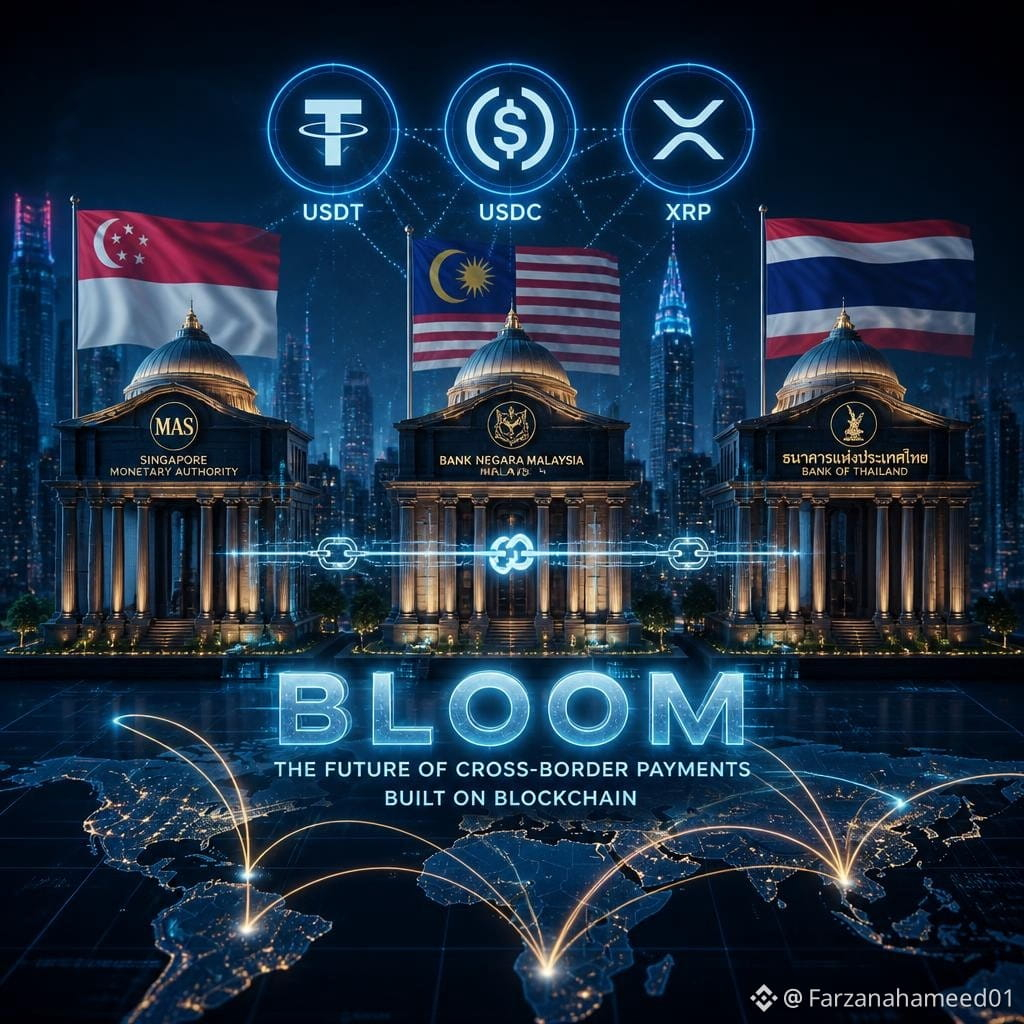
انضم البنكان المركزيان في ماليزيا وتايلاند رسميًا إلى مبادرة BLOOM السنغافورية، التي تقودها سلطة النقد في سنغافورة (MAS).
ما هي BLOOM؟
نظام متعدد العملات، مفتوح وسلس عبر الإنترنت بلا حدود
مبادرة بين القطاعين العام والخاص لتعزيز المدفوعات العابرة للحدود باستخدام العملات المستقرة الخاضعة للتنظيم والودائع المُرمّزة.
وانظروا من انضم أيضًا 👇
Visa وMastercard وRipple وJPMorgan وCoinbase وCircle ومجموعة البنك الدولي وStandard Chartered وStripe.
هذه ليست مجرد شراكة أخرى. فهذه أبرز البنوك المركزية في آسيا تبني مستقبل المال على العملات المستقرة.
يجري تحدي SWIFT. لم تعد العملات المستقرة مجرد بديل، بل أصبحت تتحول إلى النظام نفسه.
نظرة متفائلة إلى مستقبل المدفوعات. 🚀
هل أنتم متفائلون بشأن العملات المستقرة؟
$USDT $USDC $XRP
#BLOOM #Stablecoin #MAS #BreakingNews #CryptoAdoption
🚨 3 بنوك مركزية تراهن الآن على العملات المستقرة! 🚨
هذا أمر هائل لسوق العملات المشفرة!
انضم البنكان المركزيان في ماليزيا وتايلاند رسميًا إلى مبادرة BLOOM السنغافورية، التي تقودها سلطة النقد في سنغافورة (MAS).
ما هي BLOOM؟
نظام متعدد العملات، مفتوح وسلس عبر الإنترنت بلا حدود
مبادرة بين القطاعين العام والخاص لتعزيز المدفوعات العابرة للحدود باستخدام العملات المستقرة الخاضعة للتنظيم والودائع المُرمّزة.
وانظروا من انضم أيضًا 👇
Visa وMastercard وRipple وJPMorgan وCoinbase وCircle ومجموعة البنك الدولي وStandard Chartered وStripe.
هذه ليست مجرد شراكة أخرى. فهذه أبرز البنوك المركزية في آسيا تبني مستقبل المال على العملات المستقرة.
يجري تحدي SWIFT. لم تعد العملات المستقرة مجرد بديل، بل أصبحت تتحول إلى النظام نفسه.
نظرة متفائلة إلى مستقبل المدفوعات. 🚀
هل أنتم متفائلون بشأن العملات المستقرة؟
$USDT $USDC $XRP
#BLOOM #Stablecoin #MAS #BreakingNews #CryptoAdoption
هذا أمر هائل لسوق العملات المشفرة!
انضم البنكان المركزيان في ماليزيا وتايلاند رسميًا إلى مبادرة BLOOM السنغافورية، التي تقودها سلطة النقد في سنغافورة (MAS).
ما هي BLOOM؟
نظام متعدد العملات، مفتوح وسلس عبر الإنترنت بلا حدود
مبادرة بين القطاعين العام والخاص لتعزيز المدفوعات العابرة للحدود باستخدام العملات المستقرة الخاضعة للتنظيم والودائع المُرمّزة.
وانظروا من انضم أيضًا 👇
Visa وMastercard وRipple وJPMorgan وCoinbase وCircle ومجموعة البنك الدولي وStandard Chartered وStripe.
هذه ليست مجرد شراكة أخرى. فهذه أبرز البنوك المركزية في آسيا تبني مستقبل المال على العملات المستقرة.
يجري تحدي SWIFT. لم تعد العملات المستقرة مجرد بديل، بل أصبحت تتحول إلى النظام نفسه.
نظرة متفائلة إلى مستقبل المدفوعات. 🚀
هل أنتم متفائلون بشأن العملات المستقرة؟
$USDT $USDC $XRP
#BLOOM #Stablecoin #MAS #BreakingNews #CryptoAdoption
3
164

يقرّب بنك تقليدي كبير العملات المستقرة من المدفوعات اليومية. 👀
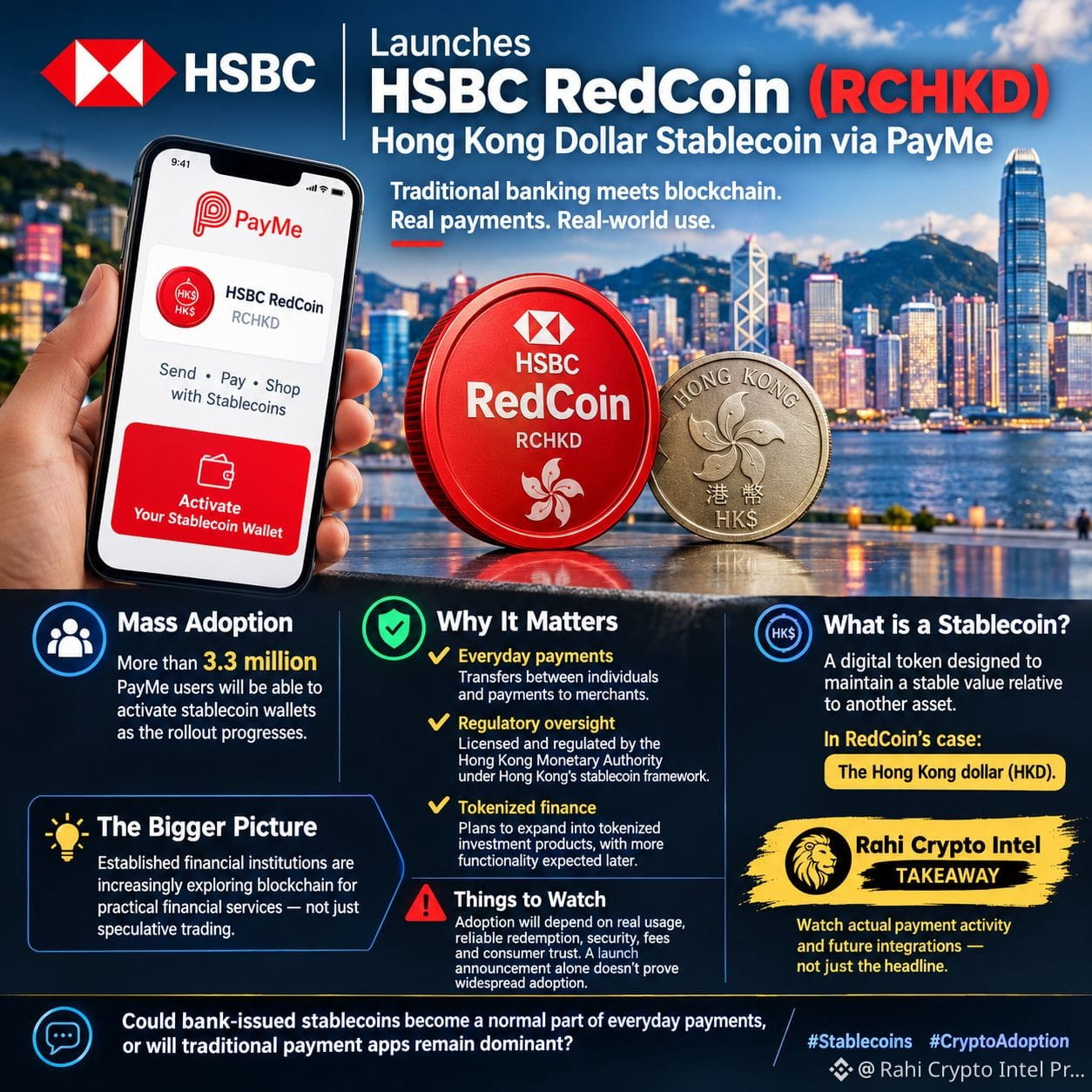
في 23 أكتوبر، أعلن HSBC إطلاق HSBC RedCoin (RCHKD)، وهي أول عملة مستقرة يصدرها ومقوّمة بدولار هونغ كونغ، عبر منصته PayMe.
ووفقًا لـ HSBC، سيتمكن أكثر من 3.3 مليون مستخدم لـ PayMe من تفعيل محافظ العملات المستقرة مع تقدّم عملية الإطلاق.
إليك سبب أهمية ذلك.
🔹 المدفوعات اليومية: صُممت RedCoin للتحويلات بين الأفراد والمدفوعات للتجار، لا لمجرّد تداول العملات الرقمية.
🔹 الرقابة التنظيمية: يقول HSBC إن العملة المستقرة مرخّصة ومنظّمة من قبل سلطة النقد في هونغ كونغ، بموجب إطار العملات المستقرة المعمول به هناك.
🔹 التمويل المُرمّز: يخطط HSBC لتوسيع استخداماتها لتشمل المنتجات الاستثمارية المُرمّزة، مع توقّع إضافة مزيد من الوظائف لاحقًا.
لكن ما العملة المستقرة تحديدًا؟
إنها رمز رقمي صُمم للحفاظ على قيمة مستقرة مقارنةً بأصل آخر. وفي حالة RedCoin، فإن الأصل المرجعي هو دولار هونغ كونغ.
الصورة الأوسع مهمة: تستكشف المؤسسات المالية الراسخة تقنية البلوك تشين على نحو متزايد لتقديم خدمات مالية عملية، لا للتداول المضاربي فحسب.
ومع ذلك، سيعتمد انتشارها على الاستخدام الفعلي، وإمكانية استرداد موثوقة، والأمان، والرسوم، وثقة المستهلكين. فالإعلان عن الإطلاق وحده لا يثبت انتشار استخدامها على نطاق واسع.
الخلاصة من Rahi Crypto Intel: راقب نشاط المدفوعات الفعلي وعمليات الدمج المستقبلية، لا العنوان الرئيسي فحسب.
هل يمكن أن تصبح العملات المستقرة الصادرة عن البنوك جزءًا اعتياديًا من المدفوعات اليومية، أم ستظل تطبيقات الدفع التقليدية هي المهيمنة؟
#Stablecoins #CryptoAdoption
$ARK
{future}(ARKUSDT)
$AVA
{future}(AVAUSDT)
$PEPE
{spot}(PEPEUSDT)
يقرّب بنك تقليدي كبير العملات المستقرة من المدفوعات اليومية. 👀
في 23 أكتوبر، أعلن HSBC إطلاق HSBC RedCoin (RCHKD)، وهي أول عملة مستقرة يصدرها ومقوّمة بدولار هونغ كونغ، عبر منصته PayMe.
ووفقًا لـ HSBC، سيتمكن أكثر من 3.3 مليون مستخدم لـ PayMe من تفعيل محافظ العملات المستقرة مع تقدّم عملية الإطلاق.
إليك سبب أهمية ذلك.
🔹 المدفوعات اليومية: صُممت RedCoin للتحويلات بين الأفراد والمدفوعات للتجار، لا لمجرّد تداول العملات الرقمية.
🔹 الرقابة التنظيمية: يقول HSBC إن العملة المستقرة مرخّصة ومنظّمة من قبل سلطة النقد في هونغ كونغ، بموجب إطار العملات المستقرة المعمول به هناك.
🔹 التمويل المُرمّز: يخطط HSBC لتوسيع استخداماتها لتشمل المنتجات الاستثمارية المُرمّزة، مع توقّع إضافة مزيد من الوظائف لاحقًا.
لكن ما العملة المستقرة تحديدًا؟
إنها رمز رقمي صُمم للحفاظ على قيمة مستقرة مقارنةً بأصل آخر. وفي حالة RedCoin، فإن الأصل المرجعي هو دولار هونغ كونغ.
الصورة الأوسع مهمة: تستكشف المؤسسات المالية الراسخة تقنية البلوك تشين على نحو متزايد لتقديم خدمات مالية عملية، لا للتداول المضاربي فحسب.
ومع ذلك، سيعتمد انتشارها على الاستخدام الفعلي، وإمكانية استرداد موثوقة، والأمان، والرسوم، وثقة المستهلكين. فالإعلان عن الإطلاق وحده لا يثبت انتشار استخدامها على نطاق واسع.
الخلاصة من Rahi Crypto Intel: راقب نشاط المدفوعات الفعلي وعمليات الدمج المستقبلية، لا العنوان الرئيسي فحسب.
هل يمكن أن تصبح العملات المستقرة الصادرة عن البنوك جزءًا اعتياديًا من المدفوعات اليومية، أم ستظل تطبيقات الدفع التقليدية هي المهيمنة؟
#Stablecoins #CryptoAdoption
$ARK
$AVA
$PEPE
في 23 أكتوبر، أعلن HSBC إطلاق HSBC RedCoin (RCHKD)، وهي أول عملة مستقرة يصدرها ومقوّمة بدولار هونغ كونغ، عبر منصته PayMe.
ووفقًا لـ HSBC، سيتمكن أكثر من 3.3 مليون مستخدم لـ PayMe من تفعيل محافظ العملات المستقرة مع تقدّم عملية الإطلاق.
إليك سبب أهمية ذلك.
🔹 المدفوعات اليومية: صُممت RedCoin للتحويلات بين الأفراد والمدفوعات للتجار، لا لمجرّد تداول العملات الرقمية.
🔹 الرقابة التنظيمية: يقول HSBC إن العملة المستقرة مرخّصة ومنظّمة من قبل سلطة النقد في هونغ كونغ، بموجب إطار العملات المستقرة المعمول به هناك.
🔹 التمويل المُرمّز: يخطط HSBC لتوسيع استخداماتها لتشمل المنتجات الاستثمارية المُرمّزة، مع توقّع إضافة مزيد من الوظائف لاحقًا.
لكن ما العملة المستقرة تحديدًا؟
إنها رمز رقمي صُمم للحفاظ على قيمة مستقرة مقارنةً بأصل آخر. وفي حالة RedCoin، فإن الأصل المرجعي هو دولار هونغ كونغ.
الصورة الأوسع مهمة: تستكشف المؤسسات المالية الراسخة تقنية البلوك تشين على نحو متزايد لتقديم خدمات مالية عملية، لا للتداول المضاربي فحسب.
ومع ذلك، سيعتمد انتشارها على الاستخدام الفعلي، وإمكانية استرداد موثوقة، والأمان، والرسوم، وثقة المستهلكين. فالإعلان عن الإطلاق وحده لا يثبت انتشار استخدامها على نطاق واسع.
الخلاصة من Rahi Crypto Intel: راقب نشاط المدفوعات الفعلي وعمليات الدمج المستقبلية، لا العنوان الرئيسي فحسب.
هل يمكن أن تصبح العملات المستقرة الصادرة عن البنوك جزءًا اعتياديًا من المدفوعات اليومية، أم ستظل تطبيقات الدفع التقليدية هي المهيمنة؟
#Stablecoins #CryptoAdoption
$ARK
$AVA
$PEPE
86

·
--
📺 تُطلق BLOCK حملة «BITCOIN DOES»: أول حملة جماهيرية واسعة لجعل البيتكوين في متناول عامة الناس 💡⚡
تستهدف الشركة الأم لكل من Cash App وSquare نحو 60 مليون شخص مهتمين باستخدام البيتكوين في حياتهم اليومية.
🔍 أبرز نقاط الحملة:
🎯 الجمهور المستهدف: تركّز على 60 مليون مستهلك أمريكي لديهم فضول تجاه الأصول الرقمية.
💡 نهج عملي: تستبدل المصطلحات التقنية بحلول للتضخم، وعرض ثابت، وميزة الحفظ الذاتي.
⚡ تجربة تفاعلية: عروض توضيحية في فعاليات مباشرة تتيح إجراء مدفوعات حقيقية عبر شبكة Lightning.
هل تعتقدون أن حملات التبني الجماهيري التي تقودها شركات التكنولوجيا المالية ستسرّع استخدام BTC اليومي وسيلةً للدفع؟
💭👇 بانتظار آرائكم في التعليقات!
#CryptoNews #BinanceSquare #Block #CryptoAdoption #CryptoCommunity
$BTC
{spot}(BTCUSDT)
$ETH
{spot}(ETHUSDT)
$SOL
{spot}(SOLUSDT)
📺 تُطلق BLOCK حملة «BITCOIN DOES»: أول حملة جماهيرية واسعة لجعل البيتكوين في متناول عامة الناس 💡⚡
تستهدف الشركة الأم لكل من Cash App وSquare نحو 60 مليون شخص مهتمين باستخدام البيتكوين في حياتهم اليومية.
🔍 أبرز نقاط الحملة:
🎯 الجمهور المستهدف: تركّز على 60 مليون مستهلك أمريكي لديهم فضول تجاه الأصول الرقمية.
💡 نهج عملي: تستبدل المصطلحات التقنية بحلول للتضخم، وعرض ثابت، وميزة الحفظ الذاتي.
⚡ تجربة تفاعلية: عروض توضيحية في فعاليات مباشرة تتيح إجراء مدفوعات حقيقية عبر شبكة Lightning.
هل تعتقدون أن حملات التبني الجماهيري التي تقودها شركات التكنولوجيا المالية ستسرّع استخدام BTC اليومي وسيلةً للدفع؟
💭👇 بانتظار آرائكم في التعليقات!
#CryptoNews #BinanceSquare #Block #CryptoAdoption #CryptoCommunity
$BTC
$ETH
$SOL
تستهدف الشركة الأم لكل من Cash App وSquare نحو 60 مليون شخص مهتمين باستخدام البيتكوين في حياتهم اليومية.
🔍 أبرز نقاط الحملة:
🎯 الجمهور المستهدف: تركّز على 60 مليون مستهلك أمريكي لديهم فضول تجاه الأصول الرقمية.
💡 نهج عملي: تستبدل المصطلحات التقنية بحلول للتضخم، وعرض ثابت، وميزة الحفظ الذاتي.
⚡ تجربة تفاعلية: عروض توضيحية في فعاليات مباشرة تتيح إجراء مدفوعات حقيقية عبر شبكة Lightning.
هل تعتقدون أن حملات التبني الجماهيري التي تقودها شركات التكنولوجيا المالية ستسرّع استخدام BTC اليومي وسيلةً للدفع؟
💭👇 بانتظار آرائكم في التعليقات!
#CryptoNews #BinanceSquare #Block #CryptoAdoption #CryptoCommunity
$BTC
$ETH
$SOL
1
120

·
--
صاعد
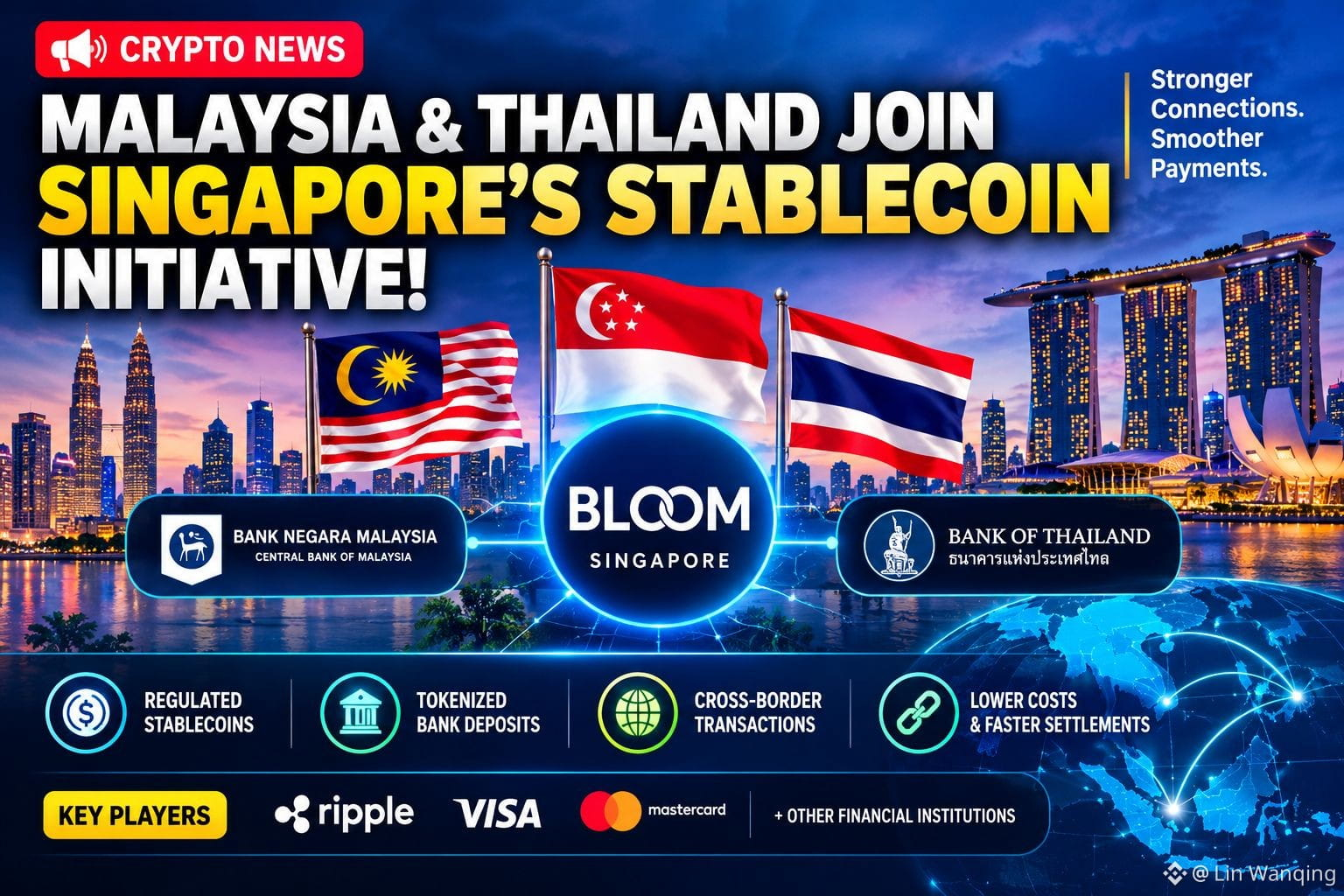
#MalaysiaAndThailandJoinSingaporeStablecoinInitiati ve
🚨 ماليزيا وتايلاند تنضمان إلى مبادرة سنغافورة للعملات المستقرة!
خطوة كبيرة نحو التمويل الرقمي في جنوب شرق آسيا! 🇸🇬🇲🇾🇹🇭
في 23 أكتوبر 2026، انضم البنك المركزي الماليزي وبنك تايلاند إلى مبادرة BLOOM السنغافورية بصفتهما عضوين من صانعي السياسات. ويهدف هذا التعاون إلى تحسين المعاملات العابرة للحدود باستخدام الأموال الرقمية، بما في ذلك العملات المستقرة الخاضعة للتنظيم والودائع المصرفية المُرمَّزة.
📊 لماذا يُعدّ هذا مهمًا؟
تركّز المبادرة على جعل المدفوعات الرقمية أكثر قابلية للتشغيل البيني، وخفض تكاليف التنفيذ، وتحسين التسوية بين المؤسسات المالية والبلدان. ومن أبرز المشاركين في القطاع Ripple وVisa وMastercard ومؤسسات مالية أخرى. <Cite refs={["turn608786search0","turn608786search1"]}/>
📈 التأثير المحتمل في سوق العملات المشفرة
قد يسهم ازدياد التعاون المؤسسي في دعم اعتماد العملات المستقرة وبنية المدفوعات القائمة على البلوك تشين على المدى الطويل. وقد تحظى المشاريع المرتبطة بالتسوية العابرة للحدود باهتمام أكبر، لكن المشاركة في المبادرة لا تضمن زيادة الطلب على الرموز أو ارتفاع أسعارها.
⚠️ وجهة نظر المتداول: يُعدّ هذا تطورًا مهمًا لاعتماد البلوك تشين في الاستخدامات الواقعية، لكن المؤشرات الأساسية ستكون التنفيذ الفعلي، وحجم المعاملات، والتقدم التنظيمي، لا العناوين وحدها.
💬 هل يمكن لجنوب شرق آسيا أن يصبح مركزًا رئيسيًا لمدفوعات العملات المستقرة الخاضعة للتنظيم؟
#Ripple #CryptoAdoption #BinanceSquare
$AGT $SOPH $UNITREE
{future}(UNITREEUSDT)
{future}(SOPHUSDT)
{future}(AGTUSDT)
#MalaysiaAndThailandJoinSingaporeStablecoinInitiati ve
🚨 ماليزيا وتايلاند تنضمان إلى مبادرة سنغافورة للعملات المستقرة!
خطوة كبيرة نحو التمويل الرقمي في جنوب شرق آسيا! 🇸🇬🇲🇾🇹🇭
في 23 أكتوبر 2026، انضم البنك المركزي الماليزي وبنك تايلاند إلى مبادرة BLOOM السنغافورية بصفتهما عضوين من صانعي السياسات. ويهدف هذا التعاون إلى تحسين المعاملات العابرة للحدود باستخدام الأموال الرقمية، بما في ذلك العملات المستقرة الخاضعة للتنظيم والودائع المصرفية المُرمَّزة.
📊 لماذا يُعدّ هذا مهمًا؟
تركّز المبادرة على جعل المدفوعات الرقمية أكثر قابلية للتشغيل البيني، وخفض تكاليف التنفيذ، وتحسين التسوية بين المؤسسات المالية والبلدان. ومن أبرز المشاركين في القطاع Ripple وVisa وMastercard ومؤسسات مالية أخرى. <Cite refs={["turn608786search0","turn608786search1"]}/>
📈 التأثير المحتمل في سوق العملات المشفرة
قد يسهم ازدياد التعاون المؤسسي في دعم اعتماد العملات المستقرة وبنية المدفوعات القائمة على البلوك تشين على المدى الطويل. وقد تحظى المشاريع المرتبطة بالتسوية العابرة للحدود باهتمام أكبر، لكن المشاركة في المبادرة لا تضمن زيادة الطلب على الرموز أو ارتفاع أسعارها.
⚠️ وجهة نظر المتداول: يُعدّ هذا تطورًا مهمًا لاعتماد البلوك تشين في الاستخدامات الواقعية، لكن المؤشرات الأساسية ستكون التنفيذ الفعلي، وحجم المعاملات، والتقدم التنظيمي، لا العناوين وحدها.
💬 هل يمكن لجنوب شرق آسيا أن يصبح مركزًا رئيسيًا لمدفوعات العملات المستقرة الخاضعة للتنظيم؟
#Ripple #CryptoAdoption #BinanceSquare
$AGT $SOPH $UNITREE
🚨 ماليزيا وتايلاند تنضمان إلى مبادرة سنغافورة للعملات المستقرة!
خطوة كبيرة نحو التمويل الرقمي في جنوب شرق آسيا! 🇸🇬🇲🇾🇹🇭
في 23 أكتوبر 2026، انضم البنك المركزي الماليزي وبنك تايلاند إلى مبادرة BLOOM السنغافورية بصفتهما عضوين من صانعي السياسات. ويهدف هذا التعاون إلى تحسين المعاملات العابرة للحدود باستخدام الأموال الرقمية، بما في ذلك العملات المستقرة الخاضعة للتنظيم والودائع المصرفية المُرمَّزة.
📊 لماذا يُعدّ هذا مهمًا؟
تركّز المبادرة على جعل المدفوعات الرقمية أكثر قابلية للتشغيل البيني، وخفض تكاليف التنفيذ، وتحسين التسوية بين المؤسسات المالية والبلدان. ومن أبرز المشاركين في القطاع Ripple وVisa وMastercard ومؤسسات مالية أخرى. <Cite refs={["turn608786search0","turn608786search1"]}/>
📈 التأثير المحتمل في سوق العملات المشفرة
قد يسهم ازدياد التعاون المؤسسي في دعم اعتماد العملات المستقرة وبنية المدفوعات القائمة على البلوك تشين على المدى الطويل. وقد تحظى المشاريع المرتبطة بالتسوية العابرة للحدود باهتمام أكبر، لكن المشاركة في المبادرة لا تضمن زيادة الطلب على الرموز أو ارتفاع أسعارها.
⚠️ وجهة نظر المتداول: يُعدّ هذا تطورًا مهمًا لاعتماد البلوك تشين في الاستخدامات الواقعية، لكن المؤشرات الأساسية ستكون التنفيذ الفعلي، وحجم المعاملات، والتقدم التنظيمي، لا العناوين وحدها.
💬 هل يمكن لجنوب شرق آسيا أن يصبح مركزًا رئيسيًا لمدفوعات العملات المستقرة الخاضعة للتنظيم؟
#Ripple #CryptoAdoption #BinanceSquare
$AGT $SOPH $UNITREE
74

·
--
تمّ التحقق
🚨 يطرح HSBC عملته المستقرة المدعومة بدولار هونغ كونغ لملايين المستخدمين 🇭🇰
يتخذ HSBC خطوة أخرى نحو انتشار المدفوعات الرقمية، من خلال إتاحة عملته المستقرة المدعومة بدولار هونغ كونغ، ريدكوين (RedCoin)، لأكثر من 3.3 مليون مستخدم لخدمة PayMe، وفقًا لصحيفة ساوث تشاينا مورنينغ بوست.
ما لفت انتباهي هو مدى الانتشار المحتمل. فعندما يتيح بنك تقليدي كبير تقنية العملات المستقرة مباشرةً عبر منصة دفع راسخة، تتجاوز الأصول الرقمية نطاق تداول العملات المشفرة وتقترب أكثر من الاستخدام المالي اليومي.
السؤال الأهم هو ما إذا كان الناس سيعتمدون بالفعل العملات المستقرة في المدفوعات اليومية والتحويلات وغيرها من الأنشطة المالية.
إذا ازداد الإقبال عليها، فقد تكون هذه إشارة مهمة أخرى إلى تقارب الخدمات المصرفية التقليدية والمدفوعات القائمة على البلوك تشين.
بالنسبة إليّ، لا تقتصر القصة الحقيقية على إطلاق عملة مستقرة أخرى، بل على حجم التوزيع الذي يقف وراءها. 👀
$AKE $MAGMA $PTB
#stablecoin #HSBC #HongKong #CryptoAdoption #blockchain
🚨 يطرح HSBC عملته المستقرة المدعومة بدولار هونغ كونغ لملايين المستخدمين 🇭🇰
يتخذ HSBC خطوة أخرى نحو انتشار المدفوعات الرقمية، من خلال إتاحة عملته المستقرة المدعومة بدولار هونغ كونغ، ريدكوين (RedCoin)، لأكثر من 3.3 مليون مستخدم لخدمة PayMe، وفقًا لصحيفة ساوث تشاينا مورنينغ بوست.
ما لفت انتباهي هو مدى الانتشار المحتمل. فعندما يتيح بنك تقليدي كبير تقنية العملات المستقرة مباشرةً عبر منصة دفع راسخة، تتجاوز الأصول الرقمية نطاق تداول العملات المشفرة وتقترب أكثر من الاستخدام المالي اليومي.
السؤال الأهم هو ما إذا كان الناس سيعتمدون بالفعل العملات المستقرة في المدفوعات اليومية والتحويلات وغيرها من الأنشطة المالية.
إذا ازداد الإقبال عليها، فقد تكون هذه إشارة مهمة أخرى إلى تقارب الخدمات المصرفية التقليدية والمدفوعات القائمة على البلوك تشين.
بالنسبة إليّ، لا تقتصر القصة الحقيقية على إطلاق عملة مستقرة أخرى، بل على حجم التوزيع الذي يقف وراءها. 👀
$AKE $MAGMA $PTB
#stablecoin #HSBC #HongKong #CryptoAdoption #blockchain
يتخذ HSBC خطوة أخرى نحو انتشار المدفوعات الرقمية، من خلال إتاحة عملته المستقرة المدعومة بدولار هونغ كونغ، ريدكوين (RedCoin)، لأكثر من 3.3 مليون مستخدم لخدمة PayMe، وفقًا لصحيفة ساوث تشاينا مورنينغ بوست.
ما لفت انتباهي هو مدى الانتشار المحتمل. فعندما يتيح بنك تقليدي كبير تقنية العملات المستقرة مباشرةً عبر منصة دفع راسخة، تتجاوز الأصول الرقمية نطاق تداول العملات المشفرة وتقترب أكثر من الاستخدام المالي اليومي.
السؤال الأهم هو ما إذا كان الناس سيعتمدون بالفعل العملات المستقرة في المدفوعات اليومية والتحويلات وغيرها من الأنشطة المالية.
إذا ازداد الإقبال عليها، فقد تكون هذه إشارة مهمة أخرى إلى تقارب الخدمات المصرفية التقليدية والمدفوعات القائمة على البلوك تشين.
بالنسبة إليّ، لا تقتصر القصة الحقيقية على إطلاق عملة مستقرة أخرى، بل على حجم التوزيع الذي يقف وراءها. 👀
$AKE $MAGMA $PTB
#stablecoin #HSBC #HongKong #CryptoAdoption #blockchain
857

قلبت روسيا المعادلة: فالبنك المركزي نفسه الذي اقترح حظر العملات المشفرة في عام 2022، بات الآن يمنح أكبر بنوك البلاد تراخيص للعمل كمنصات لتداولها.
وصل عدد الشركات المدرجة في سجل منصات تداول العملات المشفرة لدى بنك روسيا إلى 17 شركة هذا الأسبوع، ومن بينها سبيربنك وVTB، أكبر بنكين في البلاد، وكلاهما حاصل على ترخيصَي التداول والحفظ. ويخطط VTB لإتاحة تداول العملات المشفرة للأفراد عبر تطبيق VTB My Investments في نوفمبر؛ أما سبيربنك فيستهدف الأول من ديسمبر، ويختبر بالفعل تداول BTC وETH وUSDT داخل تطبيقه.
الضوابط صارمة: لا يُسمح للمشترين الأفراد إلا بشراء العملات الأعلى سيولة، بحد أقصى 300,000 روبل (نحو 3,800 دولار) سنويًا عبر كل وسيط، وبعد اجتياز اختبار فقط. ويظل استخدام العملات المشفرة للمدفوعات المحلية محظورًا.
لماذا يهم ذلك؟ إن إدماج اقتصاد خاضع للعقوبات للعملات المشفرة في أكبر بنوكه التي تخدم الأفراد يخلق قناة طلب هيكلية — بنية تحتية منظمة، لا اندفاعًا بدافع الخوف من فوات الفرصة. واعتبارًا من يوليو 2027، يجب أن تمر جميع معاملات تداول العملات المشفرة في روسيا عبر وسطاء مسجلين.
لا رد فعل فوري في السوق — $BTC يحافظ على مستوى 81.7 ألف دولار، مع تغير طفيف جدًا. تتراكم التحولات الهيكلية على مدى أشهر، لا ساعات. هذا ليس نصحًا ماليًا — أجرِ بحثك بنفسك.
إذا كانت أكبر بنوك روسيا ستبيع العملات المشفرة بحلول ديسمبر، فأي اقتصاد كبير ستتحرك بنوكه بعد ذلك؟
$BTC #Bitcoin #Russia #CryptoAdoption #التنظيم
قلبت روسيا المعادلة: فالبنك المركزي نفسه الذي اقترح حظر العملات المشفرة في عام 2022، بات الآن يمنح أكبر بنوك البلاد تراخيص للعمل كمنصات لتداولها.
وصل عدد الشركات المدرجة في سجل منصات تداول العملات المشفرة لدى بنك روسيا إلى 17 شركة هذا الأسبوع، ومن بينها سبيربنك وVTB، أكبر بنكين في البلاد، وكلاهما حاصل على ترخيصَي التداول والحفظ. ويخطط VTB لإتاحة تداول العملات المشفرة للأفراد عبر تطبيق VTB My Investments في نوفمبر؛ أما سبيربنك فيستهدف الأول من ديسمبر، ويختبر بالفعل تداول BTC وETH وUSDT داخل تطبيقه.
الضوابط صارمة: لا يُسمح للمشترين الأفراد إلا بشراء العملات الأعلى سيولة، بحد أقصى 300,000 روبل (نحو 3,800 دولار) سنويًا عبر كل وسيط، وبعد اجتياز اختبار فقط. ويظل استخدام العملات المشفرة للمدفوعات المحلية محظورًا.
لماذا يهم ذلك؟ إن إدماج اقتصاد خاضع للعقوبات للعملات المشفرة في أكبر بنوكه التي تخدم الأفراد يخلق قناة طلب هيكلية — بنية تحتية منظمة، لا اندفاعًا بدافع الخوف من فوات الفرصة. واعتبارًا من يوليو 2027، يجب أن تمر جميع معاملات تداول العملات المشفرة في روسيا عبر وسطاء مسجلين.
لا رد فعل فوري في السوق — $BTC يحافظ على مستوى 81.7 ألف دولار، مع تغير طفيف جدًا. تتراكم التحولات الهيكلية على مدى أشهر، لا ساعات. هذا ليس نصحًا ماليًا — أجرِ بحثك بنفسك.
إذا كانت أكبر بنوك روسيا ستبيع العملات المشفرة بحلول ديسمبر، فأي اقتصاد كبير ستتحرك بنوكه بعد ذلك؟
$BTC #Bitcoin #Russia #CryptoAdoption #التنظيم
وصل عدد الشركات المدرجة في سجل منصات تداول العملات المشفرة لدى بنك روسيا إلى 17 شركة هذا الأسبوع، ومن بينها سبيربنك وVTB، أكبر بنكين في البلاد، وكلاهما حاصل على ترخيصَي التداول والحفظ. ويخطط VTB لإتاحة تداول العملات المشفرة للأفراد عبر تطبيق VTB My Investments في نوفمبر؛ أما سبيربنك فيستهدف الأول من ديسمبر، ويختبر بالفعل تداول BTC وETH وUSDT داخل تطبيقه.
الضوابط صارمة: لا يُسمح للمشترين الأفراد إلا بشراء العملات الأعلى سيولة، بحد أقصى 300,000 روبل (نحو 3,800 دولار) سنويًا عبر كل وسيط، وبعد اجتياز اختبار فقط. ويظل استخدام العملات المشفرة للمدفوعات المحلية محظورًا.
لماذا يهم ذلك؟ إن إدماج اقتصاد خاضع للعقوبات للعملات المشفرة في أكبر بنوكه التي تخدم الأفراد يخلق قناة طلب هيكلية — بنية تحتية منظمة، لا اندفاعًا بدافع الخوف من فوات الفرصة. واعتبارًا من يوليو 2027، يجب أن تمر جميع معاملات تداول العملات المشفرة في روسيا عبر وسطاء مسجلين.
لا رد فعل فوري في السوق — $BTC يحافظ على مستوى 81.7 ألف دولار، مع تغير طفيف جدًا. تتراكم التحولات الهيكلية على مدى أشهر، لا ساعات. هذا ليس نصحًا ماليًا — أجرِ بحثك بنفسك.
إذا كانت أكبر بنوك روسيا ستبيع العملات المشفرة بحلول ديسمبر، فأي اقتصاد كبير ستتحرك بنوكه بعد ذلك؟
$BTC #Bitcoin #Russia #CryptoAdoption #التنظيم
21

·
--
🏦 البنوك التقليدية تدخل خط الكريبتو بقوة! ما القصة؟
خطوة جديدة تعزز من تبني العملات الرقمية؛ حيث أعلنت شركة SoFi التقنية والمالية عن إطلاق منتج "ودائع مرمزّة" تتيح للمستخدمين كسب عوائد سنوية تصل إلى 4.4% على الأموال النقدية المخصصة لشراء العملات الرقمية مع توفير حماية للمستثمرين.
💡 لماذا هذا الخبر مهم؟ دخول هذه الأدوات المالية يضخ سيولة جديدة مستقرة في السوق، ويسهل على المستثمرين التقليديين الدخول بمرونة وسرعة.
👇 ما رأيكم؟ هل تعتقدون أن دمج البنوك التقليدية مع خدمات الكريبتو سيسرع من الصعود القادم؟
#CryptoAdoption #BinanceSquare #CryptoNews #Write2Earn $BTC
{spot}(BTCUSDT)
$BNB
{spot}(BNBUSDT)
$USDC
{spot}(USDCUSDT)
🏦 البنوك التقليدية تدخل خط الكريبتو بقوة! ما القصة؟
خطوة جديدة تعزز من تبني العملات الرقمية؛ حيث أعلنت شركة SoFi التقنية والمالية عن إطلاق منتج "ودائع مرمزّة" تتيح للمستخدمين كسب عوائد سنوية تصل إلى 4.4% على الأموال النقدية المخصصة لشراء العملات الرقمية مع توفير حماية للمستثمرين.
💡 لماذا هذا الخبر مهم؟ دخول هذه الأدوات المالية يضخ سيولة جديدة مستقرة في السوق، ويسهل على المستثمرين التقليديين الدخول بمرونة وسرعة.
👇 ما رأيكم؟ هل تعتقدون أن دمج البنوك التقليدية مع خدمات الكريبتو سيسرع من الصعود القادم؟
#CryptoAdoption #BinanceSquare #CryptoNews #Write2Earn $BTC
$BNB
$USDC
خطوة جديدة تعزز من تبني العملات الرقمية؛ حيث أعلنت شركة SoFi التقنية والمالية عن إطلاق منتج "ودائع مرمزّة" تتيح للمستخدمين كسب عوائد سنوية تصل إلى 4.4% على الأموال النقدية المخصصة لشراء العملات الرقمية مع توفير حماية للمستثمرين.
💡 لماذا هذا الخبر مهم؟ دخول هذه الأدوات المالية يضخ سيولة جديدة مستقرة في السوق، ويسهل على المستثمرين التقليديين الدخول بمرونة وسرعة.
👇 ما رأيكم؟ هل تعتقدون أن دمج البنوك التقليدية مع خدمات الكريبتو سيسرع من الصعود القادم؟
#CryptoAdoption #BinanceSquare #CryptoNews #Write2Earn $BTC
$BNB
$USDC
21

·
--
تُثبت العملات الميمية أنها أكبر محرّك لجذب المستخدمين الجدد إلى عالم العملات المشفرة! 🚀
تكشف الاتجاهات الحديثة على Robinhood أن رموزًا مثل $DOGE و$SHIB تُعزز التبني الفعلي على السلسلة وتجلب ملايين المستخدمين الجدد إلى Web3. وبعيدًا عن الضجة، تواصل دوجكوين توسيع نطاق استخدامها، ما يُظهر أن العملات الميمية قد تكون البوابة المثلى لاستخدام العملات المشفرة على نطاق واسع.
هل العملات الميمية مستقبل اكتساب المستخدمين؟ 👇
#Dogecoin #Memecoins #CryptoAdoption
تُثبت العملات الميمية أنها أكبر محرّك لجذب المستخدمين الجدد إلى عالم العملات المشفرة! 🚀
تكشف الاتجاهات الحديثة على Robinhood أن رموزًا مثل $DOGE و$SHIB تُعزز التبني الفعلي على السلسلة وتجلب ملايين المستخدمين الجدد إلى Web3. وبعيدًا عن الضجة، تواصل دوجكوين توسيع نطاق استخدامها، ما يُظهر أن العملات الميمية قد تكون البوابة المثلى لاستخدام العملات المشفرة على نطاق واسع.
هل العملات الميمية مستقبل اكتساب المستخدمين؟ 👇
#Dogecoin #Memecoins #CryptoAdoption
تكشف الاتجاهات الحديثة على Robinhood أن رموزًا مثل $DOGE و$SHIB تُعزز التبني الفعلي على السلسلة وتجلب ملايين المستخدمين الجدد إلى Web3. وبعيدًا عن الضجة، تواصل دوجكوين توسيع نطاق استخدامها، ما يُظهر أن العملات الميمية قد تكون البوابة المثلى لاستخدام العملات المشفرة على نطاق واسع.
هل العملات الميمية مستقبل اكتساب المستخدمين؟ 👇
#Dogecoin #Memecoins #CryptoAdoption
11

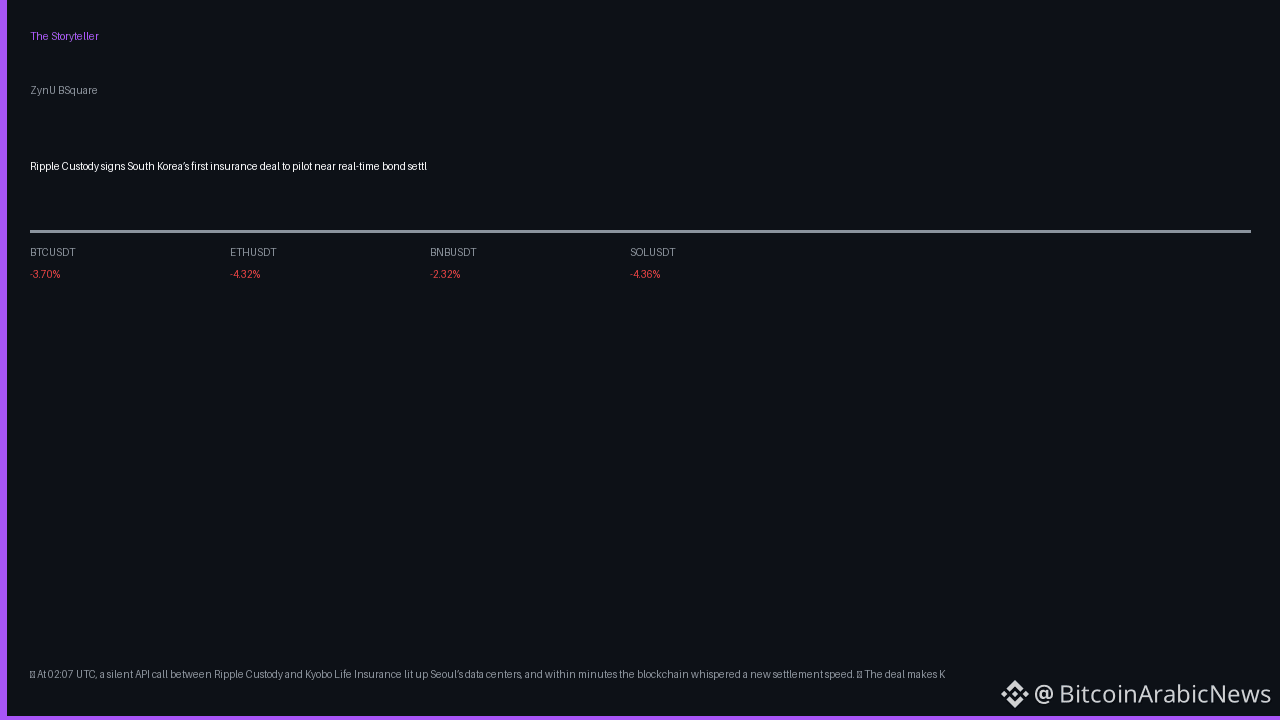
🔥 عند الساعة 02:07 بالتوقيت العالمي المنسق، أطلق استدعاء API صامت بين Ripple Custody وشركة Kyobo Life Insurance شرارةً في مراكز بيانات سيول، وفي غضون دقائق همست سلسلة الكتل بسرعة تسوية جديدة.
📊 تجعل الصفقة من Kyobo، وهي شركة تأمين من الفئة الأولى، أول كيان كوري يسوّي السندات الحكومية على السلسلة، مختصرةً فترة التأخير التقليدية T+2 إلى ما يقارب الوقت الفعلي، ومُتيحةً الوصول إلى سوق بقيمة 1.2 تريليون دولار، شهد هبوط Bitcoin إلى 81,435 دولارًا (‑3.7%) وتراجع ETH إلى 2,387 دولارًا (‑4.3%) وسط معنويات جشع عند 68؛ بينما تظل مراكز الفائدة المفتوحة للعقود الآجلة صعودية، مع بلوغ مراكز BTC المفتوحة 7.78 مليار دولار ومعدل تمويل +0.0062%، في حين بدأت محافظ المستثمرين الأذكياء بالفعل ترقّب الديون المُرمّزة باعتبارها الرهان التالي #Ripple لعبة #Kyobo #BondSettlement #تبني_العملات_المشفرة.
💡 المفاجأة؟ الرسوم البيانية الهبوطية نفسها التي تخيف متداولي التجزئة هي المحفّز بعينه الذي يدفع المؤسسات إلى السعي وراء الكفاءة المدعومة بسلسلة الكتل، محوّلةً هبوط اليوم إلى موجة طلب غدًا.
❓ هل ستجبر هذه التجربة الكورية الهادئة سوق العملات المشفرة بأكمله على إعادة كتابة قواعد التسوية قبل الخطوة التالية للاحتياطي الفيدرالي؟
🔥 عند الساعة 02:07 بالتوقيت العالمي المنسق، أطلق استدعاء API صامت بين Ripple Custody وشركة Kyobo Life Insurance شرارةً في مراكز بيانات سيول، وفي غضون دقائق همست سلسلة الكتل بسرعة تسوية جديدة.
📊 تجعل الصفقة من Kyobo، وهي شركة تأمين من الفئة الأولى، أول كيان كوري يسوّي السندات الحكومية على السلسلة، مختصرةً فترة التأخير التقليدية T+2 إلى ما يقارب الوقت الفعلي، ومُتيحةً الوصول إلى سوق بقيمة 1.2 تريليون دولار، شهد هبوط Bitcoin إلى 81,435 دولارًا (‑3.7%) وتراجع ETH إلى 2,387 دولارًا (‑4.3%) وسط معنويات جشع عند 68؛ بينما تظل مراكز الفائدة المفتوحة للعقود الآجلة صعودية، مع بلوغ مراكز BTC المفتوحة 7.78 مليار دولار ومعدل تمويل +0.0062%، في حين بدأت محافظ المستثمرين الأذكياء بالفعل ترقّب الديون المُرمّزة باعتبارها الرهان التالي #Ripple لعبة #Kyobo #BondSettlement #تبني_العملات_المشفرة.
💡 المفاجأة؟ الرسوم البيانية الهبوطية نفسها التي تخيف متداولي التجزئة هي المحفّز بعينه الذي يدفع المؤسسات إلى السعي وراء الكفاءة المدعومة بسلسلة الكتل، محوّلةً هبوط اليوم إلى موجة طلب غدًا.
❓ هل ستجبر هذه التجربة الكورية الهادئة سوق العملات المشفرة بأكمله على إعادة كتابة قواعد التسوية قبل الخطوة التالية للاحتياطي الفيدرالي؟
📊 تجعل الصفقة من Kyobo، وهي شركة تأمين من الفئة الأولى، أول كيان كوري يسوّي السندات الحكومية على السلسلة، مختصرةً فترة التأخير التقليدية T+2 إلى ما يقارب الوقت الفعلي، ومُتيحةً الوصول إلى سوق بقيمة 1.2 تريليون دولار، شهد هبوط Bitcoin إلى 81,435 دولارًا (‑3.7%) وتراجع ETH إلى 2,387 دولارًا (‑4.3%) وسط معنويات جشع عند 68؛ بينما تظل مراكز الفائدة المفتوحة للعقود الآجلة صعودية، مع بلوغ مراكز BTC المفتوحة 7.78 مليار دولار ومعدل تمويل +0.0062%، في حين بدأت محافظ المستثمرين الأذكياء بالفعل ترقّب الديون المُرمّزة باعتبارها الرهان التالي #Ripple لعبة #Kyobo #BondSettlement #تبني_العملات_المشفرة.
💡 المفاجأة؟ الرسوم البيانية الهبوطية نفسها التي تخيف متداولي التجزئة هي المحفّز بعينه الذي يدفع المؤسسات إلى السعي وراء الكفاءة المدعومة بسلسلة الكتل، محوّلةً هبوط اليوم إلى موجة طلب غدًا.
❓ هل ستجبر هذه التجربة الكورية الهادئة سوق العملات المشفرة بأكمله على إعادة كتابة قواعد التسوية قبل الخطوة التالية للاحتياطي الفيدرالي؟
6
إذا كنت لا تزال تصرّ على أن الحفظ الذاتي هو الطريقة الحقيقية الوحيدة للاحتفاظ بالبيتكوين، فقد تسبّب هذا الاعتقاد بالفعل في خسارة المتداولين ملايين الدولارات بسبب مفاتيح ضائعة وعمليات اختراق.
يواصل المستثمرون العاديون مشاهدة أرصدتهم تتلاشى بعد محاولة تصيّد واحدة أو نسيان عبارة الاسترداد. ويفوتهم الدخول والخروج من السوق بسهولة، فيما يُبقيهم الحاجز التقني على الهامش.
اتخذت سويسرا خطوة في هذا الاتجاه. ففي 20 أكتوبر، وافقت FINMA على صندوق يحتفظ ببيتكوين فعلي $BTC ، وأتاحته للمستثمرين العاديين، لا للمستثمرين المؤهلين وحدهم. ومن المتوقع أن يبدأ التداول تحت الرمز BBIT في بورصة SIX الشهر المقبل، ما يتيح للناس التعرض الفعلي للبيتكوين من دون الحاجة إلى إدارة مفاتيح خاصة.
بل إن FINMA أعفت الصندوق من قواعد التنويع المعتادة. وسيقول المتشددون إن هذا ليس سوى مطالبة ورقية أخرى، لا تختلف عن بعض المنتجات $ETH التي لا تملك فيها السيطرة على الأصل. لكنني أرى الجانب الآخر بوضوح أكبر. فمعظم الناس لن يصبحوا خبراء في المحافظ الرقمية، وهذا يزيل أكبر سبب يمنعهم من المشاركة أو يؤدي إلى تكبدهم خسائر فادحة.
يبدو هذا خطوة عملية نحو إتاحة $BTC على نطاق أوسع، لا اختبارًا أيديولوجيًا آخر للنقاء.
هل هذه مفاضلة مناسبة لإتاحة البيتكوين للمستثمرين العاديين، أم أنها ابتعاد عما كان يُفترض أن تكون عليه العملات المشفرة؟
#Bitcoin #FINMA #تبني_العملات_المشفرة
إذا كنت لا تزال تصرّ على أن الحفظ الذاتي هو الطريقة الحقيقية الوحيدة للاحتفاظ بالبيتكوين، فقد تسبّب هذا الاعتقاد بالفعل في خسارة المتداولين ملايين الدولارات بسبب مفاتيح ضائعة وعمليات اختراق.
يواصل المستثمرون العاديون مشاهدة أرصدتهم تتلاشى بعد محاولة تصيّد واحدة أو نسيان عبارة الاسترداد. ويفوتهم الدخول والخروج من السوق بسهولة، فيما يُبقيهم الحاجز التقني على الهامش.
اتخذت سويسرا خطوة في هذا الاتجاه. ففي 20 أكتوبر، وافقت FINMA على صندوق يحتفظ ببيتكوين فعلي $BTC ، وأتاحته للمستثمرين العاديين، لا للمستثمرين المؤهلين وحدهم. ومن المتوقع أن يبدأ التداول تحت الرمز BBIT في بورصة SIX الشهر المقبل، ما يتيح للناس التعرض الفعلي للبيتكوين من دون الحاجة إلى إدارة مفاتيح خاصة.
بل إن FINMA أعفت الصندوق من قواعد التنويع المعتادة. وسيقول المتشددون إن هذا ليس سوى مطالبة ورقية أخرى، لا تختلف عن بعض المنتجات $ETH التي لا تملك فيها السيطرة على الأصل. لكنني أرى الجانب الآخر بوضوح أكبر. فمعظم الناس لن يصبحوا خبراء في المحافظ الرقمية، وهذا يزيل أكبر سبب يمنعهم من المشاركة أو يؤدي إلى تكبدهم خسائر فادحة.
يبدو هذا خطوة عملية نحو إتاحة $BTC على نطاق أوسع، لا اختبارًا أيديولوجيًا آخر للنقاء.
هل هذه مفاضلة مناسبة لإتاحة البيتكوين للمستثمرين العاديين، أم أنها ابتعاد عما كان يُفترض أن تكون عليه العملات المشفرة؟
#Bitcoin #FINMA #تبني_العملات_المشفرة
يواصل المستثمرون العاديون مشاهدة أرصدتهم تتلاشى بعد محاولة تصيّد واحدة أو نسيان عبارة الاسترداد. ويفوتهم الدخول والخروج من السوق بسهولة، فيما يُبقيهم الحاجز التقني على الهامش.
اتخذت سويسرا خطوة في هذا الاتجاه. ففي 20 أكتوبر، وافقت FINMA على صندوق يحتفظ ببيتكوين فعلي $BTC ، وأتاحته للمستثمرين العاديين، لا للمستثمرين المؤهلين وحدهم. ومن المتوقع أن يبدأ التداول تحت الرمز BBIT في بورصة SIX الشهر المقبل، ما يتيح للناس التعرض الفعلي للبيتكوين من دون الحاجة إلى إدارة مفاتيح خاصة.
بل إن FINMA أعفت الصندوق من قواعد التنويع المعتادة. وسيقول المتشددون إن هذا ليس سوى مطالبة ورقية أخرى، لا تختلف عن بعض المنتجات $ETH التي لا تملك فيها السيطرة على الأصل. لكنني أرى الجانب الآخر بوضوح أكبر. فمعظم الناس لن يصبحوا خبراء في المحافظ الرقمية، وهذا يزيل أكبر سبب يمنعهم من المشاركة أو يؤدي إلى تكبدهم خسائر فادحة.
يبدو هذا خطوة عملية نحو إتاحة $BTC على نطاق أوسع، لا اختبارًا أيديولوجيًا آخر للنقاء.
هل هذه مفاضلة مناسبة لإتاحة البيتكوين للمستثمرين العاديين، أم أنها ابتعاد عما كان يُفترض أن تكون عليه العملات المشفرة؟
#Bitcoin #FINMA #تبني_العملات_المشفرة

·
--
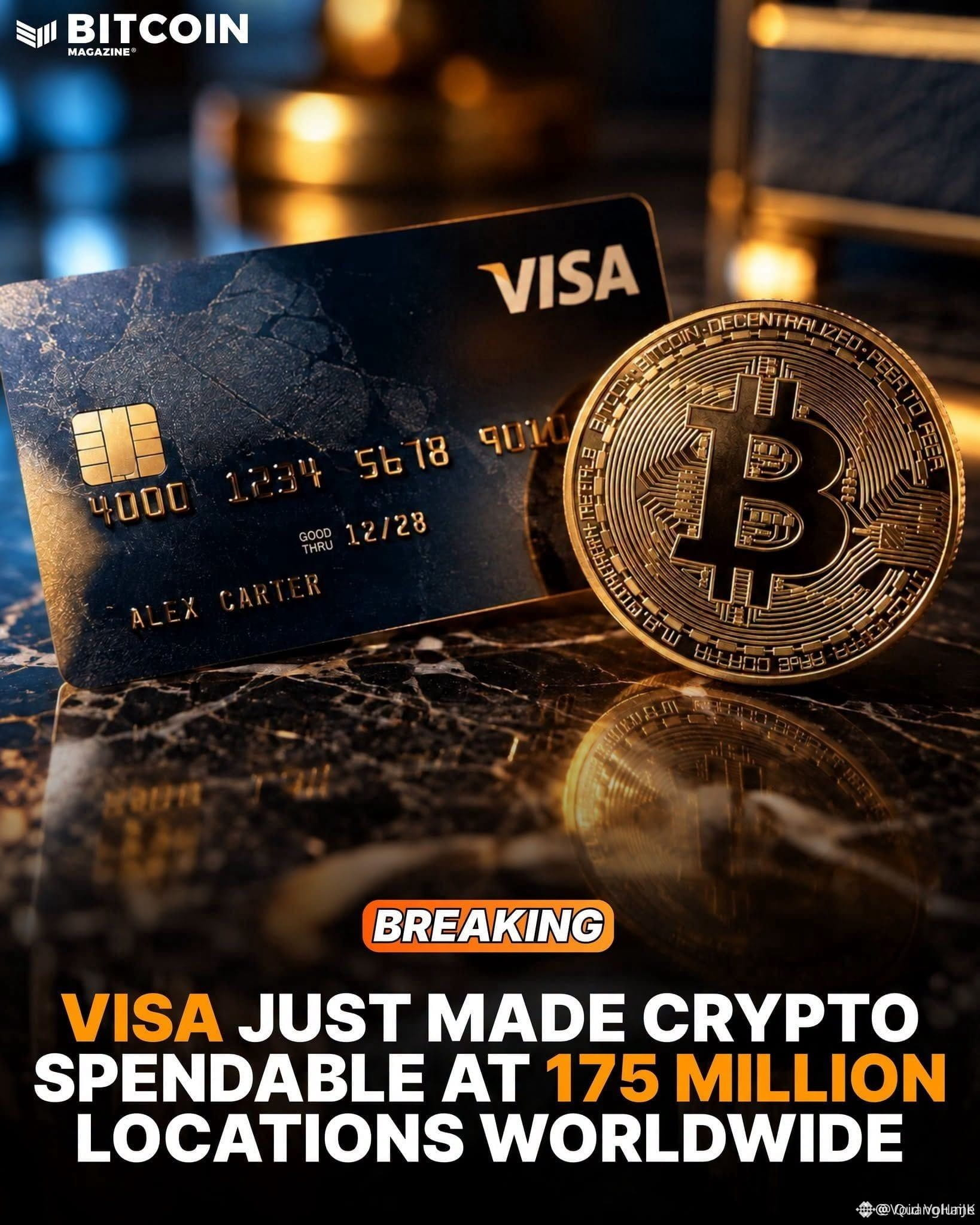
⚡ تتوسع البنية التحتية المؤسسية مع تكامل التسوية المباشرة للمحافظ $BTC مع VISA 🦈
بعيدًا عن دفاتر الأوامر، يستمر التبني الهيكلي في ربط السيولة الاقتصادية الكلية بهدوء بالميزانيات العمومية على السلسلة. 🏦 تربط قناة التحويل غير المرئية الطلبَ على الأطر الزمنية الطويلة مباشرةً بحجم المعاملات عند نقاط البيع، وتمتصّ المعروض المتداول بشكل منهجي من دون فرض أي احتكاك على المعاملات اليومية.
من منظور هيكل السوق، يشكّل تقليل الاحتكاك عند التحويل إلى العملات التقليدية آلية امتصاص دائمة عبر مجمعات السيولة. 🔍 ومع تجريد شبكات الدفع التقليدية من تفاصيل تحويل العملات الورقية على الشبكات الخلفية، يكتسب التراكم الهيكلي عاملًا محفزًا متكررًا وخفيًا. 💬 هل تسرّع سهولة الإنفاق بناء القاعدة المؤسسية، أم سيحافظ حاملو الأصول على معروضهم على السلسلة؟ 👇
⚠️ هذه ليست نصيحة مالية. أدر مخاطرَك دائمًا. 🛡️
🏷️ #BTC #Bitcoin #CryptoAdoption #MacroLiquidity
🎯 🦈
⚡ تتوسع البنية التحتية المؤسسية مع تكامل التسوية المباشرة للمحافظ $BTC مع VISA 🦈
بعيدًا عن دفاتر الأوامر، يستمر التبني الهيكلي في ربط السيولة الاقتصادية الكلية بهدوء بالميزانيات العمومية على السلسلة. 🏦 تربط قناة التحويل غير المرئية الطلبَ على الأطر الزمنية الطويلة مباشرةً بحجم المعاملات عند نقاط البيع، وتمتصّ المعروض المتداول بشكل منهجي من دون فرض أي احتكاك على المعاملات اليومية.
من منظور هيكل السوق، يشكّل تقليل الاحتكاك عند التحويل إلى العملات التقليدية آلية امتصاص دائمة عبر مجمعات السيولة. 🔍 ومع تجريد شبكات الدفع التقليدية من تفاصيل تحويل العملات الورقية على الشبكات الخلفية، يكتسب التراكم الهيكلي عاملًا محفزًا متكررًا وخفيًا. 💬 هل تسرّع سهولة الإنفاق بناء القاعدة المؤسسية، أم سيحافظ حاملو الأصول على معروضهم على السلسلة؟ 👇
⚠️ هذه ليست نصيحة مالية. أدر مخاطرَك دائمًا. 🛡️
🏷️ #BTC #Bitcoin #CryptoAdoption #MacroLiquidity
🎯 🦈
بعيدًا عن دفاتر الأوامر، يستمر التبني الهيكلي في ربط السيولة الاقتصادية الكلية بهدوء بالميزانيات العمومية على السلسلة. 🏦 تربط قناة التحويل غير المرئية الطلبَ على الأطر الزمنية الطويلة مباشرةً بحجم المعاملات عند نقاط البيع، وتمتصّ المعروض المتداول بشكل منهجي من دون فرض أي احتكاك على المعاملات اليومية.
من منظور هيكل السوق، يشكّل تقليل الاحتكاك عند التحويل إلى العملات التقليدية آلية امتصاص دائمة عبر مجمعات السيولة. 🔍 ومع تجريد شبكات الدفع التقليدية من تفاصيل تحويل العملات الورقية على الشبكات الخلفية، يكتسب التراكم الهيكلي عاملًا محفزًا متكررًا وخفيًا. 💬 هل تسرّع سهولة الإنفاق بناء القاعدة المؤسسية، أم سيحافظ حاملو الأصول على معروضهم على السلسلة؟ 👇
⚠️ هذه ليست نصيحة مالية. أدر مخاطرَك دائمًا. 🛡️
🏷️ #BTC #Bitcoin #CryptoAdoption #MacroLiquidity
🎯 🦈
1
بدأت Visa للتو باستخدام $USDC في عمليات دفع التجار الفعلية، بعد إبقائه قيد الاختبار لأشهر، وهو أمر لا يزال معظم المتداولين يعدّونه ضجيجًا هامشيًا.
لقد شاهدت عناوين كثيرة عن الشراكات تخبو من دون أن تسفر عن شيء، بينما تكبّدت محفظتك الخسائر لأنك طاردت السردية الرائجة التالية بدلًا من متابعة حركة الأموال الفعلية.
يعني هذا التحول أن Visa تموّل التسويات الفعلية مسبقًا باستخدام $USDC ، بدلًا من انتظار التحويلات المصرفية التي تتوقف في عطلة نهاية الأسبوع. قد تستغرق المدفوعات التقليدية أيامًا، أما على السلسلة فتُسوّى خلال دقائق وعلى مدار الساعة. رأيت النمط نفسه في 2020، عندما بدأت المؤسسات لأول مرة بإيداع السيولة في العملات المستقرة خلال الدورة السابقة. استهان الجميع بالأمر ووصفوه بالممل، إلى أن أخذت الأحجام تتضاعف. لا يزال $ETH يستحوذ على معظم تلك السيولة، وحتى جزء ضئيل من تدفقات Visa سيفوق بكثير نشاط التمويل اللامركزي المعتاد الذي اعتدنا الاحتفاء به.
من المفهوم الخوف من تفويت موجة حماس أخرى. لكن الأمل بأن تصبح العملات المشفرة أخيرًا البنية التحتية التي تدير حركة الأموال بدلًا من أن تكون كازينو، هو ما يتراكم أثره فعلًا عبر الدورات.
إلى أين تعتقد أن الأمور ستتجه عندما تبدأ شبكات أخرى بالتعامل مع $USDC كرأس مال عامل بدلًا من اعتباره مجرد مكان لإيداع الأموال؟
#USDC #Stablecoins #تبني_العملات_المشفرة
بدأت Visa للتو باستخدام $USDC في عمليات دفع التجار الفعلية، بعد إبقائه قيد الاختبار لأشهر، وهو أمر لا يزال معظم المتداولين يعدّونه ضجيجًا هامشيًا.
لقد شاهدت عناوين كثيرة عن الشراكات تخبو من دون أن تسفر عن شيء، بينما تكبّدت محفظتك الخسائر لأنك طاردت السردية الرائجة التالية بدلًا من متابعة حركة الأموال الفعلية.
يعني هذا التحول أن Visa تموّل التسويات الفعلية مسبقًا باستخدام $USDC ، بدلًا من انتظار التحويلات المصرفية التي تتوقف في عطلة نهاية الأسبوع. قد تستغرق المدفوعات التقليدية أيامًا، أما على السلسلة فتُسوّى خلال دقائق وعلى مدار الساعة. رأيت النمط نفسه في 2020، عندما بدأت المؤسسات لأول مرة بإيداع السيولة في العملات المستقرة خلال الدورة السابقة. استهان الجميع بالأمر ووصفوه بالممل، إلى أن أخذت الأحجام تتضاعف. لا يزال $ETH يستحوذ على معظم تلك السيولة، وحتى جزء ضئيل من تدفقات Visa سيفوق بكثير نشاط التمويل اللامركزي المعتاد الذي اعتدنا الاحتفاء به.
من المفهوم الخوف من تفويت موجة حماس أخرى. لكن الأمل بأن تصبح العملات المشفرة أخيرًا البنية التحتية التي تدير حركة الأموال بدلًا من أن تكون كازينو، هو ما يتراكم أثره فعلًا عبر الدورات.
إلى أين تعتقد أن الأمور ستتجه عندما تبدأ شبكات أخرى بالتعامل مع $USDC كرأس مال عامل بدلًا من اعتباره مجرد مكان لإيداع الأموال؟
#USDC #Stablecoins #تبني_العملات_المشفرة
لقد شاهدت عناوين كثيرة عن الشراكات تخبو من دون أن تسفر عن شيء، بينما تكبّدت محفظتك الخسائر لأنك طاردت السردية الرائجة التالية بدلًا من متابعة حركة الأموال الفعلية.
يعني هذا التحول أن Visa تموّل التسويات الفعلية مسبقًا باستخدام $USDC ، بدلًا من انتظار التحويلات المصرفية التي تتوقف في عطلة نهاية الأسبوع. قد تستغرق المدفوعات التقليدية أيامًا، أما على السلسلة فتُسوّى خلال دقائق وعلى مدار الساعة. رأيت النمط نفسه في 2020، عندما بدأت المؤسسات لأول مرة بإيداع السيولة في العملات المستقرة خلال الدورة السابقة. استهان الجميع بالأمر ووصفوه بالممل، إلى أن أخذت الأحجام تتضاعف. لا يزال $ETH يستحوذ على معظم تلك السيولة، وحتى جزء ضئيل من تدفقات Visa سيفوق بكثير نشاط التمويل اللامركزي المعتاد الذي اعتدنا الاحتفاء به.
من المفهوم الخوف من تفويت موجة حماس أخرى. لكن الأمل بأن تصبح العملات المشفرة أخيرًا البنية التحتية التي تدير حركة الأموال بدلًا من أن تكون كازينو، هو ما يتراكم أثره فعلًا عبر الدورات.
إلى أين تعتقد أن الأمور ستتجه عندما تبدأ شبكات أخرى بالتعامل مع $USDC كرأس مال عامل بدلًا من اعتباره مجرد مكان لإيداع الأموال؟
#USDC #Stablecoins #تبني_العملات_المشفرة
1

#Mesh #bitcoin #CryptoAdoption
أعلنت Visa وMesh شراكتهما للتو (في 19 أكتوبر). سيتمكن المستخدمون من إنفاق أرصدة العملات المشفرة والعملات المستقرة مباشرةً من محافظهم لدى التجار على شبكة Visa، من دون الحاجة إلى بطاقة منفصلة. تغطي شبكة Visa أكثر من 175 مليون موقع تجاري في أكثر من 200 دولة وإقليم. تتولى Mesh تحويل العملات، فيما يواصل التجار استلام المدفوعات عبر نظام Visa المعتاد. لكن لم يُعلَن بعد عن موعد الإطلاق أو المنصات المشاركة. ويستقر سعر BTC عند نحو 82 ألف دولار. (شراكة Visa وMesh، إنفاق العملات المشفرة، أكثر من 175 مليون موقع تجاري +3)
أضف تعليقًا توضيحيًا ←
أصبح إنفاق العملات المشفرة أسهل بكثير
تتعاون Visa وMesh لتتمكن من الدفع بالعملات المشفرة أو المستقرة لدى أكثر من 175 مليون تاجر، من دون بطاقة عملات مشفرة منفصلة أو الحاجة إلى تحويل أموالك إلى نقد أولًا. وسيستمر المتجر في تلقي المدفوعات بالطريقة المعتادة.
لكن لم يُعلَن بعد عن موعد الإطلاق أو قائمة المحافظ. عنوان كبير، لكن الإطلاق الفعلي لا يزال قادمًا.
#Mesh #bitcoin #CryptoAdoption
أعلنت Visa وMesh شراكتهما للتو (في 19 أكتوبر). سيتمكن المستخدمون من إنفاق أرصدة العملات المشفرة والعملات المستقرة مباشرةً من محافظهم لدى التجار على شبكة Visa، من دون الحاجة إلى بطاقة منفصلة. تغطي شبكة Visa أكثر من 175 مليون موقع تجاري في أكثر من 200 دولة وإقليم. تتولى Mesh تحويل العملات، فيما يواصل التجار استلام المدفوعات عبر نظام Visa المعتاد. لكن لم يُعلَن بعد عن موعد الإطلاق أو المنصات المشاركة. ويستقر سعر BTC عند نحو 82 ألف دولار. (شراكة Visa وMesh، إنفاق العملات المشفرة، أكثر من 175 مليون موقع تجاري +3)
أضف تعليقًا توضيحيًا ←
أصبح إنفاق العملات المشفرة أسهل بكثير
تتعاون Visa وMesh لتتمكن من الدفع بالعملات المشفرة أو المستقرة لدى أكثر من 175 مليون تاجر، من دون بطاقة عملات مشفرة منفصلة أو الحاجة إلى تحويل أموالك إلى نقد أولًا. وسيستمر المتجر في تلقي المدفوعات بالطريقة المعتادة.
لكن لم يُعلَن بعد عن موعد الإطلاق أو قائمة المحافظ. عنوان كبير، لكن الإطلاق الفعلي لا يزال قادمًا.
أعلنت Visa وMesh شراكتهما للتو (في 19 أكتوبر). سيتمكن المستخدمون من إنفاق أرصدة العملات المشفرة والعملات المستقرة مباشرةً من محافظهم لدى التجار على شبكة Visa، من دون الحاجة إلى بطاقة منفصلة. تغطي شبكة Visa أكثر من 175 مليون موقع تجاري في أكثر من 200 دولة وإقليم. تتولى Mesh تحويل العملات، فيما يواصل التجار استلام المدفوعات عبر نظام Visa المعتاد. لكن لم يُعلَن بعد عن موعد الإطلاق أو المنصات المشاركة. ويستقر سعر BTC عند نحو 82 ألف دولار. (شراكة Visa وMesh، إنفاق العملات المشفرة، أكثر من 175 مليون موقع تجاري +3)
أضف تعليقًا توضيحيًا ←
أصبح إنفاق العملات المشفرة أسهل بكثير
تتعاون Visa وMesh لتتمكن من الدفع بالعملات المشفرة أو المستقرة لدى أكثر من 175 مليون تاجر، من دون بطاقة عملات مشفرة منفصلة أو الحاجة إلى تحويل أموالك إلى نقد أولًا. وسيستمر المتجر في تلقي المدفوعات بالطريقة المعتادة.
لكن لم يُعلَن بعد عن موعد الإطلاق أو قائمة المحافظ. عنوان كبير، لكن الإطلاق الفعلي لا يزال قادمًا.
83
·
--
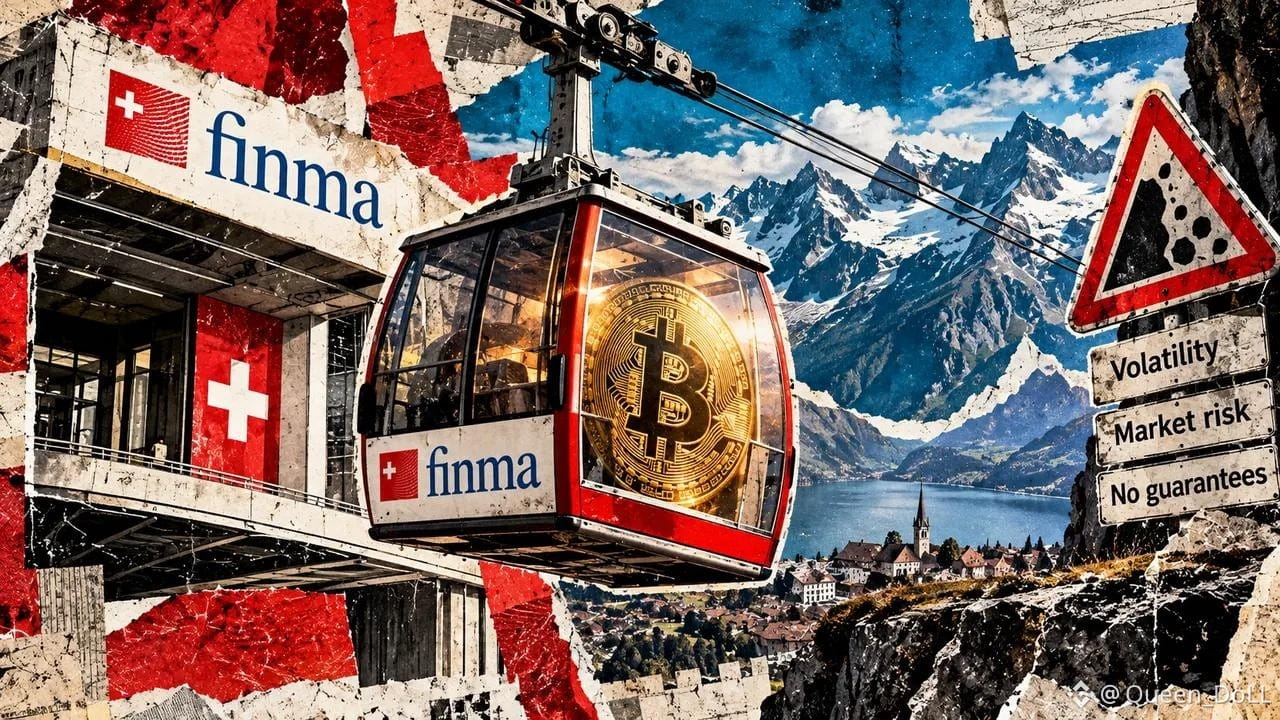
🇨🇭 خطت سويسرا للتو خطوة كبيرة أخرى نحو تبنّي البيتكوين.
ما لفت انتباهي ليس مجرد الموافقة على صندوق متداول جديد للبيتكوين، بل سماح الهيئة السويسرية للرقابة على الأسواق المالية (FINMA) لصندوق متداول للأفراد خاضع للقانون السويسري بالاستثمار مباشرةً في البيتكوين، مع إعفائه من قواعد التنويع المعتادة.
أرى أن هذا يشير إلى أمر مهم: مع نضوج سوق العملات المشفرة، تجد المنتجات المالية التقليدية طرقًا جديدة لاستيعاب البيتكوين بدلًا من تجنّبه.
لكنني لا أعتبر ذلك محفزًا فوريًا لصعود الأسعار. فلم يُعلَن بعد عن الجهة المُصدرة أو رسوم الإدارة أو موعد بدء التداول الفعلي، كما تظل ضمانات حفظ الأصول مهمة.
السؤال الحقيقي هو ما إذا كانت هذه الخطوة ستجعل البيتكوين في متناول المستثمرين العاديين أكثر، وتشجع أسواقًا مالية أخرى على الاقتداء بسويسرا.
لم يعد تبنّي البيتكوين مرتبطًا بالسعر فحسب، بل بكيفية تغيّر التمويل التقليدي من حوله أيضًا. 👀
ما رأيكم؟ هل يمكن لخطوة سويسرا أن تشجع مزيدًا من الدول على فتح أبوابها أمام المنتجات الاستثمارية المرتبطة بالبيتكوين؟
$JCT $ARIA
#Bitcoin #BTC #CryptoNews #BitcoinETFs #CryptoAdoption
🇨🇭 خطت سويسرا للتو خطوة كبيرة أخرى نحو تبنّي البيتكوين.
ما لفت انتباهي ليس مجرد الموافقة على صندوق متداول جديد للبيتكوين، بل سماح الهيئة السويسرية للرقابة على الأسواق المالية (FINMA) لصندوق متداول للأفراد خاضع للقانون السويسري بالاستثمار مباشرةً في البيتكوين، مع إعفائه من قواعد التنويع المعتادة.
أرى أن هذا يشير إلى أمر مهم: مع نضوج سوق العملات المشفرة، تجد المنتجات المالية التقليدية طرقًا جديدة لاستيعاب البيتكوين بدلًا من تجنّبه.
لكنني لا أعتبر ذلك محفزًا فوريًا لصعود الأسعار. فلم يُعلَن بعد عن الجهة المُصدرة أو رسوم الإدارة أو موعد بدء التداول الفعلي، كما تظل ضمانات حفظ الأصول مهمة.
السؤال الحقيقي هو ما إذا كانت هذه الخطوة ستجعل البيتكوين في متناول المستثمرين العاديين أكثر، وتشجع أسواقًا مالية أخرى على الاقتداء بسويسرا.
لم يعد تبنّي البيتكوين مرتبطًا بالسعر فحسب، بل بكيفية تغيّر التمويل التقليدي من حوله أيضًا. 👀
ما رأيكم؟ هل يمكن لخطوة سويسرا أن تشجع مزيدًا من الدول على فتح أبوابها أمام المنتجات الاستثمارية المرتبطة بالبيتكوين؟
$JCT $ARIA
#Bitcoin #BTC #CryptoNews #BitcoinETFs #CryptoAdoption
ما لفت انتباهي ليس مجرد الموافقة على صندوق متداول جديد للبيتكوين، بل سماح الهيئة السويسرية للرقابة على الأسواق المالية (FINMA) لصندوق متداول للأفراد خاضع للقانون السويسري بالاستثمار مباشرةً في البيتكوين، مع إعفائه من قواعد التنويع المعتادة.
أرى أن هذا يشير إلى أمر مهم: مع نضوج سوق العملات المشفرة، تجد المنتجات المالية التقليدية طرقًا جديدة لاستيعاب البيتكوين بدلًا من تجنّبه.
لكنني لا أعتبر ذلك محفزًا فوريًا لصعود الأسعار. فلم يُعلَن بعد عن الجهة المُصدرة أو رسوم الإدارة أو موعد بدء التداول الفعلي، كما تظل ضمانات حفظ الأصول مهمة.
السؤال الحقيقي هو ما إذا كانت هذه الخطوة ستجعل البيتكوين في متناول المستثمرين العاديين أكثر، وتشجع أسواقًا مالية أخرى على الاقتداء بسويسرا.
لم يعد تبنّي البيتكوين مرتبطًا بالسعر فحسب، بل بكيفية تغيّر التمويل التقليدي من حوله أيضًا. 👀
ما رأيكم؟ هل يمكن لخطوة سويسرا أن تشجع مزيدًا من الدول على فتح أبوابها أمام المنتجات الاستثمارية المرتبطة بالبيتكوين؟
$JCT $ARIA
#Bitcoin #BTC #CryptoNews #BitcoinETFs #CryptoAdoption
109
·
--
تطلق بنوك Sparkassen الألمانية تداول العملات المشفرة لعملائها، وتشمل خمسة رموز رئيسية. إنها واحدة من أكبر الشبكات المصرفية في أوروبا، لذا سيتمكن ملايين الأشخاص من الوصول إلى العملات المشفرة من دون منصات تداول. سيحدد البنك مجموعة الرموز بالضبط، لكن الرهان على $BTC و$ETH يبدو منطقيًا. بالنسبة إلى السوق، يعني ذلك طلبًا طويل الأمد، لا مجرد دفعة قصيرة الأجل.
هل تُعد العملات المشفرة عبر البنوك خبرًا جيدًا للأسعار أم مجرد وسيلة أكثر ملاءمة لمستثمري التجزئة؟ 👇
#Sparkassen #CryptoAdoption #Europe
تطلق بنوك Sparkassen الألمانية تداول العملات المشفرة لعملائها، وتشمل خمسة رموز رئيسية. إنها واحدة من أكبر الشبكات المصرفية في أوروبا، لذا سيتمكن ملايين الأشخاص من الوصول إلى العملات المشفرة من دون منصات تداول. سيحدد البنك مجموعة الرموز بالضبط، لكن الرهان على $BTC و$ETH يبدو منطقيًا. بالنسبة إلى السوق، يعني ذلك طلبًا طويل الأمد، لا مجرد دفعة قصيرة الأجل.
هل تُعد العملات المشفرة عبر البنوك خبرًا جيدًا للأسعار أم مجرد وسيلة أكثر ملاءمة لمستثمري التجزئة؟ 👇
#Sparkassen #CryptoAdoption #Europe
هل تُعد العملات المشفرة عبر البنوك خبرًا جيدًا للأسعار أم مجرد وسيلة أكثر ملاءمة لمستثمري التجزئة؟ 👇
#Sparkassen #CryptoAdoption #Europe
26

·
--
سويسرا وصناديق ETF (تفاؤل مؤسسي 😁😁😁😁😁)
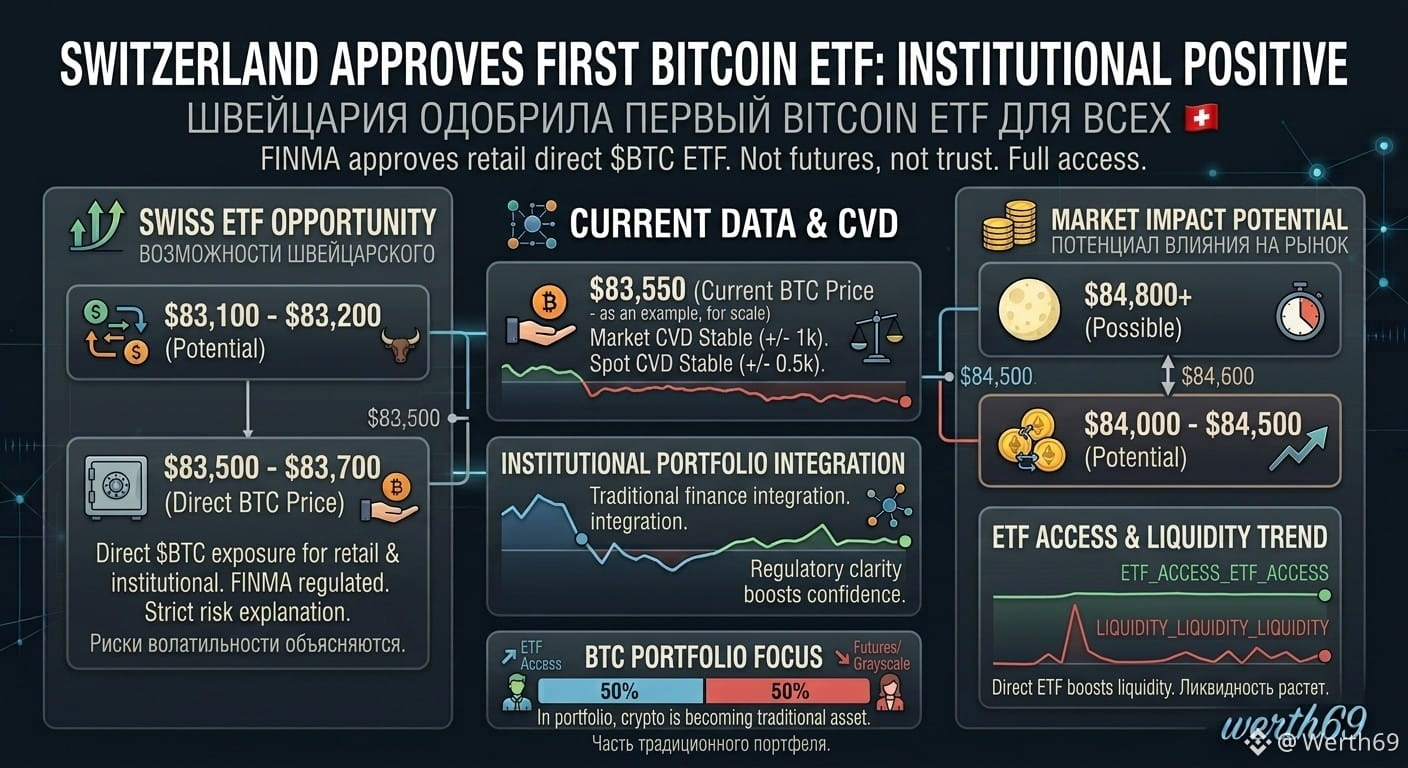
سويسرا توافق على أول صندوق Bitcoin ETF
وافقت الهيئة التنظيمية السويسرية FINMA رسميًا على أول صندوق استثماري للأفراد يستثمر مباشرةً في $BTC. هذا ليس صندوق ETF للعقود الآجلة ولا صندوقًا ائتمانيًا، بل صندوق متداول في البورصة متكامل ومتاح لعامة الجمهور.
لماذا يُعدّ هذا مهمًا:
تُعدّ سويسرا واحدة من أكثر المراكز المالية تحفظًا في العالم. والموافقة على صندوق ETF فيها تعني أن بيتكوين اجتاز اختبار حتى أشد الهيئات التنظيمية صرامة. وشدّدت FINMA على ضرورة توضيح مخاطر التقلبات للمستثمرين، لكن مجرد إطلاق الصندوق يقول الكثير بالفعل.
وبالنسبة إلى السوق، فهذه خطوة أخرى نحو أن تصبح العملات المشفرة جزءًا من المحافظ الاستثمارية التقليدية. ففي السابق، كان المستثمرون المؤسسيون يدخلون السوق عبر Grayscale أو العقود الآجلة، أما الآن فأصبح بإمكانهم الوصول مباشرةً من خلال صندوق ETF خاضع للتنظيم.
#bitcoin #etf #CryptoAdoption
$BTC
{future}(BTCUSDT)
سويسرا وصناديق ETF (تفاؤل مؤسسي 😁😁😁😁😁)
سويسرا توافق على أول صندوق Bitcoin ETF
وافقت الهيئة التنظيمية السويسرية FINMA رسميًا على أول صندوق استثماري للأفراد يستثمر مباشرةً في $BTC . هذا ليس صندوق ETF للعقود الآجلة ولا صندوقًا ائتمانيًا، بل صندوق متداول في البورصة متكامل ومتاح لعامة الجمهور.
لماذا يُعدّ هذا مهمًا:
تُعدّ سويسرا واحدة من أكثر المراكز المالية تحفظًا في العالم. والموافقة على صندوق ETF فيها تعني أن بيتكوين اجتاز اختبار حتى أشد الهيئات التنظيمية صرامة. وشدّدت FINMA على ضرورة توضيح مخاطر التقلبات للمستثمرين، لكن مجرد إطلاق الصندوق يقول الكثير بالفعل.
وبالنسبة إلى السوق، فهذه خطوة أخرى نحو أن تصبح العملات المشفرة جزءًا من المحافظ الاستثمارية التقليدية. ففي السابق، كان المستثمرون المؤسسيون يدخلون السوق عبر Grayscale أو العقود الآجلة، أما الآن فأصبح بإمكانهم الوصول مباشرةً من خلال صندوق ETF خاضع للتنظيم.
#bitcoin #etf #CryptoAdoption
$BTC
سويسرا توافق على أول صندوق Bitcoin ETF
وافقت الهيئة التنظيمية السويسرية FINMA رسميًا على أول صندوق استثماري للأفراد يستثمر مباشرةً في $BTC . هذا ليس صندوق ETF للعقود الآجلة ولا صندوقًا ائتمانيًا، بل صندوق متداول في البورصة متكامل ومتاح لعامة الجمهور.
لماذا يُعدّ هذا مهمًا:
تُعدّ سويسرا واحدة من أكثر المراكز المالية تحفظًا في العالم. والموافقة على صندوق ETF فيها تعني أن بيتكوين اجتاز اختبار حتى أشد الهيئات التنظيمية صرامة. وشدّدت FINMA على ضرورة توضيح مخاطر التقلبات للمستثمرين، لكن مجرد إطلاق الصندوق يقول الكثير بالفعل.
وبالنسبة إلى السوق، فهذه خطوة أخرى نحو أن تصبح العملات المشفرة جزءًا من المحافظ الاستثمارية التقليدية. ففي السابق، كان المستثمرون المؤسسيون يدخلون السوق عبر Grayscale أو العقود الآجلة، أما الآن فأصبح بإمكانهم الوصول مباشرةً من خلال صندوق ETF خاضع للتنظيم.
#bitcoin #etf #CryptoAdoption
$BTC
89

عاجل: 🇮🇷🇺🇸 انهيار العملة الإيرانيةوزارة الخزانة الأمريكية: الريال الإيراني يسجل أدنى مستوى له على الإطلاق — ٢٫٥ مليون مقابل دولار واحد.
انهارت صادرات النفط من ١٫٧ مليون إلى ٢٦٠ ألف برميل يوميًا. إيران معزولة عن نظام الدولار الأمريكي.
على أرض الواقع: إقبال مذعور على الشراء، وطوابير طويلة أمام محطات الوقود، وتقارير عن أشخاص يدفعون أسعارًا أعلى مقابل USDT.
عندما تنهار العملات، يختار الناس العملات المشفرة. رأينا ذلك في لبنان وفنزويلا وتركيا، والآن في إيران.
اللامركزية ليست مجرد سردية، بل هي وسيلة للبقاء.
#BTC $USDT #CryptoAdoption #EarningsSeason #SkyAISellsAllSOLAndLaunchesCashTenderOffer
عاجل: 🇮🇷🇺🇸 انهيار العملة الإيرانية
وزارة الخزانة الأمريكية: الريال الإيراني يسجل أدنى مستوى له على الإطلاق — ٢٫٥ مليون مقابل دولار واحد.
انهارت صادرات النفط من ١٫٧ مليون إلى ٢٦٠ ألف برميل يوميًا. إيران معزولة عن نظام الدولار الأمريكي.
على أرض الواقع: إقبال مذعور على الشراء، وطوابير طويلة أمام محطات الوقود، وتقارير عن أشخاص يدفعون أسعارًا أعلى مقابل USDT.
عندما تنهار العملات، يختار الناس العملات المشفرة. رأينا ذلك في لبنان وفنزويلا وتركيا، والآن في إيران.
اللامركزية ليست مجرد سردية، بل هي وسيلة للبقاء.
#BTC $USDT #CryptoAdoption #EarningsSeason #SkyAISellsAllSOLAndLaunchesCashTenderOffer
انهارت صادرات النفط من ١٫٧ مليون إلى ٢٦٠ ألف برميل يوميًا. إيران معزولة عن نظام الدولار الأمريكي.
على أرض الواقع: إقبال مذعور على الشراء، وطوابير طويلة أمام محطات الوقود، وتقارير عن أشخاص يدفعون أسعارًا أعلى مقابل USDT.
عندما تنهار العملات، يختار الناس العملات المشفرة. رأينا ذلك في لبنان وفنزويلا وتركيا، والآن في إيران.
اللامركزية ليست مجرد سردية، بل هي وسيلة للبقاء.
#BTC $USDT #CryptoAdoption #EarningsSeason #SkyAISellsAllSOLAndLaunchesCashTenderOffer
15
🔥 إن ترميز الأسهم الأمريكية ليس مشروعًا جانبيًا؛ بل هو الأفق التالي لرأس المال المشفّر.
📈 أعلنت DTCC للتو عن مجموعة عمل للترميز، وأدرجت Ondo إلى جانب BlackRock وGoldman وJPMorgan وCircle — في إشارة واضحة إلى أن #Tokenization و#OnChain من البنية التحتية ينتقلان من مرحلة التنظير إلى التنظيم.
🌍 عندما تبدأ أكبر جهات حفظ الأصول في العالم ببناء جسور على السلسلة لأسهم وسندات خزانة بقيمة 30 تريليون دولار، يدخل سوق العملات المشفّرة مرحلة «السيولة المؤسسية» من الدورة، ما يعزز السردية الحالية #InstitutionalMoney #CryptoAdoption .
💡 خطوة عملية: راقب معدل التمويل الإيجابي (+0.0070%) والفائدة المفتوحة القوية (7.83 مليار دولار) في عقود BTC الآجلة بوصفهما مؤشرًا على شهية المؤسسات، وفكّر في تخصيص جزء من محفظتك لمنصات مثل BNB (733 دولارًا، RSI 56.9، وMACD إيجابي) التي تستضيف بالفعل أصولًا مُرمّزة.
❓ كيف ستتموضع مع انتقال التمويل التقليدي إلى البلوك تشين — هل ستضاعف انكشافك على العملات المشفّرة، أم تنوّع استثماراتك لتشمل الأسهم المُرمّزة، أم تنتظر الضوء الأخضر التنظيمي التالي؟
🔥 إن ترميز الأسهم الأمريكية ليس مشروعًا جانبيًا؛ بل هو الأفق التالي لرأس المال المشفّر.
📈 أعلنت DTCC للتو عن مجموعة عمل للترميز، وأدرجت Ondo إلى جانب BlackRock وGoldman وJPMorgan وCircle — في إشارة واضحة إلى أن #Tokenization و#OnChain من البنية التحتية ينتقلان من مرحلة التنظير إلى التنظيم.
🌍 عندما تبدأ أكبر جهات حفظ الأصول في العالم ببناء جسور على السلسلة لأسهم وسندات خزانة بقيمة 30 تريليون دولار، يدخل سوق العملات المشفّرة مرحلة «السيولة المؤسسية» من الدورة، ما يعزز السردية الحالية #InstitutionalMoney #CryptoAdoption .
💡 خطوة عملية: راقب معدل التمويل الإيجابي (+0.0070%) والفائدة المفتوحة القوية (7.83 مليار دولار) في عقود BTC الآجلة بوصفهما مؤشرًا على شهية المؤسسات، وفكّر في تخصيص جزء من محفظتك لمنصات مثل BNB (733 دولارًا، RSI 56.9، وMACD إيجابي) التي تستضيف بالفعل أصولًا مُرمّزة.
❓ كيف ستتموضع مع انتقال التمويل التقليدي إلى البلوك تشين — هل ستضاعف انكشافك على العملات المشفّرة، أم تنوّع استثماراتك لتشمل الأسهم المُرمّزة، أم تنتظر الضوء الأخضر التنظيمي التالي؟
📈 أعلنت DTCC للتو عن مجموعة عمل للترميز، وأدرجت Ondo إلى جانب BlackRock وGoldman وJPMorgan وCircle — في إشارة واضحة إلى أن #Tokenization و#OnChain من البنية التحتية ينتقلان من مرحلة التنظير إلى التنظيم.
🌍 عندما تبدأ أكبر جهات حفظ الأصول في العالم ببناء جسور على السلسلة لأسهم وسندات خزانة بقيمة 30 تريليون دولار، يدخل سوق العملات المشفّرة مرحلة «السيولة المؤسسية» من الدورة، ما يعزز السردية الحالية #InstitutionalMoney #CryptoAdoption .
💡 خطوة عملية: راقب معدل التمويل الإيجابي (+0.0070%) والفائدة المفتوحة القوية (7.83 مليار دولار) في عقود BTC الآجلة بوصفهما مؤشرًا على شهية المؤسسات، وفكّر في تخصيص جزء من محفظتك لمنصات مثل BNB (733 دولارًا، RSI 56.9، وMACD إيجابي) التي تستضيف بالفعل أصولًا مُرمّزة.
❓ كيف ستتموضع مع انتقال التمويل التقليدي إلى البلوك تشين — هل ستضاعف انكشافك على العملات المشفّرة، أم تنوّع استثماراتك لتشمل الأسهم المُرمّزة، أم تنتظر الضوء الأخضر التنظيمي التالي؟
3
سجّل الدخول لاستكشاف المزيد من المُحتوى
انضم إلى مُستخدمي العملات الرقمية حول العالم على Binance Square
⚡️ احصل على أحدث المعلومات المفيدة عن العملات الرقمية.
💬 موثوقة من قبل أكبر منصّة لتداول العملات الرقمية في العالم.
👍 اكتشف الرؤى الحقيقية من صنّاع المُحتوى الموثوقين.
البريد الإلكتروني / رقم الهاتف
المواضيع الرائجة
1
#BinancePick
3.4M مشاهدات
165,648 يقومون بالنقاش
2
#EarningsSeason
5.5M مشاهدات
26,993 يقومون بالنقاش
3
#StrategySkipsBitcoinPurchasesSpends$205MOnSTRCBuybacks
1,040 مشاهدات
34 يقومون بالنقاش
4
#BitmineAdds10452ETH
12,628 مشاهدات
295 يقومون بالنقاش
5
#SouthKoreaConsidersEducationTaxOnCryptoExchanges
10,209 مشاهدات
252 يقومون بالنقاش
6
#OCCUrgesCommunityBanksToEnterStablecoinPayments
9,504 مشاهدات
160 يقومون بالنقاش
7
#RippleWinsFullApprovalAsNationalTrustBank
8,173 مشاهدات
166 يقومون بالنقاش
8
#AkashSelectsSolanaAsMigrationTarget
6,154 مشاهدات
84 يقومون بالنقاش
9
#OndoToOpenSubscriptionsForOpenAIPreIPOTokenizedNotes
387 مشاهدات
19 يقومون بالنقاش
10
#AnthropicTTMRevenueGrewAbout1200%
61,965 مشاهدات
611 يقومون بالنقاش