

#cbdc
cbdc
36M مشاهدات
156,145 يقومون بالنقاش
رائج
جديد

·
--
🚨 تسارع تطبيق اليوان الرقمي! والصين تنفتح تدريجيًا على تطبيقات تقنية البلوك تشين!
في 21 أكتوبر 2026، أعلن بنك الشعب الصيني عن ترقية شاملة للبنية التحتية لليوان الرقمي، وأطلق رسميًا الجيل الجديد من نظام الدفع والتسوية وإطار عمل منظومة العقود الذكية، لتوسيع مجالات تطبيق مدفوعات البلوك تشين والتسويات العابرة للحدود وغيرها.
وتُظهر البيانات أنه حتى نهاية سبتمبر 2026، بلغ إجمالي معاملات اليوان الرقمي 4.3 مليار معاملة، بقيمة إجمالية تقارب 31 تريليون يوان. ومع استمرار اتساع نطاق الاستخدام، يتجه اليوان الرقمي الصيني بوتيرة متسارعة نحو التطبيق على نطاق واسع.
🔭 التطلعات المستقبلية:
قد يسهم التطور المستمر لليوان الرقمي في إحداث تحول في أنظمة الدفع العالمية، ورفع كفاءة التسويات العابرة للحدود، وخلق مزيد من الفرص لدمج تقنية البلوك تشين مع التمويل التقليدي. وسيظل مدى قدرة اليوان الرقمي على أداء دور أكبر في التجارة الدولية مستقبلًا موضع اهتمام متواصل في أسواق الأصول الرقمية العالمية.
#数字人民币 #区块链 #CBDC #التمويل_الرقمي
🚨 تسارع تطبيق اليوان الرقمي! والصين تنفتح تدريجيًا على تطبيقات تقنية البلوك تشين!
في 21 أكتوبر 2026، أعلن بنك الشعب الصيني عن ترقية شاملة للبنية التحتية لليوان الرقمي، وأطلق رسميًا الجيل الجديد من نظام الدفع والتسوية وإطار عمل منظومة العقود الذكية، لتوسيع مجالات تطبيق مدفوعات البلوك تشين والتسويات العابرة للحدود وغيرها.
وتُظهر البيانات أنه حتى نهاية سبتمبر 2026، بلغ إجمالي معاملات اليوان الرقمي 4.3 مليار معاملة، بقيمة إجمالية تقارب 31 تريليون يوان. ومع استمرار اتساع نطاق الاستخدام، يتجه اليوان الرقمي الصيني بوتيرة متسارعة نحو التطبيق على نطاق واسع.
🔭 التطلعات المستقبلية:
قد يسهم التطور المستمر لليوان الرقمي في إحداث تحول في أنظمة الدفع العالمية، ورفع كفاءة التسويات العابرة للحدود، وخلق مزيد من الفرص لدمج تقنية البلوك تشين مع التمويل التقليدي. وسيظل مدى قدرة اليوان الرقمي على أداء دور أكبر في التجارة الدولية مستقبلًا موضع اهتمام متواصل في أسواق الأصول الرقمية العالمية.
#数字人民币 #区块链 #CBDC #التمويل_الرقمي
في 21 أكتوبر 2026، أعلن بنك الشعب الصيني عن ترقية شاملة للبنية التحتية لليوان الرقمي، وأطلق رسميًا الجيل الجديد من نظام الدفع والتسوية وإطار عمل منظومة العقود الذكية، لتوسيع مجالات تطبيق مدفوعات البلوك تشين والتسويات العابرة للحدود وغيرها.
وتُظهر البيانات أنه حتى نهاية سبتمبر 2026، بلغ إجمالي معاملات اليوان الرقمي 4.3 مليار معاملة، بقيمة إجمالية تقارب 31 تريليون يوان. ومع استمرار اتساع نطاق الاستخدام، يتجه اليوان الرقمي الصيني بوتيرة متسارعة نحو التطبيق على نطاق واسع.
🔭 التطلعات المستقبلية:
قد يسهم التطور المستمر لليوان الرقمي في إحداث تحول في أنظمة الدفع العالمية، ورفع كفاءة التسويات العابرة للحدود، وخلق مزيد من الفرص لدمج تقنية البلوك تشين مع التمويل التقليدي. وسيظل مدى قدرة اليوان الرقمي على أداء دور أكبر في التجارة الدولية مستقبلًا موضع اهتمام متواصل في أسواق الأصول الرقمية العالمية.
#数字人民币 #区块链 #CBDC #التمويل_الرقمي
135


مقالة
اليورو الرقمي أم البطاقة: من يحمي مشترياتك ومن يستفيد من هذا التحولعندما يُطرح موضوع اليورو الرقمي، يقارن معظم الناس بينه وبين ما يحملونه في محافظهم بالفعل: البطاقة. في أحدث فيديو على قناة «تيريتوريو بلوكتشين»، أراجع هذه المقارنة من خلال سؤال محدد: من يحمي مشترياتك حقًا؟
إنهما نظامان مختلفان. تصدر البطاقةَ جهاتٌ خاصة، وتعمل عبر شبكات دفع دولية. أما اليورو الرقمي فهو نقود عامة بصيغة رقمية، أي عملة رقمية يصدرها البنك المركزي، ويعمل البنك المركزي الأوروبي على إعدادها لتتعايش مع النقد والمدفوعات الإلكترونية الحالية.
اليورو الرقمي أم البطاقة: من يحمي مشترياتك ومن يستفيد من هذا التحول
عندما يُطرح موضوع اليورو الرقمي، يقارن معظم الناس بينه وبين ما يحملونه في محافظهم بالفعل: البطاقة. في أحدث فيديو على قناة «تيريتوريو بلوكتشين»، أراجع هذه المقارنة من خلال سؤال محدد: من يحمي مشترياتك حقًا؟
إنهما نظامان مختلفان. تصدر البطاقةَ جهاتٌ خاصة، وتعمل عبر شبكات دفع دولية. أما اليورو الرقمي فهو نقود عامة بصيغة رقمية، أي عملة رقمية يصدرها البنك المركزي، ويعمل البنك المركزي الأوروبي على إعدادها لتتعايش مع النقد والمدفوعات الإلكترونية الحالية.
إنهما نظامان مختلفان. تصدر البطاقةَ جهاتٌ خاصة، وتعمل عبر شبكات دفع دولية. أما اليورو الرقمي فهو نقود عامة بصيغة رقمية، أي عملة رقمية يصدرها البنك المركزي، ويعمل البنك المركزي الأوروبي على إعدادها لتتعايش مع النقد والمدفوعات الإلكترونية الحالية.
246

·
--
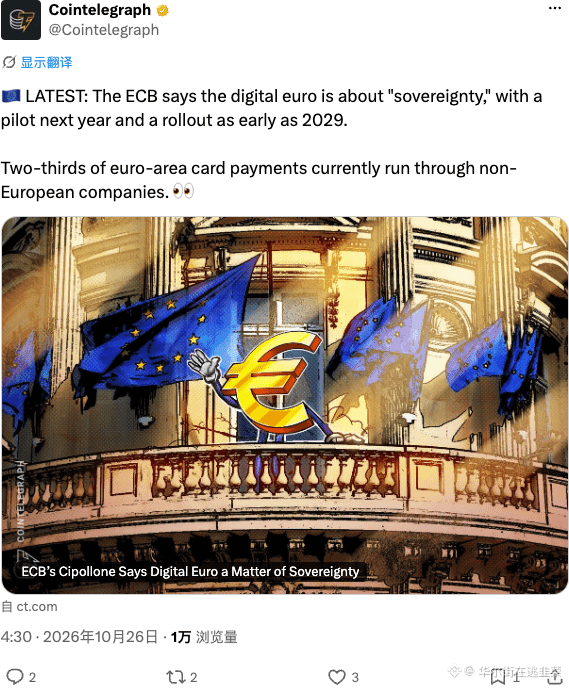
قرر البنك المركزي الأوروبي إطلاق اليورو الرقمي لحماية السيادة، ومن المقرر طرحه في عام 2029، لأن أطرافًا ثالثة تستحوذ الآن على معظم مدفوعات البطاقات..
لم تعد هيمنة الدولار قادرة على الوقوف مكتوفة الأيدي أخيرًا. فهذه الخطوة من البنك المركزي الأوروبي تهدف إلى مواجهة الولايات المتحدة في الساحة المالية، واستعادة زمام المحافظ إلى يده. هذا هو المنقذ الحقيقي غير الخاضع للسيادة.
$BTC #DigitalEuro #CBDC #Bitcoin #DeFi
قرر البنك المركزي الأوروبي إطلاق اليورو الرقمي لحماية السيادة، ومن المقرر طرحه في عام 2029، لأن أطرافًا ثالثة تستحوذ الآن على معظم مدفوعات البطاقات..
لم تعد هيمنة الدولار قادرة على الوقوف مكتوفة الأيدي أخيرًا. فهذه الخطوة من البنك المركزي الأوروبي تهدف إلى مواجهة الولايات المتحدة في الساحة المالية، واستعادة زمام المحافظ إلى يده. هذا هو المنقذ الحقيقي غير الخاضع للسيادة.
$BTC #DigitalEuro #CBDC #Bitcoin #DeFi
لم تعد هيمنة الدولار قادرة على الوقوف مكتوفة الأيدي أخيرًا. فهذه الخطوة من البنك المركزي الأوروبي تهدف إلى مواجهة الولايات المتحدة في الساحة المالية، واستعادة زمام المحافظ إلى يده. هذا هو المنقذ الحقيقي غير الخاضع للسيادة.
$BTC #DigitalEuro #CBDC #Bitcoin #DeFi
2
346

·
--
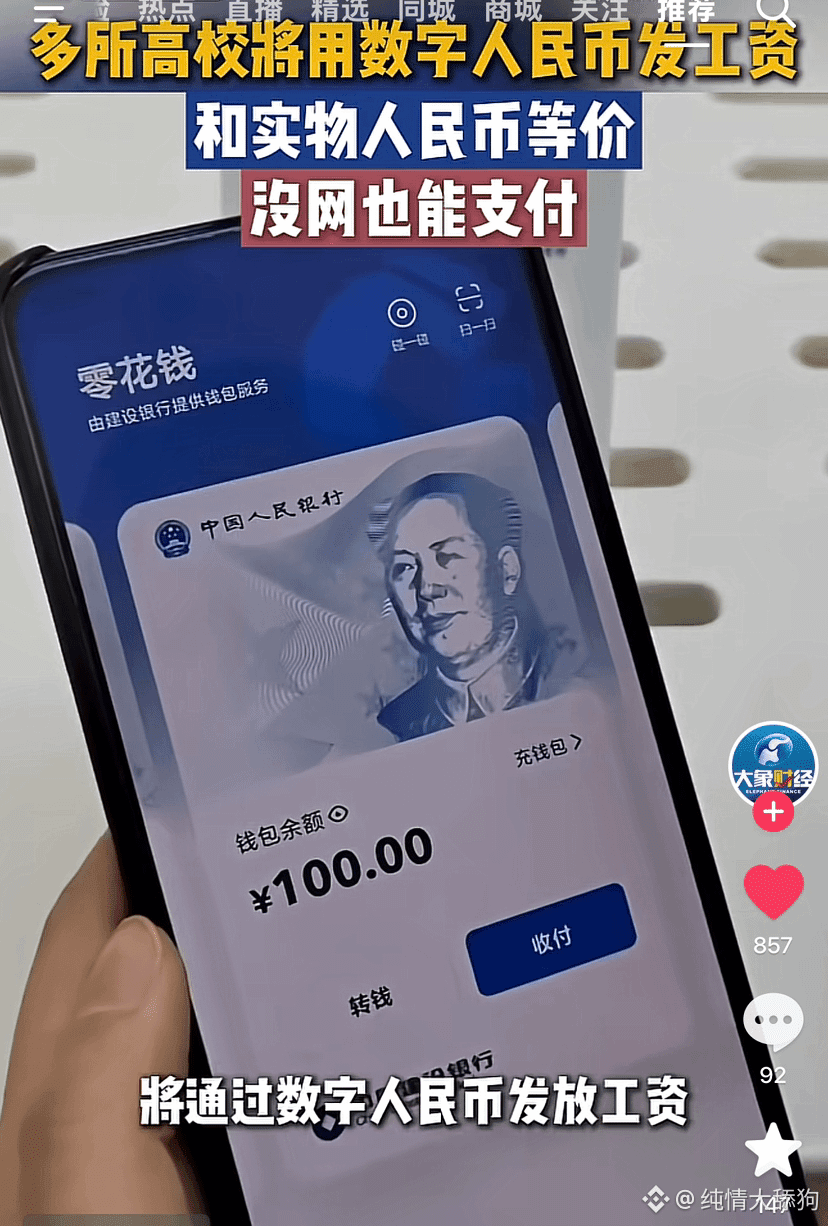
صادفت إشعارين من إدارتي الشؤون المالية في جامعة نانتونغ وجامعة يانغتشو: استجابةً لطلب إدارة المالية في مقاطعة جيانغسو، ستُحوَّل رواتب الموظفين المثبّتين والموظفين العاملين بعقود وكالة الموارد البشرية في الجامعتين إلى محافظ اليوان الرقمي اعتبارًا من نوفمبر 2026.
المواعيد الحاسمة: تطلب جامعة نانتونغ فتح محفظة اليوان الرقمي أو ترقيتها قبل 30 أكتوبر؛ إذ تُصرف الرواتب ومكافآت الأداء عبر بطاقتين منفصلتين، ويجب فتح محفظة لكل بطاقة. أما جامعة يانغتشو فحددت موعدًا أبكر، هو 23 أكتوبر، وستجمع في 24 أكتوبر أرقام المحافظ من أربعة بنوك لإجراء اختبار الربط الخاص بصرف الرواتب. كما تجمع إدارة التخطيط المالي في جامعة جيانغسو للمعلمين أرقام محافظ اليوان الرقمي التابعة لبنك الصين، على أن ينتهي الموعد صباح 30 أكتوبر.
يأتي ذلك في سياق تعميم حكومة مقاطعة جيانغسو رقم 〔2026〕98، الذي يدفع نحو استخدام اليوان الرقمي لصرف المدفوعات المالية الحكومية، مثل الرواتب والبدلات، مع تتبّع الأموال طوال دورة إنفاقها. وهكذا ينتقل اليوان الرقمي للبنوك المركزية (CBDC) من شعارٍ مرتبط بالمشروعات التجريبية إلى الاستخدام في صرف رواتب الجامعات، وهو من أكثر أنواع المدفوعات تكرارًا وانتظامًا.
#数字人民币 #CBDC
صادفت إشعارين من إدارتي الشؤون المالية في جامعة نانتونغ وجامعة يانغتشو: استجابةً لطلب إدارة المالية في مقاطعة جيانغسو، ستُحوَّل رواتب الموظفين المثبّتين والموظفين العاملين بعقود وكالة الموارد البشرية في الجامعتين إلى محافظ اليوان الرقمي اعتبارًا من نوفمبر 2026.
المواعيد الحاسمة: تطلب جامعة نانتونغ فتح محفظة اليوان الرقمي أو ترقيتها قبل 30 أكتوبر؛ إذ تُصرف الرواتب ومكافآت الأداء عبر بطاقتين منفصلتين، ويجب فتح محفظة لكل بطاقة. أما جامعة يانغتشو فحددت موعدًا أبكر، هو 23 أكتوبر، وستجمع في 24 أكتوبر أرقام المحافظ من أربعة بنوك لإجراء اختبار الربط الخاص بصرف الرواتب. كما تجمع إدارة التخطيط المالي في جامعة جيانغسو للمعلمين أرقام محافظ اليوان الرقمي التابعة لبنك الصين، على أن ينتهي الموعد صباح 30 أكتوبر.
يأتي ذلك في سياق تعميم حكومة مقاطعة جيانغسو رقم 〔2026〕98، الذي يدفع نحو استخدام اليوان الرقمي لصرف المدفوعات المالية الحكومية، مثل الرواتب والبدلات، مع تتبّع الأموال طوال دورة إنفاقها. وهكذا ينتقل اليوان الرقمي للبنوك المركزية (CBDC) من شعارٍ مرتبط بالمشروعات التجريبية إلى الاستخدام في صرف رواتب الجامعات، وهو من أكثر أنواع المدفوعات تكرارًا وانتظامًا.
#数字人民币 #CBDC
المواعيد الحاسمة: تطلب جامعة نانتونغ فتح محفظة اليوان الرقمي أو ترقيتها قبل 30 أكتوبر؛ إذ تُصرف الرواتب ومكافآت الأداء عبر بطاقتين منفصلتين، ويجب فتح محفظة لكل بطاقة. أما جامعة يانغتشو فحددت موعدًا أبكر، هو 23 أكتوبر، وستجمع في 24 أكتوبر أرقام المحافظ من أربعة بنوك لإجراء اختبار الربط الخاص بصرف الرواتب. كما تجمع إدارة التخطيط المالي في جامعة جيانغسو للمعلمين أرقام محافظ اليوان الرقمي التابعة لبنك الصين، على أن ينتهي الموعد صباح 30 أكتوبر.
يأتي ذلك في سياق تعميم حكومة مقاطعة جيانغسو رقم 〔2026〕98، الذي يدفع نحو استخدام اليوان الرقمي لصرف المدفوعات المالية الحكومية، مثل الرواتب والبدلات، مع تتبّع الأموال طوال دورة إنفاقها. وهكذا ينتقل اليوان الرقمي للبنوك المركزية (CBDC) من شعارٍ مرتبط بالمشروعات التجريبية إلى الاستخدام في صرف رواتب الجامعات، وهو من أكثر أنواع المدفوعات تكرارًا وانتظامًا.
#数字人民币 #CBDC
423

·
--
🚨 $T يترقب إطلاق العملة الرقمية للبنك المركزي في منطقة اليورو – اليورو الرقمي السيادي يلوح في الأفق 💥
📊 يشير إعلان البنك المركزي الأوروبي عن تجربة اليورو الرقمي العام المقبل إلى تحول استراتيجي نحو السيادة النقدية، وهي خطوة يعدّها مستثمرو الأموال الذكية بالفعل محفزًا هيكليًا طويل الأمد. 🌊 ومع مرور ثلثي معاملات البطاقات في منطقة اليورو حاليًا عبر معالجي مدفوعات من خارج أوروبا، قد تعيد العملة الرقمية للبنك المركزي المرتقبة توجيه سيولة ضخمة إلى التكتل، ما يعزز منحنى الطلب المؤسسي.
🔍 رد فعل السوق متواضع لكنه لافت: يرتفع اليورو قليلًا مع احتساب المتداولين لاحتمال ظهور فئة أصول جديدة، فيما تدرس مشاريع العملات المشفرة سبل التكامل للاستفادة من التدفقات العابرة للحدود. وقد يتيح التفاعل بين العملة الرقمية السيادية والتمويل اللامركزي طبقات جديدة من المراجحة للمتداولين المحنكين. 💬 كيف ستحددون مستوى تعرضكم قبل إطلاق اليورو الرقمي؟ 👇
⚠️ هذه ليست نصيحة مالية. احرصوا دائمًا على إدارة المخاطر. 🛡️
🏷️ #T #CBDC #Eurozone #SmartMoney #Crypto
🦈 🔥
🚨 $T يترقب إطلاق العملة الرقمية للبنك المركزي في منطقة اليورو – اليورو الرقمي السيادي يلوح في الأفق 💥
📊 يشير إعلان البنك المركزي الأوروبي عن تجربة اليورو الرقمي العام المقبل إلى تحول استراتيجي نحو السيادة النقدية، وهي خطوة يعدّها مستثمرو الأموال الذكية بالفعل محفزًا هيكليًا طويل الأمد. 🌊 ومع مرور ثلثي معاملات البطاقات في منطقة اليورو حاليًا عبر معالجي مدفوعات من خارج أوروبا، قد تعيد العملة الرقمية للبنك المركزي المرتقبة توجيه سيولة ضخمة إلى التكتل، ما يعزز منحنى الطلب المؤسسي.
🔍 رد فعل السوق متواضع لكنه لافت: يرتفع اليورو قليلًا مع احتساب المتداولين لاحتمال ظهور فئة أصول جديدة، فيما تدرس مشاريع العملات المشفرة سبل التكامل للاستفادة من التدفقات العابرة للحدود. وقد يتيح التفاعل بين العملة الرقمية السيادية والتمويل اللامركزي طبقات جديدة من المراجحة للمتداولين المحنكين. 💬 كيف ستحددون مستوى تعرضكم قبل إطلاق اليورو الرقمي؟ 👇
⚠️ هذه ليست نصيحة مالية. احرصوا دائمًا على إدارة المخاطر. 🛡️
🏷️ #T #CBDC #Eurozone #SmartMoney #Crypto
🦈 🔥
📊 يشير إعلان البنك المركزي الأوروبي عن تجربة اليورو الرقمي العام المقبل إلى تحول استراتيجي نحو السيادة النقدية، وهي خطوة يعدّها مستثمرو الأموال الذكية بالفعل محفزًا هيكليًا طويل الأمد. 🌊 ومع مرور ثلثي معاملات البطاقات في منطقة اليورو حاليًا عبر معالجي مدفوعات من خارج أوروبا، قد تعيد العملة الرقمية للبنك المركزي المرتقبة توجيه سيولة ضخمة إلى التكتل، ما يعزز منحنى الطلب المؤسسي.
🔍 رد فعل السوق متواضع لكنه لافت: يرتفع اليورو قليلًا مع احتساب المتداولين لاحتمال ظهور فئة أصول جديدة، فيما تدرس مشاريع العملات المشفرة سبل التكامل للاستفادة من التدفقات العابرة للحدود. وقد يتيح التفاعل بين العملة الرقمية السيادية والتمويل اللامركزي طبقات جديدة من المراجحة للمتداولين المحنكين. 💬 كيف ستحددون مستوى تعرضكم قبل إطلاق اليورو الرقمي؟ 👇
⚠️ هذه ليست نصيحة مالية. احرصوا دائمًا على إدارة المخاطر. 🛡️
🏷️ #T #CBDC #Eurozone #SmartMoney #Crypto
🦈 🔥
7

·
--
فيما يتعلق بسيادة المدفوعات، لم تعد أوروبا تريد الاستعانة بمصادر خارجية.
أفادت تقارير بأن مسؤولين في البنك المركزي الأوروبي قالوا إن البرنامج التجريبي لليورو الرقمي سينطلق العام المقبل، بهدف إنشاء بنية تحتية للمدفوعات أكثر استقلالية وقابلية للتحكم، وتقليل الاعتماد على مزوّدي خدمات الدفع من أطراف ثالثة غير أوروبيين. وسيستخدم البرنامج معاملات حقيقية لموظفي البنك المركزي الأوروبي والبنوك المركزية الوطنية، كما سيدعو مشغّلي التجارة الإلكترونية والتجارة عبر الأجهزة المحمولة للمشاركة في الاختبارات.
كيف نقرأ ذلك؟ لا يتمحور السرد حول «إصدار عملة أخرى»، بل حول ما إذا كان بإمكان أوروبا التحكم بنفسها في قنوات الدفع. وما يستحق المتابعة أكثر في عالم العملات المشفّرة هو ما إذا كانت حدود البرنامج التجريبي ستشمل العملات المستقرة وتسوية المدفوعات عبر الحدود، وكيف ستُحدَّد لاحقًا مسارات الاستخدامات للأفراد والجملة. التأثير على المعنويات محدود على المدى القصير، أما على المدى المتوسط فالأمر يتعلق بالتنافس على النفوذ في البنية التحتية.
#数字欧元 #CBDC #支付 #التنظيم
فيما يتعلق بسيادة المدفوعات، لم تعد أوروبا تريد الاستعانة بمصادر خارجية.
أفادت تقارير بأن مسؤولين في البنك المركزي الأوروبي قالوا إن البرنامج التجريبي لليورو الرقمي سينطلق العام المقبل، بهدف إنشاء بنية تحتية للمدفوعات أكثر استقلالية وقابلية للتحكم، وتقليل الاعتماد على مزوّدي خدمات الدفع من أطراف ثالثة غير أوروبيين. وسيستخدم البرنامج معاملات حقيقية لموظفي البنك المركزي الأوروبي والبنوك المركزية الوطنية، كما سيدعو مشغّلي التجارة الإلكترونية والتجارة عبر الأجهزة المحمولة للمشاركة في الاختبارات.
كيف نقرأ ذلك؟ لا يتمحور السرد حول «إصدار عملة أخرى»، بل حول ما إذا كان بإمكان أوروبا التحكم بنفسها في قنوات الدفع. وما يستحق المتابعة أكثر في عالم العملات المشفّرة هو ما إذا كانت حدود البرنامج التجريبي ستشمل العملات المستقرة وتسوية المدفوعات عبر الحدود، وكيف ستُحدَّد لاحقًا مسارات الاستخدامات للأفراد والجملة. التأثير على المعنويات محدود على المدى القصير، أما على المدى المتوسط فالأمر يتعلق بالتنافس على النفوذ في البنية التحتية.
#数字欧元 #CBDC #支付 #التنظيم
أفادت تقارير بأن مسؤولين في البنك المركزي الأوروبي قالوا إن البرنامج التجريبي لليورو الرقمي سينطلق العام المقبل، بهدف إنشاء بنية تحتية للمدفوعات أكثر استقلالية وقابلية للتحكم، وتقليل الاعتماد على مزوّدي خدمات الدفع من أطراف ثالثة غير أوروبيين. وسيستخدم البرنامج معاملات حقيقية لموظفي البنك المركزي الأوروبي والبنوك المركزية الوطنية، كما سيدعو مشغّلي التجارة الإلكترونية والتجارة عبر الأجهزة المحمولة للمشاركة في الاختبارات.
كيف نقرأ ذلك؟ لا يتمحور السرد حول «إصدار عملة أخرى»، بل حول ما إذا كان بإمكان أوروبا التحكم بنفسها في قنوات الدفع. وما يستحق المتابعة أكثر في عالم العملات المشفّرة هو ما إذا كانت حدود البرنامج التجريبي ستشمل العملات المستقرة وتسوية المدفوعات عبر الحدود، وكيف ستُحدَّد لاحقًا مسارات الاستخدامات للأفراد والجملة. التأثير على المعنويات محدود على المدى القصير، أما على المدى المتوسط فالأمر يتعلق بالتنافس على النفوذ في البنية التحتية.
#数字欧元 #CBDC #支付 #التنظيم
11
مقالة
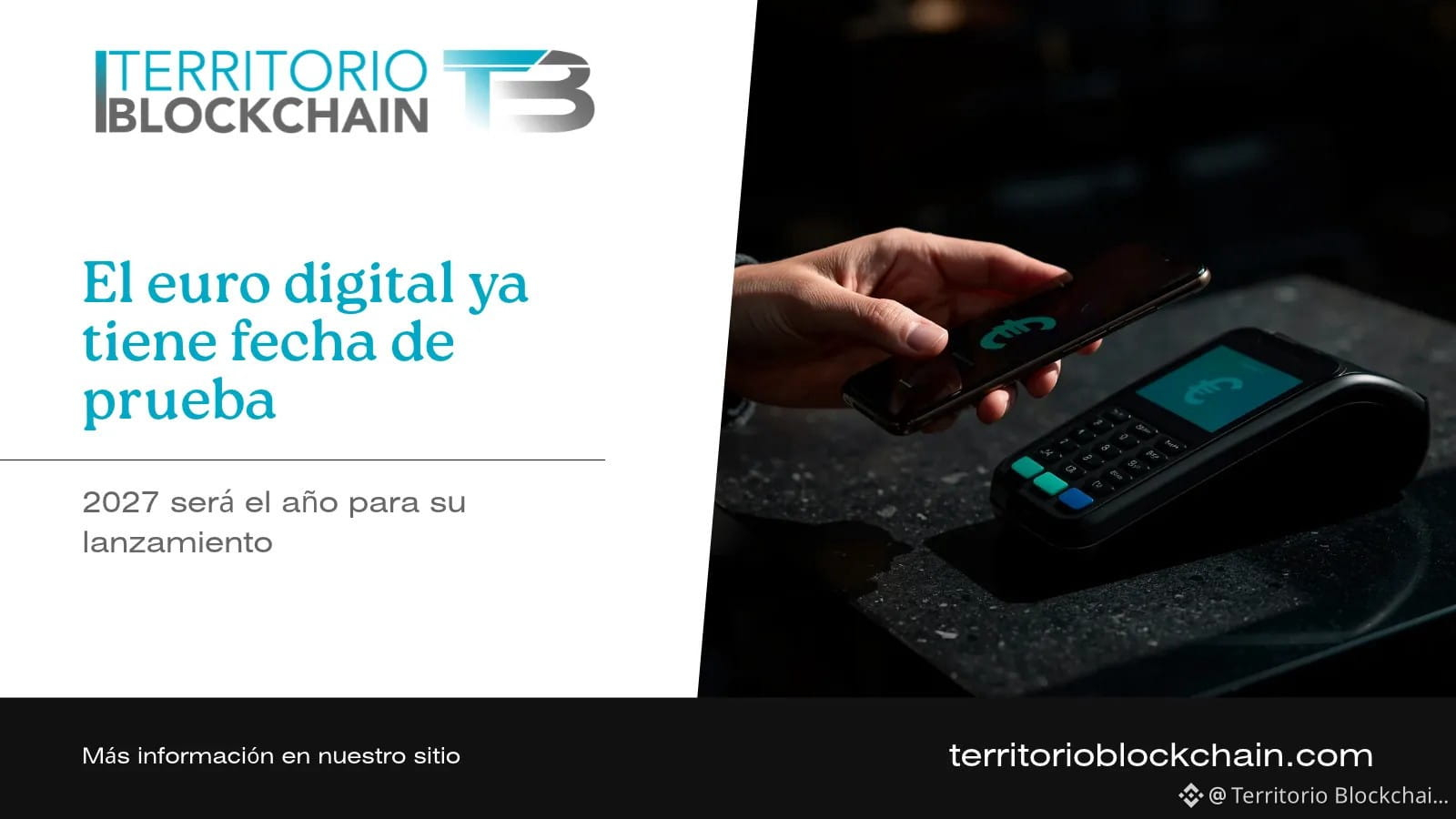
اليورو الرقمي: البنك المركزي الأوروبي يستعد لتجربة مدفوعات فعلية في 2027 ويستهدف إطلاقه في 2029بات لليورو الرقمي جدول زمني. فقد أوضح بييرو تشيبولوني، عضو اللجنة التنفيذية في البنك المركزي الأوروبي والمسؤول عن المدفوعات، في مقابلة مع «ميلانو فينانزا» (نشرها البنك المركزي الأوروبي في 24 أكتوبر) أن تجربةً أولية ستبدأ في عام 2027، يجري خلالها موظفو البنك المركزي الأوروبي والبنوك المركزية الوطنية مدفوعات فعلية.
جوهر المسألة هو السيادة. اليوم، النقد هو الشكل الوحيد من أموال البنك المركزي الذي يمكن للمواطن استخدامه، فيما تزداد مدفوعاتنا عبر الإنترنت. وتمرّ شبكات غير أوروبية عبر اثنتين من كل ثلاث معاملات بالبطاقات.
اليورو الرقمي: البنك المركزي الأوروبي يستعد لتجربة مدفوعات فعلية في 2027 ويستهدف إطلاقه في 2029
بات لليورو الرقمي جدول زمني. فقد أوضح بييرو تشيبولوني، عضو اللجنة التنفيذية في البنك المركزي الأوروبي والمسؤول عن المدفوعات، في مقابلة مع «ميلانو فينانزا» (نشرها البنك المركزي الأوروبي في 24 أكتوبر) أن تجربةً أولية ستبدأ في عام 2027، يجري خلالها موظفو البنك المركزي الأوروبي والبنوك المركزية الوطنية مدفوعات فعلية.
جوهر المسألة هو السيادة. اليوم، النقد هو الشكل الوحيد من أموال البنك المركزي الذي يمكن للمواطن استخدامه، فيما تزداد مدفوعاتنا عبر الإنترنت. وتمرّ شبكات غير أوروبية عبر اثنتين من كل ثلاث معاملات بالبطاقات.
جوهر المسألة هو السيادة. اليوم، النقد هو الشكل الوحيد من أموال البنك المركزي الذي يمكن للمواطن استخدامه، فيما تزداد مدفوعاتنا عبر الإنترنت. وتمرّ شبكات غير أوروبية عبر اثنتين من كل ثلاث معاملات بالبطاقات.
127

·
--
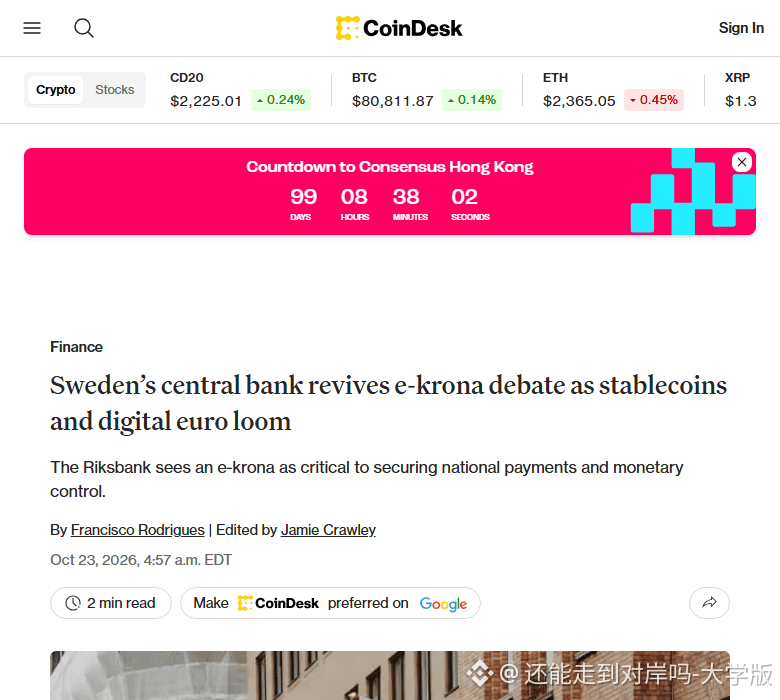
أعاد البنك المركزي السويدي طرح عملة e-krona، وسط مخاوف من أن تؤدي العملات المستقرة واليورو الرقمي إلى تراجع الطلب على الكرونا، ويرى أن العملة الرقمية للبنك المركزي أساسية للحفاظ على السيادة في مجال المدفوعات. الاتجاه: احتدام التنافس على العملات الرقمية السيادية. #CBDC #e-krona #العملات_المستقرة
أعاد البنك المركزي السويدي طرح عملة e-krona، وسط مخاوف من أن تؤدي العملات المستقرة واليورو الرقمي إلى تراجع الطلب على الكرونا، ويرى أن العملة الرقمية للبنك المركزي أساسية للحفاظ على السيادة في مجال المدفوعات. الاتجاه: احتدام التنافس على العملات الرقمية السيادية. #CBDC #e-krona #العملات_المستقرة
26

·
--
أعلنت سلطة النقد في سنغافورة (MAS) في 23/10 أن البنك الوطني الماليزي وبنك تايلاند المركزي انضما رسميًا إلى مبادرة العملات الرقمية BLOOM. ويهدف المشروع إلى توحيد معايير البنية التحتية للمدفوعات العابرة للحدود وربطها، بمشاركة مؤسسات مالية كبرى مثل Mastercard وVisa وRipple والبنك الدولي.
تمثل هذه الخطوة تقدمًا مهمًا نحو إضفاء الطابع المؤسسي على العملات الرقمية في جنوب شرق آسيا. فبدلًا من العمل بشكل مجزأ، تعمل الاقتصادات الثلاثة الرائدة في المنطقة على وضع إطار مشترك لإدارة المخاطر والتحقق من الهوية، بهدف تحسين تدفقات رؤوس الأموال في المدفوعات الدولية.
يساعد هذا الترابط على خفض تكاليف الوساطة ومدة معالجة المعاملات التجارية بين الدول بدرجة كبيرة. وعلى المدى الطويل، ستعزز بنية المدفوعات الرقمية العابرة للحكومات الثقة في الحلول المالية عالية التقنية، وتدعم تدفق رؤوس الأموال في المنطقة.
أما بالنسبة إلى سوق العملات المشفرة، فإن مشاركة مؤسسات كبرى مثل Ripple ($XRP) مباشرةً في البنية التحتية للبنوك المركزية تُعد إشارة إيجابية إلى جدوى استخدامها عمليًا. وستفتح تدفقات المدفوعات الرقمية العابرة للحدود الطريق أمام انتشار أوسع لحلول البلوك تشين القائمة على معايير تنظيمية.
#CBDC #CrossBorderPayments #التقنية_المالية
أعلنت سلطة النقد في سنغافورة (MAS) في 23/10 أن البنك الوطني الماليزي وبنك تايلاند المركزي انضما رسميًا إلى مبادرة العملات الرقمية BLOOM. ويهدف المشروع إلى توحيد معايير البنية التحتية للمدفوعات العابرة للحدود وربطها، بمشاركة مؤسسات مالية كبرى مثل Mastercard وVisa وRipple والبنك الدولي.
تمثل هذه الخطوة تقدمًا مهمًا نحو إضفاء الطابع المؤسسي على العملات الرقمية في جنوب شرق آسيا. فبدلًا من العمل بشكل مجزأ، تعمل الاقتصادات الثلاثة الرائدة في المنطقة على وضع إطار مشترك لإدارة المخاطر والتحقق من الهوية، بهدف تحسين تدفقات رؤوس الأموال في المدفوعات الدولية.
يساعد هذا الترابط على خفض تكاليف الوساطة ومدة معالجة المعاملات التجارية بين الدول بدرجة كبيرة. وعلى المدى الطويل، ستعزز بنية المدفوعات الرقمية العابرة للحكومات الثقة في الحلول المالية عالية التقنية، وتدعم تدفق رؤوس الأموال في المنطقة.
أما بالنسبة إلى سوق العملات المشفرة، فإن مشاركة مؤسسات كبرى مثل Ripple ($XRP ) مباشرةً في البنية التحتية للبنوك المركزية تُعد إشارة إيجابية إلى جدوى استخدامها عمليًا. وستفتح تدفقات المدفوعات الرقمية العابرة للحدود الطريق أمام انتشار أوسع لحلول البلوك تشين القائمة على معايير تنظيمية.
#CBDC #CrossBorderPayments #التقنية_المالية
تمثل هذه الخطوة تقدمًا مهمًا نحو إضفاء الطابع المؤسسي على العملات الرقمية في جنوب شرق آسيا. فبدلًا من العمل بشكل مجزأ، تعمل الاقتصادات الثلاثة الرائدة في المنطقة على وضع إطار مشترك لإدارة المخاطر والتحقق من الهوية، بهدف تحسين تدفقات رؤوس الأموال في المدفوعات الدولية.
يساعد هذا الترابط على خفض تكاليف الوساطة ومدة معالجة المعاملات التجارية بين الدول بدرجة كبيرة. وعلى المدى الطويل، ستعزز بنية المدفوعات الرقمية العابرة للحكومات الثقة في الحلول المالية عالية التقنية، وتدعم تدفق رؤوس الأموال في المنطقة.
أما بالنسبة إلى سوق العملات المشفرة، فإن مشاركة مؤسسات كبرى مثل Ripple ($XRP ) مباشرةً في البنية التحتية للبنوك المركزية تُعد إشارة إيجابية إلى جدوى استخدامها عمليًا. وستفتح تدفقات المدفوعات الرقمية العابرة للحدود الطريق أمام انتشار أوسع لحلول البلوك تشين القائمة على معايير تنظيمية.
#CBDC #CrossBorderPayments #التقنية_المالية
169

أعلنت سلطة النقد السنغافورية يوم 23 أن بنك نيجارا ماليزيا وبنك تايلاند انضما إلى مشروع BLOOM. وتهدف هذه المبادرة الثلاثية إلى تطوير تسويات العملات الرقمية عبر الحدود، بالتعاون مع شركاء مثل ماستركارد وفيزا وريبل ومجموعة البنك الدولي.
يمثل هذا التعاون محطة مهمة للبنية التحتية المالية الإقليمية، إذ يركز على قبول العملات الرقمية للبنوك المركزية (CBDC)، وقابلية التشغيل البيني للأنظمة، والامتثال لمتطلبات إدارة المخاطر. ويبرز دمج عمالقة المدفوعات التقليدية وشركات البلوك تشين تحولًا حاسمًا نحو اعتماد المؤسسات على تقنية دفاتر الأستاذ الموزعة.
يسهم تبسيط التحويلات المالية الإقليمية وتسويات النقد الأجنبي في إرساء أطر تنظيمية متينة لتدفقات رأس المال عبر الحدود في أنحاء جنوب شرق آسيا.
وبالنسبة إلى شبكات العملات المشفرة المخصصة للمؤسسات، مثل ريبل ($XRP)، تثبت هذه التجربة الفائدة العملية في مسارات التسوية السيادية، وتعزز اعتماد المؤسسات. #CBDC #CrossBorderPayments #الأصول_الرقمية
أعلنت سلطة النقد السنغافورية يوم 23 أن بنك نيجارا ماليزيا وبنك تايلاند انضما إلى مشروع BLOOM. وتهدف هذه المبادرة الثلاثية إلى تطوير تسويات العملات الرقمية عبر الحدود، بالتعاون مع شركاء مثل ماستركارد وفيزا وريبل ومجموعة البنك الدولي.
يمثل هذا التعاون محطة مهمة للبنية التحتية المالية الإقليمية، إذ يركز على قبول العملات الرقمية للبنوك المركزية (CBDC)، وقابلية التشغيل البيني للأنظمة، والامتثال لمتطلبات إدارة المخاطر. ويبرز دمج عمالقة المدفوعات التقليدية وشركات البلوك تشين تحولًا حاسمًا نحو اعتماد المؤسسات على تقنية دفاتر الأستاذ الموزعة.
يسهم تبسيط التحويلات المالية الإقليمية وتسويات النقد الأجنبي في إرساء أطر تنظيمية متينة لتدفقات رأس المال عبر الحدود في أنحاء جنوب شرق آسيا.
وبالنسبة إلى شبكات العملات المشفرة المخصصة للمؤسسات، مثل ريبل ($XRP )، تثبت هذه التجربة الفائدة العملية في مسارات التسوية السيادية، وتعزز اعتماد المؤسسات. #CBDC #CrossBorderPayments #الأصول_الرقمية
يمثل هذا التعاون محطة مهمة للبنية التحتية المالية الإقليمية، إذ يركز على قبول العملات الرقمية للبنوك المركزية (CBDC)، وقابلية التشغيل البيني للأنظمة، والامتثال لمتطلبات إدارة المخاطر. ويبرز دمج عمالقة المدفوعات التقليدية وشركات البلوك تشين تحولًا حاسمًا نحو اعتماد المؤسسات على تقنية دفاتر الأستاذ الموزعة.
يسهم تبسيط التحويلات المالية الإقليمية وتسويات النقد الأجنبي في إرساء أطر تنظيمية متينة لتدفقات رأس المال عبر الحدود في أنحاء جنوب شرق آسيا.
وبالنسبة إلى شبكات العملات المشفرة المخصصة للمؤسسات، مثل ريبل ($XRP )، تثبت هذه التجربة الفائدة العملية في مسارات التسوية السيادية، وتعزز اعتماد المؤسسات. #CBDC #CrossBorderPayments #الأصول_الرقمية
69

تمّ التحقق
#swedishcentralbankurgesekronareview
تعيد السويد التفكير في مستقبلها النقدي. فقد عاد البنك المركزي السويدي (ريكس بنك) إلى الضغط على البرلمان لمراجعة إنشاء الكرونة الإلكترونية، وهي عملته الرقمية.
ولا يقتصر السبب على التحديث فحسب، بل يتعلق أيضًا ببقاء الكرونة السويدية. فمع انتشار العملات المستقرة الخاصة واليورو الرقمي، يخشى البنك المركزي أن تفقد السويد مكانتها لصالح البنى التحتية الأجنبية، وأن ينتهي بها الأمر معتمدة على أنظمة دفع خاصة.
ما هو على المحك:
الملاءمة: ضمان وجود شكل رقمي أصيل من العملة.
المرونة: الحفاظ على عمل النظام أثناء الأعطال أو الهجمات الإلكترونية.
الفرق الجوهري: العملة الرقمية للبنك المركزي ليست مثل البيتكوين. فهي أموال يصدرها البنك المركزي ويتحكم بها، ما يثير تساؤلات عميقة بشأن الخصوصية ودور البنوك التجارية.
لا يزال إقرار الكرونة الإلكترونية غير مؤكد. فالنقاش هو الخطوة الأولى في عملية تتطلب تشريعًا وثقة عامة.
المعركة الحقيقية تدور بين سيادة المال العام والاعتماد على الحلول الخاصة. فهل تبرر الاستقلالية النقدية إنشاء عملة رقمية للبنك المركزي، حتى عندما تعمل المدفوعات الرقمية بالفعل؟
تنويه: هذا المحتوى لأغراض تعليمية فقط، ولا يشكل مشورة مالية.
#CBDC #DigitalEuro #GrowWithSAC $IRYS $BMT $AVA
{future}(IRYSUSDT)
{spot}(BMTUSDT)
{spot}(AVAUSDT)
#swedishcentralbankurgesekronareview
تعيد السويد التفكير في مستقبلها النقدي. فقد عاد البنك المركزي السويدي (ريكس بنك) إلى الضغط على البرلمان لمراجعة إنشاء الكرونة الإلكترونية، وهي عملته الرقمية.
ولا يقتصر السبب على التحديث فحسب، بل يتعلق أيضًا ببقاء الكرونة السويدية. فمع انتشار العملات المستقرة الخاصة واليورو الرقمي، يخشى البنك المركزي أن تفقد السويد مكانتها لصالح البنى التحتية الأجنبية، وأن ينتهي بها الأمر معتمدة على أنظمة دفع خاصة.
ما هو على المحك:
الملاءمة: ضمان وجود شكل رقمي أصيل من العملة.
المرونة: الحفاظ على عمل النظام أثناء الأعطال أو الهجمات الإلكترونية.
الفرق الجوهري: العملة الرقمية للبنك المركزي ليست مثل البيتكوين. فهي أموال يصدرها البنك المركزي ويتحكم بها، ما يثير تساؤلات عميقة بشأن الخصوصية ودور البنوك التجارية.
لا يزال إقرار الكرونة الإلكترونية غير مؤكد. فالنقاش هو الخطوة الأولى في عملية تتطلب تشريعًا وثقة عامة.
المعركة الحقيقية تدور بين سيادة المال العام والاعتماد على الحلول الخاصة. فهل تبرر الاستقلالية النقدية إنشاء عملة رقمية للبنك المركزي، حتى عندما تعمل المدفوعات الرقمية بالفعل؟
تنويه: هذا المحتوى لأغراض تعليمية فقط، ولا يشكل مشورة مالية.
#CBDC #DigitalEuro #GrowWithSAC $IRYS $BMT $AVA
تعيد السويد التفكير في مستقبلها النقدي. فقد عاد البنك المركزي السويدي (ريكس بنك) إلى الضغط على البرلمان لمراجعة إنشاء الكرونة الإلكترونية، وهي عملته الرقمية.
ولا يقتصر السبب على التحديث فحسب، بل يتعلق أيضًا ببقاء الكرونة السويدية. فمع انتشار العملات المستقرة الخاصة واليورو الرقمي، يخشى البنك المركزي أن تفقد السويد مكانتها لصالح البنى التحتية الأجنبية، وأن ينتهي بها الأمر معتمدة على أنظمة دفع خاصة.
ما هو على المحك:
الملاءمة: ضمان وجود شكل رقمي أصيل من العملة.
المرونة: الحفاظ على عمل النظام أثناء الأعطال أو الهجمات الإلكترونية.
الفرق الجوهري: العملة الرقمية للبنك المركزي ليست مثل البيتكوين. فهي أموال يصدرها البنك المركزي ويتحكم بها، ما يثير تساؤلات عميقة بشأن الخصوصية ودور البنوك التجارية.
لا يزال إقرار الكرونة الإلكترونية غير مؤكد. فالنقاش هو الخطوة الأولى في عملية تتطلب تشريعًا وثقة عامة.
المعركة الحقيقية تدور بين سيادة المال العام والاعتماد على الحلول الخاصة. فهل تبرر الاستقلالية النقدية إنشاء عملة رقمية للبنك المركزي، حتى عندما تعمل المدفوعات الرقمية بالفعل؟
تنويه: هذا المحتوى لأغراض تعليمية فقط، ولا يشكل مشورة مالية.
#CBDC #DigitalEuro #GrowWithSAC $IRYS $BMT $AVA

1
1.3k


مقالة
السويد تعيد إحياء خطط الكرونة الإلكترونية مع احتدام النقاش حول العملة الرقمية في أوروباالسويد تعيد إحياء النقاش حول الكرونة الإلكترونية مع إعادة المدفوعات الرقمية تشكيل القطاع المالي
يعيد البنك المركزي السويدي تسليط الضوء على الكرونة الإلكترونية، داعيًا إلى مزيد من النظر في التغييرات القانونية اللازمة لاحتمال طرح عملة رقمية للبنك المركزي.
في بيان صدر في 15 أكتوبر 2026، سلّط بنك ريكسبانك الضوء على التطورات في مجال المدفوعات الرقمية والأهمية المتزايدة لنظام دفع متين وموثوق. وتأتي هذه الخطوة فيما تمضي أوروبا قدمًا في مناقشات حول احتمال إصدار يورو رقمي. @Cite refs={["turn433435search7","turn433435search6"]}/>
السويد تعيد إحياء خطط الكرونة الإلكترونية مع احتدام النقاش حول العملة الرقمية في أوروبا
السويد تعيد إحياء النقاش حول الكرونة الإلكترونية مع إعادة المدفوعات الرقمية تشكيل القطاع المالي
يعيد البنك المركزي السويدي تسليط الضوء على الكرونة الإلكترونية، داعيًا إلى مزيد من النظر في التغييرات القانونية اللازمة لاحتمال طرح عملة رقمية للبنك المركزي.
في بيان صدر في 15 أكتوبر 2026، سلّط بنك ريكسبانك الضوء على التطورات في مجال المدفوعات الرقمية والأهمية المتزايدة لنظام دفع متين وموثوق. وتأتي هذه الخطوة فيما تمضي أوروبا قدمًا في مناقشات حول احتمال إصدار يورو رقمي. @Cite refs={["turn433435search7","turn433435search6"]}/>
يعيد البنك المركزي السويدي تسليط الضوء على الكرونة الإلكترونية، داعيًا إلى مزيد من النظر في التغييرات القانونية اللازمة لاحتمال طرح عملة رقمية للبنك المركزي.
في بيان صدر في 15 أكتوبر 2026، سلّط بنك ريكسبانك الضوء على التطورات في مجال المدفوعات الرقمية والأهمية المتزايدة لنظام دفع متين وموثوق. وتأتي هذه الخطوة فيما تمضي أوروبا قدمًا في مناقشات حول احتمال إصدار يورو رقمي. @Cite refs={["turn433435search7","turn433435search6"]}/>
39
·
--
تمّ التحقق
#swedishcentralbankurgesekronareview
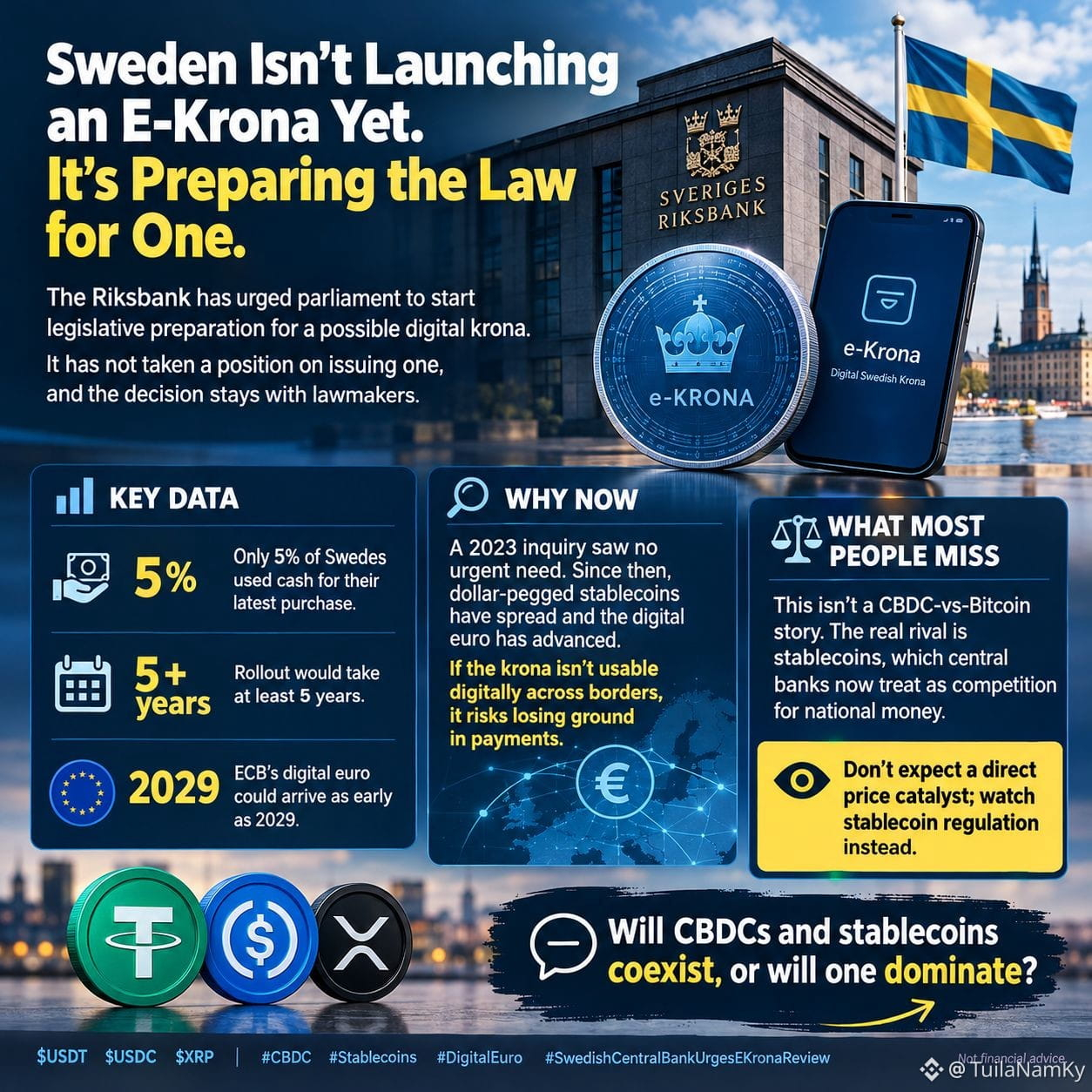
السويد لا تطلق كرونا إلكترونية بعد، بل تهيّئ الإطار القانوني لها.
حثّ البنك المركزي السويدي (ريكس بنك) البرلمان على بدء الإعداد التشريعي لاحتمال إصدار كرونا رقمية. لكنه لم يتخذ موقفًا من إصدارها، ويظل القرار بيد المشرّعين.
📊 بيانات أساسية
لم يستخدم النقد في آخر عملية شراء لهم سوى 5% من السويديين
سيستغرق إطلاقها 5 سنوات على الأقل
قد يصل اليورو الرقمي للبنك المركزي الأوروبي في وقت مبكر من 2029
🔍 لماذا الآن؟
خلص تحقيق أُجري في 2023 إلى عدم وجود حاجة ملحّة. ومنذ ذلك الحين، انتشرت العملات المستقرة المرتبطة بالدولار، وأحرز اليورو الرقمي تقدمًا. وإذا لم يكن بالإمكان استخدام الكرونا رقميًا عبر الحدود، فثمة خطر أن تخسر أرضًا في مجال المدفوعات.
⚖️ ما يغيب عن كثيرين
هذه ليست حكاية صراع بين العملات الرقمية للبنوك المركزية والبيتكوين. المنافس الحقيقي هو العملات المستقرة، التي باتت البنوك المركزية تعتبرها منافسًا للعملات الوطنية. لا تتوقعوا محفزًا مباشرًا للأسعار؛ بل راقبوا تنظيم العملات المستقرة.
هل ستتعايش العملات الرقمية للبنوك المركزية والعملات المستقرة، أم ستهيمن إحداهما؟ 👇
هذه ليست نصيحة مالية.
$USDT $USDC
{future}(USDCUSDT)
$XRP
{future}(XRPUSDT)
#CBDC #Stablecoins #DigitalEuro
#swedishcentralbankurgesekronareview
السويد لا تطلق كرونا إلكترونية بعد، بل تهيّئ الإطار القانوني لها.
حثّ البنك المركزي السويدي (ريكس بنك) البرلمان على بدء الإعداد التشريعي لاحتمال إصدار كرونا رقمية. لكنه لم يتخذ موقفًا من إصدارها، ويظل القرار بيد المشرّعين.
📊 بيانات أساسية
لم يستخدم النقد في آخر عملية شراء لهم سوى 5% من السويديين
سيستغرق إطلاقها 5 سنوات على الأقل
قد يصل اليورو الرقمي للبنك المركزي الأوروبي في وقت مبكر من 2029
🔍 لماذا الآن؟
خلص تحقيق أُجري في 2023 إلى عدم وجود حاجة ملحّة. ومنذ ذلك الحين، انتشرت العملات المستقرة المرتبطة بالدولار، وأحرز اليورو الرقمي تقدمًا. وإذا لم يكن بالإمكان استخدام الكرونا رقميًا عبر الحدود، فثمة خطر أن تخسر أرضًا في مجال المدفوعات.
⚖️ ما يغيب عن كثيرين
هذه ليست حكاية صراع بين العملات الرقمية للبنوك المركزية والبيتكوين. المنافس الحقيقي هو العملات المستقرة، التي باتت البنوك المركزية تعتبرها منافسًا للعملات الوطنية. لا تتوقعوا محفزًا مباشرًا للأسعار؛ بل راقبوا تنظيم العملات المستقرة.
هل ستتعايش العملات الرقمية للبنوك المركزية والعملات المستقرة، أم ستهيمن إحداهما؟ 👇
هذه ليست نصيحة مالية.
$USDT $USDC
$XRP
#CBDC #Stablecoins #DigitalEuro
السويد لا تطلق كرونا إلكترونية بعد، بل تهيّئ الإطار القانوني لها.
حثّ البنك المركزي السويدي (ريكس بنك) البرلمان على بدء الإعداد التشريعي لاحتمال إصدار كرونا رقمية. لكنه لم يتخذ موقفًا من إصدارها، ويظل القرار بيد المشرّعين.
📊 بيانات أساسية
لم يستخدم النقد في آخر عملية شراء لهم سوى 5% من السويديين
سيستغرق إطلاقها 5 سنوات على الأقل
قد يصل اليورو الرقمي للبنك المركزي الأوروبي في وقت مبكر من 2029
🔍 لماذا الآن؟
خلص تحقيق أُجري في 2023 إلى عدم وجود حاجة ملحّة. ومنذ ذلك الحين، انتشرت العملات المستقرة المرتبطة بالدولار، وأحرز اليورو الرقمي تقدمًا. وإذا لم يكن بالإمكان استخدام الكرونا رقميًا عبر الحدود، فثمة خطر أن تخسر أرضًا في مجال المدفوعات.
⚖️ ما يغيب عن كثيرين
هذه ليست حكاية صراع بين العملات الرقمية للبنوك المركزية والبيتكوين. المنافس الحقيقي هو العملات المستقرة، التي باتت البنوك المركزية تعتبرها منافسًا للعملات الوطنية. لا تتوقعوا محفزًا مباشرًا للأسعار؛ بل راقبوا تنظيم العملات المستقرة.
هل ستتعايش العملات الرقمية للبنوك المركزية والعملات المستقرة، أم ستهيمن إحداهما؟ 👇
هذه ليست نصيحة مالية.
$USDT $USDC
$XRP
#CBDC #Stablecoins #DigitalEuro
1
891
تمّ التحقق
#swedishcentralbankurgesekronareview
أطلق بنك ريكسبانك، البنك المركزي السويدي، للتو تحذيراً بشأن السباق نحو الأموال الرقمية.
تضغط المؤسسة على المشرّعين لمراجعة خطط الكرونة الرقمية (e-Krona). والسبب هو التوسع السريع للعملات المستقرة المرتبطة بالدولار، وتقدّم اليورو الرقمي الذي يعمل عليه البنك المركزي الأوروبي. ويكمن الخوف في أن تهيمن العملات الأجنبية على المدفوعات اليومية وتُضعف سيادة الكرونة السويدية.
التأثير في منظومة العملات المشفرة:
يعزز هذا الخبر التنافس بين العملات الرقمية للبنوك المركزية (CBDCs) والعملات المستقرة الخاصة.
العملة الرقمية للبنك المركزي ليست عملة مشفرة لامركزية. فهما نموذجان مختلفان، لكنهما يتنافسان على المساحة نفسها.
بالنسبة إلى المتداولين، ينبغي أن ينصبّ الاهتمام على تنظيم العملات المستقرة. فالقواعد الواضحة تفتح الباب أمام التبني الجماعي، في حين أن القيود الصارمة قد تهز القطاع.
التحول إلى الأموال الرقمية أمر لا مفر منه. وسيتوقف نجاح العملات المشفرة اللامركزية في هذا السياق على كيفية صياغة القواعد، وعلى كيفية منافسة العملات المستقرة للعملات التي تصدرها الدول.
$IRYS $AGT $DOS
#CryptoNews #CBDC #Stciaablecoins
{future}(IRYSUSDT)
{future}(AGTUSDT)
{future}(DOSUSDT)
#swedishcentralbankurgesekronareview
أطلق بنك ريكسبانك، البنك المركزي السويدي، للتو تحذيراً بشأن السباق نحو الأموال الرقمية.
تضغط المؤسسة على المشرّعين لمراجعة خطط الكرونة الرقمية (e-Krona). والسبب هو التوسع السريع للعملات المستقرة المرتبطة بالدولار، وتقدّم اليورو الرقمي الذي يعمل عليه البنك المركزي الأوروبي. ويكمن الخوف في أن تهيمن العملات الأجنبية على المدفوعات اليومية وتُضعف سيادة الكرونة السويدية.
التأثير في منظومة العملات المشفرة:
يعزز هذا الخبر التنافس بين العملات الرقمية للبنوك المركزية (CBDCs) والعملات المستقرة الخاصة.
العملة الرقمية للبنك المركزي ليست عملة مشفرة لامركزية. فهما نموذجان مختلفان، لكنهما يتنافسان على المساحة نفسها.
بالنسبة إلى المتداولين، ينبغي أن ينصبّ الاهتمام على تنظيم العملات المستقرة. فالقواعد الواضحة تفتح الباب أمام التبني الجماعي، في حين أن القيود الصارمة قد تهز القطاع.
التحول إلى الأموال الرقمية أمر لا مفر منه. وسيتوقف نجاح العملات المشفرة اللامركزية في هذا السياق على كيفية صياغة القواعد، وعلى كيفية منافسة العملات المستقرة للعملات التي تصدرها الدول.
$IRYS $AGT $DOS
#CryptoNews #CBDC #Stciaablecoins
أطلق بنك ريكسبانك، البنك المركزي السويدي، للتو تحذيراً بشأن السباق نحو الأموال الرقمية.
تضغط المؤسسة على المشرّعين لمراجعة خطط الكرونة الرقمية (e-Krona). والسبب هو التوسع السريع للعملات المستقرة المرتبطة بالدولار، وتقدّم اليورو الرقمي الذي يعمل عليه البنك المركزي الأوروبي. ويكمن الخوف في أن تهيمن العملات الأجنبية على المدفوعات اليومية وتُضعف سيادة الكرونة السويدية.
التأثير في منظومة العملات المشفرة:
يعزز هذا الخبر التنافس بين العملات الرقمية للبنوك المركزية (CBDCs) والعملات المستقرة الخاصة.
العملة الرقمية للبنك المركزي ليست عملة مشفرة لامركزية. فهما نموذجان مختلفان، لكنهما يتنافسان على المساحة نفسها.
بالنسبة إلى المتداولين، ينبغي أن ينصبّ الاهتمام على تنظيم العملات المستقرة. فالقواعد الواضحة تفتح الباب أمام التبني الجماعي، في حين أن القيود الصارمة قد تهز القطاع.
التحول إلى الأموال الرقمية أمر لا مفر منه. وسيتوقف نجاح العملات المشفرة اللامركزية في هذا السياق على كيفية صياغة القواعد، وعلى كيفية منافسة العملات المستقرة للعملات التي تصدرها الدول.
$IRYS $AGT $DOS
#CryptoNews #CBDC #Stciaablecoins

ABO3ZAM:
كلام سليم، السيولة بدأت تتحرك والعملات المستقرة بتلعب دور كبير، بس خلي عينك على الدعوم الحالية لا يغدر فينا السوق بكسر وهمي ويقلب الطاولة علينا. 🤝
2
1
3k

·
--
#swedishcentralbankurgesekronareview #dot #CBDC
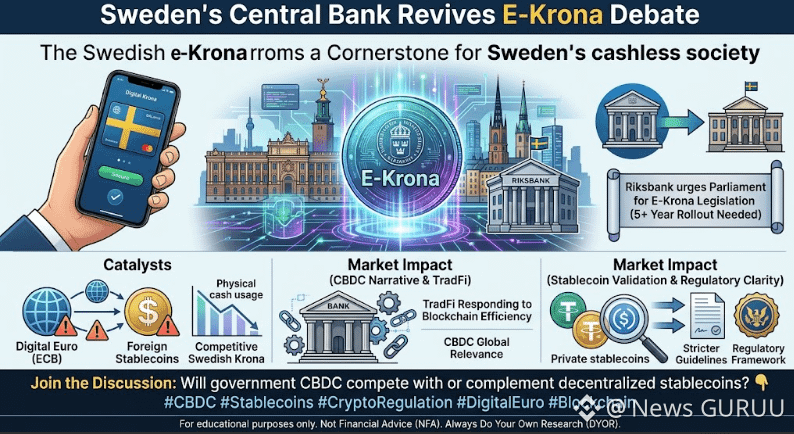
🇸🇪 السويد تعيد إحياء النقاش حول الكرونا الإلكترونية!
يحثّ البنك المركزي السويدي المشرّعين على الاستعداد لسنّ تشريعات بشأن كرونا رقمية، مشيرًا إلى تزايد اعتماد العملات المستقرة وخطط البنك المركزي الأوروبي لإصدار يورو رقمي.
📊 لماذا يهم هذا الأمر:
• يعزز المنافسة في مجال المدفوعات الرقمية
• يثير تساؤلات حول تنظيم العملات المستقرة
• قد يستغرق إطلاقها خمس سنوات على الأقل
💬 ما رأيك؟ هل ستنافس العملات الرقمية للبنوك المركزية العملات المستقرة أم ستتعايش معها؟. «انقر على وسم العملة الصفراء أدناه للانتقال إلى صفحة التداول المطلوبة والاستفادة من التداول»$DOT $KERNEL
{spot}(KERNELUSDT)
{spot}(DOTUSDT)
#swedishcentralbankurgesekronareview #dot #CBDC
🇸🇪 السويد تعيد إحياء النقاش حول الكرونا الإلكترونية!
يحثّ البنك المركزي السويدي المشرّعين على الاستعداد لسنّ تشريعات بشأن كرونا رقمية، مشيرًا إلى تزايد اعتماد العملات المستقرة وخطط البنك المركزي الأوروبي لإصدار يورو رقمي.
📊 لماذا يهم هذا الأمر:
• يعزز المنافسة في مجال المدفوعات الرقمية
• يثير تساؤلات حول تنظيم العملات المستقرة
• قد يستغرق إطلاقها خمس سنوات على الأقل
💬 ما رأيك؟ هل ستنافس العملات الرقمية للبنوك المركزية العملات المستقرة أم ستتعايش معها؟. «انقر على وسم العملة الصفراء أدناه للانتقال إلى صفحة التداول المطلوبة والاستفادة من التداول»$DOT $KERNEL
🇸🇪 السويد تعيد إحياء النقاش حول الكرونا الإلكترونية!
يحثّ البنك المركزي السويدي المشرّعين على الاستعداد لسنّ تشريعات بشأن كرونا رقمية، مشيرًا إلى تزايد اعتماد العملات المستقرة وخطط البنك المركزي الأوروبي لإصدار يورو رقمي.
📊 لماذا يهم هذا الأمر:
• يعزز المنافسة في مجال المدفوعات الرقمية
• يثير تساؤلات حول تنظيم العملات المستقرة
• قد يستغرق إطلاقها خمس سنوات على الأقل
💬 ما رأيك؟ هل ستنافس العملات الرقمية للبنوك المركزية العملات المستقرة أم ستتعايش معها؟. «انقر على وسم العملة الصفراء أدناه للانتقال إلى صفحة التداول المطلوبة والاستفادة من التداول»$DOT $KERNEL
1
50

·
--
مقالة
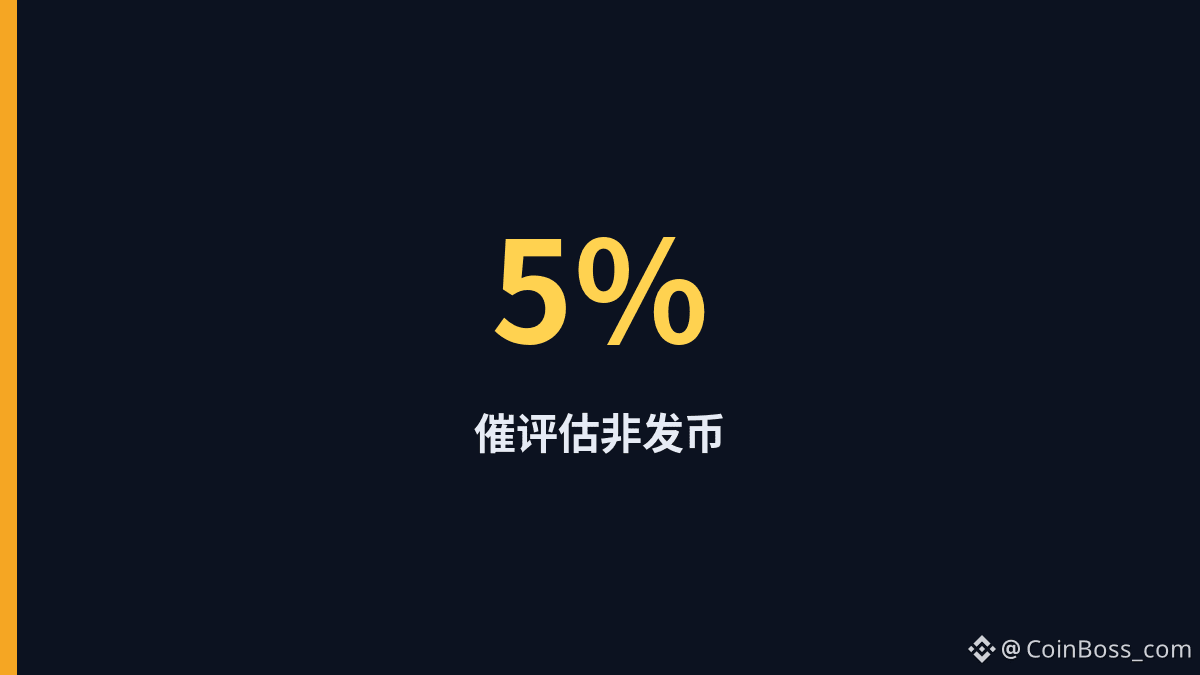
في آخر عملية تسوّق، استخدم 5% فقط النقد؛ ومع ذلك تحثّ السويد على تقييم الكرونة الإلكترونيةالبنك المركزي السويدي يحثّ البرلمان على إعادة تقييم الكرونة الإلكترونية، لا على إصدارها بعد. وكان موقف نائب المحافظ بير يانسون، في 22 أكتوبر، أكثر وضوحًا: الاستعداد التشريعي سيستغرق خمس سنوات على الأقل؛ والضغط مصدره العملات المستقرة الأجنبية، وكذلك اليورو الرقمي.
أصبح استخدام النقد في التسوق محدودًا جدًا؛ ففي المرة السابقة، لم يستخدم النقد سوى نحو 5% من الناس. وذكر استطلاع حكومي أُجري عام 2023 أن الطلب المجتمعي غير كافٍ، لكن المشهد تغيّر الآن: فإذا بدأ اليورو الرقمي مرحلة تجريبية في 2027، وصدر رسميًا في 2029 على الأرجح، وانتشرت العملات المستقرة الأجنبية أولًا، فسيكون من الأصعب على الكرونة أن تحافظ على مكانتها في المدفوعات اليومية. ويُقدَّر حجم العملات المستقرة المدعومة بالدولار بنحو 301.4 مليار دولار، أي ما يقارب 99.5% من سوق العملات المستقرة، وقد أُدرجت ضمن قائمة التهديدات. كما أن ضمان استمرارية المدفوعات عند انقطاع الإنترنت أو الكهرباء أحد أسباب الدعوة إلى التقييم. ويبقى القرار النهائي بيد البرلمان، وخمس سنوات على الأقل ليست جدولًا زمنيًا لإصدار العملة.
في آخر عملية تسوّق، استخدم 5% فقط النقد؛ ومع ذلك تحثّ السويد على تقييم الكرونة الإلكترونية
البنك المركزي السويدي يحثّ البرلمان على إعادة تقييم الكرونة الإلكترونية، لا على إصدارها بعد. وكان موقف نائب المحافظ بير يانسون، في 22 أكتوبر، أكثر وضوحًا: الاستعداد التشريعي سيستغرق خمس سنوات على الأقل؛ والضغط مصدره العملات المستقرة الأجنبية، وكذلك اليورو الرقمي.
أصبح استخدام النقد في التسوق محدودًا جدًا؛ ففي المرة السابقة، لم يستخدم النقد سوى نحو 5% من الناس. وذكر استطلاع حكومي أُجري عام 2023 أن الطلب المجتمعي غير كافٍ، لكن المشهد تغيّر الآن: فإذا بدأ اليورو الرقمي مرحلة تجريبية في 2027، وصدر رسميًا في 2029 على الأرجح، وانتشرت العملات المستقرة الأجنبية أولًا، فسيكون من الأصعب على الكرونة أن تحافظ على مكانتها في المدفوعات اليومية. ويُقدَّر حجم العملات المستقرة المدعومة بالدولار بنحو 301.4 مليار دولار، أي ما يقارب 99.5% من سوق العملات المستقرة، وقد أُدرجت ضمن قائمة التهديدات. كما أن ضمان استمرارية المدفوعات عند انقطاع الإنترنت أو الكهرباء أحد أسباب الدعوة إلى التقييم. ويبقى القرار النهائي بيد البرلمان، وخمس سنوات على الأقل ليست جدولًا زمنيًا لإصدار العملة.
أصبح استخدام النقد في التسوق محدودًا جدًا؛ ففي المرة السابقة، لم يستخدم النقد سوى نحو 5% من الناس. وذكر استطلاع حكومي أُجري عام 2023 أن الطلب المجتمعي غير كافٍ، لكن المشهد تغيّر الآن: فإذا بدأ اليورو الرقمي مرحلة تجريبية في 2027، وصدر رسميًا في 2029 على الأرجح، وانتشرت العملات المستقرة الأجنبية أولًا، فسيكون من الأصعب على الكرونة أن تحافظ على مكانتها في المدفوعات اليومية. ويُقدَّر حجم العملات المستقرة المدعومة بالدولار بنحو 301.4 مليار دولار، أي ما يقارب 99.5% من سوق العملات المستقرة، وقد أُدرجت ضمن قائمة التهديدات. كما أن ضمان استمرارية المدفوعات عند انقطاع الإنترنت أو الكهرباء أحد أسباب الدعوة إلى التقييم. ويبقى القرار النهائي بيد البرلمان، وخمس سنوات على الأقل ليست جدولًا زمنيًا لإصدار العملة.
122

·
--
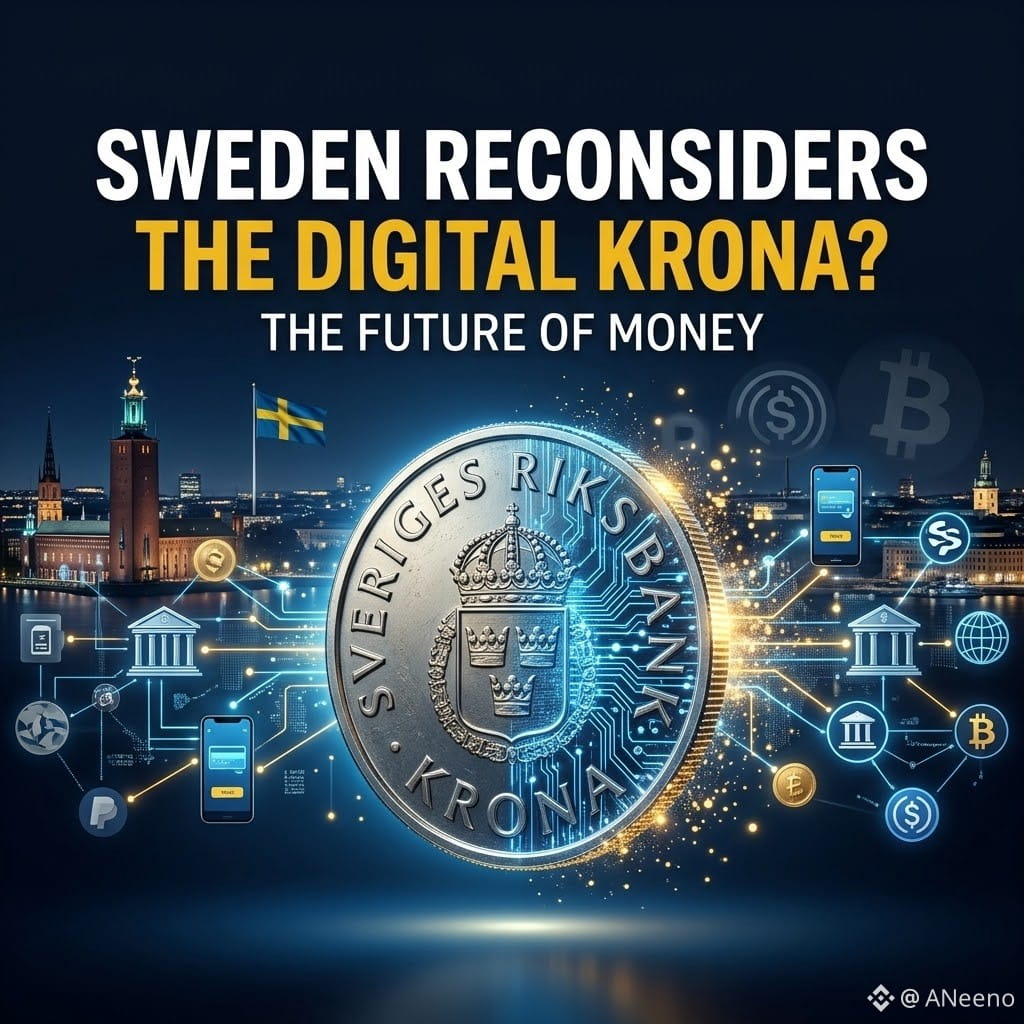
🚨 السويد تريد إعادة النظر في عملتها الرقمية! 🇸🇪
يحثّ البنك المركزي السويدي المشرّعين على إعادة النظر في الاستعدادات لإطلاق الكرونة الإلكترونية، في وقت تعيد فيه المدفوعات الرقمية والعملات المستقرة واليورو الرقمي المزمع تشكيل المشهد المالي. ⚡
إليكم النقطة الأهم: لم تقرر السويد بعد إطلاقها. لكن النقاش عاد من جديد — ويثير سؤالًا أكبر حول مستقبل المال.
💡 هل يمكن أن تصبح العملات الرقمية المدعومة من الحكومات التحول الكبير التالي في التمويل العالمي؟
أم ستظل العملات المستقرة الخاصة والعملات المشفرة اللامركزية الخيار المفضل؟
👇 ما الذي تثقون به أكثر؟
#SwedishCentralBankUrgesEKronaReview #crypto #Bitcoin #CBDC
🚨 السويد تريد إعادة النظر في عملتها الرقمية! 🇸🇪
يحثّ البنك المركزي السويدي المشرّعين على إعادة النظر في الاستعدادات لإطلاق الكرونة الإلكترونية، في وقت تعيد فيه المدفوعات الرقمية والعملات المستقرة واليورو الرقمي المزمع تشكيل المشهد المالي. ⚡
إليكم النقطة الأهم: لم تقرر السويد بعد إطلاقها. لكن النقاش عاد من جديد — ويثير سؤالًا أكبر حول مستقبل المال.
💡 هل يمكن أن تصبح العملات الرقمية المدعومة من الحكومات التحول الكبير التالي في التمويل العالمي؟
أم ستظل العملات المستقرة الخاصة والعملات المشفرة اللامركزية الخيار المفضل؟
👇 ما الذي تثقون به أكثر؟
#SwedishCentralBankUrgesEKronaReview #crypto #Bitcoin #CBDC
يحثّ البنك المركزي السويدي المشرّعين على إعادة النظر في الاستعدادات لإطلاق الكرونة الإلكترونية، في وقت تعيد فيه المدفوعات الرقمية والعملات المستقرة واليورو الرقمي المزمع تشكيل المشهد المالي. ⚡
إليكم النقطة الأهم: لم تقرر السويد بعد إطلاقها. لكن النقاش عاد من جديد — ويثير سؤالًا أكبر حول مستقبل المال.
💡 هل يمكن أن تصبح العملات الرقمية المدعومة من الحكومات التحول الكبير التالي في التمويل العالمي؟
أم ستظل العملات المستقرة الخاصة والعملات المشفرة اللامركزية الخيار المفضل؟
👇 ما الذي تثقون به أكثر؟
#SwedishCentralBankUrgesEKronaReview #crypto #Bitcoin #CBDC
72

·
--
عاد الجدل حول الكرونا الإلكترونية في السويد — والسيطرة على المدفوعات هي الرهان. 👀
يرى البنك المركزي السويدي أن الكرونا الرقمية ضرورية لضمان المدفوعات الوطنية والسيطرة النقدية، في ظل بروز العملات المستقرة واليورو الرقمي.
ما يلفت انتباهي هو أن الأمر لا يتعلق بمجرد تحويل النقود إلى صيغة رقمية، بل بمن يحتفظ بالسيطرة حين تتغير طرق الدفع. 🏦
هل تفضّل استخدام عملة رقمية يصدرها البنك المركزي أم عملة مستقرة في مدفوعاتك اليومية؟ وما العامل الذي سيحسم اختيارك؟
#Stablecoins #CBDC #المدفوعات_الرقمية
عاد الجدل حول الكرونا الإلكترونية في السويد — والسيطرة على المدفوعات هي الرهان. 👀
يرى البنك المركزي السويدي أن الكرونا الرقمية ضرورية لضمان المدفوعات الوطنية والسيطرة النقدية، في ظل بروز العملات المستقرة واليورو الرقمي.
ما يلفت انتباهي هو أن الأمر لا يتعلق بمجرد تحويل النقود إلى صيغة رقمية، بل بمن يحتفظ بالسيطرة حين تتغير طرق الدفع. 🏦
هل تفضّل استخدام عملة رقمية يصدرها البنك المركزي أم عملة مستقرة في مدفوعاتك اليومية؟ وما العامل الذي سيحسم اختيارك؟
#Stablecoins #CBDC #المدفوعات_الرقمية
يرى البنك المركزي السويدي أن الكرونا الرقمية ضرورية لضمان المدفوعات الوطنية والسيطرة النقدية، في ظل بروز العملات المستقرة واليورو الرقمي.
ما يلفت انتباهي هو أن الأمر لا يتعلق بمجرد تحويل النقود إلى صيغة رقمية، بل بمن يحتفظ بالسيطرة حين تتغير طرق الدفع. 🏦
هل تفضّل استخدام عملة رقمية يصدرها البنك المركزي أم عملة مستقرة في مدفوعاتك اليومية؟ وما العامل الذي سيحسم اختيارك؟
#Stablecoins #CBDC #المدفوعات_الرقمية

50

🚨 $BTC ترقّبوا: دفعة السويد نحو الكرونة الإلكترونية تعيد رسم قواعد اللعبة في عالم الأموال الرقمية 🦈
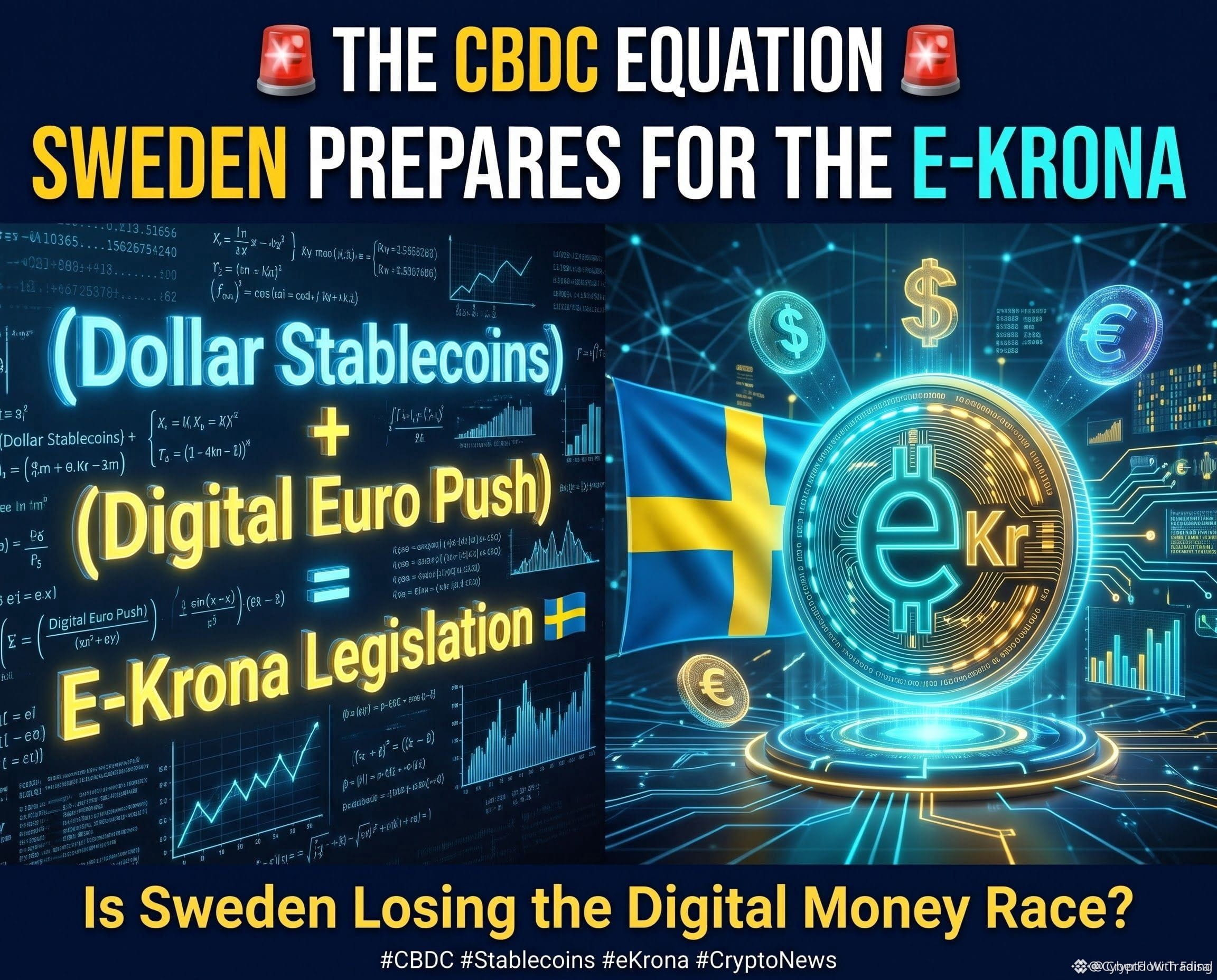
🦈 يُسرّع البنك المركزي السويدي (ريكسبانك) وتيرة التشريعات الخاصة بالكرونة الإلكترونية، وهي عملة رقمية سيادية رسمية قد تتفوق على العملات المستقرة الخاصة في المنطقة. 📊 يحتدم السباق مع طرح البنك المركزي الأوروبي لليورو الرقمي، في حين تغمر الرموز المرتبطة بالدولار السوق، ما يدفع البنوك المركزية إلى إرساء الأطر القانونية الآن. ⚡ ومع أفق زمني للتطبيق يمتد لخمس سنوات، تمثل هذه العجلة إشارة واضحة إلى أن الجهات التنظيمية تحاول استعادة السيطرة على السيولة قبل أن يهيمن اللاعبون من القطاع الخاص على تدفق الأوامر.
💡 المعادلة بسيطة: (العملات المستقرة) + (الدفع نحو اليورو الرقمي) = ضغط باتجاه الكرونة الإلكترونية. وقد تعيد هذه المواجهة تشكيل المدفوعات العابرة للحدود، وتجبر مشاريع العملات المشفرة على التكيف أو مضاعفة جهود الامتثال. 💬 كيف ترون تأثير الكرونة الإلكترونية في ساحة المنافسة بين العملات المشفرة والعملات المستقرة؟ 👇
⚠️ هذه ليست نصيحة مالية. احرصوا دائماً على إدارة المخاطر. 🛡️
🏷️ #BTC #CBDC #Ekróna #CryptoNews #Stablecoins
🔥 🦈
🚨 $BTC ترقّبوا: دفعة السويد نحو الكرونة الإلكترونية تعيد رسم قواعد اللعبة في عالم الأموال الرقمية 🦈
🦈 يُسرّع البنك المركزي السويدي (ريكسبانك) وتيرة التشريعات الخاصة بالكرونة الإلكترونية، وهي عملة رقمية سيادية رسمية قد تتفوق على العملات المستقرة الخاصة في المنطقة. 📊 يحتدم السباق مع طرح البنك المركزي الأوروبي لليورو الرقمي، في حين تغمر الرموز المرتبطة بالدولار السوق، ما يدفع البنوك المركزية إلى إرساء الأطر القانونية الآن. ⚡ ومع أفق زمني للتطبيق يمتد لخمس سنوات، تمثل هذه العجلة إشارة واضحة إلى أن الجهات التنظيمية تحاول استعادة السيطرة على السيولة قبل أن يهيمن اللاعبون من القطاع الخاص على تدفق الأوامر.
💡 المعادلة بسيطة: (العملات المستقرة) + (الدفع نحو اليورو الرقمي) = ضغط باتجاه الكرونة الإلكترونية. وقد تعيد هذه المواجهة تشكيل المدفوعات العابرة للحدود، وتجبر مشاريع العملات المشفرة على التكيف أو مضاعفة جهود الامتثال. 💬 كيف ترون تأثير الكرونة الإلكترونية في ساحة المنافسة بين العملات المشفرة والعملات المستقرة؟ 👇
⚠️ هذه ليست نصيحة مالية. احرصوا دائماً على إدارة المخاطر. 🛡️
🏷️ #BTC #CBDC #Ekróna #CryptoNews #Stablecoins
🔥 🦈
🦈 يُسرّع البنك المركزي السويدي (ريكسبانك) وتيرة التشريعات الخاصة بالكرونة الإلكترونية، وهي عملة رقمية سيادية رسمية قد تتفوق على العملات المستقرة الخاصة في المنطقة. 📊 يحتدم السباق مع طرح البنك المركزي الأوروبي لليورو الرقمي، في حين تغمر الرموز المرتبطة بالدولار السوق، ما يدفع البنوك المركزية إلى إرساء الأطر القانونية الآن. ⚡ ومع أفق زمني للتطبيق يمتد لخمس سنوات، تمثل هذه العجلة إشارة واضحة إلى أن الجهات التنظيمية تحاول استعادة السيطرة على السيولة قبل أن يهيمن اللاعبون من القطاع الخاص على تدفق الأوامر.
💡 المعادلة بسيطة: (العملات المستقرة) + (الدفع نحو اليورو الرقمي) = ضغط باتجاه الكرونة الإلكترونية. وقد تعيد هذه المواجهة تشكيل المدفوعات العابرة للحدود، وتجبر مشاريع العملات المشفرة على التكيف أو مضاعفة جهود الامتثال. 💬 كيف ترون تأثير الكرونة الإلكترونية في ساحة المنافسة بين العملات المشفرة والعملات المستقرة؟ 👇
⚠️ هذه ليست نصيحة مالية. احرصوا دائماً على إدارة المخاطر. 🛡️
🏷️ #BTC #CBDC #Ekróna #CryptoNews #Stablecoins
🔥 🦈
11

·
--
#SwedishCentralBankUrgesEKronaReview
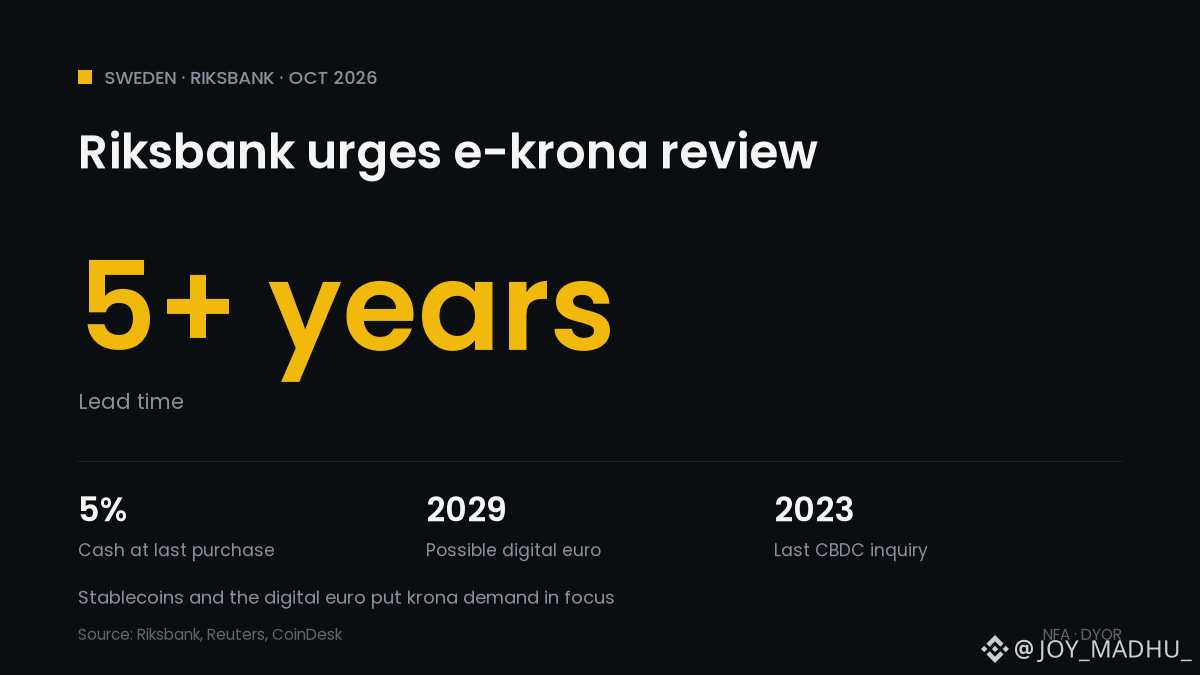
🇸🇪 البنك المركزي السويدي يعيد إحياء النقاش حول الكرونة الإلكترونية
📩 دعا بنك ريكسبانك، في رسالة وجّهها هذا الشهر إلى اللجنة المالية في البرلمان، إلى العمل على دراسة إمكانية إصدار كرونة رقمية
⚖️ ويريد إجراء تحقيق عام بشأن التعديلات القانونية اللازمة، حتى لو لم تُصدر السويد عملة رقمية كهذه قط
⏳ سيستغرق التنفيذ خمس سنوات على الأقل، إضافةً إلى الوقت اللازم لإقرار تشريعات جديدة
💶 الدافع: اليورو الرقمي للبنك المركزي الأوروبي، الذي قد يُطلق في عام 2029
🪙 كما يحذّر من أن العملات المستقرة المقوّمة بعملات أجنبية قد تهدد القدرة التنافسية للكرونة
📊 استخدم 5% فقط من السويديين النقد في أحدث عملية شراء لهم (استطلاع بنك ريكسبانك)
ما الذي يعنيه هذا لسوق العملات المشفّرة؟ ترى البنوك المركزية الآن أن العملات المستقرة منافس حقيقي للعملات الوطنية. ولم يتخذ بنك ريكسبانك أي موقف بشأن إصدار عملة رقمية، والقرار يعود إلى البرلمان.
هل تفضّل عملة رقمية يصدرها بنك مركزي أم عملة مستقرة؟ 👇
$USDT $USDC
#CryptoNews #CBDC #Stablecoins #SwedishCentralBankUrgesEKronaReview
#SwedishCentralBankUrgesEKronaReview
🇸🇪 البنك المركزي السويدي يعيد إحياء النقاش حول الكرونة الإلكترونية
📩 دعا بنك ريكسبانك، في رسالة وجّهها هذا الشهر إلى اللجنة المالية في البرلمان، إلى العمل على دراسة إمكانية إصدار كرونة رقمية
⚖️ ويريد إجراء تحقيق عام بشأن التعديلات القانونية اللازمة، حتى لو لم تُصدر السويد عملة رقمية كهذه قط
⏳ سيستغرق التنفيذ خمس سنوات على الأقل، إضافةً إلى الوقت اللازم لإقرار تشريعات جديدة
💶 الدافع: اليورو الرقمي للبنك المركزي الأوروبي، الذي قد يُطلق في عام 2029
🪙 كما يحذّر من أن العملات المستقرة المقوّمة بعملات أجنبية قد تهدد القدرة التنافسية للكرونة
📊 استخدم 5% فقط من السويديين النقد في أحدث عملية شراء لهم (استطلاع بنك ريكسبانك)
ما الذي يعنيه هذا لسوق العملات المشفّرة؟ ترى البنوك المركزية الآن أن العملات المستقرة منافس حقيقي للعملات الوطنية. ولم يتخذ بنك ريكسبانك أي موقف بشأن إصدار عملة رقمية، والقرار يعود إلى البرلمان.
هل تفضّل عملة رقمية يصدرها بنك مركزي أم عملة مستقرة؟ 👇
$USDT $USDC
#CryptoNews #CBDC #Stablecoins #SwedishCentralBankUrgesEKronaReview
🇸🇪 البنك المركزي السويدي يعيد إحياء النقاش حول الكرونة الإلكترونية
📩 دعا بنك ريكسبانك، في رسالة وجّهها هذا الشهر إلى اللجنة المالية في البرلمان، إلى العمل على دراسة إمكانية إصدار كرونة رقمية
⚖️ ويريد إجراء تحقيق عام بشأن التعديلات القانونية اللازمة، حتى لو لم تُصدر السويد عملة رقمية كهذه قط
⏳ سيستغرق التنفيذ خمس سنوات على الأقل، إضافةً إلى الوقت اللازم لإقرار تشريعات جديدة
💶 الدافع: اليورو الرقمي للبنك المركزي الأوروبي، الذي قد يُطلق في عام 2029
🪙 كما يحذّر من أن العملات المستقرة المقوّمة بعملات أجنبية قد تهدد القدرة التنافسية للكرونة
📊 استخدم 5% فقط من السويديين النقد في أحدث عملية شراء لهم (استطلاع بنك ريكسبانك)
ما الذي يعنيه هذا لسوق العملات المشفّرة؟ ترى البنوك المركزية الآن أن العملات المستقرة منافس حقيقي للعملات الوطنية. ولم يتخذ بنك ريكسبانك أي موقف بشأن إصدار عملة رقمية، والقرار يعود إلى البرلمان.
هل تفضّل عملة رقمية يصدرها بنك مركزي أم عملة مستقرة؟ 👇
$USDT $USDC
#CryptoNews #CBDC #Stablecoins #SwedishCentralBankUrgesEKronaReview
24
سجّل الدخول لاستكشاف المزيد من المُحتوى
انضم إلى مُستخدمي العملات الرقمية حول العالم على Binance Square
⚡️ احصل على أحدث المعلومات المفيدة عن العملات الرقمية.
💬 موثوقة من قبل أكبر منصّة لتداول العملات الرقمية في العالم.
👍 اكتشف الرؤى الحقيقية من صنّاع المُحتوى الموثوقين.
البريد الإلكتروني / رقم الهاتف
المواضيع الرائجة
1
#CanMicrosoftDeliverOnAI
83,417 مشاهدات
766 يقومون بالنقاش
2
#CanGoogleDefindItsCore
42,064 مشاهدات
557 يقومون بالنقاش
3
#FOMCWatch
9.1M مشاهدات
27,978 يقومون بالنقاش
4
#EthereumDropsBelow$2300
11,000 مشاهدات
159 يقومون بالنقاش
5
#BitcoinSlipsBelow$80KAgain
30,880 مشاهدات
123 يقومون بالنقاش
6
#ThailandLaunchesWORPTStablecoinToQRPaymentApp
63,205 مشاهدات
798 يقومون بالنقاش
7
#StrategySkipsBitcoinPurchasesSpends$205MOnSTRCBuybacks
11,935 مشاهدات
98 يقومون بالنقاش
8
#BitmineAdds10452ETH
109,053 مشاهدات
1,207 يقومون بالنقاش
9
#SouthKoreaConsidersEducationTaxOnCryptoExchanges
65,677 مشاهدات
852 يقومون بالنقاش
10
#OCCUrgesCommunityBanksToEnterStablecoinPayments
44,257 مشاهدات
606 يقومون بالنقاش