
#amm
amm
17,248 مشاهدات
127 يقومون بالنقاش
رائج
جديد

·
--
يؤكد تقرير إخباري أن الأصول المرتبطة بـ Robinhood شهدت قفزة بنسبة 326% خلال ساعة واحدة بعد «تفعيل نشر AMM»، وهذه الحركة توضّح بشكل جيد طبيعة المعنويات الحالية: طالما أن التمويل التقليدي يقترب من التداول على السلسلة مع صانع آلي للسوق، فإن السيولة تميل إلى أن تشتري أولاً ثم تسعى للتأكد.
لكن AMM بحد ذاته ليس «سحرًا لصنع الأرباح»، بل هو مجرد آلية لتسعير السيولة. وهل سيبقى التقييم مدعوماً لاحقاً أم لا، يعتمد على عوامل مثل حدود الامتثال، وحجم التداول الحقيقي، وعمق السيولة، وبنية الرسوم، ومدى تقدم دمج المنتج. وغالباً ما ترتبط عمليات الارتفاع العمودية الناجمة عن مفهوم واحد فقط بتغطية المراكز من قبل المضاربين على المكشوف وعمليات المضاربة قصيرة الأجل.
عندما ترى مثل هذا النوع من السوق، لا تتعجل في اللحاق بـ FOMO. تحقّق من مصدر الخبر وحجم التداول وهل تم التسعير مسبقاً عبر عمليات تداول سابقة، لأن ذلك أهم من مطاردة الأرقام. وغالباً ما تكون لحظة تحقق الأخبار الإيجابية هي أيضاً أخطر وقت من حيث التقلبات.
#Robinhood #DeFi #AMM
يؤكد تقرير إخباري أن الأصول المرتبطة بـ Robinhood شهدت قفزة بنسبة 326% خلال ساعة واحدة بعد «تفعيل نشر AMM»، وهذه الحركة توضّح بشكل جيد طبيعة المعنويات الحالية: طالما أن التمويل التقليدي يقترب من التداول على السلسلة مع صانع آلي للسوق، فإن السيولة تميل إلى أن تشتري أولاً ثم تسعى للتأكد.
لكن AMM بحد ذاته ليس «سحرًا لصنع الأرباح»، بل هو مجرد آلية لتسعير السيولة. وهل سيبقى التقييم مدعوماً لاحقاً أم لا، يعتمد على عوامل مثل حدود الامتثال، وحجم التداول الحقيقي، وعمق السيولة، وبنية الرسوم، ومدى تقدم دمج المنتج. وغالباً ما ترتبط عمليات الارتفاع العمودية الناجمة عن مفهوم واحد فقط بتغطية المراكز من قبل المضاربين على المكشوف وعمليات المضاربة قصيرة الأجل.
عندما ترى مثل هذا النوع من السوق، لا تتعجل في اللحاق بـ FOMO. تحقّق من مصدر الخبر وحجم التداول وهل تم التسعير مسبقاً عبر عمليات تداول سابقة، لأن ذلك أهم من مطاردة الأرقام. وغالباً ما تكون لحظة تحقق الأخبار الإيجابية هي أيضاً أخطر وقت من حيث التقلبات.
#Robinhood #DeFi #AMM
لكن AMM بحد ذاته ليس «سحرًا لصنع الأرباح»، بل هو مجرد آلية لتسعير السيولة. وهل سيبقى التقييم مدعوماً لاحقاً أم لا، يعتمد على عوامل مثل حدود الامتثال، وحجم التداول الحقيقي، وعمق السيولة، وبنية الرسوم، ومدى تقدم دمج المنتج. وغالباً ما ترتبط عمليات الارتفاع العمودية الناجمة عن مفهوم واحد فقط بتغطية المراكز من قبل المضاربين على المكشوف وعمليات المضاربة قصيرة الأجل.
عندما ترى مثل هذا النوع من السوق، لا تتعجل في اللحاق بـ FOMO. تحقّق من مصدر الخبر وحجم التداول وهل تم التسعير مسبقاً عبر عمليات تداول سابقة، لأن ذلك أهم من مطاردة الأرقام. وغالباً ما تكون لحظة تحقق الأخبار الإيجابية هي أيضاً أخطر وقت من حيث التقلبات.
#Robinhood #DeFi #AMM
10

·
--
حساب مجهول ينشر صورة واحدة تَجتاح المجموعة بسرعة: ارتفعت أسهم Robinhood بنسبة 326% خلال ساعة واحدة بعد تطبيق AMM.
لا تتعجل في مطاردة FOMO. أسعار أسهم شركات الوساطة التقليدية وAMM على السلسلة ليست علاقة سببية مباشرة بهذه البساطة؛ يلزم التحقق من مصدر الخبر وتوقيت لقطة الشاشة والتقدم الفعلي في الأعمال. ما يتم تداوله فعليًا في السوق قد يكون “مساحة خيال” عن ربط التمويل التقليدي بـ DeFi، أو ربما مجرد موجة تداول meme مدفوعة بالإيقاع.
إذا لم تكن هناك لاحقًا بيانات رسمية أو أحجام تداول حقيقية تدعم ذلك، فإن الاندفاع للصعود ثم الهبوط السريع غالبًا ما يحدث أسرع من الصعود نفسه. فهم السردية مهم، وكذلك ضبط حجم المركز.
#DeFi #AMM #Robinhood
حساب مجهول ينشر صورة واحدة تَجتاح المجموعة بسرعة: ارتفعت أسهم Robinhood بنسبة 326% خلال ساعة واحدة بعد تطبيق AMM.
لا تتعجل في مطاردة FOMO. أسعار أسهم شركات الوساطة التقليدية وAMM على السلسلة ليست علاقة سببية مباشرة بهذه البساطة؛ يلزم التحقق من مصدر الخبر وتوقيت لقطة الشاشة والتقدم الفعلي في الأعمال. ما يتم تداوله فعليًا في السوق قد يكون “مساحة خيال” عن ربط التمويل التقليدي بـ DeFi، أو ربما مجرد موجة تداول meme مدفوعة بالإيقاع.
إذا لم تكن هناك لاحقًا بيانات رسمية أو أحجام تداول حقيقية تدعم ذلك، فإن الاندفاع للصعود ثم الهبوط السريع غالبًا ما يحدث أسرع من الصعود نفسه. فهم السردية مهم، وكذلك ضبط حجم المركز.
#DeFi #AMM #Robinhood
لا تتعجل في مطاردة FOMO. أسعار أسهم شركات الوساطة التقليدية وAMM على السلسلة ليست علاقة سببية مباشرة بهذه البساطة؛ يلزم التحقق من مصدر الخبر وتوقيت لقطة الشاشة والتقدم الفعلي في الأعمال. ما يتم تداوله فعليًا في السوق قد يكون “مساحة خيال” عن ربط التمويل التقليدي بـ DeFi، أو ربما مجرد موجة تداول meme مدفوعة بالإيقاع.
إذا لم تكن هناك لاحقًا بيانات رسمية أو أحجام تداول حقيقية تدعم ذلك، فإن الاندفاع للصعود ثم الهبوط السريع غالبًا ما يحدث أسرع من الصعود نفسه. فهم السردية مهم، وكذلك ضبط حجم المركز.
#DeFi #AMM #Robinhood
8

الصفحة المميزة بالمحتوى كافية لجذب الانتباه: مفهوم Anon، سرد Robinhood، إطلاق AMM، وارتفاع السعر بنسبة 326% خلال ساعة واحدة. لكن كلما كانت هذه المنحنيات مبالغًا فيها أكثر، كان من الضروري أكثر أن تميّز أولاً: هل هي مجرد تحسّن في السيولة، أم انتباهٌ موجّهٌ يضغط على السيولة لفترة قصيرة؟
يوفّر AMM فقط مدخلًا للتداول على السلسلة (on-chain)، ولا يخلق عائدًا بحد ذاته، ولا يعني بأي حال من الأحوال أن المشروع آمن. إن عمق المجمع، وما إذا كانت حصة مُقدمي السيولة (LP) مقفلة، وصلاحيات العقد، وحيازات كبار المتداولين، وضرائب الشراء/البيع—هي التي تحدد ما إذا كنت داخلًا بحثًا عن فرصة أم أنك ستواجه انزلاقًا سعريًا (slippage). عندما تكون شمعة K (K线) في أوجّ الضجيج، غالبًا ما تكون الأموال المبكرة قد حصلت بالفعل على مساحة كافية للخروج.
يمكنك متابعة الميمز (Meme)، لكن لا تجعل لقطات الارتفاع وحدها سببًا للشراء. تحقّق أولاً من بيانات السلسلة، ثم قرر ما إذا كنت ستشارك؛ تفويت شمعة خضراء واحدة أفضل بكثير من الوقوع في شراءٍ متأخر عند سيولة رقيقة.
#Meme币 #AMM #بيانات السلسلة
الصفحة المميزة بالمحتوى كافية لجذب الانتباه: مفهوم Anon، سرد Robinhood، إطلاق AMM، وارتفاع السعر بنسبة 326% خلال ساعة واحدة. لكن كلما كانت هذه المنحنيات مبالغًا فيها أكثر، كان من الضروري أكثر أن تميّز أولاً: هل هي مجرد تحسّن في السيولة، أم انتباهٌ موجّهٌ يضغط على السيولة لفترة قصيرة؟
يوفّر AMM فقط مدخلًا للتداول على السلسلة (on-chain)، ولا يخلق عائدًا بحد ذاته، ولا يعني بأي حال من الأحوال أن المشروع آمن. إن عمق المجمع، وما إذا كانت حصة مُقدمي السيولة (LP) مقفلة، وصلاحيات العقد، وحيازات كبار المتداولين، وضرائب الشراء/البيع—هي التي تحدد ما إذا كنت داخلًا بحثًا عن فرصة أم أنك ستواجه انزلاقًا سعريًا (slippage). عندما تكون شمعة K (K线) في أوجّ الضجيج، غالبًا ما تكون الأموال المبكرة قد حصلت بالفعل على مساحة كافية للخروج.
يمكنك متابعة الميمز (Meme)، لكن لا تجعل لقطات الارتفاع وحدها سببًا للشراء. تحقّق أولاً من بيانات السلسلة، ثم قرر ما إذا كنت ستشارك؛ تفويت شمعة خضراء واحدة أفضل بكثير من الوقوع في شراءٍ متأخر عند سيولة رقيقة.
#Meme币 #AMM #بيانات السلسلة
يوفّر AMM فقط مدخلًا للتداول على السلسلة (on-chain)، ولا يخلق عائدًا بحد ذاته، ولا يعني بأي حال من الأحوال أن المشروع آمن. إن عمق المجمع، وما إذا كانت حصة مُقدمي السيولة (LP) مقفلة، وصلاحيات العقد، وحيازات كبار المتداولين، وضرائب الشراء/البيع—هي التي تحدد ما إذا كنت داخلًا بحثًا عن فرصة أم أنك ستواجه انزلاقًا سعريًا (slippage). عندما تكون شمعة K (K线) في أوجّ الضجيج، غالبًا ما تكون الأموال المبكرة قد حصلت بالفعل على مساحة كافية للخروج.
يمكنك متابعة الميمز (Meme)، لكن لا تجعل لقطات الارتفاع وحدها سببًا للشراء. تحقّق أولاً من بيانات السلسلة، ثم قرر ما إذا كنت ستشارك؛ تفويت شمعة خضراء واحدة أفضل بكثير من الوقوع في شراءٍ متأخر عند سيولة رقيقة.
#Meme币 #AMM #بيانات السلسلة
1

·
--
تداولات تشير إلى أن المفاهيم المرتبطة بـ ANON شهدت قفزة هائلة بنسبة 326% خلال ساعة واحدة بسبب «Robinhood Deploy AMM»، لتتجه بسرعة إلى قائمة الأكثر تداولًا. لكن لا تتعجل في اعتبار نسبة الارتفاع فرصة مؤكدة: إن آلية AMM هي مجرد نموذج لسيولة على السلسلة، ولا تعني بحد ذاتها تحسنًا في الإيرادات أو المستخدمين أو الأساسيات.
بالنسبة للـ memecoin، الأهم هو التحقق من عمق السيولة في المجمع، والانزلاق السعري للتداول، وصلاحيات العقد، ومدى تركّز الحصص، وما إذا كانت هذه الرسالة قد تم تفسيرها بما يفوق الواقع. غالبًا ما تحدث أكثر عمليات الارتفاع مبالغة عندما تكون معنويات السوق في أشد حالاتها، ويكون المشترون اللاحقون أكثر قابلية للاستهلاك.
يمكن تتبّع السرد وفهمه، لكن لا ضرورة لـ FOMO لمواصلة الدفع. إن كنت تفهم، شارك بحجم صغير؛ وإن لم تفهم، راقب وانتظر. أن تكون آمنًا دائمًا أفضل من اللحاق بقمة التذبذب ثم الوقوع في فخ الشراء المتأخر.
#Memecoin #AMM
تداولات تشير إلى أن المفاهيم المرتبطة بـ ANON شهدت قفزة هائلة بنسبة 326% خلال ساعة واحدة بسبب «Robinhood Deploy AMM»، لتتجه بسرعة إلى قائمة الأكثر تداولًا. لكن لا تتعجل في اعتبار نسبة الارتفاع فرصة مؤكدة: إن آلية AMM هي مجرد نموذج لسيولة على السلسلة، ولا تعني بحد ذاتها تحسنًا في الإيرادات أو المستخدمين أو الأساسيات.
بالنسبة للـ memecoin، الأهم هو التحقق من عمق السيولة في المجمع، والانزلاق السعري للتداول، وصلاحيات العقد، ومدى تركّز الحصص، وما إذا كانت هذه الرسالة قد تم تفسيرها بما يفوق الواقع. غالبًا ما تحدث أكثر عمليات الارتفاع مبالغة عندما تكون معنويات السوق في أشد حالاتها، ويكون المشترون اللاحقون أكثر قابلية للاستهلاك.
يمكن تتبّع السرد وفهمه، لكن لا ضرورة لـ FOMO لمواصلة الدفع. إن كنت تفهم، شارك بحجم صغير؛ وإن لم تفهم، راقب وانتظر. أن تكون آمنًا دائمًا أفضل من اللحاق بقمة التذبذب ثم الوقوع في فخ الشراء المتأخر.
#Memecoin #AMM
بالنسبة للـ memecoin، الأهم هو التحقق من عمق السيولة في المجمع، والانزلاق السعري للتداول، وصلاحيات العقد، ومدى تركّز الحصص، وما إذا كانت هذه الرسالة قد تم تفسيرها بما يفوق الواقع. غالبًا ما تحدث أكثر عمليات الارتفاع مبالغة عندما تكون معنويات السوق في أشد حالاتها، ويكون المشترون اللاحقون أكثر قابلية للاستهلاك.
يمكن تتبّع السرد وفهمه، لكن لا ضرورة لـ FOMO لمواصلة الدفع. إن كنت تفهم، شارك بحجم صغير؛ وإن لم تفهم، راقب وانتظر. أن تكون آمنًا دائمًا أفضل من اللحاق بقمة التذبذب ثم الوقوع في فخ الشراء المتأخر.
#Memecoin #AMM
2


·
--
هابط
@ANFELIA_INVESTMENT
تاجر HFT
سلسلة DeFi — المنشور 4 من 5
AMM ومجمعات السيولة: كيف يعمل محرّك DeFi.
في كل مرة تقوم فيها بعملية swap على DEX، يكون هناك شخص مثلك وضع ذلك رأس المال هناك. لقد استبدلت AMM دفتر الأوامر بالرياضيات الخالصة. فهم كيفية عمله يعني فهم أين تكمن المخاطرة الحقيقية.
"لا يملك AMM طرفًا مقابلًا بشريًا. فقط معادلة: x × y = k."
آلية عمل AMM خطوة بخطوة
x يحتوي المجمع على أصلين بنسبة ثابتة (مثال: SOL + USDC)
× المعادلة x × y = k تحافظ على حاصل الضرب ثابتًا دائمًا
→ تشتري SOL → تصبح كمية SOL أقل في المجمع → يرتفع السعر تلقائيًا
$ مزوّد السيولة يحصل على نسبة مئوية من كل عملية swap تُنفّذ في المجمع
المخاطر التي يجب أن تقيّمها قبل الدخول
1️⃣ الخسارة غير الدائمة: إعادة الموازنة التلقائية تمنحك كمية أقل من الأصل الذي ارتفع
2️⃣ الانزلاق السعري: في المجمعات الصغيرة، الصفقات الكبيرة تحرّك السعر ضدك
3️⃣ العقد الذكي: خلل برمجي = خسارة كاملة لرأس مال المجمع
4️⃣ سحب البساط: الفريق يستنزف السيولة إذا لم يكن للبروتوكول قفل زمني
x×y=k
المعادلة الأساسية لـ AMM
0.3%
الرسوم القياسية لـ Uniswap
IL
الخطر الرئيسي لمزوّد السيولة
TVL
يقيس صحة المجمع
ملاحظة مهمة:
مجمع يقدّم APY بنسبة 200% على توكن جديد دون تدقيق أمني هو إشارة خروج، لا دخول. رأس مال مزوّدي السيولة هو ما يمول هذا العائد السنوي.
علّق بـ AMM وسنشرح لك كيف تختار المجمع المناسب وفقًا لملفّ المخاطر الخاص بك.
#AMM #DEX #uniswap #raydium #AnfeliaInvestment $SOL
{future}(SOLUSDT)
محتوى لأغراض تعليمية. لا يُعدّ نصيحة استثمارية. — ANFELIA_INVESTMENT
@ANFELIA_INVESTMENT
تاجر HFT
سلسلة DeFi — المنشور 4 من 5
AMM ومجمعات السيولة: كيف يعمل محرّك DeFi.
في كل مرة تقوم فيها بعملية swap على DEX، يكون هناك شخص مثلك وضع ذلك رأس المال هناك. لقد استبدلت AMM دفتر الأوامر بالرياضيات الخالصة. فهم كيفية عمله يعني فهم أين تكمن المخاطرة الحقيقية.
"لا يملك AMM طرفًا مقابلًا بشريًا. فقط معادلة: x × y = k."
آلية عمل AMM خطوة بخطوة
x يحتوي المجمع على أصلين بنسبة ثابتة (مثال: SOL + USDC)
× المعادلة x × y = k تحافظ على حاصل الضرب ثابتًا دائمًا
→ تشتري SOL → تصبح كمية SOL أقل في المجمع → يرتفع السعر تلقائيًا
$ مزوّد السيولة يحصل على نسبة مئوية من كل عملية swap تُنفّذ في المجمع
المخاطر التي يجب أن تقيّمها قبل الدخول
1️⃣ الخسارة غير الدائمة: إعادة الموازنة التلقائية تمنحك كمية أقل من الأصل الذي ارتفع
2️⃣ الانزلاق السعري: في المجمعات الصغيرة، الصفقات الكبيرة تحرّك السعر ضدك
3️⃣ العقد الذكي: خلل برمجي = خسارة كاملة لرأس مال المجمع
4️⃣ سحب البساط: الفريق يستنزف السيولة إذا لم يكن للبروتوكول قفل زمني
x×y=k
المعادلة الأساسية لـ AMM
0.3%
الرسوم القياسية لـ Uniswap
IL
الخطر الرئيسي لمزوّد السيولة
TVL
يقيس صحة المجمع
ملاحظة مهمة:
مجمع يقدّم APY بنسبة 200% على توكن جديد دون تدقيق أمني هو إشارة خروج، لا دخول. رأس مال مزوّدي السيولة هو ما يمول هذا العائد السنوي.
علّق بـ AMM وسنشرح لك كيف تختار المجمع المناسب وفقًا لملفّ المخاطر الخاص بك.
#AMM #DEX #uniswap #raydium #AnfeliaInvestment $SOL
محتوى لأغراض تعليمية. لا يُعدّ نصيحة استثمارية. — ANFELIA_INVESTMENT
تاجر HFT
سلسلة DeFi — المنشور 4 من 5
AMM ومجمعات السيولة: كيف يعمل محرّك DeFi.
في كل مرة تقوم فيها بعملية swap على DEX، يكون هناك شخص مثلك وضع ذلك رأس المال هناك. لقد استبدلت AMM دفتر الأوامر بالرياضيات الخالصة. فهم كيفية عمله يعني فهم أين تكمن المخاطرة الحقيقية.
"لا يملك AMM طرفًا مقابلًا بشريًا. فقط معادلة: x × y = k."
آلية عمل AMM خطوة بخطوة
x يحتوي المجمع على أصلين بنسبة ثابتة (مثال: SOL + USDC)
× المعادلة x × y = k تحافظ على حاصل الضرب ثابتًا دائمًا
→ تشتري SOL → تصبح كمية SOL أقل في المجمع → يرتفع السعر تلقائيًا
$ مزوّد السيولة يحصل على نسبة مئوية من كل عملية swap تُنفّذ في المجمع
المخاطر التي يجب أن تقيّمها قبل الدخول
1️⃣ الخسارة غير الدائمة: إعادة الموازنة التلقائية تمنحك كمية أقل من الأصل الذي ارتفع
2️⃣ الانزلاق السعري: في المجمعات الصغيرة، الصفقات الكبيرة تحرّك السعر ضدك
3️⃣ العقد الذكي: خلل برمجي = خسارة كاملة لرأس مال المجمع
4️⃣ سحب البساط: الفريق يستنزف السيولة إذا لم يكن للبروتوكول قفل زمني
x×y=k
المعادلة الأساسية لـ AMM
0.3%
الرسوم القياسية لـ Uniswap
IL
الخطر الرئيسي لمزوّد السيولة
TVL
يقيس صحة المجمع
ملاحظة مهمة:
مجمع يقدّم APY بنسبة 200% على توكن جديد دون تدقيق أمني هو إشارة خروج، لا دخول. رأس مال مزوّدي السيولة هو ما يمول هذا العائد السنوي.
علّق بـ AMM وسنشرح لك كيف تختار المجمع المناسب وفقًا لملفّ المخاطر الخاص بك.
#AMM #DEX #uniswap #raydium #AnfeliaInvestment $SOL
محتوى لأغراض تعليمية. لا يُعدّ نصيحة استثمارية. — ANFELIA_INVESTMENT
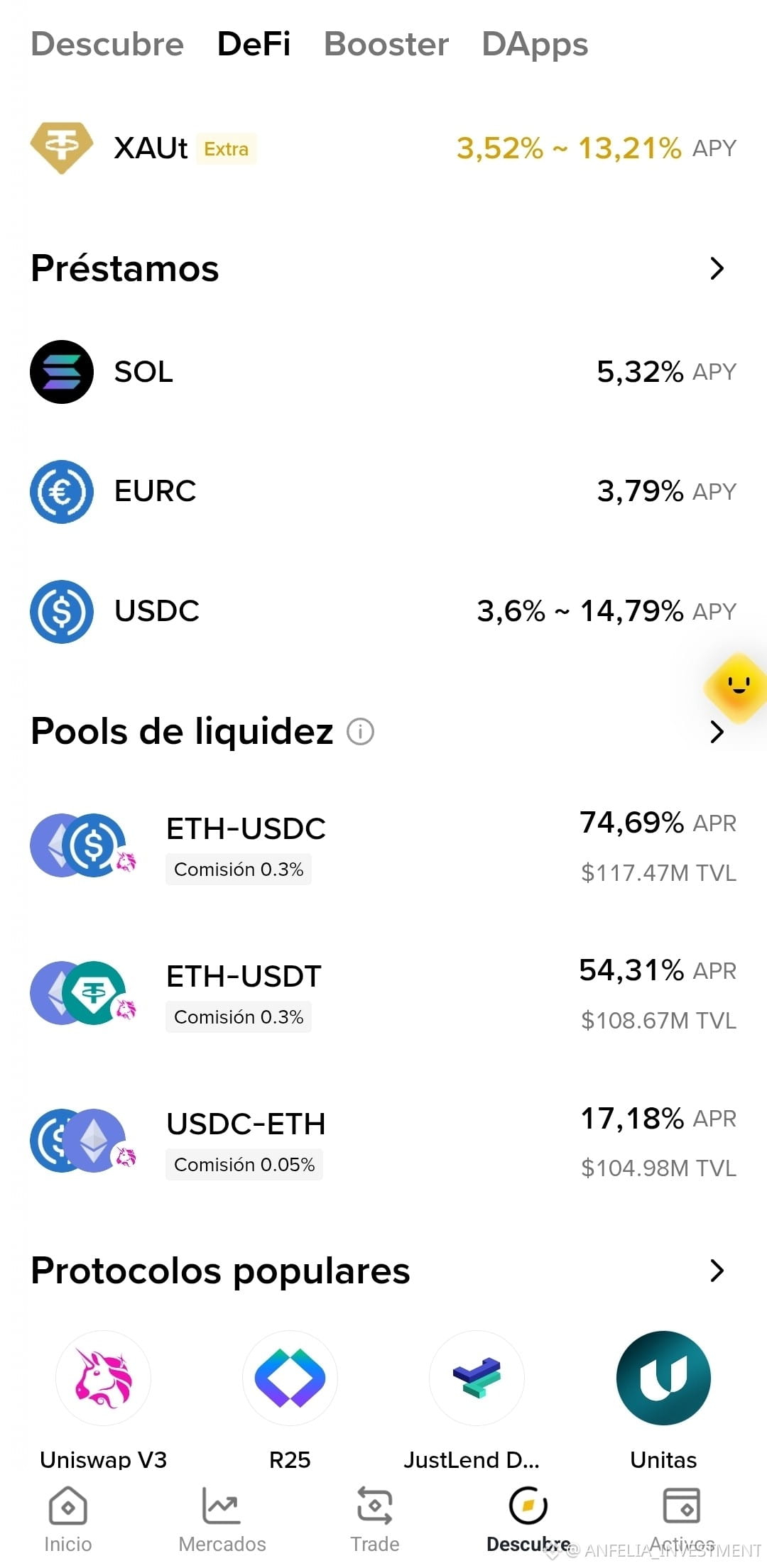
1
418

·
--
أطلقت LayerZero بالاشتراك مع Oblivious Labs وجامعة كارنيغي ميلون ورقة بحثية تقترح آلية AMM جديدة مقاومة لـ MEV تُسمّى OTTER.
تستخدم OTTER آلية تسوية مجمّعة تشبه مزاد VCG، بحيث يصبح الإبلاغ الحقيقي عن التقييم والميزانية استراتيجية مُربحة للمتداولين، كما تُضعف قدرتَ بُنّاة الكتل على تحقيق أرباح من خلال ترتيب الصفقات أو هجمات الكلّيش/الـ夹子 أو إدخال عروضٍ وهمية.
سيتم إعادة توزيع القيمة المتبقية التي كان من الممكن أن تُلتقط بواسطة MEV إلى مقدّمي السيولة والمتداولين أو مجمّعات السيولة أو مُحقّقي السلسلة في الطبقة الأساسية، ما يقلّل من تأثير ميزة البُنّائين على توزيع القيمة داخل النظام البيئي.
#LayerZero #MEV #DeFi #AMM
أطلقت LayerZero بالاشتراك مع Oblivious Labs وجامعة كارنيغي ميلون ورقة بحثية تقترح آلية AMM جديدة مقاومة لـ MEV تُسمّى OTTER.
تستخدم OTTER آلية تسوية مجمّعة تشبه مزاد VCG، بحيث يصبح الإبلاغ الحقيقي عن التقييم والميزانية استراتيجية مُربحة للمتداولين، كما تُضعف قدرتَ بُنّاة الكتل على تحقيق أرباح من خلال ترتيب الصفقات أو هجمات الكلّيش/الـ夹子 أو إدخال عروضٍ وهمية.
سيتم إعادة توزيع القيمة المتبقية التي كان من الممكن أن تُلتقط بواسطة MEV إلى مقدّمي السيولة والمتداولين أو مجمّعات السيولة أو مُحقّقي السلسلة في الطبقة الأساسية، ما يقلّل من تأثير ميزة البُنّائين على توزيع القيمة داخل النظام البيئي.
#LayerZero #MEV #DeFi #AMM
تستخدم OTTER آلية تسوية مجمّعة تشبه مزاد VCG، بحيث يصبح الإبلاغ الحقيقي عن التقييم والميزانية استراتيجية مُربحة للمتداولين، كما تُضعف قدرتَ بُنّاة الكتل على تحقيق أرباح من خلال ترتيب الصفقات أو هجمات الكلّيش/الـ夹子 أو إدخال عروضٍ وهمية.
سيتم إعادة توزيع القيمة المتبقية التي كان من الممكن أن تُلتقط بواسطة MEV إلى مقدّمي السيولة والمتداولين أو مجمّعات السيولة أو مُحقّقي السلسلة في الطبقة الأساسية، ما يقلّل من تأثير ميزة البُنّائين على توزيع القيمة داخل النظام البيئي.
#LayerZero #MEV #DeFi #AMM
115

·
--
🚨 حتى في الثالثة صباحًا يمكنه إتمام الصفقات تلقائيًا!
من هو “التاجر الخفي” خلف DeFi؟
مجموعة: [点击进入玖玖的粉丝群](https://app.binance.com/uni-qr/UaxtSTYi)
هل فكرت يومًا في هذا السؤال: لماذا في الثالثة صباحًا، بينما لا يوجد متداولون تقليديون يراقبون السوق، لا يزال بإمكانك تحويل نوع واحد من الرموز إلى نوع آخر؟
الإجابة هي AMM، أي صانع سوق آلي.
يمكن القول إنه واحد من أهم البنى التحتية الأساسية لتداول DeFi.
عندما تفهم تجمع السيولة وAMM، ستتمكن حقًا من فهم كيفية عمل منصات التداول اللامركزية المختلفة.⚡
ببساطة، تجمع السيولة هو “حوض أموال مشترك”.
غالبًا ما يحتوي على أصلين مختلفين، مثل الرمز A والرمز B.
يقوم المستخدمون بإيداع الأصول داخله لتكوين سيولة سوقية؛ ويمكن للمستخدمين الآخرين بعد ذلك تنفيذ عمليات التبادل مباشرة عبر هذا الحوض.
الأهم: لا توجد حاجة لانتظار المشتري والبائع بالمعنى التقليدي.
يقوم AMM بحساب السعر تلقائيًا عبر معادلات رياضية.
أشهر نموذج يمكن فهمه ببساطة كالتالي:
x × y = k
عندما يأخذ شخص ما من الحوض رموزًا من نوع A وفي الوقت نفسه يضيف رموزًا من نوع B، تتغير نسبة الأصول داخل الحوض، وبالتالي يتغير السعر.
لذلك عندما ترى “إتمامًا تلقائيًا للصفقات”، فالحقيقة ليست أن أحدًا يساعدك على مطابقة الأوامر، بل أن العقود الذكية والمعادلات الرياضية هي التي تعمل خلف الكواليس.🤯
إذًا، من يرغب في وضع أصوله داخل الحوض؟
هؤلاء هم مقدمو السيولة، أي LP.
بعد أن يودع LP الأصول في تجمع السيولة، يمكنه الحصول على رسوم التداول وفقًا لحصته.
أليس هذا يبدو بسيطًا؟
لكن ما يجب الانتباه إليه هو—وهذا بالذات هنا.
AMM ليس “إيداع ثم ربح مضمون”.
الخطر الأول هو الخسارة غير الدائمة.
إذا حدثت تغييرات واضحة في أسعار النوعين من الأصول داخل الحوض، فقد تكون القيمة التي يسترجعها LP في النهاية أقل من حالة الاحتفاظ بهذين الأصلين ببساطة.
الخطر الثاني هو العقد الذكي.
يعتمد AMM على تشغيل الكود؛ فإذا كان هناك خلل في العقد، فقد تتعرض الأموال للمخاطر.
الخطر الثالث هو الانزلاق.
اضغط على صورة الملف الشخصي لمشاهدة البث + الانضمام إلى مجموعة دردشة玖玖 للحصول على الاستراتيجيات اليومية🚀
#defi #AMM
🚨 حتى في الثالثة صباحًا يمكنه إتمام الصفقات تلقائيًا!
من هو “التاجر الخفي” خلف DeFi؟
مجموعة: 点击进入玖玖的粉丝群
هل فكرت يومًا في هذا السؤال: لماذا في الثالثة صباحًا، بينما لا يوجد متداولون تقليديون يراقبون السوق، لا يزال بإمكانك تحويل نوع واحد من الرموز إلى نوع آخر؟
الإجابة هي AMM، أي صانع سوق آلي.
يمكن القول إنه واحد من أهم البنى التحتية الأساسية لتداول DeFi.
عندما تفهم تجمع السيولة وAMM، ستتمكن حقًا من فهم كيفية عمل منصات التداول اللامركزية المختلفة.⚡
ببساطة، تجمع السيولة هو “حوض أموال مشترك”.
غالبًا ما يحتوي على أصلين مختلفين، مثل الرمز A والرمز B.
يقوم المستخدمون بإيداع الأصول داخله لتكوين سيولة سوقية؛ ويمكن للمستخدمين الآخرين بعد ذلك تنفيذ عمليات التبادل مباشرة عبر هذا الحوض.
الأهم: لا توجد حاجة لانتظار المشتري والبائع بالمعنى التقليدي.
يقوم AMM بحساب السعر تلقائيًا عبر معادلات رياضية.
أشهر نموذج يمكن فهمه ببساطة كالتالي:
x × y = k
عندما يأخذ شخص ما من الحوض رموزًا من نوع A وفي الوقت نفسه يضيف رموزًا من نوع B، تتغير نسبة الأصول داخل الحوض، وبالتالي يتغير السعر.
لذلك عندما ترى “إتمامًا تلقائيًا للصفقات”، فالحقيقة ليست أن أحدًا يساعدك على مطابقة الأوامر، بل أن العقود الذكية والمعادلات الرياضية هي التي تعمل خلف الكواليس.🤯
إذًا، من يرغب في وضع أصوله داخل الحوض؟
هؤلاء هم مقدمو السيولة، أي LP.
بعد أن يودع LP الأصول في تجمع السيولة، يمكنه الحصول على رسوم التداول وفقًا لحصته.
أليس هذا يبدو بسيطًا؟
لكن ما يجب الانتباه إليه هو—وهذا بالذات هنا.
AMM ليس “إيداع ثم ربح مضمون”.
الخطر الأول هو الخسارة غير الدائمة.
إذا حدثت تغييرات واضحة في أسعار النوعين من الأصول داخل الحوض، فقد تكون القيمة التي يسترجعها LP في النهاية أقل من حالة الاحتفاظ بهذين الأصلين ببساطة.
الخطر الثاني هو العقد الذكي.
يعتمد AMM على تشغيل الكود؛ فإذا كان هناك خلل في العقد، فقد تتعرض الأموال للمخاطر.
الخطر الثالث هو الانزلاق.
اضغط على صورة الملف الشخصي لمشاهدة البث + الانضمام إلى مجموعة دردشة玖玖 للحصول على الاستراتيجيات اليومية🚀
#defi #AMM
من هو “التاجر الخفي” خلف DeFi؟
مجموعة: 点击进入玖玖的粉丝群
هل فكرت يومًا في هذا السؤال: لماذا في الثالثة صباحًا، بينما لا يوجد متداولون تقليديون يراقبون السوق، لا يزال بإمكانك تحويل نوع واحد من الرموز إلى نوع آخر؟
الإجابة هي AMM، أي صانع سوق آلي.
يمكن القول إنه واحد من أهم البنى التحتية الأساسية لتداول DeFi.
عندما تفهم تجمع السيولة وAMM، ستتمكن حقًا من فهم كيفية عمل منصات التداول اللامركزية المختلفة.⚡
ببساطة، تجمع السيولة هو “حوض أموال مشترك”.
غالبًا ما يحتوي على أصلين مختلفين، مثل الرمز A والرمز B.
يقوم المستخدمون بإيداع الأصول داخله لتكوين سيولة سوقية؛ ويمكن للمستخدمين الآخرين بعد ذلك تنفيذ عمليات التبادل مباشرة عبر هذا الحوض.
الأهم: لا توجد حاجة لانتظار المشتري والبائع بالمعنى التقليدي.
يقوم AMM بحساب السعر تلقائيًا عبر معادلات رياضية.
أشهر نموذج يمكن فهمه ببساطة كالتالي:
x × y = k
عندما يأخذ شخص ما من الحوض رموزًا من نوع A وفي الوقت نفسه يضيف رموزًا من نوع B، تتغير نسبة الأصول داخل الحوض، وبالتالي يتغير السعر.
لذلك عندما ترى “إتمامًا تلقائيًا للصفقات”، فالحقيقة ليست أن أحدًا يساعدك على مطابقة الأوامر، بل أن العقود الذكية والمعادلات الرياضية هي التي تعمل خلف الكواليس.🤯
إذًا، من يرغب في وضع أصوله داخل الحوض؟
هؤلاء هم مقدمو السيولة، أي LP.
بعد أن يودع LP الأصول في تجمع السيولة، يمكنه الحصول على رسوم التداول وفقًا لحصته.
أليس هذا يبدو بسيطًا؟
لكن ما يجب الانتباه إليه هو—وهذا بالذات هنا.
AMM ليس “إيداع ثم ربح مضمون”.
الخطر الأول هو الخسارة غير الدائمة.
إذا حدثت تغييرات واضحة في أسعار النوعين من الأصول داخل الحوض، فقد تكون القيمة التي يسترجعها LP في النهاية أقل من حالة الاحتفاظ بهذين الأصلين ببساطة.
الخطر الثاني هو العقد الذكي.
يعتمد AMM على تشغيل الكود؛ فإذا كان هناك خلل في العقد، فقد تتعرض الأموال للمخاطر.
الخطر الثالث هو الانزلاق.
اضغط على صورة الملف الشخصي لمشاهدة البث + الانضمام إلى مجموعة دردشة玖玖 للحصول على الاستراتيجيات اليومية🚀
#defi #AMM

19

·
--

مقالة
مزاوجة الارتباط: نقطة اختراق AMM من الهامش إلى التمويل السائدصورة
بصراحة، هل يمكن فعلًا لنمط صانع السوق الآلي (AMM) الذي يبدو "بسيطًا/ساذجًا" و"سلبيًا" للقيام بتسعير السوق أن يلتهم تلك الأسواق الأكثر ربحًا في التمويل التقليدي؟
قبل عشر سنوات، كان معظم المتداولين المحترفين سيخبرونك — مستحيل. كيف يمكن لمسبح من الخوارزميات دون تدخل بشري أن ينافس صناع السوق الذين يملكون أجهزة حوسبة فائقة؟ لكن البيانات لا تكذب. في الوقت الحالي، استحوذت البورصات اللامركزية (DEX) بالفعل على أكثر من خُمس حصة سوق التداول الفوري، ولا تزال هذه النسبة في الازدياد.
والأهم من ذلك، أن هناك تغيرًا هيكليًا أعمق من مجرد "زيادة حجم التداول" يحدث بهدوء الآن.
مزاوجة الارتباط: نقطة اختراق AMM من الهامش إلى التمويل السائد
صورة
بصراحة، هل يمكن فعلًا لنمط صانع السوق الآلي (AMM) الذي يبدو "بسيطًا/ساذجًا" و"سلبيًا" للقيام بتسعير السوق أن يلتهم تلك الأسواق الأكثر ربحًا في التمويل التقليدي؟
قبل عشر سنوات، كان معظم المتداولين المحترفين سيخبرونك — مستحيل. كيف يمكن لمسبح من الخوارزميات دون تدخل بشري أن ينافس صناع السوق الذين يملكون أجهزة حوسبة فائقة؟ لكن البيانات لا تكذب. في الوقت الحالي، استحوذت البورصات اللامركزية (DEX) بالفعل على أكثر من خُمس حصة سوق التداول الفوري، ولا تزال هذه النسبة في الازدياد.
والأهم من ذلك، أن هناك تغيرًا هيكليًا أعمق من مجرد "زيادة حجم التداول" يحدث بهدوء الآن.
بصراحة، هل يمكن فعلًا لنمط صانع السوق الآلي (AMM) الذي يبدو "بسيطًا/ساذجًا" و"سلبيًا" للقيام بتسعير السوق أن يلتهم تلك الأسواق الأكثر ربحًا في التمويل التقليدي؟
قبل عشر سنوات، كان معظم المتداولين المحترفين سيخبرونك — مستحيل. كيف يمكن لمسبح من الخوارزميات دون تدخل بشري أن ينافس صناع السوق الذين يملكون أجهزة حوسبة فائقة؟ لكن البيانات لا تكذب. في الوقت الحالي، استحوذت البورصات اللامركزية (DEX) بالفعل على أكثر من خُمس حصة سوق التداول الفوري، ولا تزال هذه النسبة في الازدياد.
والأهم من ذلك، أن هناك تغيرًا هيكليًا أعمق من مجرد "زيادة حجم التداول" يحدث بهدوء الآن.
1
334
·
--
🚨 قال مؤسس Uniswap:
سوق بقيمة 18.0 مليار دولار… ربما بدأت فرص AMM للتو!
المجموعة: [点击进入玖玖的粉丝群](https://app.binance.com/uni-qr/UaxtSTYi)
أكد مؤسس Uniswap مؤخرًا مجددًا على اتجاه محدد:
AMM، أي صانع سوق آلي. ورغم أنه قد تعامل مع معاملات بمستوى عشرات المليارات من الدولارات، فإن الفرصة الكبيرة الحقيقية قد تكون ما تزال في بدايتها. والسبب يكمن في أن—الأصول المُرمّزة (Tokenized) تدخل بسرعة إلى السلسلة.👀
تشير البيانات إلى أنه وحتى أوائل 2026، بلغ حجم RWA على سلاسل الكتل العامة نحو 18.0 مليار دولار، بزيادة قدرها 18 ضعفًا مقارنة بعام 2022. ولم تعد هذه الأصول مجرد أصول تشفير.
السندات الحكومية الأمريكية، والصناديق، والسندات… المنتجات المالية التقليدية يتم نقلها تدريجيًا إلى السلسلة.
ولكن بعد ترميز الأصول على البلوك تشين، تظهر مشكلة جديدة أيضًا:
امتلاك أصول لا يعني بالضرورة وجود سيولة. وهذه أيضًا أحد الأسباب التي قد تجعل AMM تصبح أكثر أهمية مع الوقت.
يعتمد السوق التقليدي على دفتر الأوامر وصناع السوق المحترفين، بينما يتيح AMM عبر مجمعات السيولة والتسعير الخوارزمي إمكانية إجراء تداول للأصول على السلسلة.
بعبارة بسيطة👇
قد نرى في المستقبل المزيد من الأصول التي يتم ترميزها، لكن كيفية تداولها بسرعة، وكيفية العثور على الأطراف المقابلة، وكيفية تكوين سعر مستقر… كل ذلك يتطلب بنية تحتية سوقية جديدة.
AMM هو أحد الاتجاهات المهمة في هذا السياق.
ومع ذلك، فإن AMM الحالية ليست مثالية أيضًا. تُظهر البيانات أنه على منصات مثل Uniswap V3، ما تزال غالبية السيولة تتركز فعليًا لدى عدد قليل من مزودي السيولة المحترفين. وهذا يعني أنه حتى لو بدا السوق لامركزيًا، فلا يزال يحتاج إلى رؤوس أموال احترافية لتوفير العمق.
والأكثر جدارة بالاهتمام هو التنظيم. ومع دخول المزيد من الأسهم والسندات وصناديق الاستثمار المُرمّزة إلى السلسلة، بدأت جهات التنظيم تركز على:
هل AMM على السلسلة مجرد بروتوكول تقني؟
أم أنها تقوم فعليًا بأداء وظائف مالية تقليدية مثل تنفيذ الأوامر واكتشاف الأسعار وحتى التسوية؟
قد يحدد هذا السؤال المكان الذي ستحدث فيه سيولة الأصول المُرمّزة أكثر: هل على منصات لامركزية أم ضمن النظام المالي التقليدي.
اضغط على صورة الحساب لمشاهدة البث المباشر، ولنفهم معًا الاتجاهات الكبرى خلف السوق🚀
#uniswap #AMM #RWA
🚨 قال مؤسس Uniswap:
سوق بقيمة 18.0 مليار دولار… ربما بدأت فرص AMM للتو!
المجموعة: 点击进入玖玖的粉丝群
أكد مؤسس Uniswap مؤخرًا مجددًا على اتجاه محدد:
AMM، أي صانع سوق آلي. ورغم أنه قد تعامل مع معاملات بمستوى عشرات المليارات من الدولارات، فإن الفرصة الكبيرة الحقيقية قد تكون ما تزال في بدايتها. والسبب يكمن في أن—الأصول المُرمّزة (Tokenized) تدخل بسرعة إلى السلسلة.👀
تشير البيانات إلى أنه وحتى أوائل 2026، بلغ حجم RWA على سلاسل الكتل العامة نحو 18.0 مليار دولار، بزيادة قدرها 18 ضعفًا مقارنة بعام 2022. ولم تعد هذه الأصول مجرد أصول تشفير.
السندات الحكومية الأمريكية، والصناديق، والسندات… المنتجات المالية التقليدية يتم نقلها تدريجيًا إلى السلسلة.
ولكن بعد ترميز الأصول على البلوك تشين، تظهر مشكلة جديدة أيضًا:
امتلاك أصول لا يعني بالضرورة وجود سيولة. وهذه أيضًا أحد الأسباب التي قد تجعل AMM تصبح أكثر أهمية مع الوقت.
يعتمد السوق التقليدي على دفتر الأوامر وصناع السوق المحترفين، بينما يتيح AMM عبر مجمعات السيولة والتسعير الخوارزمي إمكانية إجراء تداول للأصول على السلسلة.
بعبارة بسيطة👇
قد نرى في المستقبل المزيد من الأصول التي يتم ترميزها، لكن كيفية تداولها بسرعة، وكيفية العثور على الأطراف المقابلة، وكيفية تكوين سعر مستقر… كل ذلك يتطلب بنية تحتية سوقية جديدة.
AMM هو أحد الاتجاهات المهمة في هذا السياق.
ومع ذلك، فإن AMM الحالية ليست مثالية أيضًا. تُظهر البيانات أنه على منصات مثل Uniswap V3، ما تزال غالبية السيولة تتركز فعليًا لدى عدد قليل من مزودي السيولة المحترفين. وهذا يعني أنه حتى لو بدا السوق لامركزيًا، فلا يزال يحتاج إلى رؤوس أموال احترافية لتوفير العمق.
والأكثر جدارة بالاهتمام هو التنظيم. ومع دخول المزيد من الأسهم والسندات وصناديق الاستثمار المُرمّزة إلى السلسلة، بدأت جهات التنظيم تركز على:
هل AMM على السلسلة مجرد بروتوكول تقني؟
أم أنها تقوم فعليًا بأداء وظائف مالية تقليدية مثل تنفيذ الأوامر واكتشاف الأسعار وحتى التسوية؟
قد يحدد هذا السؤال المكان الذي ستحدث فيه سيولة الأصول المُرمّزة أكثر: هل على منصات لامركزية أم ضمن النظام المالي التقليدي.
اضغط على صورة الحساب لمشاهدة البث المباشر، ولنفهم معًا الاتجاهات الكبرى خلف السوق🚀
#uniswap #AMM #RWA
سوق بقيمة 18.0 مليار دولار… ربما بدأت فرص AMM للتو!
المجموعة: 点击进入玖玖的粉丝群
أكد مؤسس Uniswap مؤخرًا مجددًا على اتجاه محدد:
AMM، أي صانع سوق آلي. ورغم أنه قد تعامل مع معاملات بمستوى عشرات المليارات من الدولارات، فإن الفرصة الكبيرة الحقيقية قد تكون ما تزال في بدايتها. والسبب يكمن في أن—الأصول المُرمّزة (Tokenized) تدخل بسرعة إلى السلسلة.👀
تشير البيانات إلى أنه وحتى أوائل 2026، بلغ حجم RWA على سلاسل الكتل العامة نحو 18.0 مليار دولار، بزيادة قدرها 18 ضعفًا مقارنة بعام 2022. ولم تعد هذه الأصول مجرد أصول تشفير.
السندات الحكومية الأمريكية، والصناديق، والسندات… المنتجات المالية التقليدية يتم نقلها تدريجيًا إلى السلسلة.
ولكن بعد ترميز الأصول على البلوك تشين، تظهر مشكلة جديدة أيضًا:
امتلاك أصول لا يعني بالضرورة وجود سيولة. وهذه أيضًا أحد الأسباب التي قد تجعل AMM تصبح أكثر أهمية مع الوقت.
يعتمد السوق التقليدي على دفتر الأوامر وصناع السوق المحترفين، بينما يتيح AMM عبر مجمعات السيولة والتسعير الخوارزمي إمكانية إجراء تداول للأصول على السلسلة.
بعبارة بسيطة👇
قد نرى في المستقبل المزيد من الأصول التي يتم ترميزها، لكن كيفية تداولها بسرعة، وكيفية العثور على الأطراف المقابلة، وكيفية تكوين سعر مستقر… كل ذلك يتطلب بنية تحتية سوقية جديدة.
AMM هو أحد الاتجاهات المهمة في هذا السياق.
ومع ذلك، فإن AMM الحالية ليست مثالية أيضًا. تُظهر البيانات أنه على منصات مثل Uniswap V3، ما تزال غالبية السيولة تتركز فعليًا لدى عدد قليل من مزودي السيولة المحترفين. وهذا يعني أنه حتى لو بدا السوق لامركزيًا، فلا يزال يحتاج إلى رؤوس أموال احترافية لتوفير العمق.
والأكثر جدارة بالاهتمام هو التنظيم. ومع دخول المزيد من الأسهم والسندات وصناديق الاستثمار المُرمّزة إلى السلسلة، بدأت جهات التنظيم تركز على:
هل AMM على السلسلة مجرد بروتوكول تقني؟
أم أنها تقوم فعليًا بأداء وظائف مالية تقليدية مثل تنفيذ الأوامر واكتشاف الأسعار وحتى التسوية؟
قد يحدد هذا السؤال المكان الذي ستحدث فيه سيولة الأصول المُرمّزة أكثر: هل على منصات لامركزية أم ضمن النظام المالي التقليدي.
اضغط على صورة الحساب لمشاهدة البث المباشر، ولنفهم معًا الاتجاهات الكبرى خلف السوق🚀
#uniswap #AMM #RWA

313

مؤسس يونيكويب: عصر ترميز الأصول، ونمط أزواج الأصول ذات الصلة المرتبط بـ AMM سيُعيد تشكيل السيولة العالمية
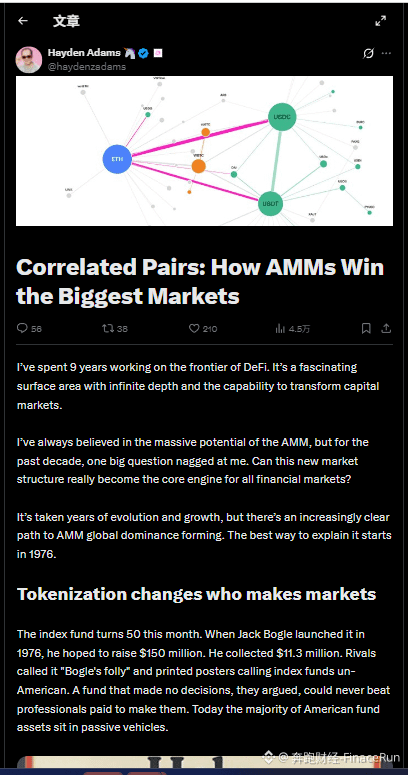
في الآونة الأخيرة، نشر مؤسس يونيكويب Hayden Adams على منصة X موضحًا أن القوة التنافسية الأساسية لنموذج صانع السوق الآلي (AMM) تكمن في آلية اقتران/تزاوج الأصول ذات الصلة التي يتشكلها تطور السوق طبيعيًا.
وعلى وجه التحديد، في بيئة DeFi، فإن الأصول المُرمَّزة ستتزاوج تلقائيًا مع أهداف التداول ضمن البيئة ذاتها؛ فعندما يقوم مُقدّم السيولة بتكوين زوج من أصلين تتحرك أسعارهما بشكل شديد الارتباط، تكون مخاطر حيازته/مخزونِه أقل، وبذلك تصبح سيولة البركة (المسبح/الحوض) أعمق.
ومع تسارع ترميز الأصول في العالم الحقيقي، يستطيع طبقة التسوية الموحدة على البلوك تشين كسر الانقسام التقليدي في أنظمة السوق والحدود الناتجة عن الاعتماد على قناة الدولار، ما يتيح تنفيذ تداول مباشر بين أي أصول.
ويرى آدامز أنه مقارنةً باستراتيجية الحياد دلتا التي يستخدمها صانعو السوق التقليديون، يمكن لاقتران الأصول ذات الارتباط أن يُخفض بشكل ملحوظ تكلفة صانع السوق؛ فمثلاً، فإن الاقتران المباشر بين NVDA و SPY ستكون كفاءته في التداول أعلى بكثير من تداول NVDA مقابل الدولار.
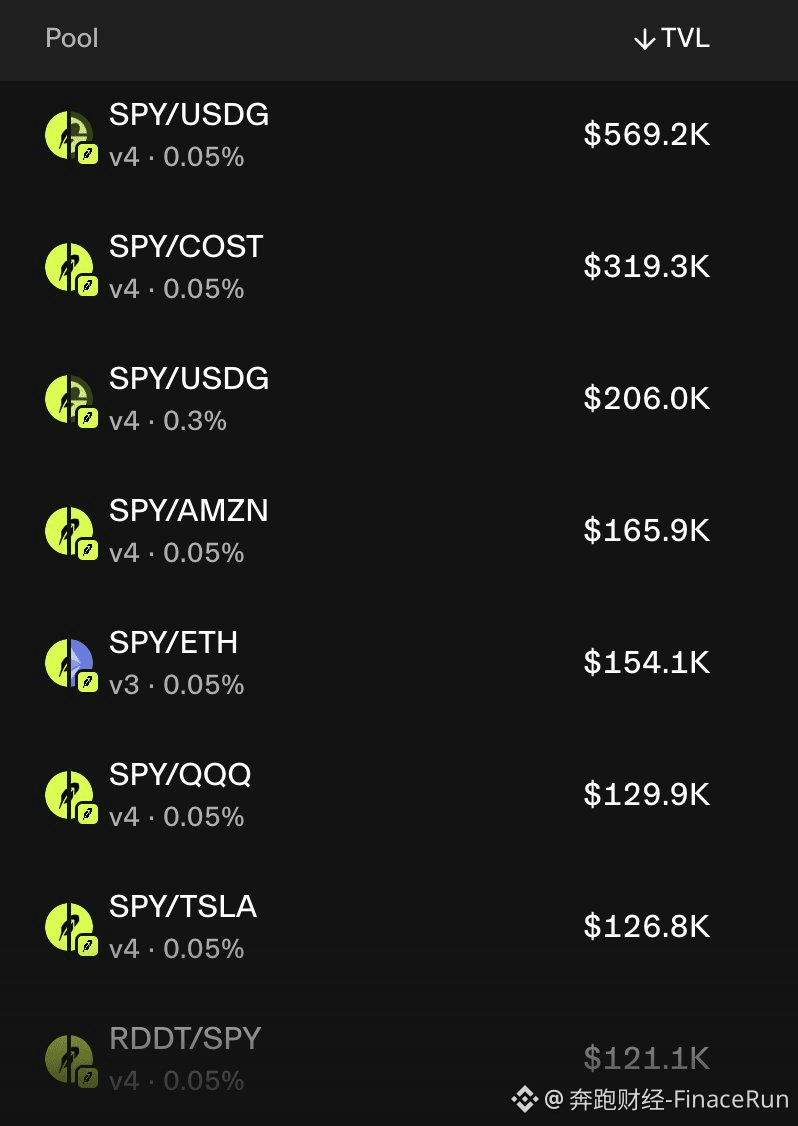
في الواقع، فإن حوض (Pool) يونيكويب على Robinhood Chain قد تحقق بالفعل من صحة هذه القاعدة. إذْ ضمن زوج تداول يضم عشر أسهم مُرمَّزة ورقم SPY، تجاوز حجم التداول خلال أول 12 يومًا قبل الإطلاق 33 مليون دولار، ووقعت بعض الصفقات خلال فترات إغلاق سوق الأسهم الأمريكية.
كما ظهرت في حوض التداول أيضًا مجموعة أزواج اقتران بين عملة MEME المرتبطة بماسك وسهم تسلا، ما يبرز قدرة أكبر على التكيّف ومساحة ابتكار أوسع لمنطق الاقتران ذي الصلة في AMM.
وبحسب آدامز، فإن السيولة السلبية ستُعيد إنتاج مسار النجاح الذي حققته صناديق المؤشرات (Index Funds)، ما سيُخفض كثيرًا متطلبات إنشاء السوق والمشاركة فيه، ويُطلق تأثيرًا أعمق وأبعد على مستوى القطاع.
وبشكل عام، وعلى الرغم من أن يونيكويب قد عالج ما يزيد عن 4.6 تريليون دولار من أحجام التداول، يظل آدامز مقتنعًا بأن AMM ما زال في بدايات تطوره، وأن أمامه مساحة نمو واسعة في المستقبل.
#Uniswap #AMM
مؤسس يونيكويب: عصر ترميز الأصول، ونمط أزواج الأصول ذات الصلة المرتبط بـ AMM سيُعيد تشكيل السيولة العالمية
في الآونة الأخيرة، نشر مؤسس يونيكويب Hayden Adams على منصة X موضحًا أن القوة التنافسية الأساسية لنموذج صانع السوق الآلي (AMM) تكمن في آلية اقتران/تزاوج الأصول ذات الصلة التي يتشكلها تطور السوق طبيعيًا.
وعلى وجه التحديد، في بيئة DeFi، فإن الأصول المُرمَّزة ستتزاوج تلقائيًا مع أهداف التداول ضمن البيئة ذاتها؛ فعندما يقوم مُقدّم السيولة بتكوين زوج من أصلين تتحرك أسعارهما بشكل شديد الارتباط، تكون مخاطر حيازته/مخزونِه أقل، وبذلك تصبح سيولة البركة (المسبح/الحوض) أعمق.
ومع تسارع ترميز الأصول في العالم الحقيقي، يستطيع طبقة التسوية الموحدة على البلوك تشين كسر الانقسام التقليدي في أنظمة السوق والحدود الناتجة عن الاعتماد على قناة الدولار، ما يتيح تنفيذ تداول مباشر بين أي أصول.
ويرى آدامز أنه مقارنةً باستراتيجية الحياد دلتا التي يستخدمها صانعو السوق التقليديون، يمكن لاقتران الأصول ذات الارتباط أن يُخفض بشكل ملحوظ تكلفة صانع السوق؛ فمثلاً، فإن الاقتران المباشر بين NVDA و SPY ستكون كفاءته في التداول أعلى بكثير من تداول NVDA مقابل الدولار.
في الواقع، فإن حوض (Pool) يونيكويب على Robinhood Chain قد تحقق بالفعل من صحة هذه القاعدة. إذْ ضمن زوج تداول يضم عشر أسهم مُرمَّزة ورقم SPY، تجاوز حجم التداول خلال أول 12 يومًا قبل الإطلاق 33 مليون دولار، ووقعت بعض الصفقات خلال فترات إغلاق سوق الأسهم الأمريكية.
كما ظهرت في حوض التداول أيضًا مجموعة أزواج اقتران بين عملة MEME المرتبطة بماسك وسهم تسلا، ما يبرز قدرة أكبر على التكيّف ومساحة ابتكار أوسع لمنطق الاقتران ذي الصلة في AMM.
وبحسب آدامز، فإن السيولة السلبية ستُعيد إنتاج مسار النجاح الذي حققته صناديق المؤشرات (Index Funds)، ما سيُخفض كثيرًا متطلبات إنشاء السوق والمشاركة فيه، ويُطلق تأثيرًا أعمق وأبعد على مستوى القطاع.
وبشكل عام، وعلى الرغم من أن يونيكويب قد عالج ما يزيد عن 4.6 تريليون دولار من أحجام التداول، يظل آدامز مقتنعًا بأن AMM ما زال في بدايات تطوره، وأن أمامه مساحة نمو واسعة في المستقبل.
#Uniswap #AMM
في الآونة الأخيرة، نشر مؤسس يونيكويب Hayden Adams على منصة X موضحًا أن القوة التنافسية الأساسية لنموذج صانع السوق الآلي (AMM) تكمن في آلية اقتران/تزاوج الأصول ذات الصلة التي يتشكلها تطور السوق طبيعيًا.
وعلى وجه التحديد، في بيئة DeFi، فإن الأصول المُرمَّزة ستتزاوج تلقائيًا مع أهداف التداول ضمن البيئة ذاتها؛ فعندما يقوم مُقدّم السيولة بتكوين زوج من أصلين تتحرك أسعارهما بشكل شديد الارتباط، تكون مخاطر حيازته/مخزونِه أقل، وبذلك تصبح سيولة البركة (المسبح/الحوض) أعمق.
ومع تسارع ترميز الأصول في العالم الحقيقي، يستطيع طبقة التسوية الموحدة على البلوك تشين كسر الانقسام التقليدي في أنظمة السوق والحدود الناتجة عن الاعتماد على قناة الدولار، ما يتيح تنفيذ تداول مباشر بين أي أصول.
ويرى آدامز أنه مقارنةً باستراتيجية الحياد دلتا التي يستخدمها صانعو السوق التقليديون، يمكن لاقتران الأصول ذات الارتباط أن يُخفض بشكل ملحوظ تكلفة صانع السوق؛ فمثلاً، فإن الاقتران المباشر بين NVDA و SPY ستكون كفاءته في التداول أعلى بكثير من تداول NVDA مقابل الدولار.
في الواقع، فإن حوض (Pool) يونيكويب على Robinhood Chain قد تحقق بالفعل من صحة هذه القاعدة. إذْ ضمن زوج تداول يضم عشر أسهم مُرمَّزة ورقم SPY، تجاوز حجم التداول خلال أول 12 يومًا قبل الإطلاق 33 مليون دولار، ووقعت بعض الصفقات خلال فترات إغلاق سوق الأسهم الأمريكية.
كما ظهرت في حوض التداول أيضًا مجموعة أزواج اقتران بين عملة MEME المرتبطة بماسك وسهم تسلا، ما يبرز قدرة أكبر على التكيّف ومساحة ابتكار أوسع لمنطق الاقتران ذي الصلة في AMM.
وبحسب آدامز، فإن السيولة السلبية ستُعيد إنتاج مسار النجاح الذي حققته صناديق المؤشرات (Index Funds)، ما سيُخفض كثيرًا متطلبات إنشاء السوق والمشاركة فيه، ويُطلق تأثيرًا أعمق وأبعد على مستوى القطاع.
وبشكل عام، وعلى الرغم من أن يونيكويب قد عالج ما يزيد عن 4.6 تريليون دولار من أحجام التداول، يظل آدامز مقتنعًا بأن AMM ما زال في بدايات تطوره، وأن أمامه مساحة نمو واسعة في المستقبل.
#Uniswap #AMM
1
392

·
--
🔄 ما هو AMM صانع السوق الآلي؟ آلية DEX الأساسية
مؤشر الخوف والطمع الحالي: 30
AMM = طريقة تداول بسعر تلقائي عن طريق الخوارزميات، وهي جوهر البورصات اللامركزية.
كيف تتداول في البورصات التقليدية؟
يضع المشترين والبائعين أوامر، وتقوم البورصة بتوفيق الصفقات.
كيف تتداول AMM؟
لا تحتاج إلى طرف مقابل! أنت تتداول مباشرة مع "حوض السيولة".
الصيغة الأساسية (x * y = k):
• x = كمية الرمز A
• y = كمية الرمز B
• k = ثابت
• شراء A → انخفاض A → ارتفاع سعر A تلقائيًا
على سبيل المثال:
الحوض يحتوي على 100 ETH + 8,000,000 USDT
k = 100 × 8,000,000 = 800,000,000
إذا استخدمت 80,000 USDT لشراء ETH:
USDT الجديد = 8,080,000
ETH الجديد = 800,000,000 / 8,080,000 ≈ 99.01
لقد اشتريت حوالي 0.99 ETH
ما هو الانزلاق السعري؟
كلما اشتريت أكثر، زاد انحراف السعر. المعاملات الكبيرة قد تؤدي إلى تقلبات سعرية حادة.
المشاريع الممثلة:
• Uniswap (أكبر DEX على إيثيريوم)
• Curve (أفضل تداول للعملات المستقرة)
• PancakeSwap (أكبر DEX على سلسلة BNB)
• Jupiter (أكبر DEX على سولانا)
المميزات: يمكن التداول في أي وقت، لا تحتاج إلى طرف مقابل
العيوب: الانزلاق السعري الكبير في الصفقات الكبيرة، قد يكون هناك خسائر غير دائمة
💬 سؤال تفاعلي: هل سبق لك أن تداولت في DEX؟ هل تعرضت للانزلاق السعري؟
#AMM #DEX #DeFi #Uniswap #آلية_التداول
💡 تحليل عميق للسوق:
من الهيكل السوقي الحالي، يبدو أن القوى بين الثيران والدببة تعيد توزيعها. التقلبات على المدى القصير لا تعني تغيير الاتجاه، المهم هو تحديد النوايا الحقيقية لرأس المال الضخم. يُنصح بمراقبة تغيرات حجم التداول والبيانات على السلسلة، فهي غالبًا ما تعكس الحالة الحقيقية للسوق أكثر من السعر نفسه.
🧠 بناء عقلية التداول:
• لا تتداول بشكل متكرر بسبب التقلبات قصيرة المدى، انتظر بصبر أفضل وقت للدخول
• وضع خطة تداول وتنفيذها بدقة، تجنب القرارات العاطفية
• تقبل الخسائر كجزء من التداول، المهم هو التحكم في مدى الخسارة
• احتفظ بعقلية التعلم، السوق دائمًا في تغيير، والمعرفة يجب أن تتجدد باستمرار
• تذكر: الحفاظ على رأس المال دائمًا أكثر أهمية من السعي وراء الأرباح
📚 توسيع المعرفة الصناعية:
• تقنية البلوكشين تتطور من مجرد عملات رقمية إلى بنية تحتية مالية أوسع
• DeFi (المالية اللامركزية) تعيد تشكيل طرق عمل الخدمات المالية التقليدية
• NFT وGameFi تفتح آفاق جديدة لتطبيقات الأصول الرقمية
• السياسات التنظيمية في الدول بدأت تتضح، والامتثال هو الطريق الحتمي لتطور الصناعة
🔄 ما هو AMM صانع السوق الآلي؟ آلية DEX الأساسية
مؤشر الخوف والطمع الحالي: 30
AMM = طريقة تداول بسعر تلقائي عن طريق الخوارزميات، وهي جوهر البورصات اللامركزية.
كيف تتداول في البورصات التقليدية؟
يضع المشترين والبائعين أوامر، وتقوم البورصة بتوفيق الصفقات.
كيف تتداول AMM؟
لا تحتاج إلى طرف مقابل! أنت تتداول مباشرة مع "حوض السيولة".
الصيغة الأساسية (x * y = k):
• x = كمية الرمز A
• y = كمية الرمز B
• k = ثابت
• شراء A → انخفاض A → ارتفاع سعر A تلقائيًا
على سبيل المثال:
الحوض يحتوي على 100 ETH + 8,000,000 USDT
k = 100 × 8,000,000 = 800,000,000
إذا استخدمت 80,000 USDT لشراء ETH:
USDT الجديد = 8,080,000
ETH الجديد = 800,000,000 / 8,080,000 ≈ 99.01
لقد اشتريت حوالي 0.99 ETH
ما هو الانزلاق السعري؟
كلما اشتريت أكثر، زاد انحراف السعر. المعاملات الكبيرة قد تؤدي إلى تقلبات سعرية حادة.
المشاريع الممثلة:
• Uniswap (أكبر DEX على إيثيريوم)
• Curve (أفضل تداول للعملات المستقرة)
• PancakeSwap (أكبر DEX على سلسلة BNB)
• Jupiter (أكبر DEX على سولانا)
المميزات: يمكن التداول في أي وقت، لا تحتاج إلى طرف مقابل
العيوب: الانزلاق السعري الكبير في الصفقات الكبيرة، قد يكون هناك خسائر غير دائمة
💬 سؤال تفاعلي: هل سبق لك أن تداولت في DEX؟ هل تعرضت للانزلاق السعري؟
#AMM #DEX #DeFi #Uniswap #آلية_التداول
💡 تحليل عميق للسوق:
من الهيكل السوقي الحالي، يبدو أن القوى بين الثيران والدببة تعيد توزيعها. التقلبات على المدى القصير لا تعني تغيير الاتجاه، المهم هو تحديد النوايا الحقيقية لرأس المال الضخم. يُنصح بمراقبة تغيرات حجم التداول والبيانات على السلسلة، فهي غالبًا ما تعكس الحالة الحقيقية للسوق أكثر من السعر نفسه.
🧠 بناء عقلية التداول:
• لا تتداول بشكل متكرر بسبب التقلبات قصيرة المدى، انتظر بصبر أفضل وقت للدخول
• وضع خطة تداول وتنفيذها بدقة، تجنب القرارات العاطفية
• تقبل الخسائر كجزء من التداول، المهم هو التحكم في مدى الخسارة
• احتفظ بعقلية التعلم، السوق دائمًا في تغيير، والمعرفة يجب أن تتجدد باستمرار
• تذكر: الحفاظ على رأس المال دائمًا أكثر أهمية من السعي وراء الأرباح
📚 توسيع المعرفة الصناعية:
• تقنية البلوكشين تتطور من مجرد عملات رقمية إلى بنية تحتية مالية أوسع
• DeFi (المالية اللامركزية) تعيد تشكيل طرق عمل الخدمات المالية التقليدية
• NFT وGameFi تفتح آفاق جديدة لتطبيقات الأصول الرقمية
• السياسات التنظيمية في الدول بدأت تتضح، والامتثال هو الطريق الحتمي لتطور الصناعة
مؤشر الخوف والطمع الحالي: 30
AMM = طريقة تداول بسعر تلقائي عن طريق الخوارزميات، وهي جوهر البورصات اللامركزية.
كيف تتداول في البورصات التقليدية؟
يضع المشترين والبائعين أوامر، وتقوم البورصة بتوفيق الصفقات.
كيف تتداول AMM؟
لا تحتاج إلى طرف مقابل! أنت تتداول مباشرة مع "حوض السيولة".
الصيغة الأساسية (x * y = k):
• x = كمية الرمز A
• y = كمية الرمز B
• k = ثابت
• شراء A → انخفاض A → ارتفاع سعر A تلقائيًا
على سبيل المثال:
الحوض يحتوي على 100 ETH + 8,000,000 USDT
k = 100 × 8,000,000 = 800,000,000
إذا استخدمت 80,000 USDT لشراء ETH:
USDT الجديد = 8,080,000
ETH الجديد = 800,000,000 / 8,080,000 ≈ 99.01
لقد اشتريت حوالي 0.99 ETH
ما هو الانزلاق السعري؟
كلما اشتريت أكثر، زاد انحراف السعر. المعاملات الكبيرة قد تؤدي إلى تقلبات سعرية حادة.
المشاريع الممثلة:
• Uniswap (أكبر DEX على إيثيريوم)
• Curve (أفضل تداول للعملات المستقرة)
• PancakeSwap (أكبر DEX على سلسلة BNB)
• Jupiter (أكبر DEX على سولانا)
المميزات: يمكن التداول في أي وقت، لا تحتاج إلى طرف مقابل
العيوب: الانزلاق السعري الكبير في الصفقات الكبيرة، قد يكون هناك خسائر غير دائمة
💬 سؤال تفاعلي: هل سبق لك أن تداولت في DEX؟ هل تعرضت للانزلاق السعري؟
#AMM #DEX #DeFi #Uniswap #آلية_التداول
💡 تحليل عميق للسوق:
من الهيكل السوقي الحالي، يبدو أن القوى بين الثيران والدببة تعيد توزيعها. التقلبات على المدى القصير لا تعني تغيير الاتجاه، المهم هو تحديد النوايا الحقيقية لرأس المال الضخم. يُنصح بمراقبة تغيرات حجم التداول والبيانات على السلسلة، فهي غالبًا ما تعكس الحالة الحقيقية للسوق أكثر من السعر نفسه.
🧠 بناء عقلية التداول:
• لا تتداول بشكل متكرر بسبب التقلبات قصيرة المدى، انتظر بصبر أفضل وقت للدخول
• وضع خطة تداول وتنفيذها بدقة، تجنب القرارات العاطفية
• تقبل الخسائر كجزء من التداول، المهم هو التحكم في مدى الخسارة
• احتفظ بعقلية التعلم، السوق دائمًا في تغيير، والمعرفة يجب أن تتجدد باستمرار
• تذكر: الحفاظ على رأس المال دائمًا أكثر أهمية من السعي وراء الأرباح
📚 توسيع المعرفة الصناعية:
• تقنية البلوكشين تتطور من مجرد عملات رقمية إلى بنية تحتية مالية أوسع
• DeFi (المالية اللامركزية) تعيد تشكيل طرق عمل الخدمات المالية التقليدية
• NFT وGameFi تفتح آفاق جديدة لتطبيقات الأصول الرقمية
• السياسات التنظيمية في الدول بدأت تتضح، والامتثال هو الطريق الحتمي لتطور الصناعة
189

·
--
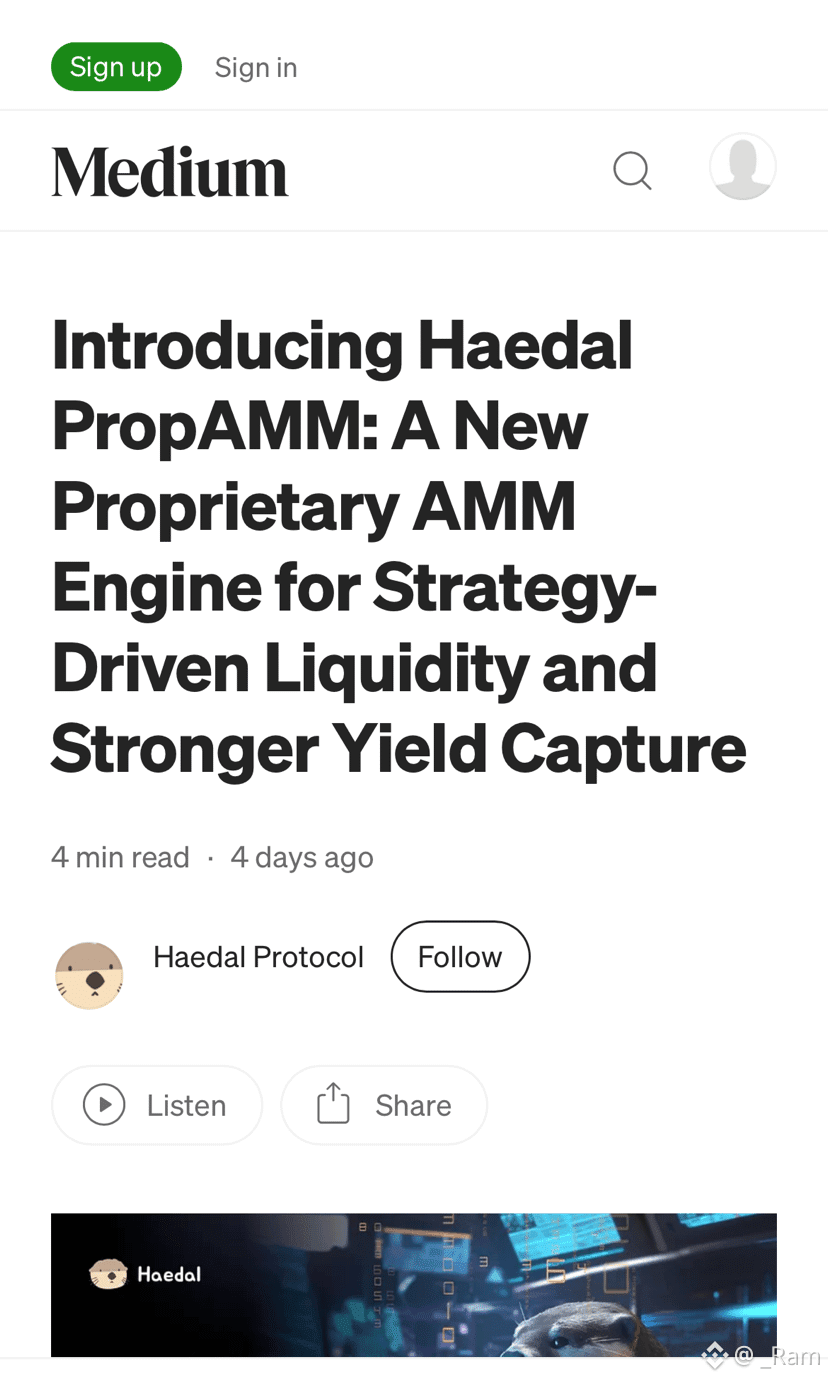
بنية تحقيق العائد في شبكة Sui $HAEDAL a قامت مؤخرًا بدمج منتجًا جديدًا، PropAMM، بهدف تحسين العوائد للمستخدمين.
ولكن قبل الغوص في الجديد، لنعد إلى الأساسيات حتى يتمكن الجميع من متابعة الأمر بسهولة.
صانع سوق تقليدي (مثل الذي نراه في كل مكان) هو عبارة عن مجمّع سيولة تضع فيه أنت وأنا رموزًا. يتحرك السعر تلقائيًا وفقًا لمنحنى رياضي ثابت. هذا رائع لأنه مفتوح للجميع وقابل للتشغيل/التركيب بشكل كبير.
لكن المشكلة هي أن السيولة السلبية تُظهر حدودها على الأزواج الأكثر تداولًا مثل (SOL/USDC وSUI/USDC وغيرها). يوجد انزلاق كبير، ويذهب جزء كبير من أرباح التحكيم إلى روبوتات خارجية بدلًا من الاستفادة منها البروتوكول ومجتمعه.
وهنا تأتي PropAMMs لتصحيح ذلك. فهم Haedal اللعبة ويتقدم بسرعة أكبر!
هل تريد التكملة؟
#defi #AMM
بنية تحقيق العائد في شبكة Sui $HAEDAL a قامت مؤخرًا بدمج منتجًا جديدًا، PropAMM، بهدف تحسين العوائد للمستخدمين.
ولكن قبل الغوص في الجديد، لنعد إلى الأساسيات حتى يتمكن الجميع من متابعة الأمر بسهولة.
صانع سوق تقليدي (مثل الذي نراه في كل مكان) هو عبارة عن مجمّع سيولة تضع فيه أنت وأنا رموزًا. يتحرك السعر تلقائيًا وفقًا لمنحنى رياضي ثابت. هذا رائع لأنه مفتوح للجميع وقابل للتشغيل/التركيب بشكل كبير.
لكن المشكلة هي أن السيولة السلبية تُظهر حدودها على الأزواج الأكثر تداولًا مثل (SOL/USDC وSUI/USDC وغيرها). يوجد انزلاق كبير، ويذهب جزء كبير من أرباح التحكيم إلى روبوتات خارجية بدلًا من الاستفادة منها البروتوكول ومجتمعه.
وهنا تأتي PropAMMs لتصحيح ذلك. فهم Haedal اللعبة ويتقدم بسرعة أكبر!
هل تريد التكملة؟
#defi #AMM
ولكن قبل الغوص في الجديد، لنعد إلى الأساسيات حتى يتمكن الجميع من متابعة الأمر بسهولة.
صانع سوق تقليدي (مثل الذي نراه في كل مكان) هو عبارة عن مجمّع سيولة تضع فيه أنت وأنا رموزًا. يتحرك السعر تلقائيًا وفقًا لمنحنى رياضي ثابت. هذا رائع لأنه مفتوح للجميع وقابل للتشغيل/التركيب بشكل كبير.
لكن المشكلة هي أن السيولة السلبية تُظهر حدودها على الأزواج الأكثر تداولًا مثل (SOL/USDC وSUI/USDC وغيرها). يوجد انزلاق كبير، ويذهب جزء كبير من أرباح التحكيم إلى روبوتات خارجية بدلًا من الاستفادة منها البروتوكول ومجتمعه.
وهنا تأتي PropAMMs لتصحيح ذلك. فهم Haedal اللعبة ويتقدم بسرعة أكبر!
هل تريد التكملة؟
#defi #AMM

6
2.7k

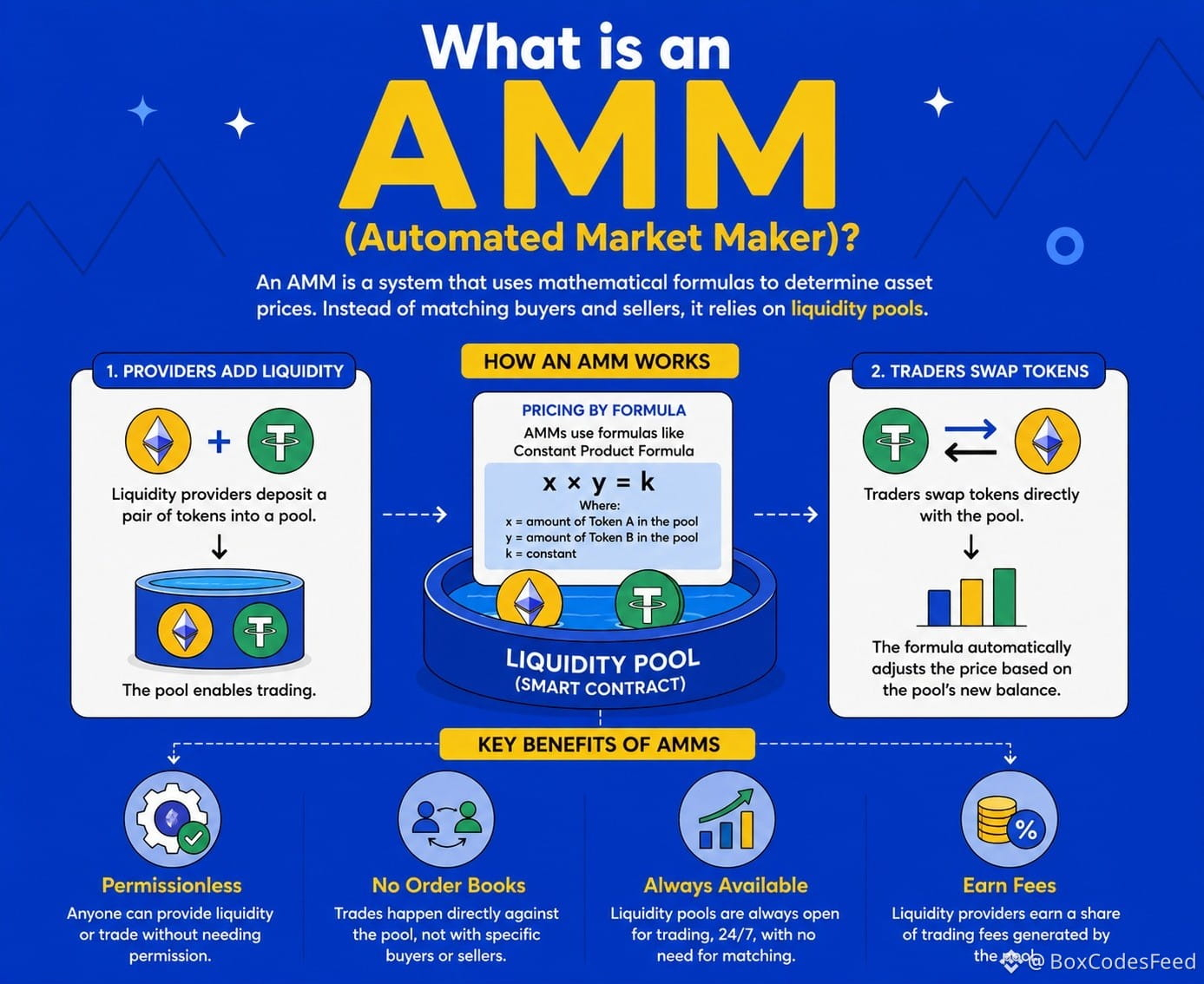

·
--
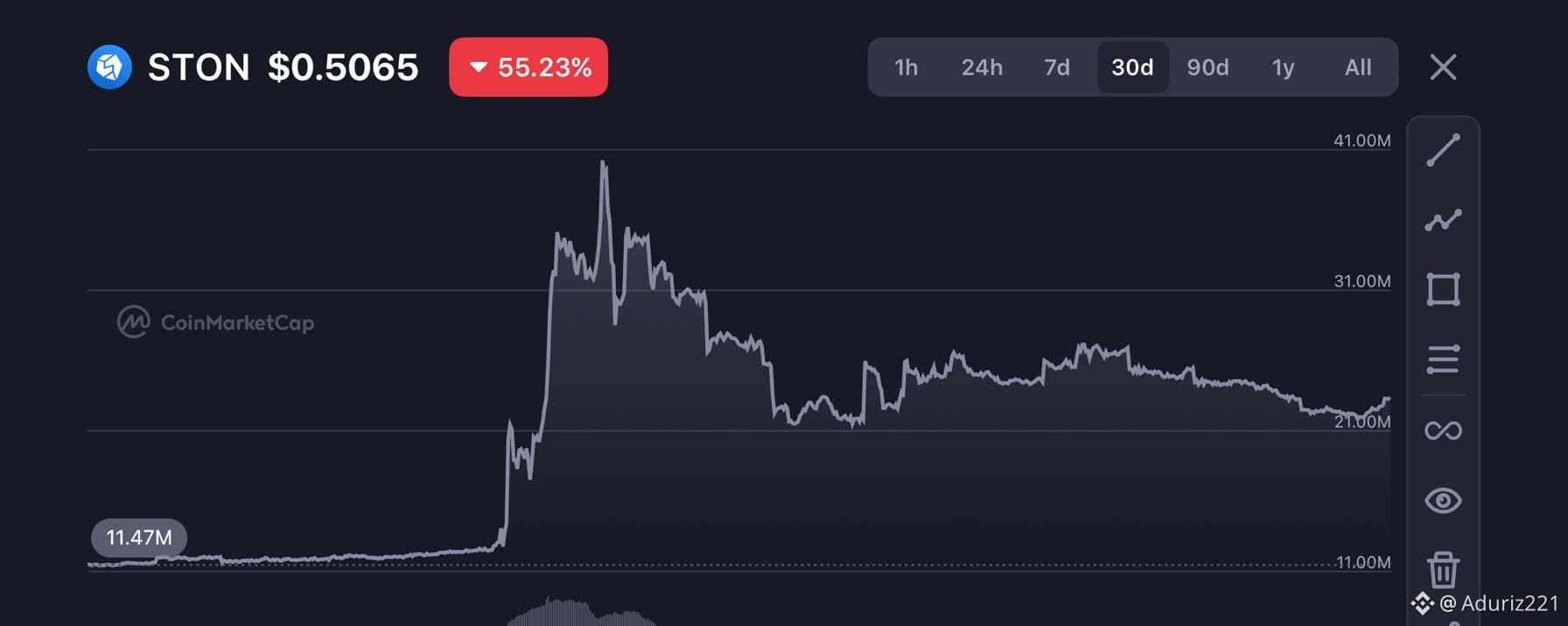
مقالة
فك رموز صانعي السوق الآليين: بنية تراكم الرسوم السلبية على TONالانتقال من أنظمة دفتر الأوامر المركزية إلى هياكل السيولة اللامركزية يمثل تحولًا أساسيًا في كيفية تفاعل المشاركين في السوق مع الأصول الرقمية. في الأطر المالية التقليدية، يتم التحكم في توفير السيولة بشكل صارم، مما يفضل صانعي السوق المؤسسيين الذين يلتقطون الفارق في حركة الأصول ذات الحجم الكبير.
داخل نظام $TON ، تقوم STON.fi بإ decentralizing هذه البنية التحتية تمامًا من خلال بروتوكول صانع السوق الآلي (AMM) الخاص بها. بدلاً من الاعتماد على مطابقة المشترين والبائعين يدويًا عبر محرك مطابقة مركزي، تستخدم STON.fi برك السيولة الحتمية.
فك رموز صانعي السوق الآليين: بنية تراكم الرسوم السلبية على TON
الانتقال من أنظمة دفتر الأوامر المركزية إلى هياكل السيولة اللامركزية يمثل تحولًا أساسيًا في كيفية تفاعل المشاركين في السوق مع الأصول الرقمية. في الأطر المالية التقليدية، يتم التحكم في توفير السيولة بشكل صارم، مما يفضل صانعي السوق المؤسسيين الذين يلتقطون الفارق في حركة الأصول ذات الحجم الكبير.
داخل نظام $TON ، تقوم STON.fi بإ decentralizing هذه البنية التحتية تمامًا من خلال بروتوكول صانع السوق الآلي (AMM) الخاص بها. بدلاً من الاعتماد على مطابقة المشترين والبائعين يدويًا عبر محرك مطابقة مركزي، تستخدم STON.fi برك السيولة الحتمية.
داخل نظام $TON ، تقوم STON.fi بإ decentralizing هذه البنية التحتية تمامًا من خلال بروتوكول صانع السوق الآلي (AMM) الخاص بها. بدلاً من الاعتماد على مطابقة المشترين والبائعين يدويًا عبر محرك مطابقة مركزي، تستخدم STON.fi برك السيولة الحتمية.
145

💧 فهم مجمّعات السيولة: كيف تحافظ صانعو السوق الآليون على حركة أسواق العملات المشفّرة
في 12 يوليو 2026، ومع إجمالي حجم تداول يومي بلغ 48.24B$، تُسهم صانعو السوق الآليون (AMMs) في جزء كبير من نشاط التداول. لكن كيف تعمل؟
مجمّعات السيولة هي مجموعات من الأموال المُقيّدة في عقود ذكية توفر السيولة للتداول. يقوم المستخدمون (مزوّدو السيولة) بإيداع الرموز في هذه المجمّعات وكسب رسوم من عمليات التداول.
تستخدم صانعو السوق الآليون معادلات رياضية لتحديد الأسعار بناءً على نسبة الأصول داخل المجمّع، مما يضمن توفر السيولة دائمًا — حتى بالنسبة لأزواج التداول الأقل شيوعًا.
📌 الخلاصة الرئيسية:
تُعد مجمّعات السيولة وصانعو السوق الآليون العمود الفقري لتداول DeFi — إذ تُمكّن من ديمقراطية صناعة السوق وتتيح تبادلًا بلا إذن.
#AMM #LiquidityPools #DeFi #CryptoEducation
#BinanceAlphaAlert
💧 فهم مجمّعات السيولة: كيف تحافظ صانعو السوق الآليون على حركة أسواق العملات المشفّرة
في 12 يوليو 2026، ومع إجمالي حجم تداول يومي بلغ 48.24B$، تُسهم صانعو السوق الآليون (AMMs) في جزء كبير من نشاط التداول. لكن كيف تعمل؟
مجمّعات السيولة هي مجموعات من الأموال المُقيّدة في عقود ذكية توفر السيولة للتداول. يقوم المستخدمون (مزوّدو السيولة) بإيداع الرموز في هذه المجمّعات وكسب رسوم من عمليات التداول.
تستخدم صانعو السوق الآليون معادلات رياضية لتحديد الأسعار بناءً على نسبة الأصول داخل المجمّع، مما يضمن توفر السيولة دائمًا — حتى بالنسبة لأزواج التداول الأقل شيوعًا.
📌 الخلاصة الرئيسية:
تُعد مجمّعات السيولة وصانعو السوق الآليون العمود الفقري لتداول DeFi — إذ تُمكّن من ديمقراطية صناعة السوق وتتيح تبادلًا بلا إذن.
#AMM #LiquidityPools #DeFi #CryptoEducation
#BinanceAlphaAlert
في 12 يوليو 2026، ومع إجمالي حجم تداول يومي بلغ 48.24B$، تُسهم صانعو السوق الآليون (AMMs) في جزء كبير من نشاط التداول. لكن كيف تعمل؟
مجمّعات السيولة هي مجموعات من الأموال المُقيّدة في عقود ذكية توفر السيولة للتداول. يقوم المستخدمون (مزوّدو السيولة) بإيداع الرموز في هذه المجمّعات وكسب رسوم من عمليات التداول.
تستخدم صانعو السوق الآليون معادلات رياضية لتحديد الأسعار بناءً على نسبة الأصول داخل المجمّع، مما يضمن توفر السيولة دائمًا — حتى بالنسبة لأزواج التداول الأقل شيوعًا.
📌 الخلاصة الرئيسية:
تُعد مجمّعات السيولة وصانعو السوق الآليون العمود الفقري لتداول DeFi — إذ تُمكّن من ديمقراطية صناعة السوق وتتيح تبادلًا بلا إذن.
#AMM #LiquidityPools #DeFi #CryptoEducation
#BinanceAlphaAlert
18
📚 صناع السوق الآليون (AMMs): كيف تُسعِّر منصات DEX الأصول بدون دفاتر أوامر
في 16 يوليو 2026، تُعد صناع السوق الآليون (AMMs) العمود الفقري للتبادلات اللامركزية. بخلاف التبادلات التقليدية التي تُطابق أوامر الشراء والبيع، تستخدم AMMs صيغًا رياضية لتسعير الأصول تلقائيًا اعتمادًا على نسبة الرموز داخل مجمع سيولة.
أبسط AMM يستخدم معادلة المنتج الثابت: x × y = k. إذا كان لدى مجمع ما 100 Token A و100 Token B، فإن k = 10,000. عند شراء Token A باستخدام Token B، تتغير النسبة ويُعدَّل السعر وفقًا للمنحنى.
تتيح AMMs لأي شخص أن يصبح صانع سوق عبر إيداع الرموز في مجمعات السيولة. يكسب مزودو السيولة رسوم تداول مقابل ذلك، لكن يجب أن يفهموا الخسارة غير الدائمة — وهي مخاطر الاحتفاظ بالرموز داخل مجمع مقارنةً بالاحتفاظ بها بشكل منفصل.
📌 الخلاصة الأساسية:
تستخدم AMMs صيغًا رياضية بدلًا من دفاتر الأوامر لتسعير الأصول. تُمكِّن معادلة المنتج الثابت (x×y=k) من تداول آلي خالٍ من الثقة على DEXs مثل Uniswap.
#AMM #DeFi
#BinanceAlphaAlert
📚 صناع السوق الآليون (AMMs): كيف تُسعِّر منصات DEX الأصول بدون دفاتر أوامر
في 16 يوليو 2026، تُعد صناع السوق الآليون (AMMs) العمود الفقري للتبادلات اللامركزية. بخلاف التبادلات التقليدية التي تُطابق أوامر الشراء والبيع، تستخدم AMMs صيغًا رياضية لتسعير الأصول تلقائيًا اعتمادًا على نسبة الرموز داخل مجمع سيولة.
أبسط AMM يستخدم معادلة المنتج الثابت: x × y = k. إذا كان لدى مجمع ما 100 Token A و100 Token B، فإن k = 10,000. عند شراء Token A باستخدام Token B، تتغير النسبة ويُعدَّل السعر وفقًا للمنحنى.
تتيح AMMs لأي شخص أن يصبح صانع سوق عبر إيداع الرموز في مجمعات السيولة. يكسب مزودو السيولة رسوم تداول مقابل ذلك، لكن يجب أن يفهموا الخسارة غير الدائمة — وهي مخاطر الاحتفاظ بالرموز داخل مجمع مقارنةً بالاحتفاظ بها بشكل منفصل.
📌 الخلاصة الأساسية:
تستخدم AMMs صيغًا رياضية بدلًا من دفاتر الأوامر لتسعير الأصول. تُمكِّن معادلة المنتج الثابت (x×y=k) من تداول آلي خالٍ من الثقة على DEXs مثل Uniswap.
#AMM #DeFi
#BinanceAlphaAlert
في 16 يوليو 2026، تُعد صناع السوق الآليون (AMMs) العمود الفقري للتبادلات اللامركزية. بخلاف التبادلات التقليدية التي تُطابق أوامر الشراء والبيع، تستخدم AMMs صيغًا رياضية لتسعير الأصول تلقائيًا اعتمادًا على نسبة الرموز داخل مجمع سيولة.
أبسط AMM يستخدم معادلة المنتج الثابت: x × y = k. إذا كان لدى مجمع ما 100 Token A و100 Token B، فإن k = 10,000. عند شراء Token A باستخدام Token B، تتغير النسبة ويُعدَّل السعر وفقًا للمنحنى.
تتيح AMMs لأي شخص أن يصبح صانع سوق عبر إيداع الرموز في مجمعات السيولة. يكسب مزودو السيولة رسوم تداول مقابل ذلك، لكن يجب أن يفهموا الخسارة غير الدائمة — وهي مخاطر الاحتفاظ بالرموز داخل مجمع مقارنةً بالاحتفاظ بها بشكل منفصل.
📌 الخلاصة الأساسية:
تستخدم AMMs صيغًا رياضية بدلًا من دفاتر الأوامر لتسعير الأصول. تُمكِّن معادلة المنتج الثابت (x×y=k) من تداول آلي خالٍ من الثقة على DEXs مثل Uniswap.
#AMM #DeFi
#BinanceAlphaAlert
17

·
--
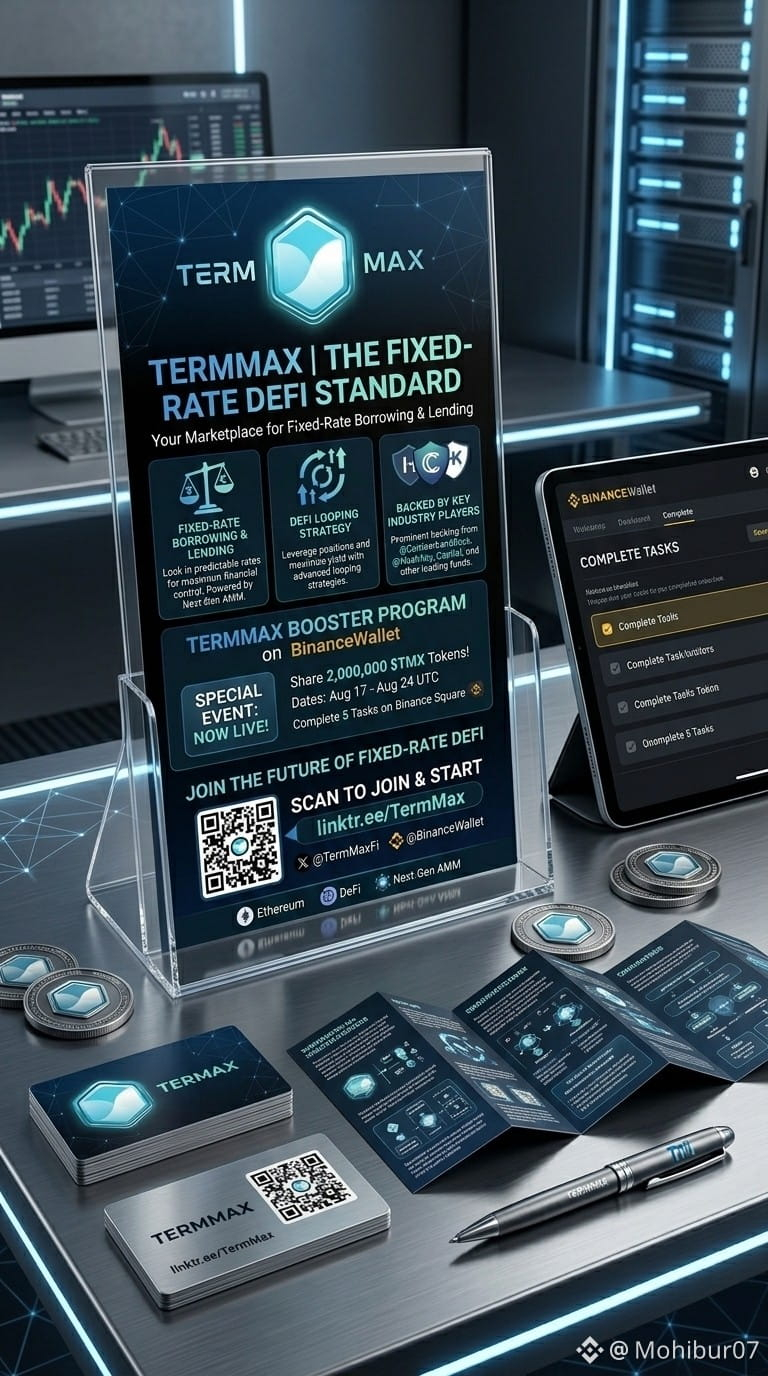
#termmax @termmax 🚀 TERMMAX: بناء معيار جديد للـ DeFi بسعر ثابت
غيّر الـ DeFi طريقة تعامل الناس مع الاقتراض والإقراض ووضع رأس المال للعمل. لكن هناك تحدٍ واحد ما زال يشكّل التجربة: عدم اليقين بشأن الفائدة.
قد تتغير معدلات الاقتراض والإقراض المتغيرة بسرعة مع تغيّر ظروف السوق. وبالنسبة للمستخدمين الذين يديرون مراكزٍ ذات رافعة مالية أو يستخدمون استراتيجيات عائد أو يمتلكون رأس مالًا لأجلٍ أطول، فإن هذا الغموض قد يجعل التخطيط أصعب بكثير.
الـ DeFi بسعر ثابت يحصل على معيار جديد
ماذا لو كان بإمكان بناء الاقتراض والإقراض حول **أسعار ثابتة يمكن التنبؤ بها** بدلًا من التغير المستمر لظروف السوق؟
تعرّف على **TermMax** — منصة DeFi بسعر ثابت مصممة لإضفاء مزيد من البنية والمرونة على الاقتراض والإقراض على السلسلة.
🔹 **اقتراض وإقراض بسعر ثابت**
ثبّت أسعارًا يمكن التنبؤ بها وخطّط لمراكزك بمزيد من الوضوح.
🔹 **استراتيجيات Looping للـ DeFi**
وظّف الرافعة المالية واستكشف استراتيجيات looping المتقدمة المصممة لزيادة كفاءة رأس المال.
🔹 **بنية تحتية جديدة لـ AMM**
نهج جديد لسيولة DeFi ذات السعر الثابت وبنية السوق.
🔥 **برنامج TERMMAX BOOSTER × Binance Wallet**
الفعالية الخاصة **مباشرة LIVE من 17–24 أغسطس بتوقيت UTC**.
🎁 **2,000,000 رمز $TMX** كمكافآت
📌 أكمل **5 مهام على Binance Square**
⚡ شارك واستكشف TermMax وانضم إلى منظومة DeFi بسعر ثابت المتنامية.
👉 **انضم وابدأ:** linktr.ee/TermMax
تابع **@TermMaxFi** وابقَ على اطلاع بالمزيد من التحديثات.
#TermMax #TMX #DeFi #BinanceWallet #BinanceSquare #FixedRateDeFi #Crypto #Web3 #AMM
#termmax @TermMax 🚀 TERMMAX: بناء معيار جديد للـ DeFi بسعر ثابت
غيّر الـ DeFi طريقة تعامل الناس مع الاقتراض والإقراض ووضع رأس المال للعمل. لكن هناك تحدٍ واحد ما زال يشكّل التجربة: عدم اليقين بشأن الفائدة.
قد تتغير معدلات الاقتراض والإقراض المتغيرة بسرعة مع تغيّر ظروف السوق. وبالنسبة للمستخدمين الذين يديرون مراكزٍ ذات رافعة مالية أو يستخدمون استراتيجيات عائد أو يمتلكون رأس مالًا لأجلٍ أطول، فإن هذا الغموض قد يجعل التخطيط أصعب بكثير.
الـ DeFi بسعر ثابت يحصل على معيار جديد
ماذا لو كان بإمكان بناء الاقتراض والإقراض حول **أسعار ثابتة يمكن التنبؤ بها** بدلًا من التغير المستمر لظروف السوق؟
تعرّف على **TermMax** — منصة DeFi بسعر ثابت مصممة لإضفاء مزيد من البنية والمرونة على الاقتراض والإقراض على السلسلة.
🔹 **اقتراض وإقراض بسعر ثابت**
ثبّت أسعارًا يمكن التنبؤ بها وخطّط لمراكزك بمزيد من الوضوح.
🔹 **استراتيجيات Looping للـ DeFi**
وظّف الرافعة المالية واستكشف استراتيجيات looping المتقدمة المصممة لزيادة كفاءة رأس المال.
🔹 **بنية تحتية جديدة لـ AMM**
نهج جديد لسيولة DeFi ذات السعر الثابت وبنية السوق.
🔥 **برنامج TERMMAX BOOSTER × Binance Wallet**
الفعالية الخاصة **مباشرة LIVE من 17–24 أغسطس بتوقيت UTC**.
🎁 **2,000,000 رمز $TMX** كمكافآت
📌 أكمل **5 مهام على Binance Square**
⚡ شارك واستكشف TermMax وانضم إلى منظومة DeFi بسعر ثابت المتنامية.
👉 **انضم وابدأ:** linktr.ee/TermMax
تابع **@TermMaxFi** وابقَ على اطلاع بالمزيد من التحديثات.
#TermMax #TMX #DeFi #BinanceWallet #BinanceSquare #FixedRateDeFi #Crypto #Web3 #AMM
غيّر الـ DeFi طريقة تعامل الناس مع الاقتراض والإقراض ووضع رأس المال للعمل. لكن هناك تحدٍ واحد ما زال يشكّل التجربة: عدم اليقين بشأن الفائدة.
قد تتغير معدلات الاقتراض والإقراض المتغيرة بسرعة مع تغيّر ظروف السوق. وبالنسبة للمستخدمين الذين يديرون مراكزٍ ذات رافعة مالية أو يستخدمون استراتيجيات عائد أو يمتلكون رأس مالًا لأجلٍ أطول، فإن هذا الغموض قد يجعل التخطيط أصعب بكثير.
الـ DeFi بسعر ثابت يحصل على معيار جديد
ماذا لو كان بإمكان بناء الاقتراض والإقراض حول **أسعار ثابتة يمكن التنبؤ بها** بدلًا من التغير المستمر لظروف السوق؟
تعرّف على **TermMax** — منصة DeFi بسعر ثابت مصممة لإضفاء مزيد من البنية والمرونة على الاقتراض والإقراض على السلسلة.
🔹 **اقتراض وإقراض بسعر ثابت**
ثبّت أسعارًا يمكن التنبؤ بها وخطّط لمراكزك بمزيد من الوضوح.
🔹 **استراتيجيات Looping للـ DeFi**
وظّف الرافعة المالية واستكشف استراتيجيات looping المتقدمة المصممة لزيادة كفاءة رأس المال.
🔹 **بنية تحتية جديدة لـ AMM**
نهج جديد لسيولة DeFi ذات السعر الثابت وبنية السوق.
🔥 **برنامج TERMMAX BOOSTER × Binance Wallet**
الفعالية الخاصة **مباشرة LIVE من 17–24 أغسطس بتوقيت UTC**.
🎁 **2,000,000 رمز $TMX** كمكافآت
📌 أكمل **5 مهام على Binance Square**
⚡ شارك واستكشف TermMax وانضم إلى منظومة DeFi بسعر ثابت المتنامية.
👉 **انضم وابدأ:** linktr.ee/TermMax
تابع **@TermMaxFi** وابقَ على اطلاع بالمزيد من التحديثات.
#TermMax #TMX #DeFi #BinanceWallet #BinanceSquare #FixedRateDeFi #Crypto #Web3 #AMM
5
5
112

·
--
لماذا أصبحت STON.fi جزءًا رئيسيًا من DeFi على TON
إذا كنت تستكشف نظام Telegram وTON البيئي، فهناك احتمال كبير أنك صادفت STON.fi. لكن ما الذي يجعلها جزءًا مهمًا للغاية من مشهد TON DeFi؟
إليك نظرة سريعة على بعض الميزات البارزة:
1. تداول بدون وصاية
يحافظ المستخدمون على السيطرة على أصولهم ويمكنهم التفاعل مع STON.fi مباشرةً عبر المحافظ المدعومة، بدلًا من إيداع الأموال في بورصة مركزية.
2. تداول قائم على AMM
تستخدم STON.fi تقنية صانع السوق الآلي، مما يتيح للمستخدمين التداول عبر مجمعات السيولة بدلًا من الاعتماد على دفاتر الأوامر التقليدية.
3. تكاليف معاملات منخفضة
تم تصميم TON لتقديم معاملات سريعة ومنخفضة التكلفة، ما قد يجعل الأنشطة مثل تبديل الرموز وتوفير السيولة أكثر سهولة.
سواء كنت تستكشف رموزًا جديدة، أو تقوم بتبديل الأصول، أو تساهم في توفير السيولة داخل مجمعات DeFi، توفر STON.fi بوابة مهمة إلى النظام البيئي المتنامي لـ TON DeFi.
#Amm #Stonfi
لماذا أصبحت STON.fi جزءًا رئيسيًا من DeFi على TON
إذا كنت تستكشف نظام Telegram وTON البيئي، فهناك احتمال كبير أنك صادفت STON.fi. لكن ما الذي يجعلها جزءًا مهمًا للغاية من مشهد TON DeFi؟
إليك نظرة سريعة على بعض الميزات البارزة:
1. تداول بدون وصاية
يحافظ المستخدمون على السيطرة على أصولهم ويمكنهم التفاعل مع STON.fi مباشرةً عبر المحافظ المدعومة، بدلًا من إيداع الأموال في بورصة مركزية.
2. تداول قائم على AMM
تستخدم STON.fi تقنية صانع السوق الآلي، مما يتيح للمستخدمين التداول عبر مجمعات السيولة بدلًا من الاعتماد على دفاتر الأوامر التقليدية.
3. تكاليف معاملات منخفضة
تم تصميم TON لتقديم معاملات سريعة ومنخفضة التكلفة، ما قد يجعل الأنشطة مثل تبديل الرموز وتوفير السيولة أكثر سهولة.
سواء كنت تستكشف رموزًا جديدة، أو تقوم بتبديل الأصول، أو تساهم في توفير السيولة داخل مجمعات DeFi، توفر STON.fi بوابة مهمة إلى النظام البيئي المتنامي لـ TON DeFi.
#Amm #Stonfi
إذا كنت تستكشف نظام Telegram وTON البيئي، فهناك احتمال كبير أنك صادفت STON.fi. لكن ما الذي يجعلها جزءًا مهمًا للغاية من مشهد TON DeFi؟
إليك نظرة سريعة على بعض الميزات البارزة:
1. تداول بدون وصاية
يحافظ المستخدمون على السيطرة على أصولهم ويمكنهم التفاعل مع STON.fi مباشرةً عبر المحافظ المدعومة، بدلًا من إيداع الأموال في بورصة مركزية.
2. تداول قائم على AMM
تستخدم STON.fi تقنية صانع السوق الآلي، مما يتيح للمستخدمين التداول عبر مجمعات السيولة بدلًا من الاعتماد على دفاتر الأوامر التقليدية.
3. تكاليف معاملات منخفضة
تم تصميم TON لتقديم معاملات سريعة ومنخفضة التكلفة، ما قد يجعل الأنشطة مثل تبديل الرموز وتوفير السيولة أكثر سهولة.
سواء كنت تستكشف رموزًا جديدة، أو تقوم بتبديل الأصول، أو تساهم في توفير السيولة داخل مجمعات DeFi، توفر STON.fi بوابة مهمة إلى النظام البيئي المتنامي لـ TON DeFi.
#Amm #Stonfi


10

·
--
$UNI
تم سحبه إلى 4.575، ثم تمّت المحافظة على ثلاث شموع طويلة بذيل علوي متتالية. لم يعد بإمكان المضاربين على الارتفاع الدفع.
من 3.67 إلى 4.57، خلال 12 يومًا ارتفع بنسبة 24.6%. هذه الزيادة ليست هادئة مقارنةً بالعملات الرقمية الرئيسية. يوني سواپ هو زعيم منصات DEX، ومُبتكر نموذج AMM، ولا يمكن تجاوز معاملاته على السلسلة. لكن عندما تكون الأخبار الإيجابية قد استُنفدت، كلما كان هناك توافق أكبر على أنه “زعيم” السوق، تكون ضغوط البيع أكثر تنظيمًا.
إشارات المشهد. حاليًا يتماسك قرب 4.33، وبذلك يكون قد تراجع 5.3% عن أعلى 24 ساعة عند 4.575. سعر العلامة 4.3345 قريب جدًا من السعر الحالي ولا يوجد انحياز واضح بين صعود/هبوط. معدل التمويل 0.0094% موجب، أي أن من يقومون بالشراء لا يزالون يدفعون. لكن بما أن المعدل منخفض جدًا، فهذا يعني أن الرافعة لدى جانب المضاربين ليست عدوانية. هذه ليست مرحلة ضخّ حادّ متحمّس، بل أقرب إلى أن أرباح المحققين بدأت تخرج تدريجيًا.
مزاج السوق. حجم التداول خلال 24 ساعة يبلغ 192 مليونًا، وبحجم تداول قدره 43.76 مليون وحدة. مقارنةً بفترة الاندفاع عندما كانت كمية كل شمعة 4 ساعات تصل إلى 9.49 ملايين، فإن الكمية الحالية تقلّصت بالفعل. طرحٌ بكميات مرتفعة مع تعثر في الارتفاع—إشارة تبديل واضحة. يوجد من يبيع هنا، ويوجد من يستقبل، لكن قوة المشترين في التراجع. أحدث شمعة 4 ساعات كان حجمها 1.18 مليون فقط، مقارنةً بالأخرى السابقة التي كانت 7.09 ملايين، أي أقل بست مرات. المعنويات تهدأ.
تحركات الكبار. في بداية الاندفاع كان هناك عمودان ضخمان بكمية كبيرة: 9.41 ملايين و9.49 ملايين. هذا يشير إلى أن مؤسسات أو كبار كانوا يدفعون. بعد ذلك، تراجعت كمية التداول عبر الشموع بشكل متواصل: 7.09 ملايين → 6.99 ملايين → 1.18 مليون. الكبار رفعوا ثم انسحبوا، بينما يشتري صغار المستثمرين عند المستويات المرتفعة. ليس هذا مؤامرة؛ إنه أبسط منطق للكمية والسعر. سعر العلامة وسعر المؤشر متطابقان تقريبًا، ولا توجد أموال تفرض السعر بقوة على مستوى العقود. الاتجاه يحدده السوق الفوري، والعقود تتبع فقط.
بنية السعر والكمية. 4.575 هي سقف قصير الأجل. الدعم الأول أسفلها عند 4.315-4.258، وهي منطقة القيعان لأحدث تراجع. أدناه، 3.978-3.957 هي المنصة قبل الاندفاع، وهي نقطة انطلاق هذه الموجة. إذا انكسر 4.25، فاحتمال العودة إلى 3.97 ليس قليلًا. في سيناريو ارتفع 24%، فإن التراجع بنسبة 30%-50% يُعدّ تصحيحًا طبيعيًا.
تفاصيل الشموع. آخر خمس شموع 4 ساعات: أربع منها تحمل ذيولًا علوية. أطول ذيل علوي ظهر عند 4.575 حيث تمّ سحق الاندفاع الارتفاعي إلى 4.37. ثم ارتدّ إلى 4.564 لكن تم رفضه مجددًا. فشل ضرب نفس المنطقة مرتين يدل على وجود أوامر بيع حقيقية. هذه الشمعة الحالية جسمها صغير، والذيلان العلوي والسفلي قصيران، والسيولة/التذبذب في تضييق. التغيير بات قريبًا. الاتجاه؟ يميل إلى الهبوط. فشل متكرر في الارتفاع + انكماش في حجم التداول + التمويل لا يدعم.
خطة نيني. منظور هابط. السعر الحالي 4.33. إذا لم يتخطّ نطاق الارتداد 4.45-4.50، فادخل مركزًا قصيرًا (بيعًا قصيرًا) مع وقف خسارة فوق 4.60، والهدف أولًا عند 4.25. إذا تم كسرها فراقب 3.97. لا شراء للمضاربة الطويلة ولا محاولة قاع مبكر من الجانب الأيسر؛ انتظر حتى العودة للاختبار عند مستوى الدعم مع تقليص الكمية واستقرارها ثم فكر. هذه الموجة ارتفعت بسرعة كبيرة، والتصحيح أمر لا مفر منه؛ فقط مسألة وقت وحجم.
#$UNI #DEX #AMM
$UNI
تم سحبه إلى 4.575، ثم تمّت المحافظة على ثلاث شموع طويلة بذيل علوي متتالية. لم يعد بإمكان المضاربين على الارتفاع الدفع.
من 3.67 إلى 4.57، خلال 12 يومًا ارتفع بنسبة 24.6%. هذه الزيادة ليست هادئة مقارنةً بالعملات الرقمية الرئيسية. يوني سواپ هو زعيم منصات DEX، ومُبتكر نموذج AMM، ولا يمكن تجاوز معاملاته على السلسلة. لكن عندما تكون الأخبار الإيجابية قد استُنفدت، كلما كان هناك توافق أكبر على أنه “زعيم” السوق، تكون ضغوط البيع أكثر تنظيمًا.
إشارات المشهد. حاليًا يتماسك قرب 4.33، وبذلك يكون قد تراجع 5.3% عن أعلى 24 ساعة عند 4.575. سعر العلامة 4.3345 قريب جدًا من السعر الحالي ولا يوجد انحياز واضح بين صعود/هبوط. معدل التمويل 0.0094% موجب، أي أن من يقومون بالشراء لا يزالون يدفعون. لكن بما أن المعدل منخفض جدًا، فهذا يعني أن الرافعة لدى جانب المضاربين ليست عدوانية. هذه ليست مرحلة ضخّ حادّ متحمّس، بل أقرب إلى أن أرباح المحققين بدأت تخرج تدريجيًا.
مزاج السوق. حجم التداول خلال 24 ساعة يبلغ 192 مليونًا، وبحجم تداول قدره 43.76 مليون وحدة. مقارنةً بفترة الاندفاع عندما كانت كمية كل شمعة 4 ساعات تصل إلى 9.49 ملايين، فإن الكمية الحالية تقلّصت بالفعل. طرحٌ بكميات مرتفعة مع تعثر في الارتفاع—إشارة تبديل واضحة. يوجد من يبيع هنا، ويوجد من يستقبل، لكن قوة المشترين في التراجع. أحدث شمعة 4 ساعات كان حجمها 1.18 مليون فقط، مقارنةً بالأخرى السابقة التي كانت 7.09 ملايين، أي أقل بست مرات. المعنويات تهدأ.
تحركات الكبار. في بداية الاندفاع كان هناك عمودان ضخمان بكمية كبيرة: 9.41 ملايين و9.49 ملايين. هذا يشير إلى أن مؤسسات أو كبار كانوا يدفعون. بعد ذلك، تراجعت كمية التداول عبر الشموع بشكل متواصل: 7.09 ملايين → 6.99 ملايين → 1.18 مليون. الكبار رفعوا ثم انسحبوا، بينما يشتري صغار المستثمرين عند المستويات المرتفعة. ليس هذا مؤامرة؛ إنه أبسط منطق للكمية والسعر. سعر العلامة وسعر المؤشر متطابقان تقريبًا، ولا توجد أموال تفرض السعر بقوة على مستوى العقود. الاتجاه يحدده السوق الفوري، والعقود تتبع فقط.
بنية السعر والكمية. 4.575 هي سقف قصير الأجل. الدعم الأول أسفلها عند 4.315-4.258، وهي منطقة القيعان لأحدث تراجع. أدناه، 3.978-3.957 هي المنصة قبل الاندفاع، وهي نقطة انطلاق هذه الموجة. إذا انكسر 4.25، فاحتمال العودة إلى 3.97 ليس قليلًا. في سيناريو ارتفع 24%، فإن التراجع بنسبة 30%-50% يُعدّ تصحيحًا طبيعيًا.
تفاصيل الشموع. آخر خمس شموع 4 ساعات: أربع منها تحمل ذيولًا علوية. أطول ذيل علوي ظهر عند 4.575 حيث تمّ سحق الاندفاع الارتفاعي إلى 4.37. ثم ارتدّ إلى 4.564 لكن تم رفضه مجددًا. فشل ضرب نفس المنطقة مرتين يدل على وجود أوامر بيع حقيقية. هذه الشمعة الحالية جسمها صغير، والذيلان العلوي والسفلي قصيران، والسيولة/التذبذب في تضييق. التغيير بات قريبًا. الاتجاه؟ يميل إلى الهبوط. فشل متكرر في الارتفاع + انكماش في حجم التداول + التمويل لا يدعم.
خطة نيني. منظور هابط. السعر الحالي 4.33. إذا لم يتخطّ نطاق الارتداد 4.45-4.50، فادخل مركزًا قصيرًا (بيعًا قصيرًا) مع وقف خسارة فوق 4.60، والهدف أولًا عند 4.25. إذا تم كسرها فراقب 3.97. لا شراء للمضاربة الطويلة ولا محاولة قاع مبكر من الجانب الأيسر؛ انتظر حتى العودة للاختبار عند مستوى الدعم مع تقليص الكمية واستقرارها ثم فكر. هذه الموجة ارتفعت بسرعة كبيرة، والتصحيح أمر لا مفر منه؛ فقط مسألة وقت وحجم.
#$UNI #DEX #AMM
تم سحبه إلى 4.575، ثم تمّت المحافظة على ثلاث شموع طويلة بذيل علوي متتالية. لم يعد بإمكان المضاربين على الارتفاع الدفع.
من 3.67 إلى 4.57، خلال 12 يومًا ارتفع بنسبة 24.6%. هذه الزيادة ليست هادئة مقارنةً بالعملات الرقمية الرئيسية. يوني سواپ هو زعيم منصات DEX، ومُبتكر نموذج AMM، ولا يمكن تجاوز معاملاته على السلسلة. لكن عندما تكون الأخبار الإيجابية قد استُنفدت، كلما كان هناك توافق أكبر على أنه “زعيم” السوق، تكون ضغوط البيع أكثر تنظيمًا.
إشارات المشهد. حاليًا يتماسك قرب 4.33، وبذلك يكون قد تراجع 5.3% عن أعلى 24 ساعة عند 4.575. سعر العلامة 4.3345 قريب جدًا من السعر الحالي ولا يوجد انحياز واضح بين صعود/هبوط. معدل التمويل 0.0094% موجب، أي أن من يقومون بالشراء لا يزالون يدفعون. لكن بما أن المعدل منخفض جدًا، فهذا يعني أن الرافعة لدى جانب المضاربين ليست عدوانية. هذه ليست مرحلة ضخّ حادّ متحمّس، بل أقرب إلى أن أرباح المحققين بدأت تخرج تدريجيًا.
مزاج السوق. حجم التداول خلال 24 ساعة يبلغ 192 مليونًا، وبحجم تداول قدره 43.76 مليون وحدة. مقارنةً بفترة الاندفاع عندما كانت كمية كل شمعة 4 ساعات تصل إلى 9.49 ملايين، فإن الكمية الحالية تقلّصت بالفعل. طرحٌ بكميات مرتفعة مع تعثر في الارتفاع—إشارة تبديل واضحة. يوجد من يبيع هنا، ويوجد من يستقبل، لكن قوة المشترين في التراجع. أحدث شمعة 4 ساعات كان حجمها 1.18 مليون فقط، مقارنةً بالأخرى السابقة التي كانت 7.09 ملايين، أي أقل بست مرات. المعنويات تهدأ.
تحركات الكبار. في بداية الاندفاع كان هناك عمودان ضخمان بكمية كبيرة: 9.41 ملايين و9.49 ملايين. هذا يشير إلى أن مؤسسات أو كبار كانوا يدفعون. بعد ذلك، تراجعت كمية التداول عبر الشموع بشكل متواصل: 7.09 ملايين → 6.99 ملايين → 1.18 مليون. الكبار رفعوا ثم انسحبوا، بينما يشتري صغار المستثمرين عند المستويات المرتفعة. ليس هذا مؤامرة؛ إنه أبسط منطق للكمية والسعر. سعر العلامة وسعر المؤشر متطابقان تقريبًا، ولا توجد أموال تفرض السعر بقوة على مستوى العقود. الاتجاه يحدده السوق الفوري، والعقود تتبع فقط.
بنية السعر والكمية. 4.575 هي سقف قصير الأجل. الدعم الأول أسفلها عند 4.315-4.258، وهي منطقة القيعان لأحدث تراجع. أدناه، 3.978-3.957 هي المنصة قبل الاندفاع، وهي نقطة انطلاق هذه الموجة. إذا انكسر 4.25، فاحتمال العودة إلى 3.97 ليس قليلًا. في سيناريو ارتفع 24%، فإن التراجع بنسبة 30%-50% يُعدّ تصحيحًا طبيعيًا.
تفاصيل الشموع. آخر خمس شموع 4 ساعات: أربع منها تحمل ذيولًا علوية. أطول ذيل علوي ظهر عند 4.575 حيث تمّ سحق الاندفاع الارتفاعي إلى 4.37. ثم ارتدّ إلى 4.564 لكن تم رفضه مجددًا. فشل ضرب نفس المنطقة مرتين يدل على وجود أوامر بيع حقيقية. هذه الشمعة الحالية جسمها صغير، والذيلان العلوي والسفلي قصيران، والسيولة/التذبذب في تضييق. التغيير بات قريبًا. الاتجاه؟ يميل إلى الهبوط. فشل متكرر في الارتفاع + انكماش في حجم التداول + التمويل لا يدعم.
خطة نيني. منظور هابط. السعر الحالي 4.33. إذا لم يتخطّ نطاق الارتداد 4.45-4.50، فادخل مركزًا قصيرًا (بيعًا قصيرًا) مع وقف خسارة فوق 4.60، والهدف أولًا عند 4.25. إذا تم كسرها فراقب 3.97. لا شراء للمضاربة الطويلة ولا محاولة قاع مبكر من الجانب الأيسر؛ انتظر حتى العودة للاختبار عند مستوى الدعم مع تقليص الكمية واستقرارها ثم فكر. هذه الموجة ارتفعت بسرعة كبيرة، والتصحيح أمر لا مفر منه؛ فقط مسألة وقت وحجم.
#$UNI #DEX #AMM
293

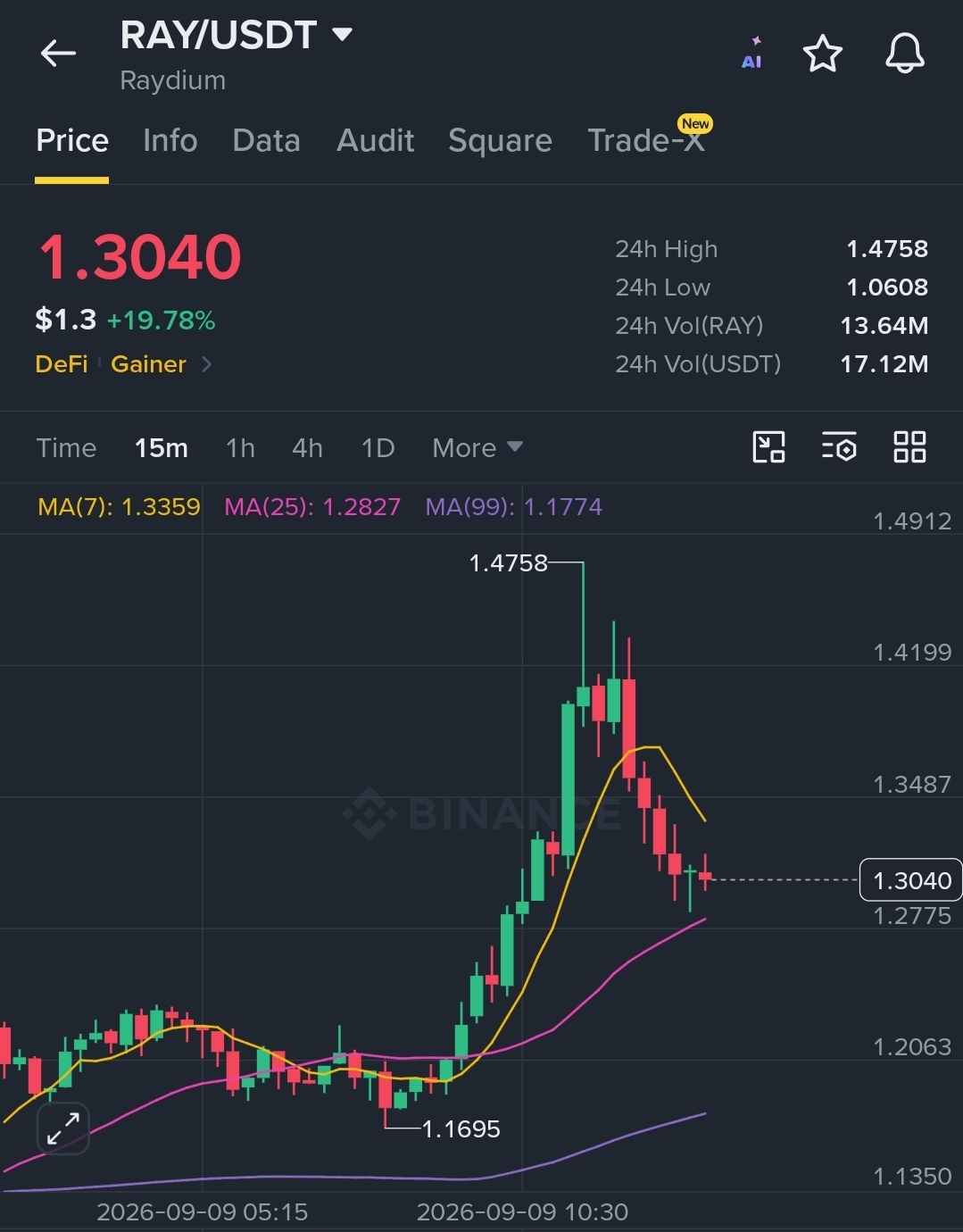
$RAY /USDT — 🔴 قصير · تأكيد 70%
📍 الدخول: 1.3001 – 1.3079
🛑 وقف الخسارة: 1.4415
🎯 الهدف 1: 1.2388
✅ الهدف 2: 1.1866
🏆 الهدف 3: 1.1084
هيكل الإطار الزمني 1H يتراجع بقوة بعد الارتداد/التمشيط عند 1.4758 — السعر الآن تحت MA7 مع ضعف/تلاشي الحجم، وهو نمط كلاسيكي لإرهاق/استنزاف.
$RAY : Raydium هو AMM الرائد على Solana وطبقة السيولة الأساسية، ويقوم بتشغيل حصة كبيرة من حجم DEX على السلسلة عبر مجمعات سيولة مركّزة — المخاطر مرتفعة بسبب الاعتماد على نظام Solana البيئي، وكذلك تاريخ التوكن في هبوط حاد بعد الضخ.
عندما يضخ RAY +20% في جلسة واحدة مثل هذه، هل السيولة التي يولدها Raydium فعلاً في نظام Solana البيئي تترجم إلى طلب مستدام على التوكن، أم أن RAY ما زال يتداول أكثر مثل ميم-كوين منه كأصل DeFi جوهري؟
#RAY #Raydium #Crypto #TradingSignal #AMM
{spot}(RAYUSDT)
$RAY /USDT — 🔴 قصير · تأكيد 70%
📍 الدخول: 1.3001 – 1.3079
🛑 وقف الخسارة: 1.4415
🎯 الهدف 1: 1.2388
✅ الهدف 2: 1.1866
🏆 الهدف 3: 1.1084
هيكل الإطار الزمني 1H يتراجع بقوة بعد الارتداد/التمشيط عند 1.4758 — السعر الآن تحت MA7 مع ضعف/تلاشي الحجم، وهو نمط كلاسيكي لإرهاق/استنزاف.
$RAY : Raydium هو AMM الرائد على Solana وطبقة السيولة الأساسية، ويقوم بتشغيل حصة كبيرة من حجم DEX على السلسلة عبر مجمعات سيولة مركّزة — المخاطر مرتفعة بسبب الاعتماد على نظام Solana البيئي، وكذلك تاريخ التوكن في هبوط حاد بعد الضخ.
عندما يضخ RAY +20% في جلسة واحدة مثل هذه، هل السيولة التي يولدها Raydium فعلاً في نظام Solana البيئي تترجم إلى طلب مستدام على التوكن، أم أن RAY ما زال يتداول أكثر مثل ميم-كوين منه كأصل DeFi جوهري؟
#RAY #Raydium #Crypto #TradingSignal #AMM
📍 الدخول: 1.3001 – 1.3079
🛑 وقف الخسارة: 1.4415
🎯 الهدف 1: 1.2388
✅ الهدف 2: 1.1866
🏆 الهدف 3: 1.1084
هيكل الإطار الزمني 1H يتراجع بقوة بعد الارتداد/التمشيط عند 1.4758 — السعر الآن تحت MA7 مع ضعف/تلاشي الحجم، وهو نمط كلاسيكي لإرهاق/استنزاف.
$RAY : Raydium هو AMM الرائد على Solana وطبقة السيولة الأساسية، ويقوم بتشغيل حصة كبيرة من حجم DEX على السلسلة عبر مجمعات سيولة مركّزة — المخاطر مرتفعة بسبب الاعتماد على نظام Solana البيئي، وكذلك تاريخ التوكن في هبوط حاد بعد الضخ.
عندما يضخ RAY +20% في جلسة واحدة مثل هذه، هل السيولة التي يولدها Raydium فعلاً في نظام Solana البيئي تترجم إلى طلب مستدام على التوكن، أم أن RAY ما زال يتداول أكثر مثل ميم-كوين منه كأصل DeFi جوهري؟
#RAY #Raydium #Crypto #TradingSignal #AMM

2
279
سجّل الدخول لاستكشاف المزيد من المُحتوى
انضم إلى مُستخدمي العملات الرقمية حول العالم على Binance Square
⚡️ احصل على أحدث المعلومات المفيدة عن العملات الرقمية.
💬 موثوقة من قبل أكبر منصّة لتداول العملات الرقمية في العالم.
👍 اكتشف الرؤى الحقيقية من صنّاع المُحتوى الموثوقين.
البريد الإلكتروني / رقم الهاتف
المواضيع الرائجة
1
#SECReceivesGrayscaleLitecoinTrustETFFiling
76,537 مشاهدات
1,314 يقومون بالنقاش
2
#ClarityActFacesProceduralVoteSept15
196,731 مشاهدات
2,210 يقومون بالنقاش
3
#US10YearTreasuryYieldNears5%
69,063 مشاهدات
1,219 يقومون بالنقاش
4
#CryptoLiquidations$674MIn24H
15,909 مشاهدات
188 يقومون بالنقاش
5
#TokenizedStockHoldersUp619.1%
62,818 مشاهدات
1,013 يقومون بالنقاش
6
#RevolutConfirmsFakeGovEmailDataBreach
96,746 مشاهدات
1,285 يقومون بالنقاش
7
#CanadaOSFISaysTokenizedDepositsEqualTraditionalDeposits
5,420 مشاهدات
101 يقومون بالنقاش
8
#USBankCompletesCrossBorderPaymentPilotOnStellar
78,656 مشاهدات
1,209 يقومون بالنقاش
9
#NvidiaInTalksToInvestUpTo$10BInAnthropicIPO
5,390 مشاهدات
91 يقومون بالنقاش
10
#EtherRalliesAsBearishBetsLiquidate
125,045 مشاهدات
1,543 يقومون بالنقاش