

#scamawareness
scamawareness
5.1M مشاهدات
1,649 يقومون بالنقاش
رائج
جديد

·
--
🔐 تنبيه مهم لأي شخص جديد على عالم العملات المشفرة: دعم Binance لن يقوم أبدًا بالـ DM (الرسائل الخاصة) أولاً، ولن يطلب منك عبارة/مفتاح الاستعادة (seed phrase)، ولن يطلب منك "التحقق" من محفظتك عبر إرسال أموال.
أنماط الاحتيال الشائعة التي يجب الانتباه لها:
حسابات مزيفة لـ "الدعم الفني" ترد تحت منشورات Binance الحقيقية "ضاعف عملاتك" وروابط هدايا
بوتات تدّعي عائدًا يوميًا مضمونًا من USDT مع عدم وجود أي مخاطرة
إذا بدا الأمر سهلًا جدًا، فهذا ليس حقيقيًا. التقط لقطة شاشة وأرسلها إلى صديق جديد على عالم العملات المشفرة.
#CryptoSafety #Binance #ScamAwareness
🔐 تنبيه مهم لأي شخص جديد على عالم العملات المشفرة: دعم Binance لن يقوم أبدًا بالـ DM (الرسائل الخاصة) أولاً، ولن يطلب منك عبارة/مفتاح الاستعادة (seed phrase)، ولن يطلب منك "التحقق" من محفظتك عبر إرسال أموال.
أنماط الاحتيال الشائعة التي يجب الانتباه لها:
حسابات مزيفة لـ "الدعم الفني" ترد تحت منشورات Binance الحقيقية "ضاعف عملاتك" وروابط هدايا
بوتات تدّعي عائدًا يوميًا مضمونًا من USDT مع عدم وجود أي مخاطرة
إذا بدا الأمر سهلًا جدًا، فهذا ليس حقيقيًا. التقط لقطة شاشة وأرسلها إلى صديق جديد على عالم العملات المشفرة.
#CryptoSafety #Binance #ScamAwareness
أنماط الاحتيال الشائعة التي يجب الانتباه لها:
حسابات مزيفة لـ "الدعم الفني" ترد تحت منشورات Binance الحقيقية "ضاعف عملاتك" وروابط هدايا
بوتات تدّعي عائدًا يوميًا مضمونًا من USDT مع عدم وجود أي مخاطرة
إذا بدا الأمر سهلًا جدًا، فهذا ليس حقيقيًا. التقط لقطة شاشة وأرسلها إلى صديق جديد على عالم العملات المشفرة.
#CryptoSafety #Binance #ScamAwareness
96

جلسة مفيدة جدًا معي. يا شباب، حافظوا دائمًا على هذه الأمور في بالكم.
لقد تعلمت اليوم العديد من الأشياء الجديدة. معرفة أعمق ببساطة عن الاحتيال وكود المصادقة لأي معاملة. أولويتنا الأولى هي حماية أنفسنا من عمليات الاحتيال وروابط مكافحة التصيّد والأنشطة المشابهة، ولا تنقروا على روابط جهات خارجية في أي موقف إلا إذا كان يجب التحقق عبر التطبيق الرسمي. لا تشاركوا رمز OTP أو كلمة المرور أو أي معلومات شخصية مع أي شخص آخر. احفظوا أموالكم التي كسبتموها بشقّ الأنفس، وتحققوا دائمًا من التحديثات من التطبيق الرسمي إذا وصل إليكم أي إشعار أو بريد، من شخص يدّعي أنه رسمي من تلك المنصة. لا تقبلوا أي عروض بالنقر على أي رابط. احموا أنفسكم. #Binance #ScamAwareness
جلسة مفيدة جدًا معي. يا شباب، حافظوا دائمًا على هذه الأمور في بالكم.
لقد تعلمت اليوم العديد من الأشياء الجديدة. معرفة أعمق ببساطة عن الاحتيال وكود المصادقة لأي معاملة. أولويتنا الأولى هي حماية أنفسنا من عمليات الاحتيال وروابط مكافحة التصيّد والأنشطة المشابهة، ولا تنقروا على روابط جهات خارجية في أي موقف إلا إذا كان يجب التحقق عبر التطبيق الرسمي. لا تشاركوا رمز OTP أو كلمة المرور أو أي معلومات شخصية مع أي شخص آخر. احفظوا أموالكم التي كسبتموها بشقّ الأنفس، وتحققوا دائمًا من التحديثات من التطبيق الرسمي إذا وصل إليكم أي إشعار أو بريد، من شخص يدّعي أنه رسمي من تلك المنصة. لا تقبلوا أي عروض بالنقر على أي رابط. احموا أنفسكم. #Binance #ScamAwareness
لقد تعلمت اليوم العديد من الأشياء الجديدة. معرفة أعمق ببساطة عن الاحتيال وكود المصادقة لأي معاملة. أولويتنا الأولى هي حماية أنفسنا من عمليات الاحتيال وروابط مكافحة التصيّد والأنشطة المشابهة، ولا تنقروا على روابط جهات خارجية في أي موقف إلا إذا كان يجب التحقق عبر التطبيق الرسمي. لا تشاركوا رمز OTP أو كلمة المرور أو أي معلومات شخصية مع أي شخص آخر. احفظوا أموالكم التي كسبتموها بشقّ الأنفس، وتحققوا دائمًا من التحديثات من التطبيق الرسمي إذا وصل إليكم أي إشعار أو بريد، من شخص يدّعي أنه رسمي من تلك المنصة. لا تقبلوا أي عروض بالنقر على أي رابط. احموا أنفسكم. #Binance #ScamAwareness
97
·
--
🚨 كيف تكتشف مشروع كريبتو مزيف
قبل شراء أي عملة كريبتو، لا تدع الضجيج يتخذ القرار مكانك. 🔍
إليك 7 أشياء للتحقق منها:
1️⃣ أرباح مضمونة 🚩
إذا وعد مشروع بعوائد مضمونة أو قال إنك “لا يمكنك الخسارة”، فكن حذرًا للغاية.
2️⃣ فريق مجهول أو غير قابل للتحقق 👤
تحقق مما إذا كان أعضاء الفريق لديهم خلفيات ذات مصداقية وقابلة للتحقق.
3️⃣ لا توجد وثائق حقيقية 📄
اقرأ ورقة المشروع البيضاء والوثائق. ابحث عن معلومات محددة حول ما يفعله المشروع فعليًا.
4️⃣ شراكات مزيفة 🤝
لا تثق بالشعارات أو لقطات الشاشة وحدها. تحقّق من الشراكات المهمة عبر القنوات الرسمية للطرف المفترض.
5️⃣ اقتصادات توكن مشبوهة 💰
تحقق من يمتلك العرض. إن كانت نسبة كبيرة يتحكم بها عدد صغير من المحافظ، فقد يخلق ذلك مخاطر كبيرة.
6️⃣ سيولة منخفضة أو مشكوك فيها 💧
قد يبدو التوكن ذا قيمة على الورق، لكنه قد يكون صعب البيع إذا كانت السيولة منخفضة جدًا.
7️⃣ ضجيج كبير + مضمون قليل 📢
آلاف المتابعين لا يثبت أن المشروع شرعي. ابحث عن التطوير الفعلي، ومعلومات شفافة، ونشاط يمكن التحقق منه.
⚠️ تذكّر: اجتياز هذه الفحوصات لا يضمن أن المشروع آمن. الكريبتو محفوف بالمخاطر، والاحتيالات قد تبدو احترافية.
DYOR = اعمل بحثك بنفسك. 🔎
هل ترغب أن أريّك كيف نتحقق من التوكن خطوة بخطوة قبل شرائه؟ 👇
#CryptoEducation #BinanceSquare #Crypto #DYOR #ScamAwareness
🚨 كيف تكتشف مشروع كريبتو مزيف
قبل شراء أي عملة كريبتو، لا تدع الضجيج يتخذ القرار مكانك. 🔍
إليك 7 أشياء للتحقق منها:
1️⃣ أرباح مضمونة 🚩
إذا وعد مشروع بعوائد مضمونة أو قال إنك “لا يمكنك الخسارة”، فكن حذرًا للغاية.
2️⃣ فريق مجهول أو غير قابل للتحقق 👤
تحقق مما إذا كان أعضاء الفريق لديهم خلفيات ذات مصداقية وقابلة للتحقق.
3️⃣ لا توجد وثائق حقيقية 📄
اقرأ ورقة المشروع البيضاء والوثائق. ابحث عن معلومات محددة حول ما يفعله المشروع فعليًا.
4️⃣ شراكات مزيفة 🤝
لا تثق بالشعارات أو لقطات الشاشة وحدها. تحقّق من الشراكات المهمة عبر القنوات الرسمية للطرف المفترض.
5️⃣ اقتصادات توكن مشبوهة 💰
تحقق من يمتلك العرض. إن كانت نسبة كبيرة يتحكم بها عدد صغير من المحافظ، فقد يخلق ذلك مخاطر كبيرة.
6️⃣ سيولة منخفضة أو مشكوك فيها 💧
قد يبدو التوكن ذا قيمة على الورق، لكنه قد يكون صعب البيع إذا كانت السيولة منخفضة جدًا.
7️⃣ ضجيج كبير + مضمون قليل 📢
آلاف المتابعين لا يثبت أن المشروع شرعي. ابحث عن التطوير الفعلي، ومعلومات شفافة، ونشاط يمكن التحقق منه.
⚠️ تذكّر: اجتياز هذه الفحوصات لا يضمن أن المشروع آمن. الكريبتو محفوف بالمخاطر، والاحتيالات قد تبدو احترافية.
DYOR = اعمل بحثك بنفسك. 🔎
هل ترغب أن أريّك كيف نتحقق من التوكن خطوة بخطوة قبل شرائه؟ 👇
#CryptoEducation #BinanceSquare #Crypto #DYOR #ScamAwareness
قبل شراء أي عملة كريبتو، لا تدع الضجيج يتخذ القرار مكانك. 🔍
إليك 7 أشياء للتحقق منها:
1️⃣ أرباح مضمونة 🚩
إذا وعد مشروع بعوائد مضمونة أو قال إنك “لا يمكنك الخسارة”، فكن حذرًا للغاية.
2️⃣ فريق مجهول أو غير قابل للتحقق 👤
تحقق مما إذا كان أعضاء الفريق لديهم خلفيات ذات مصداقية وقابلة للتحقق.
3️⃣ لا توجد وثائق حقيقية 📄
اقرأ ورقة المشروع البيضاء والوثائق. ابحث عن معلومات محددة حول ما يفعله المشروع فعليًا.
4️⃣ شراكات مزيفة 🤝
لا تثق بالشعارات أو لقطات الشاشة وحدها. تحقّق من الشراكات المهمة عبر القنوات الرسمية للطرف المفترض.
5️⃣ اقتصادات توكن مشبوهة 💰
تحقق من يمتلك العرض. إن كانت نسبة كبيرة يتحكم بها عدد صغير من المحافظ، فقد يخلق ذلك مخاطر كبيرة.
6️⃣ سيولة منخفضة أو مشكوك فيها 💧
قد يبدو التوكن ذا قيمة على الورق، لكنه قد يكون صعب البيع إذا كانت السيولة منخفضة جدًا.
7️⃣ ضجيج كبير + مضمون قليل 📢
آلاف المتابعين لا يثبت أن المشروع شرعي. ابحث عن التطوير الفعلي، ومعلومات شفافة، ونشاط يمكن التحقق منه.
⚠️ تذكّر: اجتياز هذه الفحوصات لا يضمن أن المشروع آمن. الكريبتو محفوف بالمخاطر، والاحتيالات قد تبدو احترافية.
DYOR = اعمل بحثك بنفسك. 🔎
هل ترغب أن أريّك كيف نتحقق من التوكن خطوة بخطوة قبل شرائه؟ 👇
#CryptoEducation #BinanceSquare #Crypto #DYOR #ScamAwareness
97

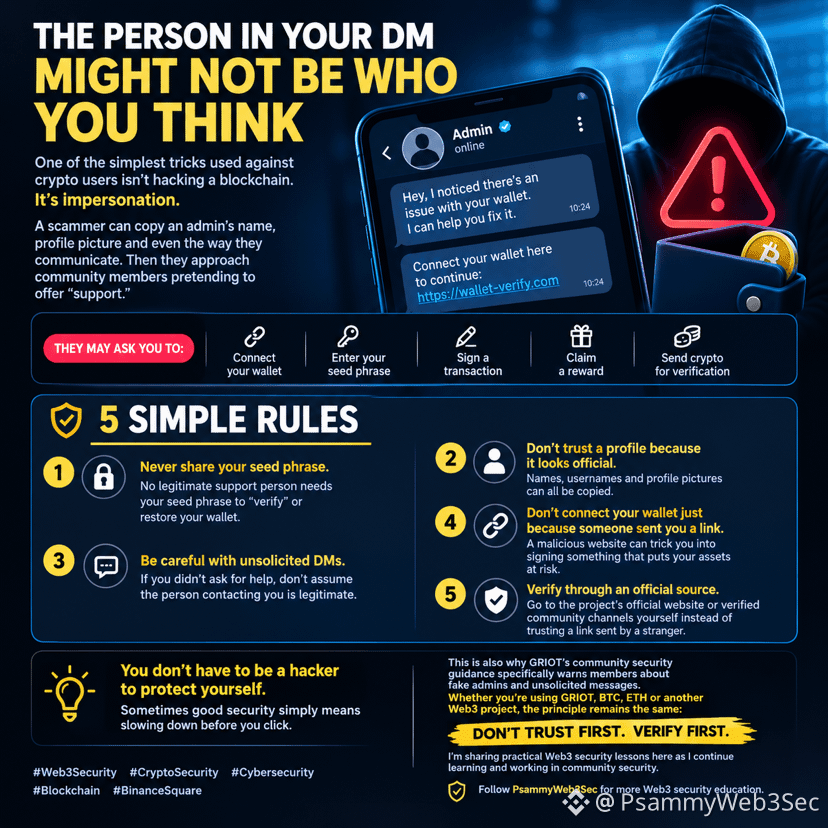
قبل أن ترد على رسالة DM هذه… 🛑 توقّف
قد لا يكون “المشرف” مسؤولًا فعلًا.
في الويب3، لا يهاجم المحتالون محفظتك دائمًا بشكل مباشر — أحيانًا يهاجمون ثقتك.
ملف شخصي مُنسخ. رسالة مُقنعة. رابط خبيث واحد.
نقرة واحدة خاطئة قد تعرض أصولك للخطر.
لا تشارك عبارة الاسترداد (seed phrase).
تحقّق قبل أن تثق.
فكّر قبل أن تتصل أو توقع.
لا تثق أولًا. تحقّق أولًا.
ابقَ يقظًا. ابقَ آمنًا.
#Web3Security #CryptoSecurity #CyberSecurity #ScamAwareness #BinanceSquare
قبل أن ترد على رسالة DM هذه… 🛑 توقّف
قد لا يكون “المشرف” مسؤولًا فعلًا.
في الويب3، لا يهاجم المحتالون محفظتك دائمًا بشكل مباشر — أحيانًا يهاجمون ثقتك.
ملف شخصي مُنسخ. رسالة مُقنعة. رابط خبيث واحد.
نقرة واحدة خاطئة قد تعرض أصولك للخطر.
لا تشارك عبارة الاسترداد (seed phrase).
تحقّق قبل أن تثق.
فكّر قبل أن تتصل أو توقع.
لا تثق أولًا. تحقّق أولًا.
ابقَ يقظًا. ابقَ آمنًا.
#Web3Security #CryptoSecurity #CyberSecurity #ScamAwareness #BinanceSquare
قد لا يكون “المشرف” مسؤولًا فعلًا.
في الويب3، لا يهاجم المحتالون محفظتك دائمًا بشكل مباشر — أحيانًا يهاجمون ثقتك.
ملف شخصي مُنسخ. رسالة مُقنعة. رابط خبيث واحد.
نقرة واحدة خاطئة قد تعرض أصولك للخطر.
لا تشارك عبارة الاسترداد (seed phrase).
تحقّق قبل أن تثق.
فكّر قبل أن تتصل أو توقع.
لا تثق أولًا. تحقّق أولًا.
ابقَ يقظًا. ابقَ آمنًا.
#Web3Security #CryptoSecurity #CyberSecurity #ScamAwareness #BinanceSquare
2
103
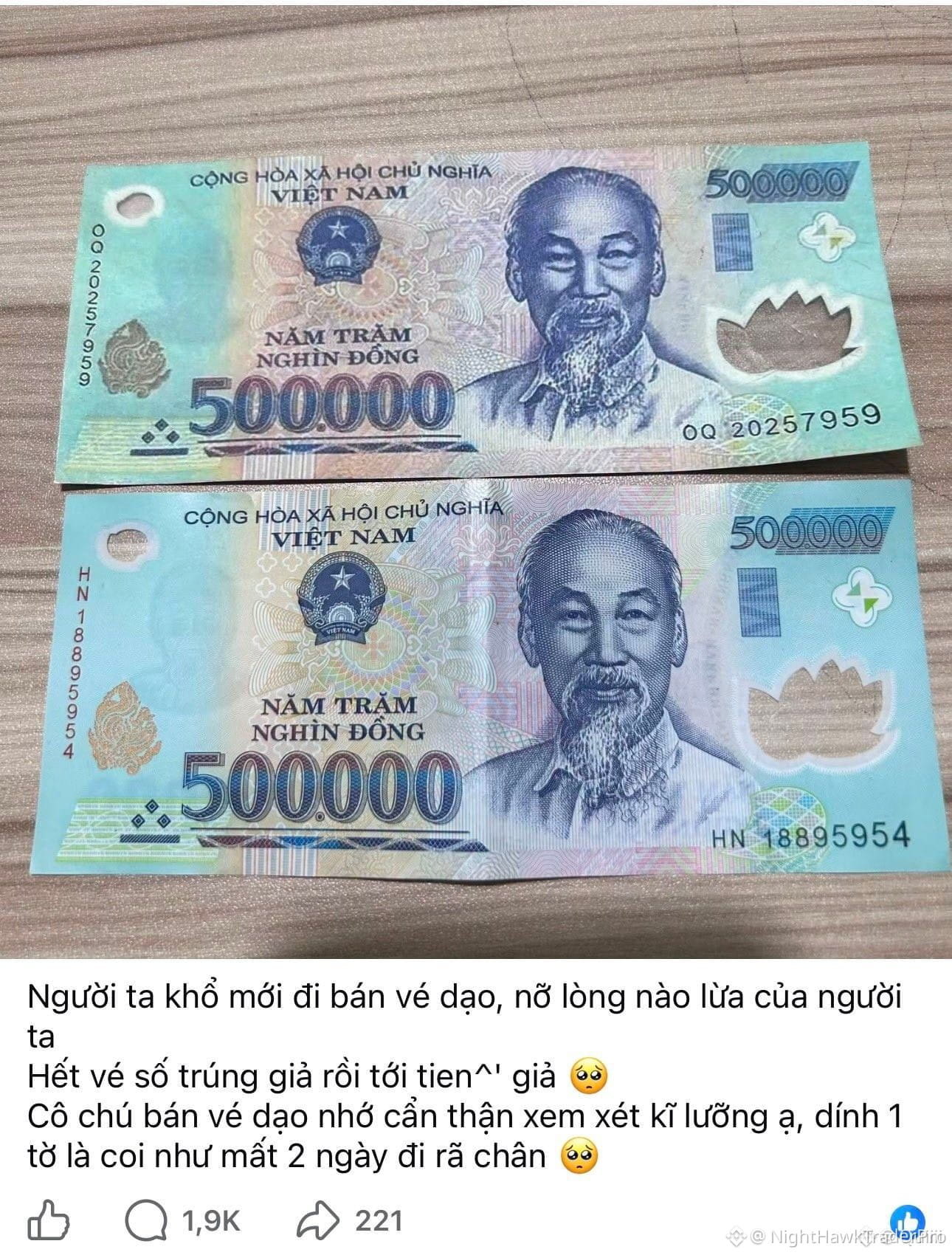
🚨 $USDT SCAM RADAR: نقود مزيفة تفترس الأكثر عرضة للخطر! 💣
📌 الاحتيالات ليست فقط العقود الذكية والرموز المزيفة. الأموال المقلدة التي تستهدف باعة اليانصيب هي احتيال على مستوى الشارع بلا أي ميزة، بل قسوة فقط. 🦈 النمط نفسه يظهر في مخططات قريبة من $USDT : جذب أشخاصًا ضعفاء، تزوير الثقة، ثم الاختفاء.
💡 إذا كانت الخدعة تبدو كاستغلال، فهي ليست تداولًا؛ إنها فخ. احمِ رأس مالك، لكن احمِ أيضًا إنسانيتك. 💬 هل ستقصر السوق مليئًا بالمحتالين، أم ستضعهم في القائمة السوداء أولًا؟ 👇
⚠️ ليست نصيحة مالية. دائمًا أدِر مخاطرك. 🛡️
🏷️ #USDT #ScamAwareness #CryptoSafety #RiskManagement
🔥 🦈
🚨 $USDT SCAM RADAR: نقود مزيفة تفترس الأكثر عرضة للخطر! 💣
📌 الاحتيالات ليست فقط العقود الذكية والرموز المزيفة. الأموال المقلدة التي تستهدف باعة اليانصيب هي احتيال على مستوى الشارع بلا أي ميزة، بل قسوة فقط. 🦈 النمط نفسه يظهر في مخططات قريبة من $USDT : جذب أشخاصًا ضعفاء، تزوير الثقة، ثم الاختفاء.
💡 إذا كانت الخدعة تبدو كاستغلال، فهي ليست تداولًا؛ إنها فخ. احمِ رأس مالك، لكن احمِ أيضًا إنسانيتك. 💬 هل ستقصر السوق مليئًا بالمحتالين، أم ستضعهم في القائمة السوداء أولًا؟ 👇
⚠️ ليست نصيحة مالية. دائمًا أدِر مخاطرك. 🛡️
🏷️ #USDT #ScamAwareness #CryptoSafety #RiskManagement
🔥 🦈
📌 الاحتيالات ليست فقط العقود الذكية والرموز المزيفة. الأموال المقلدة التي تستهدف باعة اليانصيب هي احتيال على مستوى الشارع بلا أي ميزة، بل قسوة فقط. 🦈 النمط نفسه يظهر في مخططات قريبة من $USDT : جذب أشخاصًا ضعفاء، تزوير الثقة، ثم الاختفاء.
💡 إذا كانت الخدعة تبدو كاستغلال، فهي ليست تداولًا؛ إنها فخ. احمِ رأس مالك، لكن احمِ أيضًا إنسانيتك. 💬 هل ستقصر السوق مليئًا بالمحتالين، أم ستضعهم في القائمة السوداء أولًا؟ 👇
⚠️ ليست نصيحة مالية. دائمًا أدِر مخاطرك. 🛡️
🏷️ #USDT #ScamAwareness #CryptoSafety #RiskManagement
🔥 🦈
78
·
--
مقالة
التسول 🙏 عبر البلوك تشينلقد رأينا ذلك جميعًا،
إنها موجودة في كل مكان حولنا،
إنها تنتشر مثل حريق هائل!
أعتقد أن الوقت قد حان ليقوم باينانس بعمل شيء حيال ذلك ...
ما أتحدث عنه هو: التسول الاحترافي!
وأنا لا أقصد الناس الذين يقولون: أعطني مظروفًا أحمر، أنا أتحدث عن مُحتالين محترفين يتظاهرون بأنهم يحتاجون المال من أجل شيء محدد:
" من فضلكيي! عمي مريض جدًا والآن يحتاج لعملية عاجلة وإلا سيموت، ومعه ستموت كل عائلتي، ونحتاج فقط إلى 8678$ لإجراء العملية 😢" ....
التسول 🙏 عبر البلوك تشين
لقد رأينا ذلك جميعًا،
إنها موجودة في كل مكان حولنا،
إنها تنتشر مثل حريق هائل!
أعتقد أن الوقت قد حان ليقوم باينانس بعمل شيء حيال ذلك ...
ما أتحدث عنه هو: التسول الاحترافي!
وأنا لا أقصد الناس الذين يقولون: أعطني مظروفًا أحمر، أنا أتحدث عن مُحتالين محترفين يتظاهرون بأنهم يحتاجون المال من أجل شيء محدد:
" من فضلكيي! عمي مريض جدًا والآن يحتاج لعملية عاجلة وإلا سيموت، ومعه ستموت كل عائلتي، ونحتاج فقط إلى 8678$ لإجراء العملية 😢" ....
إنها موجودة في كل مكان حولنا،
إنها تنتشر مثل حريق هائل!
أعتقد أن الوقت قد حان ليقوم باينانس بعمل شيء حيال ذلك ...
ما أتحدث عنه هو: التسول الاحترافي!
وأنا لا أقصد الناس الذين يقولون: أعطني مظروفًا أحمر، أنا أتحدث عن مُحتالين محترفين يتظاهرون بأنهم يحتاجون المال من أجل شيء محدد:
" من فضلكيي! عمي مريض جدًا والآن يحتاج لعملية عاجلة وإلا سيموت، ومعه ستموت كل عائلتي، ونحتاج فقط إلى 8678$ لإجراء العملية 😢" ....
1
2
512

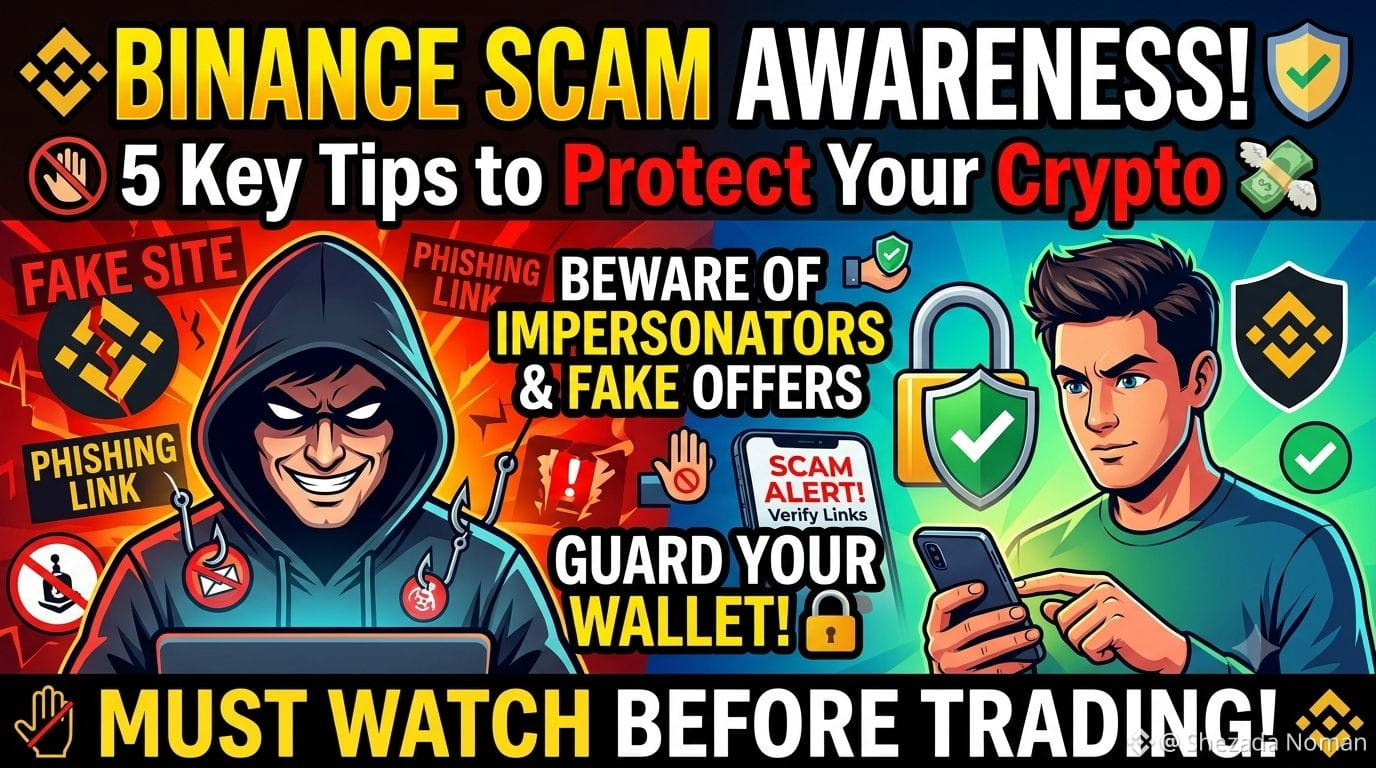
🚨 انتبه وكن حذرًا: احمِ عملتك الرقمية من عمليات الاحتيال! 🛡️
مع تزايد اعتماد العملات المشفرة، يقوم المحتالون باستمرار بتحسين أساليبهم لسرقة أموالك التي كسبتها بصعوبة 💸. إن البقاء على اطلاع هو أفضل خط دفاع لك! إليك أهم ممارسات الأمان التي يجب على كل متداول اتباعها:$SAGA
دعم مزيف و«مُحتالون» ⚠️: لن يقوم موظفو Binance الرسميون أبدًا بمراسلتك أولًا على Telegram أو WhatsApp أو وسائل التواصل الاجتماعي لطلب كلمات المرور أو عبارات الاسترداد (seed phrases) أو المفاتيح الخاصة 🔑. تحقّق دائمًا من الروابط الرسمية عبر Binance Verify.$VTHO
روابط التصيّد الاحتيالي 🌐: تحقق دائمًا من عناوين النطاق (URL) قبل تسجيل الدخول أو ربط محفظتك. مواقع احتيالية تقوم بنسخ الواجهات الحقيقية لسرقة بيانات اعتمادك 🎣.$ZEC
وعود «عائد مضمون» 🚫: إذا كانت مجموعة استثمار أو منصة ما تعد بأرباح يومية ثابتة أو بعوائد مرتفعة دون أي مخاطرة تقريبًا، فمن المحتمل جدًا أنها عملية احتيال ❌.
احمِ 2FA الخاص بك 🔒: لا تشارك أبدًا رموز 2FA أو رسائل SMS OTP أو كلمات المرور مع أي شخص تحت أي ظرف من الظروف!
ابقَ يقظًا، وتحقق من كل خطوة مرتين، واحمِ أصولك! 💪✨
#scamriskwarning #ScamAwareness #Binancesecurity
🚨 انتبه وكن حذرًا: احمِ عملتك الرقمية من عمليات الاحتيال! 🛡️
مع تزايد اعتماد العملات المشفرة، يقوم المحتالون باستمرار بتحسين أساليبهم لسرقة أموالك التي كسبتها بصعوبة 💸. إن البقاء على اطلاع هو أفضل خط دفاع لك! إليك أهم ممارسات الأمان التي يجب على كل متداول اتباعها:$SAGA
دعم مزيف و«مُحتالون» ⚠️: لن يقوم موظفو Binance الرسميون أبدًا بمراسلتك أولًا على Telegram أو WhatsApp أو وسائل التواصل الاجتماعي لطلب كلمات المرور أو عبارات الاسترداد (seed phrases) أو المفاتيح الخاصة 🔑. تحقّق دائمًا من الروابط الرسمية عبر Binance Verify.$VTHO
روابط التصيّد الاحتيالي 🌐: تحقق دائمًا من عناوين النطاق (URL) قبل تسجيل الدخول أو ربط محفظتك. مواقع احتيالية تقوم بنسخ الواجهات الحقيقية لسرقة بيانات اعتمادك 🎣.$ZEC
وعود «عائد مضمون» 🚫: إذا كانت مجموعة استثمار أو منصة ما تعد بأرباح يومية ثابتة أو بعوائد مرتفعة دون أي مخاطرة تقريبًا، فمن المحتمل جدًا أنها عملية احتيال ❌.
احمِ 2FA الخاص بك 🔒: لا تشارك أبدًا رموز 2FA أو رسائل SMS OTP أو كلمات المرور مع أي شخص تحت أي ظرف من الظروف!
ابقَ يقظًا، وتحقق من كل خطوة مرتين، واحمِ أصولك! 💪✨
#scamriskwarning #ScamAwareness #Binancesecurity
مع تزايد اعتماد العملات المشفرة، يقوم المحتالون باستمرار بتحسين أساليبهم لسرقة أموالك التي كسبتها بصعوبة 💸. إن البقاء على اطلاع هو أفضل خط دفاع لك! إليك أهم ممارسات الأمان التي يجب على كل متداول اتباعها:$SAGA
دعم مزيف و«مُحتالون» ⚠️: لن يقوم موظفو Binance الرسميون أبدًا بمراسلتك أولًا على Telegram أو WhatsApp أو وسائل التواصل الاجتماعي لطلب كلمات المرور أو عبارات الاسترداد (seed phrases) أو المفاتيح الخاصة 🔑. تحقّق دائمًا من الروابط الرسمية عبر Binance Verify.$VTHO
روابط التصيّد الاحتيالي 🌐: تحقق دائمًا من عناوين النطاق (URL) قبل تسجيل الدخول أو ربط محفظتك. مواقع احتيالية تقوم بنسخ الواجهات الحقيقية لسرقة بيانات اعتمادك 🎣.$ZEC
وعود «عائد مضمون» 🚫: إذا كانت مجموعة استثمار أو منصة ما تعد بأرباح يومية ثابتة أو بعوائد مرتفعة دون أي مخاطرة تقريبًا، فمن المحتمل جدًا أنها عملية احتيال ❌.
احمِ 2FA الخاص بك 🔒: لا تشارك أبدًا رموز 2FA أو رسائل SMS OTP أو كلمات المرور مع أي شخص تحت أي ظرف من الظروف!
ابقَ يقظًا، وتحقق من كل خطوة مرتين، واحمِ أصولك! 💪✨
#scamriskwarning #ScamAwareness #Binancesecurity
230
🚨تنبيه احتيال في العملات الرقمية: احمِ أموالك
غالبًا ما ينشئ المحتالون “airdrops” مزيفة، ويقلدون فرق الدعم، أو يعدون بأرباح مضمونة للضغط على المستخدمين للقيام بذلك بسرعة.
تذكر: • لا تشارك عبارة البذور (seed phrase) أو المفتاح الخاص أو رموز التحقق• تحقّق من الروابط والحسابات عبر قنوات Binance الرسمية.
كن حذرًا من الرسائل “العاجلة” ومن العوائد غير الواقعية.
تأكد دائمًا من عناوين المحفظة قبل إرسال الأموال
في عالم العملات الرقمية، تُعدّ السلامة جزءًا من الاستثمار. ابقَ يقظًا، وابقَ آمنًا. 🔐
$BTC $GOOGL.US
#CryptoScams #Crypto_Jobs🎯
#ScamAwareness #ScamAware
🚨تنبيه احتيال في العملات الرقمية: احمِ أموالك
غالبًا ما ينشئ المحتالون “airdrops” مزيفة، ويقلدون فرق الدعم، أو يعدون بأرباح مضمونة للضغط على المستخدمين للقيام بذلك بسرعة.
تذكر: • لا تشارك عبارة البذور (seed phrase) أو المفتاح الخاص أو رموز التحقق• تحقّق من الروابط والحسابات عبر قنوات Binance الرسمية.
كن حذرًا من الرسائل “العاجلة” ومن العوائد غير الواقعية.
تأكد دائمًا من عناوين المحفظة قبل إرسال الأموال
في عالم العملات الرقمية، تُعدّ السلامة جزءًا من الاستثمار. ابقَ يقظًا، وابقَ آمنًا. 🔐
$BTC $GOOGL.US
#CryptoScams #Crypto_Jobs🎯
#ScamAwareness #ScamAware
غالبًا ما ينشئ المحتالون “airdrops” مزيفة، ويقلدون فرق الدعم، أو يعدون بأرباح مضمونة للضغط على المستخدمين للقيام بذلك بسرعة.
تذكر: • لا تشارك عبارة البذور (seed phrase) أو المفتاح الخاص أو رموز التحقق• تحقّق من الروابط والحسابات عبر قنوات Binance الرسمية.
كن حذرًا من الرسائل “العاجلة” ومن العوائد غير الواقعية.
تأكد دائمًا من عناوين المحفظة قبل إرسال الأموال
في عالم العملات الرقمية، تُعدّ السلامة جزءًا من الاستثمار. ابقَ يقظًا، وابقَ آمنًا. 🔐
$BTC $GOOGL.US
#CryptoScams #Crypto_Jobs🎯
#ScamAwareness #ScamAware
GOOGLUS-0.82%
30

·
--
الأمان & الاحتيالات (خام & عملي)
تذكير سريع لأن الناس ما زالوا يقعون في هذا كل يوم:
• الدعم لن يراسلك أولًا أبدًا.
• لا أحد سيضاعف عملاتك الرقمية خلال 24 ساعة.
• أوقف 2FA عبر SMS الآن—واستخدم تطبيق مصادقة بدلًا من ذلك.
تحقيق الأرباح لا يعني شيئًا إذا لم تؤمّن المحفظة. كن يقظًا هناك.
#BinanceSafety $BITCOIN #ScamAwareness #StayUpdated
الأمان & الاحتيالات (خام & عملي)
تذكير سريع لأن الناس ما زالوا يقعون في هذا كل يوم:
• الدعم لن يراسلك أولًا أبدًا.
• لا أحد سيضاعف عملاتك الرقمية خلال 24 ساعة.
• أوقف 2FA عبر SMS الآن—واستخدم تطبيق مصادقة بدلًا من ذلك.
تحقيق الأرباح لا يعني شيئًا إذا لم تؤمّن المحفظة. كن يقظًا هناك.
#BinanceSafety $BITCOIN #ScamAwareness #StayUpdated
تذكير سريع لأن الناس ما زالوا يقعون في هذا كل يوم:
• الدعم لن يراسلك أولًا أبدًا.
• لا أحد سيضاعف عملاتك الرقمية خلال 24 ساعة.
• أوقف 2FA عبر SMS الآن—واستخدم تطبيق مصادقة بدلًا من ذلك.
تحقيق الأرباح لا يعني شيئًا إذا لم تؤمّن المحفظة. كن يقظًا هناك.
#BinanceSafety $BITCOIN #ScamAwareness #StayUpdated
148
·
--
🚨📣⚠️ تنبيه نصّاب!!!
أبلِغوا!
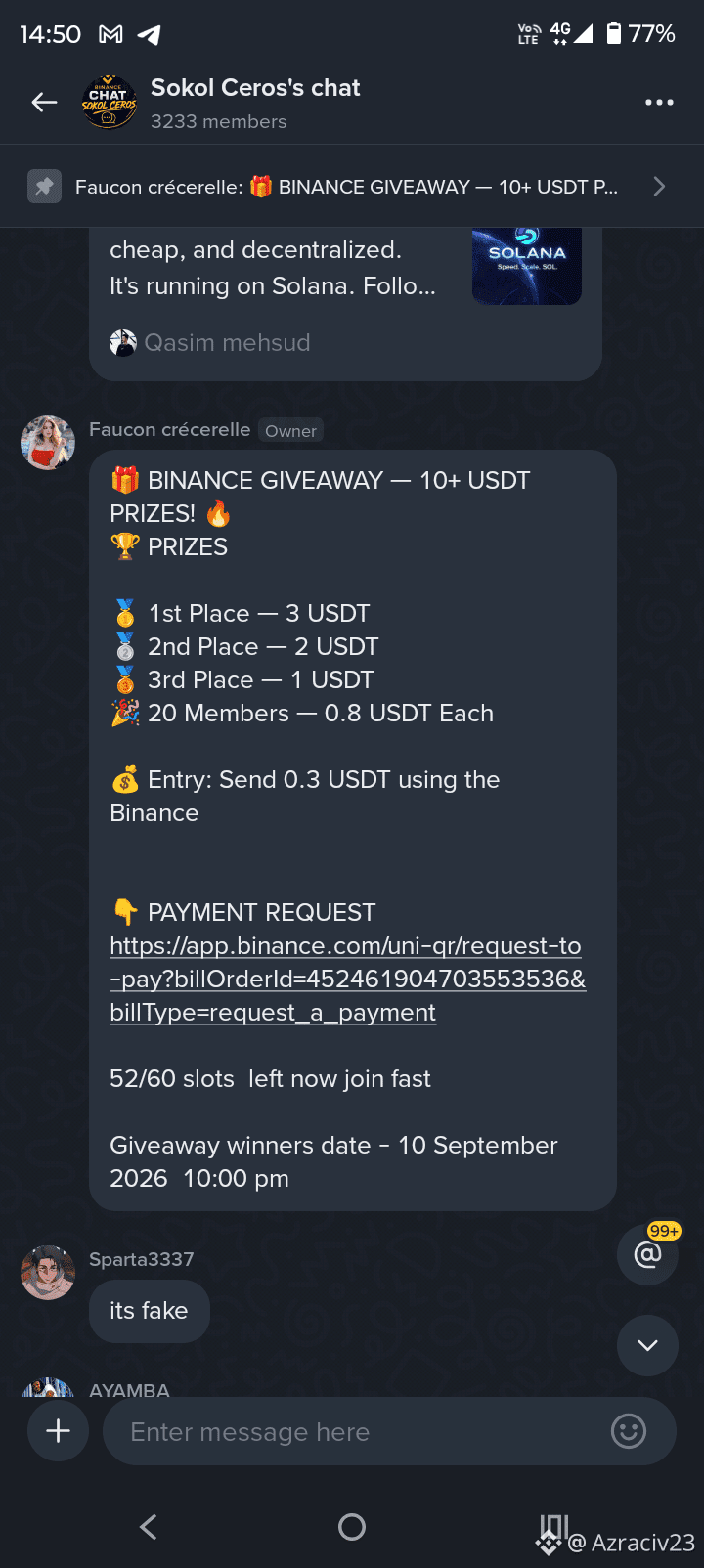
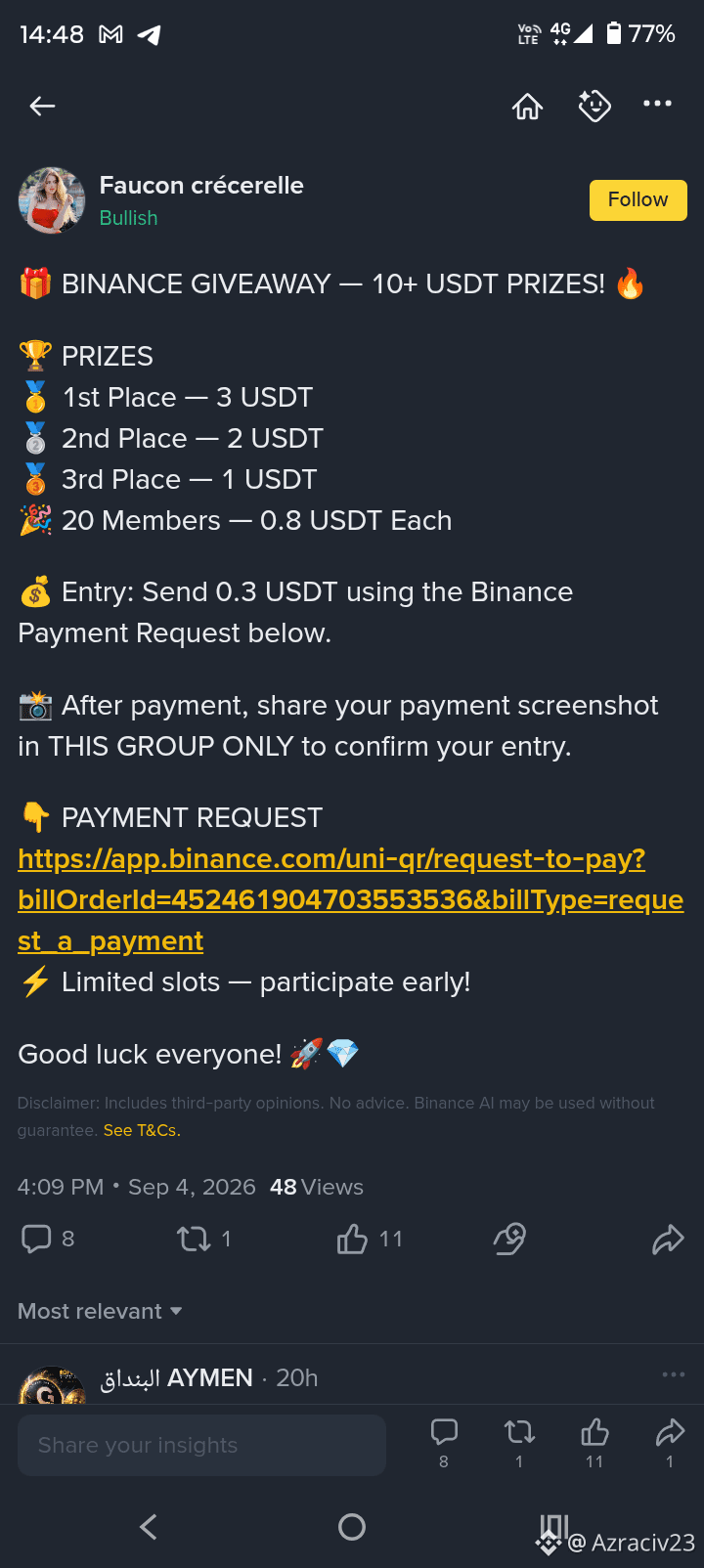
يرجى إلقاء نظرة على هذا "الهدايا" الاحتيالية المزيفة على Binance square وأبلِغوا عنها!
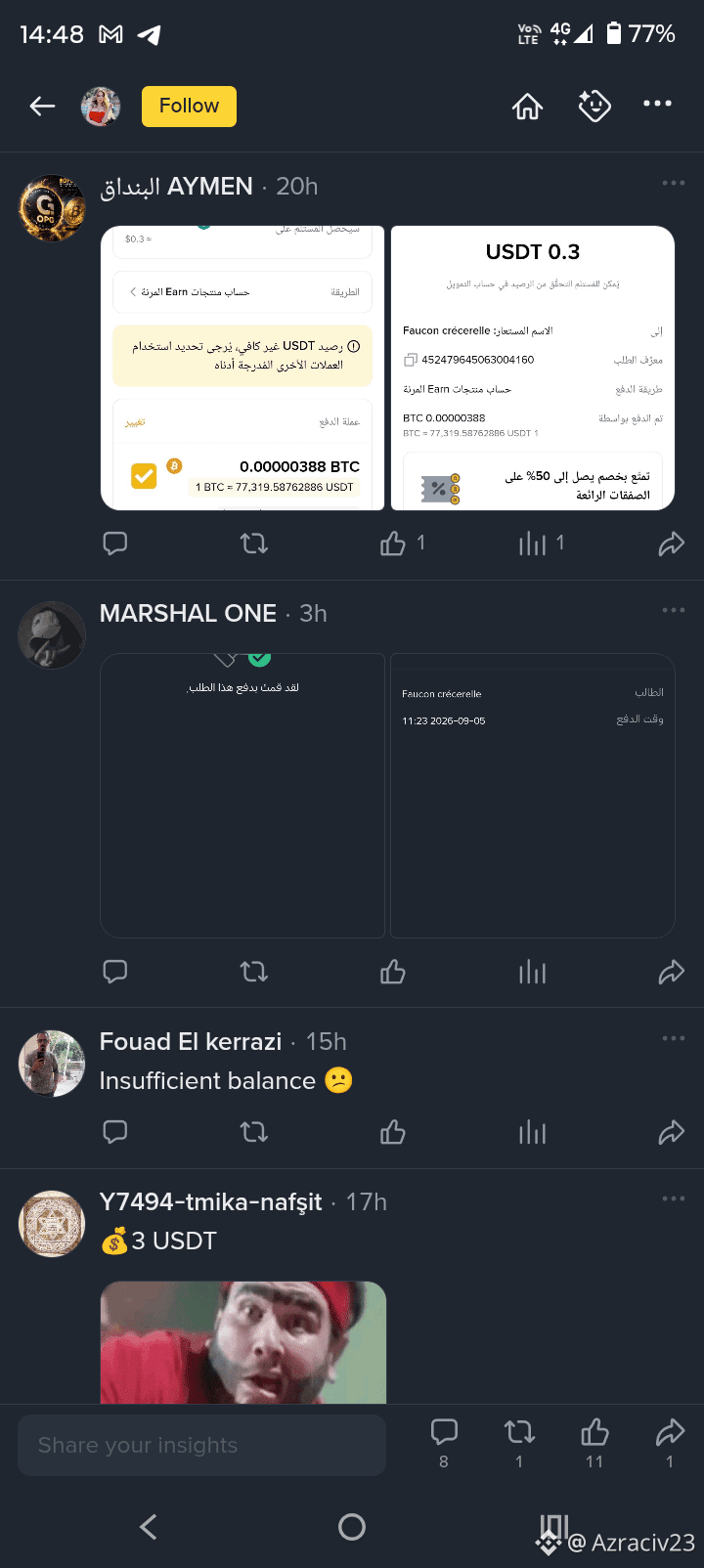
هي تطلب $ 0.3 من المستخدمين ليكونوا جزءًا من "هديتها الكبيرة على Binance" وبالطبع لا تدفع أي شيء! إنها عملية احتيال شائعة جدًا، لكن المستخدمين ما زالوا يقعون فيها ويدفعون لأنهم يعتقدون - إذا كانت على Binance square فلا بد أنها حقيقية!
إنها نصّابة بلا خجل!
أبلِغوا عنها!
انظروا بأنفسكم!
حافظوا على Square نظيفًا!
@Ramadone @Franc1s @Binance_Risk_Announcement @Binance_Risk_Buddy
#ScamAwareness
#ScamAlert
🚨📣⚠️ تنبيه نصّاب!!!
أبلِغوا!
يرجى إلقاء نظرة على هذا "الهدايا" الاحتيالية المزيفة على Binance square وأبلِغوا عنها!
هي تطلب $ 0.3 من المستخدمين ليكونوا جزءًا من "هديتها الكبيرة على Binance" وبالطبع لا تدفع أي شيء! إنها عملية احتيال شائعة جدًا، لكن المستخدمين ما زالوا يقعون فيها ويدفعون لأنهم يعتقدون - إذا كانت على Binance square فلا بد أنها حقيقية!
إنها نصّابة بلا خجل!
أبلِغوا عنها!
انظروا بأنفسكم!
حافظوا على Square نظيفًا!
@_Ram @Franc1s @Binance Risk Sniper @Binance Risk Buddy
#ScamAwareness
#ScamAlert
أبلِغوا!
يرجى إلقاء نظرة على هذا "الهدايا" الاحتيالية المزيفة على Binance square وأبلِغوا عنها!
هي تطلب $ 0.3 من المستخدمين ليكونوا جزءًا من "هديتها الكبيرة على Binance" وبالطبع لا تدفع أي شيء! إنها عملية احتيال شائعة جدًا، لكن المستخدمين ما زالوا يقعون فيها ويدفعون لأنهم يعتقدون - إذا كانت على Binance square فلا بد أنها حقيقية!
إنها نصّابة بلا خجل!
أبلِغوا عنها!
انظروا بأنفسكم!
حافظوا على Square نظيفًا!
@_Ram @Franc1s @Binance Risk Sniper @Binance Risk Buddy
#ScamAwareness
#ScamAlert
تم حذف محتوى الاقتباس
2
127

·
--
هل تعلم أن المحتالين ما زالوا يستهدفون الوافدين الجدد إلى عالم العملات المشفرة، وقد يصل الأمر إلى سرقة ما يصل إلى ١ مليون دولار *كل شهر*؟
هذا ليس سحراً؛ بل هو فخ ذكي يُسمى "تصيّدًا" (phishing scam)، أو بشكل أكثر تحديدًا، "سحبًا" (drainer scam) في عالم الكريبتو. تخدعك هذه الجرائم لتظن أنك تتعامل مع منصة شرعية، لكنها في الخفاء مُصممة لسرقة أصولك المشفرة. تخيّل الأمر مثل ماكينة صراف آلي مزيفة تبدو حقيقية لكنها تأخذ بطاقتك ولا تعطيك شيئًا—فقط في هذه الحالة تختفي أصولك الرقمية!
في الآونة الأخيرة، تمكنت أوكرانيا من تفكيك شبكة باستخدام إعلانات استثمار مزيفة على تيليغرام. تم توجيه الضحايا في الاتحاد الأوروبي إلى مواقع تبادل وهمية تبدو مطابقـة تماماً للنسخ الحقيقية. وعندما حاولوا الإيداع أو التداول، تم تفريغ محافظهم. استهدفوا من يبحثون عن أرباح سهلة، ووعدوا بتحقيق "النجوم" لكنهم قدموا محفظة فارغة.
الخلاصة؟ تحقق دائمًا—دائمًا—من عناوين الـ URL بدقة، واحذر من عروض الاستثمار غير المطلوبة، خصوصاً عبر وسائل التواصل الاجتماعي. إذا بدا الأمر جيداً لدرجة يصعب تصديقها، فعلى الأرجح أنه كذلك بالفعل. احمِ كنزك الرقمي! #CryptoSecurity #ScamAwareness
ما أكبر عملية احتيال في مجال العملات المشفرة سمعت عنها أو—ولحسن الحظ—تجنبتها؟ لنتعلم من بعضنا البعض!
هل تعلم أن المحتالين ما زالوا يستهدفون الوافدين الجدد إلى عالم العملات المشفرة، وقد يصل الأمر إلى سرقة ما يصل إلى ١ مليون دولار *كل شهر*؟
هذا ليس سحراً؛ بل هو فخ ذكي يُسمى "تصيّدًا" (phishing scam)، أو بشكل أكثر تحديدًا، "سحبًا" (drainer scam) في عالم الكريبتو. تخدعك هذه الجرائم لتظن أنك تتعامل مع منصة شرعية، لكنها في الخفاء مُصممة لسرقة أصولك المشفرة. تخيّل الأمر مثل ماكينة صراف آلي مزيفة تبدو حقيقية لكنها تأخذ بطاقتك ولا تعطيك شيئًا—فقط في هذه الحالة تختفي أصولك الرقمية!
في الآونة الأخيرة، تمكنت أوكرانيا من تفكيك شبكة باستخدام إعلانات استثمار مزيفة على تيليغرام. تم توجيه الضحايا في الاتحاد الأوروبي إلى مواقع تبادل وهمية تبدو مطابقـة تماماً للنسخ الحقيقية. وعندما حاولوا الإيداع أو التداول، تم تفريغ محافظهم. استهدفوا من يبحثون عن أرباح سهلة، ووعدوا بتحقيق "النجوم" لكنهم قدموا محفظة فارغة.
الخلاصة؟ تحقق دائمًا—دائمًا—من عناوين الـ URL بدقة، واحذر من عروض الاستثمار غير المطلوبة، خصوصاً عبر وسائل التواصل الاجتماعي. إذا بدا الأمر جيداً لدرجة يصعب تصديقها، فعلى الأرجح أنه كذلك بالفعل. احمِ كنزك الرقمي! #CryptoSecurity #ScamAwareness
ما أكبر عملية احتيال في مجال العملات المشفرة سمعت عنها أو—ولحسن الحظ—تجنبتها؟ لنتعلم من بعضنا البعض!
هذا ليس سحراً؛ بل هو فخ ذكي يُسمى "تصيّدًا" (phishing scam)، أو بشكل أكثر تحديدًا، "سحبًا" (drainer scam) في عالم الكريبتو. تخدعك هذه الجرائم لتظن أنك تتعامل مع منصة شرعية، لكنها في الخفاء مُصممة لسرقة أصولك المشفرة. تخيّل الأمر مثل ماكينة صراف آلي مزيفة تبدو حقيقية لكنها تأخذ بطاقتك ولا تعطيك شيئًا—فقط في هذه الحالة تختفي أصولك الرقمية!
في الآونة الأخيرة، تمكنت أوكرانيا من تفكيك شبكة باستخدام إعلانات استثمار مزيفة على تيليغرام. تم توجيه الضحايا في الاتحاد الأوروبي إلى مواقع تبادل وهمية تبدو مطابقـة تماماً للنسخ الحقيقية. وعندما حاولوا الإيداع أو التداول، تم تفريغ محافظهم. استهدفوا من يبحثون عن أرباح سهلة، ووعدوا بتحقيق "النجوم" لكنهم قدموا محفظة فارغة.
الخلاصة؟ تحقق دائمًا—دائمًا—من عناوين الـ URL بدقة، واحذر من عروض الاستثمار غير المطلوبة، خصوصاً عبر وسائل التواصل الاجتماعي. إذا بدا الأمر جيداً لدرجة يصعب تصديقها، فعلى الأرجح أنه كذلك بالفعل. احمِ كنزك الرقمي! #CryptoSecurity #ScamAwareness
ما أكبر عملية احتيال في مجال العملات المشفرة سمعت عنها أو—ولحسن الحظ—تجنبتها؟ لنتعلم من بعضنا البعض!
12

·
--
🛑تنبيه عملية احتيال 🇵🇰
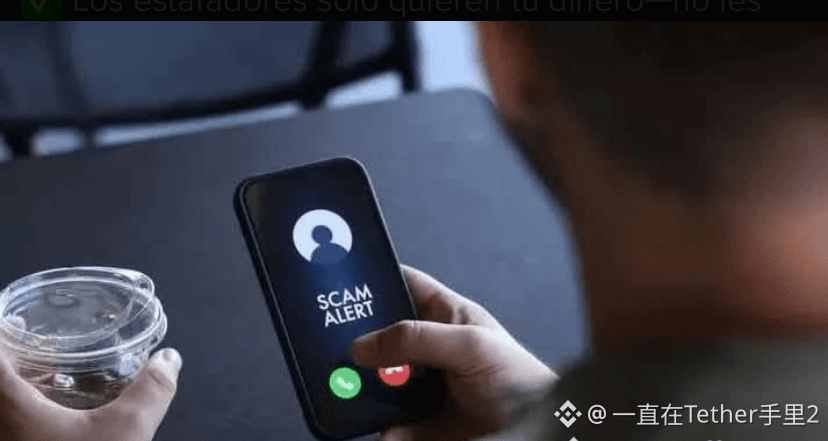
انتبه من إشارات التداول المزيفة و«الخبراء» المزعومين!
يشارك الجميع «إشارات» هذه الأيام، يتصرفون كأنهم خبراء في التداول—حتى أولئك الذين لا يملكون أي معرفة بالسوق! 🇵🇰
بلدنا بالفعل يواجه عددًا لا يحصى من الأزمات، والآن يجذب المحتالون الناس إلى عمليات احتيال في الفوركس والكرِبتو والتداول مع وعود كاذبة بتحقيق أرباح سهلة.
إليك الحقيقة:
✅ المتداولون الحقيقيون لا يملكون وقتًا لـ«إدارة» صفقاتك—فهم يركزون على استراتيجياتهم هم.
✅ المحتالون يريدون مالك فقط—لا يهمهم إن خسرت كل شيء.
✅ إذا بدت الوعود جيدة جدًا لتكون حقيقة، فذلك يعني أنها عملية احتيال!
لا تدع الجشع يعميك!
#Pakistan
#ScamAwareness
🛑تنبيه عملية احتيال 🇵🇰
انتبه من إشارات التداول المزيفة و«الخبراء» المزعومين!
يشارك الجميع «إشارات» هذه الأيام، يتصرفون كأنهم خبراء في التداول—حتى أولئك الذين لا يملكون أي معرفة بالسوق! 🇵🇰
بلدنا بالفعل يواجه عددًا لا يحصى من الأزمات، والآن يجذب المحتالون الناس إلى عمليات احتيال في الفوركس والكرِبتو والتداول مع وعود كاذبة بتحقيق أرباح سهلة.
إليك الحقيقة:
✅ المتداولون الحقيقيون لا يملكون وقتًا لـ«إدارة» صفقاتك—فهم يركزون على استراتيجياتهم هم.
✅ المحتالون يريدون مالك فقط—لا يهمهم إن خسرت كل شيء.
✅ إذا بدت الوعود جيدة جدًا لتكون حقيقة، فذلك يعني أنها عملية احتيال!
لا تدع الجشع يعميك!
#Pakistan
#ScamAwareness
انتبه من إشارات التداول المزيفة و«الخبراء» المزعومين!
يشارك الجميع «إشارات» هذه الأيام، يتصرفون كأنهم خبراء في التداول—حتى أولئك الذين لا يملكون أي معرفة بالسوق! 🇵🇰
بلدنا بالفعل يواجه عددًا لا يحصى من الأزمات، والآن يجذب المحتالون الناس إلى عمليات احتيال في الفوركس والكرِبتو والتداول مع وعود كاذبة بتحقيق أرباح سهلة.
إليك الحقيقة:
✅ المتداولون الحقيقيون لا يملكون وقتًا لـ«إدارة» صفقاتك—فهم يركزون على استراتيجياتهم هم.
✅ المحتالون يريدون مالك فقط—لا يهمهم إن خسرت كل شيء.
✅ إذا بدت الوعود جيدة جدًا لتكون حقيقة، فذلك يعني أنها عملية احتيال!
لا تدع الجشع يعميك!
#Pakistan
#ScamAwareness
92


·
--
صاعد
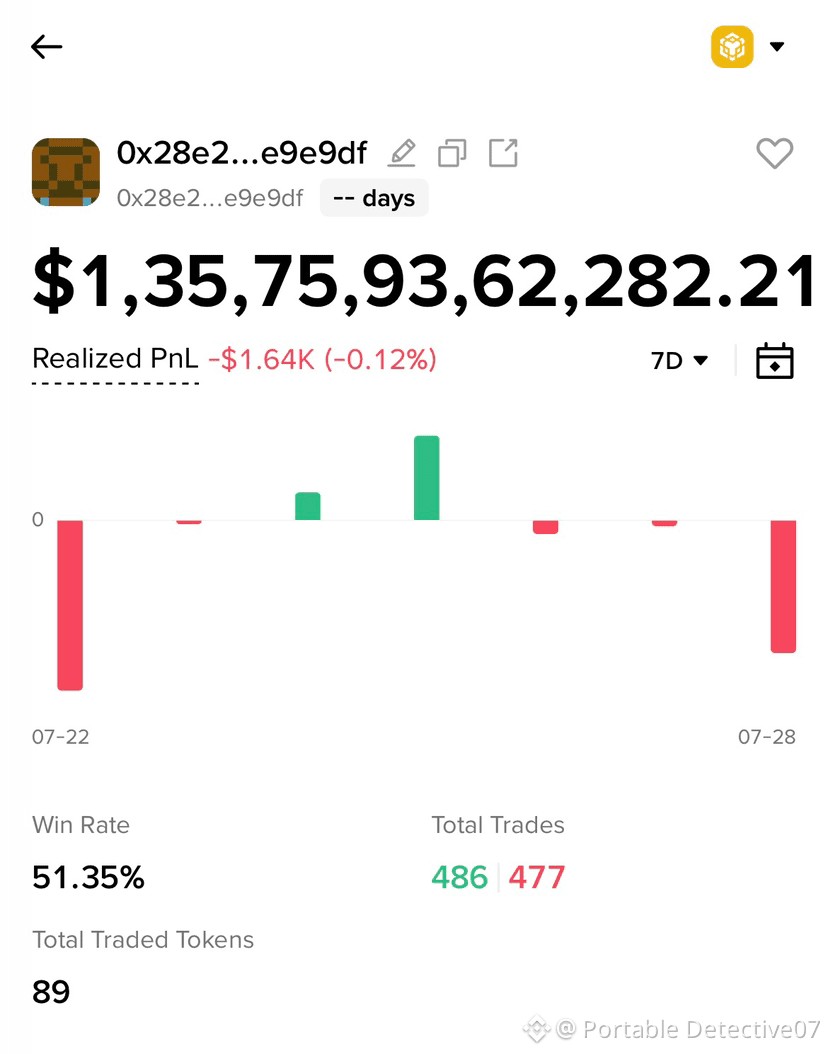
بالصدفة، وجدت عنوانًا يحتوي على مبالغ لا تُصدق من المال.
وبعد استكشاف العنوان، اكتشفت أن هذا العنوان يحتوي على رقم مزيف $BTC دون سيولة.
#ScamAwareness #Alert #BitcoinScam #Scam #BuyTheDip
{spot}(BTCUSDT)
بالصدفة، وجدت عنوانًا يحتوي على مبالغ لا تُصدق من المال.
وبعد استكشاف العنوان، اكتشفت أن هذا العنوان يحتوي على رقم مزيف $BTC دون سيولة.
#ScamAwareness #Alert #BitcoinScam #Scam #BuyTheDip
وبعد استكشاف العنوان، اكتشفت أن هذا العنوان يحتوي على رقم مزيف $BTC دون سيولة.
#ScamAwareness #Alert #BitcoinScam #Scam #BuyTheDip
1
442

·
--
صاعد
🛑 توقف عن السماح للمحتالين باستخدامك من أجل الشهرة! 🛑
الحسابات على أي منصة، مثل X، تعد بجوائز وهمية وكرات مالية فقط لجمع الإعجابات والمتابعات وإعادة النشر—ثم ينكثون بوعدهم. هذا غير أمين، ويجب أن ينتهي الآن.
دعونا نعلمهم درسًا. إذا قام حساب ما بتزييف جائزة في أي مكان، افعل هذا فورًا:
* **توقف عن المتابعة**
* **احظر**
* **أبلغ**
اجعلهم يفتقرون للتفاعل الذي يريدونه. المجتمعات الحقيقية تُبنى على الثقة، وليس على الضجة الزائفة. احترس من بعضكم البعض! 👊
#BinanceSquareTalks #ScamAwareness
$SPCX
{future}(SPCXUSDT)
🛑 توقف عن السماح للمحتالين باستخدامك من أجل الشهرة! 🛑
الحسابات على أي منصة، مثل X، تعد بجوائز وهمية وكرات مالية فقط لجمع الإعجابات والمتابعات وإعادة النشر—ثم ينكثون بوعدهم. هذا غير أمين، ويجب أن ينتهي الآن.
دعونا نعلمهم درسًا. إذا قام حساب ما بتزييف جائزة في أي مكان، افعل هذا فورًا:
* **توقف عن المتابعة**
* **احظر**
* **أبلغ**
اجعلهم يفتقرون للتفاعل الذي يريدونه. المجتمعات الحقيقية تُبنى على الثقة، وليس على الضجة الزائفة. احترس من بعضكم البعض! 👊
#BinanceSquareTalks #ScamAwareness
$SPCX
الحسابات على أي منصة، مثل X، تعد بجوائز وهمية وكرات مالية فقط لجمع الإعجابات والمتابعات وإعادة النشر—ثم ينكثون بوعدهم. هذا غير أمين، ويجب أن ينتهي الآن.
دعونا نعلمهم درسًا. إذا قام حساب ما بتزييف جائزة في أي مكان، افعل هذا فورًا:
* **توقف عن المتابعة**
* **احظر**
* **أبلغ**
اجعلهم يفتقرون للتفاعل الذي يريدونه. المجتمعات الحقيقية تُبنى على الثقة، وليس على الضجة الزائفة. احترس من بعضكم البعض! 👊
#BinanceSquareTalks #ScamAwareness
$SPCX
376

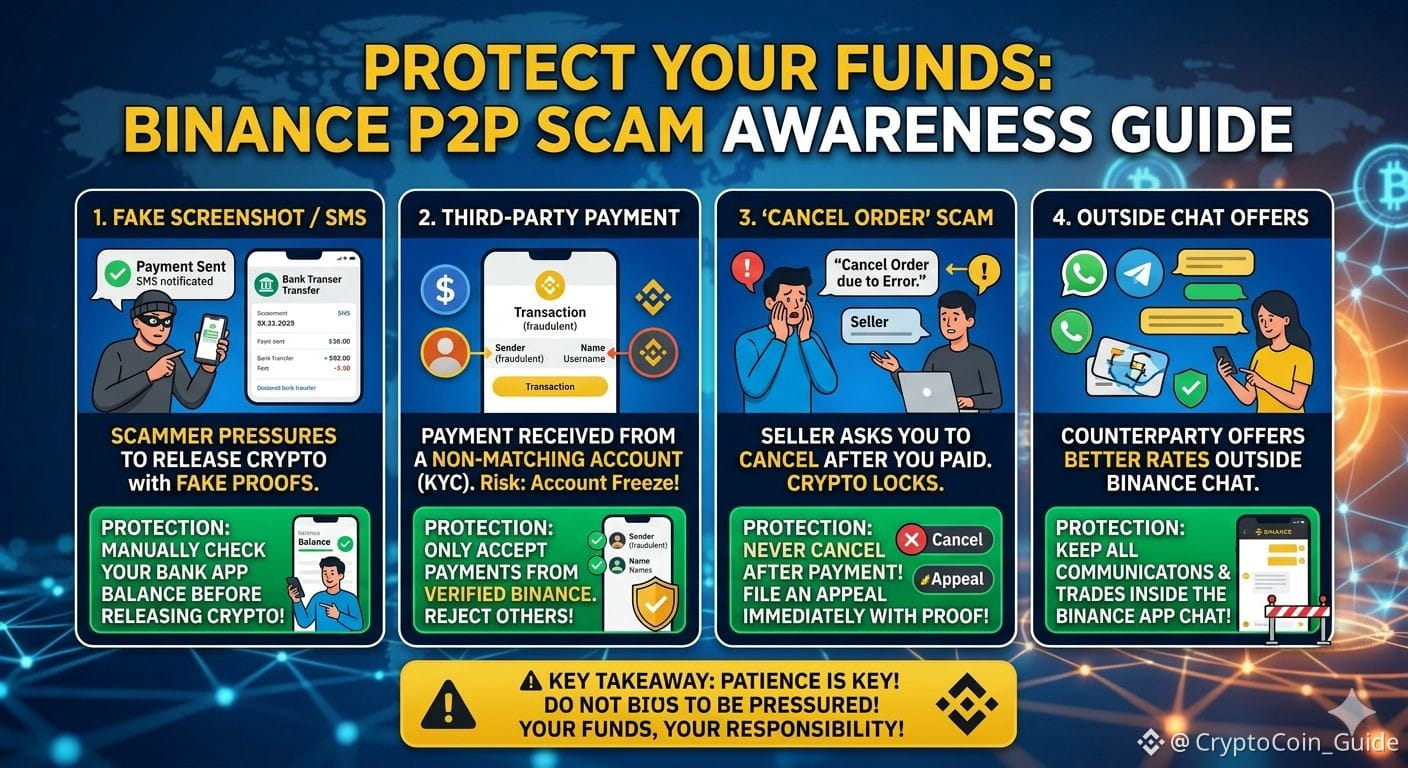
🚨 تنبيه احتيال جديد 🔥
في تداول P2P، التسرع قد يؤدي إلى خسائر كبيرة. احمِ نفسك من هذه 4 احتيالات شائعة:
لقطة شاشة / رسالة نصية مزيفة: المحتال يرسل إثبات دفع مزيف ويضغط عليك لتحرير الكريبتو.
الحماية: لا تطلق الكريبتو حتى تفتح يدويًا تطبيق البنك أو المحفظة الإلكترونية الخاصة بك وتتحقق من أن الأموال موجودة في رصيدك المتاح. لا تثق أبدًا بلقطات الشاشة.
دفع من طرف ثالث: تتلقى أموالًا من حساب لا يتطابق مع اسم مُرسل الأموال على Binance. هذا يمكن أن يؤدي إلى تجميد حسابك البنكي بسبب أموال احتيالية.
الحماية: اقبل المدفوعات فقط حيث يتطابق اسم الحساب البنكي تمامًا مع اسم KYC المعتمد على Binance.
احتيال "إلغاء الطلب": بعد أن ترسل المال، يدعي البائع أن خطأ مصرفي قد حدث ويطلب منك إلغاء الطلب حتى يستطيع إرجاع المال إليك.
الحماية: إذا كنت قد دفعت بالفعل، لا تلغِ الطلب أبدًا. إذا فعلت، سيعود الكريبتو إلى البائع. قدم طلب استئناف على الفور.
الدردشة خارج المنصة (واتساب/تيليجرام): الطرف المقابل يطلب نقل المحادثة خارج المنصة للحصول على "أسعار أفضل."
الحماية: احتفظ بجميع الاتصالات والمعاملات داخل تطبيق Binance الرسمي للبقاء محميًا بواسطة نظام الضمان.
⚠️ الخلاصة: الصبر هو المفتاح في تداول P2P. لا تدع أحدًا يضغط عليك للتصرف بسرعة!
#P2PScamAwareness #P2PScam #ScamAwareness
🚨 تنبيه احتيال جديد 🔥
في تداول P2P، التسرع قد يؤدي إلى خسائر كبيرة. احمِ نفسك من هذه 4 احتيالات شائعة:
لقطة شاشة / رسالة نصية مزيفة: المحتال يرسل إثبات دفع مزيف ويضغط عليك لتحرير الكريبتو.
الحماية: لا تطلق الكريبتو حتى تفتح يدويًا تطبيق البنك أو المحفظة الإلكترونية الخاصة بك وتتحقق من أن الأموال موجودة في رصيدك المتاح. لا تثق أبدًا بلقطات الشاشة.
دفع من طرف ثالث: تتلقى أموالًا من حساب لا يتطابق مع اسم مُرسل الأموال على Binance. هذا يمكن أن يؤدي إلى تجميد حسابك البنكي بسبب أموال احتيالية.
الحماية: اقبل المدفوعات فقط حيث يتطابق اسم الحساب البنكي تمامًا مع اسم KYC المعتمد على Binance.
احتيال "إلغاء الطلب": بعد أن ترسل المال، يدعي البائع أن خطأ مصرفي قد حدث ويطلب منك إلغاء الطلب حتى يستطيع إرجاع المال إليك.
الحماية: إذا كنت قد دفعت بالفعل، لا تلغِ الطلب أبدًا. إذا فعلت، سيعود الكريبتو إلى البائع. قدم طلب استئناف على الفور.
الدردشة خارج المنصة (واتساب/تيليجرام): الطرف المقابل يطلب نقل المحادثة خارج المنصة للحصول على "أسعار أفضل."
الحماية: احتفظ بجميع الاتصالات والمعاملات داخل تطبيق Binance الرسمي للبقاء محميًا بواسطة نظام الضمان.
⚠️ الخلاصة: الصبر هو المفتاح في تداول P2P. لا تدع أحدًا يضغط عليك للتصرف بسرعة!
#P2PScamAwareness #P2PScam #ScamAwareness
في تداول P2P، التسرع قد يؤدي إلى خسائر كبيرة. احمِ نفسك من هذه 4 احتيالات شائعة:
لقطة شاشة / رسالة نصية مزيفة: المحتال يرسل إثبات دفع مزيف ويضغط عليك لتحرير الكريبتو.
الحماية: لا تطلق الكريبتو حتى تفتح يدويًا تطبيق البنك أو المحفظة الإلكترونية الخاصة بك وتتحقق من أن الأموال موجودة في رصيدك المتاح. لا تثق أبدًا بلقطات الشاشة.
دفع من طرف ثالث: تتلقى أموالًا من حساب لا يتطابق مع اسم مُرسل الأموال على Binance. هذا يمكن أن يؤدي إلى تجميد حسابك البنكي بسبب أموال احتيالية.
الحماية: اقبل المدفوعات فقط حيث يتطابق اسم الحساب البنكي تمامًا مع اسم KYC المعتمد على Binance.
احتيال "إلغاء الطلب": بعد أن ترسل المال، يدعي البائع أن خطأ مصرفي قد حدث ويطلب منك إلغاء الطلب حتى يستطيع إرجاع المال إليك.
الحماية: إذا كنت قد دفعت بالفعل، لا تلغِ الطلب أبدًا. إذا فعلت، سيعود الكريبتو إلى البائع. قدم طلب استئناف على الفور.
الدردشة خارج المنصة (واتساب/تيليجرام): الطرف المقابل يطلب نقل المحادثة خارج المنصة للحصول على "أسعار أفضل."
الحماية: احتفظ بجميع الاتصالات والمعاملات داخل تطبيق Binance الرسمي للبقاء محميًا بواسطة نظام الضمان.
⚠️ الخلاصة: الصبر هو المفتاح في تداول P2P. لا تدع أحدًا يضغط عليك للتصرف بسرعة!
#P2PScamAwareness #P2PScam #ScamAwareness
378
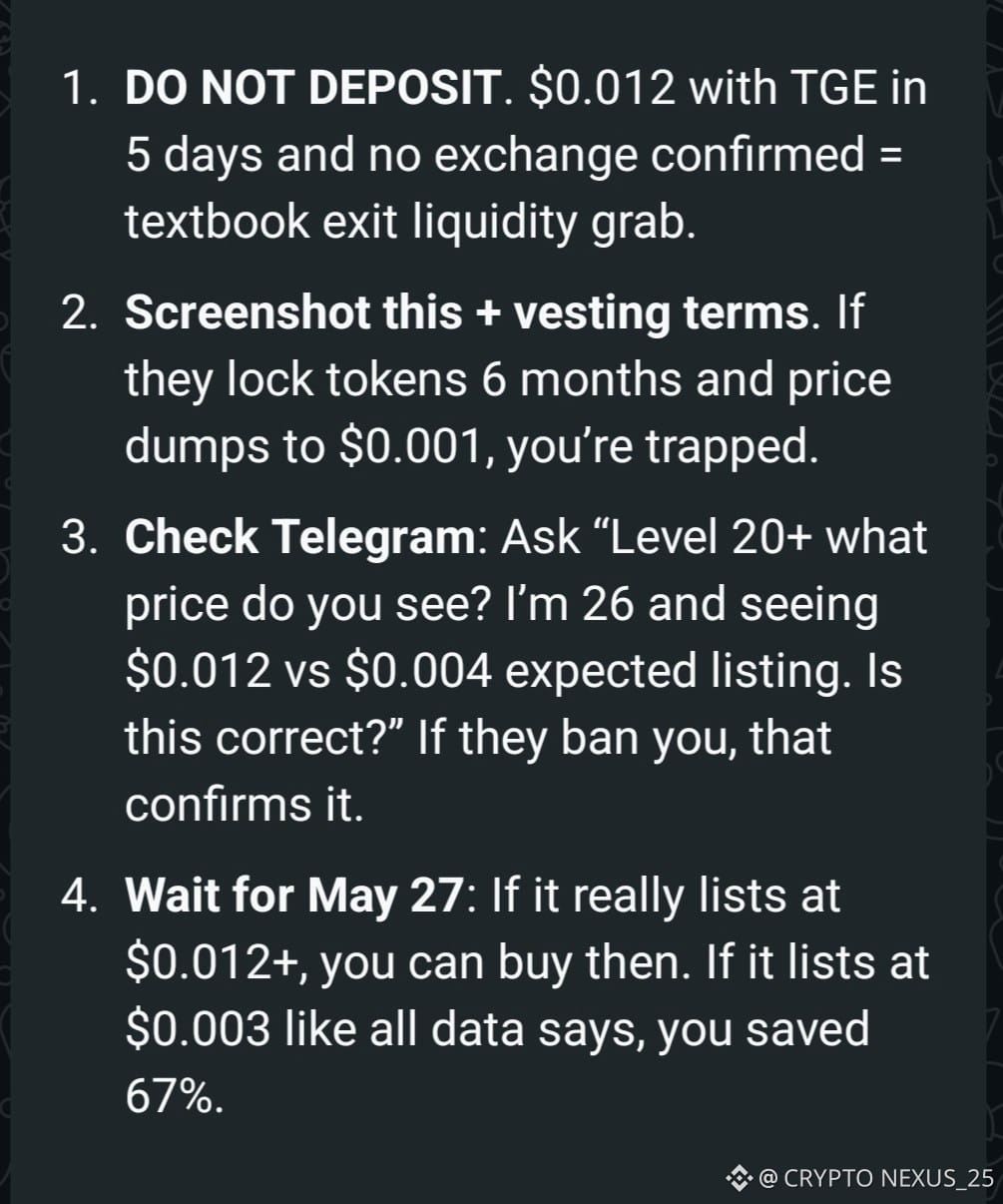
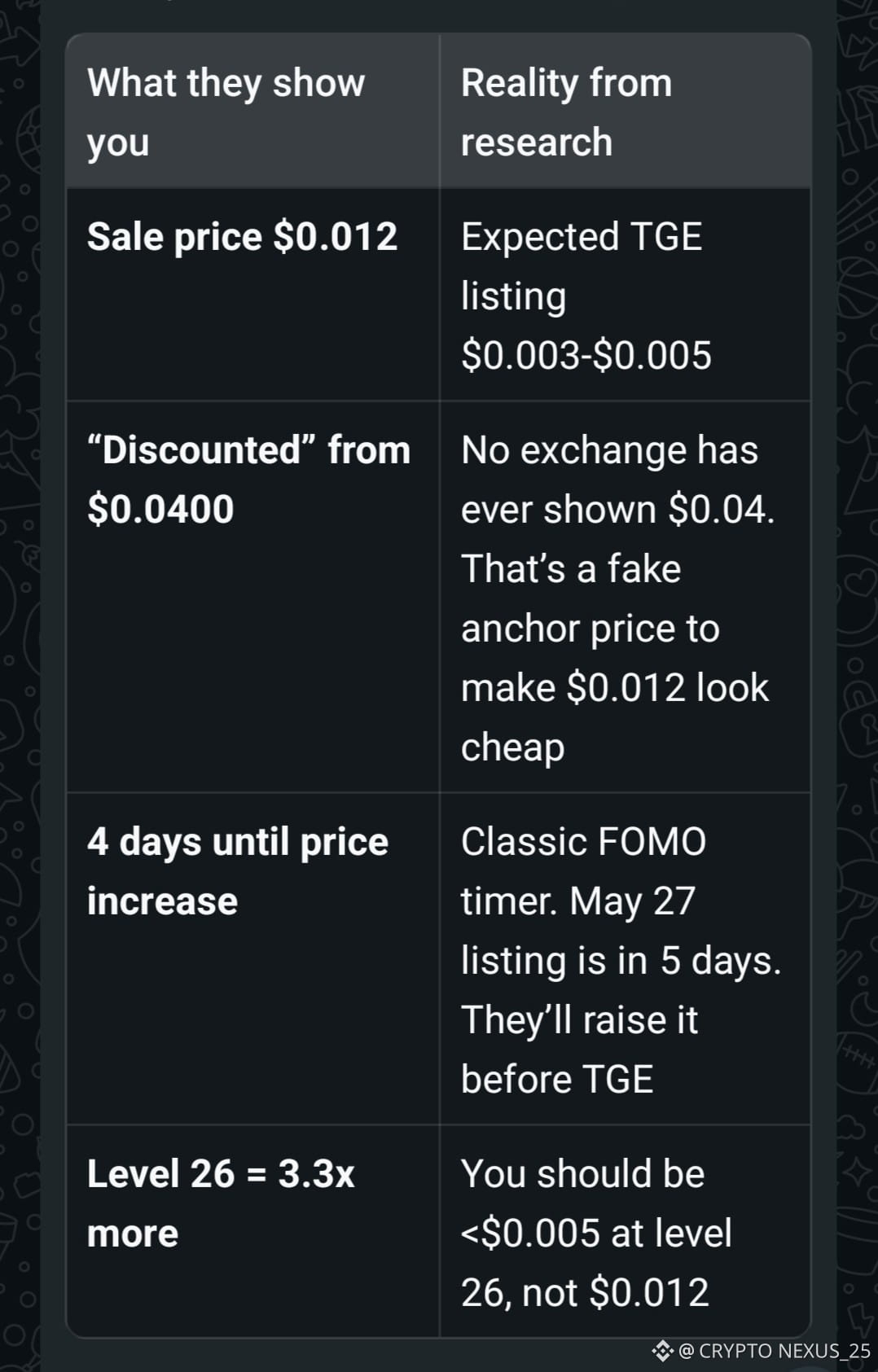
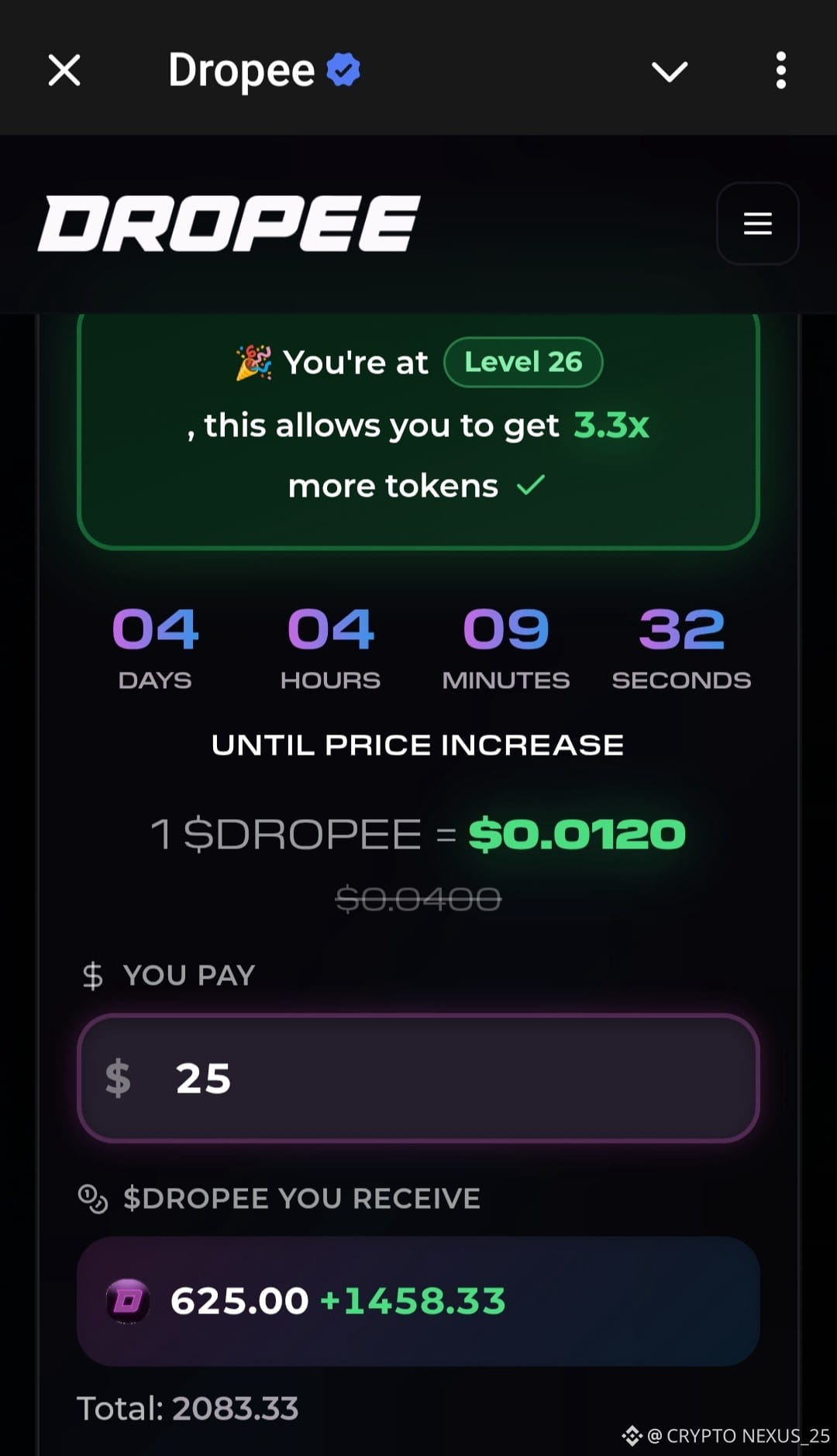
علم أحمر
المجتمع يقدم وفقًا لمستواك في dropee، وهم يعرضون بسعر أعلى بكثير من السعر المتوقع الحقيقي للإدراج.
تحقق دائمًا من كل شيء قبل الانخراط في مثل هذه المشاريع، وابتعد عن أن تكون ضحية لعملية احتيال.
#dropee #ScamAwareness #SafetyTips
كن يقظًا، وكن آمنًا
علم أحمر
المجتمع يقدم وفقًا لمستواك في dropee، وهم يعرضون بسعر أعلى بكثير من السعر المتوقع الحقيقي للإدراج.
تحقق دائمًا من كل شيء قبل الانخراط في مثل هذه المشاريع، وابتعد عن أن تكون ضحية لعملية احتيال.
#dropee #ScamAwareness #SafetyTips
كن يقظًا، وكن آمنًا
المجتمع يقدم وفقًا لمستواك في dropee، وهم يعرضون بسعر أعلى بكثير من السعر المتوقع الحقيقي للإدراج.
تحقق دائمًا من كل شيء قبل الانخراط في مثل هذه المشاريع، وابتعد عن أن تكون ضحية لعملية احتيال.
#dropee #ScamAwareness #SafetyTips
كن يقظًا، وكن آمنًا
1
300
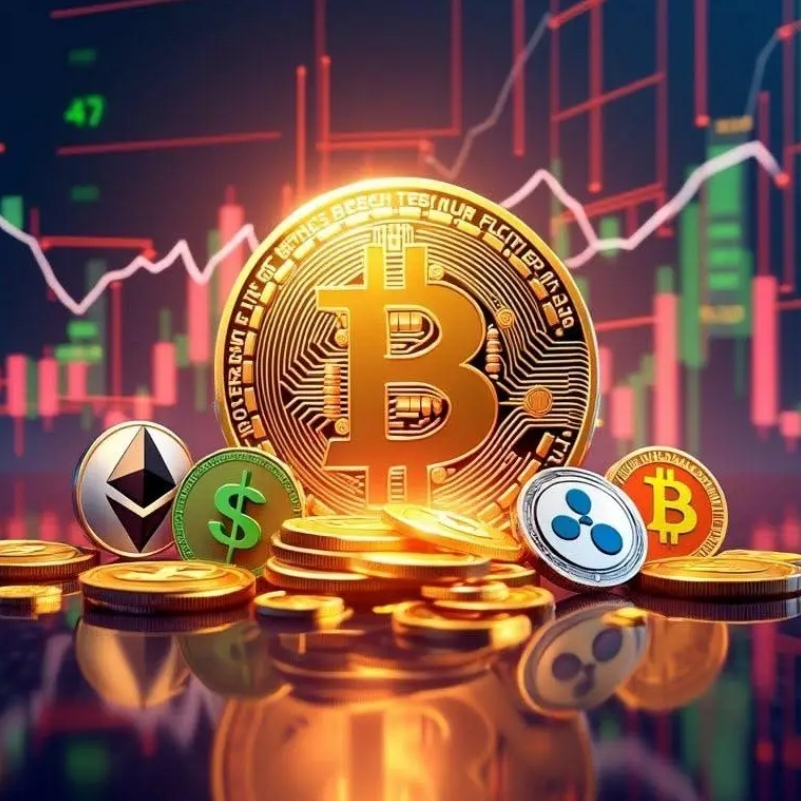
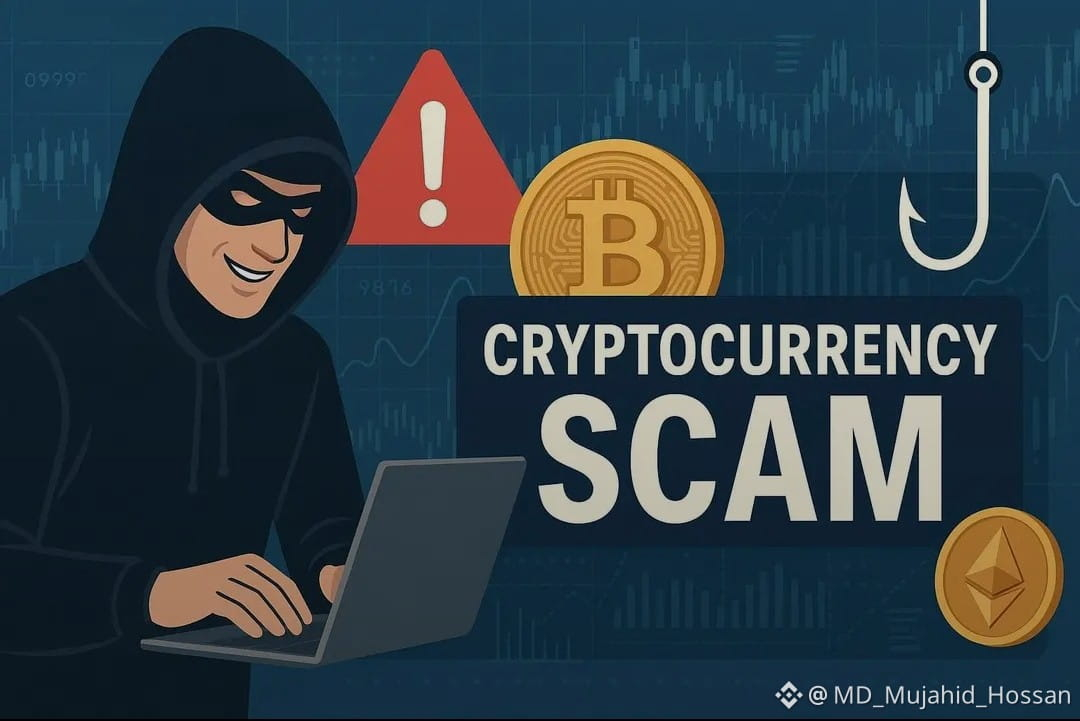
احتيال العملات المشفرة هو مخطط احتيالي مصمم لسرقة الأصول الرقمية مثل البيتكوين أو المعلومات الشخصية من المستثمرين والمتداولين. غالبًا ما يستخدم المحتالون منصات استثمار مزيفة، وروابط تصيد، واحتيالات رومانسية، وتقليد شخصيات، أو وعود بـ "أرباح مضمونة" لخداع الضحايا. نظرًا لأن معاملات العملات المشفرة غالبًا ما تكون غير قابلة للعكس ومجهولة الهوية، فإن استرداد الأموال المسروقة يمكن أن يكون صعبًا. تحقق دائمًا من المنصات، وتجنب مشاركة تفاصيل المحفظة، وكن حذرًا من العروض التي تبدو جيدة جدًا لتكون حقيقية.
#Cryptoscam #SCAMalerts #ScamAwareness
احتيال العملات المشفرة هو مخطط احتيالي مصمم لسرقة الأصول الرقمية مثل البيتكوين أو المعلومات الشخصية من المستثمرين والمتداولين. غالبًا ما يستخدم المحتالون منصات استثمار مزيفة، وروابط تصيد، واحتيالات رومانسية، وتقليد شخصيات، أو وعود بـ "أرباح مضمونة" لخداع الضحايا. نظرًا لأن معاملات العملات المشفرة غالبًا ما تكون غير قابلة للعكس ومجهولة الهوية، فإن استرداد الأموال المسروقة يمكن أن يكون صعبًا. تحقق دائمًا من المنصات، وتجنب مشاركة تفاصيل المحفظة، وكن حذرًا من العروض التي تبدو جيدة جدًا لتكون حقيقية.
#Cryptoscam #SCAMalerts #ScamAwareness
#Cryptoscam #SCAMalerts #ScamAwareness
1
109

$BSB هذا الشيء انتهى. عصابة الثغار سرقوا كل شيء لدينا. وهربوا.
يجب معاقبتهم بقسوة وإعدامهم شنقًا. إنهم #scam نا.
#ScamAwareness
$BSB هذا الشيء انتهى. عصابة الثغار سرقوا كل شيء لدينا. وهربوا.
يجب معاقبتهم بقسوة وإعدامهم شنقًا. إنهم #scam نا.
#ScamAwareness
يجب معاقبتهم بقسوة وإعدامهم شنقًا. إنهم #scam نا.
#ScamAwareness
4
416
·
--
🚨 تنبيه احتيال! احمِ عملاتك المشفرة 🚨
لا تشارك أبدًا:
❌ المفاتيح الخاصة
❌ عبارات الاسترداد (Seed Phrases)
❌ كلمات المرور
لن تطلب منك Binance أبدًا هذه المعلومات. انتبه أيضًا من روابط الاستفتاء (airdrops) الاحتيالية ومن عروض "أرسل 1 دولار واحصل على 10". إذا كان الأمر يبدو جيدًا جدًا لدرجة يصعب تصديقها، فمن المحتمل أنه احتيال!
ابقَ يقظًا! 🔐
#CryptoSecurity #ScamAwareness #BinanceSafety
🚨 تنبيه احتيال! احمِ عملاتك المشفرة 🚨
لا تشارك أبدًا:
❌ المفاتيح الخاصة
❌ عبارات الاسترداد (Seed Phrases)
❌ كلمات المرور
لن تطلب منك Binance أبدًا هذه المعلومات. انتبه أيضًا من روابط الاستفتاء (airdrops) الاحتيالية ومن عروض "أرسل 1 دولار واحصل على 10". إذا كان الأمر يبدو جيدًا جدًا لدرجة يصعب تصديقها، فمن المحتمل أنه احتيال!
ابقَ يقظًا! 🔐
#CryptoSecurity #ScamAwareness #BinanceSafety
لا تشارك أبدًا:
❌ المفاتيح الخاصة
❌ عبارات الاسترداد (Seed Phrases)
❌ كلمات المرور
لن تطلب منك Binance أبدًا هذه المعلومات. انتبه أيضًا من روابط الاستفتاء (airdrops) الاحتيالية ومن عروض "أرسل 1 دولار واحصل على 10". إذا كان الأمر يبدو جيدًا جدًا لدرجة يصعب تصديقها، فمن المحتمل أنه احتيال!
ابقَ يقظًا! 🔐
#CryptoSecurity #ScamAwareness #BinanceSafety
19
·
--
مقالة
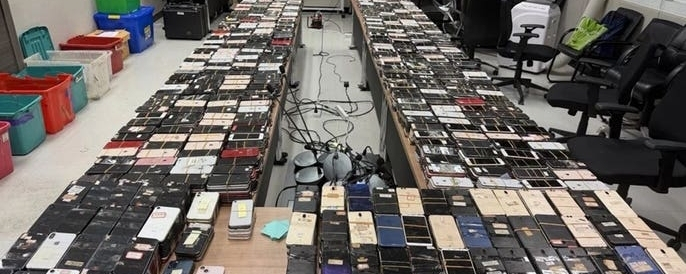
داخل إمبراطورية “تقطيع لحم الخنزير”داخل إمبراطورية “تقطيع لحم الخنزير”: كيف بنى تشين زهي شبكة احتيال بالعملات الرقمية بقيمة 15 مليار دولار مع “عبيد رقميين”.
هذا يبدو مزيفًا حتى تدرك أن مكتب التحقيقات الفيدرالي يقول إنه كان حقيقيًا.
تزايد عمليات الاحتيال المتعلقة بالعملات الرقمية في كل مكان، لكن هذه الحالة مزعجة بشكل خاص.
ليس مجرد حلقة احتيال.
🌍 اقتصاد سيبراني موازٍ كامل تم بناؤه عبر كمبوديا وجنوب شرق آسيا - مدعوم بتجارة البشر، عمليات الاحتيال الرومانسية المزيفة، مجمعات العمل القسري، ومليارات الدولارات من العملات الرقمية المسروقة.
في قلب كل ذلك كان رجل الأعمال الكمبودي تشين زهي (“فينسنت”)، رئيس إمبراطورية مجموعة برنس القوية.
داخل إمبراطورية “تقطيع لحم الخنزير”
داخل إمبراطورية “تقطيع لحم الخنزير”: كيف بنى تشين زهي شبكة احتيال بالعملات الرقمية بقيمة 15 مليار دولار مع “عبيد رقميين”.
هذا يبدو مزيفًا حتى تدرك أن مكتب التحقيقات الفيدرالي يقول إنه كان حقيقيًا.
تزايد عمليات الاحتيال المتعلقة بالعملات الرقمية في كل مكان، لكن هذه الحالة مزعجة بشكل خاص.
ليس مجرد حلقة احتيال.
🌍 اقتصاد سيبراني موازٍ كامل تم بناؤه عبر كمبوديا وجنوب شرق آسيا - مدعوم بتجارة البشر، عمليات الاحتيال الرومانسية المزيفة، مجمعات العمل القسري، ومليارات الدولارات من العملات الرقمية المسروقة.
في قلب كل ذلك كان رجل الأعمال الكمبودي تشين زهي (“فينسنت”)، رئيس إمبراطورية مجموعة برنس القوية.
هذا يبدو مزيفًا حتى تدرك أن مكتب التحقيقات الفيدرالي يقول إنه كان حقيقيًا.
تزايد عمليات الاحتيال المتعلقة بالعملات الرقمية في كل مكان، لكن هذه الحالة مزعجة بشكل خاص.
ليس مجرد حلقة احتيال.
🌍 اقتصاد سيبراني موازٍ كامل تم بناؤه عبر كمبوديا وجنوب شرق آسيا - مدعوم بتجارة البشر، عمليات الاحتيال الرومانسية المزيفة، مجمعات العمل القسري، ومليارات الدولارات من العملات الرقمية المسروقة.
في قلب كل ذلك كان رجل الأعمال الكمبودي تشين زهي (“فينسنت”)، رئيس إمبراطورية مجموعة برنس القوية.
2
491
سجّل الدخول لاستكشاف المزيد من المُحتوى
انضم إلى مُستخدمي العملات الرقمية حول العالم على Binance Square
⚡️ احصل على أحدث المعلومات المفيدة عن العملات الرقمية.
💬 موثوقة من قبل أكبر منصّة لتداول العملات الرقمية في العالم.
👍 اكتشف الرؤى الحقيقية من صنّاع المُحتوى الموثوقين.
البريد الإلكتروني / رقم الهاتف
المواضيع الرائجة
1
#BTCFallsBelow$83000
4,718 مشاهدات
73 يقومون بالنقاش
2
#BitgetDetailsSecurityIncidentTimeline
543 مشاهدات
56 يقومون بالنقاش
3
#BitcoinSpotETFs$2.39BWeeklyNetInflow
491 مشاهدات
12 يقومون بالنقاش
4
#FedProposesPaymentStablecoinRules
20,159 مشاهدات
429 يقومون بالنقاش
5
#ChinaMayLetAlibabaByteDanceBuyNvidiaChips
22,199 مشاهدات
461 يقومون بالنقاش
6
#USChinaRelease$30BTariffCutProductLists
2,898 مشاهدات
48 يقومون بالنقاش
7
#SKoreaFSCConsidersVirtualAssetMarketMaker
14,666 مشاهدات
352 يقومون بالنقاش
8
#ChinaIndustrialProfitGrowthSlowsFourthMonth
14,074 مشاهدات
341 يقومون بالنقاش
9
#BitwiseFilesFinalNEARSpotETFProspectus
134,398 مشاهدات
1,940 يقومون بالنقاش
10
#BitgetHackerMoves$83MStolenXRP
42,542 مشاهدات
187 يقومون بالنقاش