

#bitcoinetfs
bitcoinetfs
5.6M مشاهدات
6,157 يقومون بالنقاش
Dive into the discussion with #BitcoinETFs to explore the burgeoning world of Bitcoin-based Exchange Traded Funds. Engage with us to discuss the latest ETF launches, their market impacts, and investment strategies. Let’s analyze and speculate on how Bitcoin ETFs are shaping the investment landscape for both retail and institutional investors.
رائج
جديد

·
--
صاعد
🔥🔥#BTC_MARKET_UPDATE وتحليل حركة الأسعار.🔥🔥
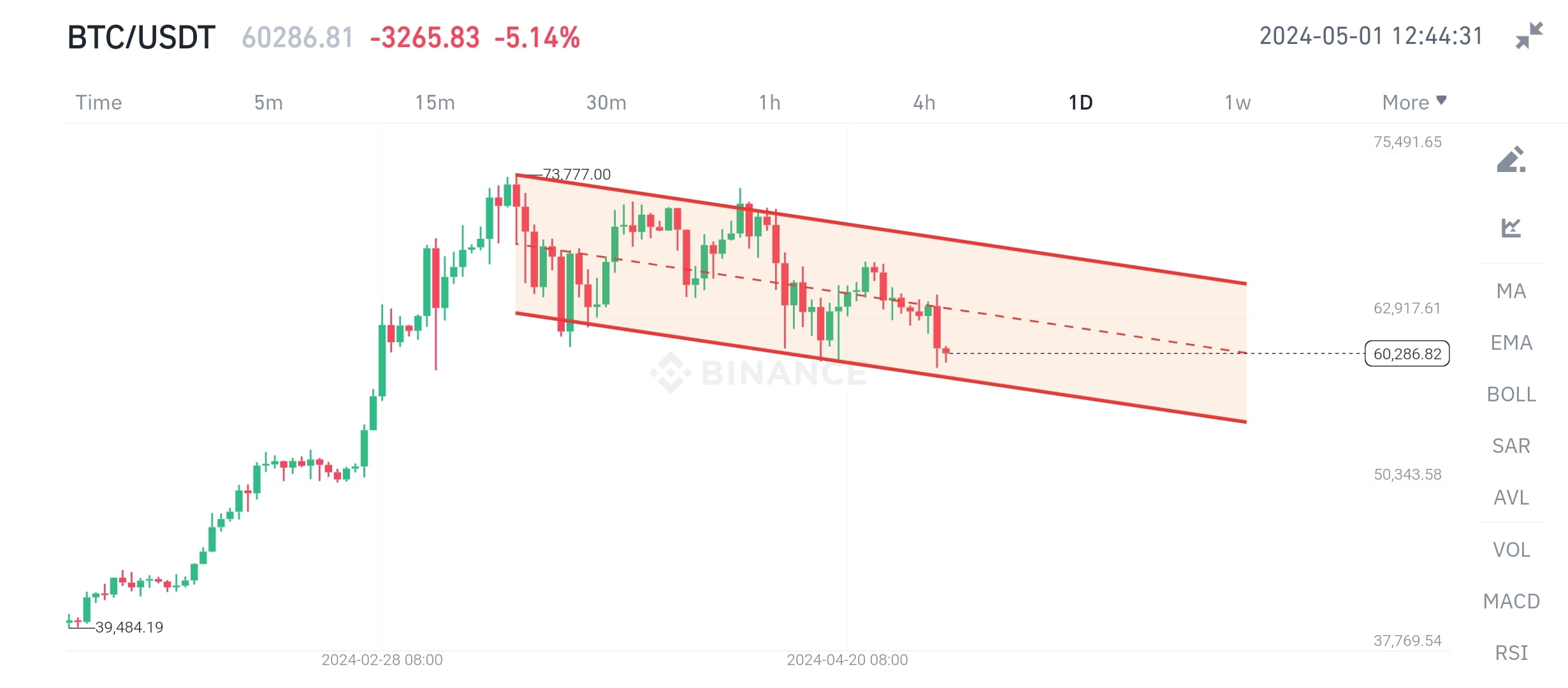
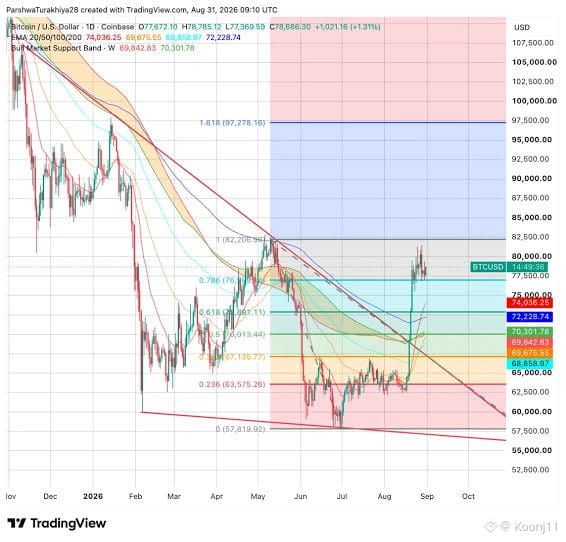
✅🔥 يوضح الشكل 1 أن $BTC لا يزال يتحرك في القناة الهابطة وحول خط الاتجاه السفلي أو خط الدعم. تم رفض BTC للحركة الصعودية من خط الاتجاه/المقاومة المركزي. قم بزيارة رسالتي السابقة حيث يمكنك تمويل تفاصيل وتحليل حالات مختلفة حول الشكل 1 الذي تمت دراسته على الإطار الزمني 1D (TF).
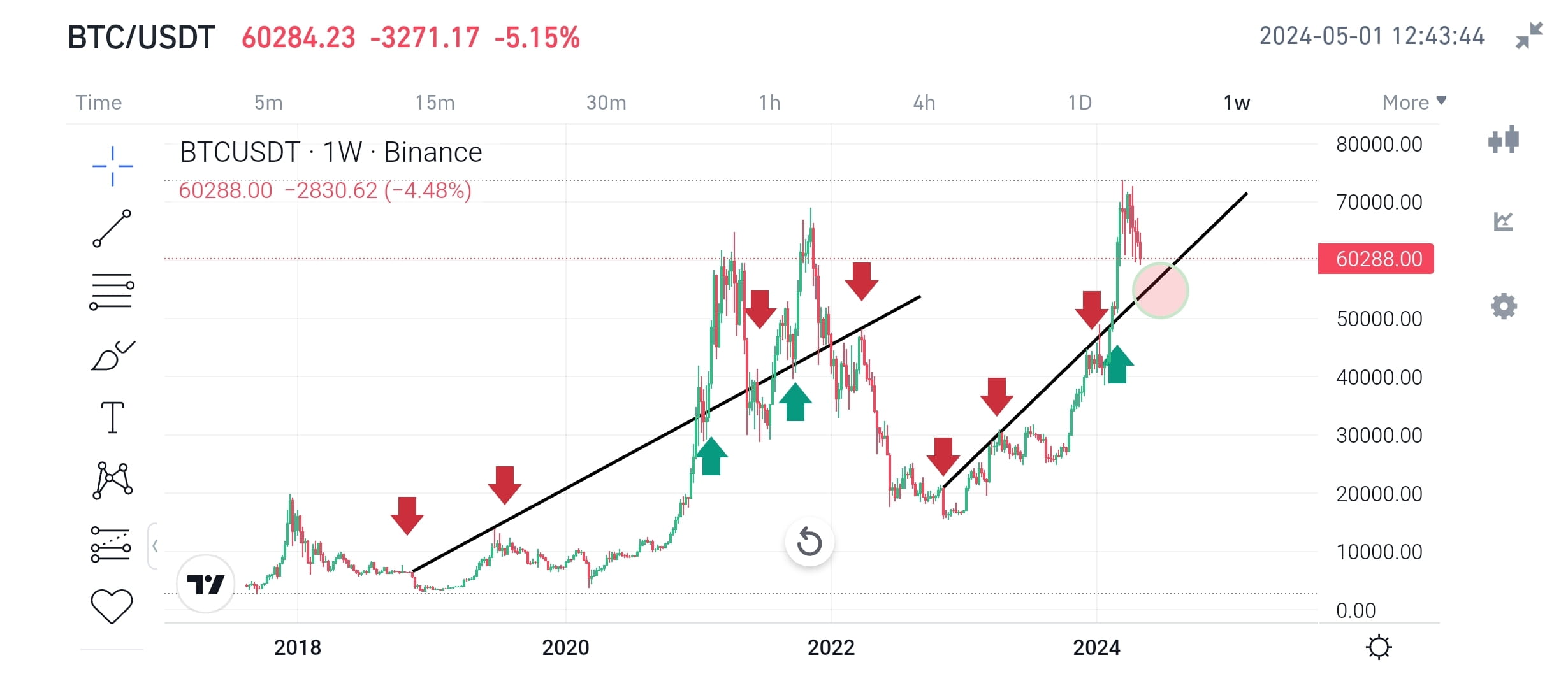
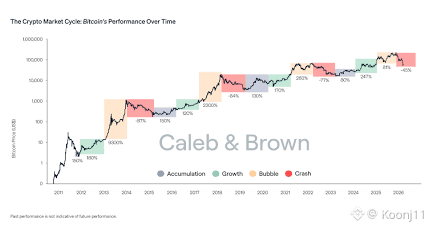
✅🔥يمثل الشكل 2 كيف سيتصرف سعر $BTC على المدى الطويل. على خط اتجاه TF الأسبوعي المرسوم من انهيار 2017-2018 نحو حركة السوق الصاعدة. تم تطبيق استراتيجية مماثلة منذ انهيار عام 2022 تجاه السوق الصاعدة الحالية. بكلمات بسيطة، أسفل خط الاتجاه توجد السوق الهابطة وفوق السوق الصاعدة لخط الاتجاه. هنا يتم تمثيل هذا الاتجاه على 1W TF. قم بزيارة ملفي الشخصي حيث يمكنك رؤية المنشور السابق حول هذه الحالة بالتفصيل.
✅🔥بدأت بالأمس #HKETF ولكنها كانت أيضًا أخبارًا سيئة لمجتمع العملات المشفرة حيث حُكم على المؤسس المشارك تشيكوسلوفاكيا والرئيس التنفيذي السابق لـ Binance بالسجن لمدة 4 أشهر. تشير CZ دائمًا إلى الرقم 4 عندما يحدث شيء سيئ في العملة المشفرة. من المهم أيضًا أن نذكر أنه في شهر يناير عندما تمت الموافقة على صناديق الاستثمار المتداولة الأمريكية في البداية، تقلب السوق حول 48 ألفًا ثم انخفض إلى 37 ألفًا، وبعد ذلك أصبح الباقي تاريخًا. سيكون الأمر نفسه هو الحال مع HK ETF، كل ما عليك فعله هو التحلي بالصبر والحفاظ على الهدوء، وستأتي المكافآت قريبًا.
يرجى الضغط على متابعة لمزيد من المعلومات وإذا أعجبتك الفكرة ووافقت عليها. متابعتك ستبقيني متحفزًا لإجراء المزيد من البحث وكتابة محتوى أفضل. DYOR للأنشطة المالية. هذا للأغراض التعليمية والتعلمية.
$SOL #BitcoinETFs #fomc #Fed
🔥🔥#BTC_MARKET_UPDATE وتحليل حركة الأسعار.🔥🔥
✅🔥 يوضح الشكل 1 أن $BTC لا يزال يتحرك في القناة الهابطة وحول خط الاتجاه السفلي أو خط الدعم. تم رفض BTC للحركة الصعودية من خط الاتجاه/المقاومة المركزي. قم بزيارة رسالتي السابقة حيث يمكنك تمويل تفاصيل وتحليل حالات مختلفة حول الشكل 1 الذي تمت دراسته على الإطار الزمني 1D (TF).
✅🔥يمثل الشكل 2 كيف سيتصرف سعر $BTC على المدى الطويل. على خط اتجاه TF الأسبوعي المرسوم من انهيار 2017-2018 نحو حركة السوق الصاعدة. تم تطبيق استراتيجية مماثلة منذ انهيار عام 2022 تجاه السوق الصاعدة الحالية. بكلمات بسيطة، أسفل خط الاتجاه توجد السوق الهابطة وفوق السوق الصاعدة لخط الاتجاه. هنا يتم تمثيل هذا الاتجاه على 1W TF. قم بزيارة ملفي الشخصي حيث يمكنك رؤية المنشور السابق حول هذه الحالة بالتفصيل.
✅🔥بدأت بالأمس #HKETF ولكنها كانت أيضًا أخبارًا سيئة لمجتمع العملات المشفرة حيث حُكم على المؤسس المشارك تشيكوسلوفاكيا والرئيس التنفيذي السابق لـ Binance بالسجن لمدة 4 أشهر. تشير CZ دائمًا إلى الرقم 4 عندما يحدث شيء سيئ في العملة المشفرة. من المهم أيضًا أن نذكر أنه في شهر يناير عندما تمت الموافقة على صناديق الاستثمار المتداولة الأمريكية في البداية، تقلب السوق حول 48 ألفًا ثم انخفض إلى 37 ألفًا، وبعد ذلك أصبح الباقي تاريخًا. سيكون الأمر نفسه هو الحال مع HK ETF، كل ما عليك فعله هو التحلي بالصبر والحفاظ على الهدوء، وستأتي المكافآت قريبًا.
يرجى الضغط على متابعة لمزيد من المعلومات وإذا أعجبتك الفكرة ووافقت عليها. متابعتك ستبقيني متحفزًا لإجراء المزيد من البحث وكتابة محتوى أفضل. DYOR للأنشطة المالية. هذا للأغراض التعليمية والتعلمية.
$SOL #BitcoinETFs #fomc #Fed
✅🔥 يوضح الشكل 1 أن $BTC لا يزال يتحرك في القناة الهابطة وحول خط الاتجاه السفلي أو خط الدعم. تم رفض BTC للحركة الصعودية من خط الاتجاه/المقاومة المركزي. قم بزيارة رسالتي السابقة حيث يمكنك تمويل تفاصيل وتحليل حالات مختلفة حول الشكل 1 الذي تمت دراسته على الإطار الزمني 1D (TF).
✅🔥يمثل الشكل 2 كيف سيتصرف سعر $BTC على المدى الطويل. على خط اتجاه TF الأسبوعي المرسوم من انهيار 2017-2018 نحو حركة السوق الصاعدة. تم تطبيق استراتيجية مماثلة منذ انهيار عام 2022 تجاه السوق الصاعدة الحالية. بكلمات بسيطة، أسفل خط الاتجاه توجد السوق الهابطة وفوق السوق الصاعدة لخط الاتجاه. هنا يتم تمثيل هذا الاتجاه على 1W TF. قم بزيارة ملفي الشخصي حيث يمكنك رؤية المنشور السابق حول هذه الحالة بالتفصيل.
✅🔥بدأت بالأمس #HKETF ولكنها كانت أيضًا أخبارًا سيئة لمجتمع العملات المشفرة حيث حُكم على المؤسس المشارك تشيكوسلوفاكيا والرئيس التنفيذي السابق لـ Binance بالسجن لمدة 4 أشهر. تشير CZ دائمًا إلى الرقم 4 عندما يحدث شيء سيئ في العملة المشفرة. من المهم أيضًا أن نذكر أنه في شهر يناير عندما تمت الموافقة على صناديق الاستثمار المتداولة الأمريكية في البداية، تقلب السوق حول 48 ألفًا ثم انخفض إلى 37 ألفًا، وبعد ذلك أصبح الباقي تاريخًا. سيكون الأمر نفسه هو الحال مع HK ETF، كل ما عليك فعله هو التحلي بالصبر والحفاظ على الهدوء، وستأتي المكافآت قريبًا.
يرجى الضغط على متابعة لمزيد من المعلومات وإذا أعجبتك الفكرة ووافقت عليها. متابعتك ستبقيني متحفزًا لإجراء المزيد من البحث وكتابة محتوى أفضل. DYOR للأنشطة المالية. هذا للأغراض التعليمية والتعلمية.
$SOL #BitcoinETFs #fomc #Fed
3
8
9.5k
عرض الترجمة
🟠 BITCOIN À 83K $… MAIS LES ETF FONT UN RECORD 👀
BTC est repassé sous les 84 000 $ aujourd’hui.
Pourtant, les ETF Bitcoin spot US viennent de connaître leur meilleure semaine de 2026 : +2,4 MILLIARDS $ d’entrées nettes. 💰
7 séances consécutives d’entrées… mais le prix commence à ralentir.
🤔 Les ETF vont-ils continuer à soutenir Bitcoin ?
$BTC #Binance #BitcoinETFs
🟠 BITCOIN À 83K $… MAIS LES ETF FONT UN RECORD 👀
BTC est repassé sous les 84 000 $ aujourd’hui.
Pourtant, les ETF Bitcoin spot US viennent de connaître leur meilleure semaine de 2026 : +2,4 MILLIARDS $ d’entrées nettes. 💰
7 séances consécutives d’entrées… mais le prix commence à ralentir.
🤔 Les ETF vont-ils continuer à soutenir Bitcoin ?
$BTC #Binance #BitcoinETFs
BTC est repassé sous les 84 000 $ aujourd’hui.
Pourtant, les ETF Bitcoin spot US viennent de connaître leur meilleure semaine de 2026 : +2,4 MILLIARDS $ d’entrées nettes. 💰
7 séances consécutives d’entrées… mais le prix commence à ralentir.
🤔 Les ETF vont-ils continuer à soutenir Bitcoin ?
$BTC #Binance #BitcoinETFs

152

$BTC 2.39B إلى صناديق بيتكوين الفورية المتداولةكانت بيتكوين للتو بأسبوع ضخم لتدفقات صناديق الاستثمار المتداولة (ETF). 👀
سجّلت صناديق الاستثمار المتداولة الفورية $BTC تدفقات صافية بلغت 2.39 مليار دولار من 21 إلى 25 سبتمبر.
🔥 بلاك روك (BlackRock) IBIT: 1.16 مليار دولار
🔥 فيديليتي (Fidelity) FBTC: 702 مليون دولار
💰 إجمالي صافي أصول صناديق الاستثمار المتداولة (ETF): 108.42 مليار دولار
هذه رؤوس أموال حقيقية تدخل عبر منتجات منظّمة — لكنني لن أعتبر أسبوعًا قويًا واحدًا دليلًا على أن الاتجاه لا بد أن يرتفع فقط.
الرقم الذي أراقبه الآن بسيط:
هل يمكن أن تستمر هذه التدفقات بينما تواجه بيتكوين مقاومة؟
إذا استمر ضخ الأموال، فستظهر السوق في وضع مختلف تمامًا.
$BTC 2.39B إلى صناديق بيتكوين الفورية المتداولة
كانت بيتكوين للتو بأسبوع ضخم لتدفقات صناديق الاستثمار المتداولة (ETF). 👀
سجّلت صناديق الاستثمار المتداولة الفورية $BTC تدفقات صافية بلغت 2.39 مليار دولار من 21 إلى 25 سبتمبر.
🔥 بلاك روك (BlackRock) IBIT: 1.16 مليار دولار
🔥 فيديليتي (Fidelity) FBTC: 702 مليون دولار
💰 إجمالي صافي أصول صناديق الاستثمار المتداولة (ETF): 108.42 مليار دولار
هذه رؤوس أموال حقيقية تدخل عبر منتجات منظّمة — لكنني لن أعتبر أسبوعًا قويًا واحدًا دليلًا على أن الاتجاه لا بد أن يرتفع فقط.
الرقم الذي أراقبه الآن بسيط:
هل يمكن أن تستمر هذه التدفقات بينما تواجه بيتكوين مقاومة؟
إذا استمر ضخ الأموال، فستظهر السوق في وضع مختلف تمامًا.
سجّلت صناديق الاستثمار المتداولة الفورية $BTC تدفقات صافية بلغت 2.39 مليار دولار من 21 إلى 25 سبتمبر.
🔥 بلاك روك (BlackRock) IBIT: 1.16 مليار دولار
🔥 فيديليتي (Fidelity) FBTC: 702 مليون دولار
💰 إجمالي صافي أصول صناديق الاستثمار المتداولة (ETF): 108.42 مليار دولار
هذه رؤوس أموال حقيقية تدخل عبر منتجات منظّمة — لكنني لن أعتبر أسبوعًا قويًا واحدًا دليلًا على أن الاتجاه لا بد أن يرتفع فقط.
الرقم الذي أراقبه الآن بسيط:
هل يمكن أن تستمر هذه التدفقات بينما تواجه بيتكوين مقاومة؟
إذا استمر ضخ الأموال، فستظهر السوق في وضع مختلف تمامًا.
47

عرض الترجمة
Bitcoin ETFs recorded a massive $2.4B inflow this week, marking the strongest weekly performance since October 2025 despite recent price volatility.
#BitcoinETFs #InstitutionalInflows
Bitcoin ETFs recorded a massive $2.4B inflow this week, marking the strongest weekly performance since October 2025 despite recent price volatility.
#BitcoinETFs #InstitutionalInflows
#BitcoinETFs #InstitutionalInflows
30

·
--
يتماسك البيتكوين قرب 85,000 دولار مع تقديم صناديق الاستثمار المتداولة الفورية في الولايات المتحدة لأقوى أسبوع منذ أكتوبر 2025، حيث تدفقت 2.4 مليار دولار وقلبت التدفقات الصافية في 2026 إلى الإيجابية.
تقوم الطلبات المؤسسية بامتصاص التراجع عن 87,000 دولار بينما تظل عوائد سندات الخزانة مرتفعة.
يتداول الإيثريوم قرب 2,700 دولار مع تقدم ترقية Glamsterdam، وتُظهر العملات البديلة قوة انتقائية.
تستأنف عمليات السحب من Bitget اليوم بعد الاختراق الأخير.
#BitcoinETFs يظل المحرك الرئيسي بينما تستمر تدفقات هذا الاثنين في وضع القاع حتى مع استمرار ضغط الاقتصاد الكلي.
يراقب السوق ما إذا كان 84,500 دولار سيصمد أم يستعيد البائعون السيطرة.
$BTC $ETH
{future}(BTCUSDT)
{future}(ETHUSDT)
{spot}(ETHUSDT)
#crypto #bitcoin #BTC
يتماسك البيتكوين قرب 85,000 دولار مع تقديم صناديق الاستثمار المتداولة الفورية في الولايات المتحدة لأقوى أسبوع منذ أكتوبر 2025، حيث تدفقت 2.4 مليار دولار وقلبت التدفقات الصافية في 2026 إلى الإيجابية.
تقوم الطلبات المؤسسية بامتصاص التراجع عن 87,000 دولار بينما تظل عوائد سندات الخزانة مرتفعة.
يتداول الإيثريوم قرب 2,700 دولار مع تقدم ترقية Glamsterdam، وتُظهر العملات البديلة قوة انتقائية.
تستأنف عمليات السحب من Bitget اليوم بعد الاختراق الأخير.
#BitcoinETFs يظل المحرك الرئيسي بينما تستمر تدفقات هذا الاثنين في وضع القاع حتى مع استمرار ضغط الاقتصاد الكلي.
يراقب السوق ما إذا كان 84,500 دولار سيصمد أم يستعيد البائعون السيطرة.
$BTC $ETH
#crypto #bitcoin #BTC
تقوم الطلبات المؤسسية بامتصاص التراجع عن 87,000 دولار بينما تظل عوائد سندات الخزانة مرتفعة.
يتداول الإيثريوم قرب 2,700 دولار مع تقدم ترقية Glamsterdam، وتُظهر العملات البديلة قوة انتقائية.
تستأنف عمليات السحب من Bitget اليوم بعد الاختراق الأخير.
#BitcoinETFs يظل المحرك الرئيسي بينما تستمر تدفقات هذا الاثنين في وضع القاع حتى مع استمرار ضغط الاقتصاد الكلي.
يراقب السوق ما إذا كان 84,500 دولار سيصمد أم يستعيد البائعون السيطرة.
$BTC $ETH
#crypto #bitcoin #BTC
190

🚨 2.4 مليار دولار تتدفق إلى صناديق بيتكوين المتداولة! 👀🟠
حصل بيتكوين للتو على اهتمام جاد من المستثمرين.
🇺🇸 سجّلت صناديق بيتكوين المتداولة الفورية في الولايات المتحدة نحو 2.4 مليار دولار في صافي التدفقات الداخلة خلال الفترة من 21 إلى 25 سبتمبر — وهي أقوى تدفقات أسبوعية منذ أكتوبر 2025. 💰
والمثير أكثر: أصبحت تدفقات صناديق بيتكوين الآن إيجابية لعام 2026 بعد أن كانت سلبية للغاية في وقت سابق من هذا العام. 📈
لكن السؤال هو 👀👇
هل هذه بداية لحركة قوية أخرى لبيتكوين…
أم مجرد موجة شراء مؤقتة؟
ما رأيك أنت؟ 🤔
🟠 متفائل تجاه BTC؟
🔴 ما زلت حذرًا؟
#Bitcoin #BTC #crypto #BİNANCE #BitcoinETFs #CryptoNewsCommunity #BNBbull
🚨 2.4 مليار دولار تتدفق إلى صناديق بيتكوين المتداولة! 👀🟠
حصل بيتكوين للتو على اهتمام جاد من المستثمرين.
🇺🇸 سجّلت صناديق بيتكوين المتداولة الفورية في الولايات المتحدة نحو 2.4 مليار دولار في صافي التدفقات الداخلة خلال الفترة من 21 إلى 25 سبتمبر — وهي أقوى تدفقات أسبوعية منذ أكتوبر 2025. 💰
والمثير أكثر: أصبحت تدفقات صناديق بيتكوين الآن إيجابية لعام 2026 بعد أن كانت سلبية للغاية في وقت سابق من هذا العام. 📈
لكن السؤال هو 👀👇
هل هذه بداية لحركة قوية أخرى لبيتكوين…
أم مجرد موجة شراء مؤقتة؟
ما رأيك أنت؟ 🤔
🟠 متفائل تجاه BTC؟
🔴 ما زلت حذرًا؟
#Bitcoin #BTC #crypto #BİNANCE #BitcoinETFs #CryptoNewsCommunity #BNBbull
حصل بيتكوين للتو على اهتمام جاد من المستثمرين.
🇺🇸 سجّلت صناديق بيتكوين المتداولة الفورية في الولايات المتحدة نحو 2.4 مليار دولار في صافي التدفقات الداخلة خلال الفترة من 21 إلى 25 سبتمبر — وهي أقوى تدفقات أسبوعية منذ أكتوبر 2025. 💰
والمثير أكثر: أصبحت تدفقات صناديق بيتكوين الآن إيجابية لعام 2026 بعد أن كانت سلبية للغاية في وقت سابق من هذا العام. 📈
لكن السؤال هو 👀👇
هل هذه بداية لحركة قوية أخرى لبيتكوين…
أم مجرد موجة شراء مؤقتة؟
ما رأيك أنت؟ 🤔
🟠 متفائل تجاه BTC؟
🔴 ما زلت حذرًا؟
#Bitcoin #BTC #crypto #BİNANCE #BitcoinETFs #CryptoNewsCommunity #BNBbull
1
77

تدفقات صناديق البيتكوين المتداولة (ETF) ما زالت إيجابية — لكن هذا ما تغيّر 👀
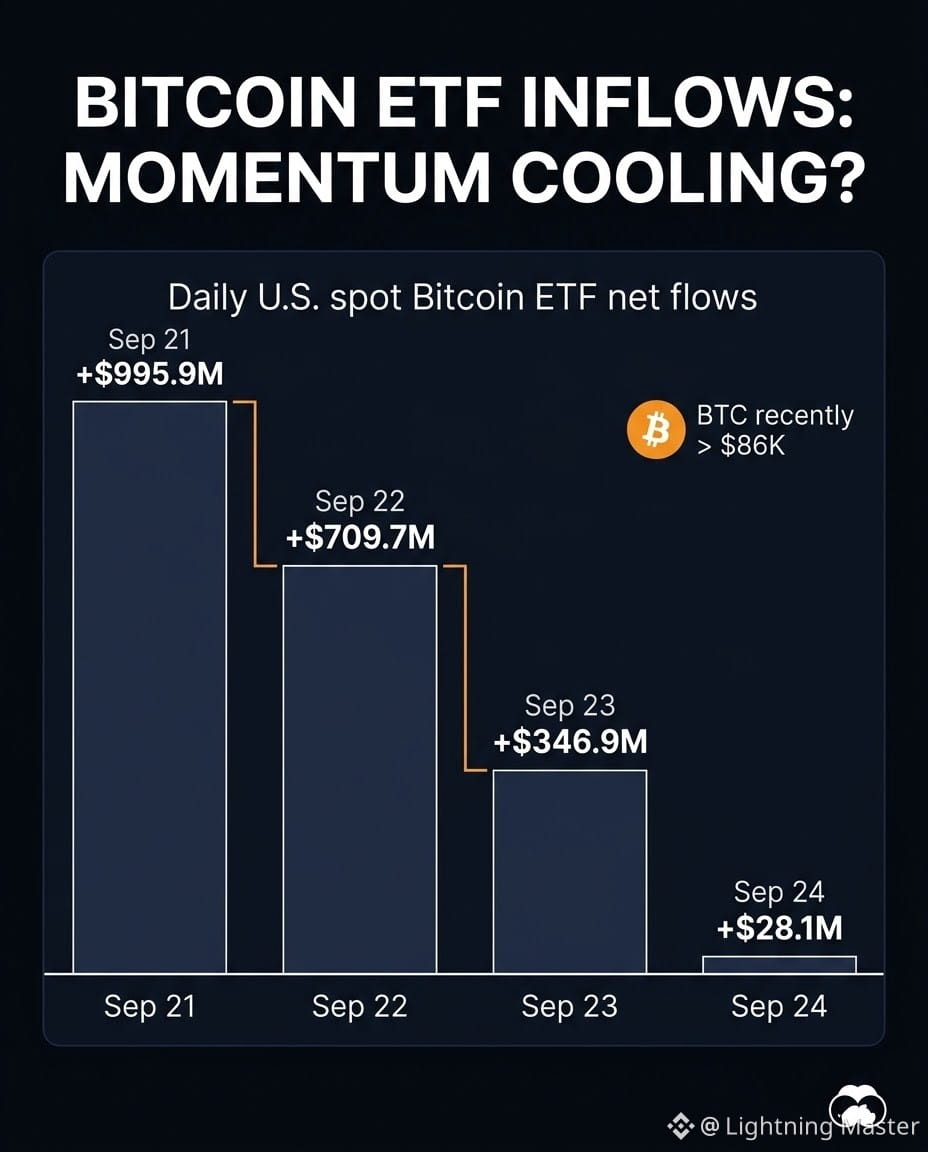
شهد $BTC شهر سبتمبر قويًا، ووصل مؤخرًا إلى أعلى مستوى له منذ 8 أشهر فوق $86K.
أحد أكبر العوامل وراء هذه الحركة هو طلب صناديق البيتكوين المتداولة الفورية في الولايات المتحدة.
وهنا الجزء المثير للاهتمام:
📊 21 سبتمبر: +995.9 مليون دولار
📊 22 سبتمبر: +709.7 مليون دولار
📊 23 سبتمبر: +346.9 مليون دولار
📊 24 سبتمبر: +28.1 مليون دولار
لذا، بينما ظلت تدفقات الـETF إيجابية حتى 24 سبتمبر، إلا أن التدفق اليومي انخفض بشكل حاد بعد التدفق الضخم يوم الاثنين.
لماذا يجب أن يهتم المبتدئون؟
اعتبر تدفقات الـETF إحدى طرق قياس مقدار رأس المال الجديد الذي يدخل منتجات استثمار البيتكوين أو يخرج منها.
تدفقات كبيرة → إشارة طلب أقوى
تدفقات أصغر → ما زال الطلب إيجابيًا، لكن الزخم قد يكون في حالة تباطؤ
وهناك أيضًا تفصيل آخر مثير للاهتمام:
وجد تحليل حديث أن $IBIT لدى BlackRock و$FBTC لدى Fidelity شكّلا حوالي 76% من إجمالي التدفقات الصافية البالغة 2.25B دولار خلال الفترة من 21 إلى 24 سبتمبر.
لذا فالعبرة ليست مجرد:
"تدفقات الـETF = البيتكوين يرتفع."
بل الأهم أن نسأل:
«هل الطلب واسع ومستمر، أم أصبح مُركّزًا وأضعف؟»
هذا النوع من البيانات هو الذي سأراقبه.
📌 تعلّم البيانات قبل أن تتابع الضجة.
#Bitcoin #BTC☀ #crypto #BitcoinETFs #CryptoEducation #BinanceSquare
تدفقات صناديق البيتكوين المتداولة (ETF) ما زالت إيجابية — لكن هذا ما تغيّر 👀
شهد $BTC شهر سبتمبر قويًا، ووصل مؤخرًا إلى أعلى مستوى له منذ 8 أشهر فوق $86K.
أحد أكبر العوامل وراء هذه الحركة هو طلب صناديق البيتكوين المتداولة الفورية في الولايات المتحدة.
وهنا الجزء المثير للاهتمام:
📊 21 سبتمبر: +995.9 مليون دولار
📊 22 سبتمبر: +709.7 مليون دولار
📊 23 سبتمبر: +346.9 مليون دولار
📊 24 سبتمبر: +28.1 مليون دولار
لذا، بينما ظلت تدفقات الـETF إيجابية حتى 24 سبتمبر، إلا أن التدفق اليومي انخفض بشكل حاد بعد التدفق الضخم يوم الاثنين.
لماذا يجب أن يهتم المبتدئون؟
اعتبر تدفقات الـETF إحدى طرق قياس مقدار رأس المال الجديد الذي يدخل منتجات استثمار البيتكوين أو يخرج منها.
تدفقات كبيرة → إشارة طلب أقوى
تدفقات أصغر → ما زال الطلب إيجابيًا، لكن الزخم قد يكون في حالة تباطؤ
وهناك أيضًا تفصيل آخر مثير للاهتمام:
وجد تحليل حديث أن $IBIT لدى BlackRock و$FBTC لدى Fidelity شكّلا حوالي 76% من إجمالي التدفقات الصافية البالغة 2.25B دولار خلال الفترة من 21 إلى 24 سبتمبر.
لذا فالعبرة ليست مجرد:
"تدفقات الـETF = البيتكوين يرتفع."
بل الأهم أن نسأل:
«هل الطلب واسع ومستمر، أم أصبح مُركّزًا وأضعف؟»
هذا النوع من البيانات هو الذي سأراقبه.
📌 تعلّم البيانات قبل أن تتابع الضجة.
#Bitcoin #BTC☀ #crypto #BitcoinETFs #CryptoEducation #BinanceSquare
شهد $BTC شهر سبتمبر قويًا، ووصل مؤخرًا إلى أعلى مستوى له منذ 8 أشهر فوق $86K.
أحد أكبر العوامل وراء هذه الحركة هو طلب صناديق البيتكوين المتداولة الفورية في الولايات المتحدة.
وهنا الجزء المثير للاهتمام:
📊 21 سبتمبر: +995.9 مليون دولار
📊 22 سبتمبر: +709.7 مليون دولار
📊 23 سبتمبر: +346.9 مليون دولار
📊 24 سبتمبر: +28.1 مليون دولار
لذا، بينما ظلت تدفقات الـETF إيجابية حتى 24 سبتمبر، إلا أن التدفق اليومي انخفض بشكل حاد بعد التدفق الضخم يوم الاثنين.
لماذا يجب أن يهتم المبتدئون؟
اعتبر تدفقات الـETF إحدى طرق قياس مقدار رأس المال الجديد الذي يدخل منتجات استثمار البيتكوين أو يخرج منها.
تدفقات كبيرة → إشارة طلب أقوى
تدفقات أصغر → ما زال الطلب إيجابيًا، لكن الزخم قد يكون في حالة تباطؤ
وهناك أيضًا تفصيل آخر مثير للاهتمام:
وجد تحليل حديث أن $IBIT لدى BlackRock و$FBTC لدى Fidelity شكّلا حوالي 76% من إجمالي التدفقات الصافية البالغة 2.25B دولار خلال الفترة من 21 إلى 24 سبتمبر.
لذا فالعبرة ليست مجرد:
"تدفقات الـETF = البيتكوين يرتفع."
بل الأهم أن نسأل:
«هل الطلب واسع ومستمر، أم أصبح مُركّزًا وأضعف؟»
هذا النوع من البيانات هو الذي سأراقبه.
📌 تعلّم البيانات قبل أن تتابع الضجة.
#Bitcoin #BTC☀ #crypto #BitcoinETFs #CryptoEducation #BinanceSquare
73

·
--
$BTC — تحديث صندوق البيتكوين (ETF) والأسواق
لا يزال البيتكوين قريبًا من مستوى 84 ألف دولار، مع استمرار تدفقات ETF القوية في دعم الطلب في السوق.
سجلت صناديق البيتكوين الفورية المتداولة في الولايات المتحدة نحو 2.39 مليار دولار من صافي التدفقات الداخلة هذا الأسبوع، ما يمثل واحدة من أقوى فترات التدفق الأسبوعية في عام 2026. ومع ذلك، لا تزال ارتفاعات عوائد سندات الخزانة الأمريكية تشكل عائقًا رئيسيًا على مستوى الاقتصاد الكلي للأصول ذات المخاطر.
متابعة السوق: • BTC: ~84 ألف دولار
• تدفقات الصناديق (ETF): تدفقات أسبوعية قوية
• دعم رئيسي: 82 ألف–83 ألف دولار
• مقاومة رئيسية: 85 ألف–87 ألف دولار
• الاقتصاد الكلي: عوائد سندات الخزانة الأمريكية
• التركيز: طلب الصناديق + سيولة عطلة نهاية الأسبوع
يراقب السوق الآن ما إذا كان استمرار الطلب المؤسسي يمكن أن يساعد البيتكوين في الحفاظ على مستوى أعلى من نطاق 82 ألف–83 ألف دولار.
#BTC #bitcoin #BitcoinETFs #CryptoNewss #CryptoMarkets
$BTC — تحديث صندوق البيتكوين (ETF) والأسواق
لا يزال البيتكوين قريبًا من مستوى 84 ألف دولار، مع استمرار تدفقات ETF القوية في دعم الطلب في السوق.
سجلت صناديق البيتكوين الفورية المتداولة في الولايات المتحدة نحو 2.39 مليار دولار من صافي التدفقات الداخلة هذا الأسبوع، ما يمثل واحدة من أقوى فترات التدفق الأسبوعية في عام 2026. ومع ذلك، لا تزال ارتفاعات عوائد سندات الخزانة الأمريكية تشكل عائقًا رئيسيًا على مستوى الاقتصاد الكلي للأصول ذات المخاطر.
متابعة السوق: • BTC: ~84 ألف دولار
• تدفقات الصناديق (ETF): تدفقات أسبوعية قوية
• دعم رئيسي: 82 ألف–83 ألف دولار
• مقاومة رئيسية: 85 ألف–87 ألف دولار
• الاقتصاد الكلي: عوائد سندات الخزانة الأمريكية
• التركيز: طلب الصناديق + سيولة عطلة نهاية الأسبوع
يراقب السوق الآن ما إذا كان استمرار الطلب المؤسسي يمكن أن يساعد البيتكوين في الحفاظ على مستوى أعلى من نطاق 82 ألف–83 ألف دولار.
#BTC #bitcoin #BitcoinETFs #CryptoNewss #CryptoMarkets
لا يزال البيتكوين قريبًا من مستوى 84 ألف دولار، مع استمرار تدفقات ETF القوية في دعم الطلب في السوق.
سجلت صناديق البيتكوين الفورية المتداولة في الولايات المتحدة نحو 2.39 مليار دولار من صافي التدفقات الداخلة هذا الأسبوع، ما يمثل واحدة من أقوى فترات التدفق الأسبوعية في عام 2026. ومع ذلك، لا تزال ارتفاعات عوائد سندات الخزانة الأمريكية تشكل عائقًا رئيسيًا على مستوى الاقتصاد الكلي للأصول ذات المخاطر.
متابعة السوق: • BTC: ~84 ألف دولار
• تدفقات الصناديق (ETF): تدفقات أسبوعية قوية
• دعم رئيسي: 82 ألف–83 ألف دولار
• مقاومة رئيسية: 85 ألف–87 ألف دولار
• الاقتصاد الكلي: عوائد سندات الخزانة الأمريكية
• التركيز: طلب الصناديق + سيولة عطلة نهاية الأسبوع
يراقب السوق الآن ما إذا كان استمرار الطلب المؤسسي يمكن أن يساعد البيتكوين في الحفاظ على مستوى أعلى من نطاق 82 ألف–83 ألف دولار.
#BTC #bitcoin #BitcoinETFs #CryptoNewss #CryptoMarkets
45
·
--
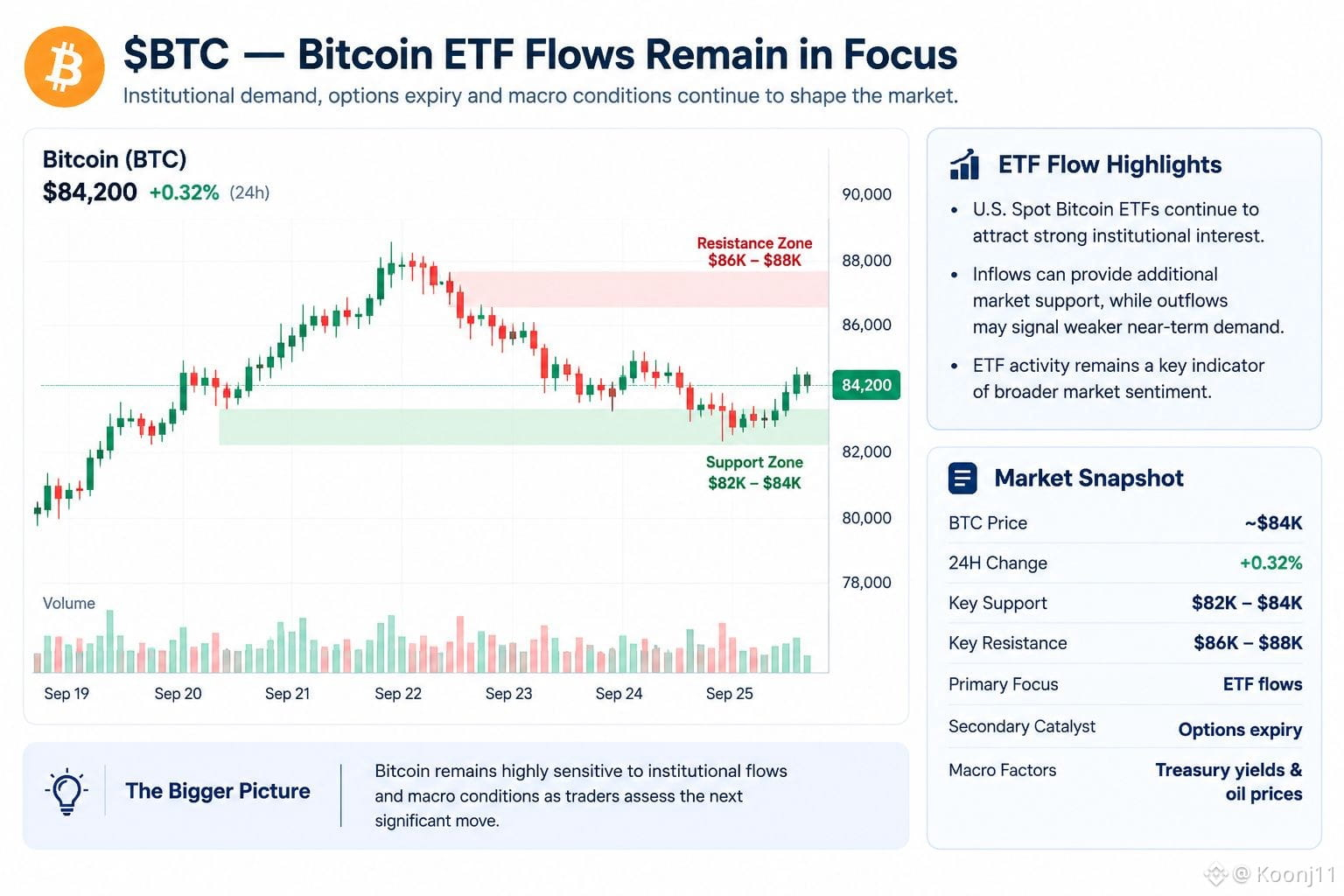
$BTC — تظل تدفقات صناديق بيتكوين المتداولة (ETF) في دائرة الضوء
لا يزال بيتكوين قريبًا من منطقة $84K حيث يواصل المستثمرون متابعة التدفقات المؤسسية إلى صناديق بيتكوين المتداولة الفورية في الولايات المتحدة.
أصبحت نشاطات الـETF مؤشرًا مهمًا على الطلب الأوسع في السوق، خصوصًا مع تداول بيتكوين تحت القمم الأخيرة. قد توفر استمرار التدفقات الداخلة دعمًا إضافيًا للسوق، بينما ستشير التدفقات الخارجة مجددًا إلى ضعف الطلب على المدى القريب.
وفي الوقت نفسه، يراقب المتداولون أيضًا تأثير انتهاء صلاحية خيارات اليوم، وارتفاع عوائد سندات الخزانة، واتجاهات المخاطر الأوسع في السوق.
أبرز عوامل السوق • سعر BTC: ~82K–$84K
• المحور الرئيسي: تدفقات صناديق بيتكوين المتداولة الفورية في الولايات المتحدة
• المحفز الثانوي: انتهاء صلاحية الخيارات
• العوامل الكلية: عوائد سندات الخزانة وأسعار النفط
• المنطقة الفنية: دعم $82K–$84K / مقاومة $86K–$88K
يظل بيتكوين شديد الحساسية لكل من التدفقات المؤسسية والظروف الكلية بينما يقيّم المتداولون الخطوة التالية الأهم.
#BTC #bitcoin #BitcoinETFs #CryptoNewss #CryptoMarket
$BTC — تظل تدفقات صناديق بيتكوين المتداولة (ETF) في دائرة الضوء
لا يزال بيتكوين قريبًا من منطقة $84K حيث يواصل المستثمرون متابعة التدفقات المؤسسية إلى صناديق بيتكوين المتداولة الفورية في الولايات المتحدة.
أصبحت نشاطات الـETF مؤشرًا مهمًا على الطلب الأوسع في السوق، خصوصًا مع تداول بيتكوين تحت القمم الأخيرة. قد توفر استمرار التدفقات الداخلة دعمًا إضافيًا للسوق، بينما ستشير التدفقات الخارجة مجددًا إلى ضعف الطلب على المدى القريب.
وفي الوقت نفسه، يراقب المتداولون أيضًا تأثير انتهاء صلاحية خيارات اليوم، وارتفاع عوائد سندات الخزانة، واتجاهات المخاطر الأوسع في السوق.
أبرز عوامل السوق • سعر BTC: ~82K–$84K
• المحور الرئيسي: تدفقات صناديق بيتكوين المتداولة الفورية في الولايات المتحدة
• المحفز الثانوي: انتهاء صلاحية الخيارات
• العوامل الكلية: عوائد سندات الخزانة وأسعار النفط
• المنطقة الفنية: دعم $82K–$84K / مقاومة $86K–$88K
يظل بيتكوين شديد الحساسية لكل من التدفقات المؤسسية والظروف الكلية بينما يقيّم المتداولون الخطوة التالية الأهم.
#BTC #bitcoin #BitcoinETFs #CryptoNewss #CryptoMarket
لا يزال بيتكوين قريبًا من منطقة $84K حيث يواصل المستثمرون متابعة التدفقات المؤسسية إلى صناديق بيتكوين المتداولة الفورية في الولايات المتحدة.
أصبحت نشاطات الـETF مؤشرًا مهمًا على الطلب الأوسع في السوق، خصوصًا مع تداول بيتكوين تحت القمم الأخيرة. قد توفر استمرار التدفقات الداخلة دعمًا إضافيًا للسوق، بينما ستشير التدفقات الخارجة مجددًا إلى ضعف الطلب على المدى القريب.
وفي الوقت نفسه، يراقب المتداولون أيضًا تأثير انتهاء صلاحية خيارات اليوم، وارتفاع عوائد سندات الخزانة، واتجاهات المخاطر الأوسع في السوق.
أبرز عوامل السوق • سعر BTC: ~82K–$84K
• المحور الرئيسي: تدفقات صناديق بيتكوين المتداولة الفورية في الولايات المتحدة
• المحفز الثانوي: انتهاء صلاحية الخيارات
• العوامل الكلية: عوائد سندات الخزانة وأسعار النفط
• المنطقة الفنية: دعم $82K–$84K / مقاومة $86K–$88K
يظل بيتكوين شديد الحساسية لكل من التدفقات المؤسسية والظروف الكلية بينما يقيّم المتداولون الخطوة التالية الأهم.
#BTC #bitcoin #BitcoinETFs #CryptoNewss #CryptoMarket
88

·
--
صاعد
🚨لا يزال البيتكوين في قلب اهتمام السوق بعد تحرّكه الأخير فوق 87,000 دولار. وعلى الرغم من التراجع نحو 84,000 دولار، سجلت صناديق بيتكوين الفورية المتداولة في الولايات المتحدة تدفقات صافية بلغت 347 مليون دولار في 23 سبتمبر، وهو ما يمثل خامس جلسة متتالية من التدفقات الداخلة.
تظلّ أبرز الروايات كما هي: عودة تدفقات الصناديق، والطلب المؤسسي، وقدرة BTC على الصمود أمام الضغوط الاقتصادية الكلية
الآن يحتاج السوق إلى معرفة ما إذا كان هذا الطلب قويًا بما يكفي للدفاع عن المستويات التي تم استعادتها مؤخرًا
#bitcoin #BitcoinETFs
🚨لا يزال البيتكوين في قلب اهتمام السوق بعد تحرّكه الأخير فوق 87,000 دولار. وعلى الرغم من التراجع نحو 84,000 دولار، سجلت صناديق بيتكوين الفورية المتداولة في الولايات المتحدة تدفقات صافية بلغت 347 مليون دولار في 23 سبتمبر، وهو ما يمثل خامس جلسة متتالية من التدفقات الداخلة.
تظلّ أبرز الروايات كما هي: عودة تدفقات الصناديق، والطلب المؤسسي، وقدرة BTC على الصمود أمام الضغوط الاقتصادية الكلية
الآن يحتاج السوق إلى معرفة ما إذا كان هذا الطلب قويًا بما يكفي للدفاع عن المستويات التي تم استعادتها مؤخرًا
#bitcoin #BitcoinETFs
تظلّ أبرز الروايات كما هي: عودة تدفقات الصناديق، والطلب المؤسسي، وقدرة BTC على الصمود أمام الضغوط الاقتصادية الكلية
الآن يحتاج السوق إلى معرفة ما إذا كان هذا الطلب قويًا بما يكفي للدفاع عن المستويات التي تم استعادتها مؤخرًا
#bitcoin #BitcoinETFs

70

·
--
هابط
{spot}(BTCUSDT)
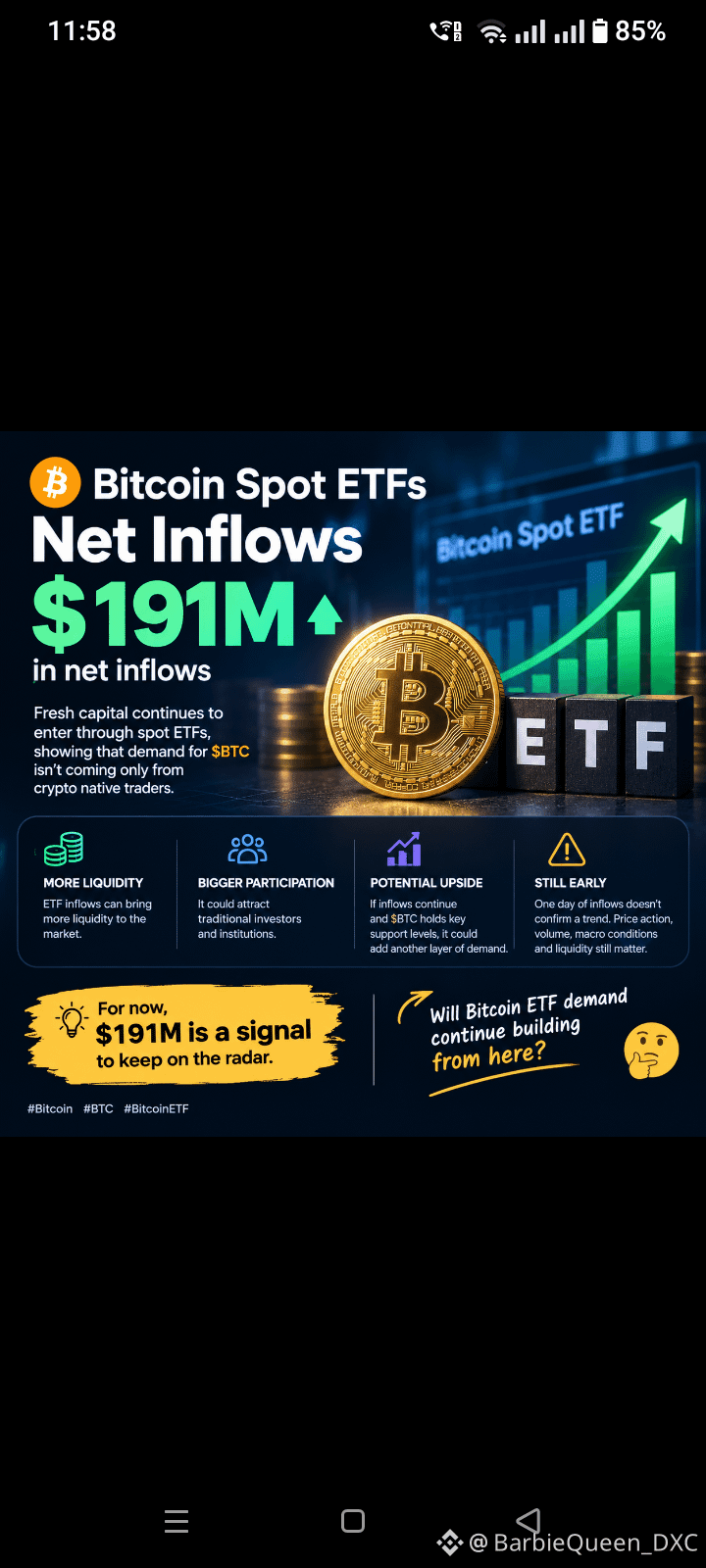
🚨 صناديق Bitcoin Spot ETFs سحبت 191 مليون دولار كصافي تدفقات داخلة. 💰
هذا يستحق المتابعة.
تستمر الأموال الجديدة في الدخول عبر صناديق الـ spot ETFs، ما يُظهر أن الطلب على $BTC لا يأتي فقط من المتداولين الأصليين في عالم الكريبتو.
الجزء المثير للاهتمام هو ما يحدث بعد ذلك.
إذا استمرت تدفقات صناديق الـ ETF القوية بينما يظل البيتكوين محافظًا على مستويات دعم حاسمة، فقد يضيف ذلك طبقة أخرى من الطلب إلى السوق. لكن يوم واحد من التدفقات الداخلة لا يؤكد اتجاهًا. ما زالت حركة السعر، وحجم التداول، والسيولة الأوسع عوامل مهمة.
في الوقت الحالي، تُعد 191 مليون دولار إشارة يجب إبقاؤها تحت المراقبة. 👀
هل سيستمر طلب صناديق Bitcoin ETF في البناء من هنا؟
#bitcoin #BTC #BitcoinETFs
🚨 صناديق Bitcoin Spot ETFs سحبت 191 مليون دولار كصافي تدفقات داخلة. 💰
هذا يستحق المتابعة.
تستمر الأموال الجديدة في الدخول عبر صناديق الـ spot ETFs، ما يُظهر أن الطلب على $BTC لا يأتي فقط من المتداولين الأصليين في عالم الكريبتو.
الجزء المثير للاهتمام هو ما يحدث بعد ذلك.
إذا استمرت تدفقات صناديق الـ ETF القوية بينما يظل البيتكوين محافظًا على مستويات دعم حاسمة، فقد يضيف ذلك طبقة أخرى من الطلب إلى السوق. لكن يوم واحد من التدفقات الداخلة لا يؤكد اتجاهًا. ما زالت حركة السعر، وحجم التداول، والسيولة الأوسع عوامل مهمة.
في الوقت الحالي، تُعد 191 مليون دولار إشارة يجب إبقاؤها تحت المراقبة. 👀
هل سيستمر طلب صناديق Bitcoin ETF في البناء من هنا؟
#bitcoin #BTC #BitcoinETFs
هذا يستحق المتابعة.
تستمر الأموال الجديدة في الدخول عبر صناديق الـ spot ETFs، ما يُظهر أن الطلب على $BTC لا يأتي فقط من المتداولين الأصليين في عالم الكريبتو.
الجزء المثير للاهتمام هو ما يحدث بعد ذلك.
إذا استمرت تدفقات صناديق الـ ETF القوية بينما يظل البيتكوين محافظًا على مستويات دعم حاسمة، فقد يضيف ذلك طبقة أخرى من الطلب إلى السوق. لكن يوم واحد من التدفقات الداخلة لا يؤكد اتجاهًا. ما زالت حركة السعر، وحجم التداول، والسيولة الأوسع عوامل مهمة.
في الوقت الحالي، تُعد 191 مليون دولار إشارة يجب إبقاؤها تحت المراقبة. 👀
هل سيستمر طلب صناديق Bitcoin ETF في البناء من هنا؟
#bitcoin #BTC #BitcoinETFs
86


·
--
🚨 تدفقات صندوق البيتكوين المتداوَل بالبورصة (ETF) تتحول إلى الإيجابية لعام 2026 بعد طفرة بقيمة 4.6 مليار دولار
لقد ألغت صناديق البيتكوين المتداولة الفورية (US spot Bitcoin ETFs) انخفاضاتها الصافية لعام 2026 بعد أن استوعبت ما يقرب من 4.6 مليار دولار منذ 19 أغسطس.
وأصبحت الصناديق الآن في المنطقة الإيجابية لهذا العام، مع حوالي 320 مليون دولار من التدفقات الصافية الداخلة.
تسارعت هذه النقلة هذا الأسبوع، حيث سجلت صناديق ETF تدفقات صافية داخلية بلغت 1.7 مليار دولار خلال الفترة من 22 إلى 23 سبتمبر، وهي أقوى فترة من يومين متتاليين منذ الإطلاق.
وتأتي هذه الطفرة بالتزامن مع صعود البيتكوين مجددًا فوق متوسط أساس تكلفة حاملي صناديق ETF البالغ 81,722. $BTC
{future}(BTCUSDT)
#BTC☀️ #BTC70K✈️ #BitcoinETFs
🚨 تدفقات صندوق البيتكوين المتداوَل بالبورصة (ETF) تتحول إلى الإيجابية لعام 2026 بعد طفرة بقيمة 4.6 مليار دولار
لقد ألغت صناديق البيتكوين المتداولة الفورية (US spot Bitcoin ETFs) انخفاضاتها الصافية لعام 2026 بعد أن استوعبت ما يقرب من 4.6 مليار دولار منذ 19 أغسطس.
وأصبحت الصناديق الآن في المنطقة الإيجابية لهذا العام، مع حوالي 320 مليون دولار من التدفقات الصافية الداخلة.
تسارعت هذه النقلة هذا الأسبوع، حيث سجلت صناديق ETF تدفقات صافية داخلية بلغت 1.7 مليار دولار خلال الفترة من 22 إلى 23 سبتمبر، وهي أقوى فترة من يومين متتاليين منذ الإطلاق.
وتأتي هذه الطفرة بالتزامن مع صعود البيتكوين مجددًا فوق متوسط أساس تكلفة حاملي صناديق ETF البالغ 81,722. $BTC
#BTC☀️ #BTC70K✈️ #BitcoinETFs
لقد ألغت صناديق البيتكوين المتداولة الفورية (US spot Bitcoin ETFs) انخفاضاتها الصافية لعام 2026 بعد أن استوعبت ما يقرب من 4.6 مليار دولار منذ 19 أغسطس.
وأصبحت الصناديق الآن في المنطقة الإيجابية لهذا العام، مع حوالي 320 مليون دولار من التدفقات الصافية الداخلة.
تسارعت هذه النقلة هذا الأسبوع، حيث سجلت صناديق ETF تدفقات صافية داخلية بلغت 1.7 مليار دولار خلال الفترة من 22 إلى 23 سبتمبر، وهي أقوى فترة من يومين متتاليين منذ الإطلاق.
وتأتي هذه الطفرة بالتزامن مع صعود البيتكوين مجددًا فوق متوسط أساس تكلفة حاملي صناديق ETF البالغ 81,722. $BTC
#BTC☀️ #BTC70K✈️ #BitcoinETFs
194

صندوق بيتكوين المتداول ETF يجذب 347 مليون دولار، بلاك روك تتصدر
- سجلت صناديق بيتكوين المتداولة تدفقات جديدة بقيمة 347 مليون دولار، حيث تتصدر بلاك روك.
- واصلت صناديق الاستثمار هذا الاتجاه الصاعد رغم تعرض البيتكوين لمزيد من الضغوط.
#BinanceSquare #CryptoNews #BitcoinETFs #BTC
$btc
#vlikevn Titanbot
المصدر: U.Today
صندوق بيتكوين المتداول ETF يجذب 347 مليون دولار، بلاك روك تتصدر
- سجلت صناديق بيتكوين المتداولة تدفقات جديدة بقيمة 347 مليون دولار، حيث تتصدر بلاك روك.
- واصلت صناديق الاستثمار هذا الاتجاه الصاعد رغم تعرض البيتكوين لمزيد من الضغوط.
#BinanceSquare #CryptoNews #BitcoinETFs #BTC
$btc
#vlikevn Titanbot
المصدر: U.Today
- سجلت صناديق بيتكوين المتداولة تدفقات جديدة بقيمة 347 مليون دولار، حيث تتصدر بلاك روك.
- واصلت صناديق الاستثمار هذا الاتجاه الصاعد رغم تعرض البيتكوين لمزيد من الضغوط.
#BinanceSquare #CryptoNews #BitcoinETFs #BTC
$btc
#vlikevn Titanbot
المصدر: U.Today
95
تتصدر بلاك روك موجة ضخمة من تدفقات صناديق الاستثمار المتداولة (ETF)
تعمل بلاك روك على دفع ارتفاع قدره 347 مليون دولار في تدفقات صناديق الاستثمار المتداولة للبيتكوين، حتى مع تعرض البيتكوين لضغوط سعرية متجددة. وتُبرز هذه الفجوة تسارعًا واضحًا في التراكم المؤسسي.
#BlackRock #BitcoinETFs
تتصدر بلاك روك موجة ضخمة من تدفقات صناديق الاستثمار المتداولة (ETF)
تعمل بلاك روك على دفع ارتفاع قدره 347 مليون دولار في تدفقات صناديق الاستثمار المتداولة للبيتكوين، حتى مع تعرض البيتكوين لضغوط سعرية متجددة. وتُبرز هذه الفجوة تسارعًا واضحًا في التراكم المؤسسي.
#BlackRock #BitcoinETFs
تعمل بلاك روك على دفع ارتفاع قدره 347 مليون دولار في تدفقات صناديق الاستثمار المتداولة للبيتكوين، حتى مع تعرض البيتكوين لضغوط سعرية متجددة. وتُبرز هذه الفجوة تسارعًا واضحًا في التراكم المؤسسي.
#BlackRock #BitcoinETFs
14

🚨 عاجل: بيتكوين تتجاوز 87,000 دولار مع تسارع الصعود، بينما تشهد صناديق بيتكوين الفورية في الولايات المتحدة تدفقات قريبة من 1 مليار دولار
#Bitcoin❗ #BitcoinETFs $BITCOIN $BITX.ETF
🚨 عاجل: بيتكوين تتجاوز 87,000 دولار مع تسارع الصعود، بينما تشهد صناديق بيتكوين الفورية في الولايات المتحدة تدفقات قريبة من 1 مليار دولار
#Bitcoin❗ #BitcoinETFs $BITCOIN $BITX.ETF
#Bitcoin❗ #BitcoinETFs $BITCOIN $BITX.ETF
58

·
--
#BitcoinETFs #blakrock #etf
صندوق بيتكوين المتداول (ETF) والتدفقات المؤسسية
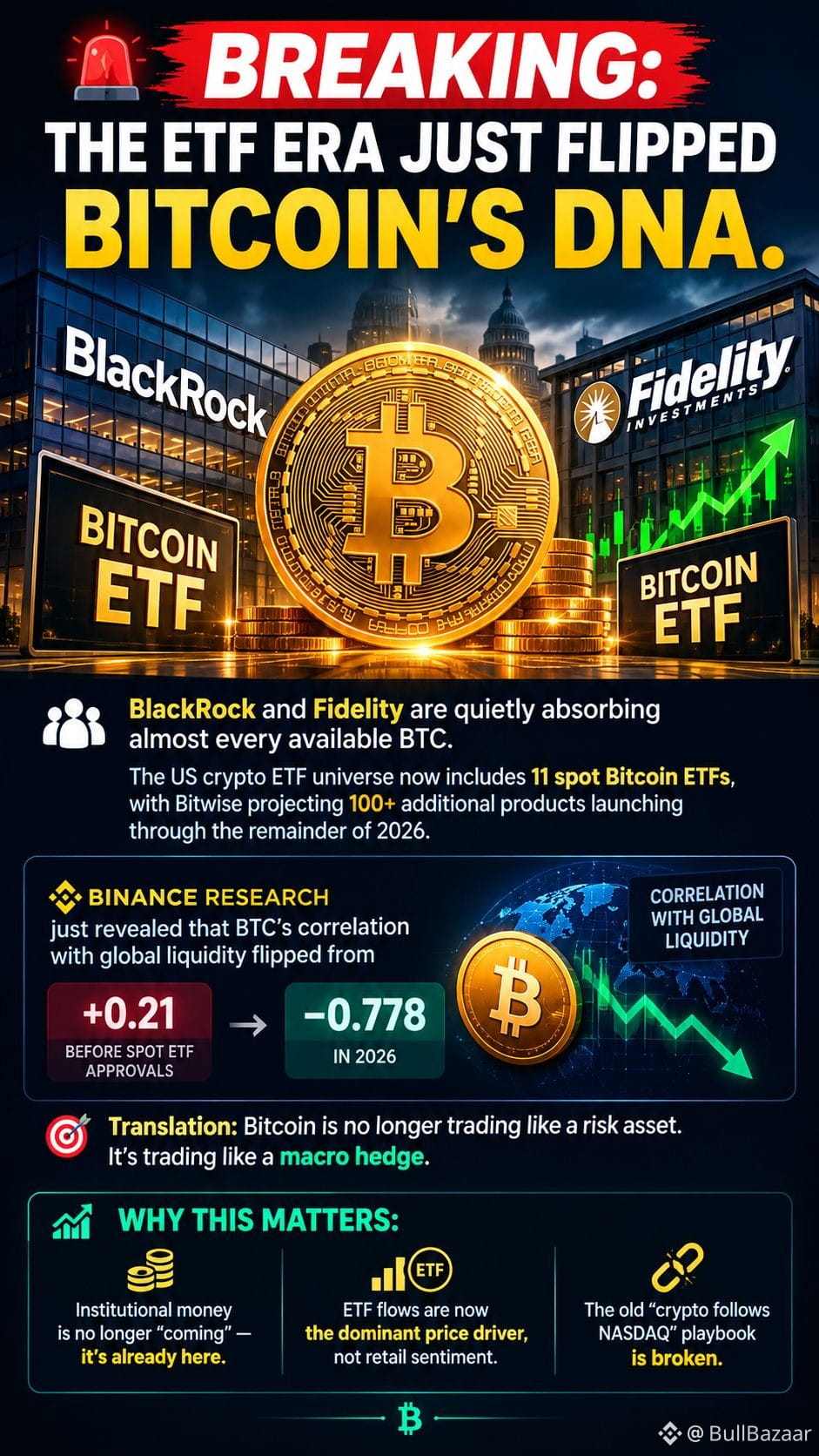
المقدمة: 🚨 عاجل: عصر الـETF للتو غيّر الحمض النووي لبيتكوين.
النص:
تقوم بلاك روك وفيدليتي بامتصاص معظم بيتكوين المتاحة بهدوء. تضم منظومة صناديق الاستثمار المتداولة (ETF) للعملات المشفرة في الولايات المتحدة الآن 11 صندوق بيتكوين فوري، حيث يتوقع Bitwise إطلاق 100+ منتج إضافي عبر بقية عام 2026.
إليك النقطة الأهم:
كشف بحث Binance للتو أن ارتباط BTC بالسيولة العالمية انقلب من +0.21 قبل الموافقات على صناديق البيتكوين الفورية إلى −0.778 في 2026. الترجمة: لم يعد بيتكوين يتداول كأصل عالي المخاطر. بل يتداول كتحوّط ماكرو (Macro Hedge).
لماذا هذا مهم:
• لم تعد الأموال المؤسسية «قادمة» — إنها موجودة بالفعل هنا.
• تدفقات الـETF أصبحت الآن المحرك السعري الرئيسي، وليس مزاج البيع بالتجزئة.
• السيناريو القديم «العملات المشفرة تتبع ناسداك» لم يعد صحيحًا.
هل أنت متموضع لصفقة/حركة منفصلة لبيتكوين (BTC Decoupled)، أم ما زلت تراقب مخطط ناسداك؟
#BitcoinETF #BTC #الاعتماد_المؤسسي #BinanceSquare
#BitcoinETFs #blakrock #etf
صندوق بيتكوين المتداول (ETF) والتدفقات المؤسسية
المقدمة: 🚨 عاجل: عصر الـETF للتو غيّر الحمض النووي لبيتكوين.
النص:
تقوم بلاك روك وفيدليتي بامتصاص معظم بيتكوين المتاحة بهدوء. تضم منظومة صناديق الاستثمار المتداولة (ETF) للعملات المشفرة في الولايات المتحدة الآن 11 صندوق بيتكوين فوري، حيث يتوقع Bitwise إطلاق 100+ منتج إضافي عبر بقية عام 2026.
إليك النقطة الأهم:
كشف بحث Binance للتو أن ارتباط BTC بالسيولة العالمية انقلب من +0.21 قبل الموافقات على صناديق البيتكوين الفورية إلى −0.778 في 2026. الترجمة: لم يعد بيتكوين يتداول كأصل عالي المخاطر. بل يتداول كتحوّط ماكرو (Macro Hedge).
لماذا هذا مهم:
• لم تعد الأموال المؤسسية «قادمة» — إنها موجودة بالفعل هنا.
• تدفقات الـETF أصبحت الآن المحرك السعري الرئيسي، وليس مزاج البيع بالتجزئة.
• السيناريو القديم «العملات المشفرة تتبع ناسداك» لم يعد صحيحًا.
هل أنت متموضع لصفقة/حركة منفصلة لبيتكوين (BTC Decoupled)، أم ما زلت تراقب مخطط ناسداك؟
#BitcoinETF #BTC #الاعتماد_المؤسسي #BinanceSquare
صندوق بيتكوين المتداول (ETF) والتدفقات المؤسسية
المقدمة: 🚨 عاجل: عصر الـETF للتو غيّر الحمض النووي لبيتكوين.
النص:
تقوم بلاك روك وفيدليتي بامتصاص معظم بيتكوين المتاحة بهدوء. تضم منظومة صناديق الاستثمار المتداولة (ETF) للعملات المشفرة في الولايات المتحدة الآن 11 صندوق بيتكوين فوري، حيث يتوقع Bitwise إطلاق 100+ منتج إضافي عبر بقية عام 2026.
إليك النقطة الأهم:
كشف بحث Binance للتو أن ارتباط BTC بالسيولة العالمية انقلب من +0.21 قبل الموافقات على صناديق البيتكوين الفورية إلى −0.778 في 2026. الترجمة: لم يعد بيتكوين يتداول كأصل عالي المخاطر. بل يتداول كتحوّط ماكرو (Macro Hedge).
لماذا هذا مهم:
• لم تعد الأموال المؤسسية «قادمة» — إنها موجودة بالفعل هنا.
• تدفقات الـETF أصبحت الآن المحرك السعري الرئيسي، وليس مزاج البيع بالتجزئة.
• السيناريو القديم «العملات المشفرة تتبع ناسداك» لم يعد صحيحًا.
هل أنت متموضع لصفقة/حركة منفصلة لبيتكوين (BTC Decoupled)، أم ما زلت تراقب مخطط ناسداك؟
#BitcoinETF #BTC #الاعتماد_المؤسسي #BinanceSquare
1
68

مقالة
تدفقات ضخمة إلى صناديق ETF تشير إلى زخم مؤسساتي صعوديسوق صندوق بيتكوين الفوري المتداول (ETF) للتو حقق علامة فارقة ضخمة أخرى. رؤية ما يقارب مليار دولار تتدفق إلى هذه المنتجات في يوم واحد ليست مجرد رقم على شاشة. إنها تمثل تحولًا جوهريًا في مدى استعداد رأس المال المؤسسي للمشاركة في هذا المجال. شهد هذا الاثنين أكبر تدفق لنا التاسع على الإطلاق، وهو ما يشير إلى أن الطلب على التعرض المباشر ما زال بعيدًا عن أن يكون قد استُنزِف.
بالنسبة للعديد من المتداولين، تُعد هذه السيولة بمستوى كهذا هي الإشارة الخضراء الأقصى. عندما نرى هذا الكم من رأس المال يتحرك عبر قنوات منظمة، فإن ذلك يخلق أرضية ضخمة لحركة السعر. هذه ليست صفقات “مطاردة” يقودها أفراد من باب الخوف من فوات الفرصة (FOMO). هذه حقائب يتم ملؤها من قبل أموال مؤسسية عبر مديري استثمار محترفين وخزائن شركات. إن الامتصاص المستمر للمعروض بواسطة هذه الصناديق هو الآلية الدقيقة اللازمة لقيادة اكتشاف سعر مستدام.
تدفقات ضخمة إلى صناديق ETF تشير إلى زخم مؤسساتي صعودي
سوق صندوق بيتكوين الفوري المتداول (ETF) للتو حقق علامة فارقة ضخمة أخرى. رؤية ما يقارب مليار دولار تتدفق إلى هذه المنتجات في يوم واحد ليست مجرد رقم على شاشة. إنها تمثل تحولًا جوهريًا في مدى استعداد رأس المال المؤسسي للمشاركة في هذا المجال. شهد هذا الاثنين أكبر تدفق لنا التاسع على الإطلاق، وهو ما يشير إلى أن الطلب على التعرض المباشر ما زال بعيدًا عن أن يكون قد استُنزِف.
بالنسبة للعديد من المتداولين، تُعد هذه السيولة بمستوى كهذا هي الإشارة الخضراء الأقصى. عندما نرى هذا الكم من رأس المال يتحرك عبر قنوات منظمة، فإن ذلك يخلق أرضية ضخمة لحركة السعر. هذه ليست صفقات “مطاردة” يقودها أفراد من باب الخوف من فوات الفرصة (FOMO). هذه حقائب يتم ملؤها من قبل أموال مؤسسية عبر مديري استثمار محترفين وخزائن شركات. إن الامتصاص المستمر للمعروض بواسطة هذه الصناديق هو الآلية الدقيقة اللازمة لقيادة اكتشاف سعر مستدام.
بالنسبة للعديد من المتداولين، تُعد هذه السيولة بمستوى كهذا هي الإشارة الخضراء الأقصى. عندما نرى هذا الكم من رأس المال يتحرك عبر قنوات منظمة، فإن ذلك يخلق أرضية ضخمة لحركة السعر. هذه ليست صفقات “مطاردة” يقودها أفراد من باب الخوف من فوات الفرصة (FOMO). هذه حقائب يتم ملؤها من قبل أموال مؤسسية عبر مديري استثمار محترفين وخزائن شركات. إن الامتصاص المستمر للمعروض بواسطة هذه الصناديق هو الآلية الدقيقة اللازمة لقيادة اكتشاف سعر مستدام.
8

·
--
صاعد
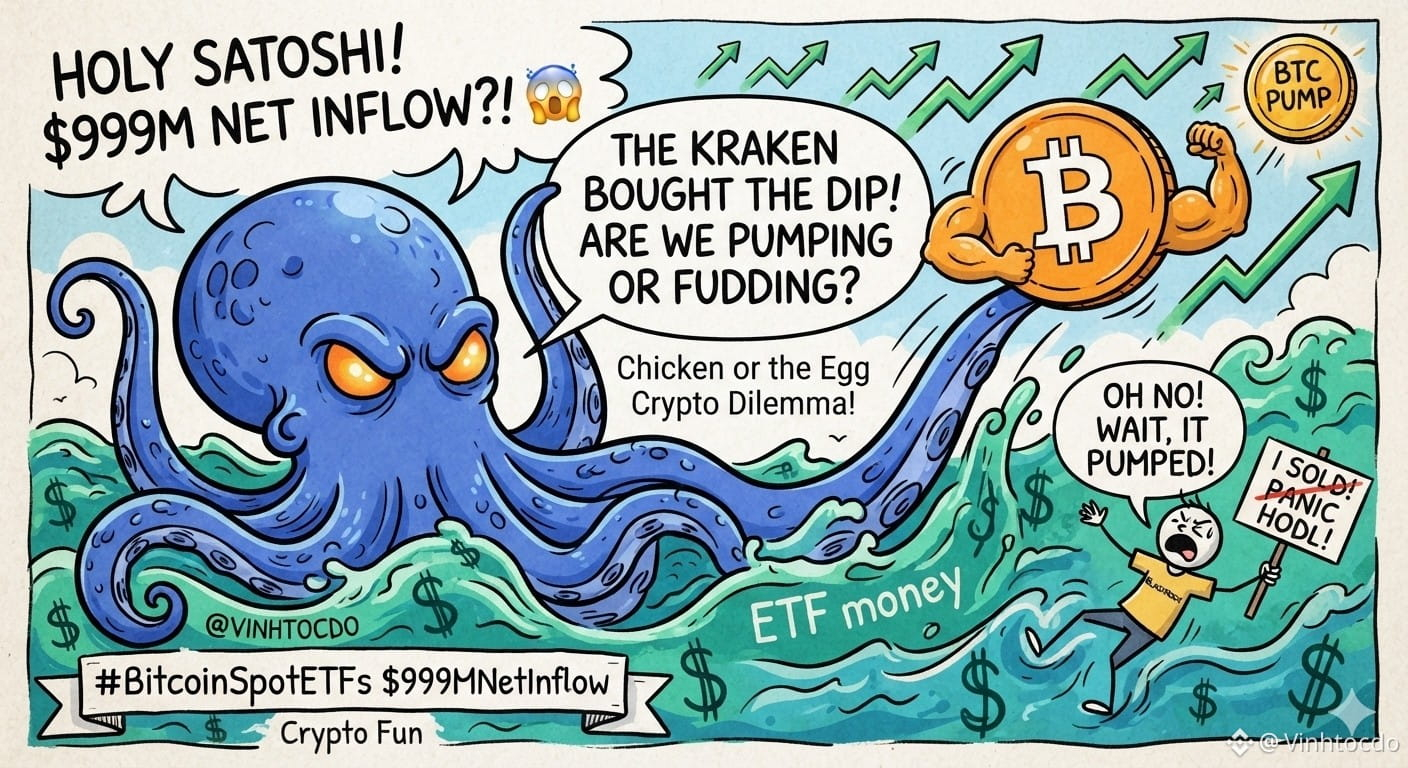
#BitcoinSpotETFs$999MNetInflow
يا ساتوشي المقدّس! تدفّق صافي 999M دولار خلال يوم واحد فقط?! 🤯 هذا ليس حوتًا، بل حبار كامل يشتري الانخفاض!
لكن انتظر... هل تدفّقت هذه الجدار الضخم من الأموال قبل أم بعد أن ارتفع سعر BTC؟ 🤔 هل المؤسسات رفعت السعر إلى الأعلى لصالحنا، أم أنَّها دخلت FOMO بعد رؤية شموع خضراء؟ معضلة كلاسيكية: من السابق الدجاجة أم البيضة في عالم كريبتو!
ماذا يجب أن يفعل المتداولون؟
🛡️ ابقَ هادئًا ولا تبع بخوف إلى BlackRock.
📈 اضغط بالأسفل للتداول ودعم قائِدك المفضّل! 👇
🪙 $BTC
{future}(BTCUSDT)
🪙 $IBIT.ETF
{etf_us}(IBIT.ETF)
🪙 $ARKB.ETF
{etf_us}(ARKB.ETF)
ليس نصيحة مالية! دائمًا افعل بحثك الخاص DYOR!⚠️
🚀 استخدم الكود VINHTOCDO أو اضغط هنا للمطالبة بمكافأتك: [binance.com](https://www.binance.com/register?ref=VINHTOCDO)
#BitcoinSpotETFs$999MNetInflow #BitcoinETFs #CryptoTrading #whalealerts #BTC #BullRun #VINHTOCDO
#BitcoinSpotETFs$999MNetInflow
يا ساتوشي المقدّس! تدفّق صافي 999M دولار خلال يوم واحد فقط?! 🤯 هذا ليس حوتًا، بل حبار كامل يشتري الانخفاض!
لكن انتظر... هل تدفّقت هذه الجدار الضخم من الأموال قبل أم بعد أن ارتفع سعر BTC؟ 🤔 هل المؤسسات رفعت السعر إلى الأعلى لصالحنا، أم أنَّها دخلت FOMO بعد رؤية شموع خضراء؟ معضلة كلاسيكية: من السابق الدجاجة أم البيضة في عالم كريبتو!
ماذا يجب أن يفعل المتداولون؟
🛡️ ابقَ هادئًا ولا تبع بخوف إلى BlackRock.
📈 اضغط بالأسفل للتداول ودعم قائِدك المفضّل! 👇
🪙 $BTC
🪙 $IBIT.ETF
🪙 $ARKB.ETF
ليس نصيحة مالية! دائمًا افعل بحثك الخاص DYOR!⚠️
🚀 استخدم الكود VINHTOCDO أو اضغط هنا للمطالبة بمكافأتك: binance.com
#BitcoinSpotETFs$999MNetInflow #BitcoinETFs #CryptoTrading #whalealerts #BTC #BullRun #VINHTOCDO
يا ساتوشي المقدّس! تدفّق صافي 999M دولار خلال يوم واحد فقط?! 🤯 هذا ليس حوتًا، بل حبار كامل يشتري الانخفاض!
لكن انتظر... هل تدفّقت هذه الجدار الضخم من الأموال قبل أم بعد أن ارتفع سعر BTC؟ 🤔 هل المؤسسات رفعت السعر إلى الأعلى لصالحنا، أم أنَّها دخلت FOMO بعد رؤية شموع خضراء؟ معضلة كلاسيكية: من السابق الدجاجة أم البيضة في عالم كريبتو!
ماذا يجب أن يفعل المتداولون؟
🛡️ ابقَ هادئًا ولا تبع بخوف إلى BlackRock.
📈 اضغط بالأسفل للتداول ودعم قائِدك المفضّل! 👇
🪙 $BTC
🪙 $IBIT.ETF
🪙 $ARKB.ETF
ليس نصيحة مالية! دائمًا افعل بحثك الخاص DYOR!⚠️
🚀 استخدم الكود VINHTOCDO أو اضغط هنا للمطالبة بمكافأتك: binance.com
#BitcoinSpotETFs$999MNetInflow #BitcoinETFs #CryptoTrading #whalealerts #BTC #BullRun #VINHTOCDO
2
100

·
--
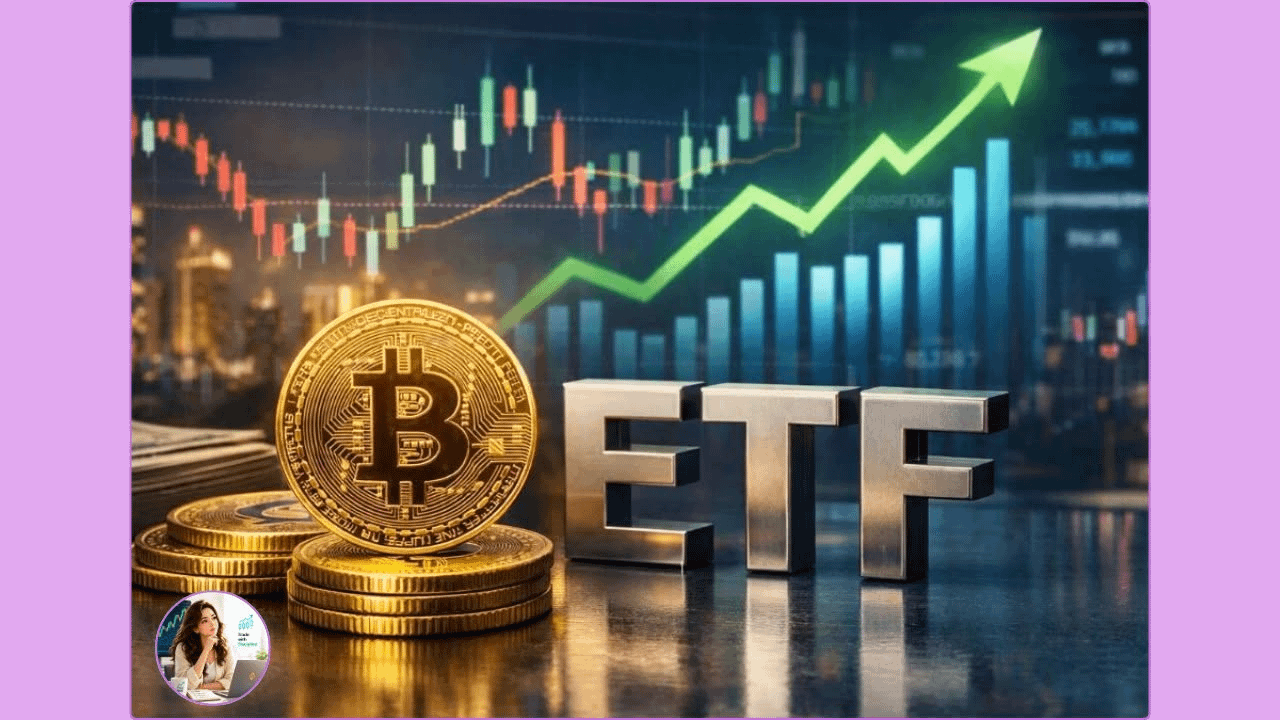
💥 بيتكوين عند 87 ألف دولار تعيد مستثمري صناديق البيتكوين المتداولة إلى الربح — لكن الطلب يبقى سؤالًا
دفعت حركة بيتكوين باتجاه 87,000 دولار متوسط حامل صندوق بيتكوين متداول في الولايات المتحدة إلى العودة إلى الربح لأول مرة منذ يناير.
تقدّر بلومبرغ إنتليجنس أن متوسط تكلفة أساس الشراءات (محصورًا في عمليات الشراء) للصناديق يبلغ نحو 81,722 دولارًا لكل بيتكوين. ويبرز هذا التعافي بعد أن تراجع مستثمرو صناديق البيتكوين من نحو 86.32 مليار دولار أرباحًا غير محققة في 6 أكتوبر 2025 إلى خسارة مُقدّرة بنحو 780 مليون دولار بحلول 18 سبتمبر 2026.
لكن تعافي السعر تفوّق على تدفقات رأس المال. لا تزال التدفقات الصافية التراكمية للصناديق الداخلة حول 55.16 مليار دولار، أي أقل بنحو 6.03 مليارات دولار من ذروة أكتوبر 2025.
انتهت الأسبوع الماضي على شبه ثبات، عند نحو 6.21 مليون دولار فقط من التدفقات الداخلة الصافية، رغم التقلبات اليومية الحادة.
هل سيشجّع الوصول إلى نقطة التعادل على شراء صناديق بيتكوين جديدة — أم يمنح الحاملين الذين ظلّوا على الهامش فرصة للخروج؟
#BitcoinETFs #BTC #CryptoMarket
#ThuyBNB
$BTC $BNB $SOL
💥 بيتكوين عند 87 ألف دولار تعيد مستثمري صناديق البيتكوين المتداولة إلى الربح — لكن الطلب يبقى سؤالًا
دفعت حركة بيتكوين باتجاه 87,000 دولار متوسط حامل صندوق بيتكوين متداول في الولايات المتحدة إلى العودة إلى الربح لأول مرة منذ يناير.
تقدّر بلومبرغ إنتليجنس أن متوسط تكلفة أساس الشراءات (محصورًا في عمليات الشراء) للصناديق يبلغ نحو 81,722 دولارًا لكل بيتكوين. ويبرز هذا التعافي بعد أن تراجع مستثمرو صناديق البيتكوين من نحو 86.32 مليار دولار أرباحًا غير محققة في 6 أكتوبر 2025 إلى خسارة مُقدّرة بنحو 780 مليون دولار بحلول 18 سبتمبر 2026.
لكن تعافي السعر تفوّق على تدفقات رأس المال. لا تزال التدفقات الصافية التراكمية للصناديق الداخلة حول 55.16 مليار دولار، أي أقل بنحو 6.03 مليارات دولار من ذروة أكتوبر 2025.
انتهت الأسبوع الماضي على شبه ثبات، عند نحو 6.21 مليون دولار فقط من التدفقات الداخلة الصافية، رغم التقلبات اليومية الحادة.
هل سيشجّع الوصول إلى نقطة التعادل على شراء صناديق بيتكوين جديدة — أم يمنح الحاملين الذين ظلّوا على الهامش فرصة للخروج؟
#BitcoinETFs #BTC #CryptoMarket
#ThuyBNB
$BTC $BNB $SOL
دفعت حركة بيتكوين باتجاه 87,000 دولار متوسط حامل صندوق بيتكوين متداول في الولايات المتحدة إلى العودة إلى الربح لأول مرة منذ يناير.
تقدّر بلومبرغ إنتليجنس أن متوسط تكلفة أساس الشراءات (محصورًا في عمليات الشراء) للصناديق يبلغ نحو 81,722 دولارًا لكل بيتكوين. ويبرز هذا التعافي بعد أن تراجع مستثمرو صناديق البيتكوين من نحو 86.32 مليار دولار أرباحًا غير محققة في 6 أكتوبر 2025 إلى خسارة مُقدّرة بنحو 780 مليون دولار بحلول 18 سبتمبر 2026.
لكن تعافي السعر تفوّق على تدفقات رأس المال. لا تزال التدفقات الصافية التراكمية للصناديق الداخلة حول 55.16 مليار دولار، أي أقل بنحو 6.03 مليارات دولار من ذروة أكتوبر 2025.
انتهت الأسبوع الماضي على شبه ثبات، عند نحو 6.21 مليون دولار فقط من التدفقات الداخلة الصافية، رغم التقلبات اليومية الحادة.
هل سيشجّع الوصول إلى نقطة التعادل على شراء صناديق بيتكوين جديدة — أم يمنح الحاملين الذين ظلّوا على الهامش فرصة للخروج؟
#BitcoinETFs #BTC #CryptoMarket
#ThuyBNB
$BTC $BNB $SOL
70
قادِتْ فيديليتي (Fidelity) "FBTC" تدفّقًا صافيًا هائلًا بلغ 433 مليون دولار إلى صناديق بيتكوين المتداولة يوم الجمعة، حتى مع انتهاء سلسلة التدفقات الداخلة لمدة أربعة أسابيع لصناديق إيثيريوم.
#FidelityFBTC #BitcoinETFs
قادِتْ فيديليتي (Fidelity) "FBTC" تدفّقًا صافيًا هائلًا بلغ 433 مليون دولار إلى صناديق بيتكوين المتداولة يوم الجمعة، حتى مع انتهاء سلسلة التدفقات الداخلة لمدة أربعة أسابيع لصناديق إيثيريوم.
#FidelityFBTC #BitcoinETFs
#FidelityFBTC #BitcoinETFs
15

·
--
تمّ التحقق
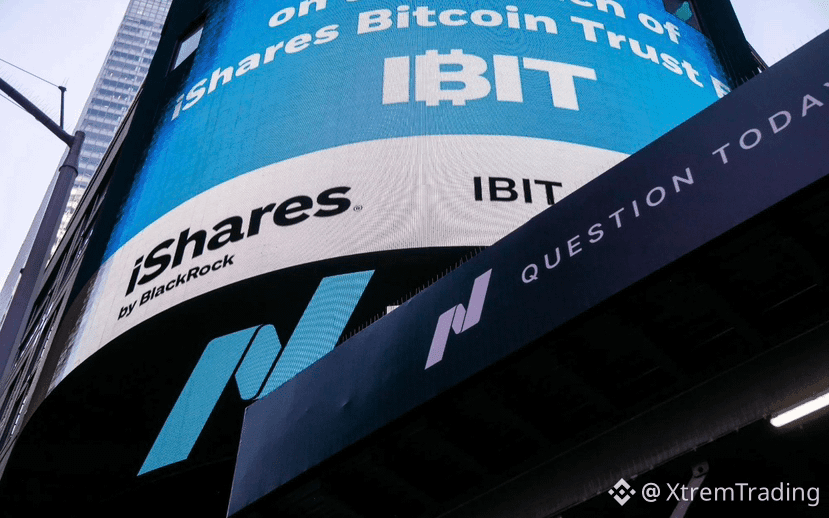
🚨 تعود بلاك روك لتحريك سوق بيتكوين
تجد بلاك روك نفسها مرة أخرى في قلب النشاط المؤسسي في بيتكوين.
💰 دخلت أمس إلى صندوقها المتداول على بيتكوين (IBIT) ما قيمته 183.66 مليون دولار، بينما سجلت مجموعة صناديق ETF الفورية للـ BTC تدفقات صافية بلغت 159.45 مليون دولار.
📊 اليوم، وصل IBIT إلى تحريك ما يقارب 1.56 تريليون دولار في حجم التداول، متجاوزًا حتى صندوق الذهب (GLD) خلال الجلسة.
🏦 تشير هذه البيانات إلى أن الاهتمام المؤسسي ببيتكوين لا يزال عاملًا مهمًا في السوق.
₿ بلاك روك + بيتكوين = اهتمام متزايد من وول ستريت.
#bitcoin $BTC #BlackRock #IBITUSDT #BitcoinETFs
🚨 تعود بلاك روك لتحريك سوق بيتكوين
تجد بلاك روك نفسها مرة أخرى في قلب النشاط المؤسسي في بيتكوين.
💰 دخلت أمس إلى صندوقها المتداول على بيتكوين (IBIT) ما قيمته 183.66 مليون دولار، بينما سجلت مجموعة صناديق ETF الفورية للـ BTC تدفقات صافية بلغت 159.45 مليون دولار.
📊 اليوم، وصل IBIT إلى تحريك ما يقارب 1.56 تريليون دولار في حجم التداول، متجاوزًا حتى صندوق الذهب (GLD) خلال الجلسة.
🏦 تشير هذه البيانات إلى أن الاهتمام المؤسسي ببيتكوين لا يزال عاملًا مهمًا في السوق.
₿ بلاك روك + بيتكوين = اهتمام متزايد من وول ستريت.
#bitcoin $BTC #BlackRock #IBITUSDT #BitcoinETFs
تجد بلاك روك نفسها مرة أخرى في قلب النشاط المؤسسي في بيتكوين.
💰 دخلت أمس إلى صندوقها المتداول على بيتكوين (IBIT) ما قيمته 183.66 مليون دولار، بينما سجلت مجموعة صناديق ETF الفورية للـ BTC تدفقات صافية بلغت 159.45 مليون دولار.
📊 اليوم، وصل IBIT إلى تحريك ما يقارب 1.56 تريليون دولار في حجم التداول، متجاوزًا حتى صندوق الذهب (GLD) خلال الجلسة.
🏦 تشير هذه البيانات إلى أن الاهتمام المؤسسي ببيتكوين لا يزال عاملًا مهمًا في السوق.
₿ بلاك روك + بيتكوين = اهتمام متزايد من وول ستريت.
#bitcoin $BTC #BlackRock #IBITUSDT #BitcoinETFs

BTC-0.40%
GLDETF+0.17%
1
667
سجّل الدخول لاستكشاف المزيد من المُحتوى
انضم إلى مُستخدمي العملات الرقمية حول العالم على Binance Square
⚡️ احصل على أحدث المعلومات المفيدة عن العملات الرقمية.
💬 موثوقة من قبل أكبر منصّة لتداول العملات الرقمية في العالم.
👍 اكتشف الرؤى الحقيقية من صنّاع المُحتوى الموثوقين.
البريد الإلكتروني / رقم الهاتف
العملات ذات الصلة
المواضيع الرائجة
1
#NvidiaApproves$150BBuyback
0 مشاهدات
0 يقومون بالنقاش
2
#OpenAIDelaysGPT6.1OverSafetyIssues
0 مشاهدات
0 يقومون بالنقاش
3
#AMDToAcquireWorldLabsFor$8.2B
0 مشاهدات
10 يقومون بالنقاش
4
#AnthropicIPOProspectusCouldValueItOver$2T
693 مشاهدات
40 يقومون بالنقاش
5
#HackersDrainOver12.4MXRPFromDCENTWallets
5,918 مشاهدات
234 يقومون بالنقاش
6
#SECSaysDecentralizedTokenBuybacksNotInvestmentContracts
223 مشاهدات
13 يقومون بالنقاش
7
#UKFCAWinsCourtOrderToRecover851400Pounds
62,108 مشاهدات
1,129 يقومون بالنقاش
8
#ChainlinkLaunchesCCIP2WithEnterpriseVerification
71,271 مشاهدات
1,249 يقومون بالنقاش
9
#GoldFallsTo$4144
23,139 مشاهدات
183 يقومون بالنقاش
10
#QNTFallsOver40%FromMorningHigh
121,215 مشاهدات
1,615 يقومون بالنقاش