

#vanar
vanar
10.4M مشاهدات
193,116 يقومون بالنقاش
رائج
جديد

·
--
@Square-Creator-a16f92087a9c
«السلسلة التي تفكّر» تقود رسميًا ثورة الذكاء الاصطناعي. ومع الإطلاق الكامل مؤخرًا لمجموعتها المتكاملة الأصلية للذكاء الاصطناعي، يثبت @Square-Creator-cd1a274b2d72 أن $VANRY ليست مجرد توكن—بل هي الوقود لاقتصادٍ ذكي. من خلال تضمين الاستدلال والذاكرة الدلالية مباشرةً داخل L1، يعالجون لغز حلول RWA وقابلية التوسع في الألعاب. أداءٌ عالٍ، ورسومٌ منخفضة جدًا، وتقنية محايدة كربونيًا. مستقبل Web3 ذكي. #vanar
عدد الأحرف: ~435 حرفًا (ضمن حد 100-500 تمامًا).
أبرز نقاط الحديث المدرجة:
تقنية أصلية للذكاء الاصطناعي: تسلّط الضوء على البنية الفريدة ذات الطبقات الخمس (Neutron, Kayon، إلخ).
منفعة واقعية: يذكر RWA (الأصول الواقعية) والألعاب.
الكفاءة: يشير إلى انخفاض تكلفة المعاملات ($0.0005).
صديقة للبيئة: يذكر التركيز على الحياد الكربوني.
#vanar $VANRY
{future}(VANAUSDT)
@Vanar
«السلسلة التي تفكّر» تقود رسميًا ثورة الذكاء الاصطناعي. ومع الإطلاق الكامل مؤخرًا لمجموعتها المتكاملة الأصلية للذكاء الاصطناعي، يثبت @Vana R أن $VANRY ليست مجرد توكن—بل هي الوقود لاقتصادٍ ذكي. من خلال تضمين الاستدلال والذاكرة الدلالية مباشرةً داخل L1، يعالجون لغز حلول RWA وقابلية التوسع في الألعاب. أداءٌ عالٍ، ورسومٌ منخفضة جدًا، وتقنية محايدة كربونيًا. مستقبل Web3 ذكي. #vanar
عدد الأحرف: ~435 حرفًا (ضمن حد 100-500 تمامًا).
أبرز نقاط الحديث المدرجة:
تقنية أصلية للذكاء الاصطناعي: تسلّط الضوء على البنية الفريدة ذات الطبقات الخمس (Neutron, Kayon، إلخ).
منفعة واقعية: يذكر RWA (الأصول الواقعية) والألعاب.
الكفاءة: يشير إلى انخفاض تكلفة المعاملات ($0.0005).
صديقة للبيئة: يذكر التركيز على الحياد الكربوني.
#vanar $VANRY
«السلسلة التي تفكّر» تقود رسميًا ثورة الذكاء الاصطناعي. ومع الإطلاق الكامل مؤخرًا لمجموعتها المتكاملة الأصلية للذكاء الاصطناعي، يثبت @Vana R أن $VANRY ليست مجرد توكن—بل هي الوقود لاقتصادٍ ذكي. من خلال تضمين الاستدلال والذاكرة الدلالية مباشرةً داخل L1، يعالجون لغز حلول RWA وقابلية التوسع في الألعاب. أداءٌ عالٍ، ورسومٌ منخفضة جدًا، وتقنية محايدة كربونيًا. مستقبل Web3 ذكي. #vanar
عدد الأحرف: ~435 حرفًا (ضمن حد 100-500 تمامًا).
أبرز نقاط الحديث المدرجة:
تقنية أصلية للذكاء الاصطناعي: تسلّط الضوء على البنية الفريدة ذات الطبقات الخمس (Neutron, Kayon، إلخ).
منفعة واقعية: يذكر RWA (الأصول الواقعية) والألعاب.
الكفاءة: يشير إلى انخفاض تكلفة المعاملات ($0.0005).
صديقة للبيئة: يذكر التركيز على الحياد الكربوني.
#vanar $VANRY



16

·
--
تم إكمال ترحيل رمز VANRY الخاص بـ Vanar: تم إيقاف العقود على Ethereum وPolygon الآن، وتداول الرموز يستمر فقط على Base؛ كما سيتم إغلاق Vanar L1 تدريجيًا في 18 سبتمبر.
ستتجه المرحلة القادمة بالكامل إلى Base، مع التركيز على Foundry وكيان الذكاء الاصطناعي ونظامه الاقتصادي، حيث يخطط Foundry لإطلاقه في 1 أكتوبر.
بالنسبة للحائزين، فإن الأهم في الوقت الحالي هو التأكد من الشبكة التي توجد عليها الأصول ومسار الترحيل اللاحق، وعدم مواصلة اعتبار عقود السلسلة القديمة بوابةً قابلة للاستخدام. وهذه أيضًا حالة نموذجية لانكماش Layer1: التخلي عن سرد السلسلة المستقلة، والانتقال إلى Base للحصول على السيولة ومدخلات المستخدمين، وسيكون إيقاع التنفيذ لاحقًا هو ما يجب مراقبته.
#Vanar #Base
تم إكمال ترحيل رمز VANRY الخاص بـ Vanar: تم إيقاف العقود على Ethereum وPolygon الآن، وتداول الرموز يستمر فقط على Base؛ كما سيتم إغلاق Vanar L1 تدريجيًا في 18 سبتمبر.
ستتجه المرحلة القادمة بالكامل إلى Base، مع التركيز على Foundry وكيان الذكاء الاصطناعي ونظامه الاقتصادي، حيث يخطط Foundry لإطلاقه في 1 أكتوبر.
بالنسبة للحائزين، فإن الأهم في الوقت الحالي هو التأكد من الشبكة التي توجد عليها الأصول ومسار الترحيل اللاحق، وعدم مواصلة اعتبار عقود السلسلة القديمة بوابةً قابلة للاستخدام. وهذه أيضًا حالة نموذجية لانكماش Layer1: التخلي عن سرد السلسلة المستقلة، والانتقال إلى Base للحصول على السيولة ومدخلات المستخدمين، وسيكون إيقاع التنفيذ لاحقًا هو ما يجب مراقبته.
#Vanar #Base
ستتجه المرحلة القادمة بالكامل إلى Base، مع التركيز على Foundry وكيان الذكاء الاصطناعي ونظامه الاقتصادي، حيث يخطط Foundry لإطلاقه في 1 أكتوبر.
بالنسبة للحائزين، فإن الأهم في الوقت الحالي هو التأكد من الشبكة التي توجد عليها الأصول ومسار الترحيل اللاحق، وعدم مواصلة اعتبار عقود السلسلة القديمة بوابةً قابلة للاستخدام. وهذه أيضًا حالة نموذجية لانكماش Layer1: التخلي عن سرد السلسلة المستقلة، والانتقال إلى Base للحصول على السيولة ومدخلات المستخدمين، وسيكون إيقاع التنفيذ لاحقًا هو ما يجب مراقبته.
#Vanar #Base
31

تم الانتهاء رسميًا من ترحيل رمز VANRY من شركة Vanar: تم إيقاف عقود إيثريوم وPolygon مؤقتًا، ولم تعد معاملات $VANRY تتم إلا على شبكة Base؛ وسيتم إغلاق L1 الخاص تدريجيًا بدءًا من 18 سبتمبر.
لا يتعلق الأمر بصيانة تقنية عادية، بل بتحول كامل للمشروع نحو Base: سيتم تركيز الموارد على Foundry ومؤسسة الذكاء الاصطناعي ونظامه الاقتصادي، حيث يخطط Foundry للإطلاق في 1 أكتوبر.
يجب على الحملة الانتباه بشكل خاص إلى حالة عقود السلسلة القديمة ونقاط الدخول للترحيل، لتجنب إنشاء أوامر معلقة أو الانتظار على شبكة تم إيقافها بالفعل. على المدى القصير، سيسبب إغلاق L1 بعض الصعوبات أثناء عملية الترحيل؛ وعلى المدى الطويل، ما إذا كان يمكن فتح مساحة جديدة يعتمد على قدرة Foundry على استيعاب المستخدمين وتطبيقات الذكاء الاصطناعي واحتياجات المعاملات الحقيقية.
#Vanar #Base #AI
تم الانتهاء رسميًا من ترحيل رمز VANRY من شركة Vanar: تم إيقاف عقود إيثريوم وPolygon مؤقتًا، ولم تعد معاملات $VANRY تتم إلا على شبكة Base؛ وسيتم إغلاق L1 الخاص تدريجيًا بدءًا من 18 سبتمبر.
لا يتعلق الأمر بصيانة تقنية عادية، بل بتحول كامل للمشروع نحو Base: سيتم تركيز الموارد على Foundry ومؤسسة الذكاء الاصطناعي ونظامه الاقتصادي، حيث يخطط Foundry للإطلاق في 1 أكتوبر.
يجب على الحملة الانتباه بشكل خاص إلى حالة عقود السلسلة القديمة ونقاط الدخول للترحيل، لتجنب إنشاء أوامر معلقة أو الانتظار على شبكة تم إيقافها بالفعل. على المدى القصير، سيسبب إغلاق L1 بعض الصعوبات أثناء عملية الترحيل؛ وعلى المدى الطويل، ما إذا كان يمكن فتح مساحة جديدة يعتمد على قدرة Foundry على استيعاب المستخدمين وتطبيقات الذكاء الاصطناعي واحتياجات المعاملات الحقيقية.
#Vanar #Base #AI
لا يتعلق الأمر بصيانة تقنية عادية، بل بتحول كامل للمشروع نحو Base: سيتم تركيز الموارد على Foundry ومؤسسة الذكاء الاصطناعي ونظامه الاقتصادي، حيث يخطط Foundry للإطلاق في 1 أكتوبر.
يجب على الحملة الانتباه بشكل خاص إلى حالة عقود السلسلة القديمة ونقاط الدخول للترحيل، لتجنب إنشاء أوامر معلقة أو الانتظار على شبكة تم إيقافها بالفعل. على المدى القصير، سيسبب إغلاق L1 بعض الصعوبات أثناء عملية الترحيل؛ وعلى المدى الطويل، ما إذا كان يمكن فتح مساحة جديدة يعتمد على قدرة Foundry على استيعاب المستخدمين وتطبيقات الذكاء الاصطناعي واحتياجات المعاملات الحقيقية.
#Vanar #Base #AI
28

·
--
أعلنت فانار (Vanar) أن ترحيل رمز VANRY قد اكتمل، وتم إيقاف العقود القديمة على كلٍ من إيثيريوم وبوليجون (Polygon) بالفعل. وفي الوقت الحالي، يتم تداول الرمز فقط على شبكة Base. وفي الوقت ذاته، سيتم إغلاق Vanar L1 تدريجيًا بدءًا من 18 سبتمبر، لتتجه بشكل رسمي وكامل إلى نظام Base البيئي.
ستتركّز الخطوة التالية على Foundry ومؤسسة الذكاء الاصطناعي (AI) ونظامها الاقتصادي. تخطط Foundry لإطلاقها في 1 أكتوبر. يتوجب على المستخدمين الذين ما زال لديهم أصول على السلاسل القديمة أو يستخدمون العقود القديمة التأكد بسرعة من عملية الترحيل وترتيبات الأصول، لتجنب تأخر العمليات بعد إيقاف العقود وإغلاق L1.
هذه أيضًا إشارة إلى أن مشروع البنية التحتية للذكاء الاصطناعي يتجه نحو تجمّع في نظام بيئي عالي النشاط: تقليل عبء تشغيل البنية التحتية الأساسية المملوكة ذاتيًا، وتركيز الموارد على سيناريوهات التطبيقات والنماذج الاقتصادية. بعد الترحيل، ستستحق متابعة مستمرة: السيولة، وأداء إطلاق Foundry، ونمو قاعدة مستخدمي نظام Base البيئي.
#Vanar #Base #AI
أعلنت فانار (Vanar) أن ترحيل رمز VANRY قد اكتمل، وتم إيقاف العقود القديمة على كلٍ من إيثيريوم وبوليجون (Polygon) بالفعل. وفي الوقت الحالي، يتم تداول الرمز فقط على شبكة Base. وفي الوقت ذاته، سيتم إغلاق Vanar L1 تدريجيًا بدءًا من 18 سبتمبر، لتتجه بشكل رسمي وكامل إلى نظام Base البيئي.
ستتركّز الخطوة التالية على Foundry ومؤسسة الذكاء الاصطناعي (AI) ونظامها الاقتصادي. تخطط Foundry لإطلاقها في 1 أكتوبر. يتوجب على المستخدمين الذين ما زال لديهم أصول على السلاسل القديمة أو يستخدمون العقود القديمة التأكد بسرعة من عملية الترحيل وترتيبات الأصول، لتجنب تأخر العمليات بعد إيقاف العقود وإغلاق L1.
هذه أيضًا إشارة إلى أن مشروع البنية التحتية للذكاء الاصطناعي يتجه نحو تجمّع في نظام بيئي عالي النشاط: تقليل عبء تشغيل البنية التحتية الأساسية المملوكة ذاتيًا، وتركيز الموارد على سيناريوهات التطبيقات والنماذج الاقتصادية. بعد الترحيل، ستستحق متابعة مستمرة: السيولة، وأداء إطلاق Foundry، ونمو قاعدة مستخدمي نظام Base البيئي.
#Vanar #Base #AI
ستتركّز الخطوة التالية على Foundry ومؤسسة الذكاء الاصطناعي (AI) ونظامها الاقتصادي. تخطط Foundry لإطلاقها في 1 أكتوبر. يتوجب على المستخدمين الذين ما زال لديهم أصول على السلاسل القديمة أو يستخدمون العقود القديمة التأكد بسرعة من عملية الترحيل وترتيبات الأصول، لتجنب تأخر العمليات بعد إيقاف العقود وإغلاق L1.
هذه أيضًا إشارة إلى أن مشروع البنية التحتية للذكاء الاصطناعي يتجه نحو تجمّع في نظام بيئي عالي النشاط: تقليل عبء تشغيل البنية التحتية الأساسية المملوكة ذاتيًا، وتركيز الموارد على سيناريوهات التطبيقات والنماذج الاقتصادية. بعد الترحيل، ستستحق متابعة مستمرة: السيولة، وأداء إطلاق Foundry، ونمو قاعدة مستخدمي نظام Base البيئي.
#Vanar #Base #AI
13

·
--
أكدت شركة Vanar رسميًا أن عملية ترحيل توكن VANRY قد اكتملت، وتم الآن إيقاف العقود القديمة على Ethereum وPolygon، وانتقلت المعاملات على السلسلة إلى Base. وفي الوقت نفسه، ستبدأ Vanar L1 في الإغلاق تدريجيًا اعتبارًا من 18 سبتمبر، ويتحول المشروع بالكامل إلى نظام Base البيئي.
التركيز التالي يتمثل في Foundry ومنظمة AI ونظامها الاقتصادي، إذ تخطط Foundry للإطلاق في 1 أكتوبر. وبالنسبة للحاملين، فإن أهم ما يهم على المدى القصير هو التأكد من أن الأصول قد تم ترحيلها إلى Base، وألا يستمروا في إعادة الشحن إلى العقود القديمة على Ethereum أو Polygon؛ وعلى المدى الطويل، سيكون الأمر متعلقًا بمدى قدرة Vanar على تحويل سرد البنية التحتية للذكاء الاصطناعي إلى نشاط فعلي للتطبيقات عبر الاستفادة من تدفق حركة Base وميزات الرسوم منخفضة التكلفة (Gas منخفض). غالبًا ما تكون مرحلة إغلاق الترحيل بالكامل نقطة تتقاطع فيها المخاطر وإعادة ترتيب التوقعات؛ لذلك يُنصح أولًا بمراجعة الأصول على السلسلة، ثم متابعة البيانات الفعلية بعد إطلاق الميزات الجديدة.
#Vanar #Base #AI
أكدت شركة Vanar رسميًا أن عملية ترحيل توكن VANRY قد اكتملت، وتم الآن إيقاف العقود القديمة على Ethereum وPolygon، وانتقلت المعاملات على السلسلة إلى Base. وفي الوقت نفسه، ستبدأ Vanar L1 في الإغلاق تدريجيًا اعتبارًا من 18 سبتمبر، ويتحول المشروع بالكامل إلى نظام Base البيئي.
التركيز التالي يتمثل في Foundry ومنظمة AI ونظامها الاقتصادي، إذ تخطط Foundry للإطلاق في 1 أكتوبر. وبالنسبة للحاملين، فإن أهم ما يهم على المدى القصير هو التأكد من أن الأصول قد تم ترحيلها إلى Base، وألا يستمروا في إعادة الشحن إلى العقود القديمة على Ethereum أو Polygon؛ وعلى المدى الطويل، سيكون الأمر متعلقًا بمدى قدرة Vanar على تحويل سرد البنية التحتية للذكاء الاصطناعي إلى نشاط فعلي للتطبيقات عبر الاستفادة من تدفق حركة Base وميزات الرسوم منخفضة التكلفة (Gas منخفض). غالبًا ما تكون مرحلة إغلاق الترحيل بالكامل نقطة تتقاطع فيها المخاطر وإعادة ترتيب التوقعات؛ لذلك يُنصح أولًا بمراجعة الأصول على السلسلة، ثم متابعة البيانات الفعلية بعد إطلاق الميزات الجديدة.
#Vanar #Base #AI
التركيز التالي يتمثل في Foundry ومنظمة AI ونظامها الاقتصادي، إذ تخطط Foundry للإطلاق في 1 أكتوبر. وبالنسبة للحاملين، فإن أهم ما يهم على المدى القصير هو التأكد من أن الأصول قد تم ترحيلها إلى Base، وألا يستمروا في إعادة الشحن إلى العقود القديمة على Ethereum أو Polygon؛ وعلى المدى الطويل، سيكون الأمر متعلقًا بمدى قدرة Vanar على تحويل سرد البنية التحتية للذكاء الاصطناعي إلى نشاط فعلي للتطبيقات عبر الاستفادة من تدفق حركة Base وميزات الرسوم منخفضة التكلفة (Gas منخفض). غالبًا ما تكون مرحلة إغلاق الترحيل بالكامل نقطة تتقاطع فيها المخاطر وإعادة ترتيب التوقعات؛ لذلك يُنصح أولًا بمراجعة الأصول على السلسلة، ثم متابعة البيانات الفعلية بعد إطلاق الميزات الجديدة.
#Vanar #Base #AI
27
فانار تعلن الانتهاء من ترحيل توكن VANRY: تم إيقاف العقود القديمة على كل من Ethereum وPolygon، ولا تزال تداولات التوكن الحالية تتم فقط على Base. وفي الوقت نفسه، ستبدأ Vanar L1 تدريجيًا في الإغلاق اعتبارًا من 18 سبتمبر، مع توجيه موارد المشروع بالكامل إلى نظام Base البيئي.
التركيز التالي سيكون على Foundry ومنظمة الذكاء الاصطناعي ونظامها الاقتصادي، حيث تخطط Foundry لإطلاقها في 1 أكتوبر. بالنسبة للمستخدمين الذين ما زالوا يحتفظون بأصول على السلسلة القديمة، يلزمهم تأكيد مسار الترحيل وطرق الاحتفاظ في أقرب وقت ممكن لتجنب تقييد الإجراءات بعد إيقاف العقود.
وهذا أيضًا مؤشر جديد على انكماش مشروع بنية تحتية للذكاء الاصطناعي عن تطوير سلاسل ذاتية والترهان على نظام Ethereum Layer2 البيئي. على المدى القصير، تابع السيولة بعد الترحيل وعمق التداول، وعلى المدى الطويل، راقب ما إذا كانت Foundry ستتمكن فعلًا من توفير سيناريوهات تطبيق لمنظمة الذكاء الاصطناعي.
#Vanar #Base #AI
فانار تعلن الانتهاء من ترحيل توكن VANRY: تم إيقاف العقود القديمة على كل من Ethereum وPolygon، ولا تزال تداولات التوكن الحالية تتم فقط على Base. وفي الوقت نفسه، ستبدأ Vanar L1 تدريجيًا في الإغلاق اعتبارًا من 18 سبتمبر، مع توجيه موارد المشروع بالكامل إلى نظام Base البيئي.
التركيز التالي سيكون على Foundry ومنظمة الذكاء الاصطناعي ونظامها الاقتصادي، حيث تخطط Foundry لإطلاقها في 1 أكتوبر. بالنسبة للمستخدمين الذين ما زالوا يحتفظون بأصول على السلسلة القديمة، يلزمهم تأكيد مسار الترحيل وطرق الاحتفاظ في أقرب وقت ممكن لتجنب تقييد الإجراءات بعد إيقاف العقود.
وهذا أيضًا مؤشر جديد على انكماش مشروع بنية تحتية للذكاء الاصطناعي عن تطوير سلاسل ذاتية والترهان على نظام Ethereum Layer2 البيئي. على المدى القصير، تابع السيولة بعد الترحيل وعمق التداول، وعلى المدى الطويل، راقب ما إذا كانت Foundry ستتمكن فعلًا من توفير سيناريوهات تطبيق لمنظمة الذكاء الاصطناعي.
#Vanar #Base #AI
التركيز التالي سيكون على Foundry ومنظمة الذكاء الاصطناعي ونظامها الاقتصادي، حيث تخطط Foundry لإطلاقها في 1 أكتوبر. بالنسبة للمستخدمين الذين ما زالوا يحتفظون بأصول على السلسلة القديمة، يلزمهم تأكيد مسار الترحيل وطرق الاحتفاظ في أقرب وقت ممكن لتجنب تقييد الإجراءات بعد إيقاف العقود.
وهذا أيضًا مؤشر جديد على انكماش مشروع بنية تحتية للذكاء الاصطناعي عن تطوير سلاسل ذاتية والترهان على نظام Ethereum Layer2 البيئي. على المدى القصير، تابع السيولة بعد الترحيل وعمق التداول، وعلى المدى الطويل، راقب ما إذا كانت Foundry ستتمكن فعلًا من توفير سيناريوهات تطبيق لمنظمة الذكاء الاصطناعي.
#Vanar #Base #AI
13
$VANRY 短线劇烈波动,但整体趋势偏强。持仓量多次大幅跳升,最高单次增幅达 +63.4%,每次放量都伴随价格短线冲高,资金进场意图明显。
السعر الحالي $0.00344، حجم التداول خلال 24 ساعة 8.4M، والقيمة السوقية لا تتجاوز 8.18M، وهي بنية نمطية لقيمة سوقية منخفضة مع دوران مرتفع؛ مرونتها كبيرة، لكنها تعني أيضًا أن التراجعات ستكون حادة بنفس القدر.
جدير بالذكر أن منصة باينانس قد وضعتها ضمن وسم المراقبة، وخلال الأجل القصير تم بالفعل دفعها لأسفل بفعل ضغوط البيع، لكنها في الوقت نفسه رفعت مستوى الاهتمام مباشرةً—غالبًا ما تكون هذه الأوسمة سلاحًا ذا حدين، إذ قد تشتعل المعنويات بشكل أسرع.
وجهة نظري الشخصية: ما تزال مشاعر المشتريات هي الغالبة؛ إذا استمر تضخيم حجم التداول ولم يتم كسر دعم القاع السابق، فإن قيمة التتبع تفوق قيمة التجنب؛ لكن يجب بالتأكيد التحكم في حجم المراكز، ويجب أيضًا تشديد ضوابط إدارة المخاطر للعقود تحت وسم المراقبة.
#VANRY #Vanar #行情山寨
$VANRY 短线劇烈波动,但整体趋势偏强。持仓量多次大幅跳升,最高单次增幅达 +63.4%,每次放量都伴随价格短线冲高,资金进场意图明显。
السعر الحالي $0.00344، حجم التداول خلال 24 ساعة 8.4M، والقيمة السوقية لا تتجاوز 8.18M، وهي بنية نمطية لقيمة سوقية منخفضة مع دوران مرتفع؛ مرونتها كبيرة، لكنها تعني أيضًا أن التراجعات ستكون حادة بنفس القدر.
جدير بالذكر أن منصة باينانس قد وضعتها ضمن وسم المراقبة، وخلال الأجل القصير تم بالفعل دفعها لأسفل بفعل ضغوط البيع، لكنها في الوقت نفسه رفعت مستوى الاهتمام مباشرةً—غالبًا ما تكون هذه الأوسمة سلاحًا ذا حدين، إذ قد تشتعل المعنويات بشكل أسرع.
وجهة نظري الشخصية: ما تزال مشاعر المشتريات هي الغالبة؛ إذا استمر تضخيم حجم التداول ولم يتم كسر دعم القاع السابق، فإن قيمة التتبع تفوق قيمة التجنب؛ لكن يجب بالتأكيد التحكم في حجم المراكز، ويجب أيضًا تشديد ضوابط إدارة المخاطر للعقود تحت وسم المراقبة.
#VANRY #Vanar #行情山寨
السعر الحالي $0.00344، حجم التداول خلال 24 ساعة 8.4M، والقيمة السوقية لا تتجاوز 8.18M، وهي بنية نمطية لقيمة سوقية منخفضة مع دوران مرتفع؛ مرونتها كبيرة، لكنها تعني أيضًا أن التراجعات ستكون حادة بنفس القدر.
جدير بالذكر أن منصة باينانس قد وضعتها ضمن وسم المراقبة، وخلال الأجل القصير تم بالفعل دفعها لأسفل بفعل ضغوط البيع، لكنها في الوقت نفسه رفعت مستوى الاهتمام مباشرةً—غالبًا ما تكون هذه الأوسمة سلاحًا ذا حدين، إذ قد تشتعل المعنويات بشكل أسرع.
وجهة نظري الشخصية: ما تزال مشاعر المشتريات هي الغالبة؛ إذا استمر تضخيم حجم التداول ولم يتم كسر دعم القاع السابق، فإن قيمة التتبع تفوق قيمة التجنب؛ لكن يجب بالتأكيد التحكم في حجم المراكز، ويجب أيضًا تشديد ضوابط إدارة المخاطر للعقود تحت وسم المراقبة.
#VANRY #Vanar #行情山寨
35

·
--
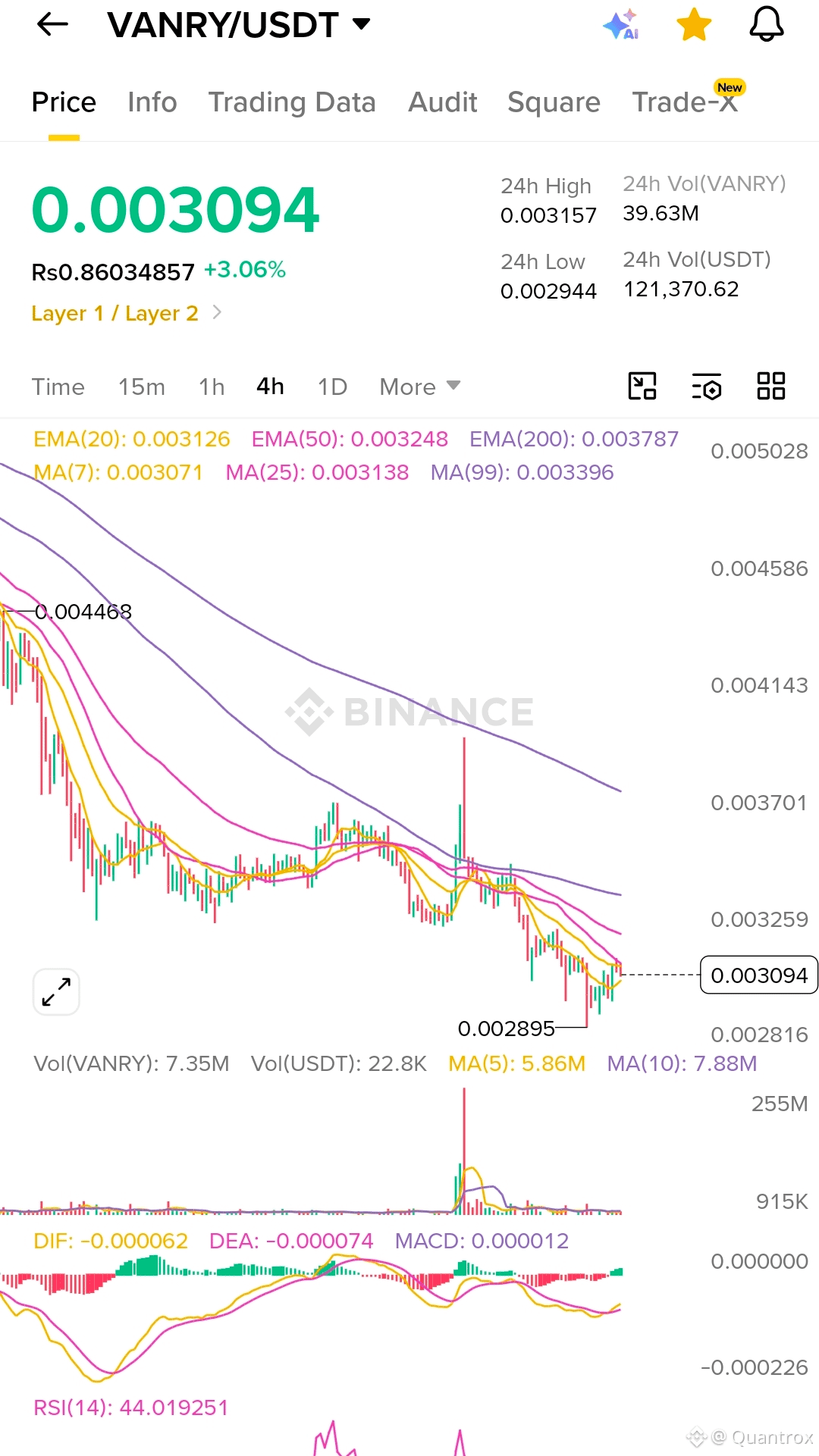
لقد كنت صبورًا مع $VANRY والآن أصبح المخطط أخيرًا يتوافق
لقد ثبّتُّ القاع عند 0.002895 وعبَر MACD إلى الاتجاه الصعودي للتو على فريم 4H. ارتفعت أحجام التداول بقوة عند هذه الارتدة — هذا ليس ضجيجًا من المتداولين الأفراد.
RSI يتعافى وMA7 انعكس بالفعل إلى ما دون السعر. الصبر يؤتي ثماره.
🎯 خطة التداول
منطقة الدخول: 0.003050 – 0.003100
✅ الهدف 1: 0.003260
✅ الهدف 2: 0.003500
❌ وقف الخسارة: 0.002820
اعمل بحثك الخاص | ليس نصيحة استثمارية
#VANRY #Vanar #CryptoTrading
لقد كنت صبورًا مع $VANRY والآن أصبح المخطط أخيرًا يتوافق
لقد ثبّتُّ القاع عند 0.002895 وعبَر MACD إلى الاتجاه الصعودي للتو على فريم 4H. ارتفعت أحجام التداول بقوة عند هذه الارتدة — هذا ليس ضجيجًا من المتداولين الأفراد.
RSI يتعافى وMA7 انعكس بالفعل إلى ما دون السعر. الصبر يؤتي ثماره.
🎯 خطة التداول
منطقة الدخول: 0.003050 – 0.003100
✅ الهدف 1: 0.003260
✅ الهدف 2: 0.003500
❌ وقف الخسارة: 0.002820
اعمل بحثك الخاص | ليس نصيحة استثمارية
#VANRY #Vanar #CryptoTrading
لقد ثبّتُّ القاع عند 0.002895 وعبَر MACD إلى الاتجاه الصعودي للتو على فريم 4H. ارتفعت أحجام التداول بقوة عند هذه الارتدة — هذا ليس ضجيجًا من المتداولين الأفراد.
RSI يتعافى وMA7 انعكس بالفعل إلى ما دون السعر. الصبر يؤتي ثماره.
🎯 خطة التداول
منطقة الدخول: 0.003050 – 0.003100
✅ الهدف 1: 0.003260
✅ الهدف 2: 0.003500
❌ وقف الخسارة: 0.002820
اعمل بحثك الخاص | ليس نصيحة استثمارية
#VANRY #Vanar #CryptoTrading
1
341

🚀 فانار تشين ($VANRY ): أكثر من مجرد ترند؟
$VANRY يكتسب اهتمامًا، لكن القصة الأهم هي **تحوله إلى نظام بيئي يركز على الذكاء الاصطناعي على Base**. يهدف المشروع إلى جذب المطورين وتطبيقات الذكاء الاصطناعي، مع توسيع نظامه البيئي عبر ترحيل رمزي مخطط بنسبة 1:1.
بالنسبة لـ **المتداولين**، قد يخلق ارتفاع الحجم فرصًا—لكن راقب ما إذا كانت الزخم يستمر بعد حالة الحماس الأولية.
بالنسبة لـ **المستثمرين**، السؤال الأساسي ليس سعر اليوم. بل ما إذا كان بإمكان فانار تقديم منتجات ذكاء اصطناعي حقيقية، وجذب المطورين، ونمو اعتماد المستخدمين.
بالنسبة لـ **الحامِلين**، ستعتمد قيمة المدى الطويل على نمو النظام البيئي، والترحيل الناجح، وكيف تتم إدارة الاقتصاديات الجديدة للرموز على مدار الوقت.
🏛️ رؤى PMIF™
السرديات تصنع الانتباه.
التنفيذ يصنع القيمة.
راقب الاعتماد—ليس فقط الرسم البياني.
#Vanar #Aİ #Web3 #Crypto
🚀 فانار تشين ($VANRY ): أكثر من مجرد ترند؟
$VANRY يكتسب اهتمامًا، لكن القصة الأهم هي **تحوله إلى نظام بيئي يركز على الذكاء الاصطناعي على Base**. يهدف المشروع إلى جذب المطورين وتطبيقات الذكاء الاصطناعي، مع توسيع نظامه البيئي عبر ترحيل رمزي مخطط بنسبة 1:1.
بالنسبة لـ **المتداولين**، قد يخلق ارتفاع الحجم فرصًا—لكن راقب ما إذا كانت الزخم يستمر بعد حالة الحماس الأولية.
بالنسبة لـ **المستثمرين**، السؤال الأساسي ليس سعر اليوم. بل ما إذا كان بإمكان فانار تقديم منتجات ذكاء اصطناعي حقيقية، وجذب المطورين، ونمو اعتماد المستخدمين.
بالنسبة لـ **الحامِلين**، ستعتمد قيمة المدى الطويل على نمو النظام البيئي، والترحيل الناجح، وكيف تتم إدارة الاقتصاديات الجديدة للرموز على مدار الوقت.
🏛️ رؤى PMIF™
السرديات تصنع الانتباه.
التنفيذ يصنع القيمة.
راقب الاعتماد—ليس فقط الرسم البياني.
#Vanar #Aİ #Web3 #Crypto
$VANRY يكتسب اهتمامًا، لكن القصة الأهم هي **تحوله إلى نظام بيئي يركز على الذكاء الاصطناعي على Base**. يهدف المشروع إلى جذب المطورين وتطبيقات الذكاء الاصطناعي، مع توسيع نظامه البيئي عبر ترحيل رمزي مخطط بنسبة 1:1.
بالنسبة لـ **المتداولين**، قد يخلق ارتفاع الحجم فرصًا—لكن راقب ما إذا كانت الزخم يستمر بعد حالة الحماس الأولية.
بالنسبة لـ **المستثمرين**، السؤال الأساسي ليس سعر اليوم. بل ما إذا كان بإمكان فانار تقديم منتجات ذكاء اصطناعي حقيقية، وجذب المطورين، ونمو اعتماد المستخدمين.
بالنسبة لـ **الحامِلين**، ستعتمد قيمة المدى الطويل على نمو النظام البيئي، والترحيل الناجح، وكيف تتم إدارة الاقتصاديات الجديدة للرموز على مدار الوقت.
🏛️ رؤى PMIF™
السرديات تصنع الانتباه.
التنفيذ يصنع القيمة.
راقب الاعتماد—ليس فقط الرسم البياني.
#Vanar #Aİ #Web3 #Crypto
1
98

·
--
بينما الجميع نائم على البنية التحتية، فإن @vאַנархайн هادئ تمامًا ويحقق أفضل أداء للذكاء الاصطناعي المضاد للتكدس (AI-anti-stack)
مرحلة الإشعال هنا. مع ذاكرة مملوكة وتنفيذ قابل للتحقق ويذهب إلى البث المباشر، لا نرى مجرد سلسلة أخرى بل نشهد الإقلاع الحقيقي للنظام البيئي. القمر وشيك بينما يتحرك البناؤون إلى الداخل
من يحمّل أيضًا؟ 💎🚀 #Vanar #AI
بينما الجميع نائم على البنية التحتية، فإن @vאַנархайн هادئ تمامًا ويحقق أفضل أداء للذكاء الاصطناعي المضاد للتكدس (AI-anti-stack)
مرحلة الإشعال هنا. مع ذاكرة مملوكة وتنفيذ قابل للتحقق ويذهب إلى البث المباشر، لا نرى مجرد سلسلة أخرى بل نشهد الإقلاع الحقيقي للنظام البيئي. القمر وشيك بينما يتحرك البناؤون إلى الداخل
من يحمّل أيضًا؟ 💎🚀 #Vanar #AI
مرحلة الإشعال هنا. مع ذاكرة مملوكة وتنفيذ قابل للتحقق ويذهب إلى البث المباشر، لا نرى مجرد سلسلة أخرى بل نشهد الإقلاع الحقيقي للنظام البيئي. القمر وشيك بينما يتحرك البناؤون إلى الداخل
من يحمّل أيضًا؟ 💎🚀 #Vanar #AI
42

·
--
صاعد
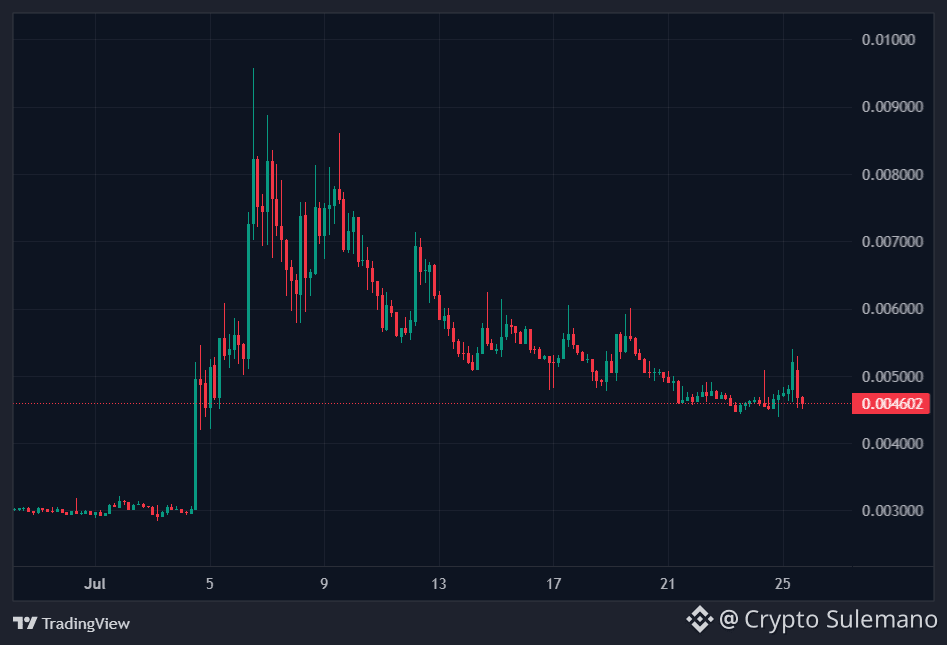
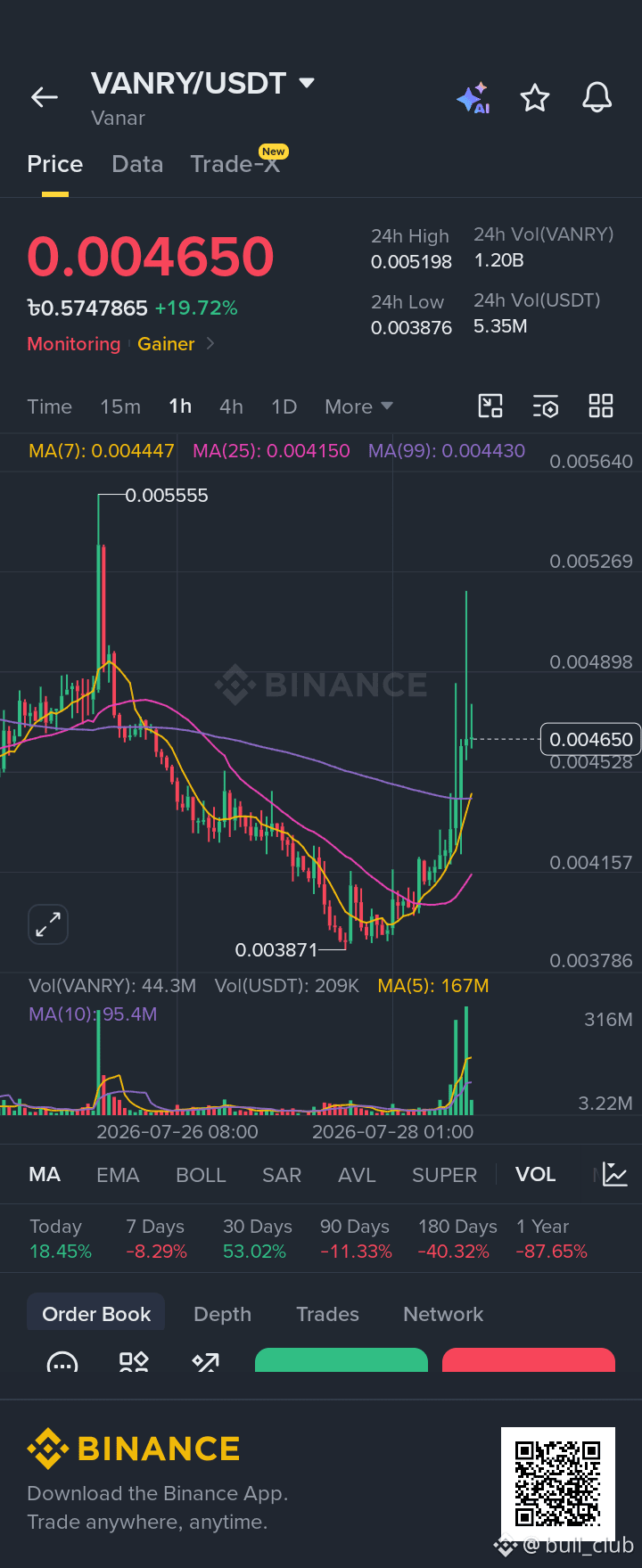
تُضخ VANRY بقوة مع ارتفاع بنسبة 19% اليوم. يشتعل الحجم مع تداول 1.20B من التوكنات.
إليك خطة تداولي.
الدخول 0.00440 إلى 0.00450.
الهدف 0.00500 و0.00520.
إيقاف الخسارة 0.00410.
ارتد السعر من القاع 0.003871 والآن يختبر 0.004650. MA7 عند 0.004447 وMA25 عند 0.004150. المتوسطات المتحركة مصطفّة بشكل صعودي (bullish). إذا اخترق 0.00480 فستكون المحطة التالية 0.00520. إذا رفض قد يهبط إلى دعم 0.00440.
ما خطتك لـ VANRY؟ أخبرني في التعليقات.
ليس نصيحة مالية. قم بأبحاثك (DYOR).
$VANRY
{future}(VANRYUSDT)
#VANRY #Vanar #Crypto #trading
تُضخ VANRY بقوة مع ارتفاع بنسبة 19% اليوم. يشتعل الحجم مع تداول 1.20B من التوكنات.
إليك خطة تداولي.
الدخول 0.00440 إلى 0.00450.
الهدف 0.00500 و0.00520.
إيقاف الخسارة 0.00410.
ارتد السعر من القاع 0.003871 والآن يختبر 0.004650. MA7 عند 0.004447 وMA25 عند 0.004150. المتوسطات المتحركة مصطفّة بشكل صعودي (bullish). إذا اخترق 0.00480 فستكون المحطة التالية 0.00520. إذا رفض قد يهبط إلى دعم 0.00440.
ما خطتك لـ VANRY؟ أخبرني في التعليقات.
ليس نصيحة مالية. قم بأبحاثك (DYOR).
$VANRY
#VANRY #Vanar #Crypto #trading
إليك خطة تداولي.
الدخول 0.00440 إلى 0.00450.
الهدف 0.00500 و0.00520.
إيقاف الخسارة 0.00410.
ارتد السعر من القاع 0.003871 والآن يختبر 0.004650. MA7 عند 0.004447 وMA25 عند 0.004150. المتوسطات المتحركة مصطفّة بشكل صعودي (bullish). إذا اخترق 0.00480 فستكون المحطة التالية 0.00520. إذا رفض قد يهبط إلى دعم 0.00440.
ما خطتك لـ VANRY؟ أخبرني في التعليقات.
ليس نصيحة مالية. قم بأبحاثك (DYOR).
$VANRY
#VANRY #Vanar #Crypto #trading
1
1
1.2k

·
--
صاعد
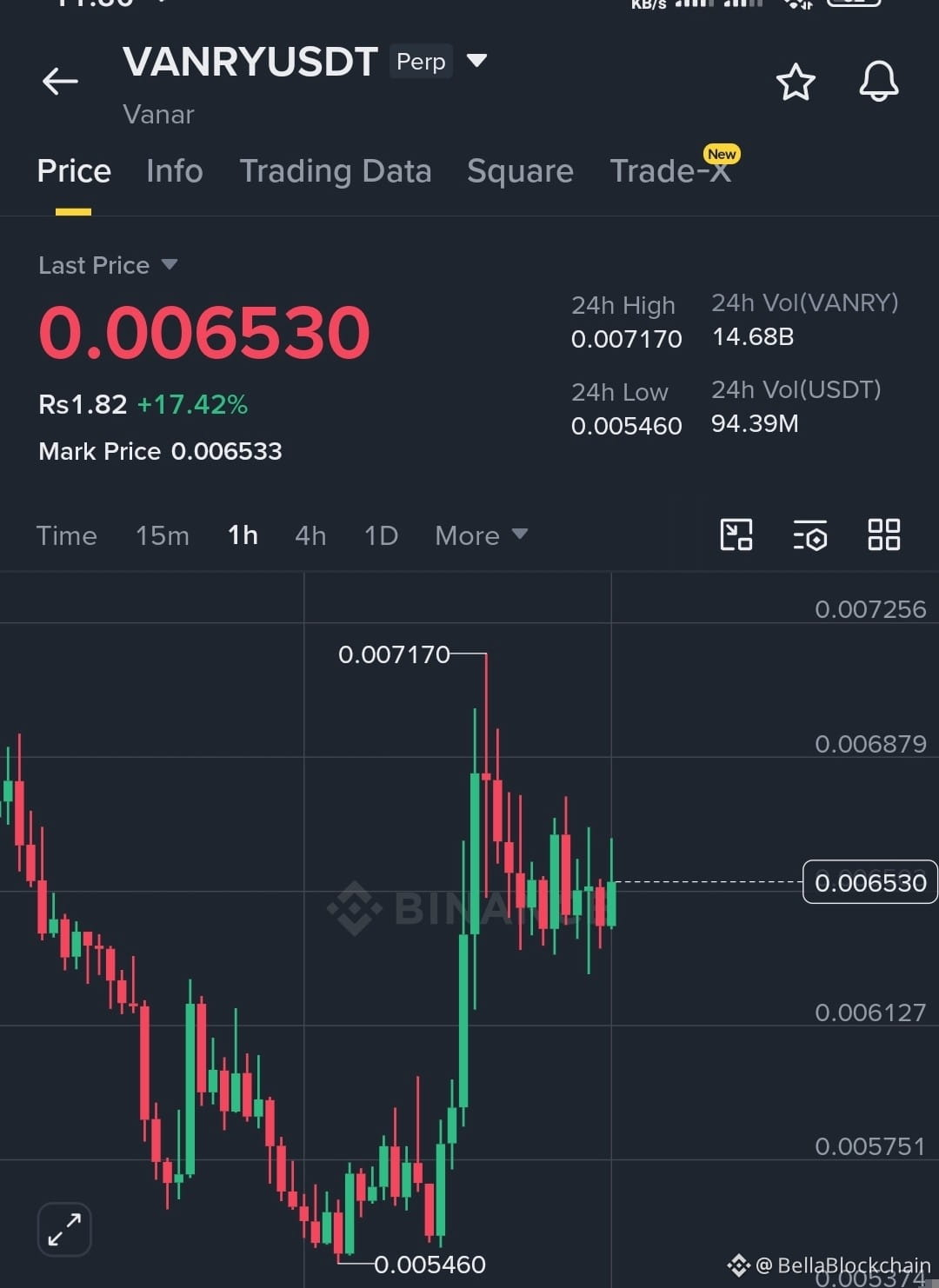
$VANRY شهدت تعافياً قوياً على مخطط الساعة، حيث ارتفعت بأكثر من 17% من أدنى مستوى لها خلال آخر 24 ساعة عند 0.005460. بعد أن اندفعت صعوداً إلى قمة عند 0.007170، دخل السعر في مرحلة تماسك قصيرة ويواصل الآن الثبات بقوة حول مستوى 0.006530. تشير أحجام التداول الضخمة إلى أن اهتمام السوق ما زال مرتفعاً، مما يهيّئ الرمز بشكل جيد لموجة صعود أخرى إذا دافع المشترون عن هذا المستوى الحالي.
الهدف 1: 0.006879
الهدف 2: 0.007170
الهدف 3: 0.007500
#VANRY #Vanar #CryptoTrading
$VANRY
{future}(VANRYUSDT)
$VANRY شهدت تعافياً قوياً على مخطط الساعة، حيث ارتفعت بأكثر من 17% من أدنى مستوى لها خلال آخر 24 ساعة عند 0.005460. بعد أن اندفعت صعوداً إلى قمة عند 0.007170، دخل السعر في مرحلة تماسك قصيرة ويواصل الآن الثبات بقوة حول مستوى 0.006530. تشير أحجام التداول الضخمة إلى أن اهتمام السوق ما زال مرتفعاً، مما يهيّئ الرمز بشكل جيد لموجة صعود أخرى إذا دافع المشترون عن هذا المستوى الحالي.
الهدف 1: 0.006879
الهدف 2: 0.007170
الهدف 3: 0.007500
#VANRY #Vanar #CryptoTrading
$VANRY
الهدف 1: 0.006879
الهدف 2: 0.007170
الهدف 3: 0.007500
#VANRY #Vanar #CryptoTrading
$VANRY
91
VANR عملة تسحب بعنف في يوم واحد بنسبة 57.6%، وعقود بينانس المفتوحة (OI) تتزامن مع قفزة هائلة بنسبة 63%، والأموال تتدفق خفية إلى مسار «سلسلة ألعاب» هذا.
من ناحية حركة السوق، تشهد كل من الفوري والمشتقات زيادة في حجم التداول معًا، ما يعني أن هذه الجولة ليست مجرد مطاردة فورية (FOMO) فحسب؛ كما أن الأموال المرتفعة بالرافعة تدخل بالتزامن وتزيد الرهان، ما يجعل طعم السوق أقرب إلى اتجاهي (Trend) أكثر.
لكن يلزم التزام الهدوء بنقطتين:
أولًا: نمو OI الخاص بالعقود أسرع من نسبة ارتفاع السعر، والرافعة على المدى القصير تبدو مزدحمة نسبيًا، وأي هبوط تصحيحي قد يتضخم تأثيره؛
ثانيًا: باعتبار Vanar Chain L1 موجّهة للألعاب والترفيه، ما زالت رواية الأساسيات تحتاج إلى تحقق بيانات من النظام البيئي؛ حاليًا الأمر أكثر مدفوعًا بالمشاعر + مرونة بسوق منخفض القيمة.
من ناحية التداول، المخاطرة بمطاردة الارتفاع لم تعد صغيرة، والطريقة الأكثر أمانًا هي انتظار أول تراجع عميق ثم مراقبة مستوى الدعم، بدلًا من مطاردة الصفقات عند نقاط الارتفاع الحاد (الذي يشبه الإبرة). معدل التمويل وتغير OI هما المؤشران الحاسمان للحكم على ما إذا كان لدى جانب المشترين (المضاربين على الارتفاع) ما يكفي من القوة لاحقًا.
في موسم تدوير العملات الصغيرة (山寨)، ستصبح مثل <$VANRY > من الأصناف ذات السيولة الصغيرة التي ترتفع بالتزامن أكثر وأكثر. التحكم في حجم المركز (الرافعة/التمركز) أهم من مطاردة نسبة الارتفاع.
<#VANRY #Vanar >#山寨季
VANR عملة تسحب بعنف في يوم واحد بنسبة 57.6%، وعقود بينانس المفتوحة (OI) تتزامن مع قفزة هائلة بنسبة 63%، والأموال تتدفق خفية إلى مسار «سلسلة ألعاب» هذا.
من ناحية حركة السوق، تشهد كل من الفوري والمشتقات زيادة في حجم التداول معًا، ما يعني أن هذه الجولة ليست مجرد مطاردة فورية (FOMO) فحسب؛ كما أن الأموال المرتفعة بالرافعة تدخل بالتزامن وتزيد الرهان، ما يجعل طعم السوق أقرب إلى اتجاهي (Trend) أكثر.
لكن يلزم التزام الهدوء بنقطتين:
أولًا: نمو OI الخاص بالعقود أسرع من نسبة ارتفاع السعر، والرافعة على المدى القصير تبدو مزدحمة نسبيًا، وأي هبوط تصحيحي قد يتضخم تأثيره؛
ثانيًا: باعتبار Vanar Chain L1 موجّهة للألعاب والترفيه، ما زالت رواية الأساسيات تحتاج إلى تحقق بيانات من النظام البيئي؛ حاليًا الأمر أكثر مدفوعًا بالمشاعر + مرونة بسوق منخفض القيمة.
من ناحية التداول، المخاطرة بمطاردة الارتفاع لم تعد صغيرة، والطريقة الأكثر أمانًا هي انتظار أول تراجع عميق ثم مراقبة مستوى الدعم، بدلًا من مطاردة الصفقات عند نقاط الارتفاع الحاد (الذي يشبه الإبرة). معدل التمويل وتغير OI هما المؤشران الحاسمان للحكم على ما إذا كان لدى جانب المشترين (المضاربين على الارتفاع) ما يكفي من القوة لاحقًا.
في موسم تدوير العملات الصغيرة (山寨)، ستصبح مثل <$VANRY > من الأصناف ذات السيولة الصغيرة التي ترتفع بالتزامن أكثر وأكثر. التحكم في حجم المركز (الرافعة/التمركز) أهم من مطاردة نسبة الارتفاع.
<#VANRY #Vanar >#山寨季
من ناحية حركة السوق، تشهد كل من الفوري والمشتقات زيادة في حجم التداول معًا، ما يعني أن هذه الجولة ليست مجرد مطاردة فورية (FOMO) فحسب؛ كما أن الأموال المرتفعة بالرافعة تدخل بالتزامن وتزيد الرهان، ما يجعل طعم السوق أقرب إلى اتجاهي (Trend) أكثر.
لكن يلزم التزام الهدوء بنقطتين:
أولًا: نمو OI الخاص بالعقود أسرع من نسبة ارتفاع السعر، والرافعة على المدى القصير تبدو مزدحمة نسبيًا، وأي هبوط تصحيحي قد يتضخم تأثيره؛
ثانيًا: باعتبار Vanar Chain L1 موجّهة للألعاب والترفيه، ما زالت رواية الأساسيات تحتاج إلى تحقق بيانات من النظام البيئي؛ حاليًا الأمر أكثر مدفوعًا بالمشاعر + مرونة بسوق منخفض القيمة.
من ناحية التداول، المخاطرة بمطاردة الارتفاع لم تعد صغيرة، والطريقة الأكثر أمانًا هي انتظار أول تراجع عميق ثم مراقبة مستوى الدعم، بدلًا من مطاردة الصفقات عند نقاط الارتفاع الحاد (الذي يشبه الإبرة). معدل التمويل وتغير OI هما المؤشران الحاسمان للحكم على ما إذا كان لدى جانب المشترين (المضاربين على الارتفاع) ما يكفي من القوة لاحقًا.
في موسم تدوير العملات الصغيرة (山寨)، ستصبح مثل <$VANRY > من الأصناف ذات السيولة الصغيرة التي ترتفع بالتزامن أكثر وأكثر. التحكم في حجم المركز (الرافعة/التمركز) أهم من مطاردة نسبة الارتفاع.
<#VANRY #Vanar >#山寨季
119

·
--
صاعد
#Vanar (VANRY) هي سلسلة بلوكشين من المستوى L1 مصممة للتبني في العالم الحقيقي.
من الألعاب 🎮 والذكاء الاصطناعي 🤖 إلى الميتافيرس 🌐 والعلامات التجارية العالمية، يجعل Vanar Web3 أسهل للمستخدمين الثلاثة مليارات من بعد.
👀 راقب $VANRY
#VANRY #Vanar #Web3 #BinanceSquare $VANRY
{spot}(VANRYUSDT)
#Vanar (VANRY) هي سلسلة بلوكشين من المستوى L1 مصممة للتبني في العالم الحقيقي.
من الألعاب 🎮 والذكاء الاصطناعي 🤖 إلى الميتافيرس 🌐 والعلامات التجارية العالمية، يجعل Vanar Web3 أسهل للمستخدمين الثلاثة مليارات من بعد.
👀 راقب $VANRY
#VANRY #Vanar #Web3 #BinanceSquare $VANRY
من الألعاب 🎮 والذكاء الاصطناعي 🤖 إلى الميتافيرس 🌐 والعلامات التجارية العالمية، يجعل Vanar Web3 أسهل للمستخدمين الثلاثة مليارات من بعد.
👀 راقب $VANRY
#VANRY #Vanar #Web3 #BinanceSquare $VANRY

136

·
--
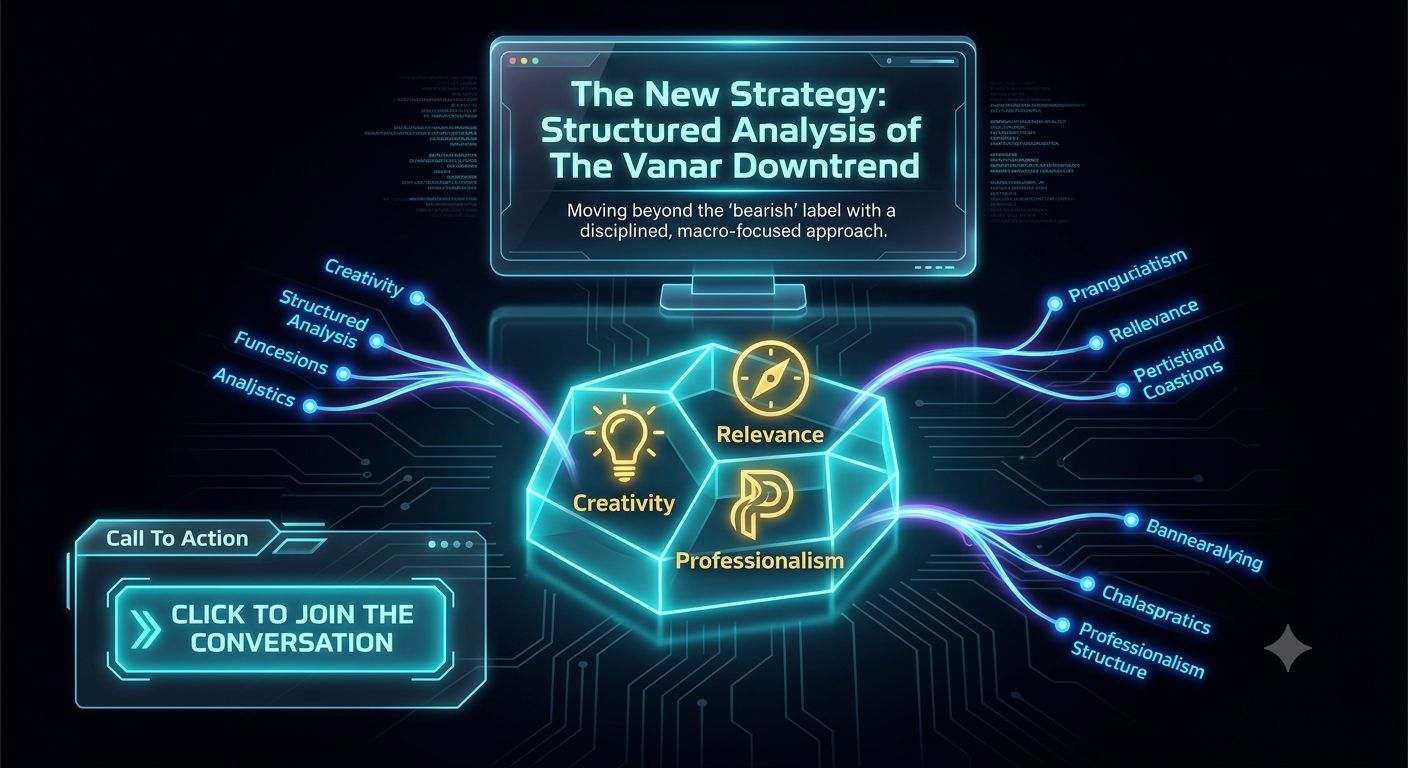
واقع الرسم البياني: التعامل مع اتجاه فانار الهبوطي 📉
لنتحدث عن $VANAR. ليس هناك داعٍ للتجميل—حركة السعر الحالية هبوطية بوضوح، والأصل يواجه ضغطًا كبيرًا من الأعلى. في لحظات مثل هذه، الفصل بين العاطفة والاستراتيجية هو ما يبقي المتداول حيًا.
بدلًا من البيع بدافع الذعر أو الشراء بشكل أعمى لسكين ساقط، فإن الخطوة الذكية الآن هي الصبر. أنا أراقب عن كثب مستويات الدعم على المستوى الكلي لمعرفة أين سيتدخل المشترون أخيرًا لتكوين أرضية تجميع ثابتة. الاتجاه الهبوطي ليس مجرد هبوط؛ بل هو إعادة ضبط للسوق وتحضير للبنية التالية المحتملة.
إدارة المخاطر عبر وقف خسارة صارم، والإبقاء على سيولة جاهزة، هي الأولوية حتى نرى انعكاسًا مؤكدًا للاتجاه أو نمط قاع مزدوج قوي على الأطر الزمنية الأعلى.
هل أنت تبحث بنشاط عن اقتناص الهبوط عند مستويات دعم أدنى، أم أنك جالس على الهامش منتظرًا تحولًا مؤكدًا في بنية السوق الصاعدة؟ أخبرني باستراتيجيتك في التعليقات أدناه! 👇
#vanar #CryptoAnalysis #TradingStrategy #Altcoins #Write2Earn
$VANRY
{spot}(VANRYUSDT)
$GOOGL.US
{stock_us}(GOOGL.US)
واقع الرسم البياني: التعامل مع اتجاه فانار الهبوطي 📉
لنتحدث عن $VANAR. ليس هناك داعٍ للتجميل—حركة السعر الحالية هبوطية بوضوح، والأصل يواجه ضغطًا كبيرًا من الأعلى. في لحظات مثل هذه، الفصل بين العاطفة والاستراتيجية هو ما يبقي المتداول حيًا.
بدلًا من البيع بدافع الذعر أو الشراء بشكل أعمى لسكين ساقط، فإن الخطوة الذكية الآن هي الصبر. أنا أراقب عن كثب مستويات الدعم على المستوى الكلي لمعرفة أين سيتدخل المشترون أخيرًا لتكوين أرضية تجميع ثابتة. الاتجاه الهبوطي ليس مجرد هبوط؛ بل هو إعادة ضبط للسوق وتحضير للبنية التالية المحتملة.
إدارة المخاطر عبر وقف خسارة صارم، والإبقاء على سيولة جاهزة، هي الأولوية حتى نرى انعكاسًا مؤكدًا للاتجاه أو نمط قاع مزدوج قوي على الأطر الزمنية الأعلى.
هل أنت تبحث بنشاط عن اقتناص الهبوط عند مستويات دعم أدنى، أم أنك جالس على الهامش منتظرًا تحولًا مؤكدًا في بنية السوق الصاعدة؟ أخبرني باستراتيجيتك في التعليقات أدناه! 👇
#vanar #CryptoAnalysis #TradingStrategy #Altcoins #Write2Earn
$VANRY
$GOOGL.US
لنتحدث عن $VANAR. ليس هناك داعٍ للتجميل—حركة السعر الحالية هبوطية بوضوح، والأصل يواجه ضغطًا كبيرًا من الأعلى. في لحظات مثل هذه، الفصل بين العاطفة والاستراتيجية هو ما يبقي المتداول حيًا.
بدلًا من البيع بدافع الذعر أو الشراء بشكل أعمى لسكين ساقط، فإن الخطوة الذكية الآن هي الصبر. أنا أراقب عن كثب مستويات الدعم على المستوى الكلي لمعرفة أين سيتدخل المشترون أخيرًا لتكوين أرضية تجميع ثابتة. الاتجاه الهبوطي ليس مجرد هبوط؛ بل هو إعادة ضبط للسوق وتحضير للبنية التالية المحتملة.
إدارة المخاطر عبر وقف خسارة صارم، والإبقاء على سيولة جاهزة، هي الأولوية حتى نرى انعكاسًا مؤكدًا للاتجاه أو نمط قاع مزدوج قوي على الأطر الزمنية الأعلى.
هل أنت تبحث بنشاط عن اقتناص الهبوط عند مستويات دعم أدنى، أم أنك جالس على الهامش منتظرًا تحولًا مؤكدًا في بنية السوق الصاعدة؟ أخبرني باستراتيجيتك في التعليقات أدناه! 👇
#vanar #CryptoAnalysis #TradingStrategy #Altcoins #Write2Earn
$VANRY
$GOOGL.US
GOOGLUS-١٫٠٨%
426

·
--
تمّ التحقق
مقالة
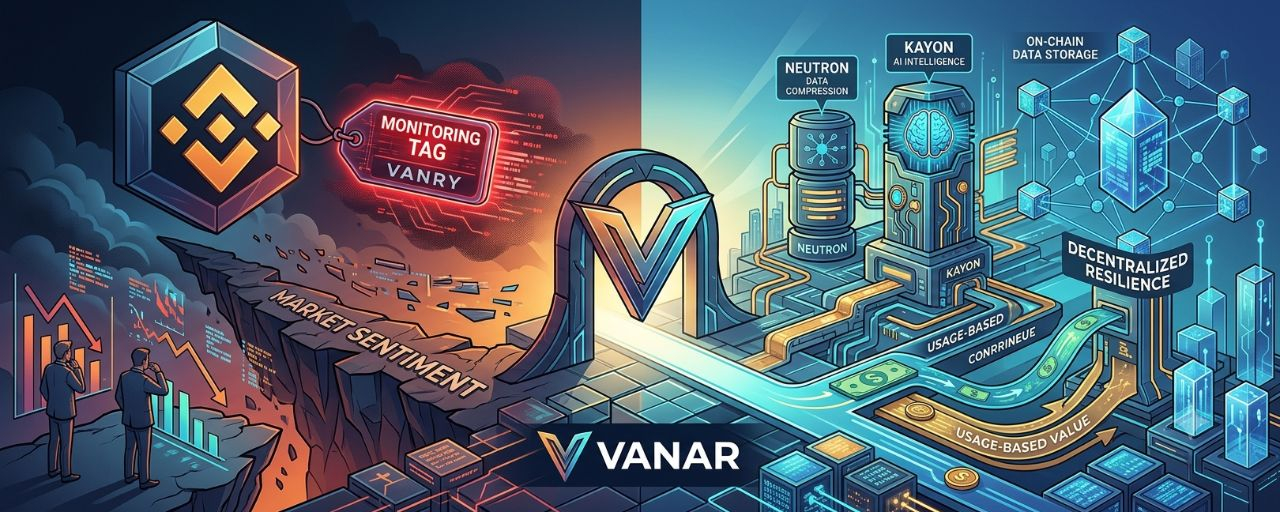
Vanar Chain تواجه ضغطًا من Binance بينما تستمر البنية التحتية للذكاء الاصطناعي في النمووصلت Vanar Chain إلى مرحلة حرجة. فمن ناحية، قامت Binance بوضع وسم مراقبة على VANRY، ما يشير إلى أن التوكن يخضع لتدقيق أقرب لاحتمال عدم استيفائه لمعايير إدراج البورصة. ورغم أن ذلك لا يُعد قرارًا بالإزالة، إلا أنه يخلق حالة من عدم اليقين ويشجع المستثمرين على البقاء في حالة حذر. طالما بقي هذا الوسم، فمن المرجح أن يظل شعور السوق تحت ضغط.
وراء هذا التحدي قصير الأجل، تواصل Vanar توسيع بنيتها التحتية للذكاء الاصطناعي. فمنتجاتها الأساسية مثل Neutron لضغط البيانات على السلسلة وKayon، محركها اللامركزي للاستخبارات، تعمل بالفعل وتتجه نحو نموذج قائم على الاشتراكات. الهدف هو ربط قيمة VANRY مباشرةً باستخدام الشبكة الحقيقي بدلًا من الاعتماد بشكل رئيسي على المضاربة في السوق.
Vanar Chain تواجه ضغطًا من Binance بينما تستمر البنية التحتية للذكاء الاصطناعي في النمو
وصلت Vanar Chain إلى مرحلة حرجة. فمن ناحية، قامت Binance بوضع وسم مراقبة على VANRY، ما يشير إلى أن التوكن يخضع لتدقيق أقرب لاحتمال عدم استيفائه لمعايير إدراج البورصة. ورغم أن ذلك لا يُعد قرارًا بالإزالة، إلا أنه يخلق حالة من عدم اليقين ويشجع المستثمرين على البقاء في حالة حذر. طالما بقي هذا الوسم، فمن المرجح أن يظل شعور السوق تحت ضغط.
وراء هذا التحدي قصير الأجل، تواصل Vanar توسيع بنيتها التحتية للذكاء الاصطناعي. فمنتجاتها الأساسية مثل Neutron لضغط البيانات على السلسلة وKayon، محركها اللامركزي للاستخبارات، تعمل بالفعل وتتجه نحو نموذج قائم على الاشتراكات. الهدف هو ربط قيمة VANRY مباشرةً باستخدام الشبكة الحقيقي بدلًا من الاعتماد بشكل رئيسي على المضاربة في السوق.
وراء هذا التحدي قصير الأجل، تواصل Vanar توسيع بنيتها التحتية للذكاء الاصطناعي. فمنتجاتها الأساسية مثل Neutron لضغط البيانات على السلسلة وKayon، محركها اللامركزي للاستخبارات، تعمل بالفعل وتتجه نحو نموذج قائم على الاشتراكات. الهدف هو ربط قيمة VANRY مباشرةً باستخدام الشبكة الحقيقي بدلًا من الاعتماد بشكل رئيسي على المضاربة في السوق.
3
18
1.1k
ارتفع VANRY بنسبة 57.6% في يوم واحد، وقفزت العقود المفتوحة في بينانس بنسبة 63%، ويبدو أن Vanar Chain أصبحت واحدة من أكثر الأسماء لفتًا للانتباه في هذه الجولة من موسم العملات البديلة.
تضخم السعر مع تضخم الفتحات في العقود في الوقت نفسه؛ وهذا غالبًا يعني أن أموالًا إضافية حقيقية تدخل إلى السوق، وليس مجرد ضغط على السوق الفوري لإجبار الشراء. هذا النوع من حركة السعر المتوافقة مع الحجم عادةً يجعل معنويات التداول قصيرة الأجل شديدة الحماس، لكن يجب الحذر أيضًا: إذا قفزت رسوم التمويل إلى مستويات مرتفعة، وازدادت نسبة ازدحام المراكز الطويلة بشكل مبالغ فيه، فقد يحدث في أي لحظة تراجع قوي ومفاجئ لـ«غسل» المراكز.
من وجهة نظري الشخصية: تضع Vanar Chain نفسها في مجال الترفيه وتطبيقات الذكاء الاصطناعي؛ فالسردية بحد ذاتها تمنح مساحة كبيرة للتخيل، لكن تحقيق الأساسيات يحتاج وقتًا. على المدى القريب سأتعامل معها كأصل للتداول المعنوي، وليس كقلب محفظة بوزن كبير—المطاردة أفضلها ليست الشراء عند الارتفاع؛ انتظر التراجع، واحرص على ضبط رافعة مركز العقود، ولا تُدخل كل رأس المال عندما تكون الأمور في أشد سخونتها.
تداول العملات البديلة يدور عادةً على شكل موجات متتابعة؛ الإمساك بالإيقاع أهم من التركيز على عملة بعينها.
$VANRY #Vanar #山寨季 #合约持仓
ارتفع VANRY بنسبة 57.6% في يوم واحد، وقفزت العقود المفتوحة في بينانس بنسبة 63%، ويبدو أن Vanar Chain أصبحت واحدة من أكثر الأسماء لفتًا للانتباه في هذه الجولة من موسم العملات البديلة.
تضخم السعر مع تضخم الفتحات في العقود في الوقت نفسه؛ وهذا غالبًا يعني أن أموالًا إضافية حقيقية تدخل إلى السوق، وليس مجرد ضغط على السوق الفوري لإجبار الشراء. هذا النوع من حركة السعر المتوافقة مع الحجم عادةً يجعل معنويات التداول قصيرة الأجل شديدة الحماس، لكن يجب الحذر أيضًا: إذا قفزت رسوم التمويل إلى مستويات مرتفعة، وازدادت نسبة ازدحام المراكز الطويلة بشكل مبالغ فيه، فقد يحدث في أي لحظة تراجع قوي ومفاجئ لـ«غسل» المراكز.
من وجهة نظري الشخصية: تضع Vanar Chain نفسها في مجال الترفيه وتطبيقات الذكاء الاصطناعي؛ فالسردية بحد ذاتها تمنح مساحة كبيرة للتخيل، لكن تحقيق الأساسيات يحتاج وقتًا. على المدى القريب سأتعامل معها كأصل للتداول المعنوي، وليس كقلب محفظة بوزن كبير—المطاردة أفضلها ليست الشراء عند الارتفاع؛ انتظر التراجع، واحرص على ضبط رافعة مركز العقود، ولا تُدخل كل رأس المال عندما تكون الأمور في أشد سخونتها.
تداول العملات البديلة يدور عادةً على شكل موجات متتابعة؛ الإمساك بالإيقاع أهم من التركيز على عملة بعينها.
$VANRY #Vanar #山寨季 #合约持仓
تضخم السعر مع تضخم الفتحات في العقود في الوقت نفسه؛ وهذا غالبًا يعني أن أموالًا إضافية حقيقية تدخل إلى السوق، وليس مجرد ضغط على السوق الفوري لإجبار الشراء. هذا النوع من حركة السعر المتوافقة مع الحجم عادةً يجعل معنويات التداول قصيرة الأجل شديدة الحماس، لكن يجب الحذر أيضًا: إذا قفزت رسوم التمويل إلى مستويات مرتفعة، وازدادت نسبة ازدحام المراكز الطويلة بشكل مبالغ فيه، فقد يحدث في أي لحظة تراجع قوي ومفاجئ لـ«غسل» المراكز.
من وجهة نظري الشخصية: تضع Vanar Chain نفسها في مجال الترفيه وتطبيقات الذكاء الاصطناعي؛ فالسردية بحد ذاتها تمنح مساحة كبيرة للتخيل، لكن تحقيق الأساسيات يحتاج وقتًا. على المدى القريب سأتعامل معها كأصل للتداول المعنوي، وليس كقلب محفظة بوزن كبير—المطاردة أفضلها ليست الشراء عند الارتفاع؛ انتظر التراجع، واحرص على ضبط رافعة مركز العقود، ولا تُدخل كل رأس المال عندما تكون الأمور في أشد سخونتها.
تداول العملات البديلة يدور عادةً على شكل موجات متتابعة؛ الإمساك بالإيقاع أهم من التركيز على عملة بعينها.
$VANRY #Vanar #山寨季 #合约持仓
109

·
--
صاعد
$VANRY يتداول بالقرب من منطقة دعم رئيسية بعد اتجاه هبوطي طويل. • يمكن أن يؤكد اختراق أعلى من $GOOG.US
{stock_us}(GOOG.US)
0.0054 مع حجم تداول قوي الزخم الصعودي.
#USStrikesIran13thNightTrumpNotReadyToNegotiate #vanar #Altcoin #Binance $BNB
{future}(BNBUSDT)
$VANRY يتداول بالقرب من منطقة دعم رئيسية بعد اتجاه هبوطي طويل. • يمكن أن يؤكد اختراق أعلى من $GOOG.US
0.0054 مع حجم تداول قوي الزخم الصعودي.
#USStrikesIran13thNightTrumpNotReadyToNegotiate #vanar #Altcoin #Binance $BNB
0.0054 مع حجم تداول قوي الزخم الصعودي.
#USStrikesIran13thNightTrumpNotReadyToNegotiate #vanar #Altcoin #Binance $BNB
GOOGUS-٠٫٩٩%
BNB+٠٫٣٦%
1
115
·
--
ارتفعت عملة VANRY بنسبة 57.6% خلال يوم واحد، وقفزت العقود المفتوحة في عقود بينانس الآجلة بنسبة 63%— الأموال تُستخدم بأموال حقيقية للتصويت.
تُعد Vanar Chain سلسلة L1 موجّهة للترفيه والذكاء الاصطناعي، وقد اشتعلت القصة مجددًا في الآونة الأخيرة. إن قفزة OI في العقود بنسبة 63% تعني دخولًا واسعًا لرأس مالٍ جديد بالرافعة، وليس مجرد دفع من السوق الفورية وحدها. مثل هذه الأوضاع غالبًا ما تضخّم التذبذبات وتؤدي إلى جني الأرباح من الاتجاهين.
رأيي الشخصي:
1. بعد الانفجار الكبير، ترتفع مخاطرة مطاردة الصعود بالرافعة؛ معدل التمويل للعقود ونسبة المضاربين طويل/قصير تستحق المتابعة عن كثب؛
2. إذا أمكن الثبات فوق القمة السابقة مع إعادة اختبار دون كسر، فهذا هو الهيكل الأكثر صحة نسبيًا؛
3. ظهور إشارات تناوب العملات البديلة (altcoins)، فقد تستفيد العملات ذات القيمة السوقية الصغيرة من نافذة مشاعر قصيرة الأجل.
لا تطارد الارتفاع، ولا تُقاتل طويلاً؛ حدّد وقف الخسارة ثم ناقش الفرصة.
$VANRY #VANRY #Vanar #موسم_العملات_البديلة
ارتفعت عملة VANRY بنسبة 57.6% خلال يوم واحد، وقفزت العقود المفتوحة في عقود بينانس الآجلة بنسبة 63%— الأموال تُستخدم بأموال حقيقية للتصويت.
تُعد Vanar Chain سلسلة L1 موجّهة للترفيه والذكاء الاصطناعي، وقد اشتعلت القصة مجددًا في الآونة الأخيرة. إن قفزة OI في العقود بنسبة 63% تعني دخولًا واسعًا لرأس مالٍ جديد بالرافعة، وليس مجرد دفع من السوق الفورية وحدها. مثل هذه الأوضاع غالبًا ما تضخّم التذبذبات وتؤدي إلى جني الأرباح من الاتجاهين.
رأيي الشخصي:
1. بعد الانفجار الكبير، ترتفع مخاطرة مطاردة الصعود بالرافعة؛ معدل التمويل للعقود ونسبة المضاربين طويل/قصير تستحق المتابعة عن كثب؛
2. إذا أمكن الثبات فوق القمة السابقة مع إعادة اختبار دون كسر، فهذا هو الهيكل الأكثر صحة نسبيًا؛
3. ظهور إشارات تناوب العملات البديلة (altcoins)، فقد تستفيد العملات ذات القيمة السوقية الصغيرة من نافذة مشاعر قصيرة الأجل.
لا تطارد الارتفاع، ولا تُقاتل طويلاً؛ حدّد وقف الخسارة ثم ناقش الفرصة.
$VANRY #VANRY #Vanar #موسم_العملات_البديلة
تُعد Vanar Chain سلسلة L1 موجّهة للترفيه والذكاء الاصطناعي، وقد اشتعلت القصة مجددًا في الآونة الأخيرة. إن قفزة OI في العقود بنسبة 63% تعني دخولًا واسعًا لرأس مالٍ جديد بالرافعة، وليس مجرد دفع من السوق الفورية وحدها. مثل هذه الأوضاع غالبًا ما تضخّم التذبذبات وتؤدي إلى جني الأرباح من الاتجاهين.
رأيي الشخصي:
1. بعد الانفجار الكبير، ترتفع مخاطرة مطاردة الصعود بالرافعة؛ معدل التمويل للعقود ونسبة المضاربين طويل/قصير تستحق المتابعة عن كثب؛
2. إذا أمكن الثبات فوق القمة السابقة مع إعادة اختبار دون كسر، فهذا هو الهيكل الأكثر صحة نسبيًا؛
3. ظهور إشارات تناوب العملات البديلة (altcoins)، فقد تستفيد العملات ذات القيمة السوقية الصغيرة من نافذة مشاعر قصيرة الأجل.
لا تطارد الارتفاع، ولا تُقاتل طويلاً؛ حدّد وقف الخسارة ثم ناقش الفرصة.
$VANRY #VANRY #Vanar #موسم_العملات_البديلة
127

·
--
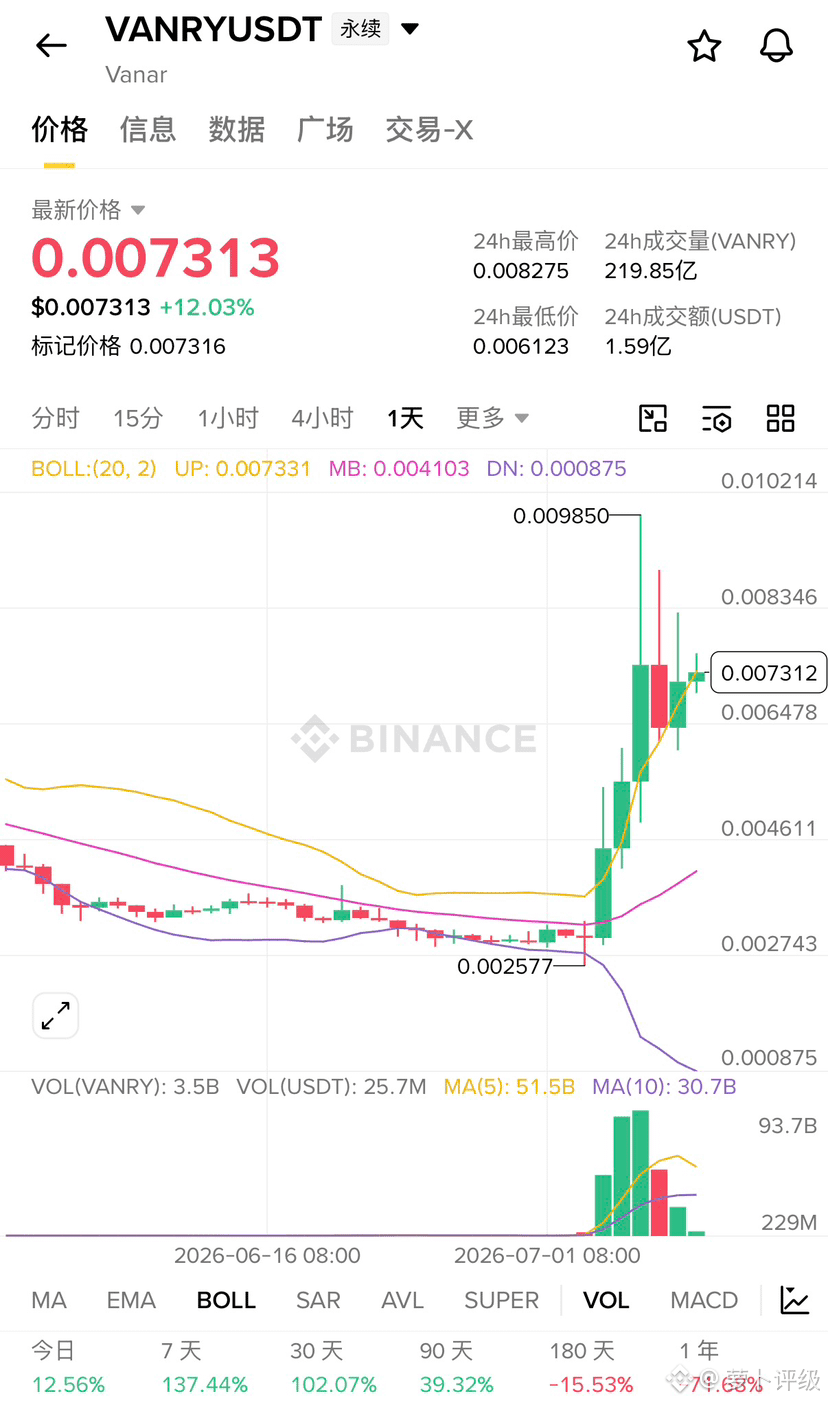
$VANRY اليوم ارتفع بنسبة 12%، لكن إذا كنت تعتقد أن الأمر مجرد ارتداد بعد هبوط حاد، فقد تفوتك أحدث ما تروّج له مؤخرًا: البنية التحتية لذكريات الذكاء الاصطناعي من Neutron.
Vanar هو بلوك تشين مُصمَّم من الأساس لوكلاء الذكاء الاصطناعي، وتركّز Neutron التي يجري الترويج لها مؤخرًا على تمكين المستخدمين من تحويل الملفات إلى ذكريات AI خاصة، وقابلة للنقل، ومتحكم فيها بالمفاتيح الخاصة لدى المستخدم وحده. كما توفر الجهة الرسمية API مجانية ليجرّبها المطورون. ومع ذلك، من جهة أخرى، أثار المجتمع جدلًا كبيرًا بسبب وسم Binance لـ $VANRY بتتبّع/مراقبة—فمنهم من يرى ذلك آخر تحذير، ويشير إلى أن محافظ المراكز الخمسة الأولى تتحكم بنسبة 63% ليقول إن القائمين على المشروع عملية احتيال؛ ومنهم من يعتقد أن Binance غالبًا ما تراقب أولًا ثم ترفع السعر لاحقًا، ويرى أن الأساسيات قد تنعكس للأفضل. ومع هذا الحجم من الجدل، ستتضح الخطوة التالية من خلال قدرة Neutron على جذب مطورين حقيقيين.
#Vanar #AI #DePIN
{future}(VANRYUSDT)
$VANRY اليوم ارتفع بنسبة 12%، لكن إذا كنت تعتقد أن الأمر مجرد ارتداد بعد هبوط حاد، فقد تفوتك أحدث ما تروّج له مؤخرًا: البنية التحتية لذكريات الذكاء الاصطناعي من Neutron.
Vanar هو بلوك تشين مُصمَّم من الأساس لوكلاء الذكاء الاصطناعي، وتركّز Neutron التي يجري الترويج لها مؤخرًا على تمكين المستخدمين من تحويل الملفات إلى ذكريات AI خاصة، وقابلة للنقل، ومتحكم فيها بالمفاتيح الخاصة لدى المستخدم وحده. كما توفر الجهة الرسمية API مجانية ليجرّبها المطورون. ومع ذلك، من جهة أخرى، أثار المجتمع جدلًا كبيرًا بسبب وسم Binance لـ $VANRY بتتبّع/مراقبة—فمنهم من يرى ذلك آخر تحذير، ويشير إلى أن محافظ المراكز الخمسة الأولى تتحكم بنسبة 63% ليقول إن القائمين على المشروع عملية احتيال؛ ومنهم من يعتقد أن Binance غالبًا ما تراقب أولًا ثم ترفع السعر لاحقًا، ويرى أن الأساسيات قد تنعكس للأفضل. ومع هذا الحجم من الجدل، ستتضح الخطوة التالية من خلال قدرة Neutron على جذب مطورين حقيقيين.
#Vanar #AI #DePIN
Vanar هو بلوك تشين مُصمَّم من الأساس لوكلاء الذكاء الاصطناعي، وتركّز Neutron التي يجري الترويج لها مؤخرًا على تمكين المستخدمين من تحويل الملفات إلى ذكريات AI خاصة، وقابلة للنقل، ومتحكم فيها بالمفاتيح الخاصة لدى المستخدم وحده. كما توفر الجهة الرسمية API مجانية ليجرّبها المطورون. ومع ذلك، من جهة أخرى، أثار المجتمع جدلًا كبيرًا بسبب وسم Binance لـ $VANRY بتتبّع/مراقبة—فمنهم من يرى ذلك آخر تحذير، ويشير إلى أن محافظ المراكز الخمسة الأولى تتحكم بنسبة 63% ليقول إن القائمين على المشروع عملية احتيال؛ ومنهم من يعتقد أن Binance غالبًا ما تراقب أولًا ثم ترفع السعر لاحقًا، ويرى أن الأساسيات قد تنعكس للأفضل. ومع هذا الحجم من الجدل، ستتضح الخطوة التالية من خلال قدرة Neutron على جذب مطورين حقيقيين.
#Vanar #AI #DePIN
1
326
سجّل الدخول لاستكشاف المزيد من المُحتوى
انضم إلى مُستخدمي العملات الرقمية حول العالم على Binance Square
⚡️ احصل على أحدث المعلومات المفيدة عن العملات الرقمية.
💬 موثوقة من قبل أكبر منصّة لتداول العملات الرقمية في العالم.
👍 اكتشف الرؤى الحقيقية من صنّاع المُحتوى الموثوقين.
البريد الإلكتروني / رقم الهاتف
المواضيع الرائجة
1
#EarningsSeason
111,604 مشاهدات
1,064 يقومون بالنقاش
2
#ECBToTestAIAgentsInDigitalEuroPayments
3,821 مشاهدات
197 يقومون بالنقاش
3
#JapanFSABacksFourthStablecoinTradeSettlementPilot
5,049 مشاهدات
273 يقومون بالنقاش
4
#BitgetHackerFailsToMoveStolenFunds
15,424 مشاهدات
403 يقومون بالنقاش
5
#BitMineETHHoldingsTop6Million
17,173 مشاهدات
548 يقومون بالنقاش
6
#StrategyAdds1666BTCHoldingsReach847666
14,330 مشاهدات
389 يقومون بالنقاش
7
#NvidiaApproves$150BBuyback
3,737 مشاهدات
63 يقومون بالنقاش
8
#OpenAIDelaysGPT6.1OverSafetyIssues
27,185 مشاهدات
725 يقومون بالنقاش
9
#AMDToAcquireWorldLabsFor$8.2B
1,872 مشاهدات
52 يقومون بالنقاش
10
#AnthropicIPOProspectusCouldValueItOver$2T
5,861 مشاهدات
77 يقومون بالنقاش