

#tradermindset
tradermindset
310,392 مشاهدات
1,550 يقومون بالنقاش
رائج
جديد
🎯 وقف الخسارة هو تكلفة اتخاذ قرار خاطئ — وليس فشلًا شخصيًا.
يمكنك تنفيذ صفقة عالية الجودة ومع ذلك تتكبد خسارة.
السؤال هو ما إذا كانت الخسارة:
• ضمن مستوى المخاطرة الذي حددته مسبقًا
• متوافقة مع استراتيجيتك
• محددة بحجم مناسب
• موثقة وخضعت للمراجعة
تحريك وقف الخسارة لمجرد أنك ترفض تقبّل الخسارة يحوّل مخاطرة محددة إلى مخاطرة غير منضبطة.
لا يحتاج المحترفون إلى أن تنجح كل صفقة. بل يحتاجون إلى الحفاظ على سلامة منهجهم عندما تفشل الصفقات.
ما أصعب قاعدة تداول في الالتزام بها تحت الضغط؟
#stoploss #TradingDiscipline #RiskManagement #TraderMindset #BinanceSquare
🎯 وقف الخسارة هو تكلفة اتخاذ قرار خاطئ — وليس فشلًا شخصيًا.
يمكنك تنفيذ صفقة عالية الجودة ومع ذلك تتكبد خسارة.
السؤال هو ما إذا كانت الخسارة:
• ضمن مستوى المخاطرة الذي حددته مسبقًا
• متوافقة مع استراتيجيتك
• محددة بحجم مناسب
• موثقة وخضعت للمراجعة
تحريك وقف الخسارة لمجرد أنك ترفض تقبّل الخسارة يحوّل مخاطرة محددة إلى مخاطرة غير منضبطة.
لا يحتاج المحترفون إلى أن تنجح كل صفقة. بل يحتاجون إلى الحفاظ على سلامة منهجهم عندما تفشل الصفقات.
ما أصعب قاعدة تداول في الالتزام بها تحت الضغط؟
#stoploss #TradingDiscipline #RiskManagement #TraderMindset #BinanceSquare
يمكنك تنفيذ صفقة عالية الجودة ومع ذلك تتكبد خسارة.
السؤال هو ما إذا كانت الخسارة:
• ضمن مستوى المخاطرة الذي حددته مسبقًا
• متوافقة مع استراتيجيتك
• محددة بحجم مناسب
• موثقة وخضعت للمراجعة
تحريك وقف الخسارة لمجرد أنك ترفض تقبّل الخسارة يحوّل مخاطرة محددة إلى مخاطرة غير منضبطة.
لا يحتاج المحترفون إلى أن تنجح كل صفقة. بل يحتاجون إلى الحفاظ على سلامة منهجهم عندما تفشل الصفقات.
ما أصعب قاعدة تداول في الالتزام بها تحت الضغط؟
#stoploss #TradingDiscipline #RiskManagement #TraderMindset #BinanceSquare
1
1
خسارتك ليست خسارتهم ⚠️
#BANKUSDT⚡️
من السهل على شخصٍ ما أن يقول «واصل التمسك» عندما لا تكون أمواله هي المعرضة للخطر. قبل أن تتبع نصائح التداول، اسأل نفسك سؤالًا واحدًا: هل سيتقاسم هذا الشخص خسارتي إذا سارت الصفقة على نحوٍ خاطئ؟ اتخذ قراراتك بناءً على بحثك الخاص، ومدى تقبلك للمخاطر، واستراتيجيتك. النصيحة مجانية، لكن عواقبها قد تكون باهظة.
#الوعي_بالعملات_المشفرة #BinanceSquare #DYOR #TraderMindset
خسارتك ليست خسارتهم ⚠️
#BANKUSDT⚡️
من السهل على شخصٍ ما أن يقول «واصل التمسك» عندما لا تكون أمواله هي المعرضة للخطر. قبل أن تتبع نصائح التداول، اسأل نفسك سؤالًا واحدًا: هل سيتقاسم هذا الشخص خسارتي إذا سارت الصفقة على نحوٍ خاطئ؟ اتخذ قراراتك بناءً على بحثك الخاص، ومدى تقبلك للمخاطر، واستراتيجيتك. النصيحة مجانية، لكن عواقبها قد تكون باهظة.
#الوعي_بالعملات_المشفرة #BinanceSquare #DYOR #TraderMindset
#BANKUSDT⚡️
من السهل على شخصٍ ما أن يقول «واصل التمسك» عندما لا تكون أمواله هي المعرضة للخطر. قبل أن تتبع نصائح التداول، اسأل نفسك سؤالًا واحدًا: هل سيتقاسم هذا الشخص خسارتي إذا سارت الصفقة على نحوٍ خاطئ؟ اتخذ قراراتك بناءً على بحثك الخاص، ومدى تقبلك للمخاطر، واستراتيجيتك. النصيحة مجانية، لكن عواقبها قد تكون باهظة.
#الوعي_بالعملات_المشفرة #BinanceSquare #DYOR #TraderMindset
340
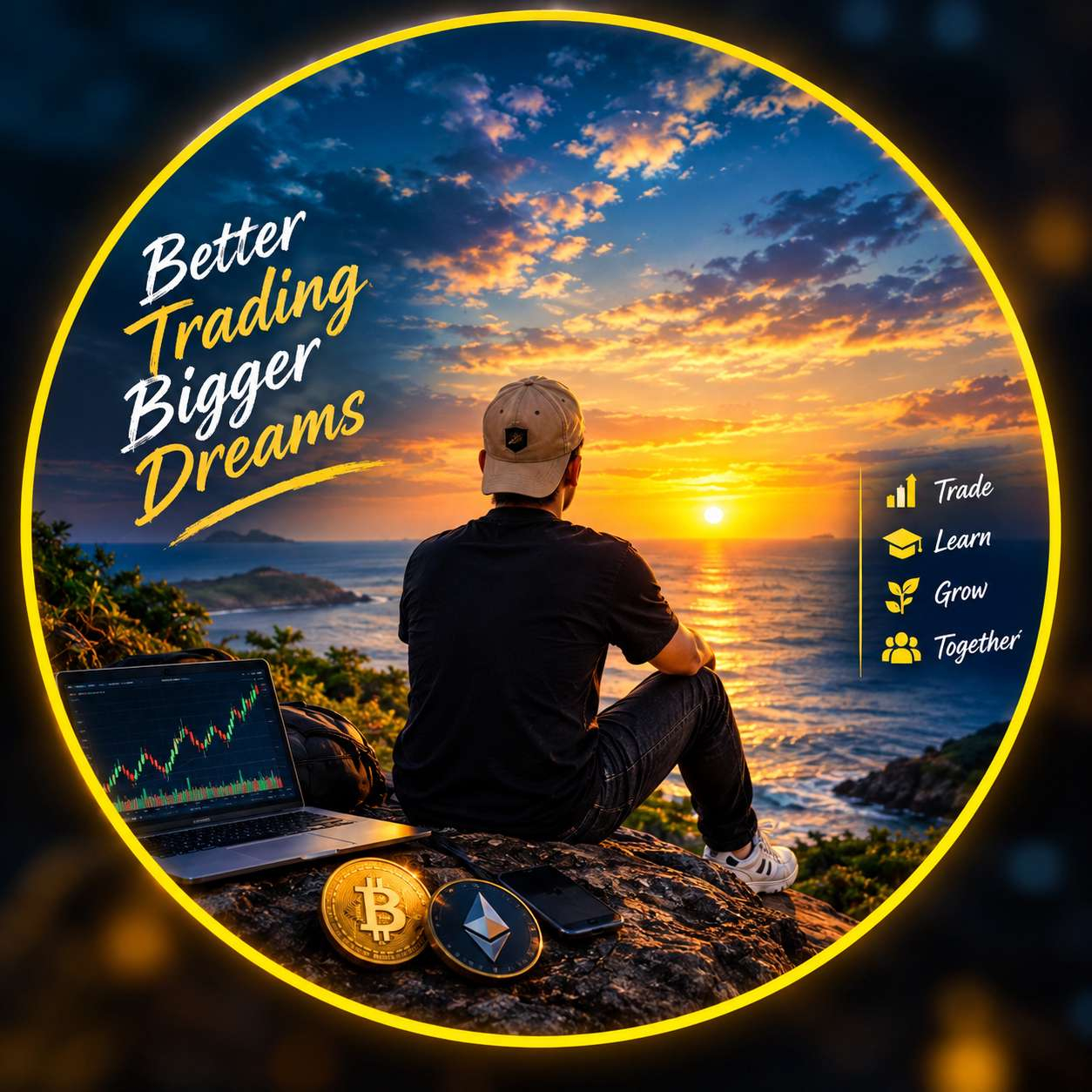
📈 التداول لعبة صبر 🔥
💹 لا يهدف التداول إلى الثراء بين ليلة وضحاها.
بل يعتمد على الصبر والانضباط واتخاذ قرارات حكيمة.
✅ تعلّم أولًا، ثم تداول.
✅ تحكّم في مشاعرك والتزم باستراتيجيتك.
✅ ركّز على إدارة المخاطر، لا الأرباح فقط.
✅ تذكّر، لا توجد صفقة تضمن الربح.
🎯 الهدف ليس كسب المال فحسب، بل أن تصبح متداولًا ماهرًا.
💎 الانضباط • الصبر • إدارة المخاطر
⚠️ ينطوي التداول على مخاطر. لا تستثمر أبدًا أموالًا لا يمكنك تحمّل خسارتها.
#Trading #ForexTrading #CryptoTrading #PriceAction #إدارة_المخاطر #TraderMindset 📊🚀
📈 التداول لعبة صبر 🔥
💹 لا يهدف التداول إلى الثراء بين ليلة وضحاها.
بل يعتمد على الصبر والانضباط واتخاذ قرارات حكيمة.
✅ تعلّم أولًا، ثم تداول.
✅ تحكّم في مشاعرك والتزم باستراتيجيتك.
✅ ركّز على إدارة المخاطر، لا الأرباح فقط.
✅ تذكّر، لا توجد صفقة تضمن الربح.
🎯 الهدف ليس كسب المال فحسب، بل أن تصبح متداولًا ماهرًا.
💎 الانضباط • الصبر • إدارة المخاطر
⚠️ ينطوي التداول على مخاطر. لا تستثمر أبدًا أموالًا لا يمكنك تحمّل خسارتها.
#Trading #ForexTrading #CryptoTrading #PriceAction #إدارة_المخاطر #TraderMindset 📊🚀
💹 لا يهدف التداول إلى الثراء بين ليلة وضحاها.
بل يعتمد على الصبر والانضباط واتخاذ قرارات حكيمة.
✅ تعلّم أولًا، ثم تداول.
✅ تحكّم في مشاعرك والتزم باستراتيجيتك.
✅ ركّز على إدارة المخاطر، لا الأرباح فقط.
✅ تذكّر، لا توجد صفقة تضمن الربح.
🎯 الهدف ليس كسب المال فحسب، بل أن تصبح متداولًا ماهرًا.
💎 الانضباط • الصبر • إدارة المخاطر
⚠️ ينطوي التداول على مخاطر. لا تستثمر أبدًا أموالًا لا يمكنك تحمّل خسارتها.
#Trading #ForexTrading #CryptoTrading #PriceAction #إدارة_المخاطر #TraderMindset 📊🚀
78
عندما تتقن سيكولوجية التداول، يصبح $BTC أشبه بلعبة شطرنج خالصة ⚡ 🦈
السوق هو ساحة المعركة النفسية الأشد، حيث تحكي كل شمعة قصة الصبر في مواجهة الذعر. 🌊 عندما تتوقف عن مقاومة حركة السوق وتبدأ بقراءة السيولة كما لو كانت مباراة شطرنج مع خصم مفترس، يتحول التداول من تخمين أعمى إلى تنفيذ خالص.
⚡ إن مراقبة دوران رأس المال وامتصاص عروض الشراء لهبوط الإرهاق هي ما يصنع القناعة الحقيقية. 💡 إن التزام الانضباط وسط التذبذب والضرب بحسم عند اتساع الزخم هما سر ازدهارنا هنا. 💬 ما الذي يُبقي شغفك بالرسوم البيانية متقدًا كل يوم؟ 👇
⚠️ هذه ليست نصيحة مالية. احرص دائمًا على إدارة المخاطر. 🛡️
🏷️ #BTC #CryptoTrading #PriceAction #TraderMindset
🔥 💎
عندما تتقن سيكولوجية التداول، يصبح $BTC أشبه بلعبة شطرنج خالصة ⚡ 🦈
السوق هو ساحة المعركة النفسية الأشد، حيث تحكي كل شمعة قصة الصبر في مواجهة الذعر. 🌊 عندما تتوقف عن مقاومة حركة السوق وتبدأ بقراءة السيولة كما لو كانت مباراة شطرنج مع خصم مفترس، يتحول التداول من تخمين أعمى إلى تنفيذ خالص.
⚡ إن مراقبة دوران رأس المال وامتصاص عروض الشراء لهبوط الإرهاق هي ما يصنع القناعة الحقيقية. 💡 إن التزام الانضباط وسط التذبذب والضرب بحسم عند اتساع الزخم هما سر ازدهارنا هنا. 💬 ما الذي يُبقي شغفك بالرسوم البيانية متقدًا كل يوم؟ 👇
⚠️ هذه ليست نصيحة مالية. احرص دائمًا على إدارة المخاطر. 🛡️
🏷️ #BTC #CryptoTrading #PriceAction #TraderMindset
🔥 💎
السوق هو ساحة المعركة النفسية الأشد، حيث تحكي كل شمعة قصة الصبر في مواجهة الذعر. 🌊 عندما تتوقف عن مقاومة حركة السوق وتبدأ بقراءة السيولة كما لو كانت مباراة شطرنج مع خصم مفترس، يتحول التداول من تخمين أعمى إلى تنفيذ خالص.
⚡ إن مراقبة دوران رأس المال وامتصاص عروض الشراء لهبوط الإرهاق هي ما يصنع القناعة الحقيقية. 💡 إن التزام الانضباط وسط التذبذب والضرب بحسم عند اتساع الزخم هما سر ازدهارنا هنا. 💬 ما الذي يُبقي شغفك بالرسوم البيانية متقدًا كل يوم؟ 👇
⚠️ هذه ليست نصيحة مالية. احرص دائمًا على إدارة المخاطر. 🛡️
🏷️ #BTC #CryptoTrading #PriceAction #TraderMindset
🔥 💎
117

·
--
🧠 تقلبات السوق لا تعني أن عليك التداول فيه.
من أكثر أخطاء التداول كلفةً الاعتقاد بأن كل تحرك في السوق فرصة يجب اغتنامها.
تتحرك الأسعار بسرعة.
تشعر بأنك تفوّت الفرصة.
تدخل متأخرًا.
ثم تبدأ بإدارة مشاعرك بدلًا من إدارة المخاطر.
جرّب هذه القواعد البسيطة:
✅ لا توجد فرصة واضحة؟ لا تتداول.
✅ لا يوجد مستوى محدد لإبطال الفكرة؟ لا تتداول.
✅ المخاطرة مرتفعة جدًا؟ لا تتداول.
✅ تتداول لاسترداد خسارة؟ ابتعد قليلًا.
✅ السوق لا يتوافق مع خطتك؟ انتظر.
تذكّر: عدم التداول هو أيضًا قرار.
مهمتك ليست اقتناص كل حركة، بل حماية رأس مالك والالتزام بخطتك باستمرار.
بصراحة: ما الأصعب عليك — انتظار فرصة مناسبة أم تقبّل الخسارة؟
#TradingPsychology #RiskManagement #cryptotrading #TraderMindset
🧠 تقلبات السوق لا تعني أن عليك التداول فيه.
من أكثر أخطاء التداول كلفةً الاعتقاد بأن كل تحرك في السوق فرصة يجب اغتنامها.
تتحرك الأسعار بسرعة.
تشعر بأنك تفوّت الفرصة.
تدخل متأخرًا.
ثم تبدأ بإدارة مشاعرك بدلًا من إدارة المخاطر.
جرّب هذه القواعد البسيطة:
✅ لا توجد فرصة واضحة؟ لا تتداول.
✅ لا يوجد مستوى محدد لإبطال الفكرة؟ لا تتداول.
✅ المخاطرة مرتفعة جدًا؟ لا تتداول.
✅ تتداول لاسترداد خسارة؟ ابتعد قليلًا.
✅ السوق لا يتوافق مع خطتك؟ انتظر.
تذكّر: عدم التداول هو أيضًا قرار.
مهمتك ليست اقتناص كل حركة، بل حماية رأس مالك والالتزام بخطتك باستمرار.
بصراحة: ما الأصعب عليك — انتظار فرصة مناسبة أم تقبّل الخسارة؟
#TradingPsychology #RiskManagement #cryptotrading #TraderMindset
من أكثر أخطاء التداول كلفةً الاعتقاد بأن كل تحرك في السوق فرصة يجب اغتنامها.
تتحرك الأسعار بسرعة.
تشعر بأنك تفوّت الفرصة.
تدخل متأخرًا.
ثم تبدأ بإدارة مشاعرك بدلًا من إدارة المخاطر.
جرّب هذه القواعد البسيطة:
✅ لا توجد فرصة واضحة؟ لا تتداول.
✅ لا يوجد مستوى محدد لإبطال الفكرة؟ لا تتداول.
✅ المخاطرة مرتفعة جدًا؟ لا تتداول.
✅ تتداول لاسترداد خسارة؟ ابتعد قليلًا.
✅ السوق لا يتوافق مع خطتك؟ انتظر.
تذكّر: عدم التداول هو أيضًا قرار.
مهمتك ليست اقتناص كل حركة، بل حماية رأس مالك والالتزام بخطتك باستمرار.
بصراحة: ما الأصعب عليك — انتظار فرصة مناسبة أم تقبّل الخسارة؟
#TradingPsychology #RiskManagement #cryptotrading #TraderMindset
88

·
--
صاعد
✨$PEPE $GOOGLB
🚀 من متداول صغير إلى متداول كبير 💰📈
🌱 بدأ كل متداول كبير من الصفر.
💎 ابدأ بما تملكه
🧠 تعلّم قبل أن تخاطر
🛡️ احمِ رأس مالك
🎯 ركّز على الاستمرارية
⏳ دع الوقت يؤدي دوره
🔥 لا تحاول أن تبدو كمتداول كبير.
🌟 كن متداولًا أكثر ذكاءً أولًا.
💬 ما العادة التداولية التي ترغب في تحسينها؟ 👇✨
#Trading #Crypto #TraderMindset #BinanceSquareFamily
✨$PEPE $GOOGLB
🚀 من متداول صغير إلى متداول كبير 💰📈
🌱 بدأ كل متداول كبير من الصفر.
💎 ابدأ بما تملكه
🧠 تعلّم قبل أن تخاطر
🛡️ احمِ رأس مالك
🎯 ركّز على الاستمرارية
⏳ دع الوقت يؤدي دوره
🔥 لا تحاول أن تبدو كمتداول كبير.
🌟 كن متداولًا أكثر ذكاءً أولًا.
💬 ما العادة التداولية التي ترغب في تحسينها؟ 👇✨
#Trading #Crypto #TraderMindset #BinanceSquareFamily
🚀 من متداول صغير إلى متداول كبير 💰📈
🌱 بدأ كل متداول كبير من الصفر.
💎 ابدأ بما تملكه
🧠 تعلّم قبل أن تخاطر
🛡️ احمِ رأس مالك
🎯 ركّز على الاستمرارية
⏳ دع الوقت يؤدي دوره
🔥 لا تحاول أن تبدو كمتداول كبير.
🌟 كن متداولًا أكثر ذكاءً أولًا.
💬 ما العادة التداولية التي ترغب في تحسينها؟ 👇✨
#Trading #Crypto #TraderMindset #BinanceSquareFamily
180

·
--
منطقة الراحة هي مجرد وهم عندما يستمر السوق في تحقيق العوائد $BTC ⚡ 🎯
الابتعاد إلى مقعدٍ مريح منخفض الضغط يبدو كأنه أمان، حتى تدرك أن العالم المالي لا يتوقف لأجل أحد. 📊 الاختباء على الأطراف يوسع الفجوة فقط، بينما يتأهب المشاركون النشطون في السوق للموجة الكلية التالية.
💡 النمو الحقيقي يتطلب مواجهة التقلبات مباشرة بدل الاكتفاء براحةٍ راكدة. يتطلب اجتياز $BTC جلدًا سميكًا وانضباطًا لا يلين، لكن البقاء على الهامش يحمل تكلفة مستقبلية أثقل بكثير. 💬 هل سبق أن جرّبت الابتعاد عن السوق ثم أدركت أن البقاء نشطًا هو المسار الوحيد للمضي قدمًا؟ 👇
⚠️ ليست نصيحة مالية. دائمًا أدرِك مخاطرك. 🛡️
🏷️ #BTC #TraderMindset #MarketPsychology #Crypto
🔥 💎
منطقة الراحة هي مجرد وهم عندما يستمر السوق في تحقيق العوائد $BTC ⚡ 🎯
الابتعاد إلى مقعدٍ مريح منخفض الضغط يبدو كأنه أمان، حتى تدرك أن العالم المالي لا يتوقف لأجل أحد. 📊 الاختباء على الأطراف يوسع الفجوة فقط، بينما يتأهب المشاركون النشطون في السوق للموجة الكلية التالية.
💡 النمو الحقيقي يتطلب مواجهة التقلبات مباشرة بدل الاكتفاء براحةٍ راكدة. يتطلب اجتياز $BTC جلدًا سميكًا وانضباطًا لا يلين، لكن البقاء على الهامش يحمل تكلفة مستقبلية أثقل بكثير. 💬 هل سبق أن جرّبت الابتعاد عن السوق ثم أدركت أن البقاء نشطًا هو المسار الوحيد للمضي قدمًا؟ 👇
⚠️ ليست نصيحة مالية. دائمًا أدرِك مخاطرك. 🛡️
🏷️ #BTC #TraderMindset #MarketPsychology #Crypto
🔥 💎
الابتعاد إلى مقعدٍ مريح منخفض الضغط يبدو كأنه أمان، حتى تدرك أن العالم المالي لا يتوقف لأجل أحد. 📊 الاختباء على الأطراف يوسع الفجوة فقط، بينما يتأهب المشاركون النشطون في السوق للموجة الكلية التالية.
💡 النمو الحقيقي يتطلب مواجهة التقلبات مباشرة بدل الاكتفاء براحةٍ راكدة. يتطلب اجتياز $BTC جلدًا سميكًا وانضباطًا لا يلين، لكن البقاء على الهامش يحمل تكلفة مستقبلية أثقل بكثير. 💬 هل سبق أن جرّبت الابتعاد عن السوق ثم أدركت أن البقاء نشطًا هو المسار الوحيد للمضي قدمًا؟ 👇
⚠️ ليست نصيحة مالية. دائمًا أدرِك مخاطرك. 🛡️
🏷️ #BTC #TraderMindset #MarketPsychology #Crypto
🔥 💎
42
معظم المتداولين الذين يحققون ربحًا قدره 6% على العقود الدائمة (perps) ينتهي بهم الأمر إلى الفقر في النهاية لأنهم لا يتركون الاتجاه الحقيقي يتطور.
لقد شعرت بهذا القلق في معدتك عندما تبدأ صفقة شراء (long) بالعمل ثم تتراجع؛ فيصيبك FOMO فتغلق فقط لتراقبها تستمر في الجري. هكذا تبقى معظم الحسابات عالقة في حلقة بعد حلقة.
كنت أفعل الشيء نفسه تمامًا في كل دورة صعود. ثم بدأت أتعامل مع هذه الإعدادات بالطريقة التي كان يجب أن أتعامل بها مع $ETH في 2017 و$BTC استعدادًا لعام 2021. أغلق الآن مركز $CAP للعقود الدائمة بنسبة +6.46% بعد أكثر من 2,510 USDT كأرباح محققة. هذا ليس تذكرة يانصيب. هذا يحدث عندما تحجم بشكل صحيح وتثبت على موقفك رغم الضجيج.
النمط لا يتغير أبدًا. الجشع يجعلك تطارد، والخوف يجعلك تبيع مبكرًا جدًا. المتداولون الذين يغيّرون وضعهم فعلًا هم الذين يعاملون كل إعداد كما لو كان مشروعًا/شركة بدلًا من اعتباره لعبة مراهنات.
ما رأيك في الاستمرار مع أول 6% بدلًا من حصدها فورًا؟
#CryptoTrading #Perps #TraderMindset
معظم المتداولين الذين يحققون ربحًا قدره 6% على العقود الدائمة (perps) ينتهي بهم الأمر إلى الفقر في النهاية لأنهم لا يتركون الاتجاه الحقيقي يتطور.
لقد شعرت بهذا القلق في معدتك عندما تبدأ صفقة شراء (long) بالعمل ثم تتراجع؛ فيصيبك FOMO فتغلق فقط لتراقبها تستمر في الجري. هكذا تبقى معظم الحسابات عالقة في حلقة بعد حلقة.
كنت أفعل الشيء نفسه تمامًا في كل دورة صعود. ثم بدأت أتعامل مع هذه الإعدادات بالطريقة التي كان يجب أن أتعامل بها مع $ETH في 2017 و$BTC استعدادًا لعام 2021. أغلق الآن مركز $CAP للعقود الدائمة بنسبة +6.46% بعد أكثر من 2,510 USDT كأرباح محققة. هذا ليس تذكرة يانصيب. هذا يحدث عندما تحجم بشكل صحيح وتثبت على موقفك رغم الضجيج.
النمط لا يتغير أبدًا. الجشع يجعلك تطارد، والخوف يجعلك تبيع مبكرًا جدًا. المتداولون الذين يغيّرون وضعهم فعلًا هم الذين يعاملون كل إعداد كما لو كان مشروعًا/شركة بدلًا من اعتباره لعبة مراهنات.
ما رأيك في الاستمرار مع أول 6% بدلًا من حصدها فورًا؟
#CryptoTrading #Perps #TraderMindset
لقد شعرت بهذا القلق في معدتك عندما تبدأ صفقة شراء (long) بالعمل ثم تتراجع؛ فيصيبك FOMO فتغلق فقط لتراقبها تستمر في الجري. هكذا تبقى معظم الحسابات عالقة في حلقة بعد حلقة.
كنت أفعل الشيء نفسه تمامًا في كل دورة صعود. ثم بدأت أتعامل مع هذه الإعدادات بالطريقة التي كان يجب أن أتعامل بها مع $ETH في 2017 و$BTC استعدادًا لعام 2021. أغلق الآن مركز $CAP للعقود الدائمة بنسبة +6.46% بعد أكثر من 2,510 USDT كأرباح محققة. هذا ليس تذكرة يانصيب. هذا يحدث عندما تحجم بشكل صحيح وتثبت على موقفك رغم الضجيج.
النمط لا يتغير أبدًا. الجشع يجعلك تطارد، والخوف يجعلك تبيع مبكرًا جدًا. المتداولون الذين يغيّرون وضعهم فعلًا هم الذين يعاملون كل إعداد كما لو كان مشروعًا/شركة بدلًا من اعتباره لعبة مراهنات.
ما رأيك في الاستمرار مع أول 6% بدلًا من حصدها فورًا؟
#CryptoTrading #Perps #TraderMindset
36
·
--
🐺 يختبر السوق انضباطك
لا تحتاج إلى التقاط كل حركة. لا تحتاج إلى التداول كل يوم. لا تحتاج أن تكون على صواب في كل مرة.
أنت تحتاج إلى استراتيجية، وصبر، والقدرة على تقبّل الخسارة عندما تفشل خطتك.
احمِ رأس مالك. تعلّم من كل صفقة. واصل التحسّن. 🚀
#CryptoTrading #BinanceSquare #TraderMindset
🐺 يختبر السوق انضباطك
لا تحتاج إلى التقاط كل حركة. لا تحتاج إلى التداول كل يوم. لا تحتاج أن تكون على صواب في كل مرة.
أنت تحتاج إلى استراتيجية، وصبر، والقدرة على تقبّل الخسارة عندما تفشل خطتك.
احمِ رأس مالك. تعلّم من كل صفقة. واصل التحسّن. 🚀
#CryptoTrading #BinanceSquare #TraderMindset
لا تحتاج إلى التقاط كل حركة. لا تحتاج إلى التداول كل يوم. لا تحتاج أن تكون على صواب في كل مرة.
أنت تحتاج إلى استراتيجية، وصبر، والقدرة على تقبّل الخسارة عندما تفشل خطتك.
احمِ رأس مالك. تعلّم من كل صفقة. واصل التحسّن. 🚀
#CryptoTrading #BinanceSquare #TraderMindset
39
·
--
$BTC $ETH $BNB تابعًا لقواعد الذهب أمس! 🧠 أي قاعدة تجدها الأصعب في الالتزام بها؟
عدم الانجراف وراء FOMO (الصبر)
وضع وقف الخسارة (الانضباط)
استثمار الأموال الخاملة (التخطيط)
صوّت أدناه! 👇 سأشارك نصيحة لخيار الفائز غدًا.
#CryptoPoll #TraderMindset #BinanceSquareFamily #CryptoTips #writetoearn
$BTC $ETH $BNB تابعًا لقواعد الذهب أمس! 🧠 أي قاعدة تجدها الأصعب في الالتزام بها؟
عدم الانجراف وراء FOMO (الصبر)
وضع وقف الخسارة (الانضباط)
استثمار الأموال الخاملة (التخطيط)
صوّت أدناه! 👇 سأشارك نصيحة لخيار الفائز غدًا.
#CryptoPoll #TraderMindset #BinanceSquareFamily #CryptoTips #writetoearn
عدم الانجراف وراء FOMO (الصبر)
وضع وقف الخسارة (الانضباط)
استثمار الأموال الخاملة (التخطيط)
صوّت أدناه! 👇 سأشارك نصيحة لخيار الفائز غدًا.
#CryptoPoll #TraderMindset #BinanceSquareFamily #CryptoTips #writetoearn
3
2
153
·
--
أكبر خطأ في التداول ليس اختيار العملة الخاطئة.
بل هو الدخول في صفقة دون أن تعرف ماذا ستفعل إذا اتضح أنك مخطئ.
كثير من المتداولين يحددون هدف الربح قبل أن يحددوا المخاطرة.
يعتقدون:
“كم يمكنني أن أجني؟”
لكن السؤال الأفضل هو:
“إذا تحركت هذه الصفقة ضدي، ففي أي نقطة سأقبل أن فكرتي كانت خاطئة؟”
لأنّه بمجرد أن تكون بالفعل في الصفقة، تصبح المشاعر أعلى بكثير.
تبدأ بتحريك وقف الخسارة.
تبدأ بإضافة المزيد إلى مركز خاسر.
وتقنع نفسك: “سيعود الأمر.”
وبين لحظة وأخرى تتحول خسارة صغيرة إلى خسارة كبيرة.
لذلك أنا أفضل تحديد مخاطرتي، وسيناريو إبطال الفكرة وحجم المركز قبل الدخول. لا أحتاج لكل صفقة أن تكون رابحة. كل ما أحتاجه هو ألا تتسبّب صفقة سيئة واحدة في إفساد النتائج للّـ10 صفقات التالية.
احمِ الحساب أولاً. اطارد الأرباح ثانياً. هذه قاعدة تداول أعتقد أن كل متداول يتعلمها في النهاية.
#BinanceSquare #TraderMindset #RiskManagement $TUT $XAI $SAGA
أكبر خطأ في التداول ليس اختيار العملة الخاطئة.
بل هو الدخول في صفقة دون أن تعرف ماذا ستفعل إذا اتضح أنك مخطئ.
كثير من المتداولين يحددون هدف الربح قبل أن يحددوا المخاطرة.
يعتقدون:
“كم يمكنني أن أجني؟”
لكن السؤال الأفضل هو:
“إذا تحركت هذه الصفقة ضدي، ففي أي نقطة سأقبل أن فكرتي كانت خاطئة؟”
لأنّه بمجرد أن تكون بالفعل في الصفقة، تصبح المشاعر أعلى بكثير.
تبدأ بتحريك وقف الخسارة.
تبدأ بإضافة المزيد إلى مركز خاسر.
وتقنع نفسك: “سيعود الأمر.”
وبين لحظة وأخرى تتحول خسارة صغيرة إلى خسارة كبيرة.
لذلك أنا أفضل تحديد مخاطرتي، وسيناريو إبطال الفكرة وحجم المركز قبل الدخول. لا أحتاج لكل صفقة أن تكون رابحة. كل ما أحتاجه هو ألا تتسبّب صفقة سيئة واحدة في إفساد النتائج للّـ10 صفقات التالية.
احمِ الحساب أولاً. اطارد الأرباح ثانياً. هذه قاعدة تداول أعتقد أن كل متداول يتعلمها في النهاية.
#BinanceSquare #TraderMindset #RiskManagement $TUT $XAI $SAGA
بل هو الدخول في صفقة دون أن تعرف ماذا ستفعل إذا اتضح أنك مخطئ.
كثير من المتداولين يحددون هدف الربح قبل أن يحددوا المخاطرة.
يعتقدون:
“كم يمكنني أن أجني؟”
لكن السؤال الأفضل هو:
“إذا تحركت هذه الصفقة ضدي، ففي أي نقطة سأقبل أن فكرتي كانت خاطئة؟”
لأنّه بمجرد أن تكون بالفعل في الصفقة، تصبح المشاعر أعلى بكثير.
تبدأ بتحريك وقف الخسارة.
تبدأ بإضافة المزيد إلى مركز خاسر.
وتقنع نفسك: “سيعود الأمر.”
وبين لحظة وأخرى تتحول خسارة صغيرة إلى خسارة كبيرة.
لذلك أنا أفضل تحديد مخاطرتي، وسيناريو إبطال الفكرة وحجم المركز قبل الدخول. لا أحتاج لكل صفقة أن تكون رابحة. كل ما أحتاجه هو ألا تتسبّب صفقة سيئة واحدة في إفساد النتائج للّـ10 صفقات التالية.
احمِ الحساب أولاً. اطارد الأرباح ثانياً. هذه قاعدة تداول أعتقد أن كل متداول يتعلمها في النهاية.
#BinanceSquare #TraderMindset #RiskManagement $TUT $XAI $SAGA
2
220


·
--
الخوف • التردد • الوهم 🧠
الخوف. التردد. الوهم. — الأشياء الثلاثة التي يمكن أن تُدمّر تنفيذك.
الخوف يجعلك تتجنب الترتيبات المناسبة.
التردد يجعلك تدخل متأخرًا جدًا.
الوهم يجعلك ترى ترتيبات غير موجودة فعلًا.
🎯 الحل:
استراتيجية واضحة → قواعد محددة → الاختبار بالرجوع للبيانات → إدارة المخاطر → تنفيذ منضبط
لا تحتاج إلى إزالة كل المشاعر من التداول. تحتاج إلى عملية قوية بما يكفي لمنع المشاعر من التحكم في قراراتك.
💡 القاعدة الذهبية: ثق بعمليتك المختبرة، لا بمشاعرك في تلك اللحظة.
#TradingPsychology #TradingMindset #TradingDiscipline #TraderMindset
الخوف • التردد • الوهم 🧠
الخوف. التردد. الوهم. — الأشياء الثلاثة التي يمكن أن تُدمّر تنفيذك.
الخوف يجعلك تتجنب الترتيبات المناسبة.
التردد يجعلك تدخل متأخرًا جدًا.
الوهم يجعلك ترى ترتيبات غير موجودة فعلًا.
🎯 الحل:
استراتيجية واضحة → قواعد محددة → الاختبار بالرجوع للبيانات → إدارة المخاطر → تنفيذ منضبط
لا تحتاج إلى إزالة كل المشاعر من التداول. تحتاج إلى عملية قوية بما يكفي لمنع المشاعر من التحكم في قراراتك.
💡 القاعدة الذهبية: ثق بعمليتك المختبرة، لا بمشاعرك في تلك اللحظة.
#TradingPsychology #TradingMindset #TradingDiscipline #TraderMindset
الخوف. التردد. الوهم. — الأشياء الثلاثة التي يمكن أن تُدمّر تنفيذك.
الخوف يجعلك تتجنب الترتيبات المناسبة.
التردد يجعلك تدخل متأخرًا جدًا.
الوهم يجعلك ترى ترتيبات غير موجودة فعلًا.
🎯 الحل:
استراتيجية واضحة → قواعد محددة → الاختبار بالرجوع للبيانات → إدارة المخاطر → تنفيذ منضبط
لا تحتاج إلى إزالة كل المشاعر من التداول. تحتاج إلى عملية قوية بما يكفي لمنع المشاعر من التحكم في قراراتك.
💡 القاعدة الذهبية: ثق بعمليتك المختبرة، لا بمشاعرك في تلك اللحظة.
#TradingPsychology #TradingMindset #TradingDiscipline #TraderMindset
7
1.4k
·
--
لا تلُم السوق. 👀
الصفقة الخاسرة لا تعني دائمًا أن السوق كان مخطئًا.
أحيانًا تكون المشكلة في:
• الدخول بدون تأكيد
• تجاهل خطة التداول الخاصة بك
• تحمل مخاطر مفرطة
• الإفراط في التداول بعد الخسارة
• تحريك وقف الخسارة
• التداول بدافع العاطفة
🎯 عملية أفضل:
خطّط → نفّذ → سجّل → راجع → حسّن
💡 القاعدة الذهبية: لا يمكنك التحكم فيما يفعله السوق. يمكنك التحكم في مخاطرتك وقراراتك وتنفيذك.
لا تبحث عن شخص أو شيء لتلومه. ادْرس صفقاتك وحسّن أسلوبك.
#TradingPsychology #TradingDiscipline #TraderMindset #TradeExecution
لا تلُم السوق. 👀
الصفقة الخاسرة لا تعني دائمًا أن السوق كان مخطئًا.
أحيانًا تكون المشكلة في:
• الدخول بدون تأكيد
• تجاهل خطة التداول الخاصة بك
• تحمل مخاطر مفرطة
• الإفراط في التداول بعد الخسارة
• تحريك وقف الخسارة
• التداول بدافع العاطفة
🎯 عملية أفضل:
خطّط → نفّذ → سجّل → راجع → حسّن
💡 القاعدة الذهبية: لا يمكنك التحكم فيما يفعله السوق. يمكنك التحكم في مخاطرتك وقراراتك وتنفيذك.
لا تبحث عن شخص أو شيء لتلومه. ادْرس صفقاتك وحسّن أسلوبك.
#TradingPsychology #TradingDiscipline #TraderMindset #TradeExecution
الصفقة الخاسرة لا تعني دائمًا أن السوق كان مخطئًا.
أحيانًا تكون المشكلة في:
• الدخول بدون تأكيد
• تجاهل خطة التداول الخاصة بك
• تحمل مخاطر مفرطة
• الإفراط في التداول بعد الخسارة
• تحريك وقف الخسارة
• التداول بدافع العاطفة
🎯 عملية أفضل:
خطّط → نفّذ → سجّل → راجع → حسّن
💡 القاعدة الذهبية: لا يمكنك التحكم فيما يفعله السوق. يمكنك التحكم في مخاطرتك وقراراتك وتنفيذك.
لا تبحث عن شخص أو شيء لتلومه. ادْرس صفقاتك وحسّن أسلوبك.
#TradingPsychology #TradingDiscipline #TraderMindset #TradeExecution
5
3.6k
·
--
🛡️ قاعدة الـ1% التي تُبقي المتداولين على قيد الحياة
أكبر سبب وراء القضاء على حسابات المستثمرين الأفراد ليس اختيار أسهم سيئًا—بل هو سوء تحديد حجم الصفقة.
إذا كنت تخاطر بأكثر من 1–2% من إجمالي حقوق ملكيتك في صفقة واحدة، فقد تؤدي سلسلة من الصفقات الخاسرة إلى تدمير حسابك.
📐 حساب سريع:
حجم الحساب: 10,000$
أقصى مخاطرة لكل صفقة (1%): 100$
وقف الخسارة: 5$ أقل من سعر الدخول
حجم الصفقة: بحد أقصى 20 سهمًا.
احمِ جانبك السلبي أولًا؛ سيهتم الجانب الإيجابي بنفسه.
#TradingRules
#RiskManagement #TraderMindset .
🛡️ قاعدة الـ1% التي تُبقي المتداولين على قيد الحياة
أكبر سبب وراء القضاء على حسابات المستثمرين الأفراد ليس اختيار أسهم سيئًا—بل هو سوء تحديد حجم الصفقة.
إذا كنت تخاطر بأكثر من 1–2% من إجمالي حقوق ملكيتك في صفقة واحدة، فقد تؤدي سلسلة من الصفقات الخاسرة إلى تدمير حسابك.
📐 حساب سريع:
حجم الحساب: 10,000$
أقصى مخاطرة لكل صفقة (1%): 100$
وقف الخسارة: 5$ أقل من سعر الدخول
حجم الصفقة: بحد أقصى 20 سهمًا.
احمِ جانبك السلبي أولًا؛ سيهتم الجانب الإيجابي بنفسه.
#TradingRules
#RiskManagement #TraderMindset .
أكبر سبب وراء القضاء على حسابات المستثمرين الأفراد ليس اختيار أسهم سيئًا—بل هو سوء تحديد حجم الصفقة.
إذا كنت تخاطر بأكثر من 1–2% من إجمالي حقوق ملكيتك في صفقة واحدة، فقد تؤدي سلسلة من الصفقات الخاسرة إلى تدمير حسابك.
📐 حساب سريع:
حجم الحساب: 10,000$
أقصى مخاطرة لكل صفقة (1%): 100$
وقف الخسارة: 5$ أقل من سعر الدخول
حجم الصفقة: بحد أقصى 20 سهمًا.
احمِ جانبك السلبي أولًا؛ سيهتم الجانب الإيجابي بنفسه.
#TradingRules
#RiskManagement #TraderMindset .
109
·
--
صاعد
🏆🔥 $LSK HIT 3 TP — ثِقوا بالخطة، لا بالضجّة.
تم الوصول إلى الهدف. 🎯
لكن الربح الحقيقي لم يكن هو TP.
كان الانضباط، والصبر، والثقة بالخطة. 🧠
$LSK أظهر بالضبط لماذا التداول الاحترافي يتعلق بالتخطيط قبل الحركة، لا بالمطاردة بعدها.
📌 طريقتنا:
💧 تحديد السيولة
📊 قراءة بنية السوق
🎯 تحديد نقطة الدخول
🛑 تحديد الإبطال
🚀 ترك الصفقة تصل إلى الهدف
بدون FOMO.
بدون دخول عاطفي.
بدون مطاردة الشموع الخضراء.
فقط خطة — تُنفَّذ بانضباط.
🔥 صفقة واحدة لا تصنع متداولًا.
الاستمرارية هي ما يصنعه.
إذا كنت اتبعت التحليل، شكرًا لثقتك. 🤝
لكن تذكّر: لا تثق بإشارةٍ أعمى — ثق أولًا بإدارة المخاطر.
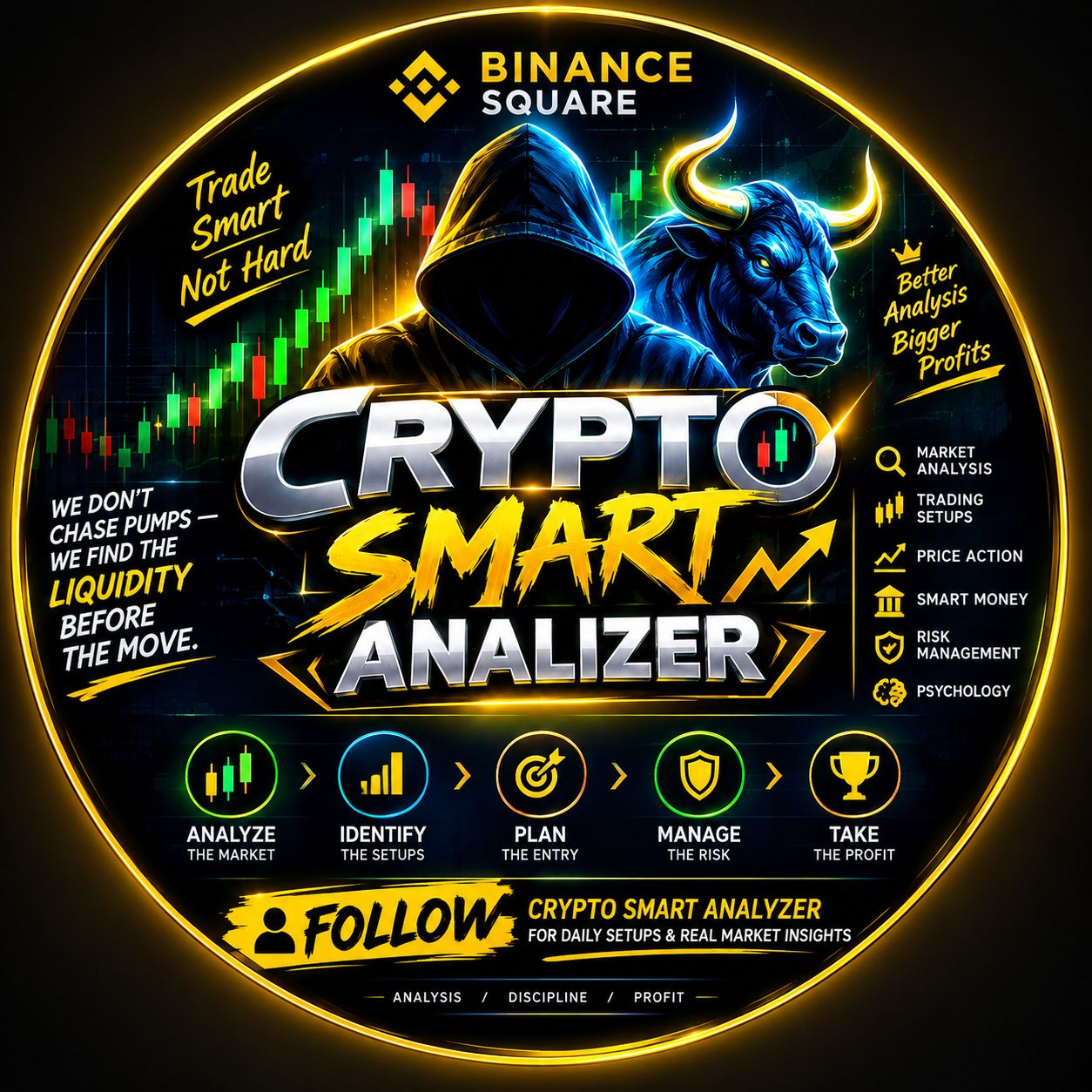
➕ تابع Crypto Smart Analyzer للإعداد التالي.
❤️ LIKE • 💬 COMMENT • 🔔 STAY READY
#LSK #CryptoTrading #Altcoins #Trading #SMC #SmartMoney #PriceAction #TradingPsychology #RiskManagement #BinanceSquare #CryptoAnalysis #TraderMindset
🏆🔥 $LSK HIT 3 TP — ثِقوا بالخطة، لا بالضجّة.
تم الوصول إلى الهدف. 🎯
لكن الربح الحقيقي لم يكن هو TP.
كان الانضباط، والصبر، والثقة بالخطة. 🧠
$LSK أظهر بالضبط لماذا التداول الاحترافي يتعلق بالتخطيط قبل الحركة، لا بالمطاردة بعدها.
📌 طريقتنا:
💧 تحديد السيولة
📊 قراءة بنية السوق
🎯 تحديد نقطة الدخول
🛑 تحديد الإبطال
🚀 ترك الصفقة تصل إلى الهدف
بدون FOMO.
بدون دخول عاطفي.
بدون مطاردة الشموع الخضراء.
فقط خطة — تُنفَّذ بانضباط.
🔥 صفقة واحدة لا تصنع متداولًا.
الاستمرارية هي ما يصنعه.
إذا كنت اتبعت التحليل، شكرًا لثقتك. 🤝
لكن تذكّر: لا تثق بإشارةٍ أعمى — ثق أولًا بإدارة المخاطر.
➕ تابع Crypto Smart Analyzer للإعداد التالي.
❤️ LIKE • 💬 COMMENT • 🔔 STAY READY
#LSK #CryptoTrading #Altcoins #Trading #SMC #SmartMoney #PriceAction #TradingPsychology #RiskManagement #BinanceSquare #CryptoAnalysis #TraderMindset
تم الوصول إلى الهدف. 🎯
لكن الربح الحقيقي لم يكن هو TP.
كان الانضباط، والصبر، والثقة بالخطة. 🧠
$LSK أظهر بالضبط لماذا التداول الاحترافي يتعلق بالتخطيط قبل الحركة، لا بالمطاردة بعدها.
📌 طريقتنا:
💧 تحديد السيولة
📊 قراءة بنية السوق
🎯 تحديد نقطة الدخول
🛑 تحديد الإبطال
🚀 ترك الصفقة تصل إلى الهدف
بدون FOMO.
بدون دخول عاطفي.
بدون مطاردة الشموع الخضراء.
فقط خطة — تُنفَّذ بانضباط.
🔥 صفقة واحدة لا تصنع متداولًا.
الاستمرارية هي ما يصنعه.
إذا كنت اتبعت التحليل، شكرًا لثقتك. 🤝
لكن تذكّر: لا تثق بإشارةٍ أعمى — ثق أولًا بإدارة المخاطر.
➕ تابع Crypto Smart Analyzer للإعداد التالي.
❤️ LIKE • 💬 COMMENT • 🔔 STAY READY
#LSK #CryptoTrading #Altcoins #Trading #SMC #SmartMoney #PriceAction #TradingPsychology #RiskManagement #BinanceSquare #CryptoAnalysis #TraderMindset
1
158
🚨 واقع التداول 🚨😶🌫️😶🌫️
📉 $AGTUSDT دائم
⚡ شورت | 10x$AGT
❌ -54.83% عائد الاستثمار$AGT
ليس كل إعداد يعمل.$AGT
ليس كل توقع يتحول إلى ربح.
لكن كل خسارة تبني تجربة. 🧠📚
قوة المتداول لا تظهر في صفقات الفوز…
إنما تظهر في كيفية تعاملهم مع الخسائر. 💯
✅ قبلت الخسارة
✅ حميت الحساب
✅ تعلمت من الخطأ
✅ مستعد للإعداد التالي
“السوق يذل الجميع.
الانضباط هو ما يبقيك على قيد الحياة.” 📉➡️📈
لا تداول انتقامي عاطفي.
لا ذعر.
فقط دروس، تكيف ونمو. 🔥
خسارة اليوم يمكن أن تصبح ميزة الغد. 🚀
#BinanceSquareFamily #RiskManagement #futurestrade #TraderMindset #smartmoney
🚨 واقع التداول 🚨😶🌫️😶🌫️
📉 $AGTUSDT دائم
⚡ شورت | 10x$AGT
❌ -54.83% عائد الاستثمار$AGT
ليس كل إعداد يعمل.$AGT
ليس كل توقع يتحول إلى ربح.
لكن كل خسارة تبني تجربة. 🧠📚
قوة المتداول لا تظهر في صفقات الفوز…
إنما تظهر في كيفية تعاملهم مع الخسائر. 💯
✅ قبلت الخسارة
✅ حميت الحساب
✅ تعلمت من الخطأ
✅ مستعد للإعداد التالي
“السوق يذل الجميع.
الانضباط هو ما يبقيك على قيد الحياة.” 📉➡️📈
لا تداول انتقامي عاطفي.
لا ذعر.
فقط دروس، تكيف ونمو. 🔥
خسارة اليوم يمكن أن تصبح ميزة الغد. 🚀
#BinanceSquareFamily #RiskManagement #futurestrade #TraderMindset #smartmoney
📉 $AGTUSDT دائم
⚡ شورت | 10x$AGT
❌ -54.83% عائد الاستثمار$AGT
ليس كل إعداد يعمل.$AGT
ليس كل توقع يتحول إلى ربح.
لكن كل خسارة تبني تجربة. 🧠📚
قوة المتداول لا تظهر في صفقات الفوز…
إنما تظهر في كيفية تعاملهم مع الخسائر. 💯
✅ قبلت الخسارة
✅ حميت الحساب
✅ تعلمت من الخطأ
✅ مستعد للإعداد التالي
“السوق يذل الجميع.
الانضباط هو ما يبقيك على قيد الحياة.” 📉➡️📈
لا تداول انتقامي عاطفي.
لا ذعر.
فقط دروس، تكيف ونمو. 🔥
خسارة اليوم يمكن أن تصبح ميزة الغد. 🚀
#BinanceSquareFamily #RiskManagement #futurestrade #TraderMindset #smartmoney
1
181
·
--
🚦 السوق لا يعرف أنك موجود.
السوق لا يهتم إذا كنت: ❌ متأخرًا عن صفقة. ❌ متراجعًا بنسبة 30%. ❌ تنتظر "تعادل الخسائر".
إنه يتبع فقط العرض والطلب.
المتداولون الرابحون لا يسألون: "متى سيدفعني السوق؟"
بل يسألون: "هل التزمت بخطة التداول الخاصة بي؟"
📈 الانضباط يبني الاستمرارية. 💰 الاستمرارية تبني النتائج.
💬 ما هو درس تداول واحد علّمك إياه السوق بالطريقة الصعبة؟
#Bitcoinhaving #TradingTopics g #BinanceSquare #RiskManagementRocks #TraderMindset
🚦 السوق لا يعرف أنك موجود.
السوق لا يهتم إذا كنت: ❌ متأخرًا عن صفقة. ❌ متراجعًا بنسبة 30%. ❌ تنتظر "تعادل الخسائر".
إنه يتبع فقط العرض والطلب.
المتداولون الرابحون لا يسألون: "متى سيدفعني السوق؟"
بل يسألون: "هل التزمت بخطة التداول الخاصة بي؟"
📈 الانضباط يبني الاستمرارية. 💰 الاستمرارية تبني النتائج.
💬 ما هو درس تداول واحد علّمك إياه السوق بالطريقة الصعبة؟
#Bitcoinhaving #TradingTopics g #BinanceSquare #RiskManagementRocks #TraderMindset
السوق لا يهتم إذا كنت: ❌ متأخرًا عن صفقة. ❌ متراجعًا بنسبة 30%. ❌ تنتظر "تعادل الخسائر".
إنه يتبع فقط العرض والطلب.
المتداولون الرابحون لا يسألون: "متى سيدفعني السوق؟"
بل يسألون: "هل التزمت بخطة التداول الخاصة بي؟"
📈 الانضباط يبني الاستمرارية. 💰 الاستمرارية تبني النتائج.
💬 ما هو درس تداول واحد علّمك إياه السوق بالطريقة الصعبة؟
#Bitcoinhaving #TradingTopics g #BinanceSquare #RiskManagementRocks #TraderMindset
62
$هل ما زلت تعيش هكذا بعد $800K؟ هذا هو عقلية المتداول $BTC TRADER 💎
عندما تكون غارقًا في الرسوم البيانية وتلتقط الاختراقات، لا تهم التضخمات المعيشية. الانضباط الذي أوصلك إلى سبعة أرقام هو نفس الانضباط الذي يبقيك هناك. لقد رأيت ذلك يحدث—متداولون يقلبون ستة أرقام عدة مرات لكنهم ما زالوا يأكلون الرامن ويتطلعون إلى الشاشة.
اللحظة التي تبدأ فيها بالصرف وكأنك قد ربحت بالفعل هي اللحظة التي تنزلق فيها. هل أنت تبني ثروة أم تحاول فقط أن تبدو غنيًا؟
ليس نصيحة مالية. دائمًا أدر مخاطرَك.
#BTC #TraderMindset #CryptoDiscipline #WealthBuilding
💎
$هل ما زلت تعيش هكذا بعد $800K؟ هذا هو عقلية المتداول $BTC TRADER 💎
عندما تكون غارقًا في الرسوم البيانية وتلتقط الاختراقات، لا تهم التضخمات المعيشية. الانضباط الذي أوصلك إلى سبعة أرقام هو نفس الانضباط الذي يبقيك هناك. لقد رأيت ذلك يحدث—متداولون يقلبون ستة أرقام عدة مرات لكنهم ما زالوا يأكلون الرامن ويتطلعون إلى الشاشة.
اللحظة التي تبدأ فيها بالصرف وكأنك قد ربحت بالفعل هي اللحظة التي تنزلق فيها. هل أنت تبني ثروة أم تحاول فقط أن تبدو غنيًا؟
ليس نصيحة مالية. دائمًا أدر مخاطرَك.
#BTC #TraderMindset #CryptoDiscipline #WealthBuilding
💎
عندما تكون غارقًا في الرسوم البيانية وتلتقط الاختراقات، لا تهم التضخمات المعيشية. الانضباط الذي أوصلك إلى سبعة أرقام هو نفس الانضباط الذي يبقيك هناك. لقد رأيت ذلك يحدث—متداولون يقلبون ستة أرقام عدة مرات لكنهم ما زالوا يأكلون الرامن ويتطلعون إلى الشاشة.
اللحظة التي تبدأ فيها بالصرف وكأنك قد ربحت بالفعل هي اللحظة التي تنزلق فيها. هل أنت تبني ثروة أم تحاول فقط أن تبدو غنيًا؟
ليس نصيحة مالية. دائمًا أدر مخاطرَك.
#BTC #TraderMindset #CryptoDiscipline #WealthBuilding
💎
118

·
--
السوق يتحرك كل يوم، لكن الانضباط يبقى للأبد.
✅ اتبع استراتيجيتك
✅ إدارة مخاطر
✅ كن صبورًا
✅ تداول بعقل، وليس بالعواطف
كل متداول ناجح بدأ كمبتدئ. ركز على التعلم، والاتساق، وتحسين صفقة واحدة في كل مرة.
💰 هدف اليوم: حماية رأس المال، ثم نموه. 📊 تحليل السوق | إدارة المخاطر | تداول ذكي
$SPCXB #TradingLife038 #TechnicalAnalysisn #RiskManagement #Investing #TraderMindset
السوق يتحرك كل يوم، لكن الانضباط يبقى للأبد.
✅ اتبع استراتيجيتك
✅ إدارة مخاطر
✅ كن صبورًا
✅ تداول بعقل، وليس بالعواطف
كل متداول ناجح بدأ كمبتدئ. ركز على التعلم، والاتساق، وتحسين صفقة واحدة في كل مرة.
💰 هدف اليوم: حماية رأس المال، ثم نموه. 📊 تحليل السوق | إدارة المخاطر | تداول ذكي
$SPCXB #TradingLife038 #TechnicalAnalysisn #RiskManagement #Investing #TraderMindset
✅ اتبع استراتيجيتك
✅ إدارة مخاطر
✅ كن صبورًا
✅ تداول بعقل، وليس بالعواطف
كل متداول ناجح بدأ كمبتدئ. ركز على التعلم، والاتساق، وتحسين صفقة واحدة في كل مرة.
💰 هدف اليوم: حماية رأس المال، ثم نموه. 📊 تحليل السوق | إدارة المخاطر | تداول ذكي
$SPCXB #TradingLife038 #TechnicalAnalysisn #RiskManagement #Investing #TraderMindset
112
😣 يوم تداول صعب اليوم.
مو كل يوم في السوق أخضر، وهذا عادي. الخسائر جزء من اللعبة. المفتاح هو حماية رأس المال، الالتزام بالخطة، وتجنب القرارات العاطفية.
📊 تركيز اليوم:
✅ إدارة المخاطر
✅ اتباع أوامر وقف الخسارة
✅ الحفاظ على رأس المال
✅ التحضير للفرصة القادمة
يوم سيء ما يحدد المتداول. الاستمرارية، الانضباط، والصبر هم اللي يحددوا.
غدًا يوم تداول جديد. خلك مركز وثق في العملية. 🚀
#Binance #CryptoTrading #TradingPsychology #RiskManagement #TraderMindset
😣 يوم تداول صعب اليوم.
مو كل يوم في السوق أخضر، وهذا عادي. الخسائر جزء من اللعبة. المفتاح هو حماية رأس المال، الالتزام بالخطة، وتجنب القرارات العاطفية.
📊 تركيز اليوم:
✅ إدارة المخاطر
✅ اتباع أوامر وقف الخسارة
✅ الحفاظ على رأس المال
✅ التحضير للفرصة القادمة
يوم سيء ما يحدد المتداول. الاستمرارية، الانضباط، والصبر هم اللي يحددوا.
غدًا يوم تداول جديد. خلك مركز وثق في العملية. 🚀
#Binance #CryptoTrading #TradingPsychology #RiskManagement #TraderMindset
مو كل يوم في السوق أخضر، وهذا عادي. الخسائر جزء من اللعبة. المفتاح هو حماية رأس المال، الالتزام بالخطة، وتجنب القرارات العاطفية.
📊 تركيز اليوم:
✅ إدارة المخاطر
✅ اتباع أوامر وقف الخسارة
✅ الحفاظ على رأس المال
✅ التحضير للفرصة القادمة
يوم سيء ما يحدد المتداول. الاستمرارية، الانضباط، والصبر هم اللي يحددوا.
غدًا يوم تداول جديد. خلك مركز وثق في العملية. 🚀
#Binance #CryptoTrading #TradingPsychology #RiskManagement #TraderMindset
1
62
سجّل الدخول لاستكشاف المزيد من المُحتوى
انضم إلى مُستخدمي العملات الرقمية حول العالم على Binance Square
⚡️ احصل على أحدث المعلومات المفيدة عن العملات الرقمية.
💬 موثوقة من قبل أكبر منصّة لتداول العملات الرقمية في العالم.
👍 اكتشف الرؤى الحقيقية من صنّاع المُحتوى الموثوقين.
البريد الإلكتروني / رقم الهاتف
المواضيع الرائجة
1
#GrayscaleAndRepublicLaunchThreeCryptoFunds
216,211 مشاهدات
1,295 يقومون بالنقاش
2
#ElSalvadorBitcoinHoldingsSurpass7800BTC
87,208 مشاهدات
1,063 يقومون بالنقاش
3
#BitcoinSurpasses$82K
59,117 مشاهدات
209 يقومون بالنقاش
4
#FranceNationalAssemblyPassesCryptoToStablecoinTaxAmendment
2,421 مشاهدات
121 يقومون بالنقاش
5
#DeepSeekReleasesUpdatedAIModel
97,339 مشاهدات
1,124 يقومون بالنقاش
6
#CelestiaRises16%To2026High
425,038 مشاهدات
2,445 يقومون بالنقاش
7
#NasdaqDowWeeklyGapWidestSinceJuly2002
233,617 مشاهدات
1,799 يقومون بالنقاش
8
#Nasdaq100Falls5.5%InWorstWeekIn18Months
100,225 مشاهدات
1,203 يقومون بالنقاش
9
#StrategySharesFall9%OnFriday
163,073 مشاهدات
1,207 يقومون بالنقاش
10
#USPPIRises6.3%YearOverYear
215,262 مشاهدات
1,329 يقومون بالنقاش