

#educational
educational
191,082 مشاهدات
509 يقومون بالنقاش
رائج
جديد
·
--
عرض الترجمة
🎯 🎯 نصيحة اليوم للمتداول | 10 قواعد ذهبية
1️⃣ الخطة: حدد الدخول، الهدف، ووقف الخسارة مسبقاً.
2️⃣ إدارة المخاطر: لا تجازف بأكثر من 1-2% من المحفظة.
3️⃣ تقبل الخسارة: هي تكلفة تشغيلية طبيعية للتداول.
4️⃣ لا للانتقام: ضرب وقف الخسارة؟ ابتعد عن الشاشة.
5️⃣ احترم الوقف: لا تحرك أمر وقف الخسارة للأسفل.
6️⃣ تجنب الجشع: إجني أرباحك وفق خطة محددة.
7️⃣ سجل تداولاتك: دون أسباب الدخول والمشاعر.
8️⃣ لا تعاند السوق: مرونتك هي ما تحمي رأس مالك.
9️⃣ الجودة أهم: صفقة واحدة مدروسة أفضل من 10 عشوائية.
🔟 الانضباط: النجاح ماراثون يتطلب الالتزام بالقواعد.
💡 ما هي أكثر قاعدة تصعب عليك؟ شاركنا في التعليقات!
$BTC
{spot}(BTCUSDT)
$ETH
{spot}(ETHUSDT)
$QNT
{spot}(QNTUSDT)
#Crypto_Jobs🎯 #القعقاع #القعقاع_1 #TradingTips #educational
🎯 🎯 نصيحة اليوم للمتداول | 10 قواعد ذهبية
1️⃣ الخطة: حدد الدخول، الهدف، ووقف الخسارة مسبقاً.
2️⃣ إدارة المخاطر: لا تجازف بأكثر من 1-2% من المحفظة.
3️⃣ تقبل الخسارة: هي تكلفة تشغيلية طبيعية للتداول.
4️⃣ لا للانتقام: ضرب وقف الخسارة؟ ابتعد عن الشاشة.
5️⃣ احترم الوقف: لا تحرك أمر وقف الخسارة للأسفل.
6️⃣ تجنب الجشع: إجني أرباحك وفق خطة محددة.
7️⃣ سجل تداولاتك: دون أسباب الدخول والمشاعر.
8️⃣ لا تعاند السوق: مرونتك هي ما تحمي رأس مالك.
9️⃣ الجودة أهم: صفقة واحدة مدروسة أفضل من 10 عشوائية.
🔟 الانضباط: النجاح ماراثون يتطلب الالتزام بالقواعد.
💡 ما هي أكثر قاعدة تصعب عليك؟ شاركنا في التعليقات!
$BTC
$ETH
$QNT
#Crypto_Jobs🎯 #القعقاع #القعقاع_1 #TradingTips #educational
1️⃣ الخطة: حدد الدخول، الهدف، ووقف الخسارة مسبقاً.
2️⃣ إدارة المخاطر: لا تجازف بأكثر من 1-2% من المحفظة.
3️⃣ تقبل الخسارة: هي تكلفة تشغيلية طبيعية للتداول.
4️⃣ لا للانتقام: ضرب وقف الخسارة؟ ابتعد عن الشاشة.
5️⃣ احترم الوقف: لا تحرك أمر وقف الخسارة للأسفل.
6️⃣ تجنب الجشع: إجني أرباحك وفق خطة محددة.
7️⃣ سجل تداولاتك: دون أسباب الدخول والمشاعر.
8️⃣ لا تعاند السوق: مرونتك هي ما تحمي رأس مالك.
9️⃣ الجودة أهم: صفقة واحدة مدروسة أفضل من 10 عشوائية.
🔟 الانضباط: النجاح ماراثون يتطلب الالتزام بالقواعد.
💡 ما هي أكثر قاعدة تصعب عليك؟ شاركنا في التعليقات!
$BTC
$ETH
$QNT
#Crypto_Jobs🎯 #القعقاع #القعقاع_1 #TradingTips #educational
emran ALBADAWY :
وفقك الله نصايح في الصميم
2
3
264
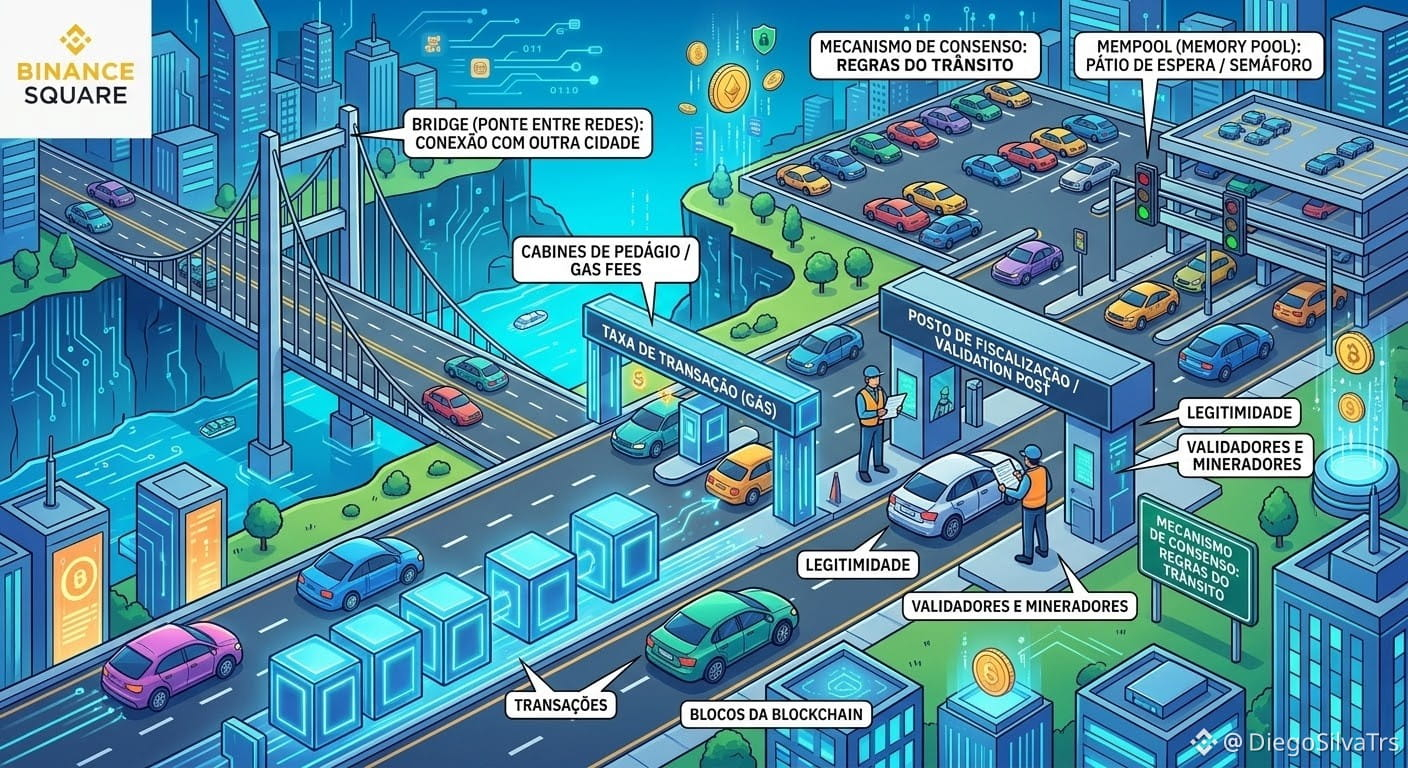
🌐 كيف تعمل مدينة رقمية؟ البنية التحتية للـ Blockchain دون تعقيد
إذا كانت السلسلة (البلوك تشين) مدينة رقمية مزدحمة، فسيصبح كل شيء أسهل للفهم. ولئلا تتحول إلى فوضى، يجب أن تكون هناك بنية تحتية تعمل في الخلفية.
تعرّف على 5 مفاهيم أساسية:
1. المُصدِّقون (Validators) والمُعدِّنون (Miners) = رجال المرور
يفحص رجال المرور اللوحات والترخيص وما إذا كانت السيارة مسروقة.
في سلاسل الكتل، يتحقق المُصدِّقون والمُعدِّنون مما إذا كانت معاملتك صحيحة، وما إذا كان لديك رصيد، وما إذا كنت لا تحاول إنفاق العملة نفسها مرتين. بدونهم، لا تتحرك الأمور.
2. آلية الإجماع (PoW / PoS) = قوانين المرور
لكي يعمل الحراس دون تعارض، تحتاج المدينة إلى قوانين رسمية.
يحدد الإجماع (Proof of Work / Proof of Stake) من يمكنه القيام بالتدقيق وكيف تقرر الشبكة ما هو صحيح وما هي عملية احتيال.
3. الغاز والرسوم (Gas Fees) = الرسوم والجسر
هل تريد استخدام طرق المدينة؟ ادفع رسوم الطريق.
يدفع الغاز مقابل معالجة المعاملة. وإذا كانت المدينة مزدحمة (شبكة محمّلة)، ترتفع الرسوم للأولوية لمن يدفع أكثر.
4. الميمبُول (Mempool) = ساحة انتظار وإشارة مرور
إنها غرفة انتظار الـ blockchain.
تظل معاملتك متوقفة هناك منتظرة أن يأخذ المُصدِّق سيارتك من الصف ويُدرجها في الكتلة التالية ضمن حركة المرور.
5. Bridges (الجسور) = العبارات بين المدن
تخيّل مدينتين معزولتين: "مدينة Ethereum" و"مدينة Solana".
تسمح الجسور (Bridges) بشحن مركبتك (الرمز token) من جهة وإنزالها في الجهة الأخرى بأمان، لتوصيل شبكات مختلفة.
الخلاصة: انتقالك يخرج من ساحة الانتظار (Mempool)، ويتبع القوانين (الإجماع)، ويدفع الرسوم (Gas) للحارس (Validador)، ثم يستخدم الجسر (Bridge) إذا كان الانتقال إلى شبكة أخرى.
أي جزء من المدينة وجدته أسهل في الفهم؟ اكتب رأيك في التعليقات!
#Web3 #Educational #Blockchain #Crypto #BinanceSquare
$BTC $ETH $SOL
🌐 كيف تعمل مدينة رقمية؟ البنية التحتية للـ Blockchain دون تعقيد
إذا كانت السلسلة (البلوك تشين) مدينة رقمية مزدحمة، فسيصبح كل شيء أسهل للفهم. ولئلا تتحول إلى فوضى، يجب أن تكون هناك بنية تحتية تعمل في الخلفية.
تعرّف على 5 مفاهيم أساسية:
1. المُصدِّقون (Validators) والمُعدِّنون (Miners) = رجال المرور
يفحص رجال المرور اللوحات والترخيص وما إذا كانت السيارة مسروقة.
في سلاسل الكتل، يتحقق المُصدِّقون والمُعدِّنون مما إذا كانت معاملتك صحيحة، وما إذا كان لديك رصيد، وما إذا كنت لا تحاول إنفاق العملة نفسها مرتين. بدونهم، لا تتحرك الأمور.
2. آلية الإجماع (PoW / PoS) = قوانين المرور
لكي يعمل الحراس دون تعارض، تحتاج المدينة إلى قوانين رسمية.
يحدد الإجماع (Proof of Work / Proof of Stake) من يمكنه القيام بالتدقيق وكيف تقرر الشبكة ما هو صحيح وما هي عملية احتيال.
3. الغاز والرسوم (Gas Fees) = الرسوم والجسر
هل تريد استخدام طرق المدينة؟ ادفع رسوم الطريق.
يدفع الغاز مقابل معالجة المعاملة. وإذا كانت المدينة مزدحمة (شبكة محمّلة)، ترتفع الرسوم للأولوية لمن يدفع أكثر.
4. الميمبُول (Mempool) = ساحة انتظار وإشارة مرور
إنها غرفة انتظار الـ blockchain.
تظل معاملتك متوقفة هناك منتظرة أن يأخذ المُصدِّق سيارتك من الصف ويُدرجها في الكتلة التالية ضمن حركة المرور.
5. Bridges (الجسور) = العبارات بين المدن
تخيّل مدينتين معزولتين: "مدينة Ethereum" و"مدينة Solana".
تسمح الجسور (Bridges) بشحن مركبتك (الرمز token) من جهة وإنزالها في الجهة الأخرى بأمان، لتوصيل شبكات مختلفة.
الخلاصة: انتقالك يخرج من ساحة الانتظار (Mempool)، ويتبع القوانين (الإجماع)، ويدفع الرسوم (Gas) للحارس (Validador)، ثم يستخدم الجسر (Bridge) إذا كان الانتقال إلى شبكة أخرى.
أي جزء من المدينة وجدته أسهل في الفهم؟ اكتب رأيك في التعليقات!
#Web3 #Educational #Blockchain #Crypto #BinanceSquare
$BTC $ETH $SOL
إذا كانت السلسلة (البلوك تشين) مدينة رقمية مزدحمة، فسيصبح كل شيء أسهل للفهم. ولئلا تتحول إلى فوضى، يجب أن تكون هناك بنية تحتية تعمل في الخلفية.
تعرّف على 5 مفاهيم أساسية:
1. المُصدِّقون (Validators) والمُعدِّنون (Miners) = رجال المرور
يفحص رجال المرور اللوحات والترخيص وما إذا كانت السيارة مسروقة.
في سلاسل الكتل، يتحقق المُصدِّقون والمُعدِّنون مما إذا كانت معاملتك صحيحة، وما إذا كان لديك رصيد، وما إذا كنت لا تحاول إنفاق العملة نفسها مرتين. بدونهم، لا تتحرك الأمور.
2. آلية الإجماع (PoW / PoS) = قوانين المرور
لكي يعمل الحراس دون تعارض، تحتاج المدينة إلى قوانين رسمية.
يحدد الإجماع (Proof of Work / Proof of Stake) من يمكنه القيام بالتدقيق وكيف تقرر الشبكة ما هو صحيح وما هي عملية احتيال.
3. الغاز والرسوم (Gas Fees) = الرسوم والجسر
هل تريد استخدام طرق المدينة؟ ادفع رسوم الطريق.
يدفع الغاز مقابل معالجة المعاملة. وإذا كانت المدينة مزدحمة (شبكة محمّلة)، ترتفع الرسوم للأولوية لمن يدفع أكثر.
4. الميمبُول (Mempool) = ساحة انتظار وإشارة مرور
إنها غرفة انتظار الـ blockchain.
تظل معاملتك متوقفة هناك منتظرة أن يأخذ المُصدِّق سيارتك من الصف ويُدرجها في الكتلة التالية ضمن حركة المرور.
5. Bridges (الجسور) = العبارات بين المدن
تخيّل مدينتين معزولتين: "مدينة Ethereum" و"مدينة Solana".
تسمح الجسور (Bridges) بشحن مركبتك (الرمز token) من جهة وإنزالها في الجهة الأخرى بأمان، لتوصيل شبكات مختلفة.
الخلاصة: انتقالك يخرج من ساحة الانتظار (Mempool)، ويتبع القوانين (الإجماع)، ويدفع الرسوم (Gas) للحارس (Validador)، ثم يستخدم الجسر (Bridge) إذا كان الانتقال إلى شبكة أخرى.
أي جزء من المدينة وجدته أسهل في الفهم؟ اكتب رأيك في التعليقات!
#Web3 #Educational #Blockchain #Crypto #BinanceSquare
$BTC $ETH $SOL
2
3
6
770

·
--
إدارة التعليم والمخاطر (قيمة-مدفوعة)العنوان: الخطأ رقم 1 الذي يرتكبه متداولو العملات الرقمية (وكيف تصلحه) 🧠معظم المتداولين التجزئة يخسرون المال ليس بسبب ظروف سوق سيئة، بل بسبب FOMO (الخوف من فوات الفرصة). عادةً ما يؤدي شراء الاندفاعة الخضراء إلى حمل الحقيبة الحمراء.3 قواعد لحماية رأس مالك:لا تطارد الشموع الخضراء: انتظر إعادة اختبار صحية أو تصحيحًا قبل الدخول.حدّد وقف خسارة صارم: اعرف نقطة خروجك دائمًا قبل أن تضغط زر الشراء.خذ الأرباح بشكل آلي: وزّع الخروج من المراكز على مراحل عندما يصل السعر إلى الأهداف.تذكّر: حماية رأس مالك هي الخطوة الأولى. الأرباح تأتي ثانيًا.#CryptoTrading #RiskManagement #Educational #DYOR #Binance
إدارة التعليم والمخاطر (قيمة-مدفوعة)العنوان: الخطأ رقم 1 الذي يرتكبه متداولو العملات الرقمية (وكيف تصلحه) 🧠معظم المتداولين التجزئة يخسرون المال ليس بسبب ظروف سوق سيئة، بل بسبب FOMO (الخوف من فوات الفرصة). عادةً ما يؤدي شراء الاندفاعة الخضراء إلى حمل الحقيبة الحمراء.3 قواعد لحماية رأس مالك:لا تطارد الشموع الخضراء: انتظر إعادة اختبار صحية أو تصحيحًا قبل الدخول.حدّد وقف خسارة صارم: اعرف نقطة خروجك دائمًا قبل أن تضغط زر الشراء.خذ الأرباح بشكل آلي: وزّع الخروج من المراكز على مراحل عندما يصل السعر إلى الأهداف.تذكّر: حماية رأس مالك هي الخطوة الأولى. الأرباح تأتي ثانيًا.#CryptoTrading #RiskManagement #Educational #DYOR #Binance
70

📚 ما هي العقود الذكية: كود ذاتي التنفيذ على سلسلة الكتل
في 23 يوليو 2026، تدعم العقود الذكية كل شيء بدءًا من إقراض DeFi وحتى أسواق NFT. العقد الذكي هو كود يتم نشره على بلوك تشين ويقوم بتنفيذ نفسه تلقائيًا عند تحقق شروط محددة مسبقًا — دون الحاجة إلى طرف وسيط.
بمجرد نشره، تعمل العقود الذكية تمامًا كما تمت برمجتها ولا يمكن تعديلها (إلا إذا تم تضمين ميزات قابلية الترقية). إن عدم القابلية للتغيير هذا هو في الوقت نفسه أكبر نقاط قوتها ومخاطرة محتملة إذا كان الكود يحتوي على أخطاء.
تمكّن العقود الذكية من إبرام اتفاقات بدون ثقة، حيث تحدد الشيفرة مخرجات المعاملات بدلًا من تقدير الأشخاص، ما يقلل مخاطر الطرف المقابل.
📌 الخلاصة الأساسية:
العقود الذكية هي برامج بلوك تشين ذاتية التنفيذ تُؤتمت الاتفاقات دون وسطاء — تعمل تمامًا كما تم ترميزها، وبشكل غير قابل للتغيير.
#SmartContracts #BlockchainTech #Educational
#BinanceAlphaAlert
📚 ما هي العقود الذكية: كود ذاتي التنفيذ على سلسلة الكتل
في 23 يوليو 2026، تدعم العقود الذكية كل شيء بدءًا من إقراض DeFi وحتى أسواق NFT. العقد الذكي هو كود يتم نشره على بلوك تشين ويقوم بتنفيذ نفسه تلقائيًا عند تحقق شروط محددة مسبقًا — دون الحاجة إلى طرف وسيط.
بمجرد نشره، تعمل العقود الذكية تمامًا كما تمت برمجتها ولا يمكن تعديلها (إلا إذا تم تضمين ميزات قابلية الترقية). إن عدم القابلية للتغيير هذا هو في الوقت نفسه أكبر نقاط قوتها ومخاطرة محتملة إذا كان الكود يحتوي على أخطاء.
تمكّن العقود الذكية من إبرام اتفاقات بدون ثقة، حيث تحدد الشيفرة مخرجات المعاملات بدلًا من تقدير الأشخاص، ما يقلل مخاطر الطرف المقابل.
📌 الخلاصة الأساسية:
العقود الذكية هي برامج بلوك تشين ذاتية التنفيذ تُؤتمت الاتفاقات دون وسطاء — تعمل تمامًا كما تم ترميزها، وبشكل غير قابل للتغيير.
#SmartContracts #BlockchainTech #Educational
#BinanceAlphaAlert
في 23 يوليو 2026، تدعم العقود الذكية كل شيء بدءًا من إقراض DeFi وحتى أسواق NFT. العقد الذكي هو كود يتم نشره على بلوك تشين ويقوم بتنفيذ نفسه تلقائيًا عند تحقق شروط محددة مسبقًا — دون الحاجة إلى طرف وسيط.
بمجرد نشره، تعمل العقود الذكية تمامًا كما تمت برمجتها ولا يمكن تعديلها (إلا إذا تم تضمين ميزات قابلية الترقية). إن عدم القابلية للتغيير هذا هو في الوقت نفسه أكبر نقاط قوتها ومخاطرة محتملة إذا كان الكود يحتوي على أخطاء.
تمكّن العقود الذكية من إبرام اتفاقات بدون ثقة، حيث تحدد الشيفرة مخرجات المعاملات بدلًا من تقدير الأشخاص، ما يقلل مخاطر الطرف المقابل.
📌 الخلاصة الأساسية:
العقود الذكية هي برامج بلوك تشين ذاتية التنفيذ تُؤتمت الاتفاقات دون وسطاء — تعمل تمامًا كما تم ترميزها، وبشكل غير قابل للتغيير.
#SmartContracts #BlockchainTech #Educational
#BinanceAlphaAlert
23

·
--
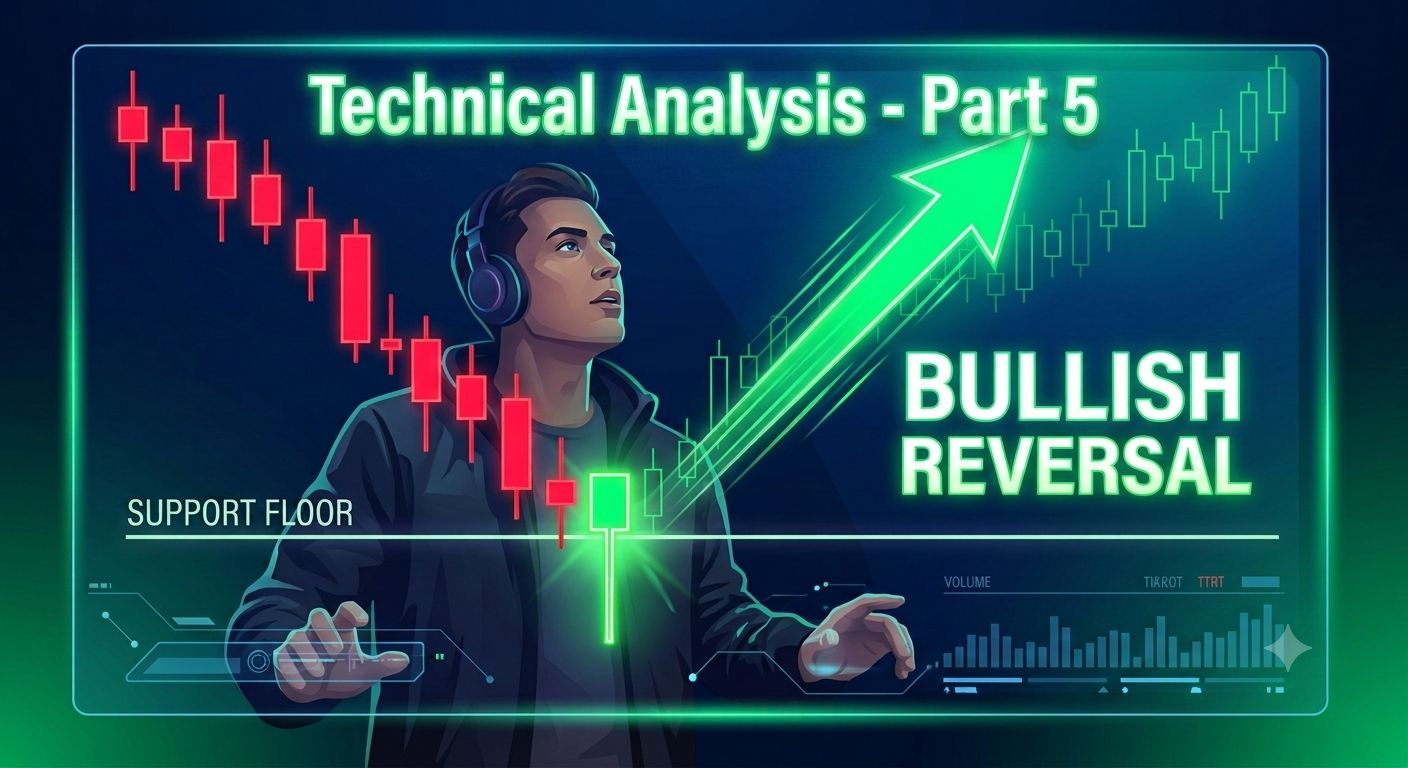
📊 التحليل الفني (الجزء 5): كيف أركب زخم السوق باستخدام MACD 🎈🎈🎈
فهم اتجاه السوق أمر جيد، لكن معرفة سرعة وقوة هذه الحركة هي المكان الذي يكمن فيه الربح الحقيقي. في رحلتي في التداول، اكتشفت أن الأسعار قد تتدفق للأعلى من لا مكان، لكن إذا لم يكن هناك زخم يدعمها، فإنها تنهار بسرعة. أصبح مؤشر MACD أداةَ المفضلة لدي لقياس هذه القوة الخفية في السوق.
إليك كيف أقرأ مؤشر MACD للعثور على إعدادات Spot عالية الاحتمالية:
🔴 i.الانتظار للـ Crossover الذهبي
يتكون MACD من خطّين متحركين (خط MACD وخط الإشارة). عندما يتقاطع الخط الأسرع ABOVE الخط الأبطأ من الأسفل، فهذا يُفعّل "Bullish Crossover". أتعامل مع ذلك كإشارة قوية على أن زخم الشراء يدخل السوق، ما يجعله منطقة آمنة للبحث عن إدخالات Spot.
🔴 ii.قراءة أعمدة المدرج التكراري (Histogram)
تحت الخطين توجد أعمدة عمودية تُسمى Histogram. عندما تتحول هذه الأعمدة إلى اللون الأخضر الفاقع وتبدأ بالنمو والارتفاع، فهذا يخبرني أن المشترين هم المسيطرون بالكامل وأن سرعة الصعود تزداد. إذا تحولت الأعمدة إلى الأحمر وانكمشت، فهذا ينبهني أن الضخ يفقد الوقود.
🔴 iii.تجنب فخ الدخول المتأخر
إحدى الدروس الرئيسية التي تعلمتها هي ألا أدخل أي صفقة عندما تكون خطوط MACD مرتفعة جدًا بالفعل أو عندما تبدأ الأعمدة الخضراء بالاستواء (التسطّح). هذا يعني أن الزخم قد نفد. الشراء مبكرًا خلال تقاطع جديد على مخطط 4H أو 1D هو ما يساعدني على حماية رأسمالي والتقاط مكاسب ثابتة.
💡 لنحصل على محادثة: هل تجمع MACD مع RSI للتأكد أكثر من صفقاتك، أم تستخدمه وحده؟ ما هي تجربتك؟ تكلّم أدناه! 👇 🌹🌹
💥تنويه: ليس نصيحة مالية. لأغراض تعليمية فقط. قم بالبحث بنفسك (DYOR).
#TechnicalAnalysis #macdindicator #MarketMomentum #BinanceSquare #Educational $BNB $BTC $SOL
{spot}(BNBUSDT)
📊 التحليل الفني (الجزء 5): كيف أركب زخم السوق باستخدام MACD 🎈🎈🎈
فهم اتجاه السوق أمر جيد، لكن معرفة سرعة وقوة هذه الحركة هي المكان الذي يكمن فيه الربح الحقيقي. في رحلتي في التداول، اكتشفت أن الأسعار قد تتدفق للأعلى من لا مكان، لكن إذا لم يكن هناك زخم يدعمها، فإنها تنهار بسرعة. أصبح مؤشر MACD أداةَ المفضلة لدي لقياس هذه القوة الخفية في السوق.
إليك كيف أقرأ مؤشر MACD للعثور على إعدادات Spot عالية الاحتمالية:
🔴 i.الانتظار للـ Crossover الذهبي
يتكون MACD من خطّين متحركين (خط MACD وخط الإشارة). عندما يتقاطع الخط الأسرع ABOVE الخط الأبطأ من الأسفل، فهذا يُفعّل "Bullish Crossover". أتعامل مع ذلك كإشارة قوية على أن زخم الشراء يدخل السوق، ما يجعله منطقة آمنة للبحث عن إدخالات Spot.
🔴 ii.قراءة أعمدة المدرج التكراري (Histogram)
تحت الخطين توجد أعمدة عمودية تُسمى Histogram. عندما تتحول هذه الأعمدة إلى اللون الأخضر الفاقع وتبدأ بالنمو والارتفاع، فهذا يخبرني أن المشترين هم المسيطرون بالكامل وأن سرعة الصعود تزداد. إذا تحولت الأعمدة إلى الأحمر وانكمشت، فهذا ينبهني أن الضخ يفقد الوقود.
🔴 iii.تجنب فخ الدخول المتأخر
إحدى الدروس الرئيسية التي تعلمتها هي ألا أدخل أي صفقة عندما تكون خطوط MACD مرتفعة جدًا بالفعل أو عندما تبدأ الأعمدة الخضراء بالاستواء (التسطّح). هذا يعني أن الزخم قد نفد. الشراء مبكرًا خلال تقاطع جديد على مخطط 4H أو 1D هو ما يساعدني على حماية رأسمالي والتقاط مكاسب ثابتة.
💡 لنحصل على محادثة: هل تجمع MACD مع RSI للتأكد أكثر من صفقاتك، أم تستخدمه وحده؟ ما هي تجربتك؟ تكلّم أدناه! 👇 🌹🌹
💥تنويه: ليس نصيحة مالية. لأغراض تعليمية فقط. قم بالبحث بنفسك (DYOR).
#TechnicalAnalysis #macdindicator #MarketMomentum #BinanceSquare #Educational $BNB $BTC $SOL
فهم اتجاه السوق أمر جيد، لكن معرفة سرعة وقوة هذه الحركة هي المكان الذي يكمن فيه الربح الحقيقي. في رحلتي في التداول، اكتشفت أن الأسعار قد تتدفق للأعلى من لا مكان، لكن إذا لم يكن هناك زخم يدعمها، فإنها تنهار بسرعة. أصبح مؤشر MACD أداةَ المفضلة لدي لقياس هذه القوة الخفية في السوق.
إليك كيف أقرأ مؤشر MACD للعثور على إعدادات Spot عالية الاحتمالية:
🔴 i.الانتظار للـ Crossover الذهبي
يتكون MACD من خطّين متحركين (خط MACD وخط الإشارة). عندما يتقاطع الخط الأسرع ABOVE الخط الأبطأ من الأسفل، فهذا يُفعّل "Bullish Crossover". أتعامل مع ذلك كإشارة قوية على أن زخم الشراء يدخل السوق، ما يجعله منطقة آمنة للبحث عن إدخالات Spot.
🔴 ii.قراءة أعمدة المدرج التكراري (Histogram)
تحت الخطين توجد أعمدة عمودية تُسمى Histogram. عندما تتحول هذه الأعمدة إلى اللون الأخضر الفاقع وتبدأ بالنمو والارتفاع، فهذا يخبرني أن المشترين هم المسيطرون بالكامل وأن سرعة الصعود تزداد. إذا تحولت الأعمدة إلى الأحمر وانكمشت، فهذا ينبهني أن الضخ يفقد الوقود.
🔴 iii.تجنب فخ الدخول المتأخر
إحدى الدروس الرئيسية التي تعلمتها هي ألا أدخل أي صفقة عندما تكون خطوط MACD مرتفعة جدًا بالفعل أو عندما تبدأ الأعمدة الخضراء بالاستواء (التسطّح). هذا يعني أن الزخم قد نفد. الشراء مبكرًا خلال تقاطع جديد على مخطط 4H أو 1D هو ما يساعدني على حماية رأسمالي والتقاط مكاسب ثابتة.
💡 لنحصل على محادثة: هل تجمع MACD مع RSI للتأكد أكثر من صفقاتك، أم تستخدمه وحده؟ ما هي تجربتك؟ تكلّم أدناه! 👇 🌹🌹
💥تنويه: ليس نصيحة مالية. لأغراض تعليمية فقط. قم بالبحث بنفسك (DYOR).
#TechnicalAnalysis #macdindicator #MarketMomentum #BinanceSquare #Educational $BNB $BTC $SOL
1
115
·
--
دليل سريع: كيفية تقييم مشروع كريبتو في 5 دقائق (تجنب الاحتيال والمشاريع الفارغة)
قبل أن تضخ 1 دولارًا في أي توكن (سواء كان AI أو RWA أو Memecoin)، مرّر المشروع عبر فلتر إكسبريس من 4 خطوات:
توزيع التوكنات (Tokenomics):
هل لدى الفريق أو المستثمرين الأوائل أكثر من 30% مخصصة؟ 🚩 علامة حمراء.
هل لديهم جدول تفكيك واضح (vesting)؟
المنفعة الحقيقية مقابل الضجيج:
هل يحل المشروع مشكلة حقيقية أم يكتفي باستخدام كلمات رائجة (AI وQuantum وLayer 3) لجذب الانتباه؟
نشاط التطوير (GitHub):
هل لديهم كود فعلي يتم تحديثه أم أن المستودع مهجور منذ 6 أشهر؟
شفافية الخزانة:
راجع على سلسلة الكتل ما إذا كانت محافظ المشروع تقوم بتحركات مشبوهة للسيولة.
💡 احفظ وشارك هذا الدليل:
🔄 قم بـ REPOST لهذه المنشورة على ملفك الشخصي لتكون القائمة جاهزة في متناول يدك قبل استثمارك القادم وشاركها مع مجتمعك.
👇 سؤال: ما هو أول فلتر تستخدمه أنت قبل شراء عملة؟ أقرأ تعليقاتكم!
#CryptoTips | #BinanceSquare | #educational | #TradingTips | @Binance_Espana
دليل سريع: كيفية تقييم مشروع كريبتو في 5 دقائق (تجنب الاحتيال والمشاريع الفارغة)
قبل أن تضخ 1 دولارًا في أي توكن (سواء كان AI أو RWA أو Memecoin)، مرّر المشروع عبر فلتر إكسبريس من 4 خطوات:
توزيع التوكنات (Tokenomics):
هل لدى الفريق أو المستثمرين الأوائل أكثر من 30% مخصصة؟ 🚩 علامة حمراء.
هل لديهم جدول تفكيك واضح (vesting)؟
المنفعة الحقيقية مقابل الضجيج:
هل يحل المشروع مشكلة حقيقية أم يكتفي باستخدام كلمات رائجة (AI وQuantum وLayer 3) لجذب الانتباه؟
نشاط التطوير (GitHub):
هل لديهم كود فعلي يتم تحديثه أم أن المستودع مهجور منذ 6 أشهر؟
شفافية الخزانة:
راجع على سلسلة الكتل ما إذا كانت محافظ المشروع تقوم بتحركات مشبوهة للسيولة.
💡 احفظ وشارك هذا الدليل:
🔄 قم بـ REPOST لهذه المنشورة على ملفك الشخصي لتكون القائمة جاهزة في متناول يدك قبل استثمارك القادم وشاركها مع مجتمعك.
👇 سؤال: ما هو أول فلتر تستخدمه أنت قبل شراء عملة؟ أقرأ تعليقاتكم!
#CryptoTips | #BinanceSquare | #educational | #TradingTips | @Binance España
قبل أن تضخ 1 دولارًا في أي توكن (سواء كان AI أو RWA أو Memecoin)، مرّر المشروع عبر فلتر إكسبريس من 4 خطوات:
توزيع التوكنات (Tokenomics):
هل لدى الفريق أو المستثمرين الأوائل أكثر من 30% مخصصة؟ 🚩 علامة حمراء.
هل لديهم جدول تفكيك واضح (vesting)؟
المنفعة الحقيقية مقابل الضجيج:
هل يحل المشروع مشكلة حقيقية أم يكتفي باستخدام كلمات رائجة (AI وQuantum وLayer 3) لجذب الانتباه؟
نشاط التطوير (GitHub):
هل لديهم كود فعلي يتم تحديثه أم أن المستودع مهجور منذ 6 أشهر؟
شفافية الخزانة:
راجع على سلسلة الكتل ما إذا كانت محافظ المشروع تقوم بتحركات مشبوهة للسيولة.
💡 احفظ وشارك هذا الدليل:
🔄 قم بـ REPOST لهذه المنشورة على ملفك الشخصي لتكون القائمة جاهزة في متناول يدك قبل استثمارك القادم وشاركها مع مجتمعك.
👇 سؤال: ما هو أول فلتر تستخدمه أنت قبل شراء عملة؟ أقرأ تعليقاتكم!
#CryptoTips | #BinanceSquare | #educational | #TradingTips | @Binance España
100

·
--
💡 أمر السوق مقابل أمر محدد: أفضل درس تعلمته كمبتدئ! 🧐
عندما قمت بأول صفقة لي على بينانس بمبلغ 5 دولارات، كان يجب علي أن أفهم كيف أشتري وأبيع العملات المشفرة بشكل صحيح. كمبتدئ، فهم الأوامر هو الخطوة الأهم!
إليك ما تعلمته ببساطة:
🟢 1. أمر السوق (سريع وسهل)
استخدمت هذا لشراء $BNB الخاص بي. يتم تنفيذه على الفور بأفضل سعر متاح في السوق. إنه مثالي عندما تريد الدخول في عملة على الفور دون الانتظار!
🔴 2. أمر محدد (ذكي وصبور)
استخدمت هذا لتحديد هدف البيع الخاص بي لعملة BNB عند 600 دولار. يتيح لك تحديد السعر الخاص بك. سيتم تنفيذ الصفقة فقط عندما يلمس سعر السوق هدفك.
لماذا أحب الأوامر المحددة:
أفضل ما في الأمر، لا أحتاج إلى التحديق في الرسوم البيانية 24/7! حتى إذا كنت نائمًا أو غير متصل، ستقوم بينانس تلقائيًا ببيع وتأمين أرباحي. 🧠✨
إذا كنت مبتدئًا، تأكد دائمًا من ممارسة استخدام الأوامر المحددة لإدارة مخاطر وأهدافك.
أي واحدة تستخدمها أكثر؟ سوق أم محدد؟ دعني أعرف في التعليقات! 👇
👉 لا تنسَ متابعتي للحصول على المزيد من نصائح التداول للمبتدئين الحقيقية!
#BinanceSquare #نصائح_العملات_المشفرة #أساسيات_التداول #BNB #اكتب_لكي_تكسب #Educational
💡 أمر السوق مقابل أمر محدد: أفضل درس تعلمته كمبتدئ! 🧐
عندما قمت بأول صفقة لي على بينانس بمبلغ 5 دولارات، كان يجب علي أن أفهم كيف أشتري وأبيع العملات المشفرة بشكل صحيح. كمبتدئ، فهم الأوامر هو الخطوة الأهم!
إليك ما تعلمته ببساطة:
🟢 1. أمر السوق (سريع وسهل)
استخدمت هذا لشراء $BNB الخاص بي. يتم تنفيذه على الفور بأفضل سعر متاح في السوق. إنه مثالي عندما تريد الدخول في عملة على الفور دون الانتظار!
🔴 2. أمر محدد (ذكي وصبور)
استخدمت هذا لتحديد هدف البيع الخاص بي لعملة BNB عند 600 دولار. يتيح لك تحديد السعر الخاص بك. سيتم تنفيذ الصفقة فقط عندما يلمس سعر السوق هدفك.
لماذا أحب الأوامر المحددة:
أفضل ما في الأمر، لا أحتاج إلى التحديق في الرسوم البيانية 24/7! حتى إذا كنت نائمًا أو غير متصل، ستقوم بينانس تلقائيًا ببيع وتأمين أرباحي. 🧠✨
إذا كنت مبتدئًا، تأكد دائمًا من ممارسة استخدام الأوامر المحددة لإدارة مخاطر وأهدافك.
أي واحدة تستخدمها أكثر؟ سوق أم محدد؟ دعني أعرف في التعليقات! 👇
👉 لا تنسَ متابعتي للحصول على المزيد من نصائح التداول للمبتدئين الحقيقية!
#BinanceSquare #نصائح_العملات_المشفرة #أساسيات_التداول #BNB #اكتب_لكي_تكسب #Educational
عندما قمت بأول صفقة لي على بينانس بمبلغ 5 دولارات، كان يجب علي أن أفهم كيف أشتري وأبيع العملات المشفرة بشكل صحيح. كمبتدئ، فهم الأوامر هو الخطوة الأهم!
إليك ما تعلمته ببساطة:
🟢 1. أمر السوق (سريع وسهل)
استخدمت هذا لشراء $BNB الخاص بي. يتم تنفيذه على الفور بأفضل سعر متاح في السوق. إنه مثالي عندما تريد الدخول في عملة على الفور دون الانتظار!
🔴 2. أمر محدد (ذكي وصبور)
استخدمت هذا لتحديد هدف البيع الخاص بي لعملة BNB عند 600 دولار. يتيح لك تحديد السعر الخاص بك. سيتم تنفيذ الصفقة فقط عندما يلمس سعر السوق هدفك.
لماذا أحب الأوامر المحددة:
أفضل ما في الأمر، لا أحتاج إلى التحديق في الرسوم البيانية 24/7! حتى إذا كنت نائمًا أو غير متصل، ستقوم بينانس تلقائيًا ببيع وتأمين أرباحي. 🧠✨
إذا كنت مبتدئًا، تأكد دائمًا من ممارسة استخدام الأوامر المحددة لإدارة مخاطر وأهدافك.
أي واحدة تستخدمها أكثر؟ سوق أم محدد؟ دعني أعرف في التعليقات! 👇
👉 لا تنسَ متابعتي للحصول على المزيد من نصائح التداول للمبتدئين الحقيقية!
#BinanceSquare #نصائح_العملات_المشفرة #أساسيات_التداول #BNB #اكتب_لكي_تكسب #Educational
91
📚 ما هو الـ Staking: كسب دخل سلبي من مقتنياتك من العملات المشفرة
في 4 يوليو 2026، تقدم العديد من العملات المشفرة مكافآت الـ staking. الـ staking هو عملية قفل عملاتك للمساعدة في التحقق من المعاملات على بلوكشين إثبات الحصة. مقابل ذلك، تحصل على مكافآت — غالبًا بنسبة 3-20% سنويًا.
Ethereum $ETH انتقل إلى إثبات الحصة، مما يتيح للمحـتفين كسب مكافآت. كما تتيح Solana $SOL أيضًا إجراء الـ staking. المفاضلة: يتم قفل عملاتك لفترة ولا يمكنك تداولها خلالها.
الـ staking استراتيجية شائعة لدى المستثمرين على المدى الطويل الذين يرغبون في تحقيق عائد دون بيع مراكزهم. ومع ذلك، لا تُعد مكافآت الـ staking مضمونة وتعتمد على معدلات مشاركة الشبكة.
📌 الخلاصة الأساسية:
يسمح لك الـ staking بأن تعمل عملتك المشفرة لصالحك، مُولّدًا عائدًا أثناء احتفاظك. المقابل هو السيولة — لا يمكن بيع العملات المقفلة خلال فترات تقلبات السوق.
#Staking #PassiveIncome #Educational
#BinanceAlphaAlert
📚 ما هو الـ Staking: كسب دخل سلبي من مقتنياتك من العملات المشفرة
في 4 يوليو 2026، تقدم العديد من العملات المشفرة مكافآت الـ staking. الـ staking هو عملية قفل عملاتك للمساعدة في التحقق من المعاملات على بلوكشين إثبات الحصة. مقابل ذلك، تحصل على مكافآت — غالبًا بنسبة 3-20% سنويًا.
Ethereum $ETH انتقل إلى إثبات الحصة، مما يتيح للمحـتفين كسب مكافآت. كما تتيح Solana $SOL أيضًا إجراء الـ staking. المفاضلة: يتم قفل عملاتك لفترة ولا يمكنك تداولها خلالها.
الـ staking استراتيجية شائعة لدى المستثمرين على المدى الطويل الذين يرغبون في تحقيق عائد دون بيع مراكزهم. ومع ذلك، لا تُعد مكافآت الـ staking مضمونة وتعتمد على معدلات مشاركة الشبكة.
📌 الخلاصة الأساسية:
يسمح لك الـ staking بأن تعمل عملتك المشفرة لصالحك، مُولّدًا عائدًا أثناء احتفاظك. المقابل هو السيولة — لا يمكن بيع العملات المقفلة خلال فترات تقلبات السوق.
#Staking #PassiveIncome #Educational
#BinanceAlphaAlert
في 4 يوليو 2026، تقدم العديد من العملات المشفرة مكافآت الـ staking. الـ staking هو عملية قفل عملاتك للمساعدة في التحقق من المعاملات على بلوكشين إثبات الحصة. مقابل ذلك، تحصل على مكافآت — غالبًا بنسبة 3-20% سنويًا.
Ethereum $ETH انتقل إلى إثبات الحصة، مما يتيح للمحـتفين كسب مكافآت. كما تتيح Solana $SOL أيضًا إجراء الـ staking. المفاضلة: يتم قفل عملاتك لفترة ولا يمكنك تداولها خلالها.
الـ staking استراتيجية شائعة لدى المستثمرين على المدى الطويل الذين يرغبون في تحقيق عائد دون بيع مراكزهم. ومع ذلك، لا تُعد مكافآت الـ staking مضمونة وتعتمد على معدلات مشاركة الشبكة.
📌 الخلاصة الأساسية:
يسمح لك الـ staking بأن تعمل عملتك المشفرة لصالحك، مُولّدًا عائدًا أثناء احتفاظك. المقابل هو السيولة — لا يمكن بيع العملات المقفلة خلال فترات تقلبات السوق.
#Staking #PassiveIncome #Educational
#BinanceAlphaAlert
39
📚 كيف تبحث عن مشروع كريبتو: قائمة تدقيق العناية الواجبة للمستثمرين الجدد
في 4 يوليو 2026، مع تتبّع 17,387 عملة، معرفة كيفية البحث عن المشاريع أمرٌ ضروري. ابدأ بالورقة البيضاء — هل تحل مشكلة حقيقية؟ ثم تحقق من الفريق والبنية الاقتصادية الرمزية (tokenomics) والمجتمع.
مصادر البيانات مثل CoinGecko توفر مؤشرات رئيسية: القيمة السوقية ($2.26T)، حجم التداول ($64.58B)، وحركة السعر. بالنسبة للبيتكوين $BTC at عند $62,612، فإن الأساسيات راسخة. أما بالنسبة للمشاريع الأصغر، فستحتاج إلى بحث أعمق.
انظر إلى: نشاط GitHub (هل يقوم المطورون ببناء شيء ما؟)، توزيع الرموز (هل هو مركزي؟)، والمستخدمين الحقيقيين (وليس مجرد بوتات). إذا كانت السردية الوحيدة للمشروع هي "سعرٌ يرتفع"، فهذا يُعدّ مضاربة وليست استثمارًا.
📌 الخلاصة الأساسية:
العناية الواجبة تفصل بين المستثمرين المطلعين والمقامرين. الورقة البيضاء + الفريق + tokenomics + المجتمع + الاستخدام = الركائز الخمس لبحث الكريبتو.
#CryptoResearch #DYOR #Educational
#BinanceAlphaAlert
📚 كيف تبحث عن مشروع كريبتو: قائمة تدقيق العناية الواجبة للمستثمرين الجدد
في 4 يوليو 2026، مع تتبّع 17,387 عملة، معرفة كيفية البحث عن المشاريع أمرٌ ضروري. ابدأ بالورقة البيضاء — هل تحل مشكلة حقيقية؟ ثم تحقق من الفريق والبنية الاقتصادية الرمزية (tokenomics) والمجتمع.
مصادر البيانات مثل CoinGecko توفر مؤشرات رئيسية: القيمة السوقية ($2.26T)، حجم التداول ($64.58B)، وحركة السعر. بالنسبة للبيتكوين $BTC at عند $62,612، فإن الأساسيات راسخة. أما بالنسبة للمشاريع الأصغر، فستحتاج إلى بحث أعمق.
انظر إلى: نشاط GitHub (هل يقوم المطورون ببناء شيء ما؟)، توزيع الرموز (هل هو مركزي؟)، والمستخدمين الحقيقيين (وليس مجرد بوتات). إذا كانت السردية الوحيدة للمشروع هي "سعرٌ يرتفع"، فهذا يُعدّ مضاربة وليست استثمارًا.
📌 الخلاصة الأساسية:
العناية الواجبة تفصل بين المستثمرين المطلعين والمقامرين. الورقة البيضاء + الفريق + tokenomics + المجتمع + الاستخدام = الركائز الخمس لبحث الكريبتو.
#CryptoResearch #DYOR #Educational
#BinanceAlphaAlert
في 4 يوليو 2026، مع تتبّع 17,387 عملة، معرفة كيفية البحث عن المشاريع أمرٌ ضروري. ابدأ بالورقة البيضاء — هل تحل مشكلة حقيقية؟ ثم تحقق من الفريق والبنية الاقتصادية الرمزية (tokenomics) والمجتمع.
مصادر البيانات مثل CoinGecko توفر مؤشرات رئيسية: القيمة السوقية ($2.26T)، حجم التداول ($64.58B)، وحركة السعر. بالنسبة للبيتكوين $BTC at عند $62,612، فإن الأساسيات راسخة. أما بالنسبة للمشاريع الأصغر، فستحتاج إلى بحث أعمق.
انظر إلى: نشاط GitHub (هل يقوم المطورون ببناء شيء ما؟)، توزيع الرموز (هل هو مركزي؟)، والمستخدمين الحقيقيين (وليس مجرد بوتات). إذا كانت السردية الوحيدة للمشروع هي "سعرٌ يرتفع"، فهذا يُعدّ مضاربة وليست استثمارًا.
📌 الخلاصة الأساسية:
العناية الواجبة تفصل بين المستثمرين المطلعين والمقامرين. الورقة البيضاء + الفريق + tokenomics + المجتمع + الاستخدام = الركائز الخمس لبحث الكريبتو.
#CryptoResearch #DYOR #Educational
#BinanceAlphaAlert
91
🛡️ المفاتيح الخاصة وعبارات البذور: أساسيات الأمن لمستخدمي العملات المشفرة
في 23 يوليو 2026، ومع تدفق مليارات عبر العملات المشفرة يوميًا، فإن فهم المفاتيح الخاصة هو أهم درس أمني. المفتاح الخاص هو سر تشفيري يثبت ملكيتك لأصول البلوكتشين — من يمتلك المفتاح يتحكم بالأموال.
عبارات البذور (وتُسمى أيضًا عبارات الاسترداد) هي تمثيلات قابلة للقراءة من المفتاح الخاص، وعادةً ما تكون 12 أو 24 كلمة. إن فقدت عبارة البذور فستفقد الوصول إلى الأبد — لا توجد إعادة تعيين بكلمة مرور، ولا استرداد عبر دعم العملاء.
لا تشارك أبدًا مفتاحك الخاص أو عبارة البذور مع أي شخص. لن تطلبها الخدمات الشرعية أبدًا. دوّنها على الورق واحفظها في مكان آمن دون اتصال.
📌 الخلاصة الرئيسية:
مفتاحك الخاص هو السيطرة النهائية على أصولك المشفرة — فقدانه يعني فقدانًا دائمًا، ومشاركته تعني التنازل عن الملكية.
#PrivateKeys #CryptoSecurity #Educational
#BinanceAlphaAlert
🛡️ المفاتيح الخاصة وعبارات البذور: أساسيات الأمن لمستخدمي العملات المشفرة
في 23 يوليو 2026، ومع تدفق مليارات عبر العملات المشفرة يوميًا، فإن فهم المفاتيح الخاصة هو أهم درس أمني. المفتاح الخاص هو سر تشفيري يثبت ملكيتك لأصول البلوكتشين — من يمتلك المفتاح يتحكم بالأموال.
عبارات البذور (وتُسمى أيضًا عبارات الاسترداد) هي تمثيلات قابلة للقراءة من المفتاح الخاص، وعادةً ما تكون 12 أو 24 كلمة. إن فقدت عبارة البذور فستفقد الوصول إلى الأبد — لا توجد إعادة تعيين بكلمة مرور، ولا استرداد عبر دعم العملاء.
لا تشارك أبدًا مفتاحك الخاص أو عبارة البذور مع أي شخص. لن تطلبها الخدمات الشرعية أبدًا. دوّنها على الورق واحفظها في مكان آمن دون اتصال.
📌 الخلاصة الرئيسية:
مفتاحك الخاص هو السيطرة النهائية على أصولك المشفرة — فقدانه يعني فقدانًا دائمًا، ومشاركته تعني التنازل عن الملكية.
#PrivateKeys #CryptoSecurity #Educational
#BinanceAlphaAlert
في 23 يوليو 2026، ومع تدفق مليارات عبر العملات المشفرة يوميًا، فإن فهم المفاتيح الخاصة هو أهم درس أمني. المفتاح الخاص هو سر تشفيري يثبت ملكيتك لأصول البلوكتشين — من يمتلك المفتاح يتحكم بالأموال.
عبارات البذور (وتُسمى أيضًا عبارات الاسترداد) هي تمثيلات قابلة للقراءة من المفتاح الخاص، وعادةً ما تكون 12 أو 24 كلمة. إن فقدت عبارة البذور فستفقد الوصول إلى الأبد — لا توجد إعادة تعيين بكلمة مرور، ولا استرداد عبر دعم العملاء.
لا تشارك أبدًا مفتاحك الخاص أو عبارة البذور مع أي شخص. لن تطلبها الخدمات الشرعية أبدًا. دوّنها على الورق واحفظها في مكان آمن دون اتصال.
📌 الخلاصة الرئيسية:
مفتاحك الخاص هو السيطرة النهائية على أصولك المشفرة — فقدانه يعني فقدانًا دائمًا، ومشاركته تعني التنازل عن الملكية.
#PrivateKeys #CryptoSecurity #Educational
#BinanceAlphaAlert
43
·
--
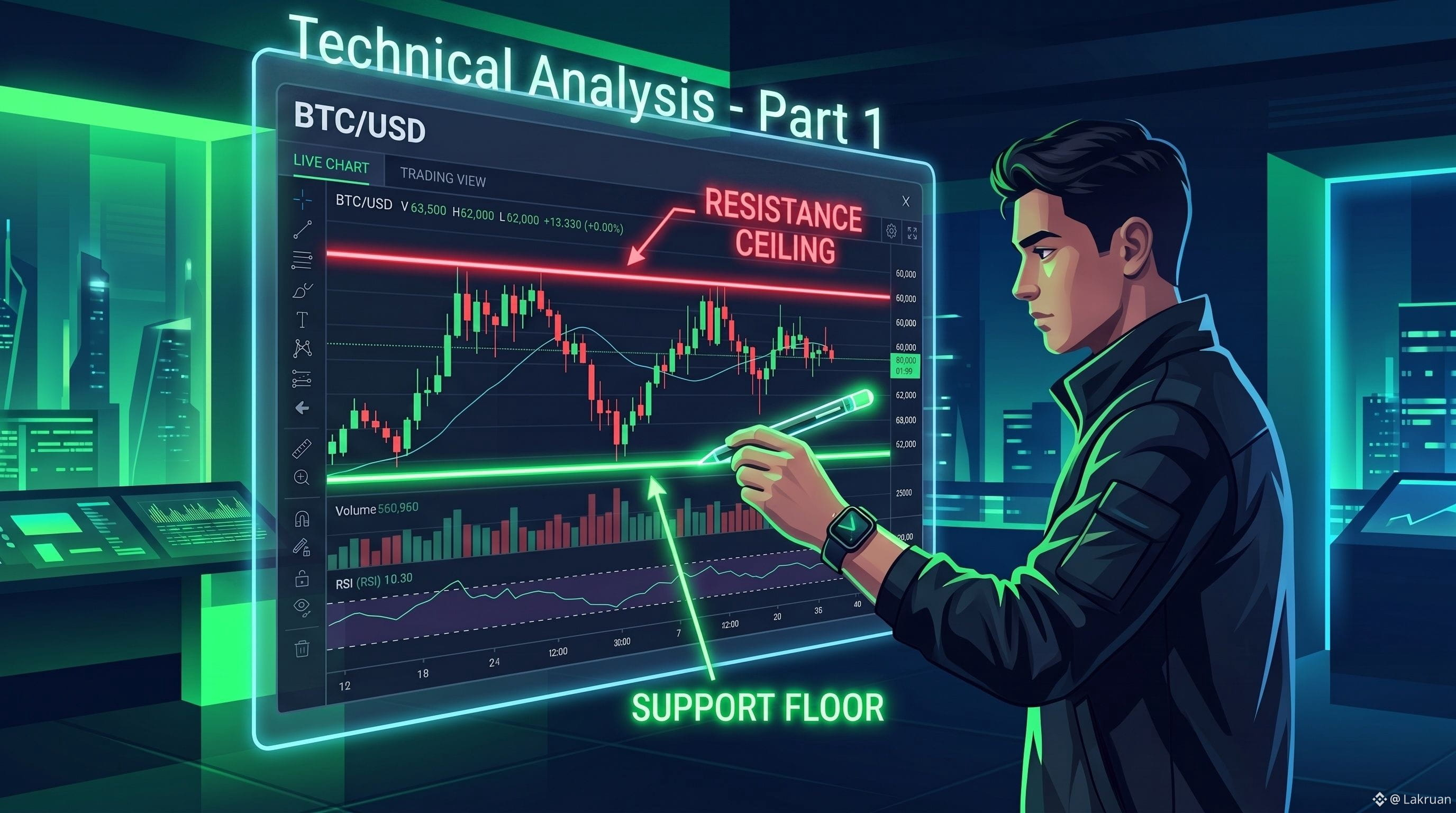
📊 التحليل الفني (الجزء 1): كيف أجد مستويات الدعم والمقاومة.📌️📌️📌️
عندما بدأت تحليل الشارتات لأول مرة، كنت أعتقد أن التحليل الفني يعتمد على استخدام مؤشرات معقدة. بعد ذلك، أدركت أن فهم حركة السعر عبر الدعم والمقاومة هو في الحقيقة الأساس الذي يقوم عليه التداول الناجح. فهو يوضح لي بالضبط أين ينتظر المشترون والبائعون من المؤسسات الكبيرة.
إليك كيف أحدد وأستخدم هذه المستويات الأساسية في تداولاتي اليومية:
🔴 أولاً. الدعم هو خط الأمان الخاص بي
الدعم هو مستوى سعري تميل فيه الاتجاهات الهابطة إلى التوقف مؤقتًا بسبب تركّز اهتمام الشراء. أراه كأنه أرضية؛ كلما انخفض السعر إلى هذه المنطقة الرئيسية، يتدخل المشترون، ويرتد السعر للأعلى. هنا أبحث عن فرص دخول محتملة على المدى الطويل.
🔴 ثانيًا. المقاومة هي السقف الخاص بي
المقاومة هي عكس الدعم. هي مستوى سعري يتوقف عنده الاتجاه الصاعد لأن ضغط البيع يتغلب على ضغط الشراء. أتعامل معها كأنها سقف؛ عندما يصل السعر إلى هذا المستوى، يصبح من الصعب اختراقه للأعلى. هنا أبحث عن فرصة لتثبيت أرباحي.
🔴 ثالثًا. الأرضيات المكسورة تصبح مقاومات جديدة
من أقوى الدروس التي تعلمتها أنَّه بمجرد أن ينكسر مستوى الدعم، غالبًا ما يتحول إلى مستوى مقاومة جديد. مراقبة هذا التحول البنيوي على الأطر الزمنية الأعلى (مثل 4 ساعات أو يوم) تساعدني على البقاء في الجانب الصحيح من اتجاه السوق.
💡 لنحكي: هل تستخدم الدعم والمقاومة ضمن خطة تداولك، أم تعتمد على المؤشرات؟ ما هو الإطار الزمني المفضل لديك لرسم هذه الخطوط؟ شارك أدناه! 👇 🌹🌹
💥تنبيه: ليس نصيحة مالية. للتعليم فقط. اعمل بحثك الخاص (DYOR).
#TechnicalAnalysis #SupportAndResistances #PriceAction #TradingTips #Educational
$BNB $BTC $SOL
{spot}(BNBUSDT)
📊 التحليل الفني (الجزء 1): كيف أجد مستويات الدعم والمقاومة.📌️📌️📌️
عندما بدأت تحليل الشارتات لأول مرة، كنت أعتقد أن التحليل الفني يعتمد على استخدام مؤشرات معقدة. بعد ذلك، أدركت أن فهم حركة السعر عبر الدعم والمقاومة هو في الحقيقة الأساس الذي يقوم عليه التداول الناجح. فهو يوضح لي بالضبط أين ينتظر المشترون والبائعون من المؤسسات الكبيرة.
إليك كيف أحدد وأستخدم هذه المستويات الأساسية في تداولاتي اليومية:
🔴 أولاً. الدعم هو خط الأمان الخاص بي
الدعم هو مستوى سعري تميل فيه الاتجاهات الهابطة إلى التوقف مؤقتًا بسبب تركّز اهتمام الشراء. أراه كأنه أرضية؛ كلما انخفض السعر إلى هذه المنطقة الرئيسية، يتدخل المشترون، ويرتد السعر للأعلى. هنا أبحث عن فرص دخول محتملة على المدى الطويل.
🔴 ثانيًا. المقاومة هي السقف الخاص بي
المقاومة هي عكس الدعم. هي مستوى سعري يتوقف عنده الاتجاه الصاعد لأن ضغط البيع يتغلب على ضغط الشراء. أتعامل معها كأنها سقف؛ عندما يصل السعر إلى هذا المستوى، يصبح من الصعب اختراقه للأعلى. هنا أبحث عن فرصة لتثبيت أرباحي.
🔴 ثالثًا. الأرضيات المكسورة تصبح مقاومات جديدة
من أقوى الدروس التي تعلمتها أنَّه بمجرد أن ينكسر مستوى الدعم، غالبًا ما يتحول إلى مستوى مقاومة جديد. مراقبة هذا التحول البنيوي على الأطر الزمنية الأعلى (مثل 4 ساعات أو يوم) تساعدني على البقاء في الجانب الصحيح من اتجاه السوق.
💡 لنحكي: هل تستخدم الدعم والمقاومة ضمن خطة تداولك، أم تعتمد على المؤشرات؟ ما هو الإطار الزمني المفضل لديك لرسم هذه الخطوط؟ شارك أدناه! 👇 🌹🌹
💥تنبيه: ليس نصيحة مالية. للتعليم فقط. اعمل بحثك الخاص (DYOR).
#TechnicalAnalysis #SupportAndResistances #PriceAction #TradingTips #Educational
$BNB $BTC $SOL
عندما بدأت تحليل الشارتات لأول مرة، كنت أعتقد أن التحليل الفني يعتمد على استخدام مؤشرات معقدة. بعد ذلك، أدركت أن فهم حركة السعر عبر الدعم والمقاومة هو في الحقيقة الأساس الذي يقوم عليه التداول الناجح. فهو يوضح لي بالضبط أين ينتظر المشترون والبائعون من المؤسسات الكبيرة.
إليك كيف أحدد وأستخدم هذه المستويات الأساسية في تداولاتي اليومية:
🔴 أولاً. الدعم هو خط الأمان الخاص بي
الدعم هو مستوى سعري تميل فيه الاتجاهات الهابطة إلى التوقف مؤقتًا بسبب تركّز اهتمام الشراء. أراه كأنه أرضية؛ كلما انخفض السعر إلى هذه المنطقة الرئيسية، يتدخل المشترون، ويرتد السعر للأعلى. هنا أبحث عن فرص دخول محتملة على المدى الطويل.
🔴 ثانيًا. المقاومة هي السقف الخاص بي
المقاومة هي عكس الدعم. هي مستوى سعري يتوقف عنده الاتجاه الصاعد لأن ضغط البيع يتغلب على ضغط الشراء. أتعامل معها كأنها سقف؛ عندما يصل السعر إلى هذا المستوى، يصبح من الصعب اختراقه للأعلى. هنا أبحث عن فرصة لتثبيت أرباحي.
🔴 ثالثًا. الأرضيات المكسورة تصبح مقاومات جديدة
من أقوى الدروس التي تعلمتها أنَّه بمجرد أن ينكسر مستوى الدعم، غالبًا ما يتحول إلى مستوى مقاومة جديد. مراقبة هذا التحول البنيوي على الأطر الزمنية الأعلى (مثل 4 ساعات أو يوم) تساعدني على البقاء في الجانب الصحيح من اتجاه السوق.
💡 لنحكي: هل تستخدم الدعم والمقاومة ضمن خطة تداولك، أم تعتمد على المؤشرات؟ ما هو الإطار الزمني المفضل لديك لرسم هذه الخطوط؟ شارك أدناه! 👇 🌹🌹
💥تنبيه: ليس نصيحة مالية. للتعليم فقط. اعمل بحثك الخاص (DYOR).
#TechnicalAnalysis #SupportAndResistances #PriceAction #TradingTips #Educational
$BNB $BTC $SOL
2
133
₿ ما هو بيتكوين: أول عملة رقمية لا مركزية في العالم
في 21 يوليو 2026، يعد فهم الأساسيات الخاصة ببيتكوين $BTC أمرًا ضروريًا لأي مشارك في عالم العملات الرقمية. تم إنشاؤه في عام 2009 بواسطة ساتوشي ناكاموتو، وهو اسم مستعار، وقد قدم هذا الأصل للعالم تقنية سلسلة الكتل (بلوك تشين) والمال اللامركزي.
تشمل المفاهيم الرئيسية التعدين بإثبات العمل، والحد الأقصى للمعروض البالغ 21 مليونًا، والمعاملات من نظير إلى نظير دون وسطاء. تجعل هذه الخصائص الأصل مخزنًا فريدًا للقيمة في العصر الرقمي.
يعكس السعر الحالي البالغ $65,472 والقيمة السوقية البالغة $1.31T مكانته باعتباره أكبر أصل رقمي.
📌 الخلاصة الأساسية:
تكمن ابتكارات بيتكوين في قدرتها على تمكين معاملات رقمية من نظير إلى نظير دون الحاجة إلى الثقة عبر طرف ثالث ودون وسطاء.
#Bitcoin #CryptoEducation #Educational
#BinanceAlphaAlert
₿ ما هو بيتكوين: أول عملة رقمية لا مركزية في العالم
في 21 يوليو 2026، يعد فهم الأساسيات الخاصة ببيتكوين $BTC أمرًا ضروريًا لأي مشارك في عالم العملات الرقمية. تم إنشاؤه في عام 2009 بواسطة ساتوشي ناكاموتو، وهو اسم مستعار، وقد قدم هذا الأصل للعالم تقنية سلسلة الكتل (بلوك تشين) والمال اللامركزي.
تشمل المفاهيم الرئيسية التعدين بإثبات العمل، والحد الأقصى للمعروض البالغ 21 مليونًا، والمعاملات من نظير إلى نظير دون وسطاء. تجعل هذه الخصائص الأصل مخزنًا فريدًا للقيمة في العصر الرقمي.
يعكس السعر الحالي البالغ $65,472 والقيمة السوقية البالغة $1.31T مكانته باعتباره أكبر أصل رقمي.
📌 الخلاصة الأساسية:
تكمن ابتكارات بيتكوين في قدرتها على تمكين معاملات رقمية من نظير إلى نظير دون الحاجة إلى الثقة عبر طرف ثالث ودون وسطاء.
#Bitcoin #CryptoEducation #Educational
#BinanceAlphaAlert
في 21 يوليو 2026، يعد فهم الأساسيات الخاصة ببيتكوين $BTC أمرًا ضروريًا لأي مشارك في عالم العملات الرقمية. تم إنشاؤه في عام 2009 بواسطة ساتوشي ناكاموتو، وهو اسم مستعار، وقد قدم هذا الأصل للعالم تقنية سلسلة الكتل (بلوك تشين) والمال اللامركزي.
تشمل المفاهيم الرئيسية التعدين بإثبات العمل، والحد الأقصى للمعروض البالغ 21 مليونًا، والمعاملات من نظير إلى نظير دون وسطاء. تجعل هذه الخصائص الأصل مخزنًا فريدًا للقيمة في العصر الرقمي.
يعكس السعر الحالي البالغ $65,472 والقيمة السوقية البالغة $1.31T مكانته باعتباره أكبر أصل رقمي.
📌 الخلاصة الأساسية:
تكمن ابتكارات بيتكوين في قدرتها على تمكين معاملات رقمية من نظير إلى نظير دون الحاجة إلى الثقة عبر طرف ثالث ودون وسطاء.
#Bitcoin #CryptoEducation #Educational
#BinanceAlphaAlert
20
📚 كيف تعمل محافظ العملات المشفرة: شرح المحافظ الساخنة مقابل التخزين البارد
في 4 يوليو 2026، ومع إجمالي قيمة العملات المشفرة عند 2.26 تريليون دولار، يُعد فهم أمان المحفظة أمرًا ضروريًا. تحفظ محفظة العملات المشفرة مفاتيحك الخاصة — وهي كلمة المرور التي تثبت ملكيتك لعملاتك على سلسلة الكتل.
تُعد المحافظ الساخنة (المتصلة بالإنترنت) مريحة للتداول النشط لكنها عرضة للاختراقات. أما المحافظ الباردة (غير متصلة بالإنترنت، مثل أجهزة التخزين) فهي أكثر أمانًا لكن أقل ملاءمة للمعاملات المتكررة.
القاعدة الذهبية: لا تخزن مبالغ كبيرة في المحافظ الساخنة أبدًا. يجب حفظ Bitcoin $BTC at $62,612 في التخزين البارد للاحتفاظ طويل الأجل، مع الاحتفاظ بمبالغ التداول فقط في المحافظ الساخنة.
📌 الخلاصة الأساسية:
أمان عملاتك المشفرة يعتمد فقط على إعداد محفظتك. استخدم المحافظ الساخنة للتداول، والتخزين البارد للاحتفاظ، ولا تشارك مفاتيحك الخاصة مع أي شخص أبدًا.
#CryptoWallet #Security #Educational
#BinanceAlphaAlert
📚 كيف تعمل محافظ العملات المشفرة: شرح المحافظ الساخنة مقابل التخزين البارد
في 4 يوليو 2026، ومع إجمالي قيمة العملات المشفرة عند 2.26 تريليون دولار، يُعد فهم أمان المحفظة أمرًا ضروريًا. تحفظ محفظة العملات المشفرة مفاتيحك الخاصة — وهي كلمة المرور التي تثبت ملكيتك لعملاتك على سلسلة الكتل.
تُعد المحافظ الساخنة (المتصلة بالإنترنت) مريحة للتداول النشط لكنها عرضة للاختراقات. أما المحافظ الباردة (غير متصلة بالإنترنت، مثل أجهزة التخزين) فهي أكثر أمانًا لكن أقل ملاءمة للمعاملات المتكررة.
القاعدة الذهبية: لا تخزن مبالغ كبيرة في المحافظ الساخنة أبدًا. يجب حفظ Bitcoin $BTC at $62,612 في التخزين البارد للاحتفاظ طويل الأجل، مع الاحتفاظ بمبالغ التداول فقط في المحافظ الساخنة.
📌 الخلاصة الأساسية:
أمان عملاتك المشفرة يعتمد فقط على إعداد محفظتك. استخدم المحافظ الساخنة للتداول، والتخزين البارد للاحتفاظ، ولا تشارك مفاتيحك الخاصة مع أي شخص أبدًا.
#CryptoWallet #Security #Educational
#BinanceAlphaAlert
في 4 يوليو 2026، ومع إجمالي قيمة العملات المشفرة عند 2.26 تريليون دولار، يُعد فهم أمان المحفظة أمرًا ضروريًا. تحفظ محفظة العملات المشفرة مفاتيحك الخاصة — وهي كلمة المرور التي تثبت ملكيتك لعملاتك على سلسلة الكتل.
تُعد المحافظ الساخنة (المتصلة بالإنترنت) مريحة للتداول النشط لكنها عرضة للاختراقات. أما المحافظ الباردة (غير متصلة بالإنترنت، مثل أجهزة التخزين) فهي أكثر أمانًا لكن أقل ملاءمة للمعاملات المتكررة.
القاعدة الذهبية: لا تخزن مبالغ كبيرة في المحافظ الساخنة أبدًا. يجب حفظ Bitcoin $BTC at $62,612 في التخزين البارد للاحتفاظ طويل الأجل، مع الاحتفاظ بمبالغ التداول فقط في المحافظ الساخنة.
📌 الخلاصة الأساسية:
أمان عملاتك المشفرة يعتمد فقط على إعداد محفظتك. استخدم المحافظ الساخنة للتداول، والتخزين البارد للاحتفاظ، ولا تشارك مفاتيحك الخاصة مع أي شخص أبدًا.
#CryptoWallet #Security #Educational
#BinanceAlphaAlert
44
·
--
مقالة
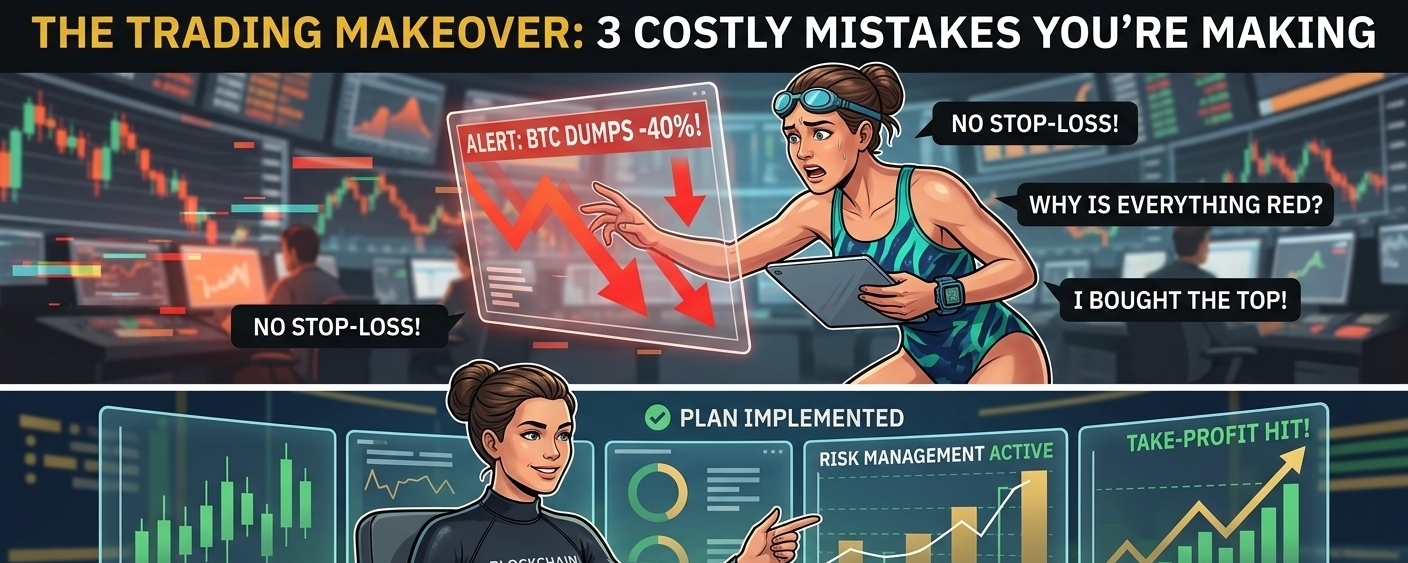
🚀 3 أخطاء مكلفة يرتكبها 90% من متداولي العملات المشفرة (وكيفية إصلاحها)سواء كنت تعمل في السوق لسنوات أو نفذت أول صفقة لك الأسبوع الماضي، تظل حقيقة واحدة ثابتة: السوق لا يهتم بمشاعرك.
كل موجة صعود تولّد قصصًا عن مكاسب هائلة، لكن كل دورة أيضًا تمحو الحسابات لأن المتداولين يكررون الأخطاء نفسها تمامًا.
إذا كنت تريد النجاة من التقلبات والحفاظ على أرباحك فعليًا، توقف عن ارتكاب هذه الأخطاء الثلاثة الحاسمة اليوم 👇
### 1. شراء "الشمعة الخضراء" (تداول FOMO)
نحن جميعًا مررنا بذلك: تفتح تطبيقك، ترى توكنًا يرتفع +45% خلال 24 ساعة، ويعمل عقلك فورًا على التفكير: "إذا لم أشتري الآن، سأفوت الفرصة!"
🚀 3 أخطاء مكلفة يرتكبها 90% من متداولي العملات المشفرة (وكيفية إصلاحها)
سواء كنت تعمل في السوق لسنوات أو نفذت أول صفقة لك الأسبوع الماضي، تظل حقيقة واحدة ثابتة: السوق لا يهتم بمشاعرك.
كل موجة صعود تولّد قصصًا عن مكاسب هائلة، لكن كل دورة أيضًا تمحو الحسابات لأن المتداولين يكررون الأخطاء نفسها تمامًا.
إذا كنت تريد النجاة من التقلبات والحفاظ على أرباحك فعليًا، توقف عن ارتكاب هذه الأخطاء الثلاثة الحاسمة اليوم 👇
### 1. شراء "الشمعة الخضراء" (تداول FOMO)
نحن جميعًا مررنا بذلك: تفتح تطبيقك، ترى توكنًا يرتفع +45% خلال 24 ساعة، ويعمل عقلك فورًا على التفكير: "إذا لم أشتري الآن، سأفوت الفرصة!"
كل موجة صعود تولّد قصصًا عن مكاسب هائلة، لكن كل دورة أيضًا تمحو الحسابات لأن المتداولين يكررون الأخطاء نفسها تمامًا.
إذا كنت تريد النجاة من التقلبات والحفاظ على أرباحك فعليًا، توقف عن ارتكاب هذه الأخطاء الثلاثة الحاسمة اليوم 👇
### 1. شراء "الشمعة الخضراء" (تداول FOMO)
نحن جميعًا مررنا بذلك: تفتح تطبيقك، ترى توكنًا يرتفع +45% خلال 24 ساعة، ويعمل عقلك فورًا على التفكير: "إذا لم أشتري الآن، سأفوت الفرصة!"
89
💰 ما هو القيمة السوقية: فهم مقياس تشفير رئيسي
في 21 يوليو 2026، تبلغ القيمة السوقية الإجمالية لسوق العملات الرقمية 2.32 تريليون دولار، لكن ماذا تعني هذه الأرقام بالضبط؟ يتم حساب القيمة السوقية عبر ضرب سعر التوكن في إجمالي المعروض المتداول.
يساعد هذا المؤشر المستثمرين على مقارنة الحجم النسبي لأصول مختلفة. يهيمن بيتكوين $BTC على السوق بنسبة 56.54% من الإجمالي، بينما تمثل إيثيريوم $ETH ما نسبته 9.99%.
تُعد القيمة السوقية أداة مفيدة لتقدير حجم المراكز وفهم البنية العامة للسوق.
📌 الخلاصة الأساسية:
القيمة السوقية هي مقياس أساسي لمقارنة أحجام الأصول وفهم البنية السوقية في مجال التشفير.
#MarketCap #CryptoBasics #Educational
#BinanceAlphaAlert
💰 ما هو القيمة السوقية: فهم مقياس تشفير رئيسي
في 21 يوليو 2026، تبلغ القيمة السوقية الإجمالية لسوق العملات الرقمية 2.32 تريليون دولار، لكن ماذا تعني هذه الأرقام بالضبط؟ يتم حساب القيمة السوقية عبر ضرب سعر التوكن في إجمالي المعروض المتداول.
يساعد هذا المؤشر المستثمرين على مقارنة الحجم النسبي لأصول مختلفة. يهيمن بيتكوين $BTC على السوق بنسبة 56.54% من الإجمالي، بينما تمثل إيثيريوم $ETH ما نسبته 9.99%.
تُعد القيمة السوقية أداة مفيدة لتقدير حجم المراكز وفهم البنية العامة للسوق.
📌 الخلاصة الأساسية:
القيمة السوقية هي مقياس أساسي لمقارنة أحجام الأصول وفهم البنية السوقية في مجال التشفير.
#MarketCap #CryptoBasics #Educational
#BinanceAlphaAlert
في 21 يوليو 2026، تبلغ القيمة السوقية الإجمالية لسوق العملات الرقمية 2.32 تريليون دولار، لكن ماذا تعني هذه الأرقام بالضبط؟ يتم حساب القيمة السوقية عبر ضرب سعر التوكن في إجمالي المعروض المتداول.
يساعد هذا المؤشر المستثمرين على مقارنة الحجم النسبي لأصول مختلفة. يهيمن بيتكوين $BTC على السوق بنسبة 56.54% من الإجمالي، بينما تمثل إيثيريوم $ETH ما نسبته 9.99%.
تُعد القيمة السوقية أداة مفيدة لتقدير حجم المراكز وفهم البنية العامة للسوق.
📌 الخلاصة الأساسية:
القيمة السوقية هي مقياس أساسي لمقارنة أحجام الأصول وفهم البنية السوقية في مجال التشفير.
#MarketCap #CryptoBasics #Educational
#BinanceAlphaAlert
36

·
--
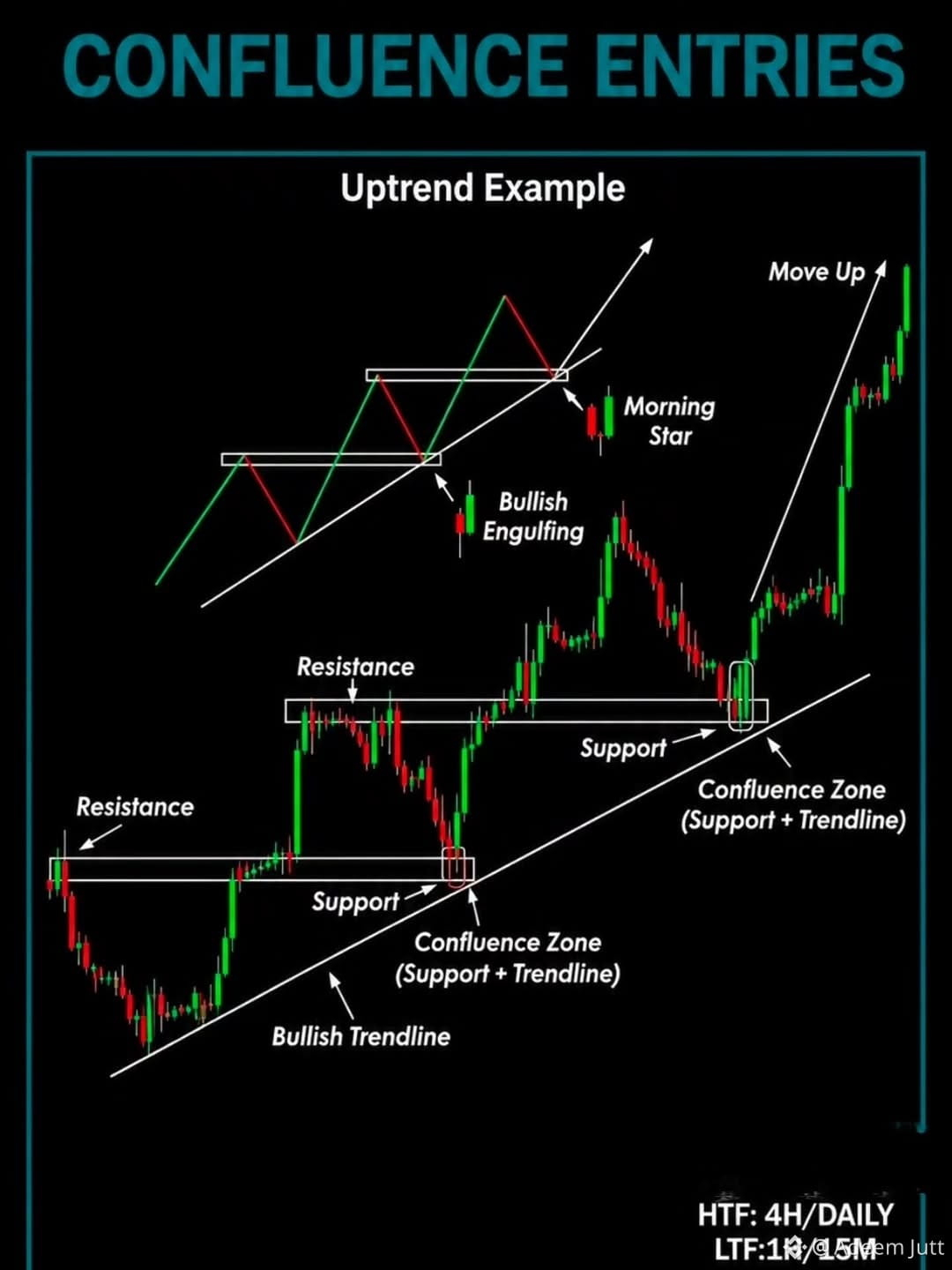
السر 1%: توقف عن مطاردة الضخ وابدأ بالتداول في "مناطق التقاء" 🎯
يتداول المتداولون الأفراد بناءً على حدس واحد ويتعرضون للتصفية. ينتظر المتداولون النخبة لحظة التقاء - حيث تتماشى عدة إعدادات فنية عند نفس مستوى السعر لإنشاء دخول عالي الاحتمالية.
إذا كنت ترغب في التداول مثل الأموال الذكية، احفظ هذه الخطة المكونة من 4 خطوات:
الخطوة 1: الاتجاه هو صديقك (HTF): استخدم مخططات 4 ساعات/يومي لإيجاد الاتجاه الكلي. ارسم خط الاتجاه الصاعد الخاص بك.
الخطوة 2: الانعكاس: انتظر حتى يختراق السعر مستوى مقاومة رئيسي. لا تدع الخوف من الفوات يجعلك تتسرع. انتظر حتى يتراجع ويتحول إلى دعم.
الخطوة 3: منطقة الالتقاء: ابحث عن النقطة المثالية حيث يتقاطع خط الاتجاه الصاعد الخاص بك مع الدعم الأفقي. هذا يشكل قاعدة مزدوجة يجد البائعون صعوبة في كسرها.
الخطوة 4: زر الإطلاق للقناص (LTF): قم بالتكبير في مخططات 1 ساعة/15 دقيقة. لا تتسرع في السوق؛ انتظر حتى تحصل على تأكيد. ابحث عن أنماط انعكاسية صعودية مثل الانغماس الصاعد أو نجم الصباح مباشرةً على المنطقة قبل التنفيذ.
توقف عن التقاط السكاكين الساقطة. انتظر حتى يتماشى هيكل السوق، وزد احتمالاتك، وتنفيذ بدقة.
ما هو مؤشر التأكيد الذي تعتمد عليه قبل دخولك في صفقة؟ دعني أعرف في التعليقات! 👇
$BANANAS31 $ZEN $ZEC
{spot}(ZECUSDT)
{spot}(ZENUSDT)
{spot}(BANANAS31USDT)
#CryptoTrading #TechnicalAnalysis #TradingTips #BinanceSquare #educational
السر 1%: توقف عن مطاردة الضخ وابدأ بالتداول في "مناطق التقاء" 🎯
يتداول المتداولون الأفراد بناءً على حدس واحد ويتعرضون للتصفية. ينتظر المتداولون النخبة لحظة التقاء - حيث تتماشى عدة إعدادات فنية عند نفس مستوى السعر لإنشاء دخول عالي الاحتمالية.
إذا كنت ترغب في التداول مثل الأموال الذكية، احفظ هذه الخطة المكونة من 4 خطوات:
الخطوة 1: الاتجاه هو صديقك (HTF): استخدم مخططات 4 ساعات/يومي لإيجاد الاتجاه الكلي. ارسم خط الاتجاه الصاعد الخاص بك.
الخطوة 2: الانعكاس: انتظر حتى يختراق السعر مستوى مقاومة رئيسي. لا تدع الخوف من الفوات يجعلك تتسرع. انتظر حتى يتراجع ويتحول إلى دعم.
الخطوة 3: منطقة الالتقاء: ابحث عن النقطة المثالية حيث يتقاطع خط الاتجاه الصاعد الخاص بك مع الدعم الأفقي. هذا يشكل قاعدة مزدوجة يجد البائعون صعوبة في كسرها.
الخطوة 4: زر الإطلاق للقناص (LTF): قم بالتكبير في مخططات 1 ساعة/15 دقيقة. لا تتسرع في السوق؛ انتظر حتى تحصل على تأكيد. ابحث عن أنماط انعكاسية صعودية مثل الانغماس الصاعد أو نجم الصباح مباشرةً على المنطقة قبل التنفيذ.
توقف عن التقاط السكاكين الساقطة. انتظر حتى يتماشى هيكل السوق، وزد احتمالاتك، وتنفيذ بدقة.
ما هو مؤشر التأكيد الذي تعتمد عليه قبل دخولك في صفقة؟ دعني أعرف في التعليقات! 👇
$BANANAS31 $ZEN $ZEC
#CryptoTrading #TechnicalAnalysis #TradingTips #BinanceSquare #educational
يتداول المتداولون الأفراد بناءً على حدس واحد ويتعرضون للتصفية. ينتظر المتداولون النخبة لحظة التقاء - حيث تتماشى عدة إعدادات فنية عند نفس مستوى السعر لإنشاء دخول عالي الاحتمالية.
إذا كنت ترغب في التداول مثل الأموال الذكية، احفظ هذه الخطة المكونة من 4 خطوات:
الخطوة 1: الاتجاه هو صديقك (HTF): استخدم مخططات 4 ساعات/يومي لإيجاد الاتجاه الكلي. ارسم خط الاتجاه الصاعد الخاص بك.
الخطوة 2: الانعكاس: انتظر حتى يختراق السعر مستوى مقاومة رئيسي. لا تدع الخوف من الفوات يجعلك تتسرع. انتظر حتى يتراجع ويتحول إلى دعم.
الخطوة 3: منطقة الالتقاء: ابحث عن النقطة المثالية حيث يتقاطع خط الاتجاه الصاعد الخاص بك مع الدعم الأفقي. هذا يشكل قاعدة مزدوجة يجد البائعون صعوبة في كسرها.
الخطوة 4: زر الإطلاق للقناص (LTF): قم بالتكبير في مخططات 1 ساعة/15 دقيقة. لا تتسرع في السوق؛ انتظر حتى تحصل على تأكيد. ابحث عن أنماط انعكاسية صعودية مثل الانغماس الصاعد أو نجم الصباح مباشرةً على المنطقة قبل التنفيذ.
توقف عن التقاط السكاكين الساقطة. انتظر حتى يتماشى هيكل السوق، وزد احتمالاتك، وتنفيذ بدقة.
ما هو مؤشر التأكيد الذي تعتمد عليه قبل دخولك في صفقة؟ دعني أعرف في التعليقات! 👇
$BANANAS31 $ZEN $ZEC
#CryptoTrading #TechnicalAnalysis #TradingTips #BinanceSquare #educational
2
3
417
·
--
هابط
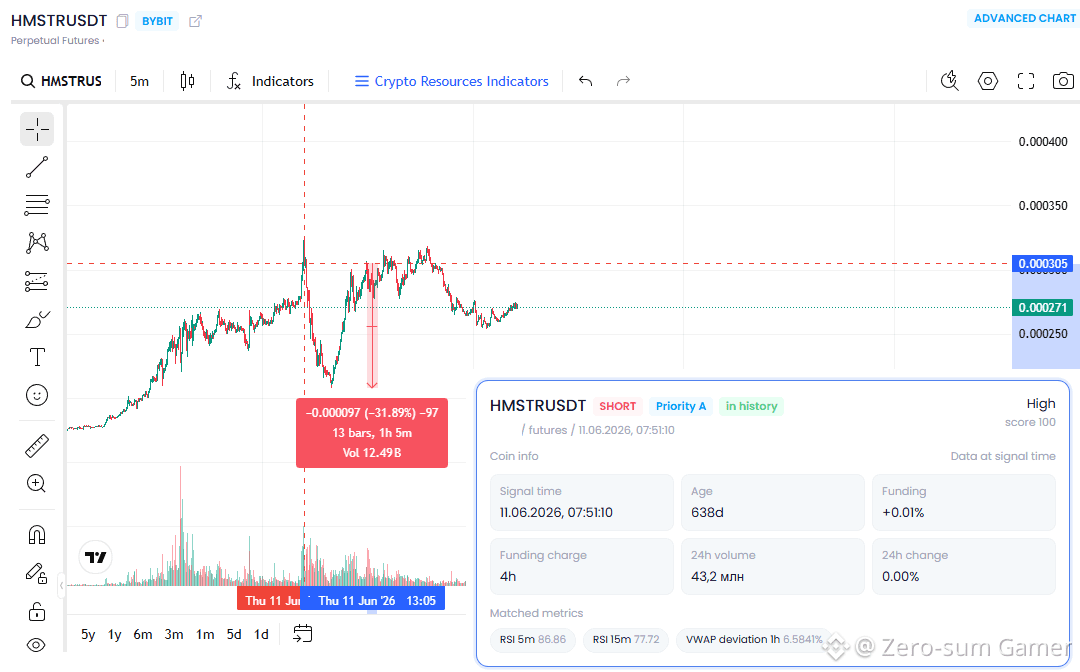
⚡️ $HMSTR : استنفاد الضخ قبل رد فعل حاد نحو الأسفل
$HMSTR كانت قد ارتفعت تقريبًا 80% خلال 24 ساعة. تضاعف الفائدة المفتوحة أكثر من الضعف خلال نفس الفترة، مما يعني أنه تم إضافة الكثير من الرفع إلى حركة مشدودة بالفعل.
هنا أصبحت هيكلية السوق مثيرة للاهتمام.
سلط Trap Radar PRO الضوء على منطقة استنفاد الضخ على #HMSTRUSDT. من الخارج، لا تزال الشمعة تبدو قوية. ولكن تحت السطح، كانت الإعدادات تتغير: بدأت الفائدة المفتوحة في التراجع من القمة المحلية، وزادت الأحجام بشكل كبير، وتحول تدفق 5 دقائق نحو البائعين.
👀 ما الذي تماشى
1️⃣ الضخ: السعر ارتفع تقريبًا 80% خلال 24 ساعة.
2️⃣ الرفع: الفائدة المفتوحة تضاعفت أكثر من الضعف خلال 24 ساعة.
3️⃣ الاستنفاد: كانت الفائدة المفتوحة لمدة 5 دقائق قد انخفضت بالفعل تقريبًا -2% من القمة.
4️⃣ الحجم: كان حجم 5 دقائق أكثر من 5.6 أضعاف القاعدة.
5️⃣ تدفق CVD: تحول تدفق 5 دقائق نحو البائعين.
💥 ماذا حدث بعد ذلك
بعد تلك المنطقة، انخفض السعر ووصل رد الفعل نحو الأسفل تقريبًا 32%.
الجزء المفيد من هذه الحالة هو ما حدث قبل الشمعة الحمراء: تم تحميل الرفع، وتم ضغط الشورتات بالفعل، وارتفعت الأحجام، وبدأت الفائدة المفتوحة في مغادرة السوق.
يمكن أن يبدو الضخ قويًا على الشمعة بينما تظهر المقاييس الداخلية بالفعل استنفادًا.
حالة تعليمية في السوق.
#trapradar #educational
⚡️ $HMSTR : استنفاد الضخ قبل رد فعل حاد نحو الأسفل
$HMSTR كانت قد ارتفعت تقريبًا 80% خلال 24 ساعة. تضاعف الفائدة المفتوحة أكثر من الضعف خلال نفس الفترة، مما يعني أنه تم إضافة الكثير من الرفع إلى حركة مشدودة بالفعل.
هنا أصبحت هيكلية السوق مثيرة للاهتمام.
سلط Trap Radar PRO الضوء على منطقة استنفاد الضخ على #HMSTRUSDT. من الخارج، لا تزال الشمعة تبدو قوية. ولكن تحت السطح، كانت الإعدادات تتغير: بدأت الفائدة المفتوحة في التراجع من القمة المحلية، وزادت الأحجام بشكل كبير، وتحول تدفق 5 دقائق نحو البائعين.
👀 ما الذي تماشى
1️⃣ الضخ: السعر ارتفع تقريبًا 80% خلال 24 ساعة.
2️⃣ الرفع: الفائدة المفتوحة تضاعفت أكثر من الضعف خلال 24 ساعة.
3️⃣ الاستنفاد: كانت الفائدة المفتوحة لمدة 5 دقائق قد انخفضت بالفعل تقريبًا -2% من القمة.
4️⃣ الحجم: كان حجم 5 دقائق أكثر من 5.6 أضعاف القاعدة.
5️⃣ تدفق CVD: تحول تدفق 5 دقائق نحو البائعين.
💥 ماذا حدث بعد ذلك
بعد تلك المنطقة، انخفض السعر ووصل رد الفعل نحو الأسفل تقريبًا 32%.
الجزء المفيد من هذه الحالة هو ما حدث قبل الشمعة الحمراء: تم تحميل الرفع، وتم ضغط الشورتات بالفعل، وارتفعت الأحجام، وبدأت الفائدة المفتوحة في مغادرة السوق.
يمكن أن يبدو الضخ قويًا على الشمعة بينما تظهر المقاييس الداخلية بالفعل استنفادًا.
حالة تعليمية في السوق.
#trapradar #educational
$HMSTR كانت قد ارتفعت تقريبًا 80% خلال 24 ساعة. تضاعف الفائدة المفتوحة أكثر من الضعف خلال نفس الفترة، مما يعني أنه تم إضافة الكثير من الرفع إلى حركة مشدودة بالفعل.
هنا أصبحت هيكلية السوق مثيرة للاهتمام.
سلط Trap Radar PRO الضوء على منطقة استنفاد الضخ على #HMSTRUSDT. من الخارج، لا تزال الشمعة تبدو قوية. ولكن تحت السطح، كانت الإعدادات تتغير: بدأت الفائدة المفتوحة في التراجع من القمة المحلية، وزادت الأحجام بشكل كبير، وتحول تدفق 5 دقائق نحو البائعين.
👀 ما الذي تماشى
1️⃣ الضخ: السعر ارتفع تقريبًا 80% خلال 24 ساعة.
2️⃣ الرفع: الفائدة المفتوحة تضاعفت أكثر من الضعف خلال 24 ساعة.
3️⃣ الاستنفاد: كانت الفائدة المفتوحة لمدة 5 دقائق قد انخفضت بالفعل تقريبًا -2% من القمة.
4️⃣ الحجم: كان حجم 5 دقائق أكثر من 5.6 أضعاف القاعدة.
5️⃣ تدفق CVD: تحول تدفق 5 دقائق نحو البائعين.
💥 ماذا حدث بعد ذلك
بعد تلك المنطقة، انخفض السعر ووصل رد الفعل نحو الأسفل تقريبًا 32%.
الجزء المفيد من هذه الحالة هو ما حدث قبل الشمعة الحمراء: تم تحميل الرفع، وتم ضغط الشورتات بالفعل، وارتفعت الأحجام، وبدأت الفائدة المفتوحة في مغادرة السوق.
يمكن أن يبدو الضخ قويًا على الشمعة بينما تظهر المقاييس الداخلية بالفعل استنفادًا.
حالة تعليمية في السوق.
#trapradar #educational
2
279
📚 فهم حجم التداول: لماذا الحجم أهم من السعر
في 4 يوليو 2026، وصل إجمالي حجم التداول خلال 24 ساعة إلى 64.58B دولار. يقيس حجم التداول إجمالي قيمة الأصول المتداولة خلال فترة زمنية. يؤكد الحجم المرتفع أن تحركات السعر حقيقية؛ بينما يشير الحجم المنخفض إلى أنها قد تكون مؤقتة.
على سبيل المثال، فإن بيتكوين $BTC عند 62,612 دولار مع حجم 25.18B أكثر دلالة من نفس السعر مع حجم 2.52B. الحجم يثبت عملية اكتشاف السعر.
قادة الحجم اليوم: USDT ($42.60B)، بيتكوين $BTC ($25.18B)، وإيثيريوم $ETH ($9.50B). يساعد تتبع اتجاهات الحجم في تحديد مكان تدفق الأموال الذكية.
📌 الخلاصة الأساسية:
الحجم هو المقياس الحقيقي لحركة السعر. حجم مرتفع + ارتفاع السعر = شراء حقيقي. حجم منخفض + ارتفاع السعر = احتمال تلاعب أو حركة مؤقتة.
#TradingVolume #TechnicalAnalysis #Educational
#BinanceAlphaAlert
📚 فهم حجم التداول: لماذا الحجم أهم من السعر
في 4 يوليو 2026، وصل إجمالي حجم التداول خلال 24 ساعة إلى 64.58B دولار. يقيس حجم التداول إجمالي قيمة الأصول المتداولة خلال فترة زمنية. يؤكد الحجم المرتفع أن تحركات السعر حقيقية؛ بينما يشير الحجم المنخفض إلى أنها قد تكون مؤقتة.
على سبيل المثال، فإن بيتكوين $BTC عند 62,612 دولار مع حجم 25.18B أكثر دلالة من نفس السعر مع حجم 2.52B. الحجم يثبت عملية اكتشاف السعر.
قادة الحجم اليوم: USDT ($42.60B)، بيتكوين $BTC ($25.18B)، وإيثيريوم $ETH ($9.50B). يساعد تتبع اتجاهات الحجم في تحديد مكان تدفق الأموال الذكية.
📌 الخلاصة الأساسية:
الحجم هو المقياس الحقيقي لحركة السعر. حجم مرتفع + ارتفاع السعر = شراء حقيقي. حجم منخفض + ارتفاع السعر = احتمال تلاعب أو حركة مؤقتة.
#TradingVolume #TechnicalAnalysis #Educational
#BinanceAlphaAlert
في 4 يوليو 2026، وصل إجمالي حجم التداول خلال 24 ساعة إلى 64.58B دولار. يقيس حجم التداول إجمالي قيمة الأصول المتداولة خلال فترة زمنية. يؤكد الحجم المرتفع أن تحركات السعر حقيقية؛ بينما يشير الحجم المنخفض إلى أنها قد تكون مؤقتة.
على سبيل المثال، فإن بيتكوين $BTC عند 62,612 دولار مع حجم 25.18B أكثر دلالة من نفس السعر مع حجم 2.52B. الحجم يثبت عملية اكتشاف السعر.
قادة الحجم اليوم: USDT ($42.60B)، بيتكوين $BTC ($25.18B)، وإيثيريوم $ETH ($9.50B). يساعد تتبع اتجاهات الحجم في تحديد مكان تدفق الأموال الذكية.
📌 الخلاصة الأساسية:
الحجم هو المقياس الحقيقي لحركة السعر. حجم مرتفع + ارتفاع السعر = شراء حقيقي. حجم منخفض + ارتفاع السعر = احتمال تلاعب أو حركة مؤقتة.
#TradingVolume #TechnicalAnalysis #Educational
#BinanceAlphaAlert
30

·
--
صاعد
العنوان: 💡 القاعدة الذهبية للمبتدئين في العملات الرقمية: إدارة المخاطر أولاً! 🚀
سوق العملات الرقمية مثير، لكن التقلبات قد تكون تحديًا. إذا كنت قد بدأت رحلتك في عالم الكريبتو، تذكر هذا: لا تستثمر أكثر مما يمكنك تحمل خسارته.
قبل أن تطارد أرباح 100x، ركز على حماية رأس مالك:
قم ببحثك الخاص (DYOR): لا تشترِ بناءً على الضجة. افهم المشروع وراء العملة.
ابدأ صغيرًا: استخدم ميزات مثل تداول Binance Mock للتدريب بدون مخاطر حقيقية.
تنويع: لا تضع كل بيضك في سلة واحدة.
ما هي أفضل نصيحة في العملات الرقمية تلقيتها عند البدء؟ شارك أفكارك أدناه! 👇
#CryptoForBeginners #BinanceSquareTalks eSquare #educational tional #dyor OR #RiskManagement anagement
$SPCXB
العنوان: 💡 القاعدة الذهبية للمبتدئين في العملات الرقمية: إدارة المخاطر أولاً! 🚀
سوق العملات الرقمية مثير، لكن التقلبات قد تكون تحديًا. إذا كنت قد بدأت رحلتك في عالم الكريبتو، تذكر هذا: لا تستثمر أكثر مما يمكنك تحمل خسارته.
قبل أن تطارد أرباح 100x، ركز على حماية رأس مالك:
قم ببحثك الخاص (DYOR): لا تشترِ بناءً على الضجة. افهم المشروع وراء العملة.
ابدأ صغيرًا: استخدم ميزات مثل تداول Binance Mock للتدريب بدون مخاطر حقيقية.
تنويع: لا تضع كل بيضك في سلة واحدة.
ما هي أفضل نصيحة في العملات الرقمية تلقيتها عند البدء؟ شارك أفكارك أدناه! 👇
#CryptoForBeginners #BinanceSquareTalks eSquare #educational tional #dyor OR #RiskManagement anagement
$SPCXB
سوق العملات الرقمية مثير، لكن التقلبات قد تكون تحديًا. إذا كنت قد بدأت رحلتك في عالم الكريبتو، تذكر هذا: لا تستثمر أكثر مما يمكنك تحمل خسارته.
قبل أن تطارد أرباح 100x، ركز على حماية رأس مالك:
قم ببحثك الخاص (DYOR): لا تشترِ بناءً على الضجة. افهم المشروع وراء العملة.
ابدأ صغيرًا: استخدم ميزات مثل تداول Binance Mock للتدريب بدون مخاطر حقيقية.
تنويع: لا تضع كل بيضك في سلة واحدة.
ما هي أفضل نصيحة في العملات الرقمية تلقيتها عند البدء؟ شارك أفكارك أدناه! 👇
#CryptoForBeginners #BinanceSquareTalks eSquare #educational tional #dyor OR #RiskManagement anagement
$SPCXB
118
📚 ما هو Rug Pull: كيفية اكتشاف عمليات الاحتيال في العملات المشفرة وتجنبها
في 4 يوليو 2026، ومع تتبع 17,387 عملة، للأسف لا تكون جميعها شرعية. يحدث Rug Pull عندما يقوم المطورون بإنشاء مشروع، وجذب الاستثمارات، ثم يختفون بالأموال.
علامات تحذيرية يجب مراقبتها: فريق مجهول (بدون هويات حقيقية)، سيولة “مقفلة” لكنها قابلة بالفعل للإلغاء/الإفراج، توزيع رموز مشبوه (يحتفظ الفريق بـ 90%+)، ووعود بعوائد مضمونة.
مشاريع شرعية مثل Bitcoin $BTC وEthereum $ETH وSolana $SOL لديها فرق شفافة، وكود مُدقَّق، وسجل يمتد لسنوات. تحقق دائمًا قبل الاستثمار في المشاريع الأحدث.
📌 الخلاصة الأساسية:
عمليات Rug Pull تمثل الجانب المظلم من الابتكار اللامركزي الذي لا يحتاج إلى إذن في عالم العملات المشفرة. أفضل دفاع: تحقق من هوية الفريق، وافحص أقفال السيولة، واثق بالمشاريع التي تم تدقيقها.
#CryptoScams #RugPull #Educational
#BinanceAlphaAlert
📚 ما هو Rug Pull: كيفية اكتشاف عمليات الاحتيال في العملات المشفرة وتجنبها
في 4 يوليو 2026، ومع تتبع 17,387 عملة، للأسف لا تكون جميعها شرعية. يحدث Rug Pull عندما يقوم المطورون بإنشاء مشروع، وجذب الاستثمارات، ثم يختفون بالأموال.
علامات تحذيرية يجب مراقبتها: فريق مجهول (بدون هويات حقيقية)، سيولة “مقفلة” لكنها قابلة بالفعل للإلغاء/الإفراج، توزيع رموز مشبوه (يحتفظ الفريق بـ 90%+)، ووعود بعوائد مضمونة.
مشاريع شرعية مثل Bitcoin $BTC وEthereum $ETH وSolana $SOL لديها فرق شفافة، وكود مُدقَّق، وسجل يمتد لسنوات. تحقق دائمًا قبل الاستثمار في المشاريع الأحدث.
📌 الخلاصة الأساسية:
عمليات Rug Pull تمثل الجانب المظلم من الابتكار اللامركزي الذي لا يحتاج إلى إذن في عالم العملات المشفرة. أفضل دفاع: تحقق من هوية الفريق، وافحص أقفال السيولة، واثق بالمشاريع التي تم تدقيقها.
#CryptoScams #RugPull #Educational
#BinanceAlphaAlert
في 4 يوليو 2026، ومع تتبع 17,387 عملة، للأسف لا تكون جميعها شرعية. يحدث Rug Pull عندما يقوم المطورون بإنشاء مشروع، وجذب الاستثمارات، ثم يختفون بالأموال.
علامات تحذيرية يجب مراقبتها: فريق مجهول (بدون هويات حقيقية)، سيولة “مقفلة” لكنها قابلة بالفعل للإلغاء/الإفراج، توزيع رموز مشبوه (يحتفظ الفريق بـ 90%+)، ووعود بعوائد مضمونة.
مشاريع شرعية مثل Bitcoin $BTC وEthereum $ETH وSolana $SOL لديها فرق شفافة، وكود مُدقَّق، وسجل يمتد لسنوات. تحقق دائمًا قبل الاستثمار في المشاريع الأحدث.
📌 الخلاصة الأساسية:
عمليات Rug Pull تمثل الجانب المظلم من الابتكار اللامركزي الذي لا يحتاج إلى إذن في عالم العملات المشفرة. أفضل دفاع: تحقق من هوية الفريق، وافحص أقفال السيولة، واثق بالمشاريع التي تم تدقيقها.
#CryptoScams #RugPull #Educational
#BinanceAlphaAlert
19
سجّل الدخول لاستكشاف المزيد من المُحتوى
انضم إلى مُستخدمي العملات الرقمية حول العالم على Binance Square
⚡️ احصل على أحدث المعلومات المفيدة عن العملات الرقمية.
💬 موثوقة من قبل أكبر منصّة لتداول العملات الرقمية في العالم.
👍 اكتشف الرؤى الحقيقية من صنّاع المُحتوى الموثوقين.
البريد الإلكتروني / رقم الهاتف
المواضيع الرائجة
1
#MetaMaskExitsLidoValidatorsAfterSecurityIncident
914 مشاهدات
68 يقومون بالنقاش
2
#MicronBeatsEarningsLiftsGuidance
3,866 مشاهدات
96 يقومون بالنقاش
3
#CFTCSubmitsTwoEventContractRulesToWhiteHouse
4,661 مشاهدات
122 يقومون بالنقاش
4
#BitcoinClears$85200
23,979 مشاهدات
278 يقومون بالنقاش
5
#AltcoinSeasonIndexHoldsAbove60For5Days
121,837 مشاهدات
1,577 يقومون بالنقاش
6
#USADPAdds90000JobsInSeptember
53,031 مشاهدات
886 يقومون بالنقاش
7
#USCorePCEEasesTo3%InAugust
38,933 مشاهدات
636 يقومون بالنقاش
8
#KospiPostsWorstQuarterSince2020
22,833 مشاهدات
563 يقومون بالنقاش
9
#SECToClarifyOnChainFundraisingRules
57,851 مشاهدات
755 يقومون بالنقاش
10
#UKFCAOpensCryptoFirmAuthorization
54,356 مشاهدات
615 يقومون بالنقاش