

#coldwallets
coldwallets
19,096 مشاهدات
49 يقومون بالنقاش
رائج
جديد

·
--
المحفظة الساخنة مقابل المحفظة الباردةمحفظة العملات الرقمية ليست في الواقع مكانًا لتخزين العملات بشكل مادي مثل محفظة النقود الورقية. من الأدق أن نقول إن المحفظة هي أداة لتخزين والوصول إلى المفاتيح التي تثبت ملكيتك لأصولك على البلوكشين.
هناك نوعان كبيران من المحافظ التي تحتاج إلى معرفتهما. المحفظة الساخنة (Hot Wallet) والمحفظة الباردة (Cold Wallet).
المحفظة الساخنة هي محفظة متصلة بالإنترنت. من أمثلتها تطبيق المحفظة على الهاتف، أو امتداد المتصفح، أو المحفظة المدمجة في أحد منصات التداول. هذا النوع عملي جدًا للمعاملات اليومية لأنه يمكن الوصول إليه في أي وقت دون الحاجة إلى جهاز إضافي. لكن بما أنها تبقى دائمًا متصلة بالإنترنت، فإن مخاطرها أكبر إذا أصيب الجهاز ببرمجيات خبيثة، أو قمت بالنقر على رابط تصيّد احتيالي عن غير قصد، أو قمت بتسجيل الدخول عبر شبكة واي فاي عامة غير آمنة.
المحفظة الساخنة مقابل المحفظة الباردة
محفظة العملات الرقمية ليست في الواقع مكانًا لتخزين العملات بشكل مادي مثل محفظة النقود الورقية. من الأدق أن نقول إن المحفظة هي أداة لتخزين والوصول إلى المفاتيح التي تثبت ملكيتك لأصولك على البلوكشين.
هناك نوعان كبيران من المحافظ التي تحتاج إلى معرفتهما. المحفظة الساخنة (Hot Wallet) والمحفظة الباردة (Cold Wallet).
المحفظة الساخنة هي محفظة متصلة بالإنترنت. من أمثلتها تطبيق المحفظة على الهاتف، أو امتداد المتصفح، أو المحفظة المدمجة في أحد منصات التداول. هذا النوع عملي جدًا للمعاملات اليومية لأنه يمكن الوصول إليه في أي وقت دون الحاجة إلى جهاز إضافي. لكن بما أنها تبقى دائمًا متصلة بالإنترنت، فإن مخاطرها أكبر إذا أصيب الجهاز ببرمجيات خبيثة، أو قمت بالنقر على رابط تصيّد احتيالي عن غير قصد، أو قمت بتسجيل الدخول عبر شبكة واي فاي عامة غير آمنة.
هناك نوعان كبيران من المحافظ التي تحتاج إلى معرفتهما. المحفظة الساخنة (Hot Wallet) والمحفظة الباردة (Cold Wallet).
المحفظة الساخنة هي محفظة متصلة بالإنترنت. من أمثلتها تطبيق المحفظة على الهاتف، أو امتداد المتصفح، أو المحفظة المدمجة في أحد منصات التداول. هذا النوع عملي جدًا للمعاملات اليومية لأنه يمكن الوصول إليه في أي وقت دون الحاجة إلى جهاز إضافي. لكن بما أنها تبقى دائمًا متصلة بالإنترنت، فإن مخاطرها أكبر إذا أصيب الجهاز ببرمجيات خبيثة، أو قمت بالنقر على رابط تصيّد احتيالي عن غير قصد، أو قمت بتسجيل الدخول عبر شبكة واي فاي عامة غير آمنة.
1
71

·
--
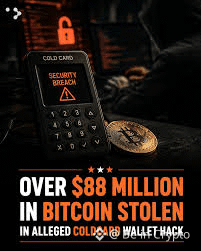
🤔هل التخزين البارد ما زال آمنًا 100%؟ دروس من اختراق Coldcard؟
إذا كنت تعتقد أن المحفظة دون اتصال تجعل اختراق العملات الرقمية مستحيلًا... ففكّر مرة أخرى.
المحفظة المادية ليست حلًا يمكنك «تعيينه ونسيانه».
أكبر خطر ليس دائمًا هو المحفظة.
إنه أنت.
لا يفقد معظم الناس العملات الرقمية لأن شخصًا ما اخترق محفظتهم المادية.
يفقدونها لأنهم:
ينقرون روابط مزيفة.
يُثبتون تحديثات مزيفة.
يشاركون عبارة الاسترداد.
يوافقون على المعاملة الخاطئة.
قبل أن تقول إن عملاتك الرقمية آمنة، تحقق من هذه الأشياء الثلاثة:
✅ هل محفظتك تعمل ببرنامج رسمي؟
✅ هل قمت بتخزين عبارة الاسترداد بالكامل دون اتصال؟
✅ هل تتحقق دائمًا من عنوان المحفظة على الجهاز قبل أن تنقر «تأكيد»؟
إليك الحقيقة:
يُعد التخزين البارد من أكثر الطرق أمانًا لتخزين العملات الرقمية. لكنّه ليس آمنًا 100% إذا كانت عاداتك الأمنية ضعيفة.
لا تحمِ محفظتك فقط.
احمِ نفسك.
#coldwallets #BTC #Wallet #Hack
$BTC
{future}(BTCUSDT)
🤔هل التخزين البارد ما زال آمنًا 100%؟ دروس من اختراق Coldcard؟
إذا كنت تعتقد أن المحفظة دون اتصال تجعل اختراق العملات الرقمية مستحيلًا... ففكّر مرة أخرى.
المحفظة المادية ليست حلًا يمكنك «تعيينه ونسيانه».
أكبر خطر ليس دائمًا هو المحفظة.
إنه أنت.
لا يفقد معظم الناس العملات الرقمية لأن شخصًا ما اخترق محفظتهم المادية.
يفقدونها لأنهم:
ينقرون روابط مزيفة.
يُثبتون تحديثات مزيفة.
يشاركون عبارة الاسترداد.
يوافقون على المعاملة الخاطئة.
قبل أن تقول إن عملاتك الرقمية آمنة، تحقق من هذه الأشياء الثلاثة:
✅ هل محفظتك تعمل ببرنامج رسمي؟
✅ هل قمت بتخزين عبارة الاسترداد بالكامل دون اتصال؟
✅ هل تتحقق دائمًا من عنوان المحفظة على الجهاز قبل أن تنقر «تأكيد»؟
إليك الحقيقة:
يُعد التخزين البارد من أكثر الطرق أمانًا لتخزين العملات الرقمية. لكنّه ليس آمنًا 100% إذا كانت عاداتك الأمنية ضعيفة.
لا تحمِ محفظتك فقط.
احمِ نفسك.
#coldwallets #BTC #Wallet #Hack
$BTC
إذا كنت تعتقد أن المحفظة دون اتصال تجعل اختراق العملات الرقمية مستحيلًا... ففكّر مرة أخرى.
المحفظة المادية ليست حلًا يمكنك «تعيينه ونسيانه».
أكبر خطر ليس دائمًا هو المحفظة.
إنه أنت.
لا يفقد معظم الناس العملات الرقمية لأن شخصًا ما اخترق محفظتهم المادية.
يفقدونها لأنهم:
ينقرون روابط مزيفة.
يُثبتون تحديثات مزيفة.
يشاركون عبارة الاسترداد.
يوافقون على المعاملة الخاطئة.
قبل أن تقول إن عملاتك الرقمية آمنة، تحقق من هذه الأشياء الثلاثة:
✅ هل محفظتك تعمل ببرنامج رسمي؟
✅ هل قمت بتخزين عبارة الاسترداد بالكامل دون اتصال؟
✅ هل تتحقق دائمًا من عنوان المحفظة على الجهاز قبل أن تنقر «تأكيد»؟
إليك الحقيقة:
يُعد التخزين البارد من أكثر الطرق أمانًا لتخزين العملات الرقمية. لكنّه ليس آمنًا 100% إذا كانت عاداتك الأمنية ضعيفة.
لا تحمِ محفظتك فقط.
احمِ نفسك.
#coldwallets #BTC #Wallet #Hack
$BTC
1
96


عرض الترجمة
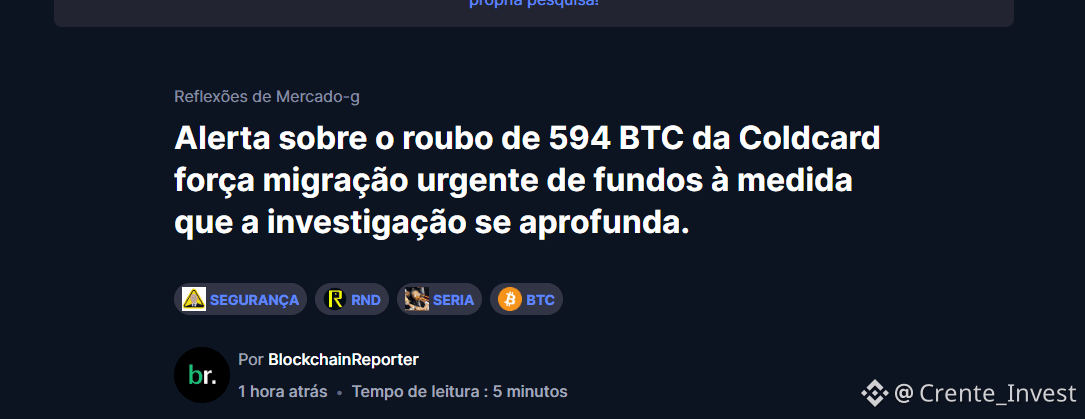
⚠️ اختراق 1200 محفظة بيتكوين باردة وسرقة 70 مليون دولار بسبب ضعف توليد المفاتيح
أفادت أبحاث Galaxy Research بأن هجوماً أدى إلى سرقة أكثر من 1000 بيتكوين، بقيمة تقدر بنحو 70 مليون دولار، من ما يقارب 1200 محفظة باردة. يعود السبب إلى ضعف في آلية توليد المفاتيح الخاصة، مما سمح للمهاجمين بإعادة إنشاء المفاتيح بشكل غير متصل بالإنترنت واستنزاف المحافظ.
━━━━━━━━━━━━━━
📊 التأثير: 🔥 مرتفع جداً
🏷️ BITCOIN
#Bitcoin #Security #ColdWallets #CryptoNews #Cyberattack
📰 المصدر: biztoc.com
⚠️ اختراق 1200 محفظة بيتكوين باردة وسرقة 70 مليون دولار بسبب ضعف توليد المفاتيح
أفادت أبحاث Galaxy Research بأن هجوماً أدى إلى سرقة أكثر من 1000 بيتكوين، بقيمة تقدر بنحو 70 مليون دولار، من ما يقارب 1200 محفظة باردة. يعود السبب إلى ضعف في آلية توليد المفاتيح الخاصة، مما سمح للمهاجمين بإعادة إنشاء المفاتيح بشكل غير متصل بالإنترنت واستنزاف المحافظ.
━━━━━━━━━━━━━━
📊 التأثير: 🔥 مرتفع جداً
🏷️ BITCOIN
#Bitcoin #Security #ColdWallets #CryptoNews #Cyberattack
📰 المصدر: biztoc.com
أفادت أبحاث Galaxy Research بأن هجوماً أدى إلى سرقة أكثر من 1000 بيتكوين، بقيمة تقدر بنحو 70 مليون دولار، من ما يقارب 1200 محفظة باردة. يعود السبب إلى ضعف في آلية توليد المفاتيح الخاصة، مما سمح للمهاجمين بإعادة إنشاء المفاتيح بشكل غير متصل بالإنترنت واستنزاف المحافظ.
━━━━━━━━━━━━━━
📊 التأثير: 🔥 مرتفع جداً
🏷️ BITCOIN
#Bitcoin #Security #ColdWallets #CryptoNews #Cyberattack
📰 المصدر: biztoc.com
39

عرض الترجمة
🚨 تقرير يكشف عن طريقة اختراق محافظ بيتكوين باردة بقيمة 70 مليون دولار دون الوصول للأجهزة
كشف تقرير صادر عن Galaxy Research أن عملية اختراق لمحافظ بيتكوين باردة، نتج عنها سرقة ما يقرب من 70 مليون دولار، استغلت ثغرة في آلية توليد العبارات الأولية (seed phrases). أتاحت هذه الثغرة للمهاجمين إعادة إنشاء المفاتيح الخاصة للمحافظ بشكل غير متصل بالإنترنت، مما مكنهم من سحب أكثر من 1000 بيتكوين من حوالي 1200 محفظة دون الحاجة للمس الأجهزة فعليًا.
━━━━━━━━━━━━━━
📊 التأثير: 🔥 مرتفع جداً
🏷️ BITCOIN
#Bitcoin #Security #ColdWallets #Cybersecurity #CryptoNews
📰 المصدر: coindesk.com
🚨 تقرير يكشف عن طريقة اختراق محافظ بيتكوين باردة بقيمة 70 مليون دولار دون الوصول للأجهزة
كشف تقرير صادر عن Galaxy Research أن عملية اختراق لمحافظ بيتكوين باردة، نتج عنها سرقة ما يقرب من 70 مليون دولار، استغلت ثغرة في آلية توليد العبارات الأولية (seed phrases). أتاحت هذه الثغرة للمهاجمين إعادة إنشاء المفاتيح الخاصة للمحافظ بشكل غير متصل بالإنترنت، مما مكنهم من سحب أكثر من 1000 بيتكوين من حوالي 1200 محفظة دون الحاجة للمس الأجهزة فعليًا.
━━━━━━━━━━━━━━
📊 التأثير: 🔥 مرتفع جداً
🏷️ BITCOIN
#Bitcoin #Security #ColdWallets #Cybersecurity #CryptoNews
📰 المصدر: coindesk.com
كشف تقرير صادر عن Galaxy Research أن عملية اختراق لمحافظ بيتكوين باردة، نتج عنها سرقة ما يقرب من 70 مليون دولار، استغلت ثغرة في آلية توليد العبارات الأولية (seed phrases). أتاحت هذه الثغرة للمهاجمين إعادة إنشاء المفاتيح الخاصة للمحافظ بشكل غير متصل بالإنترنت، مما مكنهم من سحب أكثر من 1000 بيتكوين من حوالي 1200 محفظة دون الحاجة للمس الأجهزة فعليًا.
━━━━━━━━━━━━━━
📊 التأثير: 🔥 مرتفع جداً
🏷️ BITCOIN
#Bitcoin #Security #ColdWallets #Cybersecurity #CryptoNews
📰 المصدر: coindesk.com
6


مقالة
دليل المبتدئين لاستخدام محفظة الأجهزة Safepal S1كمستثمر في العملات المشفرة، فإن الأمان له أهمية قصوى. أنت بحاجة إلى حماية أصولك الرقمية من المتسللين واللصوص. توفر لك محفظة الأجهزة مثل SafePal S1 أقوى أمان لعملتك المشفرة. يوفر هذا الدليل إرشادات خطوة بخطوة لبدء استخدام محفظة أجهزة SafePal S1 حتى تتمكن من حماية مقتنياتك من العملات المشفرة بثقة.
محفظة الأجهزة SafePal S1
ما هي المحفظة الباردة؟
المحفظة الباردة، والمعروفة أيضًا باسم محفظة الأجهزة، هي جهاز مادي يسمح لك بتخزين مقتنيات العملة المشفرة الخاصة بك دون الاتصال بالإنترنت. Safepal S1 عبارة عن محفظة أجهزة شهيرة مصممة للمبتدئين وهي سهلة الإعداد والاستخدام. لبدء استخدام Safepal S1، قم أولاً بتوصيل الجهاز بالكمبيوتر باستخدام كابل USB المرفق. قم بزيارة موقع Safepal وقم بتنزيل البرامج اللازمة للتفاعل مع محفظتك. بمجرد التثبيت، سيُطلب منك إنشاء رقم تعريف شخصي لجهازك لفتحه. تأكد من تحديد رقم PIN آمن يمكنك تذكره.
دليل المبتدئين لاستخدام محفظة الأجهزة Safepal S1
كمستثمر في العملات المشفرة، فإن الأمان له أهمية قصوى. أنت بحاجة إلى حماية أصولك الرقمية من المتسللين واللصوص. توفر لك محفظة الأجهزة مثل SafePal S1 أقوى أمان لعملتك المشفرة. يوفر هذا الدليل إرشادات خطوة بخطوة لبدء استخدام محفظة أجهزة SafePal S1 حتى تتمكن من حماية مقتنياتك من العملات المشفرة بثقة.
محفظة الأجهزة SafePal S1
ما هي المحفظة الباردة؟
المحفظة الباردة، والمعروفة أيضًا باسم محفظة الأجهزة، هي جهاز مادي يسمح لك بتخزين مقتنيات العملة المشفرة الخاصة بك دون الاتصال بالإنترنت. Safepal S1 عبارة عن محفظة أجهزة شهيرة مصممة للمبتدئين وهي سهلة الإعداد والاستخدام. لبدء استخدام Safepal S1، قم أولاً بتوصيل الجهاز بالكمبيوتر باستخدام كابل USB المرفق. قم بزيارة موقع Safepal وقم بتنزيل البرامج اللازمة للتفاعل مع محفظتك. بمجرد التثبيت، سيُطلب منك إنشاء رقم تعريف شخصي لجهازك لفتحه. تأكد من تحديد رقم PIN آمن يمكنك تذكره.
محفظة الأجهزة SafePal S1
ما هي المحفظة الباردة؟
المحفظة الباردة، والمعروفة أيضًا باسم محفظة الأجهزة، هي جهاز مادي يسمح لك بتخزين مقتنيات العملة المشفرة الخاصة بك دون الاتصال بالإنترنت. Safepal S1 عبارة عن محفظة أجهزة شهيرة مصممة للمبتدئين وهي سهلة الإعداد والاستخدام. لبدء استخدام Safepal S1، قم أولاً بتوصيل الجهاز بالكمبيوتر باستخدام كابل USB المرفق. قم بزيارة موقع Safepal وقم بتنزيل البرامج اللازمة للتفاعل مع محفظتك. بمجرد التثبيت، سيُطلب منك إنشاء رقم تعريف شخصي لجهازك لفتحه. تأكد من تحديد رقم PIN آمن يمكنك تذكره.
14
6.9k
سجّل الدخول لاستكشاف المزيد من المُحتوى
انضم إلى مُستخدمي العملات الرقمية حول العالم على Binance Square
⚡️ احصل على أحدث المعلومات المفيدة عن العملات الرقمية.
💬 موثوقة من قبل أكبر منصّة لتداول العملات الرقمية في العالم.
👍 اكتشف الرؤى الحقيقية من صنّاع المُحتوى الموثوقين.
البريد الإلكتروني / رقم الهاتف
المواضيع الرائجة
1
#NFPWatch
10.7M مشاهدات
18,994 يقومون بالنقاش
2
#BitcoinFundingRateTriplesTo10%
110,051 مشاهدات
988 يقومون بالنقاش
3
#BitcoinSurpasses$86KUp2.99%
32,766 مشاهدات
95 يقومون بالنقاش
4
#ZcashFalls21%FromSeptemberPeak
65,391 مشاهدات
750 يقومون بالنقاش
5
#USSeptemberPayrollsAdd29KUnemploymentRises4.2%
54,444 مشاهدات
449 يقومون بالنقاش
6
#XRPPostsFirstThreeGreenMonthsInQ3
43,418 مشاهدات
629 يقومون بالنقاش
7
#BNBChainTokenizedStocksTop$1BAt30%Share
18,895 مشاهدات
32 يقومون بالنقاش
8
#BitcoinRisesToward$85K
100,486 مشاهدات
146 يقومون بالنقاش
9
#AmazonPlansToSell$8BNvidiaChips
7,313 مشاهدات
87 يقومون بالنقاش
10
#NEARFallsToAround$4.70Down14%
46,631 مشاهدات
115 يقومون بالنقاش