
#layer2
layer2
4.3M مشاهدات
23,962 يقومون بالنقاش
رائج
جديد

·
--
صاعد
🌐 إعداد Arbitrum ($ARB ): مرحلة التراكم في الطبقة الثانية؟
يواصل Arbitrum ترسيخ مكانته كحل رائد لتوسيع الطبقة الثانية (L2)، ويطرح فرصًا مثيرة للتراكم التدريجي من أجل صبرٍ استثماري.
اتجاه السوق: حركة السعر لا تزال ضمن نطاق ضيق، حيث يترقب المشاركون في السوق محفزًا اقتصاديًا/ماكرو قويًا لكسر نطاقات التذبذب الحالية.
نظرة فنية: مستويات الدعم مدعومة بقوة من قبل حاملي المدى الطويل، بينما تشير مؤشرات الزخم قصيرة الأجل إلى إعداد يشبه زنبركًا مضغوطًا.
نصيحة عملية: راقب ARB في قائمتك للمتابعة بحثًا عن تأكيد الاختراق مع ارتفاع حجم التداول. لا يزال نشاط L2 سردية رئيسية يجب متابعتها.
هل تقوم بتجميع $ARB عند هذه المستويات؟ أخبرني بخطتك! 📊
{spot}(ARBUSDT)
#Arbitrum #ARB #Layer2 #cryptotrading
🌐 إعداد Arbitrum ($ARB ): مرحلة التراكم في الطبقة الثانية؟
يواصل Arbitrum ترسيخ مكانته كحل رائد لتوسيع الطبقة الثانية (L2)، ويطرح فرصًا مثيرة للتراكم التدريجي من أجل صبرٍ استثماري.
اتجاه السوق: حركة السعر لا تزال ضمن نطاق ضيق، حيث يترقب المشاركون في السوق محفزًا اقتصاديًا/ماكرو قويًا لكسر نطاقات التذبذب الحالية.
نظرة فنية: مستويات الدعم مدعومة بقوة من قبل حاملي المدى الطويل، بينما تشير مؤشرات الزخم قصيرة الأجل إلى إعداد يشبه زنبركًا مضغوطًا.
نصيحة عملية: راقب ARB في قائمتك للمتابعة بحثًا عن تأكيد الاختراق مع ارتفاع حجم التداول. لا يزال نشاط L2 سردية رئيسية يجب متابعتها.
هل تقوم بتجميع $ARB عند هذه المستويات؟ أخبرني بخطتك! 📊
#Arbitrum #ARB #Layer2 #cryptotrading
يواصل Arbitrum ترسيخ مكانته كحل رائد لتوسيع الطبقة الثانية (L2)، ويطرح فرصًا مثيرة للتراكم التدريجي من أجل صبرٍ استثماري.
اتجاه السوق: حركة السعر لا تزال ضمن نطاق ضيق، حيث يترقب المشاركون في السوق محفزًا اقتصاديًا/ماكرو قويًا لكسر نطاقات التذبذب الحالية.
نظرة فنية: مستويات الدعم مدعومة بقوة من قبل حاملي المدى الطويل، بينما تشير مؤشرات الزخم قصيرة الأجل إلى إعداد يشبه زنبركًا مضغوطًا.
نصيحة عملية: راقب ARB في قائمتك للمتابعة بحثًا عن تأكيد الاختراق مع ارتفاع حجم التداول. لا يزال نشاط L2 سردية رئيسية يجب متابعتها.
هل تقوم بتجميع $ARB عند هذه المستويات؟ أخبرني بخطتك! 📊
#Arbitrum #ARB #Layer2 #cryptotrading
114

·
--
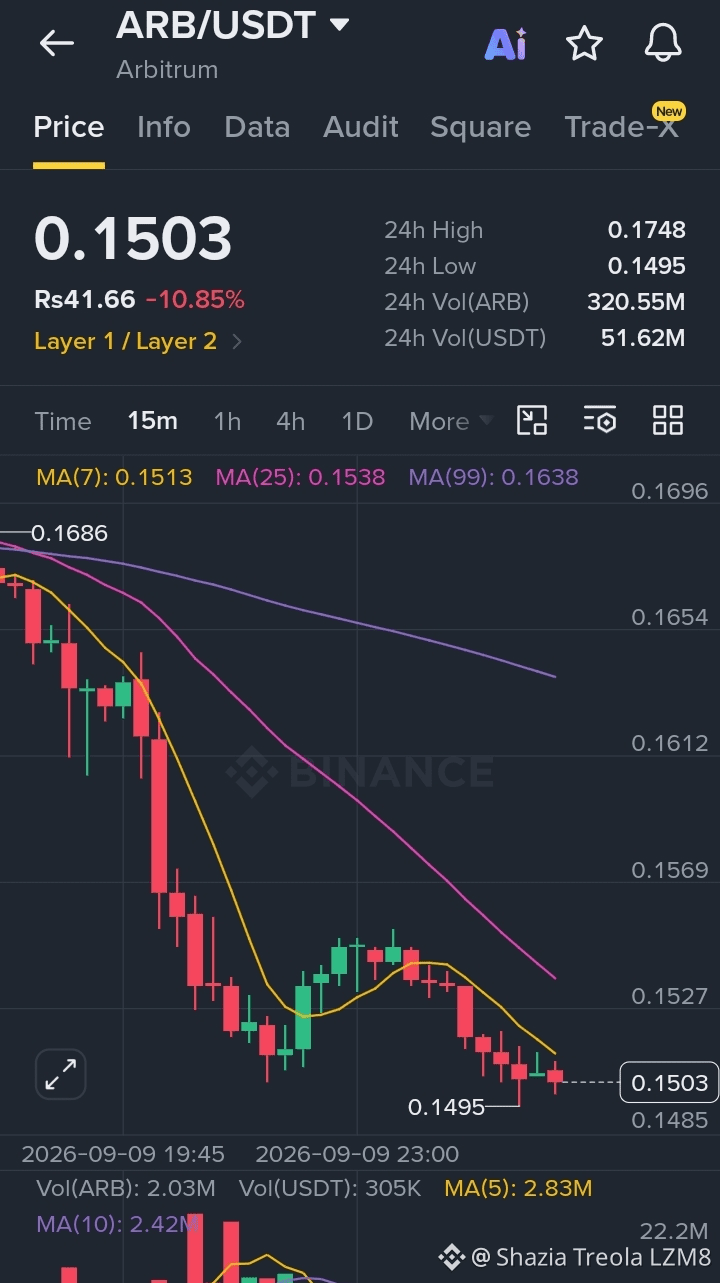
نزيف ARB -12.4% — ضربات موجّهة للطبقة الثانية. إليك السبب الذي يجعل الصفقات القصيرة لا تزال تعمل 📉
تداول Arbitrum عند 0.1497$ مع تراجع الحجم وتكدّس متوسطات 4H الأربعة بشكل هبوطي. نمط توزيع كلاسيكي.
📊 الصورة:
السعر تحت SMA7 في إطار 4H (0.1530$) وتحت SMA25 في إطار 4H (0.1677$). مؤشر RSI لِـ 4H عند 41.2 — ميل هبوطي لكن ليس في حالة تشبّع بيع. مقياس هيستوغرام MACD عند -0.0004، ما يؤكد الزخم الهابط. الحجم يتراجع (بنسبة 0.58x) — هذا بيع مُسيطر عليه، وليس هلعًا.
🧠 لماذا هذه الصفقة:
عندما تنخفض L2 مثل ARB مع مجموعة العملات البديلة الأوسع، لكن مع تراجع الحجم، فهذا يشير إلى أن البيع منهجي (حسب المؤشرات، أو إعادة موازنة المحفظة) وليس بسبب أخبار سيئة خاصة بالمشروع. وهذا يعني أن الاتجاه الهابط قد يستمر لبعض الوقت. مؤشر RSI اليومي عند 61.7 يدل على وجود مجال للهبوط قبل الوصول إلى تشبّع البيع.
📋 خطة التداول (قصير):
• الدخول: 0.1461$ - 0.1533$
• وقف الخسارة: 0.1640$ (أعلى من SMA25 في 4H — إذا عاد السعر إلى هنا، تتهاوى أطروحة الصفقة القصيرة)
• الهدف 1: 0.1418$ (دعم قريب)
• الهدف 2: 0.1374$ (هدف أعمق)
• المخاطرة/العائد: 0.6R
الثقة: 75% — إعداد واضح لكن R:R منخفض، ما يتطلب تحديد حجم صفقة حذر.
🗳️ ARB أم OP — أي L2 يتعافى أولًا؟ صوّت أدناه 👇
#ARB #Layer2 #DYOR
⚠️ تنبيه: ليست نصيحة مالية. العملات الرقمية شديدة التقلب. قم دائمًا ببحثك الخاص وادِر المخاطر بعناية.
نزيف ARB -12.4% — ضربات موجّهة للطبقة الثانية. إليك السبب الذي يجعل الصفقات القصيرة لا تزال تعمل 📉
تداول Arbitrum عند 0.1497$ مع تراجع الحجم وتكدّس متوسطات 4H الأربعة بشكل هبوطي. نمط توزيع كلاسيكي.
📊 الصورة:
السعر تحت SMA7 في إطار 4H (0.1530$) وتحت SMA25 في إطار 4H (0.1677$). مؤشر RSI لِـ 4H عند 41.2 — ميل هبوطي لكن ليس في حالة تشبّع بيع. مقياس هيستوغرام MACD عند -0.0004، ما يؤكد الزخم الهابط. الحجم يتراجع (بنسبة 0.58x) — هذا بيع مُسيطر عليه، وليس هلعًا.
🧠 لماذا هذه الصفقة:
عندما تنخفض L2 مثل ARB مع مجموعة العملات البديلة الأوسع، لكن مع تراجع الحجم، فهذا يشير إلى أن البيع منهجي (حسب المؤشرات، أو إعادة موازنة المحفظة) وليس بسبب أخبار سيئة خاصة بالمشروع. وهذا يعني أن الاتجاه الهابط قد يستمر لبعض الوقت. مؤشر RSI اليومي عند 61.7 يدل على وجود مجال للهبوط قبل الوصول إلى تشبّع البيع.
📋 خطة التداول (قصير):
• الدخول: 0.1461$ - 0.1533$
• وقف الخسارة: 0.1640$ (أعلى من SMA25 في 4H — إذا عاد السعر إلى هنا، تتهاوى أطروحة الصفقة القصيرة)
• الهدف 1: 0.1418$ (دعم قريب)
• الهدف 2: 0.1374$ (هدف أعمق)
• المخاطرة/العائد: 0.6R
الثقة: 75% — إعداد واضح لكن R:R منخفض، ما يتطلب تحديد حجم صفقة حذر.
🗳️ ARB أم OP — أي L2 يتعافى أولًا؟ صوّت أدناه 👇
#ARB #Layer2 #DYOR
⚠️ تنبيه: ليست نصيحة مالية. العملات الرقمية شديدة التقلب. قم دائمًا ببحثك الخاص وادِر المخاطر بعناية.
تداول Arbitrum عند 0.1497$ مع تراجع الحجم وتكدّس متوسطات 4H الأربعة بشكل هبوطي. نمط توزيع كلاسيكي.
📊 الصورة:
السعر تحت SMA7 في إطار 4H (0.1530$) وتحت SMA25 في إطار 4H (0.1677$). مؤشر RSI لِـ 4H عند 41.2 — ميل هبوطي لكن ليس في حالة تشبّع بيع. مقياس هيستوغرام MACD عند -0.0004، ما يؤكد الزخم الهابط. الحجم يتراجع (بنسبة 0.58x) — هذا بيع مُسيطر عليه، وليس هلعًا.
🧠 لماذا هذه الصفقة:
عندما تنخفض L2 مثل ARB مع مجموعة العملات البديلة الأوسع، لكن مع تراجع الحجم، فهذا يشير إلى أن البيع منهجي (حسب المؤشرات، أو إعادة موازنة المحفظة) وليس بسبب أخبار سيئة خاصة بالمشروع. وهذا يعني أن الاتجاه الهابط قد يستمر لبعض الوقت. مؤشر RSI اليومي عند 61.7 يدل على وجود مجال للهبوط قبل الوصول إلى تشبّع البيع.
📋 خطة التداول (قصير):
• الدخول: 0.1461$ - 0.1533$
• وقف الخسارة: 0.1640$ (أعلى من SMA25 في 4H — إذا عاد السعر إلى هنا، تتهاوى أطروحة الصفقة القصيرة)
• الهدف 1: 0.1418$ (دعم قريب)
• الهدف 2: 0.1374$ (هدف أعمق)
• المخاطرة/العائد: 0.6R
الثقة: 75% — إعداد واضح لكن R:R منخفض، ما يتطلب تحديد حجم صفقة حذر.
🗳️ ARB أم OP — أي L2 يتعافى أولًا؟ صوّت أدناه 👇
#ARB #Layer2 #DYOR
⚠️ تنبيه: ليست نصيحة مالية. العملات الرقمية شديدة التقلب. قم دائمًا ببحثك الخاص وادِر المخاطر بعناية.
76
·
--
$HEMI /USDT LONG 🔵
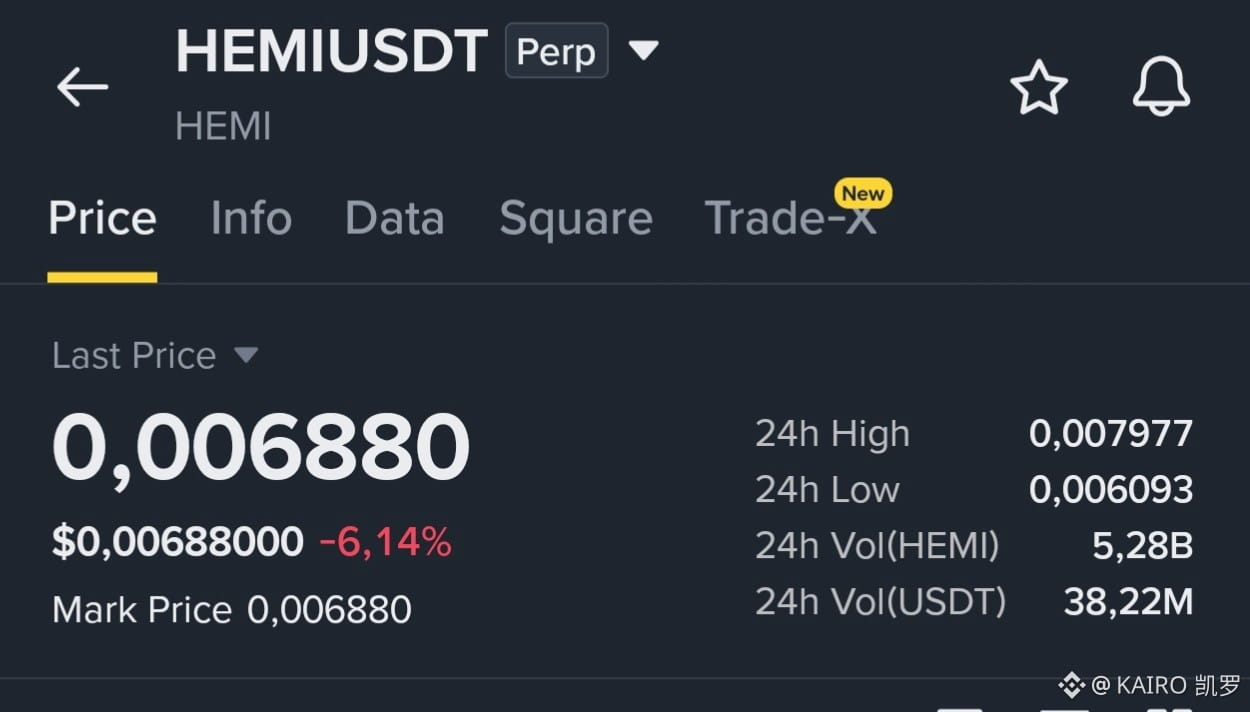
$HEMI هو مشروع طبقة ثانية (Layer-2) يركز على البيتكوين / أو لعب على شكل سوبر نتورك 📊 يربط بين أمان البيتكوين وقابلية البرمجة المتوافقة مع الإيثريوم وDeFi ⚡
$HEMI يتداول في منطقة شديدة التقلب، حيث يُعد $0.0069–$0.0070 منطقة دعم مهمة للإعداد 🧭
🟢 منطقة الشراء: $0.006880
🔴 وقف الخسارة: $0.00590
🎯 الهدف 1: $0.00750
🎯 الهدف 2: $0.00830
🎯 الهدف 3: $0.01000
⚠️ المخاطر: FOMO — لا تلاحق الصفقة إذا ارتفع السعر بسرعة كبيرة.
ليس نصيحة مالية وليس توصية بالشراء أو البيع. العملات الرقمية شديدة الخطورة، قم بإجراء بحثك بنفسك (DYOR) وأنت المسؤول وحدك. لا يوجد ترويج لأي عملة.
#HEMI #bitcoin #Layer2 #Write2Earn
$HEMI /USDT LONG 🔵
$HEMI هو مشروع طبقة ثانية (Layer-2) يركز على البيتكوين / أو لعب على شكل سوبر نتورك 📊 يربط بين أمان البيتكوين وقابلية البرمجة المتوافقة مع الإيثريوم وDeFi ⚡
$HEMI يتداول في منطقة شديدة التقلب، حيث يُعد $0.0069–$0.0070 منطقة دعم مهمة للإعداد 🧭
🟢 منطقة الشراء: $0.006880
🔴 وقف الخسارة: $0.00590
🎯 الهدف 1: $0.00750
🎯 الهدف 2: $0.00830
🎯 الهدف 3: $0.01000
⚠️ المخاطر: FOMO — لا تلاحق الصفقة إذا ارتفع السعر بسرعة كبيرة.
ليس نصيحة مالية وليس توصية بالشراء أو البيع. العملات الرقمية شديدة الخطورة، قم بإجراء بحثك بنفسك (DYOR) وأنت المسؤول وحدك. لا يوجد ترويج لأي عملة.
#HEMI #bitcoin #Layer2 #Write2Earn
$HEMI هو مشروع طبقة ثانية (Layer-2) يركز على البيتكوين / أو لعب على شكل سوبر نتورك 📊 يربط بين أمان البيتكوين وقابلية البرمجة المتوافقة مع الإيثريوم وDeFi ⚡
$HEMI يتداول في منطقة شديدة التقلب، حيث يُعد $0.0069–$0.0070 منطقة دعم مهمة للإعداد 🧭
🟢 منطقة الشراء: $0.006880
🔴 وقف الخسارة: $0.00590
🎯 الهدف 1: $0.00750
🎯 الهدف 2: $0.00830
🎯 الهدف 3: $0.01000
⚠️ المخاطر: FOMO — لا تلاحق الصفقة إذا ارتفع السعر بسرعة كبيرة.
ليس نصيحة مالية وليس توصية بالشراء أو البيع. العملات الرقمية شديدة الخطورة، قم بإجراء بحثك بنفسك (DYOR) وأنت المسؤول وحدك. لا يوجد ترويج لأي عملة.
#HEMI #bitcoin #Layer2 #Write2Earn
1
392
·
--
🔴 ARB ينخفض بنسبة 11% مع ارتفاع مفاجئ في حجم التداول 1.5x — موسم Layer 2 يصبح دموياً.
يتم تداوله عند $0.1468 مع مؤشر 4H RSI عند 39.1. السعر اخترق SMA7 ($0.1577) ويتجه نحو SMA25 ($0.1715) من الأسفل. هذا هيكل هابط عبر كل الأطر الزمنية الأقصر من اليوم.
📊 لماذا هذه الصفقة؟
MACD لإطار 4H سلبي ويتعمّق (-0.0007، والمذبذب -0.0001). ارتفاع الحجم إلى 1.5x عن الطبيعي يعني مشاركة مؤسسية في البيع. نسبة L/S عند 1.41 تؤكد أن المستثمرين الأفراد ما زالوا عالقين في الجانب الخطأ.
لكن الصورة اليومية مهمة أيضاً: RSI عند 60.4 وSMA99 عند $0.0903 يعني أن ARB حقق صعوداً كبيراً من القيعان. هذا التصحيح صحي على المدى الأكبر — لكنه مؤلم على المدى القصير.
📋 خطة التداول (قصير):
• الدخول: $0.1430 – $0.1506
• وقف الخسارة: $0.1618 (فوق مقاومة SMA7)
• الهدف 1: $0.1388
• الهدف 2: $0.1345
• المخاطرة/العائد: 0.5R
راقب ارتداد RSI اليومي حول 55-50 لاحتمال دخول طويل لاحقاً.
🤔 هل ما زالت ARB أفضل اختيار لديك في Layer 2 أم أن السرد تغيّر؟ اكتب أفكارك.
⚠️ تنبيه: تحليل فني فقط. ليس نصيحة مالية. DYOR.
#ARB #Layer2 #DYOR
🔴 ARB ينخفض بنسبة 11% مع ارتفاع مفاجئ في حجم التداول 1.5x — موسم Layer 2 يصبح دموياً.
يتم تداوله عند $0.1468 مع مؤشر 4H RSI عند 39.1. السعر اخترق SMA7 ($0.1577) ويتجه نحو SMA25 ($0.1715) من الأسفل. هذا هيكل هابط عبر كل الأطر الزمنية الأقصر من اليوم.
📊 لماذا هذه الصفقة؟
MACD لإطار 4H سلبي ويتعمّق (-0.0007، والمذبذب -0.0001). ارتفاع الحجم إلى 1.5x عن الطبيعي يعني مشاركة مؤسسية في البيع. نسبة L/S عند 1.41 تؤكد أن المستثمرين الأفراد ما زالوا عالقين في الجانب الخطأ.
لكن الصورة اليومية مهمة أيضاً: RSI عند 60.4 وSMA99 عند $0.0903 يعني أن ARB حقق صعوداً كبيراً من القيعان. هذا التصحيح صحي على المدى الأكبر — لكنه مؤلم على المدى القصير.
📋 خطة التداول (قصير):
• الدخول: $0.1430 – $0.1506
• وقف الخسارة: $0.1618 (فوق مقاومة SMA7)
• الهدف 1: $0.1388
• الهدف 2: $0.1345
• المخاطرة/العائد: 0.5R
راقب ارتداد RSI اليومي حول 55-50 لاحتمال دخول طويل لاحقاً.
🤔 هل ما زالت ARB أفضل اختيار لديك في Layer 2 أم أن السرد تغيّر؟ اكتب أفكارك.
⚠️ تنبيه: تحليل فني فقط. ليس نصيحة مالية. DYOR.
#ARB #Layer2 #DYOR
يتم تداوله عند $0.1468 مع مؤشر 4H RSI عند 39.1. السعر اخترق SMA7 ($0.1577) ويتجه نحو SMA25 ($0.1715) من الأسفل. هذا هيكل هابط عبر كل الأطر الزمنية الأقصر من اليوم.
📊 لماذا هذه الصفقة؟
MACD لإطار 4H سلبي ويتعمّق (-0.0007، والمذبذب -0.0001). ارتفاع الحجم إلى 1.5x عن الطبيعي يعني مشاركة مؤسسية في البيع. نسبة L/S عند 1.41 تؤكد أن المستثمرين الأفراد ما زالوا عالقين في الجانب الخطأ.
لكن الصورة اليومية مهمة أيضاً: RSI عند 60.4 وSMA99 عند $0.0903 يعني أن ARB حقق صعوداً كبيراً من القيعان. هذا التصحيح صحي على المدى الأكبر — لكنه مؤلم على المدى القصير.
📋 خطة التداول (قصير):
• الدخول: $0.1430 – $0.1506
• وقف الخسارة: $0.1618 (فوق مقاومة SMA7)
• الهدف 1: $0.1388
• الهدف 2: $0.1345
• المخاطرة/العائد: 0.5R
راقب ارتداد RSI اليومي حول 55-50 لاحتمال دخول طويل لاحقاً.
🤔 هل ما زالت ARB أفضل اختيار لديك في Layer 2 أم أن السرد تغيّر؟ اكتب أفكارك.
⚠️ تنبيه: تحليل فني فقط. ليس نصيحة مالية. DYOR.
#ARB #Layer2 #DYOR
78

·
--
🟢 صاعد
$ARB Signal 🎯
الدخول: $1.18
وقف الخسارة: $1.12
الهدف 1: $1.25
الهدف 2: $1.32
حلول الطبقة الثانية مثل Arbitrum تكتسب زخمًا مع تعزيز سردية التوسع. ترقّب استمرار تطوّر النظام البيئي لدفع الزخم الصعودي.
#Arbitrum #Layer2
🟢 صاعد
$ARB Signal 🎯
الدخول: $1.18
وقف الخسارة: $1.12
الهدف 1: $1.25
الهدف 2: $1.32
حلول الطبقة الثانية مثل Arbitrum تكتسب زخمًا مع تعزيز سردية التوسع. ترقّب استمرار تطوّر النظام البيئي لدفع الزخم الصعودي.
#Arbitrum #Layer2
$ARB Signal 🎯
الدخول: $1.18
وقف الخسارة: $1.12
الهدف 1: $1.25
الهدف 2: $1.32
حلول الطبقة الثانية مثل Arbitrum تكتسب زخمًا مع تعزيز سردية التوسع. ترقّب استمرار تطوّر النظام البيئي لدفع الزخم الصعودي.
#Arbitrum #Layer2
148

·
--
$OP
{future}(OPUSDT)
التفاؤل لا يزال يشكل منظومة رئيسية ضمن طبقة Ethereum الثانية (Layer-2) تركز على توسيع نطاق معاملات البلوك تشين. كما أن نشاط فك رموز سبتمبر يجذب انتباه السوق أيضًا. يتابع المتداولون عملة OP إلى جانب حجم التداول ومشاعر طبقة 2 الأوسع.
#OP #Optimism #Layer2 #BinanceSquare
$OP
التفاؤل لا يزال يشكل منظومة رئيسية ضمن طبقة Ethereum الثانية (Layer-2) تركز على توسيع نطاق معاملات البلوك تشين. كما أن نشاط فك رموز سبتمبر يجذب انتباه السوق أيضًا. يتابع المتداولون عملة OP إلى جانب حجم التداول ومشاعر طبقة 2 الأوسع.
#OP #Optimism #Layer2 #BinanceSquare
التفاؤل لا يزال يشكل منظومة رئيسية ضمن طبقة Ethereum الثانية (Layer-2) تركز على توسيع نطاق معاملات البلوك تشين. كما أن نشاط فك رموز سبتمبر يجذب انتباه السوق أيضًا. يتابع المتداولون عملة OP إلى جانب حجم التداول ومشاعر طبقة 2 الأوسع.
#OP #Optimism #Layer2 #BinanceSquare
72
·
--
$ARB
{future}(ARBUSDT)
لا يزال Arbitrum أحد الشبكات الرئيسية من طبقة ثانية (Layer-2) المرتبطة بإيثريوم. يركّز على التوسع وإجراء المعاملات بكفاءة، ما يمنحه دورًا مهمًا في Web3. يراقب المتداولون ARB إلى جانب قطاع طبقة ثانية الأوسع.
#ARB #Arbitrum #Layer2 #BinanceSquare
$ARB
لا يزال Arbitrum أحد الشبكات الرئيسية من طبقة ثانية (Layer-2) المرتبطة بإيثريوم. يركّز على التوسع وإجراء المعاملات بكفاءة، ما يمنحه دورًا مهمًا في Web3. يراقب المتداولون ARB إلى جانب قطاع طبقة ثانية الأوسع.
#ARB #Arbitrum #Layer2 #BinanceSquare
لا يزال Arbitrum أحد الشبكات الرئيسية من طبقة ثانية (Layer-2) المرتبطة بإيثريوم. يركّز على التوسع وإجراء المعاملات بكفاءة، ما يمنحه دورًا مهمًا في Web3. يراقب المتداولون ARB إلى جانب قطاع طبقة ثانية الأوسع.
#ARB #Arbitrum #Layer2 #BinanceSquare
119
·
--
$LINEA
{future}(LINEAUSDT)
تلقى لاينيا اهتمامًا بسبب نشاط إلغاء قفل الرمز لشهر سبتمبر. يمكن أن يؤدي تزويد الرموز الجديد إلى زيادة تقلبات السوق على المدى القصير، مما يجعل تفاعل الحجم والسعر إشارات مهمة. يراقب المتداولون لاينيا عن كثب حول هذا الحدث.
#LINEA #Linea #Layer2 #BinanceSquare
$LINEA
تلقى لاينيا اهتمامًا بسبب نشاط إلغاء قفل الرمز لشهر سبتمبر. يمكن أن يؤدي تزويد الرموز الجديد إلى زيادة تقلبات السوق على المدى القصير، مما يجعل تفاعل الحجم والسعر إشارات مهمة. يراقب المتداولون لاينيا عن كثب حول هذا الحدث.
#LINEA #Linea #Layer2 #BinanceSquare
تلقى لاينيا اهتمامًا بسبب نشاط إلغاء قفل الرمز لشهر سبتمبر. يمكن أن يؤدي تزويد الرموز الجديد إلى زيادة تقلبات السوق على المدى القصير، مما يجعل تفاعل الحجم والسعر إشارات مهمة. يراقب المتداولون لاينيا عن كثب حول هذا الحدث.
#LINEA #Linea #Layer2 #BinanceSquare
35

·
--
يضع الجميع L2 على أنها القشة التي تنقذ ETH—معدل التمويل +0.0059%، وكل الصفقات الطويلة على مستوى الشبكة تراهن على أن "في حين ينام فيتاليك (V神) يستيقظ لتتفاد L2 وتُعيد تمويل الشبكة الرئيسية". لكن الواقع بارد—قامت شمعة الأربع ساعات لـ $ETH منذ قليل بالهبوط من 2,511$ إلى 2,502$، وتنازع المضاربون عند حاجز 2,500 مرارًا وتكرارًا. هذا ليس إشارة اختراق، بل إنذار بتباطؤ في منطقة مرتفعة.😏
**الاعتراض الأول على الإجماع: كلما ازدهرت L2، بدا ETH أكثر كأنه "مصنع أوراق بنكنوت بلا قيمة".**
هل حسبتم؟ سعر $ETH الآن 2,502$. القيمة تعتمد على رسوم الغاز في الشبكة الرئيسية وآلية الحرق. لكن عندما تُنقل جميع المعاملات إلى L2 مثل Arbitrum وOptimism، ماذا يبقى في الشبكة الرئيسية؟ يبقى فقط كومة من عقد التكديس تعمل بلا معنى. كل نجاح لصفقة واحدة على L2 يعني حرقًا أقل لـ ETH على الشبكة الرئيسية. ما يسمى بـ"عودة القيمة"، ليس عودة إلا هواء. راقبوا حجم التداول خلال 24 ساعة: 259,587 ETH—كم منه طلب حقيقي من الشبكة الرئيسية؟ أراهن أن معظمها رسوم مرور على L2.💸
**الحقيقة الثانية المؤلمة: L2 تعمل على "توظيف الملك لإصدار الأوامر للآخرين".**
اليوم، كل L2 تُصدر توكناتها الخاصة وتروي قصتها البيئية. هل تحتاج ETH؟ نعم، لكن فقط بقدر قليل كضمان/رهن لتشغيل الغاز. يتم سحب سيولة أكثر إلى DEX و بروتوكولات الإقراض داخل L2. مالك $ETH يظن أنه يحمل أساس إمبراطورية الكريبتو، لكن في الحقيقة قامت L2 بالفعل ببناء قصر من الهواء فوق هذا الأساس، والآجرات التي تشكل الأساس تُسحب واحدة تلو الأخرى. في نطاق 24 ساعة من أدنى 2,456$ إلى أعلى 2,523$—كم من هذا التذبذب البالغ 67$ سببه روبوتات التحكيم (Arbitrage) في L2؟🤖
**الضربة الثالثة: لا تجعل"الأرثوذكسية" تعويذة تحميك.**
هناك دائمًا من يقول: "L2 هي توسيع لـ ETH وليست منافسًا". هذا ساذج جدًا. عندما تنخفض عمولة L2 إلى 0.01 دولار، وعندما تكون الجسور عبر السلاسل الخاصة بـ L2 أكثر أمانًا من الشبكة الرئيسية، لماذا سيعود المستخدمون؟ الارتفاع الحالي لـ $ETH بنسبة +1.72% يشبه أكثر ارتدادًا ناتجًا عن الإفراط في البيع (فكرة الارتداد بعامل العطالة) وليس انقلابًا في الأساسيات. وإذا حدث بالفعل انفجار كبير في L2 Summer، أتوقع أن $ETH سينتهي مثل عملات تفرعات BTC من قبل—تُستَنفد دماؤه من "أبنائه".🩸
أنا لست أقول إن ETH سيصبح صفراً، بل أقول إن منطق السرد هذا فيه شرخ قاتل. الجميع يغني بالمدح لـ L2 باعتبارها تُقوّي ETH، لكنني أرى طريقًا لا رجعة فيه لـ "فراغ الشبكة الرئيسية". معدل التمويل قد يكون متحيزًا صعودًا، لكنه انتفاخ ناتج عن تراكم الرافعة. بمجرد أن يبرد سوق توكنات L2، ستكون السفينة $ETH أول من يشعر بالهزات.
في النهاية سؤال واحد: إذا تم تهميش $ETH فعلًا بواسطة L2، هل ستختار التمسك المستمر بعملة الشبكة الرئيسية (Mainnet)، أم ستبدّل بشكل حاسم إلى قائد L2 الحقيقي؟ اكتبوا مراكزكم في قسم التعليقات، لنتسابق على نتيجة الرهان.👇
#以太坊 #Layer2 #سوق_الكريبتو
يضع الجميع L2 على أنها القشة التي تنقذ ETH—معدل التمويل +0.0059%، وكل الصفقات الطويلة على مستوى الشبكة تراهن على أن "في حين ينام فيتاليك (V神) يستيقظ لتتفاد L2 وتُعيد تمويل الشبكة الرئيسية". لكن الواقع بارد—قامت شمعة الأربع ساعات لـ $ETH منذ قليل بالهبوط من 2,511$ إلى 2,502$، وتنازع المضاربون عند حاجز 2,500 مرارًا وتكرارًا. هذا ليس إشارة اختراق، بل إنذار بتباطؤ في منطقة مرتفعة.😏
**الاعتراض الأول على الإجماع: كلما ازدهرت L2، بدا ETH أكثر كأنه "مصنع أوراق بنكنوت بلا قيمة".**
هل حسبتم؟ سعر $ETH الآن 2,502$. القيمة تعتمد على رسوم الغاز في الشبكة الرئيسية وآلية الحرق. لكن عندما تُنقل جميع المعاملات إلى L2 مثل Arbitrum وOptimism، ماذا يبقى في الشبكة الرئيسية؟ يبقى فقط كومة من عقد التكديس تعمل بلا معنى. كل نجاح لصفقة واحدة على L2 يعني حرقًا أقل لـ ETH على الشبكة الرئيسية. ما يسمى بـ"عودة القيمة"، ليس عودة إلا هواء. راقبوا حجم التداول خلال 24 ساعة: 259,587 ETH—كم منه طلب حقيقي من الشبكة الرئيسية؟ أراهن أن معظمها رسوم مرور على L2.💸
**الحقيقة الثانية المؤلمة: L2 تعمل على "توظيف الملك لإصدار الأوامر للآخرين".**
اليوم، كل L2 تُصدر توكناتها الخاصة وتروي قصتها البيئية. هل تحتاج ETH؟ نعم، لكن فقط بقدر قليل كضمان/رهن لتشغيل الغاز. يتم سحب سيولة أكثر إلى DEX و بروتوكولات الإقراض داخل L2. مالك $ETH يظن أنه يحمل أساس إمبراطورية الكريبتو، لكن في الحقيقة قامت L2 بالفعل ببناء قصر من الهواء فوق هذا الأساس، والآجرات التي تشكل الأساس تُسحب واحدة تلو الأخرى. في نطاق 24 ساعة من أدنى 2,456$ إلى أعلى 2,523$—كم من هذا التذبذب البالغ 67$ سببه روبوتات التحكيم (Arbitrage) في L2؟🤖
**الضربة الثالثة: لا تجعل"الأرثوذكسية" تعويذة تحميك.**
هناك دائمًا من يقول: "L2 هي توسيع لـ ETH وليست منافسًا". هذا ساذج جدًا. عندما تنخفض عمولة L2 إلى 0.01 دولار، وعندما تكون الجسور عبر السلاسل الخاصة بـ L2 أكثر أمانًا من الشبكة الرئيسية، لماذا سيعود المستخدمون؟ الارتفاع الحالي لـ $ETH بنسبة +1.72% يشبه أكثر ارتدادًا ناتجًا عن الإفراط في البيع (فكرة الارتداد بعامل العطالة) وليس انقلابًا في الأساسيات. وإذا حدث بالفعل انفجار كبير في L2 Summer، أتوقع أن $ETH سينتهي مثل عملات تفرعات BTC من قبل—تُستَنفد دماؤه من "أبنائه".🩸
أنا لست أقول إن ETH سيصبح صفراً، بل أقول إن منطق السرد هذا فيه شرخ قاتل. الجميع يغني بالمدح لـ L2 باعتبارها تُقوّي ETH، لكنني أرى طريقًا لا رجعة فيه لـ "فراغ الشبكة الرئيسية". معدل التمويل قد يكون متحيزًا صعودًا، لكنه انتفاخ ناتج عن تراكم الرافعة. بمجرد أن يبرد سوق توكنات L2، ستكون السفينة $ETH أول من يشعر بالهزات.
في النهاية سؤال واحد: إذا تم تهميش $ETH فعلًا بواسطة L2، هل ستختار التمسك المستمر بعملة الشبكة الرئيسية (Mainnet)، أم ستبدّل بشكل حاسم إلى قائد L2 الحقيقي؟ اكتبوا مراكزكم في قسم التعليقات، لنتسابق على نتيجة الرهان.👇
#以太坊 #Layer2 #سوق_الكريبتو
**الاعتراض الأول على الإجماع: كلما ازدهرت L2، بدا ETH أكثر كأنه "مصنع أوراق بنكنوت بلا قيمة".**
هل حسبتم؟ سعر $ETH الآن 2,502$. القيمة تعتمد على رسوم الغاز في الشبكة الرئيسية وآلية الحرق. لكن عندما تُنقل جميع المعاملات إلى L2 مثل Arbitrum وOptimism، ماذا يبقى في الشبكة الرئيسية؟ يبقى فقط كومة من عقد التكديس تعمل بلا معنى. كل نجاح لصفقة واحدة على L2 يعني حرقًا أقل لـ ETH على الشبكة الرئيسية. ما يسمى بـ"عودة القيمة"، ليس عودة إلا هواء. راقبوا حجم التداول خلال 24 ساعة: 259,587 ETH—كم منه طلب حقيقي من الشبكة الرئيسية؟ أراهن أن معظمها رسوم مرور على L2.💸
**الحقيقة الثانية المؤلمة: L2 تعمل على "توظيف الملك لإصدار الأوامر للآخرين".**
اليوم، كل L2 تُصدر توكناتها الخاصة وتروي قصتها البيئية. هل تحتاج ETH؟ نعم، لكن فقط بقدر قليل كضمان/رهن لتشغيل الغاز. يتم سحب سيولة أكثر إلى DEX و بروتوكولات الإقراض داخل L2. مالك $ETH يظن أنه يحمل أساس إمبراطورية الكريبتو، لكن في الحقيقة قامت L2 بالفعل ببناء قصر من الهواء فوق هذا الأساس، والآجرات التي تشكل الأساس تُسحب واحدة تلو الأخرى. في نطاق 24 ساعة من أدنى 2,456$ إلى أعلى 2,523$—كم من هذا التذبذب البالغ 67$ سببه روبوتات التحكيم (Arbitrage) في L2؟🤖
**الضربة الثالثة: لا تجعل"الأرثوذكسية" تعويذة تحميك.**
هناك دائمًا من يقول: "L2 هي توسيع لـ ETH وليست منافسًا". هذا ساذج جدًا. عندما تنخفض عمولة L2 إلى 0.01 دولار، وعندما تكون الجسور عبر السلاسل الخاصة بـ L2 أكثر أمانًا من الشبكة الرئيسية، لماذا سيعود المستخدمون؟ الارتفاع الحالي لـ $ETH بنسبة +1.72% يشبه أكثر ارتدادًا ناتجًا عن الإفراط في البيع (فكرة الارتداد بعامل العطالة) وليس انقلابًا في الأساسيات. وإذا حدث بالفعل انفجار كبير في L2 Summer، أتوقع أن $ETH سينتهي مثل عملات تفرعات BTC من قبل—تُستَنفد دماؤه من "أبنائه".🩸
أنا لست أقول إن ETH سيصبح صفراً، بل أقول إن منطق السرد هذا فيه شرخ قاتل. الجميع يغني بالمدح لـ L2 باعتبارها تُقوّي ETH، لكنني أرى طريقًا لا رجعة فيه لـ "فراغ الشبكة الرئيسية". معدل التمويل قد يكون متحيزًا صعودًا، لكنه انتفاخ ناتج عن تراكم الرافعة. بمجرد أن يبرد سوق توكنات L2، ستكون السفينة $ETH أول من يشعر بالهزات.
في النهاية سؤال واحد: إذا تم تهميش $ETH فعلًا بواسطة L2، هل ستختار التمسك المستمر بعملة الشبكة الرئيسية (Mainnet)، أم ستبدّل بشكل حاسم إلى قائد L2 الحقيقي؟ اكتبوا مراكزكم في قسم التعليقات، لنتسابق على نتيجة الرهان.👇
#以太坊 #Layer2 #سوق_الكريبتو
87


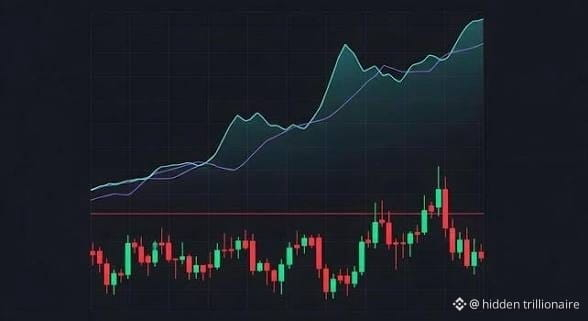
$STRK — ما زالت ستارك نت مشروعًا رئيسيًا لتوسيع إمكانات إيثيريوم. يتابع المتداولون سيولة الرمز وما إذا كان الطلب على الشراء يمكنه تعزيز الزخم.
{spot}(STRKUSDT)
$ZK — ما زالت الـ ZK مرتبطة بسردية توسعة إيثيريوم. يركز المتداولون على المدى القصير على حجم التداول وما إذا كان السعر يمكنه بناء اتجاه مستدام.
{spot}(ZKUSDT)
$SCR — ما زالت سك رول ضمن مشهد طبقة ثانية (Layer-2) الخاص بإيثيريوم. تعد سيولة السوق ومعنويات أوسع حول L2 عوامل رئيسية يجب مراقبتها.
{spot}(SCRUSDT)
#STRK #ZK #SCR #Layer2 #CryptoTrading
$STRK — ما زالت ستارك نت مشروعًا رئيسيًا لتوسيع إمكانات إيثيريوم. يتابع المتداولون سيولة الرمز وما إذا كان الطلب على الشراء يمكنه تعزيز الزخم.
$ZK — ما زالت الـ ZK مرتبطة بسردية توسعة إيثيريوم. يركز المتداولون على المدى القصير على حجم التداول وما إذا كان السعر يمكنه بناء اتجاه مستدام.
$SCR — ما زالت سك رول ضمن مشهد طبقة ثانية (Layer-2) الخاص بإيثيريوم. تعد سيولة السوق ومعنويات أوسع حول L2 عوامل رئيسية يجب مراقبتها.
#STRK #ZK #SCR #Layer2 #CryptoTrading
$ZK — ما زالت الـ ZK مرتبطة بسردية توسعة إيثيريوم. يركز المتداولون على المدى القصير على حجم التداول وما إذا كان السعر يمكنه بناء اتجاه مستدام.
$SCR — ما زالت سك رول ضمن مشهد طبقة ثانية (Layer-2) الخاص بإيثيريوم. تعد سيولة السوق ومعنويات أوسع حول L2 عوامل رئيسية يجب مراقبتها.
#STRK #ZK #SCR #Layer2 #CryptoTrading
4

·
--
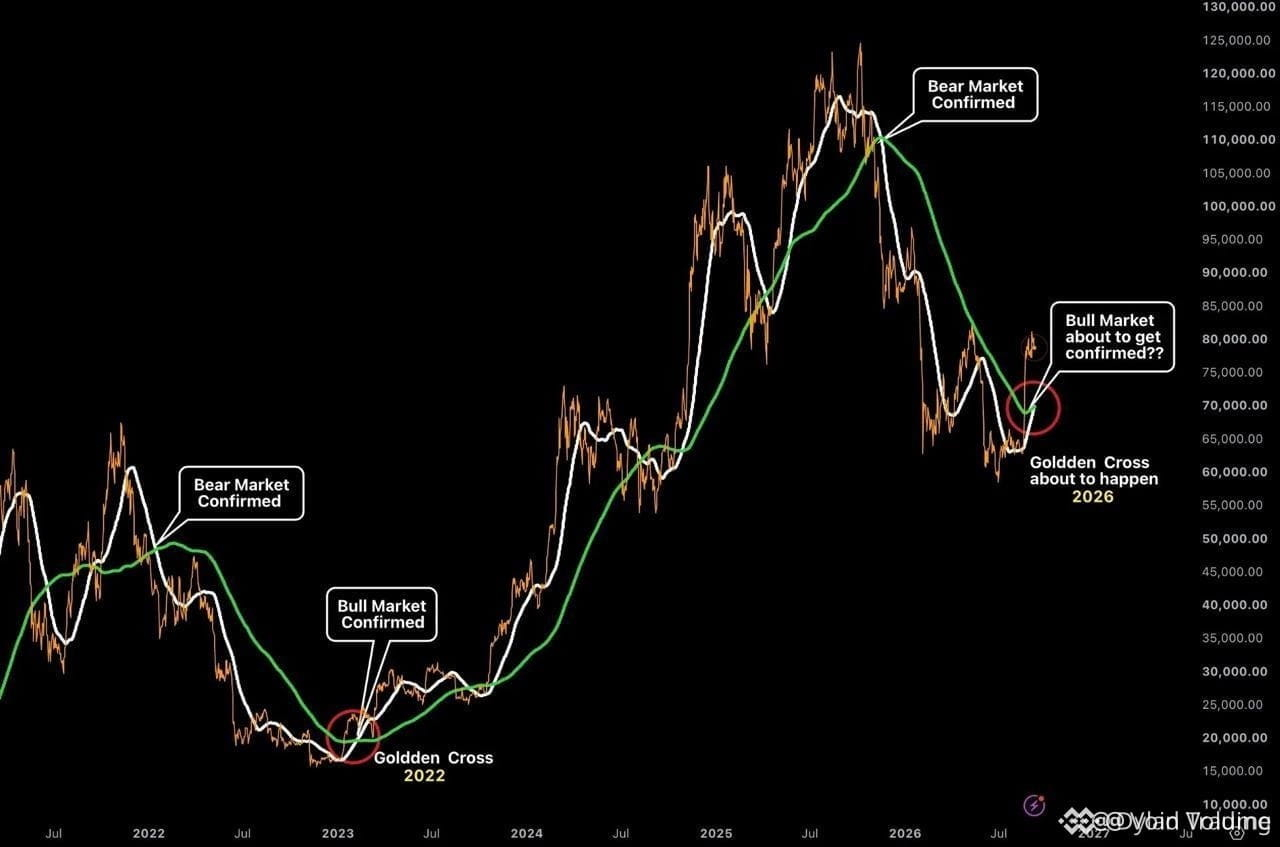
🚨 $BSV SKYROCKETS ON QUANTUMBRIDGE LAUNCH – ارتفاع بنسبة 6.2%! 💥
📊 تعيد ميزة «النهائية في أقل من ثانية» لدى QuantumBridge وتقليص الرسوم بمقدار 10× كتابة قواعد خطة التوسع، لتحويل سجل BSV إلى ممر عالي السرعة لتدفقات أوامر المؤسسات. 🦈 تتجه بالفعل مجموعات «الأموال الذكية» نحو الطبقة الثانية المُنشأة حديثًا، بحثًا عن عمليات مسح سيولة منخفضة التكلفة كانت مستحيلة من قبل.
📈 يؤكد ارتفاع 6.2% صحة الفرضية: يقوم المتداولون باختبار الشبكة الجديدة على نطاق واسع، ما يؤدي إلى تضخيم حجم التداول وتعزيز كتلة الطلب حول المستويات الحالية. ⚡ توقّع أن تعمل كتلة الأوامر كنقطة انطلاق لمزيد من الصعود بينما يرسّخ البروتوكول دوره ضمن مسارات التبنّي الشامل. 💬 كيف توزع رأسمالك لالتقاط موجة السيولة التالية؟ 👇
⚠️ ليست نصيحة مالية. دائمًا أدرِك مخاطرك. 🛡️
🏷️ #BSV #Layer2 #QuantumBridge #Crypto
🚀 🦈
🚨 $BSV SKYROCKETS ON QUANTUMBRIDGE LAUNCH – ارتفاع بنسبة 6.2%! 💥
📊 تعيد ميزة «النهائية في أقل من ثانية» لدى QuantumBridge وتقليص الرسوم بمقدار 10× كتابة قواعد خطة التوسع، لتحويل سجل BSV إلى ممر عالي السرعة لتدفقات أوامر المؤسسات. 🦈 تتجه بالفعل مجموعات «الأموال الذكية» نحو الطبقة الثانية المُنشأة حديثًا، بحثًا عن عمليات مسح سيولة منخفضة التكلفة كانت مستحيلة من قبل.
📈 يؤكد ارتفاع 6.2% صحة الفرضية: يقوم المتداولون باختبار الشبكة الجديدة على نطاق واسع، ما يؤدي إلى تضخيم حجم التداول وتعزيز كتلة الطلب حول المستويات الحالية. ⚡ توقّع أن تعمل كتلة الأوامر كنقطة انطلاق لمزيد من الصعود بينما يرسّخ البروتوكول دوره ضمن مسارات التبنّي الشامل. 💬 كيف توزع رأسمالك لالتقاط موجة السيولة التالية؟ 👇
⚠️ ليست نصيحة مالية. دائمًا أدرِك مخاطرك. 🛡️
🏷️ #BSV #Layer2 #QuantumBridge #Crypto
🚀 🦈
📊 تعيد ميزة «النهائية في أقل من ثانية» لدى QuantumBridge وتقليص الرسوم بمقدار 10× كتابة قواعد خطة التوسع، لتحويل سجل BSV إلى ممر عالي السرعة لتدفقات أوامر المؤسسات. 🦈 تتجه بالفعل مجموعات «الأموال الذكية» نحو الطبقة الثانية المُنشأة حديثًا، بحثًا عن عمليات مسح سيولة منخفضة التكلفة كانت مستحيلة من قبل.
📈 يؤكد ارتفاع 6.2% صحة الفرضية: يقوم المتداولون باختبار الشبكة الجديدة على نطاق واسع، ما يؤدي إلى تضخيم حجم التداول وتعزيز كتلة الطلب حول المستويات الحالية. ⚡ توقّع أن تعمل كتلة الأوامر كنقطة انطلاق لمزيد من الصعود بينما يرسّخ البروتوكول دوره ضمن مسارات التبنّي الشامل. 💬 كيف توزع رأسمالك لالتقاط موجة السيولة التالية؟ 👇
⚠️ ليست نصيحة مالية. دائمًا أدرِك مخاطرك. 🛡️
🏷️ #BSV #Layer2 #QuantumBridge #Crypto
🚀 🦈
40

تمّ التحقق
عرض الترجمة
📊 شبكة Polygon تسجل إيرادات تتجاوز مليون دولار في 30 يوماً
أظهرت البيانات أن شبكة Polygon حققت إيرادات تجاوزت مليون دولار أمريكي خلال الثلاثين يوماً الماضية، مما يعكس نشاطاً اقتصادياً متزايداً على الشبكة. تأتي هذه الأرقام في سياق جهود الشبكة لتعزيز كفاءتها ونمو استخدامها ضمن منظومة البلوك تشين.
━━━━━━━━━━━━━━
📊 التأثير: 📈 مرتفع
🏷️ ALTCOIN
#Polygon #Layer2 #Blockchain #Crypto
📰 المصدر: cryptobriefing.com
📊 شبكة Polygon تسجل إيرادات تتجاوز مليون دولار في 30 يوماً
أظهرت البيانات أن شبكة Polygon حققت إيرادات تجاوزت مليون دولار أمريكي خلال الثلاثين يوماً الماضية، مما يعكس نشاطاً اقتصادياً متزايداً على الشبكة. تأتي هذه الأرقام في سياق جهود الشبكة لتعزيز كفاءتها ونمو استخدامها ضمن منظومة البلوك تشين.
━━━━━━━━━━━━━━
📊 التأثير: 📈 مرتفع
🏷️ ALTCOIN
#Polygon #Layer2 #Blockchain #Crypto
📰 المصدر: cryptobriefing.com
أظهرت البيانات أن شبكة Polygon حققت إيرادات تجاوزت مليون دولار أمريكي خلال الثلاثين يوماً الماضية، مما يعكس نشاطاً اقتصادياً متزايداً على الشبكة. تأتي هذه الأرقام في سياق جهود الشبكة لتعزيز كفاءتها ونمو استخدامها ضمن منظومة البلوك تشين.
━━━━━━━━━━━━━━
📊 التأثير: 📈 مرتفع
🏷️ ALTCOIN
#Polygon #Layer2 #Blockchain #Crypto
📰 المصدر: cryptobriefing.com
63

·
--
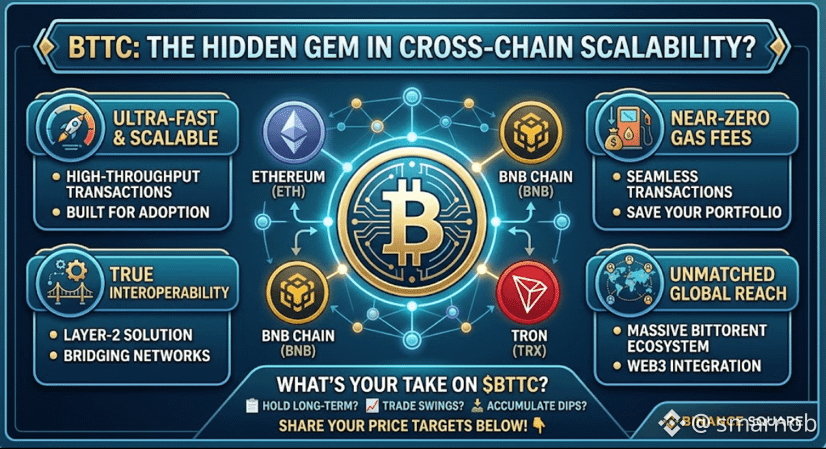
$BTTC 🚀 BTTC (BitTorrent Chain) – الجوهرة الخفية في قابلية التوسع عبر السلاسل؟ 🌐
بينما يتبدّل تركيز السوق باستمرار بين دورات الضجيج، تواصل BTTC (BitTorrent Chain) العمل بهدوء على بناء الأساس لتوافق سلس بين سلاسل البلوك تشين.
إليك لماذا تبقى $BTTC مشروعًا يستحق المتابعة عن كثب في مجال Web3:
⚡ فائقة السرعة وقابلة للتوسع: مصممة للتعامل مع معاملات عالية الإنتاجية بسلاسة، ما يجعلها جاهزة للاعتماد في الواقع.
⛽ رسوم غاز شبه منعدمة: تتيح معاملات سلسة دون أن تلتهم جزءًا كبيرًا من محفظتك.
🌉 توافق حقيقي عبر السلاسل: تعمل كحل من الطبقة الثانية يربط بين Ethereum (ETH) وBNB Chain (BNB) وTRON (TRX).
👥 انتشار عالمي غير مثيل: تستفيد من البنية التحتية الهائلة وقاعدة المستخدمين في منظومة BitTorrent لدفع تكامل Web3.
ومع استمرار نمو التمويل اللامركزي والنظم متعددة السلاسل، تلعب بنية تحتية عبر السلاسل مثل BTTC دورًا محوريًا في إبقاء رسوم الغاز منخفضة مع الحفاظ على سرعة مرتفعة.
❓ ما رأيك في $BTTC؟
هل تحتفظ به على المدى الطويل، أم تتداول تقلباته، أم تجمع عند الانخفاضات؟ شارك أهدافك السعرية أدناه! 👇
#BTTC #BitTorrent #crypto #BinanceSquare #Layer2
$BTTC 🚀 BTTC (BitTorrent Chain) – الجوهرة الخفية في قابلية التوسع عبر السلاسل؟ 🌐
بينما يتبدّل تركيز السوق باستمرار بين دورات الضجيج، تواصل BTTC (BitTorrent Chain) العمل بهدوء على بناء الأساس لتوافق سلس بين سلاسل البلوك تشين.
إليك لماذا تبقى $BTTC مشروعًا يستحق المتابعة عن كثب في مجال Web3:
⚡ فائقة السرعة وقابلة للتوسع: مصممة للتعامل مع معاملات عالية الإنتاجية بسلاسة، ما يجعلها جاهزة للاعتماد في الواقع.
⛽ رسوم غاز شبه منعدمة: تتيح معاملات سلسة دون أن تلتهم جزءًا كبيرًا من محفظتك.
🌉 توافق حقيقي عبر السلاسل: تعمل كحل من الطبقة الثانية يربط بين Ethereum (ETH) وBNB Chain (BNB) وTRON (TRX).
👥 انتشار عالمي غير مثيل: تستفيد من البنية التحتية الهائلة وقاعدة المستخدمين في منظومة BitTorrent لدفع تكامل Web3.
ومع استمرار نمو التمويل اللامركزي والنظم متعددة السلاسل، تلعب بنية تحتية عبر السلاسل مثل BTTC دورًا محوريًا في إبقاء رسوم الغاز منخفضة مع الحفاظ على سرعة مرتفعة.
❓ ما رأيك في $BTTC ؟
هل تحتفظ به على المدى الطويل، أم تتداول تقلباته، أم تجمع عند الانخفاضات؟ شارك أهدافك السعرية أدناه! 👇
#BTTC #BitTorrent #crypto #BinanceSquare #Layer2
بينما يتبدّل تركيز السوق باستمرار بين دورات الضجيج، تواصل BTTC (BitTorrent Chain) العمل بهدوء على بناء الأساس لتوافق سلس بين سلاسل البلوك تشين.
إليك لماذا تبقى $BTTC مشروعًا يستحق المتابعة عن كثب في مجال Web3:
⚡ فائقة السرعة وقابلة للتوسع: مصممة للتعامل مع معاملات عالية الإنتاجية بسلاسة، ما يجعلها جاهزة للاعتماد في الواقع.
⛽ رسوم غاز شبه منعدمة: تتيح معاملات سلسة دون أن تلتهم جزءًا كبيرًا من محفظتك.
🌉 توافق حقيقي عبر السلاسل: تعمل كحل من الطبقة الثانية يربط بين Ethereum (ETH) وBNB Chain (BNB) وTRON (TRX).
👥 انتشار عالمي غير مثيل: تستفيد من البنية التحتية الهائلة وقاعدة المستخدمين في منظومة BitTorrent لدفع تكامل Web3.
ومع استمرار نمو التمويل اللامركزي والنظم متعددة السلاسل، تلعب بنية تحتية عبر السلاسل مثل BTTC دورًا محوريًا في إبقاء رسوم الغاز منخفضة مع الحفاظ على سرعة مرتفعة.
❓ ما رأيك في $BTTC ؟
هل تحتفظ به على المدى الطويل، أم تتداول تقلباته، أم تجمع عند الانخفاضات؟ شارك أهدافك السعرية أدناه! 👇
#BTTC #BitTorrent #crypto #BinanceSquare #Layer2

Congratulations
من smarnob
تمّت المُطالبة به بالكامل
2
453

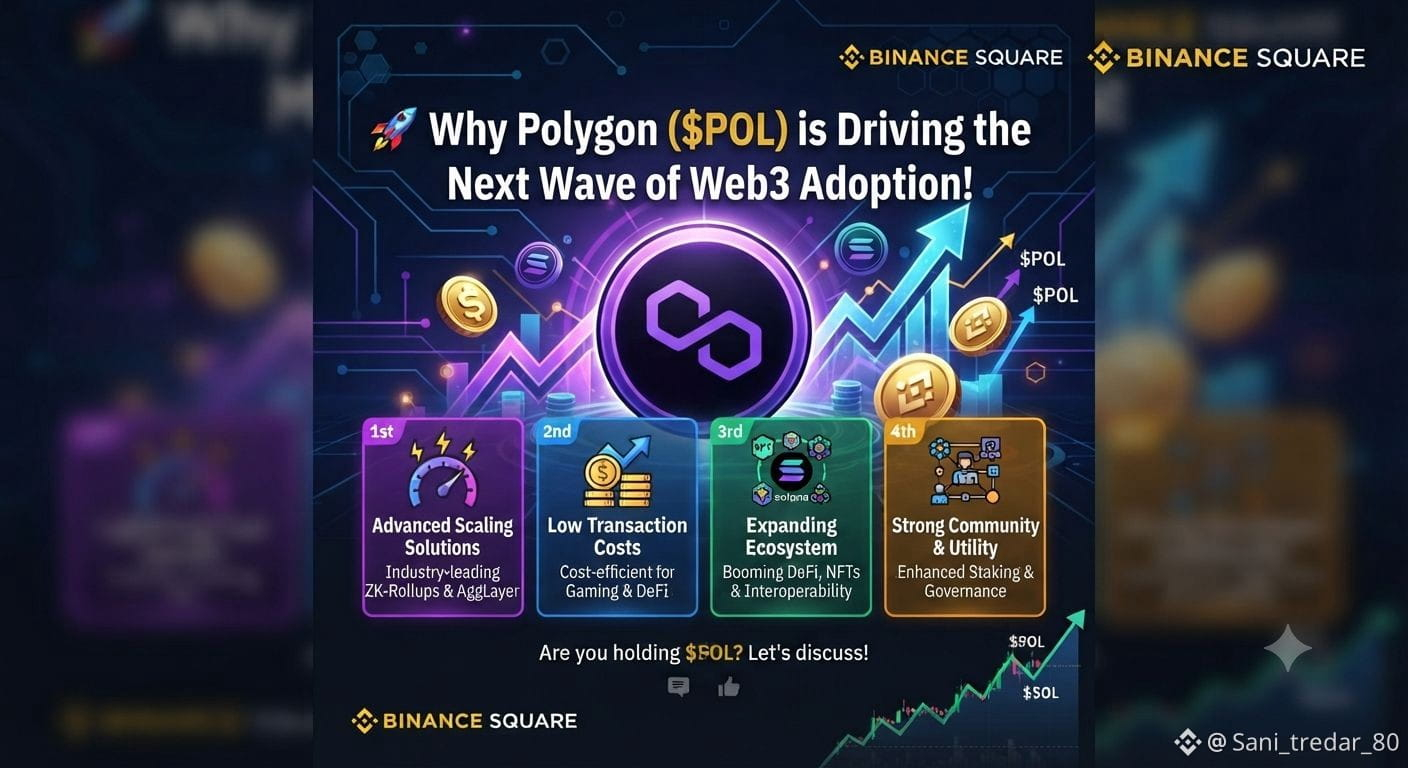
$POL 🚀 لماذا تقود Polygon ($POL) الموجة التالية من تبنّي Web3!
يتغيّر مشهد البلوك تشين باستمرار، وتُثبت تطوّرات Polygon مع
أهميتها باستمرار باعتبارها قوة دافعة للتوسّع والتوافق بين الشبكات. إليك نظرة سريعة عمّا يدفع الاهتمام الحالي:
حلول التوسّع المتقدمة: $POL تدعم منظومة قوية من حلول التجميعات المعرفة بالصفر (ZK)، ما يضمن توسّعًا عالي السرعة وفعّالًا لـ Ethereum.
تكاليف معاملات منخفضة: تظل الكفاءة في التكاليف ميزة كبيرة جدًا، ما يتيح معاملات دقيقة سلسة، وألعابًا، وأنشطة DeFi لمستخدمين حول العالم.
توسّع النظام البيئي: بدءًا من شراكات مؤسسية كبرى وصولًا إلى شبكة متنامية من التطبيقات اللامركزية وحلول متعددة السلاسل، فإن نشاط الشبكة حول $POL يتزايد باستمرار.
مجتمع قوي & فائدة عملية: تعزّز آليات الحَوكَمة والستيكينغ المتقدمة من تمكين الحَمَلة وتأمين مستقبل الشبكة.
هل تحتفظ بها ضمن محفظتك على المدى الطويل، أم أنك تتداول بنشاط نمو الشبكة؟ دعنا نناقش استراتيجيتك في التعليقات أدناه! 👇
#Polygon #POL #CryptoTrading #BinanceSquare #Web3 #Layer2
{spot}(POLUSDT)
$POL 🚀 لماذا تقود Polygon ($POL ) الموجة التالية من تبنّي Web3!
يتغيّر مشهد البلوك تشين باستمرار، وتُثبت تطوّرات Polygon مع
أهميتها باستمرار باعتبارها قوة دافعة للتوسّع والتوافق بين الشبكات. إليك نظرة سريعة عمّا يدفع الاهتمام الحالي:
حلول التوسّع المتقدمة: $POL تدعم منظومة قوية من حلول التجميعات المعرفة بالصفر (ZK)، ما يضمن توسّعًا عالي السرعة وفعّالًا لـ Ethereum.
تكاليف معاملات منخفضة: تظل الكفاءة في التكاليف ميزة كبيرة جدًا، ما يتيح معاملات دقيقة سلسة، وألعابًا، وأنشطة DeFi لمستخدمين حول العالم.
توسّع النظام البيئي: بدءًا من شراكات مؤسسية كبرى وصولًا إلى شبكة متنامية من التطبيقات اللامركزية وحلول متعددة السلاسل، فإن نشاط الشبكة حول $POL يتزايد باستمرار.
مجتمع قوي & فائدة عملية: تعزّز آليات الحَوكَمة والستيكينغ المتقدمة من تمكين الحَمَلة وتأمين مستقبل الشبكة.
هل تحتفظ بها ضمن محفظتك على المدى الطويل، أم أنك تتداول بنشاط نمو الشبكة؟ دعنا نناقش استراتيجيتك في التعليقات أدناه! 👇
#Polygon #POL #CryptoTrading #BinanceSquare #Web3 #Layer2
يتغيّر مشهد البلوك تشين باستمرار، وتُثبت تطوّرات Polygon مع
أهميتها باستمرار باعتبارها قوة دافعة للتوسّع والتوافق بين الشبكات. إليك نظرة سريعة عمّا يدفع الاهتمام الحالي:
حلول التوسّع المتقدمة: $POL تدعم منظومة قوية من حلول التجميعات المعرفة بالصفر (ZK)، ما يضمن توسّعًا عالي السرعة وفعّالًا لـ Ethereum.
تكاليف معاملات منخفضة: تظل الكفاءة في التكاليف ميزة كبيرة جدًا، ما يتيح معاملات دقيقة سلسة، وألعابًا، وأنشطة DeFi لمستخدمين حول العالم.
توسّع النظام البيئي: بدءًا من شراكات مؤسسية كبرى وصولًا إلى شبكة متنامية من التطبيقات اللامركزية وحلول متعددة السلاسل، فإن نشاط الشبكة حول $POL يتزايد باستمرار.
مجتمع قوي & فائدة عملية: تعزّز آليات الحَوكَمة والستيكينغ المتقدمة من تمكين الحَمَلة وتأمين مستقبل الشبكة.
هل تحتفظ بها ضمن محفظتك على المدى الطويل، أم أنك تتداول بنشاط نمو الشبكة؟ دعنا نناقش استراتيجيتك في التعليقات أدناه! 👇
#Polygon #POL #CryptoTrading #BinanceSquare #Web3 #Layer2
192

·
--
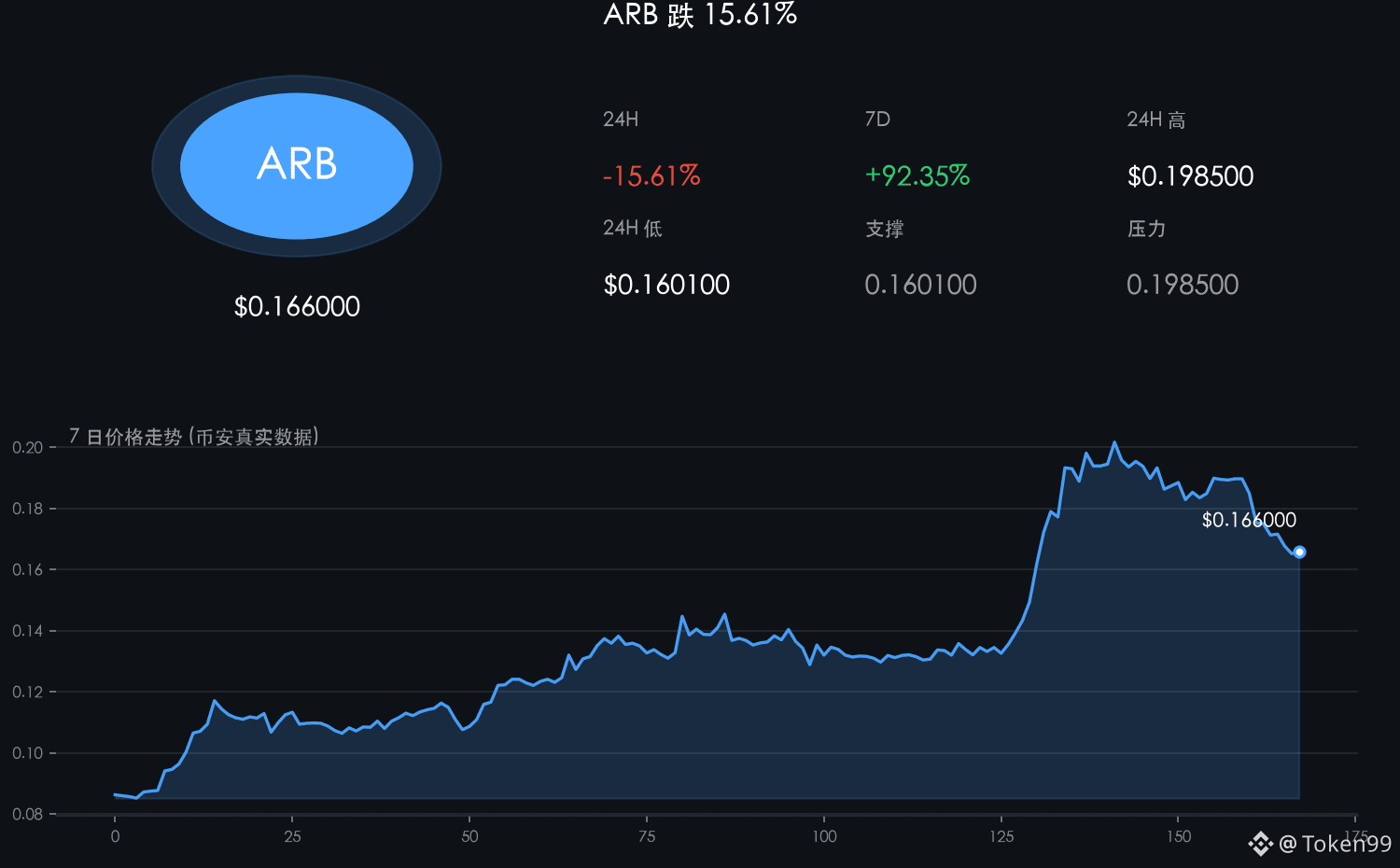
ARB ارتفع 0.1660، خلال 24 ساعة -15.65%، داخل اليوم 0.1601–0.1985.
سجّلت Robinhood Chain حجم تداول DEX يومي بقيمة 18.9 مليار دولار، متجاوزةً Solana وBNB Chain لأول مرة، بإيرادات سنوية تقديرية بنحو 110 مليون دولار، و10% من العوائد يعود إلى نظام Arbitrum البيئي.
تراجعت الأسعار من 0.1985 إلى حوالي 0.1660؛ نطاق التذبذب يتجاوز 20%، وتم جني الأرباح فور الارتفاع.
0.1601 هو مستوى الدعم، و0.1985 هو مستوى المقاومة.
على المدى القصير تميل الإشارة إلى الهبوط.
【أسباب الهبوط: تم الخروج فور تحقق الخبر الإيجابي؛ عملية التداول/التبديل خلال موجة الارتفاع قد أفرزت بما يكفي؛ الإيرادات السنوية تعكس توقعات بعيدة، ولا تتوفر محفزات جديدة على المدى القصير، وقوة الاستباق قبل اختبار الدعم ضعيفة.】
$ARB #Arbitrum #Layer2
ARB ارتفع 0.1660، خلال 24 ساعة -15.65%، داخل اليوم 0.1601–0.1985.
سجّلت Robinhood Chain حجم تداول DEX يومي بقيمة 18.9 مليار دولار، متجاوزةً Solana وBNB Chain لأول مرة، بإيرادات سنوية تقديرية بنحو 110 مليون دولار، و10% من العوائد يعود إلى نظام Arbitrum البيئي.
تراجعت الأسعار من 0.1985 إلى حوالي 0.1660؛ نطاق التذبذب يتجاوز 20%، وتم جني الأرباح فور الارتفاع.
0.1601 هو مستوى الدعم، و0.1985 هو مستوى المقاومة.
على المدى القصير تميل الإشارة إلى الهبوط.
【أسباب الهبوط: تم الخروج فور تحقق الخبر الإيجابي؛ عملية التداول/التبديل خلال موجة الارتفاع قد أفرزت بما يكفي؛ الإيرادات السنوية تعكس توقعات بعيدة، ولا تتوفر محفزات جديدة على المدى القصير، وقوة الاستباق قبل اختبار الدعم ضعيفة.】
$ARB #Arbitrum #Layer2
سجّلت Robinhood Chain حجم تداول DEX يومي بقيمة 18.9 مليار دولار، متجاوزةً Solana وBNB Chain لأول مرة، بإيرادات سنوية تقديرية بنحو 110 مليون دولار، و10% من العوائد يعود إلى نظام Arbitrum البيئي.
تراجعت الأسعار من 0.1985 إلى حوالي 0.1660؛ نطاق التذبذب يتجاوز 20%، وتم جني الأرباح فور الارتفاع.
0.1601 هو مستوى الدعم، و0.1985 هو مستوى المقاومة.
على المدى القصير تميل الإشارة إلى الهبوط.
【أسباب الهبوط: تم الخروج فور تحقق الخبر الإيجابي؛ عملية التداول/التبديل خلال موجة الارتفاع قد أفرزت بما يكفي؛ الإيرادات السنوية تعكس توقعات بعيدة، ولا تتوفر محفزات جديدة على المدى القصير، وقوة الاستباق قبل اختبار الدعم ضعيفة.】
$ARB #Arbitrum #Layer2
108

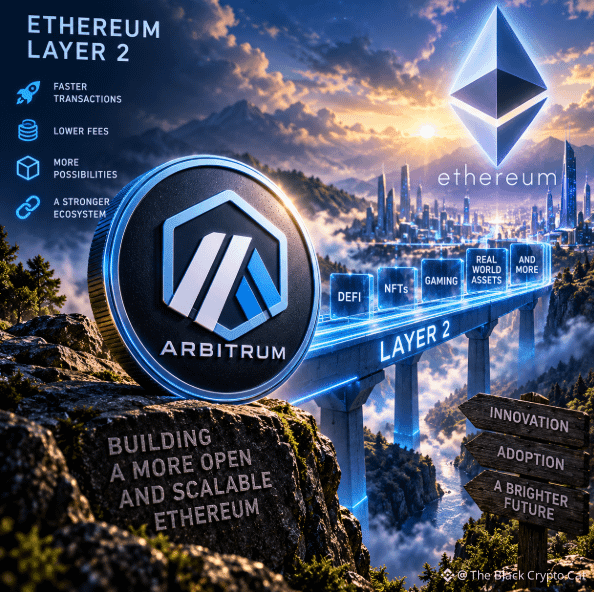
🔥 هل يعيد $ARB الطبقة 2 إلى دائرة الاهتمام؟
الارتفاع الذي يشهده ARB لا يقتصر على تحريك السعر — بل يعيد تسليط الضوء من جديد على سردية الطبقة الثانية في إيثريوم.
بعد أشهر من المزاج الضعيف، بدأت رؤوس الأموال والاهتمام يعودان مع ازدياد النشاط الحقيقي عبر منظومة Arbitrum.
الفرصة التي أراقبها ليست مجرد الارتفاع الحالي لـ $ARB .
بل ما إذا كانت حلول الطبقة 2 ستصبح مرة أخرى سردية رئيسية في السوق.
👀 هل هذا مجرد حركة لـ $ARB
{spot}(ARBUSDT)
، أم بداية لعودة أوسع للطبقة الثانية؟
#ARB #Arbitrum #Layer2
🔥 هل يعيد $ARB الطبقة 2 إلى دائرة الاهتمام؟
الارتفاع الذي يشهده ARB لا يقتصر على تحريك السعر — بل يعيد تسليط الضوء من جديد على سردية الطبقة الثانية في إيثريوم.
بعد أشهر من المزاج الضعيف، بدأت رؤوس الأموال والاهتمام يعودان مع ازدياد النشاط الحقيقي عبر منظومة Arbitrum.
الفرصة التي أراقبها ليست مجرد الارتفاع الحالي لـ $ARB .
بل ما إذا كانت حلول الطبقة 2 ستصبح مرة أخرى سردية رئيسية في السوق.
👀 هل هذا مجرد حركة لـ $ARB
، أم بداية لعودة أوسع للطبقة الثانية؟
#ARB #Arbitrum #Layer2
الارتفاع الذي يشهده ARB لا يقتصر على تحريك السعر — بل يعيد تسليط الضوء من جديد على سردية الطبقة الثانية في إيثريوم.
بعد أشهر من المزاج الضعيف، بدأت رؤوس الأموال والاهتمام يعودان مع ازدياد النشاط الحقيقي عبر منظومة Arbitrum.
الفرصة التي أراقبها ليست مجرد الارتفاع الحالي لـ $ARB .
بل ما إذا كانت حلول الطبقة 2 ستصبح مرة أخرى سردية رئيسية في السوق.
👀 هل هذا مجرد حركة لـ $ARB
، أم بداية لعودة أوسع للطبقة الثانية؟
#ARB #Arbitrum #Layer2
The Black Crypto Cat
·
--
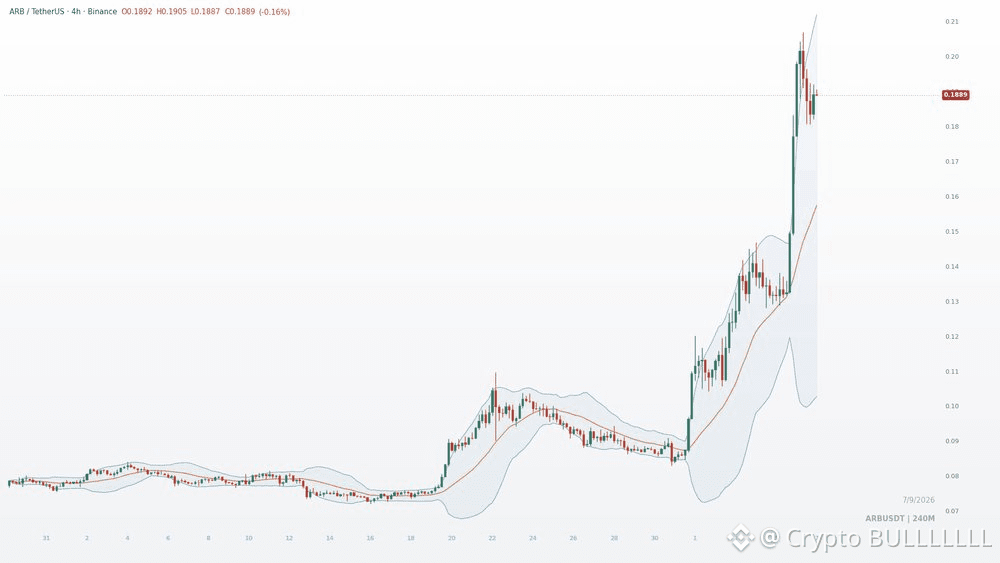
📊 $ARB يخترق مع حجم تداول ضخم
أخيرًا اخترق ARB منطقة مقاومة كانت تُبقي السعر منخفضًا، وهذه الحركة مدعومة بارتفاع حاد في حجم التداول.
الزخم يبدو صعوديًا بوضوح، لكن هناك أمر واحد يجب مراقبته:
⚠️ مؤشر القوة النسبية (RSI) اليومي عند حوالي 84 بالفعل.
الاختراق قوي، لكن ARB أصبح ممتدًا بشكل متزايد بعد هذه الحركة السريعة.
👀 هل يستطيع ARB مواصلة الصعود، أم سنشهد إعادة اختبار أولًا؟
#ARB #Arbitrum
أخيرًا اخترق ARB منطقة مقاومة كانت تُبقي السعر منخفضًا، وهذه الحركة مدعومة بارتفاع حاد في حجم التداول.
الزخم يبدو صعوديًا بوضوح، لكن هناك أمر واحد يجب مراقبته:
⚠️ مؤشر القوة النسبية (RSI) اليومي عند حوالي 84 بالفعل.
الاختراق قوي، لكن ARB أصبح ممتدًا بشكل متزايد بعد هذه الحركة السريعة.
👀 هل يستطيع ARB مواصلة الصعود، أم سنشهد إعادة اختبار أولًا؟
#ARB #Arbitrum
1
1
146
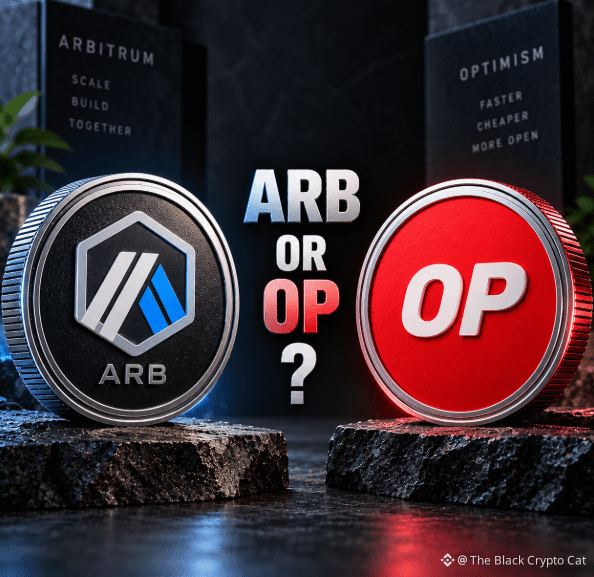
إذا كانت حلول الطبقة الثانية تعود إلى الواجهة، فأيٌّ منها ستراهن عليه؟
$ARB عاد إلى دائرة الضوء، لكن Arbitrum ليس وحده في سباق توسيع نطاق Ethereum.
إذا سخنت رواية الطبقة الثانية من جديد حقًا، فقد يكون اختيار أقوى منظومة أهم من ملاحقة أول موجة ارتفاع.
إذا كان عليك اختيار واحد اليوم:
🔵 $ARB — Arbitrum
🔴 $OP — Optimism
⚪ لا هذا ولا ذاك
أيٌّ منها ولماذا؟ 👇
#ARB #ARBİTRUM #Layer2
إذا كانت حلول الطبقة الثانية تعود إلى الواجهة، فأيٌّ منها ستراهن عليه؟
$ARB عاد إلى دائرة الضوء، لكن Arbitrum ليس وحده في سباق توسيع نطاق Ethereum.
إذا سخنت رواية الطبقة الثانية من جديد حقًا، فقد يكون اختيار أقوى منظومة أهم من ملاحقة أول موجة ارتفاع.
إذا كان عليك اختيار واحد اليوم:
🔵 $ARB — Arbitrum
🔴 $OP — Optimism
⚪ لا هذا ولا ذاك
أيٌّ منها ولماذا؟ 👇
#ARB #ARBİTRUM #Layer2
$ARB عاد إلى دائرة الضوء، لكن Arbitrum ليس وحده في سباق توسيع نطاق Ethereum.
إذا سخنت رواية الطبقة الثانية من جديد حقًا، فقد يكون اختيار أقوى منظومة أهم من ملاحقة أول موجة ارتفاع.
إذا كان عليك اختيار واحد اليوم:
🔵 $ARB — Arbitrum
🔴 $OP — Optimism
⚪ لا هذا ولا ذاك
أيٌّ منها ولماذا؟ 👇
#ARB #ARBİTRUM #Layer2
The Black Crypto Cat
·
--
🔥 هل يعيد $ARB الطبقة 2 إلى دائرة الاهتمام؟
الارتفاع الذي يشهده ARB لا يقتصر على تحريك السعر — بل يعيد تسليط الضوء من جديد على سردية الطبقة الثانية في إيثريوم.
بعد أشهر من المزاج الضعيف، بدأت رؤوس الأموال والاهتمام يعودان مع ازدياد النشاط الحقيقي عبر منظومة Arbitrum.
الفرصة التي أراقبها ليست مجرد الارتفاع الحالي لـ $ARB .
بل ما إذا كانت حلول الطبقة 2 ستصبح مرة أخرى سردية رئيسية في السوق.
👀 هل هذا مجرد حركة لـ $ARB
، أم بداية لعودة أوسع للطبقة الثانية؟
#ARB #Arbitrum #Layer2
الارتفاع الذي يشهده ARB لا يقتصر على تحريك السعر — بل يعيد تسليط الضوء من جديد على سردية الطبقة الثانية في إيثريوم.
بعد أشهر من المزاج الضعيف، بدأت رؤوس الأموال والاهتمام يعودان مع ازدياد النشاط الحقيقي عبر منظومة Arbitrum.
الفرصة التي أراقبها ليست مجرد الارتفاع الحالي لـ $ARB .
بل ما إذا كانت حلول الطبقة 2 ستصبح مرة أخرى سردية رئيسية في السوق.
👀 هل هذا مجرد حركة لـ $ARB
، أم بداية لعودة أوسع للطبقة الثانية؟
#ARB #Arbitrum #Layer2
182

إن رؤية $ARB Arbitrum تتصدر الترند على CoinGecko مع تجاوزها +6% أمر ممتع دائمًا للمشاهدة.
إنه يجعلك تتراجع خطوة وتسأل الأسئلة الصعبة التي يتجاهلها عادةً المستثمرون الأفراد.
كم نسبة هذا الارتفاع هي طلب حقيقي من النظام البيئي، مقابل موجة مضاربة قياسية؟
عندما تُحوَّل رسوم المنصة على حلول الطبقة الثانية بسلاسة إلى خزائن الشركات بدلًا من أن تتسرب إلى حاملي الرمز الأصلي، أين ترسم الخط الفاصل؟
هناك نقطة سعرية محددة تتوقف عندها أهمية اقتصاديات الرمز بالنسبة للجمهور، لأن الزخم يصبح صاخبًا جدًا بحيث لا يمكن تجاهله.
أين سترسم أنت شخصيًا ذلك الخط؟
شارك أفكارك أدناه، لأن الجدل حول فائدة الرمز يشتد بسرعة.
#ARB #Arbitrum #Layer2
إن رؤية $ARB Arbitrum تتصدر الترند على CoinGecko مع تجاوزها +6% أمر ممتع دائمًا للمشاهدة.
إنه يجعلك تتراجع خطوة وتسأل الأسئلة الصعبة التي يتجاهلها عادةً المستثمرون الأفراد.
كم نسبة هذا الارتفاع هي طلب حقيقي من النظام البيئي، مقابل موجة مضاربة قياسية؟
عندما تُحوَّل رسوم المنصة على حلول الطبقة الثانية بسلاسة إلى خزائن الشركات بدلًا من أن تتسرب إلى حاملي الرمز الأصلي، أين ترسم الخط الفاصل؟
هناك نقطة سعرية محددة تتوقف عندها أهمية اقتصاديات الرمز بالنسبة للجمهور، لأن الزخم يصبح صاخبًا جدًا بحيث لا يمكن تجاهله.
أين سترسم أنت شخصيًا ذلك الخط؟
شارك أفكارك أدناه، لأن الجدل حول فائدة الرمز يشتد بسرعة.
#ARB #Arbitrum #Layer2
إنه يجعلك تتراجع خطوة وتسأل الأسئلة الصعبة التي يتجاهلها عادةً المستثمرون الأفراد.
كم نسبة هذا الارتفاع هي طلب حقيقي من النظام البيئي، مقابل موجة مضاربة قياسية؟
عندما تُحوَّل رسوم المنصة على حلول الطبقة الثانية بسلاسة إلى خزائن الشركات بدلًا من أن تتسرب إلى حاملي الرمز الأصلي، أين ترسم الخط الفاصل؟
هناك نقطة سعرية محددة تتوقف عندها أهمية اقتصاديات الرمز بالنسبة للجمهور، لأن الزخم يصبح صاخبًا جدًا بحيث لا يمكن تجاهله.
أين سترسم أنت شخصيًا ذلك الخط؟
شارك أفكارك أدناه، لأن الجدل حول فائدة الرمز يشتد بسرعة.
#ARB #Arbitrum #Layer2
106
·
--
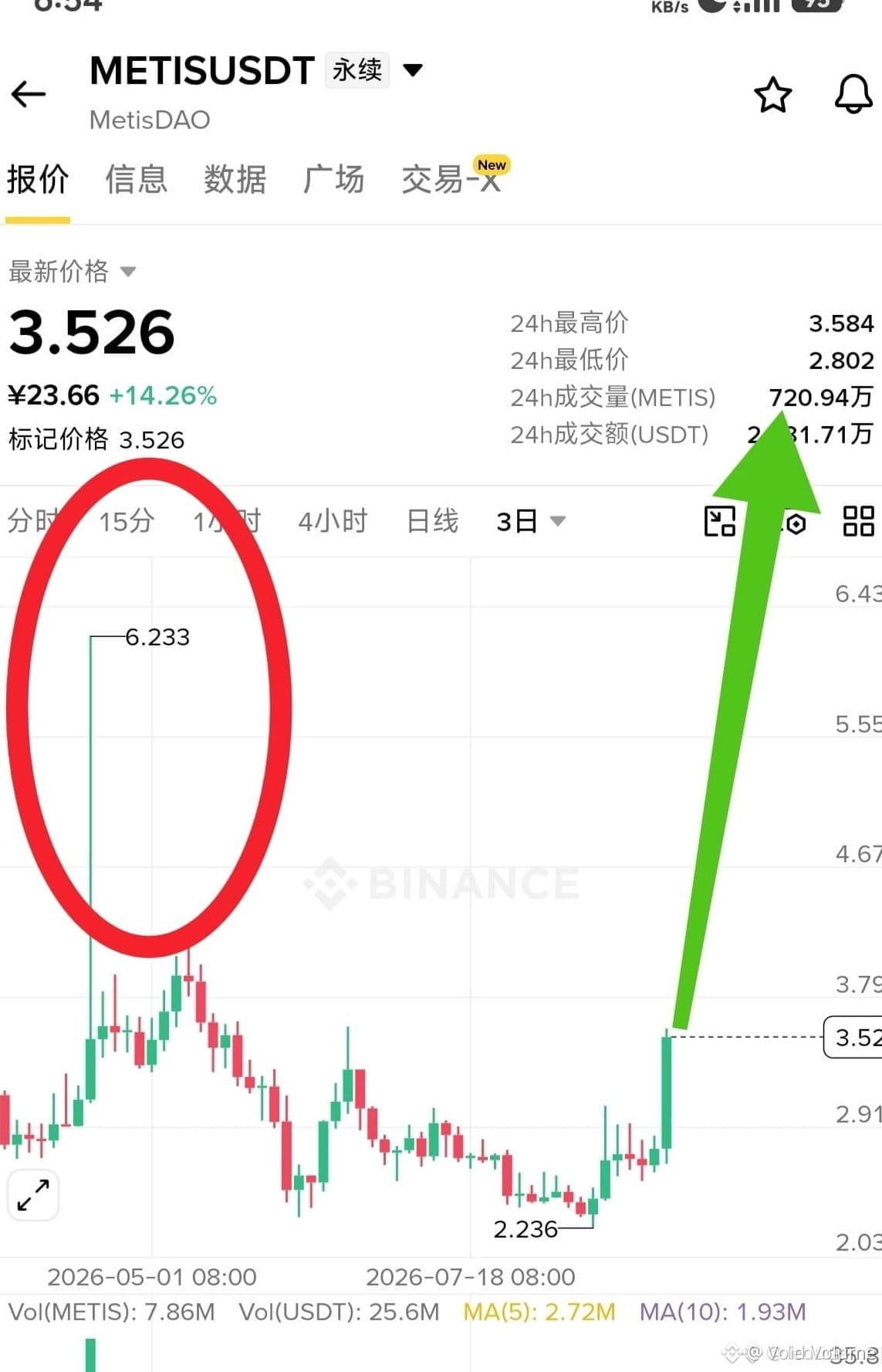
🚨 $METIS PRINTS ارتفاعًا هائلًا بنسبة 80% مع انتقال رأس المال إلى حلول الطبقة الثانية! 💥
الهدف: 4.5 🚀
شمعة يومية عدوانية بنسبة 80% أعادت تشكيل الرسم البياني المحلي بالكامل، مما يشير إلى تحول قوي في تدفق الأوامر. المشاركون في السوق يتموضعون بنشاط مع انتقال تدفق رأس المال بشكل واضح نحو بنية تحتية أقل تكلفة من الطبقة الثانية. ⚡
📊 تؤكد مقاييس الحجم وجود اهتمام مؤسسي كبير، حيث يتم دفع مناطق عدم الكفاءة العليا نحو هدف المقاومة 4.5. 💡 ما دام الزخم محافظًا على بقائه فوق الدعم الهيكلي، فإن هذه الاندفاعة الزخمّية ستظل قائمة بقوة. 💬 هل تركب دورة الزخم هذه الخاصة بالطبقة الثانية، أم تنتظر تراجعًا هيكليًا قبل البحث عن فرصة دخول؟ 👇
⚠️ ليست نصيحة مالية. قم دائمًا بإدارة المخاطر الخاصة بك. 🛡️
🏷️ #METIS #Layer2 #Breakout #Crypto
🔥 ⚡
🚨 $METIS PRINTS ارتفاعًا هائلًا بنسبة 80% مع انتقال رأس المال إلى حلول الطبقة الثانية! 💥
الهدف: 4.5 🚀
شمعة يومية عدوانية بنسبة 80% أعادت تشكيل الرسم البياني المحلي بالكامل، مما يشير إلى تحول قوي في تدفق الأوامر. المشاركون في السوق يتموضعون بنشاط مع انتقال تدفق رأس المال بشكل واضح نحو بنية تحتية أقل تكلفة من الطبقة الثانية. ⚡
📊 تؤكد مقاييس الحجم وجود اهتمام مؤسسي كبير، حيث يتم دفع مناطق عدم الكفاءة العليا نحو هدف المقاومة 4.5. 💡 ما دام الزخم محافظًا على بقائه فوق الدعم الهيكلي، فإن هذه الاندفاعة الزخمّية ستظل قائمة بقوة. 💬 هل تركب دورة الزخم هذه الخاصة بالطبقة الثانية، أم تنتظر تراجعًا هيكليًا قبل البحث عن فرصة دخول؟ 👇
⚠️ ليست نصيحة مالية. قم دائمًا بإدارة المخاطر الخاصة بك. 🛡️
🏷️ #METIS #Layer2 #Breakout #Crypto
🔥 ⚡
الهدف: 4.5 🚀
شمعة يومية عدوانية بنسبة 80% أعادت تشكيل الرسم البياني المحلي بالكامل، مما يشير إلى تحول قوي في تدفق الأوامر. المشاركون في السوق يتموضعون بنشاط مع انتقال تدفق رأس المال بشكل واضح نحو بنية تحتية أقل تكلفة من الطبقة الثانية. ⚡
📊 تؤكد مقاييس الحجم وجود اهتمام مؤسسي كبير، حيث يتم دفع مناطق عدم الكفاءة العليا نحو هدف المقاومة 4.5. 💡 ما دام الزخم محافظًا على بقائه فوق الدعم الهيكلي، فإن هذه الاندفاعة الزخمّية ستظل قائمة بقوة. 💬 هل تركب دورة الزخم هذه الخاصة بالطبقة الثانية، أم تنتظر تراجعًا هيكليًا قبل البحث عن فرصة دخول؟ 👇
⚠️ ليست نصيحة مالية. قم دائمًا بإدارة المخاطر الخاصة بك. 🛡️
🏷️ #METIS #Layer2 #Breakout #Crypto
🔥 ⚡
34
سجّل الدخول لاستكشاف المزيد من المُحتوى
انضم إلى مُستخدمي العملات الرقمية حول العالم على Binance Square
⚡️ احصل على أحدث المعلومات المفيدة عن العملات الرقمية.
💬 موثوقة من قبل أكبر منصّة لتداول العملات الرقمية في العالم.
👍 اكتشف الرؤى الحقيقية من صنّاع المُحتوى الموثوقين.
البريد الإلكتروني / رقم الهاتف
المواضيع الرائجة
1
#USAugustPPIRisesLessThanExpected
38,289 مشاهدات
694 يقومون بالنقاش
2
#SECApprovesNasdaqTexasCommodityTrustRule
22,845 مشاهدات
511 يقومون بالنقاش
3
#ECBRaisesRatesSecondTimeTo2.5%
20,436 مشاهدات
376 يقومون بالنقاش
4
#USContinuingJoblessClaims1.774M
27,314 مشاهدات
473 يقومون بالنقاش
5
#USAugustPPIYoYRisesTo5.4%
27,188 مشاهدات
365 يقومون بالنقاش
6
#AppleDebutsFoldablePhone
102,717 مشاهدات
1,497 يقومون بالنقاش
7
#TSMCAugustRevenueUp53.3%YoY
25,302 مشاهدات
544 يقومون بالنقاش
8
#IranSaysReadyToEscalateWarWithUS
36,632 مشاهدات
533 يقومون بالنقاش
9
#EUExtendsCentralContactPointToCASPs
31,451 مشاهدات
542 يقومون بالنقاش
10
#US10YTreasuryYieldHitsHighestSinceNov2023
67,357 مشاهدات
842 يقومون بالنقاش