
#bitcoin
bitcoin
336.2M مشاهدات
737,255 يقومون بالنقاش
رائج
جديد

عرض الترجمة
🔥 $BTC | هل انتهى الهبوط؟ أم أن المفاجأة قادمة؟
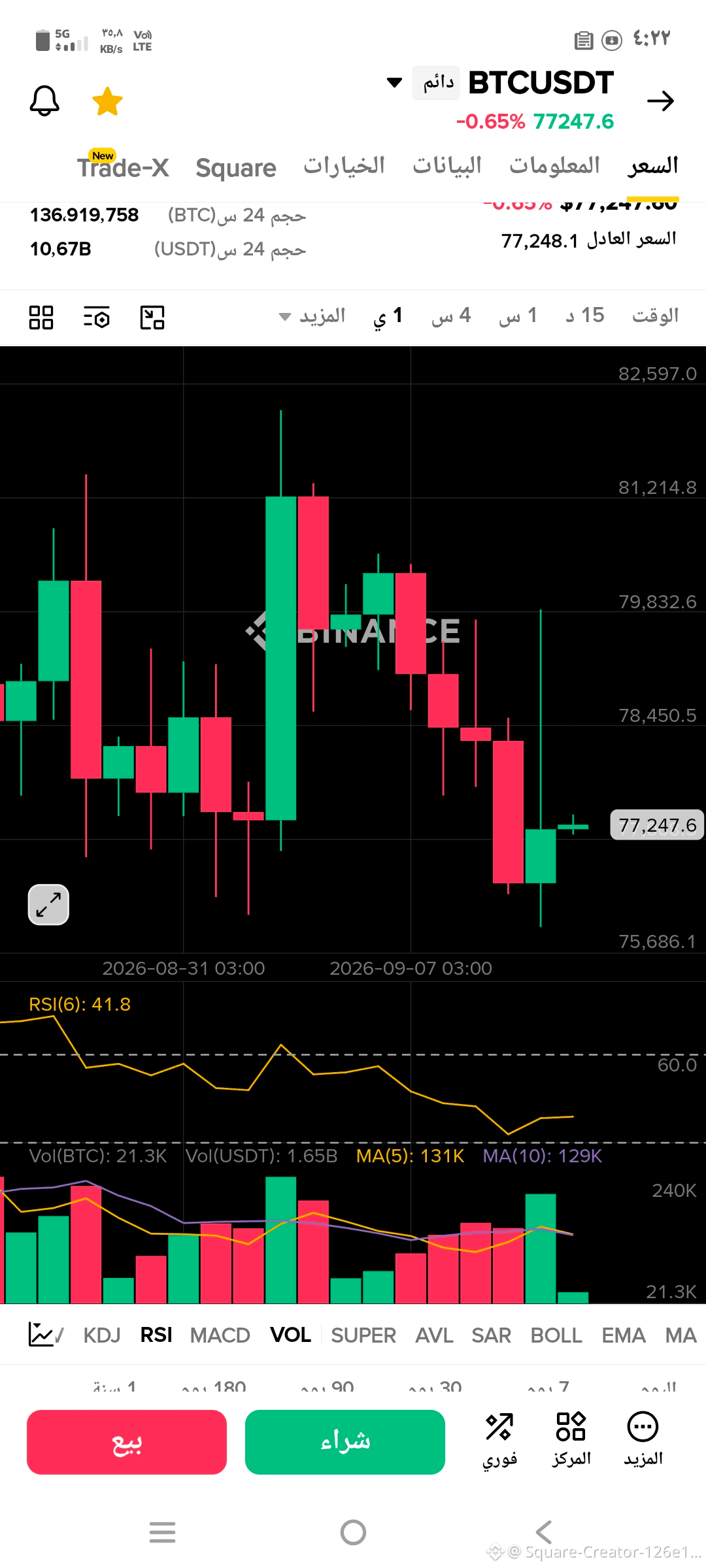
يتداول البيتكوين عند 77,247$ 📉
📌 دعم: 76,650$
📌 مقاومة: 77,505$
❓ هل نشهد اختراقًا صاعدًا أم موجة هبوط جديدة؟ 🚀🐻
#BTC #bitcoin
{future}(BTCUSDT)
#BinanceSquare
🔥 $BTC | هل انتهى الهبوط؟ أم أن المفاجأة قادمة؟
يتداول البيتكوين عند 77,247$ 📉
📌 دعم: 76,650$
📌 مقاومة: 77,505$
❓ هل نشهد اختراقًا صاعدًا أم موجة هبوط جديدة؟ 🚀🐻
#BTC #bitcoin
#BinanceSquare
يتداول البيتكوين عند 77,247$ 📉
📌 دعم: 76,650$
📌 مقاومة: 77,505$
❓ هل نشهد اختراقًا صاعدًا أم موجة هبوط جديدة؟ 🚀🐻
#BTC #bitcoin
#BinanceSquare
58

·
--

مقالة
عرض الترجمة
15 و16 سبتمبر.. يومان قد يشعلان تقلبات سوق الكريبتويستعد سوق #الكريبتو ليومين بالغَي الأهمية في الولايات المتحدة، مع تزامن حدثين قد تكون لهما تداعيات واضحة على حركة Bitcoin والعملات الرقمية.
📅 15 سبتمبر — قانون الوضوح الأمريكي
تتجه الأنظار يوم 15 سبتمبر إلى تطورات التصويت الإجرائي المرتبط بـقانون الوضوح الأمريكي (CLARITY Act) في مجلس الشيوخ.
ويهدف المشروع إلى وضع إطار تنظيمي أكثر وضوحًا لسوق الأصول الرقمية وتحديد صلاحيات الجهات الرقابية.
إذا تقدم المسار التشريعي، فقد يُنظر إليه كعامل إيجابي يعزز الثقة في قطاع الكريبتو، بينما قد يؤدي أي تعثر إلى زيادة حالة عدم اليقين وارتفاع التقلبات.
🏦 16 سبتمبر — قرار الفيدرالي
بعدها بيوم، وتحديدًا في 16 سبتمبر، تتجه الأنظار إلى الاحتياطي الفيدرالي الأمريكي وقراره بشأن أسعار الفائدة، إلى جانب المؤتمر الصحفي والتصريحات المصاحبة للقرار.
وتتجاوز أهمية قرار الفيدرالي أسواق الأسهم والسندات؛ إذ تؤثر الفائدة والسيولة وقوة الدولار بشكل مباشر في شهية المستثمرين تجاه الأصول عالية المخاطر، ومن بينها Bitcoin.
لذلك، قد نشهد تحركات سريعة وحادة في السوق فور صدور القرار أو خلال تصريحات مسؤولي الفيدرالي.
⚠️ المتداول الذكي لا يحاول توقع الخبر
في مثل هذه الظروف، لا تكمن الأفضلية في محاولة تخمين النتيجة، بل في إدارة المخاطر.
التداول أثناء الأخبار القوية قد يؤدي إلى:
📈 ارتفاع مفاجئ في التقلبات.
↔️ اتساع فروق الأسعار.
⚡ انزلاقات سعرية قوية.
🎭 حركات وهمية في الاتجاهين.
💥 تصفيات سريعة، خصوصًا مع استخدام الرافعة المالية.
وقد تتحول صفقة رابحة إلى خسارة كبيرة خلال ثوانٍ إذا تحرك السوق بعنف عكس المركز.
🛑 القاعدة الأهم
لا تتداول قبل الأخبار القوية لمجرد أنك تتوقع نتيجة معينة.
الأفضل هو انتظار صدور الخبر، ثم منح السوق بعض الوقت ليستوعبه ويكشف اتجاهه الحقيقي، وبعدها اتخاذ القرار بناءً على استراتيجية واضحة وإدارة صارمة لرأس المال.
15 و16 سبتمبر قد يكونان يومين شديدي التقلب.. فاحمِ رأس مالك أولًا، وابحث عن الفرصة بعد أن يهدأ الغبار. 🚨
#Clarety_Act $BTC #bitcoin #crypto
15 و16 سبتمبر.. يومان قد يشعلان تقلبات سوق الكريبتو
يستعد سوق #الكريبتو ليومين بالغَي الأهمية في الولايات المتحدة، مع تزامن حدثين قد تكون لهما تداعيات واضحة على حركة Bitcoin والعملات الرقمية.
📅 15 سبتمبر — قانون الوضوح الأمريكي
تتجه الأنظار يوم 15 سبتمبر إلى تطورات التصويت الإجرائي المرتبط بـقانون الوضوح الأمريكي (CLARITY Act) في مجلس الشيوخ.
ويهدف المشروع إلى وضع إطار تنظيمي أكثر وضوحًا لسوق الأصول الرقمية وتحديد صلاحيات الجهات الرقابية.
إذا تقدم المسار التشريعي، فقد يُنظر إليه كعامل إيجابي يعزز الثقة في قطاع الكريبتو، بينما قد يؤدي أي تعثر إلى زيادة حالة عدم اليقين وارتفاع التقلبات.
🏦 16 سبتمبر — قرار الفيدرالي
بعدها بيوم، وتحديدًا في 16 سبتمبر، تتجه الأنظار إلى الاحتياطي الفيدرالي الأمريكي وقراره بشأن أسعار الفائدة، إلى جانب المؤتمر الصحفي والتصريحات المصاحبة للقرار.
وتتجاوز أهمية قرار الفيدرالي أسواق الأسهم والسندات؛ إذ تؤثر الفائدة والسيولة وقوة الدولار بشكل مباشر في شهية المستثمرين تجاه الأصول عالية المخاطر، ومن بينها Bitcoin.
لذلك، قد نشهد تحركات سريعة وحادة في السوق فور صدور القرار أو خلال تصريحات مسؤولي الفيدرالي.
⚠️ المتداول الذكي لا يحاول توقع الخبر
في مثل هذه الظروف، لا تكمن الأفضلية في محاولة تخمين النتيجة، بل في إدارة المخاطر.
التداول أثناء الأخبار القوية قد يؤدي إلى:
📈 ارتفاع مفاجئ في التقلبات.
↔️ اتساع فروق الأسعار.
⚡ انزلاقات سعرية قوية.
🎭 حركات وهمية في الاتجاهين.
💥 تصفيات سريعة، خصوصًا مع استخدام الرافعة المالية.
وقد تتحول صفقة رابحة إلى خسارة كبيرة خلال ثوانٍ إذا تحرك السوق بعنف عكس المركز.
🛑 القاعدة الأهم
لا تتداول قبل الأخبار القوية لمجرد أنك تتوقع نتيجة معينة.
الأفضل هو انتظار صدور الخبر، ثم منح السوق بعض الوقت ليستوعبه ويكشف اتجاهه الحقيقي، وبعدها اتخاذ القرار بناءً على استراتيجية واضحة وإدارة صارمة لرأس المال.
15 و16 سبتمبر قد يكونان يومين شديدي التقلب.. فاحمِ رأس مالك أولًا، وابحث عن الفرصة بعد أن يهدأ الغبار. 🚨
#Clarety_Act $BTC #bitcoin #crypto
📅 15 سبتمبر — قانون الوضوح الأمريكي
تتجه الأنظار يوم 15 سبتمبر إلى تطورات التصويت الإجرائي المرتبط بـقانون الوضوح الأمريكي (CLARITY Act) في مجلس الشيوخ.
ويهدف المشروع إلى وضع إطار تنظيمي أكثر وضوحًا لسوق الأصول الرقمية وتحديد صلاحيات الجهات الرقابية.
إذا تقدم المسار التشريعي، فقد يُنظر إليه كعامل إيجابي يعزز الثقة في قطاع الكريبتو، بينما قد يؤدي أي تعثر إلى زيادة حالة عدم اليقين وارتفاع التقلبات.
🏦 16 سبتمبر — قرار الفيدرالي
بعدها بيوم، وتحديدًا في 16 سبتمبر، تتجه الأنظار إلى الاحتياطي الفيدرالي الأمريكي وقراره بشأن أسعار الفائدة، إلى جانب المؤتمر الصحفي والتصريحات المصاحبة للقرار.
وتتجاوز أهمية قرار الفيدرالي أسواق الأسهم والسندات؛ إذ تؤثر الفائدة والسيولة وقوة الدولار بشكل مباشر في شهية المستثمرين تجاه الأصول عالية المخاطر، ومن بينها Bitcoin.
لذلك، قد نشهد تحركات سريعة وحادة في السوق فور صدور القرار أو خلال تصريحات مسؤولي الفيدرالي.
⚠️ المتداول الذكي لا يحاول توقع الخبر
في مثل هذه الظروف، لا تكمن الأفضلية في محاولة تخمين النتيجة، بل في إدارة المخاطر.
التداول أثناء الأخبار القوية قد يؤدي إلى:
📈 ارتفاع مفاجئ في التقلبات.
↔️ اتساع فروق الأسعار.
⚡ انزلاقات سعرية قوية.
🎭 حركات وهمية في الاتجاهين.
💥 تصفيات سريعة، خصوصًا مع استخدام الرافعة المالية.
وقد تتحول صفقة رابحة إلى خسارة كبيرة خلال ثوانٍ إذا تحرك السوق بعنف عكس المركز.
🛑 القاعدة الأهم
لا تتداول قبل الأخبار القوية لمجرد أنك تتوقع نتيجة معينة.
الأفضل هو انتظار صدور الخبر، ثم منح السوق بعض الوقت ليستوعبه ويكشف اتجاهه الحقيقي، وبعدها اتخاذ القرار بناءً على استراتيجية واضحة وإدارة صارمة لرأس المال.
15 و16 سبتمبر قد يكونان يومين شديدي التقلب.. فاحمِ رأس مالك أولًا، وابحث عن الفرصة بعد أن يهدأ الغبار. 🚨
#Clarety_Act $BTC #bitcoin #crypto
1
101

·
--
مقالة
عرض الترجمة
هل تستطيع قراءة السوق بدون توقع المستقبل؟🧠 المتداول المحترف لا يحتاج إلى معرفة المستقبل!
قد تبدو هذه الجملة غريبة، لكنها مهمة جداً.
لا أحد يستطيع أن يعرف بشكل مؤكد ماذا سيحدث لسعر البيتكوين بعد ساعة أو غداً.
لكن يمكنك بناء سيناريوهات.
مثلاً:
📈 إذا اخترق السعر منطقة مقاومة قوية مع تأكيد مناسب → أراقب احتمال استمرار الصعود.
📉 إذا فشل السعر في الاختراق وظهر ضغط بيع → أراقب احتمال الهبوط.
↔️ إذا بقي السعر داخل نطاق ضيق → أنتظر حتى تظهر حركة أوضح.
لاحظ الفرق:
❌ "البيتكوين سيصعد بالتأكيد."
مقابل:
✅ "إذا حدث X، فسأراقب احتمال Y."
هذه العقلية تساعدك على تقليل القرارات العاطفية.
🔥 لا تبحث عن اليقين في سوق متغير… ابحث عن خطة.
👇 سؤال اليوم:
لو أعطيتك مخطط BTC الآن، ما أول شيء تبحث عنه: الاتجاه، الدعم والمقاومة، أم حجم التداول؟
#BTC #Bitcoin #Binance #البيتكوي
هل تستطيع قراءة السوق بدون توقع المستقبل؟
🧠 المتداول المحترف لا يحتاج إلى معرفة المستقبل!
قد تبدو هذه الجملة غريبة، لكنها مهمة جداً.
لا أحد يستطيع أن يعرف بشكل مؤكد ماذا سيحدث لسعر البيتكوين بعد ساعة أو غداً.
لكن يمكنك بناء سيناريوهات.
مثلاً:
📈 إذا اخترق السعر منطقة مقاومة قوية مع تأكيد مناسب → أراقب احتمال استمرار الصعود.
📉 إذا فشل السعر في الاختراق وظهر ضغط بيع → أراقب احتمال الهبوط.
↔️ إذا بقي السعر داخل نطاق ضيق → أنتظر حتى تظهر حركة أوضح.
لاحظ الفرق:
❌ "البيتكوين سيصعد بالتأكيد."
مقابل:
✅ "إذا حدث X، فسأراقب احتمال Y."
هذه العقلية تساعدك على تقليل القرارات العاطفية.
🔥 لا تبحث عن اليقين في سوق متغير… ابحث عن خطة.
👇 سؤال اليوم:
لو أعطيتك مخطط BTC الآن، ما أول شيء تبحث عنه: الاتجاه، الدعم والمقاومة، أم حجم التداول؟
#BTC #Bitcoin #Binance #البيتكوي
قد تبدو هذه الجملة غريبة، لكنها مهمة جداً.
لا أحد يستطيع أن يعرف بشكل مؤكد ماذا سيحدث لسعر البيتكوين بعد ساعة أو غداً.
لكن يمكنك بناء سيناريوهات.
مثلاً:
📈 إذا اخترق السعر منطقة مقاومة قوية مع تأكيد مناسب → أراقب احتمال استمرار الصعود.
📉 إذا فشل السعر في الاختراق وظهر ضغط بيع → أراقب احتمال الهبوط.
↔️ إذا بقي السعر داخل نطاق ضيق → أنتظر حتى تظهر حركة أوضح.
لاحظ الفرق:
❌ "البيتكوين سيصعد بالتأكيد."
مقابل:
✅ "إذا حدث X، فسأراقب احتمال Y."
هذه العقلية تساعدك على تقليل القرارات العاطفية.
🔥 لا تبحث عن اليقين في سوق متغير… ابحث عن خطة.
👇 سؤال اليوم:
لو أعطيتك مخطط BTC الآن، ما أول شيء تبحث عنه: الاتجاه، الدعم والمقاومة، أم حجم التداول؟
#BTC #Bitcoin #Binance #البيتكوي
31
عرض الترجمة
هل يمكن أن يصل البيتكوين إلى 400 ألف دولار قبل 2030؟
تصريح جديد من براين أرمسترونغ، الرئيس التنفيذي لـ Coinbase، أعاد إشعال النقاش حول مستقبل البيتكوين.
أرمسترونغ يرى أن وصول BTC إلى 400,000$ بحلول 2030 ما زال هدفًا «معقولًا»، كما أشار إلى اعتقاده بأن قاع الدورة الحالية ربما يكون قد تحقق.
🚀 ما الذي قد يدعم هذا السيناريو؟
🔹 زيادة تبني المؤسسات للبيتكوين
🔹 وضوح أكبر في التنظيمات الخاصة بالعملات الرقمية
🔹 تأثير دورات البيتكوين المرتبطة بالـ Halving
🔹 محدودية المعروض من BTC
🔹 استمرار تطور استخدامات البلوكشين والأصول الرقمية
لكن هناك نقطة مهمة 🖐️
400 ألف دولار ليست توقعًا مضمونًا، بل رؤية شخصية لأرمسترونغ. الوصول إليها من مستويات تقارب 77–80 ألف دولار يعني ارتفاعًا هائلًا، لذلك يجب التعامل معها كسيناريو طويل الأجل وليس كإشارة شراء مباشرة.
💬 السؤال لك:
هل تعتقد أن البيتكوين يمكن أن يصل إلى 400,000$ قبل
2030؟
نعم 🚀 أم لا 📉؟ ولماذا؟
$BTC
#Bitcoin #BTC
هل يمكن أن يصل البيتكوين إلى 400 ألف دولار قبل 2030؟
تصريح جديد من براين أرمسترونغ، الرئيس التنفيذي لـ Coinbase، أعاد إشعال النقاش حول مستقبل البيتكوين.
أرمسترونغ يرى أن وصول BTC إلى 400,000$ بحلول 2030 ما زال هدفًا «معقولًا»، كما أشار إلى اعتقاده بأن قاع الدورة الحالية ربما يكون قد تحقق.
🚀 ما الذي قد يدعم هذا السيناريو؟
🔹 زيادة تبني المؤسسات للبيتكوين
🔹 وضوح أكبر في التنظيمات الخاصة بالعملات الرقمية
🔹 تأثير دورات البيتكوين المرتبطة بالـ Halving
🔹 محدودية المعروض من BTC
🔹 استمرار تطور استخدامات البلوكشين والأصول الرقمية
لكن هناك نقطة مهمة 🖐️
400 ألف دولار ليست توقعًا مضمونًا، بل رؤية شخصية لأرمسترونغ. الوصول إليها من مستويات تقارب 77–80 ألف دولار يعني ارتفاعًا هائلًا، لذلك يجب التعامل معها كسيناريو طويل الأجل وليس كإشارة شراء مباشرة.
💬 السؤال لك:
هل تعتقد أن البيتكوين يمكن أن يصل إلى 400,000$ قبل
2030؟
نعم 🚀 أم لا 📉؟ ولماذا؟
$BTC
#Bitcoin #BTC
تصريح جديد من براين أرمسترونغ، الرئيس التنفيذي لـ Coinbase، أعاد إشعال النقاش حول مستقبل البيتكوين.
أرمسترونغ يرى أن وصول BTC إلى 400,000$ بحلول 2030 ما زال هدفًا «معقولًا»، كما أشار إلى اعتقاده بأن قاع الدورة الحالية ربما يكون قد تحقق.
🚀 ما الذي قد يدعم هذا السيناريو؟
🔹 زيادة تبني المؤسسات للبيتكوين
🔹 وضوح أكبر في التنظيمات الخاصة بالعملات الرقمية
🔹 تأثير دورات البيتكوين المرتبطة بالـ Halving
🔹 محدودية المعروض من BTC
🔹 استمرار تطور استخدامات البلوكشين والأصول الرقمية
لكن هناك نقطة مهمة 🖐️
400 ألف دولار ليست توقعًا مضمونًا، بل رؤية شخصية لأرمسترونغ. الوصول إليها من مستويات تقارب 77–80 ألف دولار يعني ارتفاعًا هائلًا، لذلك يجب التعامل معها كسيناريو طويل الأجل وليس كإشارة شراء مباشرة.
💬 السؤال لك:
هل تعتقد أن البيتكوين يمكن أن يصل إلى 400,000$ قبل
2030؟
نعم 🚀 أم لا 📉؟ ولماذا؟
$BTC
#Bitcoin #BTC
66

·
--
عرض الترجمة
الحيتان رفضوا BTC عند 82.9K$
كل حاجة متوقفة على 72.7K$
فوقها = 90K$
تحتها = نزول
مع مين؟ الثور ولا الدب 🐂🐻
#BTC #Bitcoin #Crypto_Jobs🎯
الحيتان رفضوا BTC عند 82.9K$
كل حاجة متوقفة على 72.7K$
فوقها = 90K$
تحتها = نزول
مع مين؟ الثور ولا الدب 🐂🐻
#BTC #Bitcoin #Crypto_Jobs🎯
كل حاجة متوقفة على 72.7K$
فوقها = 90K$
تحتها = نزول
مع مين؟ الثور ولا الدب 🐂🐻
#BTC #Bitcoin #Crypto_Jobs🎯
11

·
--
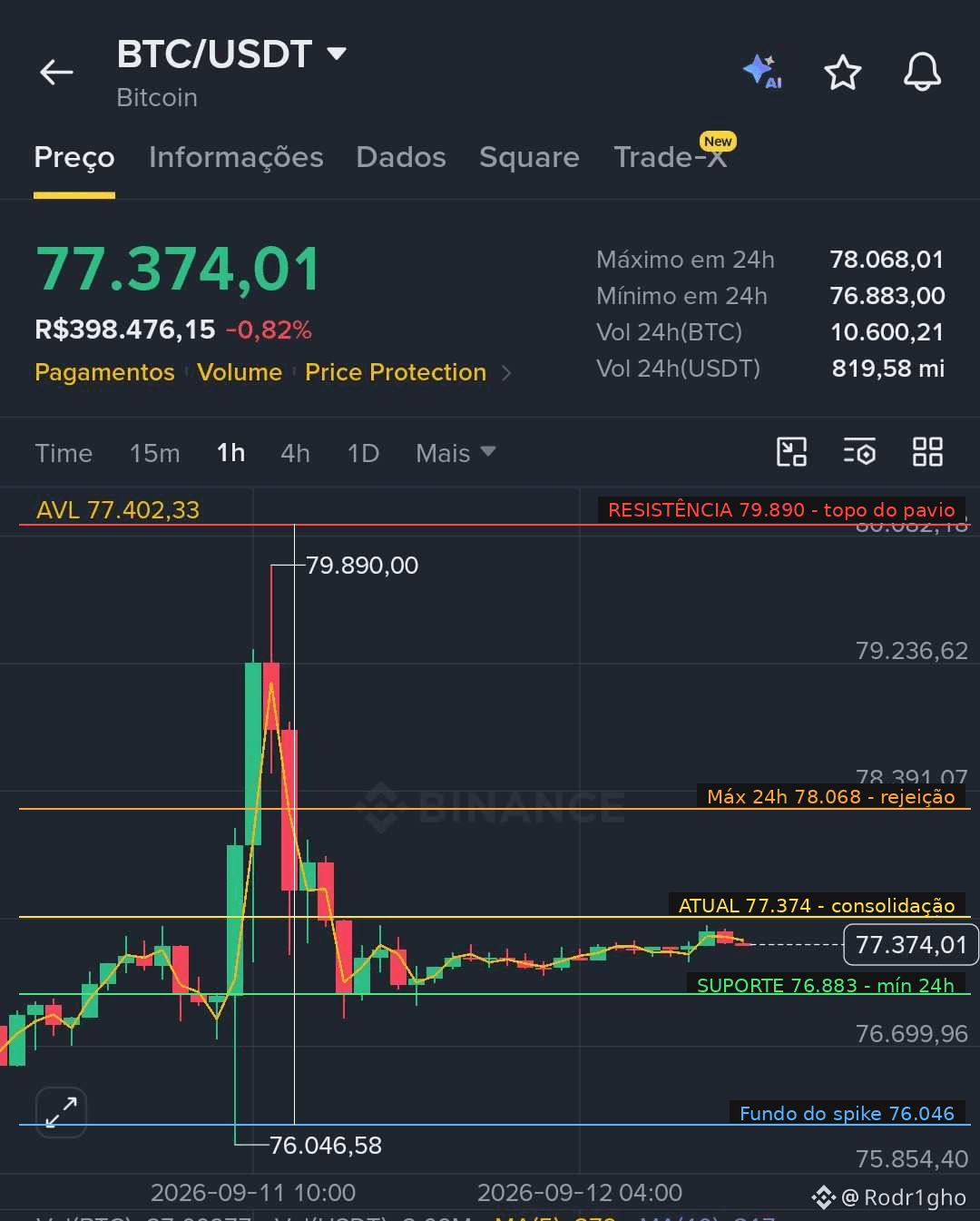
لماذا لا يستطيع $BTC تجاوز 80 ألف؟ سأشرح لك وكأنك بدأت أمس 👇
كل مبتدئ ينظر إلى الرسم البياني ويظن: "فقط تجاوز 80 ألف وستصل إلى 100 ألف". لكن هناك 3 حواجز غير مرئية تُمسك السعر:
1. حاجز من اشتروا بسعر مرتفع ويريدون الخروج عند التعادل.
كثير من الناس اشتروا البيتكوين بالقرب من 80 ألف خلال الحماس السابق. عندما يعود السعر إلى هناك، يبيعون حتى لا يظلوا في خسارة. هذا يخلق ضغط بيع هائل. وهذه هي "المقاومة" الشهيرة.
2. جني الأرباح.
من اشترى في الأسفل عند 60 ألف و65 ألف، وعندما يضرب 78 ألف و79 ألف، يبدأ يفكر: "سأضمن ربحـي". لذلك كلما اقتربنا من 80 ألف، زاد عدد الناس الذين يبيعون.
3. نقص الأموال الجديدة التي تدخل.
لكسر 80 ألف تحتاج إلى زخم وحجم تداول، وأناس جدد يشترون. وماذا عن اليوم؟ الفوائد في الولايات المتحدة ما زالت مرتفعة، والدولار قوي، والمستثمرون خائفون. بدون أموال جديدة، يتعثر $BTC .
ليس أن البيتكوين مات. لكن 80 ألف أصبحت سقفًا نفسيًا. ولتجاوزها تحتاج إلى سبب قوي: إما خبر ممتاز جدًا، أو حجم سيولة كبير يدخل.
وإلى أن يحدث ذلك، ماذا أفعل؟ استراتيجي القديمة 60/30/10. 60% في BTC/ETH، بدون استعجال. أشتري عندما يكون السعر باللون الأحمر، وأبيع عندما يكون بالأخضر. بدون مستقبل، بدون رافعة.
من ينجو من ملل الـ77 ألف، يربح عندما يتجاوز 80 ألف.
و أنت، هل تعتقد أنه سيتجاوز هذا الشهر أم ستستمر في الاحتفاظ أكثر؟
#Bitcoin #BTC #Iniciantes #BinanceSquare
{spot}(BTCUSDT)
لماذا لا يستطيع $BTC تجاوز 80 ألف؟ سأشرح لك وكأنك بدأت أمس 👇
كل مبتدئ ينظر إلى الرسم البياني ويظن: "فقط تجاوز 80 ألف وستصل إلى 100 ألف". لكن هناك 3 حواجز غير مرئية تُمسك السعر:
1. حاجز من اشتروا بسعر مرتفع ويريدون الخروج عند التعادل.
كثير من الناس اشتروا البيتكوين بالقرب من 80 ألف خلال الحماس السابق. عندما يعود السعر إلى هناك، يبيعون حتى لا يظلوا في خسارة. هذا يخلق ضغط بيع هائل. وهذه هي "المقاومة" الشهيرة.
2. جني الأرباح.
من اشترى في الأسفل عند 60 ألف و65 ألف، وعندما يضرب 78 ألف و79 ألف، يبدأ يفكر: "سأضمن ربحـي". لذلك كلما اقتربنا من 80 ألف، زاد عدد الناس الذين يبيعون.
3. نقص الأموال الجديدة التي تدخل.
لكسر 80 ألف تحتاج إلى زخم وحجم تداول، وأناس جدد يشترون. وماذا عن اليوم؟ الفوائد في الولايات المتحدة ما زالت مرتفعة، والدولار قوي، والمستثمرون خائفون. بدون أموال جديدة، يتعثر $BTC .
ليس أن البيتكوين مات. لكن 80 ألف أصبحت سقفًا نفسيًا. ولتجاوزها تحتاج إلى سبب قوي: إما خبر ممتاز جدًا، أو حجم سيولة كبير يدخل.
وإلى أن يحدث ذلك، ماذا أفعل؟ استراتيجي القديمة 60/30/10. 60% في BTC/ETH، بدون استعجال. أشتري عندما يكون السعر باللون الأحمر، وأبيع عندما يكون بالأخضر. بدون مستقبل، بدون رافعة.
من ينجو من ملل الـ77 ألف، يربح عندما يتجاوز 80 ألف.
و أنت، هل تعتقد أنه سيتجاوز هذا الشهر أم ستستمر في الاحتفاظ أكثر؟
#Bitcoin #BTC #Iniciantes #BinanceSquare
كل مبتدئ ينظر إلى الرسم البياني ويظن: "فقط تجاوز 80 ألف وستصل إلى 100 ألف". لكن هناك 3 حواجز غير مرئية تُمسك السعر:
1. حاجز من اشتروا بسعر مرتفع ويريدون الخروج عند التعادل.
كثير من الناس اشتروا البيتكوين بالقرب من 80 ألف خلال الحماس السابق. عندما يعود السعر إلى هناك، يبيعون حتى لا يظلوا في خسارة. هذا يخلق ضغط بيع هائل. وهذه هي "المقاومة" الشهيرة.
2. جني الأرباح.
من اشترى في الأسفل عند 60 ألف و65 ألف، وعندما يضرب 78 ألف و79 ألف، يبدأ يفكر: "سأضمن ربحـي". لذلك كلما اقتربنا من 80 ألف، زاد عدد الناس الذين يبيعون.
3. نقص الأموال الجديدة التي تدخل.
لكسر 80 ألف تحتاج إلى زخم وحجم تداول، وأناس جدد يشترون. وماذا عن اليوم؟ الفوائد في الولايات المتحدة ما زالت مرتفعة، والدولار قوي، والمستثمرون خائفون. بدون أموال جديدة، يتعثر $BTC .
ليس أن البيتكوين مات. لكن 80 ألف أصبحت سقفًا نفسيًا. ولتجاوزها تحتاج إلى سبب قوي: إما خبر ممتاز جدًا، أو حجم سيولة كبير يدخل.
وإلى أن يحدث ذلك، ماذا أفعل؟ استراتيجي القديمة 60/30/10. 60% في BTC/ETH، بدون استعجال. أشتري عندما يكون السعر باللون الأحمر، وأبيع عندما يكون بالأخضر. بدون مستقبل، بدون رافعة.
من ينجو من ملل الـ77 ألف، يربح عندما يتجاوز 80 ألف.
و أنت، هل تعتقد أنه سيتجاوز هذا الشهر أم ستستمر في الاحتفاظ أكثر؟
#Bitcoin #BTC #Iniciantes #BinanceSquare
Nando17:
melhor explicação ,clara e objetiva apesar de ser uma maresia ver o preço estacionado por muito tempo 😅
5
3
1.4k


·
--
صاعد
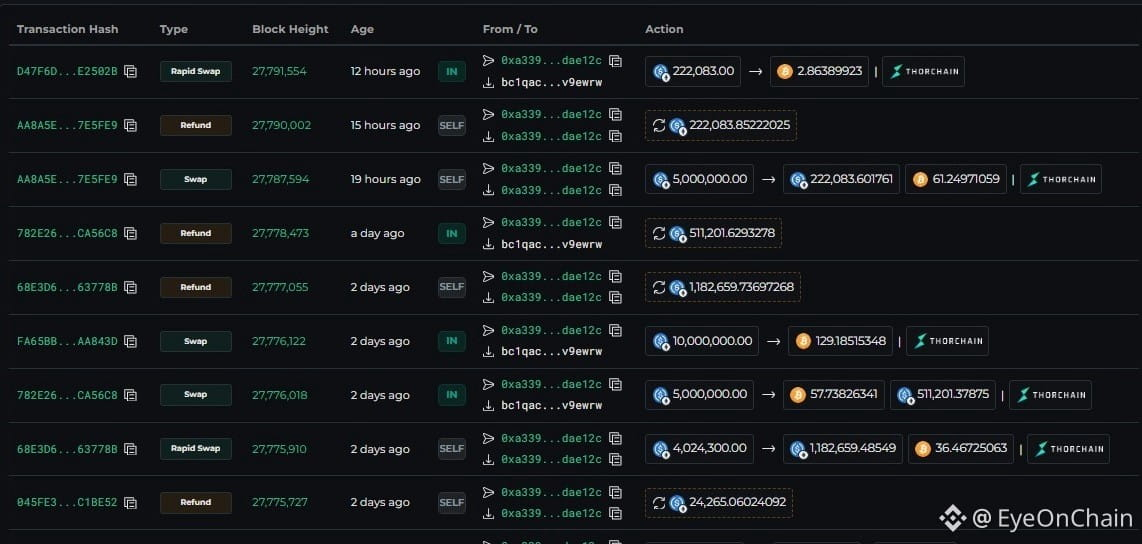
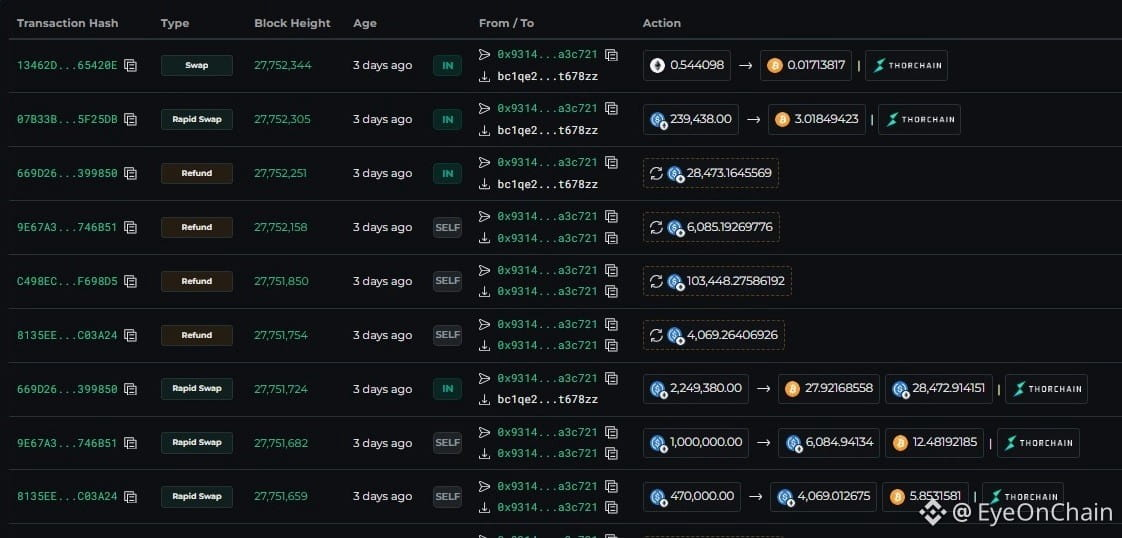
حوت أسقط 85 مليون دولار على #bitcoin .
كان هناك حوت يلتقط $BTC بشكل مستمر على مدار الأيام الأربعة الماضية، حيث أنفق مبلغًا ضخمًا قدره 85.42 مليون دولار من USDC ليجمع 1,075.6 BTC.
يأتي متوسط الدخول عند حوالي 79,412 دولارًا لكل #BTC . هذه رهان بقيمة 85 مليون دولار من القناعة على البيتكوين... بالتأكيد ليس مركزًا صغيرًا لافتتاحه.
العناوين:
bc1qacj96ylgyc3xhcyx4l9z4r4s88pqm4x7v9ewrw
bc1qe2p8s96ruu9txg6q9uzdem3ezhagr5ywt678zz
{future}(BTCUSDT)
{spot}(BTCUSDT)
حوت أسقط 85 مليون دولار على #bitcoin .
كان هناك حوت يلتقط $BTC بشكل مستمر على مدار الأيام الأربعة الماضية، حيث أنفق مبلغًا ضخمًا قدره 85.42 مليون دولار من USDC ليجمع 1,075.6 BTC.
يأتي متوسط الدخول عند حوالي 79,412 دولارًا لكل #BTC . هذه رهان بقيمة 85 مليون دولار من القناعة على البيتكوين... بالتأكيد ليس مركزًا صغيرًا لافتتاحه.
العناوين:
bc1qacj96ylgyc3xhcyx4l9z4r4s88pqm4x7v9ewrw
bc1qe2p8s96ruu9txg6q9uzdem3ezhagr5ywt678zz
كان هناك حوت يلتقط $BTC بشكل مستمر على مدار الأيام الأربعة الماضية، حيث أنفق مبلغًا ضخمًا قدره 85.42 مليون دولار من USDC ليجمع 1,075.6 BTC.
يأتي متوسط الدخول عند حوالي 79,412 دولارًا لكل #BTC . هذه رهان بقيمة 85 مليون دولار من القناعة على البيتكوين... بالتأكيد ليس مركزًا صغيرًا لافتتاحه.
العناوين:
bc1qacj96ylgyc3xhcyx4l9z4r4s88pqm4x7v9ewrw
bc1qe2p8s96ruu9txg6q9uzdem3ezhagr5ywt678zz
AngelOfCrypto_-:
nice
1
4
1.7k

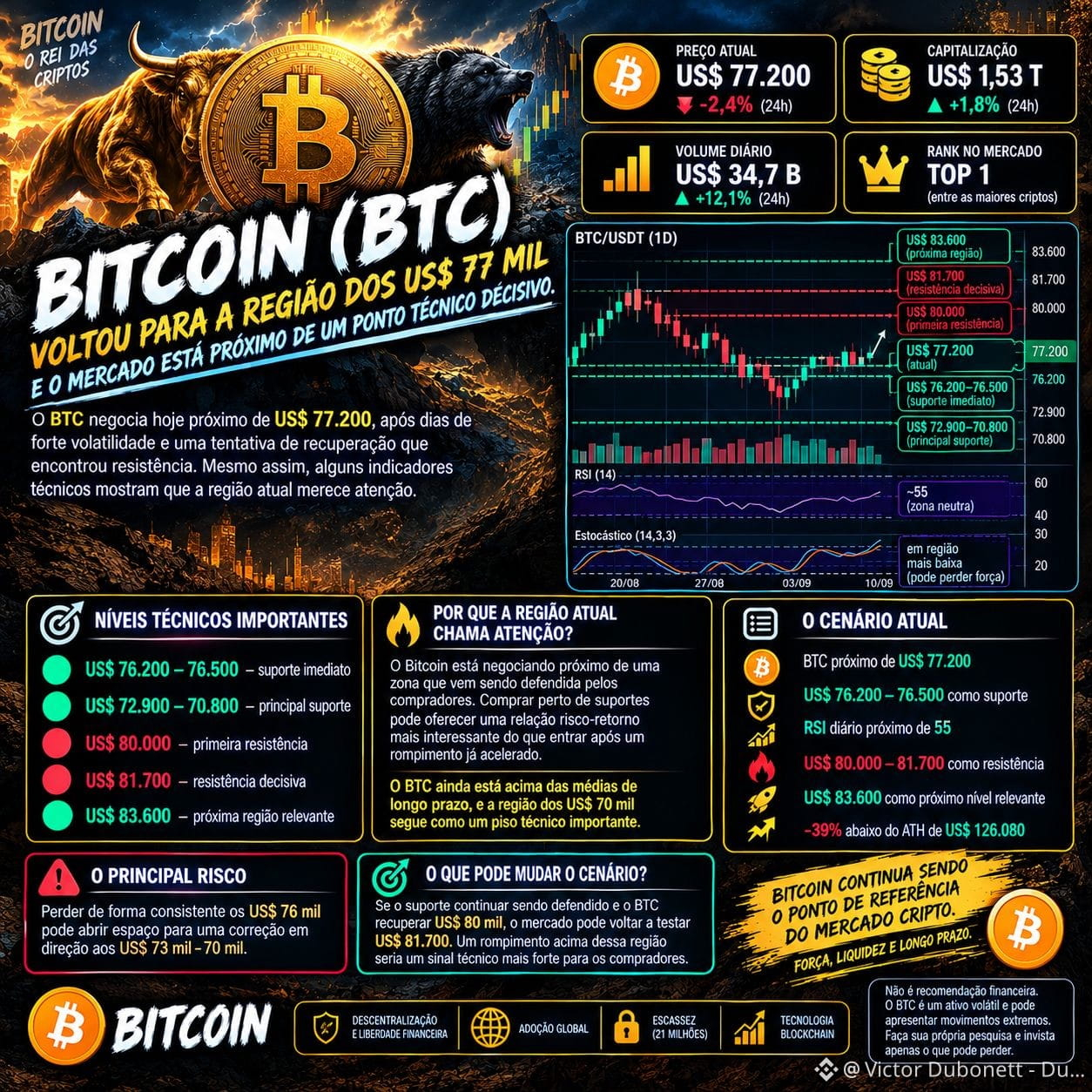
₿🔥 عادت البيتكوين إلى المنطقة عند 77 ألف دولار — والسوق قريب من نقطة فنية حاسمة.
$BTC يتداول اليوم قرب 77.200 دولار، بعد أيام من تقلبات شديدة ومحاولة تعافٍ اصطدمت بمقاومة. 👀
📊 مستويات فنية مهمة:
🟢 76.200–76.500 دولار: دعم فوري
🟢 72.900–70.800 دولار: المنطقة الرئيسية للدعم
🔴 80.000 دولار: أول مقاومة كبيرة
🔥 81.700 دولار: مقاومة حاسمة
🚀 83.600 دولار: مستوى قريب ذو أهمية
📈 مؤشر RSI اليومي قريب من 55، ضمن منطقة محايدة، ما يشير إلى أن البيتكوين ليست في حالة تشبع شرائي مبالغ. بينما على الجانب الآخر، الاستوكاستك موجود في منطقة أدنى، ما يوحي بتراجع ضغط البيع.
🔥 لماذا تسترعي هذه المنطقة الانتباه؟
البيتكوين قريبة من منطقة تدافع عنها المشترون. الشراء بالقرب من مستويات الدعم قد يوفر نسبة مخاطرة/عائد أكثر جاذبية من الدخول بعد حركة متسارعة.
📌 السيناريو الحالي:
BTC قرب 77.200 دولار
🛡️ 76.200–76.500 دولار كدعم
📊 RSI قريب من 55
🔥 80.000–81.700 دولار كمقاومة
🚀 83.600 دولار قيد المراقبة
⚠️ فقدان 76 ألف دولار قد يفتح المجال لتصحيح نحو 73 ألف–70 ألف دولار.
لكن إذا تم الدفاع عن الدعم واستعاد BTC 80 ألف دولار، فقد يعود السوق لاختبار 81.700 دولار. الاختراق فوق هذه المنطقة سيكون إشارة فنية أقوى للمشترين. 👀🚀
مع السعر قرب الدعم، وRSI محايد، وإشارات على تقليل ضغط البيع، فإن البيتكوين تعود إلى منطقة تستحق الاهتمام من جديد. ₿🔥
⚠️ ليس توصية مالية. العملات الرقمية شديدة التقلب. قم بإجراء بحثك الخاص واستثمر فقط ما يمكنك خسارته.
#bitcoin #btc #BTC走势分析
₿🔥 عادت البيتكوين إلى المنطقة عند 77 ألف دولار — والسوق قريب من نقطة فنية حاسمة.
$BTC يتداول اليوم قرب 77.200 دولار، بعد أيام من تقلبات شديدة ومحاولة تعافٍ اصطدمت بمقاومة. 👀
📊 مستويات فنية مهمة:
🟢 76.200–76.500 دولار: دعم فوري
🟢 72.900–70.800 دولار: المنطقة الرئيسية للدعم
🔴 80.000 دولار: أول مقاومة كبيرة
🔥 81.700 دولار: مقاومة حاسمة
🚀 83.600 دولار: مستوى قريب ذو أهمية
📈 مؤشر RSI اليومي قريب من 55، ضمن منطقة محايدة، ما يشير إلى أن البيتكوين ليست في حالة تشبع شرائي مبالغ. بينما على الجانب الآخر، الاستوكاستك موجود في منطقة أدنى، ما يوحي بتراجع ضغط البيع.
🔥 لماذا تسترعي هذه المنطقة الانتباه؟
البيتكوين قريبة من منطقة تدافع عنها المشترون. الشراء بالقرب من مستويات الدعم قد يوفر نسبة مخاطرة/عائد أكثر جاذبية من الدخول بعد حركة متسارعة.
📌 السيناريو الحالي:
BTC قرب 77.200 دولار
🛡️ 76.200–76.500 دولار كدعم
📊 RSI قريب من 55
🔥 80.000–81.700 دولار كمقاومة
🚀 83.600 دولار قيد المراقبة
⚠️ فقدان 76 ألف دولار قد يفتح المجال لتصحيح نحو 73 ألف–70 ألف دولار.
لكن إذا تم الدفاع عن الدعم واستعاد BTC 80 ألف دولار، فقد يعود السوق لاختبار 81.700 دولار. الاختراق فوق هذه المنطقة سيكون إشارة فنية أقوى للمشترين. 👀🚀
مع السعر قرب الدعم، وRSI محايد، وإشارات على تقليل ضغط البيع، فإن البيتكوين تعود إلى منطقة تستحق الاهتمام من جديد. ₿🔥
⚠️ ليس توصية مالية. العملات الرقمية شديدة التقلب. قم بإجراء بحثك الخاص واستثمر فقط ما يمكنك خسارته.
#bitcoin #btc #BTC走势分析
$BTC يتداول اليوم قرب 77.200 دولار، بعد أيام من تقلبات شديدة ومحاولة تعافٍ اصطدمت بمقاومة. 👀
📊 مستويات فنية مهمة:
🟢 76.200–76.500 دولار: دعم فوري
🟢 72.900–70.800 دولار: المنطقة الرئيسية للدعم
🔴 80.000 دولار: أول مقاومة كبيرة
🔥 81.700 دولار: مقاومة حاسمة
🚀 83.600 دولار: مستوى قريب ذو أهمية
📈 مؤشر RSI اليومي قريب من 55، ضمن منطقة محايدة، ما يشير إلى أن البيتكوين ليست في حالة تشبع شرائي مبالغ. بينما على الجانب الآخر، الاستوكاستك موجود في منطقة أدنى، ما يوحي بتراجع ضغط البيع.
🔥 لماذا تسترعي هذه المنطقة الانتباه؟
البيتكوين قريبة من منطقة تدافع عنها المشترون. الشراء بالقرب من مستويات الدعم قد يوفر نسبة مخاطرة/عائد أكثر جاذبية من الدخول بعد حركة متسارعة.
📌 السيناريو الحالي:
BTC قرب 77.200 دولار
🛡️ 76.200–76.500 دولار كدعم
📊 RSI قريب من 55
🔥 80.000–81.700 دولار كمقاومة
🚀 83.600 دولار قيد المراقبة
⚠️ فقدان 76 ألف دولار قد يفتح المجال لتصحيح نحو 73 ألف–70 ألف دولار.
لكن إذا تم الدفاع عن الدعم واستعاد BTC 80 ألف دولار، فقد يعود السوق لاختبار 81.700 دولار. الاختراق فوق هذه المنطقة سيكون إشارة فنية أقوى للمشترين. 👀🚀
مع السعر قرب الدعم، وRSI محايد، وإشارات على تقليل ضغط البيع، فإن البيتكوين تعود إلى منطقة تستحق الاهتمام من جديد. ₿🔥
⚠️ ليس توصية مالية. العملات الرقمية شديدة التقلب. قم بإجراء بحثك الخاص واستثمر فقط ما يمكنك خسارته.
#bitcoin #btc #BTC走势分析
1
667

🔥 عادت البيتكوين (BTC) إلى المستوى الذي يحدد الخطوة التالية
$BTC
{future}(BTCUSDT)
وتستقر قرابة 77.27 ألف دولار بعد تلك القفزة الجنونية إلى 79.86 ألف دولار.
انظر ماذا حدث:
🚀 76.8 ألف → 79.86 ألف
💥 رفضٌ قوي
📉 عادت تحت 77.86 ألف
👀 الآن تضغط/تتقلص قرب 77.2 ألف–77.4 ألف
هذه هي الجزء الذي أراقبه.
استعادة 77.86 ألف + الثبات → قد يحاول الثيران 78.29 ألف → 78.92 ألف
كسر 76.86 ألف → يمكن أن يفتح هيكل الهبوط باتجاه 76.4 ألف–76.0 ألف
لكن إليك السؤال الحقيقي:
هل كانت 79.86 ألف هي الاختراق… أم فخ السيولة؟ 👀
أراقب رد فعل الإطار التالي لمدة 15 دقيقة.
لا توجد مطاردة (FOMO). دع المخطط يكشف ذلك. 🏹
#BTC #bitcoin #crypto #trading
🔥 عادت البيتكوين (BTC) إلى المستوى الذي يحدد الخطوة التالية
$BTC
وتستقر قرابة 77.27 ألف دولار بعد تلك القفزة الجنونية إلى 79.86 ألف دولار.
انظر ماذا حدث:
🚀 76.8 ألف → 79.86 ألف
💥 رفضٌ قوي
📉 عادت تحت 77.86 ألف
👀 الآن تضغط/تتقلص قرب 77.2 ألف–77.4 ألف
هذه هي الجزء الذي أراقبه.
استعادة 77.86 ألف + الثبات → قد يحاول الثيران 78.29 ألف → 78.92 ألف
كسر 76.86 ألف → يمكن أن يفتح هيكل الهبوط باتجاه 76.4 ألف–76.0 ألف
لكن إليك السؤال الحقيقي:
هل كانت 79.86 ألف هي الاختراق… أم فخ السيولة؟ 👀
أراقب رد فعل الإطار التالي لمدة 15 دقيقة.
لا توجد مطاردة (FOMO). دع المخطط يكشف ذلك. 🏹
#BTC #bitcoin #crypto #trading
$BTC
وتستقر قرابة 77.27 ألف دولار بعد تلك القفزة الجنونية إلى 79.86 ألف دولار.
انظر ماذا حدث:
🚀 76.8 ألف → 79.86 ألف
💥 رفضٌ قوي
📉 عادت تحت 77.86 ألف
👀 الآن تضغط/تتقلص قرب 77.2 ألف–77.4 ألف
هذه هي الجزء الذي أراقبه.
استعادة 77.86 ألف + الثبات → قد يحاول الثيران 78.29 ألف → 78.92 ألف
كسر 76.86 ألف → يمكن أن يفتح هيكل الهبوط باتجاه 76.4 ألف–76.0 ألف
لكن إليك السؤال الحقيقي:
هل كانت 79.86 ألف هي الاختراق… أم فخ السيولة؟ 👀
أراقب رد فعل الإطار التالي لمدة 15 دقيقة.
لا توجد مطاردة (FOMO). دع المخطط يكشف ذلك. 🏹
#BTC #bitcoin #crypto #trading

206 Atlas:
The 79.86K wick looks like classic liquidity sweep, not breakout. If price fails to hold above 77.86K on retest, the trap thesis is confirmed.
1
1
929

عرض الترجمة
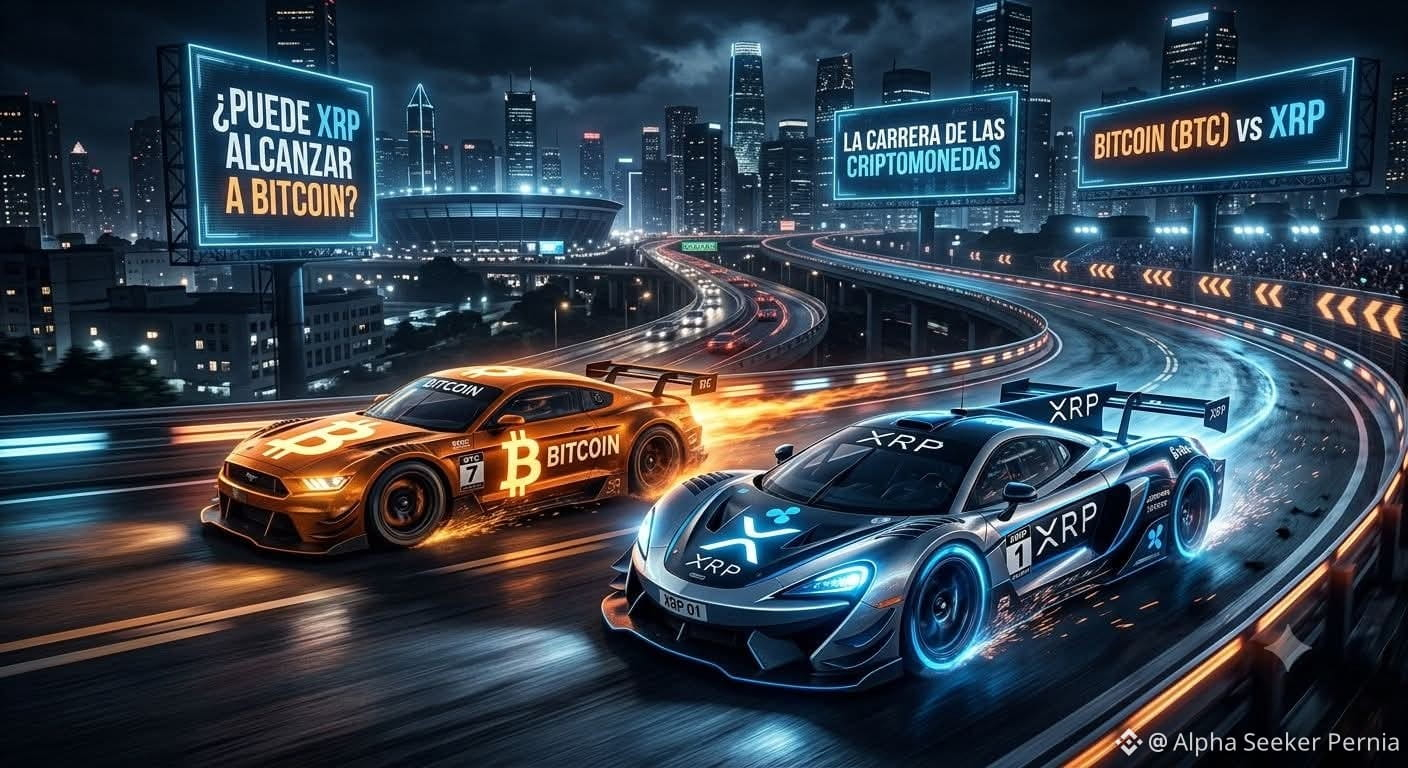
📊 1. ¿Puede XRP alcanzar a Bitcoin en capitalización de mercado?
Se plantea que, aunque la capitalización de mercado de Bitcoin es actualmente unas 18 veces mayor que la de XRP, el exdirector de tecnología (CTO) de Ripple, David Schwartz, considera posible que XRP cierre esa brecha.
Contexto y Datos:
Actualmente, la capitalización de mercado de Bitcoin ronda los 1.55 - 1.58 billones de dólares, mientras que la de $XRP se sitúa alrededor de los 85 mil millones de dólares [[pluang.com]].
Para que $XRP iguale la capitalización de Bitcoin, su precio tendría que alcanzar aproximadamente los 25 dólares, asumiendo que la oferta en circulación se mantiene estable [[gate.com]].
David Schwartz ha aclarado que este escenario no implicaría un colapso de Bitcoin, sino una expansión masiva del mercado general de activos digitales, donde XRP podría capturar una mayor participación gracias a la velocidad y funcionalidad del XRP Ledger para pagos transfronterizos [[gate.com]].
Implicaciones y Evaluación Crítica:
Viabilidad: Aunque matemáticamente posible en un escenario de crecimiento extremo del mercado cripto, la brecha es inmensa. Bitcoin está firmemente establecido como "oro digital" y reserva de valor, mientras que XRP está diseñado principalmente como un puente de liquidez para pagos institucionales [[investopedia.com]].
Factores clave: El éxito de XRP depende en gran medida de la adopción institucional, la claridad regulatoria global y la activación continua de mejoras en su red (XRPL) [[pluang.com]].
Conclusión parcial: La afirmación es más una visión a largo plazo sobre la utilidad de XRP que una predicción de precio a corto plazo. El propio Schwartz enfatiza que es su opinión personal y no un pronóstico oficial de Ripple [[pluang.com]].
#Xrp🔥🔥 #bitcoin
📊 1. ¿Puede XRP alcanzar a Bitcoin en capitalización de mercado?
Se plantea que, aunque la capitalización de mercado de Bitcoin es actualmente unas 18 veces mayor que la de XRP, el exdirector de tecnología (CTO) de Ripple, David Schwartz, considera posible que XRP cierre esa brecha.
Contexto y Datos:
Actualmente, la capitalización de mercado de Bitcoin ronda los 1.55 - 1.58 billones de dólares, mientras que la de $XRP se sitúa alrededor de los 85 mil millones de dólares [[pluang.com]].
Para que $XRP iguale la capitalización de Bitcoin, su precio tendría que alcanzar aproximadamente los 25 dólares, asumiendo que la oferta en circulación se mantiene estable [[gate.com]].
David Schwartz ha aclarado que este escenario no implicaría un colapso de Bitcoin, sino una expansión masiva del mercado general de activos digitales, donde XRP podría capturar una mayor participación gracias a la velocidad y funcionalidad del XRP Ledger para pagos transfronterizos [[gate.com]].
Implicaciones y Evaluación Crítica:
Viabilidad: Aunque matemáticamente posible en un escenario de crecimiento extremo del mercado cripto, la brecha es inmensa. Bitcoin está firmemente establecido como "oro digital" y reserva de valor, mientras que XRP está diseñado principalmente como un puente de liquidez para pagos institucionales [[investopedia.com]].
Factores clave: El éxito de XRP depende en gran medida de la adopción institucional, la claridad regulatoria global y la activación continua de mejoras en su red (XRPL) [[pluang.com]].
Conclusión parcial: La afirmación es más una visión a largo plazo sobre la utilidad de XRP que una predicción de precio a corto plazo. El propio Schwartz enfatiza que es su opinión personal y no un pronóstico oficial de Ripple [[pluang.com]].
#Xrp🔥🔥 #bitcoin
Se plantea que, aunque la capitalización de mercado de Bitcoin es actualmente unas 18 veces mayor que la de XRP, el exdirector de tecnología (CTO) de Ripple, David Schwartz, considera posible que XRP cierre esa brecha.
Contexto y Datos:
Actualmente, la capitalización de mercado de Bitcoin ronda los 1.55 - 1.58 billones de dólares, mientras que la de $XRP se sitúa alrededor de los 85 mil millones de dólares [[pluang.com]].
Para que $XRP iguale la capitalización de Bitcoin, su precio tendría que alcanzar aproximadamente los 25 dólares, asumiendo que la oferta en circulación se mantiene estable [[gate.com]].
David Schwartz ha aclarado que este escenario no implicaría un colapso de Bitcoin, sino una expansión masiva del mercado general de activos digitales, donde XRP podría capturar una mayor participación gracias a la velocidad y funcionalidad del XRP Ledger para pagos transfronterizos [[gate.com]].
Implicaciones y Evaluación Crítica:
Viabilidad: Aunque matemáticamente posible en un escenario de crecimiento extremo del mercado cripto, la brecha es inmensa. Bitcoin está firmemente establecido como "oro digital" y reserva de valor, mientras que XRP está diseñado principalmente como un puente de liquidez para pagos institucionales [[investopedia.com]].
Factores clave: El éxito de XRP depende en gran medida de la adopción institucional, la claridad regulatoria global y la activación continua de mejoras en su red (XRPL) [[pluang.com]].
Conclusión parcial: La afirmación es más una visión a largo plazo sobre la utilidad de XRP que una predicción de precio a corto plazo. El propio Schwartz enfatiza que es su opinión personal y no un pronóstico oficial de Ripple [[pluang.com]].
#Xrp🔥🔥 #bitcoin
1
353

·
--
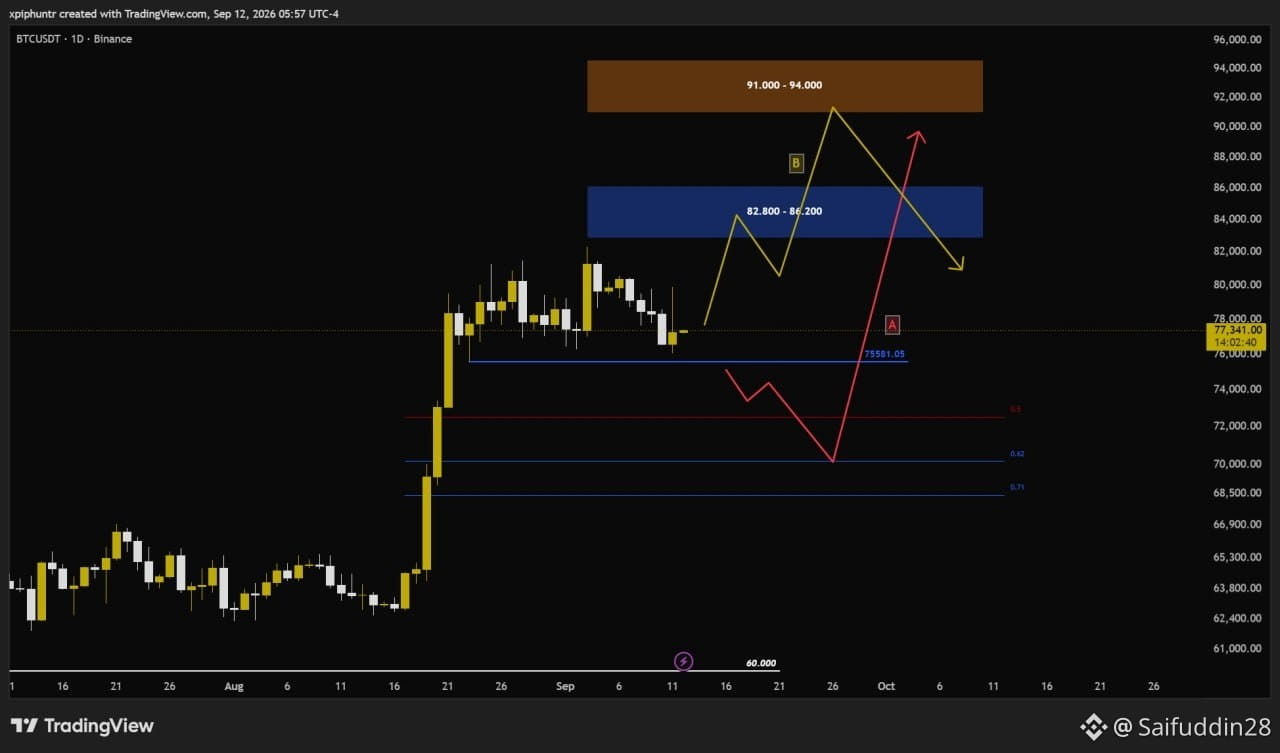
تحديث بيتكوين 📊
السيناريو (أ): إذا انخفضت عملة البيتكوين تحت مستوى 75,580، فقد نتوقع حركة هبوط باتجاه مستويات OTE. من تلك المنطقة، سأبحث عن احتمال حدوث رد فعل صعودي وحركة مرة أخرى إلى الأعلى.
السيناريو (ب): إذا حافظت عملة البيتكوين على المستويات الحالية، فقد يتحرك السعر للأعلى مباشرة باتجاه مستويات الهدف الموضحة على الرسم البياني.
في الوقت الحالي، هذه هي السيناريوهان الرئيسيان اللذان أراقبهما.
$BTC
#BTCUSDT #Bitcoin
{future}(BTCUSDT)
تحديث بيتكوين 📊
السيناريو (أ): إذا انخفضت عملة البيتكوين تحت مستوى 75,580، فقد نتوقع حركة هبوط باتجاه مستويات OTE. من تلك المنطقة، سأبحث عن احتمال حدوث رد فعل صعودي وحركة مرة أخرى إلى الأعلى.
السيناريو (ب): إذا حافظت عملة البيتكوين على المستويات الحالية، فقد يتحرك السعر للأعلى مباشرة باتجاه مستويات الهدف الموضحة على الرسم البياني.
في الوقت الحالي، هذه هي السيناريوهان الرئيسيان اللذان أراقبهما.
$BTC
#BTCUSDT #Bitcoin
السيناريو (أ): إذا انخفضت عملة البيتكوين تحت مستوى 75,580، فقد نتوقع حركة هبوط باتجاه مستويات OTE. من تلك المنطقة، سأبحث عن احتمال حدوث رد فعل صعودي وحركة مرة أخرى إلى الأعلى.
السيناريو (ب): إذا حافظت عملة البيتكوين على المستويات الحالية، فقد يتحرك السعر للأعلى مباشرة باتجاه مستويات الهدف الموضحة على الرسم البياني.
في الوقت الحالي، هذه هي السيناريوهان الرئيسيان اللذان أراقبهما.
$BTC
#BTCUSDT #Bitcoin
2
1.6k

·
--
صاعد
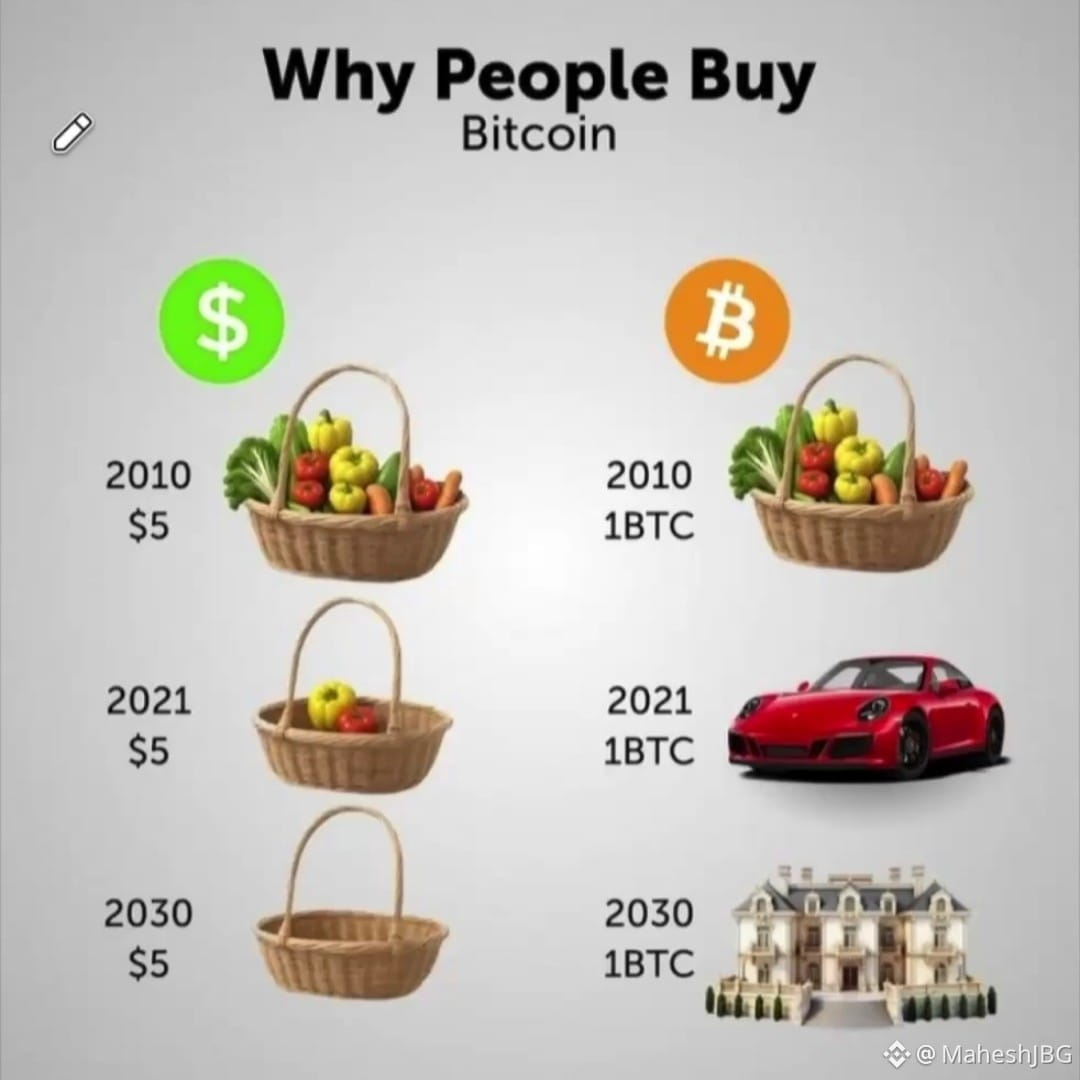
🚀 إليك السبب الذي يجعلك يجب أن تشتري $BTC
💎 الندرة تنتصر — لدى البيتكوين إمداد ثابت قدره 21 مليونًا، ما يجعلها أصلًا رقميًا نادرًا فعلًا.
📈 تقدير طويل الأجل — في حين تفقد العملات الورقية القدرة الشرائية مع مرور الوقت بسبب التضخم، فقد كافأت البيتكوين تاريخيًا المستثمرين على المدى الطويل.
🛡️ تحوّط ضد التضخم — مع زيادة طباعة النقود، توفر البيتكوين بديلًا كخزين قيمة يمكن التنبؤ بإصداره.
🌍 عالمي & لا مركزي — بدون حدود، ومقاوم للرقابة، ومتاح 24/7 دون الاعتماد على البنوك.
🏦 تبنٍ مؤسسي — الصناديق المتداولة (ETFs) والشركات والحكومات تواصل زيادة التعرض، ما يعزز الطلب طويل الأجل.
⏳ فكّر بالسنوات لا بالأيام — تذبذب المدى القصير مؤقت؛ أما القناعة طويلة الأجل فقد حققت تاريخيًا أكبر العوائد.
⚡ لا تنتظر سعر الغد لتتمنى أنك اشتريت اليوم. اجمع ساتوشي وكن صبورًا. #Bitcoin #BTC #USInflationHoldsAt3.4%InAugust #RevolutConfirmsFakeGovEmailDataBreach
🚀 إليك السبب الذي يجعلك يجب أن تشتري $BTC
💎 الندرة تنتصر — لدى البيتكوين إمداد ثابت قدره 21 مليونًا، ما يجعلها أصلًا رقميًا نادرًا فعلًا.
📈 تقدير طويل الأجل — في حين تفقد العملات الورقية القدرة الشرائية مع مرور الوقت بسبب التضخم، فقد كافأت البيتكوين تاريخيًا المستثمرين على المدى الطويل.
🛡️ تحوّط ضد التضخم — مع زيادة طباعة النقود، توفر البيتكوين بديلًا كخزين قيمة يمكن التنبؤ بإصداره.
🌍 عالمي & لا مركزي — بدون حدود، ومقاوم للرقابة، ومتاح 24/7 دون الاعتماد على البنوك.
🏦 تبنٍ مؤسسي — الصناديق المتداولة (ETFs) والشركات والحكومات تواصل زيادة التعرض، ما يعزز الطلب طويل الأجل.
⏳ فكّر بالسنوات لا بالأيام — تذبذب المدى القصير مؤقت؛ أما القناعة طويلة الأجل فقد حققت تاريخيًا أكبر العوائد.
⚡ لا تنتظر سعر الغد لتتمنى أنك اشتريت اليوم. اجمع ساتوشي وكن صبورًا. #Bitcoin #BTC #USInflationHoldsAt3.4%InAugust #RevolutConfirmsFakeGovEmailDataBreach
💎 الندرة تنتصر — لدى البيتكوين إمداد ثابت قدره 21 مليونًا، ما يجعلها أصلًا رقميًا نادرًا فعلًا.
📈 تقدير طويل الأجل — في حين تفقد العملات الورقية القدرة الشرائية مع مرور الوقت بسبب التضخم، فقد كافأت البيتكوين تاريخيًا المستثمرين على المدى الطويل.
🛡️ تحوّط ضد التضخم — مع زيادة طباعة النقود، توفر البيتكوين بديلًا كخزين قيمة يمكن التنبؤ بإصداره.
🌍 عالمي & لا مركزي — بدون حدود، ومقاوم للرقابة، ومتاح 24/7 دون الاعتماد على البنوك.
🏦 تبنٍ مؤسسي — الصناديق المتداولة (ETFs) والشركات والحكومات تواصل زيادة التعرض، ما يعزز الطلب طويل الأجل.
⏳ فكّر بالسنوات لا بالأيام — تذبذب المدى القصير مؤقت؛ أما القناعة طويلة الأجل فقد حققت تاريخيًا أكبر العوائد.
⚡ لا تنتظر سعر الغد لتتمنى أنك اشتريت اليوم. اجمع ساتوشي وكن صبورًا. #Bitcoin #BTC #USInflationHoldsAt3.4%InAugust #RevolutConfirmsFakeGovEmailDataBreach
73

·
--
ساتوشي يمتلك حوالي مليون بيتكوين ولم يلمس أي واحدة منها منذ 15 عامًا.في مكان ما على بلوكشين بيتكوين توجد كومة عملات يمكنها أن تهز السوق بأكمله في معاملة واحدة. لم يلمسها أحد منذ الأيام الأولى، ولا أحد يعرف على وجه اليقين إن كان سيلمسها أي شخص يومًا.
لاحظ الباحثون الذين درسوا أقدم الكتل وجود نمط في كيفية قيام أحد عمال التعدين بإنتاجها. يُسمّى هذا النمط غالبًا نمط باتوشي (Patoshi)، ويشير إلى أن كيانًا واحدًا قام بتعدين حصة كبيرة من بيتكوين خلال عامها الأول. التقدير المعتاد يقع في مكان ما حول 1.1 مليون BTC. إنه تقدير وليس رقمًا مثبتًا، وما زال من يدرسون هذا الموضوع يتجادلون حول التفاصيل.
ساتوشي يمتلك حوالي مليون بيتكوين ولم يلمس أي واحدة منها منذ 15 عامًا.
في مكان ما على بلوكشين بيتكوين توجد كومة عملات يمكنها أن تهز السوق بأكمله في معاملة واحدة. لم يلمسها أحد منذ الأيام الأولى، ولا أحد يعرف على وجه اليقين إن كان سيلمسها أي شخص يومًا.
لاحظ الباحثون الذين درسوا أقدم الكتل وجود نمط في كيفية قيام أحد عمال التعدين بإنتاجها. يُسمّى هذا النمط غالبًا نمط باتوشي (Patoshi)، ويشير إلى أن كيانًا واحدًا قام بتعدين حصة كبيرة من بيتكوين خلال عامها الأول. التقدير المعتاد يقع في مكان ما حول 1.1 مليون BTC. إنه تقدير وليس رقمًا مثبتًا، وما زال من يدرسون هذا الموضوع يتجادلون حول التفاصيل.
لاحظ الباحثون الذين درسوا أقدم الكتل وجود نمط في كيفية قيام أحد عمال التعدين بإنتاجها. يُسمّى هذا النمط غالبًا نمط باتوشي (Patoshi)، ويشير إلى أن كيانًا واحدًا قام بتعدين حصة كبيرة من بيتكوين خلال عامها الأول. التقدير المعتاد يقع في مكان ما حول 1.1 مليون BTC. إنه تقدير وليس رقمًا مثبتًا، وما زال من يدرسون هذا الموضوع يتجادلون حول التفاصيل.
607

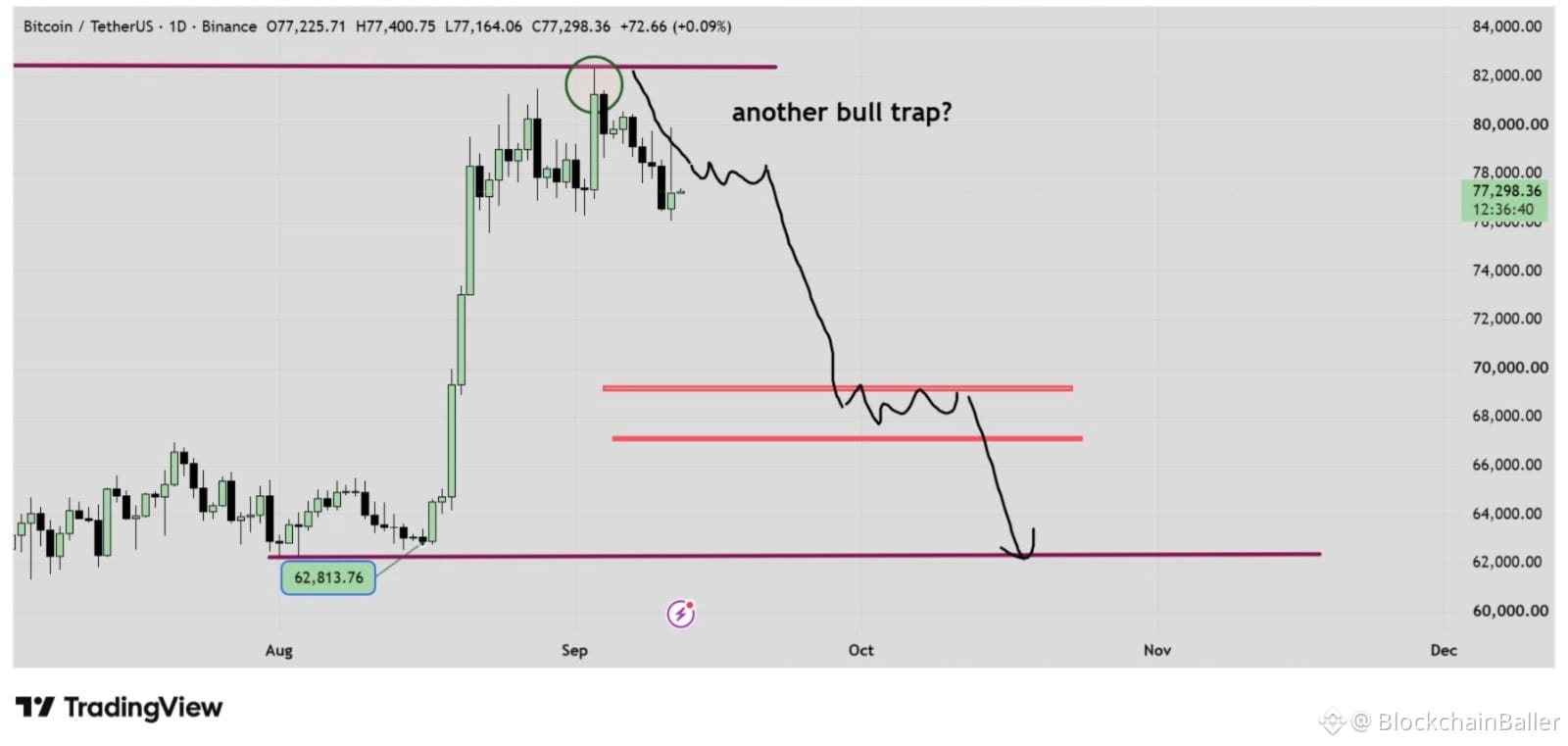
كم منكم ما زال يعتقد أن 49 ألف دولار ستأتي بعد ذلك لـ$BTC ❓❓❓
#BITCOIN ’S الانهيار النهائي قبل القاع آتٍ❓❓❓
يظن الجميع أن الأسوأ خلفنا بالفعل، لكنني أعتقد أن آخر موجة تصريف كبيرة في 2026 قد تكون ما تزال أمامنا، وقد تخلق واحدة من أكبر الفرص خلال هذه الدورة—#BTC .
خارطة طريقي 2026–2027:
77 ألف دولار → 57 ألف دولار → 49 ألف دولار
ثم يبدأ تكوين القاع الحقيقي.
49 ألف دولار → تجميع
استعادة 62 ألف دولار → 86 ألف دولار
86 ألف دولار → إعادة تجميع
99 ألف دولار → 130 ألف دولار
قد يذعر معظم الناس خلال الطرح النهائي، ثم يعودون بحالة مطاردة FOMO بمجرد أن يكون الاختراق قد بدأ بالفعل.
أنا أراقب العكس: أقصى درجات الخوف قرب القيعان، ثم التجميع.
احفظ هذا المخطط. سيتم نشر إشارتي الرئيسية التالية حول البيتكوين قبل الحركة.
فمن ما زال يعتقد أن 49 ألف دولار قادمة بعد ذلك؟
$SOL l $ETH follow #Btc
كم منكم ما زال يعتقد أن 49 ألف دولار ستأتي بعد ذلك لـ$BTC ❓❓❓
#BITCOIN ’S الانهيار النهائي قبل القاع آتٍ❓❓❓
يظن الجميع أن الأسوأ خلفنا بالفعل، لكنني أعتقد أن آخر موجة تصريف كبيرة في 2026 قد تكون ما تزال أمامنا، وقد تخلق واحدة من أكبر الفرص خلال هذه الدورة—#BTC .
خارطة طريقي 2026–2027:
77 ألف دولار → 57 ألف دولار → 49 ألف دولار
ثم يبدأ تكوين القاع الحقيقي.
49 ألف دولار → تجميع
استعادة 62 ألف دولار → 86 ألف دولار
86 ألف دولار → إعادة تجميع
99 ألف دولار → 130 ألف دولار
قد يذعر معظم الناس خلال الطرح النهائي، ثم يعودون بحالة مطاردة FOMO بمجرد أن يكون الاختراق قد بدأ بالفعل.
أنا أراقب العكس: أقصى درجات الخوف قرب القيعان، ثم التجميع.
احفظ هذا المخطط. سيتم نشر إشارتي الرئيسية التالية حول البيتكوين قبل الحركة.
فمن ما زال يعتقد أن 49 ألف دولار قادمة بعد ذلك؟
$SOL l $ETH follow #Btc
#BITCOIN ’S الانهيار النهائي قبل القاع آتٍ❓❓❓
يظن الجميع أن الأسوأ خلفنا بالفعل، لكنني أعتقد أن آخر موجة تصريف كبيرة في 2026 قد تكون ما تزال أمامنا، وقد تخلق واحدة من أكبر الفرص خلال هذه الدورة—#BTC .
خارطة طريقي 2026–2027:
77 ألف دولار → 57 ألف دولار → 49 ألف دولار
ثم يبدأ تكوين القاع الحقيقي.
49 ألف دولار → تجميع
استعادة 62 ألف دولار → 86 ألف دولار
86 ألف دولار → إعادة تجميع
99 ألف دولار → 130 ألف دولار
قد يذعر معظم الناس خلال الطرح النهائي، ثم يعودون بحالة مطاردة FOMO بمجرد أن يكون الاختراق قد بدأ بالفعل.
أنا أراقب العكس: أقصى درجات الخوف قرب القيعان، ثم التجميع.
احفظ هذا المخطط. سيتم نشر إشارتي الرئيسية التالية حول البيتكوين قبل الحركة.
فمن ما زال يعتقد أن 49 ألف دولار قادمة بعد ذلك؟
$SOL l $ETH follow #Btc
WeirdChains:
hell na it should reach 100k before that
10
3
1.6k

مايكل سايلور يعاود خداعنا مرة أخرى. أخبار استراتيجية: تعبئة 334 مليون دولار من بيع أسهم MSTR لكن دون إنفاق أي سنت لشراء البيتكوين—إشارة تحذير حمراء واضحة. تستخدم شركة السوق (MM) هذا الخبر “الإيجابي” لتغذية FOMO لدى المستثمرين الأفراد في منطقة القمم الوهمية، بينما تدفقات الأموال الذكية انسحبت بصمت من نمط حركة السعر. إنهم لا يحتاجون إلى البيتكوين الآن؛ بل يحتاجون إلى الحفاظ على السيولة لالتزامات STRC وإلى جانب الاحتفاظ باحتياطيات بالدولار. هذه هي استراتيجية مسح السيولة الكلاسيكية: خلق حماس على السطح ثم قطع الأطراف الممتدة لمن يفتقرون للصبر.
تذكّروا فترة ETF Spot في يناير/2024؛ أفضل الأخبار أفضت مجددًا إلى انهيار سريع بنسبة 50% غير مسبوق. أو كما في جلسة كسر ATH عند 73 ألف دولار في مارس/2024؛ بلغ الهوس أقصاه ثم جرّ عمليات تصفية للرافعة المالية بشكل قاسٍ للغاية. التاريخ يتكرر تمامًا بهذا النموذج: عندما تتوقف أكبر شركة تمتلك BTC عن الشراء لكن تزيد من سيولة رأس المال، يصبح ضغط البيع على المدى القصير أمرًا بديهيًا. يرى جمهور المستثمرين الصغار الرقم 840,000 BTC فيظنون أنه “آمن” ولا يلاحظون أن العرض لم يتوسع لخلق طلب جديد.
السوق الحالي يتراكم فيه الطاقة داخل نطاق جانبي مميت. أنصحكم ألا تتعلقوا بحلم قاع التذبذب؛ جهّزوا عقلية مطاردة الاختراق. إذا اخترق BTC منطقة المقاومة الصلبة بحجم تداول حقيقي، سأتبع الاتجاه طويل الأجل في منطقة target_1 (مثال: 65,000$). لكن إذا اخترق الدعم_1 (58,000$)، فهذه علامة على أن MM تدفع السعر للأسفل لمسح وقف خسارة فريق “النداءات” في الوقت المناسب؛ عندها يكون قطع الخسارة فورًا أو التحول إلى مراكز short هو السبيل الوحيد للبقاء. لا تحاولوا مجابهة الصفقة عندما تُغلق الشمعة تحت الدعم.
تحلّوا بالصبر بانتظار التأكيد، ولا تتداولوا بدافع الانفعال بناءً على أخبار صاخبة. الرابح هو من يحافظ على رأس المال.
$BTC #BinanceSquare #CryptoNews #Bitcoin
مايكل سايلور يعاود خداعنا مرة أخرى. أخبار استراتيجية: تعبئة 334 مليون دولار من بيع أسهم MSTR لكن دون إنفاق أي سنت لشراء البيتكوين—إشارة تحذير حمراء واضحة. تستخدم شركة السوق (MM) هذا الخبر “الإيجابي” لتغذية FOMO لدى المستثمرين الأفراد في منطقة القمم الوهمية، بينما تدفقات الأموال الذكية انسحبت بصمت من نمط حركة السعر. إنهم لا يحتاجون إلى البيتكوين الآن؛ بل يحتاجون إلى الحفاظ على السيولة لالتزامات STRC وإلى جانب الاحتفاظ باحتياطيات بالدولار. هذه هي استراتيجية مسح السيولة الكلاسيكية: خلق حماس على السطح ثم قطع الأطراف الممتدة لمن يفتقرون للصبر.
تذكّروا فترة ETF Spot في يناير/2024؛ أفضل الأخبار أفضت مجددًا إلى انهيار سريع بنسبة 50% غير مسبوق. أو كما في جلسة كسر ATH عند 73 ألف دولار في مارس/2024؛ بلغ الهوس أقصاه ثم جرّ عمليات تصفية للرافعة المالية بشكل قاسٍ للغاية. التاريخ يتكرر تمامًا بهذا النموذج: عندما تتوقف أكبر شركة تمتلك BTC عن الشراء لكن تزيد من سيولة رأس المال، يصبح ضغط البيع على المدى القصير أمرًا بديهيًا. يرى جمهور المستثمرين الصغار الرقم 840,000 BTC فيظنون أنه “آمن” ولا يلاحظون أن العرض لم يتوسع لخلق طلب جديد.
السوق الحالي يتراكم فيه الطاقة داخل نطاق جانبي مميت. أنصحكم ألا تتعلقوا بحلم قاع التذبذب؛ جهّزوا عقلية مطاردة الاختراق. إذا اخترق BTC منطقة المقاومة الصلبة بحجم تداول حقيقي، سأتبع الاتجاه طويل الأجل في منطقة target_1 (مثال: 65,000$). لكن إذا اخترق الدعم_1 (58,000$)، فهذه علامة على أن MM تدفع السعر للأسفل لمسح وقف خسارة فريق “النداءات” في الوقت المناسب؛ عندها يكون قطع الخسارة فورًا أو التحول إلى مراكز short هو السبيل الوحيد للبقاء. لا تحاولوا مجابهة الصفقة عندما تُغلق الشمعة تحت الدعم.
تحلّوا بالصبر بانتظار التأكيد، ولا تتداولوا بدافع الانفعال بناءً على أخبار صاخبة. الرابح هو من يحافظ على رأس المال.
$BTC #BinanceSquare #CryptoNews #Bitcoin
تذكّروا فترة ETF Spot في يناير/2024؛ أفضل الأخبار أفضت مجددًا إلى انهيار سريع بنسبة 50% غير مسبوق. أو كما في جلسة كسر ATH عند 73 ألف دولار في مارس/2024؛ بلغ الهوس أقصاه ثم جرّ عمليات تصفية للرافعة المالية بشكل قاسٍ للغاية. التاريخ يتكرر تمامًا بهذا النموذج: عندما تتوقف أكبر شركة تمتلك BTC عن الشراء لكن تزيد من سيولة رأس المال، يصبح ضغط البيع على المدى القصير أمرًا بديهيًا. يرى جمهور المستثمرين الصغار الرقم 840,000 BTC فيظنون أنه “آمن” ولا يلاحظون أن العرض لم يتوسع لخلق طلب جديد.
السوق الحالي يتراكم فيه الطاقة داخل نطاق جانبي مميت. أنصحكم ألا تتعلقوا بحلم قاع التذبذب؛ جهّزوا عقلية مطاردة الاختراق. إذا اخترق BTC منطقة المقاومة الصلبة بحجم تداول حقيقي، سأتبع الاتجاه طويل الأجل في منطقة target_1 (مثال: 65,000$). لكن إذا اخترق الدعم_1 (58,000$)، فهذه علامة على أن MM تدفع السعر للأسفل لمسح وقف خسارة فريق “النداءات” في الوقت المناسب؛ عندها يكون قطع الخسارة فورًا أو التحول إلى مراكز short هو السبيل الوحيد للبقاء. لا تحاولوا مجابهة الصفقة عندما تُغلق الشمعة تحت الدعم.
تحلّوا بالصبر بانتظار التأكيد، ولا تتداولوا بدافع الانفعال بناءً على أخبار صاخبة. الرابح هو من يحافظ على رأس المال.
$BTC #BinanceSquare #CryptoNews #Bitcoin
324


مقالة
لماذا تُعد منطقة 83 ألف–85 ألف دولار هي نقطة الحسم لبيتكوين الآن؟$BTC محاصر تحت سقف عرض LTH عند 83 ألف–85 ألف دولار – يجري التراكم، لكن يبقى خطر الهبوط
قامت Glassnode للتو بإصدار مخطط محدث لتوزيع أساس التكلفة (Cost Basis) للمستثمرين قصيري الأجل (STH) وطويلي الأجل (LTH). الصورة الحالية واضحة جدًا:
1. سقف عرض قوي لدى محافظي الحيازة طويلة الأجل
سعر بيتكوين حاليًا محاصر تحت «سقف كثيف» من عرض محافظي الحيازة طويلة الأجل (LTH) عند نطاق حوالي 83,000 إلى 85,000 دولار. هذه منطقة تكون فيها كمية كبيرة من العملات التي يحتفظ بها مستثمرون على المدى الطويل مرتبطة بمتوسط تكلفتها. عندما يقترب السعر من هذه المنطقة، غالبًا ما يظهر ضغط البيع من هذه الفئة عندما يحققون الأرباح أو يقللون المخاطر، ما يجعل اختراقًا واضحًا أمرًا صعبًا.
لماذا تُعد منطقة 83 ألف–85 ألف دولار هي نقطة الحسم لبيتكوين الآن؟
$BTC محاصر تحت سقف عرض LTH عند 83 ألف–85 ألف دولار – يجري التراكم، لكن يبقى خطر الهبوط
قامت Glassnode للتو بإصدار مخطط محدث لتوزيع أساس التكلفة (Cost Basis) للمستثمرين قصيري الأجل (STH) وطويلي الأجل (LTH). الصورة الحالية واضحة جدًا:
1. سقف عرض قوي لدى محافظي الحيازة طويلة الأجل
سعر بيتكوين حاليًا محاصر تحت «سقف كثيف» من عرض محافظي الحيازة طويلة الأجل (LTH) عند نطاق حوالي 83,000 إلى 85,000 دولار. هذه منطقة تكون فيها كمية كبيرة من العملات التي يحتفظ بها مستثمرون على المدى الطويل مرتبطة بمتوسط تكلفتها. عندما يقترب السعر من هذه المنطقة، غالبًا ما يظهر ضغط البيع من هذه الفئة عندما يحققون الأرباح أو يقللون المخاطر، ما يجعل اختراقًا واضحًا أمرًا صعبًا.
قامت Glassnode للتو بإصدار مخطط محدث لتوزيع أساس التكلفة (Cost Basis) للمستثمرين قصيري الأجل (STH) وطويلي الأجل (LTH). الصورة الحالية واضحة جدًا:
1. سقف عرض قوي لدى محافظي الحيازة طويلة الأجل
سعر بيتكوين حاليًا محاصر تحت «سقف كثيف» من عرض محافظي الحيازة طويلة الأجل (LTH) عند نطاق حوالي 83,000 إلى 85,000 دولار. هذه منطقة تكون فيها كمية كبيرة من العملات التي يحتفظ بها مستثمرون على المدى الطويل مرتبطة بمتوسط تكلفتها. عندما يقترب السعر من هذه المنطقة، غالبًا ما يظهر ضغط البيع من هذه الفئة عندما يحققون الأرباح أو يقللون المخاطر، ما يجعل اختراقًا واضحًا أمرًا صعبًا.
Gürakın:
75k first?
2
1
627

·
--
عرض الترجمة
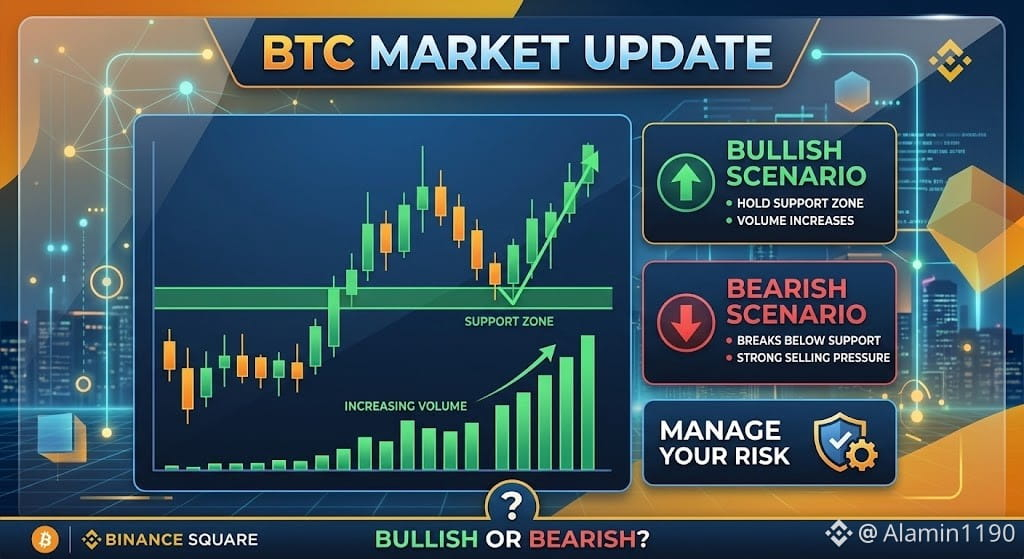
🚨 BTC MARKET UPDATE
Bitcoin is currently showing an interesting market structure.
📌 Key level to watch: $BTC
📈 Bullish scenario: Buyers hold the support zone and volume increases.
📉 Bearish scenario: BTC breaks below support with strong selling pressure.
Don't trade based on emotion. Always manage your risk.
What do you think — bullish or bearish? 👇
#Bitcoin #BTC #Crypto #BinanceSquare
🚨 BTC MARKET UPDATE
Bitcoin is currently showing an interesting market structure.
📌 Key level to watch: $BTC
📈 Bullish scenario: Buyers hold the support zone and volume increases.
📉 Bearish scenario: BTC breaks below support with strong selling pressure.
Don't trade based on emotion. Always manage your risk.
What do you think — bullish or bearish? 👇
#Bitcoin #BTC #Crypto #BinanceSquare
Bitcoin is currently showing an interesting market structure.
📌 Key level to watch: $BTC
📈 Bullish scenario: Buyers hold the support zone and volume increases.
📉 Bearish scenario: BTC breaks below support with strong selling pressure.
Don't trade based on emotion. Always manage your risk.
What do you think — bullish or bearish? 👇
#Bitcoin #BTC #Crypto #BinanceSquare
166

·
--
صاعد
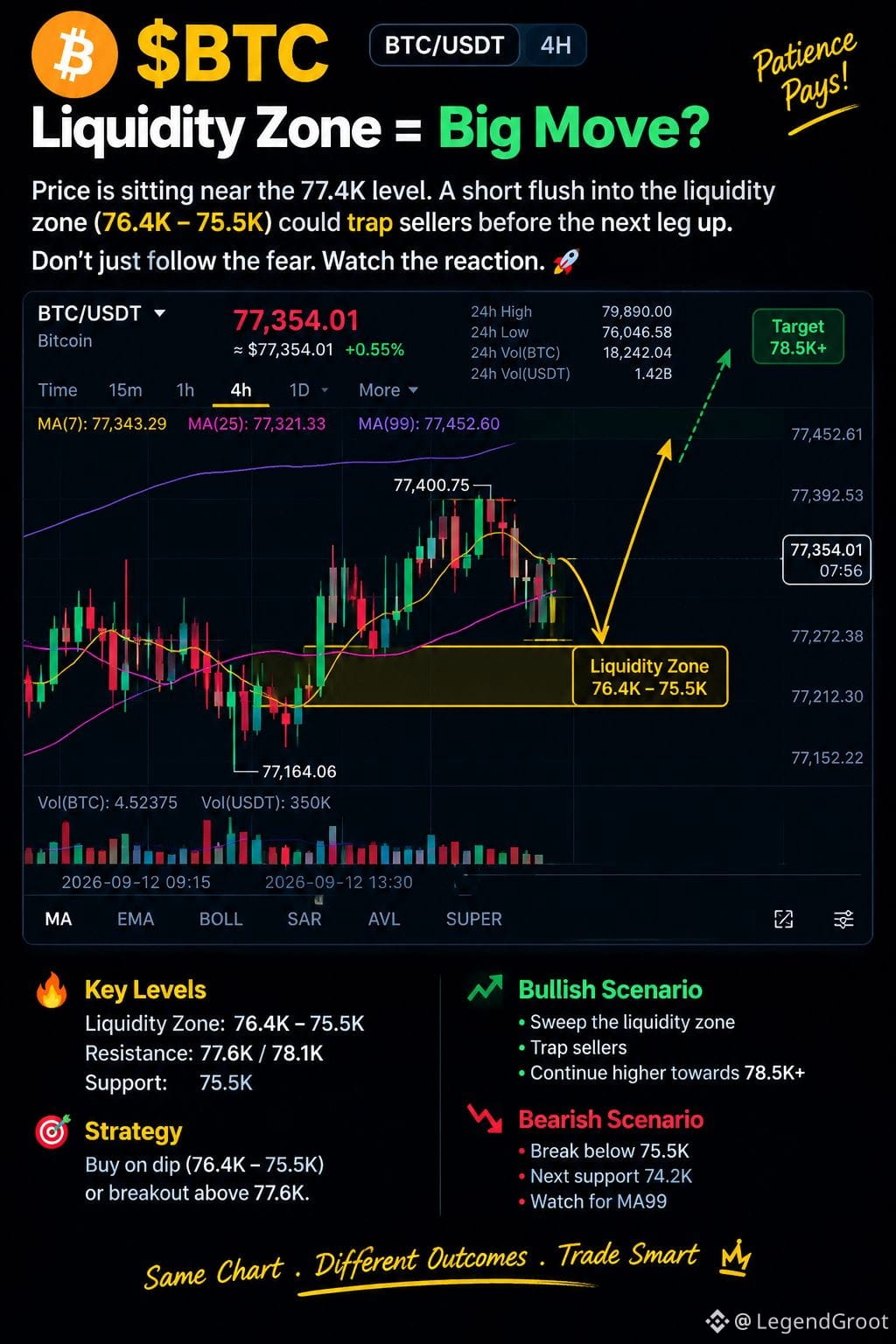
🔥 $BTC — هل الخوف مُسعَّر بالفعل؟
يتم تداول البيتكوين حول 77.3 ألف دولار بعد الارتداد من منطقة 77.16 ألف دولار.
تقع MA7 وMA25 بالقرب من السعر، بينما تُعد 77.45 ألف دولار مقاومة رئيسية يجب مراقبتها.
إذا استعاد BTC مستوى 77.6K، فقد يتسارع الزخم باتجاه 78 ألف دولار+. 👀
لكن إذا كُسِر الدعم، فقد يحدث هبوط أعمق أولاً.
الجميع يراقب العنوان.
الأموال الذكية تراقب رد الفعل. 🚀
#BTC #Bitcoin #Crypto
🔥 $BTC — هل الخوف مُسعَّر بالفعل؟
يتم تداول البيتكوين حول 77.3 ألف دولار بعد الارتداد من منطقة 77.16 ألف دولار.
تقع MA7 وMA25 بالقرب من السعر، بينما تُعد 77.45 ألف دولار مقاومة رئيسية يجب مراقبتها.
إذا استعاد BTC مستوى 77.6K، فقد يتسارع الزخم باتجاه 78 ألف دولار+. 👀
لكن إذا كُسِر الدعم، فقد يحدث هبوط أعمق أولاً.
الجميع يراقب العنوان.
الأموال الذكية تراقب رد الفعل. 🚀
#BTC #Bitcoin #Crypto
يتم تداول البيتكوين حول 77.3 ألف دولار بعد الارتداد من منطقة 77.16 ألف دولار.
تقع MA7 وMA25 بالقرب من السعر، بينما تُعد 77.45 ألف دولار مقاومة رئيسية يجب مراقبتها.
إذا استعاد BTC مستوى 77.6K، فقد يتسارع الزخم باتجاه 78 ألف دولار+. 👀
لكن إذا كُسِر الدعم، فقد يحدث هبوط أعمق أولاً.
الجميع يراقب العنوان.
الأموال الذكية تراقب رد الفعل. 🚀
#BTC #Bitcoin #Crypto
358

🚨 بيتكوين تحت ضغط في انتظار محتمل لرفع أسعار الفائدة
🪙 $BTC
📰 ماذا حدث؟
$BTC سقطت تحت 77.000 دولار بينما يزيد المتداولون رهاناتهم لاحتمال رفع أسعار الفائدة من الاحتياطي الفيدرالي.
📌 النقاط الرئيسية
• التوقعات بشأن أسعار الفائدة في الولايات المتحدة تؤثر على معنويات السوق.
• يبقى بيتكوين حساسًا للظروف الاقتصادية الكلية وقرارات الاحتياطي الفيدرالي.
📊 الأثر على العملات المشفرة
سيترقب السوق الإشارات القادمة من الاحتياطي الفيدرالي، إذ قد تؤثر أسعار الفائدة في السيولة وشهية المستثمرين تجاه الأصول عالية المخاطر مثل بيتكوين.
🔎 المصدر: CoinDesk
💬 هل تعتقدون أن توقعات رفع الفائدة ستستمر في زيادة الضغط على بيتكوين؟
#BTC #Bitcoin #BinaceSquare
🚨 بيتكوين تحت ضغط في انتظار محتمل لرفع أسعار الفائدة
🪙 $BTC
📰 ماذا حدث؟
$BTC سقطت تحت 77.000 دولار بينما يزيد المتداولون رهاناتهم لاحتمال رفع أسعار الفائدة من الاحتياطي الفيدرالي.
📌 النقاط الرئيسية
• التوقعات بشأن أسعار الفائدة في الولايات المتحدة تؤثر على معنويات السوق.
• يبقى بيتكوين حساسًا للظروف الاقتصادية الكلية وقرارات الاحتياطي الفيدرالي.
📊 الأثر على العملات المشفرة
سيترقب السوق الإشارات القادمة من الاحتياطي الفيدرالي، إذ قد تؤثر أسعار الفائدة في السيولة وشهية المستثمرين تجاه الأصول عالية المخاطر مثل بيتكوين.
🔎 المصدر: CoinDesk
💬 هل تعتقدون أن توقعات رفع الفائدة ستستمر في زيادة الضغط على بيتكوين؟
#BTC #Bitcoin #BinaceSquare
🪙 $BTC
📰 ماذا حدث؟
$BTC سقطت تحت 77.000 دولار بينما يزيد المتداولون رهاناتهم لاحتمال رفع أسعار الفائدة من الاحتياطي الفيدرالي.
📌 النقاط الرئيسية
• التوقعات بشأن أسعار الفائدة في الولايات المتحدة تؤثر على معنويات السوق.
• يبقى بيتكوين حساسًا للظروف الاقتصادية الكلية وقرارات الاحتياطي الفيدرالي.
📊 الأثر على العملات المشفرة
سيترقب السوق الإشارات القادمة من الاحتياطي الفيدرالي، إذ قد تؤثر أسعار الفائدة في السيولة وشهية المستثمرين تجاه الأصول عالية المخاطر مثل بيتكوين.
🔎 المصدر: CoinDesk
💬 هل تعتقدون أن توقعات رفع الفائدة ستستمر في زيادة الضغط على بيتكوين؟
#BTC #Bitcoin #BinaceSquare

1
129

97 مليون دولار أمريكي تم ضخها للتو من قبل قرشين كريبتو إلى الحياة السياسية في إنجلترا، لكن لماذا لا يوجد أي اختراق (breakout) انفجاري على الإطلاق للخط السعري $BTC l؟
تجاوزت منحة قياسية بقيمة 72 مليون جنيه إسترليني من Ben Delo وChristopher Harborne (صاحب 12% من أسهم Tether) كامل ميزانيات التبرعات للأحزاب البريطانية في عام 2025 مجتمعة. وعلى الرغم من أن التأثيرات على المستوى الكلي تتوسع، فمن الأفضل للمتداولين في المشتقات أن ينظروا بوضوح إلى الرسم البياني بدلًا من التحمّس بسرعة.
في وقت كتابة هذا، يتذبذب $BTC đ حول مستوى 77.359,7 دولار أمريكي (بانخفاض 0.69% خلال 24 ساعة). هذا النطاق السعري يضغط السيولة بشكل شديد، ما يجعله نقطة خلاف حساسة. السيناريو الذي أركز عليه أكثر الآن هو مخاطر مسح السيولة من الطرفين أو إنشاء فخ سعري وهمي (fakeout) قبل أن تجمع جهة الشراء القوة الكافية لدفع اختراق حقيقي.
وجهة نظري: لا للتَّهور (FOMO) وفقًا للأخبار. طالما أن بنية السعر لم تُؤكِّد اتجاهًا واضحًا بعد، فإن الصبر والوقوف جانبًا لمراقبة رد الفعل عند منطقة ضغط السيولة سيكون أكثر أمانًا بكثير من محاولة تخمين القمم والقيعان.
يا جماعة، هل خطوة $BTC هذا فخ أم اختراق حقيقي؟ ناقشوني أدناه! 👇
#Bitcoin #BTC #Đầutư #Chínhtrị
97 مليون دولار أمريكي تم ضخها للتو من قبل قرشين كريبتو إلى الحياة السياسية في إنجلترا، لكن لماذا لا يوجد أي اختراق (breakout) انفجاري على الإطلاق للخط السعري $BTC l؟
تجاوزت منحة قياسية بقيمة 72 مليون جنيه إسترليني من Ben Delo وChristopher Harborne (صاحب 12% من أسهم Tether) كامل ميزانيات التبرعات للأحزاب البريطانية في عام 2025 مجتمعة. وعلى الرغم من أن التأثيرات على المستوى الكلي تتوسع، فمن الأفضل للمتداولين في المشتقات أن ينظروا بوضوح إلى الرسم البياني بدلًا من التحمّس بسرعة.
في وقت كتابة هذا، يتذبذب $BTC đ حول مستوى 77.359,7 دولار أمريكي (بانخفاض 0.69% خلال 24 ساعة). هذا النطاق السعري يضغط السيولة بشكل شديد، ما يجعله نقطة خلاف حساسة. السيناريو الذي أركز عليه أكثر الآن هو مخاطر مسح السيولة من الطرفين أو إنشاء فخ سعري وهمي (fakeout) قبل أن تجمع جهة الشراء القوة الكافية لدفع اختراق حقيقي.
وجهة نظري: لا للتَّهور (FOMO) وفقًا للأخبار. طالما أن بنية السعر لم تُؤكِّد اتجاهًا واضحًا بعد، فإن الصبر والوقوف جانبًا لمراقبة رد الفعل عند منطقة ضغط السيولة سيكون أكثر أمانًا بكثير من محاولة تخمين القمم والقيعان.
يا جماعة، هل خطوة $BTC هذا فخ أم اختراق حقيقي؟ ناقشوني أدناه! 👇
#Bitcoin #BTC #Đầutư #Chínhtrị
تجاوزت منحة قياسية بقيمة 72 مليون جنيه إسترليني من Ben Delo وChristopher Harborne (صاحب 12% من أسهم Tether) كامل ميزانيات التبرعات للأحزاب البريطانية في عام 2025 مجتمعة. وعلى الرغم من أن التأثيرات على المستوى الكلي تتوسع، فمن الأفضل للمتداولين في المشتقات أن ينظروا بوضوح إلى الرسم البياني بدلًا من التحمّس بسرعة.
في وقت كتابة هذا، يتذبذب $BTC đ حول مستوى 77.359,7 دولار أمريكي (بانخفاض 0.69% خلال 24 ساعة). هذا النطاق السعري يضغط السيولة بشكل شديد، ما يجعله نقطة خلاف حساسة. السيناريو الذي أركز عليه أكثر الآن هو مخاطر مسح السيولة من الطرفين أو إنشاء فخ سعري وهمي (fakeout) قبل أن تجمع جهة الشراء القوة الكافية لدفع اختراق حقيقي.
وجهة نظري: لا للتَّهور (FOMO) وفقًا للأخبار. طالما أن بنية السعر لم تُؤكِّد اتجاهًا واضحًا بعد، فإن الصبر والوقوف جانبًا لمراقبة رد الفعل عند منطقة ضغط السيولة سيكون أكثر أمانًا بكثير من محاولة تخمين القمم والقيعان.
يا جماعة، هل خطوة $BTC هذا فخ أم اختراق حقيقي؟ ناقشوني أدناه! 👇
#Bitcoin #BTC #Đầutư #Chínhtrị
191
سجّل الدخول لاستكشاف المزيد من المُحتوى
انضم إلى مُستخدمي العملات الرقمية حول العالم على Binance Square
⚡️ احصل على أحدث المعلومات المفيدة عن العملات الرقمية.
💬 موثوقة من قبل أكبر منصّة لتداول العملات الرقمية في العالم.
👍 اكتشف الرؤى الحقيقية من صنّاع المُحتوى الموثوقين.
البريد الإلكتروني / رقم الهاتف
المواضيع الرائجة
1
#ClarityActFacesProceduralVoteSept15
19,170 مشاهدات
334 يقومون بالنقاش
2
#US2YearYieldRisesTo4.61%
20,738 مشاهدات
413 يقومون بالنقاش
3
#US10YearTreasuryYieldNears5%
10,712 مشاهدات
240 يقومون بالنقاش
4
#CryptoLiquidations$674MIn24H
6,015 مشاهدات
71 يقومون بالنقاش
5
#TokenizedStockHoldersUp619.1%
13,698 مشاهدات
264 يقومون بالنقاش
6
#RevolutConfirmsFakeGovEmailDataBreach
32,803 مشاهدات
557 يقومون بالنقاش
7
#CanadaOSFISaysTokenizedDepositsEqualTraditionalDeposits
1,524 مشاهدات
52 يقومون بالنقاش
8
#USBankCompletesCrossBorderPaymentPilotOnStellar
34,742 مشاهدات
764 يقومون بالنقاش
9
#NvidiaInTalksToInvestUpTo$10BInAnthropicIPO
2,755 مشاهدات
62 يقومون بالنقاش
10
#EtherRalliesAsBearishBetsLiquidate
48,956 مشاهدات
951 يقومون بالنقاش