
Amara Grace
8.3k منشورات

Amara Grace
 تحقُّق Binance Square الإضافي
Content fueled by passion, powered by Binance Trading waves like a pro surfer
مُتداول بمُعدّل مرتفع
11.5 أشهر
181 تتابع
53.9K+ المتابعون
17.6K+ إعجاب
منشورات
الكل
اقتباسات
Live
#dusk $DUSK @Dusk
Something I keep coming back to with tokenized securities projects: most of them treat transparency as just a feature you dial up, with no real downside. But real markets don't work that way. A pension fund isn't putting its bond allocation on a chain where anyone can watch the size and timing of every trade. That's the wall a lot of RWA projects run into and quietly avoid talking about.
Dusk's XSC standard is the first design I've seen that's actually built for that problem instead of around it. Confidential smart contracts — meaning the state and logic stay private, but you can still prove compliance, ownership, or settlement to whoever needs to see it, without opening the entire ledger to the world.
I spent a few weekends going through the docs and messing around on testnet, mostly because the claim felt too clean and I wanted to find where it broke. What actually stuck with me wasn't the privacy tech itself. It was how much of the architecture assumes regulated institutions from the start, instead of bolting compliance onto a retail-first chain later.
The upside is real once you sit with it: this is a lot closer to how securities infrastructure already works in practice. The catch is just as real — confidential systems are inherently harder to independently verify, and Dusk's ecosystem is still small next to chains that have had years to get battle-tested.
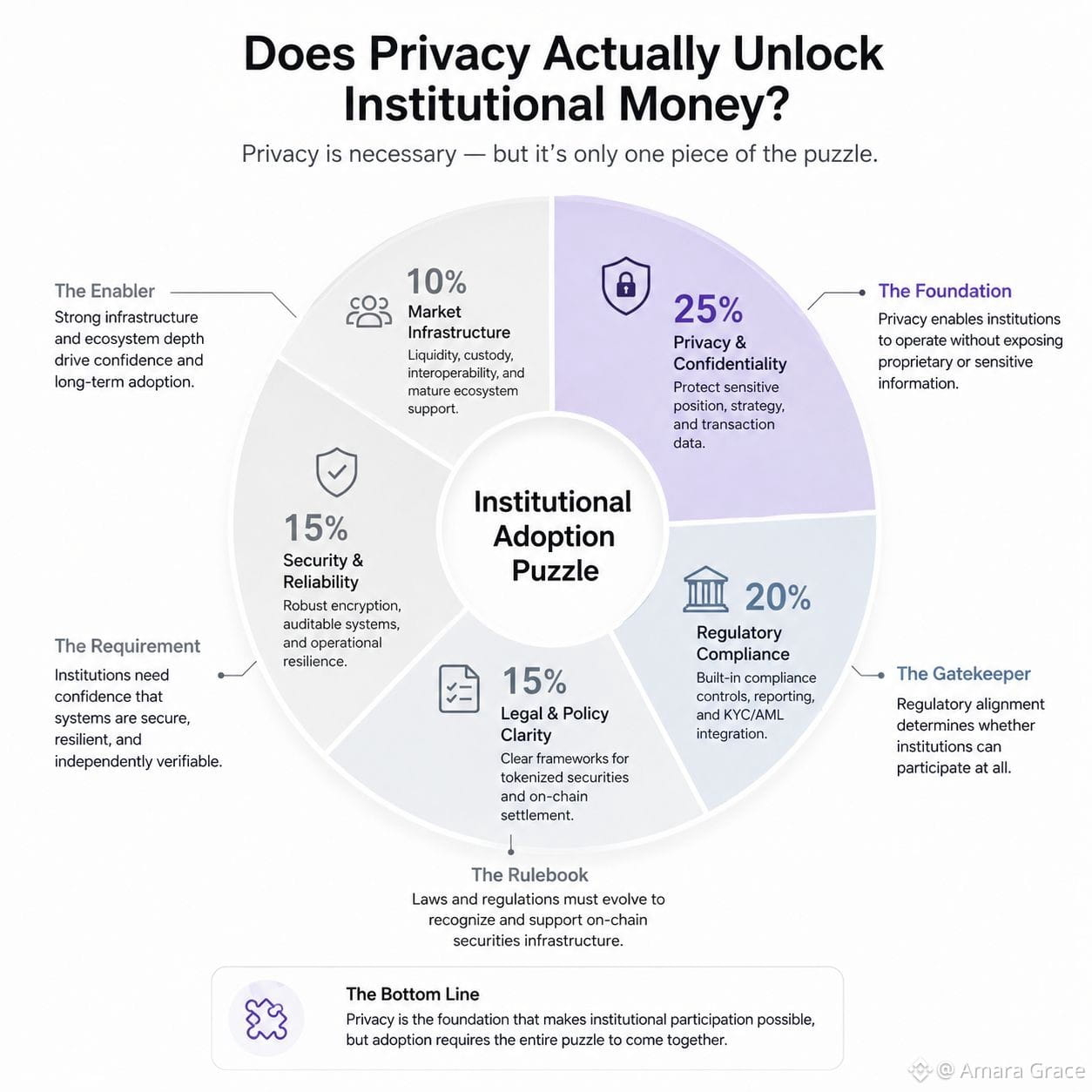
Does privacy actually unlock institutional money, or is that just one piece of a much bigger regulatory puzzle?
Something I keep coming back to with tokenized securities projects: most of them treat transparency as just a feature you dial up, with no real downside. But real markets don't work that way. A pension fund isn't putting its bond allocation on a chain where anyone can watch the size and timing of every trade. That's the wall a lot of RWA projects run into and quietly avoid talking about.
Dusk's XSC standard is the first design I've seen that's actually built for that problem instead of around it. Confidential smart contracts — meaning the state and logic stay private, but you can still prove compliance, ownership, or settlement to whoever needs to see it, without opening the entire ledger to the world.
I spent a few weekends going through the docs and messing around on testnet, mostly because the claim felt too clean and I wanted to find where it broke. What actually stuck with me wasn't the privacy tech itself. It was how much of the architecture assumes regulated institutions from the start, instead of bolting compliance onto a retail-first chain later.
The upside is real once you sit with it: this is a lot closer to how securities infrastructure already works in practice. The catch is just as real — confidential systems are inherently harder to independently verify, and Dusk's ecosystem is still small next to chains that have had years to get battle-tested.
Does privacy actually unlock institutional money, or is that just one piece of a much bigger regulatory puzzle?
#dusk $DUSK @Dusk
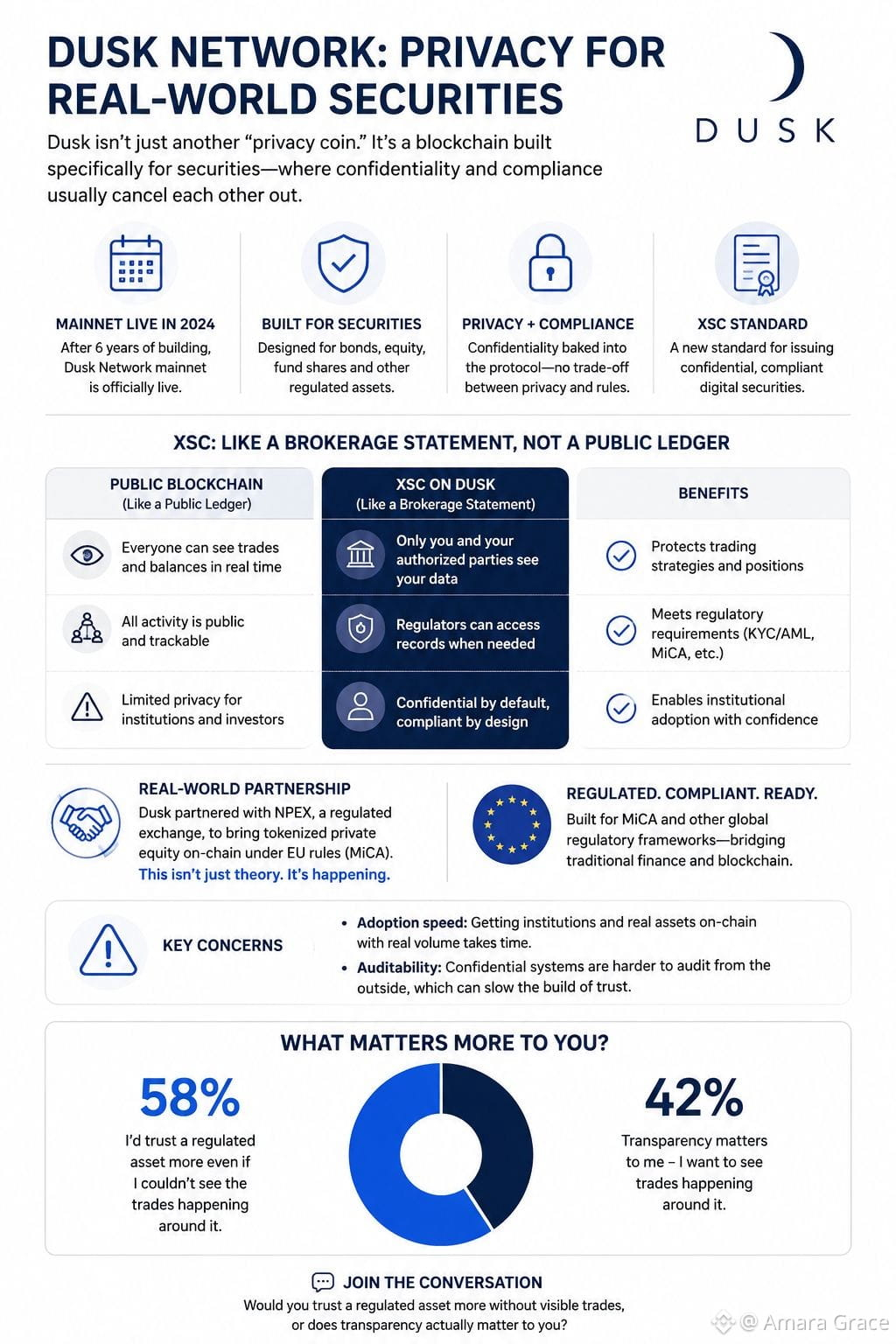
I got into @Dusk Network the way I get into most projects skeptical, expecting another "privacy coin" pitch. What actually made me sit up was learning their mainnet finally went live this year after six years of building, and it's not just another chain claiming privacy. It's built specifically for securities bonds, equity, fund shares where confidentiality and compliance usually cancel each other out.
The XSC standard is the piece that clicked for me. Think of it like a brokerage statement versus a public ledger. Your bank sees your balance, regulators can pull records when they need to, but random strangers can't watch your trades in real time. That's basically what Dusk is trying to bake into the blockchain itself, instead of bolting privacy on as an afterthought.
What I find genuinely useful: they're not just theorizing this. Dusk partnered with NPEX, a regulated exchange, to bring tokenized private equity on-chain under actual EU rules (MiCA), not a whitepaper promise. That's the difference between "privacy tech" and "privacy tech someone will actually use."
My concern is adoption speed. Mainnet being live is one thing institutions moving real assets onto it, with real volume, is another. Confidential systems are also just harder to audit from the outside, which makes trust slower to build.
Would you trust a regulated asset more if you couldn't see the trades happening around it, or does that transparency actually matter to you?
#Dusk
I got into @Dusk Network the way I get into most projects skeptical, expecting another "privacy coin" pitch. What actually made me sit up was learning their mainnet finally went live this year after six years of building, and it's not just another chain claiming privacy. It's built specifically for securities bonds, equity, fund shares where confidentiality and compliance usually cancel each other out.
The XSC standard is the piece that clicked for me. Think of it like a brokerage statement versus a public ledger. Your bank sees your balance, regulators can pull records when they need to, but random strangers can't watch your trades in real time. That's basically what Dusk is trying to bake into the blockchain itself, instead of bolting privacy on as an afterthought.
What I find genuinely useful: they're not just theorizing this. Dusk partnered with NPEX, a regulated exchange, to bring tokenized private equity on-chain under actual EU rules (MiCA), not a whitepaper promise. That's the difference between "privacy tech" and "privacy tech someone will actually use."
My concern is adoption speed. Mainnet being live is one thing institutions moving real assets onto it, with real volume, is another. Confidential systems are also just harder to audit from the outside, which makes trust slower to build.
Would you trust a regulated asset more if you couldn't see the trades happening around it, or does that transparency actually matter to you?
#Dusk
#dusk $DUSK @Dusk
Honestly, I almost skipped over Dusk when I first saw it "privacy blockchain for regulated securities" sounded like a contradiction dressed up as a pitch. But the more I dug in, the more it stuck with me for a specific reason: it's the first project I've seen actually ship this instead of just talking about it.
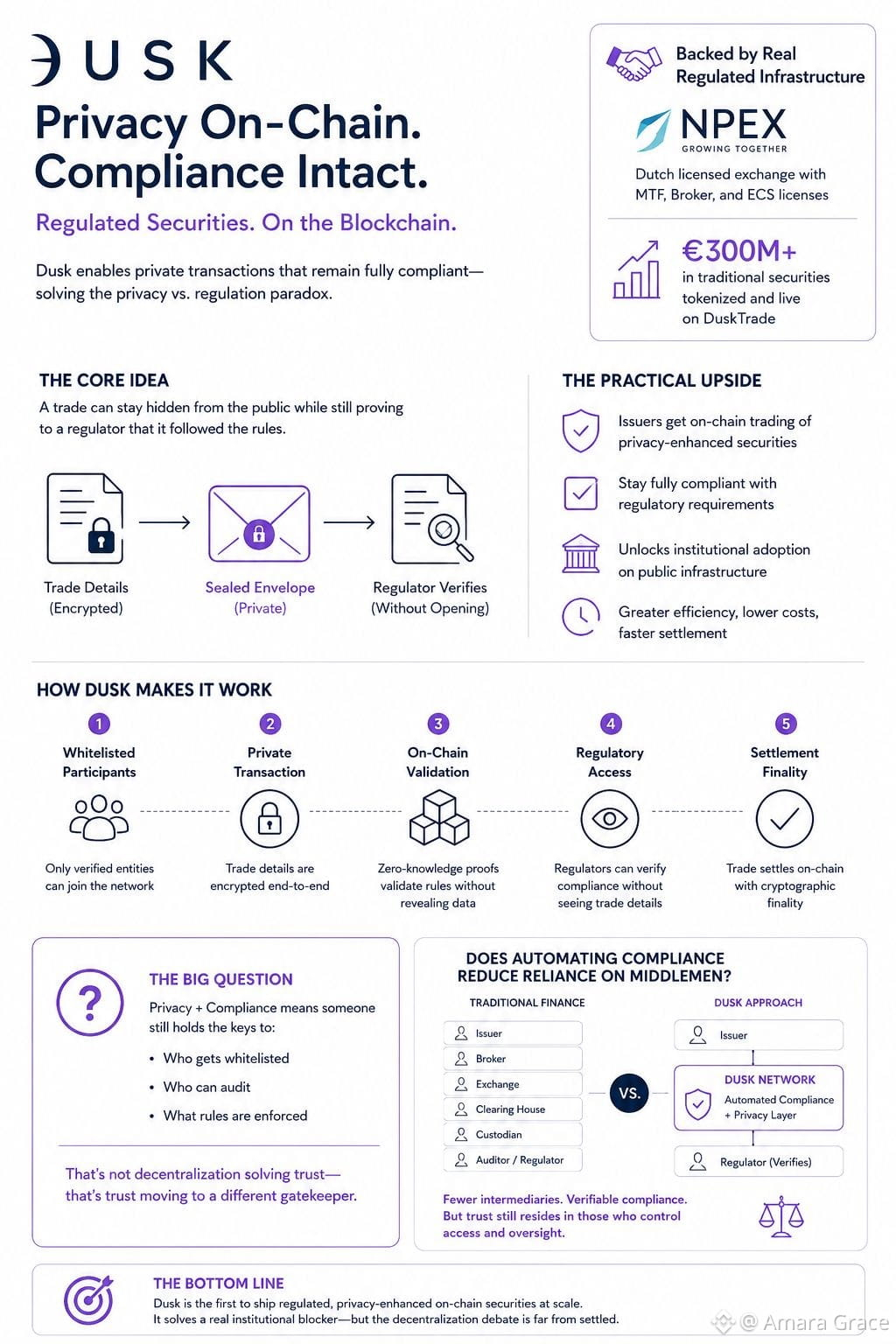
What sold me was DuskTrade. Backed by NPEX, a licensed Dutch exchange holding MTF, Broker, and ECS licenses, the partnership has already tokenized over €300 million in traditional securities and moved them onto the blockchain. Gate That's not a testnet demo that's real regulated volume. I've watched a lot of "RWA" projects promise institutional adoption and quietly disappear a year later, so seeing an actual licensed venue plugged in changes how I read the project.
The idea underneath it is simple even if the crypto sounds heavy: a trade can stay hidden from the public while still proving to a regulator that it followed the rules like a sealed envelope that still passes inspection without being opened.
The practical upside is real: issuers get on-chain trading of privacy-enhanced securities while staying compliant, CoinUnited.io which is the actual blocker that's kept institutions off public chains for years.
My honest concern: privacy plus compliance means someone still holds the keys to who gets whitelisted and who can audit. That's not decentralization solving trust that's trust moving to a different gatekeeper.
Does automating compliance actually reduce reliance on middlemen, or just make the middleman invisible?
Honestly, I almost skipped over Dusk when I first saw it "privacy blockchain for regulated securities" sounded like a contradiction dressed up as a pitch. But the more I dug in, the more it stuck with me for a specific reason: it's the first project I've seen actually ship this instead of just talking about it.
What sold me was DuskTrade. Backed by NPEX, a licensed Dutch exchange holding MTF, Broker, and ECS licenses, the partnership has already tokenized over €300 million in traditional securities and moved them onto the blockchain. Gate That's not a testnet demo that's real regulated volume. I've watched a lot of "RWA" projects promise institutional adoption and quietly disappear a year later, so seeing an actual licensed venue plugged in changes how I read the project.
The idea underneath it is simple even if the crypto sounds heavy: a trade can stay hidden from the public while still proving to a regulator that it followed the rules like a sealed envelope that still passes inspection without being opened.
The practical upside is real: issuers get on-chain trading of privacy-enhanced securities while staying compliant, CoinUnited.io which is the actual blocker that's kept institutions off public chains for years.
My honest concern: privacy plus compliance means someone still holds the keys to who gets whitelisted and who can audit. That's not decentralization solving trust that's trust moving to a different gatekeeper.
Does automating compliance actually reduce reliance on middlemen, or just make the middleman invisible?
تمّ التحقق
#dusk $DUSK @Dusk
A friend who works in equities settlement laughed when I told him about Dusk's XSC standard. He said, "Isn't the whole point of blockchain that everything's visible?" I didn't have a good answer at first. Then I remembered his own industry doesn't work that way at all. Cap tables aren't public. Trade counterparties aren't broadcast. Settlement details live in permissioned systems for a reason: because visibility itself is a liability when you're moving real securities.
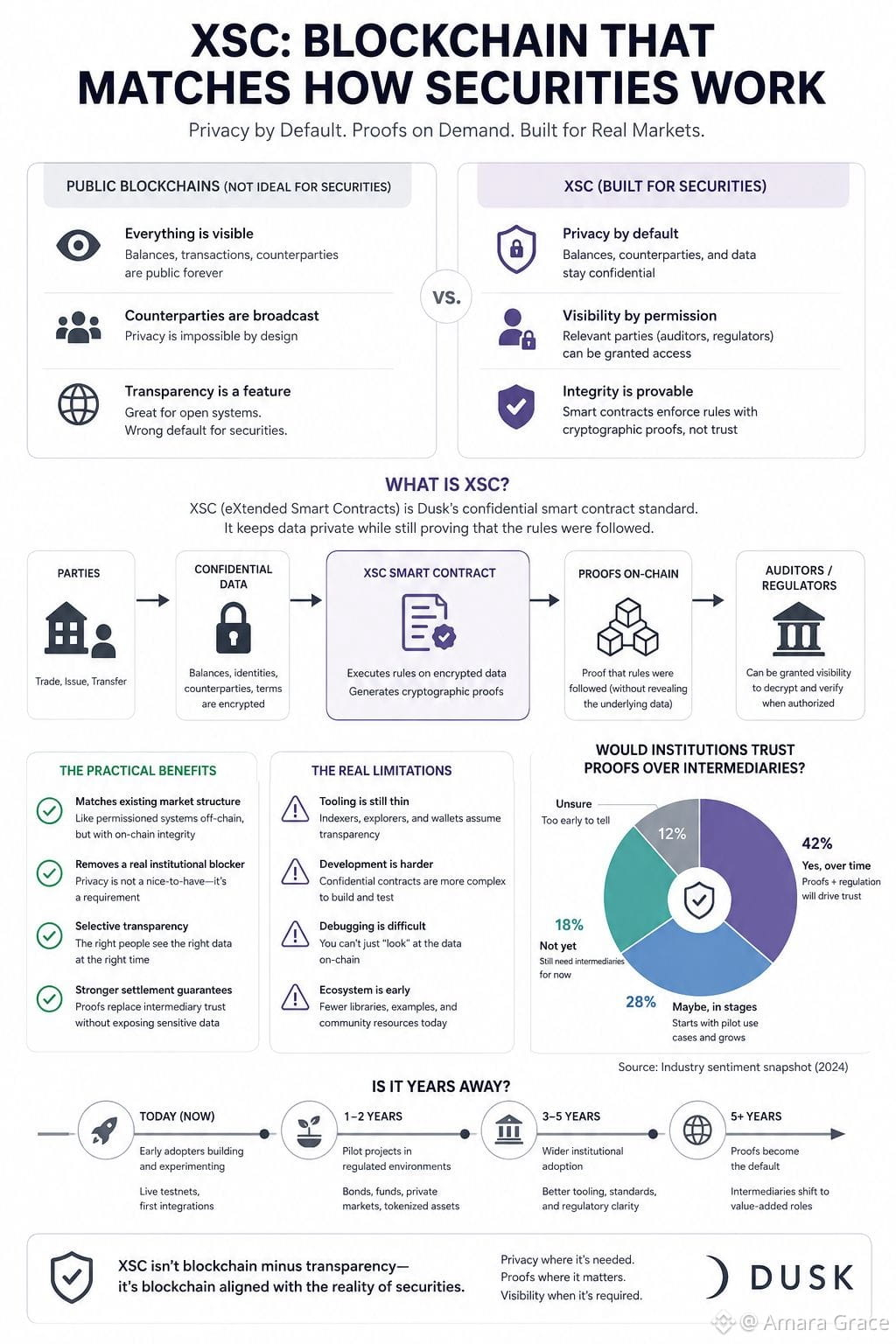
That conversation changed how I read XSC. It's not blockchain minus transparency it's blockchain finally matching how securities already function off-chain, just with proofs instead of trust in an intermediary. Balances and counterparties stay hidden by default, but the contract can still prove the rules were followed, and specific parties (auditors, regulators) can be given visibility when needed.
Spending time with Dusk's docs and testnet, what actually convinced me was how ordinary the design felt once I stopped assuming "public" was the default blockchains were supposed to have. That's the practical benefit it removes a real blocker for institutions.
The limitation is just as real: tooling for confidential contracts is still thin. Indexers, wallets, debugging most of it assumes transparency. Building and monitoring here is genuinely harder right now.
Would institutions actually trust proofs over intermediaries, or is that still years away?
A friend who works in equities settlement laughed when I told him about Dusk's XSC standard. He said, "Isn't the whole point of blockchain that everything's visible?" I didn't have a good answer at first. Then I remembered his own industry doesn't work that way at all. Cap tables aren't public. Trade counterparties aren't broadcast. Settlement details live in permissioned systems for a reason: because visibility itself is a liability when you're moving real securities.
That conversation changed how I read XSC. It's not blockchain minus transparency it's blockchain finally matching how securities already function off-chain, just with proofs instead of trust in an intermediary. Balances and counterparties stay hidden by default, but the contract can still prove the rules were followed, and specific parties (auditors, regulators) can be given visibility when needed.
Spending time with Dusk's docs and testnet, what actually convinced me was how ordinary the design felt once I stopped assuming "public" was the default blockchains were supposed to have. That's the practical benefit it removes a real blocker for institutions.
The limitation is just as real: tooling for confidential contracts is still thin. Indexers, wallets, debugging most of it assumes transparency. Building and monitoring here is genuinely harder right now.
Would institutions actually trust proofs over intermediaries, or is that still years away?
تمّ التحقق
#dusk $DUSK @Dusk
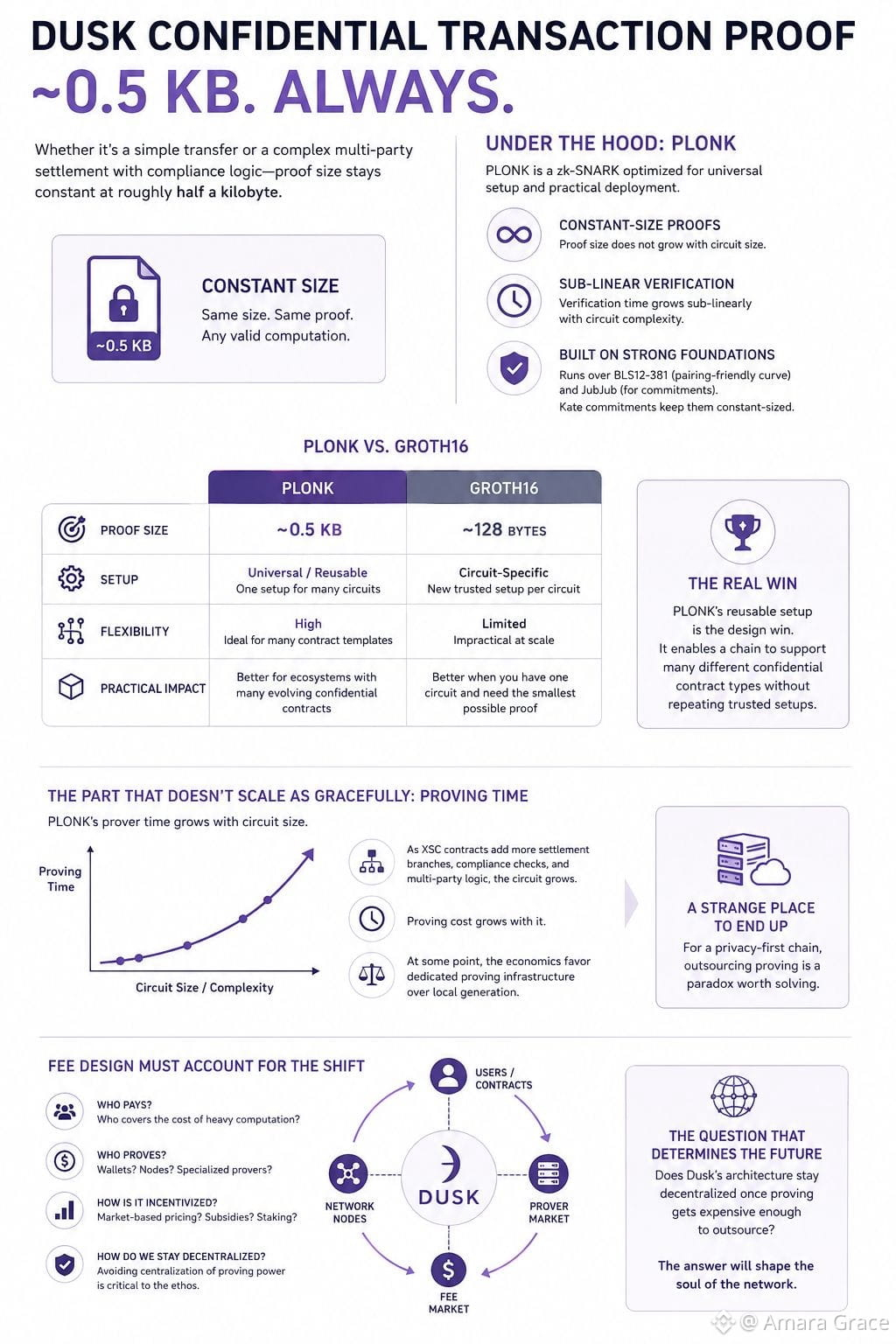
A Dusk confidential transaction proof sits at roughly half a kilobyte. Doesn't matter if the underlying computation is a simple transfer or a multi-party settlement check with compliance logic baked in. Same size. That's the headline number, and it's the kind of stat that gets repeated without anyone asking what it's hiding.
The proof system behind it PLONK is a zk-SNARK built for constant-size proofs and verification time that grows sub-linearly with circuit complexity running over the BLS12-381 and JubJub curves with Kate commitments keeping those commitments constant-sized. The real design win isn't the proof size, it's the setup. Groth16 gets you a smaller proof, around 128 bytes, but needs a circuit-specific reference string, which limits how practical it is once you're deploying many different circuit types. PLONK's setup is reusable across circuits. For a chain trying to support many different confidential contract templates, that's the more important trade.
Here's the part that doesn't scale as gracefully: proving time. The original Plonk prover has time complexity that grows with the size of the circuit being proved. Verifiers stay light, but whoever generates the proof, wallet, node, doesn't. As XSC contracts add more settlement branches, compliance checks, multi-party logic, that circuit grows, and proving cost grows with it. At some point the economics start favoring dedicated proving infrastructure over local generation, which is a strange place for a privacy-first chain to end up.
Fee design has to eventually account for that shift, whoever ends up doing the heavy computation. Does Dusk's architecture stay decentralized once proving gets expensive enough to outsource?
A Dusk confidential transaction proof sits at roughly half a kilobyte. Doesn't matter if the underlying computation is a simple transfer or a multi-party settlement check with compliance logic baked in. Same size. That's the headline number, and it's the kind of stat that gets repeated without anyone asking what it's hiding.
The proof system behind it PLONK is a zk-SNARK built for constant-size proofs and verification time that grows sub-linearly with circuit complexity running over the BLS12-381 and JubJub curves with Kate commitments keeping those commitments constant-sized. The real design win isn't the proof size, it's the setup. Groth16 gets you a smaller proof, around 128 bytes, but needs a circuit-specific reference string, which limits how practical it is once you're deploying many different circuit types. PLONK's setup is reusable across circuits. For a chain trying to support many different confidential contract templates, that's the more important trade.
Here's the part that doesn't scale as gracefully: proving time. The original Plonk prover has time complexity that grows with the size of the circuit being proved. Verifiers stay light, but whoever generates the proof, wallet, node, doesn't. As XSC contracts add more settlement branches, compliance checks, multi-party logic, that circuit grows, and proving cost grows with it. At some point the economics start favoring dedicated proving infrastructure over local generation, which is a strange place for a privacy-first chain to end up.
Fee design has to eventually account for that shift, whoever ends up doing the heavy computation. Does Dusk's architecture stay decentralized once proving gets expensive enough to outsource?
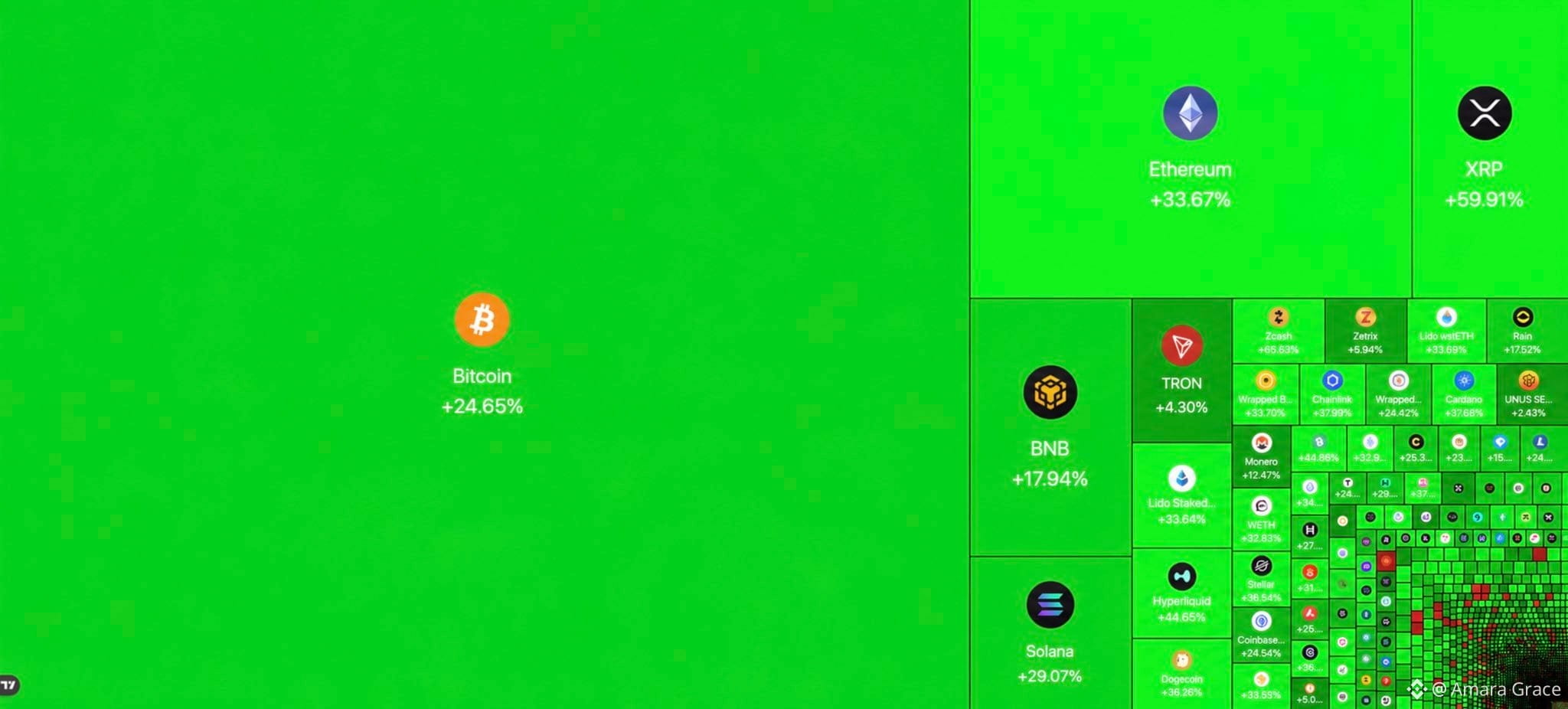
🚨 CRYPTO MELTDOWN FOR THE BEARS 🚨
This week, $500 BILLION has flooded into the crypto market, while $5+ BILLION in shorts have been wiped out.
🔥 The largest short liquidation event in crypto history.
Bears got absolutely REKT. 📈
This week, $500 BILLION has flooded into the crypto market, while $5+ BILLION in shorts have been wiped out.
🔥 The largest short liquidation event in crypto history.
Bears got absolutely REKT. 📈
تمّ التحقق
#dusk $DUSK @Dusk
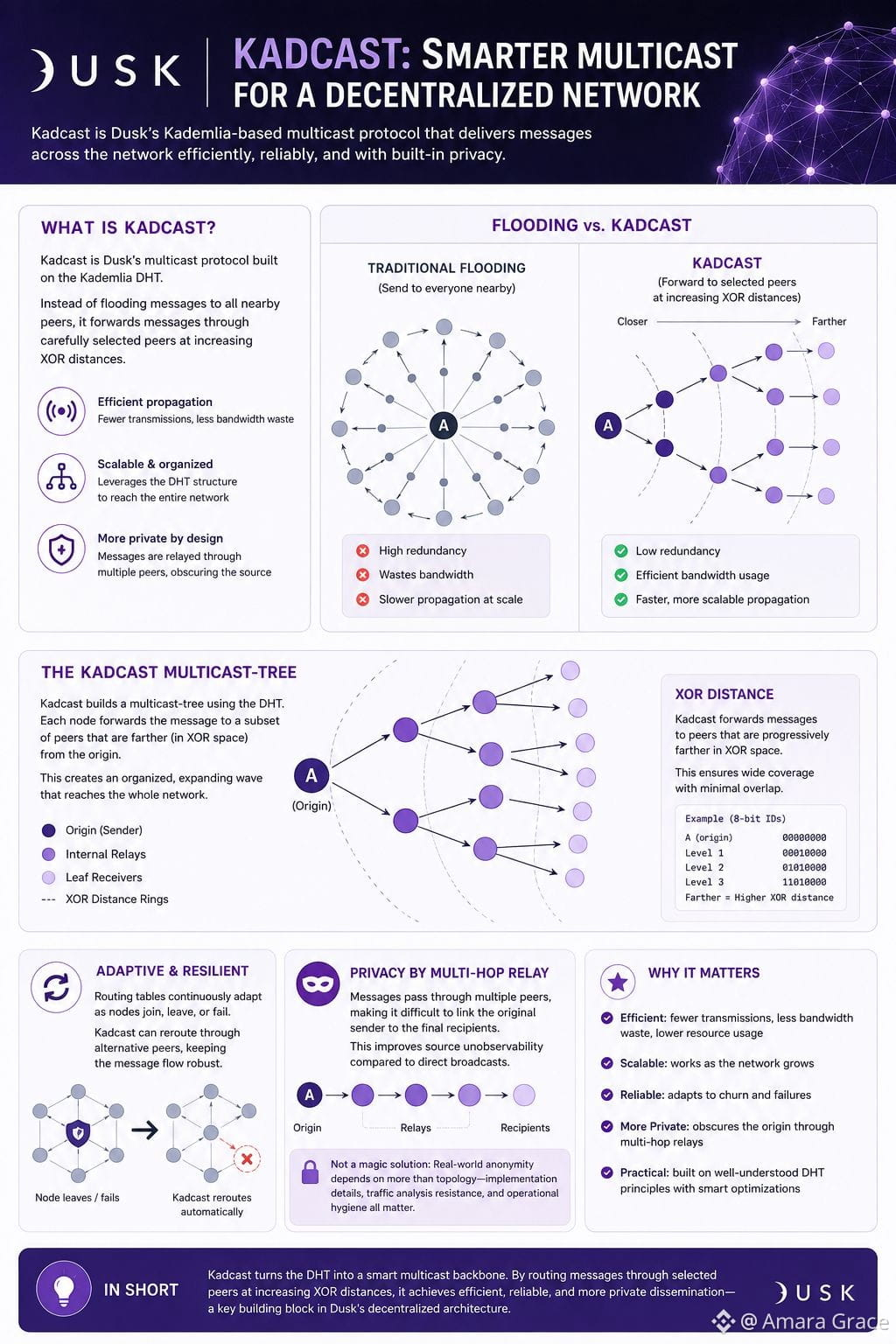
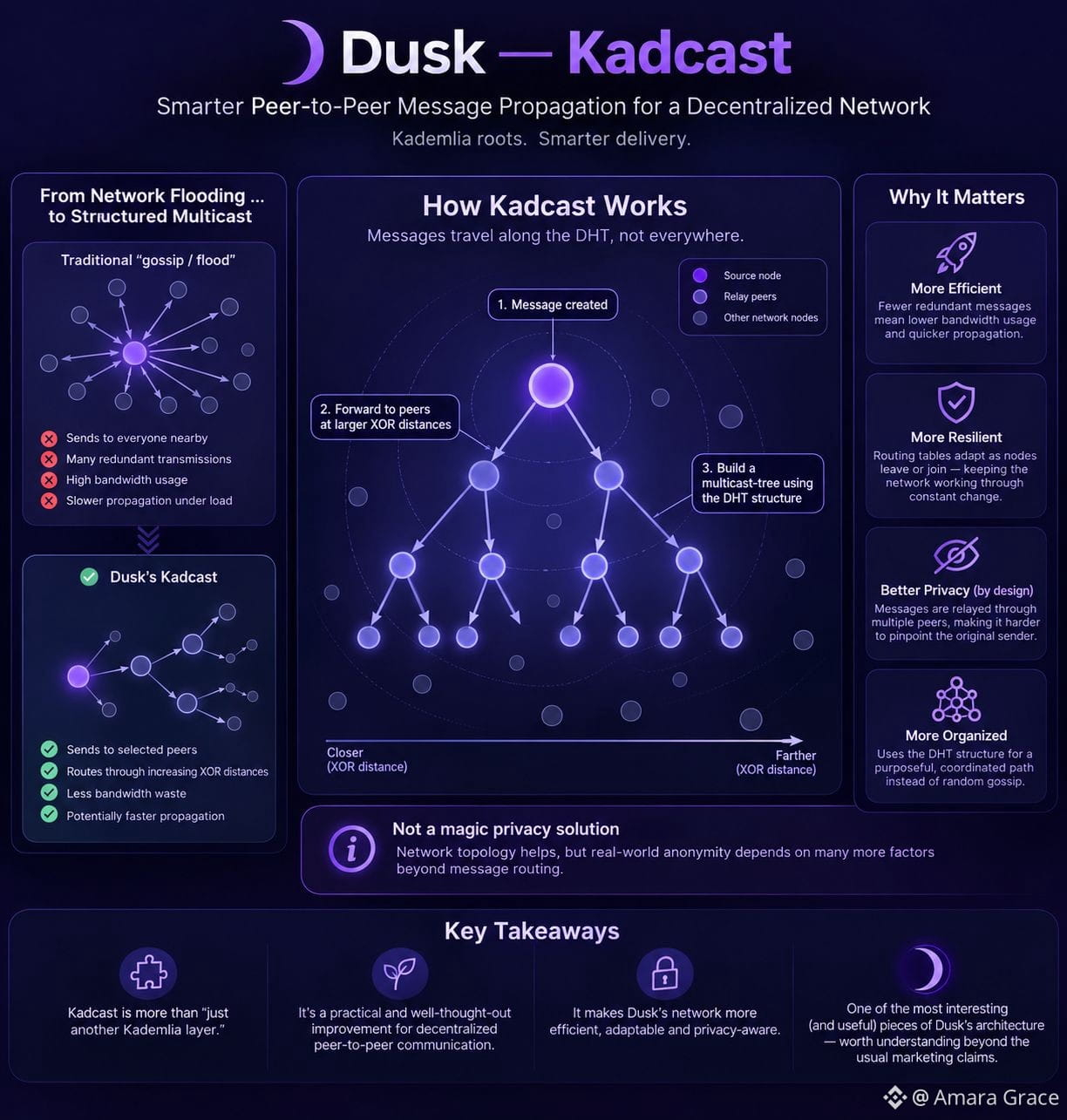
I’ve been digging into how Dusk handles peer-to-peer communication, and one part that genuinely stood out to me is its use of Kadcast.
At first, it sounds like another Kademlia-based networking layer. But the interesting part is how Kadcast changes the usual “send it to everyone nearby” approach. Instead of flooding the network, messages move through selected peers at increasing XOR distances. That means fewer redundant transmissions, less bandwidth waste, and potentially faster propagation.
The multicast-tree structure is also worth paying attention to. Nodes are not just randomly gossiping data around; they are using the DHT structure to create a more organized path for reaching the network.
From a reliability perspective, I like the fact that routing tables can adapt as nodes disappear or new ones join. In a decentralized network, failures are not edge cases. They are part of normal operation.
The privacy angle is interesting too. Because messages are relayed through multiple peers, identifying the original sender becomes harder.
That said, I wouldn’t treat this as a magic privacy solution. Real-world anonymity depends on much more than the network topology.
For me, Kadcast is one of the more practical pieces of Dusk’s architecture and worth understanding beyond the usual marketing claims.
I’ve been digging into how Dusk handles peer-to-peer communication, and one part that genuinely stood out to me is its use of Kadcast.
At first, it sounds like another Kademlia-based networking layer. But the interesting part is how Kadcast changes the usual “send it to everyone nearby” approach. Instead of flooding the network, messages move through selected peers at increasing XOR distances. That means fewer redundant transmissions, less bandwidth waste, and potentially faster propagation.
The multicast-tree structure is also worth paying attention to. Nodes are not just randomly gossiping data around; they are using the DHT structure to create a more organized path for reaching the network.
From a reliability perspective, I like the fact that routing tables can adapt as nodes disappear or new ones join. In a decentralized network, failures are not edge cases. They are part of normal operation.
The privacy angle is interesting too. Because messages are relayed through multiple peers, identifying the original sender becomes harder.
That said, I wouldn’t treat this as a magic privacy solution. Real-world anonymity depends on much more than the network topology.
For me, Kadcast is one of the more practical pieces of Dusk’s architecture and worth understanding beyond the usual marketing claims.
#termmax @TermMax
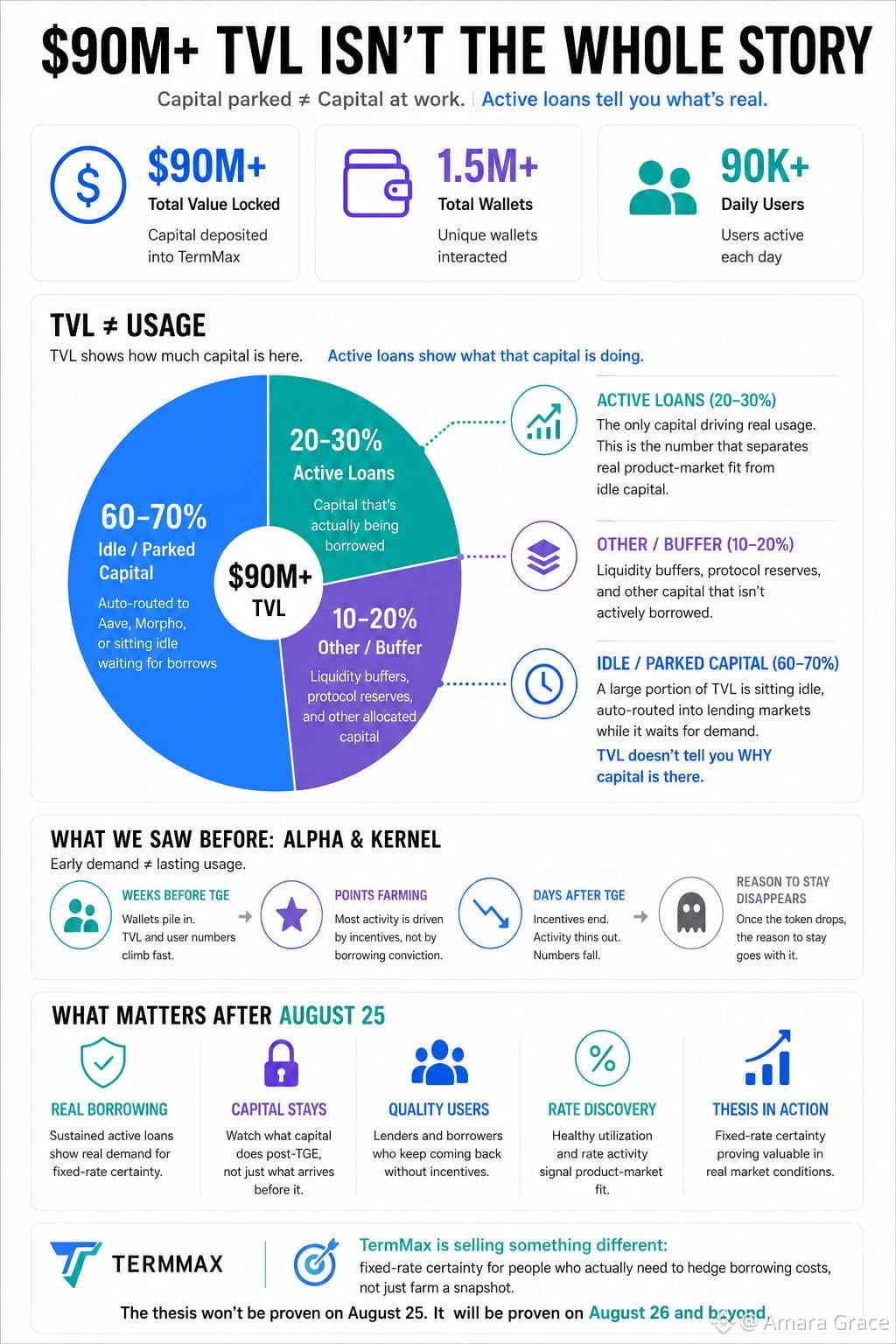
Been checking TermMax's dashboard every couple of days this week, mostly out of habit before the 25th. The numbers are hard to ignore $90M+ TVL, over 1.5 million wallets, 90K+ daily users. But numbers like that always make me pause for a second instead of getting excited.
TVL tells you how much capital is parked somewhere. It doesn't tell you why it's there. A chunk of that $90M is probably sitting idle, auto-routed into Aave or Morpho while it waits for someone to actually borrow against it. Active loans is the number I'd actually want to see, not total deposits. That's the figure that separates real usage from capital that's just waiting around for something to happen.
I sat through the ALPHA and KERNEL launches too, watching wallets pile in weeks before TGE and thin out days after. Most of that early "demand" wasn't borrowing or trading conviction. It was points farmers positioning for allocation, and once the token dropped, the reason to stay went with it.
TermMax is selling something different on paper fixed-rate certainty for people who actually need to hedge borrowing costs, not just farm a snapshot. Whether that thesis holds shows up after August 25, in what stays, not in what showed up beforehand.
Been checking TermMax's dashboard every couple of days this week, mostly out of habit before the 25th. The numbers are hard to ignore $90M+ TVL, over 1.5 million wallets, 90K+ daily users. But numbers like that always make me pause for a second instead of getting excited.
TVL tells you how much capital is parked somewhere. It doesn't tell you why it's there. A chunk of that $90M is probably sitting idle, auto-routed into Aave or Morpho while it waits for someone to actually borrow against it. Active loans is the number I'd actually want to see, not total deposits. That's the figure that separates real usage from capital that's just waiting around for something to happen.
I sat through the ALPHA and KERNEL launches too, watching wallets pile in weeks before TGE and thin out days after. Most of that early "demand" wasn't borrowing or trading conviction. It was points farmers positioning for allocation, and once the token dropped, the reason to stay went with it.
TermMax is selling something different on paper fixed-rate certainty for people who actually need to hedge borrowing costs, not just farm a snapshot. Whether that thesis holds shows up after August 25, in what stays, not in what showed up beforehand.
تمّ التحقق
#termmax @TermMax
The interesting part of TermMax isn’t that it moved from an orderbook to an AMM.
It’s why that trade-off makes sense for fixed-rate markets.
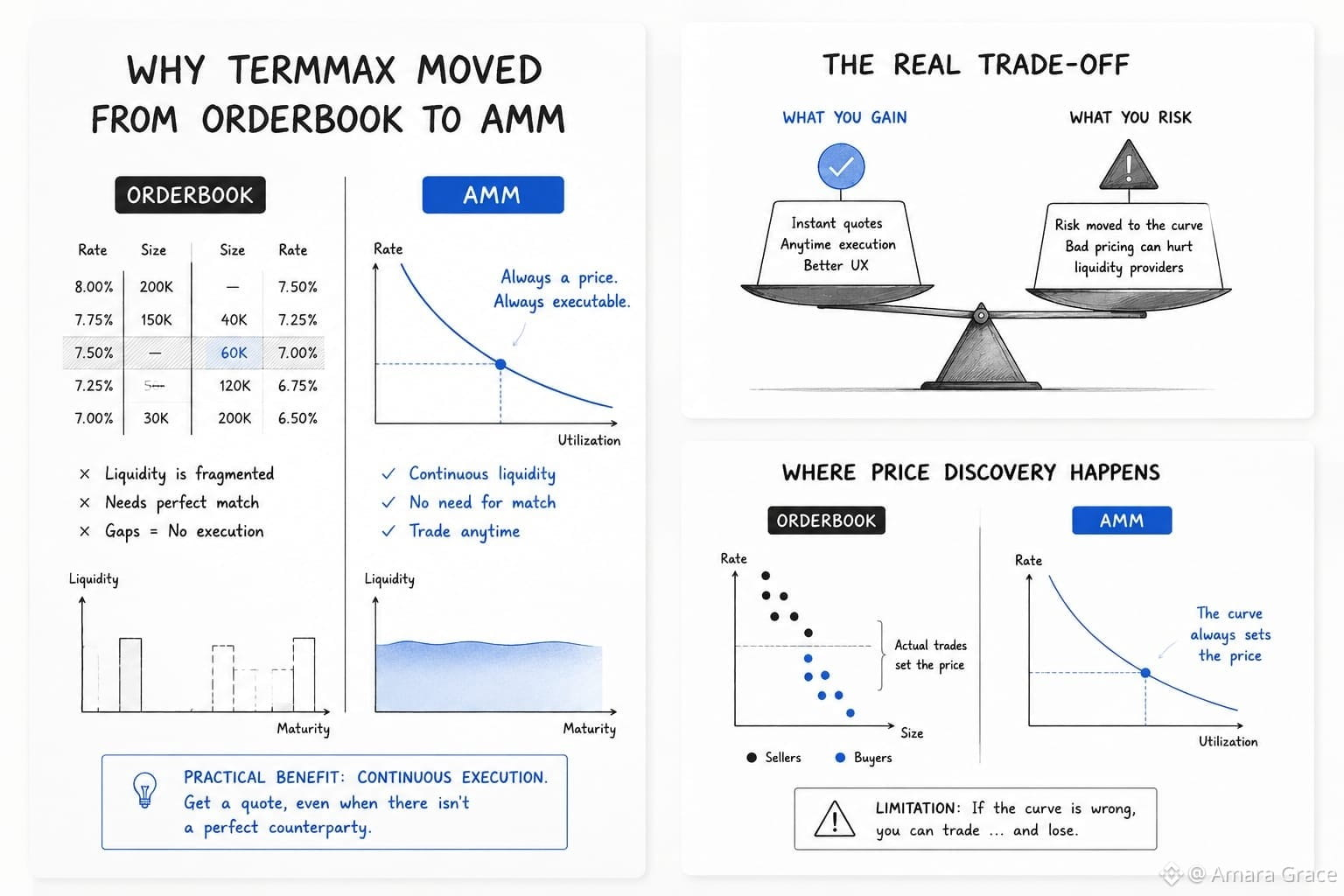
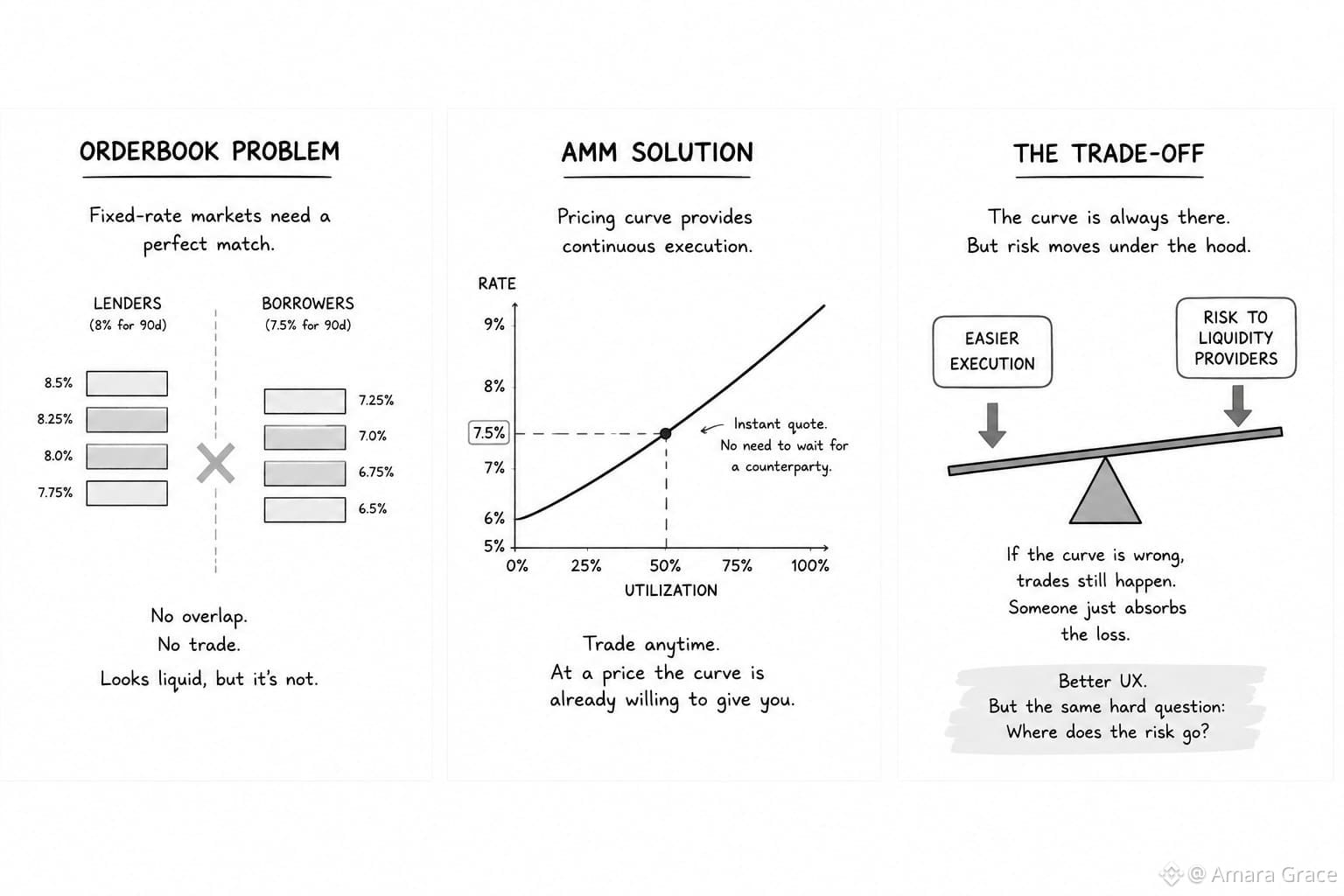
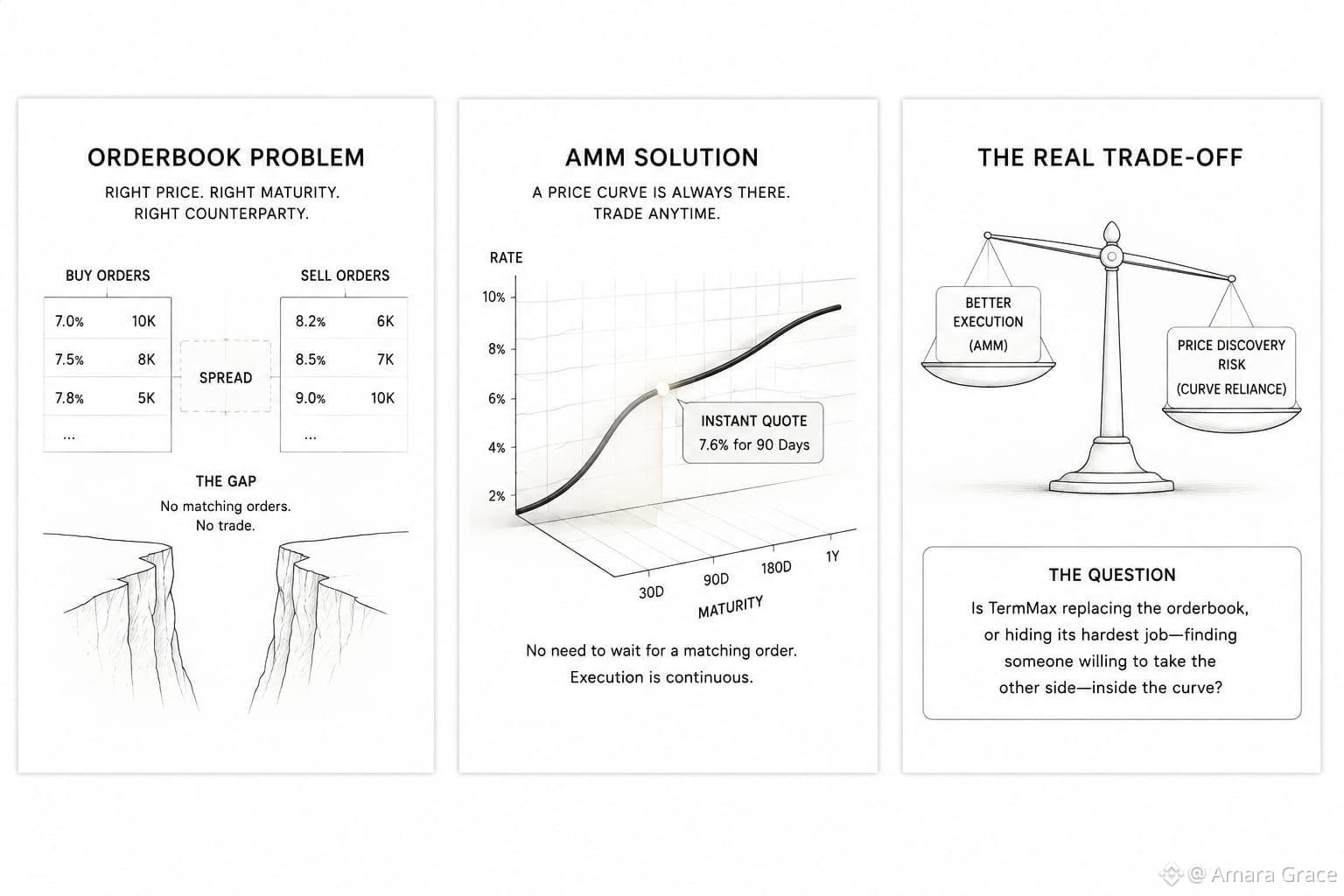
I’ve always found order books awkward here. A lender might want 8% for 90 days while a borrower wants 7.5%... and suddenly the market needs another participant to care about that exact slice of time and price. If nobody shows up, the market looks liquid right up until you actually try to trade.
An AMM attacks that problem differently. The practical benefit is continuous execution: you don’t need a matching order sitting there before you can enter or exit. TermMax’s design uses pricing curves rather than relying entirely on individual orders.
But I wouldn’t call that a free improvement.
The uncomfortable bit is price discovery. In an order book, bad pricing can simply sit there untouched. In an AMM, the curve is always offering you a price. If the curve is wrong, you can trade against a bad price without realizing how much of the risk has been pushed onto liquidity providers.
So the real test for TermMax isn’t AMM or orderbook?
It’s whether the curve can stay sane when the market gets stressed. What happens to those fixed-rate quotes when volatility suddenly makes yesterday’s assumptions worthless?
The interesting part of TermMax isn’t that it moved from an orderbook to an AMM.
It’s why that trade-off makes sense for fixed-rate markets.
I’ve always found order books awkward here. A lender might want 8% for 90 days while a borrower wants 7.5%... and suddenly the market needs another participant to care about that exact slice of time and price. If nobody shows up, the market looks liquid right up until you actually try to trade.
An AMM attacks that problem differently. The practical benefit is continuous execution: you don’t need a matching order sitting there before you can enter or exit. TermMax’s design uses pricing curves rather than relying entirely on individual orders.
But I wouldn’t call that a free improvement.
The uncomfortable bit is price discovery. In an order book, bad pricing can simply sit there untouched. In an AMM, the curve is always offering you a price. If the curve is wrong, you can trade against a bad price without realizing how much of the risk has been pushed onto liquidity providers.
So the real test for TermMax isn’t AMM or orderbook?
It’s whether the curve can stay sane when the market gets stressed. What happens to those fixed-rate quotes when volatility suddenly makes yesterday’s assumptions worthless?
تمّ التحقق
#dusk $DUSK @Dusk
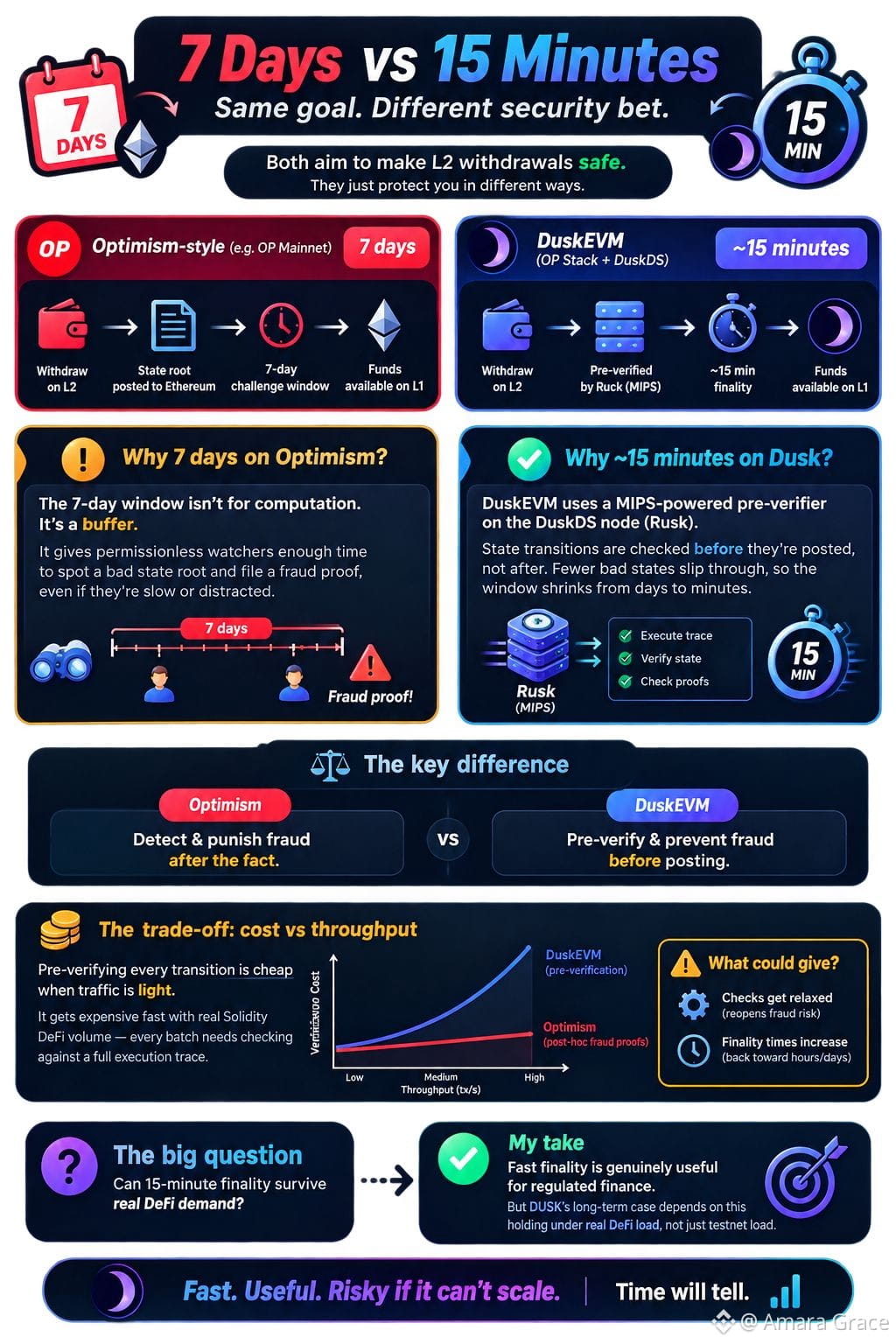
Optimism-style rollups make you wait 7 days to withdraw funds back to L1.
Dusk's EVM layer claims ~15 minutes.
That's not a small UX tweak.
It's a different security bet, and I wanted to understand why it holds.
The 7-day window on chains like Optimism isn't computation time.
It's a buffer, giving permissionless watchers enough time to catch a bad state root and file a fraud proof, even if they're slow or distracted.
Remove the need for that buffer, and the wait shrinks with it.
DuskEVM runs on the OP Stack but settles to DuskDS instead of Ethereum.
Its shortcut is a MIPS-powered pre-verifier on the DuskDS node (Rusk), checking state transitions before they post, instead of waiting for someone to catch fraud afterward.
Fewer surprises slip through, so the window drops from days to minutes.
Here's what I keep circling back to.
Pre-verifying every transition is cheap when DuskEVM traffic is light.
It gets expensive fast once real Solidity DeFi volume shows up, since every batch needs checking against a full execution trace before it's accepted.
If that throughput can't keep pace, something gives either checks get relaxed, reopening the exact risk the window was built to prevent, or finality times start creeping back up.
Fast finality is genuinely useful for regulated finance.
But DUSK's long-term case depends on this holding under real DeFi load, not testnet load.
Does 15-minute finality survive actual demand, or is it still a testnet number?
Optimism-style rollups make you wait 7 days to withdraw funds back to L1.
Dusk's EVM layer claims ~15 minutes.
That's not a small UX tweak.
It's a different security bet, and I wanted to understand why it holds.
The 7-day window on chains like Optimism isn't computation time.
It's a buffer, giving permissionless watchers enough time to catch a bad state root and file a fraud proof, even if they're slow or distracted.
Remove the need for that buffer, and the wait shrinks with it.
DuskEVM runs on the OP Stack but settles to DuskDS instead of Ethereum.
Its shortcut is a MIPS-powered pre-verifier on the DuskDS node (Rusk), checking state transitions before they post, instead of waiting for someone to catch fraud afterward.
Fewer surprises slip through, so the window drops from days to minutes.
Here's what I keep circling back to.
Pre-verifying every transition is cheap when DuskEVM traffic is light.
It gets expensive fast once real Solidity DeFi volume shows up, since every batch needs checking against a full execution trace before it's accepted.
If that throughput can't keep pace, something gives either checks get relaxed, reopening the exact risk the window was built to prevent, or finality times start creeping back up.
Fast finality is genuinely useful for regulated finance.
But DUSK's long-term case depends on this holding under real DeFi load, not testnet load.
Does 15-minute finality survive actual demand, or is it still a testnet number?
تمّ التحقق
#termmax @TermMax
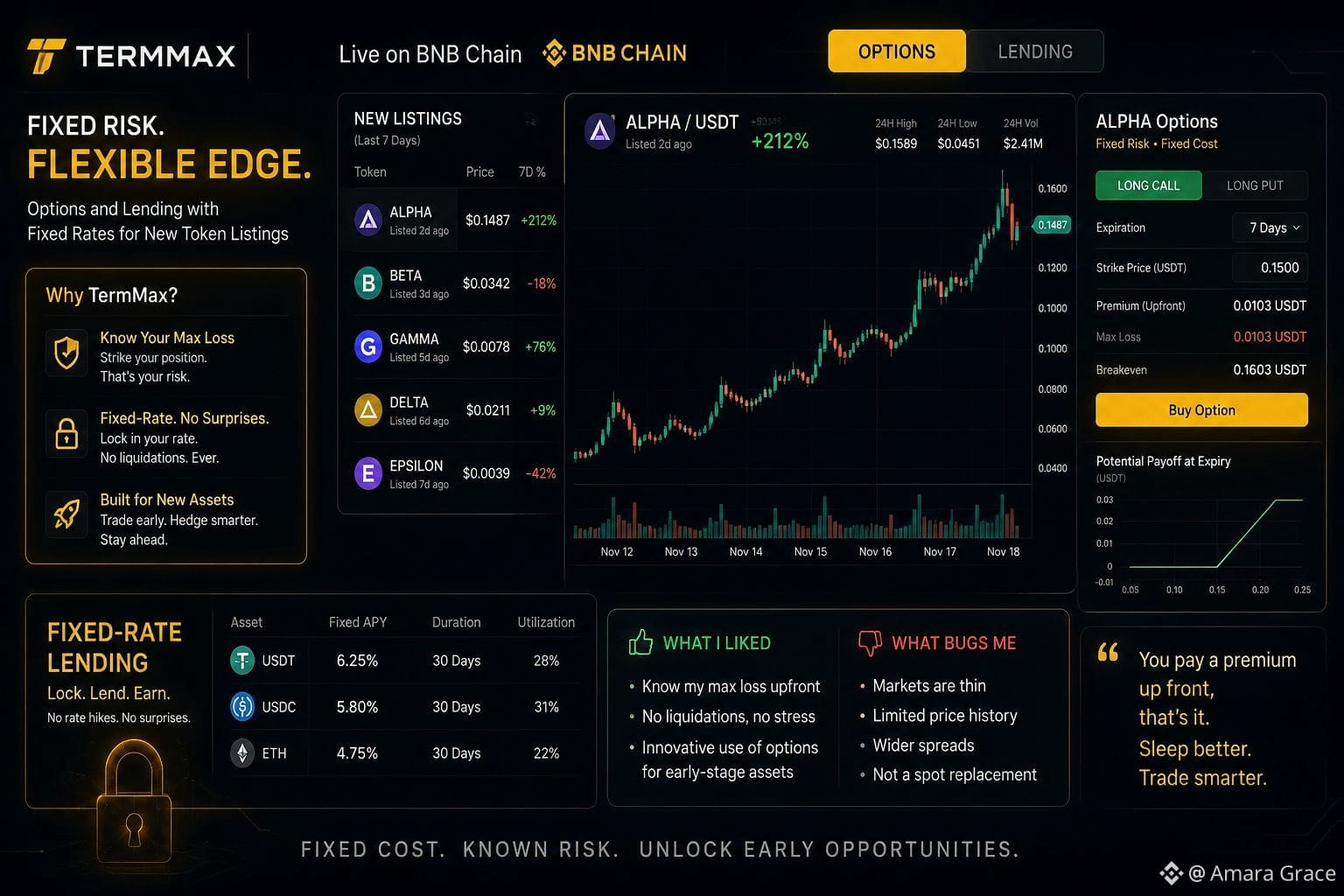
Ok sO honestly I almost skipped researching this because "fixed rate options for new token listings" sounded like something no one would actually use.
Then I actually opened @TermMax and saw what's live on BNB Chain right now, next to Alpha tokens that listed a week ago, and changed my mind.🤔
Here's the thing that got me. Normally if you want leverage on something that just launched, you're in perps, and you're one wick away from getting rekt while you're asleep. TermMax does it as an option instead. You pay a premium up front, that's it, no margin call chasing you at 3am.🗣️
Fixed-rate lending usually gets explained the same way: "Aave rates float, ours don't." True, but it kind of misses what's actually different here. On Ethereum, TermMax's markets are pretty boring in a good way, mostly ETH and stables, locked-in rates, nothing weird. BNB Chain is where they're doing something I haven't really seen elsewhere, applying that same fixed-cost mindset to assets with basically no price history.
What I liked...🥰knowing my max loss the second I opened the position, not after some liquidation bot decided for me.
What bugs me: these markets are thin. A handful of days of trading data isn't much to price an option against, and I could feel that in the spread when I checked it.
Doesn't feel like it replaces just buying spot and holding through the chop. Anyone actually used this beyond testing, or am I overthinking a niche feature?
$BTW
$VELVET $RICE
Ok sO honestly I almost skipped researching this because "fixed rate options for new token listings" sounded like something no one would actually use.
Then I actually opened @TermMax and saw what's live on BNB Chain right now, next to Alpha tokens that listed a week ago, and changed my mind.🤔
Here's the thing that got me. Normally if you want leverage on something that just launched, you're in perps, and you're one wick away from getting rekt while you're asleep. TermMax does it as an option instead. You pay a premium up front, that's it, no margin call chasing you at 3am.🗣️
Fixed-rate lending usually gets explained the same way: "Aave rates float, ours don't." True, but it kind of misses what's actually different here. On Ethereum, TermMax's markets are pretty boring in a good way, mostly ETH and stables, locked-in rates, nothing weird. BNB Chain is where they're doing something I haven't really seen elsewhere, applying that same fixed-cost mindset to assets with basically no price history.
What I liked...🥰knowing my max loss the second I opened the position, not after some liquidation bot decided for me.
What bugs me: these markets are thin. A handful of days of trading data isn't much to price an option against, and I could feel that in the spread when I checked it.
Doesn't feel like it replaces just buying spot and holding through the chop. Anyone actually used this beyond testing, or am I overthinking a niche feature?
$BTW
$VELVET $RICE
Something big is brewing in Washington. 🇺🇸🔥
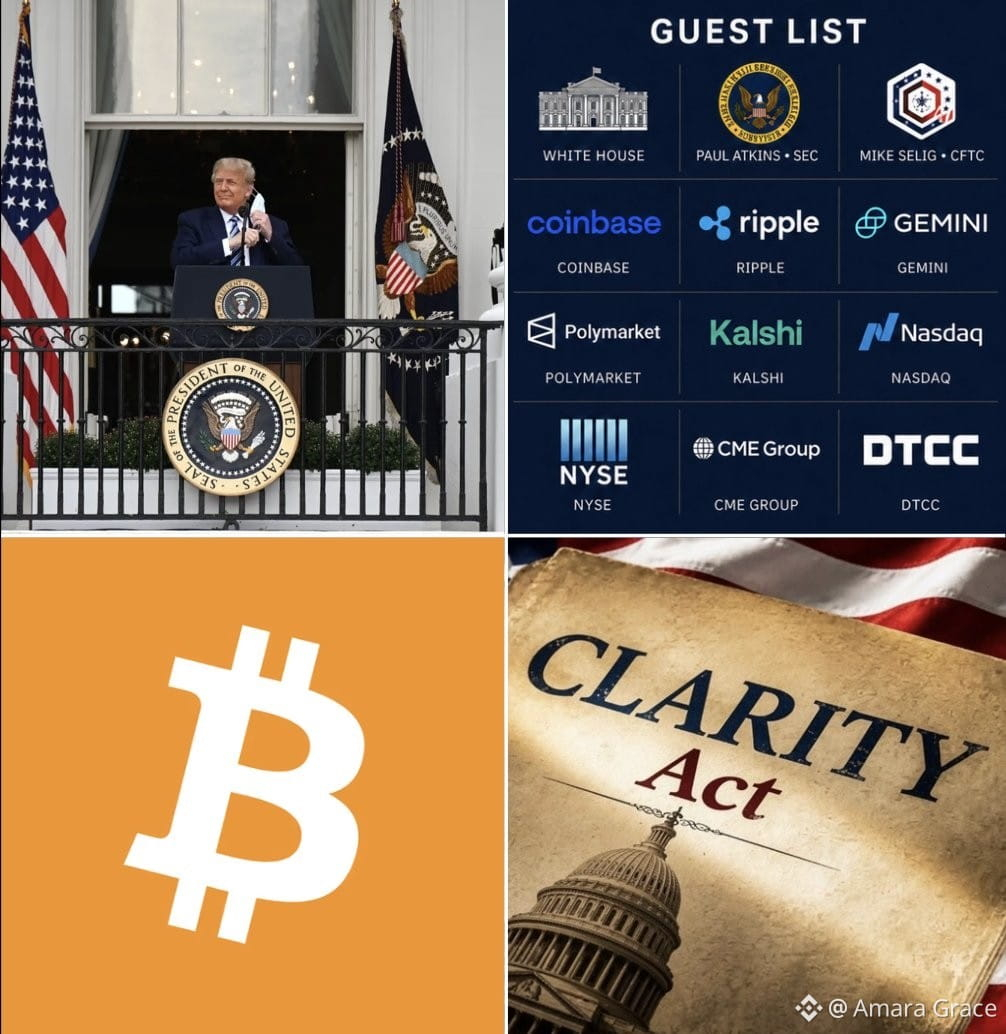
Trump is expected to sit down TODAY with SEC Chair Paul Atkins, CFTC Chair Mike Selig, and heavyweight names from Coinbase, Ripple, Gemini, Polymarket, Kalshi, Nasdaq, NYSE, CME Group and DTCC.
That lineup says a lot.
With the CLARITY Act still stalled, the focus appears to be shifting toward tokenization, market infrastructure and deeper crypto integration.
🕝 ~2:30 PM ET
📍 Eisenhower Executive Office Building
Then tomorrow, the CFTC’s new Innovation Advisory Committee holds its first meeting.
This could be a defining week for Bitcoin and crypto.
Trump is expected to sit down TODAY with SEC Chair Paul Atkins, CFTC Chair Mike Selig, and heavyweight names from Coinbase, Ripple, Gemini, Polymarket, Kalshi, Nasdaq, NYSE, CME Group and DTCC.
That lineup says a lot.
With the CLARITY Act still stalled, the focus appears to be shifting toward tokenization, market infrastructure and deeper crypto integration.
🕝 ~2:30 PM ET
📍 Eisenhower Executive Office Building
Then tomorrow, the CFTC’s new Innovation Advisory Committee holds its first meeting.
This could be a defining week for Bitcoin and crypto.
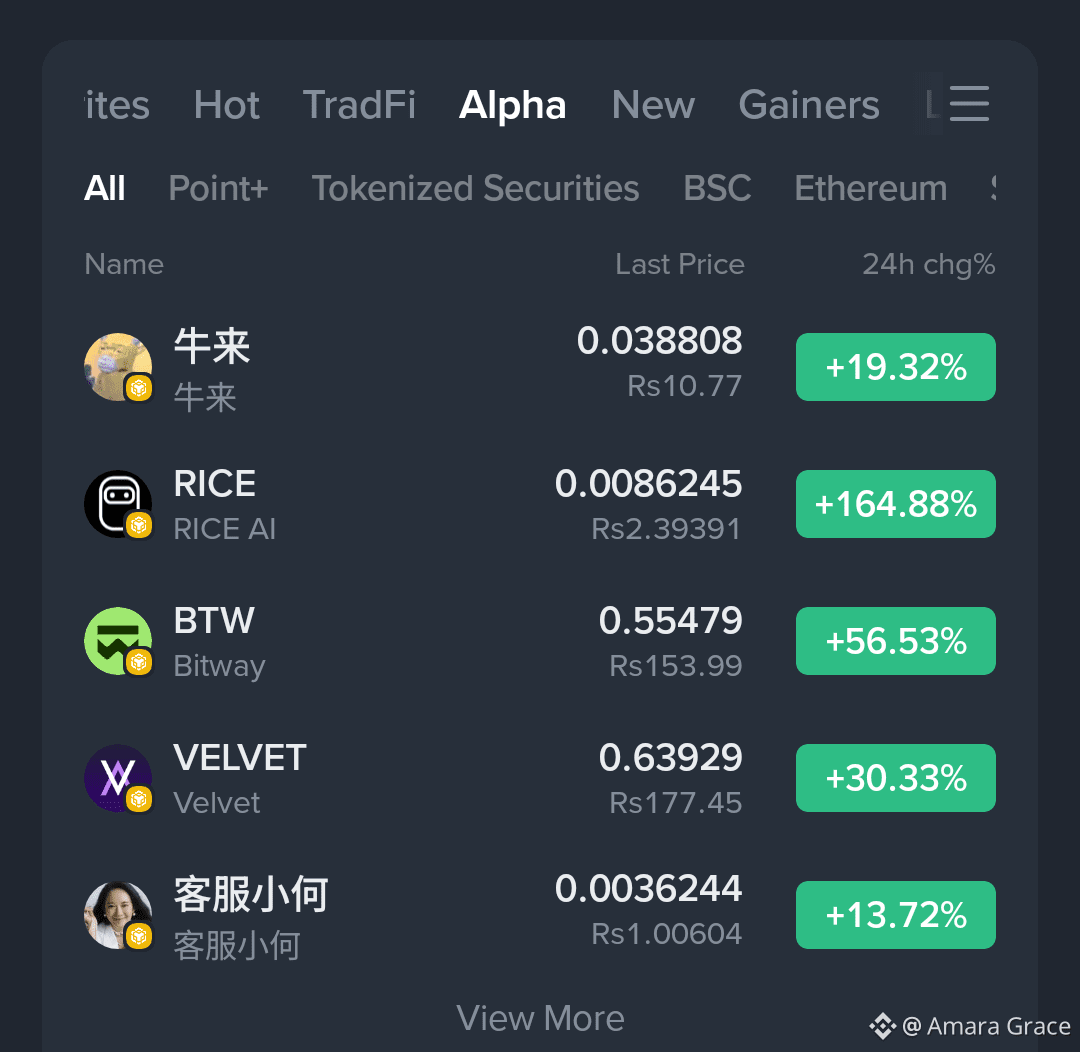
The Alpha board is looking pretty interesting today 👀
$RICE (RICE AI) is leading the move at +164.88% to 0.0086245.
Also on the radar:
$BTW (Bitway): 0.55479, +56.53%
VELVET (Velvet): 0.63929, +30.33%
牛来: 0.038808, +19.32%
$客服小何 : 0.0036244, +13.72%
RICE is clearly the standout right now, but the whole list is showing strong momentum. Worth keeping an eye on what happens next.
$RICE (RICE AI) is leading the move at +164.88% to 0.0086245.
Also on the radar:
$BTW (Bitway): 0.55479, +56.53%
VELVET (Velvet): 0.63929, +30.33%
牛来: 0.038808, +19.32%
$客服小何 : 0.0036244, +13.72%
RICE is clearly the standout right now, but the whole list is showing strong momentum. Worth keeping an eye on what happens next.
تمّ التحقق
@Dusk #Dusk
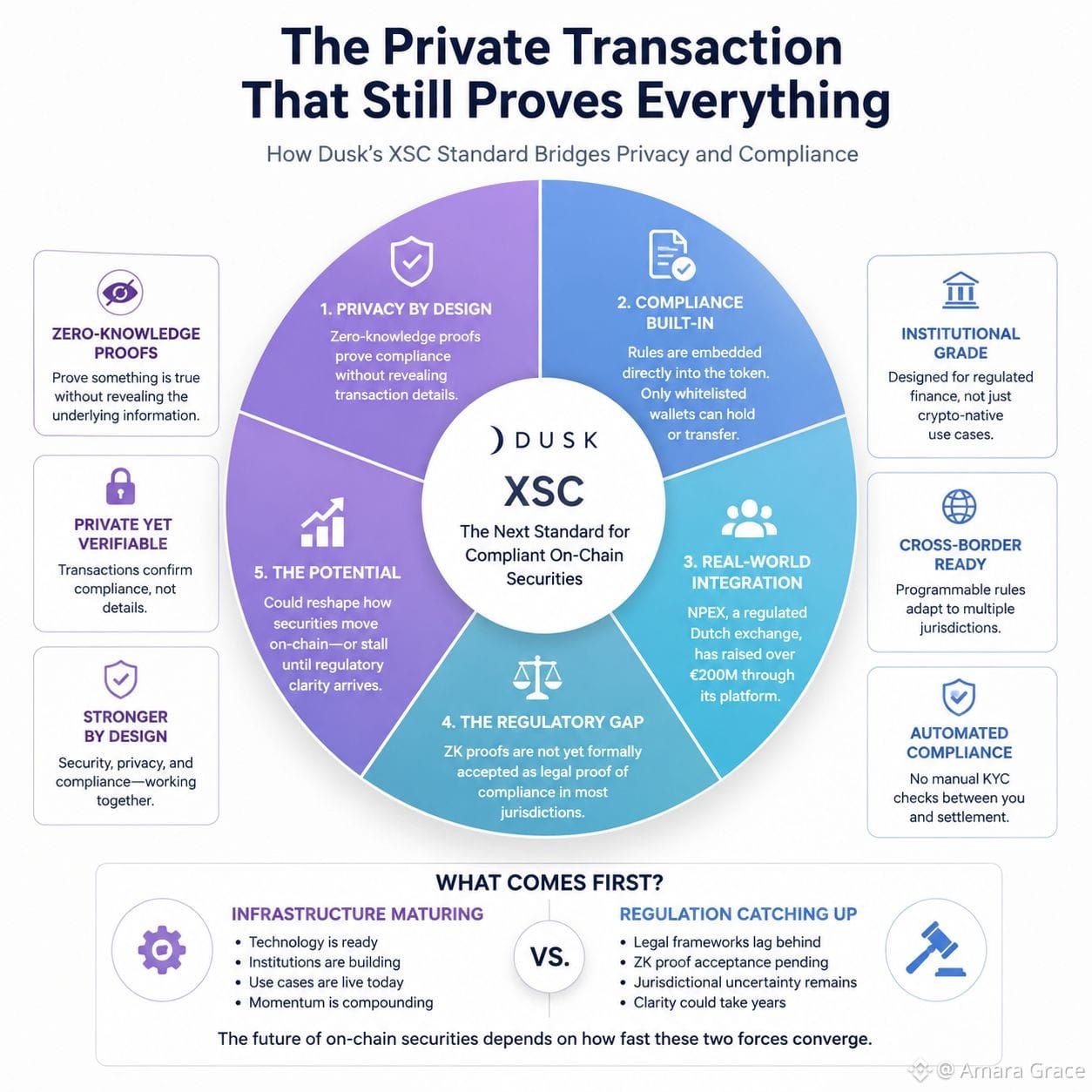
The Private Transaction That Still Proves Everything
What actually caught my attention with Dusk's XSC standard isn't the privacy angle it's how they're solving the contradiction underneath it.
In traditional finance, compliance requires visibility. In crypto, privacy means hiding the details. Those two things have always been in direct conflict. XSC tries to thread that needle by using zero-knowledge proofs basically a way to prove something is true without revealing the underlying information. So a transaction can confirm an investor is accredited, a transfer is compliant, a rule was followed without broadcasting the actual trade details to the world.
What I found genuinely interesting is that compliance rules get embedded directly into the token itself not bolted on afterward. That means an asset can be programmed to only move between whitelisted wallets automatically. No manual KYC checks sitting between you and settlement.
The NPEX integration a regulated Dutch stock exchange that has raised over €200 million through its platform gives this real-world weight not just whitepaper promises.
The real risk though? Regulators in most jurisdictions haven't formally accepted ZK proofs as legally sufficient evidence of compliance. The technology is ahead of the legal framework right now, and that gap matters a lot for institutional adoption.
This could quietly reshape how securities move on-chain or it could stall waiting for regulatory clarity that's still years out.
Which do you think comes first: the infrastructure maturing, or the regulation catching up?
@Dusk #dusk $DUSK
The Private Transaction That Still Proves Everything
What actually caught my attention with Dusk's XSC standard isn't the privacy angle it's how they're solving the contradiction underneath it.
In traditional finance, compliance requires visibility. In crypto, privacy means hiding the details. Those two things have always been in direct conflict. XSC tries to thread that needle by using zero-knowledge proofs basically a way to prove something is true without revealing the underlying information. So a transaction can confirm an investor is accredited, a transfer is compliant, a rule was followed without broadcasting the actual trade details to the world.
What I found genuinely interesting is that compliance rules get embedded directly into the token itself not bolted on afterward. That means an asset can be programmed to only move between whitelisted wallets automatically. No manual KYC checks sitting between you and settlement.
The NPEX integration a regulated Dutch stock exchange that has raised over €200 million through its platform gives this real-world weight not just whitepaper promises.
The real risk though? Regulators in most jurisdictions haven't formally accepted ZK proofs as legally sufficient evidence of compliance. The technology is ahead of the legal framework right now, and that gap matters a lot for institutional adoption.
This could quietly reshape how securities move on-chain or it could stall waiting for regulatory clarity that's still years out.
Which do you think comes first: the infrastructure maturing, or the regulation catching up?
@Dusk #dusk $DUSK
صحيح جزئيًا
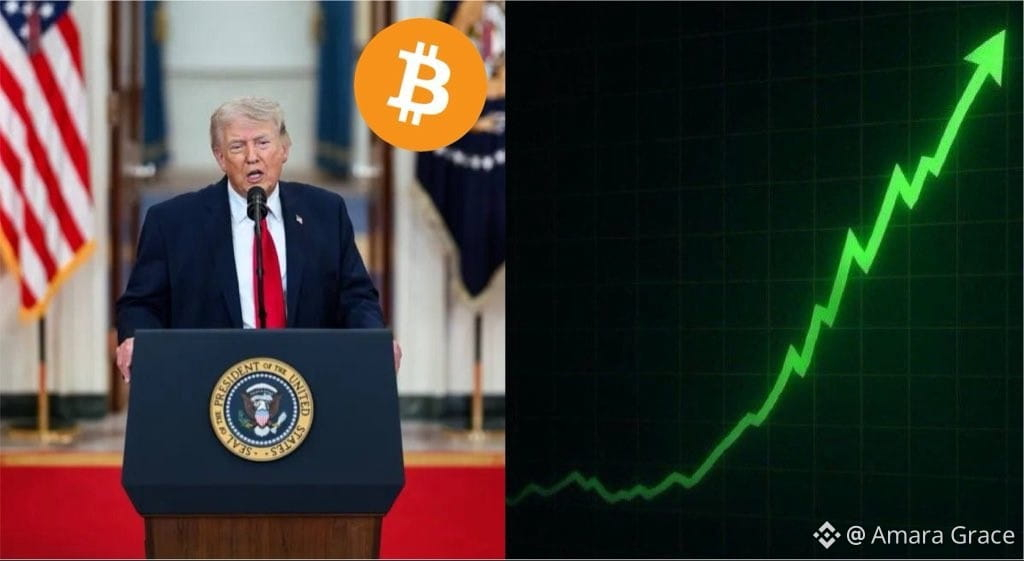
🚨 MASSIVE: 🇺🇸 President Trump is set to meet crypto leaders at the White House tomorrow to push the CLARITY Act.
The message is clear: WE NEED CRYPTO CLARITY NOW. 🇺🇸🔥
A major moment for the U.S. crypto industry. 🚀
The message is clear: WE NEED CRYPTO CLARITY NOW. 🇺🇸🔥
A major moment for the U.S. crypto industry. 🚀
تداول لمدة 30 يومًا $DUSK 254.9 USDT
@Dusk #dusk
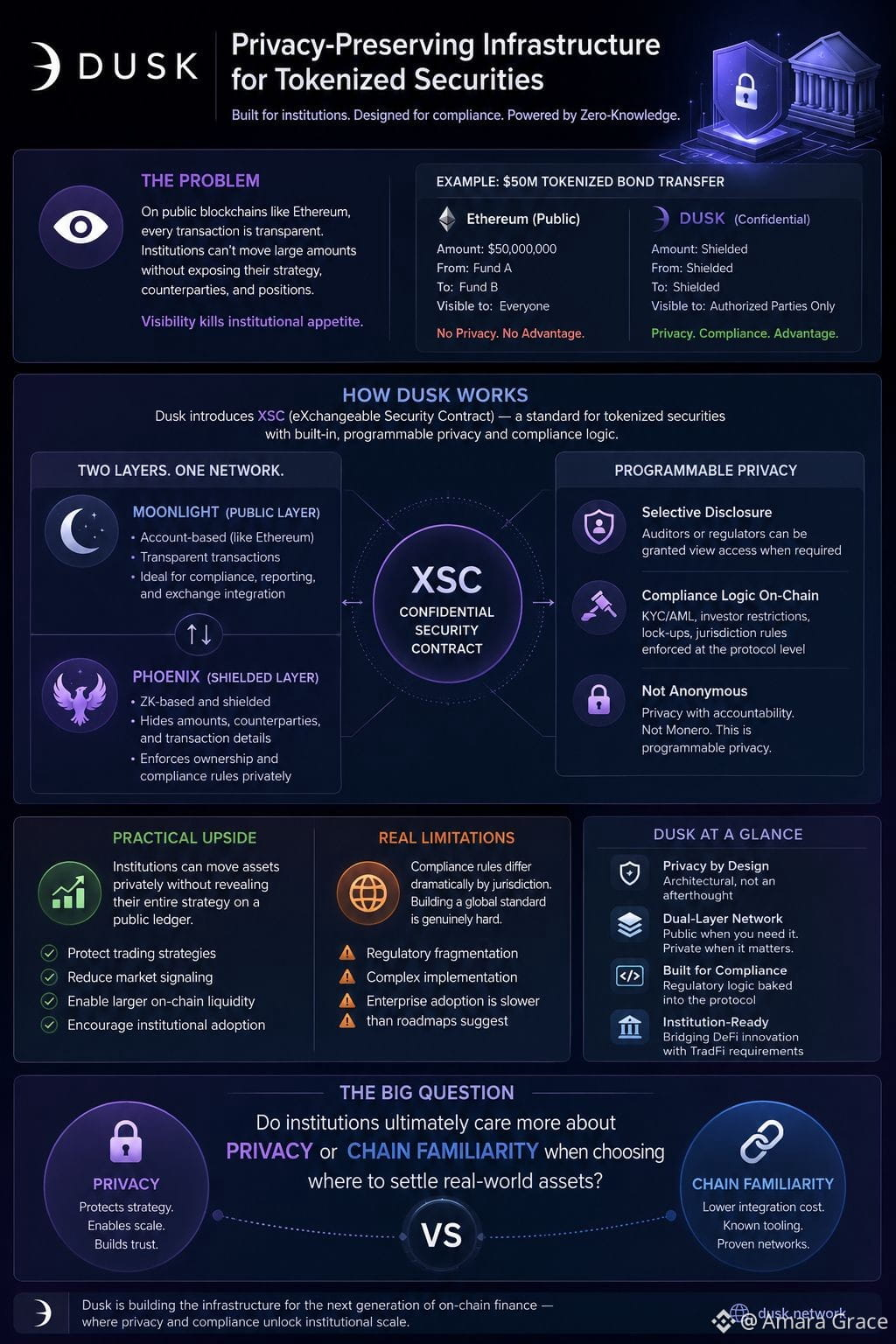
Ok..honestly Been spending time lately going deep on Dusk, and the more I look at it, the more I think it's solving a problem most of crypto hasn't seriously tried to address yet.
The core idea behind XSC Dusk's Confidential Security Contract standard is that you can issue and trade tokenized securities on-chain without broadcasting every detail to the world. That's not how other chains work. On Ethereum, if a fund moves $50M into a tokenized bond, that's visible. Full stop. That visibility alone kills institutional appetite before it starts.
Dusk handles this through two transaction layers: Moonlight, which is fully public and account-based, closer to Ethereum solid for compliance reporting and exchange integration and Phoenix, which is ZK-based and shielded, hiding amounts and counterparties while still enforcing ownership rules. You can actually switch between them. Auditors or regulators can be granted selective view access when it's required. It's not anonymous in the Monero sense it's programmable privacy with compliance logic baked in at the protocol level.
What genuinely stood out: the privacy isn't bolted on as an afterthought. It's architectural. That's a meaningful difference.
Practical upside: institutions can move assets without leaking their entire trading strategy to competitors on a public ledger.
Real limitation: compliance rules differ dramatically by jurisdiction. Building a global standard around regulatory logic is genuinely hard, and enterprise adoption in this space has always been slower than the roadmaps suggest.
So do you think institutions ultimately care more about privacy or about chain familiarity when choosing where to settle real-world assets?
$DUSK
$CLO
$TUT
Ok..honestly Been spending time lately going deep on Dusk, and the more I look at it, the more I think it's solving a problem most of crypto hasn't seriously tried to address yet.
The core idea behind XSC Dusk's Confidential Security Contract standard is that you can issue and trade tokenized securities on-chain without broadcasting every detail to the world. That's not how other chains work. On Ethereum, if a fund moves $50M into a tokenized bond, that's visible. Full stop. That visibility alone kills institutional appetite before it starts.
Dusk handles this through two transaction layers: Moonlight, which is fully public and account-based, closer to Ethereum solid for compliance reporting and exchange integration and Phoenix, which is ZK-based and shielded, hiding amounts and counterparties while still enforcing ownership rules. You can actually switch between them. Auditors or regulators can be granted selective view access when it's required. It's not anonymous in the Monero sense it's programmable privacy with compliance logic baked in at the protocol level.
What genuinely stood out: the privacy isn't bolted on as an afterthought. It's architectural. That's a meaningful difference.
Practical upside: institutions can move assets without leaking their entire trading strategy to competitors on a public ledger.
Real limitation: compliance rules differ dramatically by jurisdiction. Building a global standard around regulatory logic is genuinely hard, and enterprise adoption in this space has always been slower than the roadmaps suggest.
So do you think institutions ultimately care more about privacy or about chain familiarity when choosing where to settle real-world assets?
$DUSK
$CLO
$TUT
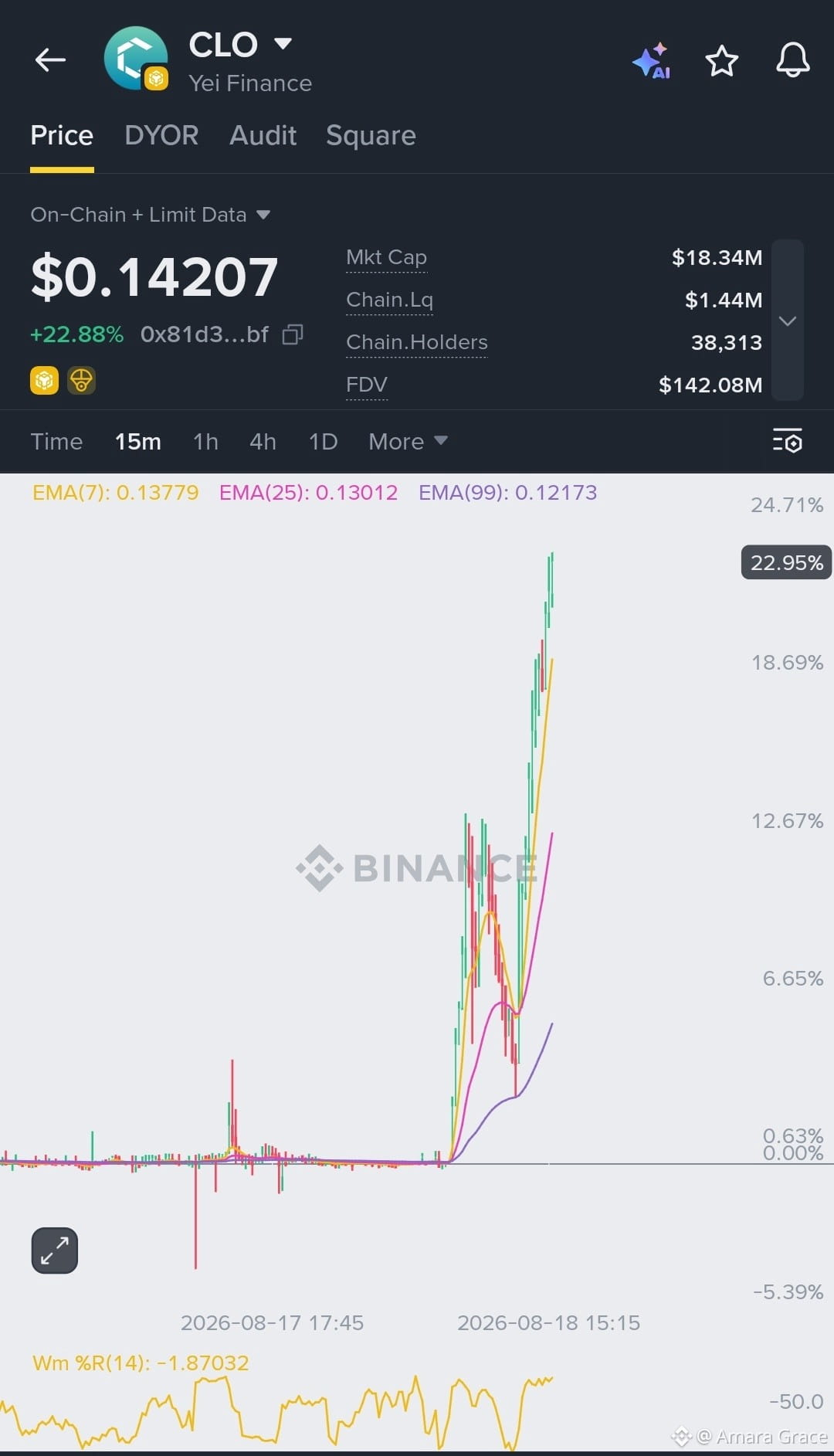
$CLO /USDT is showing a strong breakout on the 15M chart.
Price is at 0.14207, up 22.88%, with price holding well above the 7 EMA at 0.13779, 25 EMA at 0.13012 and 99 EMA at 0.12173. The trend is clearly bullish, but the sharp move also means volatility is elevated.
EP: 0.138–0.142
TP: 0.150 / 0.160 / 0.175
SP: 0.130
A sustained hold above 0.142 could keep the breakout structure intact. A pullback toward the EMA zone may offer a cleaner risk setup.
DYOR and manage risk.
Price is at 0.14207, up 22.88%, with price holding well above the 7 EMA at 0.13779, 25 EMA at 0.13012 and 99 EMA at 0.12173. The trend is clearly bullish, but the sharp move also means volatility is elevated.
EP: 0.138–0.142
TP: 0.150 / 0.160 / 0.175
SP: 0.130
A sustained hold above 0.142 could keep the breakout structure intact. A pullback toward the EMA zone may offer a cleaner risk setup.
DYOR and manage risk.
$RED /USDT is waking up again!
RED is up +23.49% in 24H and holding above all key EMAs 7 EMA: 0.1018 | 25 EMA: 0.0999 | 99 EMA: 0.0927. Momentum is rebuilding after the pullback. 👀
🎯 EP: 0.1010–0.1030
💰 TP: 0.1080 / 0.1148 / 0.1200
🛑 SP: 0.0970
A breakout above 0.1148 could bring another volatility burst. ⚡️
DYOR & manage risk this is a high-volatility setup.
RED is up +23.49% in 24H and holding above all key EMAs 7 EMA: 0.1018 | 25 EMA: 0.0999 | 99 EMA: 0.0927. Momentum is rebuilding after the pullback. 👀
🎯 EP: 0.1010–0.1030
💰 TP: 0.1080 / 0.1148 / 0.1200
🛑 SP: 0.0970
A breakout above 0.1148 could bring another volatility burst. ⚡️
DYOR & manage risk this is a high-volatility setup.
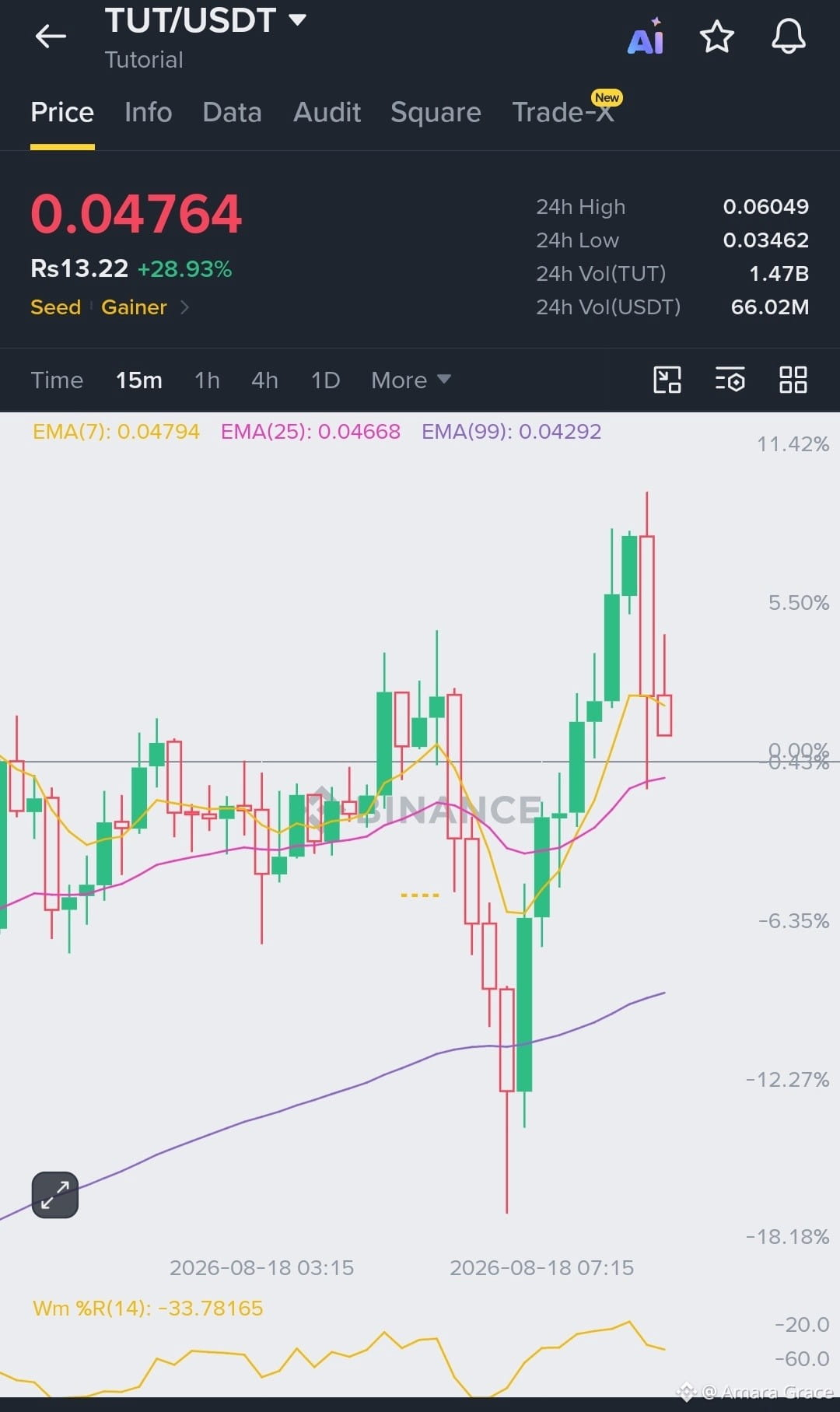
$TUT
+29% in 24H with strong buying pressure, while price is holding above the 25 EMA (0.04670). The chart is volatile, but momentum is clearly worth watching. 👀🔥
🎯 EP: 0.0470–0.0480
💰 TP: 0.0520 / 0.0570 / 0.0600
🛑 SP: 0.0445
A clean hold above the entry zone could open the door toward the recent high. ⚡
DYOR — high volatility, manage risk.
+29% in 24H with strong buying pressure, while price is holding above the 25 EMA (0.04670). The chart is volatile, but momentum is clearly worth watching. 👀🔥
🎯 EP: 0.0470–0.0480
💰 TP: 0.0520 / 0.0570 / 0.0600
🛑 SP: 0.0445
A clean hold above the entry zone could open the door toward the recent high. ⚡
DYOR — high volatility, manage risk.
سجّل الدخول لاستكشاف المزيد من المُحتوى