

#web3
web3
51.2M مشاهدات
304,529 يقومون بالنقاش
رائج
جديد

·
--
تمّ التحقق
فيتالیک: بعد Hegota، $ETH يبدو أكثر كـ«حوسبة عالم تشفيرية»ليست هذه مقالة أخرى ترفع شعارات عن خريطة طريق. في مقال طويل بتاريخ 9/27، قام فيتاليك بتغيير الاسم مباشرة: الـ $ETH بعد Lean—ويسمي أن مفهوم «blockchain» غالبًا ما يكون مجرد خمول تاريخي؛ في جوهره هو مزيج من توافقٍ قائم على السلسلة وتشفير حديث، ويسميه «cryptographic world computer».
حدد بعض الأمور الصعبة:
١️⃣ من المرجّح أن تكون Hegota (في المرة القادمة) هي آخر مرة لـ«fork» يمكن أن يفهمه «الشخص العادي»؛ وبعد ذلك سيعتمد الخط الرئيسي على recursive STARKs، والتحقق الرسمي، وتوافق عالي التحسين، وأيضًا أمانًا كميًا بالكامل。
٢️⃣ يجب أن يتحول التحقق من «إعادة التشغيل من خلال تنزيل البيانات بالكامل» إلى أخذ عينات عبر PeerDAS + التحقق عبر SNARK؛ وقد تم بالفعل تطبيق PeerDAS في Fusaka، ومن ثم سيتم توسيعه ليشمل محتوى الكتل الكامل。
فيتالیک: بعد Hegota، $ETH يبدو أكثر كـ«حوسبة عالم تشفيرية»
ليست هذه مقالة أخرى ترفع شعارات عن خريطة طريق. في مقال طويل بتاريخ 9/27، قام فيتاليك بتغيير الاسم مباشرة: الـ $ETH بعد Lean—ويسمي أن مفهوم «blockchain» غالبًا ما يكون مجرد خمول تاريخي؛ في جوهره هو مزيج من توافقٍ قائم على السلسلة وتشفير حديث، ويسميه «cryptographic world computer».
حدد بعض الأمور الصعبة:
١️⃣ من المرجّح أن تكون Hegota (في المرة القادمة) هي آخر مرة لـ«fork» يمكن أن يفهمه «الشخص العادي»؛ وبعد ذلك سيعتمد الخط الرئيسي على recursive STARKs، والتحقق الرسمي، وتوافق عالي التحسين، وأيضًا أمانًا كميًا بالكامل。
٢️⃣ يجب أن يتحول التحقق من «إعادة التشغيل من خلال تنزيل البيانات بالكامل» إلى أخذ عينات عبر PeerDAS + التحقق عبر SNARK؛ وقد تم بالفعل تطبيق PeerDAS في Fusaka، ومن ثم سيتم توسيعه ليشمل محتوى الكتل الكامل。
حدد بعض الأمور الصعبة:
١️⃣ من المرجّح أن تكون Hegota (في المرة القادمة) هي آخر مرة لـ«fork» يمكن أن يفهمه «الشخص العادي»؛ وبعد ذلك سيعتمد الخط الرئيسي على recursive STARKs، والتحقق الرسمي، وتوافق عالي التحسين، وأيضًا أمانًا كميًا بالكامل。
٢️⃣ يجب أن يتحول التحقق من «إعادة التشغيل من خلال تنزيل البيانات بالكامل» إلى أخذ عينات عبر PeerDAS + التحقق عبر SNARK؛ وقد تم بالفعل تطبيق PeerDAS في Fusaka، ومن ثم سيتم توسيعه ليشمل محتوى الكتل الكامل。
风中浪客:
Vitalik 这叙事包装确实高级,但 $ETH 能不能兑现还得看生态和真实需求,不是改个名就起飞。老韭菜先不急着上头。
2
1
1.1k


🔥 اكتشفت للتو BSCASH وبرنامج مكافآت منشئيه.
يمكن للمنشئين الذين لديهم 7+ متابعين مشاركة المنشورات الأصلية وإرسالها للمراجعة. يمكن للمنشورات المعتمدة أن تكسب مكافآت BNBC، مع تنفيذ المدفوعات على السلسلة.
لم تُذكر أي رسوم مشاركة أو اتصال بمحفظة في الصفحة.
أتساءل كيف يعمل برنامج المنشئين 👀
SR-5C9E353D90583AF2BB82C285
#bscash #BNBChain #crypto #Web3 $CASH
🔥 اكتشفت للتو BSCASH وبرنامج مكافآت منشئيه.
يمكن للمنشئين الذين لديهم 7+ متابعين مشاركة المنشورات الأصلية وإرسالها للمراجعة. يمكن للمنشورات المعتمدة أن تكسب مكافآت BNBC، مع تنفيذ المدفوعات على السلسلة.
لم تُذكر أي رسوم مشاركة أو اتصال بمحفظة في الصفحة.
أتساءل كيف يعمل برنامج المنشئين 👀
SR-5C9E353D90583AF2BB82C285
#bscash #BNBChain #crypto #Web3 $CASH
يمكن للمنشئين الذين لديهم 7+ متابعين مشاركة المنشورات الأصلية وإرسالها للمراجعة. يمكن للمنشورات المعتمدة أن تكسب مكافآت BNBC، مع تنفيذ المدفوعات على السلسلة.
لم تُذكر أي رسوم مشاركة أو اتصال بمحفظة في الصفحة.
أتساءل كيف يعمل برنامج المنشئين 👀
SR-5C9E353D90583AF2BB82C285
#bscash #BNBChain #crypto #Web3 $CASH
2
298

·
--
📰 ملخص آخر الأخبار من BlockBeats
1. تحليل: إذا فازت الديمقراطيون بالانتخابات النصفية، فقد تصبح الأعمال المشفرة الخاصة بعائلة ترامب محورًا للتحقيق
2. جهات: بيع سندات الخزانة الأمريكية على نطاق واسع قد يكون مفرطًا إلى حد ما
3. حققت شركة شركات وكلاء الذكاء الاصطناعي Instinct جولة تمويل من السلسلة C بقيمة مليار دولار، لترتفع قيمتها إلى 10 مليارات دولار، بمشاركة مستثمرين منهم Sequoia Capital
4. ارتفع سهم إنفيديا بحوالي 3.6% في وقت ما، مسجلًا أكبر قفزة يومية منذ 2 سبتمبر
5. افتتحت الأسهم الأمريكية على تراجع جماعي للمؤشرات الثلاثة الرئيسية؛ ارتفعت إنفيديا 2.3% بينما انخفضت ميتا 0.9%
6. ستطلق Polymarket اختبارًا جديدًا لمنصة Rust CLOB في نوفمبر، ومن المخطط إكمال عملية الانتقال لاحقًا
7. استقال الرئيس التنفيذي لـ CoinMarketCap، Rush؛ ويتولى منصب الرئيس التنفيذي للمنتجات David Salamon المسؤولية
8. ساعدت شركة Tether هذا العام بالفعل في تجميد حوالي 5.5 مليار دولار مرتبطة بشبكة عقوبات إيران من خلال USDT
9. تحولت مكاسب SpaceX قبل الافتتاح إلى ارتفاع بعد تراجع؛ إذ أعلنت أن Starship دخلت المدار لأول مرة، بعد أن ظهرت سابقًا مشكلات في المحركات
10. تحذير من كبير الاقتصاديين في Apollo: قد يؤدي وكلاء الذكاء الاصطناعي إلى «تدافع بنك بطيء»
#BlockBeats #加密货币 #快讯 #Web3
📰 ملخص آخر الأخبار من BlockBeats
1. تحليل: إذا فازت الديمقراطيون بالانتخابات النصفية، فقد تصبح الأعمال المشفرة الخاصة بعائلة ترامب محورًا للتحقيق
2. جهات: بيع سندات الخزانة الأمريكية على نطاق واسع قد يكون مفرطًا إلى حد ما
3. حققت شركة شركات وكلاء الذكاء الاصطناعي Instinct جولة تمويل من السلسلة C بقيمة مليار دولار، لترتفع قيمتها إلى 10 مليارات دولار، بمشاركة مستثمرين منهم Sequoia Capital
4. ارتفع سهم إنفيديا بحوالي 3.6% في وقت ما، مسجلًا أكبر قفزة يومية منذ 2 سبتمبر
5. افتتحت الأسهم الأمريكية على تراجع جماعي للمؤشرات الثلاثة الرئيسية؛ ارتفعت إنفيديا 2.3% بينما انخفضت ميتا 0.9%
6. ستطلق Polymarket اختبارًا جديدًا لمنصة Rust CLOB في نوفمبر، ومن المخطط إكمال عملية الانتقال لاحقًا
7. استقال الرئيس التنفيذي لـ CoinMarketCap، Rush؛ ويتولى منصب الرئيس التنفيذي للمنتجات David Salamon المسؤولية
8. ساعدت شركة Tether هذا العام بالفعل في تجميد حوالي 5.5 مليار دولار مرتبطة بشبكة عقوبات إيران من خلال USDT
9. تحولت مكاسب SpaceX قبل الافتتاح إلى ارتفاع بعد تراجع؛ إذ أعلنت أن Starship دخلت المدار لأول مرة، بعد أن ظهرت سابقًا مشكلات في المحركات
10. تحذير من كبير الاقتصاديين في Apollo: قد يؤدي وكلاء الذكاء الاصطناعي إلى «تدافع بنك بطيء»
#BlockBeats #加密货币 #快讯 #Web3
1. تحليل: إذا فازت الديمقراطيون بالانتخابات النصفية، فقد تصبح الأعمال المشفرة الخاصة بعائلة ترامب محورًا للتحقيق
2. جهات: بيع سندات الخزانة الأمريكية على نطاق واسع قد يكون مفرطًا إلى حد ما
3. حققت شركة شركات وكلاء الذكاء الاصطناعي Instinct جولة تمويل من السلسلة C بقيمة مليار دولار، لترتفع قيمتها إلى 10 مليارات دولار، بمشاركة مستثمرين منهم Sequoia Capital
4. ارتفع سهم إنفيديا بحوالي 3.6% في وقت ما، مسجلًا أكبر قفزة يومية منذ 2 سبتمبر
5. افتتحت الأسهم الأمريكية على تراجع جماعي للمؤشرات الثلاثة الرئيسية؛ ارتفعت إنفيديا 2.3% بينما انخفضت ميتا 0.9%
6. ستطلق Polymarket اختبارًا جديدًا لمنصة Rust CLOB في نوفمبر، ومن المخطط إكمال عملية الانتقال لاحقًا
7. استقال الرئيس التنفيذي لـ CoinMarketCap، Rush؛ ويتولى منصب الرئيس التنفيذي للمنتجات David Salamon المسؤولية
8. ساعدت شركة Tether هذا العام بالفعل في تجميد حوالي 5.5 مليار دولار مرتبطة بشبكة عقوبات إيران من خلال USDT
9. تحولت مكاسب SpaceX قبل الافتتاح إلى ارتفاع بعد تراجع؛ إذ أعلنت أن Starship دخلت المدار لأول مرة، بعد أن ظهرت سابقًا مشكلات في المحركات
10. تحذير من كبير الاقتصاديين في Apollo: قد يؤدي وكلاء الذكاء الاصطناعي إلى «تدافع بنك بطيء»
#BlockBeats #加密货币 #快讯 #Web3
1
268

·
--
تتطور المدفوعات. يتم بناء الفصل التالي على السلسلة.
لقد كنت أستكشف bPay ولاحظت أن ما شدّ انتباهي هو مكانه في الحوار المتنامي حول المدفوعات المدعومة بالعملات المشفرة.
لا مبالغة عمياء. لا مطاردة للقمم. فقط البحث في المشروع، وفهم النظام البيئي، ومتابعة كيفية تطوّر المجتمع.
إذا كان bPay ضمن نطاق اهتمامك، ابدأ بالأساسيات وتحقّق من كل شيء بنفسك:
CA: 0xb13003bf44de426dd2a3aae3df9c3400de0a7777
الكود: BP-1974AC63B27B
#bPay #BNBChain #Web3
تتطور المدفوعات. يتم بناء الفصل التالي على السلسلة.
لقد كنت أستكشف bPay ولاحظت أن ما شدّ انتباهي هو مكانه في الحوار المتنامي حول المدفوعات المدعومة بالعملات المشفرة.
لا مبالغة عمياء. لا مطاردة للقمم. فقط البحث في المشروع، وفهم النظام البيئي، ومتابعة كيفية تطوّر المجتمع.
إذا كان bPay ضمن نطاق اهتمامك، ابدأ بالأساسيات وتحقّق من كل شيء بنفسك:
CA: 0xb13003bf44de426dd2a3aae3df9c3400de0a7777
الكود: BP-1974AC63B27B
#bPay #BNBChain #Web3
لقد كنت أستكشف bPay ولاحظت أن ما شدّ انتباهي هو مكانه في الحوار المتنامي حول المدفوعات المدعومة بالعملات المشفرة.
لا مبالغة عمياء. لا مطاردة للقمم. فقط البحث في المشروع، وفهم النظام البيئي، ومتابعة كيفية تطوّر المجتمع.
إذا كان bPay ضمن نطاق اهتمامك، ابدأ بالأساسيات وتحقّق من كل شيء بنفسك:
CA: 0xb13003bf44de426dd2a3aae3df9c3400de0a7777
الكود: BP-1974AC63B27B
#bPay #BNBChain #Web3
49

·
--
⚡ GLM-5.3 فلاش يُحطّم معايير DeepSeek ويعيد بناء البنية التحتية الاقتصادية للوكالات — $AI 📊
يدفع الإصدار مفتوح المصدر من Intellecta GLM-5.3 Flash تحولًا بنيويًا في كفاءة الحوسبة الوكالية. 🔍 من خلال التفوق على DeepSeek-V4-Flash في Terminal-Bench 2.1 (84.3 مقابل 82.7) وDeepSWE (63.4 مقابل 54.4)، يقدّم GLM معالجة متعددة الوسائط أصلية مع سيطرة حاسمة في النتائج القياسية.
يرتكز الطرح المؤسسي على اقتصاديات الوحدات بلا رحمة. 📊 تُعدِّل مدخلات التسعير تكاليف أقل بنحو 3 أضعاف، وتكاليف المخرجات أقل بـ2.6 ضعف مقارنةً بـ DeepSeek حتى بعد الترويج، ما يعيد تشكيل معايير كفاءة التكلفة لأحمال العمل الخوارزمية عالية التواتر. 💡
يراقب رأس المال الذكي باستمرار المنفعة الفعلية وتحسين الهامش عبر بروتوكولات البنية التحتية اللامركزية. 💬 هل سيؤدي هذا التسعير العدواني إلى تسريع انتقال المطورين نحو النماذج مفتوحة المصدر لـ $AI ؟ 👇
⚠️ ليست نصيحة مالية. دائمًا أدِر مخاطرك. 🛡️
🏷️ #AI #ArtificialIntelligence #Web3 #Crypto
🔥 💎
⚡ GLM-5.3 فلاش يُحطّم معايير DeepSeek ويعيد بناء البنية التحتية الاقتصادية للوكالات — $AI 📊
يدفع الإصدار مفتوح المصدر من Intellecta GLM-5.3 Flash تحولًا بنيويًا في كفاءة الحوسبة الوكالية. 🔍 من خلال التفوق على DeepSeek-V4-Flash في Terminal-Bench 2.1 (84.3 مقابل 82.7) وDeepSWE (63.4 مقابل 54.4)، يقدّم GLM معالجة متعددة الوسائط أصلية مع سيطرة حاسمة في النتائج القياسية.
يرتكز الطرح المؤسسي على اقتصاديات الوحدات بلا رحمة. 📊 تُعدِّل مدخلات التسعير تكاليف أقل بنحو 3 أضعاف، وتكاليف المخرجات أقل بـ2.6 ضعف مقارنةً بـ DeepSeek حتى بعد الترويج، ما يعيد تشكيل معايير كفاءة التكلفة لأحمال العمل الخوارزمية عالية التواتر. 💡
يراقب رأس المال الذكي باستمرار المنفعة الفعلية وتحسين الهامش عبر بروتوكولات البنية التحتية اللامركزية. 💬 هل سيؤدي هذا التسعير العدواني إلى تسريع انتقال المطورين نحو النماذج مفتوحة المصدر لـ $AI ؟ 👇
⚠️ ليست نصيحة مالية. دائمًا أدِر مخاطرك. 🛡️
🏷️ #AI #ArtificialIntelligence #Web3 #Crypto
🔥 💎
يدفع الإصدار مفتوح المصدر من Intellecta GLM-5.3 Flash تحولًا بنيويًا في كفاءة الحوسبة الوكالية. 🔍 من خلال التفوق على DeepSeek-V4-Flash في Terminal-Bench 2.1 (84.3 مقابل 82.7) وDeepSWE (63.4 مقابل 54.4)، يقدّم GLM معالجة متعددة الوسائط أصلية مع سيطرة حاسمة في النتائج القياسية.
يرتكز الطرح المؤسسي على اقتصاديات الوحدات بلا رحمة. 📊 تُعدِّل مدخلات التسعير تكاليف أقل بنحو 3 أضعاف، وتكاليف المخرجات أقل بـ2.6 ضعف مقارنةً بـ DeepSeek حتى بعد الترويج، ما يعيد تشكيل معايير كفاءة التكلفة لأحمال العمل الخوارزمية عالية التواتر. 💡
يراقب رأس المال الذكي باستمرار المنفعة الفعلية وتحسين الهامش عبر بروتوكولات البنية التحتية اللامركزية. 💬 هل سيؤدي هذا التسعير العدواني إلى تسريع انتقال المطورين نحو النماذج مفتوحة المصدر لـ $AI ؟ 👇
⚠️ ليست نصيحة مالية. دائمًا أدِر مخاطرك. 🛡️
🏷️ #AI #ArtificialIntelligence #Web3 #Crypto
🔥 💎
4

·
--
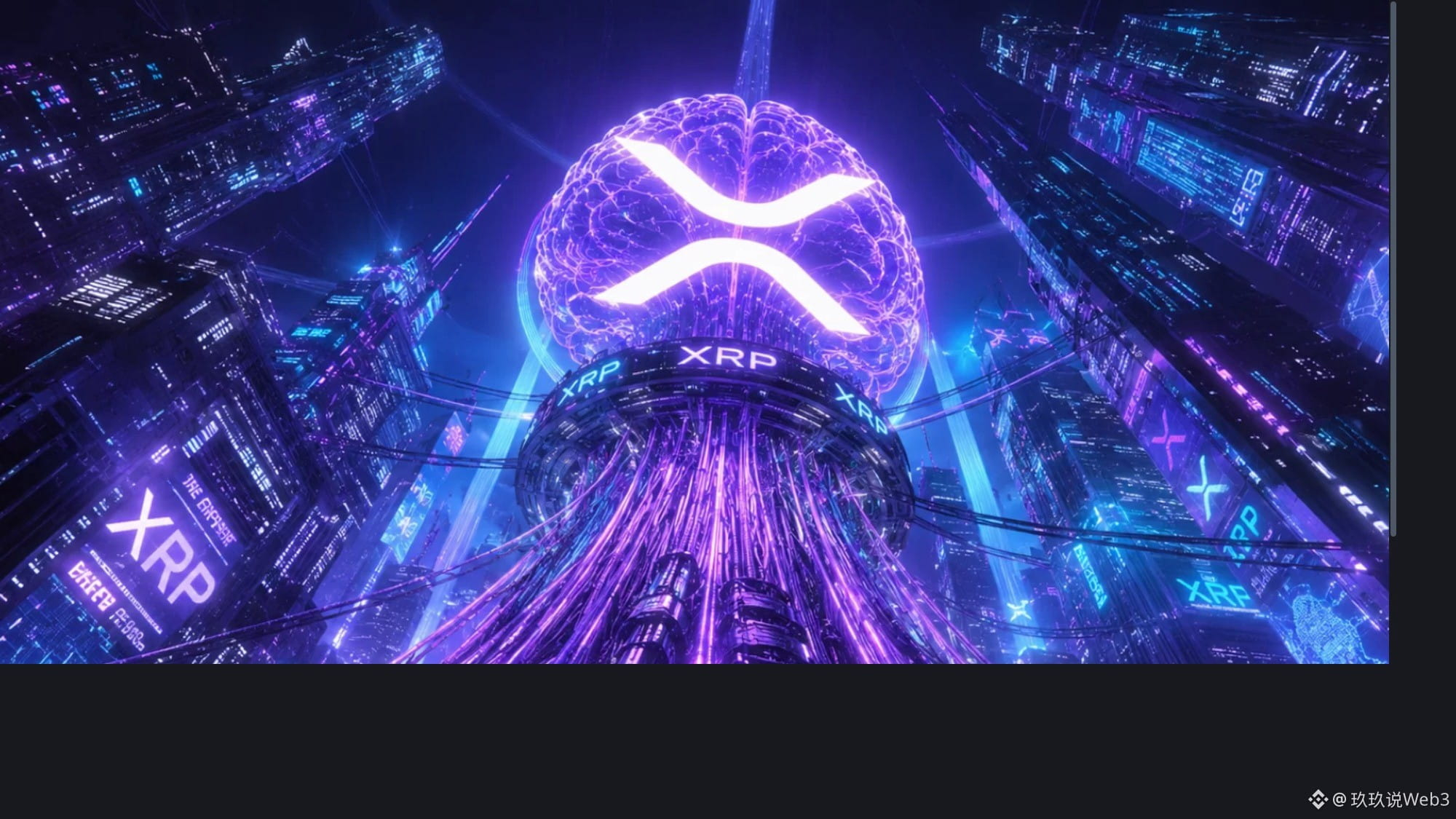
🚨 هذه السلسلة القديمة الفاخرة ستتصل بتحديثين كبار خلال 11 يومًا… هل المرة هذه تستهدف المؤسسات؟
ما يجب النظر إليه فعلًا ليس "ماذا تم تغييره"، بل أنها بدأت أخيرًا في إزالة بوابتين كانت الجهات والمؤسسات الكبيرة لا تجرؤ على استخدامها
مجموعة: [点击进入玖玖短线策略群](https://app.binance.com/uni-qr/BHeWgpet)
👀 دفتر XRP (XRPL) يقترب من ترقية شبكية ليست بالصغيرة. كشف مسؤول مجتمع مؤسسة XRPL، Vet، أن تعديلين أساسيين — Batch التسوية المجمعة وPermission Delegation تفويض الصلاحيات — دخلا المرحلة الأخيرة من عملية الموافقة لجهات التحقق.
📊 من المتوقع أن يتم طرح هذين التعديلين على الشبكة الرئيسية بعد 11 يومًا. ستحصل التسوية المجمعة (XLS-56) على دعم يتراوح بين 85% و94% من المُتحققين؛ حيث يتم تجميع عدة عمليات في دفعات ذرّية غير قابلة للتجزئة، ولن يتم تنفيذها إلا إذا التزمَت جميع الأطراف بالتنفيذ. والخطة تقضي بالانطلاق في 9 أكتوبر 2026.
🔥 تفويض الصلاحيات (XLS-75) يبلغ معدل دعمه 82%، وقد دخل فترة انتظار التفعيل؛ ومن المقرر إطلاقه في 5 أكتوبر 2026. فهو يسمح للمؤسسات بمنح صلاحيات الحساب لطرف ثالث أو جهة داخلية، دون الحاجة إلى كشف المفتاح الخاص الرئيسي.
💡 تبدو هاتان النقطتان تقنيتين، لكنهما في الواقع تعترضان بالضبط على مشكلتين مؤلمتين لدخول المؤسسات: هل ستتعرقل الأموال في منتصف الطريق أثناء التسوية؟ وكيف يتم توزيع الصلاحيات وفقًا لمتطلبات الامتثال؟
المهم فعلًا ليس ما الذي تم تغييره، بل ما الذي تكمله XRPL: وهو ما يشكل شرطًا مسبقًا لاستخدام الأتمتة في المدفوعات دون تردد من قبل المؤسسات الكبيرة.
⚠️ لكن يجب أيضًا أن نكون واعين: تجهيز الأساس على مستوى البروتوكول هو مجرد الخطوة الأولى. ما إذا كانت الترقية ستتحول إلى احتياج فعلي لـ XRP يعتمد على متى ستبدأ شركات التكنولوجيا المالية الكبيرة باستخدامها — ومدى عمق هذا الاستخدام. وخلال ذلك، لا تزال حالة عدم اليقين بلا نقصان.
👀 أحد التيارات يقول إن اكتمال البنية التحتية هو مقدمة للقيمة، والتيار الآخر يقول إن تحديث البروتوكول لا يعني بالضرورة أن السعر سيُترجم إلى واقع. فأي جانب تقف؟ اكتب في قسم التعليقات 👇
اضغط على صورة الحساب لمشاهدة البث المباشر + انضم إلى مجموعة الدردشة الخاصة بـ玖玖 للحصول على استراتيجيات يومية 🚀
#XRP #XRPL #Web3
🚨 هذه السلسلة القديمة الفاخرة ستتصل بتحديثين كبار خلال 11 يومًا… هل المرة هذه تستهدف المؤسسات؟
ما يجب النظر إليه فعلًا ليس "ماذا تم تغييره"، بل أنها بدأت أخيرًا في إزالة بوابتين كانت الجهات والمؤسسات الكبيرة لا تجرؤ على استخدامها
مجموعة: 点击进入玖玖短线策略群
👀 دفتر XRP (XRPL) يقترب من ترقية شبكية ليست بالصغيرة. كشف مسؤول مجتمع مؤسسة XRPL، Vet، أن تعديلين أساسيين — Batch التسوية المجمعة وPermission Delegation تفويض الصلاحيات — دخلا المرحلة الأخيرة من عملية الموافقة لجهات التحقق.
📊 من المتوقع أن يتم طرح هذين التعديلين على الشبكة الرئيسية بعد 11 يومًا. ستحصل التسوية المجمعة (XLS-56) على دعم يتراوح بين 85% و94% من المُتحققين؛ حيث يتم تجميع عدة عمليات في دفعات ذرّية غير قابلة للتجزئة، ولن يتم تنفيذها إلا إذا التزمَت جميع الأطراف بالتنفيذ. والخطة تقضي بالانطلاق في 9 أكتوبر 2026.
🔥 تفويض الصلاحيات (XLS-75) يبلغ معدل دعمه 82%، وقد دخل فترة انتظار التفعيل؛ ومن المقرر إطلاقه في 5 أكتوبر 2026. فهو يسمح للمؤسسات بمنح صلاحيات الحساب لطرف ثالث أو جهة داخلية، دون الحاجة إلى كشف المفتاح الخاص الرئيسي.
💡 تبدو هاتان النقطتان تقنيتين، لكنهما في الواقع تعترضان بالضبط على مشكلتين مؤلمتين لدخول المؤسسات: هل ستتعرقل الأموال في منتصف الطريق أثناء التسوية؟ وكيف يتم توزيع الصلاحيات وفقًا لمتطلبات الامتثال؟
المهم فعلًا ليس ما الذي تم تغييره، بل ما الذي تكمله XRPL: وهو ما يشكل شرطًا مسبقًا لاستخدام الأتمتة في المدفوعات دون تردد من قبل المؤسسات الكبيرة.
⚠️ لكن يجب أيضًا أن نكون واعين: تجهيز الأساس على مستوى البروتوكول هو مجرد الخطوة الأولى. ما إذا كانت الترقية ستتحول إلى احتياج فعلي لـ XRP يعتمد على متى ستبدأ شركات التكنولوجيا المالية الكبيرة باستخدامها — ومدى عمق هذا الاستخدام. وخلال ذلك، لا تزال حالة عدم اليقين بلا نقصان.
👀 أحد التيارات يقول إن اكتمال البنية التحتية هو مقدمة للقيمة، والتيار الآخر يقول إن تحديث البروتوكول لا يعني بالضرورة أن السعر سيُترجم إلى واقع. فأي جانب تقف؟ اكتب في قسم التعليقات 👇
اضغط على صورة الحساب لمشاهدة البث المباشر + انضم إلى مجموعة الدردشة الخاصة بـ玖玖 للحصول على استراتيجيات يومية 🚀
#XRP #XRPL #Web3
ما يجب النظر إليه فعلًا ليس "ماذا تم تغييره"، بل أنها بدأت أخيرًا في إزالة بوابتين كانت الجهات والمؤسسات الكبيرة لا تجرؤ على استخدامها
مجموعة: 点击进入玖玖短线策略群
👀 دفتر XRP (XRPL) يقترب من ترقية شبكية ليست بالصغيرة. كشف مسؤول مجتمع مؤسسة XRPL، Vet، أن تعديلين أساسيين — Batch التسوية المجمعة وPermission Delegation تفويض الصلاحيات — دخلا المرحلة الأخيرة من عملية الموافقة لجهات التحقق.
📊 من المتوقع أن يتم طرح هذين التعديلين على الشبكة الرئيسية بعد 11 يومًا. ستحصل التسوية المجمعة (XLS-56) على دعم يتراوح بين 85% و94% من المُتحققين؛ حيث يتم تجميع عدة عمليات في دفعات ذرّية غير قابلة للتجزئة، ولن يتم تنفيذها إلا إذا التزمَت جميع الأطراف بالتنفيذ. والخطة تقضي بالانطلاق في 9 أكتوبر 2026.
🔥 تفويض الصلاحيات (XLS-75) يبلغ معدل دعمه 82%، وقد دخل فترة انتظار التفعيل؛ ومن المقرر إطلاقه في 5 أكتوبر 2026. فهو يسمح للمؤسسات بمنح صلاحيات الحساب لطرف ثالث أو جهة داخلية، دون الحاجة إلى كشف المفتاح الخاص الرئيسي.
💡 تبدو هاتان النقطتان تقنيتين، لكنهما في الواقع تعترضان بالضبط على مشكلتين مؤلمتين لدخول المؤسسات: هل ستتعرقل الأموال في منتصف الطريق أثناء التسوية؟ وكيف يتم توزيع الصلاحيات وفقًا لمتطلبات الامتثال؟
المهم فعلًا ليس ما الذي تم تغييره، بل ما الذي تكمله XRPL: وهو ما يشكل شرطًا مسبقًا لاستخدام الأتمتة في المدفوعات دون تردد من قبل المؤسسات الكبيرة.
⚠️ لكن يجب أيضًا أن نكون واعين: تجهيز الأساس على مستوى البروتوكول هو مجرد الخطوة الأولى. ما إذا كانت الترقية ستتحول إلى احتياج فعلي لـ XRP يعتمد على متى ستبدأ شركات التكنولوجيا المالية الكبيرة باستخدامها — ومدى عمق هذا الاستخدام. وخلال ذلك، لا تزال حالة عدم اليقين بلا نقصان.
👀 أحد التيارات يقول إن اكتمال البنية التحتية هو مقدمة للقيمة، والتيار الآخر يقول إن تحديث البروتوكول لا يعني بالضرورة أن السعر سيُترجم إلى واقع. فأي جانب تقف؟ اكتب في قسم التعليقات 👇
اضغط على صورة الحساب لمشاهدة البث المباشر + انضم إلى مجموعة الدردشة الخاصة بـ玖玖 للحصول على استراتيجيات يومية 🚀
#XRP #XRPL #Web3
81
·
--
عرض الترجمة
🚨 币安一口气上5个"股票永续",核能、合成生物都来了,图什么?
真正在变的不是多了5个合约,而是"股票"正被做成24小时不收盘的加密品种
群组:[点击进入玖玖短线策略群](https://app.binance.com/uni-qr/BHeWgpet)
👀 币安合约9月28日上线5个新的USDT本位TradFi永续,标的跨了五个完全不同的行业:埃克森美孚、Carvana、Rumble、Oklo,还有Twist Bioscience。
📊 从09:00 UTC起,OKLOUSDT、TWSTUSDT、CVNAUSDT、RUMUSDT、XOMUSDT每隔5分钟开一个。条款也算清楚:全部USDT结算,杠杆上限20倍,7×24交易,资金费每8小时结一次,单边上限±2.00%。
🔥 这不是它第一次跨界。9月它才刚上过外汇永续,TradFi这条货架越摆越长;实质是把股票做成了不用券商账户、随时能上杠杆的品种。
💡 真正值得关注的不是这5个代号,而是"美股"正在被改造成一种加密原生资产——用稳定币结算、白天夜里都不休息、还能加杠杆。对没有美国券商账户的交易者,这是对冲和投机的另一条路。
⚠️ 不过别只看热闹:这些合约只跟踪股价,不给股东任何权利,既没有股息也没有投票权;震荡市里资金费会持续啃成本,20倍杠杆意味着一天之内本金就能被打穿好几次。
👀 一派说这是外围资金进场的新管道,另一派说这不过是把高杠杆搬到了股票上,你站哪边?评论区站队👇
点击头像观看直播 + 加入玖玖聊天群获取每日策略🚀
#美股 #Web3 #DeFi
🚨 币安一口气上5个"股票永续",核能、合成生物都来了,图什么?
真正在变的不是多了5个合约,而是"股票"正被做成24小时不收盘的加密品种
群组:点击进入玖玖短线策略群
👀 币安合约9月28日上线5个新的USDT本位TradFi永续,标的跨了五个完全不同的行业:埃克森美孚、Carvana、Rumble、Oklo,还有Twist Bioscience。
📊 从09:00 UTC起,OKLOUSDT、TWSTUSDT、CVNAUSDT、RUMUSDT、XOMUSDT每隔5分钟开一个。条款也算清楚:全部USDT结算,杠杆上限20倍,7×24交易,资金费每8小时结一次,单边上限±2.00%。
🔥 这不是它第一次跨界。9月它才刚上过外汇永续,TradFi这条货架越摆越长;实质是把股票做成了不用券商账户、随时能上杠杆的品种。
💡 真正值得关注的不是这5个代号,而是"美股"正在被改造成一种加密原生资产——用稳定币结算、白天夜里都不休息、还能加杠杆。对没有美国券商账户的交易者,这是对冲和投机的另一条路。
⚠️ 不过别只看热闹:这些合约只跟踪股价,不给股东任何权利,既没有股息也没有投票权;震荡市里资金费会持续啃成本,20倍杠杆意味着一天之内本金就能被打穿好几次。
👀 一派说这是外围资金进场的新管道,另一派说这不过是把高杠杆搬到了股票上,你站哪边?评论区站队👇
点击头像观看直播 + 加入玖玖聊天群获取每日策略🚀
#美股 #Web3 #DeFi
真正在变的不是多了5个合约,而是"股票"正被做成24小时不收盘的加密品种
群组:点击进入玖玖短线策略群
👀 币安合约9月28日上线5个新的USDT本位TradFi永续,标的跨了五个完全不同的行业:埃克森美孚、Carvana、Rumble、Oklo,还有Twist Bioscience。
📊 从09:00 UTC起,OKLOUSDT、TWSTUSDT、CVNAUSDT、RUMUSDT、XOMUSDT每隔5分钟开一个。条款也算清楚:全部USDT结算,杠杆上限20倍,7×24交易,资金费每8小时结一次,单边上限±2.00%。
🔥 这不是它第一次跨界。9月它才刚上过外汇永续,TradFi这条货架越摆越长;实质是把股票做成了不用券商账户、随时能上杠杆的品种。
💡 真正值得关注的不是这5个代号,而是"美股"正在被改造成一种加密原生资产——用稳定币结算、白天夜里都不休息、还能加杠杆。对没有美国券商账户的交易者,这是对冲和投机的另一条路。
⚠️ 不过别只看热闹:这些合约只跟踪股价,不给股东任何权利,既没有股息也没有投票权;震荡市里资金费会持续啃成本,20倍杠杆意味着一天之内本金就能被打穿好几次。
👀 一派说这是外围资金进场的新管道,另一派说这不过是把高杠杆搬到了股票上,你站哪边?评论区站队👇
点击头像观看直播 + 加入玖玖聊天群获取每日策略🚀
#美股 #Web3 #DeFi
16

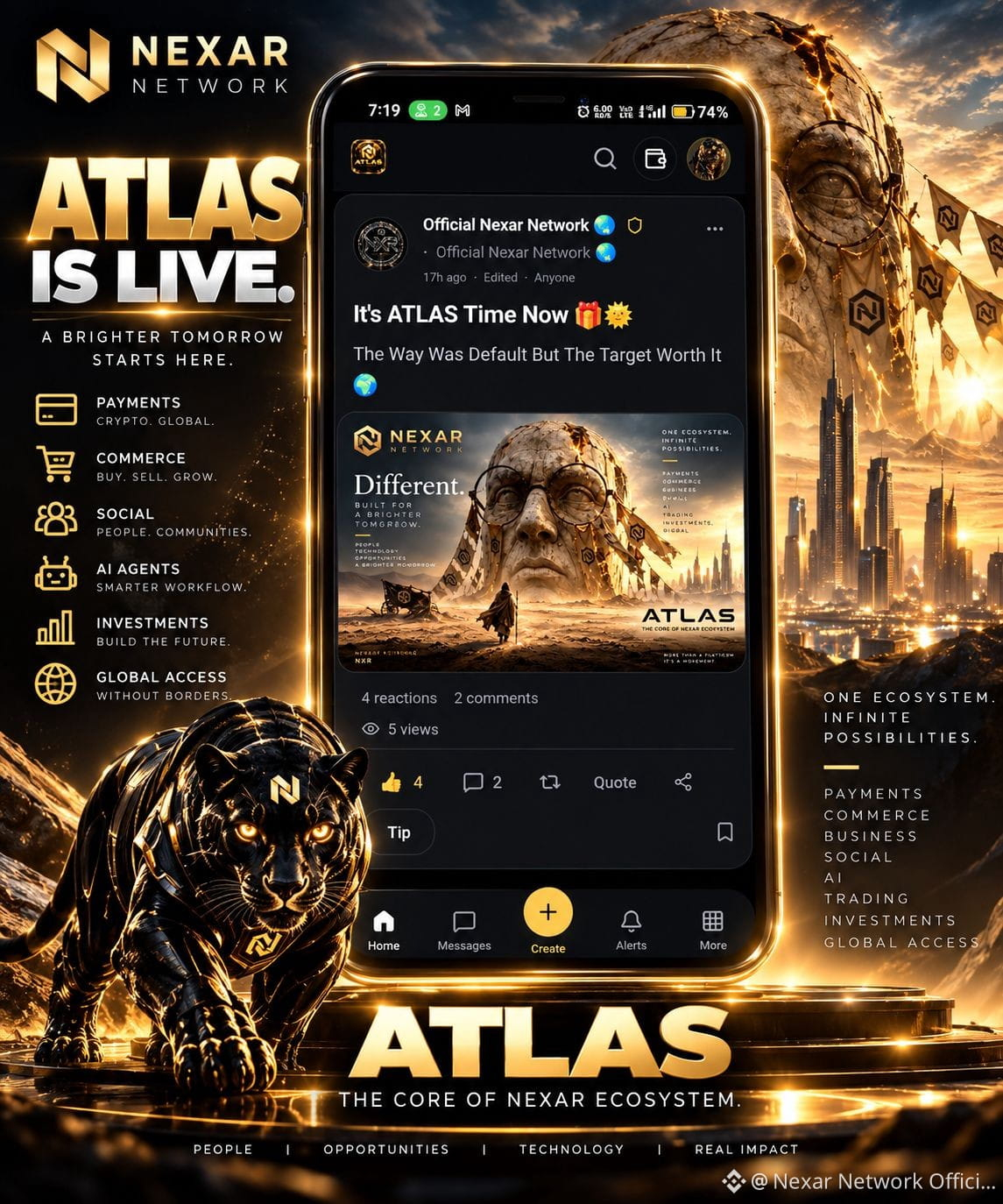
لقد سمعت عن ATLAS.
الآن شاهدها.
ATLAS تعمل الآن.
نظام Web3 مترابط مُصمّم للناس والشركات والمتداولين والمبدعين والجيل القادم من الأصول الرقمية.
نظام واحد. إمكانيات لا نهائية.
شبكة NEXAR × ATLAS
#ATLAS #NexarNetwork #Web3 #NXRA
لقد سمعت عن ATLAS.
الآن شاهدها.
ATLAS تعمل الآن.
نظام Web3 مترابط مُصمّم للناس والشركات والمتداولين والمبدعين والجيل القادم من الأصول الرقمية.
نظام واحد. إمكانيات لا نهائية.
شبكة NEXAR × ATLAS
#ATLAS #NexarNetwork #Web3 #NXRA
الآن شاهدها.
ATLAS تعمل الآن.
نظام Web3 مترابط مُصمّم للناس والشركات والمتداولين والمبدعين والجيل القادم من الأصول الرقمية.
نظام واحد. إمكانيات لا نهائية.
شبكة NEXAR × ATLAS
#ATLAS #NexarNetwork #Web3 #NXRA
80

·
--
مقالة
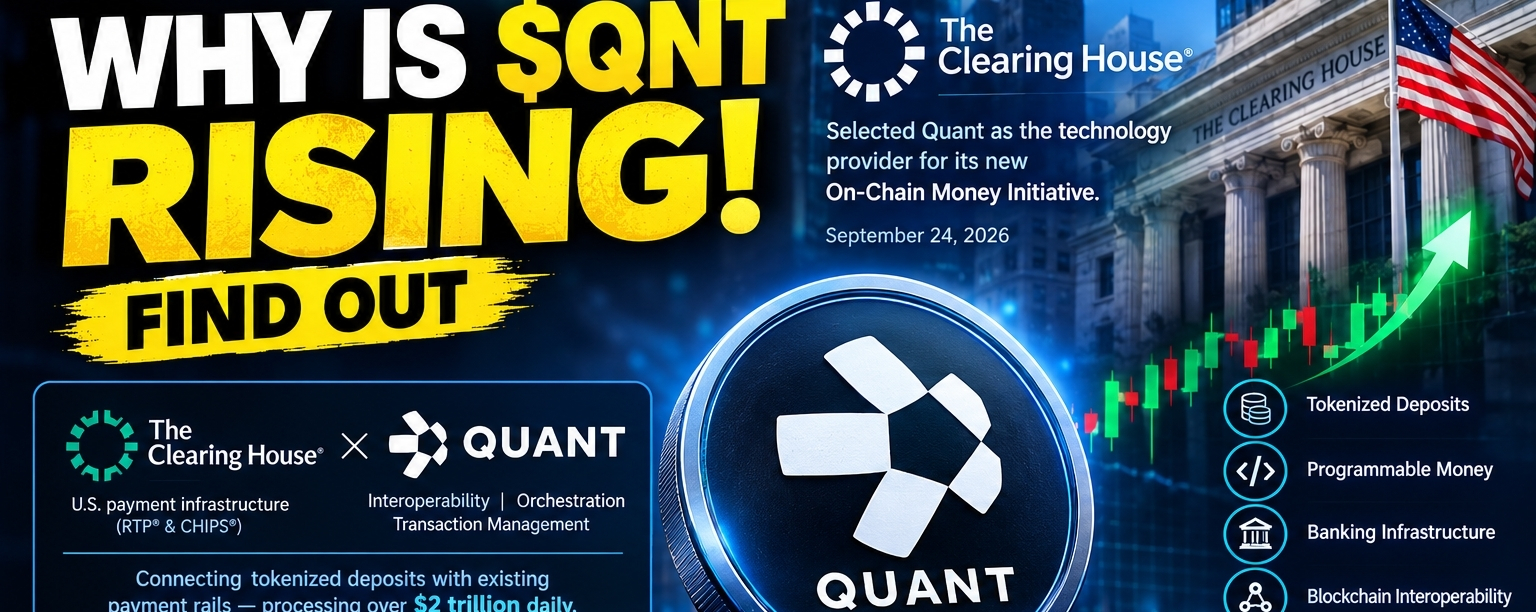
لماذا يرتفع سعر $QNT؟ إليكم المحفز🚀$QNT لفتت اهتمامًا جديًا، وهناك محفز أساسي واضح وراء هذه الخطوة الأخيرة.
في 24 سبتمبر، أعلنت شركة The Clearing House أنها اختارت Quant لتشغيل مبادرتها الجديدة للمال على السلسلة On-Chain Money Initiative — خطوة كبيرة نحو إدخال الودائع المُرمّزة بالرموز (tokenized) وتسوية مبنية على تقنية البلوك تشين إلى البنية التحتية المصرفية الأمريكية القائمة.
إذن لماذا هذا مهم؟
تدير The Clearing House شبكات دفع رئيسية في الولايات المتحدة، بما في ذلك RTP® وCHIPS®، وتقول إن أنظمتها تُقَاصّ وتُسَوّي أكثر من 2 تريليون دولار يوميًا. ستوفر Quant طبقة التوافقية والتنسيق وإدارة المعاملات التي تربط الودائع المُرمّزة بالرموز مع مسارات الدفع القائمة هذه.
لماذا يرتفع سعر $QNT؟ إليكم المحفز
🚀$QNT لفتت اهتمامًا جديًا، وهناك محفز أساسي واضح وراء هذه الخطوة الأخيرة.
في 24 سبتمبر، أعلنت شركة The Clearing House أنها اختارت Quant لتشغيل مبادرتها الجديدة للمال على السلسلة On-Chain Money Initiative — خطوة كبيرة نحو إدخال الودائع المُرمّزة بالرموز (tokenized) وتسوية مبنية على تقنية البلوك تشين إلى البنية التحتية المصرفية الأمريكية القائمة.
إذن لماذا هذا مهم؟
تدير The Clearing House شبكات دفع رئيسية في الولايات المتحدة، بما في ذلك RTP® وCHIPS®، وتقول إن أنظمتها تُقَاصّ وتُسَوّي أكثر من 2 تريليون دولار يوميًا. ستوفر Quant طبقة التوافقية والتنسيق وإدارة المعاملات التي تربط الودائع المُرمّزة بالرموز مع مسارات الدفع القائمة هذه.
في 24 سبتمبر، أعلنت شركة The Clearing House أنها اختارت Quant لتشغيل مبادرتها الجديدة للمال على السلسلة On-Chain Money Initiative — خطوة كبيرة نحو إدخال الودائع المُرمّزة بالرموز (tokenized) وتسوية مبنية على تقنية البلوك تشين إلى البنية التحتية المصرفية الأمريكية القائمة.
إذن لماذا هذا مهم؟
تدير The Clearing House شبكات دفع رئيسية في الولايات المتحدة، بما في ذلك RTP® وCHIPS®، وتقول إن أنظمتها تُقَاصّ وتُسَوّي أكثر من 2 تريليون دولار يوميًا. ستوفر Quant طبقة التوافقية والتنسيق وإدارة المعاملات التي تربط الودائع المُرمّزة بالرموز مع مسارات الدفع القائمة هذه.
72

·
--
هل لاحظت كيف يروّج الجميع لفكرة ترك الأموال في البورصات حتى تختفي مئات الملايين بين ليلة وضحاها؟
يقضي معظم المتداولين أسابيع في الانشغال بإعدادات المخططات فقط ليخسروا مكاسبهم التي كسبوها بصعوبة بسبب استغلالات المحافظ. إنها أبسط طريقة يمكن الوقاية منها كي تنتهي ممحوقًا في هذا السوق.
إن سردية أن راحة المحافظ الساخنة تفوق مخاطر الحفظ قد انهارت تمامًا. في 24 سبتمبر، استنزفت التحويلات غير المصرّح بها 351.6 مليون دولار عبر المحافظ الساخنة والدفئة أثناء اختراق أمني ضخم، بينما ظلت الاحتياطيات الباردة دون أي مساس. إن ترك رأس مال خامد على أي واجهة مركزية يعني عمليًا التعامل مع منصة تنفيذ كأنها حساب ادخار.
استعد للتحكم في إعدادك عبر تقسيم تعرضك فورًا. احتفظ فقط بما تحتاجه للتنفيذ اليومي في $USDT، حوّل $BTC الخاصة بك على المدى الطويل إلى تخزين بارد معزول، ثم أمّن مركزك $ETH عبر محافظ الأجهزة. تعامل مع أرصدة البورصات على أنها رأس مال للتداول فقط، وليس تخزينًا دائمًا.
كم جزءًا من محفظتك تحتفظ به فعليًا دون اتصال الآن؟
#CryptoSecurity #RiskManagement #Web3
هل لاحظت كيف يروّج الجميع لفكرة ترك الأموال في البورصات حتى تختفي مئات الملايين بين ليلة وضحاها؟
يقضي معظم المتداولين أسابيع في الانشغال بإعدادات المخططات فقط ليخسروا مكاسبهم التي كسبوها بصعوبة بسبب استغلالات المحافظ. إنها أبسط طريقة يمكن الوقاية منها كي تنتهي ممحوقًا في هذا السوق.
إن سردية أن راحة المحافظ الساخنة تفوق مخاطر الحفظ قد انهارت تمامًا. في 24 سبتمبر، استنزفت التحويلات غير المصرّح بها 351.6 مليون دولار عبر المحافظ الساخنة والدفئة أثناء اختراق أمني ضخم، بينما ظلت الاحتياطيات الباردة دون أي مساس. إن ترك رأس مال خامد على أي واجهة مركزية يعني عمليًا التعامل مع منصة تنفيذ كأنها حساب ادخار.
استعد للتحكم في إعدادك عبر تقسيم تعرضك فورًا. احتفظ فقط بما تحتاجه للتنفيذ اليومي في $USDT، حوّل $BTC الخاصة بك على المدى الطويل إلى تخزين بارد معزول، ثم أمّن مركزك $ETH عبر محافظ الأجهزة. تعامل مع أرصدة البورصات على أنها رأس مال للتداول فقط، وليس تخزينًا دائمًا.
كم جزءًا من محفظتك تحتفظ به فعليًا دون اتصال الآن؟
#CryptoSecurity #RiskManagement #Web3
يقضي معظم المتداولين أسابيع في الانشغال بإعدادات المخططات فقط ليخسروا مكاسبهم التي كسبوها بصعوبة بسبب استغلالات المحافظ. إنها أبسط طريقة يمكن الوقاية منها كي تنتهي ممحوقًا في هذا السوق.
إن سردية أن راحة المحافظ الساخنة تفوق مخاطر الحفظ قد انهارت تمامًا. في 24 سبتمبر، استنزفت التحويلات غير المصرّح بها 351.6 مليون دولار عبر المحافظ الساخنة والدفئة أثناء اختراق أمني ضخم، بينما ظلت الاحتياطيات الباردة دون أي مساس. إن ترك رأس مال خامد على أي واجهة مركزية يعني عمليًا التعامل مع منصة تنفيذ كأنها حساب ادخار.
استعد للتحكم في إعدادك عبر تقسيم تعرضك فورًا. احتفظ فقط بما تحتاجه للتنفيذ اليومي في $USDT، حوّل $BTC الخاصة بك على المدى الطويل إلى تخزين بارد معزول، ثم أمّن مركزك $ETH عبر محافظ الأجهزة. تعامل مع أرصدة البورصات على أنها رأس مال للتداول فقط، وليس تخزينًا دائمًا.
كم جزءًا من محفظتك تحتفظ به فعليًا دون اتصال الآن؟
#CryptoSecurity #RiskManagement #Web3
30

🔥 يجذب سرد «Steve Will Launch it» الخاص بـ Solana الانتباه
يُعدّ سرد «Steve Will Launch it» هو أقوى موضوع ضمن لقطة Binance لأبرز المواضيع الساخنة التي تم استرجاعها، مع تدفق صافي يقارب 7,400.15 دولار.
إحصاءات الرمز المرتبط
- الشبكة: Solana
- الرمز: Steve
- التغير السعري خلال 24 ساعة: +366.58%
- القيمة السوقية: 18,389.20 دولار
- السيولة: 9,546.52 دولار
- الحملة/الحاملوون: 127
- تدفق صافي للموضوع: 7,400.15 دولار
تشير البيانات إلى اهتمام قوي على المدى القصير حول السرد، لكن يبقى الرمز صغيرًا جدًا مقارنةً بالمعايير الخاصة بالقيمة السوقية والسيولة. قد يؤدي الارتفاع الحاد في السعر داخل سوق منخفض السيولة إلى تقلبات كبيرة، وتأثير ملحوظ في السعر، وصعوبة الخروج. كما يمكن أن تنتشر السرديات الخاصة بالـ meme بسرعة عبر وسائل التواصل الاجتماعي دون وجود أساسيات مؤكدة.
هذه الأرقام مأخوذة من لقطة Binance لأبرز المواضيع الساخنة وقد تتغير بسرعة. ولا تؤكد إدراج Binance Spot أو الترويج أو شرعية الرمز.
#Solana #MemeCoins #Web3 #SteveWillLaunchIt
لنقيّم عملة meme «Steve». 🧐
{spot}(SOLUSDT)
🔥 يجذب سرد «Steve Will Launch it» الخاص بـ Solana الانتباه
يُعدّ سرد «Steve Will Launch it» هو أقوى موضوع ضمن لقطة Binance لأبرز المواضيع الساخنة التي تم استرجاعها، مع تدفق صافي يقارب 7,400.15 دولار.
إحصاءات الرمز المرتبط
- الشبكة: Solana
- الرمز: Steve
- التغير السعري خلال 24 ساعة: +366.58%
- القيمة السوقية: 18,389.20 دولار
- السيولة: 9,546.52 دولار
- الحملة/الحاملوون: 127
- تدفق صافي للموضوع: 7,400.15 دولار
تشير البيانات إلى اهتمام قوي على المدى القصير حول السرد، لكن يبقى الرمز صغيرًا جدًا مقارنةً بالمعايير الخاصة بالقيمة السوقية والسيولة. قد يؤدي الارتفاع الحاد في السعر داخل سوق منخفض السيولة إلى تقلبات كبيرة، وتأثير ملحوظ في السعر، وصعوبة الخروج. كما يمكن أن تنتشر السرديات الخاصة بالـ meme بسرعة عبر وسائل التواصل الاجتماعي دون وجود أساسيات مؤكدة.
هذه الأرقام مأخوذة من لقطة Binance لأبرز المواضيع الساخنة وقد تتغير بسرعة. ولا تؤكد إدراج Binance Spot أو الترويج أو شرعية الرمز.
#Solana #MemeCoins #Web3 #SteveWillLaunchIt
لنقيّم عملة meme «Steve». 🧐
يُعدّ سرد «Steve Will Launch it» هو أقوى موضوع ضمن لقطة Binance لأبرز المواضيع الساخنة التي تم استرجاعها، مع تدفق صافي يقارب 7,400.15 دولار.
إحصاءات الرمز المرتبط
- الشبكة: Solana
- الرمز: Steve
- التغير السعري خلال 24 ساعة: +366.58%
- القيمة السوقية: 18,389.20 دولار
- السيولة: 9,546.52 دولار
- الحملة/الحاملوون: 127
- تدفق صافي للموضوع: 7,400.15 دولار
تشير البيانات إلى اهتمام قوي على المدى القصير حول السرد، لكن يبقى الرمز صغيرًا جدًا مقارنةً بالمعايير الخاصة بالقيمة السوقية والسيولة. قد يؤدي الارتفاع الحاد في السعر داخل سوق منخفض السيولة إلى تقلبات كبيرة، وتأثير ملحوظ في السعر، وصعوبة الخروج. كما يمكن أن تنتشر السرديات الخاصة بالـ meme بسرعة عبر وسائل التواصل الاجتماعي دون وجود أساسيات مؤكدة.
هذه الأرقام مأخوذة من لقطة Binance لأبرز المواضيع الساخنة وقد تتغير بسرعة. ولا تؤكد إدراج Binance Spot أو الترويج أو شرعية الرمز.
#Solana #MemeCoins #Web3 #SteveWillLaunchIt
لنقيّم عملة meme «Steve». 🧐

1
36

·
--
📰 BlockBeats أحدث الأخبار المجمّعة
1. ترامب مستعد لتقديم تخفيف العقوبات لإيران مقابل «تقدم فعلي» بشأن الملف النووي
2. Bonk Guy يطلق توصيات بشأن MARSCOIN، ويقول إنّه قد يشهد «قفزة انفجارية» في الربع الرابع
3. وجهة نظر: تراجع إعادة الرهن ضمن «حمّى التنقيب»، وانخفاض كبير في أرباح البروتوكولات الرئيسية على إيثريوم
4. ارتفاع قصير المدى في سوق العملات المشفّرة، ووسائل إعلام أجنبية تشير إلى أن ترامب مستعد لتخفيف العقوبات على إيران
5. شهدت شبكة Injective زيادة حادة في عدد المعاملات مؤخراً، لتتجاوز إجمالي المعاملات 3 مليارات و000 مليون عملية
6. اتُّهمت Tether من قبل ديمقراطيين في مجلس الشيوخ الأمريكي بأنها «خط حياة مالي» لنظام إيران
7. عناوين BlackRock سحبت حوالي 127 مليون دولار من BTC وETH من Coinbase Prime
8. إطلاق Manus 2.0 رسمياً: بنية جديدة وأدوات Studio الاحترافية وتطبيقات Agent فردية مع الإطلاق المتزامن لـ Cue
9. حوت كبير يُنَاوِر السوق ويشتري بكثافة ما يقارب 12.0 مليون دولار، مع التركيز على صفقات ETH الطويلة
10. مؤسسة سولانا: هدف Slot عند 200 مللي ثانية تحوّل من مشكلة تقنية إلى موازنة اقتصادية
#BlockBeats #加密货币 #快讯 #Web3
📰 BlockBeats أحدث الأخبار المجمّعة
1. ترامب مستعد لتقديم تخفيف العقوبات لإيران مقابل «تقدم فعلي» بشأن الملف النووي
2. Bonk Guy يطلق توصيات بشأن MARSCOIN، ويقول إنّه قد يشهد «قفزة انفجارية» في الربع الرابع
3. وجهة نظر: تراجع إعادة الرهن ضمن «حمّى التنقيب»، وانخفاض كبير في أرباح البروتوكولات الرئيسية على إيثريوم
4. ارتفاع قصير المدى في سوق العملات المشفّرة، ووسائل إعلام أجنبية تشير إلى أن ترامب مستعد لتخفيف العقوبات على إيران
5. شهدت شبكة Injective زيادة حادة في عدد المعاملات مؤخراً، لتتجاوز إجمالي المعاملات 3 مليارات و000 مليون عملية
6. اتُّهمت Tether من قبل ديمقراطيين في مجلس الشيوخ الأمريكي بأنها «خط حياة مالي» لنظام إيران
7. عناوين BlackRock سحبت حوالي 127 مليون دولار من BTC وETH من Coinbase Prime
8. إطلاق Manus 2.0 رسمياً: بنية جديدة وأدوات Studio الاحترافية وتطبيقات Agent فردية مع الإطلاق المتزامن لـ Cue
9. حوت كبير يُنَاوِر السوق ويشتري بكثافة ما يقارب 12.0 مليون دولار، مع التركيز على صفقات ETH الطويلة
10. مؤسسة سولانا: هدف Slot عند 200 مللي ثانية تحوّل من مشكلة تقنية إلى موازنة اقتصادية
#BlockBeats #加密货币 #快讯 #Web3
1. ترامب مستعد لتقديم تخفيف العقوبات لإيران مقابل «تقدم فعلي» بشأن الملف النووي
2. Bonk Guy يطلق توصيات بشأن MARSCOIN، ويقول إنّه قد يشهد «قفزة انفجارية» في الربع الرابع
3. وجهة نظر: تراجع إعادة الرهن ضمن «حمّى التنقيب»، وانخفاض كبير في أرباح البروتوكولات الرئيسية على إيثريوم
4. ارتفاع قصير المدى في سوق العملات المشفّرة، ووسائل إعلام أجنبية تشير إلى أن ترامب مستعد لتخفيف العقوبات على إيران
5. شهدت شبكة Injective زيادة حادة في عدد المعاملات مؤخراً، لتتجاوز إجمالي المعاملات 3 مليارات و000 مليون عملية
6. اتُّهمت Tether من قبل ديمقراطيين في مجلس الشيوخ الأمريكي بأنها «خط حياة مالي» لنظام إيران
7. عناوين BlackRock سحبت حوالي 127 مليون دولار من BTC وETH من Coinbase Prime
8. إطلاق Manus 2.0 رسمياً: بنية جديدة وأدوات Studio الاحترافية وتطبيقات Agent فردية مع الإطلاق المتزامن لـ Cue
9. حوت كبير يُنَاوِر السوق ويشتري بكثافة ما يقارب 12.0 مليون دولار، مع التركيز على صفقات ETH الطويلة
10. مؤسسة سولانا: هدف Slot عند 200 مللي ثانية تحوّل من مشكلة تقنية إلى موازنة اقتصادية
#BlockBeats #加密货币 #快讯 #Web3
546

·
--
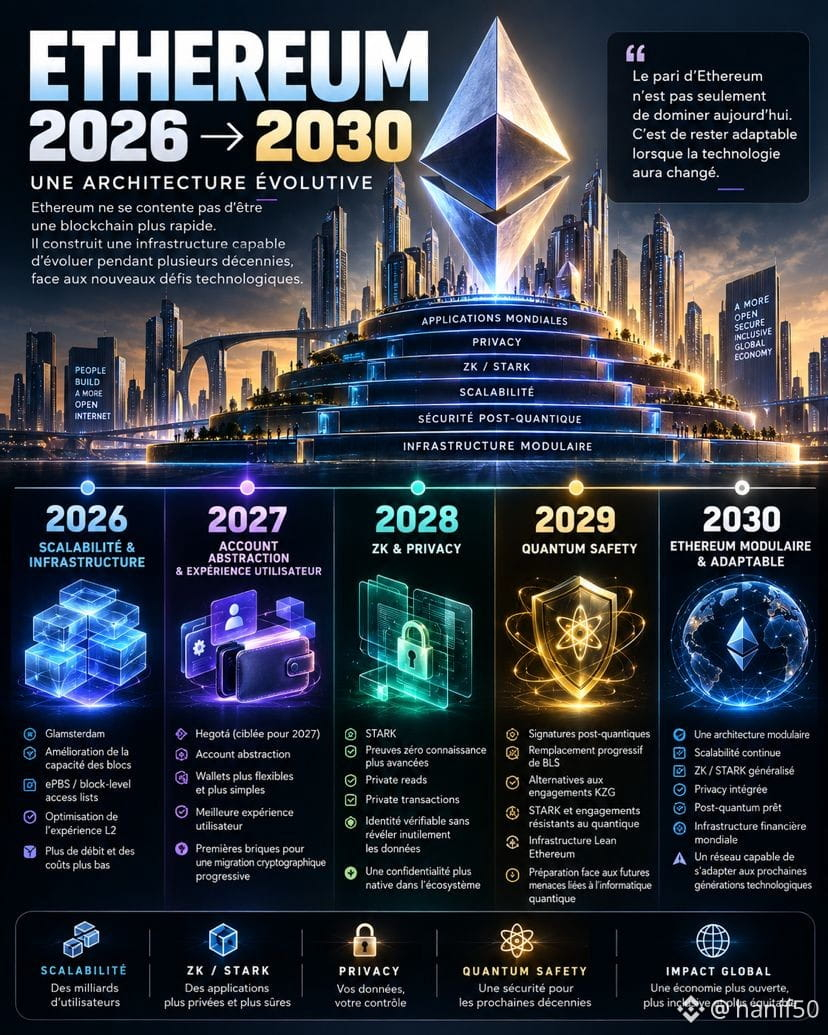
يصف شبكة تعتمد بشكل متزايد على التشفير الحديث: <br>STARKs تكرارية، التحقق الرسمي، الخصوصية، ومقاومة أجهزة الكمبيوتر الكمية.
لم يعد الهدف هو مجرد المضيّ أسرع، بل التحقق من أشياء كثيرة أكثر بجهد أقل لكل مشارك.
قد تكون Hegota، المقررة لعام 2027، آخر « فورك كلاسيكي » قبل هذه المرحلة الجديدة.
على المدى الطويل، يجب النظر إلى هذا المسار، وليس فقط سعر اليوم. 👀
$ETH #Ethereum #crypto #Web3
{spot}(ETHUSDT)
يصف شبكة تعتمد بشكل متزايد على التشفير الحديث: <br>STARKs تكرارية، التحقق الرسمي، الخصوصية، ومقاومة أجهزة الكمبيوتر الكمية.
لم يعد الهدف هو مجرد المضيّ أسرع، بل التحقق من أشياء كثيرة أكثر بجهد أقل لكل مشارك.
قد تكون Hegota، المقررة لعام 2027، آخر « فورك كلاسيكي » قبل هذه المرحلة الجديدة.
على المدى الطويل، يجب النظر إلى هذا المسار، وليس فقط سعر اليوم. 👀
$ETH #Ethereum #crypto #Web3
لم يعد الهدف هو مجرد المضيّ أسرع، بل التحقق من أشياء كثيرة أكثر بجهد أقل لكل مشارك.
قد تكون Hegota، المقررة لعام 2027، آخر « فورك كلاسيكي » قبل هذه المرحلة الجديدة.
على المدى الطويل، يجب النظر إلى هذا المسار، وليس فقط سعر اليوم. 👀
$ETH #Ethereum #crypto #Web3
1
132
·
--
📰 BlockBeats آخر الأخبار المجمّعة
1. مؤسسة سولانا: تم تحويل هدف Slot مدته 200 ميلي ثانية من مشكلات تقنية إلى موازنة اقتصادية
2. Chainlink تطلق CCIP 2.0، تدعم تحويل الأصول المُرقمنة القابلة للترميز عبر السلاسل والمؤسسات والشبكات الخاصة
3. تحليل: المتداولون في السوق الفورية يتجهون نحو العملات البديلة (ميـم/Altcoins)، وبلغ حجم تداول العملات البديلة نحو 4 أضعاف حجم تداول البيتكوين
4. المشتبه/المعني بعملية اختراق حساب MEXC: تم حل الأمور ذات الصلة بشكل مناسب
5. REX وOsprey يحدّثان مستندات SEI المُتَاحِ ETF، على أن يدخل التنفيذ في 23 أكتوبر
6. حوتٌ كبير ما باع 15 ألف وحدة من ZEC عبر أوامر محدودة على Hyperliquid، بقيمة تقارب 23 مليون دولار
7. الذهب الفوري يهبط 4% خلال اليوم، وارتفاع عائدات سندات الخزانة الأمريكية لأجل 10 سنوات إلى 5.27%
8. RLUSD يحقق قيمة سوقية قياسية جديدة، بزيادة تتجاوز 86% عن بداية العام
9. AlgoQuant وLiquid Mercury يتوصلان إلى شراكة لترقية البنية التحتية لتداول الأصول الرقمية
10. Aster يطلق Perpetual Grid 2.0، ويطرح نشاط تعدين سيولة يستمر لأربعة أسابيع
#BlockBeats #加密货币 #快讯 #Web3
📰 BlockBeats آخر الأخبار المجمّعة
1. مؤسسة سولانا: تم تحويل هدف Slot مدته 200 ميلي ثانية من مشكلات تقنية إلى موازنة اقتصادية
2. Chainlink تطلق CCIP 2.0، تدعم تحويل الأصول المُرقمنة القابلة للترميز عبر السلاسل والمؤسسات والشبكات الخاصة
3. تحليل: المتداولون في السوق الفورية يتجهون نحو العملات البديلة (ميـم/Altcoins)، وبلغ حجم تداول العملات البديلة نحو 4 أضعاف حجم تداول البيتكوين
4. المشتبه/المعني بعملية اختراق حساب MEXC: تم حل الأمور ذات الصلة بشكل مناسب
5. REX وOsprey يحدّثان مستندات SEI المُتَاحِ ETF، على أن يدخل التنفيذ في 23 أكتوبر
6. حوتٌ كبير ما باع 15 ألف وحدة من ZEC عبر أوامر محدودة على Hyperliquid، بقيمة تقارب 23 مليون دولار
7. الذهب الفوري يهبط 4% خلال اليوم، وارتفاع عائدات سندات الخزانة الأمريكية لأجل 10 سنوات إلى 5.27%
8. RLUSD يحقق قيمة سوقية قياسية جديدة، بزيادة تتجاوز 86% عن بداية العام
9. AlgoQuant وLiquid Mercury يتوصلان إلى شراكة لترقية البنية التحتية لتداول الأصول الرقمية
10. Aster يطلق Perpetual Grid 2.0، ويطرح نشاط تعدين سيولة يستمر لأربعة أسابيع
#BlockBeats #加密货币 #快讯 #Web3
1. مؤسسة سولانا: تم تحويل هدف Slot مدته 200 ميلي ثانية من مشكلات تقنية إلى موازنة اقتصادية
2. Chainlink تطلق CCIP 2.0، تدعم تحويل الأصول المُرقمنة القابلة للترميز عبر السلاسل والمؤسسات والشبكات الخاصة
3. تحليل: المتداولون في السوق الفورية يتجهون نحو العملات البديلة (ميـم/Altcoins)، وبلغ حجم تداول العملات البديلة نحو 4 أضعاف حجم تداول البيتكوين
4. المشتبه/المعني بعملية اختراق حساب MEXC: تم حل الأمور ذات الصلة بشكل مناسب
5. REX وOsprey يحدّثان مستندات SEI المُتَاحِ ETF، على أن يدخل التنفيذ في 23 أكتوبر
6. حوتٌ كبير ما باع 15 ألف وحدة من ZEC عبر أوامر محدودة على Hyperliquid، بقيمة تقارب 23 مليون دولار
7. الذهب الفوري يهبط 4% خلال اليوم، وارتفاع عائدات سندات الخزانة الأمريكية لأجل 10 سنوات إلى 5.27%
8. RLUSD يحقق قيمة سوقية قياسية جديدة، بزيادة تتجاوز 86% عن بداية العام
9. AlgoQuant وLiquid Mercury يتوصلان إلى شراكة لترقية البنية التحتية لتداول الأصول الرقمية
10. Aster يطلق Perpetual Grid 2.0، ويطرح نشاط تعدين سيولة يستمر لأربعة أسابيع
#BlockBeats #加密货币 #快讯 #Web3
917

🌐 اكتشاف BSCash: مفهوم جديد للهوية المالية على سلسلة BNB
في السعي المستمر لإيجاد مشاريع تمنح الجِدّة والفائدة ضمن Web3، يبرز BSCash كاقتراح مثير للاهتمام يسعى إلى نقل بساطة وسهولة "Square Cash" إلى نظام بيئي سلسلة BNB.
ومن خلال منصته الرسمية على https://bscash.one/، يقدّم المشروع منظومة تتمحور حول رمز $CASH الخاص به، مصممة لدفع المكافآت، وتحفيز منشئي المحتوى، وبناء مجتمع قوي حول سيولة البلوكشين.
💡 لماذا يجب الانتباه إلى $CASH ؟
* الهوية والبراند: الالتزام بمفهوم واضح وبديهي يركّز على سهولة استخدام الأصل.
* حوافز لمنشئي المحتوى: برامج تهدف إلى مكافأة المشاركة النشطة وجودة المحتوى لدى مستخدميه.
* التكامل مع سلسلة BNB: الاستفادة من الرسوم المنخفضة والسرعة العالية للشبكة لتحسين كل تفاعل.
#BSC #Crypto #Web3 #BinanceSquare
SR-49398AEBA536FBDC328A1DD1
🌐 اكتشاف BSCash: مفهوم جديد للهوية المالية على سلسلة BNB
في السعي المستمر لإيجاد مشاريع تمنح الجِدّة والفائدة ضمن Web3، يبرز BSCash كاقتراح مثير للاهتمام يسعى إلى نقل بساطة وسهولة "Square Cash" إلى نظام بيئي سلسلة BNB.
ومن خلال منصته الرسمية على https://bscash.one/، يقدّم المشروع منظومة تتمحور حول رمز $CASH الخاص به، مصممة لدفع المكافآت، وتحفيز منشئي المحتوى، وبناء مجتمع قوي حول سيولة البلوكشين.
💡 لماذا يجب الانتباه إلى $CASH ؟
* الهوية والبراند: الالتزام بمفهوم واضح وبديهي يركّز على سهولة استخدام الأصل.
* حوافز لمنشئي المحتوى: برامج تهدف إلى مكافأة المشاركة النشطة وجودة المحتوى لدى مستخدميه.
* التكامل مع سلسلة BNB: الاستفادة من الرسوم المنخفضة والسرعة العالية للشبكة لتحسين كل تفاعل.
#BSC #Crypto #Web3 #BinanceSquare
SR-49398AEBA536FBDC328A1DD1
في السعي المستمر لإيجاد مشاريع تمنح الجِدّة والفائدة ضمن Web3، يبرز BSCash كاقتراح مثير للاهتمام يسعى إلى نقل بساطة وسهولة "Square Cash" إلى نظام بيئي سلسلة BNB.
ومن خلال منصته الرسمية على https://bscash.one/، يقدّم المشروع منظومة تتمحور حول رمز $CASH الخاص به، مصممة لدفع المكافآت، وتحفيز منشئي المحتوى، وبناء مجتمع قوي حول سيولة البلوكشين.
💡 لماذا يجب الانتباه إلى $CASH ؟
* الهوية والبراند: الالتزام بمفهوم واضح وبديهي يركّز على سهولة استخدام الأصل.
* حوافز لمنشئي المحتوى: برامج تهدف إلى مكافأة المشاركة النشطة وجودة المحتوى لدى مستخدميه.
* التكامل مع سلسلة BNB: الاستفادة من الرسوم المنخفضة والسرعة العالية للشبكة لتحسين كل تفاعل.
#BSC #Crypto #Web3 #BinanceSquare
SR-49398AEBA536FBDC328A1DD1
1
77

·
--


币安Binance华语
·
--
لا تتوقف خطواتك، مع منتصف الخريف وBinance نواصل المسير نحو القمر🚀
30 زوجًا من «حذاء منتصف الخريف المُفصّل من Binance» ترافقك في رحلة الصعود إلى القمر 🙋 تابع/ي الارتداد والتعليقات، ثم نرسل/ي لك 3 أزواج إضافية⬇️
🌕 شارك عبر #币安中秋登月计划 لإكمال جميع مهام النشاط، والمشاركة في تقسيم جائزة إجمالية قيمتها 10,000U!
🚀 انطلق الليلة من هنا: 点击参与活动赢大奖
وأيضًا يوجد iPhone Duo وiWatch بالإضافة إلى الكثير من المظاريف الحمراء ومقتنيات مرتبطة بالـ币安، سيتم إسقاط هدايا مئة في المئة عشوائيًا!
30 زوجًا من «حذاء منتصف الخريف المُفصّل من Binance» ترافقك في رحلة الصعود إلى القمر 🙋 تابع/ي الارتداد والتعليقات، ثم نرسل/ي لك 3 أزواج إضافية⬇️
🌕 شارك عبر #币安中秋登月计划 لإكمال جميع مهام النشاط، والمشاركة في تقسيم جائزة إجمالية قيمتها 10,000U!
🚀 انطلق الليلة من هنا: 点击参与活动赢大奖
وأيضًا يوجد iPhone Duo وiWatch بالإضافة إلى الكثير من المظاريف الحمراء ومقتنيات مرتبطة بالـ币安، سيتم إسقاط هدايا مئة في المئة عشوائيًا!

85
سجّل الدخول لاستكشاف المزيد من المُحتوى
انضم إلى مُستخدمي العملات الرقمية حول العالم على Binance Square
⚡️ احصل على أحدث المعلومات المفيدة عن العملات الرقمية.
💬 موثوقة من قبل أكبر منصّة لتداول العملات الرقمية في العالم.
👍 اكتشف الرؤى الحقيقية من صنّاع المُحتوى الموثوقين.
البريد الإلكتروني / رقم الهاتف
المواضيع الرائجة
1
#UKFCAWinsCourtOrderToRecover851400Pounds
19,832 مشاهدات
671 يقومون بالنقاش
2
#ChainlinkLaunchesCCIP2WithEnterpriseVerification
34,520 مشاهدات
868 يقومون بالنقاش
3
#GoldFallsTo$4144
12,596 مشاهدات
148 يقومون بالنقاش
4
#QNTFallsOver40%FromMorningHigh
76,649 مشاهدات
1,293 يقومون بالنقاش
5
#USDTAdds845900HoldersInPast7Days
12,762 مشاهدات
380 يقومون بالنقاش
6
#KospiFalls2.7%SamsungSKHynixDropOver5%
23,098 مشاهدات
553 يقومون بالنقاش
7
#BitgetCEOConfirms$388MStolenInHack
4,960 مشاهدات
41 يقومون بالنقاش
8
#BTCFallsBelow$83000
29,068 مشاهدات
163 يقومون بالنقاش
9
#BitgetDetailsSecurityIncidentTimeline
42,194 مشاهدات
705 يقومون بالنقاش
10
#BitcoinSpotETFs$2.39BWeeklyNetInflow
13,590 مشاهدات
49 يقومون بالنقاش