
#us
us
9.6M مشاهدات
17,987 يقومون بالنقاش
رائج
جديد


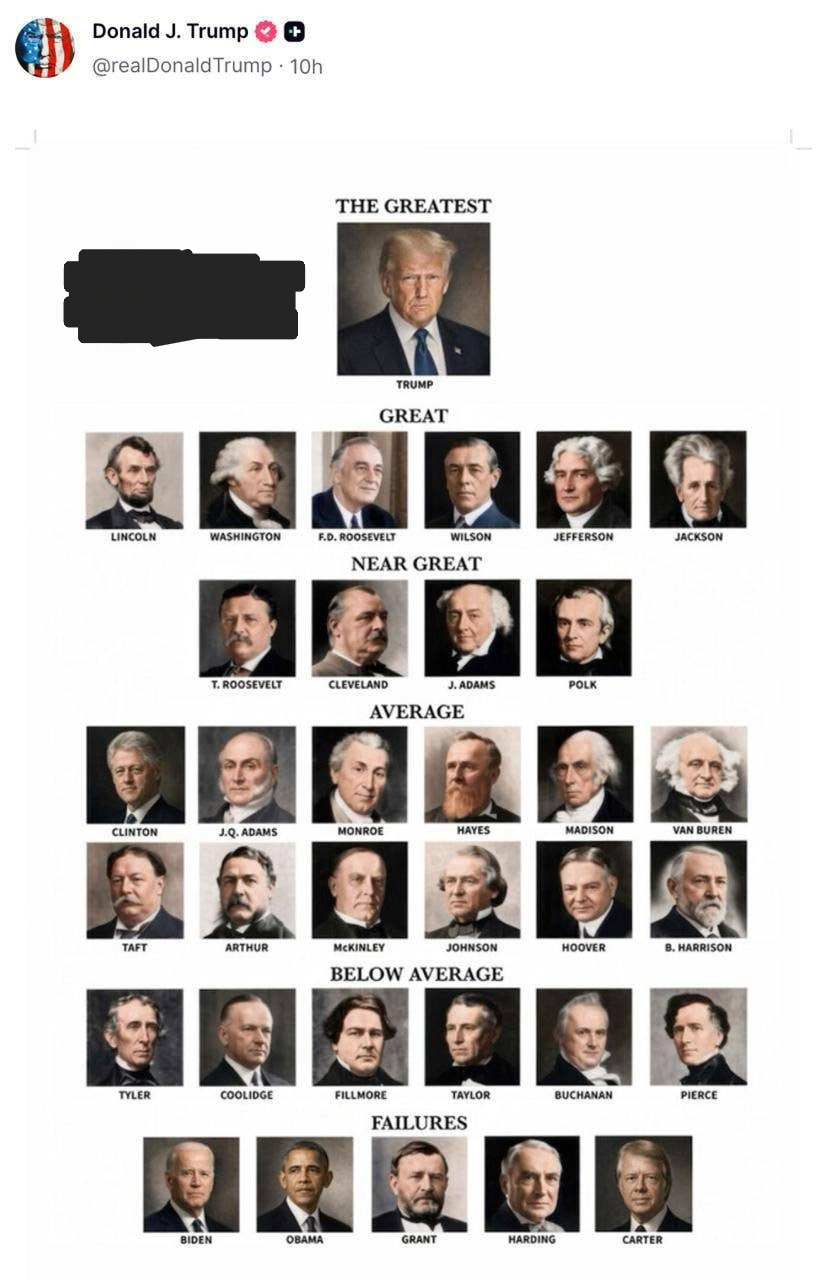
Vika6:
Хоча треба визнати, нарцистичне руде 💩 добре маніпулює ринком в свою користь

This is massive by Abdul👏
🇺🇸Trump: "Abdul El-Sayed you are jihadist. Get out from my country"
🇺🇸Abdul🔥🔥: "If there is any jihad it is gonna be DONALD TRUMP who is against medical debt. Average American not worried about how I pray. They worried about what I pray for. My blood runs for Americans."
Now he is biggest nightmare for Trump. Huge respect💪
$PROM | $NIL | $BROCCOLI714
#BREAKING #news #US #TRUMP
🇺🇸Trump: "Abdul El-Sayed you are jihadist. Get out from my country"
🇺🇸Abdul🔥🔥: "If there is any jihad it is gonna be DONALD TRUMP who is against medical debt. Average American not worried about how I pray. They worried about what I pray for. My blood runs for Americans."
Now he is biggest nightmare for Trump. Huge respect💪
$PROM | $NIL | $BROCCOLI714
#BREAKING #news #US #TRUMP

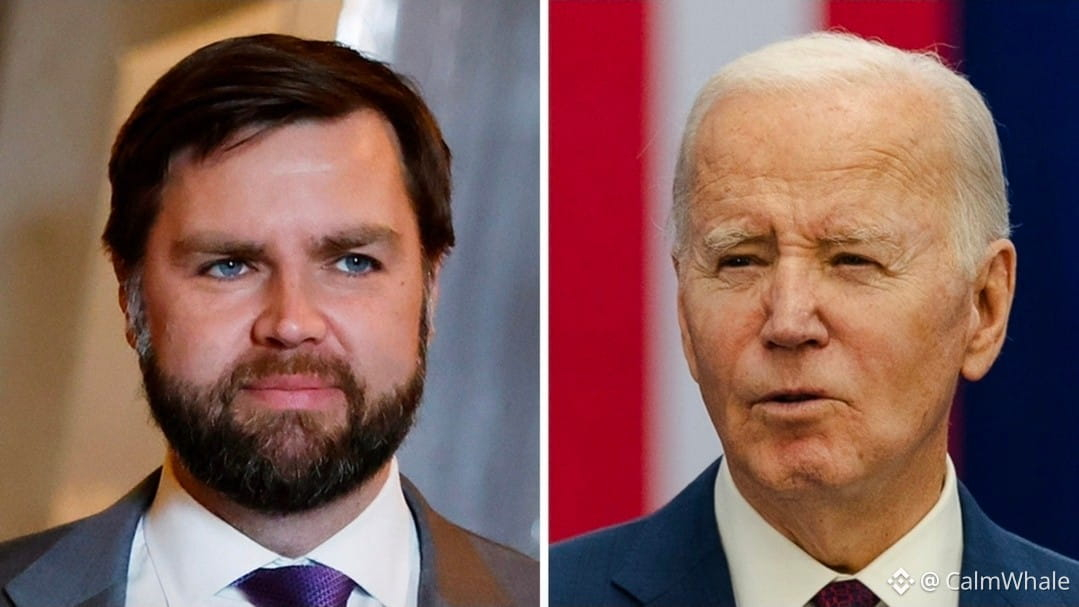
8:00 PM 🇺🇸 JD Vance: "Trump most honest American president ever had."
8:05 PM 🇺🇸 Biden: "He greatest conman America ever seen. Most corrupt person in country. Doing insider trading. Level of graft unbelievable. Might be worst leader on planet."🔥🔥
Biden cooked him 👏👏
$PROM | $NIL | $BROCCOLI714
#BREAKING #news #US #jdvance #biden
8:05 PM 🇺🇸 Biden: "He greatest conman America ever seen. Most corrupt person in country. Doing insider trading. Level of graft unbelievable. Might be worst leader on planet."🔥🔥
Biden cooked him 👏👏
$PROM | $NIL | $BROCCOLI714
#BREAKING #news #US #jdvance #biden

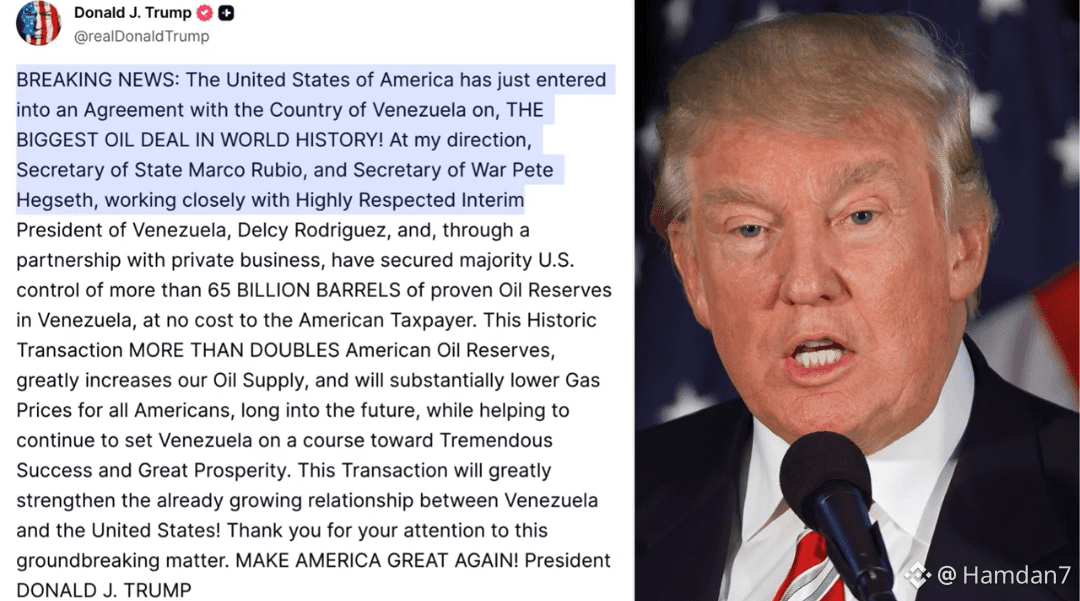
#TrumpSaysUSReachedVenezuelaOilDeal
President Trump just announced that the United States has officially signed the single largest OIL DEAL in human history with Venezuela. 🇺🇸🇻🇪
US has secured majority control over a staggering 65 billion barrels of proven oil reserves, entirely funded through private enterprise at zero cost to the American taxpayer. 👏
The deal has completely dominated the global energy markets. This monumental breakthrough marks an unprecedented masterclass in economic statecraft. This historic deal will supercharge the economy and guarantee long term prosperity. $BTC $ETH $XAUT #TRUMP #US
President Trump just announced that the United States has officially signed the single largest OIL DEAL in human history with Venezuela. 🇺🇸🇻🇪
US has secured majority control over a staggering 65 billion barrels of proven oil reserves, entirely funded through private enterprise at zero cost to the American taxpayer. 👏
The deal has completely dominated the global energy markets. This monumental breakthrough marks an unprecedented masterclass in economic statecraft. This historic deal will supercharge the economy and guarantee long term prosperity. $BTC $ETH $XAUT #TRUMP #US

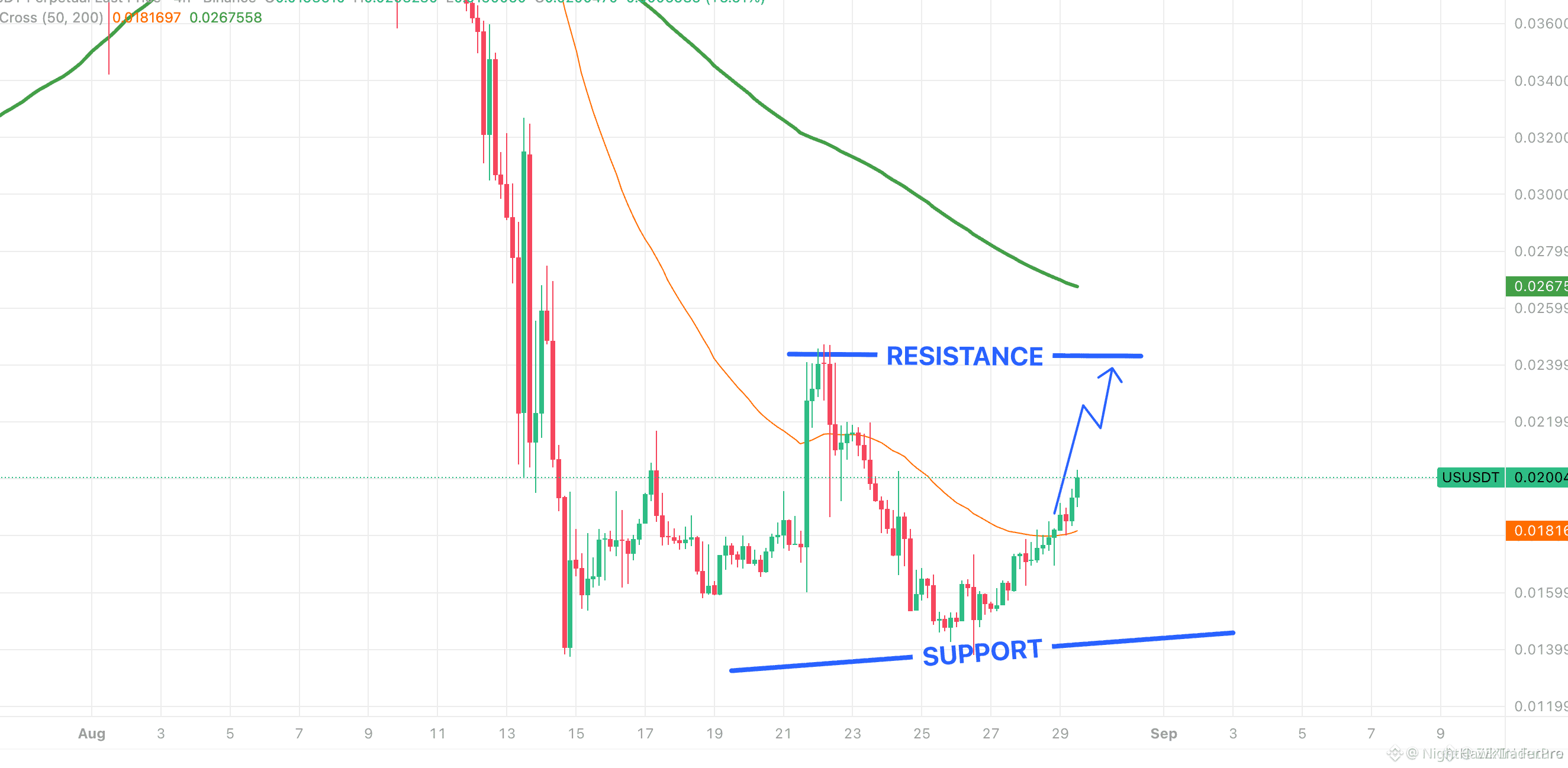
🚨 $US BREAKS FREE FROM BASE CONSOLIDATION WITH EMA 50 RECLAIM! 💥
Entry: 0.0190 - 0.0201 ⚡
Target: 0.0205 - 0.0215 🚀
Stop Loss: 0.0175 ⚠️
After grinding at range lows for days, $US is showing signs of aggressive accumulation. 📊 Buyers just reclaimed the 50 EMA while establishing a clean series of higher lows, signalling that order flow has shifted back into demand territory.
💡 A sustained push through the initial target matrix clears the path toward the major supply zone at 0.024, where momentum could turn parabolic. ⚡ Positioning early inside this consolidation window offers asymmetric risk-to-reward before momentum traders catch on. 💬 Are you bidding this EMA reclaim now or waiting for the breakout confirmation at 0.024? 👇
⚠️ Not financial advice. Always manage your risk. 🛡️
🏷️ #US #LongSetup #Crypto #Breakout
🔥 💎
Entry: 0.0190 - 0.0201 ⚡
Target: 0.0205 - 0.0215 🚀
Stop Loss: 0.0175 ⚠️
After grinding at range lows for days, $US is showing signs of aggressive accumulation. 📊 Buyers just reclaimed the 50 EMA while establishing a clean series of higher lows, signalling that order flow has shifted back into demand territory.
💡 A sustained push through the initial target matrix clears the path toward the major supply zone at 0.024, where momentum could turn parabolic. ⚡ Positioning early inside this consolidation window offers asymmetric risk-to-reward before momentum traders catch on. 💬 Are you bidding this EMA reclaim now or waiting for the breakout confirmation at 0.024? 👇
⚠️ Not financial advice. Always manage your risk. 🛡️
🏷️ #US #LongSetup #Crypto #Breakout
🔥 💎

⚡ $US EXPANSION INCOMING AS STRUCTURE RECLAIMS KEY EMA 50 LEVEL 📈
Entry: 0.0190 - 0.0201 ⚡
Target: 0.0205 - 0.0215 🎯
Stop Loss: 0.0175 ⚠️
After a prolonged accumulation phase at multi-day lows, $US is showing clear signs of institutional absorption. Price has successfully reclaimed the dynamic EMA 50 barrier while printing a crisp higher low sequence, signaling a decisive shift in market structure. 📊
Order flow indicates smart money building long exposure inside this discount zone before challenging the 0.024 liquidity pool above. 🔍 If buy-side volume sustains this momentum, we expect an aggressive expansion into overhead inefficiency zones. 💡
💬 Are you entering during this structural reclaim or waiting for a clean retest of the range highs? 👇
⚠️ Not financial advice. Always manage your risk. 🛡️
🏷️ #US #LongSetup #Crypto #MarketStructure #Trading
🎯 🦈
Entry: 0.0190 - 0.0201 ⚡
Target: 0.0205 - 0.0215 🎯
Stop Loss: 0.0175 ⚠️
After a prolonged accumulation phase at multi-day lows, $US is showing clear signs of institutional absorption. Price has successfully reclaimed the dynamic EMA 50 barrier while printing a crisp higher low sequence, signaling a decisive shift in market structure. 📊
Order flow indicates smart money building long exposure inside this discount zone before challenging the 0.024 liquidity pool above. 🔍 If buy-side volume sustains this momentum, we expect an aggressive expansion into overhead inefficiency zones. 💡
💬 Are you entering during this structural reclaim or waiting for a clean retest of the range highs? 👇
⚠️ Not financial advice. Always manage your risk. 🛡️
🏷️ #US #LongSetup #Crypto #MarketStructure #Trading
🎯 🦈
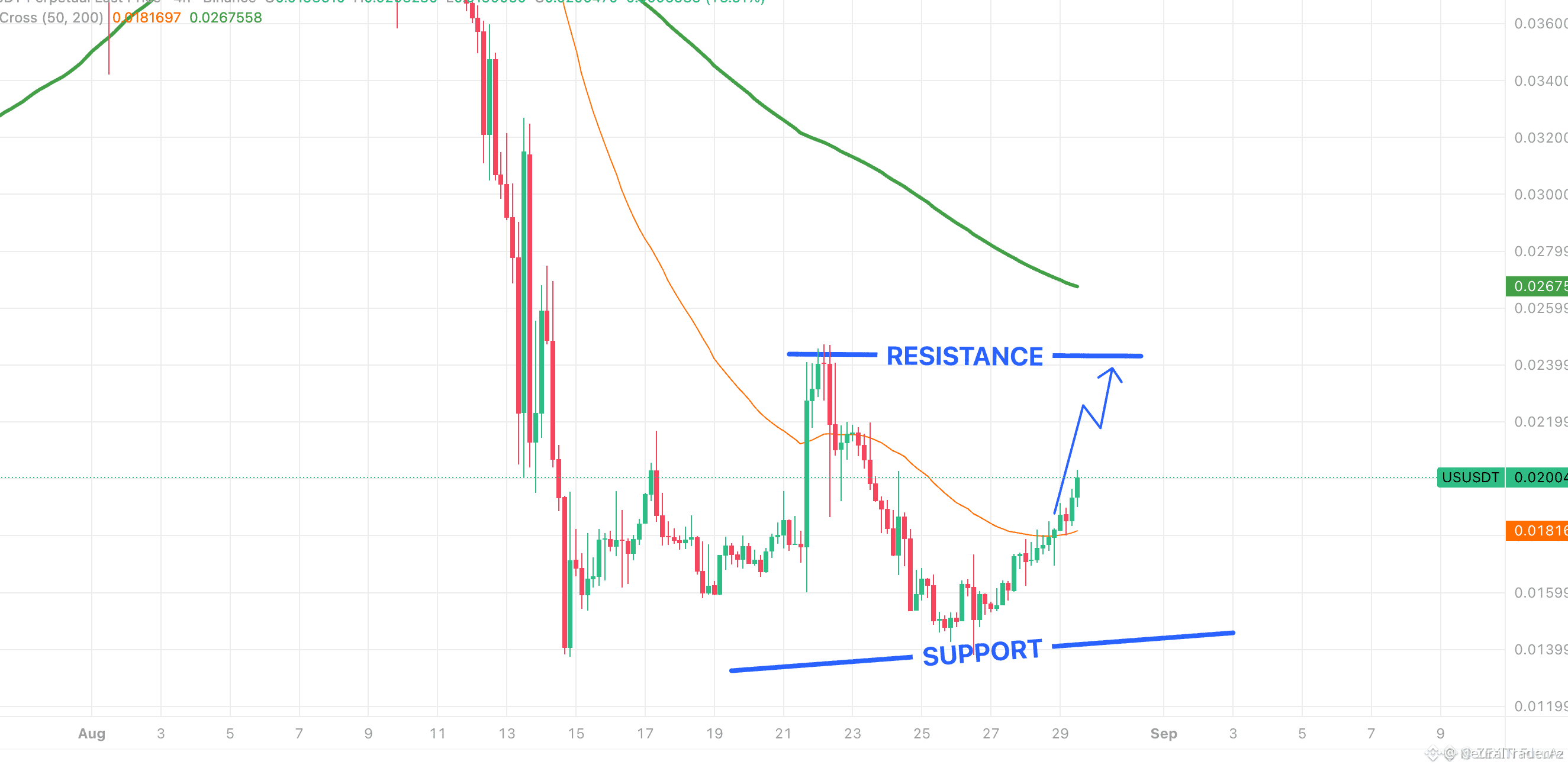

🇺🇸 Land of the free, home of the #US bulls! 🇺🇸$US
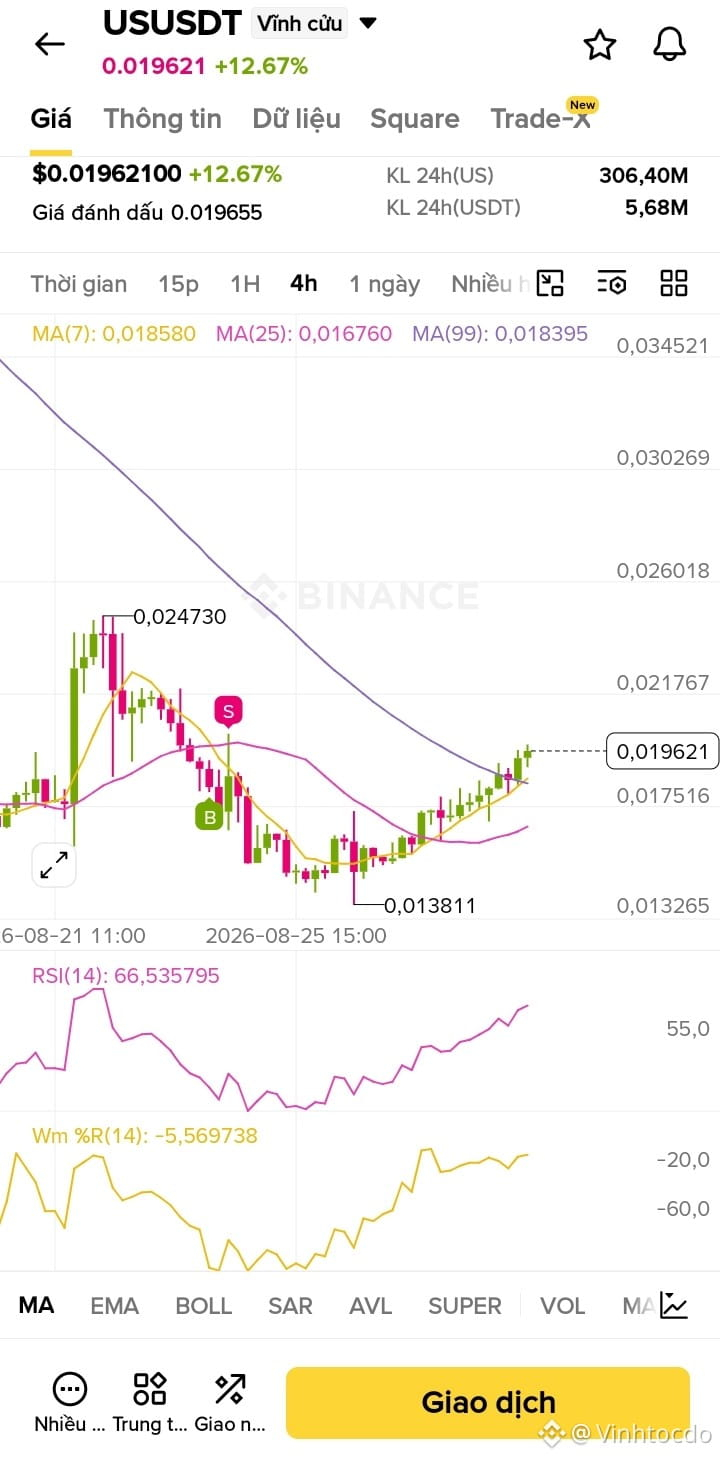
US/USDT is flexing hard at 0.019621 on Binance! Market cap? Powerful enough to rule the charts! 📈
Juicy 4H data:
🔥 MA(7): 0.018580 (Rocket fuel!)
⚡ MA(25): 0.016760
🛡️ MA(99): 0.018395
📊 RSI: 66.53 (Bulls are dominant!)
📉 Wm %R: -5.56 (Squeezing to breakout!)
🔊 Volume: 5.68M
📈 Trend: Strong recovery trend! Breaking above all major MAs and marching towards higher targets! 🚀
🎯 Plan:
💰 TP: 0.021 (Next major resistance)
🛑 SL: 0.017 (Solid floor support)
⚠️ Not financial advice.
Join Binance with code VINHTOCDO or via link binance.com
#crypto #VINHTOCDO #NYSilverFuturesDrop3%
US/USDT is flexing hard at 0.019621 on Binance! Market cap? Powerful enough to rule the charts! 📈
Juicy 4H data:
🔥 MA(7): 0.018580 (Rocket fuel!)
⚡ MA(25): 0.016760
🛡️ MA(99): 0.018395
📊 RSI: 66.53 (Bulls are dominant!)
📉 Wm %R: -5.56 (Squeezing to breakout!)
🔊 Volume: 5.68M
📈 Trend: Strong recovery trend! Breaking above all major MAs and marching towards higher targets! 🚀
🎯 Plan:
💰 TP: 0.021 (Next major resistance)
🛑 SL: 0.017 (Solid floor support)
⚠️ Not financial advice.
Join Binance with code VINHTOCDO or via link binance.com
#crypto #VINHTOCDO #NYSilverFuturesDrop3%
ФЕДАТ - цифровая экосистема спорта:
Всегда поддержим Друг.
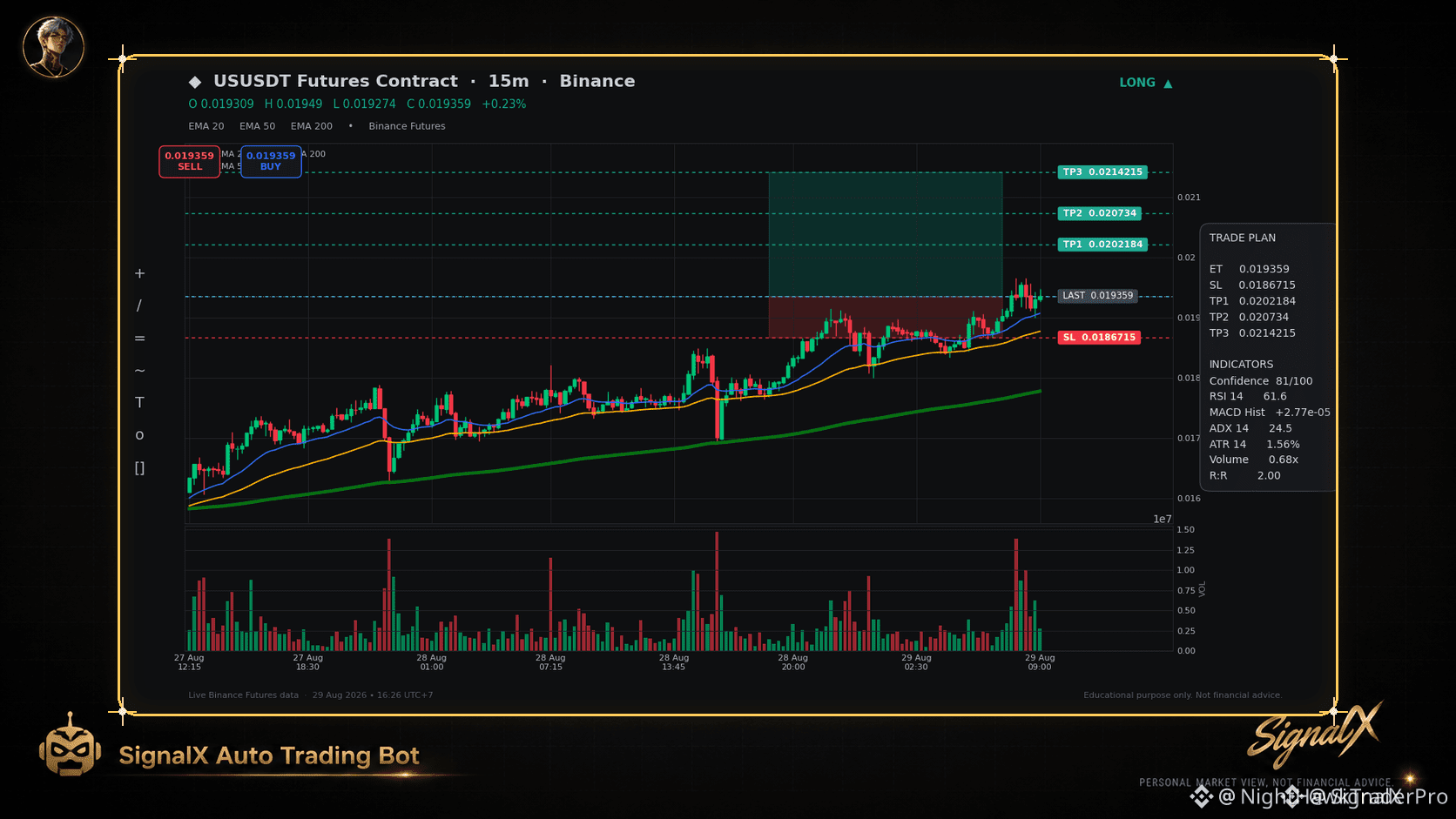
⚡ $US IS CHARGING UP A TEXTBOOK TREND CONTINUATION PLAY ON THE 15M! 📈
Entry: 0.019359 ⚡
Target: 0.0214215 🚀
Stop Loss: 0.0186715 ⚠️
Moving averages across the 15-minute timeframe are stacked in clean bullish alignment, signaling a healthy pullback within an established impulse wave. 📊 MACD histogram is expanding into positive territory while RSI hovers at 61.6, leaving plenty of runway for another leg higher.
Even with temporary light volume, price structure is coiling nicely for a volatility expansion toward key liquidity targets. ⚡ Risk is tightly anchored below local structural support. 💬 Are you bidding this pullback tier or waiting for a higher high break? 👇
⚠️ Not financial advice. Always manage your risk. 🛡️
🏷️ #US #Crypto #LongSetup #TradingSignal #Bullish
🔥 ⚡
Entry: 0.019359 ⚡
Target: 0.0214215 🚀
Stop Loss: 0.0186715 ⚠️
Moving averages across the 15-minute timeframe are stacked in clean bullish alignment, signaling a healthy pullback within an established impulse wave. 📊 MACD histogram is expanding into positive territory while RSI hovers at 61.6, leaving plenty of runway for another leg higher.
Even with temporary light volume, price structure is coiling nicely for a volatility expansion toward key liquidity targets. ⚡ Risk is tightly anchored below local structural support. 💬 Are you bidding this pullback tier or waiting for a higher high break? 👇
⚠️ Not financial advice. Always manage your risk. 🛡️
🏷️ #US #Crypto #LongSetup #TradingSignal #Bullish
🔥 ⚡

تمّ التحقق

Armin 1234:
I think the market impact will depend on execution, not on the reserve figure alone. Venezuela’s 65B+ barrels represent long term potential not immediate supply in the market. The real variables are capital investment, infrastructure recovery, production growth and export capacity.

🇺🇸 $US Tokenized U.S. Equities Basket — Daily Market Update | Aug 29, 2026
📊 Live Market Snapshot
• Price: $0.01845
• 24h Change: +7.59% 🟢
• 24h High / Low: $0.01916 / $0.01696
• 24h Volume: ~275.2M US tokens (~$4.97M USDT)
• Open: $0.01714
📖 Today's Narrative
$US staged a strong intraday recovery on Saturday, gaining +7.59% after a volatile week that saw the token dip to weekly lows near $0.01385. The move aligns with Friday's Wall Street session optimism — U.S. equities closed higher on softer inflation readings and growing expectations that the Fed may pivot sooner than projected. Tokenized equity baskets like $US track U.S. stock market sentiment closely, and today's bounce reflects renewed risk appetite heading into the last trading days of August. Volume remains elevated vs the prior week average, signaling active repositioning.
🔑 Key Technical Levels
🛡️ Support:
• S1: $0.01695 — recent consolidation floor and 24h low cluster
• S2: $0.01540 — mid-week demand zone where buyers stepped in strongly
🚧 Resistance:
• R1: $0.01916 — today's intraday high / short-term supply zone
• R2: $0.02030 — Monday's weekly open, prior breakdown level to reclaim
⚠️ Main Risk
Tokenized U.S. equity assets carry dual risk: on-chain liquidity risk (thin order books amplify moves) and macro event risk. Any surprise hawkish Fed commentary or negative U.S. data over the weekend could quickly reverse today's gains. Watch for gap risk at Sunday re-open.
📊 Community Poll — What's your $US outlook for next week?
A) 📈 Bullish — expect $US to retest $0.020+
B) 📉 Bearish — this bounce fades, retest $0.015 support
C) ↔️ Neutral — sideways range, wait for clearer macro catalyst
Drop your vote below! 👇 Follow for daily tokenized asset updates.
#US #TokenizedStocks #RWA #BinanceSquare #CryptoMarkets
📊 Live Market Snapshot
• Price: $0.01845
• 24h Change: +7.59% 🟢
• 24h High / Low: $0.01916 / $0.01696
• 24h Volume: ~275.2M US tokens (~$4.97M USDT)
• Open: $0.01714
📖 Today's Narrative
$US staged a strong intraday recovery on Saturday, gaining +7.59% after a volatile week that saw the token dip to weekly lows near $0.01385. The move aligns with Friday's Wall Street session optimism — U.S. equities closed higher on softer inflation readings and growing expectations that the Fed may pivot sooner than projected. Tokenized equity baskets like $US track U.S. stock market sentiment closely, and today's bounce reflects renewed risk appetite heading into the last trading days of August. Volume remains elevated vs the prior week average, signaling active repositioning.
🔑 Key Technical Levels
🛡️ Support:
• S1: $0.01695 — recent consolidation floor and 24h low cluster
• S2: $0.01540 — mid-week demand zone where buyers stepped in strongly
🚧 Resistance:
• R1: $0.01916 — today's intraday high / short-term supply zone
• R2: $0.02030 — Monday's weekly open, prior breakdown level to reclaim
⚠️ Main Risk
Tokenized U.S. equity assets carry dual risk: on-chain liquidity risk (thin order books amplify moves) and macro event risk. Any surprise hawkish Fed commentary or negative U.S. data over the weekend could quickly reverse today's gains. Watch for gap risk at Sunday re-open.
📊 Community Poll — What's your $US outlook for next week?
A) 📈 Bullish — expect $US to retest $0.020+
B) 📉 Bearish — this bounce fades, retest $0.015 support
C) ↔️ Neutral — sideways range, wait for clearer macro catalyst
Drop your vote below! 👇 Follow for daily tokenized asset updates.
#US #TokenizedStocks #RWA #BinanceSquare #CryptoMarkets

⚡ $US PREPARES EXPONSIVE SHORT-TERM RELIEF RALLY OFF DEMAND ZONE 🎯
Entry: 0.01735 - 0.01810 ⚡
Target: 0.01916 - 0.02130 🚀
Stop Loss: 0.01685 ⚠️
Lower timeframe charts on $US are showing sharp absorption inside this demand pocket, building momentum for a swift counter-trend move. 📊 While the broader structure remains in a macro downtrend, the local order flow is curling up clean for an immediate relief expansion. ⚡
Smart execution means catching this velocity early, securing profit steps into overhead resistance, and stepping aside before momentum fades. 💡 Tight risk control protects your stack while we extract value from this short-term liquidity shift. 🌊 Are you trading this bounce with disciplined targets or waiting to chase the breakout late? 👇
⚠️ Not financial advice. Always manage your risk. 🛡️
🏷️ #US #ScalpSetup #Crypto #Altcoins
🎯 ⚡
Entry: 0.01735 - 0.01810 ⚡
Target: 0.01916 - 0.02130 🚀
Stop Loss: 0.01685 ⚠️
Lower timeframe charts on $US are showing sharp absorption inside this demand pocket, building momentum for a swift counter-trend move. 📊 While the broader structure remains in a macro downtrend, the local order flow is curling up clean for an immediate relief expansion. ⚡
Smart execution means catching this velocity early, securing profit steps into overhead resistance, and stepping aside before momentum fades. 💡 Tight risk control protects your stack while we extract value from this short-term liquidity shift. 🌊 Are you trading this bounce with disciplined targets or waiting to chase the breakout late? 👇
⚠️ Not financial advice. Always manage your risk. 🛡️
🏷️ #US #ScalpSetup #Crypto #Altcoins
🎯 ⚡
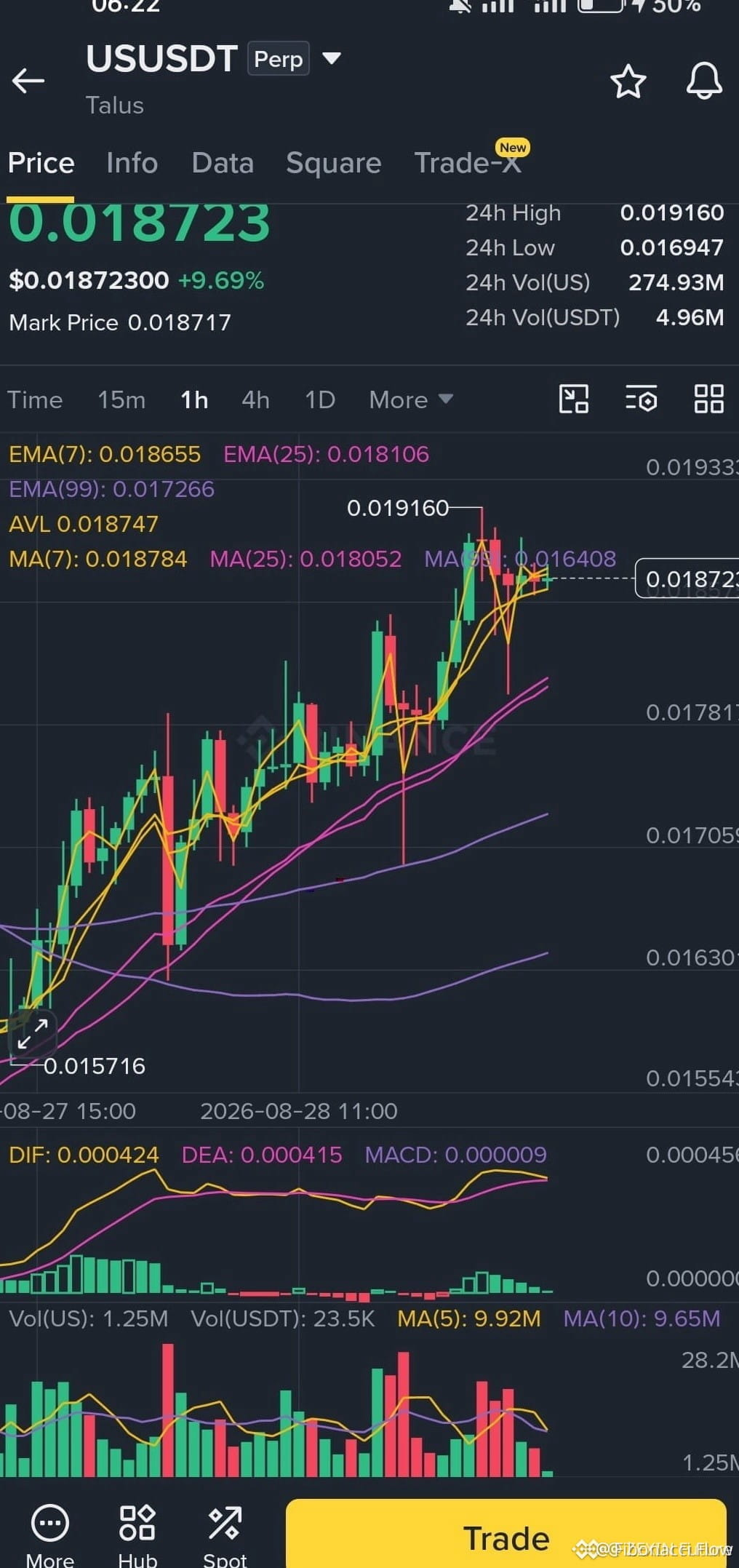

⚡ $US SETTING UP A HIGH-VELOCITY RELIEF BOUNCE FROM LOCAL DEMAND! 🦈
Entry: 0.01735 - 0.01810 ⚡
Target: 0.01916 - 0.02130 🚀
Stop Loss: 0.01685 ⚠️
Lower timeframes are printing a localized structural pivot within the 0.01735 - 0.01810 accumulation block. 📊 While the higher timeframe macro bias remains firmly bearish, institutional order flow indicates a fast counter-trend relief push into overhead structural inefficiencies.
Execution efficiency is vital here. 📌 Strict invalidation at 0.01685 protects against macro trend continuation while targeting fair value fills up toward 0.02130. Take profits systematically on the way up and don't overstay the bounce.
🤔 Are you scalping this intra-day liquidity sweep, or waiting for higher timeframe confirmation before taking a side? 👇
⚠️ Not financial advice. Always manage your risk. 🛡️
🏷️ #US #Trading #Crypto #MarketStructure #Liquidity
🎯 🦈
Entry: 0.01735 - 0.01810 ⚡
Target: 0.01916 - 0.02130 🚀
Stop Loss: 0.01685 ⚠️
Lower timeframes are printing a localized structural pivot within the 0.01735 - 0.01810 accumulation block. 📊 While the higher timeframe macro bias remains firmly bearish, institutional order flow indicates a fast counter-trend relief push into overhead structural inefficiencies.
Execution efficiency is vital here. 📌 Strict invalidation at 0.01685 protects against macro trend continuation while targeting fair value fills up toward 0.02130. Take profits systematically on the way up and don't overstay the bounce.
🤔 Are you scalping this intra-day liquidity sweep, or waiting for higher timeframe confirmation before taking a side? 👇
⚠️ Not financial advice. Always manage your risk. 🛡️
🏷️ #US #Trading #Crypto #MarketStructure #Liquidity
🎯 🦈
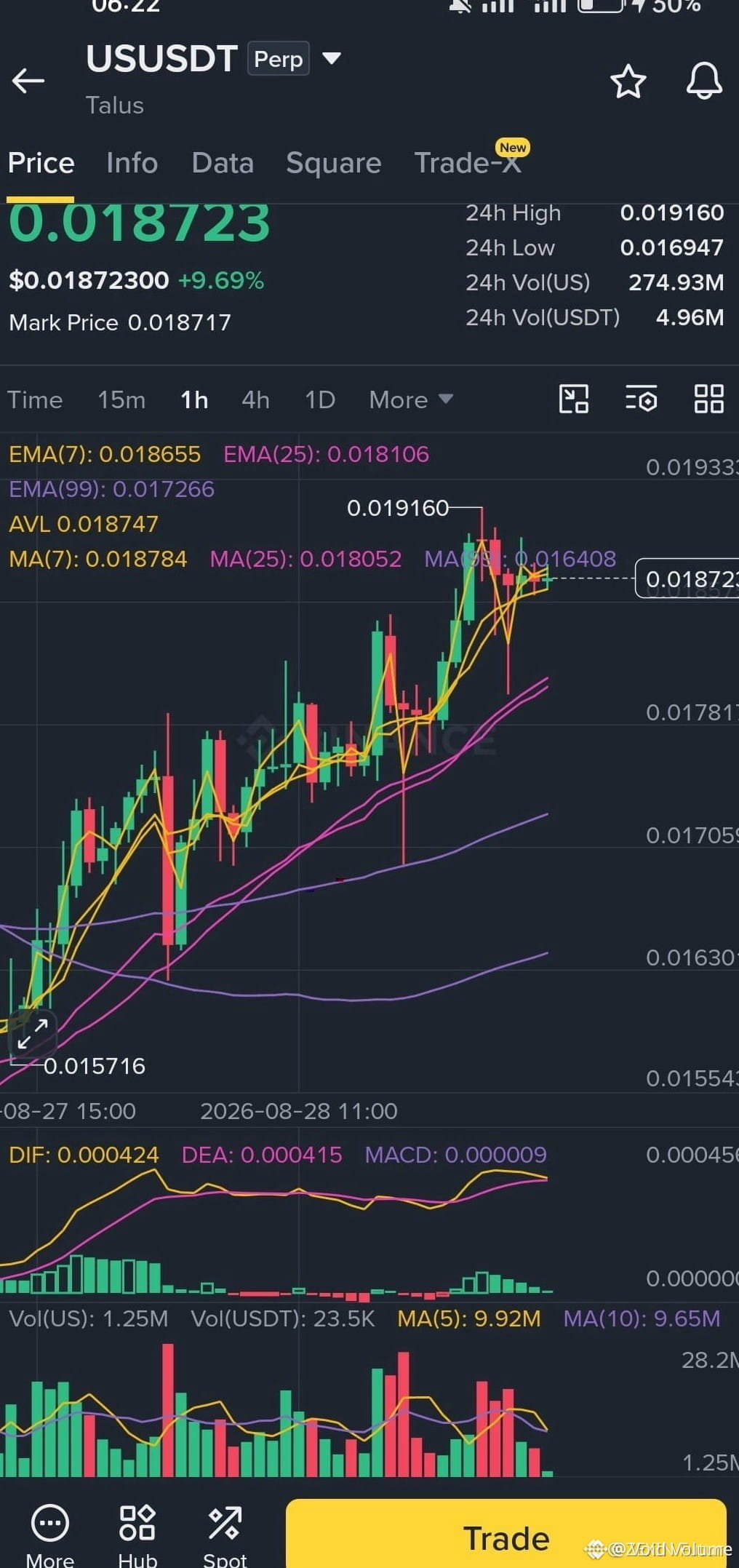
🚨 $US PREPARES FOR COUNTER-TREND LIQUIDITY HUNT BEFORE MACRO DISTRIBUTION RESUMES ⚡
Entry: 0.01735 - 0.01810 ⚡
Target: 0.01916 - 0.02130 🚀
Stop Loss: 0.01685 ⚠️
While $US remains trapped in a higher-timeframe bearish market structure, lower-timeframe order flow reveals a temporary internal liquidity sweep. 📊 Institutional operators are engineering a short-term relief push toward overhead supply, creating a swift tactical window for disciplined traders. 🔍
Strict execution rules apply, as higher-timeframe order blocks favor heavy distribution upon reaching target inefficiencies. 💡 Capitalize on the lower-timeframe momentum, but respect the structural invalidation level to prevent exposure to macro continuation. 💬 Are you taking the counter-trend bounce or waiting for structural rejection at resistance? 👇
⚠️ Not financial advice. Always manage your risk. 🛡️
🏷️ #US #ScalpSetup #MarketStructure #Trading
🎯 🦈
Entry: 0.01735 - 0.01810 ⚡
Target: 0.01916 - 0.02130 🚀
Stop Loss: 0.01685 ⚠️
While $US remains trapped in a higher-timeframe bearish market structure, lower-timeframe order flow reveals a temporary internal liquidity sweep. 📊 Institutional operators are engineering a short-term relief push toward overhead supply, creating a swift tactical window for disciplined traders. 🔍
Strict execution rules apply, as higher-timeframe order blocks favor heavy distribution upon reaching target inefficiencies. 💡 Capitalize on the lower-timeframe momentum, but respect the structural invalidation level to prevent exposure to macro continuation. 💬 Are you taking the counter-trend bounce or waiting for structural rejection at resistance? 👇
⚠️ Not financial advice. Always manage your risk. 🛡️
🏷️ #US #ScalpSetup #MarketStructure #Trading
🎯 🦈
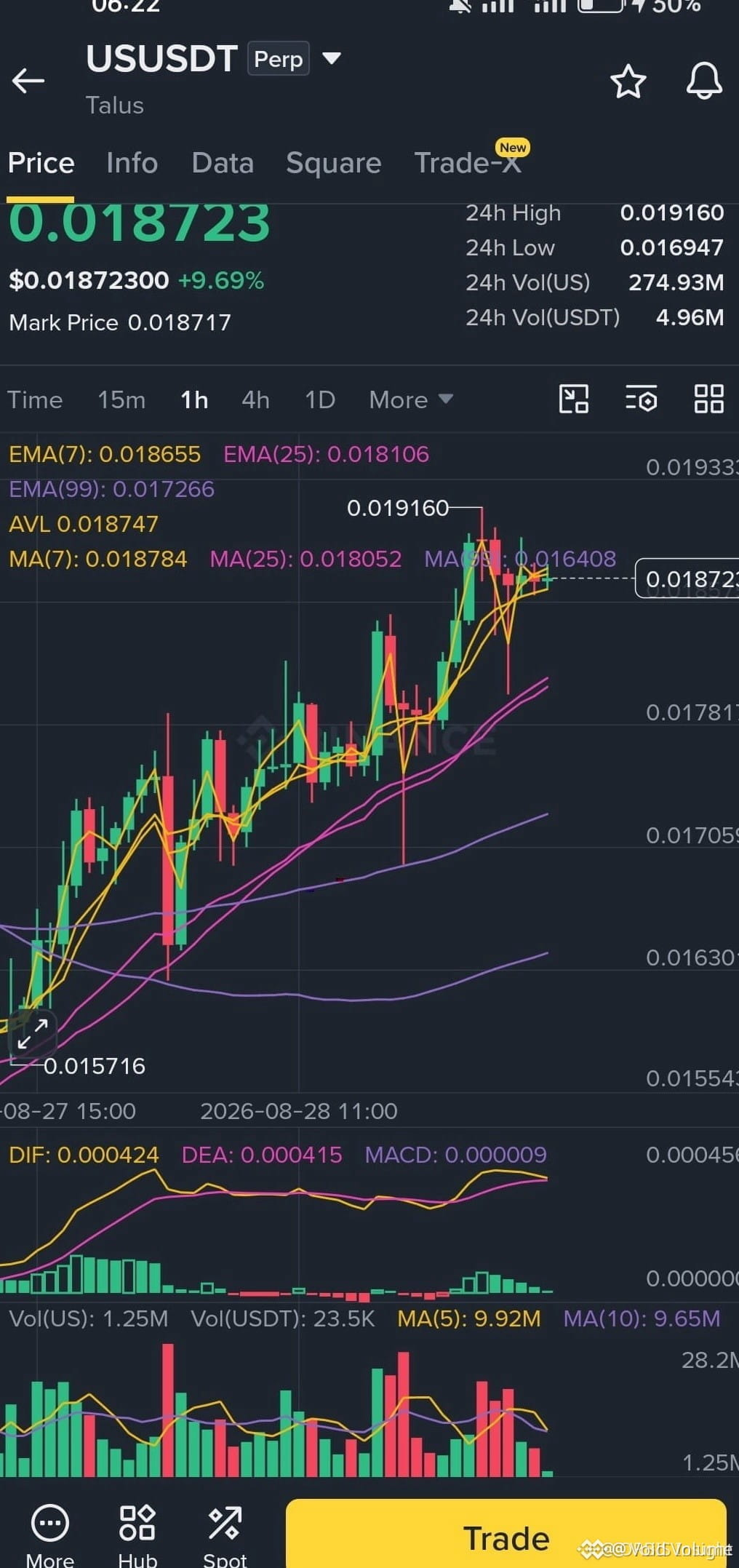

🚨 $US PUSHES INTO HEAVY OVERHEAD SUPPLY — EXPECTING SELL-SIDE REACTION! 🐻
Entry: 0.01820 - 0.01850 ⚡
Target: 0.01700 🚀
Stop Loss: 0.01890 ⚠️
The rapid vertical push on $US has driven price straight into a premium supply block near the daily high, leaving buy-side momentum severely overstretched. Institutional order flow indicates buying volume is thinning out rapidly after sweeping local liquidity. 📊
A clean rejection within the 0.01820 – 0.01850 area sets the stage for a structural rotation downward toward lower demand pools. 🔍 With risk defined clearly above the pivot, this presents a crisp risk-to-reward setup as overhead inefficiency gets rebalanced.
🤔 Do you expect an immediate distribution from this zone, or one more liquidity sweep before the turn? 👇
⚠️ Not financial advice. Always manage your risk. 🛡️
🏷️ #US #ShortSetup #Bearish #OrderFlow #Crypto
🎯 🐻
Entry: 0.01820 - 0.01850 ⚡
Target: 0.01700 🚀
Stop Loss: 0.01890 ⚠️
The rapid vertical push on $US has driven price straight into a premium supply block near the daily high, leaving buy-side momentum severely overstretched. Institutional order flow indicates buying volume is thinning out rapidly after sweeping local liquidity. 📊
A clean rejection within the 0.01820 – 0.01850 area sets the stage for a structural rotation downward toward lower demand pools. 🔍 With risk defined clearly above the pivot, this presents a crisp risk-to-reward setup as overhead inefficiency gets rebalanced.
🤔 Do you expect an immediate distribution from this zone, or one more liquidity sweep before the turn? 👇
⚠️ Not financial advice. Always manage your risk. 🛡️
🏷️ #US #ShortSetup #Bearish #OrderFlow #Crypto
🎯 🐻
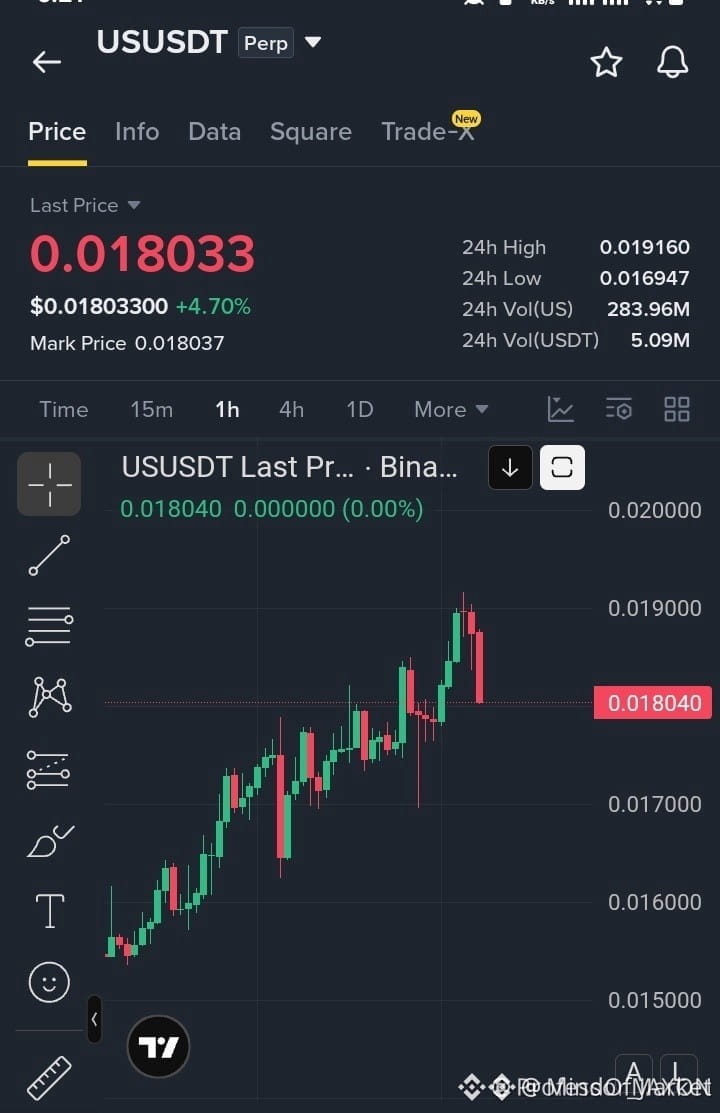

🚨 $US STRETCHED TO THE LIMIT AS SELLERS PREPARE TO TRAP EXPANDED MOMENTUM! 📉
Entry: 0.01820 - 0.01850 ⚡
Target: 0.01780 / 0.01740 / 0.01700 🎯
Stop Loss: 0.01890 ⚠️
$US just delivered a violent surge into daily high territory, but buying velocity is visibly thinning out at resistance. 📉 Exhaustion is setting in right below the 0.01850 overhead ceiling, creating a prime window for supply to step in and absorb late buyers.
📌 Rejection from this 0.01820 - 0.01850 distribution pocket opens up a smooth slide toward lower structural liquidity pools down to 0.01700. 🔍 Order flow shows aggressive upside fading while heavy offers stack on the ask side.
💬 Are you stepping aside here, or riding this rejection down to support? 👇
⚠️ Not financial advice. Always manage your risk. 🛡️
🏷️ #US #ShortSetup #Crypto #Pullback #Trading
🔻 📉
Entry: 0.01820 - 0.01850 ⚡
Target: 0.01780 / 0.01740 / 0.01700 🎯
Stop Loss: 0.01890 ⚠️
$US just delivered a violent surge into daily high territory, but buying velocity is visibly thinning out at resistance. 📉 Exhaustion is setting in right below the 0.01850 overhead ceiling, creating a prime window for supply to step in and absorb late buyers.
📌 Rejection from this 0.01820 - 0.01850 distribution pocket opens up a smooth slide toward lower structural liquidity pools down to 0.01700. 🔍 Order flow shows aggressive upside fading while heavy offers stack on the ask side.
💬 Are you stepping aside here, or riding this rejection down to support? 👇
⚠️ Not financial advice. Always manage your risk. 🛡️
🏷️ #US #ShortSetup #Crypto #Pullback #Trading
🔻 📉
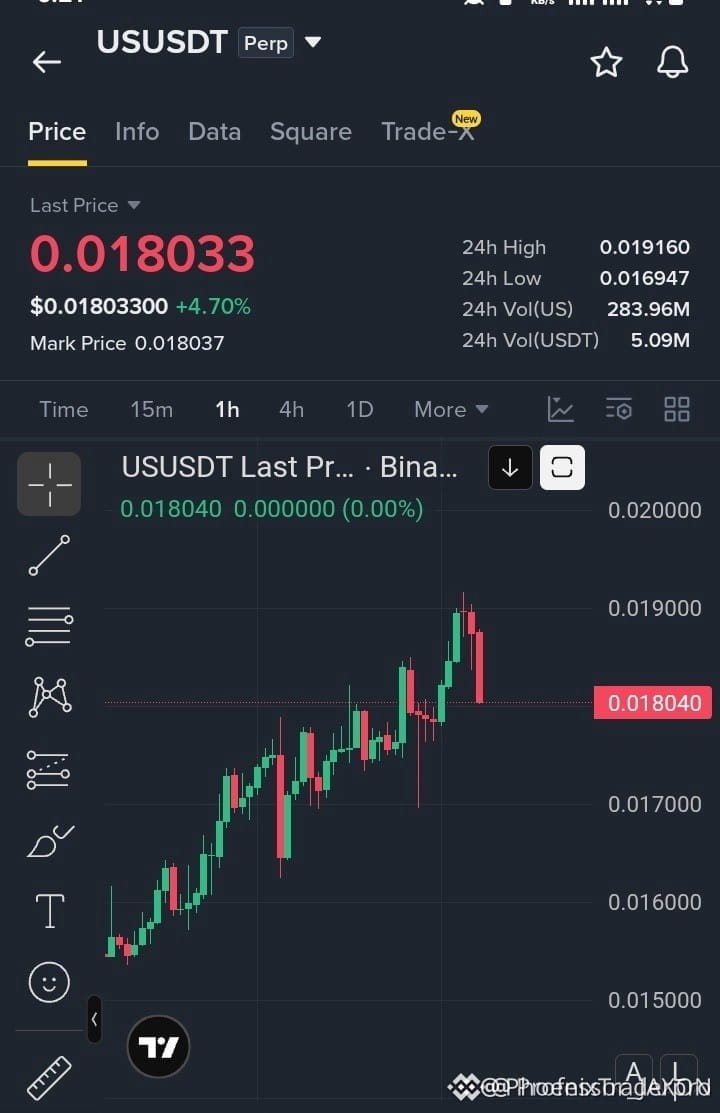
🇺🇸🇮🇷 The U.S. is going after another one of Iran’s money links.
The Treasury just sanctioned another person tied to Iran’s Bank Melli, plus a company based in Hong Kong.
Bessent basically told everyone this was coming earlier this week. He said the U.S. was about to launch an “economic onslaught” on Iran’s money links around the world.
And they’re already adding more names to the list.
$DEXE | $HEMI | $EDEN
#BREAKING #news #US #iran #HongKong
The Treasury just sanctioned another person tied to Iran’s Bank Melli, plus a company based in Hong Kong.
Bessent basically told everyone this was coming earlier this week. He said the U.S. was about to launch an “economic onslaught” on Iran’s money links around the world.
And they’re already adding more names to the list.
$DEXE | $HEMI | $EDEN
#BREAKING #news #US #iran #HongKong

$US BULLS PRESS THE ADVANTAGE AS HEAVY VOLUME THREATENS A MONSTER BREAKOUT! ⚡ 🐂
Entry: 0.01805 - 0.01830 ⚡
Target: 0.01850 / 0.01900 / 0.01960 🚀
Stop Loss: 0.01745 ⚠️
Buyers are aggressively absorbing sell pressure on $US , printing nearly 8% in upward expansion backed by significant volume spikes. 📊 Defense at elevated price levels signals intense accumulation, with the market coiling right below the key resistance zone.
⚡ A clean breakout past 0.01850 opens up clear sky for the next expansion leg toward 0.01960. 💡 Technical structure heavily favors traders positioning within this entry range with disciplined risk management. 💬 Are you front-running this breakout or waiting for the 0.01850 reclaim confirmation? 👇
⚠️ Not financial advice. Always manage your risk. 🛡️
🏷️ #US #LongSetup #Breakout #Crypto
🔥 💎
Entry: 0.01805 - 0.01830 ⚡
Target: 0.01850 / 0.01900 / 0.01960 🚀
Stop Loss: 0.01745 ⚠️
Buyers are aggressively absorbing sell pressure on $US , printing nearly 8% in upward expansion backed by significant volume spikes. 📊 Defense at elevated price levels signals intense accumulation, with the market coiling right below the key resistance zone.
⚡ A clean breakout past 0.01850 opens up clear sky for the next expansion leg toward 0.01960. 💡 Technical structure heavily favors traders positioning within this entry range with disciplined risk management. 💬 Are you front-running this breakout or waiting for the 0.01850 reclaim confirmation? 👇
⚠️ Not financial advice. Always manage your risk. 🛡️
🏷️ #US #LongSetup #Breakout #Crypto
🔥 💎
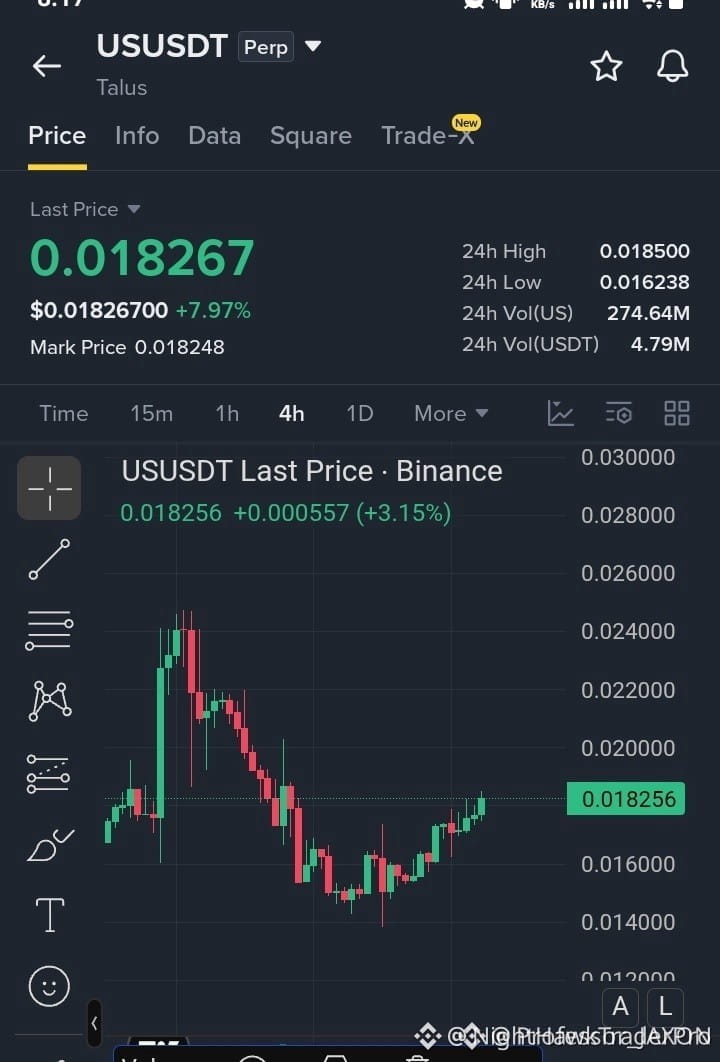
⚡ $US RECLAIMS CRUCIAL DEMAND ZONE AS ACCUMULATION ABSORBS SELLER PRESSURE! 💥
Entry: 0.017987 - 0.018268 ⚡
Target: 0.02150 / 0.02500 / 0.029168 🚀
Stop Loss: 0.017024 ⚠️
Buyers are aggressively defending this low-range pivot and quietly stacking bids before the next structural expansion. 📌 Order flow shows sellers losing grip on the tape while bid density builds right above support. 📊
⚡ Smart money positioning suggests a sharp liquidity sweep toward overhead resistance is quietly underway. 💡 With risk defined down to the decimal, momentum traders have a clean line in the sand. 💬 Are you bidding this support flip early or waiting for breakout confirmation? 👇
⚠️ Not financial advice. Always manage your risk. 🛡️
🏷️ #US #LongSetup #Breakout #Altcoins #Crypto
🎯 ⚡
Entry: 0.017987 - 0.018268 ⚡
Target: 0.02150 / 0.02500 / 0.029168 🚀
Stop Loss: 0.017024 ⚠️
Buyers are aggressively defending this low-range pivot and quietly stacking bids before the next structural expansion. 📌 Order flow shows sellers losing grip on the tape while bid density builds right above support. 📊
⚡ Smart money positioning suggests a sharp liquidity sweep toward overhead resistance is quietly underway. 💡 With risk defined down to the decimal, momentum traders have a clean line in the sand. 💬 Are you bidding this support flip early or waiting for breakout confirmation? 👇
⚠️ Not financial advice. Always manage your risk. 🛡️
🏷️ #US #LongSetup #Breakout #Altcoins #Crypto
🎯 ⚡
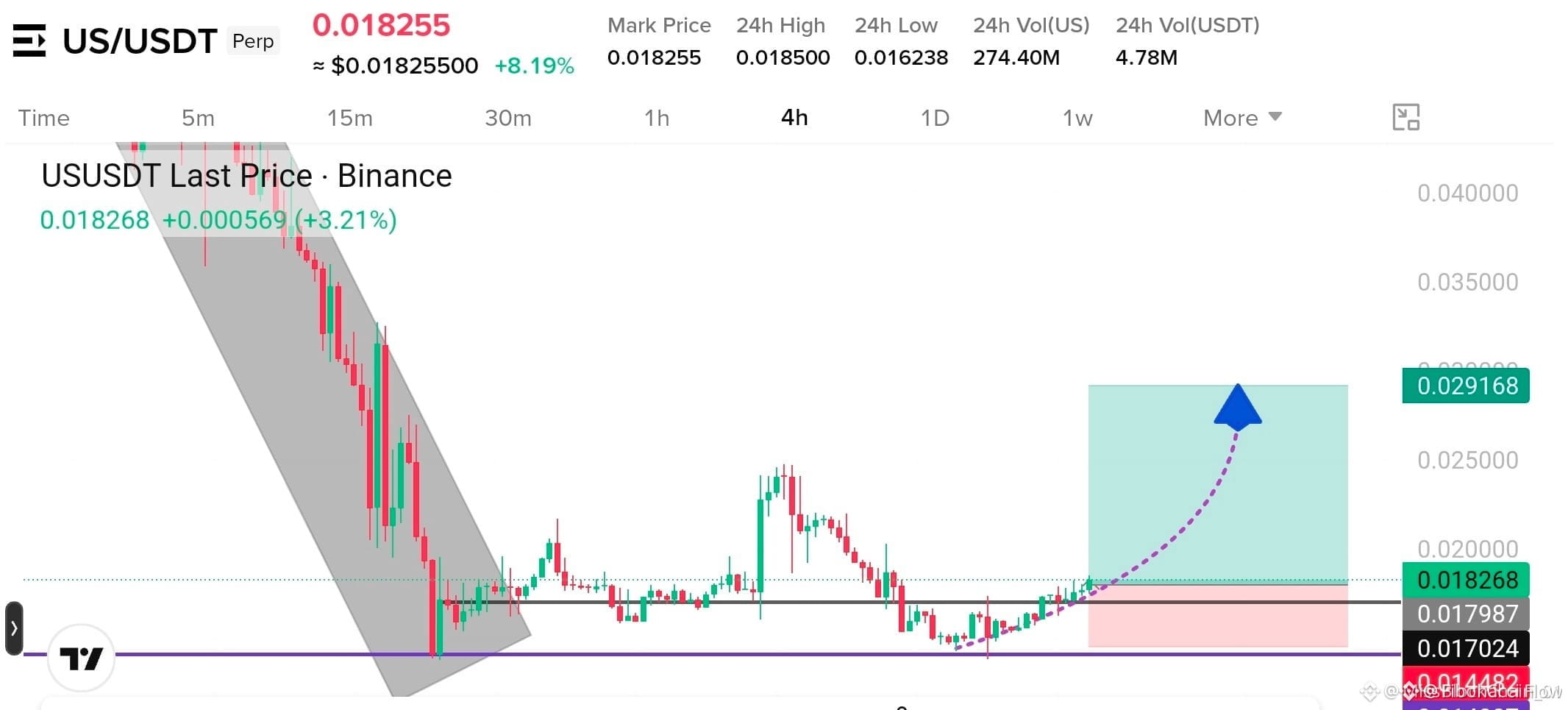

🦈 $US PREPARES FOR ACCUMULATION EXPANSION AS INSTITUTIONAL LIQUIDITY BUILDS AT DEMAND ⚡
Entry: 0.01912 - 0.01916 ⚡
Target: 0.01940 - 0.01980 🚀
Stop Loss: 0.01624 ⚠️
Smart money positioning suggests a high-probability demand zone defense for $US within the lower range boundary. 📊 Structural order flow exhibits clear absorption of sell liquidity, paving the path toward upper inefficiency fills.
📌 The primary structural trigger rests on holding immediate support, allowing institutional bids to propel momentum toward initial liquidity targets. 💡 Risk parameters remain tight below local structure invalidation. 💬 Are you taking the entry inside demand or waiting for a structural shift candle? 👇
⚠️ Not financial advice. Always manage your risk. 🛡️
🏷️ #US #LongSetup #MarketStructure #Crypto
🎯 🦈
Entry: 0.01912 - 0.01916 ⚡
Target: 0.01940 - 0.01980 🚀
Stop Loss: 0.01624 ⚠️
Smart money positioning suggests a high-probability demand zone defense for $US within the lower range boundary. 📊 Structural order flow exhibits clear absorption of sell liquidity, paving the path toward upper inefficiency fills.
📌 The primary structural trigger rests on holding immediate support, allowing institutional bids to propel momentum toward initial liquidity targets. 💡 Risk parameters remain tight below local structure invalidation. 💬 Are you taking the entry inside demand or waiting for a structural shift candle? 👇
⚠️ Not financial advice. Always manage your risk. 🛡️
🏷️ #US #LongSetup #MarketStructure #Crypto
🎯 🦈

🦈 HIGH-CONVICTION ACCUMULATION ON $US AS BULLS DEFEND KEY DEMAND RANGE! 🚀
Entry: 0.01912486 - 0.01916314 ⚡
Target: 0.01939463 - 0.01979563 🚀
Stop Loss: 0.01623800 ⚠️
Institutional absorption is silently heating up on $US as smart money clamps down on this precise reload zone. 📊 Order flow shows aggressive spot buyers soaking up supply right at the lower boundary, signaling a textbook momentum compression before the next expansion phase.
🔍 With sell pressure drying up rapidly, the risk-to-reward dynamic heavily favors buyers aiming for a swift reclaim of upper resistance targets. 💡 High-conviction setups like this rarely leave room for late chasers once liquidity triggers.
💬 Are you positioning early in this accumulation block, or waiting for the full breakout confirmation? 👇
⚠️ Not financial advice. Always manage your risk. 🛡️
🏷️ #US #LongSetup #Crypto #Breakout #Altcoins
🔥 💎
Entry: 0.01912486 - 0.01916314 ⚡
Target: 0.01939463 - 0.01979563 🚀
Stop Loss: 0.01623800 ⚠️
Institutional absorption is silently heating up on $US as smart money clamps down on this precise reload zone. 📊 Order flow shows aggressive spot buyers soaking up supply right at the lower boundary, signaling a textbook momentum compression before the next expansion phase.
🔍 With sell pressure drying up rapidly, the risk-to-reward dynamic heavily favors buyers aiming for a swift reclaim of upper resistance targets. 💡 High-conviction setups like this rarely leave room for late chasers once liquidity triggers.
💬 Are you positioning early in this accumulation block, or waiting for the full breakout confirmation? 👇
⚠️ Not financial advice. Always manage your risk. 🛡️
🏷️ #US #LongSetup #Crypto #Breakout #Altcoins
🔥 💎
سجّل الدخول لاستكشاف المزيد من المُحتوى