

#educationalcontent
educationalcontent
3.2M مشاهدات
1,486 يقومون بالنقاش
رائج
جديد

$APEXGVR يمثل رحلة تعليمية من التمويل التقليدي إلى البنية التحتية الرقمية.
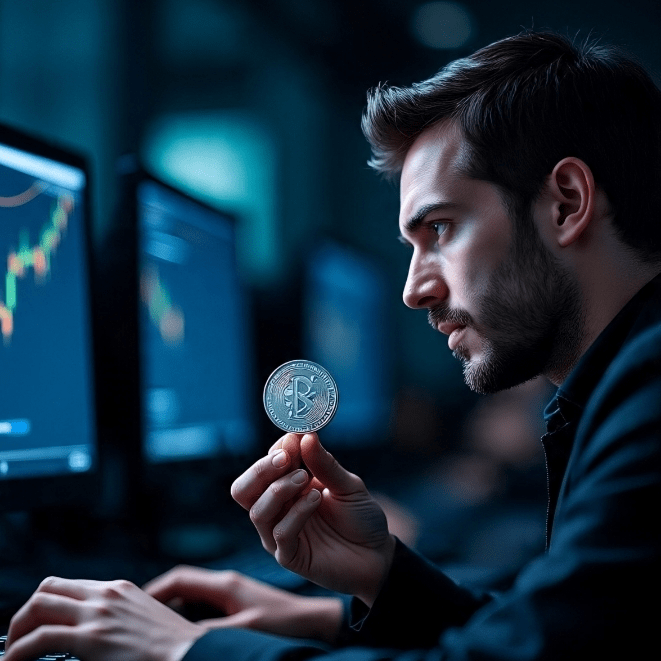
يُظهر شعار الرمز شخصًا خبيرًا في التكنولوجيا يتنقل عبر بيانات مالية معقدة، ما يعكس نهجه.
من شخص عادي إلى مستكشف لبيئة التمويل.
يولد $APEXGVR من مسار تعلّم: أن تبدأ بفهم كيفية عمل المال التقليدي وتنتهي باستكشاف البُنى التحتية الرقمية الجديدة التي تغيّر الطريقة التي نتبادل بها القيمة.
تقوم المنظومة بدراسة وربط مفاهيم كانت تبدو منفصلة سابقًا: الأسواق المالية، التداول، الفوركس، الأسهم، العملات المشفرة، البلوك تشين، الستابل كوينز، ديفاي، السيولة، الميم كوينز، DePIN، NFC، شبكات الدفع، وترميز الأصول.
يمثل APEXGVR التعلّم والتجريب والتعليم والتطور المالي.
الأمر لا يتعلق فقط بإنشاء رمز آخر. بل يتعلق بتوثيق مسار شخص عادي وهو يتعلم كيف يفهم المال والأسواق والتقنيات المالية الجديدة.
#bnb #socialmedia #trading #meme板块关注热点 #EducationalContent $BNB $ETH
{web3_wallet_create}(560x0feb0336b4f16a65c48b20d4feb006ebc28cffff)
$APEXGVR يمثل رحلة تعليمية من التمويل التقليدي إلى البنية التحتية الرقمية.
يُظهر شعار الرمز شخصًا خبيرًا في التكنولوجيا يتنقل عبر بيانات مالية معقدة، ما يعكس نهجه.
من شخص عادي إلى مستكشف لبيئة التمويل.
يولد $APEXGVR من مسار تعلّم: أن تبدأ بفهم كيفية عمل المال التقليدي وتنتهي باستكشاف البُنى التحتية الرقمية الجديدة التي تغيّر الطريقة التي نتبادل بها القيمة.
تقوم المنظومة بدراسة وربط مفاهيم كانت تبدو منفصلة سابقًا: الأسواق المالية، التداول، الفوركس، الأسهم، العملات المشفرة، البلوك تشين، الستابل كوينز، ديفاي، السيولة، الميم كوينز، DePIN، NFC، شبكات الدفع، وترميز الأصول.
يمثل APEXGVR التعلّم والتجريب والتعليم والتطور المالي.
الأمر لا يتعلق فقط بإنشاء رمز آخر. بل يتعلق بتوثيق مسار شخص عادي وهو يتعلم كيف يفهم المال والأسواق والتقنيات المالية الجديدة.
#bnb #socialmedia #trading #meme板块关注热点 #EducationalContent $BNB $ETH
يُظهر شعار الرمز شخصًا خبيرًا في التكنولوجيا يتنقل عبر بيانات مالية معقدة، ما يعكس نهجه.
من شخص عادي إلى مستكشف لبيئة التمويل.
يولد $APEXGVR من مسار تعلّم: أن تبدأ بفهم كيفية عمل المال التقليدي وتنتهي باستكشاف البُنى التحتية الرقمية الجديدة التي تغيّر الطريقة التي نتبادل بها القيمة.
تقوم المنظومة بدراسة وربط مفاهيم كانت تبدو منفصلة سابقًا: الأسواق المالية، التداول، الفوركس، الأسهم، العملات المشفرة، البلوك تشين، الستابل كوينز، ديفاي، السيولة، الميم كوينز، DePIN، NFC، شبكات الدفع، وترميز الأصول.
يمثل APEXGVR التعلّم والتجريب والتعليم والتطور المالي.
الأمر لا يتعلق فقط بإنشاء رمز آخر. بل يتعلق بتوثيق مسار شخص عادي وهو يتعلم كيف يفهم المال والأسواق والتقنيات المالية الجديدة.
#bnb #socialmedia #trading #meme板块关注热点 #EducationalContent $BNB $ETH
1
26

·
--
فجوة تعليم البيتكوين هائلة وخطة ₿ الشبكة هي الحل
90% من الأشخاص الذين يريدون تعلم البيتكوين ما زالوا يواجهون صعوبة في العثور على تعليم موثوق ومنظّم. الإنترنت مليء بالضوضاء والاحتيال ومقاطع الفيديو العشوائية. المبتدئون لا يعرفون من أين يبدأون.
الحل الذي وجدته هو Plan ₿ Network (planb.network) واحدة من أفضل منصّات تعليم البيتكوين مفتوحة المصدر التي تم إنشاؤها على الإطلاق.
لماذا تبرز:
1. مجاني 100% و مفتوح المصدر: لا توجد حواجز دفع إطلاقاً. تعليم بيتكوين بجودة عالية بوصفه حقاً إنسانياً.
2. مسار منظّم: من مبتدئ إلى خبير، من "ما هو المال؟" إلى Lightning والبرمجة. أنت دائماً تعرف خطوتك التالية.
3. مصممة للمجتمعات المحلية: تمكّن التعليم من القاعدة الشعبية في أفريقيا وأمريكا اللاتينية وآسيا.
4. عالمية: تتم ترجمة المحتوى بحيث لا تكون اللغة عائقاً.
5. تعلّم من الأساطير: أساتذة مثل آدم باك، وسيفيديان أموس، وجيمي سونغ، وجياكومو زوتسو، وبيتر تودد، وجاك ماليرز وغيرهم الكثير.
بصفتي مؤسس BitcoinSafariTz في تنزانيا، أنهيت 14 دورة على PlanB واستخدمت تلك المعرفة لتعليم الجامعات والقيام بفعاليات لقاءات عبر تنزانيا.
ندائي: لنُوصل Plan ₿ إلى أفريقيا. تخيّل نوادي Plan ₿ الرسمية في الجامعات عبر تنزانيا وكينيا ونيجيريا وزامبيا، طلاب يتعلمون ويعلّمون الآخرين. لدى أفريقيا 1.4 مليار شاب يحتاجون إلى الحرية المالية. Plan ₿ هو الأداة للوصول إليهم.
#bitcoin.” #EducationalContent #BTC #Wallet #BTC
فجوة تعليم البيتكوين هائلة وخطة ₿ الشبكة هي الحل
90% من الأشخاص الذين يريدون تعلم البيتكوين ما زالوا يواجهون صعوبة في العثور على تعليم موثوق ومنظّم. الإنترنت مليء بالضوضاء والاحتيال ومقاطع الفيديو العشوائية. المبتدئون لا يعرفون من أين يبدأون.
الحل الذي وجدته هو Plan ₿ Network (planb.network) واحدة من أفضل منصّات تعليم البيتكوين مفتوحة المصدر التي تم إنشاؤها على الإطلاق.
لماذا تبرز:
1. مجاني 100% و مفتوح المصدر: لا توجد حواجز دفع إطلاقاً. تعليم بيتكوين بجودة عالية بوصفه حقاً إنسانياً.
2. مسار منظّم: من مبتدئ إلى خبير، من "ما هو المال؟" إلى Lightning والبرمجة. أنت دائماً تعرف خطوتك التالية.
3. مصممة للمجتمعات المحلية: تمكّن التعليم من القاعدة الشعبية في أفريقيا وأمريكا اللاتينية وآسيا.
4. عالمية: تتم ترجمة المحتوى بحيث لا تكون اللغة عائقاً.
5. تعلّم من الأساطير: أساتذة مثل آدم باك، وسيفيديان أموس، وجيمي سونغ، وجياكومو زوتسو، وبيتر تودد، وجاك ماليرز وغيرهم الكثير.
بصفتي مؤسس BitcoinSafariTz في تنزانيا، أنهيت 14 دورة على PlanB واستخدمت تلك المعرفة لتعليم الجامعات والقيام بفعاليات لقاءات عبر تنزانيا.
ندائي: لنُوصل Plan ₿ إلى أفريقيا. تخيّل نوادي Plan ₿ الرسمية في الجامعات عبر تنزانيا وكينيا ونيجيريا وزامبيا، طلاب يتعلمون ويعلّمون الآخرين. لدى أفريقيا 1.4 مليار شاب يحتاجون إلى الحرية المالية. Plan ₿ هو الأداة للوصول إليهم.
#bitcoin.” #EducationalContent #BTC #Wallet #BTC
90% من الأشخاص الذين يريدون تعلم البيتكوين ما زالوا يواجهون صعوبة في العثور على تعليم موثوق ومنظّم. الإنترنت مليء بالضوضاء والاحتيال ومقاطع الفيديو العشوائية. المبتدئون لا يعرفون من أين يبدأون.
الحل الذي وجدته هو Plan ₿ Network (planb.network) واحدة من أفضل منصّات تعليم البيتكوين مفتوحة المصدر التي تم إنشاؤها على الإطلاق.
لماذا تبرز:
1. مجاني 100% و مفتوح المصدر: لا توجد حواجز دفع إطلاقاً. تعليم بيتكوين بجودة عالية بوصفه حقاً إنسانياً.
2. مسار منظّم: من مبتدئ إلى خبير، من "ما هو المال؟" إلى Lightning والبرمجة. أنت دائماً تعرف خطوتك التالية.
3. مصممة للمجتمعات المحلية: تمكّن التعليم من القاعدة الشعبية في أفريقيا وأمريكا اللاتينية وآسيا.
4. عالمية: تتم ترجمة المحتوى بحيث لا تكون اللغة عائقاً.
5. تعلّم من الأساطير: أساتذة مثل آدم باك، وسيفيديان أموس، وجيمي سونغ، وجياكومو زوتسو، وبيتر تودد، وجاك ماليرز وغيرهم الكثير.
بصفتي مؤسس BitcoinSafariTz في تنزانيا، أنهيت 14 دورة على PlanB واستخدمت تلك المعرفة لتعليم الجامعات والقيام بفعاليات لقاءات عبر تنزانيا.
ندائي: لنُوصل Plan ₿ إلى أفريقيا. تخيّل نوادي Plan ₿ الرسمية في الجامعات عبر تنزانيا وكينيا ونيجيريا وزامبيا، طلاب يتعلمون ويعلّمون الآخرين. لدى أفريقيا 1.4 مليار شاب يحتاجون إلى الحرية المالية. Plan ₿ هو الأداة للوصول إليهم.
#bitcoin.” #EducationalContent #BTC #Wallet #BTC
29
·
--
صاعد
#EducationalContent #InvestSmart
التعليم (محطّ جدًّا)
🚨 5 أخطاء تجعل المبتدئين يخسرون المال في العملات الرقمية:
الشراء لأن «السعر يرتفع بالفعل»
وضع كامل رأس المال في عملة رقمية واحدة
المتاجرة بدون وقف خسارة (stop-loss)
اتباع الإشاعات بدل التحقق من المصادر
عدم إدارة المخاطر (حدّ 1 إلى 2% من رأس المال لكل صفقة)
احفظ هذا المنشور لتتذكره 📌
أيّ واحدة من هذه الأخطاء حدثت لك بالفعل؟ 👇
$BTC $ETH
$BNB
#EducationalContent #InvestSmart
التعليم (محطّ جدًّا)
🚨 5 أخطاء تجعل المبتدئين يخسرون المال في العملات الرقمية:
الشراء لأن «السعر يرتفع بالفعل»
وضع كامل رأس المال في عملة رقمية واحدة
المتاجرة بدون وقف خسارة (stop-loss)
اتباع الإشاعات بدل التحقق من المصادر
عدم إدارة المخاطر (حدّ 1 إلى 2% من رأس المال لكل صفقة)
احفظ هذا المنشور لتتذكره 📌
أيّ واحدة من هذه الأخطاء حدثت لك بالفعل؟ 👇
$BTC $ETH
$BNB
التعليم (محطّ جدًّا)
🚨 5 أخطاء تجعل المبتدئين يخسرون المال في العملات الرقمية:
الشراء لأن «السعر يرتفع بالفعل»
وضع كامل رأس المال في عملة رقمية واحدة
المتاجرة بدون وقف خسارة (stop-loss)
اتباع الإشاعات بدل التحقق من المصادر
عدم إدارة المخاطر (حدّ 1 إلى 2% من رأس المال لكل صفقة)
احفظ هذا المنشور لتتذكره 📌
أيّ واحدة من هذه الأخطاء حدثت لك بالفعل؟ 👇
$BTC $ETH
$BNB

Meilleurs vœux !
من arslane_silver
44

·
--
تمّ التحقق
قد تحتوي قاعة الصفوف المستقبلية على 30 طالبًا ولكن مع 30 مسار تعلم مختلف.
يمكن لمدرّسي الذكاء الاصطناعي تحديد أين يواجه كل طالب صعوبة وتكييف الدروس في الوقت الفعلي. قد يفهم أحد الطلاب مفهومًا خلال عشر دقائق بينما قد يحتاج آخر إلى ساعة. ويمكن لكليهما أن يتعلما بالوتيرة التي تناسبهما.
لن يختفي المعلّمون. قد تصبح أدوارهم أكثر أهمية كمرشدين ومصممي تعلم ودلائل بشريين يركزون على الإبداع والحكم والعمل الجماعي.
قد تتغير أيضًا الفصول الدراسية. تقليل الحفظ. المزيد من المشاريع. المزيد من المعامل الافتراضية. المزيد من التعاون العالمي.
أكبر تحدٍّ سيكون استخدام #AI دون السماح للطلاب بتفويض تفكيرهم.
قد يلعب #crypto أيضًا دورًا في هذا المستقبل.
$EDU : Open Campus تقوم ببناء نظام بيئي تعليمي Web3 مصمم لمنح المعلّمين والمتعلمين والمؤسسات مزيدًا من الملكية على التعليم. وتُعد EDU Chain عبارة عن بلوكشين من الطبقة الثالثة يركز تحديدًا على التطبيقات التعليمية.
{spot}(EDUUSDT)
يستكشف النظام البيئي الاعتماد على الاعتمادات الرقمية القابلة للتحقق بحيث يمكن تخزين الدبلومات والشهادات والقلادات على السلسلة (onchain) ويمكن التحقق منها في أي مكان. كما يتضمن EduFi، الذي يمكنه دعم المنح الدراسية وتمويل الطلاب والمكافآت عبر العقود الذكية.
جزء آخر مهم هو ملكية المحتوى التعليمي. يمكن للمعلّمين والناشرين تحويل مواد التعلم إلى رموز عبر Publisher NFTs وربما كسب حصة من الإيرادات الناتجة عن محتواهم. تُستخدم EDU للمدفوعات والمكافآت والحوكمة عبر النظام البيئي.
لهذا أجد EDU مثيرًا للاهتمام في هذا النقاش.
قد لا يكون مستقبل التعليم متعلقًا فقط بصفوف أكثر ذكاءً.
قد يكون أيضًا متعلقًا بمنح الطلاب اعتمادًا يمكن حمله معهم، ومنح المعلّمين ملكية حقيقية للمعرفة التي يخلقونها.
قد لا تكون الثورة الحقيقية هي استبدال المعلّمين بالآلات. قد تكون هي منح كل معلّم القدرة على تدريس كل طالب بطريقة مختلفة.
{web3_wallet_create}(10x42778037d69350508cdd34d9fa17053970591101)
#EducationalContent
قد تحتوي قاعة الصفوف المستقبلية على 30 طالبًا ولكن مع 30 مسار تعلم مختلف.
يمكن لمدرّسي الذكاء الاصطناعي تحديد أين يواجه كل طالب صعوبة وتكييف الدروس في الوقت الفعلي. قد يفهم أحد الطلاب مفهومًا خلال عشر دقائق بينما قد يحتاج آخر إلى ساعة. ويمكن لكليهما أن يتعلما بالوتيرة التي تناسبهما.
لن يختفي المعلّمون. قد تصبح أدوارهم أكثر أهمية كمرشدين ومصممي تعلم ودلائل بشريين يركزون على الإبداع والحكم والعمل الجماعي.
قد تتغير أيضًا الفصول الدراسية. تقليل الحفظ. المزيد من المشاريع. المزيد من المعامل الافتراضية. المزيد من التعاون العالمي.
أكبر تحدٍّ سيكون استخدام #AI دون السماح للطلاب بتفويض تفكيرهم.
قد يلعب #crypto أيضًا دورًا في هذا المستقبل.
$EDU : Open Campus تقوم ببناء نظام بيئي تعليمي Web3 مصمم لمنح المعلّمين والمتعلمين والمؤسسات مزيدًا من الملكية على التعليم. وتُعد EDU Chain عبارة عن بلوكشين من الطبقة الثالثة يركز تحديدًا على التطبيقات التعليمية.
يستكشف النظام البيئي الاعتماد على الاعتمادات الرقمية القابلة للتحقق بحيث يمكن تخزين الدبلومات والشهادات والقلادات على السلسلة (onchain) ويمكن التحقق منها في أي مكان. كما يتضمن EduFi، الذي يمكنه دعم المنح الدراسية وتمويل الطلاب والمكافآت عبر العقود الذكية.
جزء آخر مهم هو ملكية المحتوى التعليمي. يمكن للمعلّمين والناشرين تحويل مواد التعلم إلى رموز عبر Publisher NFTs وربما كسب حصة من الإيرادات الناتجة عن محتواهم. تُستخدم EDU للمدفوعات والمكافآت والحوكمة عبر النظام البيئي.
لهذا أجد EDU مثيرًا للاهتمام في هذا النقاش.
قد لا يكون مستقبل التعليم متعلقًا فقط بصفوف أكثر ذكاءً.
قد يكون أيضًا متعلقًا بمنح الطلاب اعتمادًا يمكن حمله معهم، ومنح المعلّمين ملكية حقيقية للمعرفة التي يخلقونها.
قد لا تكون الثورة الحقيقية هي استبدال المعلّمين بالآلات. قد تكون هي منح كل معلّم القدرة على تدريس كل طالب بطريقة مختلفة.
#EducationalContent
يمكن لمدرّسي الذكاء الاصطناعي تحديد أين يواجه كل طالب صعوبة وتكييف الدروس في الوقت الفعلي. قد يفهم أحد الطلاب مفهومًا خلال عشر دقائق بينما قد يحتاج آخر إلى ساعة. ويمكن لكليهما أن يتعلما بالوتيرة التي تناسبهما.
لن يختفي المعلّمون. قد تصبح أدوارهم أكثر أهمية كمرشدين ومصممي تعلم ودلائل بشريين يركزون على الإبداع والحكم والعمل الجماعي.
قد تتغير أيضًا الفصول الدراسية. تقليل الحفظ. المزيد من المشاريع. المزيد من المعامل الافتراضية. المزيد من التعاون العالمي.
أكبر تحدٍّ سيكون استخدام #AI دون السماح للطلاب بتفويض تفكيرهم.
قد يلعب #crypto أيضًا دورًا في هذا المستقبل.
$EDU : Open Campus تقوم ببناء نظام بيئي تعليمي Web3 مصمم لمنح المعلّمين والمتعلمين والمؤسسات مزيدًا من الملكية على التعليم. وتُعد EDU Chain عبارة عن بلوكشين من الطبقة الثالثة يركز تحديدًا على التطبيقات التعليمية.
يستكشف النظام البيئي الاعتماد على الاعتمادات الرقمية القابلة للتحقق بحيث يمكن تخزين الدبلومات والشهادات والقلادات على السلسلة (onchain) ويمكن التحقق منها في أي مكان. كما يتضمن EduFi، الذي يمكنه دعم المنح الدراسية وتمويل الطلاب والمكافآت عبر العقود الذكية.
جزء آخر مهم هو ملكية المحتوى التعليمي. يمكن للمعلّمين والناشرين تحويل مواد التعلم إلى رموز عبر Publisher NFTs وربما كسب حصة من الإيرادات الناتجة عن محتواهم. تُستخدم EDU للمدفوعات والمكافآت والحوكمة عبر النظام البيئي.
لهذا أجد EDU مثيرًا للاهتمام في هذا النقاش.
قد لا يكون مستقبل التعليم متعلقًا فقط بصفوف أكثر ذكاءً.
قد يكون أيضًا متعلقًا بمنح الطلاب اعتمادًا يمكن حمله معهم، ومنح المعلّمين ملكية حقيقية للمعرفة التي يخلقونها.
قد لا تكون الثورة الحقيقية هي استبدال المعلّمين بالآلات. قد تكون هي منح كل معلّم القدرة على تدريس كل طالب بطريقة مختلفة.
#EducationalContent
31
11
38
3.3k
هل يروّعك قراءة ورقة عمل (Whitepaper) من 40 صفحة؟ إليك الأقسام الثلاثة الوحيدة التي يجب تحليلها على أولوية.
الـ Whitepaper (الكتاب الأبيض) هو بطاقة الهوية لمشروع بلوكتشين. للأسف، أغلبها مليء بمصطلحات تقنية معقّدة صُممت لإبهارك... أو حتى لإخفاء نقصٍ في الأساس.
لكي لا تضيع وقتك، إليك شبكة تحليل مبسطة أشرحها في 3W و«بيتكوين واحد»:
المشكلة والحل: هل يقدّم المشروع ابتكارًا حقيقيًا أم أنه يعيد اختراع العجلة؟
منفعة الرمز (Utility): ما الاستخدام الفعلي للرمز داخل النظام البيئي؟ إذا كان مجرد أداة للمضاربة، فكن حذرًا.
التوزيع (Tokenomics): ما نسبة الرموز المخصّصة للفريق وللمستثمرين في البداية؟ إذا كانوا يملكون 50% من الرموز دون فترة حظر (vesting)، فإن خطر البيع المكثف سيكون كبيرًا جدًا.
إن أخذ 15 دقيقة للتحقق من هذه النقاط سيوفّر عليك الاستثمار في مشاريع فارغة.
هل تقرأ الكتب البيضاء قبل الاهتمام بأي مشروع؟
#Web3 #defi #Whitepaper #EducationalContent
هل يروّعك قراءة ورقة عمل (Whitepaper) من 40 صفحة؟ إليك الأقسام الثلاثة الوحيدة التي يجب تحليلها على أولوية.
الـ Whitepaper (الكتاب الأبيض) هو بطاقة الهوية لمشروع بلوكتشين. للأسف، أغلبها مليء بمصطلحات تقنية معقّدة صُممت لإبهارك... أو حتى لإخفاء نقصٍ في الأساس.
لكي لا تضيع وقتك، إليك شبكة تحليل مبسطة أشرحها في 3W و«بيتكوين واحد»:
المشكلة والحل: هل يقدّم المشروع ابتكارًا حقيقيًا أم أنه يعيد اختراع العجلة؟
منفعة الرمز (Utility): ما الاستخدام الفعلي للرمز داخل النظام البيئي؟ إذا كان مجرد أداة للمضاربة، فكن حذرًا.
التوزيع (Tokenomics): ما نسبة الرموز المخصّصة للفريق وللمستثمرين في البداية؟ إذا كانوا يملكون 50% من الرموز دون فترة حظر (vesting)، فإن خطر البيع المكثف سيكون كبيرًا جدًا.
إن أخذ 15 دقيقة للتحقق من هذه النقاط سيوفّر عليك الاستثمار في مشاريع فارغة.
هل تقرأ الكتب البيضاء قبل الاهتمام بأي مشروع؟
#Web3 #defi #Whitepaper #EducationalContent
الـ Whitepaper (الكتاب الأبيض) هو بطاقة الهوية لمشروع بلوكتشين. للأسف، أغلبها مليء بمصطلحات تقنية معقّدة صُممت لإبهارك... أو حتى لإخفاء نقصٍ في الأساس.
لكي لا تضيع وقتك، إليك شبكة تحليل مبسطة أشرحها في 3W و«بيتكوين واحد»:
المشكلة والحل: هل يقدّم المشروع ابتكارًا حقيقيًا أم أنه يعيد اختراع العجلة؟
منفعة الرمز (Utility): ما الاستخدام الفعلي للرمز داخل النظام البيئي؟ إذا كان مجرد أداة للمضاربة، فكن حذرًا.
التوزيع (Tokenomics): ما نسبة الرموز المخصّصة للفريق وللمستثمرين في البداية؟ إذا كانوا يملكون 50% من الرموز دون فترة حظر (vesting)، فإن خطر البيع المكثف سيكون كبيرًا جدًا.
إن أخذ 15 دقيقة للتحقق من هذه النقاط سيوفّر عليك الاستثمار في مشاريع فارغة.
هل تقرأ الكتب البيضاء قبل الاهتمام بأي مشروع؟
#Web3 #defi #Whitepaper #EducationalContent
1
1.3k
لفترة طويلة جدًا، كانت تُرى العملات المشفرة فقط من خلال عدسة المضاربة أو التفضيل. حان الوقت لتغيير النموذج واستعادة السيطرة على مستقبلنا الرقمي.
يسعدني أن أُعلن عن قرب صدور كتابي: « 3W, UN BITCOIN » 📖.
🎯 ما موضوعه؟
هذا الكتاب بوصلة تعليمية صُممت لتقودك خطوة بخطوة عبر ثورة البلوك تشين والتمويل اللامركزي (DeFi). من الإدارة فائقة الأمان لمحافظك ( « Not your keys, not your coins » ) إلى التحليل الأساسي للمشاريع، مرورًا بالاستخدامات العملية مثل Mobile Money وSocialFi، يعمل هذا الدليل على تبسيط التعقيد لإعطائك منهجًا حقيقيًا.
👤 لمن موجّه هذا الكتاب؟
للمبتدئين & الفضوليين الذين يريدون أن يخطوا خطواتهم الأولى دون مخاطرة وتجنب فخاخ المطلعين.
لعشّاق & المبدعين الراغبين في الانتقال من مجرد كونهم مستهلكين إلى كونهم فاعلين وبنّائين في Web3.
هل أنتم مستعدون للانتقال من الفضول إلى الإتقان؟ 💡
#defi
#Web3
#EducationalContent
#blockchain
لفترة طويلة جدًا، كانت تُرى العملات المشفرة فقط من خلال عدسة المضاربة أو التفضيل. حان الوقت لتغيير النموذج واستعادة السيطرة على مستقبلنا الرقمي.
يسعدني أن أُعلن عن قرب صدور كتابي: « 3W, UN BITCOIN » 📖.
🎯 ما موضوعه؟
هذا الكتاب بوصلة تعليمية صُممت لتقودك خطوة بخطوة عبر ثورة البلوك تشين والتمويل اللامركزي (DeFi). من الإدارة فائقة الأمان لمحافظك ( « Not your keys, not your coins » ) إلى التحليل الأساسي للمشاريع، مرورًا بالاستخدامات العملية مثل Mobile Money وSocialFi، يعمل هذا الدليل على تبسيط التعقيد لإعطائك منهجًا حقيقيًا.
👤 لمن موجّه هذا الكتاب؟
للمبتدئين & الفضوليين الذين يريدون أن يخطوا خطواتهم الأولى دون مخاطرة وتجنب فخاخ المطلعين.
لعشّاق & المبدعين الراغبين في الانتقال من مجرد كونهم مستهلكين إلى كونهم فاعلين وبنّائين في Web3.
هل أنتم مستعدون للانتقال من الفضول إلى الإتقان؟ 💡
#defi
#Web3
#EducationalContent
#blockchain
يسعدني أن أُعلن عن قرب صدور كتابي: « 3W, UN BITCOIN » 📖.
🎯 ما موضوعه؟
هذا الكتاب بوصلة تعليمية صُممت لتقودك خطوة بخطوة عبر ثورة البلوك تشين والتمويل اللامركزي (DeFi). من الإدارة فائقة الأمان لمحافظك ( « Not your keys, not your coins » ) إلى التحليل الأساسي للمشاريع، مرورًا بالاستخدامات العملية مثل Mobile Money وSocialFi، يعمل هذا الدليل على تبسيط التعقيد لإعطائك منهجًا حقيقيًا.
👤 لمن موجّه هذا الكتاب؟
للمبتدئين & الفضوليين الذين يريدون أن يخطوا خطواتهم الأولى دون مخاطرة وتجنب فخاخ المطلعين.
لعشّاق & المبدعين الراغبين في الانتقال من مجرد كونهم مستهلكين إلى كونهم فاعلين وبنّائين في Web3.
هل أنتم مستعدون للانتقال من الفضول إلى الإتقان؟ 💡
#defi
#Web3
#EducationalContent
#blockchain
2
1
1
1.2k
·
--
التعليم
ما هي السيولة؟
ببساطة، تشير السيولة إلى مدى سهولة شراء الأصل أو بيعه دون التأثير بشكل كبير على سعره.
عادةً ما تجعل السيولة المرتفعة الدخول إلى المراكز والخروج منها أسهل.
قد تجعل السيولة المنخفضة تحركات الأسعار أكثر حدة.
لهذا السبب يستحق كلٌّ من حجم التداول والسيولة الاهتمام.
#EducationalContent
التعليم
ما هي السيولة؟
ببساطة، تشير السيولة إلى مدى سهولة شراء الأصل أو بيعه دون التأثير بشكل كبير على سعره.
عادةً ما تجعل السيولة المرتفعة الدخول إلى المراكز والخروج منها أسهل.
قد تجعل السيولة المنخفضة تحركات الأسعار أكثر حدة.
لهذا السبب يستحق كلٌّ من حجم التداول والسيولة الاهتمام.
#EducationalContent
ما هي السيولة؟
ببساطة، تشير السيولة إلى مدى سهولة شراء الأصل أو بيعه دون التأثير بشكل كبير على سعره.
عادةً ما تجعل السيولة المرتفعة الدخول إلى المراكز والخروج منها أسهل.
قد تجعل السيولة المنخفضة تحركات الأسعار أكثر حدة.
لهذا السبب يستحق كلٌّ من حجم التداول والسيولة الاهتمام.
#EducationalContent
1
98

مقالة
الدرس 7 بينانس🔹 ما هي بينانس؟
بينانس هي واحدة من أكبر بورصات العملات الرقمية في العالم.
تسمح للمستخدمين بشراء وبيع وتداول وتخزين العملات الرقمية مثل البيتكوين، الإيثيريوم، BNB، وآلاف الأصول الرقمية الأخرى.
🔹 لماذا تعتبر بينانس شائعة؟
ملايين الناس يستخدمون بينانس لأنها تقدم مجموعة واسعة من خدمات الكريبتو في منصة واحدة.
يمكن للمستخدمين تداول العملات الرقمية، كسب المكافآت، التعلم عن البلوكشين، وإدارة أصولهم الرقمية.
🔹 الميزات الرئيسية لبينانس
✅ تداول فوري
✅ تداول العقود الآجلة
الدرس 7 بينانس
🔹 ما هي بينانس؟
بينانس هي واحدة من أكبر بورصات العملات الرقمية في العالم.
تسمح للمستخدمين بشراء وبيع وتداول وتخزين العملات الرقمية مثل البيتكوين، الإيثيريوم، BNB، وآلاف الأصول الرقمية الأخرى.
🔹 لماذا تعتبر بينانس شائعة؟
ملايين الناس يستخدمون بينانس لأنها تقدم مجموعة واسعة من خدمات الكريبتو في منصة واحدة.
يمكن للمستخدمين تداول العملات الرقمية، كسب المكافآت، التعلم عن البلوكشين، وإدارة أصولهم الرقمية.
🔹 الميزات الرئيسية لبينانس
✅ تداول فوري
✅ تداول العقود الآجلة
بينانس هي واحدة من أكبر بورصات العملات الرقمية في العالم.
تسمح للمستخدمين بشراء وبيع وتداول وتخزين العملات الرقمية مثل البيتكوين، الإيثيريوم، BNB، وآلاف الأصول الرقمية الأخرى.
🔹 لماذا تعتبر بينانس شائعة؟
ملايين الناس يستخدمون بينانس لأنها تقدم مجموعة واسعة من خدمات الكريبتو في منصة واحدة.
يمكن للمستخدمين تداول العملات الرقمية، كسب المكافآت، التعلم عن البلوكشين، وإدارة أصولهم الرقمية.
🔹 الميزات الرئيسية لبينانس
✅ تداول فوري
✅ تداول العقود الآجلة
1
1
1
113

·
--
مقالة
ميزة Binance رقم 2: إضافة الأموال
(مادة للاختبار)قبل أن تتمكن من التداول أو الاستثمار أو كسب مكافآت على Binance، تحتاج إلى تمويل حسابك.
تُعد ميزة إضافة الأموال نقطة البداية لكل رحلة في عالم العملات الرقمية. فهي تمنحك عدة طرق لإيداع الأموال أو العملات الرقمية في حساب Binance الخاص بك بأمان وبسهولة.
لنتعرف على كيفية عمله.
[ تعلم و اكسب: اختبار 🧠
احصل على تعليم مرتبط بالتداول واربح مكافآت في العملات الرقمية 🎉
انضم إلى الاختبار القادم. الموضوع: "إضافة أموال"
طريقة ممتعة للتعلم ✨ ]
ما هو قسم إضافة الأموال؟
يتيح قسم إضافة الأموال إضافة أصول إلى حساب Binance الخاص بك باستخدام طرق مختلفة، اعتمادًا على بلدك وخيار الدفع المفضل لديك.
ميزة Binance رقم 2: إضافة الأموال (مادة للاختبار)
قبل أن تتمكن من التداول أو الاستثمار أو كسب مكافآت على Binance، تحتاج إلى تمويل حسابك.
تُعد ميزة إضافة الأموال نقطة البداية لكل رحلة في عالم العملات الرقمية. فهي تمنحك عدة طرق لإيداع الأموال أو العملات الرقمية في حساب Binance الخاص بك بأمان وبسهولة.
لنتعرف على كيفية عمله.
[ تعلم و اكسب: اختبار 🧠
احصل على تعليم مرتبط بالتداول واربح مكافآت في العملات الرقمية 🎉
انضم إلى الاختبار القادم. الموضوع: "إضافة أموال"
طريقة ممتعة للتعلم ✨ ]
ما هو قسم إضافة الأموال؟
يتيح قسم إضافة الأموال إضافة أصول إلى حساب Binance الخاص بك باستخدام طرق مختلفة، اعتمادًا على بلدك وخيار الدفع المفضل لديك.
تُعد ميزة إضافة الأموال نقطة البداية لكل رحلة في عالم العملات الرقمية. فهي تمنحك عدة طرق لإيداع الأموال أو العملات الرقمية في حساب Binance الخاص بك بأمان وبسهولة.
لنتعرف على كيفية عمله.
[ تعلم و اكسب: اختبار 🧠
احصل على تعليم مرتبط بالتداول واربح مكافآت في العملات الرقمية 🎉
انضم إلى الاختبار القادم. الموضوع: "إضافة أموال"
طريقة ممتعة للتعلم ✨ ]
ما هو قسم إضافة الأموال؟
يتيح قسم إضافة الأموال إضافة أصول إلى حساب Binance الخاص بك باستخدام طرق مختلفة، اعتمادًا على بلدك وخيار الدفع المفضل لديك.
708
5
32
708

العلامات الـ6 الحمراء التي يجب أن تتعرف عليها قبل الاستثمار
في سوقٍ تختلط فيه عمليات الاحتيال بالمشاريع الحقيقية، فإن معرفة قراءة إشارات التحذير هي مهارة تُحمي رأس مالك.
🚩 أكثر 6 علامات حمراء شيوعًا :
1️⃣ غياب الـwhitepaper أو وثيقة غامضة وغير مؤرخة
→ المشروع الجاد يوثّق دائمًا تقنيته ورؤيته
2️⃣ فريق مجهول دون سجلّ يمكن التحقق منه
→ المجهولية التامة دون سمعة راسخة تُعد عامل خطر
3️⃣ وعود بعوائد مضمونة
→ "100x مضمون"، "عائد 20% شهريًا" — لا يوجد استثمار شرعي يَعِد بذلك
4️⃣ تركيز التوكنات لدى بعض المحافظ فقط
→ يمكن التحقق من ذلك عبر المستكشفات: إذا كانت 3 محافظ تتحكم في 80% من العرض، تصبح عملية التلاعب سهلة
5️⃣ ضغط لاتخاذ قرار سريع بالاستثمار
→ "عرض محدود"، "نافذة 48 ساعة" — التسرع هو عدوّ العقل
6️⃣ موقع وشبكات اجتماعية تم إنشاؤها حديثًا جدًا
→ نطاق مسجَّل منذ 3 أسابيع مع 50,000 متابع تم شراؤهم: كن حذرًا
💡 تذكير: قد لا يطابق المشروع أيًا من هذه العلامات الحمراء ومع ذلك يفشل. والمشروع القوي قد يخيّب الأمل على المدى القصير. التحليل يقلّل المخاطر — لكنه لا يلغيها.
📝 تمرين: خذ آخر توكن سَمِعتَ به على وسائل التواصل. تحقّق منه في هذه النقاط الستة. شارك تحليلَك في التعليقات.
#cryptouniverseofficial #EducationalContent
العلامات الـ6 الحمراء التي يجب أن تتعرف عليها قبل الاستثمار
في سوقٍ تختلط فيه عمليات الاحتيال بالمشاريع الحقيقية، فإن معرفة قراءة إشارات التحذير هي مهارة تُحمي رأس مالك.
🚩 أكثر 6 علامات حمراء شيوعًا :
1️⃣ غياب الـwhitepaper أو وثيقة غامضة وغير مؤرخة
→ المشروع الجاد يوثّق دائمًا تقنيته ورؤيته
2️⃣ فريق مجهول دون سجلّ يمكن التحقق منه
→ المجهولية التامة دون سمعة راسخة تُعد عامل خطر
3️⃣ وعود بعوائد مضمونة
→ "100x مضمون"، "عائد 20% شهريًا" — لا يوجد استثمار شرعي يَعِد بذلك
4️⃣ تركيز التوكنات لدى بعض المحافظ فقط
→ يمكن التحقق من ذلك عبر المستكشفات: إذا كانت 3 محافظ تتحكم في 80% من العرض، تصبح عملية التلاعب سهلة
5️⃣ ضغط لاتخاذ قرار سريع بالاستثمار
→ "عرض محدود"، "نافذة 48 ساعة" — التسرع هو عدوّ العقل
6️⃣ موقع وشبكات اجتماعية تم إنشاؤها حديثًا جدًا
→ نطاق مسجَّل منذ 3 أسابيع مع 50,000 متابع تم شراؤهم: كن حذرًا
💡 تذكير: قد لا يطابق المشروع أيًا من هذه العلامات الحمراء ومع ذلك يفشل. والمشروع القوي قد يخيّب الأمل على المدى القصير. التحليل يقلّل المخاطر — لكنه لا يلغيها.
📝 تمرين: خذ آخر توكن سَمِعتَ به على وسائل التواصل. تحقّق منه في هذه النقاط الستة. شارك تحليلَك في التعليقات.
#cryptouniverseofficial #EducationalContent
في سوقٍ تختلط فيه عمليات الاحتيال بالمشاريع الحقيقية، فإن معرفة قراءة إشارات التحذير هي مهارة تُحمي رأس مالك.
🚩 أكثر 6 علامات حمراء شيوعًا :
1️⃣ غياب الـwhitepaper أو وثيقة غامضة وغير مؤرخة
→ المشروع الجاد يوثّق دائمًا تقنيته ورؤيته
2️⃣ فريق مجهول دون سجلّ يمكن التحقق منه
→ المجهولية التامة دون سمعة راسخة تُعد عامل خطر
3️⃣ وعود بعوائد مضمونة
→ "100x مضمون"، "عائد 20% شهريًا" — لا يوجد استثمار شرعي يَعِد بذلك
4️⃣ تركيز التوكنات لدى بعض المحافظ فقط
→ يمكن التحقق من ذلك عبر المستكشفات: إذا كانت 3 محافظ تتحكم في 80% من العرض، تصبح عملية التلاعب سهلة
5️⃣ ضغط لاتخاذ قرار سريع بالاستثمار
→ "عرض محدود"، "نافذة 48 ساعة" — التسرع هو عدوّ العقل
6️⃣ موقع وشبكات اجتماعية تم إنشاؤها حديثًا جدًا
→ نطاق مسجَّل منذ 3 أسابيع مع 50,000 متابع تم شراؤهم: كن حذرًا
💡 تذكير: قد لا يطابق المشروع أيًا من هذه العلامات الحمراء ومع ذلك يفشل. والمشروع القوي قد يخيّب الأمل على المدى القصير. التحليل يقلّل المخاطر — لكنه لا يلغيها.
📝 تمرين: خذ آخر توكن سَمِعتَ به على وسائل التواصل. تحقّق منه في هذه النقاط الستة. شارك تحليلَك في التعليقات.
#cryptouniverseofficial #EducationalContent
105
مقالة
فهم أساسيات محفظة وشبكة Binance: أتقن التحويلات على السلسلة وتجنب الشبكة الخاطئة 👇إن إرسال العملات المشفرة دون التحقق المزدوج من شبكة الإيداع يشبه شحن طرد بعنوان المنزل الصحيح ولكن في المدينة الخطأ—سيضيع في أثناء النقل. كل يوم، يفقد المتداولون الوصول إلى الأموال أو يواجهون تأخيرات في الإيداعات لمجرد أنهم اختاروا شبكة بلوكتشين خاطئة أثناء السحب. في عالم العملات المشفرة، لا تعني السرعة والرسوم المنخفضة شيئًا إذا تم توجيه أصولك عبر المسار الخاطئ.
1. محفظة منصة Binance مقابل محفظة Binance Web3
قبل اختيار الشبكة، من الضروري التمييز بين نظامي المحافظ الأساسيين ضمن منظومة Binance:
فهم أساسيات محفظة وشبكة Binance: أتقن التحويلات على السلسلة وتجنب الشبكة الخاطئة 👇
إن إرسال العملات المشفرة دون التحقق المزدوج من شبكة الإيداع يشبه شحن طرد بعنوان المنزل الصحيح ولكن في المدينة الخطأ—سيضيع في أثناء النقل. كل يوم، يفقد المتداولون الوصول إلى الأموال أو يواجهون تأخيرات في الإيداعات لمجرد أنهم اختاروا شبكة بلوكتشين خاطئة أثناء السحب. في عالم العملات المشفرة، لا تعني السرعة والرسوم المنخفضة شيئًا إذا تم توجيه أصولك عبر المسار الخاطئ.
1. محفظة منصة Binance مقابل محفظة Binance Web3
قبل اختيار الشبكة، من الضروري التمييز بين نظامي المحافظ الأساسيين ضمن منظومة Binance:
1. محفظة منصة Binance مقابل محفظة Binance Web3
قبل اختيار الشبكة، من الضروري التمييز بين نظامي المحافظ الأساسيين ضمن منظومة Binance:
185
·
--
🎓 الإرشاد للمتداول
الجلسة رقم 001
لماذا قد تتحول الصفقة الجيدة إلى عملية سيئة؟
يعتقد كثير من المتداولين أن النجاح يعتمد على إيجاد نقطة الدخول المثالية. لكن مع مرور الوقت يكتشفون أن الدخول الممتاز لا يضمن نتيجة جيدة. غالبًا تكمن الفروقات فيما تفعله بعد فتح الصفقة.
قبل دخول السوق، ينبغي أن تكون لديك إجابات لأسئلة بسيطة: ماذا سأفعل إذا تحرك السعر ضدي؟ ماذا سأفعل إذا تحرك لصالح؟ وفي أي لحظة سأقبل أن فكرتي لم تعد منطقية؟ عندما لا توجد هذه الإجابات، تسيطر المشاعر على الأمور.
الدخول هو مجرد بداية لخطة. أما المهارة الحقيقية للمتداول فهي إدارة العملية بانضباط، دون ترك الخوف أو الجشع يقرران عنه.
في عمليةك القادمة، حاول تقييم ليس فقط أين ستدخل، بل أيضًا كيف ستتصرف في كل سيناريو ممكن. قد يغيّر هذا التحول الصغير الطريقة التي تواجه بها السوق.
هذا أحد المواضيع التي تثير أكبر قدر من التساؤلات لدى المتداولين، ويمكن تحليله بعمق أكبر ضمن استشارة شخصية، مع مواءمته إلى منهجيتك وطريقتك في التداول.
ماذا تفعل أنت عندما يبدأ السعر في التحرك عكس اتجاه مركزك؟
#Nomadacripto #BinanceSquareFamily #trading #TrendingTopic #EducationalContent
🎓 الإرشاد للمتداول
الجلسة رقم 001
لماذا قد تتحول الصفقة الجيدة إلى عملية سيئة؟
يعتقد كثير من المتداولين أن النجاح يعتمد على إيجاد نقطة الدخول المثالية. لكن مع مرور الوقت يكتشفون أن الدخول الممتاز لا يضمن نتيجة جيدة. غالبًا تكمن الفروقات فيما تفعله بعد فتح الصفقة.
قبل دخول السوق، ينبغي أن تكون لديك إجابات لأسئلة بسيطة: ماذا سأفعل إذا تحرك السعر ضدي؟ ماذا سأفعل إذا تحرك لصالح؟ وفي أي لحظة سأقبل أن فكرتي لم تعد منطقية؟ عندما لا توجد هذه الإجابات، تسيطر المشاعر على الأمور.
الدخول هو مجرد بداية لخطة. أما المهارة الحقيقية للمتداول فهي إدارة العملية بانضباط، دون ترك الخوف أو الجشع يقرران عنه.
في عمليةك القادمة، حاول تقييم ليس فقط أين ستدخل، بل أيضًا كيف ستتصرف في كل سيناريو ممكن. قد يغيّر هذا التحول الصغير الطريقة التي تواجه بها السوق.
هذا أحد المواضيع التي تثير أكبر قدر من التساؤلات لدى المتداولين، ويمكن تحليله بعمق أكبر ضمن استشارة شخصية، مع مواءمته إلى منهجيتك وطريقتك في التداول.
ماذا تفعل أنت عندما يبدأ السعر في التحرك عكس اتجاه مركزك؟
#Nomadacripto #BinanceSquareFamily #trading #TrendingTopic #EducationalContent
الجلسة رقم 001
لماذا قد تتحول الصفقة الجيدة إلى عملية سيئة؟
يعتقد كثير من المتداولين أن النجاح يعتمد على إيجاد نقطة الدخول المثالية. لكن مع مرور الوقت يكتشفون أن الدخول الممتاز لا يضمن نتيجة جيدة. غالبًا تكمن الفروقات فيما تفعله بعد فتح الصفقة.
قبل دخول السوق، ينبغي أن تكون لديك إجابات لأسئلة بسيطة: ماذا سأفعل إذا تحرك السعر ضدي؟ ماذا سأفعل إذا تحرك لصالح؟ وفي أي لحظة سأقبل أن فكرتي لم تعد منطقية؟ عندما لا توجد هذه الإجابات، تسيطر المشاعر على الأمور.
الدخول هو مجرد بداية لخطة. أما المهارة الحقيقية للمتداول فهي إدارة العملية بانضباط، دون ترك الخوف أو الجشع يقرران عنه.
في عمليةك القادمة، حاول تقييم ليس فقط أين ستدخل، بل أيضًا كيف ستتصرف في كل سيناريو ممكن. قد يغيّر هذا التحول الصغير الطريقة التي تواجه بها السوق.
هذا أحد المواضيع التي تثير أكبر قدر من التساؤلات لدى المتداولين، ويمكن تحليله بعمق أكبر ضمن استشارة شخصية، مع مواءمته إلى منهجيتك وطريقتك في التداول.
ماذا تفعل أنت عندما يبدأ السعر في التحرك عكس اتجاه مركزك؟
#Nomadacripto #BinanceSquareFamily #trading #TrendingTopic #EducationalContent
2
1.2k
·
--
مقالة
ميزة Binance #1: بيان الحساب (مواد الاختبار)أغلب الناس يتحققون من رصيد محافظهم.
قليل من الناس يتتبعون من أين جاءت أموالهم، وأين ذهبت، وكيف تغير حسابهم مع مرور الوقت.
هنا تأتي أهمية بيان الحساب كواحدة من أكثر الميزات غير مقدرة في Binance.
[ تعلم وكسب : اختبار 🧠
احصل على تعليم متعلق بالتداول، انضم للاختبار واربح جوائز 🎉
2000 فائز 🏆 طريقة ممتعة للتعلم ]
ما هو بيان حساب Binance؟
تتيح لك ميزة بيان الحساب سجلًا تفصيليًا لنشاط حسابك عبر منتجات Binance المختلفة.
ميزة Binance #1: بيان الحساب (مواد الاختبار)
أغلب الناس يتحققون من رصيد محافظهم.
قليل من الناس يتتبعون من أين جاءت أموالهم، وأين ذهبت، وكيف تغير حسابهم مع مرور الوقت.
هنا تأتي أهمية بيان الحساب كواحدة من أكثر الميزات غير مقدرة في Binance.
[ تعلم وكسب : اختبار 🧠
احصل على تعليم متعلق بالتداول، انضم للاختبار واربح جوائز 🎉
2000 فائز 🏆 طريقة ممتعة للتعلم ]
ما هو بيان حساب Binance؟
تتيح لك ميزة بيان الحساب سجلًا تفصيليًا لنشاط حسابك عبر منتجات Binance المختلفة.
قليل من الناس يتتبعون من أين جاءت أموالهم، وأين ذهبت، وكيف تغير حسابهم مع مرور الوقت.
هنا تأتي أهمية بيان الحساب كواحدة من أكثر الميزات غير مقدرة في Binance.
[ تعلم وكسب : اختبار 🧠
احصل على تعليم متعلق بالتداول، انضم للاختبار واربح جوائز 🎉
2000 فائز 🏆 طريقة ممتعة للتعلم ]
ما هو بيان حساب Binance؟
تتيح لك ميزة بيان الحساب سجلًا تفصيليًا لنشاط حسابك عبر منتجات Binance المختلفة.
1.1k
4
61
1.1k
·
--
مقالة
أتمتة أرباحك: كيفية استخدام روبوتات التداول والربح 🤖💸🤖كم مرة حدث لك أنك تُغلق عملية بخسائر فقط لأن الخوف سيطر عليك، أو تذهب للنوم ويعكس السوق الاتجاه محطّمًا مركزك؟ التداول اليدوي متعب، وليس دائمًا لدينا الوقت الكافي للجلوس أمام الشاشة 24 ساعة.
الحل الرسمي الذي تقدمه بينانس لتهدئة استنزافنا العاطفي وجعل الأموال تعمل باستخدام نماذج ذكاء اصطناعي هو روبوتات التداول من بينانس. لكن انتبه: الروبوت ليس آلةً سحريةً لكسب المال؛ إذا لم تعرف أي واحد تختار حسب السوق، فقد ينتهي بك الأمر بالخسارة.
أتمتة أرباحك: كيفية استخدام روبوتات التداول والربح 🤖💸🤖
كم مرة حدث لك أنك تُغلق عملية بخسائر فقط لأن الخوف سيطر عليك، أو تذهب للنوم ويعكس السوق الاتجاه محطّمًا مركزك؟ التداول اليدوي متعب، وليس دائمًا لدينا الوقت الكافي للجلوس أمام الشاشة 24 ساعة.
الحل الرسمي الذي تقدمه بينانس لتهدئة استنزافنا العاطفي وجعل الأموال تعمل باستخدام نماذج ذكاء اصطناعي هو روبوتات التداول من بينانس. لكن انتبه: الروبوت ليس آلةً سحريةً لكسب المال؛ إذا لم تعرف أي واحد تختار حسب السوق، فقد ينتهي بك الأمر بالخسارة.
الحل الرسمي الذي تقدمه بينانس لتهدئة استنزافنا العاطفي وجعل الأموال تعمل باستخدام نماذج ذكاء اصطناعي هو روبوتات التداول من بينانس. لكن انتبه: الروبوت ليس آلةً سحريةً لكسب المال؛ إذا لم تعرف أي واحد تختار حسب السوق، فقد ينتهي بك الأمر بالخسارة.
2
614

مقالة
أبحاثي حول Dune Analytics: ما هو وكيف يعمل فعليًالقد كنت أستخدم Dune Analytics لفترة من الوقت، وأريد مشاركة ما تعلمته بكلمات بسيطة.
باختصار، Dune هي موقع يمكنك من خلاله معرفة ما يحدث بالفعل على البلوك تشين. يتم إخفاء كل البيانات داخل الكتل والمعاملات. يقوم Dune بأخذ هذه البيانات الفوضوية وتحويلها إلى شيء بسيط. يمكنك البحث عنها باستخدام SQL وإنشاء مخططات منها.
أفضل جزء هو أنك لا تحتاج لأن تكون مبرمجًا لتبدأ. إذا كنت تعرف SQL، يمكنك إنشاء استعلاماتك الخاصة. وإذا لم تكن تعرف، يمكنك فقط فتح لوحات معلومات جاهزة من إعداد أشخاص آخرين والتعلم منها.
أبحاثي حول Dune Analytics: ما هو وكيف يعمل فعليًا
لقد كنت أستخدم Dune Analytics لفترة من الوقت، وأريد مشاركة ما تعلمته بكلمات بسيطة.
باختصار، Dune هي موقع يمكنك من خلاله معرفة ما يحدث بالفعل على البلوك تشين. يتم إخفاء كل البيانات داخل الكتل والمعاملات. يقوم Dune بأخذ هذه البيانات الفوضوية وتحويلها إلى شيء بسيط. يمكنك البحث عنها باستخدام SQL وإنشاء مخططات منها.
أفضل جزء هو أنك لا تحتاج لأن تكون مبرمجًا لتبدأ. إذا كنت تعرف SQL، يمكنك إنشاء استعلاماتك الخاصة. وإذا لم تكن تعرف، يمكنك فقط فتح لوحات معلومات جاهزة من إعداد أشخاص آخرين والتعلم منها.
باختصار، Dune هي موقع يمكنك من خلاله معرفة ما يحدث بالفعل على البلوك تشين. يتم إخفاء كل البيانات داخل الكتل والمعاملات. يقوم Dune بأخذ هذه البيانات الفوضوية وتحويلها إلى شيء بسيط. يمكنك البحث عنها باستخدام SQL وإنشاء مخططات منها.
أفضل جزء هو أنك لا تحتاج لأن تكون مبرمجًا لتبدأ. إذا كنت تعرف SQL، يمكنك إنشاء استعلاماتك الخاصة. وإذا لم تكن تعرف، يمكنك فقط فتح لوحات معلومات جاهزة من إعداد أشخاص آخرين والتعلم منها.
4
76

·
--
🚨 أكبر خطر في عالم العملات المشفرة، ليس التقلب... بل نقص المعرفة.
قبل أن تستثمر، استثمر أولاً في تعليمك.
✅ افهم السوق.
✅ أدرِج/تحكّم في مخاطرِك.
✅ لا تستثمر أبدًا أكثر مما أنت مستعد لخسارته.
في عالم العملات المشفرة، من يتعلم اليوم غالبًا ما يتخذ قرارات أفضل غدًا.
💬 برأيك، ما أكبر خطأ يرتكبه المبتدئون في عالم العملات المشفرة؟
#EducationalContent ,
🚨 أكبر خطر في عالم العملات المشفرة، ليس التقلب... بل نقص المعرفة.
قبل أن تستثمر، استثمر أولاً في تعليمك.
✅ افهم السوق.
✅ أدرِج/تحكّم في مخاطرِك.
✅ لا تستثمر أبدًا أكثر مما أنت مستعد لخسارته.
في عالم العملات المشفرة، من يتعلم اليوم غالبًا ما يتخذ قرارات أفضل غدًا.
💬 برأيك، ما أكبر خطأ يرتكبه المبتدئون في عالم العملات المشفرة؟
#EducationalContent ,
قبل أن تستثمر، استثمر أولاً في تعليمك.
✅ افهم السوق.
✅ أدرِج/تحكّم في مخاطرِك.
✅ لا تستثمر أبدًا أكثر مما أنت مستعد لخسارته.
في عالم العملات المشفرة، من يتعلم اليوم غالبًا ما يتخذ قرارات أفضل غدًا.
💬 برأيك، ما أكبر خطأ يرتكبه المبتدئون في عالم العملات المشفرة؟
#EducationalContent ,
1
1.7k
·
--
صاعد
@ANFELIA_INVESTMENT
متداول HFT · 5.8 سنوات · 31.8 ألف متابع
هل لديك 1,000 دولار أمريكي وتريد الدخول إلى العملات الرقمية؟
اقرأ هذا قبل أن تحرك دولارًا واحدًا.
معظم الناس يرتكبون نفس الخطأ: يدخلون بدون بروتوكول، يخسرون رأس المال في الأسابيع الأولى ويُلصقون اللوم على السوق. السوق ليس المشكلة. غياب نظام هو المشكلة.
"وقف الخسارة الخاص بك ليس خوفًا. بل انضباط مهني."
توزيع موصى به — 1,000 دولار أمريكي
تداول نشط (رأس مال التداول)
400 40%
إقراض USDC (دخل سلبي)
300 30%
تخزين/Staking SOL (عائد سلبي)
200 20%
احتياطي سائل (حالات الطوارئ)
100 10%
بروتوكول المخاطر — بدون استثناءات
1
الحد الأقصى 1-2% لكل عملية. مع 1,000 دولار هذا يعني 10–20 دولار. لا أكثر.
2
وقف الخسارة اليومي: 3%. إذا خسرت 30 دولارًا في اليوم، تغلق المنصة.
3
أقل نسبة R:R هي 1:2. مقابل كل 10 دولارات تخاطر بها، تستهدف 20 دولارًا ربحًا.
4
أقصى رافعة مالية: 5x. أداة كفاءة، وليست للمضاربة.
5
وقف خسارة مبني على البنية. لا أبدًا بناءً على الملاءمة أو العاطفة.
~6.8%
APY مُدمج سلبي مُقدّر
30
حد الخسارة اليومية
1:2
أقل نسبة R:R لكل صفقة
100
أقصى تراجع إجمالي
قبل تشغيل رأس مال حقيقي:
تمرّن في وضع الديمو حتى يصبح بروتوكول المخاطر عادة تلقائية، وليس قرارًا واعيًا. السوق لا يرحم الارتجال.
هل تريد البروتوكول الكامل خطوة بخطوة؟
علّق PROTOCOLO وسنرسله لك.
#trading #Binance #Bitcoin #AnfeliaInvestment #EducationalContent
المحتوى لأغراض تعليمية. لا يُعد استشارة استثمارية. كل رأس مال يتم استثماره ينطوي على مخاطر الخسارة. قراراتك هي مسؤوليتك. — ANFELIA_INVESTMENT
تابع في Binance Square 🤝
مشاركة المنشور 👍
$BTC
{future}(BTCUSDT)
@ANFELIA_INVESTMENT
متداول HFT · 5.8 سنوات · 31.8 ألف متابع
هل لديك 1,000 دولار أمريكي وتريد الدخول إلى العملات الرقمية؟
اقرأ هذا قبل أن تحرك دولارًا واحدًا.
معظم الناس يرتكبون نفس الخطأ: يدخلون بدون بروتوكول، يخسرون رأس المال في الأسابيع الأولى ويُلصقون اللوم على السوق. السوق ليس المشكلة. غياب نظام هو المشكلة.
"وقف الخسارة الخاص بك ليس خوفًا. بل انضباط مهني."
توزيع موصى به — 1,000 دولار أمريكي
تداول نشط (رأس مال التداول)
400 40%
إقراض USDC (دخل سلبي)
300 30%
تخزين/Staking SOL (عائد سلبي)
200 20%
احتياطي سائل (حالات الطوارئ)
100 10%
بروتوكول المخاطر — بدون استثناءات
1
الحد الأقصى 1-2% لكل عملية. مع 1,000 دولار هذا يعني 10–20 دولار. لا أكثر.
2
وقف الخسارة اليومي: 3%. إذا خسرت 30 دولارًا في اليوم، تغلق المنصة.
3
أقل نسبة R:R هي 1:2. مقابل كل 10 دولارات تخاطر بها، تستهدف 20 دولارًا ربحًا.
4
أقصى رافعة مالية: 5x. أداة كفاءة، وليست للمضاربة.
5
وقف خسارة مبني على البنية. لا أبدًا بناءً على الملاءمة أو العاطفة.
~6.8%
APY مُدمج سلبي مُقدّر
30
حد الخسارة اليومية
1:2
أقل نسبة R:R لكل صفقة
100
أقصى تراجع إجمالي
قبل تشغيل رأس مال حقيقي:
تمرّن في وضع الديمو حتى يصبح بروتوكول المخاطر عادة تلقائية، وليس قرارًا واعيًا. السوق لا يرحم الارتجال.
هل تريد البروتوكول الكامل خطوة بخطوة؟
علّق PROTOCOLO وسنرسله لك.
#trading #Binance #Bitcoin #AnfeliaInvestment #EducationalContent
المحتوى لأغراض تعليمية. لا يُعد استشارة استثمارية. كل رأس مال يتم استثماره ينطوي على مخاطر الخسارة. قراراتك هي مسؤوليتك. — ANFELIA_INVESTMENT
تابع في Binance Square 🤝
مشاركة المنشور 👍
$BTC
متداول HFT · 5.8 سنوات · 31.8 ألف متابع
هل لديك 1,000 دولار أمريكي وتريد الدخول إلى العملات الرقمية؟
اقرأ هذا قبل أن تحرك دولارًا واحدًا.
معظم الناس يرتكبون نفس الخطأ: يدخلون بدون بروتوكول، يخسرون رأس المال في الأسابيع الأولى ويُلصقون اللوم على السوق. السوق ليس المشكلة. غياب نظام هو المشكلة.
"وقف الخسارة الخاص بك ليس خوفًا. بل انضباط مهني."
توزيع موصى به — 1,000 دولار أمريكي
تداول نشط (رأس مال التداول)
400 40%
إقراض USDC (دخل سلبي)
300 30%
تخزين/Staking SOL (عائد سلبي)
200 20%
احتياطي سائل (حالات الطوارئ)
100 10%
بروتوكول المخاطر — بدون استثناءات
1
الحد الأقصى 1-2% لكل عملية. مع 1,000 دولار هذا يعني 10–20 دولار. لا أكثر.
2
وقف الخسارة اليومي: 3%. إذا خسرت 30 دولارًا في اليوم، تغلق المنصة.
3
أقل نسبة R:R هي 1:2. مقابل كل 10 دولارات تخاطر بها، تستهدف 20 دولارًا ربحًا.
4
أقصى رافعة مالية: 5x. أداة كفاءة، وليست للمضاربة.
5
وقف خسارة مبني على البنية. لا أبدًا بناءً على الملاءمة أو العاطفة.
~6.8%
APY مُدمج سلبي مُقدّر
30
حد الخسارة اليومية
1:2
أقل نسبة R:R لكل صفقة
100
أقصى تراجع إجمالي
قبل تشغيل رأس مال حقيقي:
تمرّن في وضع الديمو حتى يصبح بروتوكول المخاطر عادة تلقائية، وليس قرارًا واعيًا. السوق لا يرحم الارتجال.
هل تريد البروتوكول الكامل خطوة بخطوة؟
علّق PROTOCOLO وسنرسله لك.
#trading #Binance #Bitcoin #AnfeliaInvestment #EducationalContent
المحتوى لأغراض تعليمية. لا يُعد استشارة استثمارية. كل رأس مال يتم استثماره ينطوي على مخاطر الخسارة. قراراتك هي مسؤوليتك. — ANFELIA_INVESTMENT
تابع في Binance Square 🤝
مشاركة المنشور 👍
$BTC
226

كيف أجد أفضل العملات للتداول من قائمة الخاسرينمعظم المبتدئين يروا عملة نازلة 10% ويفكروا على طول إنها فرصة شراء. كنت أعتقد نفس الشيء. تعلمت بالطريقة الصعبة إن مو كل عملة حمراء ترجع ترتد.
بعد ما خسرت فلوس على العملات الغلط، طورت طريقة بسيطة. الآن أختار فقط العملات اللي تظهر علامات محددة قبل ما أدخل. خليني أشارك بالضبط وش أسوي.
الخطوة الأولى — ابحث عن حجم الهبوط المناسب
افتح عقود Binance الآجلة ورتبها حسب التغير على مدار 24 ساعة، الأقل أولاً. تجاهل العملات النازلة أكثر من 20%. هذه مناطق خطر. تجاهل العملات النازلة أقل من 5%. ما فيه فرصة كافية. النقطة الحلوة هي العملات النازلة 8 إلى 15%. هبوط كبير كفاية عشان يخلق ارتداد، لكن مو كبير كفاية عشان تستمر في النزول للأبد.
كيف أجد أفضل العملات للتداول من قائمة الخاسرين
معظم المبتدئين يروا عملة نازلة 10% ويفكروا على طول إنها فرصة شراء. كنت أعتقد نفس الشيء. تعلمت بالطريقة الصعبة إن مو كل عملة حمراء ترجع ترتد.
بعد ما خسرت فلوس على العملات الغلط، طورت طريقة بسيطة. الآن أختار فقط العملات اللي تظهر علامات محددة قبل ما أدخل. خليني أشارك بالضبط وش أسوي.
الخطوة الأولى — ابحث عن حجم الهبوط المناسب
افتح عقود Binance الآجلة ورتبها حسب التغير على مدار 24 ساعة، الأقل أولاً. تجاهل العملات النازلة أكثر من 20%. هذه مناطق خطر. تجاهل العملات النازلة أقل من 5%. ما فيه فرصة كافية. النقطة الحلوة هي العملات النازلة 8 إلى 15%. هبوط كبير كفاية عشان يخلق ارتداد، لكن مو كبير كفاية عشان تستمر في النزول للأبد.
بعد ما خسرت فلوس على العملات الغلط، طورت طريقة بسيطة. الآن أختار فقط العملات اللي تظهر علامات محددة قبل ما أدخل. خليني أشارك بالضبط وش أسوي.
الخطوة الأولى — ابحث عن حجم الهبوط المناسب
افتح عقود Binance الآجلة ورتبها حسب التغير على مدار 24 ساعة، الأقل أولاً. تجاهل العملات النازلة أكثر من 20%. هذه مناطق خطر. تجاهل العملات النازلة أقل من 5%. ما فيه فرصة كافية. النقطة الحلوة هي العملات النازلة 8 إلى 15%. هبوط كبير كفاية عشان يخلق ارتداد، لكن مو كبير كفاية عشان تستمر في النزول للأبد.
362
💸 ما هي رسوم الغاز؟
رسوم الغاز هي المبلغ الذي يدفعه المستخدمون لتنفيذ المعاملات على بلوكتشين.
تخيل أن بلوكتشين هو طريق سريع. يجب على كل معاملة تريد أن تُعتمد أن تدفع رسومًا ليتمكن المدققون/المعدّنون من معالجتها وتسجيلها على البلوكتشين.
🔹 تُستخدم رسوم الغاز لـ:
✅ نقل الرموز
✅ المقايضة على DEX
✅ سك NFT
✅ التفاعل مع العقود الذكية
🔹 عندما يكون الشبكة مزدحمة:
يزداد الطلب على معالجة المعاملات
ترتفع رسوم الغاز
عادةً ما يتم إعطاء الأولوية لمن يدفعون رسومًا أعلى
مثال:
أنت تنقل 100 USDT على إيثيريوم وتدفع 2 USDT كرسوم غاز. هذه الرسوم لا تذهب إلى مؤسسة إيثيريوم، بل تُدفع للمدققين الذين يؤمنون الشبكة.
👉 رسوم الغاز هي "تكاليف التشغيل" التي تساعد البلوكتشين على العمل بأمان ولامركزية.
"ما هي أعلى رسوم غاز دفعتها على البلوكتشين؟" 🚀
#ETH #blockchain #EducationalContent
{spot}(ETHUSDT)
💸 ما هي رسوم الغاز؟
رسوم الغاز هي المبلغ الذي يدفعه المستخدمون لتنفيذ المعاملات على بلوكتشين.
تخيل أن بلوكتشين هو طريق سريع. يجب على كل معاملة تريد أن تُعتمد أن تدفع رسومًا ليتمكن المدققون/المعدّنون من معالجتها وتسجيلها على البلوكتشين.
🔹 تُستخدم رسوم الغاز لـ:
✅ نقل الرموز
✅ المقايضة على DEX
✅ سك NFT
✅ التفاعل مع العقود الذكية
🔹 عندما يكون الشبكة مزدحمة:
يزداد الطلب على معالجة المعاملات
ترتفع رسوم الغاز
عادةً ما يتم إعطاء الأولوية لمن يدفعون رسومًا أعلى
مثال:
أنت تنقل 100 USDT على إيثيريوم وتدفع 2 USDT كرسوم غاز. هذه الرسوم لا تذهب إلى مؤسسة إيثيريوم، بل تُدفع للمدققين الذين يؤمنون الشبكة.
👉 رسوم الغاز هي "تكاليف التشغيل" التي تساعد البلوكتشين على العمل بأمان ولامركزية.
"ما هي أعلى رسوم غاز دفعتها على البلوكتشين؟" 🚀
#ETH #blockchain #EducationalContent
رسوم الغاز هي المبلغ الذي يدفعه المستخدمون لتنفيذ المعاملات على بلوكتشين.
تخيل أن بلوكتشين هو طريق سريع. يجب على كل معاملة تريد أن تُعتمد أن تدفع رسومًا ليتمكن المدققون/المعدّنون من معالجتها وتسجيلها على البلوكتشين.
🔹 تُستخدم رسوم الغاز لـ:
✅ نقل الرموز
✅ المقايضة على DEX
✅ سك NFT
✅ التفاعل مع العقود الذكية
🔹 عندما يكون الشبكة مزدحمة:
يزداد الطلب على معالجة المعاملات
ترتفع رسوم الغاز
عادةً ما يتم إعطاء الأولوية لمن يدفعون رسومًا أعلى
مثال:
أنت تنقل 100 USDT على إيثيريوم وتدفع 2 USDT كرسوم غاز. هذه الرسوم لا تذهب إلى مؤسسة إيثيريوم، بل تُدفع للمدققين الذين يؤمنون الشبكة.
👉 رسوم الغاز هي "تكاليف التشغيل" التي تساعد البلوكتشين على العمل بأمان ولامركزية.
"ما هي أعلى رسوم غاز دفعتها على البلوكتشين؟" 🚀
#ETH #blockchain #EducationalContent
228

·
--
🚨 90% من متداولي العملات الرقمية الجدد يرتكبون هذه الأخطاء
منشور:
معظم المبتدئين يعتقدون أن السر هو إيجاد عملة جديدة قد تحقق 100x.
لكن الحقيقة؟
أكبر الأرباح غالبًا تأتي من: ✅ الصبر ✅ إدارة المخاطر ✅ الشراء بخطة، لا بالعواطف
قبل الدخول في أي صفقة، اسأل نفسك:
أين سأجني الربح؟
أين سأوقف خسارتي؟
لماذا أدخل هذه الصفقة؟
في عالم الكريبتو، حماية رأس مالك أهم من مطاردة المكاسب السريعة.
ما الدرس الأكبر الذي علّمك إياه الكريبتو؟ شاركه أدناه 👇
#bitcoin #crypto #trading #BinanceSquare #EducationalContent $BTC
🚨 90% من متداولي العملات الرقمية الجدد يرتكبون هذه الأخطاء
منشور:
معظم المبتدئين يعتقدون أن السر هو إيجاد عملة جديدة قد تحقق 100x.
لكن الحقيقة؟
أكبر الأرباح غالبًا تأتي من: ✅ الصبر ✅ إدارة المخاطر ✅ الشراء بخطة، لا بالعواطف
قبل الدخول في أي صفقة، اسأل نفسك:
أين سأجني الربح؟
أين سأوقف خسارتي؟
لماذا أدخل هذه الصفقة؟
في عالم الكريبتو، حماية رأس مالك أهم من مطاردة المكاسب السريعة.
ما الدرس الأكبر الذي علّمك إياه الكريبتو؟ شاركه أدناه 👇
#bitcoin #crypto #trading #BinanceSquare #EducationalContent $BTC
منشور:
معظم المبتدئين يعتقدون أن السر هو إيجاد عملة جديدة قد تحقق 100x.
لكن الحقيقة؟
أكبر الأرباح غالبًا تأتي من: ✅ الصبر ✅ إدارة المخاطر ✅ الشراء بخطة، لا بالعواطف
قبل الدخول في أي صفقة، اسأل نفسك:
أين سأجني الربح؟
أين سأوقف خسارتي؟
لماذا أدخل هذه الصفقة؟
في عالم الكريبتو، حماية رأس مالك أهم من مطاردة المكاسب السريعة.
ما الدرس الأكبر الذي علّمك إياه الكريبتو؟ شاركه أدناه 👇
#bitcoin #crypto #trading #BinanceSquare #EducationalContent $BTC
143
سجّل الدخول لاستكشاف المزيد من المُحتوى
انضم إلى مُستخدمي العملات الرقمية حول العالم على Binance Square
⚡️ احصل على أحدث المعلومات المفيدة عن العملات الرقمية.
💬 موثوقة من قبل أكبر منصّة لتداول العملات الرقمية في العالم.
👍 اكتشف الرؤى الحقيقية من صنّاع المُحتوى الموثوقين.
البريد الإلكتروني / رقم الهاتف
المواضيع الرائجة
1
#ArgentinaCentralBankWillNotPushCryptoIntoBankingForTwoYears
6,617 مشاهدات
104 يقومون بالنقاش
2
#LedgerConfirmsUnauthorizedHardwareImplantInUserDevice
37,576 مشاهدات
135 يقومون بالنقاش
3
#EtherETFsExtendOutflowsToNineDays
148,908 مشاهدات
1,449 يقومون بالنقاش
4
#EthereumSurpasses2500USDT
335,608 مشاهدات
2,537 يقومون بالنقاش
5
#XRPLedgerPatchesXRPCreationBug
370,052 مشاهدات
2,989 يقومون بالنقاش
6
#STRKRisesAbout20%In24Hours
331,496 مشاهدات
2,770 يقومون بالنقاش
7
#TetherFreezesUSDTLinkedToLedgerTheft
130,047 مشاهدات
1,778 يقومون بالنقاش
8
#CFTCMovesToFoldEventContractsIntoSwapsRules
55,447 مشاهدات
1,078 يقومون بالنقاش
9
#LedgerPausesCryptoBilisSales
98,588 مشاهدات
950 يقومون بالنقاش
10
#EvernorthCompletesSPACMergerWithArmadaII
62,725 مشاهدات
555 يقومون بالنقاش