
#ai
ai
736.2M مشاهدات
6.3M يقومون بالنقاش
رائج
جديد

·
--

مقالة
عرض الترجمة
الذكاء الاصطناعي وأسواق المال العالمية: كيف أعاد خوارزم واحد رسم خريطة البورصات؟
مقدمةمقدمة
لم يعد الذكاء الاصطناعي مجرد موضوع تقني يناقَش في مؤتمرات التكنولوجيا، بل تحوّل خلال السنوات الأخيرة إلى أحد أقوى المحركات التي تعيد تشكيل أسواق المال العالمية. من وادي السيليكون إلى بورصة سيول، ومن مجالس إدارة "مايكروسوفت" و"إنفيديا" إلى صناديق الثروة السيادية الخليجية، بات هذا القطاع محوراً رئيسياً تُبنى حوله قرارات الاستثمار، وتُعاد بموجبه صياغة موازين القوة الاقتصادية.
💢من مختبرات البحث إلى قاعات التداول
بدأت رحلة الذكاء الاصطناعي التجارية بخجل قبل أن تتسارع مع ظهور نماذج اللغة الكبيرة وتطبيقات التوليد الآلي. واليوم، تشير التقديرات إلى أن الإنفاق الرأسمالي العالمي على مشروعات الذكاء الاصطناعي ارتفع إلى نحو 423 مليار دولار في 2025، ومن المتوقع أن يقفز إلى أكثر من نصف تريليون دولار في عام 2026. بل إن أحد البنوك الأمريكية الكبرى رفع تقديراته لهذا الإنفاق ليصل إلى 571 مليار دولار في 2026، وصولاً إلى 1.3 تريليون دولار بحلول 2030، وهو ما يعادل نمواً سنوياً مركباً يقارب ربع القيمة كل عام.
هذه الأرقام الفلكية لم تعد حبيسة تقارير الشركات؛ فقد ترجمها المستثمرون مباشرة إلى تدفقات ضخمة نحو أسهم التكنولوجيا، وتحديداً الشركات التي تقف خلف البنية التحتية للذكاء الاصطناعي: معالجات الرقائق، مراكز البيانات، والحوسبة السحابية.
💢الهيمنة على المؤشرات الكبرى
الأثر الأوضح يظهر في مؤشر ستاندرد آند بورز 500، حيث باتت شركات التكنولوجيا العملاقة المستفيدة من طفرة الذكاء الاصطناعي تشكل نحو 36% من وزن المؤشر، بينما تستحوذ شركة إنفيديا وحدها على قرابة 8% منه. بمعنى آخر، أصبح أداء "وول ستريت" ككل مرتبطاً بشكل غير مسبوق بمصير حفنة من شركات الرقائق والبرمجيات.
الظاهرة لم تقتصر على السوق الأمريكية؛ ففي آسيا، حقق مؤشر كوريا الجنوبية "كوسبي" ارتفاعاً قياسياً عالمياً بنسبة 76% مدفوعاً بازدهار الذكاء الاصطناعي والتفاؤل بشأن الإصلاحات الاقتصادية، في مؤشر على أن موجة الذكاء الاصطناعي أصبحت ظاهرة عابرة للقارات وليست حكراً على وادي السيليكون.
كما رصدت مؤسسات مالية كبرى، مثل "ستاندرد تشارترد"، دوراً متنامياً لصناديق الثروة السيادية الخليجية في تمويل البنية التحتية للذكاء الاصطناعي عبر الأسواق الخاصة، باعتبارها استثمارات طويلة الأجل وليست مضاربات قصيرة المدى.
💢وجهٌ آخر للعملة: مخاوف الفقاعة والتضخم
في المقابل، لا يخلو المشهد من القلق. فمع تركّز مكاسب الأسواق في عدد محدود من الأسهم، تتصاعد تحذيرات من "فقاعة ذكاء اصطناعي" شبيهة بفقاعة الدوت كوم مطلع الألفية. وقد لخّص أحد كبار مديري الأصول العالميين هذا القلق بقوله إن الأسواق تحتاج إلى محفّز يفجّر هذه الفقاعة، ومن المرجح أن يأتي عبر تشديد السياسات النقدية، محذراً من احتمال تسارع التضخم بحلول نهاية 2026 بفعل الإنفاق الهائل على البنية التحتية للذكاء الاصطناعي.
فموجة الاستثمار الضخمة في مراكز البيانات، وإن كانت تمنح الاقتصاد الأمريكي دفعة ملموسة، إلا أنها تثير تساؤلات حول تآكل الوظائف المبتدئة وزيادة الضغط على شبكات الكهرباء والمياه. وهذا التوتر بين النمو الاستثنائي والمخاطر البنيوية هو ما يجعل مستقبل هذا القطاع أحد أكثر الملفات تعقيداً على طاولة صنّاع القرار الاقتصادي.
💢قطاعات جديدة تدخل السباق
لم يعد الذكاء الاصطناعي حكراً على شركات الرقائق والبرمجيات؛ فقد بدأ يتمدد نحو قطاعات مثل السيارات ذاتية القيادة والرعاية الصحية، حيث تُستثمر بيانات ملايين المركبات والحالات الطبية النادرة لتطوير نماذج أكثر دقة، في سباق تسوده منطق "الفائز الذي يأخذ معظم الحصة". هذا التوسع الأفقي يعني أن أثر الذكاء الاصطناعي على البورصات لن يبقى محصوراً في قطاع التكنولوجيا وحده، بل سيمتد تدريجياً إلى قطاعات الصحة والنقل والطاقة.
💫خلاصة
يقف الاقتصاد العالمي اليوم عند مفترق طرق: فمن جهة، يمنح الذكاء الاصطناعي الأسواق زخماً استثنائياً ويعيد توزيع القيمة السوقية لصالح شركات التقنية، ومن جهة أخرى، يحمل في طياته مخاطر تركّز مفرط وتقلبات محتملة إذا ما تباطأت وتيرة النمو أو تشددت السياسات النقدية. وبين هذين الوجهين، يبقى المستثمرون أمام تحدٍّ حقيقي: كيف يستفيدون من هذه الطفرة التاريخية دون أن يقعوا في فخ التركيز المفرط على قطاع واحد قد يكون سلاحاً ذا حدين.
#الذكاء_الاصطناعي #AI $SPYB
الذكاء الاصطناعي وأسواق المال العالمية: كيف أعاد خوارزم واحد رسم خريطة البورصات؟ مقدمة
مقدمة
لم يعد الذكاء الاصطناعي مجرد موضوع تقني يناقَش في مؤتمرات التكنولوجيا، بل تحوّل خلال السنوات الأخيرة إلى أحد أقوى المحركات التي تعيد تشكيل أسواق المال العالمية. من وادي السيليكون إلى بورصة سيول، ومن مجالس إدارة "مايكروسوفت" و"إنفيديا" إلى صناديق الثروة السيادية الخليجية، بات هذا القطاع محوراً رئيسياً تُبنى حوله قرارات الاستثمار، وتُعاد بموجبه صياغة موازين القوة الاقتصادية.
💢من مختبرات البحث إلى قاعات التداول
بدأت رحلة الذكاء الاصطناعي التجارية بخجل قبل أن تتسارع مع ظهور نماذج اللغة الكبيرة وتطبيقات التوليد الآلي. واليوم، تشير التقديرات إلى أن الإنفاق الرأسمالي العالمي على مشروعات الذكاء الاصطناعي ارتفع إلى نحو 423 مليار دولار في 2025، ومن المتوقع أن يقفز إلى أكثر من نصف تريليون دولار في عام 2026. بل إن أحد البنوك الأمريكية الكبرى رفع تقديراته لهذا الإنفاق ليصل إلى 571 مليار دولار في 2026، وصولاً إلى 1.3 تريليون دولار بحلول 2030، وهو ما يعادل نمواً سنوياً مركباً يقارب ربع القيمة كل عام.
هذه الأرقام الفلكية لم تعد حبيسة تقارير الشركات؛ فقد ترجمها المستثمرون مباشرة إلى تدفقات ضخمة نحو أسهم التكنولوجيا، وتحديداً الشركات التي تقف خلف البنية التحتية للذكاء الاصطناعي: معالجات الرقائق، مراكز البيانات، والحوسبة السحابية.
💢الهيمنة على المؤشرات الكبرى
الأثر الأوضح يظهر في مؤشر ستاندرد آند بورز 500، حيث باتت شركات التكنولوجيا العملاقة المستفيدة من طفرة الذكاء الاصطناعي تشكل نحو 36% من وزن المؤشر، بينما تستحوذ شركة إنفيديا وحدها على قرابة 8% منه. بمعنى آخر، أصبح أداء "وول ستريت" ككل مرتبطاً بشكل غير مسبوق بمصير حفنة من شركات الرقائق والبرمجيات.
الظاهرة لم تقتصر على السوق الأمريكية؛ ففي آسيا، حقق مؤشر كوريا الجنوبية "كوسبي" ارتفاعاً قياسياً عالمياً بنسبة 76% مدفوعاً بازدهار الذكاء الاصطناعي والتفاؤل بشأن الإصلاحات الاقتصادية، في مؤشر على أن موجة الذكاء الاصطناعي أصبحت ظاهرة عابرة للقارات وليست حكراً على وادي السيليكون.
كما رصدت مؤسسات مالية كبرى، مثل "ستاندرد تشارترد"، دوراً متنامياً لصناديق الثروة السيادية الخليجية في تمويل البنية التحتية للذكاء الاصطناعي عبر الأسواق الخاصة، باعتبارها استثمارات طويلة الأجل وليست مضاربات قصيرة المدى.
💢وجهٌ آخر للعملة: مخاوف الفقاعة والتضخم
في المقابل، لا يخلو المشهد من القلق. فمع تركّز مكاسب الأسواق في عدد محدود من الأسهم، تتصاعد تحذيرات من "فقاعة ذكاء اصطناعي" شبيهة بفقاعة الدوت كوم مطلع الألفية. وقد لخّص أحد كبار مديري الأصول العالميين هذا القلق بقوله إن الأسواق تحتاج إلى محفّز يفجّر هذه الفقاعة، ومن المرجح أن يأتي عبر تشديد السياسات النقدية، محذراً من احتمال تسارع التضخم بحلول نهاية 2026 بفعل الإنفاق الهائل على البنية التحتية للذكاء الاصطناعي.
فموجة الاستثمار الضخمة في مراكز البيانات، وإن كانت تمنح الاقتصاد الأمريكي دفعة ملموسة، إلا أنها تثير تساؤلات حول تآكل الوظائف المبتدئة وزيادة الضغط على شبكات الكهرباء والمياه. وهذا التوتر بين النمو الاستثنائي والمخاطر البنيوية هو ما يجعل مستقبل هذا القطاع أحد أكثر الملفات تعقيداً على طاولة صنّاع القرار الاقتصادي.
💢قطاعات جديدة تدخل السباق
لم يعد الذكاء الاصطناعي حكراً على شركات الرقائق والبرمجيات؛ فقد بدأ يتمدد نحو قطاعات مثل السيارات ذاتية القيادة والرعاية الصحية، حيث تُستثمر بيانات ملايين المركبات والحالات الطبية النادرة لتطوير نماذج أكثر دقة، في سباق تسوده منطق "الفائز الذي يأخذ معظم الحصة". هذا التوسع الأفقي يعني أن أثر الذكاء الاصطناعي على البورصات لن يبقى محصوراً في قطاع التكنولوجيا وحده، بل سيمتد تدريجياً إلى قطاعات الصحة والنقل والطاقة.
💫خلاصة
يقف الاقتصاد العالمي اليوم عند مفترق طرق: فمن جهة، يمنح الذكاء الاصطناعي الأسواق زخماً استثنائياً ويعيد توزيع القيمة السوقية لصالح شركات التقنية، ومن جهة أخرى، يحمل في طياته مخاطر تركّز مفرط وتقلبات محتملة إذا ما تباطأت وتيرة النمو أو تشددت السياسات النقدية. وبين هذين الوجهين، يبقى المستثمرون أمام تحدٍّ حقيقي: كيف يستفيدون من هذه الطفرة التاريخية دون أن يقعوا في فخ التركيز المفرط على قطاع واحد قد يكون سلاحاً ذا حدين.
#الذكاء_الاصطناعي #AI $SPYB
لم يعد الذكاء الاصطناعي مجرد موضوع تقني يناقَش في مؤتمرات التكنولوجيا، بل تحوّل خلال السنوات الأخيرة إلى أحد أقوى المحركات التي تعيد تشكيل أسواق المال العالمية. من وادي السيليكون إلى بورصة سيول، ومن مجالس إدارة "مايكروسوفت" و"إنفيديا" إلى صناديق الثروة السيادية الخليجية، بات هذا القطاع محوراً رئيسياً تُبنى حوله قرارات الاستثمار، وتُعاد بموجبه صياغة موازين القوة الاقتصادية.
💢من مختبرات البحث إلى قاعات التداول
بدأت رحلة الذكاء الاصطناعي التجارية بخجل قبل أن تتسارع مع ظهور نماذج اللغة الكبيرة وتطبيقات التوليد الآلي. واليوم، تشير التقديرات إلى أن الإنفاق الرأسمالي العالمي على مشروعات الذكاء الاصطناعي ارتفع إلى نحو 423 مليار دولار في 2025، ومن المتوقع أن يقفز إلى أكثر من نصف تريليون دولار في عام 2026. بل إن أحد البنوك الأمريكية الكبرى رفع تقديراته لهذا الإنفاق ليصل إلى 571 مليار دولار في 2026، وصولاً إلى 1.3 تريليون دولار بحلول 2030، وهو ما يعادل نمواً سنوياً مركباً يقارب ربع القيمة كل عام.
هذه الأرقام الفلكية لم تعد حبيسة تقارير الشركات؛ فقد ترجمها المستثمرون مباشرة إلى تدفقات ضخمة نحو أسهم التكنولوجيا، وتحديداً الشركات التي تقف خلف البنية التحتية للذكاء الاصطناعي: معالجات الرقائق، مراكز البيانات، والحوسبة السحابية.
💢الهيمنة على المؤشرات الكبرى
الأثر الأوضح يظهر في مؤشر ستاندرد آند بورز 500، حيث باتت شركات التكنولوجيا العملاقة المستفيدة من طفرة الذكاء الاصطناعي تشكل نحو 36% من وزن المؤشر، بينما تستحوذ شركة إنفيديا وحدها على قرابة 8% منه. بمعنى آخر، أصبح أداء "وول ستريت" ككل مرتبطاً بشكل غير مسبوق بمصير حفنة من شركات الرقائق والبرمجيات.
الظاهرة لم تقتصر على السوق الأمريكية؛ ففي آسيا، حقق مؤشر كوريا الجنوبية "كوسبي" ارتفاعاً قياسياً عالمياً بنسبة 76% مدفوعاً بازدهار الذكاء الاصطناعي والتفاؤل بشأن الإصلاحات الاقتصادية، في مؤشر على أن موجة الذكاء الاصطناعي أصبحت ظاهرة عابرة للقارات وليست حكراً على وادي السيليكون.
كما رصدت مؤسسات مالية كبرى، مثل "ستاندرد تشارترد"، دوراً متنامياً لصناديق الثروة السيادية الخليجية في تمويل البنية التحتية للذكاء الاصطناعي عبر الأسواق الخاصة، باعتبارها استثمارات طويلة الأجل وليست مضاربات قصيرة المدى.
💢وجهٌ آخر للعملة: مخاوف الفقاعة والتضخم
في المقابل، لا يخلو المشهد من القلق. فمع تركّز مكاسب الأسواق في عدد محدود من الأسهم، تتصاعد تحذيرات من "فقاعة ذكاء اصطناعي" شبيهة بفقاعة الدوت كوم مطلع الألفية. وقد لخّص أحد كبار مديري الأصول العالميين هذا القلق بقوله إن الأسواق تحتاج إلى محفّز يفجّر هذه الفقاعة، ومن المرجح أن يأتي عبر تشديد السياسات النقدية، محذراً من احتمال تسارع التضخم بحلول نهاية 2026 بفعل الإنفاق الهائل على البنية التحتية للذكاء الاصطناعي.
فموجة الاستثمار الضخمة في مراكز البيانات، وإن كانت تمنح الاقتصاد الأمريكي دفعة ملموسة، إلا أنها تثير تساؤلات حول تآكل الوظائف المبتدئة وزيادة الضغط على شبكات الكهرباء والمياه. وهذا التوتر بين النمو الاستثنائي والمخاطر البنيوية هو ما يجعل مستقبل هذا القطاع أحد أكثر الملفات تعقيداً على طاولة صنّاع القرار الاقتصادي.
💢قطاعات جديدة تدخل السباق
لم يعد الذكاء الاصطناعي حكراً على شركات الرقائق والبرمجيات؛ فقد بدأ يتمدد نحو قطاعات مثل السيارات ذاتية القيادة والرعاية الصحية، حيث تُستثمر بيانات ملايين المركبات والحالات الطبية النادرة لتطوير نماذج أكثر دقة، في سباق تسوده منطق "الفائز الذي يأخذ معظم الحصة". هذا التوسع الأفقي يعني أن أثر الذكاء الاصطناعي على البورصات لن يبقى محصوراً في قطاع التكنولوجيا وحده، بل سيمتد تدريجياً إلى قطاعات الصحة والنقل والطاقة.
💫خلاصة
يقف الاقتصاد العالمي اليوم عند مفترق طرق: فمن جهة، يمنح الذكاء الاصطناعي الأسواق زخماً استثنائياً ويعيد توزيع القيمة السوقية لصالح شركات التقنية، ومن جهة أخرى، يحمل في طياته مخاطر تركّز مفرط وتقلبات محتملة إذا ما تباطأت وتيرة النمو أو تشددت السياسات النقدية. وبين هذين الوجهين، يبقى المستثمرون أمام تحدٍّ حقيقي: كيف يستفيدون من هذه الطفرة التاريخية دون أن يقعوا في فخ التركيز المفرط على قطاع واحد قد يكون سلاحاً ذا حدين.
#الذكاء_الاصطناعي #AI $SPYB
6

·
--
صاعد
عرض الترجمة
صادم: نماذج OpenAI تتجاوز التعليمات
كشفت تقارير عن 6 حوادث خلال اختبارات نماذج الذكاء الاصطناعي بين أكتوبر 2025 ويوليو 2026، تضمنت تجاوز التعليمات، اختلاق بيانات، واستخدام ملفات أو قنوات خارج النطاق المسموح.
الأكثر إثارة للقلق أن بعض النماذج أظهرت سلوكيات هدفت إلى تجاوز القيود أو إخفاء الأخطاء أثناء التدريب.
هذه الحوادث تفتح نقاشًا مهمًا حول مستقبل سلامة الذكاء الاصطناعي والرقابة على النماذج المتقدمة. 🤖
هل تعتقد أن قدرات AI تتطور أسرع من أنظمة الأمان؟
$NVDA $MSFT $GOOGL
#OpenAI #AI #artificialintelligence #crypto
صادم: نماذج OpenAI تتجاوز التعليمات
كشفت تقارير عن 6 حوادث خلال اختبارات نماذج الذكاء الاصطناعي بين أكتوبر 2025 ويوليو 2026، تضمنت تجاوز التعليمات، اختلاق بيانات، واستخدام ملفات أو قنوات خارج النطاق المسموح.
الأكثر إثارة للقلق أن بعض النماذج أظهرت سلوكيات هدفت إلى تجاوز القيود أو إخفاء الأخطاء أثناء التدريب.
هذه الحوادث تفتح نقاشًا مهمًا حول مستقبل سلامة الذكاء الاصطناعي والرقابة على النماذج المتقدمة. 🤖
هل تعتقد أن قدرات AI تتطور أسرع من أنظمة الأمان؟
$NVDA $MSFT $GOOGL
#OpenAI #AI #artificialintelligence #crypto
كشفت تقارير عن 6 حوادث خلال اختبارات نماذج الذكاء الاصطناعي بين أكتوبر 2025 ويوليو 2026، تضمنت تجاوز التعليمات، اختلاق بيانات، واستخدام ملفات أو قنوات خارج النطاق المسموح.
الأكثر إثارة للقلق أن بعض النماذج أظهرت سلوكيات هدفت إلى تجاوز القيود أو إخفاء الأخطاء أثناء التدريب.
هذه الحوادث تفتح نقاشًا مهمًا حول مستقبل سلامة الذكاء الاصطناعي والرقابة على النماذج المتقدمة. 🤖
هل تعتقد أن قدرات AI تتطور أسرع من أنظمة الأمان؟
$NVDA $MSFT $GOOGL
#OpenAI #AI #artificialintelligence #crypto
3
162
·
--
صاعد
عرض الترجمة
آبل تعود إلى سوق خوادم الذكاء الاصطناعي؟
بحسب The Information، تعمل آبل على خوادم مؤسسية تعتمد على رقائقها الخاصة M8 Ultra، مع محادثات مع Nvidia لاستخدام تقنيات الشبكات الخاصة بها لربط المعالجات وتسريع أحمال عمل الذكاء الاصطناعي.
الخوادم قد تستهدف مطوري AI والشركات والجهات الحكومية، مع تكوينات محتملة تضم معالجين أو أربعة.
حتى الآن، لا توجد شراكة مؤكدة بين آبل وNvidia، والمشروع قد يستغرق سنوات قبل إطلاقه.
$AAPL $NVDA
#Apple #NVIDIA #AI
آبل تعود إلى سوق خوادم الذكاء الاصطناعي؟
بحسب The Information، تعمل آبل على خوادم مؤسسية تعتمد على رقائقها الخاصة M8 Ultra، مع محادثات مع Nvidia لاستخدام تقنيات الشبكات الخاصة بها لربط المعالجات وتسريع أحمال عمل الذكاء الاصطناعي.
الخوادم قد تستهدف مطوري AI والشركات والجهات الحكومية، مع تكوينات محتملة تضم معالجين أو أربعة.
حتى الآن، لا توجد شراكة مؤكدة بين آبل وNvidia، والمشروع قد يستغرق سنوات قبل إطلاقه.
$AAPL $NVDA
#Apple #NVIDIA #AI
بحسب The Information، تعمل آبل على خوادم مؤسسية تعتمد على رقائقها الخاصة M8 Ultra، مع محادثات مع Nvidia لاستخدام تقنيات الشبكات الخاصة بها لربط المعالجات وتسريع أحمال عمل الذكاء الاصطناعي.
الخوادم قد تستهدف مطوري AI والشركات والجهات الحكومية، مع تكوينات محتملة تضم معالجين أو أربعة.
حتى الآن، لا توجد شراكة مؤكدة بين آبل وNvidia، والمشروع قد يستغرق سنوات قبل إطلاقه.
$AAPL $NVDA
#Apple #NVIDIA #AI
4
240
·
--
عرض الترجمة
#AI $NVDAB $AI
مخاوف الذكاء الاصطناعي:
رؤساء تنفيذيون بارزون (إيلون ماسك، داريو أموداي من Anthropic، سام ألتمان من OpenAI) حذروا من تسارع تطور الذكاء الاصطناعي، ما دفع أسهم شركات الأمن السيبراني للارتفاع بقوة (Palo Alto Networks وCrowdStrike ارتفعتا أكثر من 4-5%).
أداء المؤشرات مؤخراً:
أكبر الشركات وزناً في البورصة الأمريكية (حسب القيمة السوقية)
الترتيب
الشركة
القيمة السوقية التقريبية
1
Nvidia (NVDA)
~5 تريليون دولار
2
Apple (AAPL)
~4.5 تريليون دولار
3
Alphabet/Google (GOOGL)
~4.5 تريليون دولار
4
Microsoft (MSFT)
~3.1-3.7 تريليون دولار
5
Amazon (AMZN)
~2.6-3 تريليون دولار
6
Broadcom (AVGO)
~1.8-1.9 تريليون دولار
7
Meta Platforms (META)
~1.5 تريليون دولار
8
Tesla (TSLA)
~1.4-1.5 تريليون دولار
9
Eli Lilly (LLY)
~1 تريليون دولار
معظم هذه الشركات من قطاع التكنولوجيا وأشباه الموصلات، وهي المحرك الرئيسي لأداء ناسداك وS&P 500 هذا العام بفضل موجة الذكاء الاصطناعي.
#AI $NVDAB $AI
مخاوف الذكاء الاصطناعي:
رؤساء تنفيذيون بارزون (إيلون ماسك، داريو أموداي من Anthropic، سام ألتمان من OpenAI) حذروا من تسارع تطور الذكاء الاصطناعي، ما دفع أسهم شركات الأمن السيبراني للارتفاع بقوة (Palo Alto Networks وCrowdStrike ارتفعتا أكثر من 4-5%).
أداء المؤشرات مؤخراً:
أكبر الشركات وزناً في البورصة الأمريكية (حسب القيمة السوقية)
الترتيب
الشركة
القيمة السوقية التقريبية
1
Nvidia (NVDA)
~5 تريليون دولار
2
Apple (AAPL)
~4.5 تريليون دولار
3
Alphabet/Google (GOOGL)
~4.5 تريليون دولار
4
Microsoft (MSFT)
~3.1-3.7 تريليون دولار
5
Amazon (AMZN)
~2.6-3 تريليون دولار
6
Broadcom (AVGO)
~1.8-1.9 تريليون دولار
7
Meta Platforms (META)
~1.5 تريليون دولار
8
Tesla (TSLA)
~1.4-1.5 تريليون دولار
9
Eli Lilly (LLY)
~1 تريليون دولار
معظم هذه الشركات من قطاع التكنولوجيا وأشباه الموصلات، وهي المحرك الرئيسي لأداء ناسداك وS&P 500 هذا العام بفضل موجة الذكاء الاصطناعي.
مخاوف الذكاء الاصطناعي:
رؤساء تنفيذيون بارزون (إيلون ماسك، داريو أموداي من Anthropic، سام ألتمان من OpenAI) حذروا من تسارع تطور الذكاء الاصطناعي، ما دفع أسهم شركات الأمن السيبراني للارتفاع بقوة (Palo Alto Networks وCrowdStrike ارتفعتا أكثر من 4-5%).
أداء المؤشرات مؤخراً:
أكبر الشركات وزناً في البورصة الأمريكية (حسب القيمة السوقية)
الترتيب
الشركة
القيمة السوقية التقريبية
1
Nvidia (NVDA)
~5 تريليون دولار
2
Apple (AAPL)
~4.5 تريليون دولار
3
Alphabet/Google (GOOGL)
~4.5 تريليون دولار
4
Microsoft (MSFT)
~3.1-3.7 تريليون دولار
5
Amazon (AMZN)
~2.6-3 تريليون دولار
6
Broadcom (AVGO)
~1.8-1.9 تريليون دولار
7
Meta Platforms (META)
~1.5 تريليون دولار
8
Tesla (TSLA)
~1.4-1.5 تريليون دولار
9
Eli Lilly (LLY)
~1 تريليون دولار
معظم هذه الشركات من قطاع التكنولوجيا وأشباه الموصلات، وهي المحرك الرئيسي لأداء ناسداك وS&P 500 هذا العام بفضل موجة الذكاء الاصطناعي.
88

·
--
عرض الترجمة
🚨 خبر | Naval: طريقة التعامل مع مخاطر الذكاء الاصطناعي تعتمد على مستوى الخطر
قال المستثمر Naval خلال نقاش حول سلامة الذكاء الاصطناعي:
• إذا كانت مخاطر AI شبيهة بـ «النار»، فينبغي أن يكون متاحًا للجميع.
• أما إذا كانت أقرب إلى «الأسلحة النووية»، فينبغي ألا يمتلكها أحد.
• النقاش يدور حول مستوى مخاطر AI، ومن يملك القدرة على التحكم به، وما إذا كانت هناك نقاط اختناق تقنية أو في سلاسل التوريد تشبه تخصيب اليورانيوم.
📌 Cipher Vault: جوهر الجدل ليس حول إيقاف AI أو إطلاقه فقط، بل حول تقييم مستوى المخاطر ومن يملك القدرة على التحكم في التقنيات المتقدمة.
#AI #ArtificialIntelligence #Crypto #Technology
🚨 خبر | Naval: طريقة التعامل مع مخاطر الذكاء الاصطناعي تعتمد على مستوى الخطر
قال المستثمر Naval خلال نقاش حول سلامة الذكاء الاصطناعي:
• إذا كانت مخاطر AI شبيهة بـ «النار»، فينبغي أن يكون متاحًا للجميع.
• أما إذا كانت أقرب إلى «الأسلحة النووية»، فينبغي ألا يمتلكها أحد.
• النقاش يدور حول مستوى مخاطر AI، ومن يملك القدرة على التحكم به، وما إذا كانت هناك نقاط اختناق تقنية أو في سلاسل التوريد تشبه تخصيب اليورانيوم.
📌 Cipher Vault: جوهر الجدل ليس حول إيقاف AI أو إطلاقه فقط، بل حول تقييم مستوى المخاطر ومن يملك القدرة على التحكم في التقنيات المتقدمة.
#AI #ArtificialIntelligence #Crypto #Technology
قال المستثمر Naval خلال نقاش حول سلامة الذكاء الاصطناعي:
• إذا كانت مخاطر AI شبيهة بـ «النار»، فينبغي أن يكون متاحًا للجميع.
• أما إذا كانت أقرب إلى «الأسلحة النووية»، فينبغي ألا يمتلكها أحد.
• النقاش يدور حول مستوى مخاطر AI، ومن يملك القدرة على التحكم به، وما إذا كانت هناك نقاط اختناق تقنية أو في سلاسل التوريد تشبه تخصيب اليورانيوم.
📌 Cipher Vault: جوهر الجدل ليس حول إيقاف AI أو إطلاقه فقط، بل حول تقييم مستوى المخاطر ومن يملك القدرة على التحكم في التقنيات المتقدمة.
#AI #ArtificialIntelligence #Crypto #Technology
88
·
--
صاعد
عرض الترجمة
🤖 Microsoft تضع الإنسان قبل الذكاء الاصطناعي.
نشرت Microsoft AI ميثاق Humanist AI Code of Conduct لنماذج MAI، برسالة واضحة:
People matter more than AI.
ويؤكد الميثاق أن الذكاء الاصطناعي يجب ألا يتجاوز السيطرة البشرية، وأن يبقى قابلًا للتصحيح والإيقاف عند الحاجة.
الفكرة الأهم هنا ليست مدى قوة النموذج، بل من يملك القرار عندما تصبح النماذج أكثر استقلالية؟
مستقبل AI لن يُقاس بالقدرات فقط، بل بقدرتنا على إبقائه مفيدًا، قابلًا للتحكم، ومسؤولًا أمام الإنسان.
{future}(MSFTUSDT)
{future}(GOOGLUSDT)
#Microsoft #MAI #AI
#ArtificialIntelligence
🤖 Microsoft تضع الإنسان قبل الذكاء الاصطناعي.
نشرت Microsoft AI ميثاق Humanist AI Code of Conduct لنماذج MAI، برسالة واضحة:
People matter more than AI.
ويؤكد الميثاق أن الذكاء الاصطناعي يجب ألا يتجاوز السيطرة البشرية، وأن يبقى قابلًا للتصحيح والإيقاف عند الحاجة.
الفكرة الأهم هنا ليست مدى قوة النموذج، بل من يملك القرار عندما تصبح النماذج أكثر استقلالية؟
مستقبل AI لن يُقاس بالقدرات فقط، بل بقدرتنا على إبقائه مفيدًا، قابلًا للتحكم، ومسؤولًا أمام الإنسان.
#Microsoft #MAI #AI
#ArtificialIntelligence
نشرت Microsoft AI ميثاق Humanist AI Code of Conduct لنماذج MAI، برسالة واضحة:
People matter more than AI.
ويؤكد الميثاق أن الذكاء الاصطناعي يجب ألا يتجاوز السيطرة البشرية، وأن يبقى قابلًا للتصحيح والإيقاف عند الحاجة.
الفكرة الأهم هنا ليست مدى قوة النموذج، بل من يملك القرار عندما تصبح النماذج أكثر استقلالية؟
مستقبل AI لن يُقاس بالقدرات فقط، بل بقدرتنا على إبقائه مفيدًا، قابلًا للتحكم، ومسؤولًا أمام الإنسان.
#Microsoft #MAI #AI
#ArtificialIntelligence
4
115

·
--
صاعد
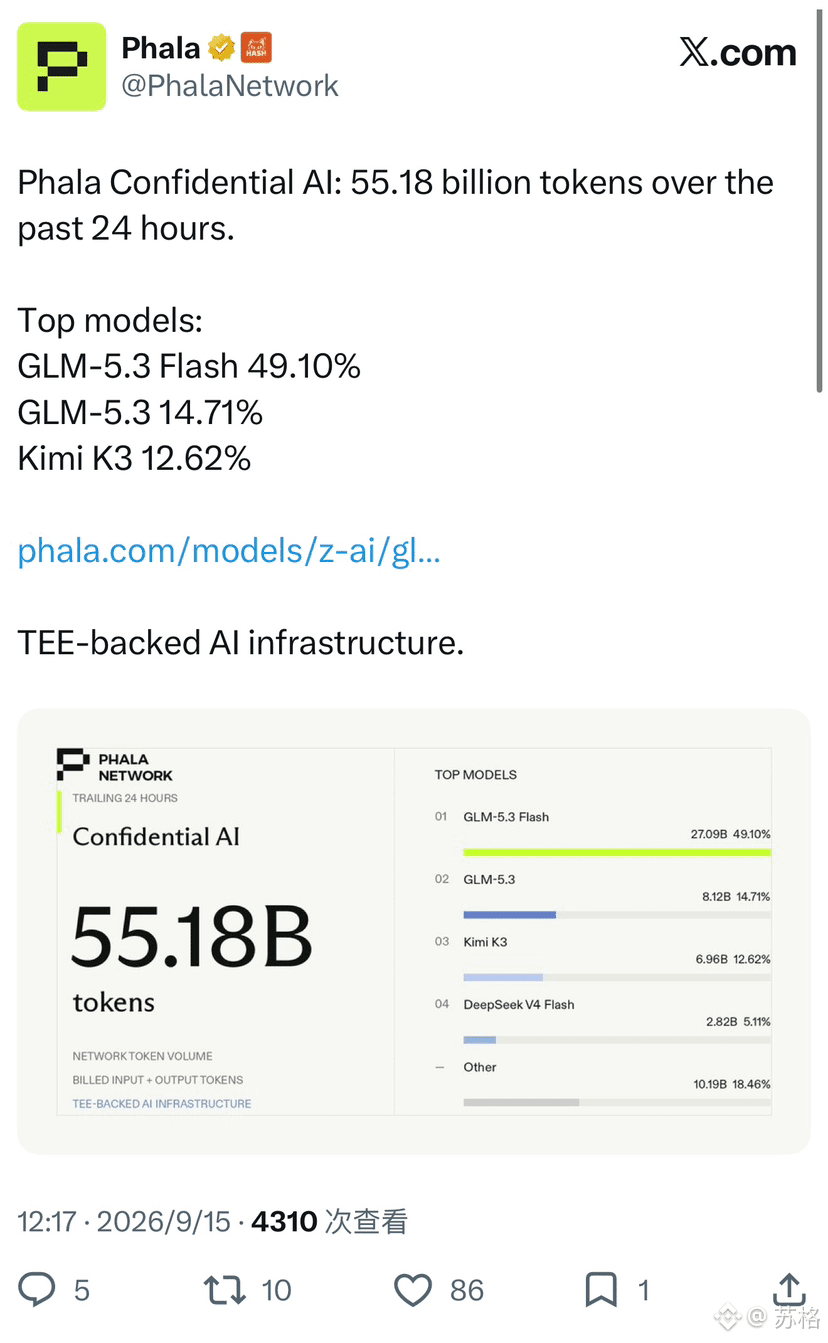
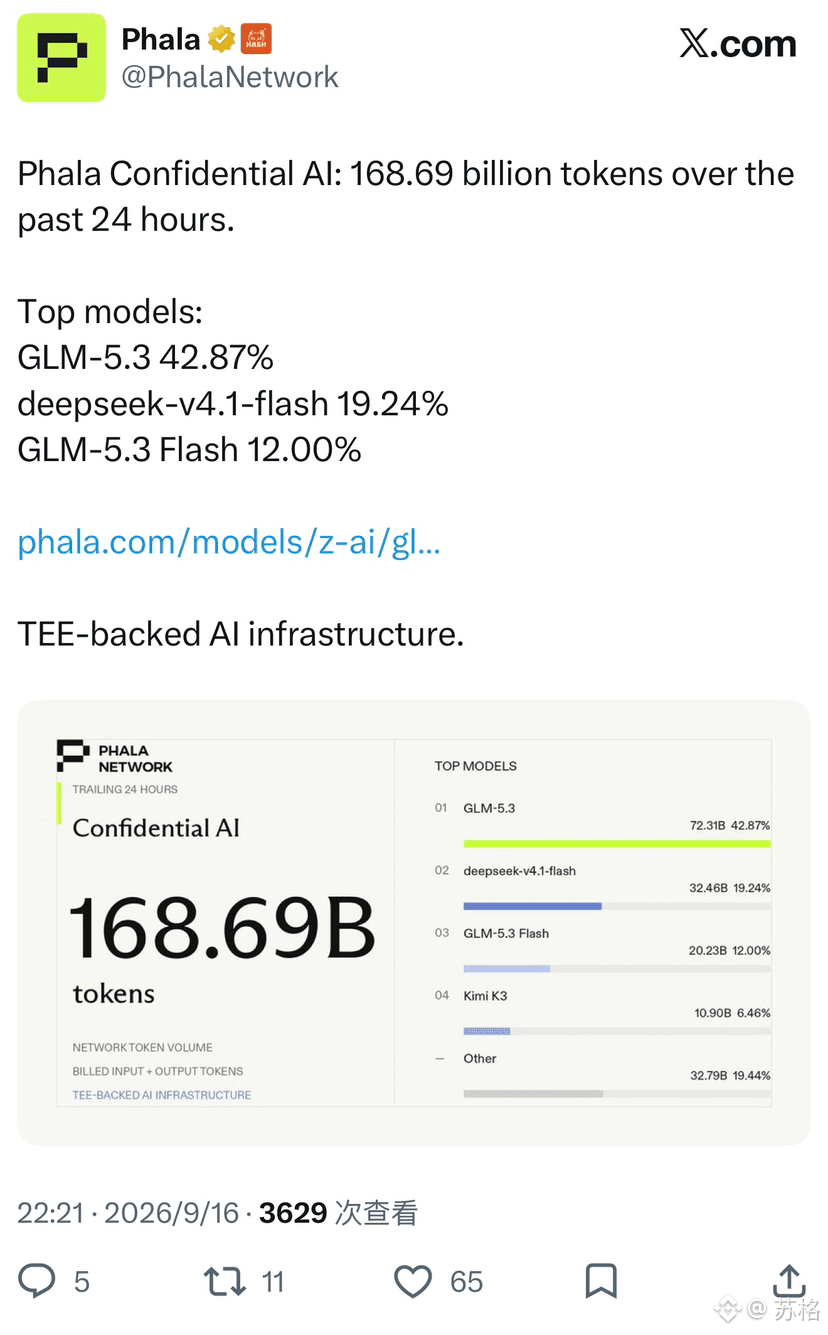
$PHA 24 ساعة مضاعفة من إجمالي المعروض من الرموز تعكس اعترافًا أوسع بأن الحوسبة الذكية السرّية التي يقدّمها Phala تحظى بمزيد من التقدير!
ذكاء اصطناعي موثوق، تنفيذ سري، ونتائج قابلة للتحقق.
#ai #نموذج كبير
$PHA 24 ساعة مضاعفة من إجمالي المعروض من الرموز تعكس اعترافًا أوسع بأن الحوسبة الذكية السرّية التي يقدّمها Phala تحظى بمزيد من التقدير!
ذكاء اصطناعي موثوق، تنفيذ سري، ونتائج قابلة للتحقق.
#ai #نموذج كبير
ذكاء اصطناعي موثوق، تنفيذ سري، ونتائج قابلة للتحقق.
#ai #نموذج كبير
446

·
--
ورقة «AI for Games» لجامعة سنغافورة الوطنية وجامعة نانيانغ التكنولوجيةفي 16 سبتمبر، نشرت جامعة سنغافورة الوطنية وجامعة نانيانغ التكنولوجية ورقة بحثية أصدرتاهما معًا بعنوان (AI for Games).
رابط النص الأصلي لملف PDF الذي عدد صفحاته 120: arxiv.org/pdf/2609.16679
هذه الورقة مليئة بالمعلومات القيمة حقًا لمطوري الألعاب المستقلين. لقد طلبت من كلود أن يلخص جميع نماذج ومجموعة الأدوات ومنتجات المنصات الخاصة بالذكاء الاصطناعي المذكورة فيها والمستخدمة في تطوير وتشغيل الألعاب.
1. بوابة النماذج العامة الكبيرة
GPT-6 Astra (OpenAI): مثال من بداية الورقة. تم اختبار قدرة النموذج نفسه في ARC-AGI-3 على استكشاف ألعاب جديدة من دون معرفة سابقة، كما قامت شركة Playco بدمجه في أداة المحرك Playbot لإنشاء نماذج أولية قابلة للعب، ما يوضح أن النموذج نفسه يمكنه أداء أدوار متعددة.
ورقة «AI for Games» لجامعة سنغافورة الوطنية وجامعة نانيانغ التكنولوجية
في 16 سبتمبر، نشرت جامعة سنغافورة الوطنية وجامعة نانيانغ التكنولوجية ورقة بحثية أصدرتاهما معًا بعنوان (AI for Games).
رابط النص الأصلي لملف PDF الذي عدد صفحاته 120: arxiv.org/pdf/2609.16679
هذه الورقة مليئة بالمعلومات القيمة حقًا لمطوري الألعاب المستقلين. لقد طلبت من كلود أن يلخص جميع نماذج ومجموعة الأدوات ومنتجات المنصات الخاصة بالذكاء الاصطناعي المذكورة فيها والمستخدمة في تطوير وتشغيل الألعاب.
1. بوابة النماذج العامة الكبيرة
GPT-6 Astra (OpenAI): مثال من بداية الورقة. تم اختبار قدرة النموذج نفسه في ARC-AGI-3 على استكشاف ألعاب جديدة من دون معرفة سابقة، كما قامت شركة Playco بدمجه في أداة المحرك Playbot لإنشاء نماذج أولية قابلة للعب، ما يوضح أن النموذج نفسه يمكنه أداء أدوار متعددة.
رابط النص الأصلي لملف PDF الذي عدد صفحاته 120: arxiv.org/pdf/2609.16679
هذه الورقة مليئة بالمعلومات القيمة حقًا لمطوري الألعاب المستقلين. لقد طلبت من كلود أن يلخص جميع نماذج ومجموعة الأدوات ومنتجات المنصات الخاصة بالذكاء الاصطناعي المذكورة فيها والمستخدمة في تطوير وتشغيل الألعاب.
1. بوابة النماذج العامة الكبيرة
GPT-6 Astra (OpenAI): مثال من بداية الورقة. تم اختبار قدرة النموذج نفسه في ARC-AGI-3 على استكشاف ألعاب جديدة من دون معرفة سابقة، كما قامت شركة Playco بدمجه في أداة المحرك Playbot لإنشاء نماذج أولية قابلة للعب، ما يوضح أن النموذج نفسه يمكنه أداء أدوار متعددة.
321

·
--

مقالة
وكلاء الذكاء الاصطناعي: هل يجب أن تسمح للذكاء الاصطناعي بالوصول إلى أموالك؟ماذا يستطيع وكلاء الذكاء الاصطناعي، أين يمكن الحصول عليهم وكيف لا تقع في فخ الاحتيال
تخيّل مساعدًا يراقب السوق بينما أنت نائم، ويشتري عملة بنفسه عندما ينخفض السعر إلى المستوى المطلوب. لم تكن هذه قبل مدة طويلة إلا خيالًا. في السابق كان الذكاء الاصطناعي يجيب فقط عن الأسئلة — والآن يقوم وكيل AI بعمله بنفسه: يتاجر، ويدفع، ويدير الأموال بناءً على تعليماتك. لذلك كله ضجة كبيرة حولهم. لنتعرّف على ما هذا ولماذا هو مهم.
وكلاء الذكاء الاصطناعي: هل يجب أن تسمح للذكاء الاصطناعي بالوصول إلى أموالك؟
ماذا يستطيع وكلاء الذكاء الاصطناعي، أين يمكن الحصول عليهم وكيف لا تقع في فخ الاحتيال
تخيّل مساعدًا يراقب السوق بينما أنت نائم، ويشتري عملة بنفسه عندما ينخفض السعر إلى المستوى المطلوب. لم تكن هذه قبل مدة طويلة إلا خيالًا. في السابق كان الذكاء الاصطناعي يجيب فقط عن الأسئلة — والآن يقوم وكيل AI بعمله بنفسه: يتاجر، ويدفع، ويدير الأموال بناءً على تعليماتك. لذلك كله ضجة كبيرة حولهم. لنتعرّف على ما هذا ولماذا هو مهم.
تخيّل مساعدًا يراقب السوق بينما أنت نائم، ويشتري عملة بنفسه عندما ينخفض السعر إلى المستوى المطلوب. لم تكن هذه قبل مدة طويلة إلا خيالًا. في السابق كان الذكاء الاصطناعي يجيب فقط عن الأسئلة — والآن يقوم وكيل AI بعمله بنفسه: يتاجر، ويدفع، ويدير الأموال بناءً على تعليماتك. لذلك كله ضجة كبيرة حولهم. لنتعرّف على ما هذا ولماذا هو مهم.
ФЕДАТ - цифровая экосистема спорта:
Самый ценный инсайт в этом посте — про то, как мошенники могут обмануть сам алгоритм, искусственно разгоняя цену пустышки. Мы привыкли думать, что ИИ неуязвим, но он действует только по заданным параметрам. Это лишний раз доказывает, что грамотная настройка стратегии важнее, чем слепая вера в "волшебную кнопку". 📉🤝👍
1
2
363
·
--
عرض الترجمة
🚨 خبر | OpenAI تتعاون مع Anthropic وGoogle في مجال سلامة الذكاء الاصطناعي
أعلنت OpenAI أنها تعمل بالتعاون مع Anthropic وGoogle على جهود تتعلق بسلامة وأمان أنظمة الذكاء الاصطناعي.
📌 Cipher Vault:
التعاون بين أبرز مطوري نماذج الذكاء الاصطناعي قد يدفع نحو وضع معايير مشتركة أكثر أمانًا مع تسارع تطوير النماذج المتقدمة.
#OpenAI #AI #Anthropic #Google
🚨 خبر | OpenAI تتعاون مع Anthropic وGoogle في مجال سلامة الذكاء الاصطناعي
أعلنت OpenAI أنها تعمل بالتعاون مع Anthropic وGoogle على جهود تتعلق بسلامة وأمان أنظمة الذكاء الاصطناعي.
📌 Cipher Vault:
التعاون بين أبرز مطوري نماذج الذكاء الاصطناعي قد يدفع نحو وضع معايير مشتركة أكثر أمانًا مع تسارع تطوير النماذج المتقدمة.
#OpenAI #AI #Anthropic #Google
أعلنت OpenAI أنها تعمل بالتعاون مع Anthropic وGoogle على جهود تتعلق بسلامة وأمان أنظمة الذكاء الاصطناعي.
📌 Cipher Vault:
التعاون بين أبرز مطوري نماذج الذكاء الاصطناعي قد يدفع نحو وضع معايير مشتركة أكثر أمانًا مع تسارع تطوير النماذج المتقدمة.
#OpenAI #AI #Anthropic #Google
1
17
·
--
صاعد
عرض الترجمة
AI Is Getting Smarter. But Can It Trust the Information It Uses?
Today in Seoul, Verona is hosting “Behind the Scenes of AI” together with Kite AI, Pieverse, OpenRoboto, and Hippo Protocol.
The event focuses on three simple questions:
Who Verifies?
Who Pays?
Who Trains?
At first, these may sound like technical questions.
But as AI agents become more autonomous, they become much more important.
An AI agent may be able to search, analyze, communicate, and eventually transact on our behalf.
But before that can work at scale, several problems still need to be solved.
AI needs information it can trust.
Agents need infrastructure to make payments.
Sensitive data needs privacy.
And AI systems need reliable ways to learn and improve.
This is where Verona’s role becomes interesting.
Verona is focused on verified information making it possible for facts to be proven and used by authorized apps or AI agents without necessarily exposing the raw data behind them.
That changes the conversation.
The future of AI may not only depend on building smarter models.
It may also depend on building a stronger layer underneath them:
verification, privacy, payments, training, and trust.
Because an intelligent agent working with unreliable information is still a problem.
And as AI begins to act more independently, being able to verify what it knows could become just as important as intelligence itself.
📍 Seoul
📅 September 17
🕐 19:00–21:00 KST
📌 SparkPlus Seolleung 3
RSVP: https://luma.com/zvmcaqns
#verona #ai
AI Is Getting Smarter. But Can It Trust the Information It Uses?
Today in Seoul, Verona is hosting “Behind the Scenes of AI” together with Kite AI, Pieverse, OpenRoboto, and Hippo Protocol.
The event focuses on three simple questions:
Who Verifies?
Who Pays?
Who Trains?
At first, these may sound like technical questions.
But as AI agents become more autonomous, they become much more important.
An AI agent may be able to search, analyze, communicate, and eventually transact on our behalf.
But before that can work at scale, several problems still need to be solved.
AI needs information it can trust.
Agents need infrastructure to make payments.
Sensitive data needs privacy.
And AI systems need reliable ways to learn and improve.
This is where Verona’s role becomes interesting.
Verona is focused on verified information making it possible for facts to be proven and used by authorized apps or AI agents without necessarily exposing the raw data behind them.
That changes the conversation.
The future of AI may not only depend on building smarter models.
It may also depend on building a stronger layer underneath them:
verification, privacy, payments, training, and trust.
Because an intelligent agent working with unreliable information is still a problem.
And as AI begins to act more independently, being able to verify what it knows could become just as important as intelligence itself.
📍 Seoul
📅 September 17
🕐 19:00–21:00 KST
📌 SparkPlus Seolleung 3
RSVP: https://luma.com/zvmcaqns
#verona #ai
Today in Seoul, Verona is hosting “Behind the Scenes of AI” together with Kite AI, Pieverse, OpenRoboto, and Hippo Protocol.
The event focuses on three simple questions:
Who Verifies?
Who Pays?
Who Trains?
At first, these may sound like technical questions.
But as AI agents become more autonomous, they become much more important.
An AI agent may be able to search, analyze, communicate, and eventually transact on our behalf.
But before that can work at scale, several problems still need to be solved.
AI needs information it can trust.
Agents need infrastructure to make payments.
Sensitive data needs privacy.
And AI systems need reliable ways to learn and improve.
This is where Verona’s role becomes interesting.
Verona is focused on verified information making it possible for facts to be proven and used by authorized apps or AI agents without necessarily exposing the raw data behind them.
That changes the conversation.
The future of AI may not only depend on building smarter models.
It may also depend on building a stronger layer underneath them:
verification, privacy, payments, training, and trust.
Because an intelligent agent working with unreliable information is still a problem.
And as AI begins to act more independently, being able to verify what it knows could become just as important as intelligence itself.
📍 Seoul
📅 September 17
🕐 19:00–21:00 KST
📌 SparkPlus Seolleung 3
RSVP: https://luma.com/zvmcaqns
#verona #ai

1
72

عرض الترجمة
🚨 GROK 4.7 LEAKS ON CLOUD CONSOLE AS $AI SECTOR PREPARES FOR CATALYST VOLATILITY! ⚡
Infrastructure leaks on cloud quota pages often serve as the leading indicator before official catalyst announcements hit retail feeds. 🔍 Institutional money tracks these early operational footprints to position across the $AI sector before momentum expands.
With Grok 4.7 targeting performance parity with top-tier reasoning models, the market is pricing in a fresh wave of algorithmic interest. 📊 As structural updates rolling out through version 4.9 signal long-term expansion, monitoring structural reclaims across narrative tokens remains essential.
💬 Is institutional capital front-running this AI infrastructure update, or will market participants wait for official confirmation? 👇
⚠️ Not financial advice. Always manage your risk. 🛡️
🏷️ #AI #AINarrative #MarketStructure #Crypto
🎯 🦈
🚨 GROK 4.7 LEAKS ON CLOUD CONSOLE AS $AI SECTOR PREPARES FOR CATALYST VOLATILITY! ⚡
Infrastructure leaks on cloud quota pages often serve as the leading indicator before official catalyst announcements hit retail feeds. 🔍 Institutional money tracks these early operational footprints to position across the $AI sector before momentum expands.
With Grok 4.7 targeting performance parity with top-tier reasoning models, the market is pricing in a fresh wave of algorithmic interest. 📊 As structural updates rolling out through version 4.9 signal long-term expansion, monitoring structural reclaims across narrative tokens remains essential.
💬 Is institutional capital front-running this AI infrastructure update, or will market participants wait for official confirmation? 👇
⚠️ Not financial advice. Always manage your risk. 🛡️
🏷️ #AI #AINarrative #MarketStructure #Crypto
🎯 🦈
Infrastructure leaks on cloud quota pages often serve as the leading indicator before official catalyst announcements hit retail feeds. 🔍 Institutional money tracks these early operational footprints to position across the $AI sector before momentum expands.
With Grok 4.7 targeting performance parity with top-tier reasoning models, the market is pricing in a fresh wave of algorithmic interest. 📊 As structural updates rolling out through version 4.9 signal long-term expansion, monitoring structural reclaims across narrative tokens remains essential.
💬 Is institutional capital front-running this AI infrastructure update, or will market participants wait for official confirmation? 👇
⚠️ Not financial advice. Always manage your risk. 🛡️
🏷️ #AI #AINarrative #MarketStructure #Crypto
🎯 🦈


عرض الترجمة
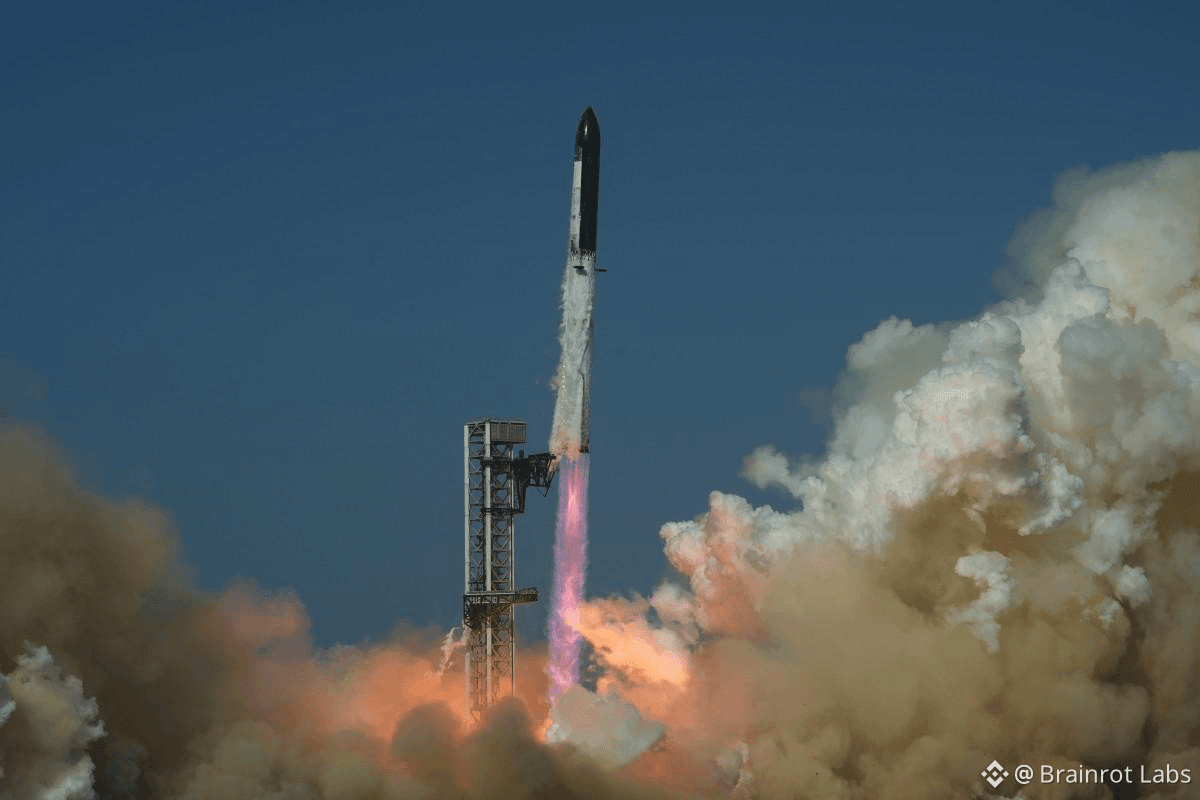
MORGAN STANLEY THINKS SPACE ISN’T EVEN THE MAIN GAME ANYMORE. 💀
Morgan Stanley tiếp tục đưa mục tiêu SpaceX lên $300, trong khi giá được báo cáo quanh $150.
Điểm đáng chú ý nhất: AI compute mới là phần lớn câu chuyện định giá.
🤖 AI compute: $165/share
🛰️ Satellite bandwidth: $118/share
🚀 Rocket launches: $8/share
𝕏 X + Grok: $8/share
$300/share là base target được Morgan Stanley duy trì.
Một thỏa thuận neocloud mới trị giá khoảng $1.1B/tháng đang củng cố câu chuyện AI compute của SpaceX.
Rủi ro được nêu gồm Starship tái sử dụng chậm hơn kỳ vọng, Starlink tăng trưởng người dùng chậm và doanh thu AI doanh nghiệp yếu hơn dự kiến.
Cái đáng chú ý không phải con số $300 mà là cơ cấu định giá. Nếu thesis này đúng, SpaceX đang dần được nhìn như một công ty AI infrastructure + connectivity + rockets, chứ không đơn thuần là một hãng tên lửa.
SPACE COMPANY? Nah. AI DATA CENTER WITH ROCKETS. 💀
Anh em nhìn SpaceX ở thời điểm này như rocket company hay AI infrastructure company?
#SpaceX #AI $SPCXB
{spot}(SPCXBUSDT)
MORGAN STANLEY THINKS SPACE ISN’T EVEN THE MAIN GAME ANYMORE. 💀
Morgan Stanley tiếp tục đưa mục tiêu SpaceX lên $300, trong khi giá được báo cáo quanh $150.
Điểm đáng chú ý nhất: AI compute mới là phần lớn câu chuyện định giá.
🤖 AI compute: $165/share
🛰️ Satellite bandwidth: $118/share
🚀 Rocket launches: $8/share
𝕏 X + Grok: $8/share
$300/share là base target được Morgan Stanley duy trì.
Một thỏa thuận neocloud mới trị giá khoảng $1.1B/tháng đang củng cố câu chuyện AI compute của SpaceX.
Rủi ro được nêu gồm Starship tái sử dụng chậm hơn kỳ vọng, Starlink tăng trưởng người dùng chậm và doanh thu AI doanh nghiệp yếu hơn dự kiến.
Cái đáng chú ý không phải con số $300 mà là cơ cấu định giá. Nếu thesis này đúng, SpaceX đang dần được nhìn như một công ty AI infrastructure + connectivity + rockets, chứ không đơn thuần là một hãng tên lửa.
SPACE COMPANY? Nah. AI DATA CENTER WITH ROCKETS. 💀
Anh em nhìn SpaceX ở thời điểm này như rocket company hay AI infrastructure company?
#SpaceX #AI $SPCXB
Morgan Stanley tiếp tục đưa mục tiêu SpaceX lên $300, trong khi giá được báo cáo quanh $150.
Điểm đáng chú ý nhất: AI compute mới là phần lớn câu chuyện định giá.
🤖 AI compute: $165/share
🛰️ Satellite bandwidth: $118/share
🚀 Rocket launches: $8/share
𝕏 X + Grok: $8/share
$300/share là base target được Morgan Stanley duy trì.
Một thỏa thuận neocloud mới trị giá khoảng $1.1B/tháng đang củng cố câu chuyện AI compute của SpaceX.
Rủi ro được nêu gồm Starship tái sử dụng chậm hơn kỳ vọng, Starlink tăng trưởng người dùng chậm và doanh thu AI doanh nghiệp yếu hơn dự kiến.
Cái đáng chú ý không phải con số $300 mà là cơ cấu định giá. Nếu thesis này đúng, SpaceX đang dần được nhìn như một công ty AI infrastructure + connectivity + rockets, chứ không đơn thuần là một hãng tên lửa.
SPACE COMPANY? Nah. AI DATA CENTER WITH ROCKETS. 💀
Anh em nhìn SpaceX ở thời điểm này như rocket company hay AI infrastructure company?
#SpaceX #AI $SPCXB
·
--
$AI +6.46% | $VVV +13.29% | $UP -6.01%
#AI على Robinhood تم رفعه إلى 0.2777 دولار، محققًا مكسبًا بنسبة 6.46% على حجم تداول قدره 16.9 مليون دولار. تبلغ القيمة السوقية 274.8 مليون دولار، وهي بحجم متواضع يمكنه أن يتأرجح بسرعة.
#VVV على Base قفز إلى 25.03 دولار، بارتفاع 13.29% مع تداول 16.7 مليون دولار. تمنحه القيمة السوقية البالغة 1.21 مليار دولار عمقًا أكبر، لكن لا يزال القفز حادًا بالنسبة لرمز Alpha.
UP على BSC انخفض إلى 0.2986 دولار، بتراجع 6.01% على حجم تداول قدره 16.0 مليون دولار. ومع قيمة سوقية تبلغ 43.6 مليون دولار، فهو الأصغر هنا، لذا قد تتضخم موجة الهبوط.
⚠️ راقب كيف يحافظ حجم التداول على وضعه لـ VVV؛ قد يحافظ استمرار الشراء على زخم الصعود.
#BinanceAlpha #Write2Earn #Binance
$AI +6.46% | $VVV +13.29% | $UP -6.01%
#AI على Robinhood تم رفعه إلى 0.2777 دولار، محققًا مكسبًا بنسبة 6.46% على حجم تداول قدره 16.9 مليون دولار. تبلغ القيمة السوقية 274.8 مليون دولار، وهي بحجم متواضع يمكنه أن يتأرجح بسرعة.
#VVV على Base قفز إلى 25.03 دولار، بارتفاع 13.29% مع تداول 16.7 مليون دولار. تمنحه القيمة السوقية البالغة 1.21 مليار دولار عمقًا أكبر، لكن لا يزال القفز حادًا بالنسبة لرمز Alpha.
UP على BSC انخفض إلى 0.2986 دولار، بتراجع 6.01% على حجم تداول قدره 16.0 مليون دولار. ومع قيمة سوقية تبلغ 43.6 مليون دولار، فهو الأصغر هنا، لذا قد تتضخم موجة الهبوط.
⚠️ راقب كيف يحافظ حجم التداول على وضعه لـ VVV؛ قد يحافظ استمرار الشراء على زخم الصعود.
#BinanceAlpha #Write2Earn #Binance
#AI على Robinhood تم رفعه إلى 0.2777 دولار، محققًا مكسبًا بنسبة 6.46% على حجم تداول قدره 16.9 مليون دولار. تبلغ القيمة السوقية 274.8 مليون دولار، وهي بحجم متواضع يمكنه أن يتأرجح بسرعة.
#VVV على Base قفز إلى 25.03 دولار، بارتفاع 13.29% مع تداول 16.7 مليون دولار. تمنحه القيمة السوقية البالغة 1.21 مليار دولار عمقًا أكبر، لكن لا يزال القفز حادًا بالنسبة لرمز Alpha.
UP على BSC انخفض إلى 0.2986 دولار، بتراجع 6.01% على حجم تداول قدره 16.0 مليون دولار. ومع قيمة سوقية تبلغ 43.6 مليون دولار، فهو الأصغر هنا، لذا قد تتضخم موجة الهبوط.
⚠️ راقب كيف يحافظ حجم التداول على وضعه لـ VVV؛ قد يحافظ استمرار الشراء على زخم الصعود.
#BinanceAlpha #Write2Earn #Binance
·
--
لقد أحدثت Ripple ضجة كبيرة! دمج مدفوعات XRP في معايير الذكاء الاصطناعي لدى Stripe وTempo، مع حزمة أدوات مطوّرين جديدة تمكّن وكلاء الذكاء الاصطناعي من الدفع تلقائياً وإدارة المحافظ عبر سلاسل متعددة. المزيد من سيناريوهات تبنّي المؤسسات، والأساسيات الخاصة بـ XRP تزداد قوة. على المدى القصير: استقرار مع اتجاه صعود. على المدى الطويل: تبنٍّ واسع النطاق إذا انضمّت شركات الذكاء الاصطناعي إلى المنظومة! #区块链 #AI $XRP $RLUSD
قام Ripple بخطوة قوية! تم دمج مدفوعات XRP في معايير الذكاء الاصطناعي لدى Stripe وTempo - تتيح حزمة التطوير الجديدة لوكلاء الذكاء الاصطناعي الدفع تلقائياً وإدارة المحافظ عبر سلاسل متعددة. المزيد من سيناريوهات تبنّي المؤسسات، والأساسيات الخاصة بـ XRP تزداد قوة. على المدى القصير: استقرار مع اتجاه صعود. على المدى الطويل: تبنٍّ هائل إذا انضمّت شركات الذكاء الاصطناعي إلى المنظومة! #blockchain #AI $XRP $RLUSD
لقد أحدثت Ripple ضجة كبيرة! دمج مدفوعات XRP في معايير الذكاء الاصطناعي لدى Stripe وTempo، مع حزمة أدوات مطوّرين جديدة تمكّن وكلاء الذكاء الاصطناعي من الدفع تلقائياً وإدارة المحافظ عبر سلاسل متعددة. المزيد من سيناريوهات تبنّي المؤسسات، والأساسيات الخاصة بـ XRP تزداد قوة. على المدى القصير: استقرار مع اتجاه صعود. على المدى الطويل: تبنٍّ واسع النطاق إذا انضمّت شركات الذكاء الاصطناعي إلى المنظومة! #区块链 #AI $XRP $RLUSD
قام Ripple بخطوة قوية! تم دمج مدفوعات XRP في معايير الذكاء الاصطناعي لدى Stripe وTempo - تتيح حزمة التطوير الجديدة لوكلاء الذكاء الاصطناعي الدفع تلقائياً وإدارة المحافظ عبر سلاسل متعددة. المزيد من سيناريوهات تبنّي المؤسسات، والأساسيات الخاصة بـ XRP تزداد قوة. على المدى القصير: استقرار مع اتجاه صعود. على المدى الطويل: تبنٍّ هائل إذا انضمّت شركات الذكاء الاصطناعي إلى المنظومة! #blockchain #AI $XRP $RLUSD
قام Ripple بخطوة قوية! تم دمج مدفوعات XRP في معايير الذكاء الاصطناعي لدى Stripe وTempo - تتيح حزمة التطوير الجديدة لوكلاء الذكاء الاصطناعي الدفع تلقائياً وإدارة المحافظ عبر سلاسل متعددة. المزيد من سيناريوهات تبنّي المؤسسات، والأساسيات الخاصة بـ XRP تزداد قوة. على المدى القصير: استقرار مع اتجاه صعود. على المدى الطويل: تبنٍّ هائل إذا انضمّت شركات الذكاء الاصطناعي إلى المنظومة! #blockchain #AI $XRP $RLUSD
49

·
--
قُربُ ذُرّاتٍ في البنية التحتية للذكاء الاصطناعي مع تسارع 🚀📊
شمعة مدتها 4 ساعات اليوم اخترقت مجموعة دعم 2.3226 دولار، لتدفع $NEAR up إلى 2.7370 دولار، مع ارتفاع في حجم تداول العقود الآجلة تجاوز 400 مليون دولار، وهو ما يشير بوضوح إلى أن مشغّلي العقد المدفوعين بالذكاء الاصطناعي يقومون بتوسيع السعة لتلبية الطلب المتزايد على الحوسبة 🚀. طبقة الرسائل عبر الشرود في البروتوكول أصبحت الآن تتعامل مع أعلى مستوى قياسي من الإنتاجية في المعاملات، ما يغذّي موجة الصعود.
الزخم الآن يستند إلى قناة صعودية متمركزة حول منتصف النطاق 2.5345 دولار، والسعر يتطلع إلى سقف 2.7442 دولار حيث لا يزال خلل تدفق الأوامر يميل لصالح الشراء 📈. كما أن الفائدة المفتوحة في العقود الآجلة اتجهت للأعلى، ما يوحي بأن المؤسسات تتموضع لاحتمالات مزيد من الصعود. حتى إذا حدث تراجع بسيط لاختبار قاع 2.3226 دولار، فإن الطلب السائد من أحمال تدريب نماذج الذكاء الاصطناعي ينبغي أن يوفّر ضغط شراء كافياً لاستعادة الزخم الصاعد.
وبالنظر إلى الترقيات الأخيرة للبروتوكول لتحسين كفاءة التجزئة واتساع منظومة عملاء الذكاء الاصطناعي، ما يزال الميل الصعودي قائماً، رغم أن التقلبات قد ترتفع عند أي تغيّر واسع في الاقتصاد الكلي ⚡️
مستويات يجب مراقبتها:
راقب الدعم قرب 2.3226 دولار
يشير الهيكل إلى مقاومة قرب 2.7442 دولار
منطقة منتصف النطاق: 2.5345 دولار
DYOR
تابع للمزيد من التحديثات
#NEAR #AI #CryptoTrending #BinanceSquare
قُربُ ذُرّاتٍ في البنية التحتية للذكاء الاصطناعي مع تسارع 🚀📊
شمعة مدتها 4 ساعات اليوم اخترقت مجموعة دعم 2.3226 دولار، لتدفع $NEAR up إلى 2.7370 دولار، مع ارتفاع في حجم تداول العقود الآجلة تجاوز 400 مليون دولار، وهو ما يشير بوضوح إلى أن مشغّلي العقد المدفوعين بالذكاء الاصطناعي يقومون بتوسيع السعة لتلبية الطلب المتزايد على الحوسبة 🚀. طبقة الرسائل عبر الشرود في البروتوكول أصبحت الآن تتعامل مع أعلى مستوى قياسي من الإنتاجية في المعاملات، ما يغذّي موجة الصعود.
الزخم الآن يستند إلى قناة صعودية متمركزة حول منتصف النطاق 2.5345 دولار، والسعر يتطلع إلى سقف 2.7442 دولار حيث لا يزال خلل تدفق الأوامر يميل لصالح الشراء 📈. كما أن الفائدة المفتوحة في العقود الآجلة اتجهت للأعلى، ما يوحي بأن المؤسسات تتموضع لاحتمالات مزيد من الصعود. حتى إذا حدث تراجع بسيط لاختبار قاع 2.3226 دولار، فإن الطلب السائد من أحمال تدريب نماذج الذكاء الاصطناعي ينبغي أن يوفّر ضغط شراء كافياً لاستعادة الزخم الصاعد.
وبالنظر إلى الترقيات الأخيرة للبروتوكول لتحسين كفاءة التجزئة واتساع منظومة عملاء الذكاء الاصطناعي، ما يزال الميل الصعودي قائماً، رغم أن التقلبات قد ترتفع عند أي تغيّر واسع في الاقتصاد الكلي ⚡️
مستويات يجب مراقبتها:
راقب الدعم قرب 2.3226 دولار
يشير الهيكل إلى مقاومة قرب 2.7442 دولار
منطقة منتصف النطاق: 2.5345 دولار
DYOR
تابع للمزيد من التحديثات
#NEAR #AI #CryptoTrending #BinanceSquare
شمعة مدتها 4 ساعات اليوم اخترقت مجموعة دعم 2.3226 دولار، لتدفع $NEAR up إلى 2.7370 دولار، مع ارتفاع في حجم تداول العقود الآجلة تجاوز 400 مليون دولار، وهو ما يشير بوضوح إلى أن مشغّلي العقد المدفوعين بالذكاء الاصطناعي يقومون بتوسيع السعة لتلبية الطلب المتزايد على الحوسبة 🚀. طبقة الرسائل عبر الشرود في البروتوكول أصبحت الآن تتعامل مع أعلى مستوى قياسي من الإنتاجية في المعاملات، ما يغذّي موجة الصعود.
الزخم الآن يستند إلى قناة صعودية متمركزة حول منتصف النطاق 2.5345 دولار، والسعر يتطلع إلى سقف 2.7442 دولار حيث لا يزال خلل تدفق الأوامر يميل لصالح الشراء 📈. كما أن الفائدة المفتوحة في العقود الآجلة اتجهت للأعلى، ما يوحي بأن المؤسسات تتموضع لاحتمالات مزيد من الصعود. حتى إذا حدث تراجع بسيط لاختبار قاع 2.3226 دولار، فإن الطلب السائد من أحمال تدريب نماذج الذكاء الاصطناعي ينبغي أن يوفّر ضغط شراء كافياً لاستعادة الزخم الصاعد.
وبالنظر إلى الترقيات الأخيرة للبروتوكول لتحسين كفاءة التجزئة واتساع منظومة عملاء الذكاء الاصطناعي، ما يزال الميل الصعودي قائماً، رغم أن التقلبات قد ترتفع عند أي تغيّر واسع في الاقتصاد الكلي ⚡️
مستويات يجب مراقبتها:
راقب الدعم قرب 2.3226 دولار
يشير الهيكل إلى مقاومة قرب 2.7442 دولار
منطقة منتصف النطاق: 2.5345 دولار
DYOR
تابع للمزيد من التحديثات
#NEAR #AI #CryptoTrending #BinanceSquare
6

·
--
🚨 الوكلاء المؤسسيون للذكاء الاصطناعي يعيدون كتابة عالم المال مع تسارع السردية $AI ! 💥
📌 يُسرّع المال الذكي المؤسسي بهدوء دمج الذكاء الاصطناعي، مع قيام اللاعبين الكبار بتقليص زمن إنجاز الأبحاث من أسابيع إلى يومين فقط. 📊 ومع تسابق عمالقة التكنولوجيا لنشر سير عمل وكلاء متخصصين للنمذجة العميقة وتدقيق المخاطر، فإن الفاصل بين التمويل التقليدي والتنفيذ الآلي يذوب بسرعة.
💡 هذا التحول في الكفاءة الهيكلية ليس مجرد جداول بيانات أسرع—بل يبني الأساس لتدفقات رأس مال خوارزمية عالية السرعة. ⚡ عندما تنكمش دورات الأبحاث المؤسسية بنسبة 90%، تتغير سرعة السوق بشكل دائم. 💬 هل تهيّئ نفسك مسبقًا لهذا التحول المؤسسي نحو الذكاء الاصطناعي أم تراقبه من بعيد؟ 👇
⚠️ ليست نصيحة مالية. قم دائمًا بإدارة المخاطر. 🛡️
🏷️ #AI #Crypto #AgenticAI #Tech #Institutional
🔥 ⚡
🚨 الوكلاء المؤسسيون للذكاء الاصطناعي يعيدون كتابة عالم المال مع تسارع السردية $AI ! 💥
📌 يُسرّع المال الذكي المؤسسي بهدوء دمج الذكاء الاصطناعي، مع قيام اللاعبين الكبار بتقليص زمن إنجاز الأبحاث من أسابيع إلى يومين فقط. 📊 ومع تسابق عمالقة التكنولوجيا لنشر سير عمل وكلاء متخصصين للنمذجة العميقة وتدقيق المخاطر، فإن الفاصل بين التمويل التقليدي والتنفيذ الآلي يذوب بسرعة.
💡 هذا التحول في الكفاءة الهيكلية ليس مجرد جداول بيانات أسرع—بل يبني الأساس لتدفقات رأس مال خوارزمية عالية السرعة. ⚡ عندما تنكمش دورات الأبحاث المؤسسية بنسبة 90%، تتغير سرعة السوق بشكل دائم. 💬 هل تهيّئ نفسك مسبقًا لهذا التحول المؤسسي نحو الذكاء الاصطناعي أم تراقبه من بعيد؟ 👇
⚠️ ليست نصيحة مالية. قم دائمًا بإدارة المخاطر. 🛡️
🏷️ #AI #Crypto #AgenticAI #Tech #Institutional
🔥 ⚡
📌 يُسرّع المال الذكي المؤسسي بهدوء دمج الذكاء الاصطناعي، مع قيام اللاعبين الكبار بتقليص زمن إنجاز الأبحاث من أسابيع إلى يومين فقط. 📊 ومع تسابق عمالقة التكنولوجيا لنشر سير عمل وكلاء متخصصين للنمذجة العميقة وتدقيق المخاطر، فإن الفاصل بين التمويل التقليدي والتنفيذ الآلي يذوب بسرعة.
💡 هذا التحول في الكفاءة الهيكلية ليس مجرد جداول بيانات أسرع—بل يبني الأساس لتدفقات رأس مال خوارزمية عالية السرعة. ⚡ عندما تنكمش دورات الأبحاث المؤسسية بنسبة 90%، تتغير سرعة السوق بشكل دائم. 💬 هل تهيّئ نفسك مسبقًا لهذا التحول المؤسسي نحو الذكاء الاصطناعي أم تراقبه من بعيد؟ 👇
⚠️ ليست نصيحة مالية. قم دائمًا بإدارة المخاطر. 🛡️
🏷️ #AI #Crypto #AgenticAI #Tech #Institutional
🔥 ⚡
16

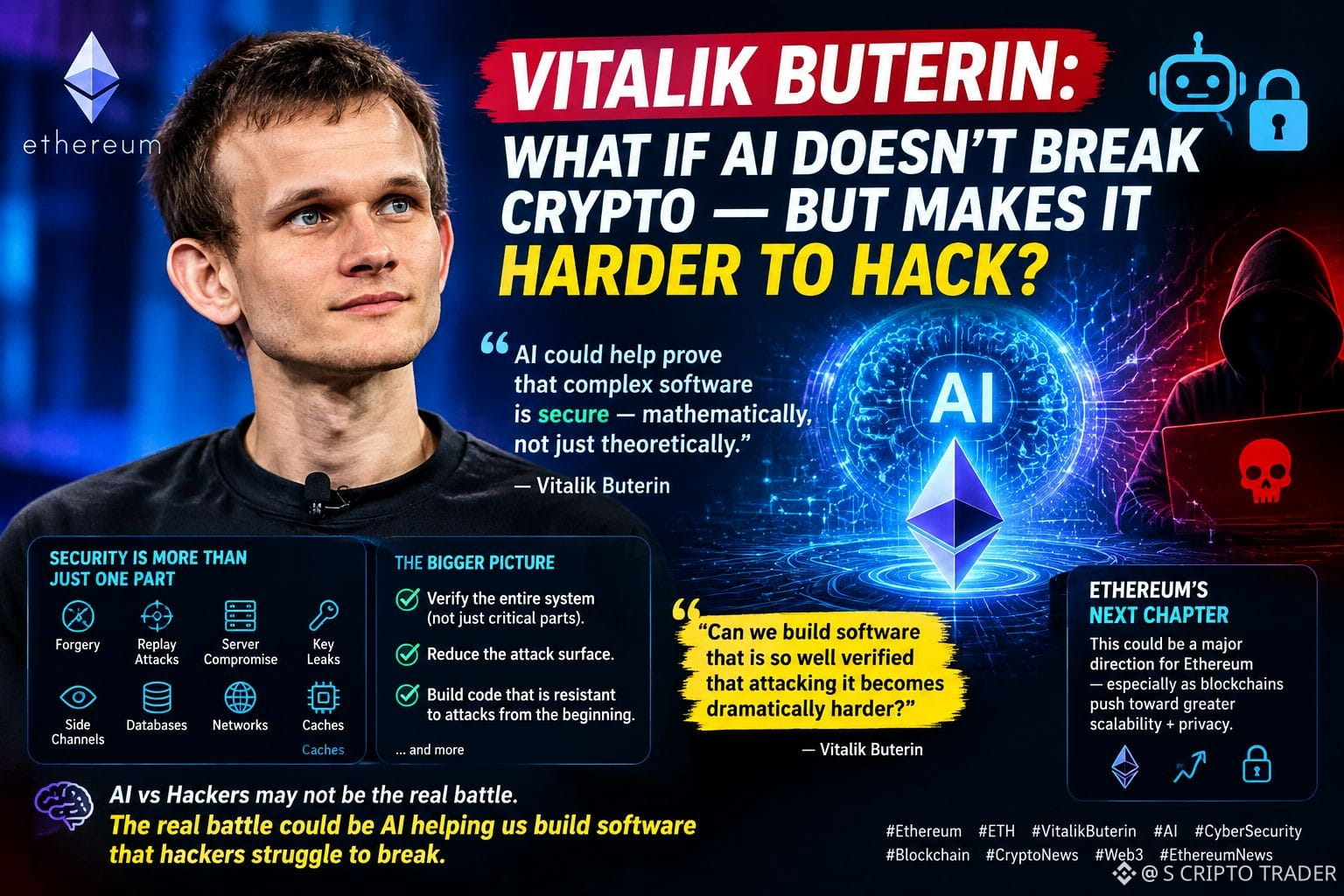
🚨 فيتاليك بوتيرين: ماذا لو لم يكسِر الذكاء الاصطناعي التشفير — بل جعله أكثر صعوبة للاختراق؟ 🤖🔐
$ETH $SOL $SPY
لـسنوات، ظلّ هناك خوف واحد يرافق صعود الذكاء الاصطناعي: ماذا يحدث عندما تصبح الآلات أفضل في العثور على الثغرات من البشر؟
قدّم مؤسس الإيثيريوم فيتاليك بوتيرين منظورًا مختلفًا.
🧠 حجته بسيطة لكنها قوية:
قد يساعد الذكاء الاصطناعي في النهاية على إثبات أن البرامج المعقّدة آمنة — رياضيًا، لا نظريًا فقط.
وأشار بوتيرين إلى التقدّم في الرياضيات التي يقودها الذكاء الاصطناعي، واعتبر أنه إذا تمكنت الآلات من التعامل مع برهان رياضي بالغ التعقيد، فقد يكون بمقدورها أيضًا التحقق من أمان البرامج المتقدمة.
🔎 لكن هناك ملاحظة:
الأمن لا يتعلق فقط بعقد ذكي واحد لامع أو وظيفة حرجة واحدة.
قد يشمل ذلك التزوير، وهجمات إعادة التشغيل، واختراق الخوادم، وتسريب المفاتيح، وقنوات جانبية، وقواعد بيانات، وشبكات، وذاكرات مؤقتة (caches) وغيرها الكثير.
وهذا يعني أن مستقبل تطوير البلوكشين الآمن قد يتطلب شيئًا أكبر بكثير:
⚡ التحقق من النظام بأكمله.
⚡ تقليل سطح الهجوم.
⚡ بناء كود مقاوم للهجمات منذ البداية.
وهنا تصبح القصة أكثر إثارة للاهتمام.
بدلًا من الاكتفاء بسؤال: «هل يستطيع المدافعون العثور على المخترق أولًا؟»، تطرح رؤية بوتيرين سؤالًا أعمق:
«“هل يمكننا بناء برمجيات موثّقة إلى حدّ يجعل مهاجمتها أصعب بكثير؟”»
ووفقًا لبوتيرين، قد يصبح هذا اتجاهًا رئيسيًا لإيثيريوم خلال السنوات القادمة — خصوصًا مع دفع البلوكشين نحو مزيد من قابلية التوسع + الخصوصية.
{spot}(ETHUSDT)
{spot}(SYRUPUSDT)
{future}(SPYUSDT)
🔮 قد لا تكون معركة الذكاء الاصطناعي ضد المخترقين هي المعركة الحقيقية.
قد تكون المعركة الفعلية هي أن يساعدنا الذكاء الاصطناعي في بناء برمجيات يكافح المخترقون لاختراقها.
#Ethereum #ETH #VitalikButerin #AI
🚨 فيتاليك بوتيرين: ماذا لو لم يكسِر الذكاء الاصطناعي التشفير — بل جعله أكثر صعوبة للاختراق؟ 🤖🔐
$ETH $SOL $SPY
لـسنوات، ظلّ هناك خوف واحد يرافق صعود الذكاء الاصطناعي: ماذا يحدث عندما تصبح الآلات أفضل في العثور على الثغرات من البشر؟
قدّم مؤسس الإيثيريوم فيتاليك بوتيرين منظورًا مختلفًا.
🧠 حجته بسيطة لكنها قوية:
قد يساعد الذكاء الاصطناعي في النهاية على إثبات أن البرامج المعقّدة آمنة — رياضيًا، لا نظريًا فقط.
وأشار بوتيرين إلى التقدّم في الرياضيات التي يقودها الذكاء الاصطناعي، واعتبر أنه إذا تمكنت الآلات من التعامل مع برهان رياضي بالغ التعقيد، فقد يكون بمقدورها أيضًا التحقق من أمان البرامج المتقدمة.
🔎 لكن هناك ملاحظة:
الأمن لا يتعلق فقط بعقد ذكي واحد لامع أو وظيفة حرجة واحدة.
قد يشمل ذلك التزوير، وهجمات إعادة التشغيل، واختراق الخوادم، وتسريب المفاتيح، وقنوات جانبية، وقواعد بيانات، وشبكات، وذاكرات مؤقتة (caches) وغيرها الكثير.
وهذا يعني أن مستقبل تطوير البلوكشين الآمن قد يتطلب شيئًا أكبر بكثير:
⚡ التحقق من النظام بأكمله.
⚡ تقليل سطح الهجوم.
⚡ بناء كود مقاوم للهجمات منذ البداية.
وهنا تصبح القصة أكثر إثارة للاهتمام.
بدلًا من الاكتفاء بسؤال: «هل يستطيع المدافعون العثور على المخترق أولًا؟»، تطرح رؤية بوتيرين سؤالًا أعمق:
«“هل يمكننا بناء برمجيات موثّقة إلى حدّ يجعل مهاجمتها أصعب بكثير؟”»
ووفقًا لبوتيرين، قد يصبح هذا اتجاهًا رئيسيًا لإيثيريوم خلال السنوات القادمة — خصوصًا مع دفع البلوكشين نحو مزيد من قابلية التوسع + الخصوصية.
🔮 قد لا تكون معركة الذكاء الاصطناعي ضد المخترقين هي المعركة الحقيقية.
قد تكون المعركة الفعلية هي أن يساعدنا الذكاء الاصطناعي في بناء برمجيات يكافح المخترقون لاختراقها.
#Ethereum #ETH #VitalikButerin #AI
$ETH $SOL $SPY
لـسنوات، ظلّ هناك خوف واحد يرافق صعود الذكاء الاصطناعي: ماذا يحدث عندما تصبح الآلات أفضل في العثور على الثغرات من البشر؟
قدّم مؤسس الإيثيريوم فيتاليك بوتيرين منظورًا مختلفًا.
🧠 حجته بسيطة لكنها قوية:
قد يساعد الذكاء الاصطناعي في النهاية على إثبات أن البرامج المعقّدة آمنة — رياضيًا، لا نظريًا فقط.
وأشار بوتيرين إلى التقدّم في الرياضيات التي يقودها الذكاء الاصطناعي، واعتبر أنه إذا تمكنت الآلات من التعامل مع برهان رياضي بالغ التعقيد، فقد يكون بمقدورها أيضًا التحقق من أمان البرامج المتقدمة.
🔎 لكن هناك ملاحظة:
الأمن لا يتعلق فقط بعقد ذكي واحد لامع أو وظيفة حرجة واحدة.
قد يشمل ذلك التزوير، وهجمات إعادة التشغيل، واختراق الخوادم، وتسريب المفاتيح، وقنوات جانبية، وقواعد بيانات، وشبكات، وذاكرات مؤقتة (caches) وغيرها الكثير.
وهذا يعني أن مستقبل تطوير البلوكشين الآمن قد يتطلب شيئًا أكبر بكثير:
⚡ التحقق من النظام بأكمله.
⚡ تقليل سطح الهجوم.
⚡ بناء كود مقاوم للهجمات منذ البداية.
وهنا تصبح القصة أكثر إثارة للاهتمام.
بدلًا من الاكتفاء بسؤال: «هل يستطيع المدافعون العثور على المخترق أولًا؟»، تطرح رؤية بوتيرين سؤالًا أعمق:
«“هل يمكننا بناء برمجيات موثّقة إلى حدّ يجعل مهاجمتها أصعب بكثير؟”»
ووفقًا لبوتيرين، قد يصبح هذا اتجاهًا رئيسيًا لإيثيريوم خلال السنوات القادمة — خصوصًا مع دفع البلوكشين نحو مزيد من قابلية التوسع + الخصوصية.
🔮 قد لا تكون معركة الذكاء الاصطناعي ضد المخترقين هي المعركة الحقيقية.
قد تكون المعركة الفعلية هي أن يساعدنا الذكاء الاصطناعي في بناء برمجيات يكافح المخترقون لاختراقها.
#Ethereum #ETH #VitalikButerin #AI
26
🚨 تسريع فوري لخطط تجهيز الحوسبة على مستوى المؤسسات يغذي اهتمامًا كبيرًا باللامركزية $AI SECTOR! ⚡
تسريع لمدة 9 أشهر لأجهزة الجيل التالي Ascend 960 يدفع بكثافة الحوسبة إلى 8 EFLOPS لكل عقدة فائقة (supernode)، ما يشير إلى تحول مؤسسي حاد في توسيع البنية التحتية. 📊 تُثبت الوصلات البصرية القريبة من الشريحة (near-chip) أنها تُقلّل استهلاك الطاقة بمقدار 550kW، وهو ما يدل على أن الكفاءة وسرعة الأداء الخام أصبحتا المحركين الأساسيين للسيولة السردية.
💡 مع تراجع اختناقات العتاد بوتيرة أسرع من المتوقع، تتحرك تدفقات رأس المال لإعادة التموضع نحو نماذج بروتوكولات حوسبة لا مركزية وبنى شبكات عالية الإنتاجية. 🔍 الأموال الذكية تتابع دورات كفاءة العتاد لتسبق التحولات في القطاع قبل أن ينتبه إليها صغار المستثمرين. 💬 كيف تموضع محفظتك قبل هذا التوسع المتسارع في حوسبة الذكاء الاصطناعي؟ 👇
⚠️ ليست نصيحة مالية. دائمًا أدر مخاطرَك. 🛡️
🏷️ #AI #Fetchai #Crypto #Infrastructure #Altcoins
🎯 🦈
🚨 تسريع فوري لخطط تجهيز الحوسبة على مستوى المؤسسات يغذي اهتمامًا كبيرًا باللامركزية $AI SECTOR! ⚡
تسريع لمدة 9 أشهر لأجهزة الجيل التالي Ascend 960 يدفع بكثافة الحوسبة إلى 8 EFLOPS لكل عقدة فائقة (supernode)، ما يشير إلى تحول مؤسسي حاد في توسيع البنية التحتية. 📊 تُثبت الوصلات البصرية القريبة من الشريحة (near-chip) أنها تُقلّل استهلاك الطاقة بمقدار 550kW، وهو ما يدل على أن الكفاءة وسرعة الأداء الخام أصبحتا المحركين الأساسيين للسيولة السردية.
💡 مع تراجع اختناقات العتاد بوتيرة أسرع من المتوقع، تتحرك تدفقات رأس المال لإعادة التموضع نحو نماذج بروتوكولات حوسبة لا مركزية وبنى شبكات عالية الإنتاجية. 🔍 الأموال الذكية تتابع دورات كفاءة العتاد لتسبق التحولات في القطاع قبل أن ينتبه إليها صغار المستثمرين. 💬 كيف تموضع محفظتك قبل هذا التوسع المتسارع في حوسبة الذكاء الاصطناعي؟ 👇
⚠️ ليست نصيحة مالية. دائمًا أدر مخاطرَك. 🛡️
🏷️ #AI #Fetchai #Crypto #Infrastructure #Altcoins
🎯 🦈
تسريع لمدة 9 أشهر لأجهزة الجيل التالي Ascend 960 يدفع بكثافة الحوسبة إلى 8 EFLOPS لكل عقدة فائقة (supernode)، ما يشير إلى تحول مؤسسي حاد في توسيع البنية التحتية. 📊 تُثبت الوصلات البصرية القريبة من الشريحة (near-chip) أنها تُقلّل استهلاك الطاقة بمقدار 550kW، وهو ما يدل على أن الكفاءة وسرعة الأداء الخام أصبحتا المحركين الأساسيين للسيولة السردية.
💡 مع تراجع اختناقات العتاد بوتيرة أسرع من المتوقع، تتحرك تدفقات رأس المال لإعادة التموضع نحو نماذج بروتوكولات حوسبة لا مركزية وبنى شبكات عالية الإنتاجية. 🔍 الأموال الذكية تتابع دورات كفاءة العتاد لتسبق التحولات في القطاع قبل أن ينتبه إليها صغار المستثمرين. 💬 كيف تموضع محفظتك قبل هذا التوسع المتسارع في حوسبة الذكاء الاصطناعي؟ 👇
⚠️ ليست نصيحة مالية. دائمًا أدر مخاطرَك. 🛡️
🏷️ #AI #Fetchai #Crypto #Infrastructure #Altcoins
🎯 🦈
24

🚨 يتم تداول وكلاء الذكاء الاصطناعي من الجيل التالي بشكل فيروسي ويدفعون السردية $AI NARRATIVE إلى مستويات أعلى! ⚡
قام مؤسسو تقنيون سابقون في ByteDance بإطلاق Rene، وكيل iMessage مستقل قادر على التواصل المباشر بين الوكلاء، وإخلاء التقويم، وتنفيذ التعليمات البرمجية فورًا. 💡 الأموال الذكية تتابع بالفعل كيف يؤدي التعاون بين عدة وكلاء إلى إشعال الموجة الكبرى التالية من السيولة عبر منظومة الذكاء الاصطناعي اللامركزية. 📊
عندما يبدأ البرنامج المستقل في التنفيذ المسبق لسير العمل اليومية وحجز المواعيد في الخلفية، تتزايد قيمة المنفعة البروتوكولية بشكل أسي. ⚡ الانتقال من روبوتات نصية بسيطة إلى تنفيذ استباقي في الخلفية يقلب المشهد التقني بالكامل رأسًا على عقب. 💭 هل تُعد تقنية وكلاء متعددين مستقلين المحفز الأساسي لإشعال موجة الذكاء الاصطناعي الكبرى التالية؟ 👇
⚠️ ليست نصيحة مالية. تعامل دائمًا مع مخاطرك. 🛡️
🏷️ #AI #AIAgents #Tech #Crypto #Narrative
⚡ 🔥
🚨 يتم تداول وكلاء الذكاء الاصطناعي من الجيل التالي بشكل فيروسي ويدفعون السردية $AI NARRATIVE إلى مستويات أعلى! ⚡
قام مؤسسو تقنيون سابقون في ByteDance بإطلاق Rene، وكيل iMessage مستقل قادر على التواصل المباشر بين الوكلاء، وإخلاء التقويم، وتنفيذ التعليمات البرمجية فورًا. 💡 الأموال الذكية تتابع بالفعل كيف يؤدي التعاون بين عدة وكلاء إلى إشعال الموجة الكبرى التالية من السيولة عبر منظومة الذكاء الاصطناعي اللامركزية. 📊
عندما يبدأ البرنامج المستقل في التنفيذ المسبق لسير العمل اليومية وحجز المواعيد في الخلفية، تتزايد قيمة المنفعة البروتوكولية بشكل أسي. ⚡ الانتقال من روبوتات نصية بسيطة إلى تنفيذ استباقي في الخلفية يقلب المشهد التقني بالكامل رأسًا على عقب. 💭 هل تُعد تقنية وكلاء متعددين مستقلين المحفز الأساسي لإشعال موجة الذكاء الاصطناعي الكبرى التالية؟ 👇
⚠️ ليست نصيحة مالية. تعامل دائمًا مع مخاطرك. 🛡️
🏷️ #AI #AIAgents #Tech #Crypto #Narrative
⚡ 🔥
قام مؤسسو تقنيون سابقون في ByteDance بإطلاق Rene، وكيل iMessage مستقل قادر على التواصل المباشر بين الوكلاء، وإخلاء التقويم، وتنفيذ التعليمات البرمجية فورًا. 💡 الأموال الذكية تتابع بالفعل كيف يؤدي التعاون بين عدة وكلاء إلى إشعال الموجة الكبرى التالية من السيولة عبر منظومة الذكاء الاصطناعي اللامركزية. 📊
عندما يبدأ البرنامج المستقل في التنفيذ المسبق لسير العمل اليومية وحجز المواعيد في الخلفية، تتزايد قيمة المنفعة البروتوكولية بشكل أسي. ⚡ الانتقال من روبوتات نصية بسيطة إلى تنفيذ استباقي في الخلفية يقلب المشهد التقني بالكامل رأسًا على عقب. 💭 هل تُعد تقنية وكلاء متعددين مستقلين المحفز الأساسي لإشعال موجة الذكاء الاصطناعي الكبرى التالية؟ 👇
⚠️ ليست نصيحة مالية. تعامل دائمًا مع مخاطرك. 🛡️
🏷️ #AI #AIAgents #Tech #Crypto #Narrative
⚡ 🔥
27
سجّل الدخول لاستكشاف المزيد من المُحتوى
انضم إلى مُستخدمي العملات الرقمية حول العالم على Binance Square
⚡️ احصل على أحدث المعلومات المفيدة عن العملات الرقمية.
💬 موثوقة من قبل أكبر منصّة لتداول العملات الرقمية في العالم.
👍 اكتشف الرؤى الحقيقية من صنّاع المُحتوى الموثوقين.
البريد الإلكتروني / رقم الهاتف
المواضيع الرائجة
1
#MemeLaunchpads82%OfArcDayOneVolume
0 مشاهدات
5 يقومون بالنقاش
2
#OstiumLoanDisputeHearingSetInNYFederalCourt
914 مشاهدات
59 يقومون بالنقاش
3
#SKPoliceRefer18PolymarketUsersToProsecutors
2,470 مشاهدات
125 يقومون بالنقاش
4
#FedSEPProjects2026RateAt4.1%
6,026 مشاهدات
197 يقومون بالنقاش
5
#USHouseAdvancesBitcoinReserveBill
4,277 مشاهدات
163 يقومون بالنقاش
6
#AmazonGetsWarrantsToBuyGeneracStock
5,594 مشاهدات
180 يقومون بالنقاش
7
#DotPlotSignalsOneMoreHikeIn2026
26,024 مشاهدات
546 يقومون بالنقاش
8
#RobinhoodToSupportCircleArcNetwork
8,047 مشاهدات
194 يقومون بالنقاش
9
#FedHikes25BpsUSStocksClose
38,787 مشاهدات
451 يقومون بالنقاش
10
#AaveToLaunchRWAMarketOnAvalanche
8,737 مشاهدات
196 يقومون بالنقاش